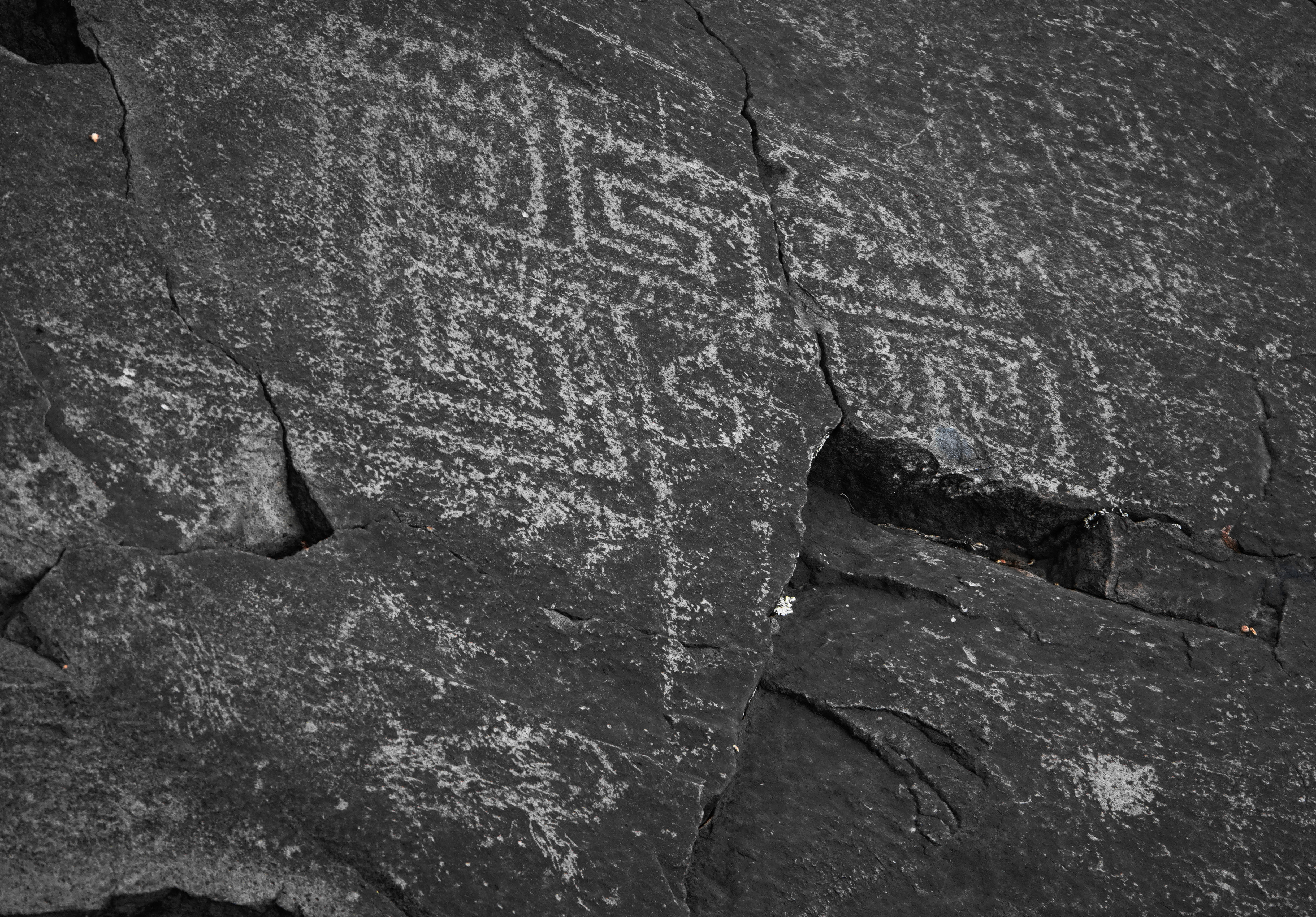
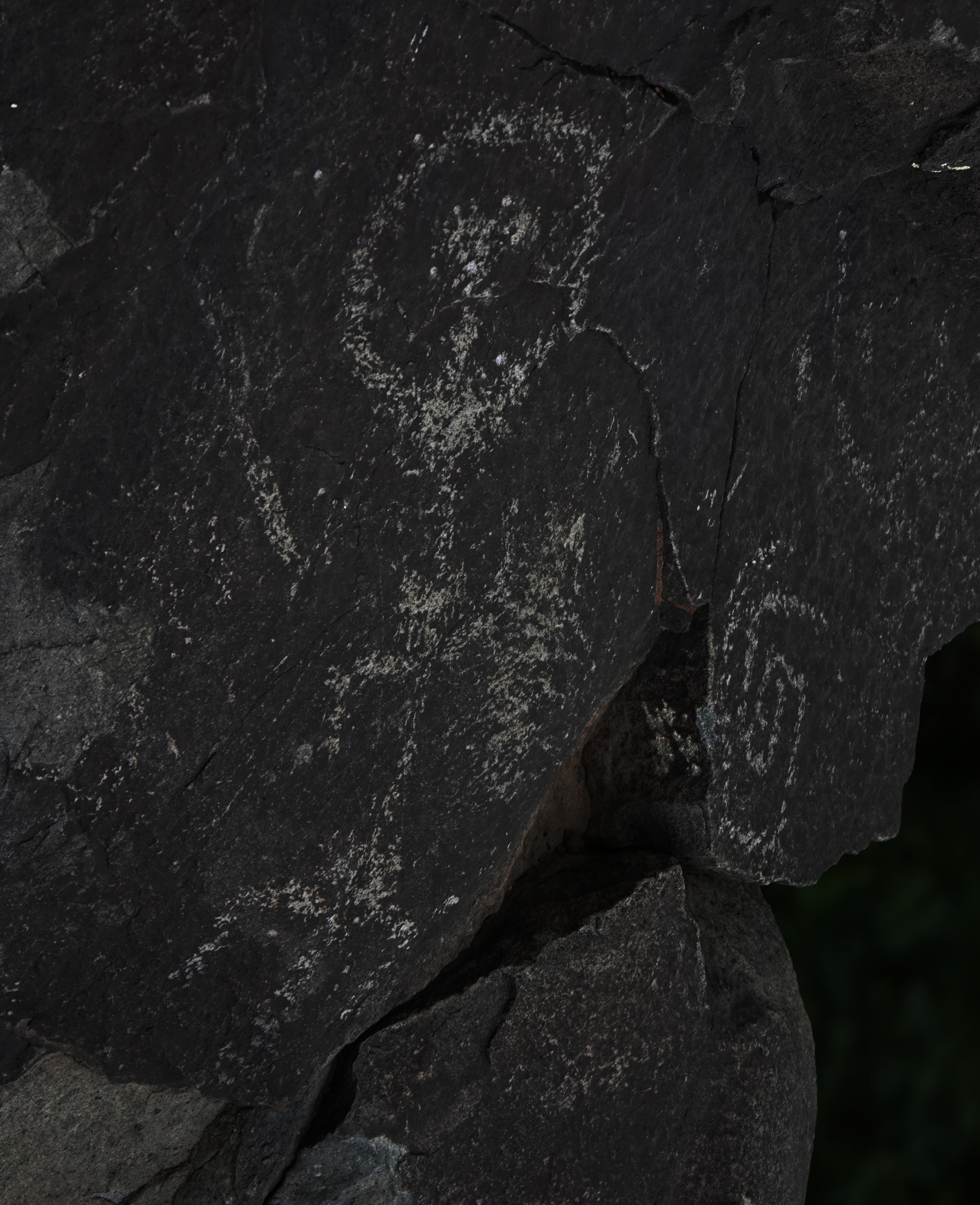
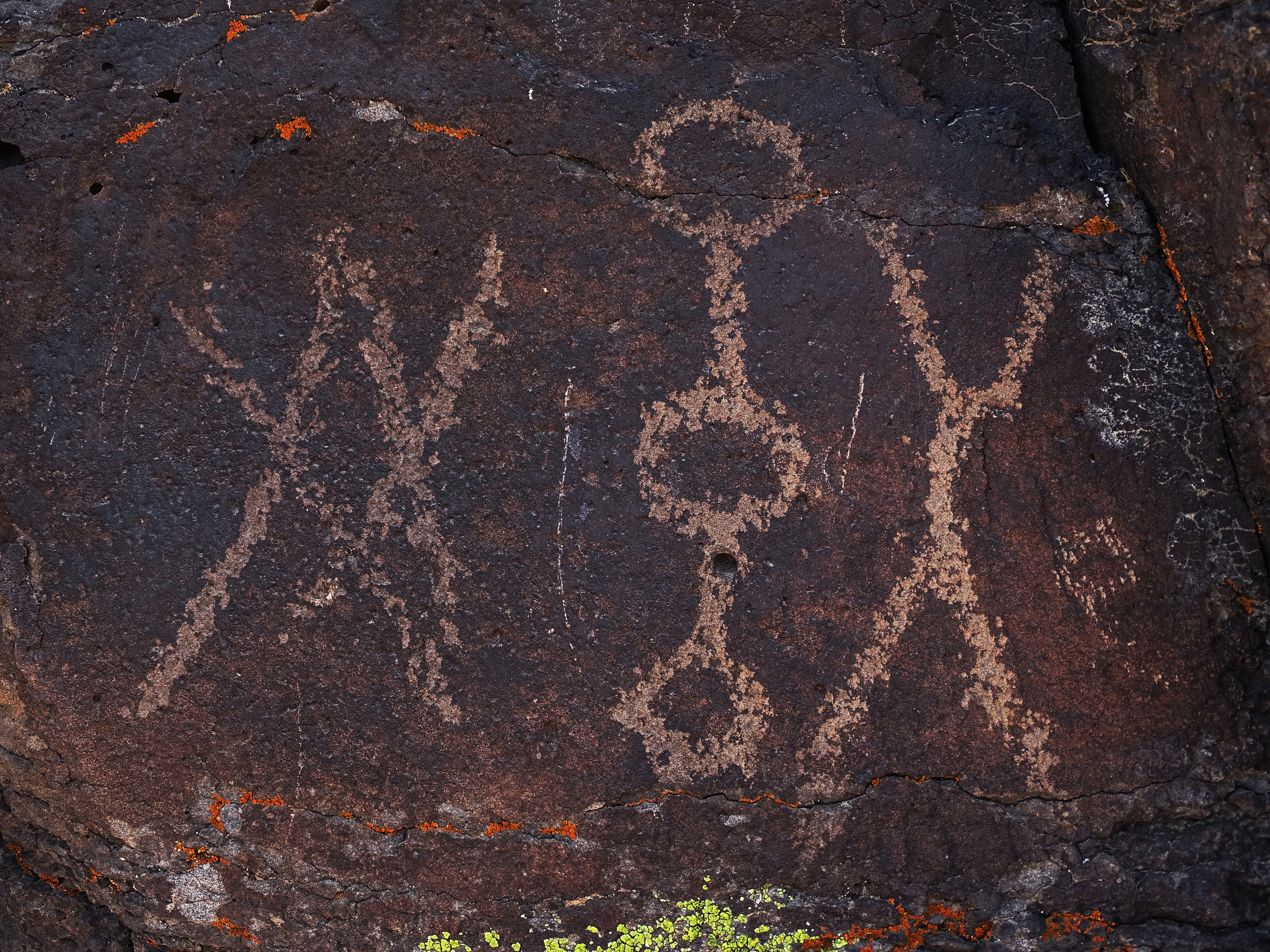
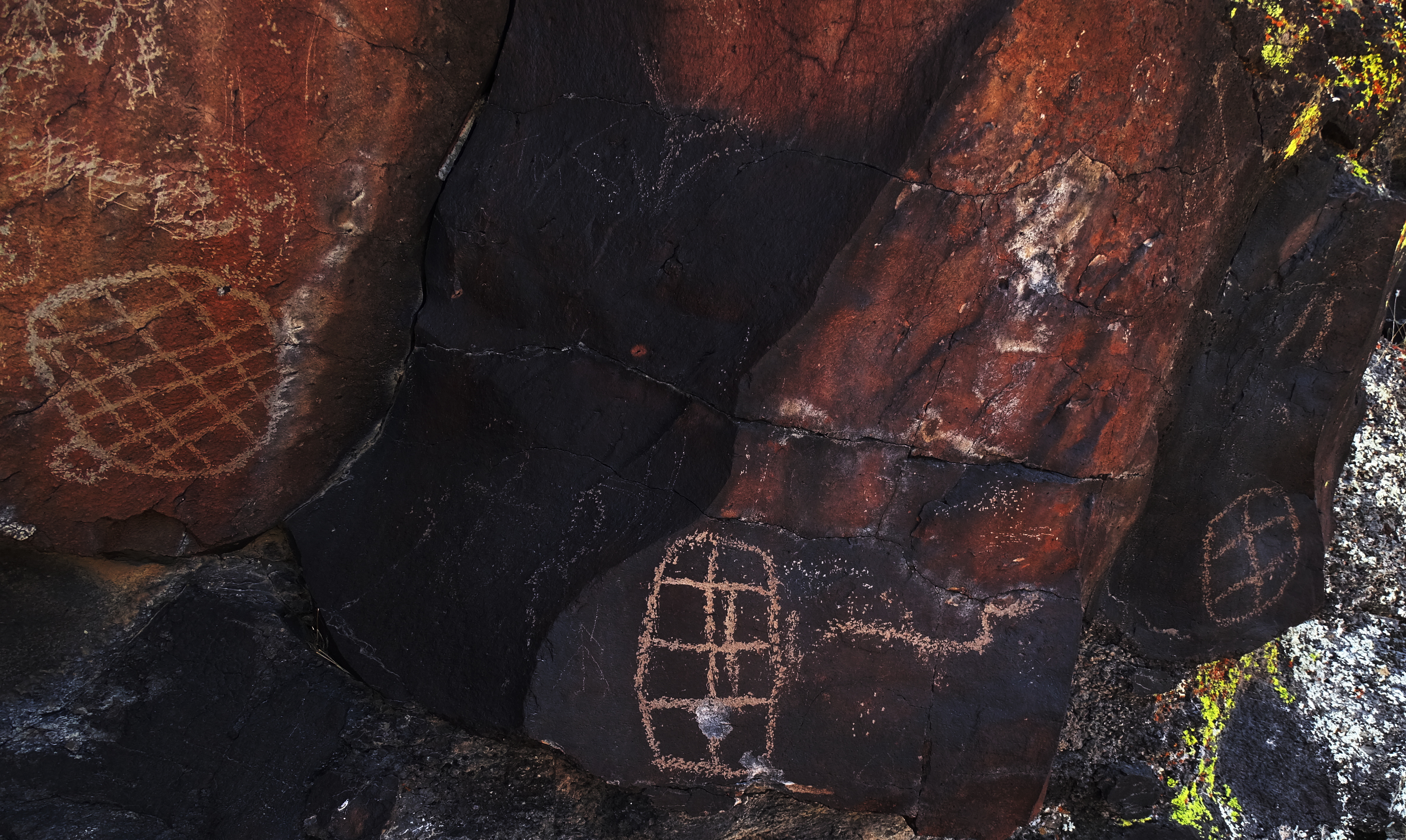
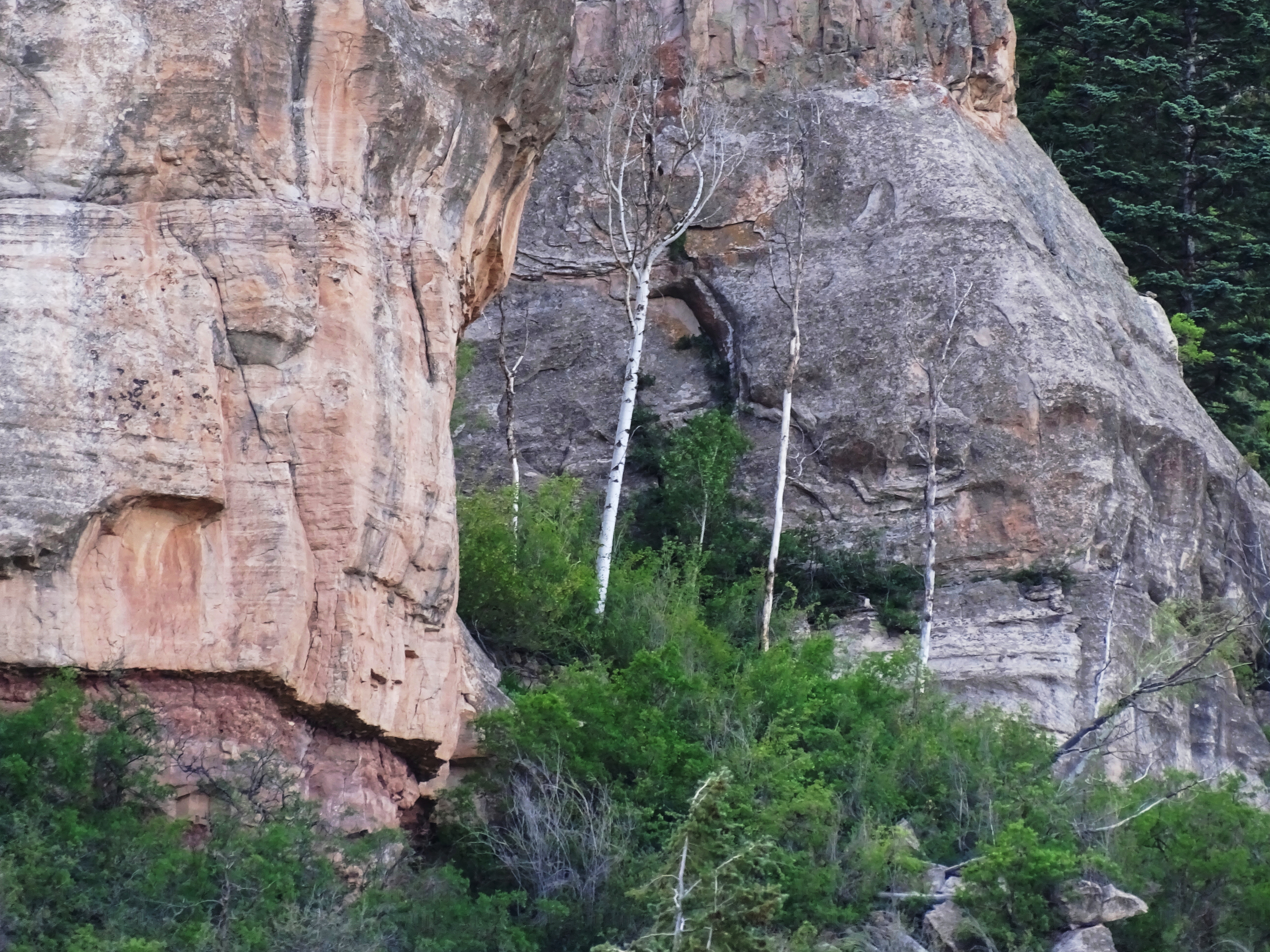
Later rock art depicts animals, rivers, planets and human figures.
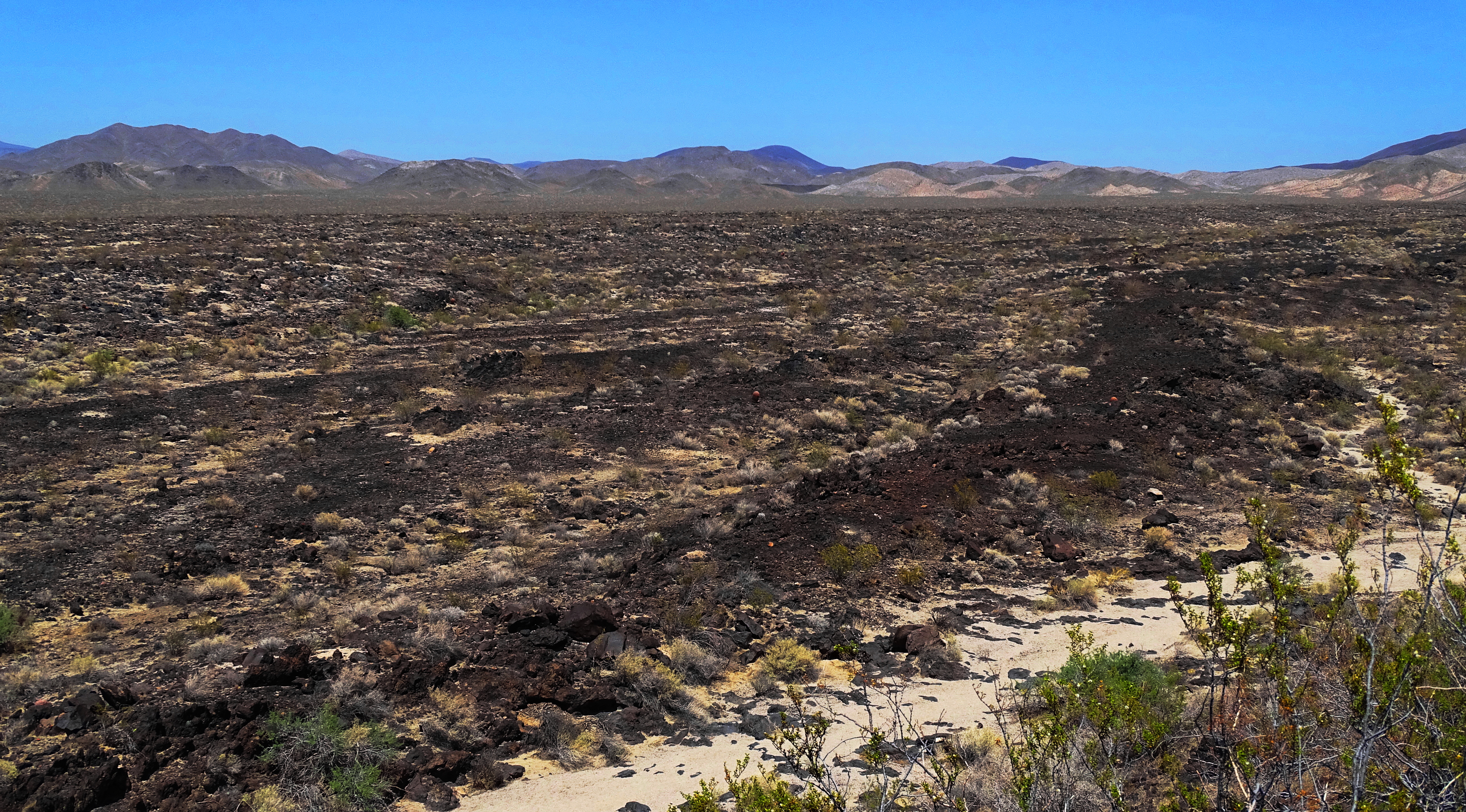
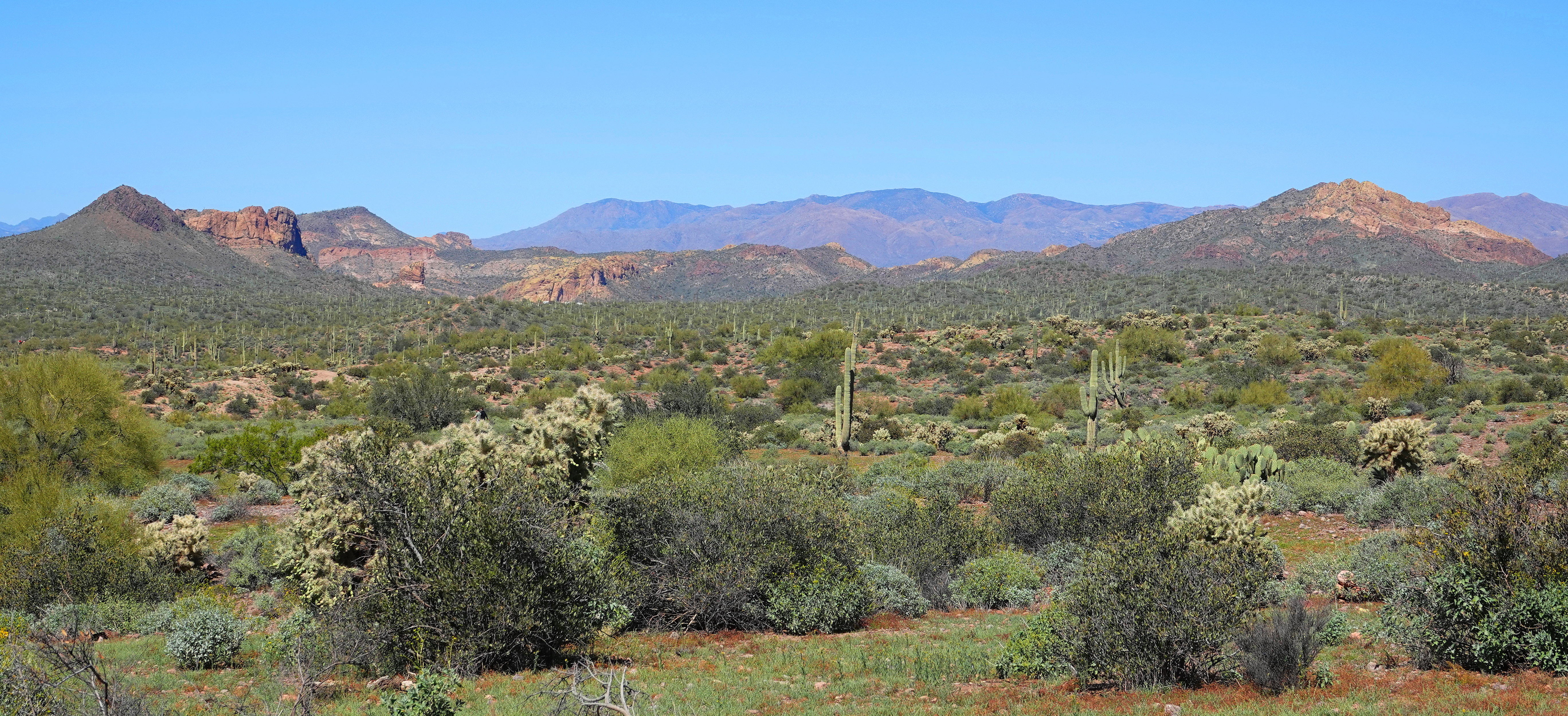
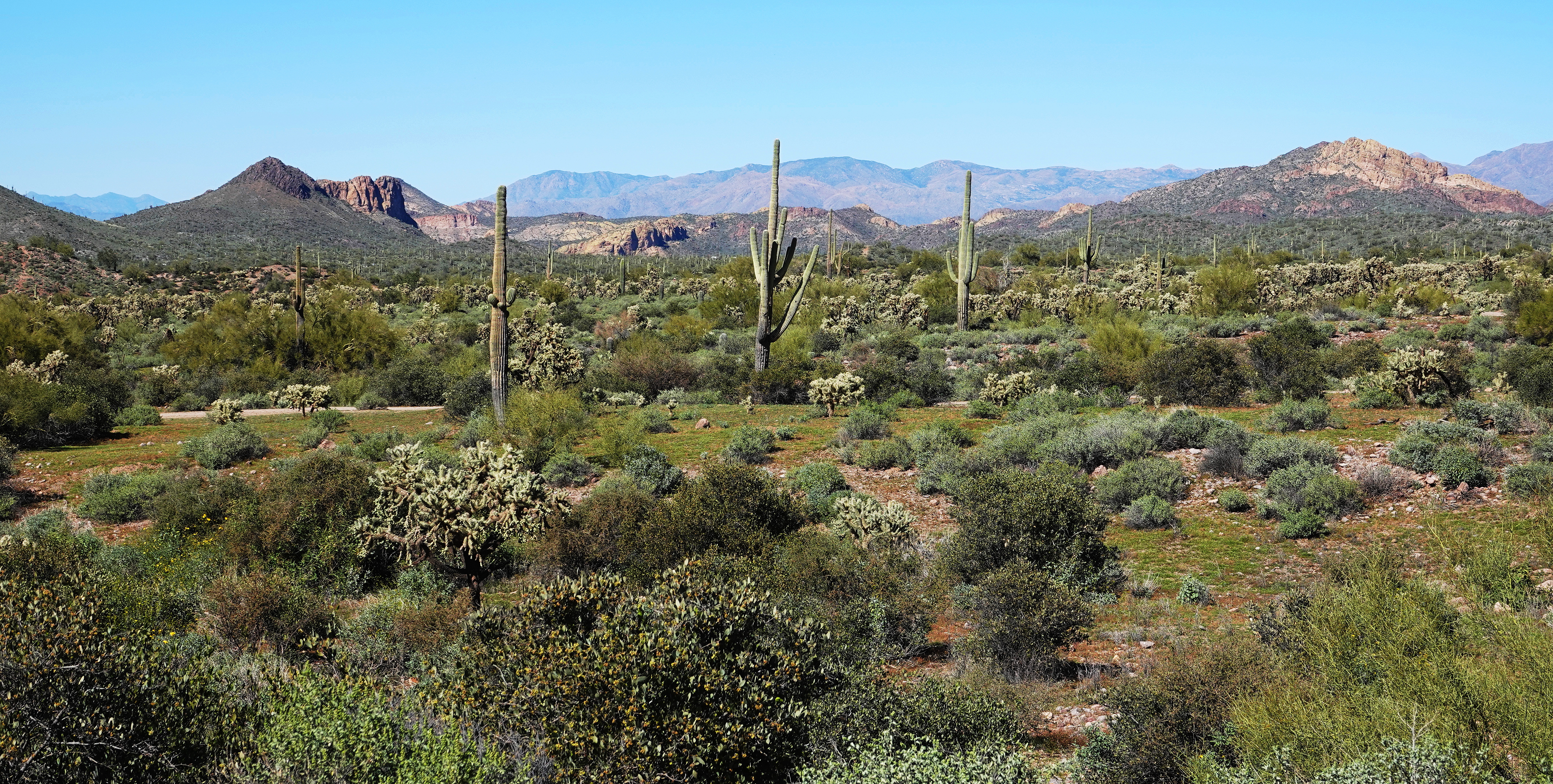
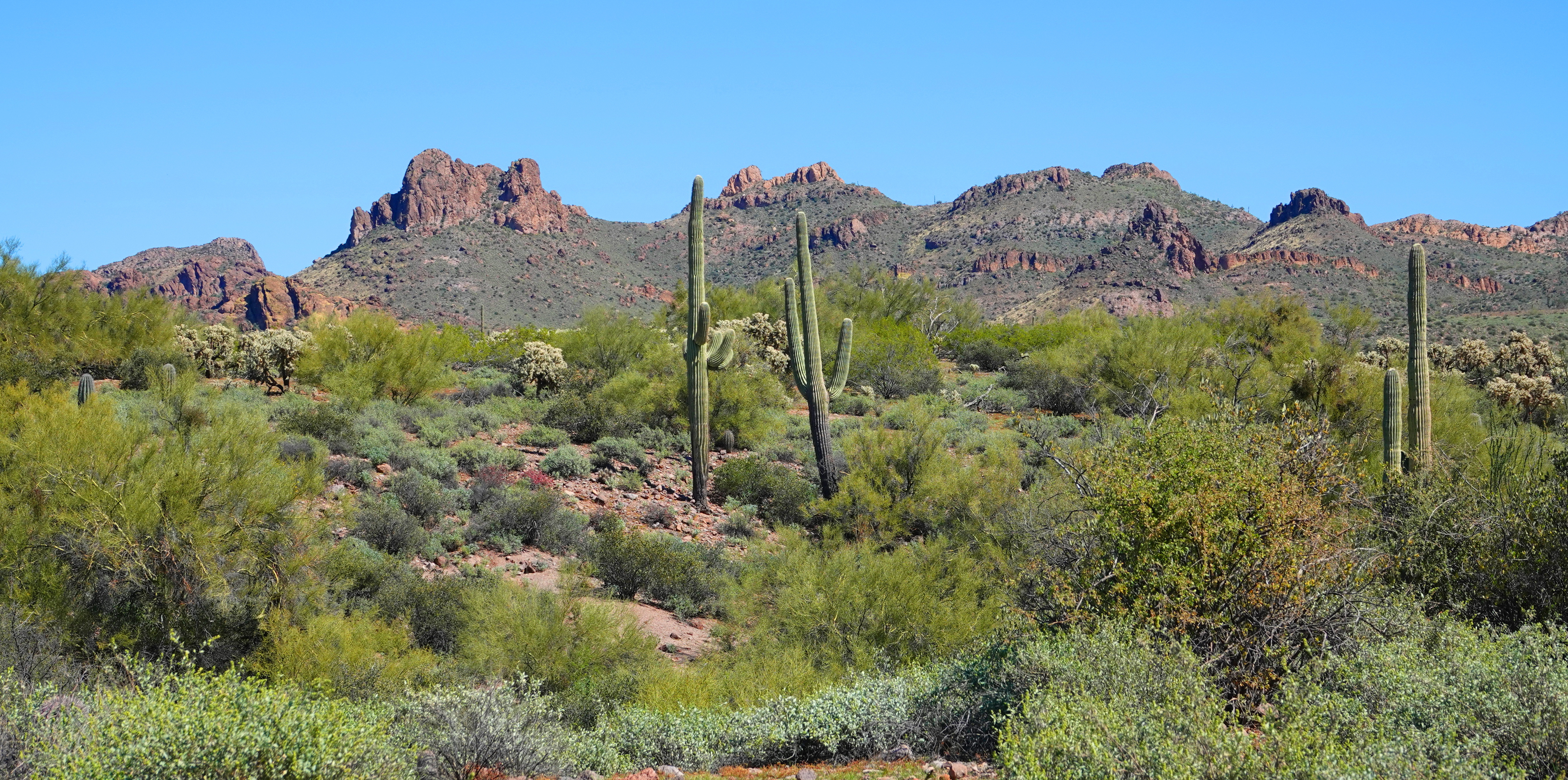
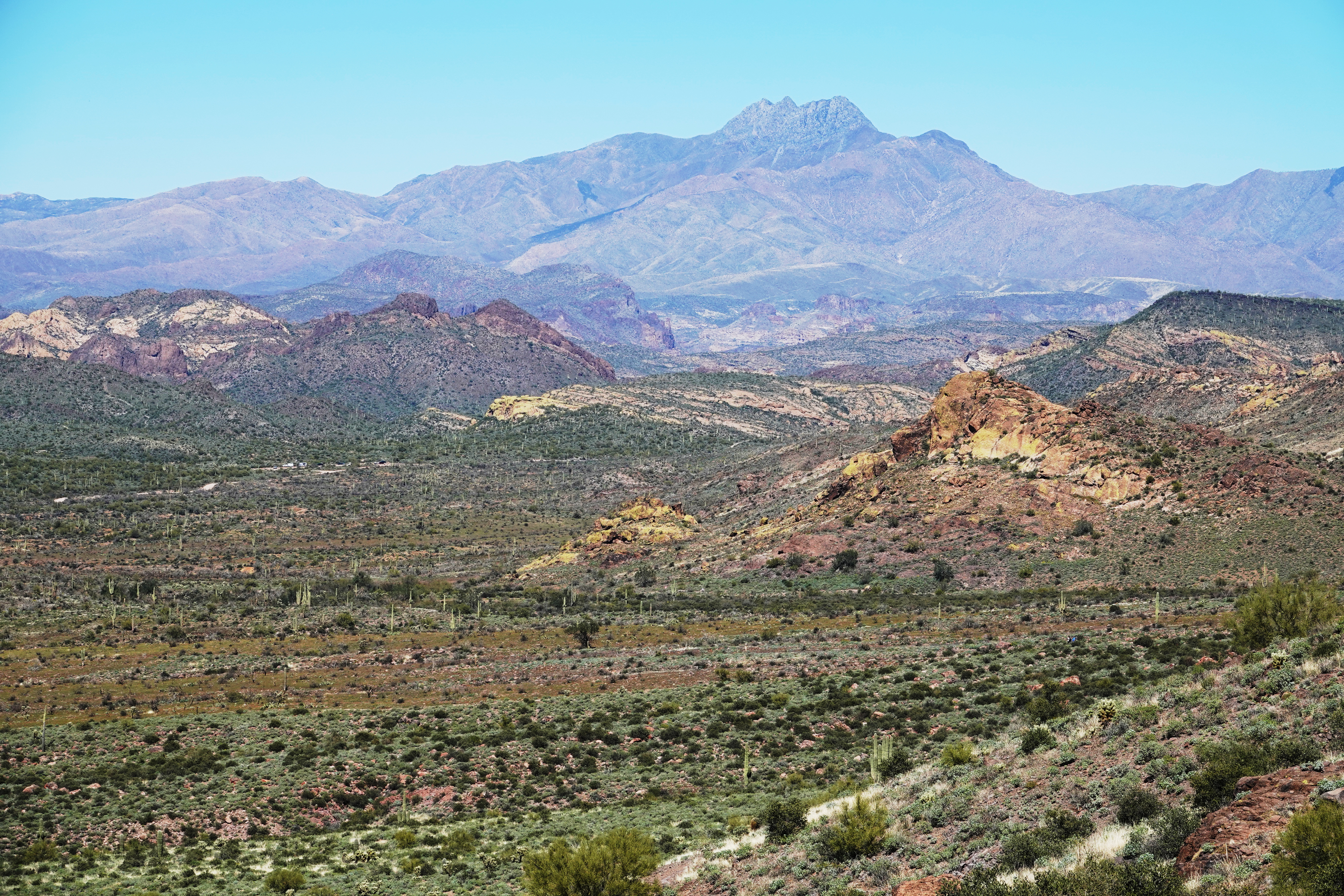
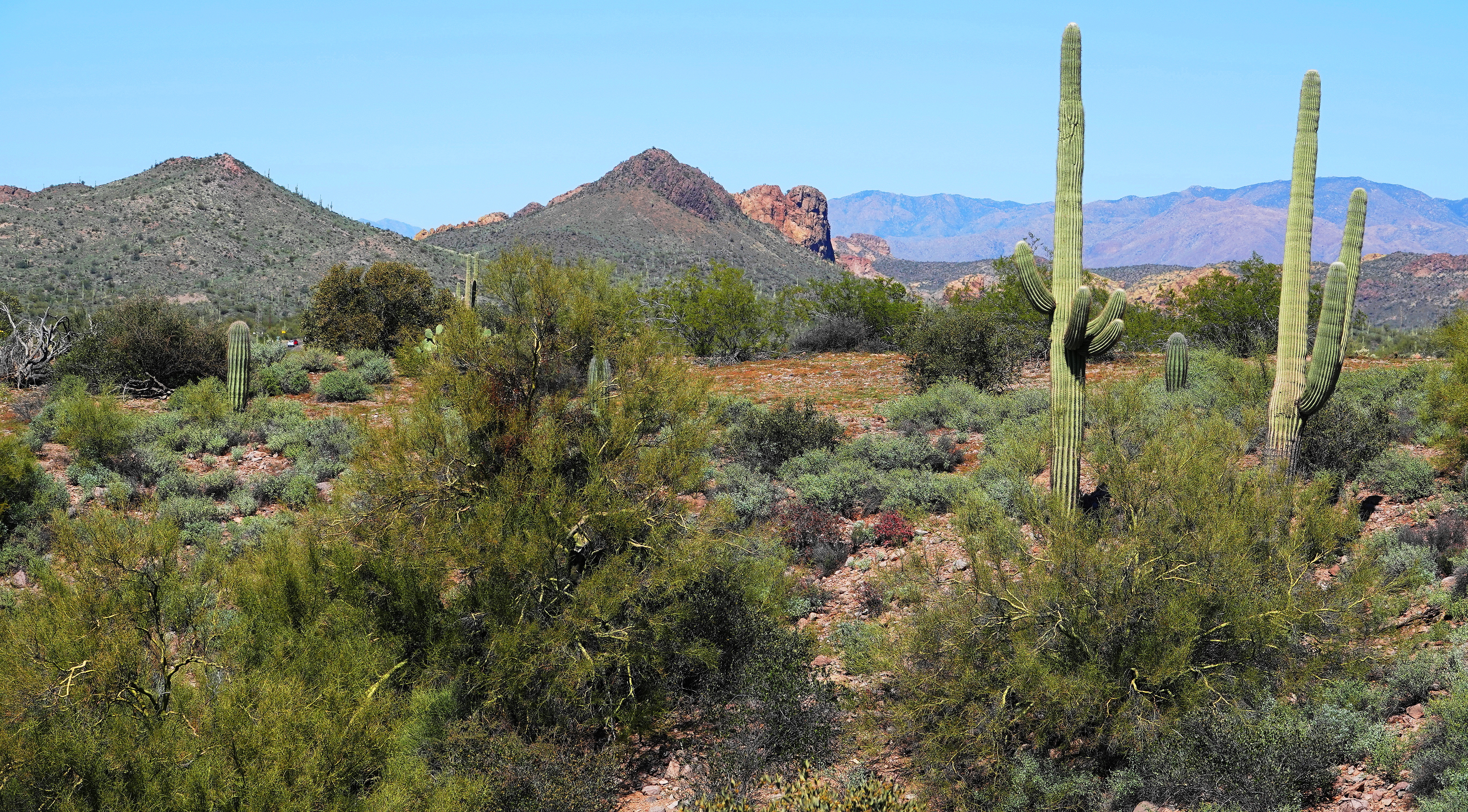
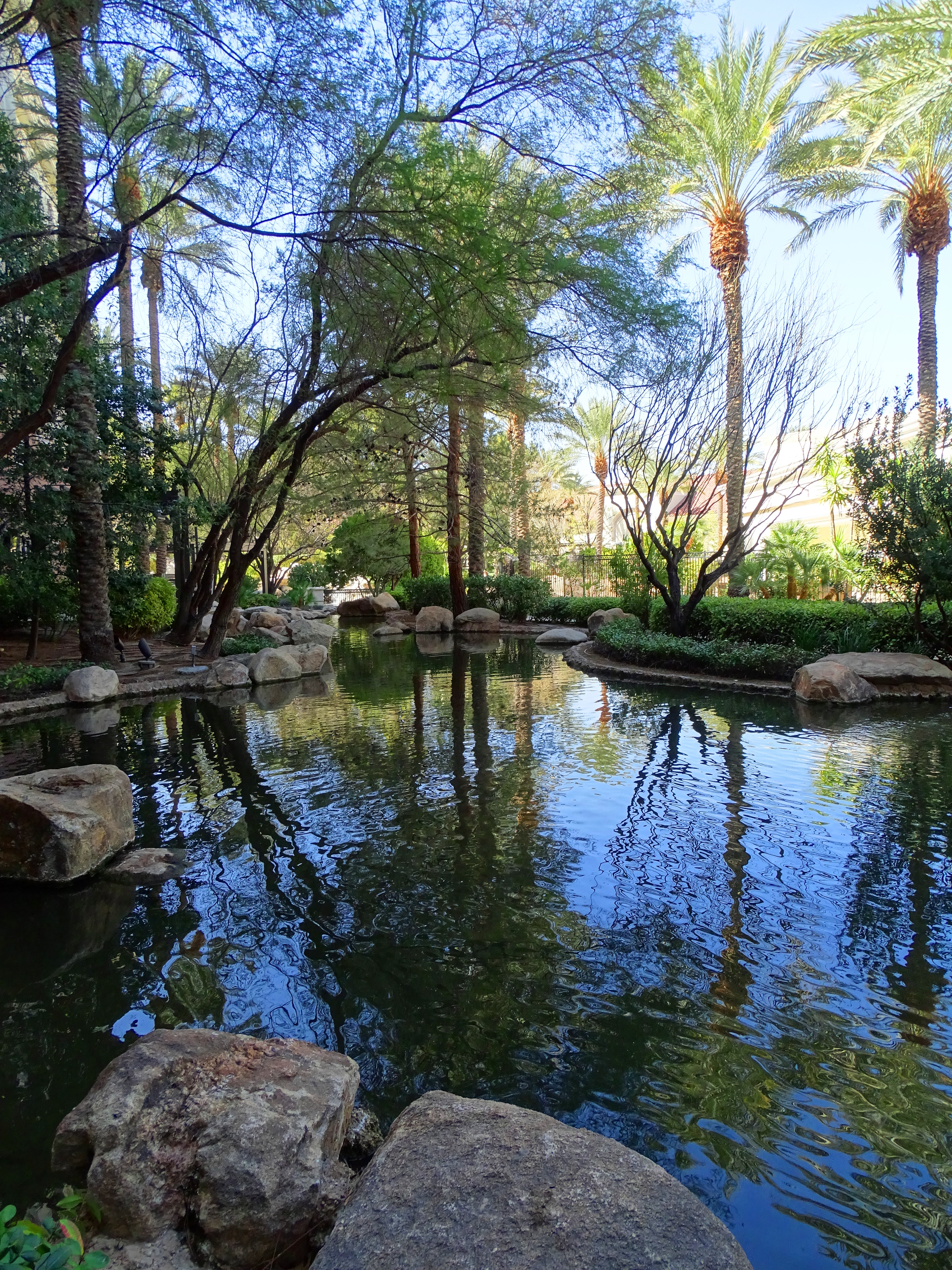
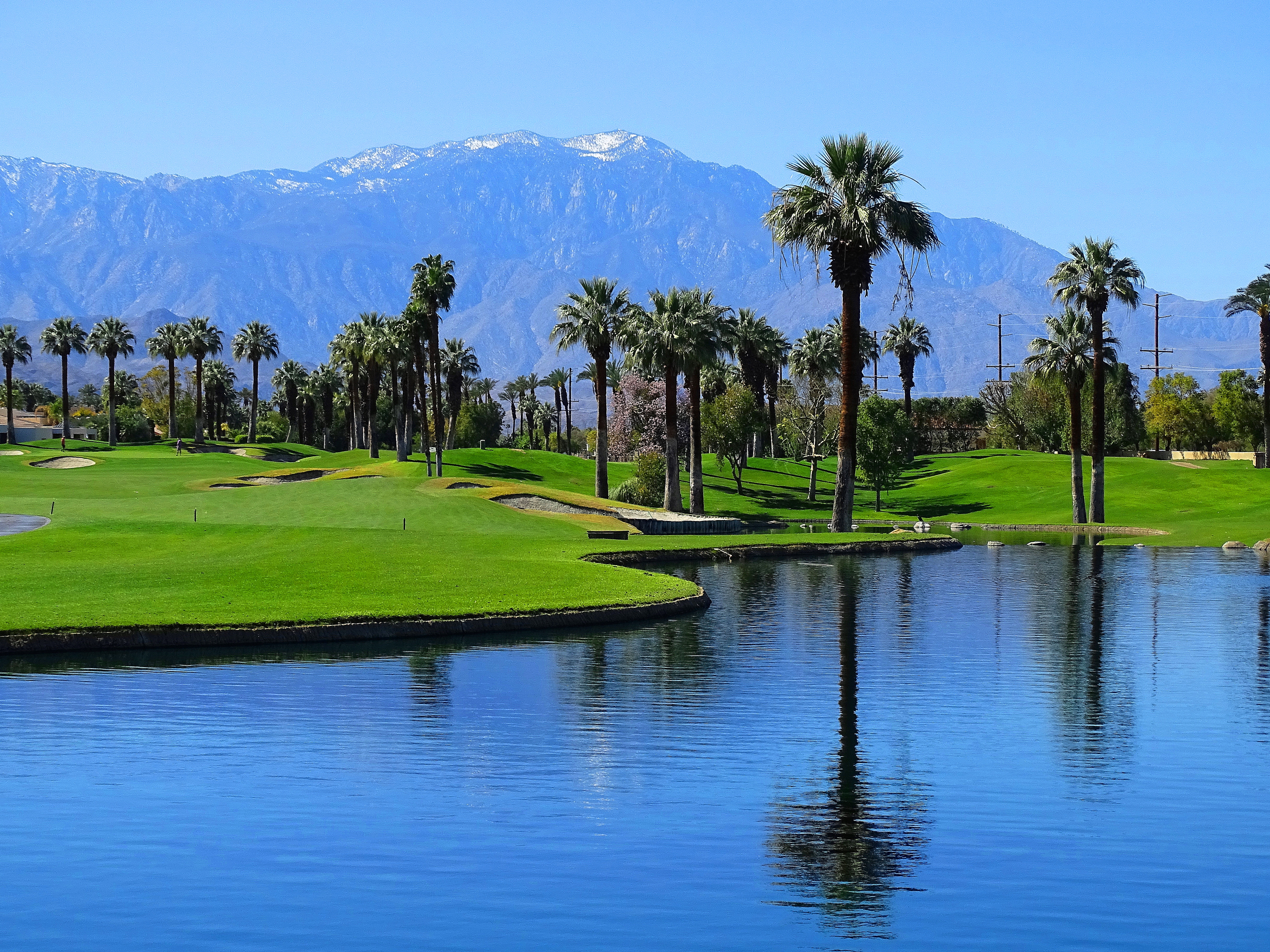
This is The Mojave Desert in the southwestern US,
and it is where Jim and I went hunting for hidden petroglyphs.
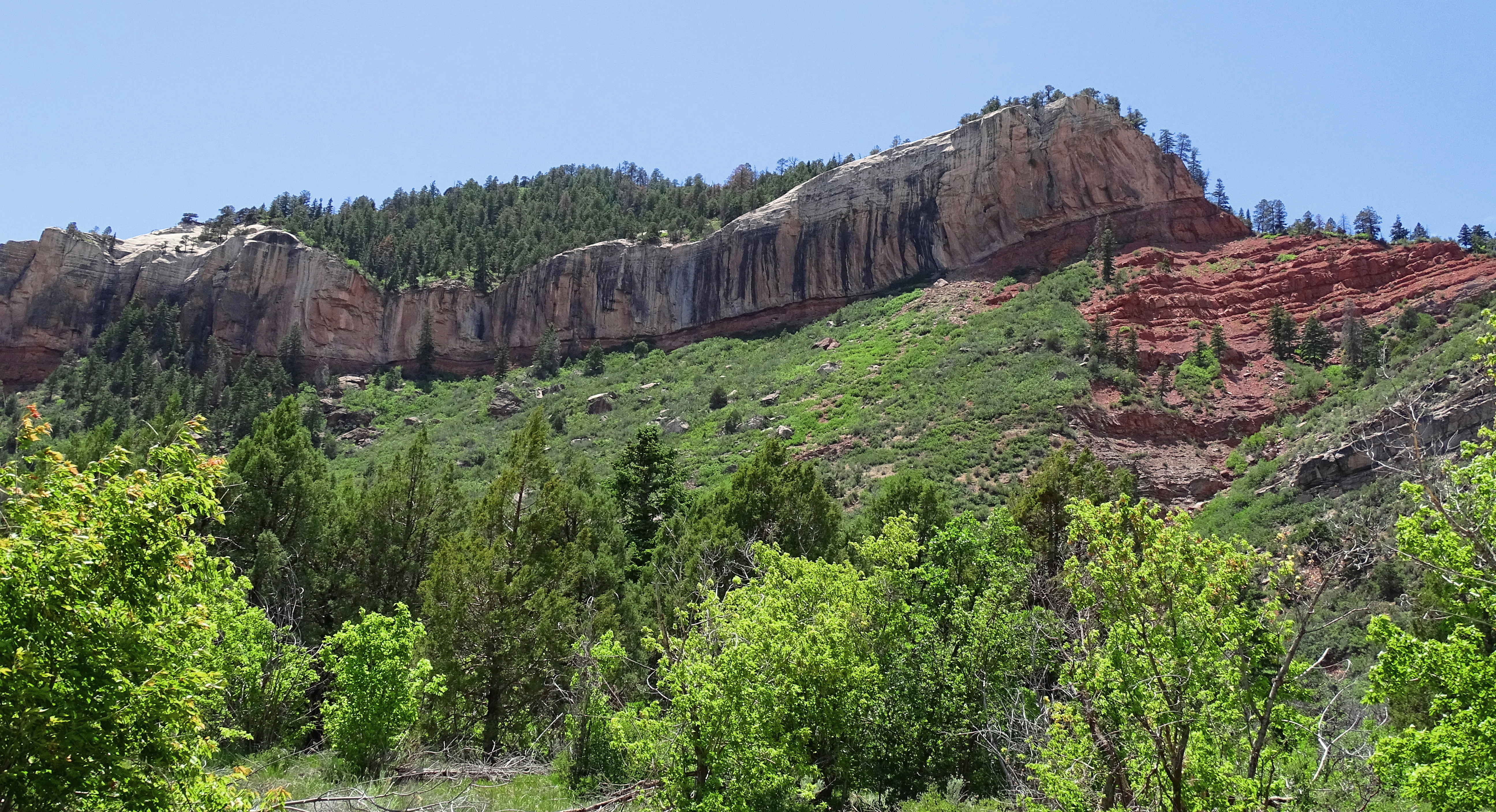
There is historical rock art all over the southwestern United States. Most thought to be 800 to 1000 years old. Much of it hidden and unpublicized. I even found some at The Holler.
Here is the blogger that led us here. I have no idea who he is, but, as we all know, bloggers are precious resources:
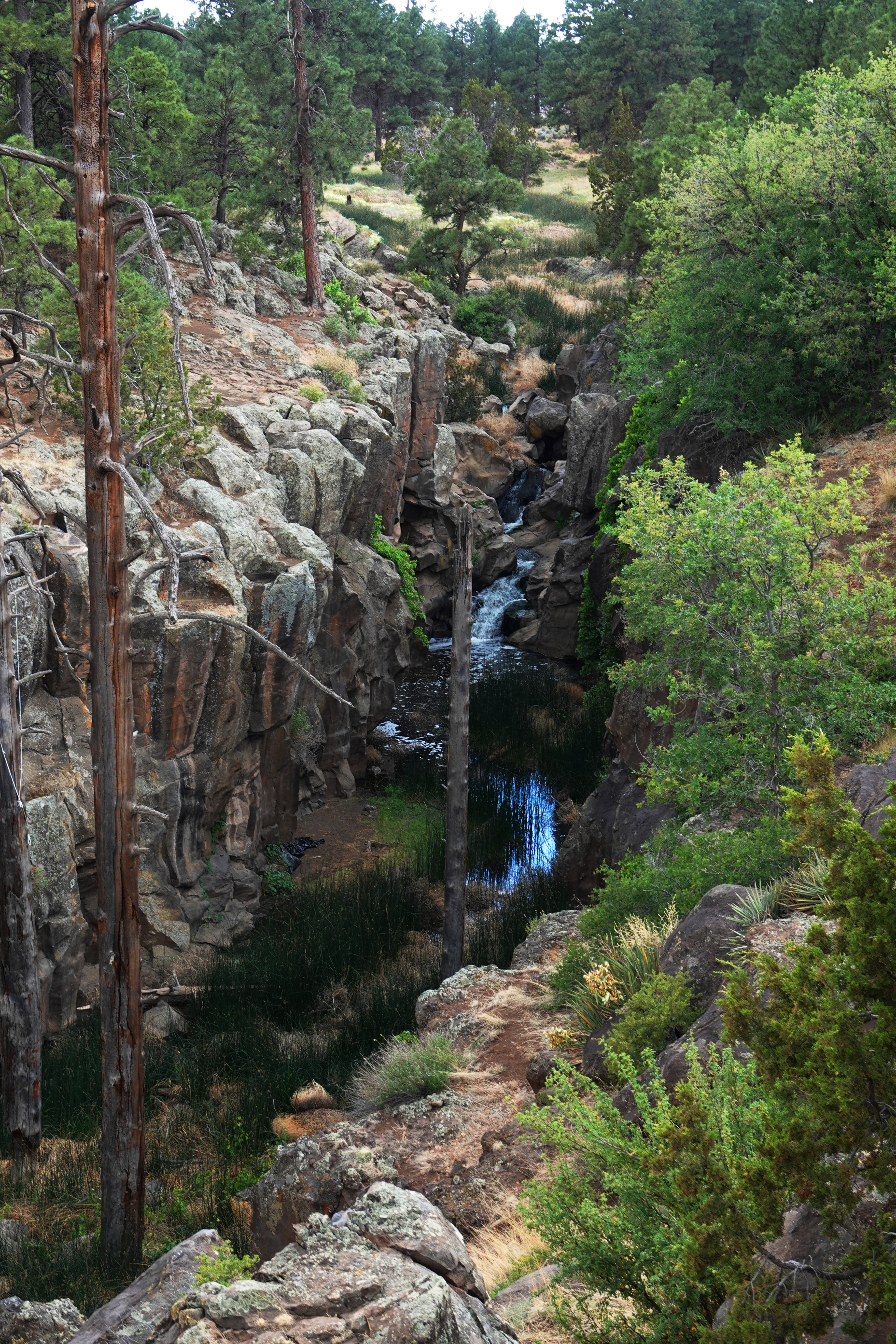
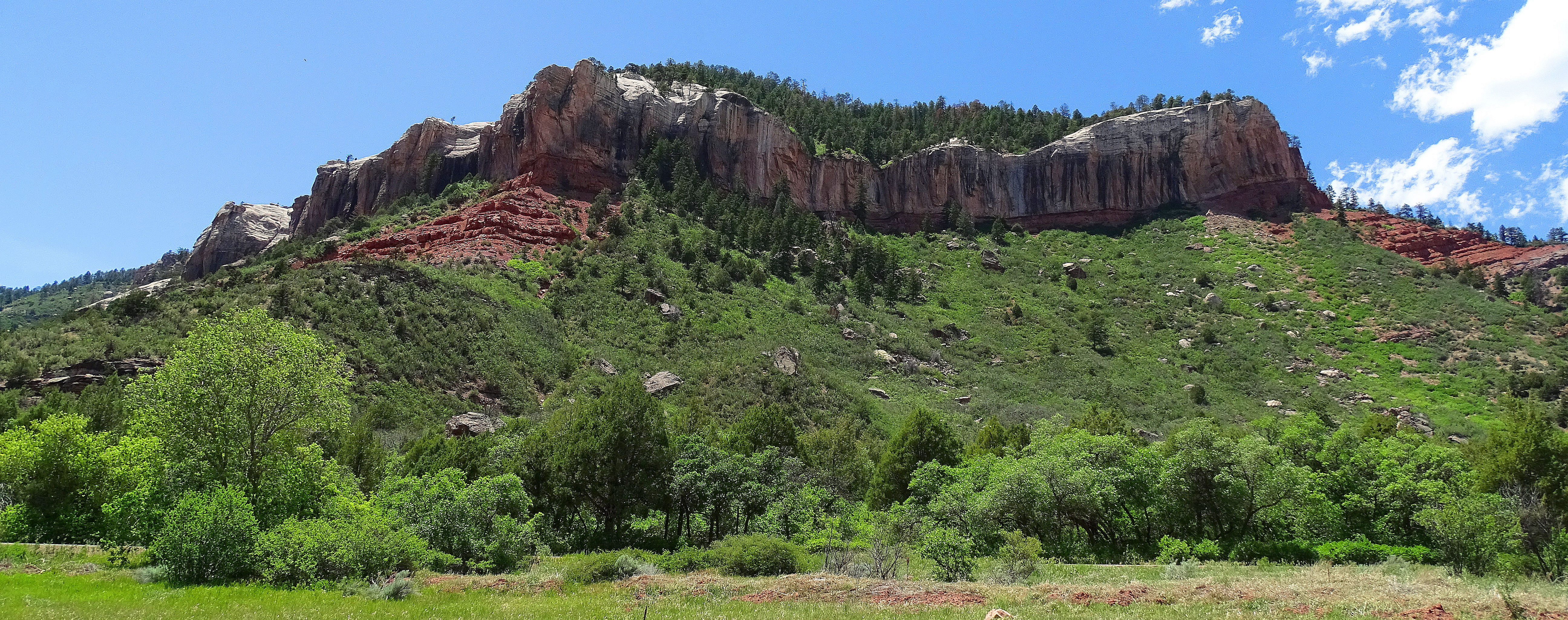
Falls Creek, in southwest Colorado, is one of the most important ancient sites in the southwest. It was once a village and had burial sites.
It contained mummified remains of individuals, and has antiquities from the ancestral pueblo basket maker period from 1500-2000 years ago.
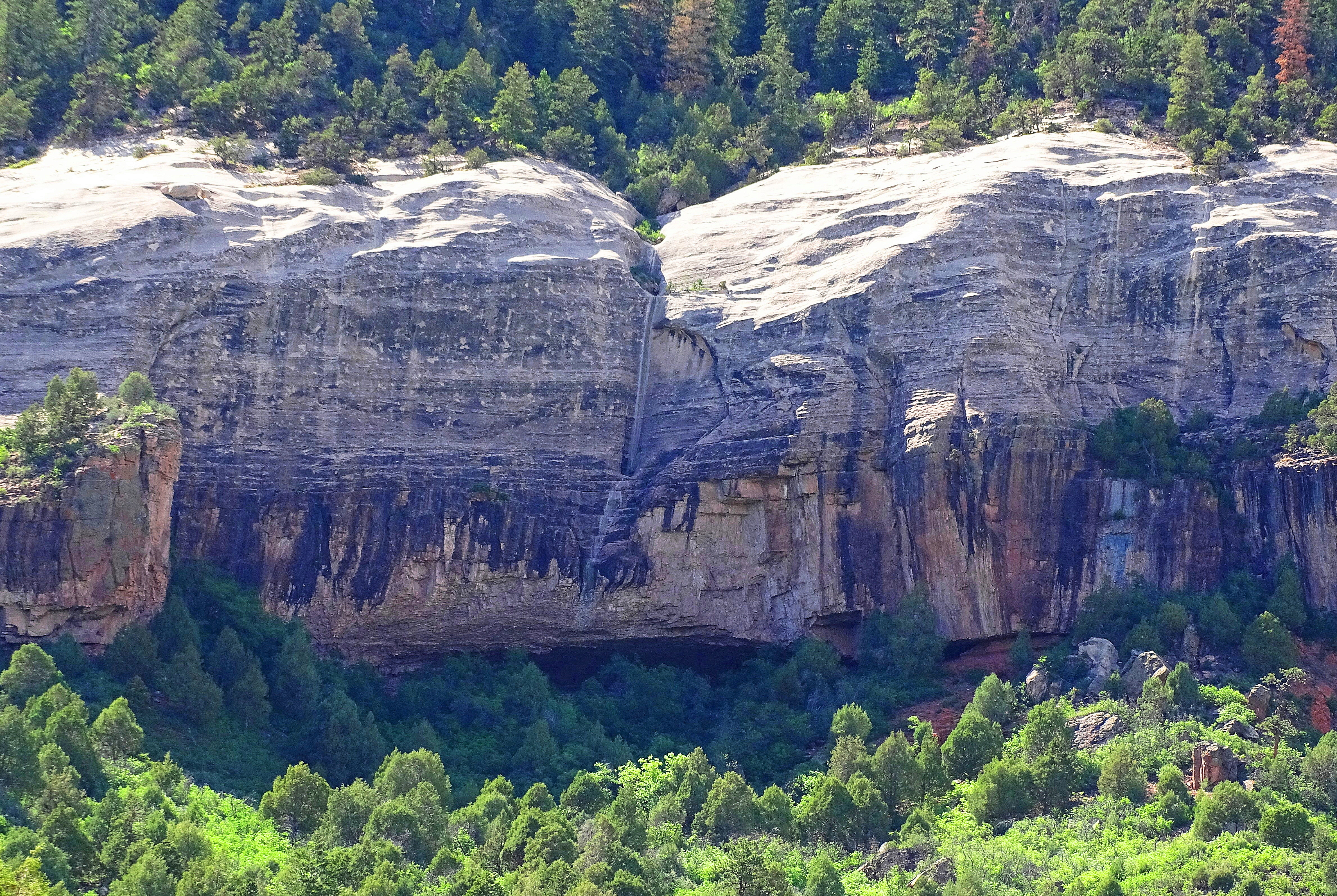
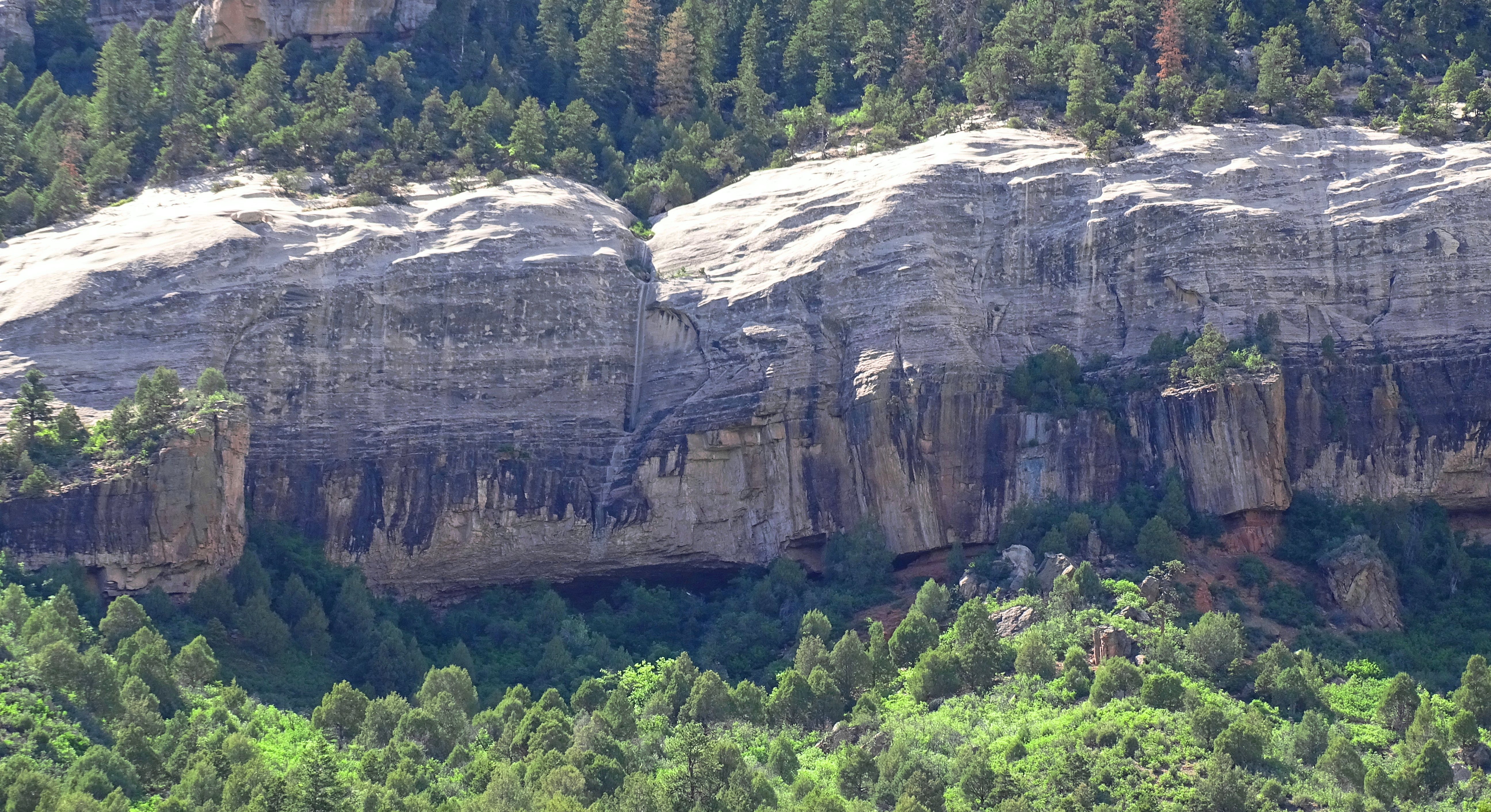
Look carefully to the right, below the waterfall and under the overhang (tap to enlarge).
You can see more here.
This sacred site was heavily plundered in the 1930’s and it is now protected, with no public access. It is under the protection of the tribal nations who are descendants of the original occupants.
I am not an archeologist. I am a psychotherapist by training. It is hard to get information on the place and it is difficult to find. Still my husband and I were curious to see what we could, without trespassing or violating the site. This is as close as we could ethically get, and these are full zoom shots. Our interest was piqued by the objects in the lower right quadrant under the overhang (enlarge to see better).
For more on this fascinating place check out the following two links:
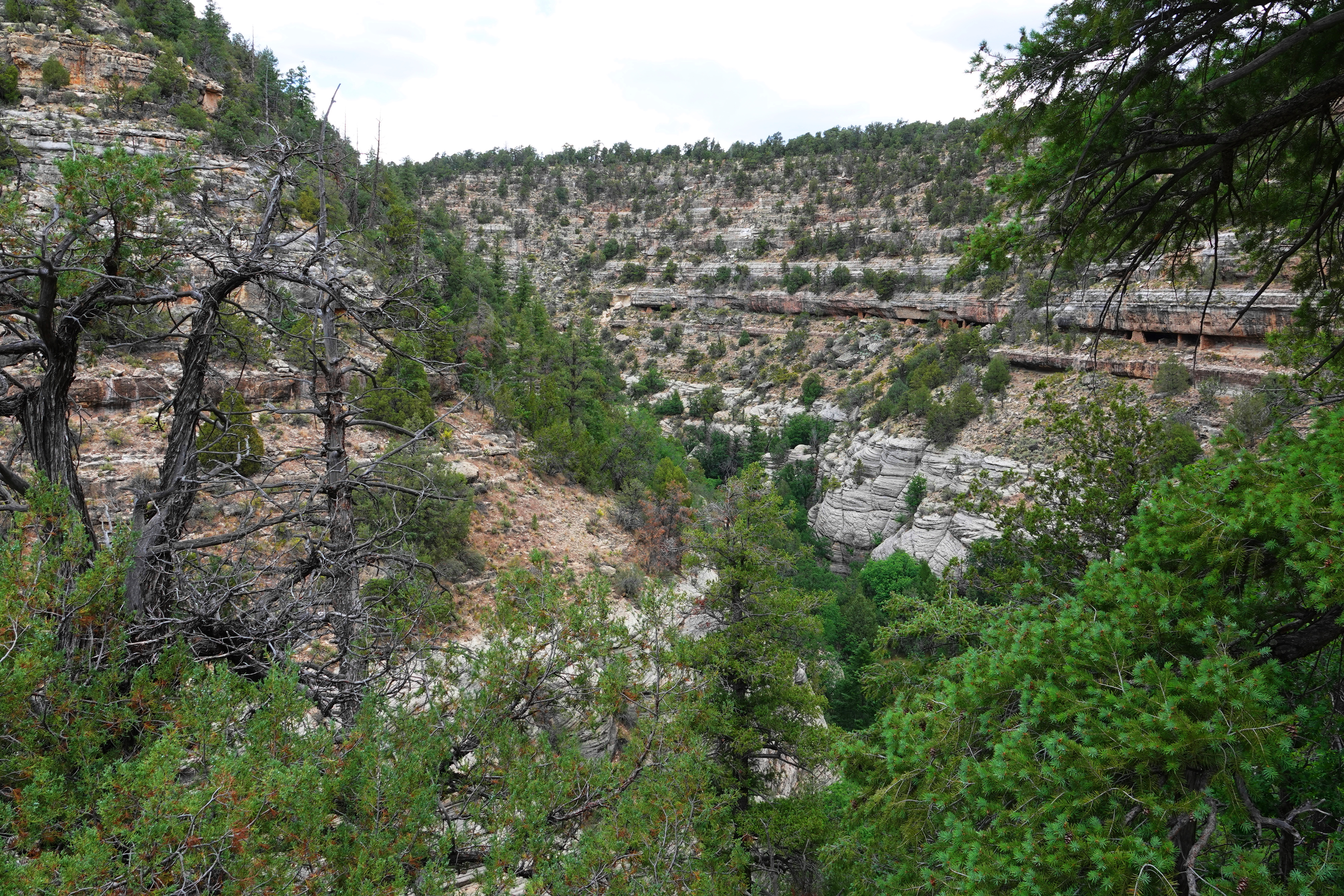
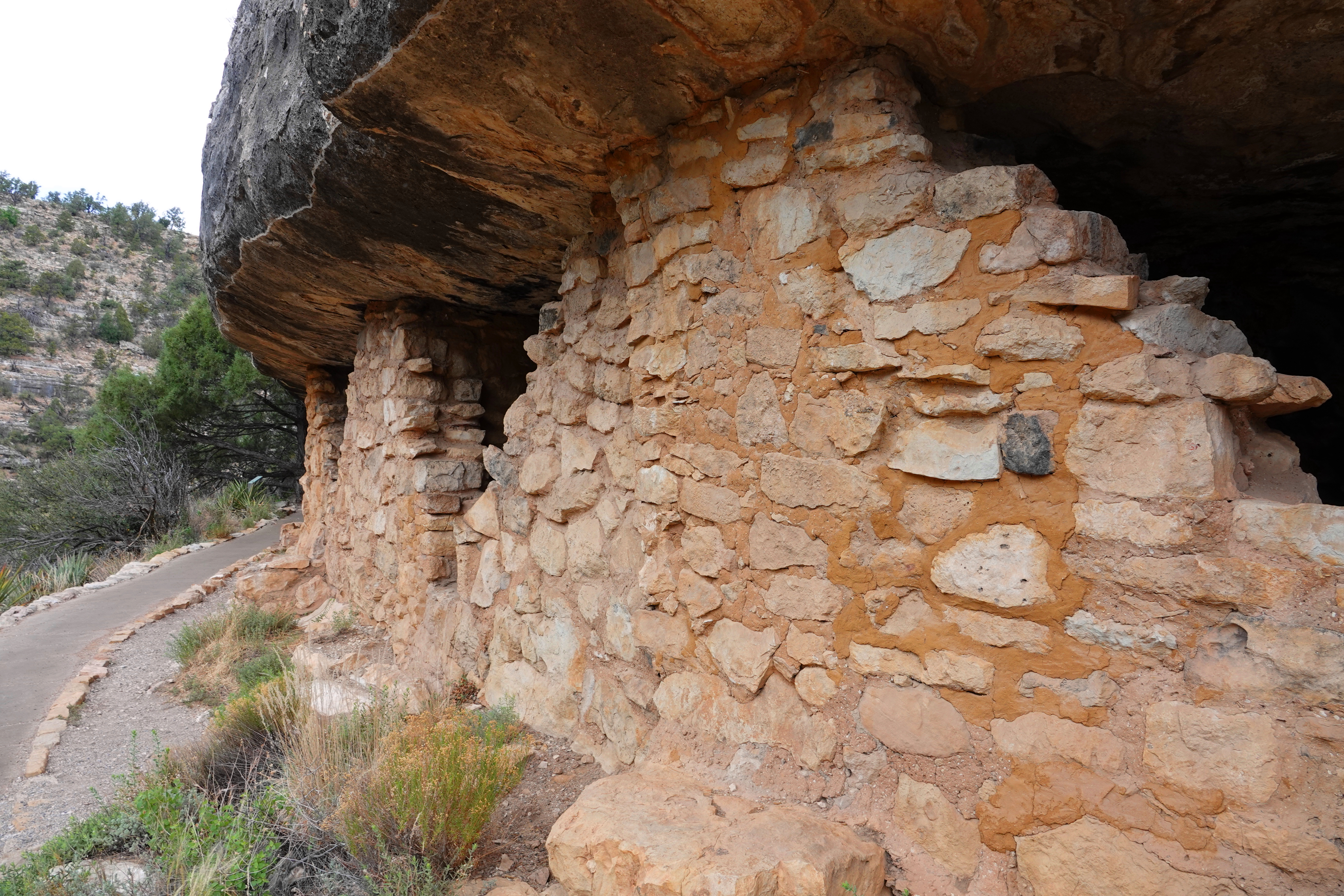
Southeast of Flagstaff Arizona (click to enlarge and spot the cliff dwellings hidden in the rock face),
on a plateau,
is a six hundred foot deep canyon,
carved by Walnut Creek, a stream that flows east into The Grand Canyon.
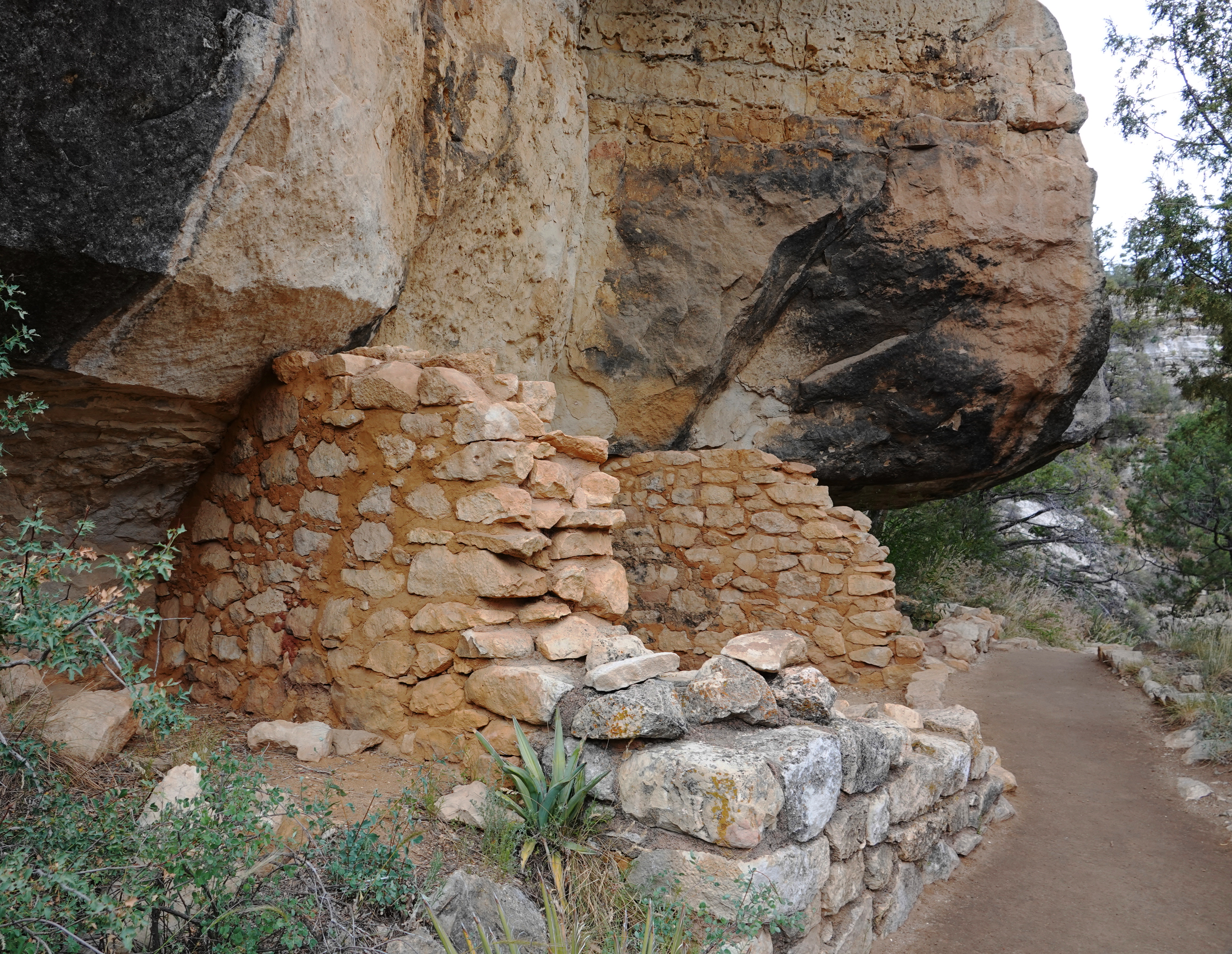
Walnut canyon has been occupied by people for thousands of years.
The first permanent residents,
who occupied the region from CE 600- 1400,
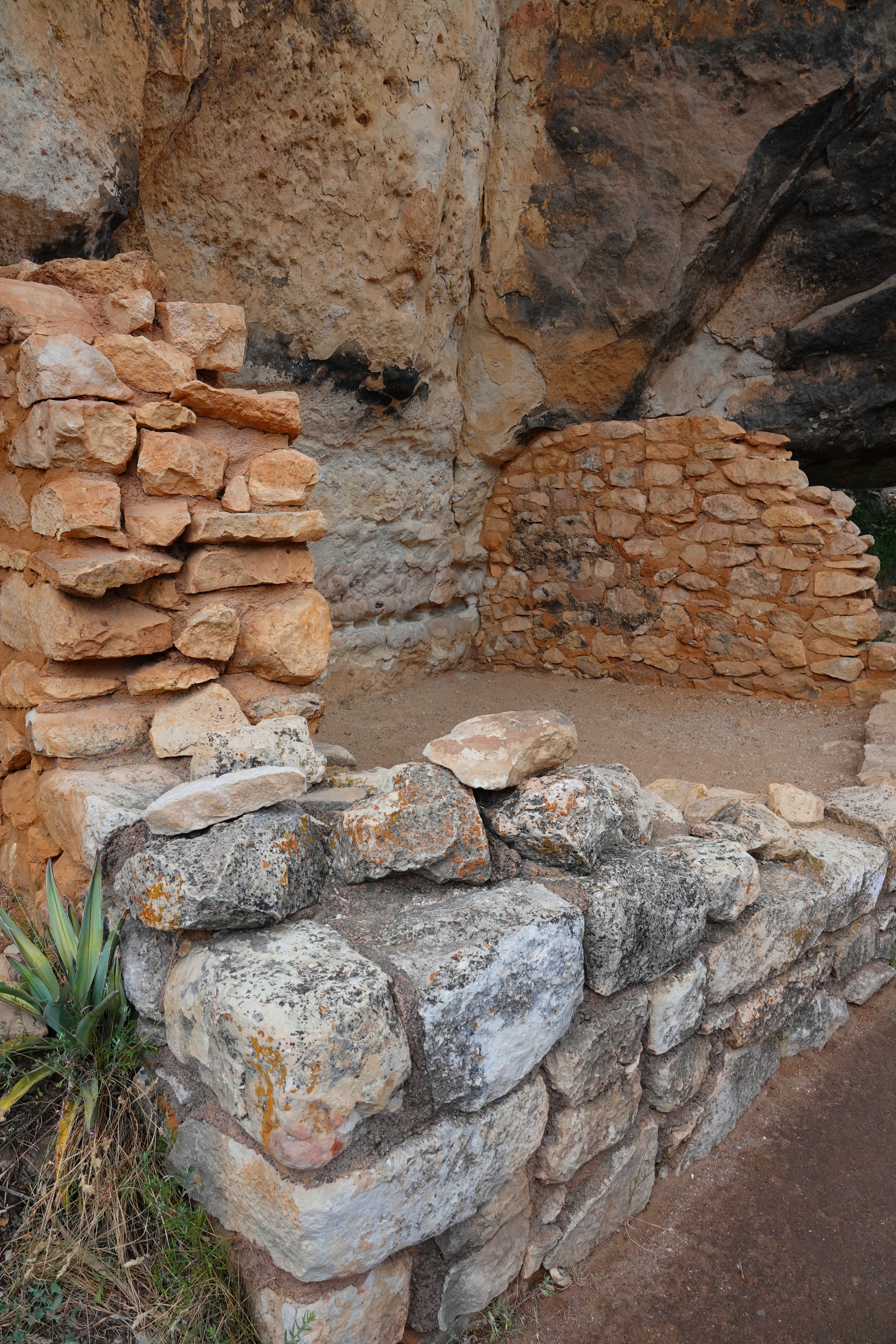
left approximately 800 remaining structures.
We visited here as part of an exploration of lesser visited, and even unpublicized cultural sites in the American Southwest. In the next few posts I will show you some of what we have found. But our explorations are still ongoing. It becomes quite addictive finding sites that aren’t widely known. We even found some at The Holler.
The Holler spring bloom is on, and I am home to photograph it for a change, so I am going to post a series on Holler spring flowers, starting with these beauties. The Cup of Gold flowering vine grows prolifically, and the blooms are humongous, about eight inches in diameter.
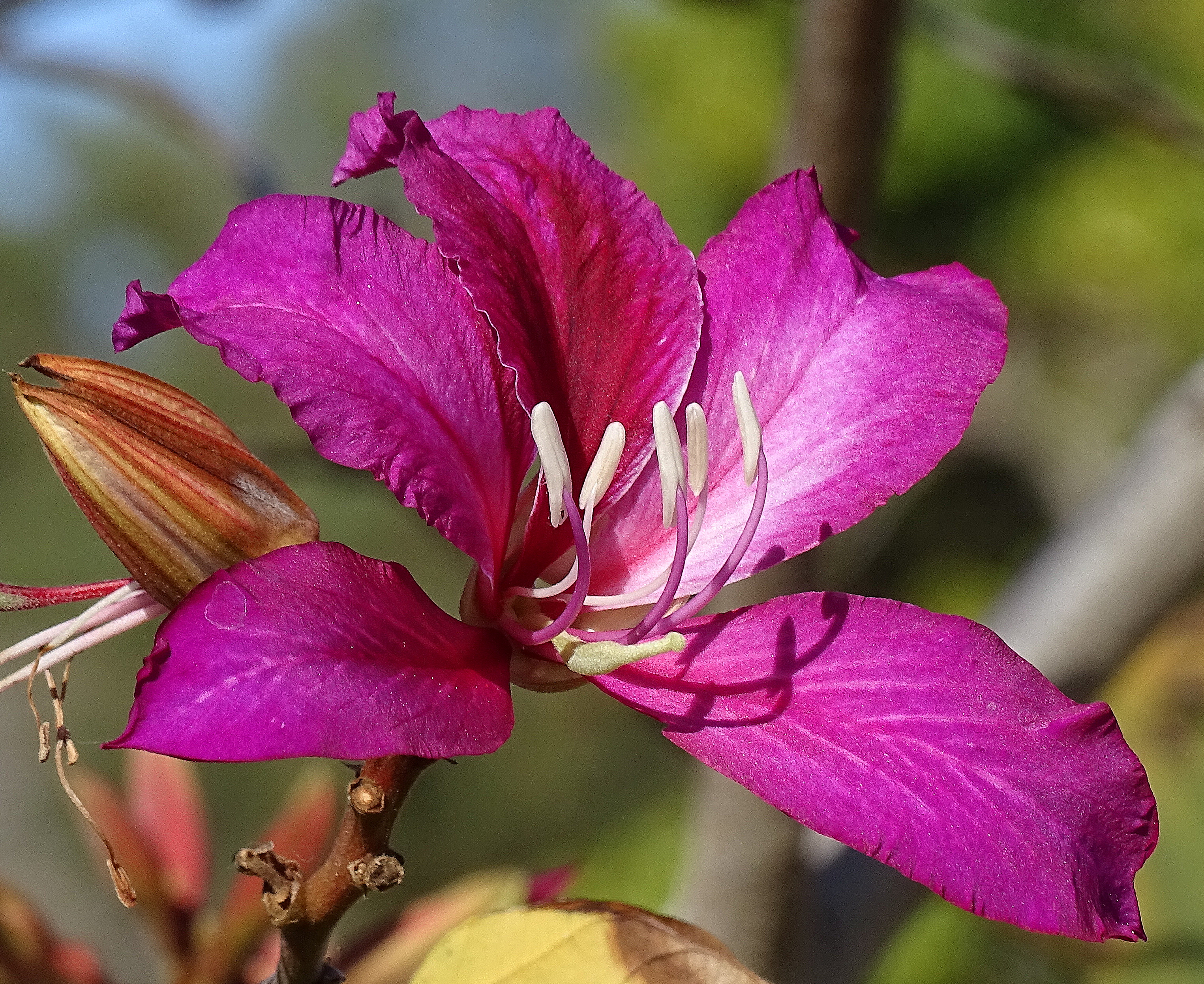
Hong Kong Orchid Trees have stunning blossoms that blanket the trees in spring.
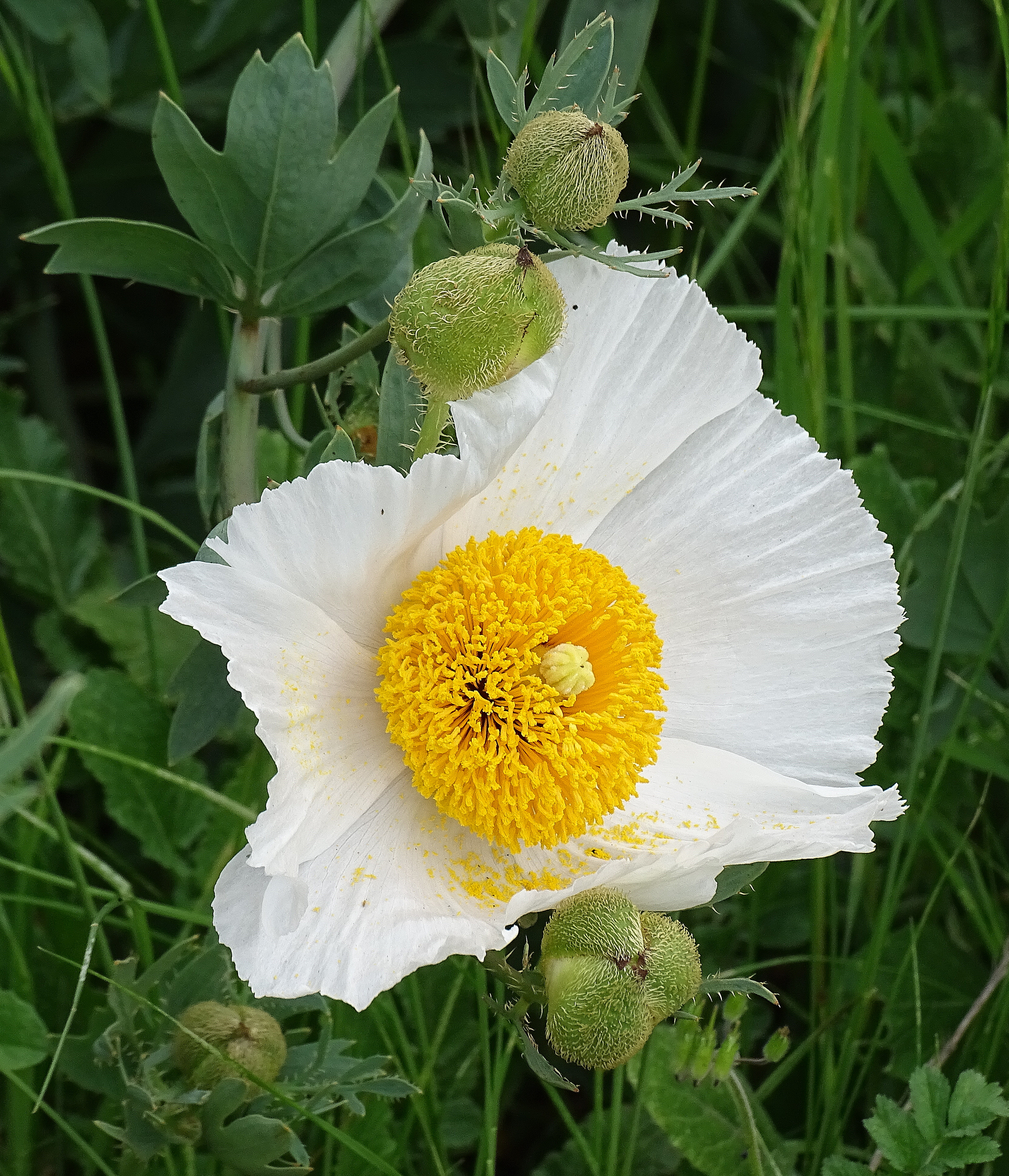
Matilija Poppies are one of my favorite flowers and are Southern California natives, with huge fried-egg blossoms, about eight inches in diameter.
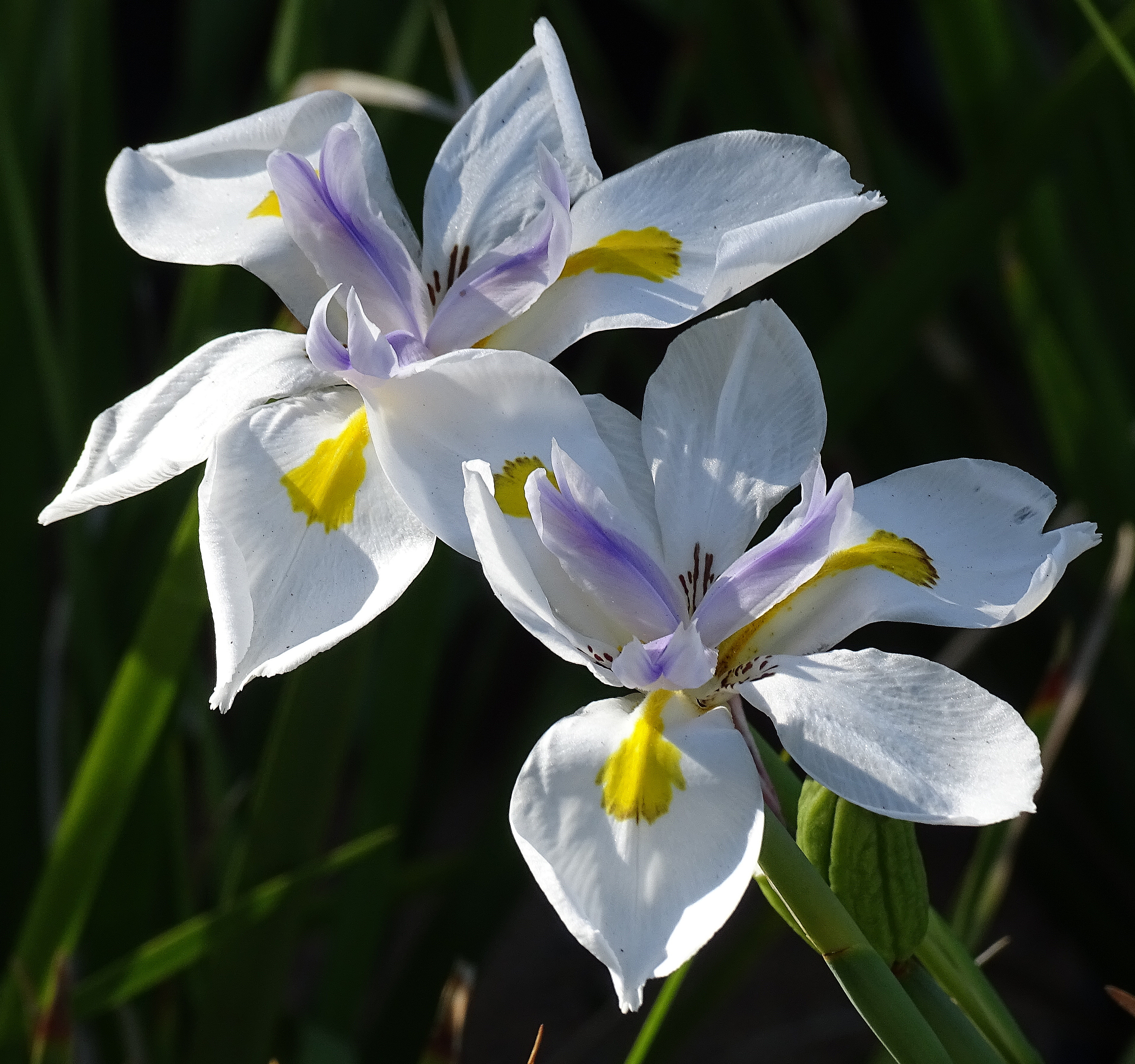
Reliable African Iris propagate beautifully at The Holler.
Wild Stinging Lupine cover bare areas, are beautiful to look at, but not nice to touch.
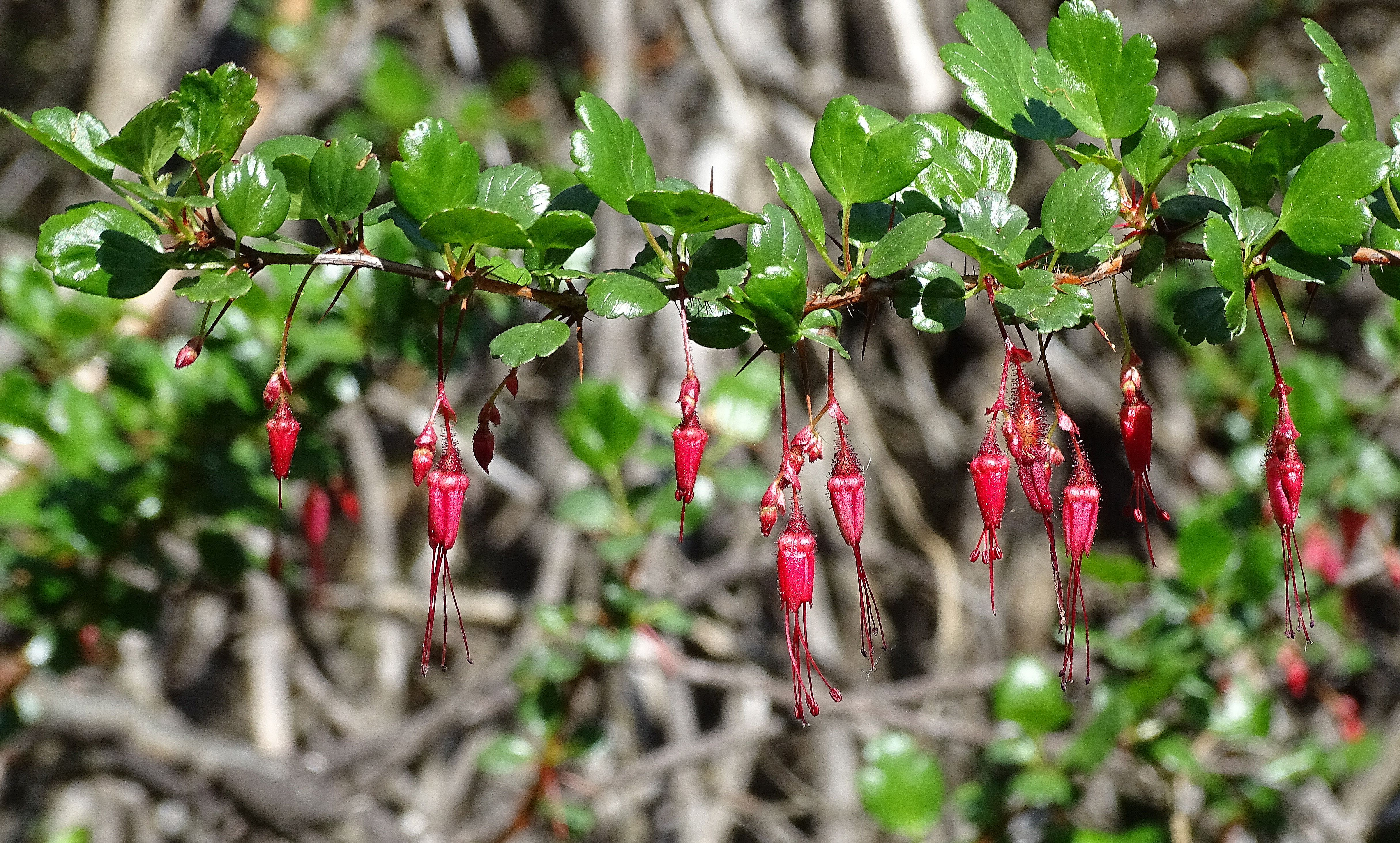
The Californian Fuchsia is native to Southern California but I didn’t know what it was. I thought it was in the fuchsia family but was stumped with identification. So my talented blogging friend Eliza Waters, who has a degree in horticulture and is a Master Gardener, helped me out. If you don’t know Eliza, and you like things that bloom and grow, you may want to check out her blog: https://elizawaters.com/about/
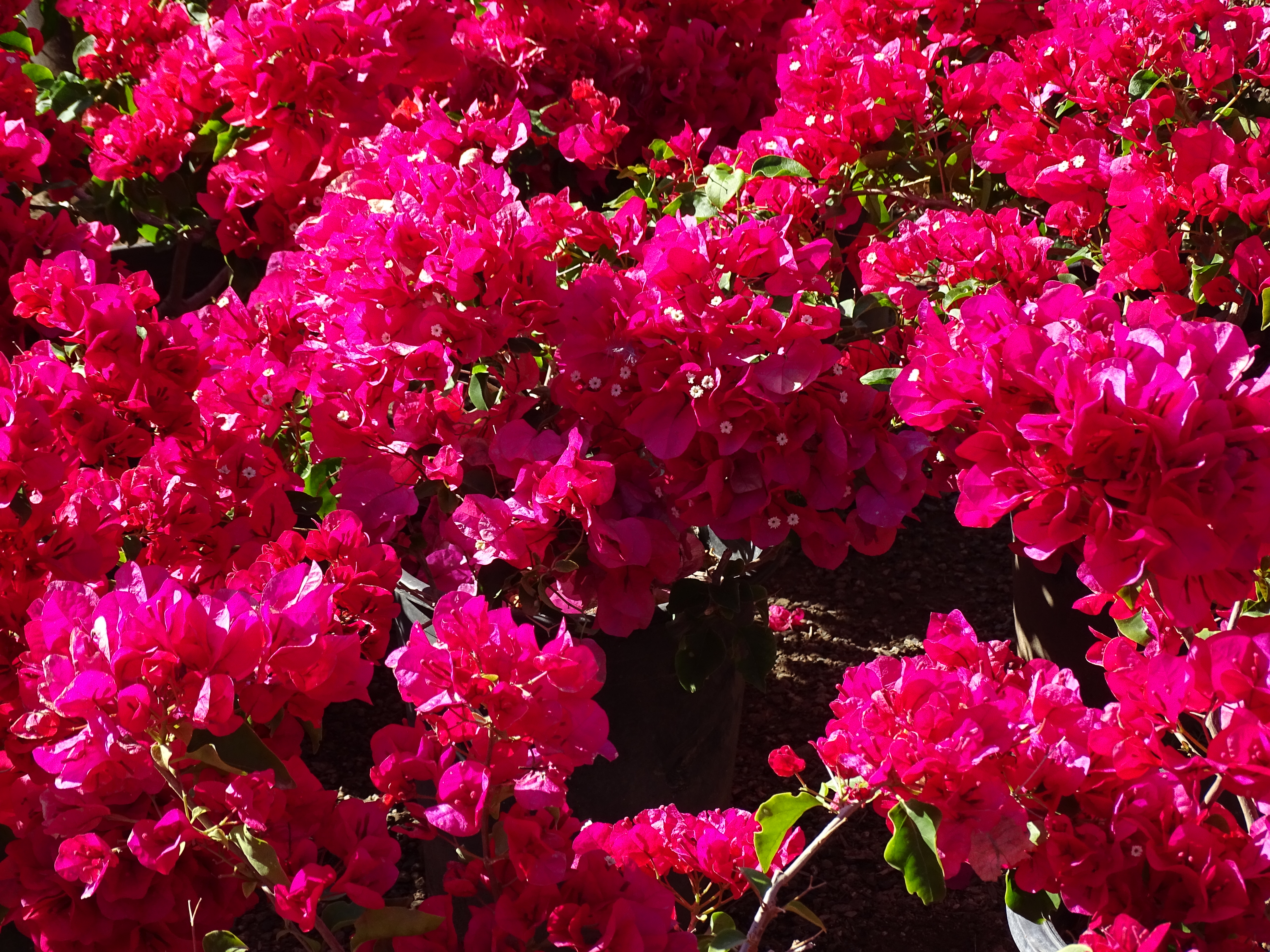
Bougainvillea are touch and go at The Holler due to frost. This one is definitely a go!
These are just three of the many reasons I love Oz. Most of the creatures are very friendly!
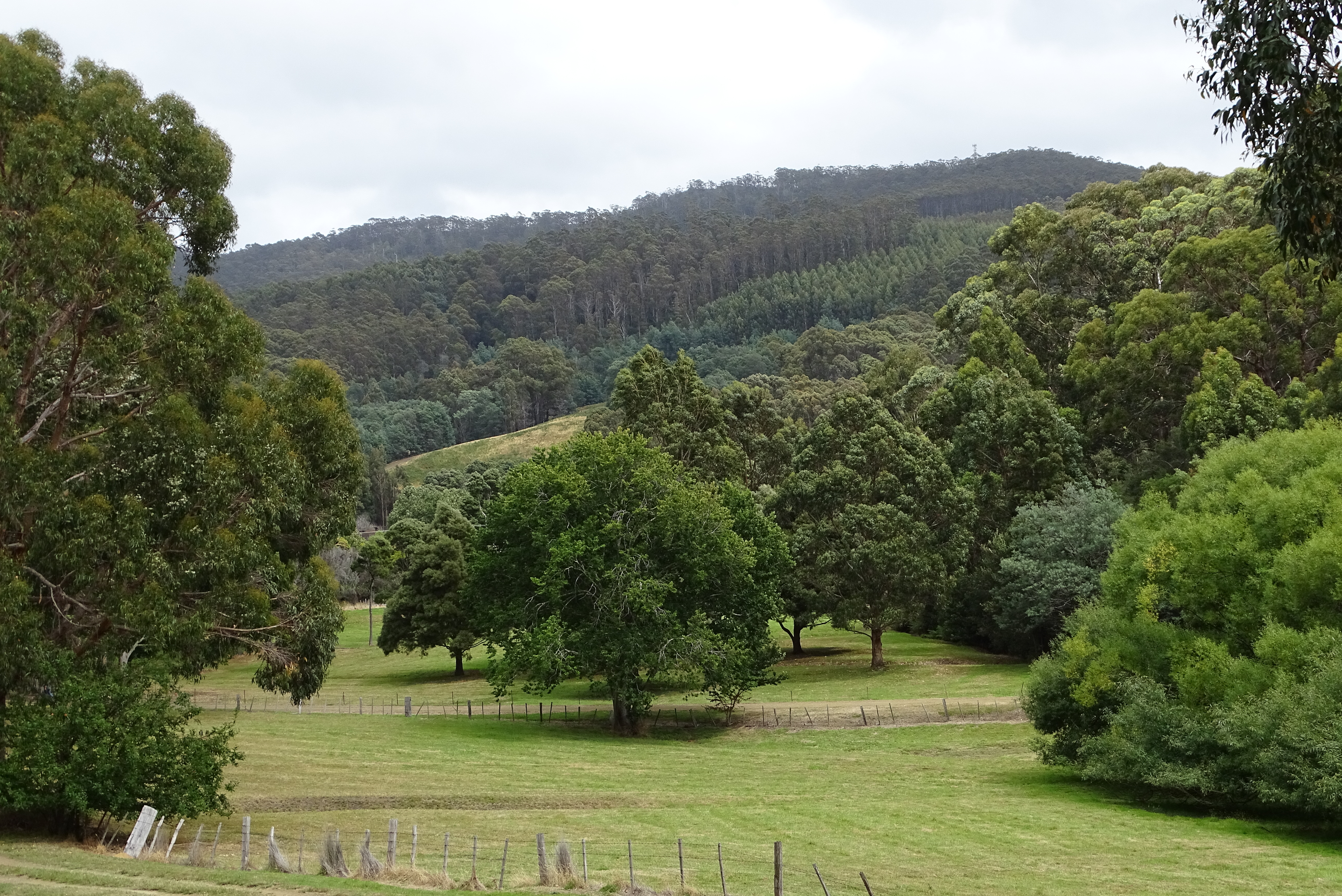
Tasmanian countryside.
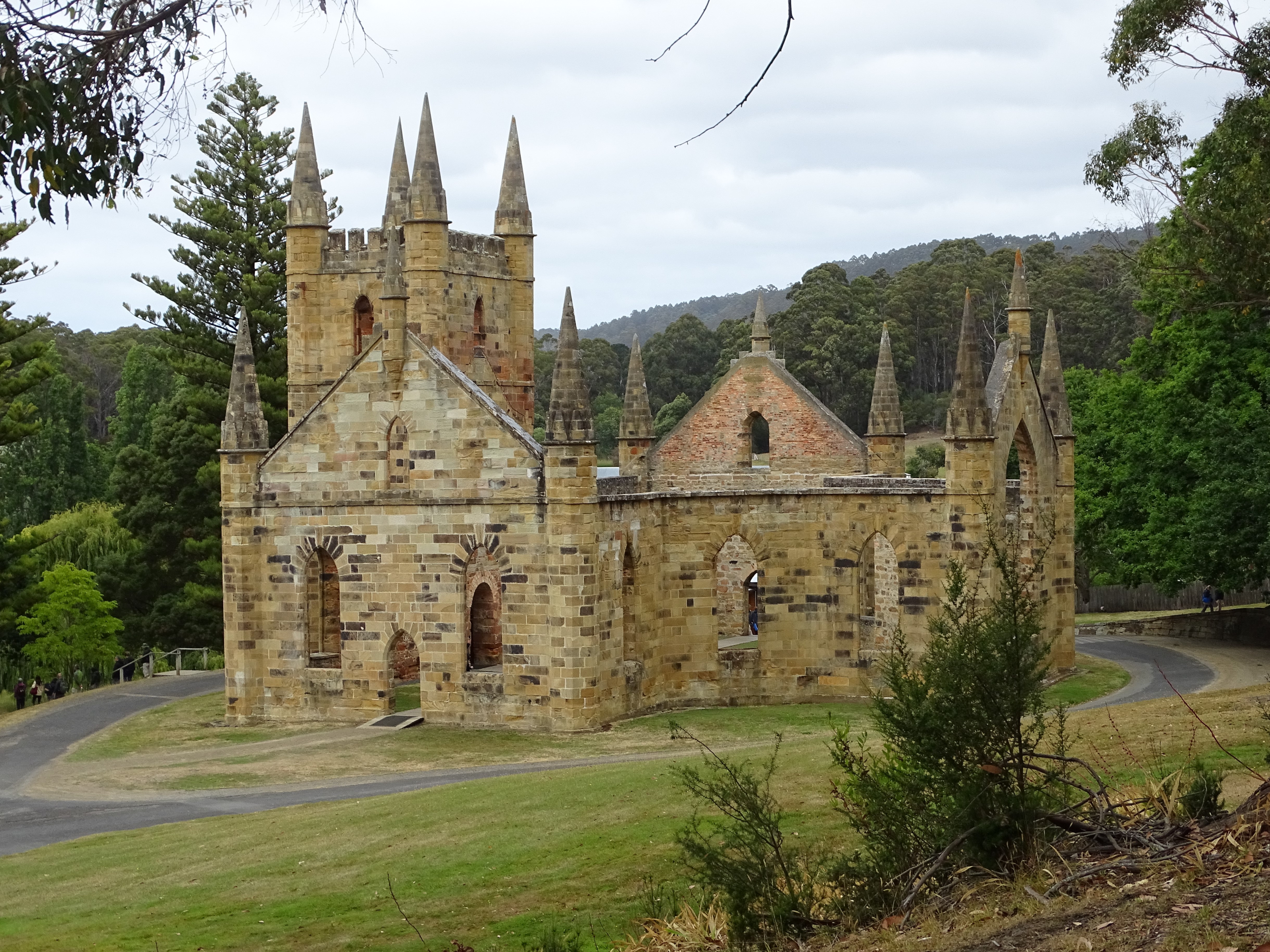
Old church, in the former penal colony,
Port Arthur, Tasmania.
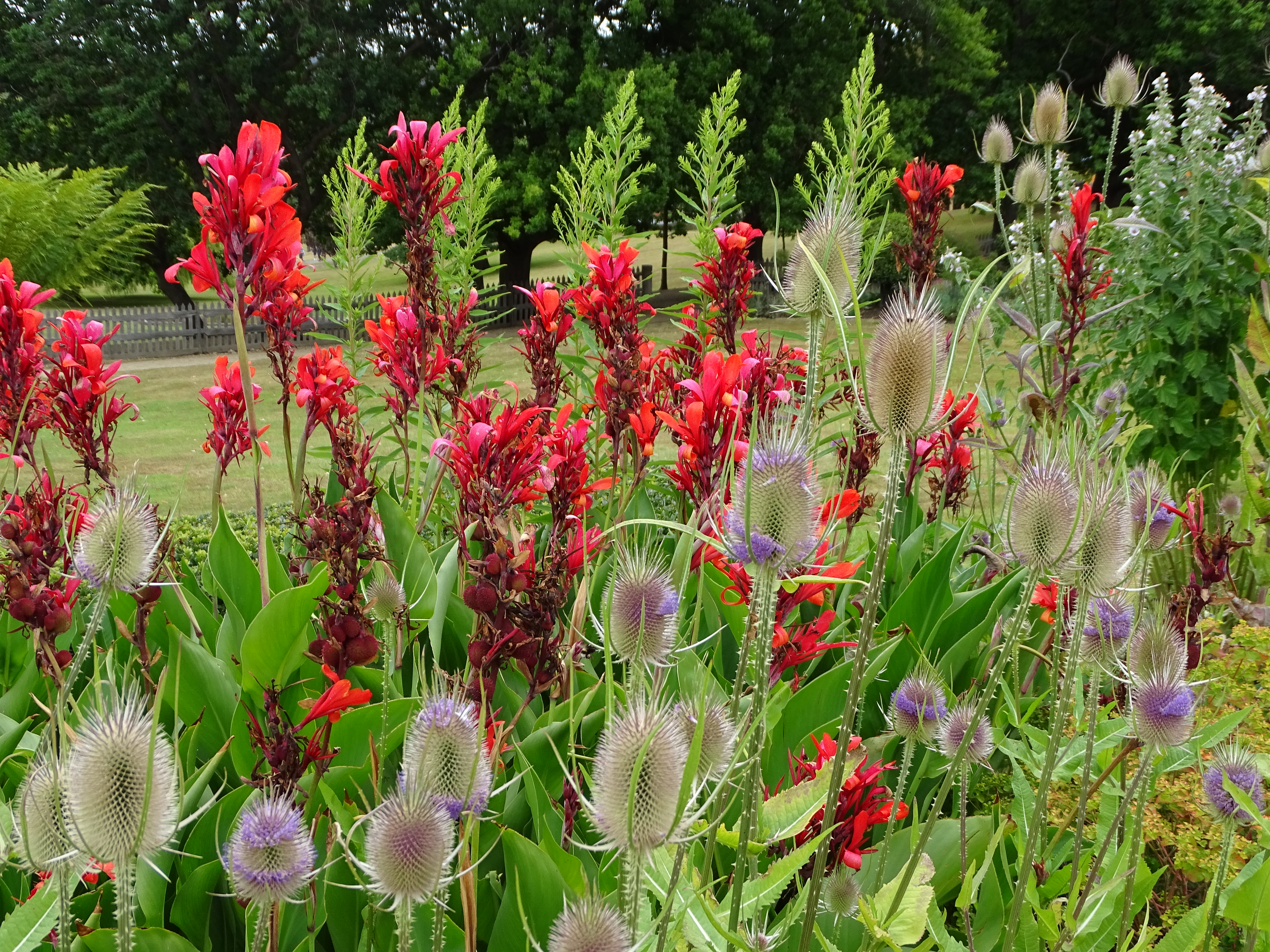
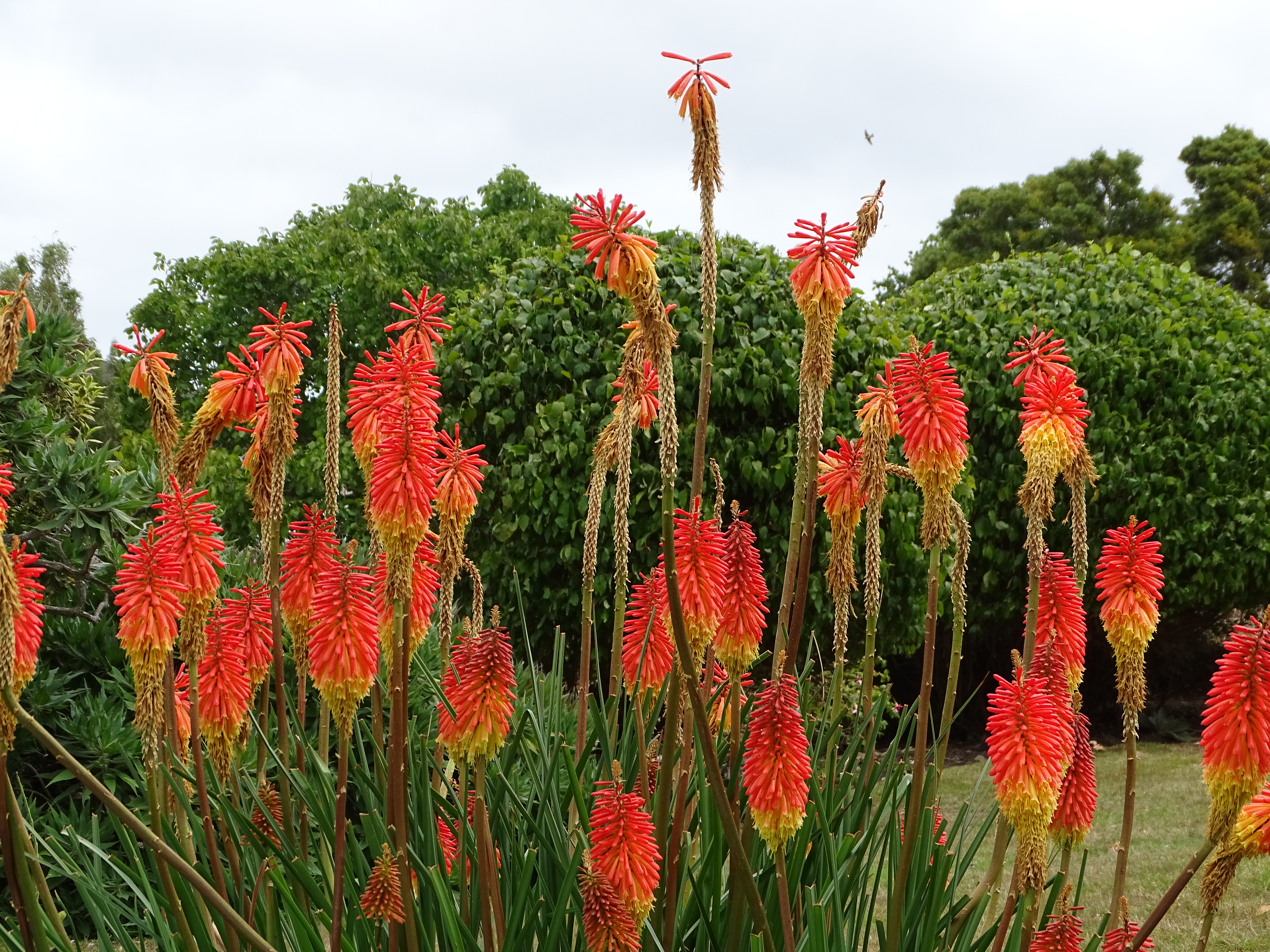
Tasmanian,
flora is unique and stunning.
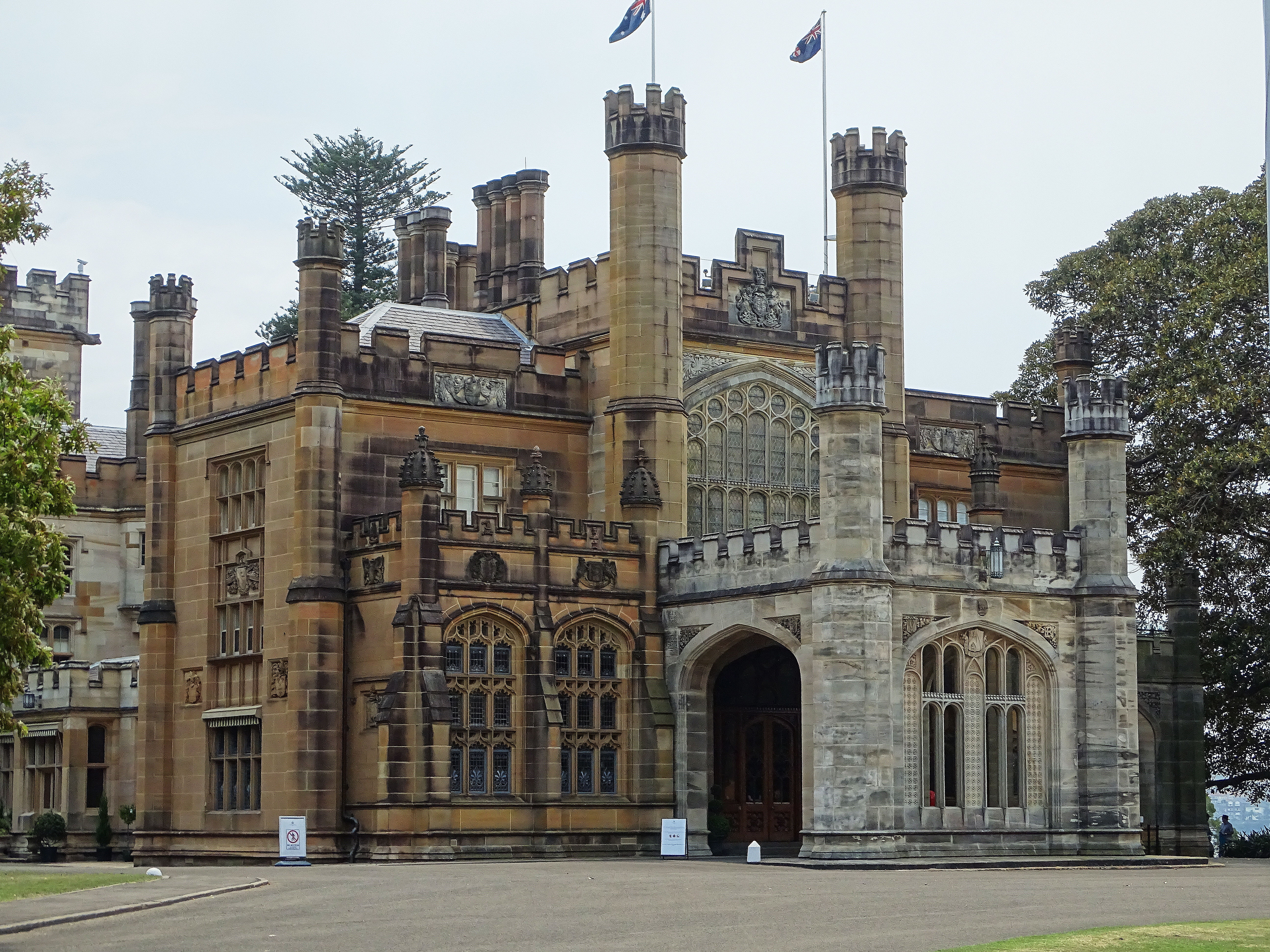
Old Government House, Royal Botanical Gardens, Sydney.
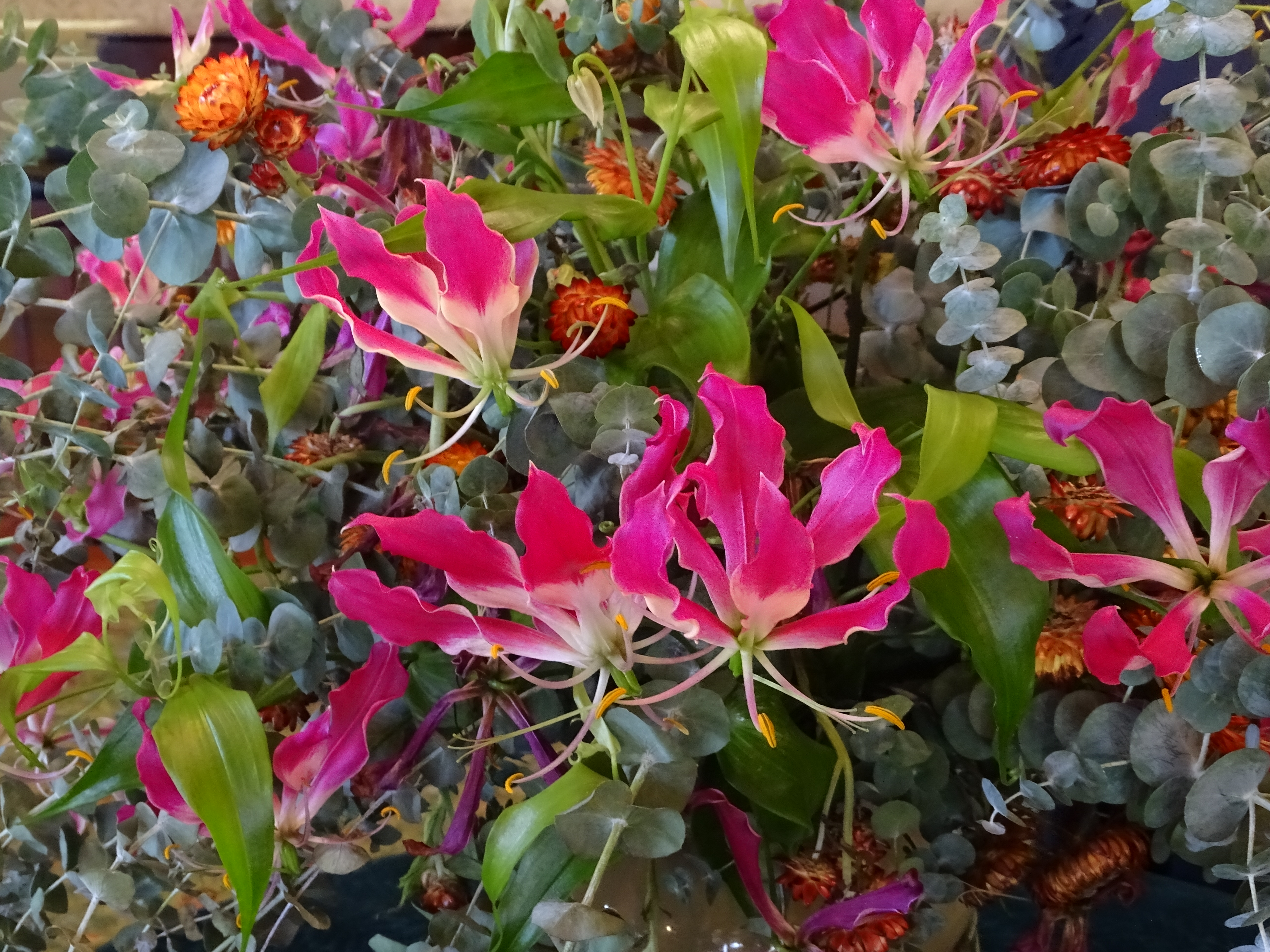
Flower Arrangement in the Government House. We met and chatted with the Governor of New South Wales while touring Government House where she lives (I told you, Oz is a friendly place!)
Royal botanical garden Sydney.
Cheers to you from just a few of the reasons I love Oz~