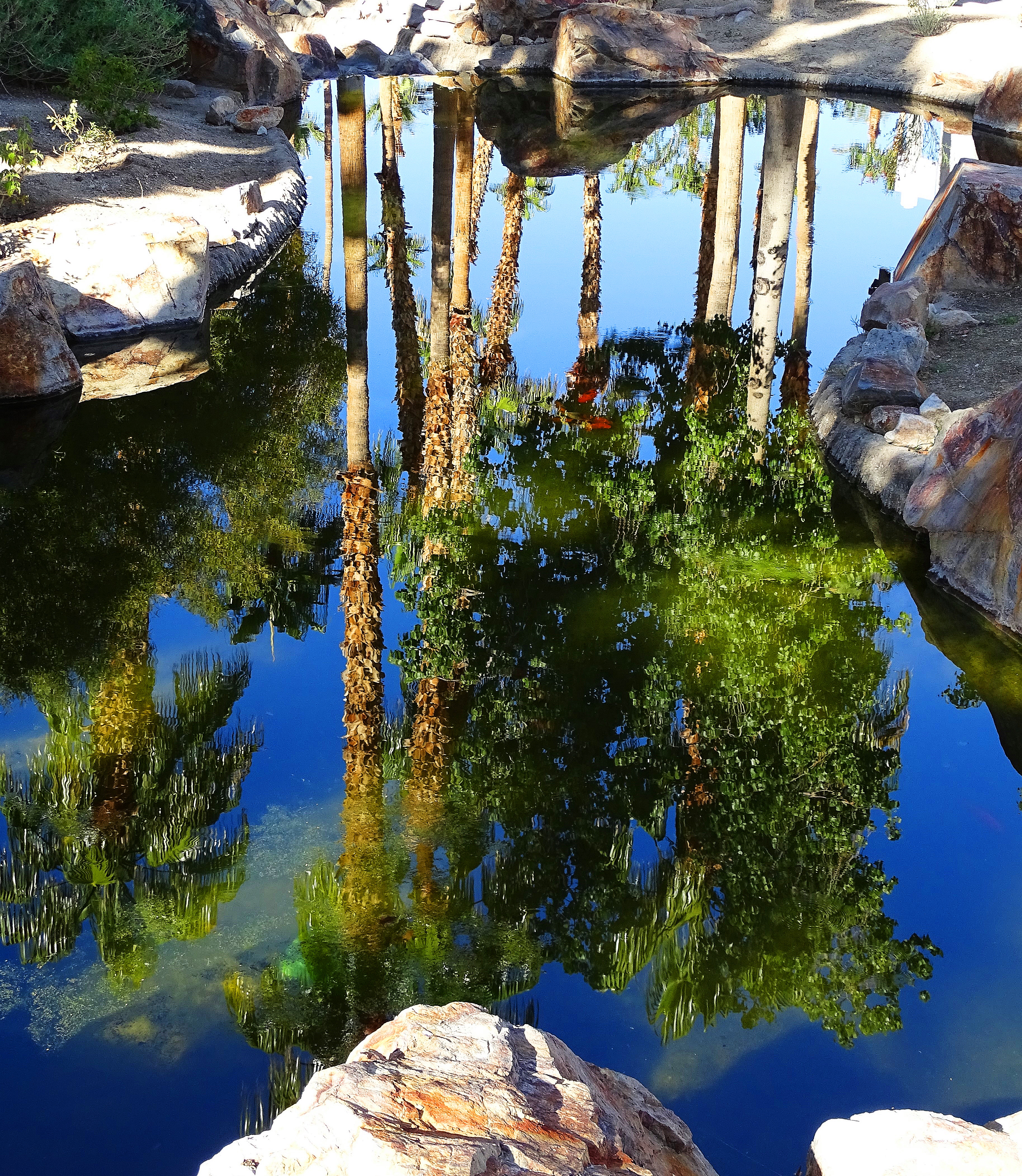
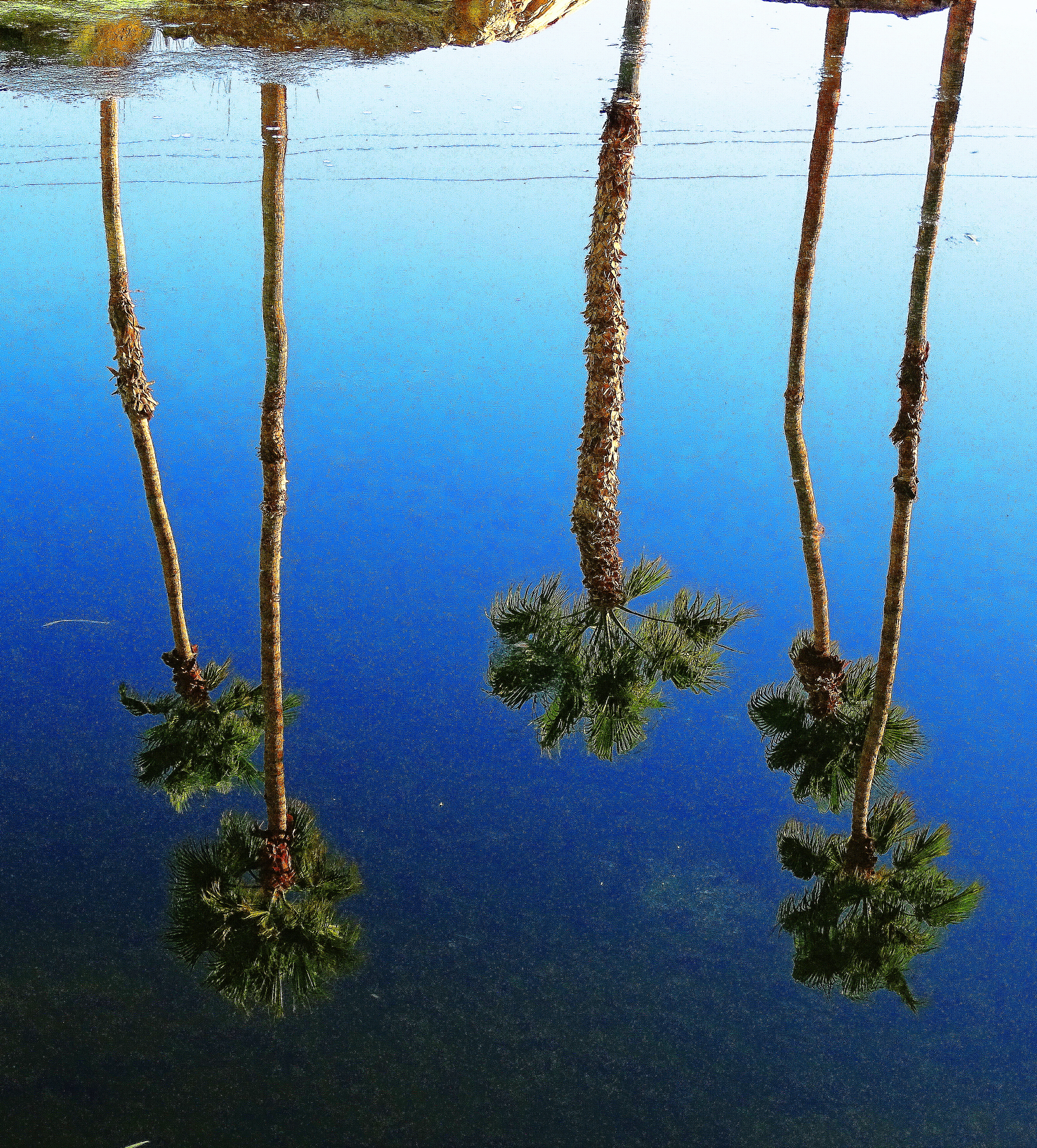
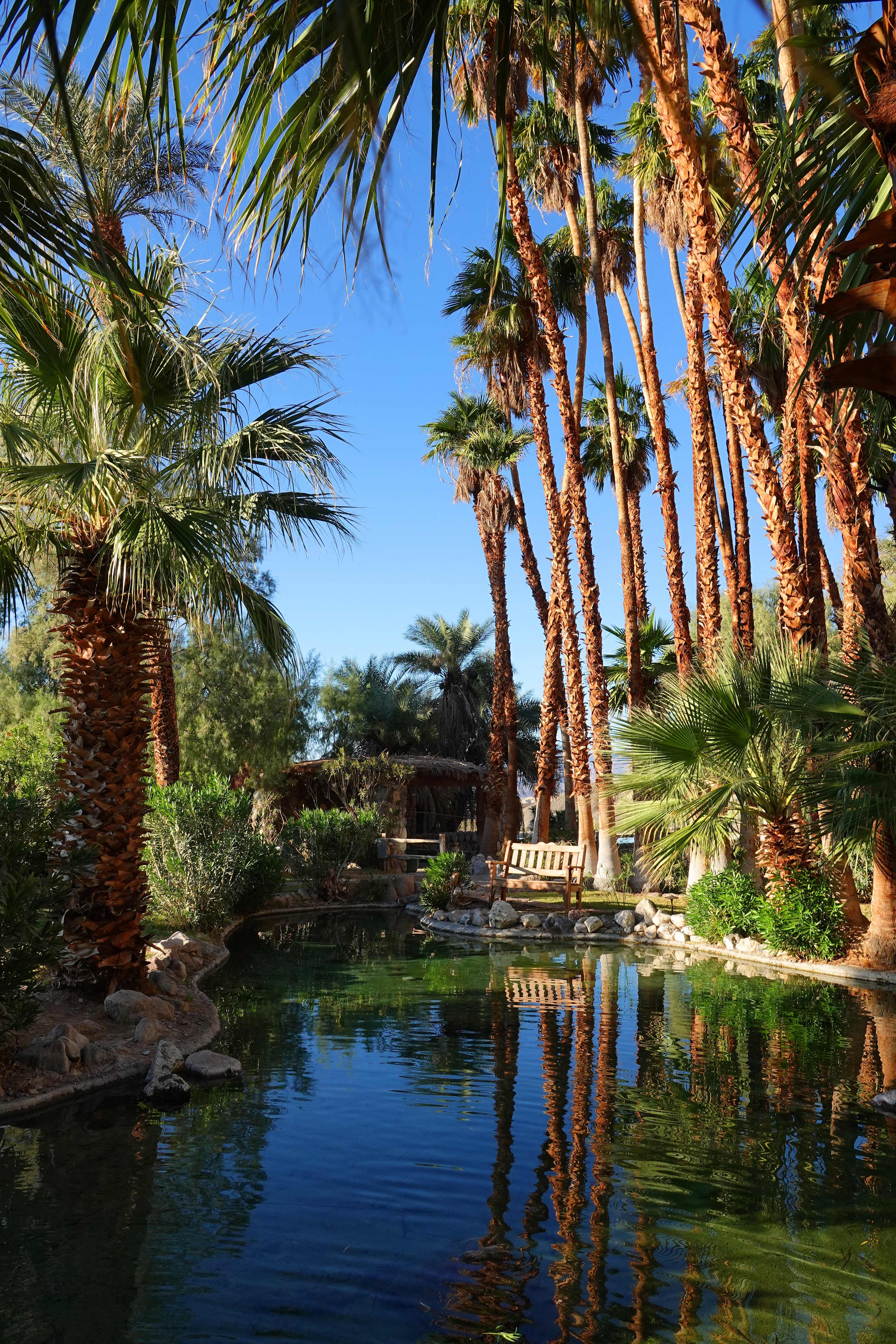
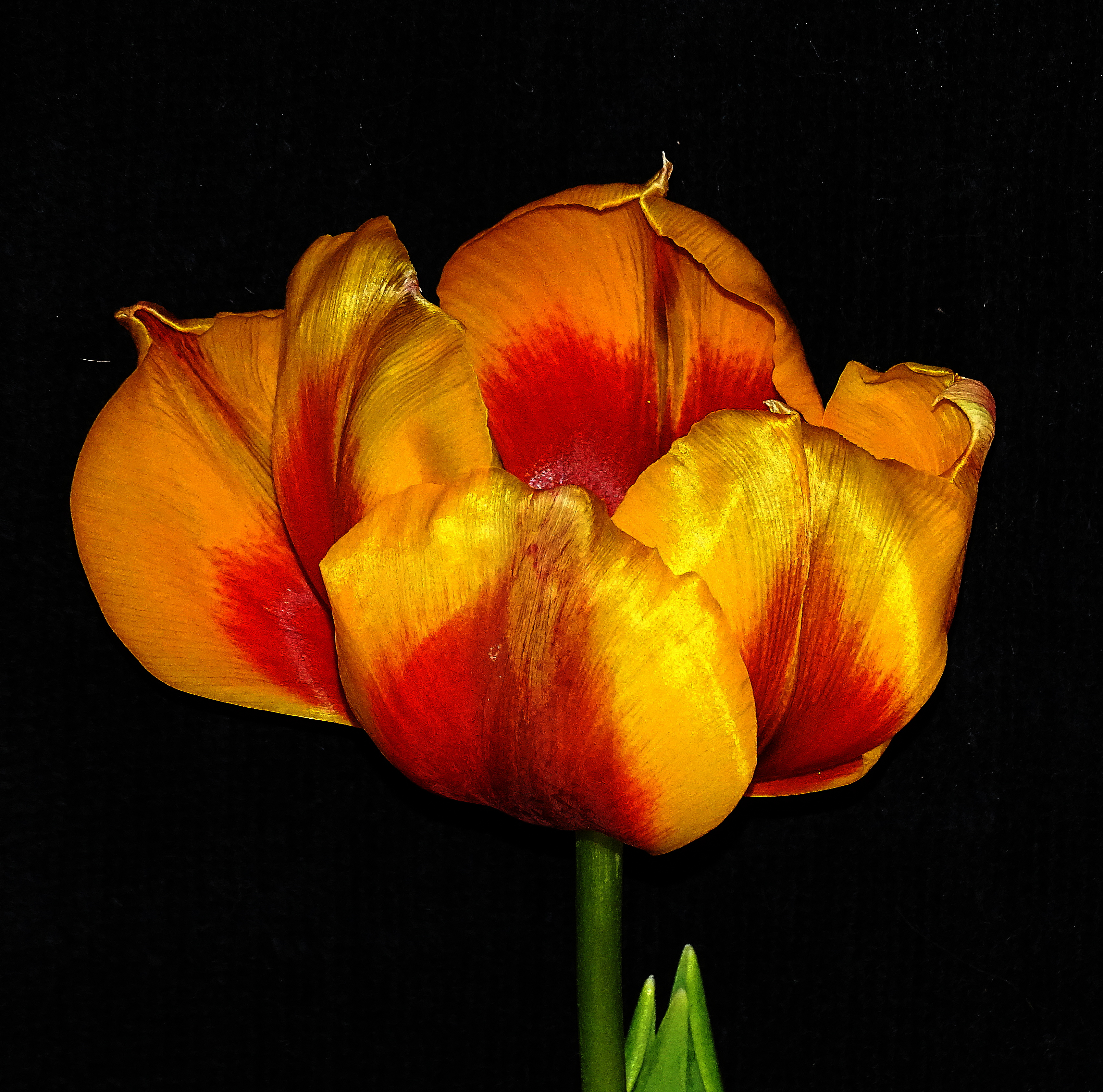
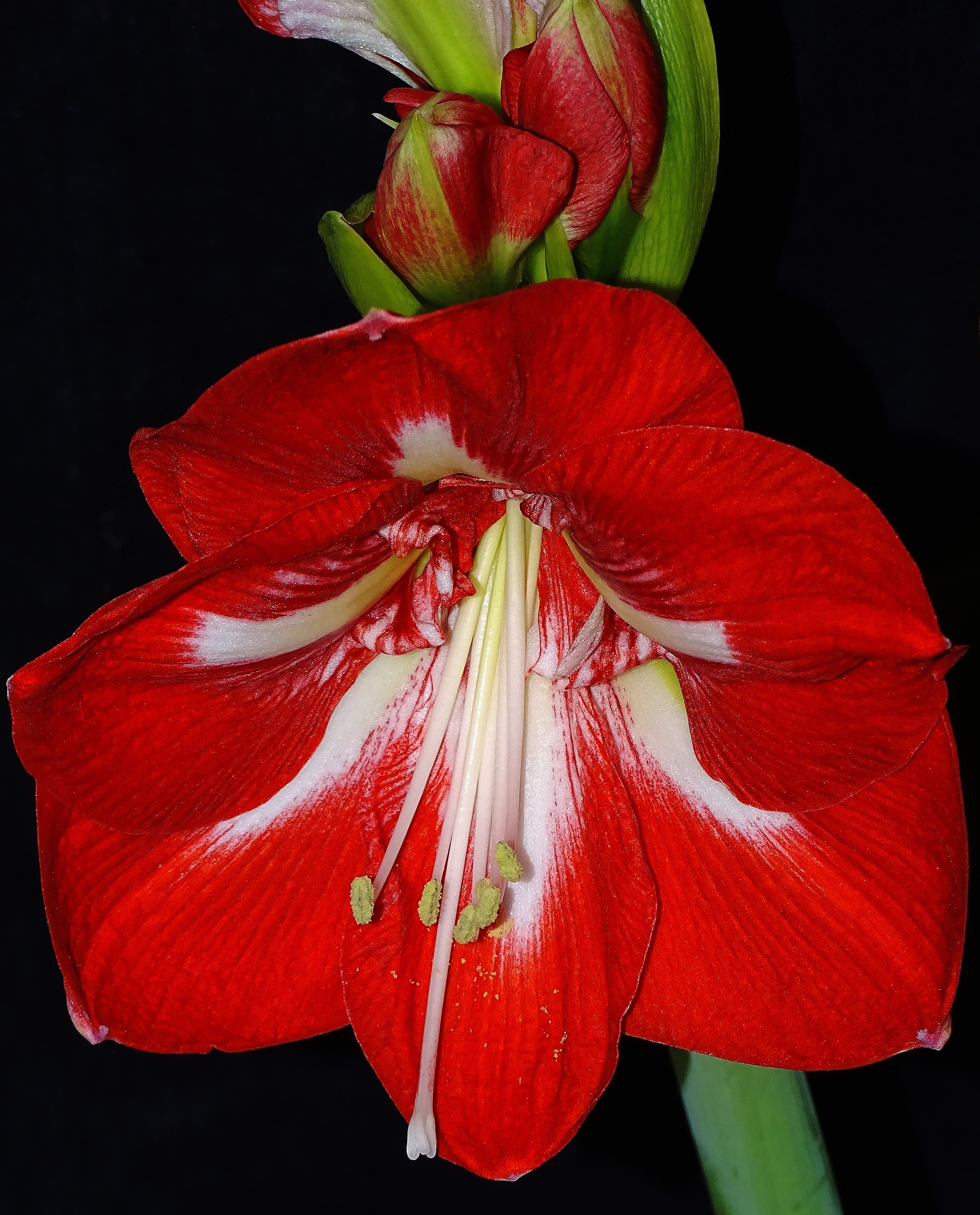
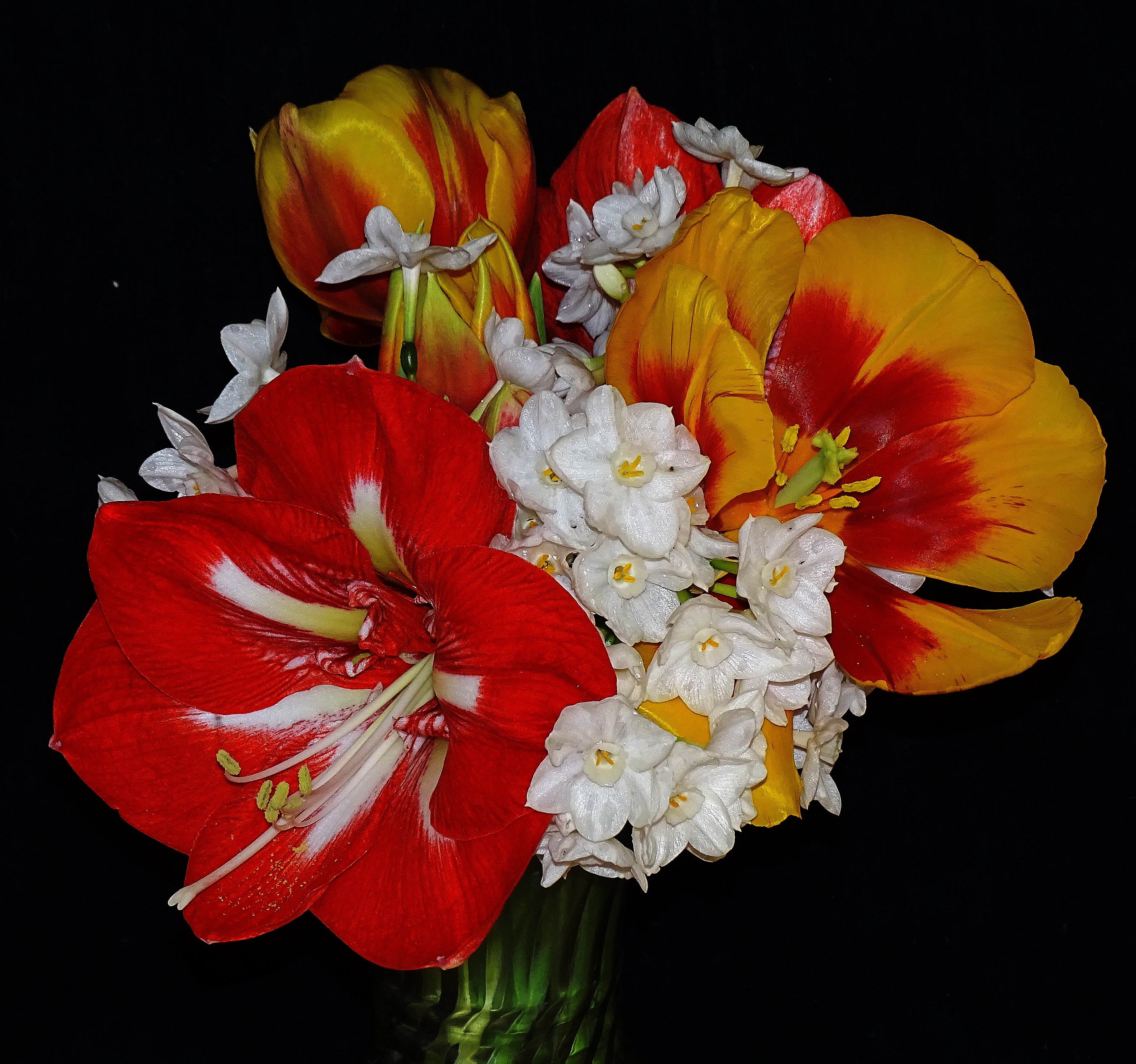
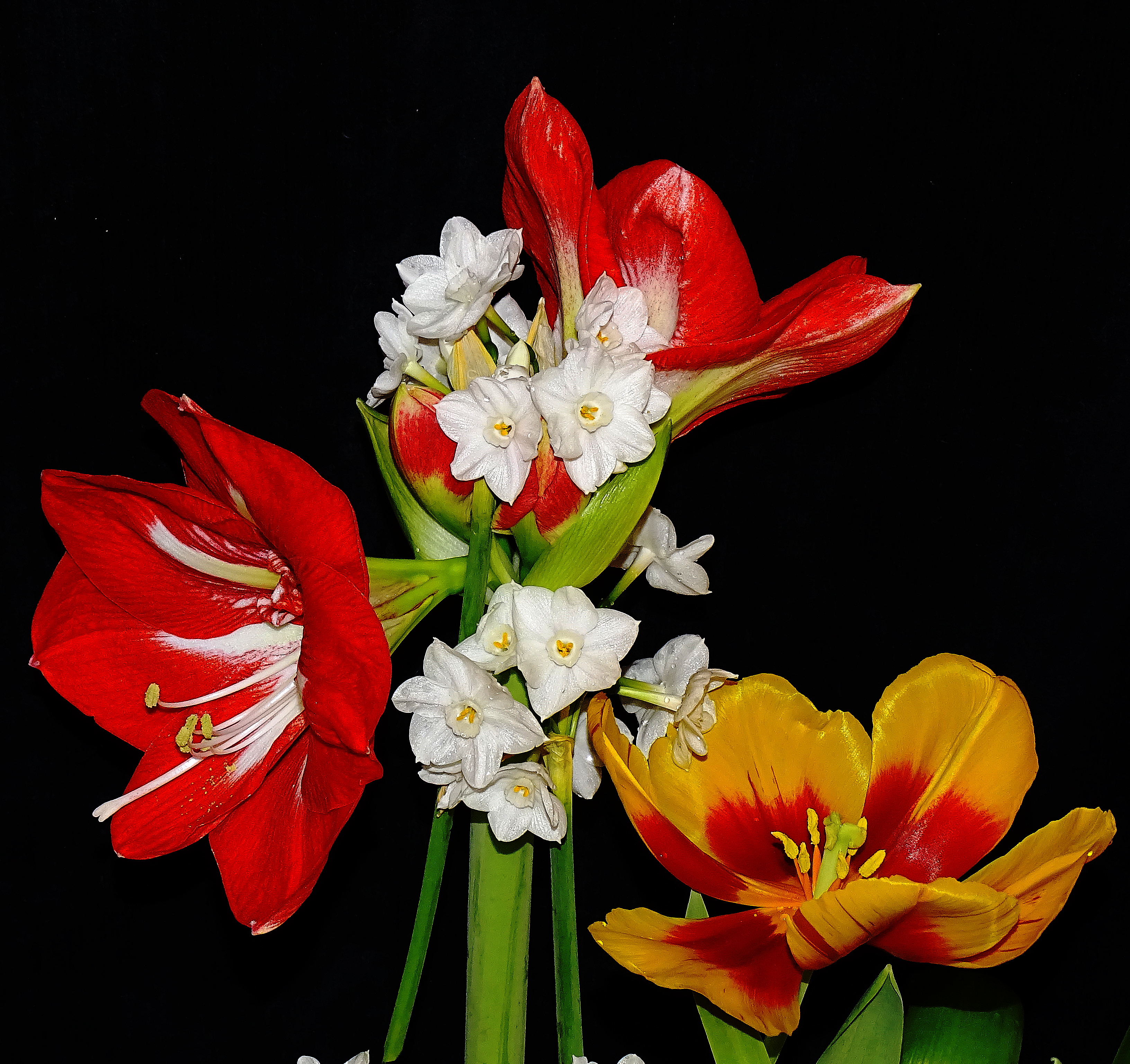
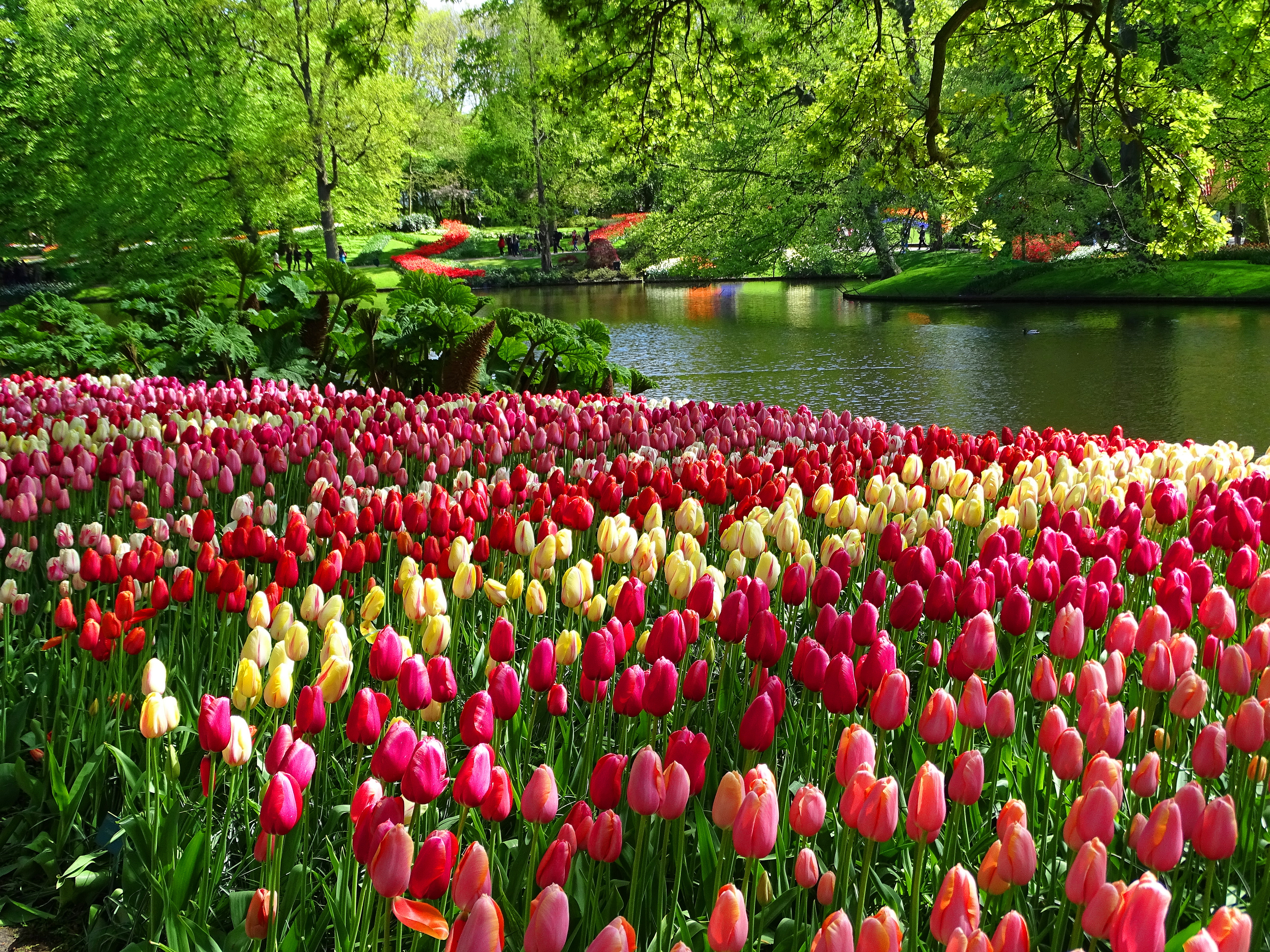
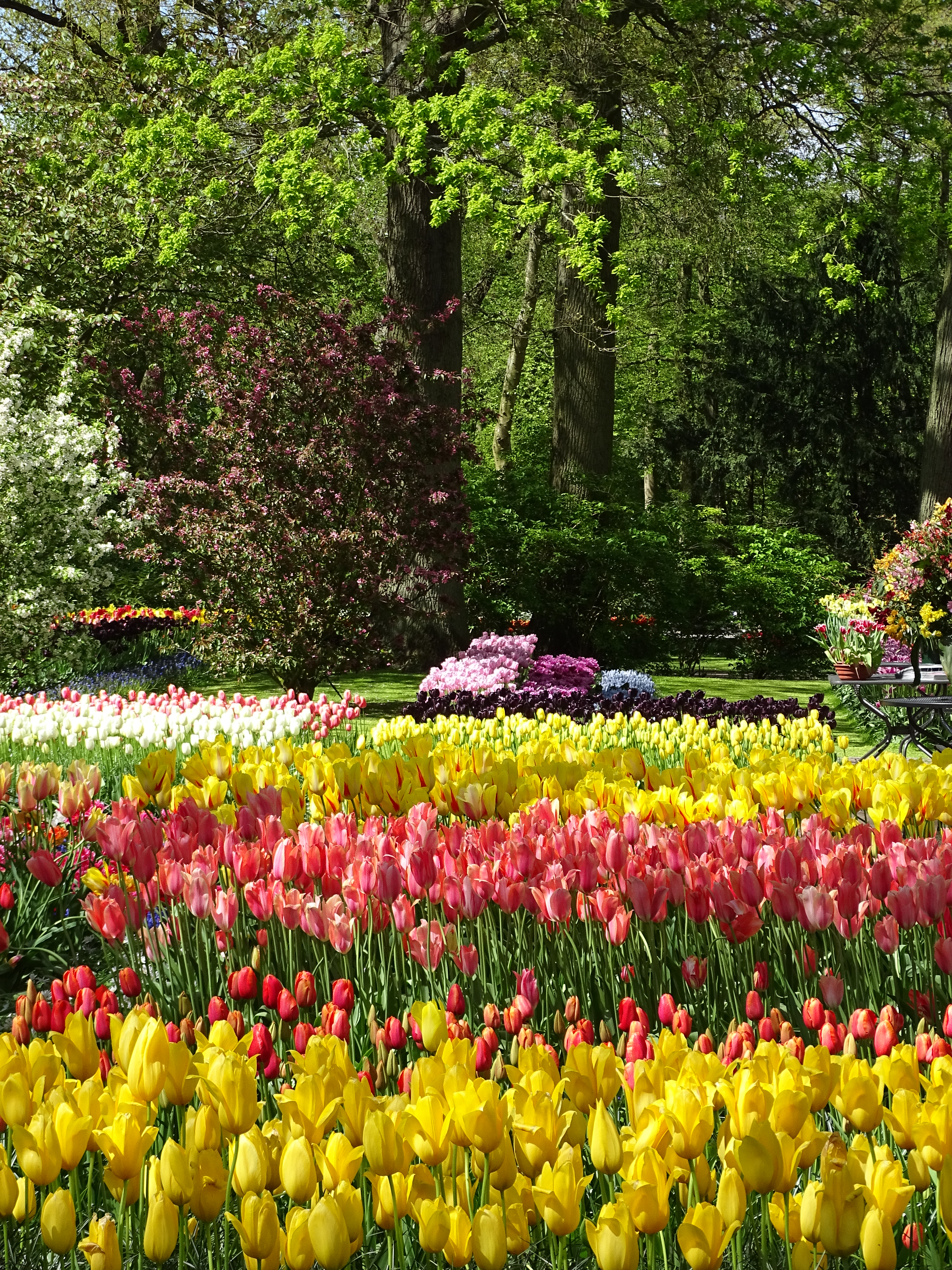
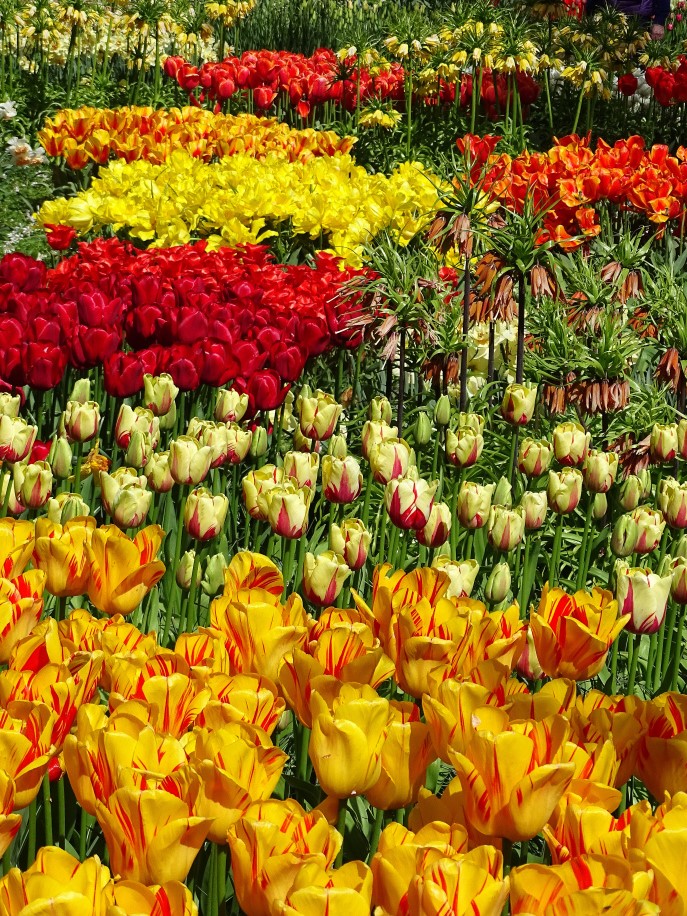
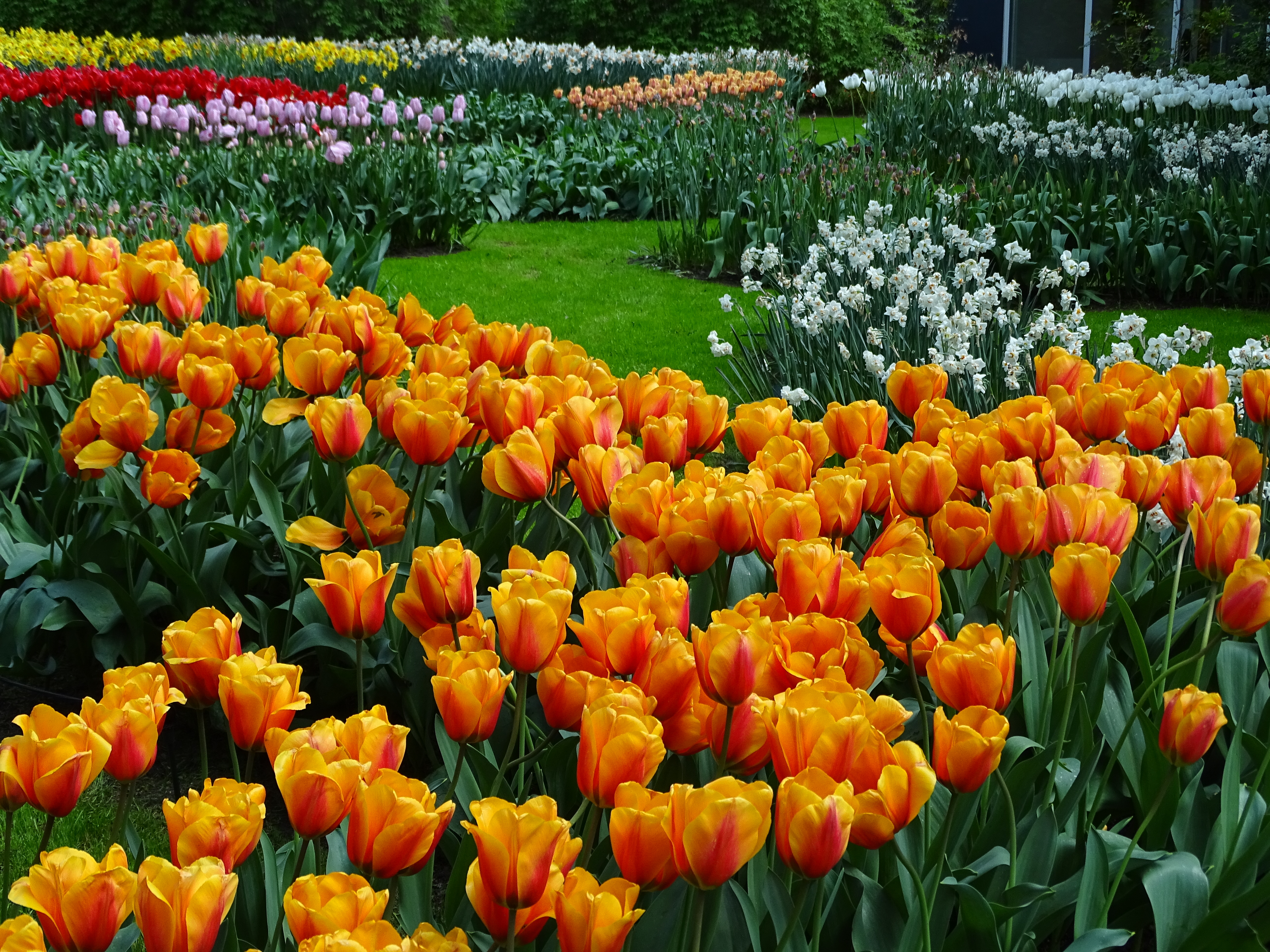
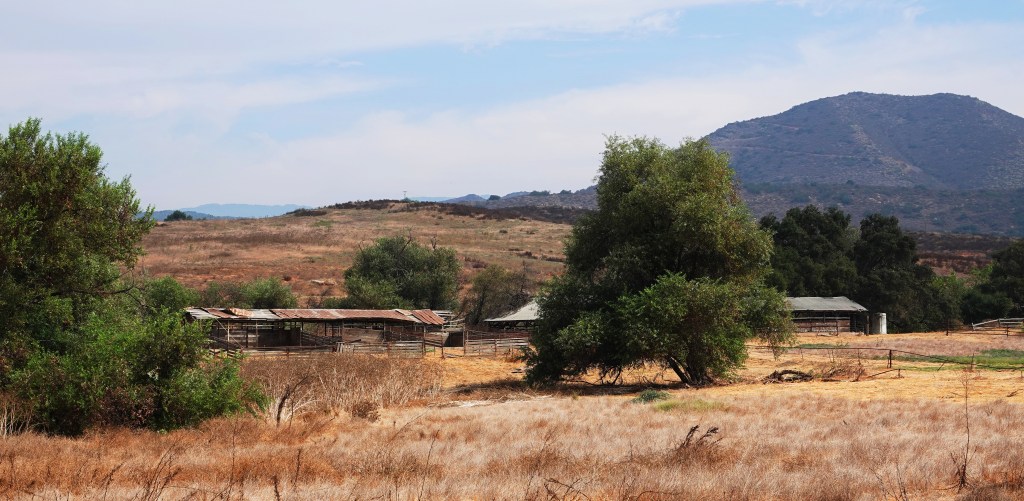
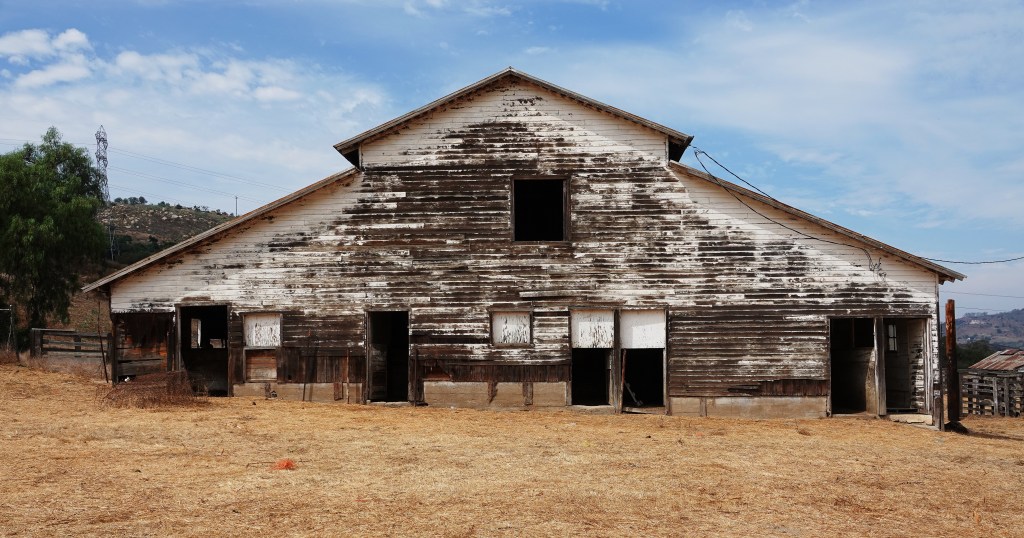
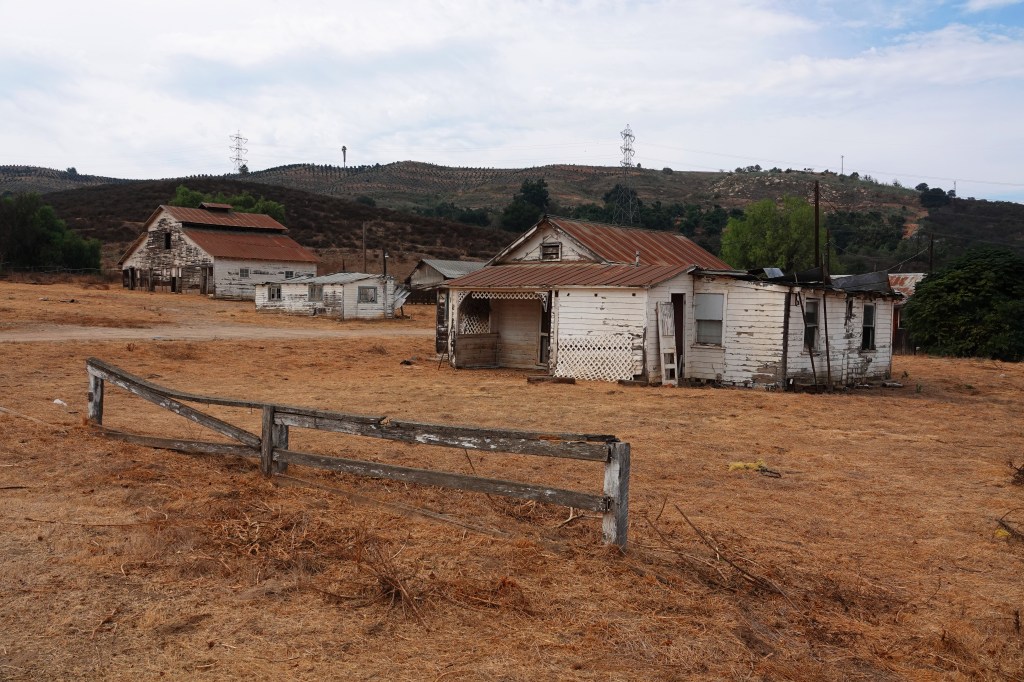
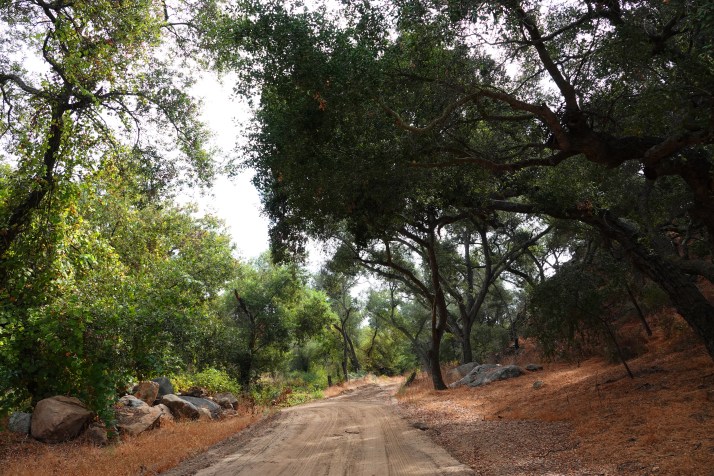
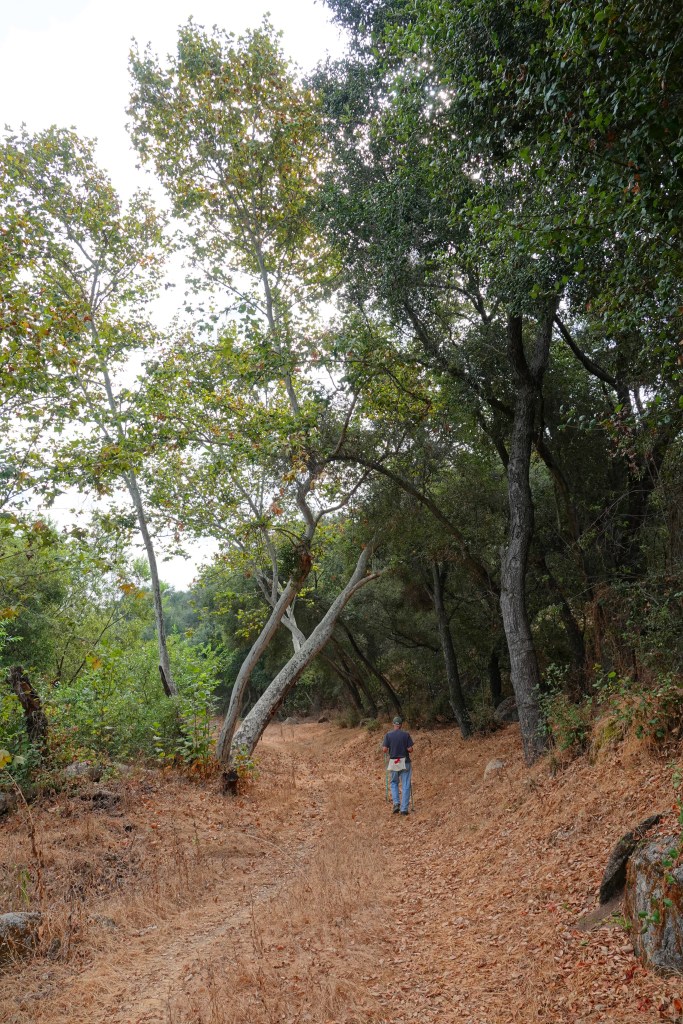
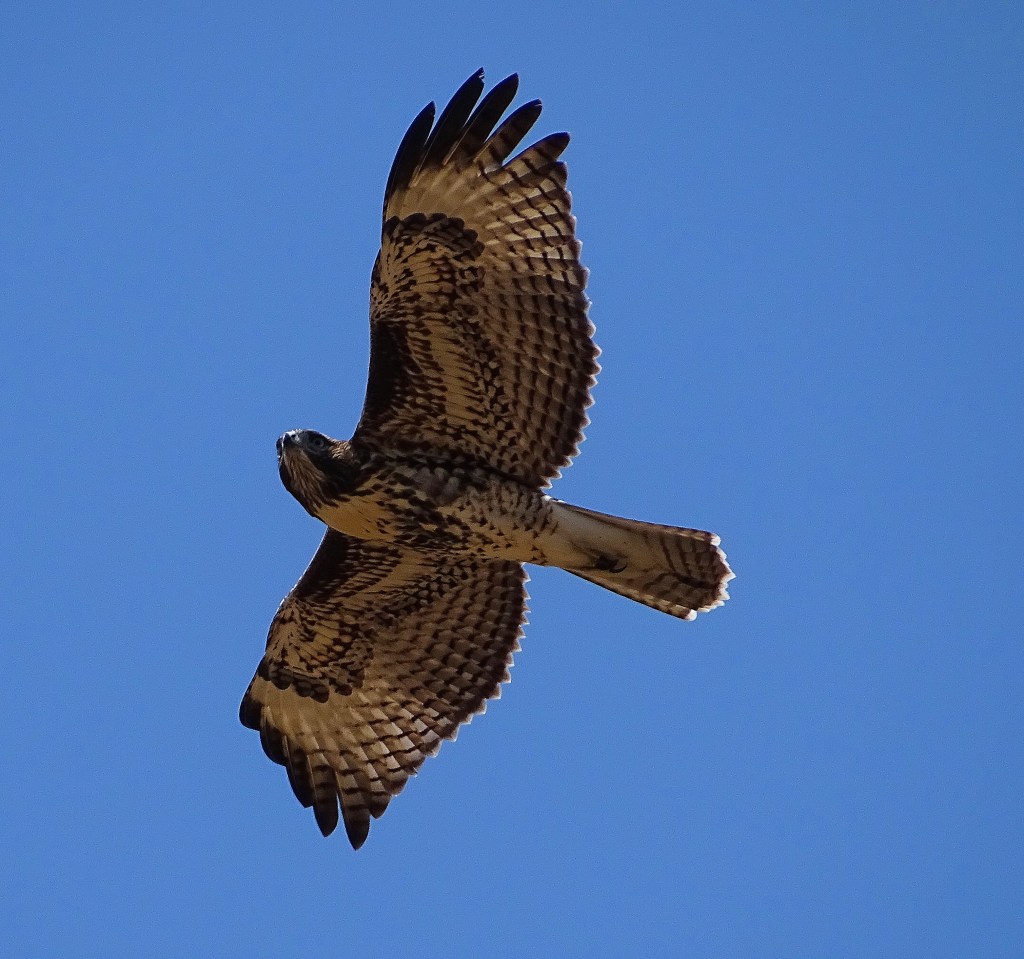
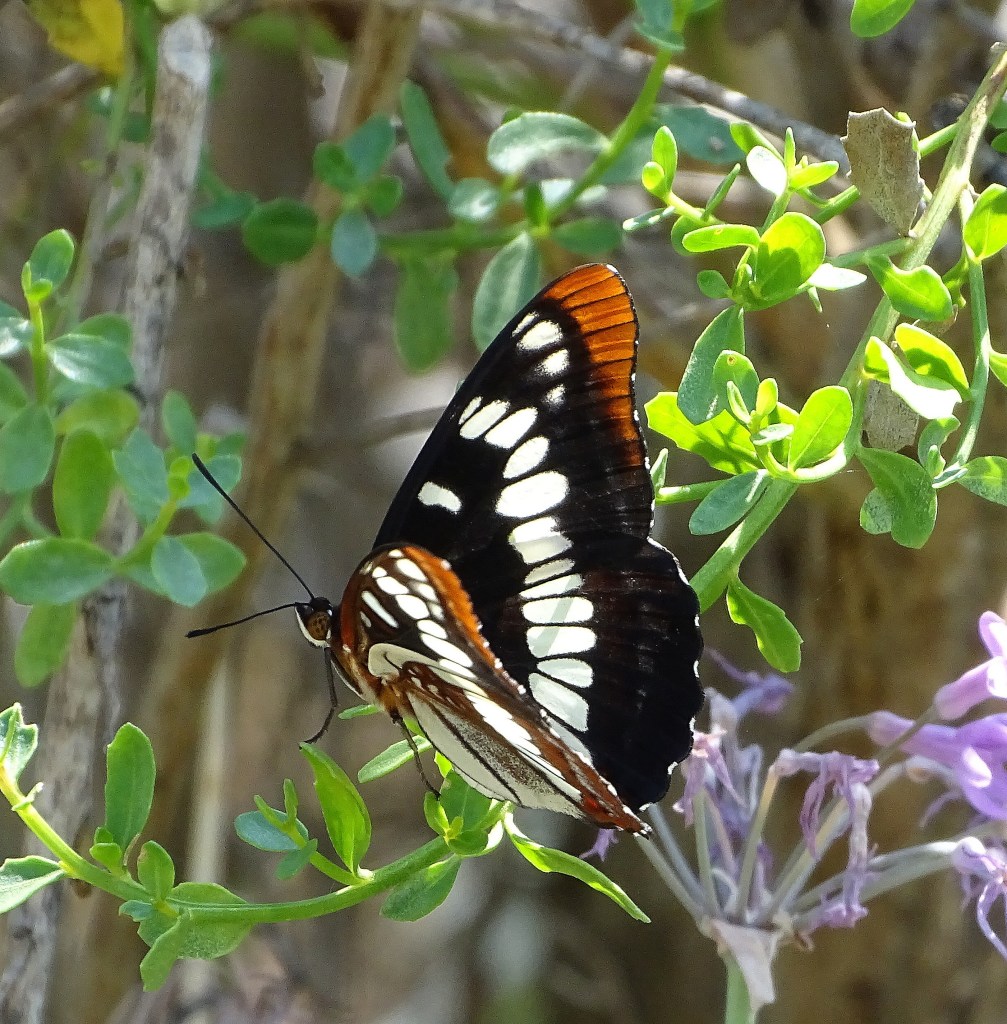
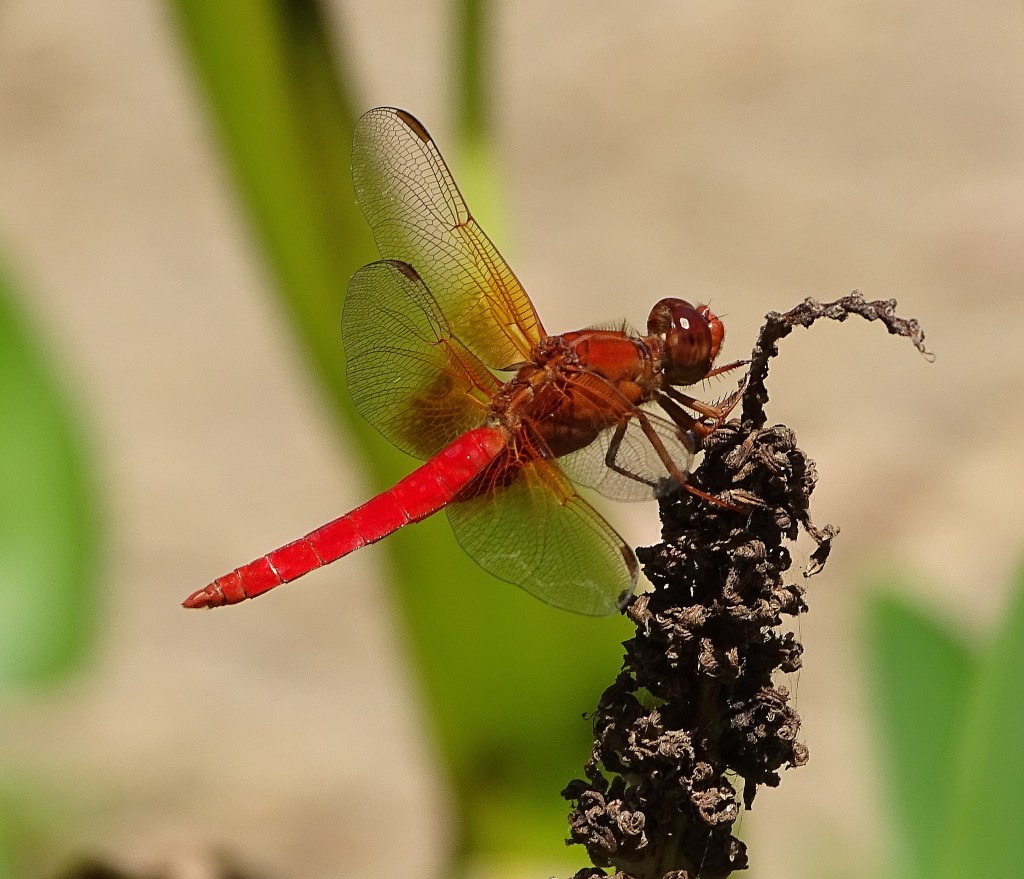
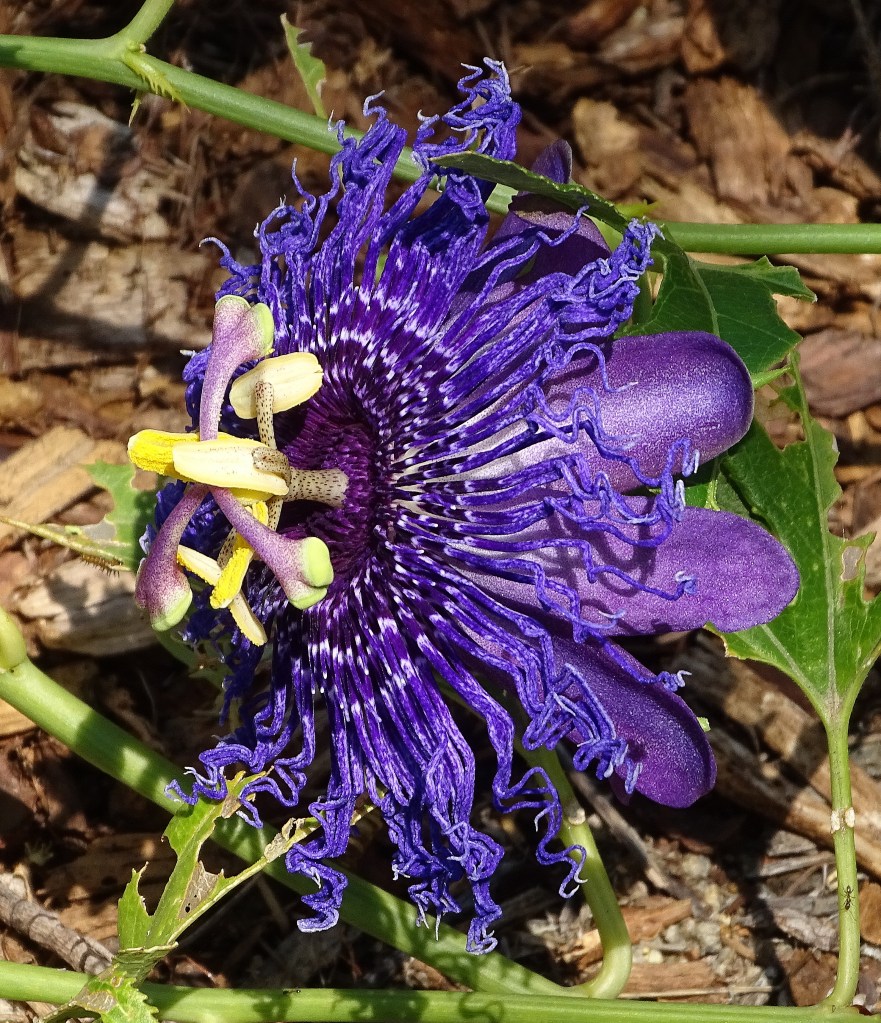
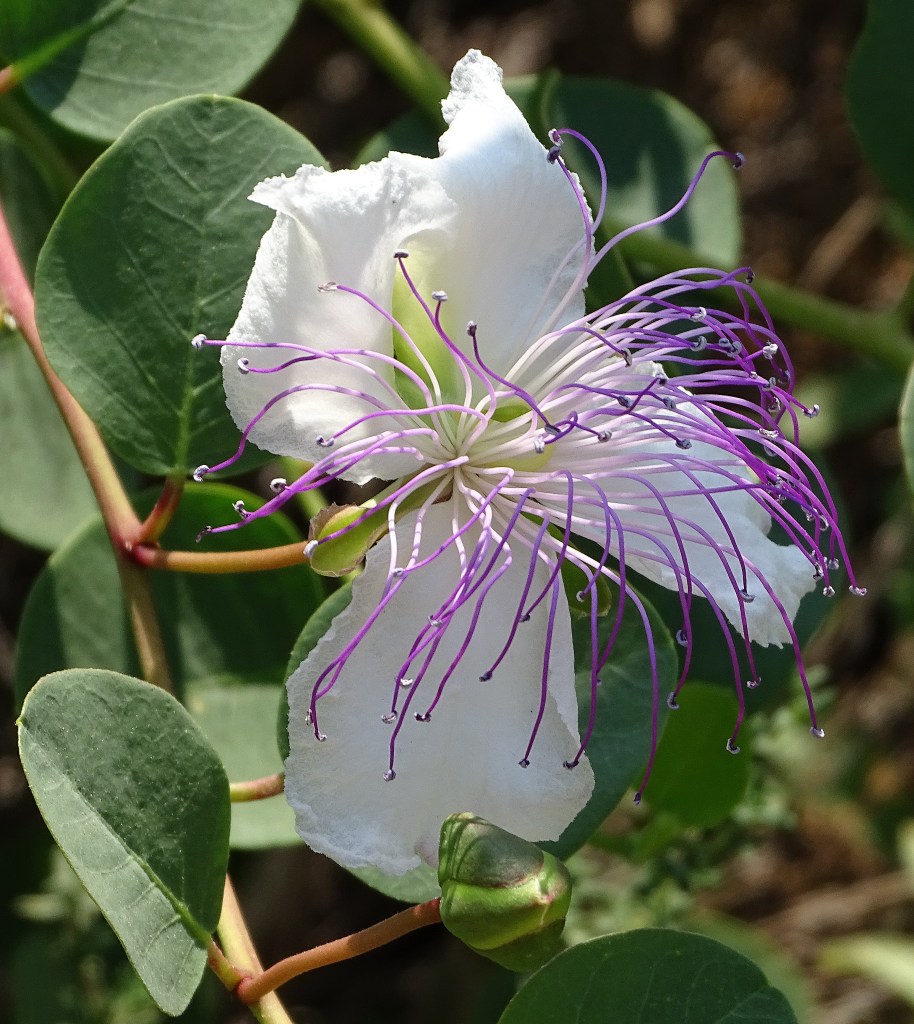
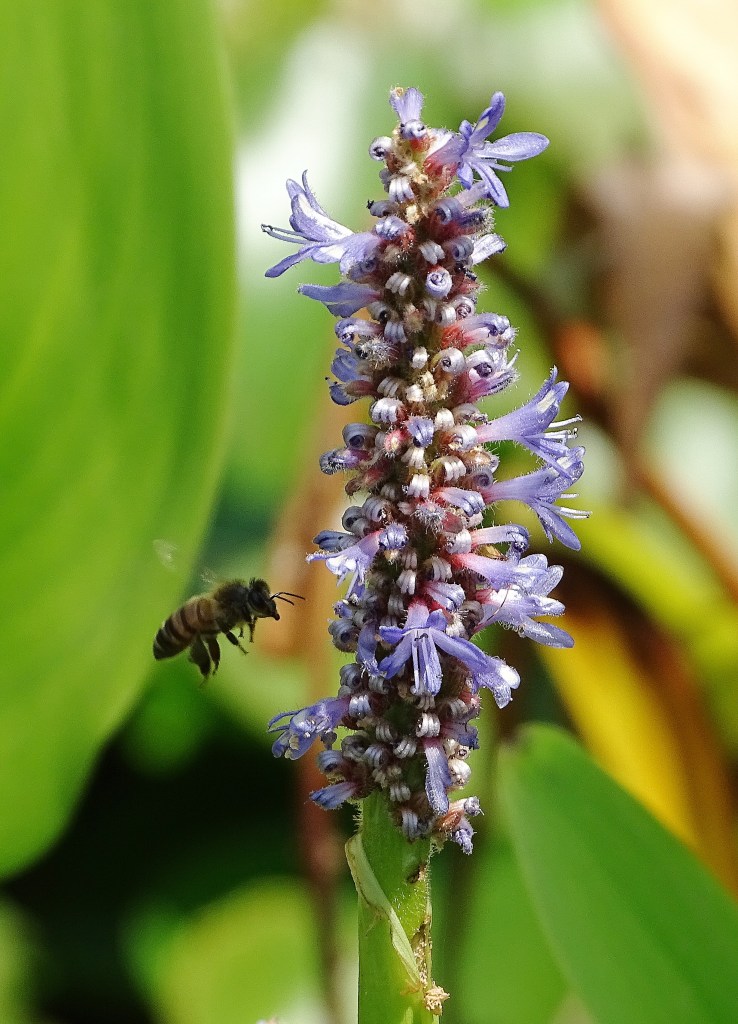
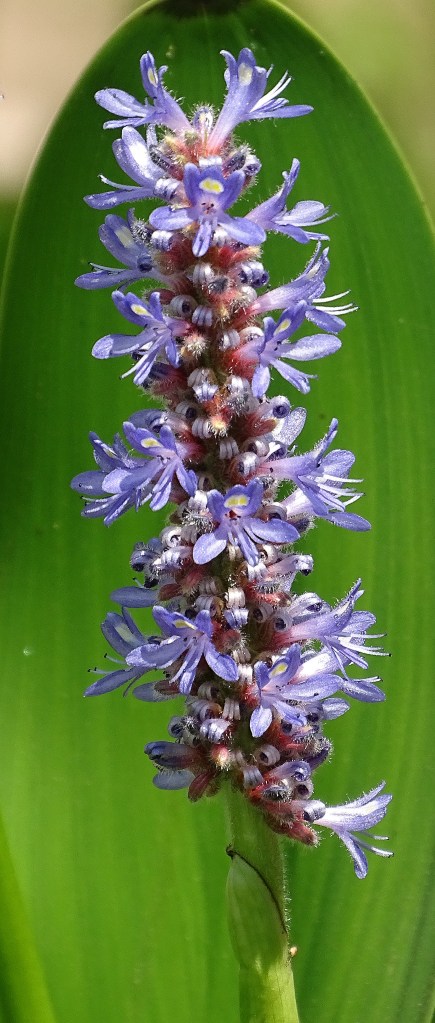
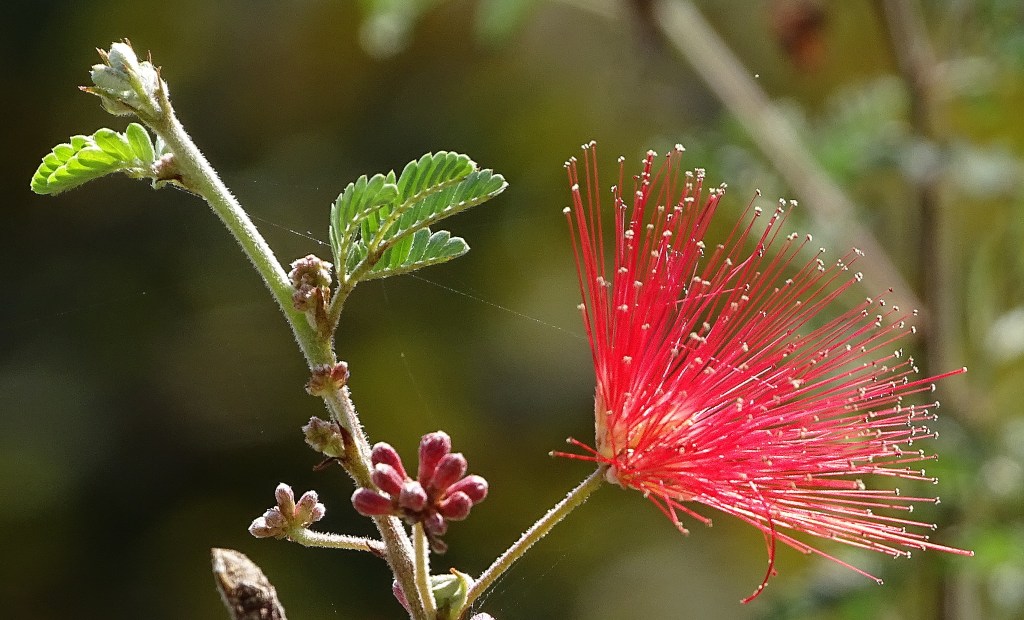
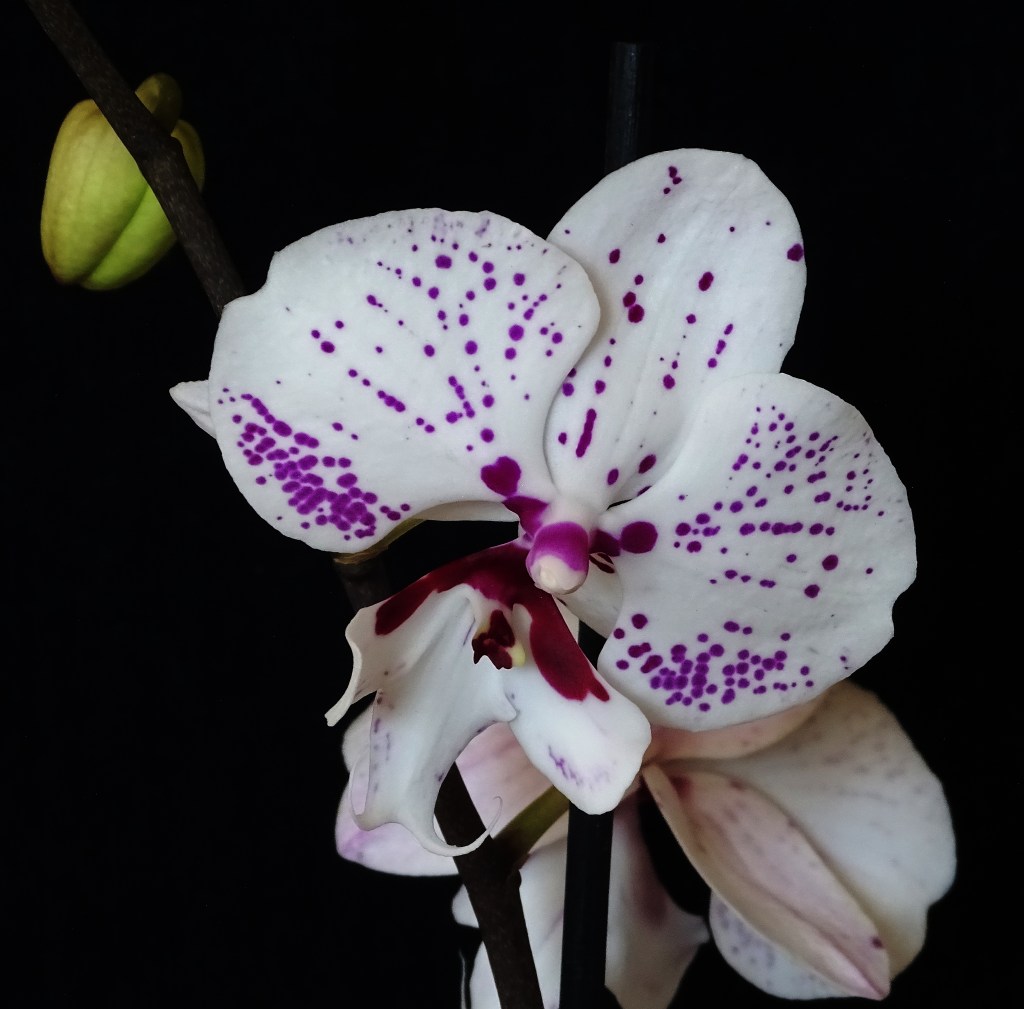
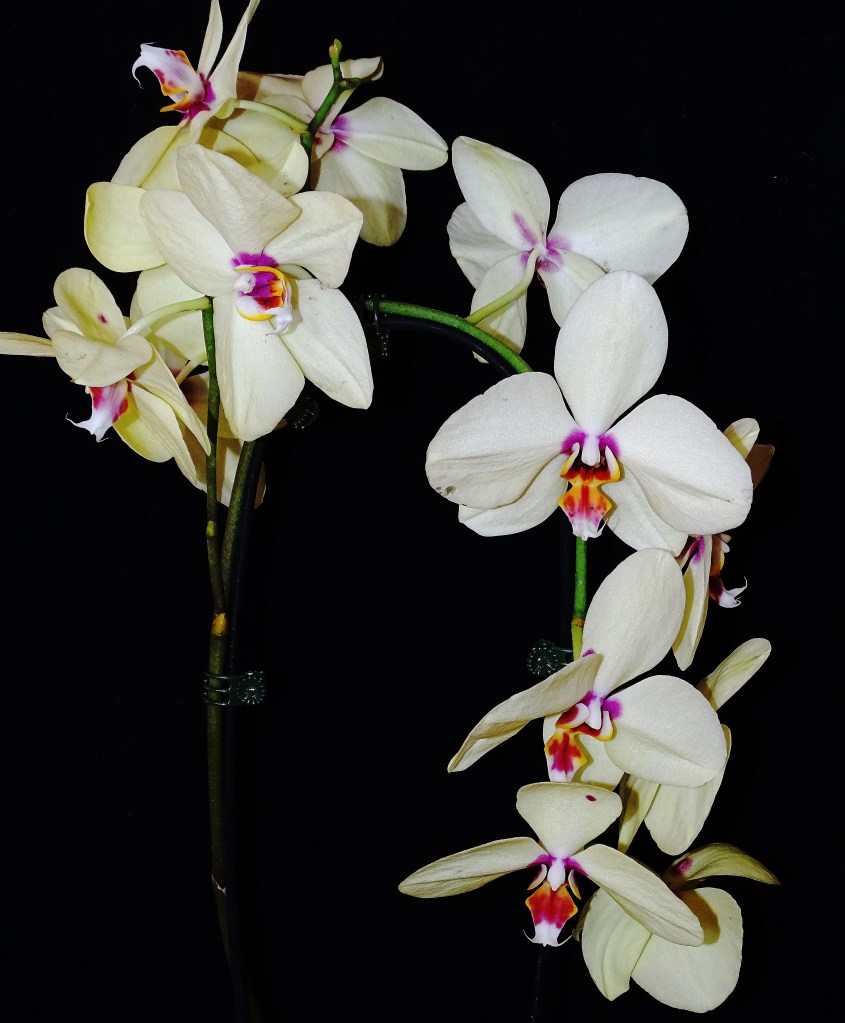
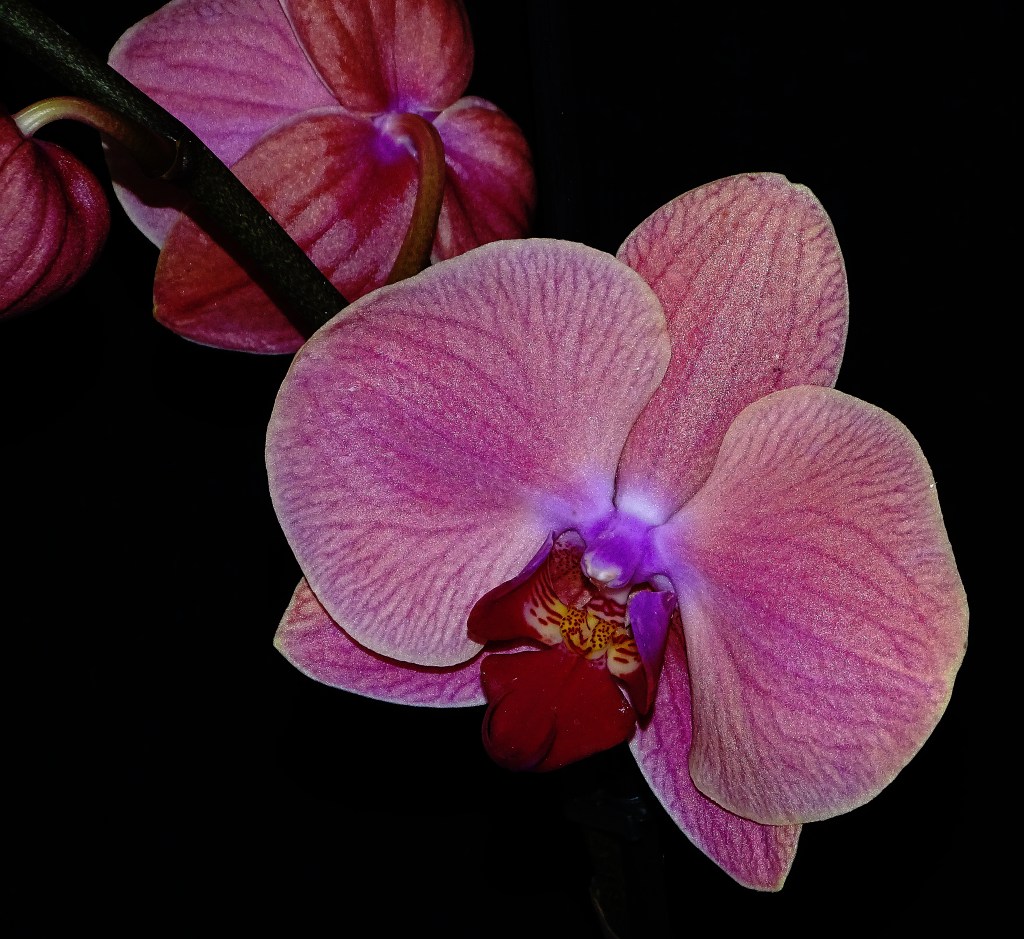
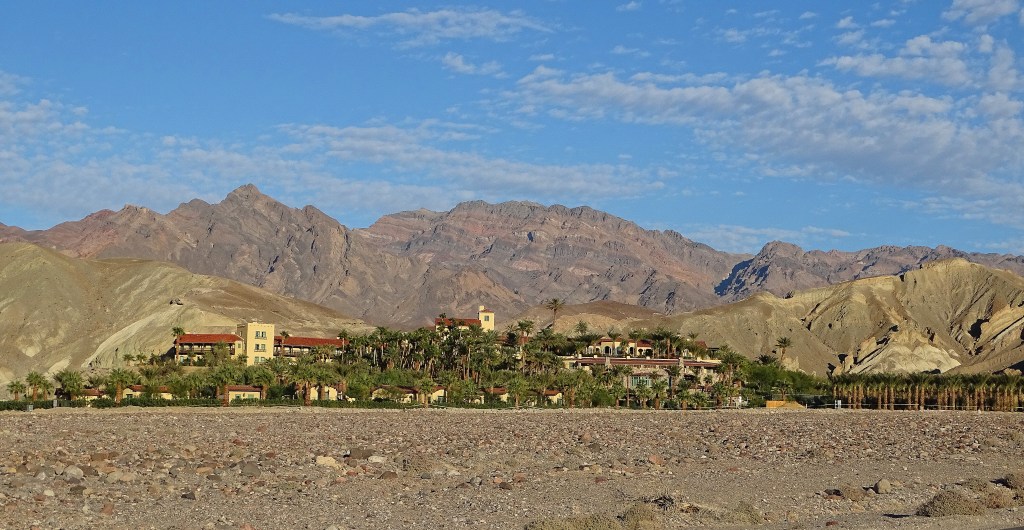
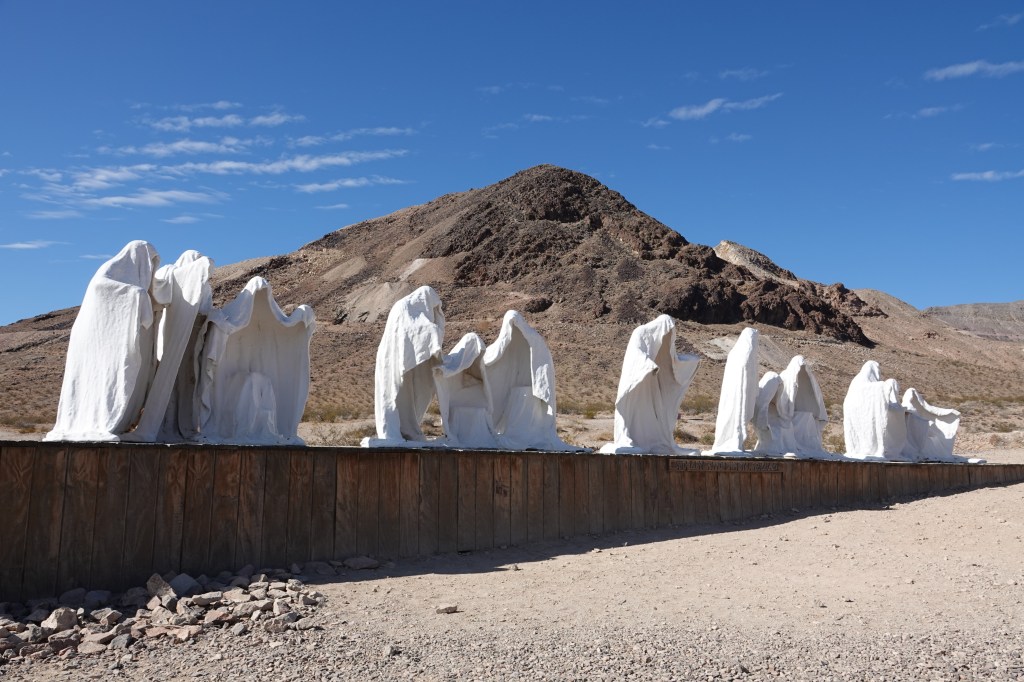
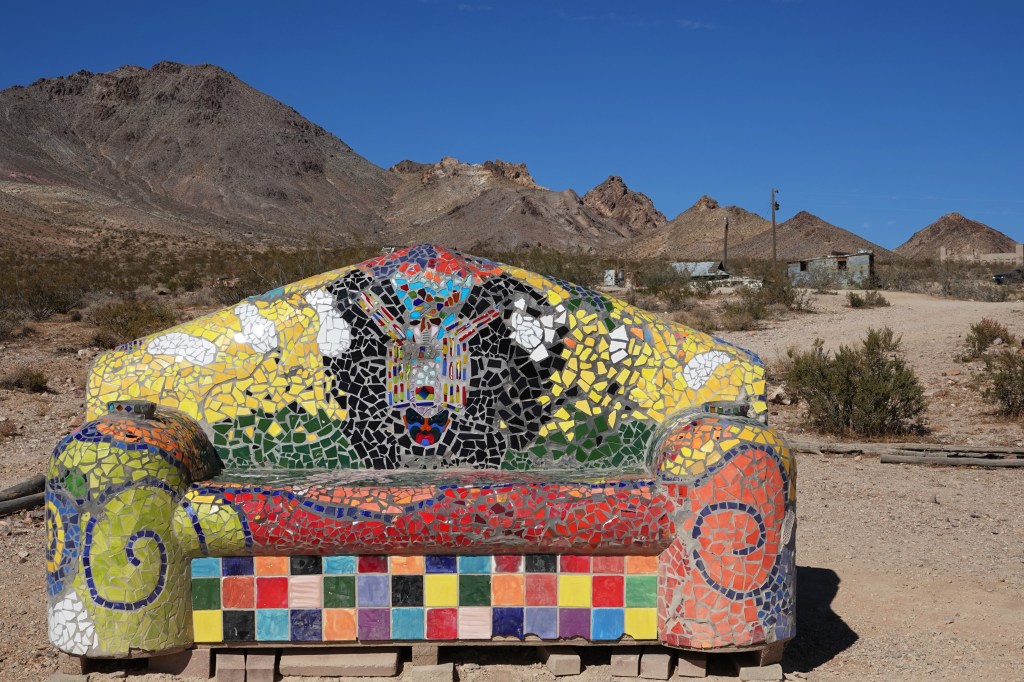
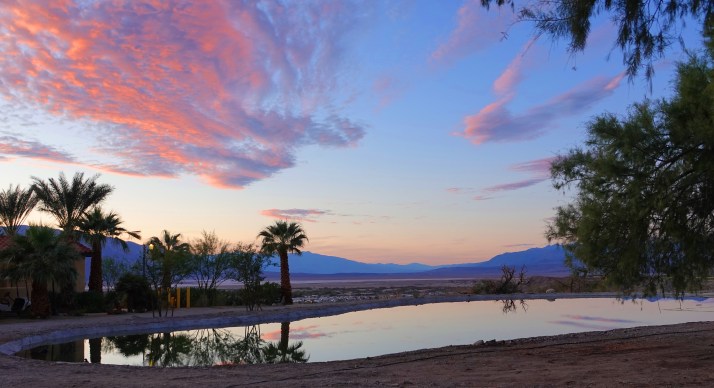
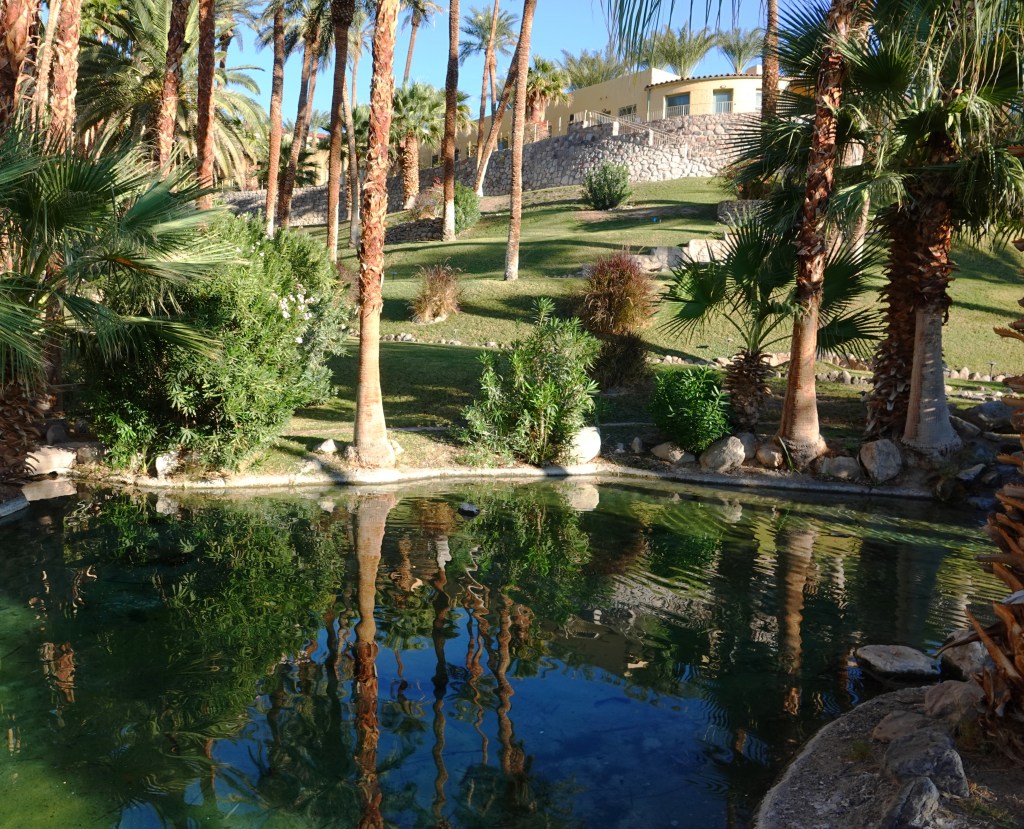
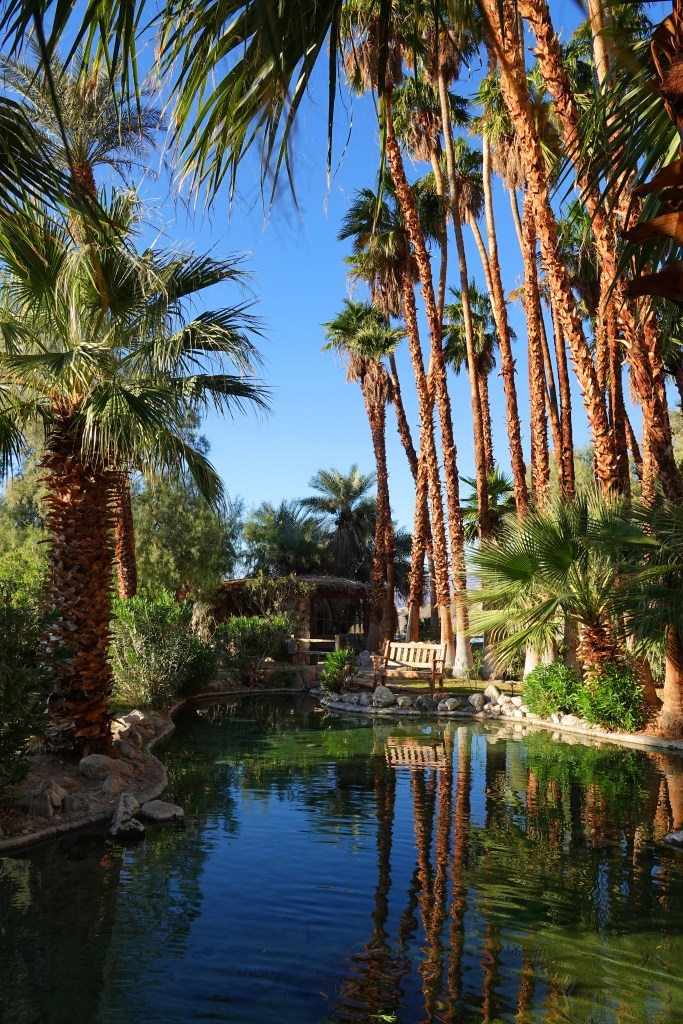
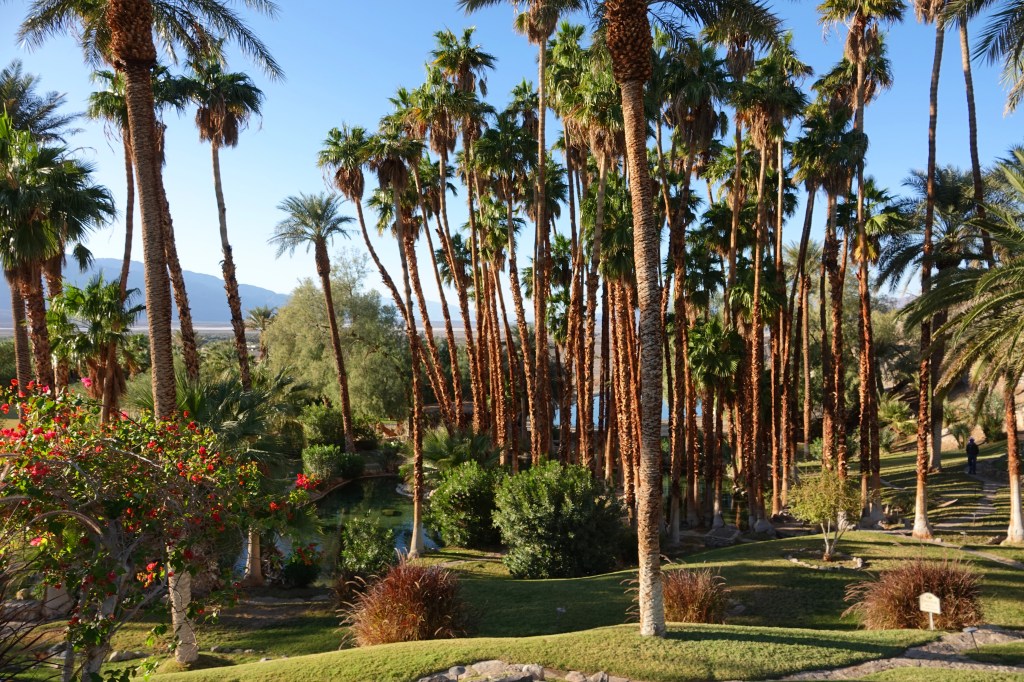
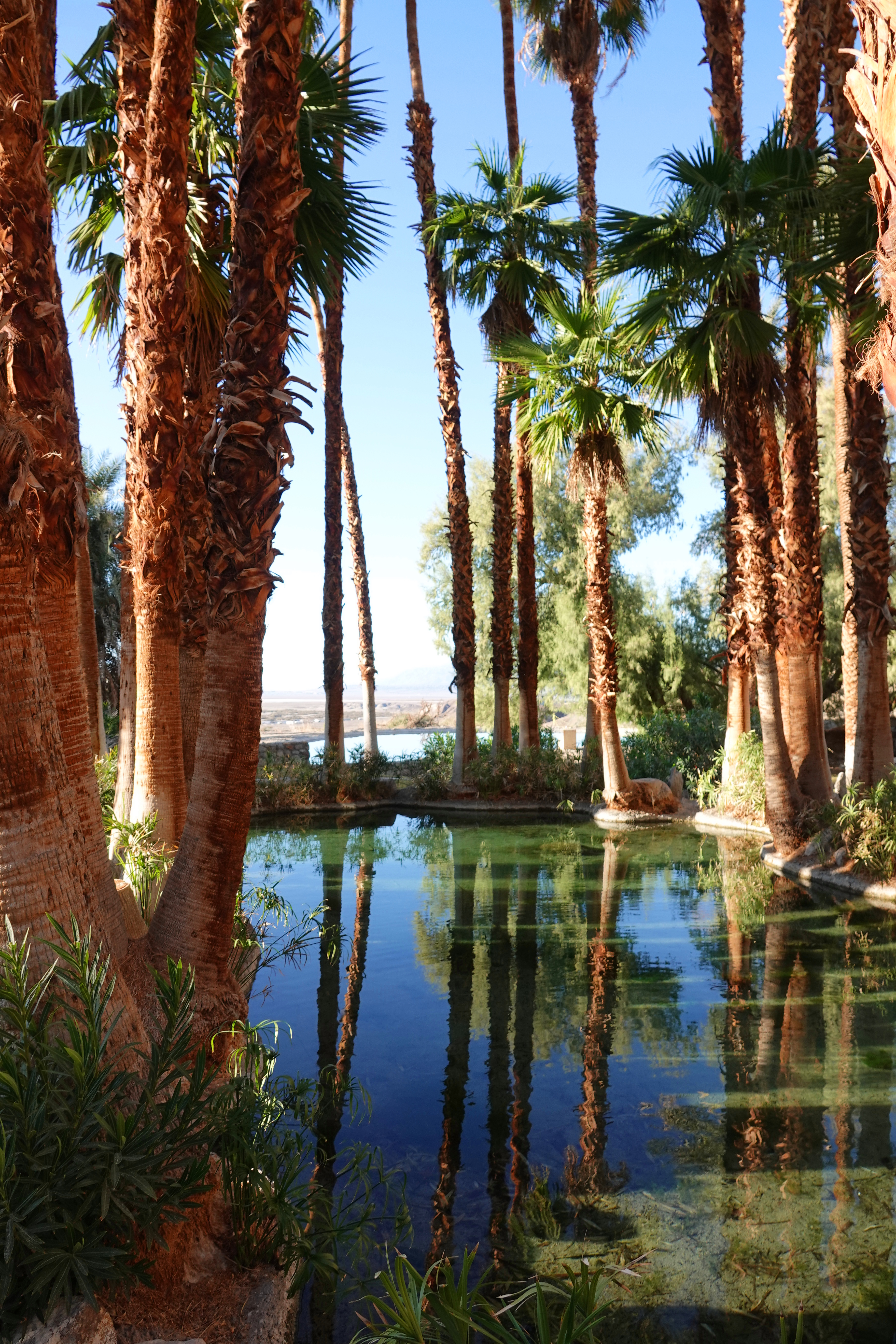
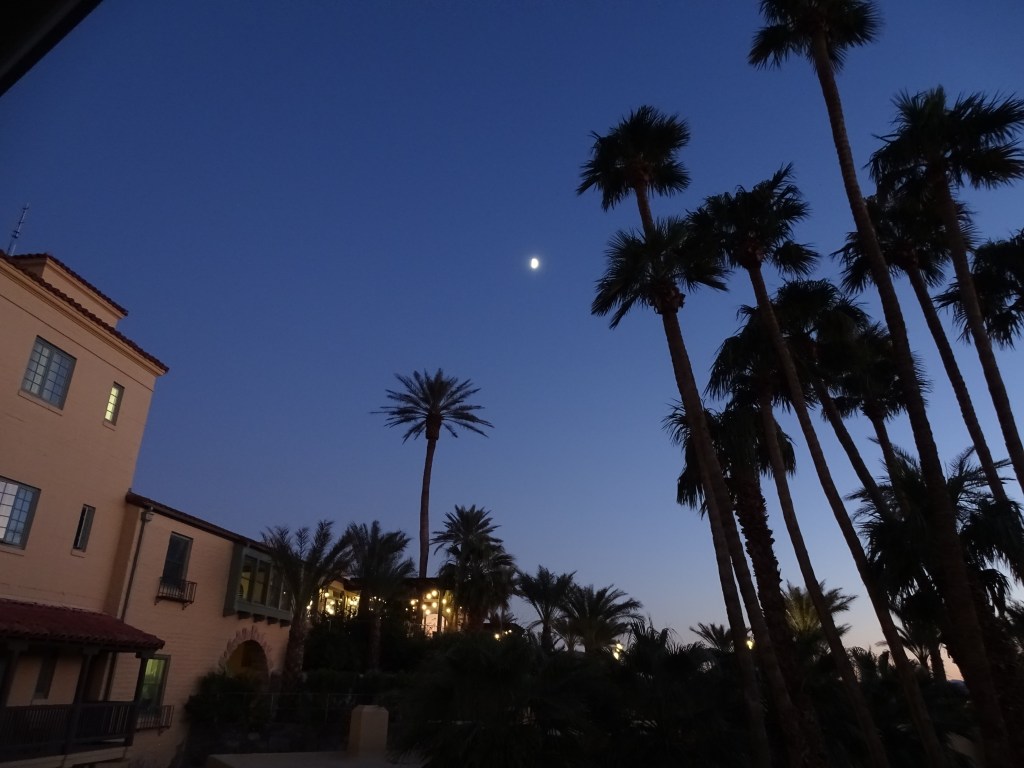
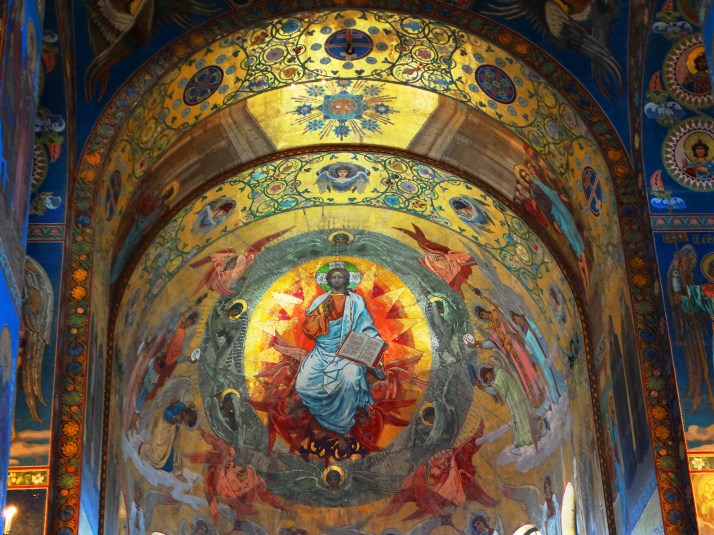
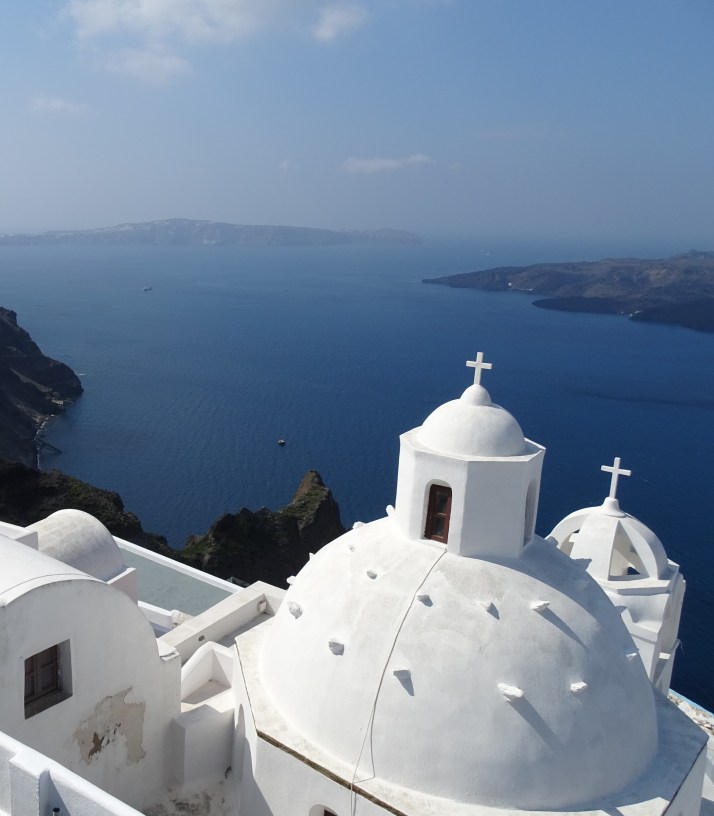
These photos were taken over the years in California, at Borrego Springs State Park, The Annenberg Gardens in Palm Springs, and Death Valley National Park. (Note: Image three is posted upside down, while image four is right-side up!)
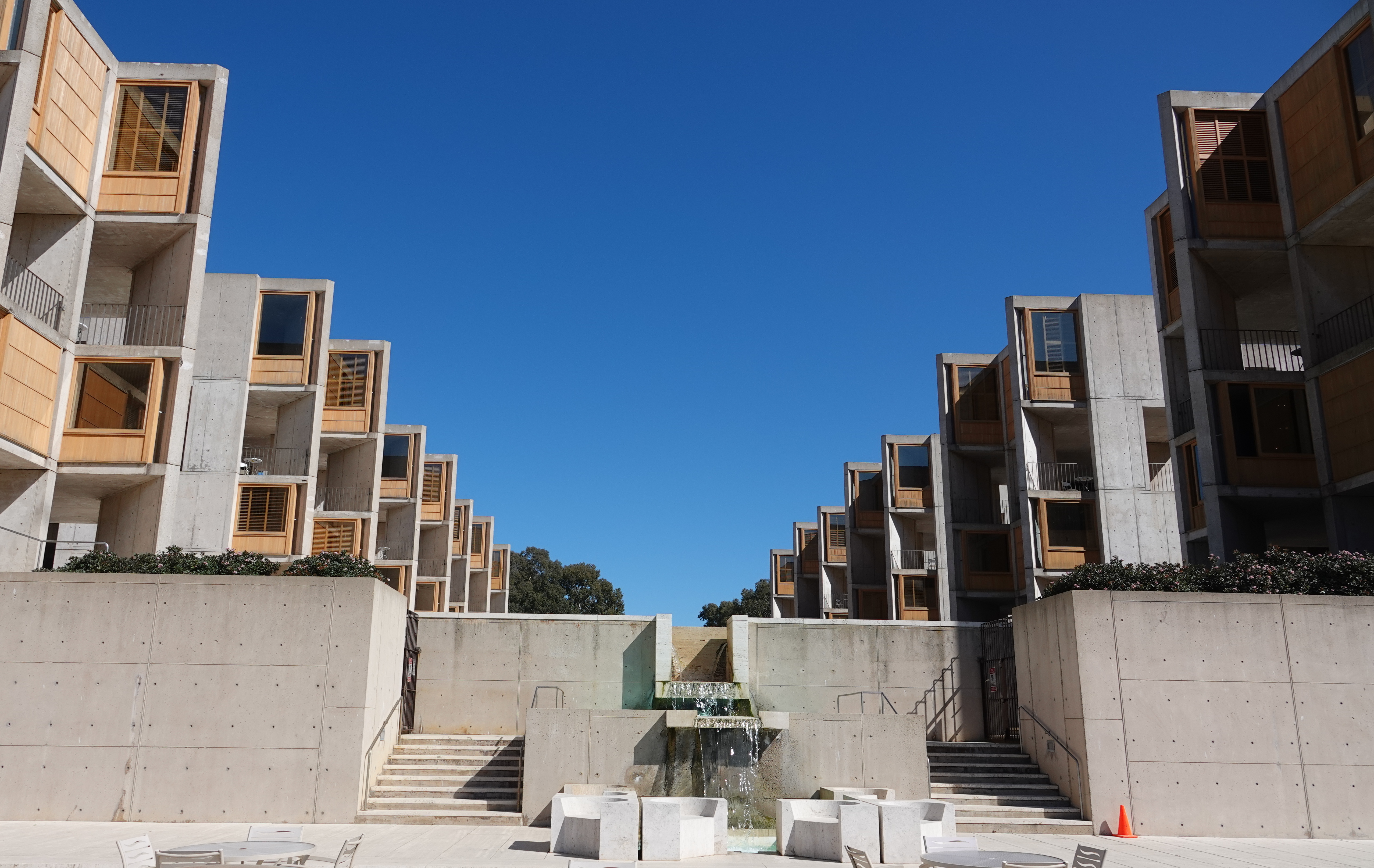
The architecturally interesting Salk Institute in La Jolla, California, sits on a stunning property with views over the ocean cliffs.
(Note: Salk is buttoned up these days due to their COVID- 19 research. They are working on vaccine development, viral imaging and immunity studies. Guards are patrolling and visitors are not allowed. Thank you Salk for what you do).
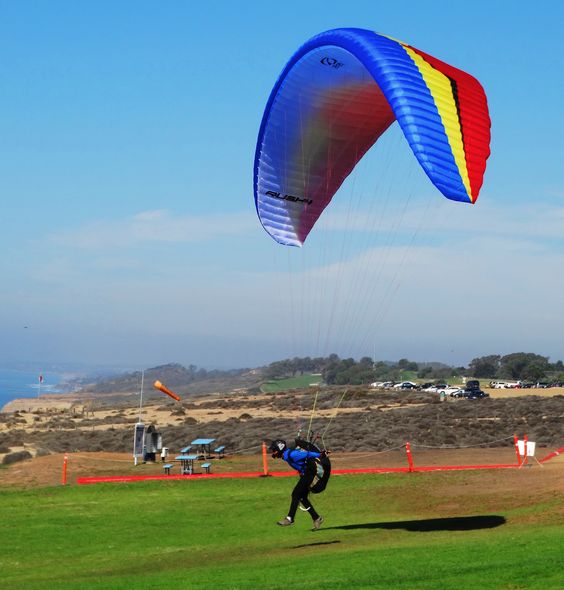
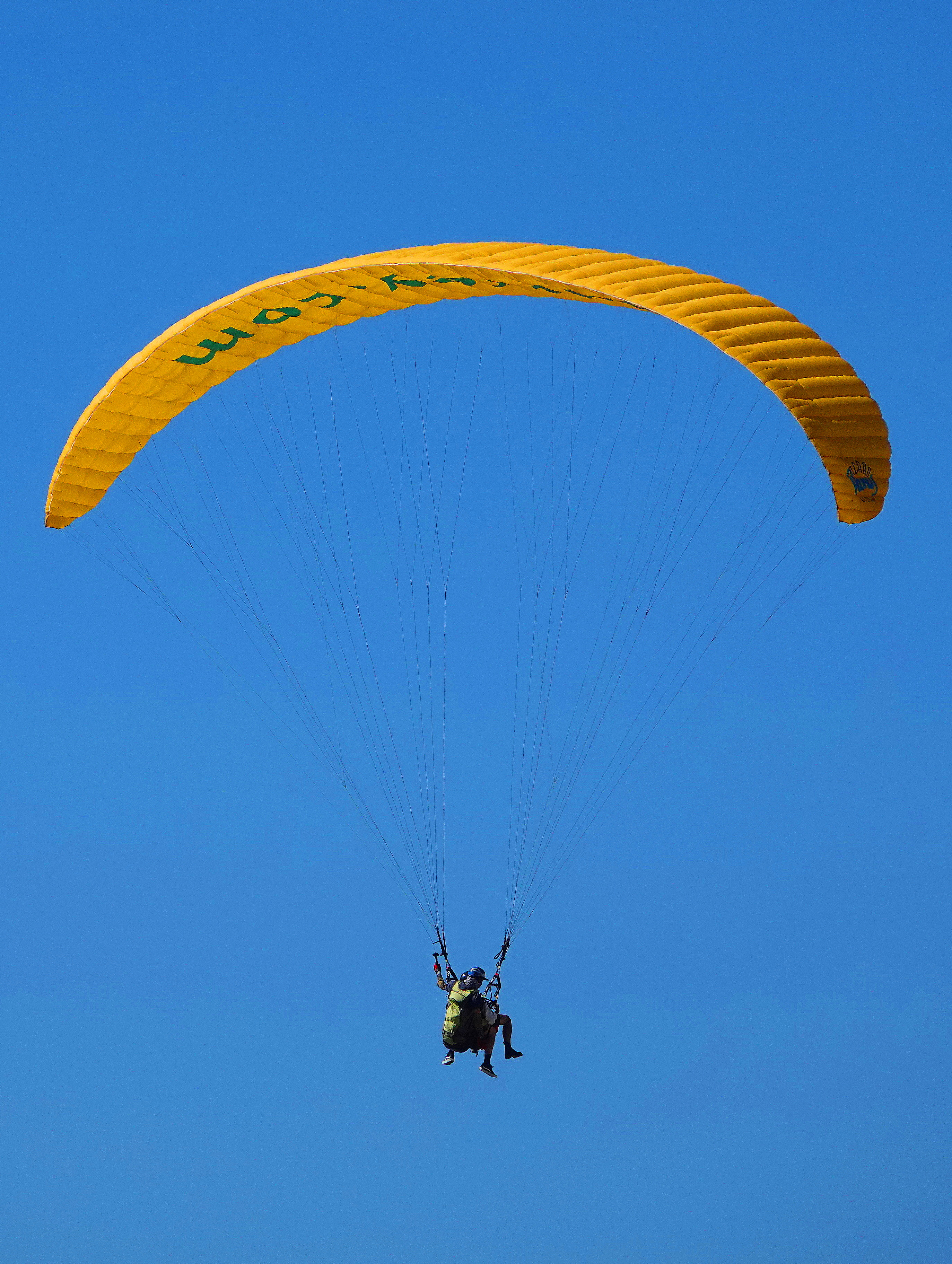
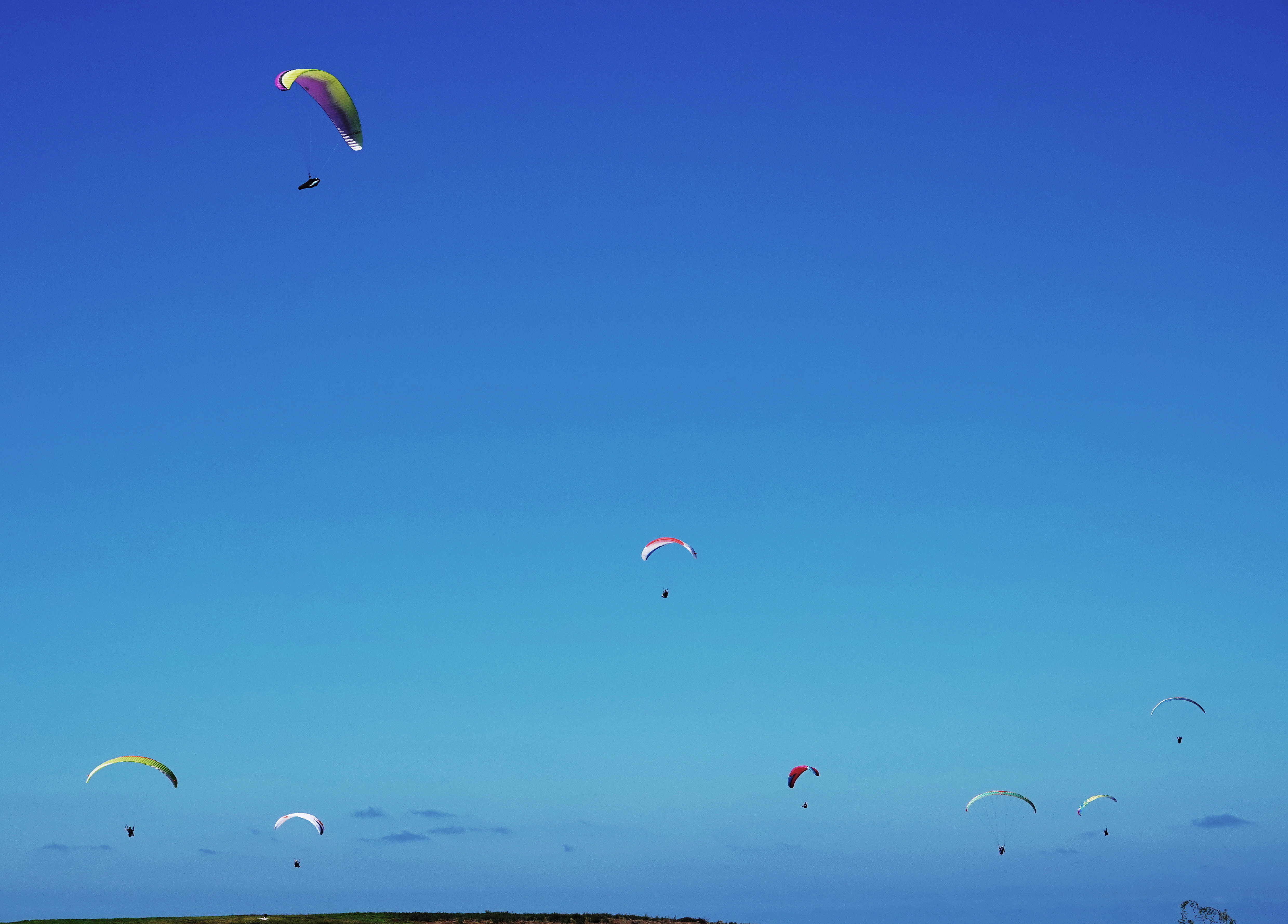
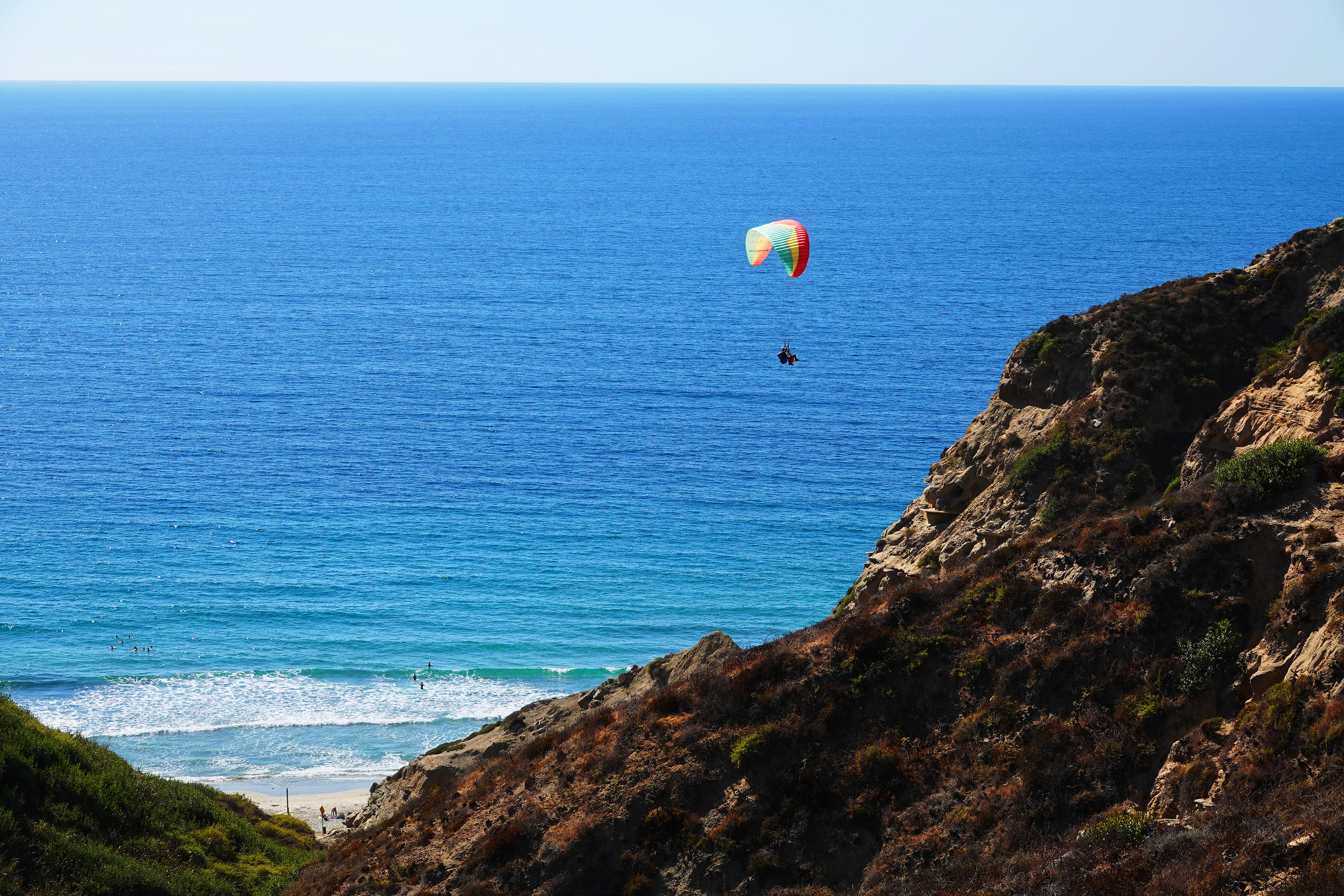
Next to Salk is the Torrey Pines Glider Port.
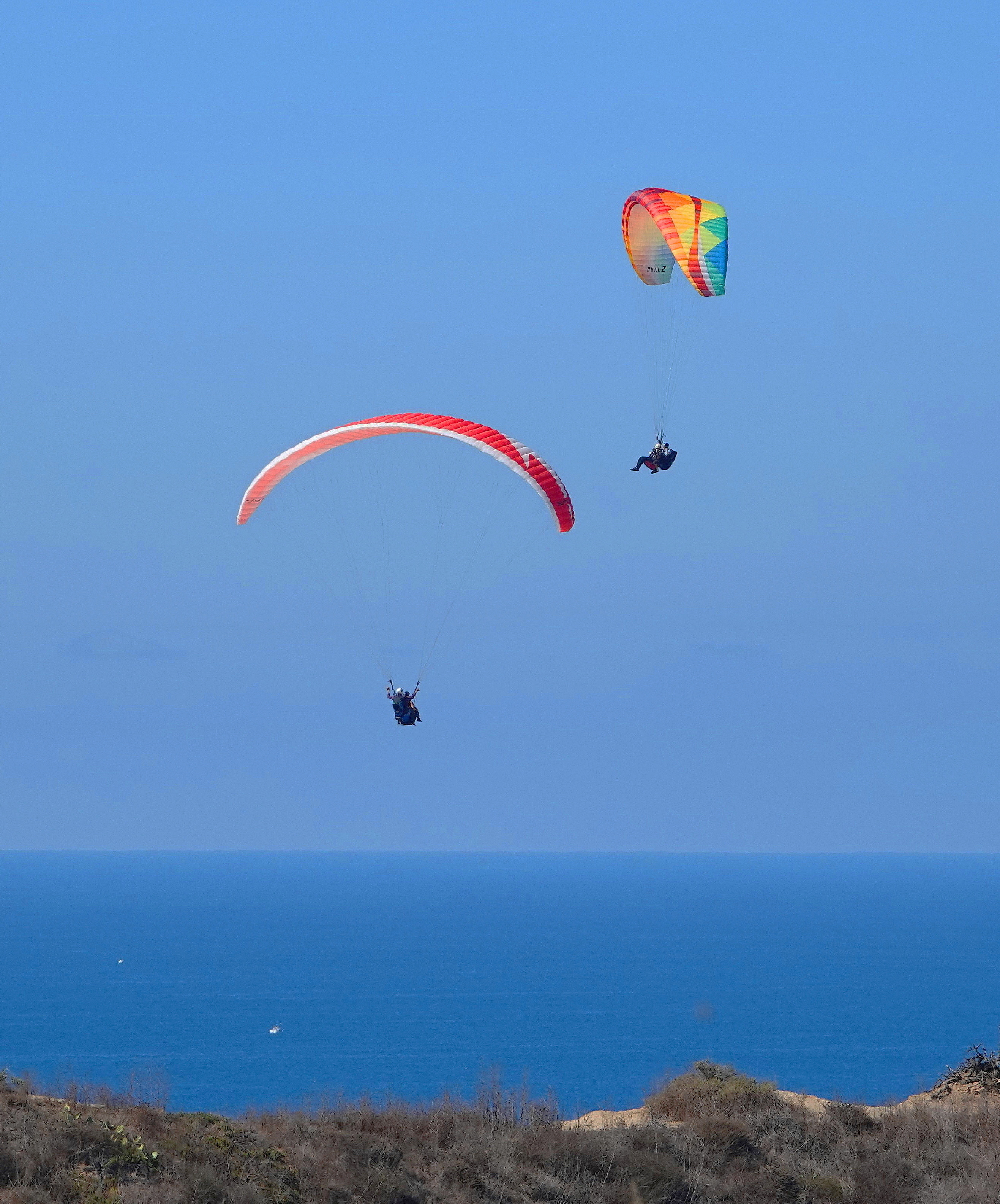
A couple steps and you are off the cliff,
soaring,
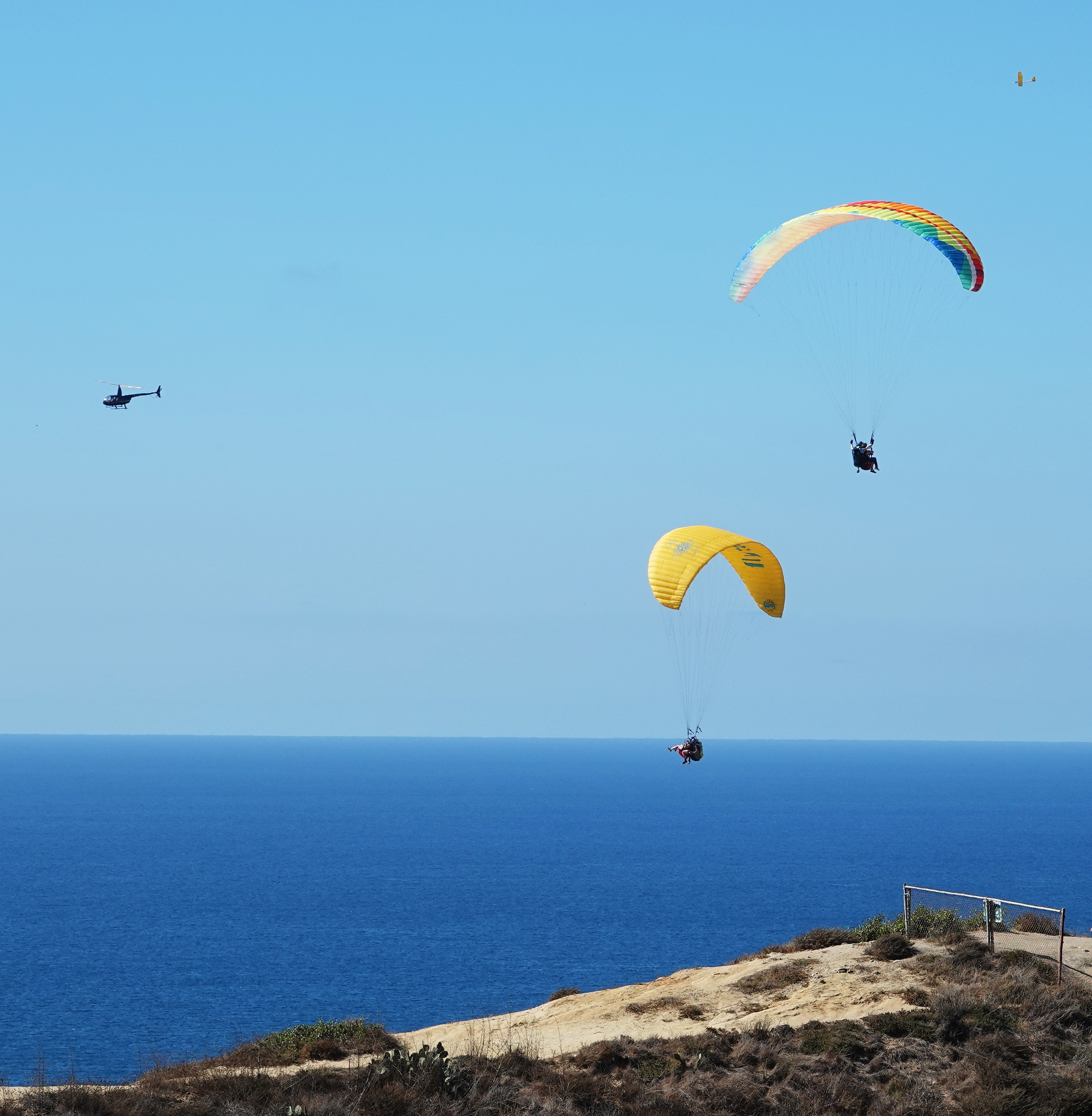
with the birds,
helicopters and planes,
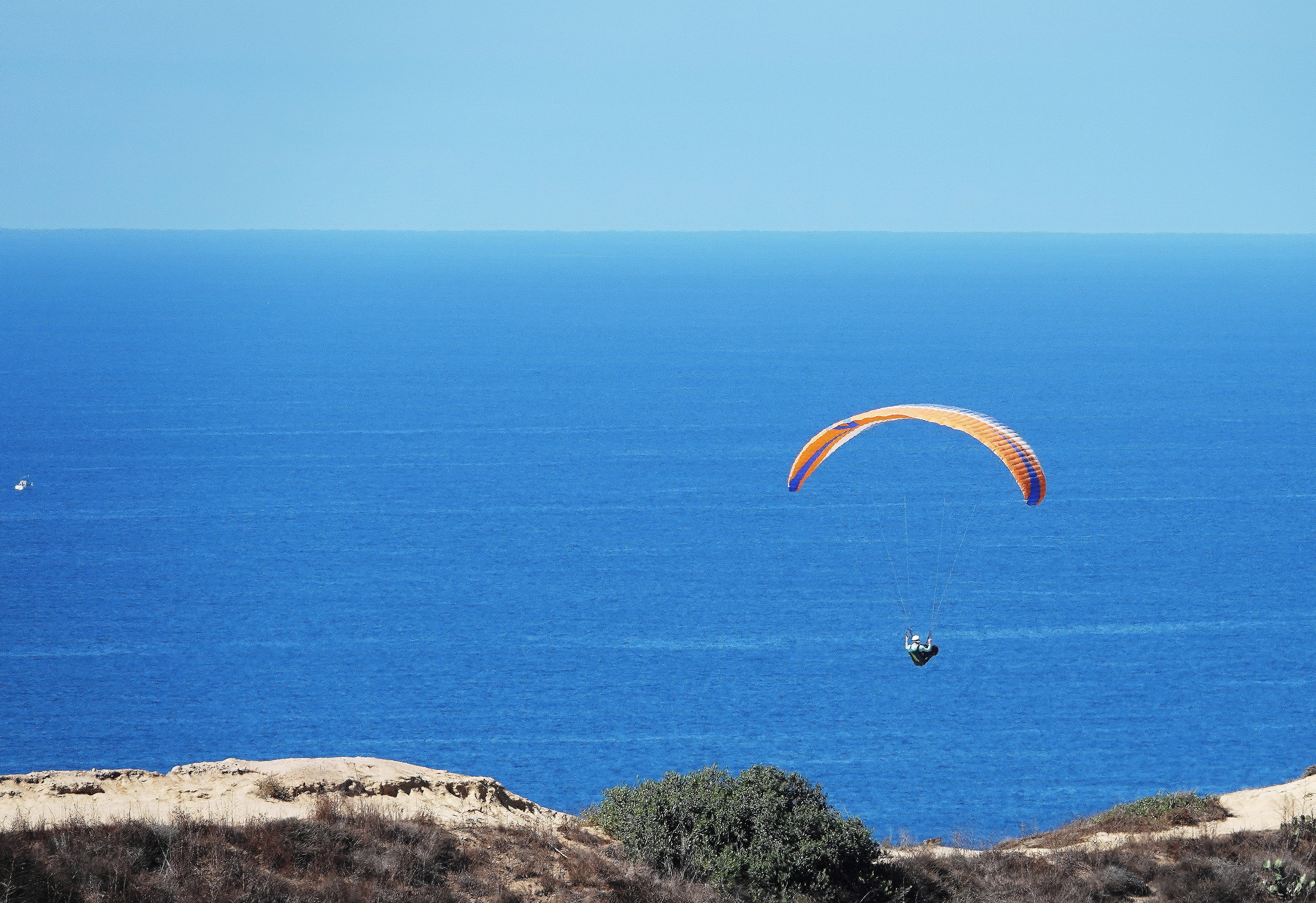
over the ocean,
far below.
Sailing off into the sky,
seems so freeing, except for the cliffs and rocks below!
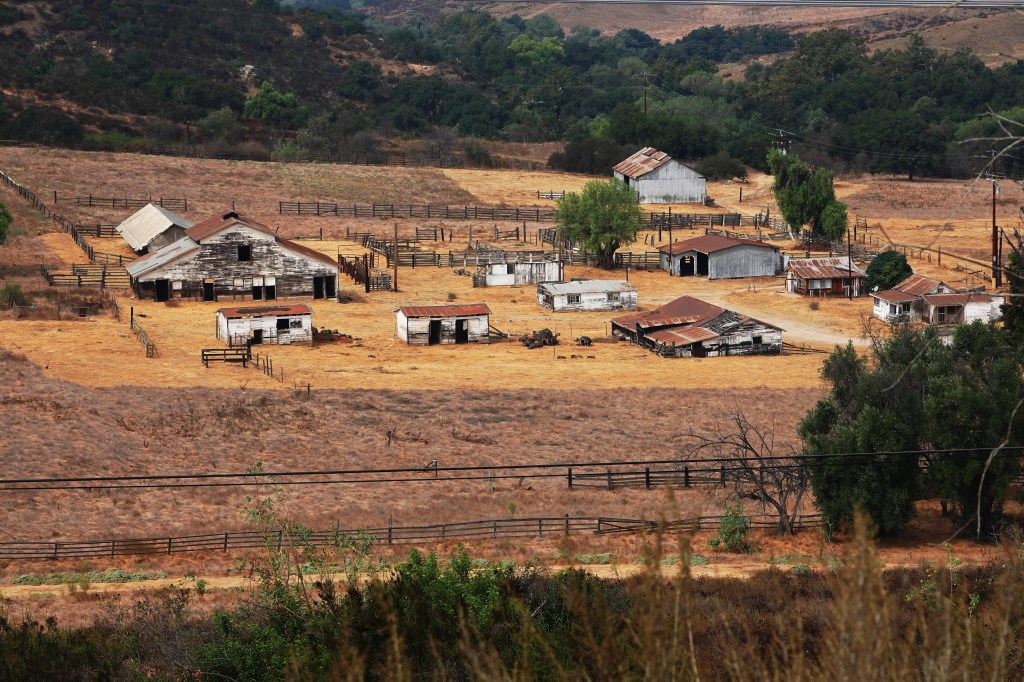
It’s in a nature preserve and is named Rancho Lilac.
Rancho Lilac has a interesting history.
It was originally settled as a 2300 acre homestead in 1865.
It passed through several owners over time who turned it into a working cattle ranch.
In 1945 it was purchased by Col. Irving Salomon, an undersecretary to The United Nations who built an extensive rancho home where he hosted rural retreats for world leaders like Dwight Eisenhower, Eleanor Roosevelt, Mahatma Ghandhi, and Golda Meir.
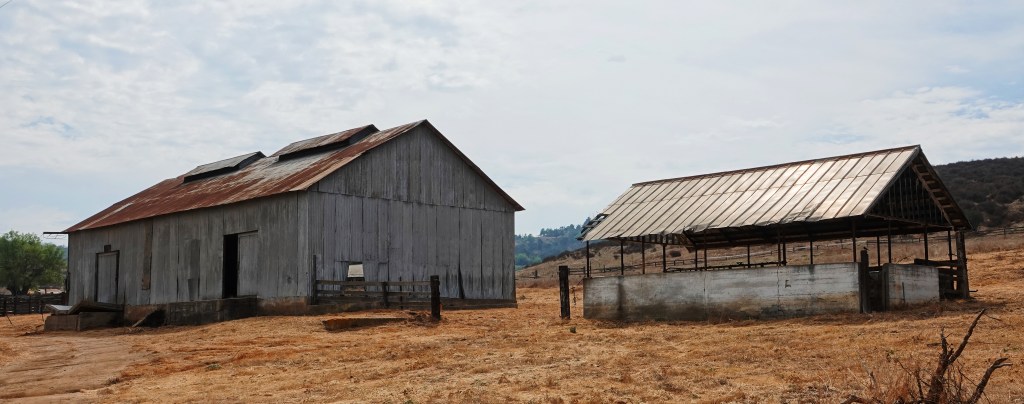
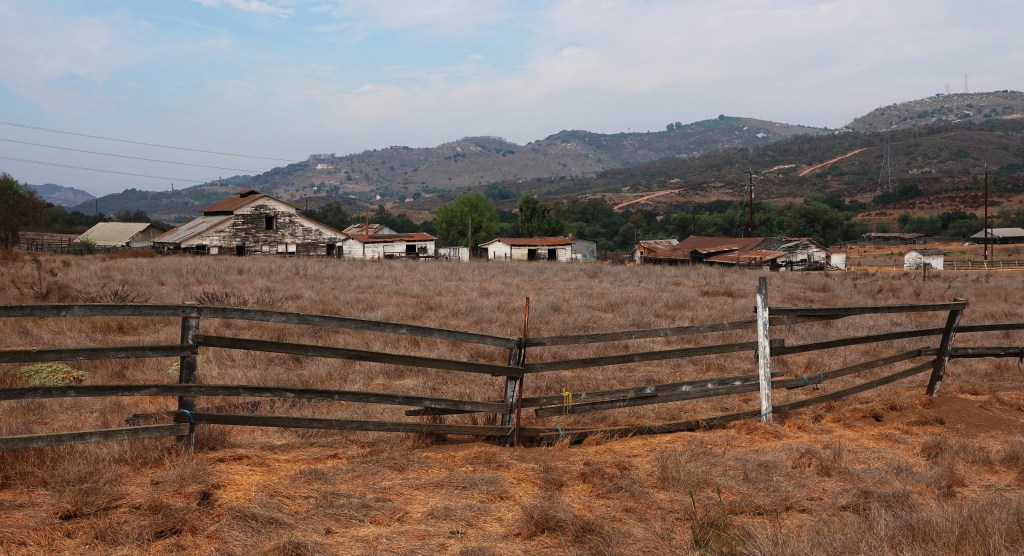
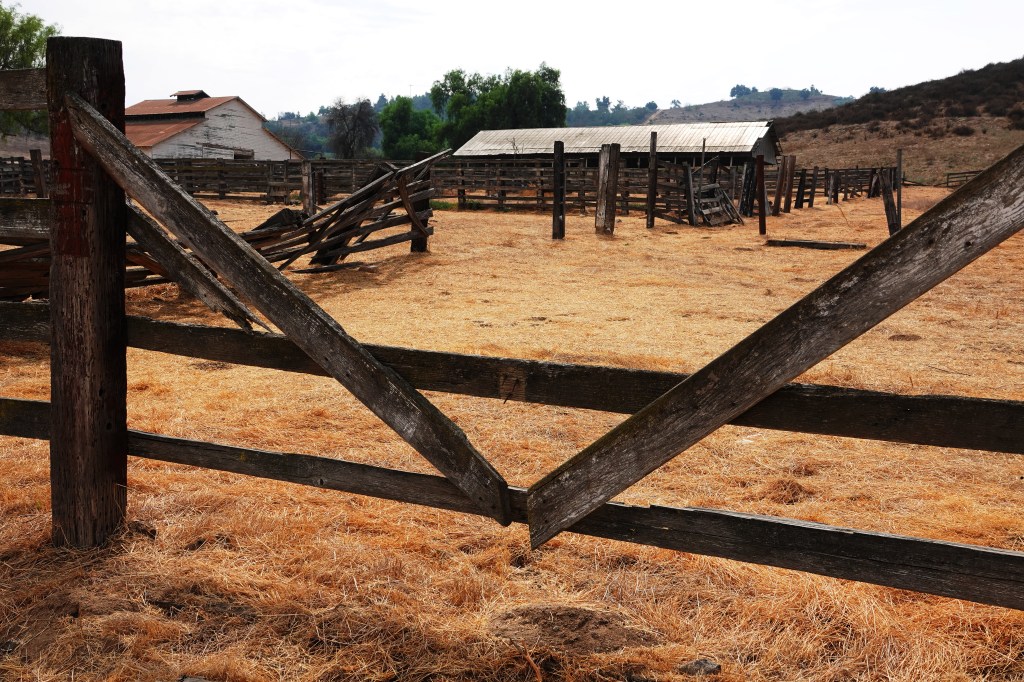
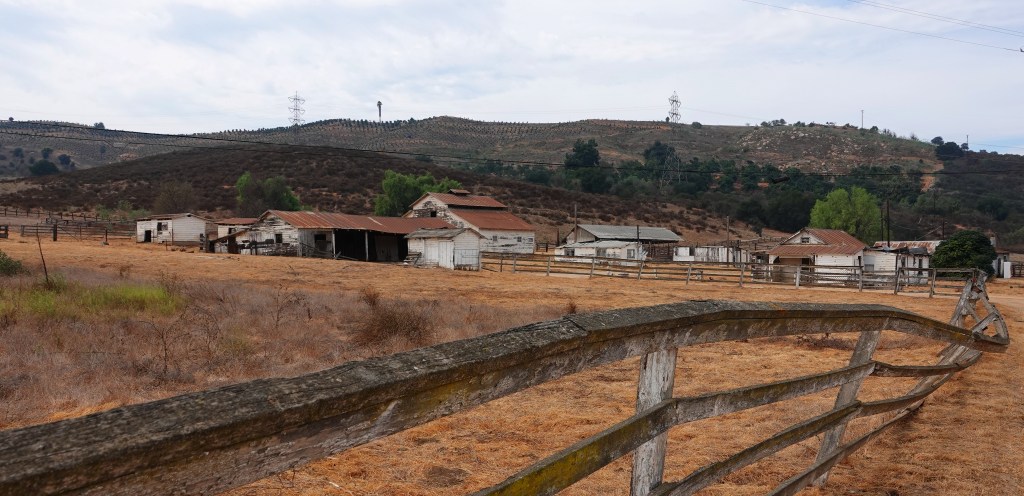
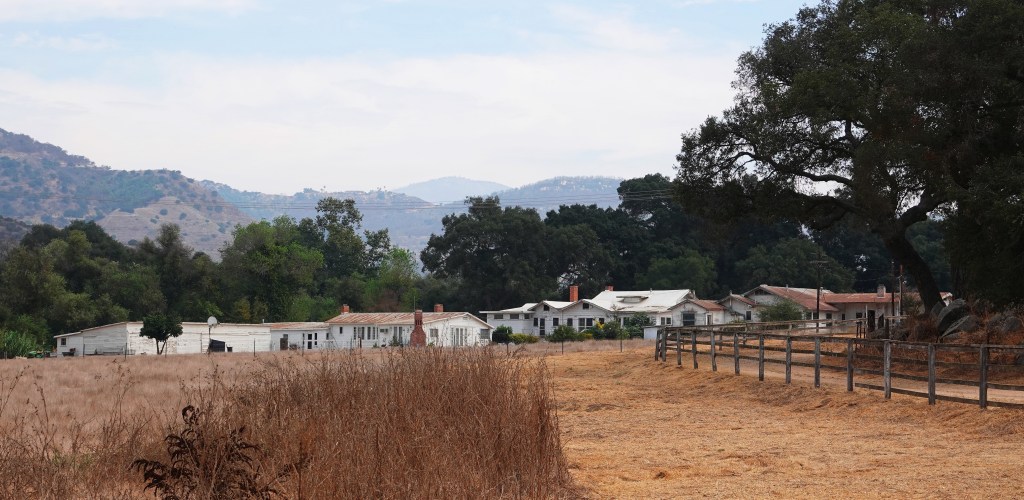
This is the Salomon home ranch complex . There is an abandoned pool and tennis court and a caretaker living on the property. The rancho is currently preserved as an historical landmark.
There is a year round creek running through the property making the habitat critical for wildlife sustenance.
1600 acres of the ranch property have been set aside as a permanent nature preserve.
This is the old road that connects The Holler to the Rancho.
The Rancho is like a time capsule, unique, pristine, and full of precious and vulnerable wild life. We hope it stays protected into the future.
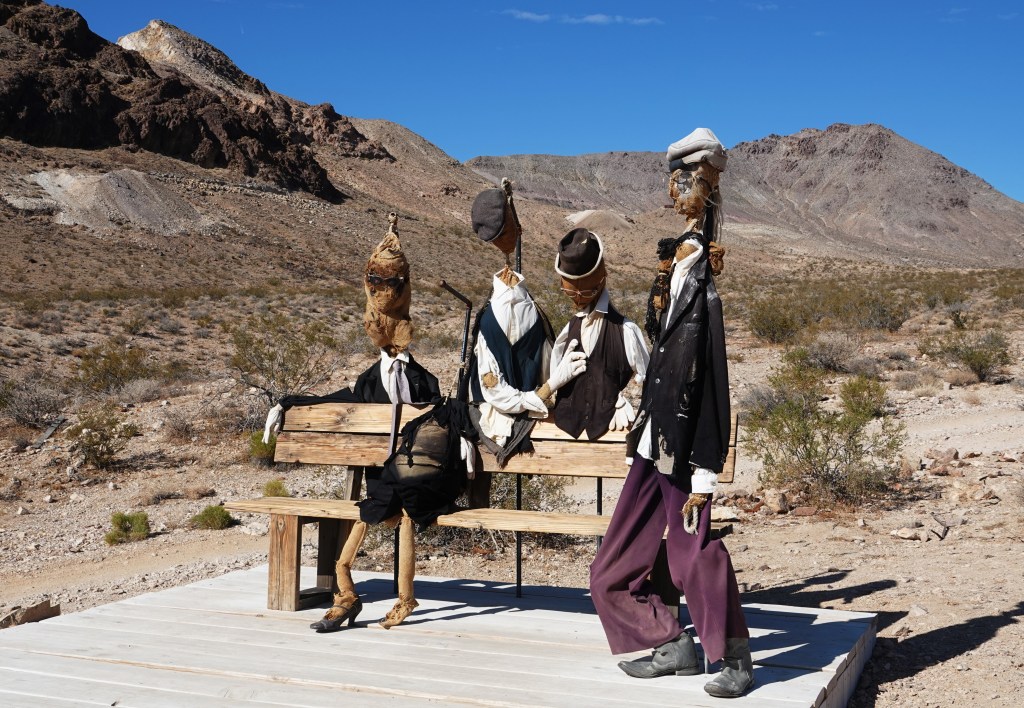
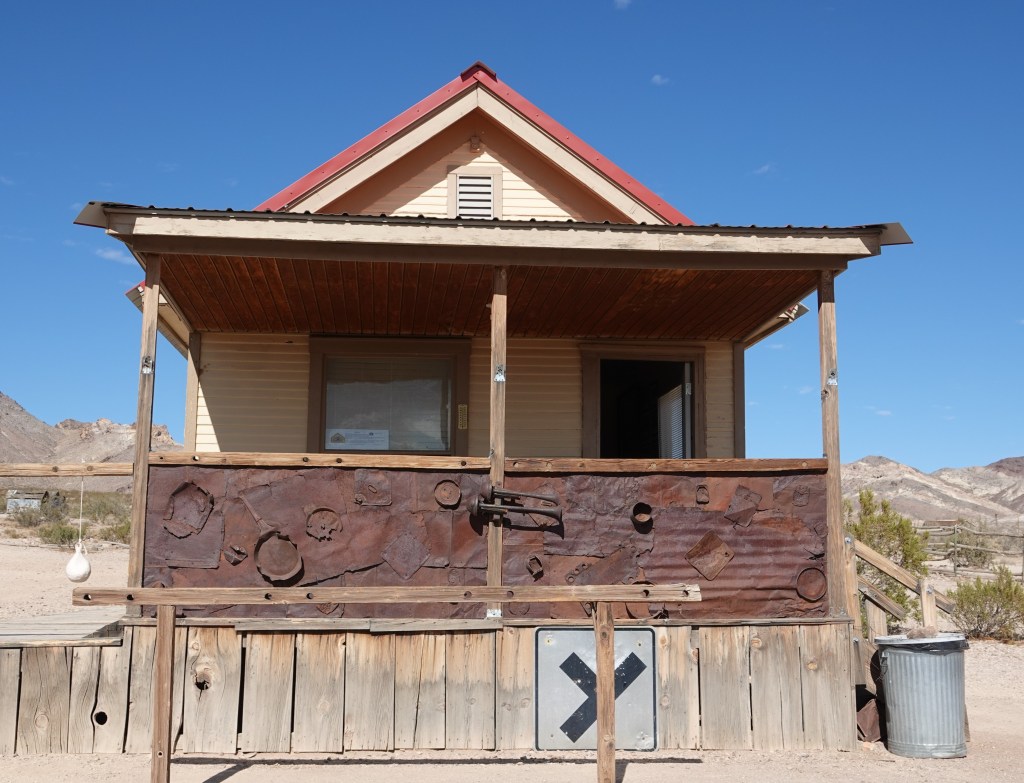
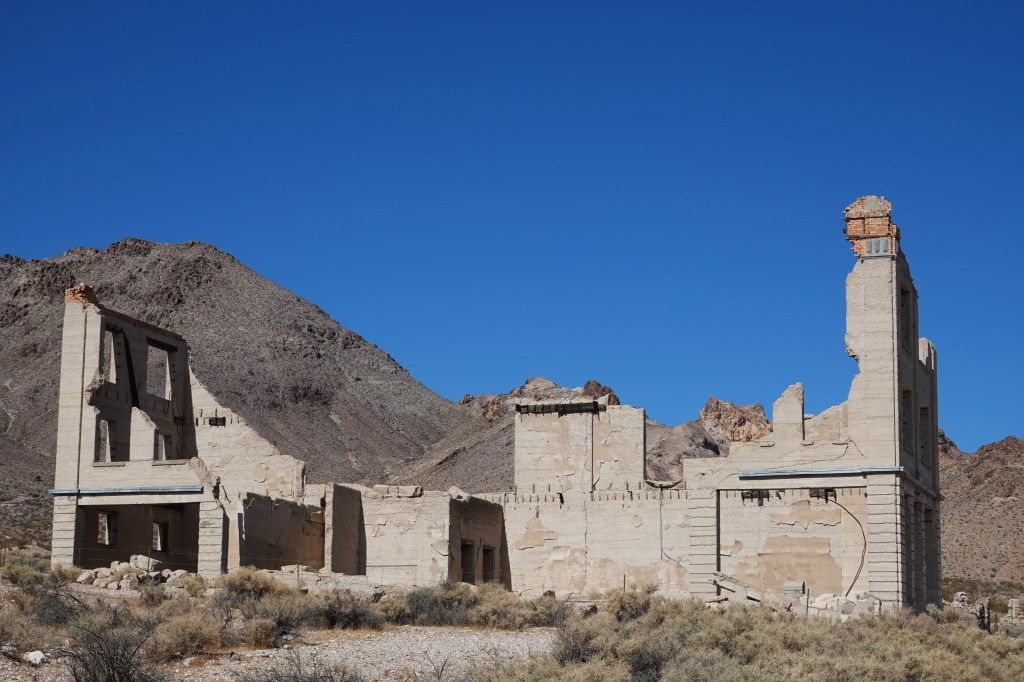
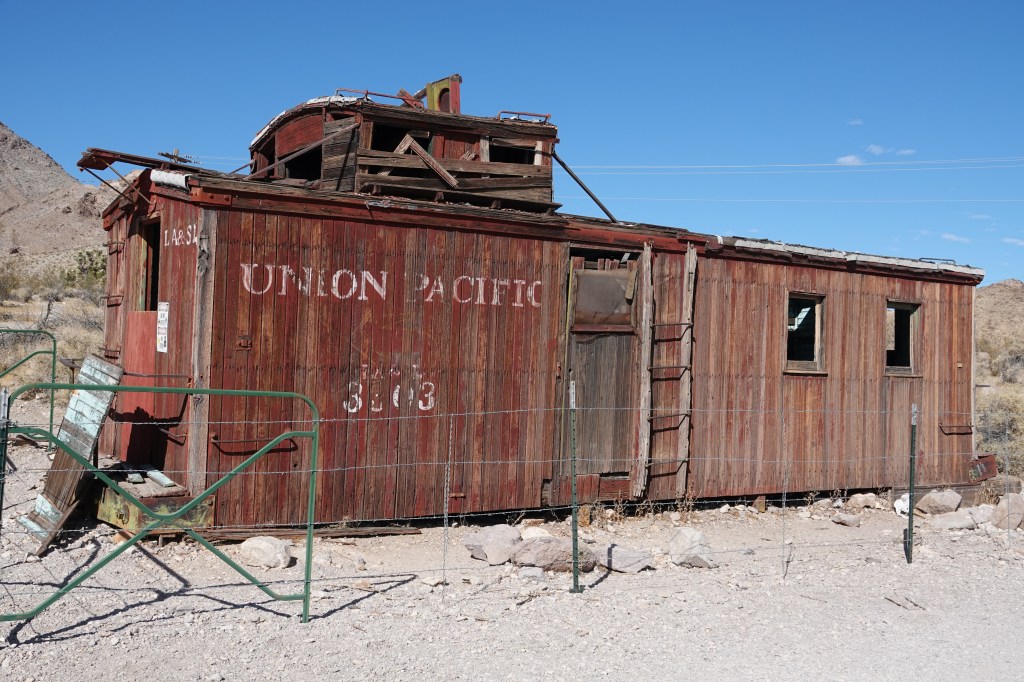
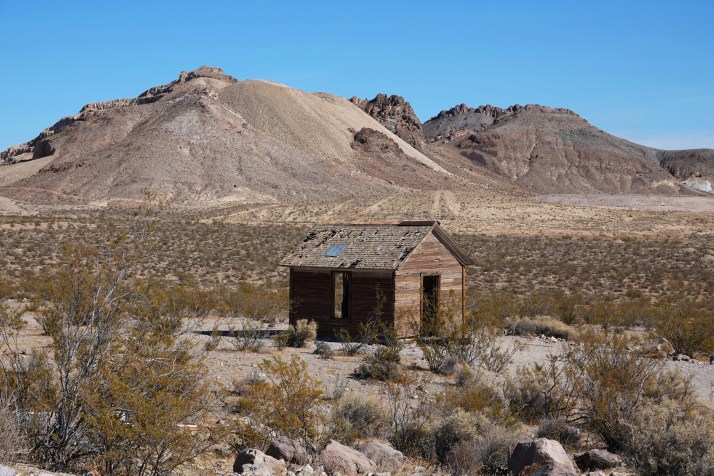
After we explore the remarkable museum and it’s ghostly sculptures by ourselves for as long as we want (there is no one here to bother us), we mosey on down the road to Rhyolite, Nevada, a gold mining ghost town that boomed and busted between 1904 to 1920.
At it’s peak in 1908, Rhyolite had a population of 8,000. By 1920, when the gold had petered out, the population stood at 14.
The post office, the bank, the store, the school, all were abandoned.
Can you imagine living in a desert that reached the hottest temperature on earth with no AC?
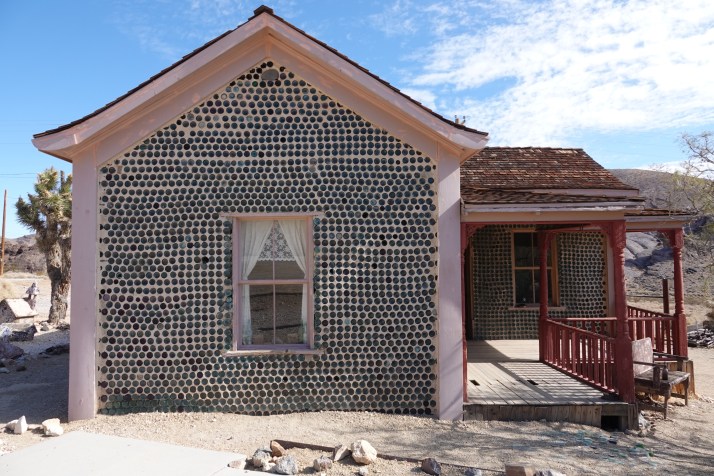
One home, built in 1905, was constructed almost entirely of 50,000 beer bottles. It is one of the most well preserved buildings in the ghost town.
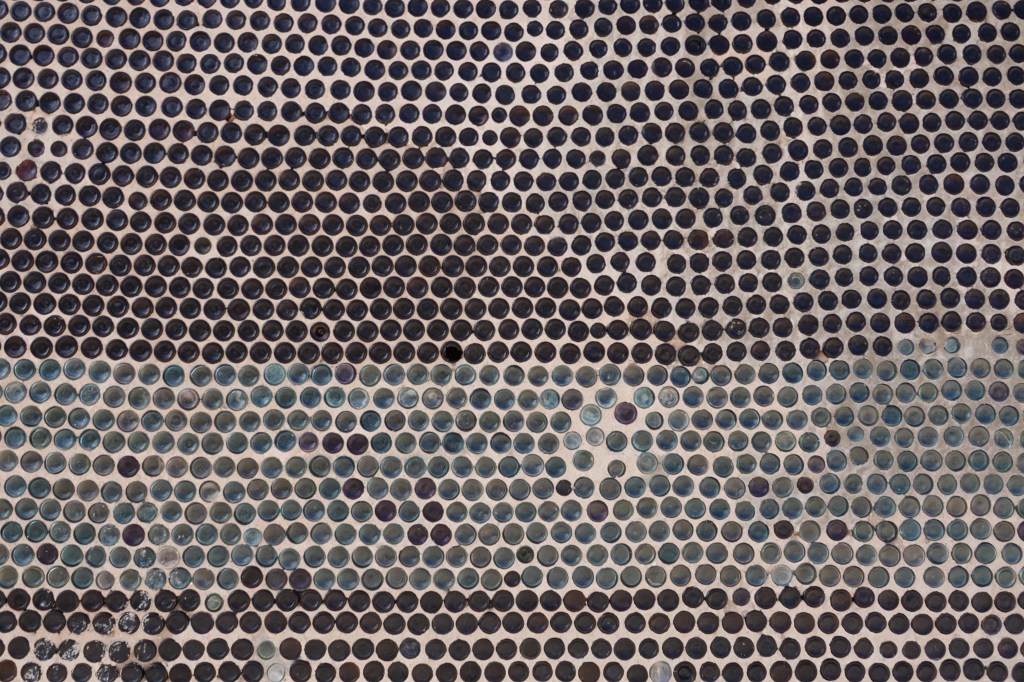
You can see the bottle details in this section of wall. You could sing “99 Bottles of Beer on the Wall,” in this house, and actually be counting! For more on this unusual home see : http://www.nbmog.org/bottlehouse.html
Cheers to you from the fun to explore and always mysterious Mojave ~