The Gardeners~

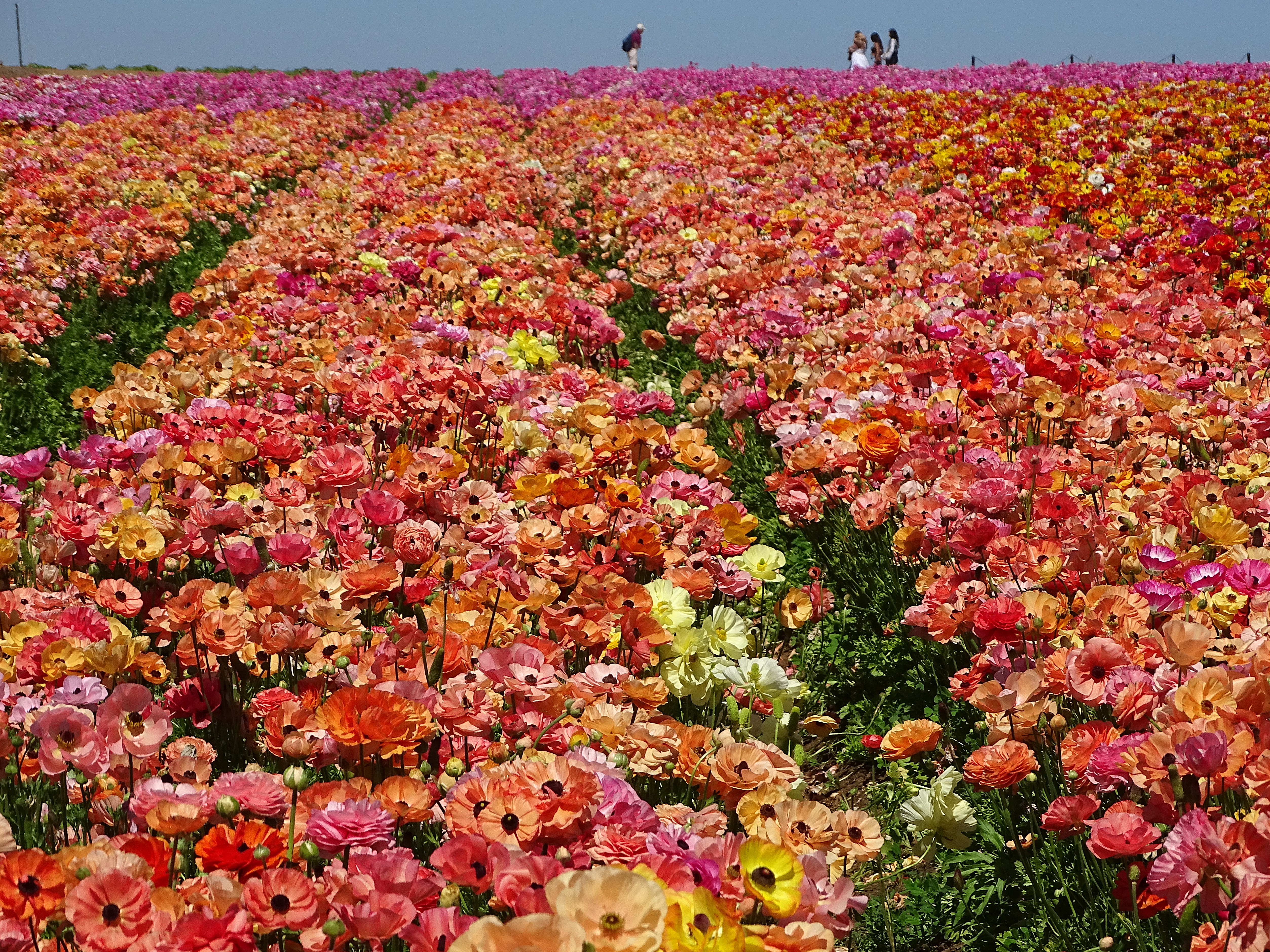
A vibrant field filled with a variety of colorful flowers, including pink, orange, red, and yellow blooms, with people in the background enjoying the scenery.

What would the world be,

A vibrant field filled with multicolored ranunculus flowers in shades of pink, orange, and yellow, with people walking in the background.

without our gardeners,

A vibrant field of blooming ranunculus flowers in various shades of pink, orange, yellow, and red, with visitors strolling through the rows under a clear blue sky.

who tend the flowers,

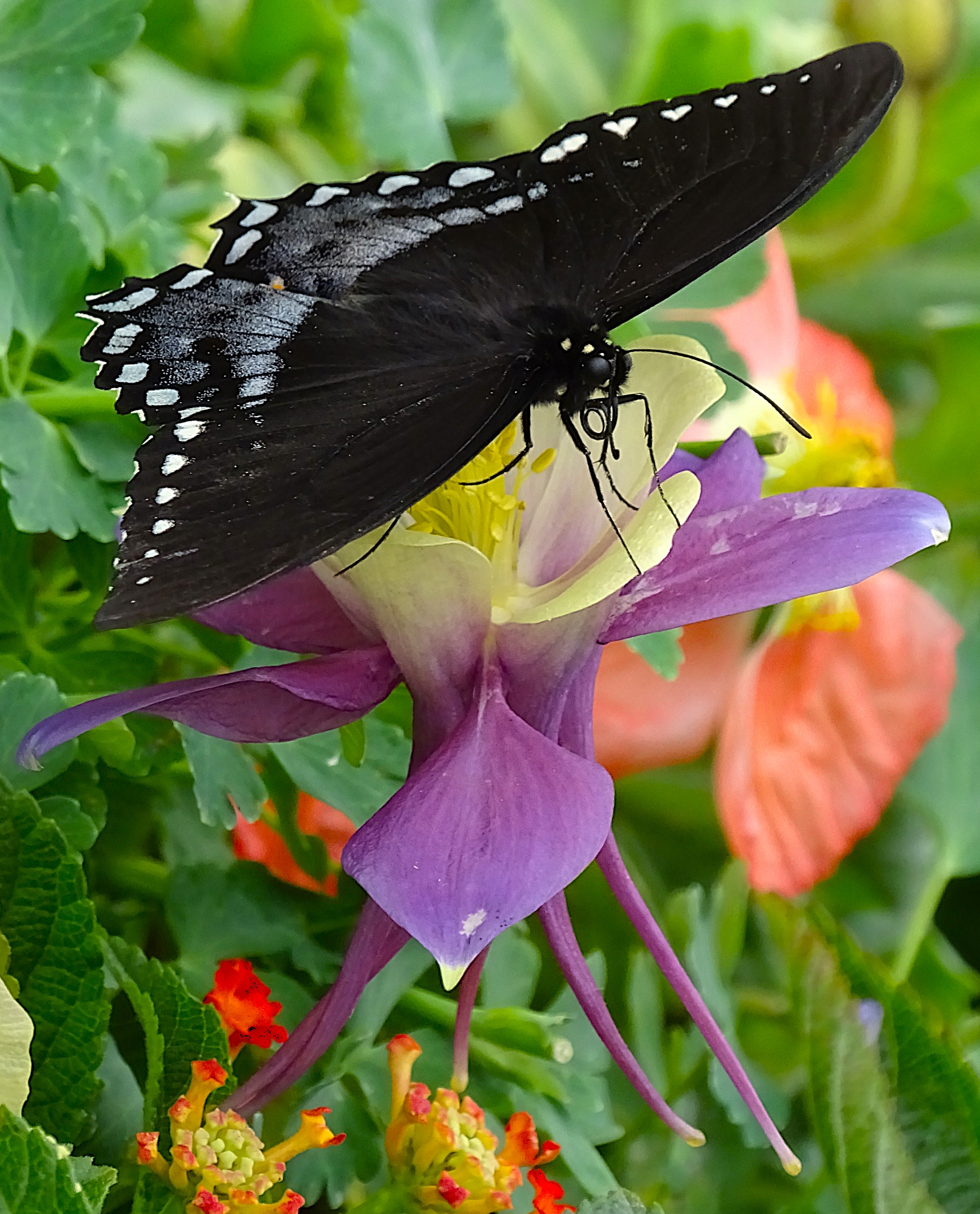
A black butterfly with white spots resting on a purple flower surrounded by green foliage and other colorful flowers.

where flutters fly by,

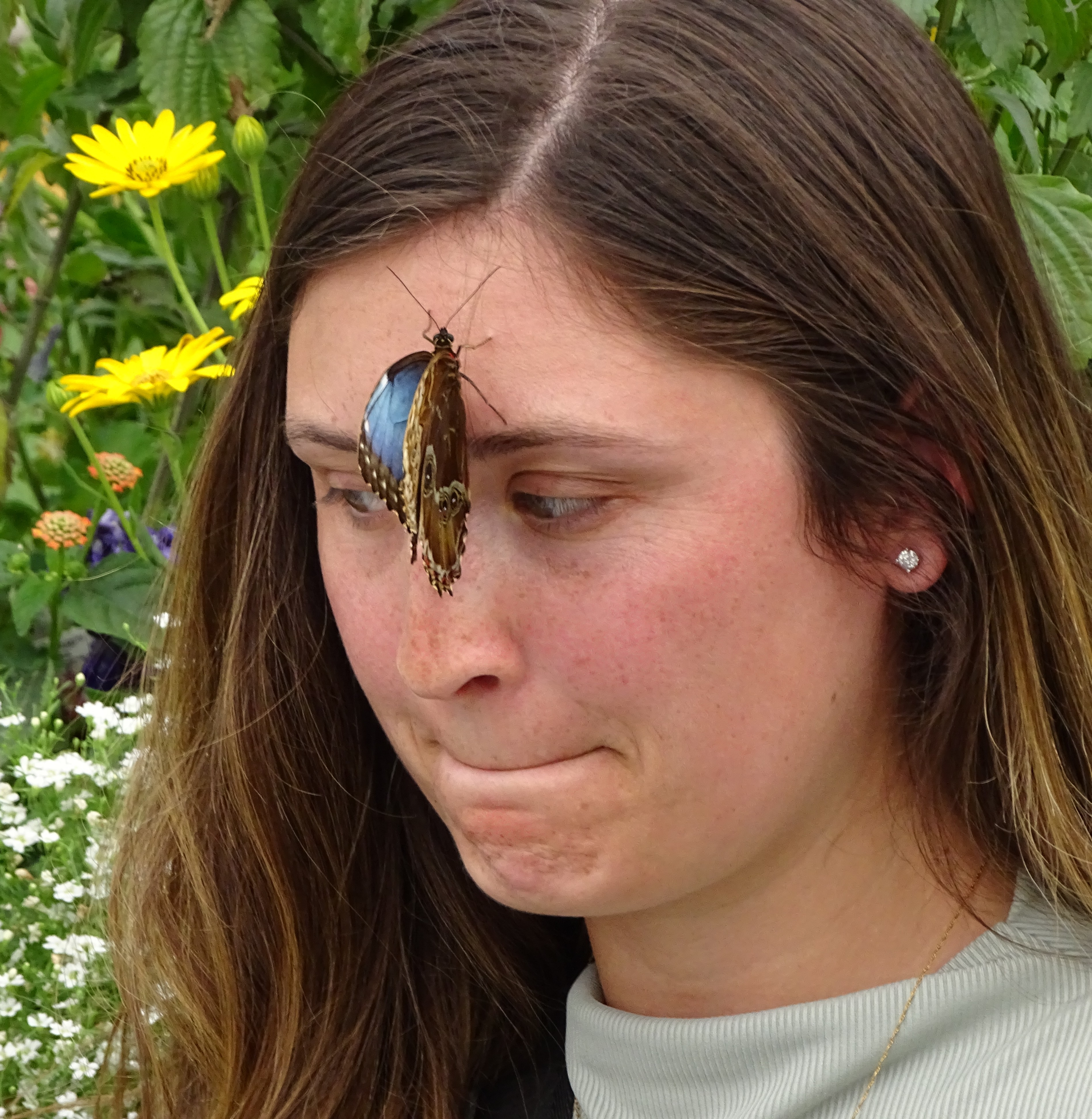
A close-up of a woman with a butterfly resting on her forehead, set against a backdrop of colorful flowers.

and make friends with humans?

A vibrant field filled with blooming white flowers, primarily ranunculus, creating a lush, green landscape.

Gardeners,

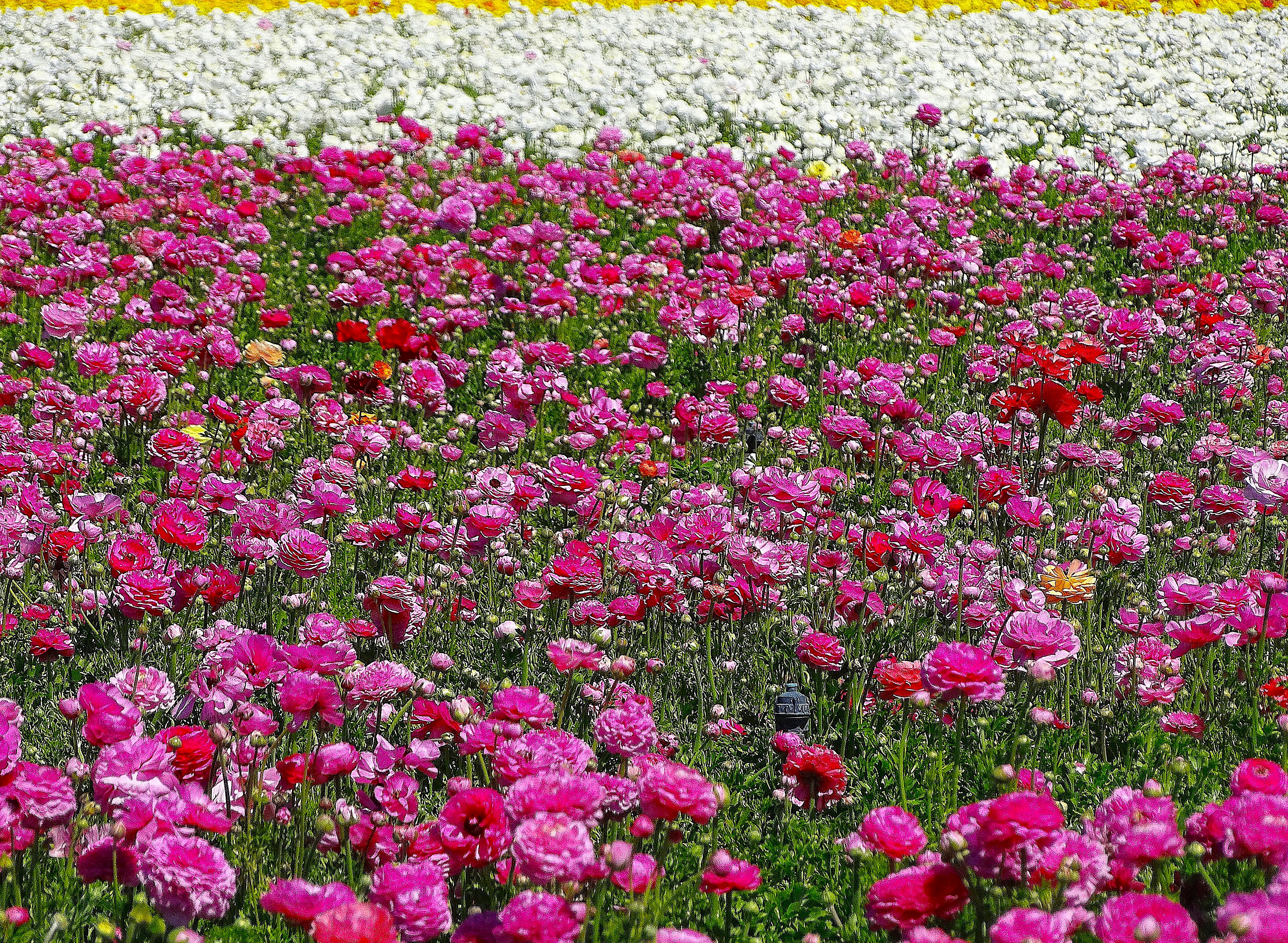
A vibrant field filled with blooming pink ranunculus flowers, interspersed with red and yellow blossoms, stretching across the landscape.

are like the flowers,

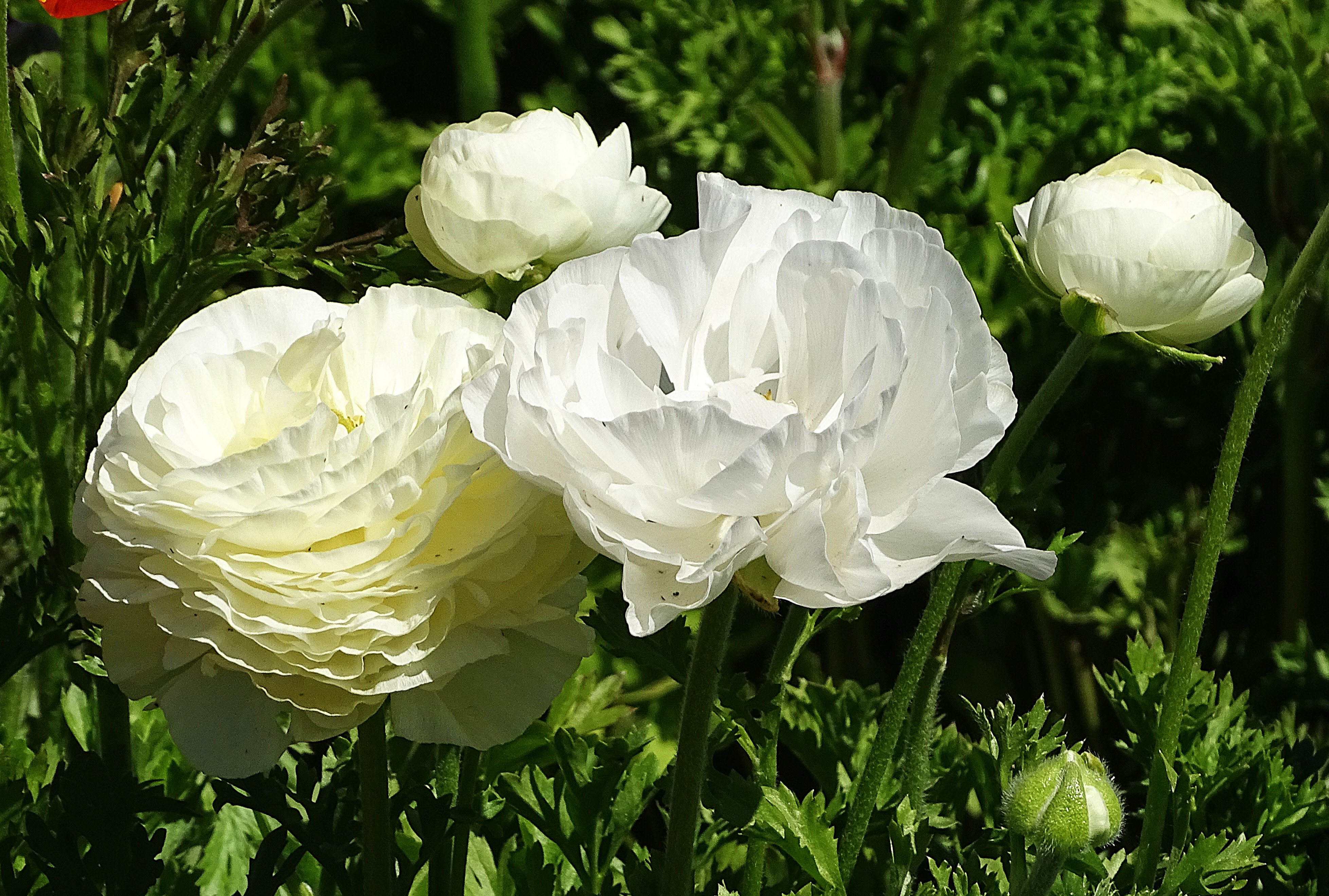
A cluster of white ranunculus flowers surrounded by green foliage, showcasing varying stages of bloom.

they tend,

A close-up of a white flower with soft pink accents, showcasing multiple layers of delicate petals, alongside a vibrant pink flower partially visible in the background.

they make the world beautiful.

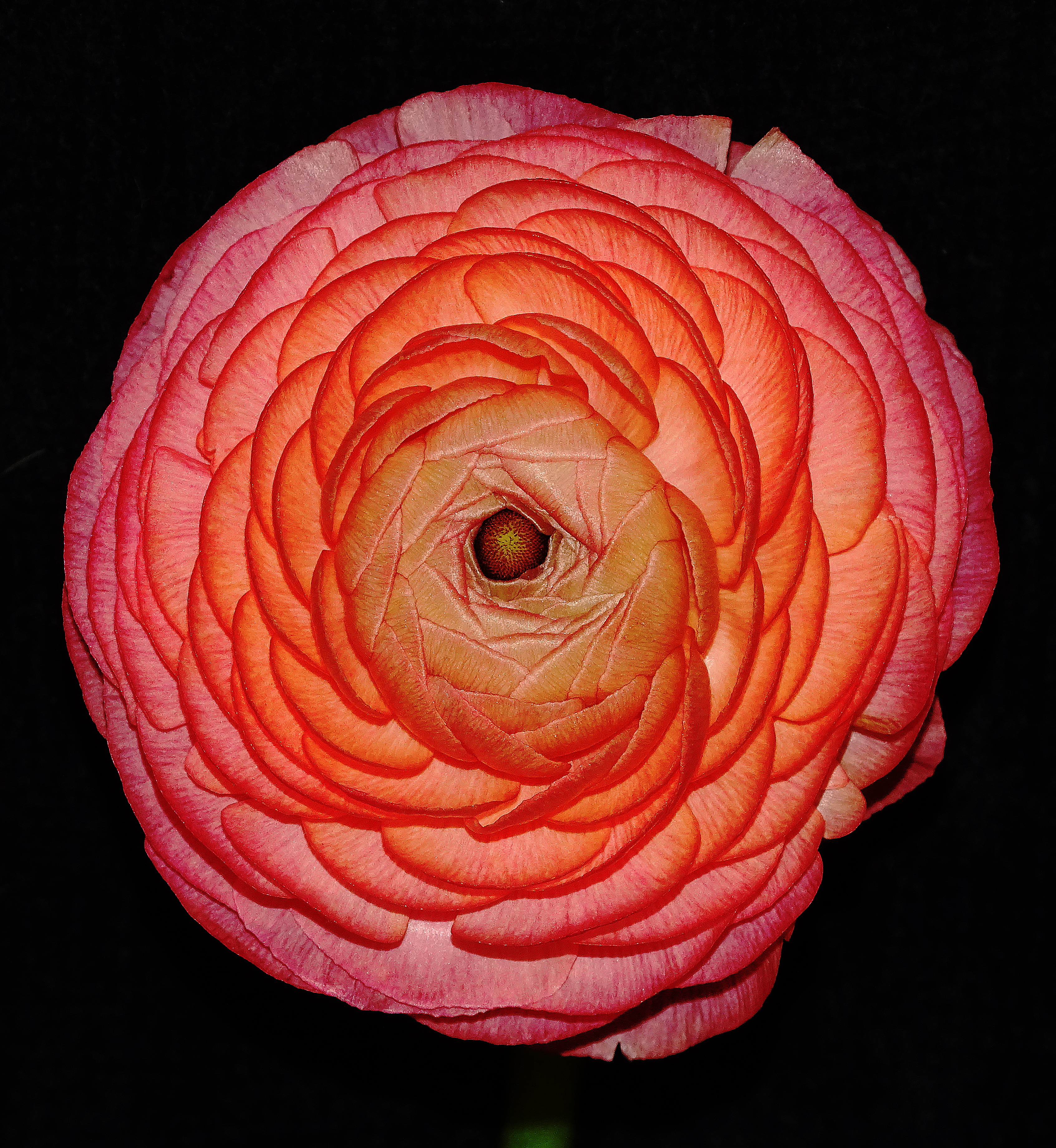
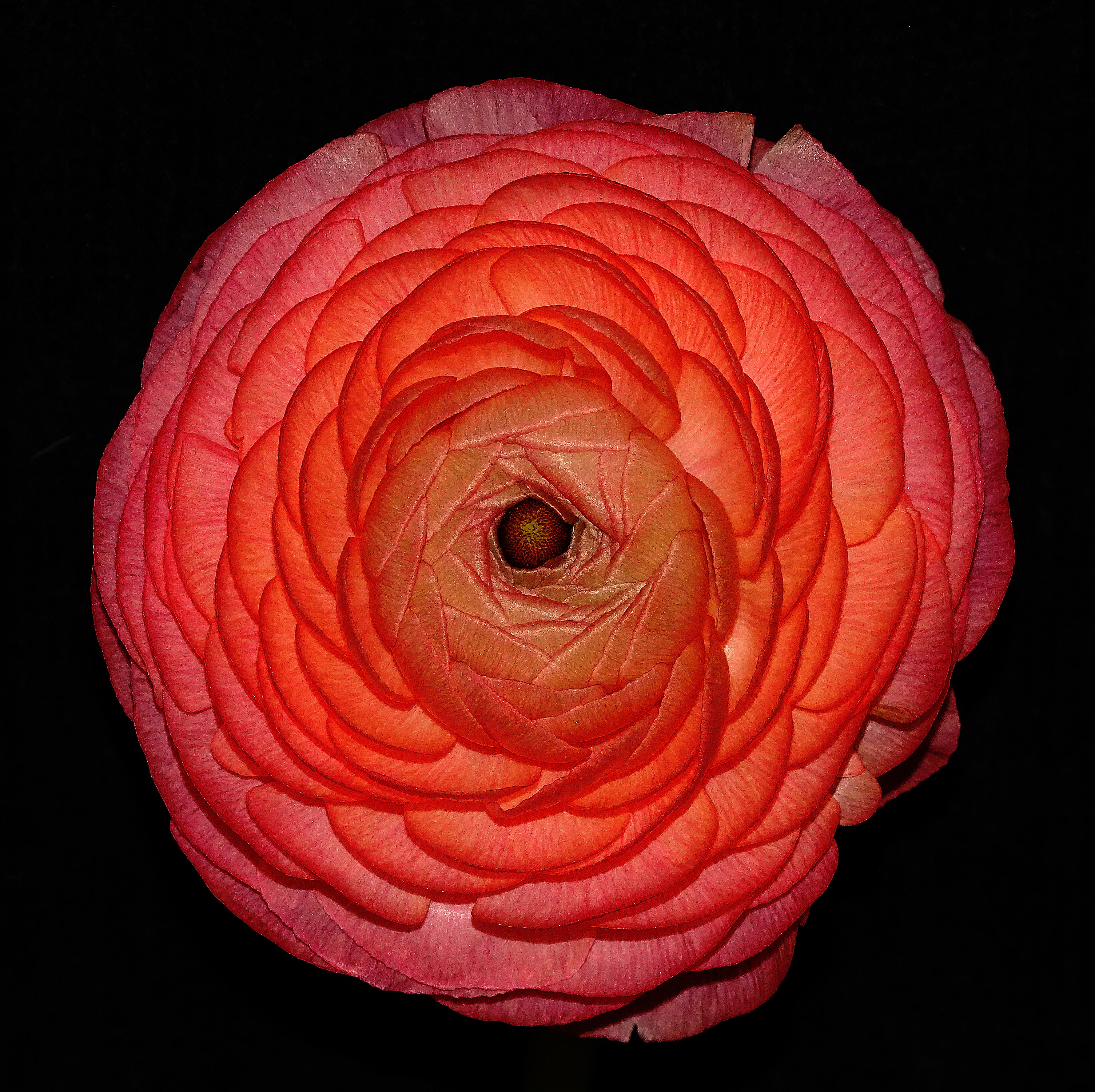
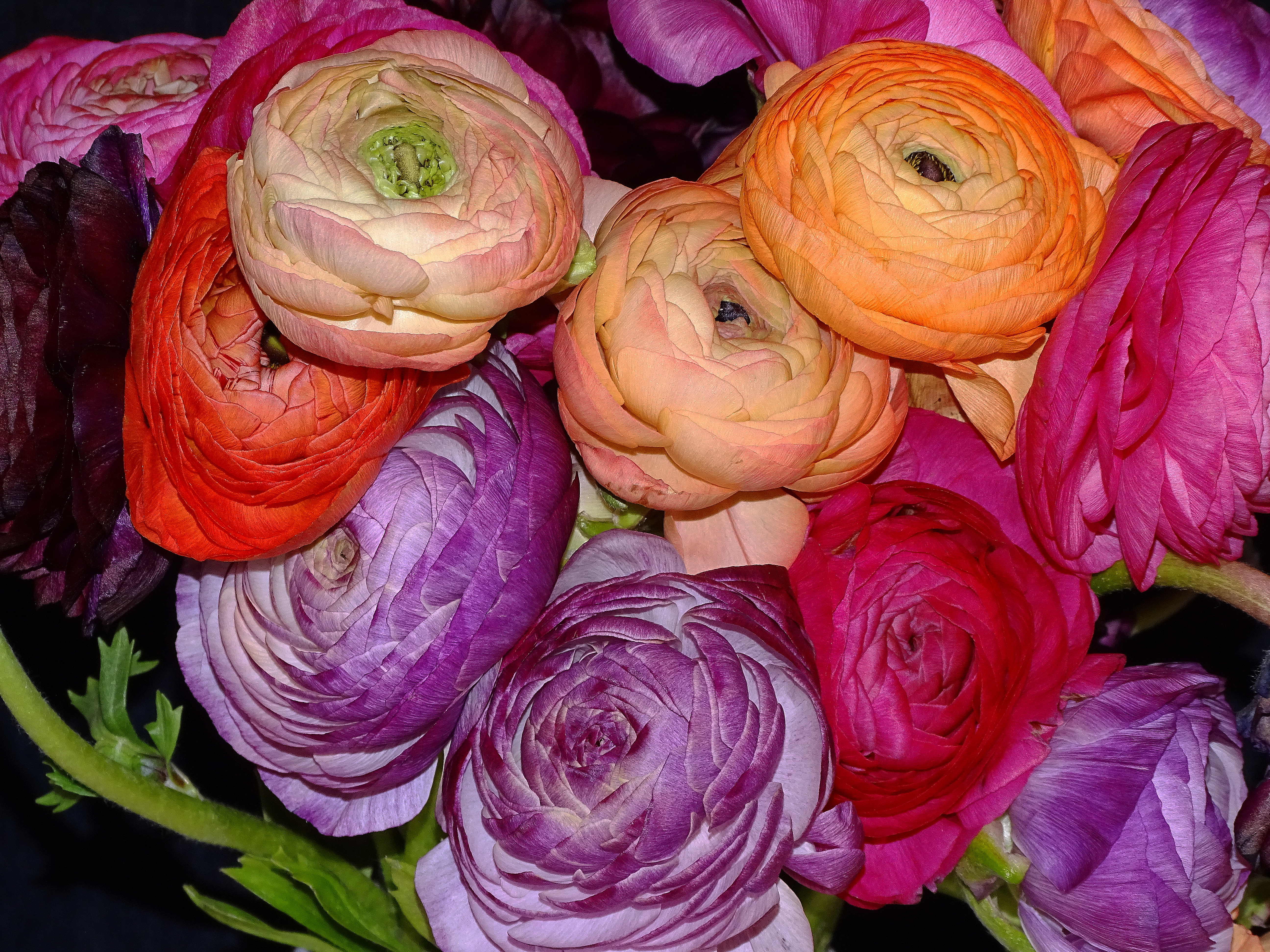
A vibrant yellow and orange ranunculus flower in full bloom, surrounded by green leaves.

Cheers to you, and all the world’s gardeners, from The Flower Fields in Carlsbad California~

Blooming~

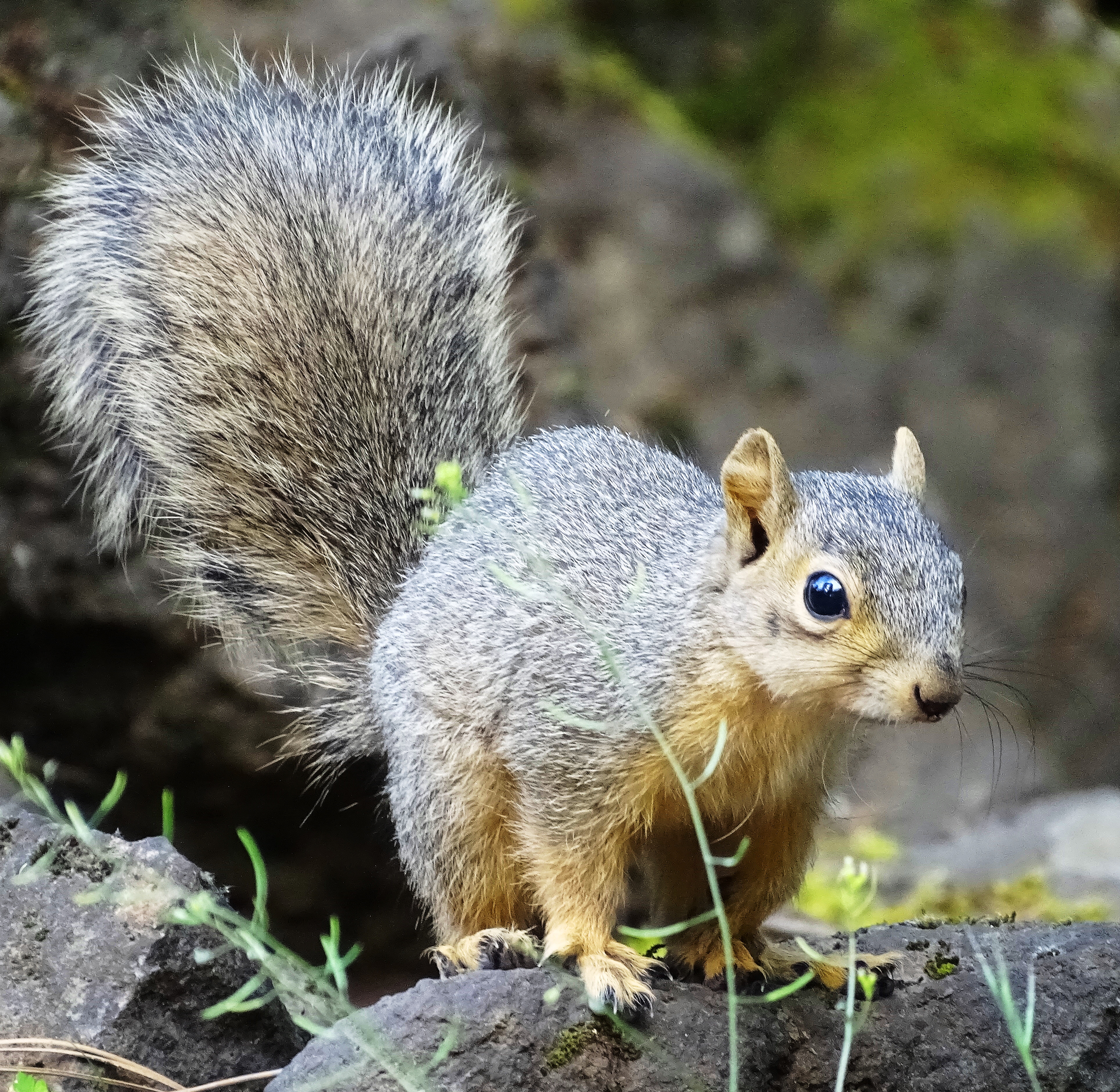
Squirrely is waiting for the blooms to turn to berries.

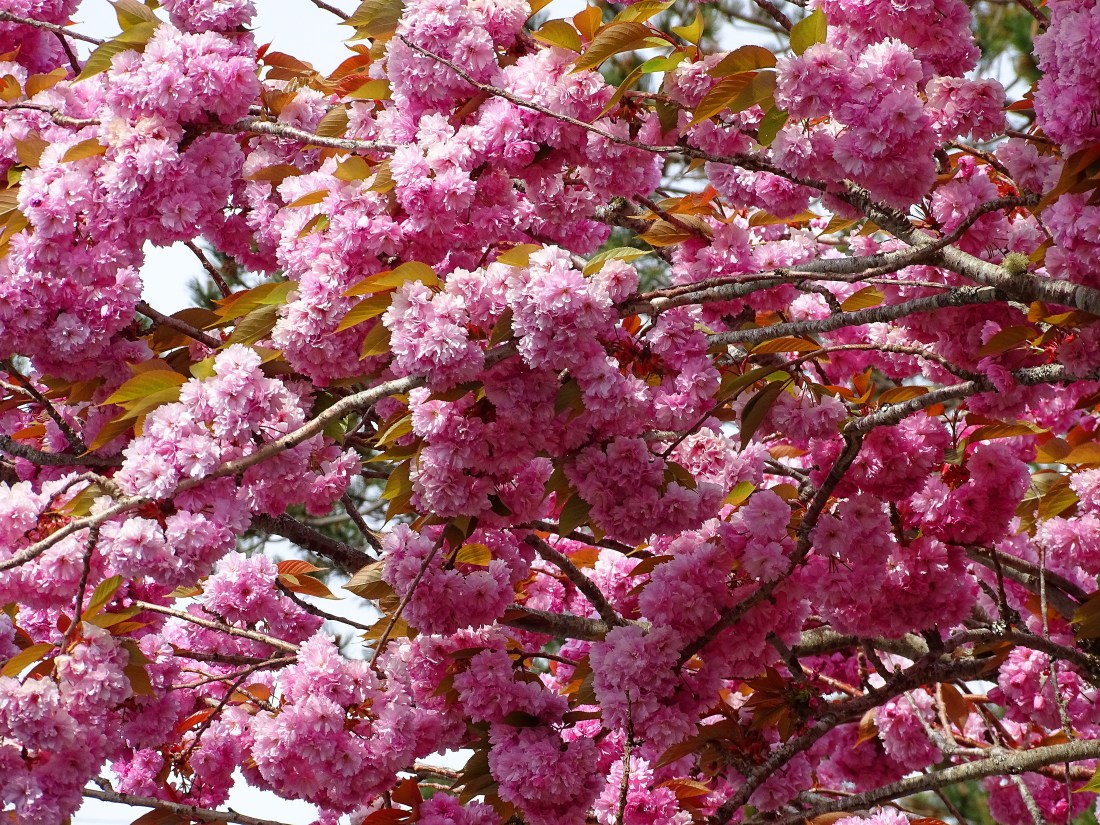
The cherry blossoms,

and shallon blooms will soon make him fat & happy.

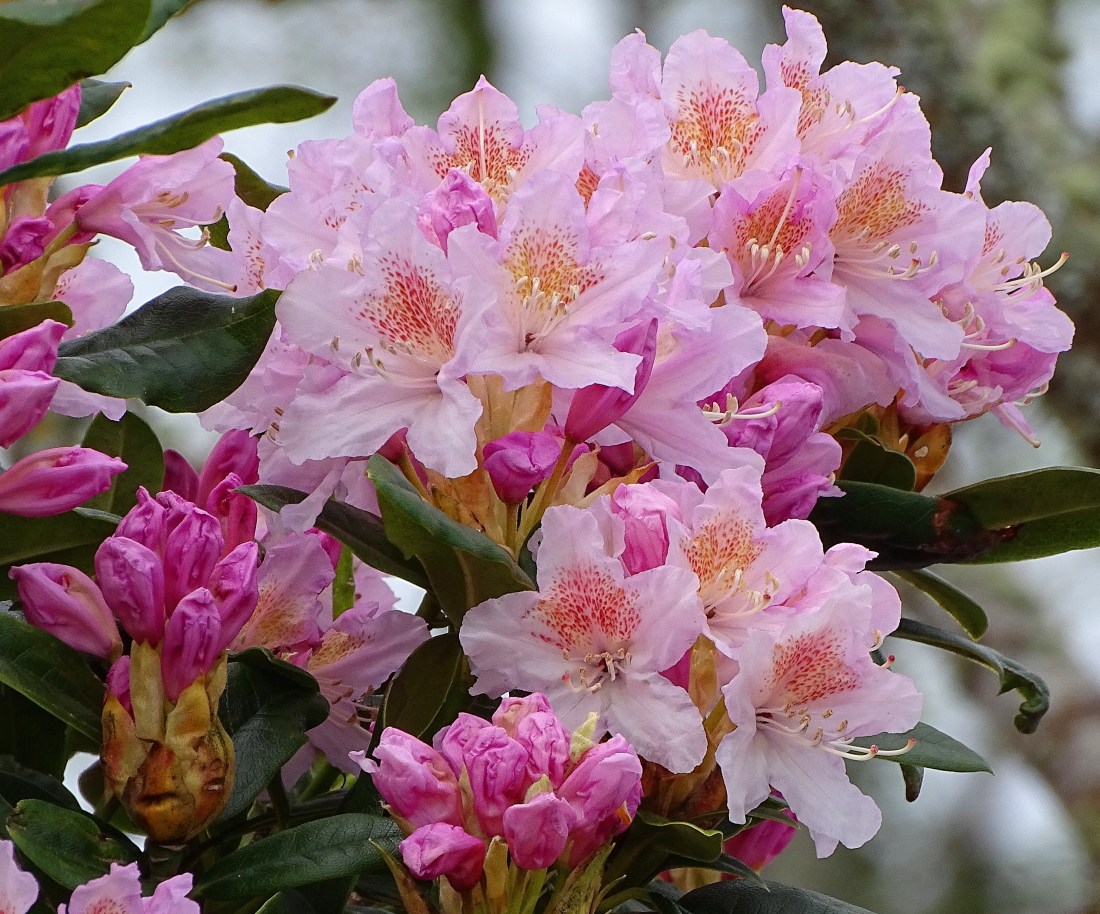
The rhododendrons,

are a blooming,

glory.

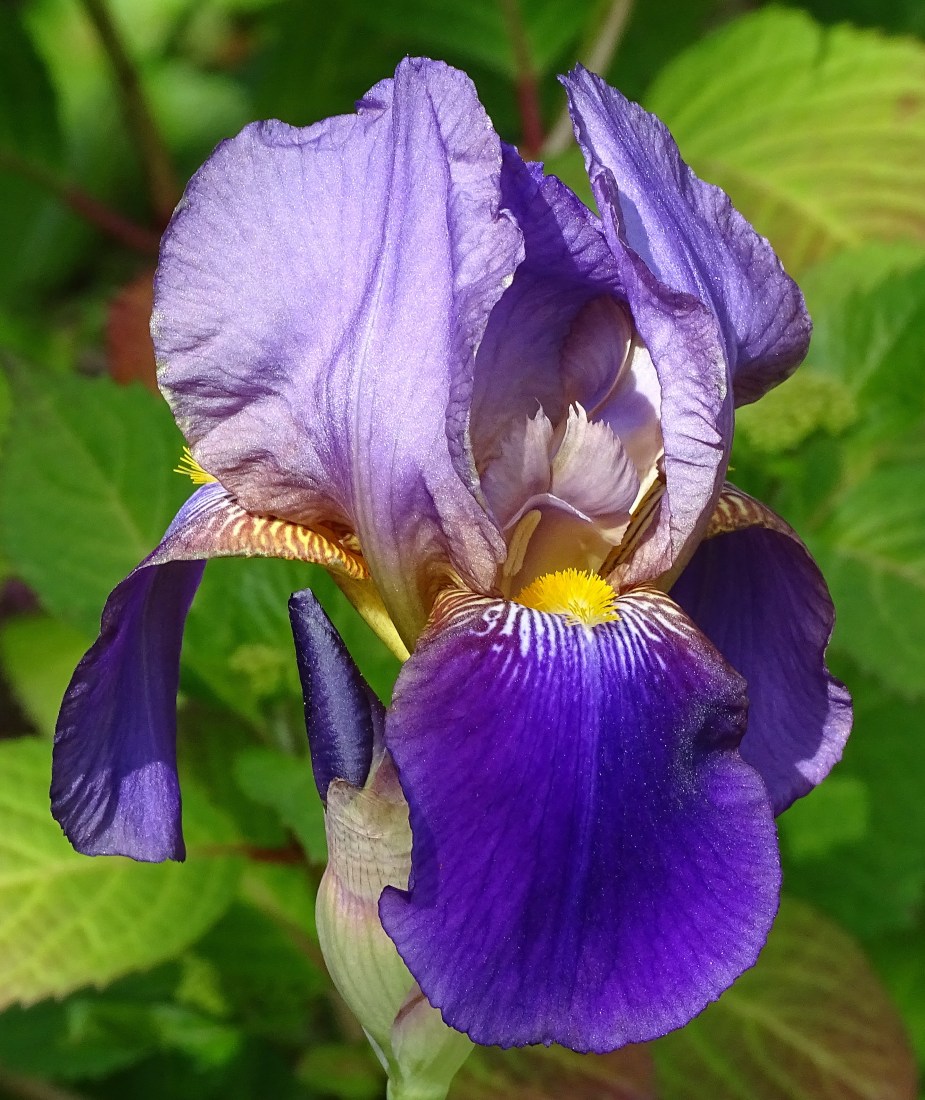
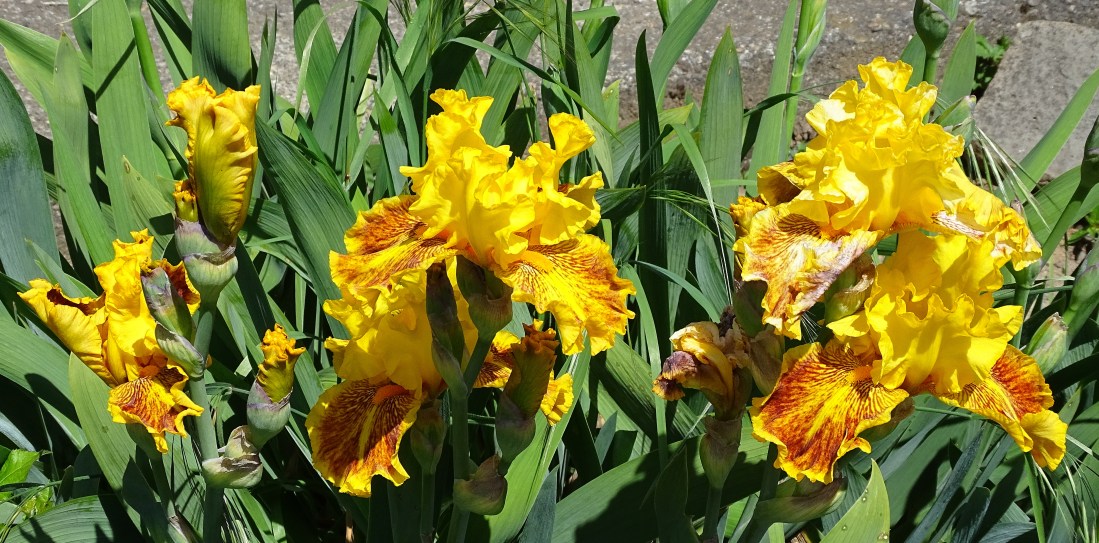
While the iris,

are dramatic divas.

Piers Japonica looks like sci-fi critters ready to up-root and walk away!

Cheers to you from blooming Washington & Oregon~

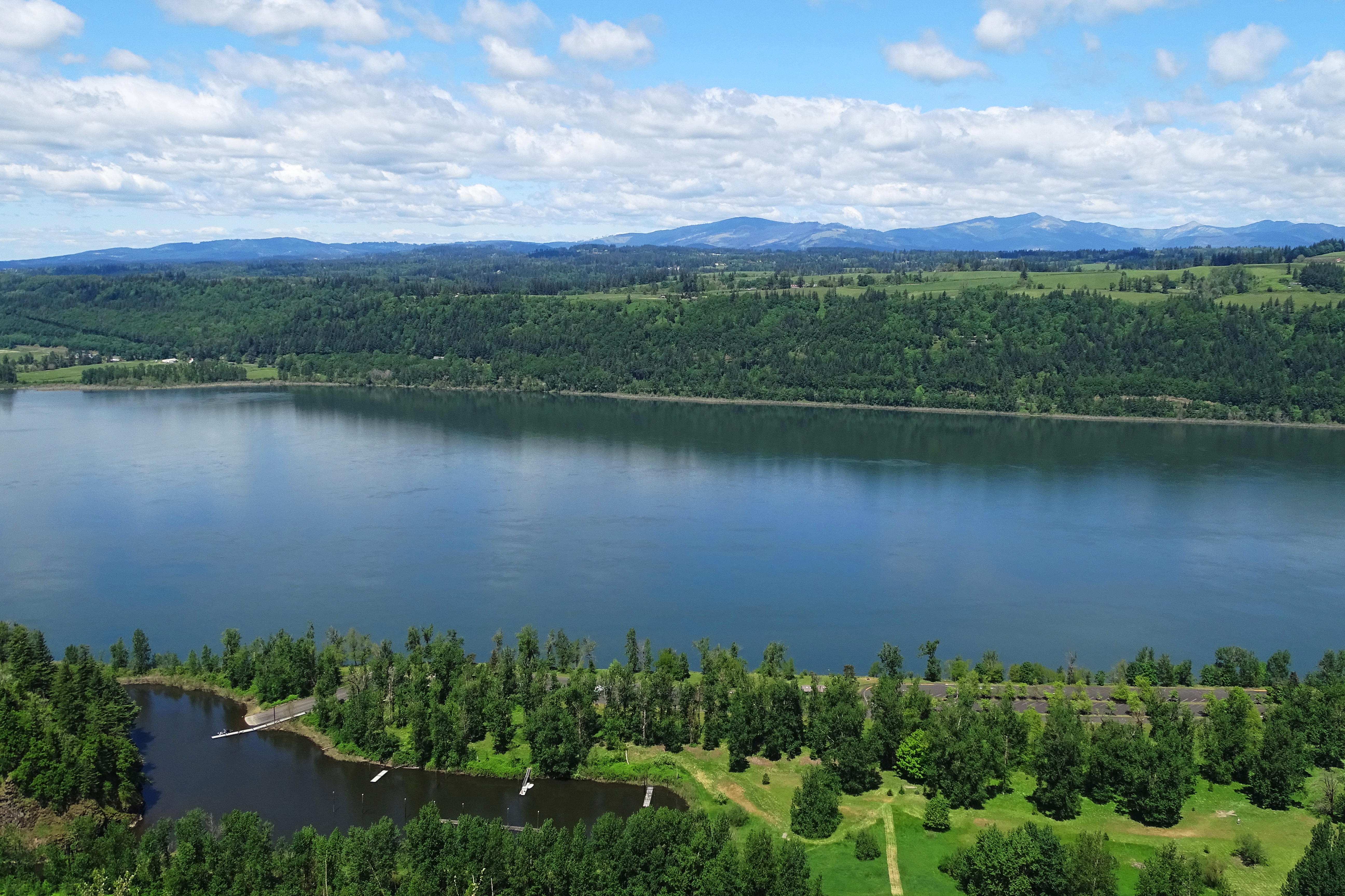
Columbia River Gorge (Oregon & Washington Side)~

The Astoria-Megler Bridge is the longest continuous truss bridge in North America, connecting Oregon and Washington State and spanning The Columbia River.

On the Oregon side is Fort Clatsop,

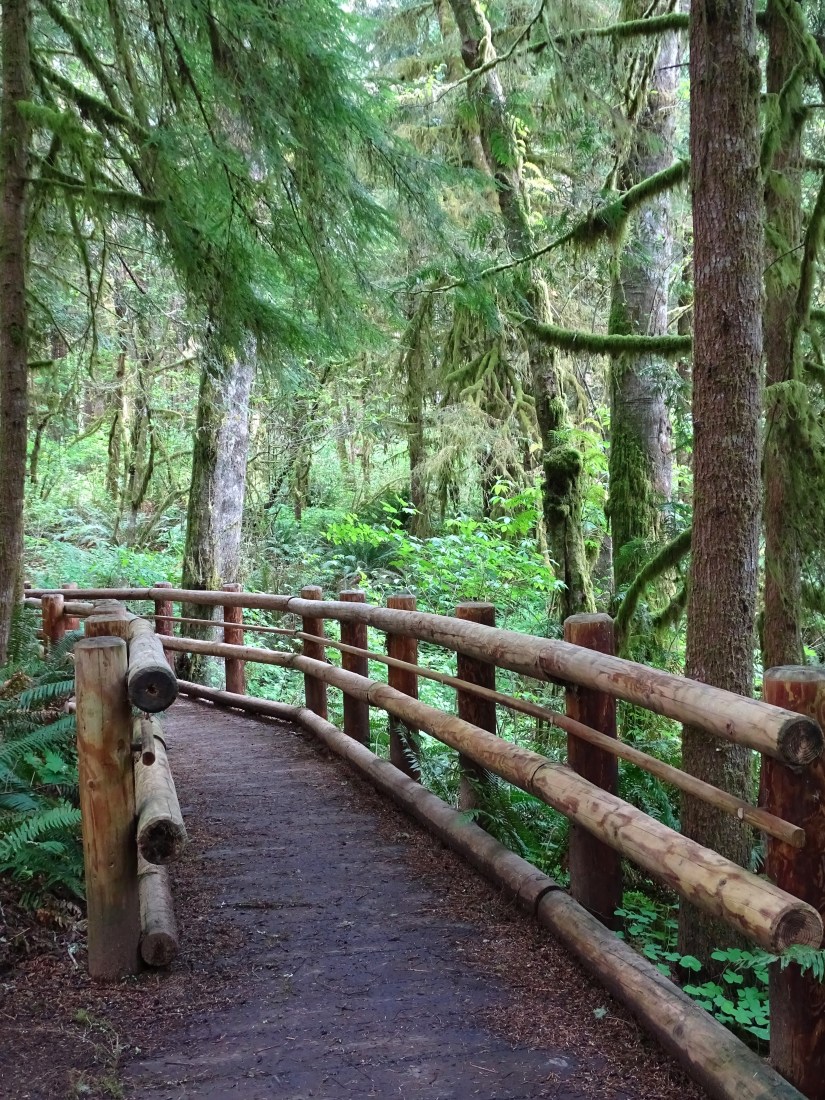
and the temperate rain forests of The Pacific Northwest.

It is the home of the rebuilt Fort Clatsop which was the winter home of Lewis & Clark in 1805-1806.

On The Washington side, Cape Disappointment in the south west corner of Washington State, is where the mouth of The Columbia River meets The Pacific Ocean. The Cape was named by a British fur trader who was searching for the mouth of The Columbia River, but mistook it for a bay after he was unable to navigate his ship through the treacherous sand bars protecting the mouth of the river. He didn’t know he actually had found the river mouth he was looking for.

North Head Lighthouse on The Cape was built in 1897 and is still in operation.

Washington state is blessed with beautiful volcanos like Mount Adams,

and views across the river,

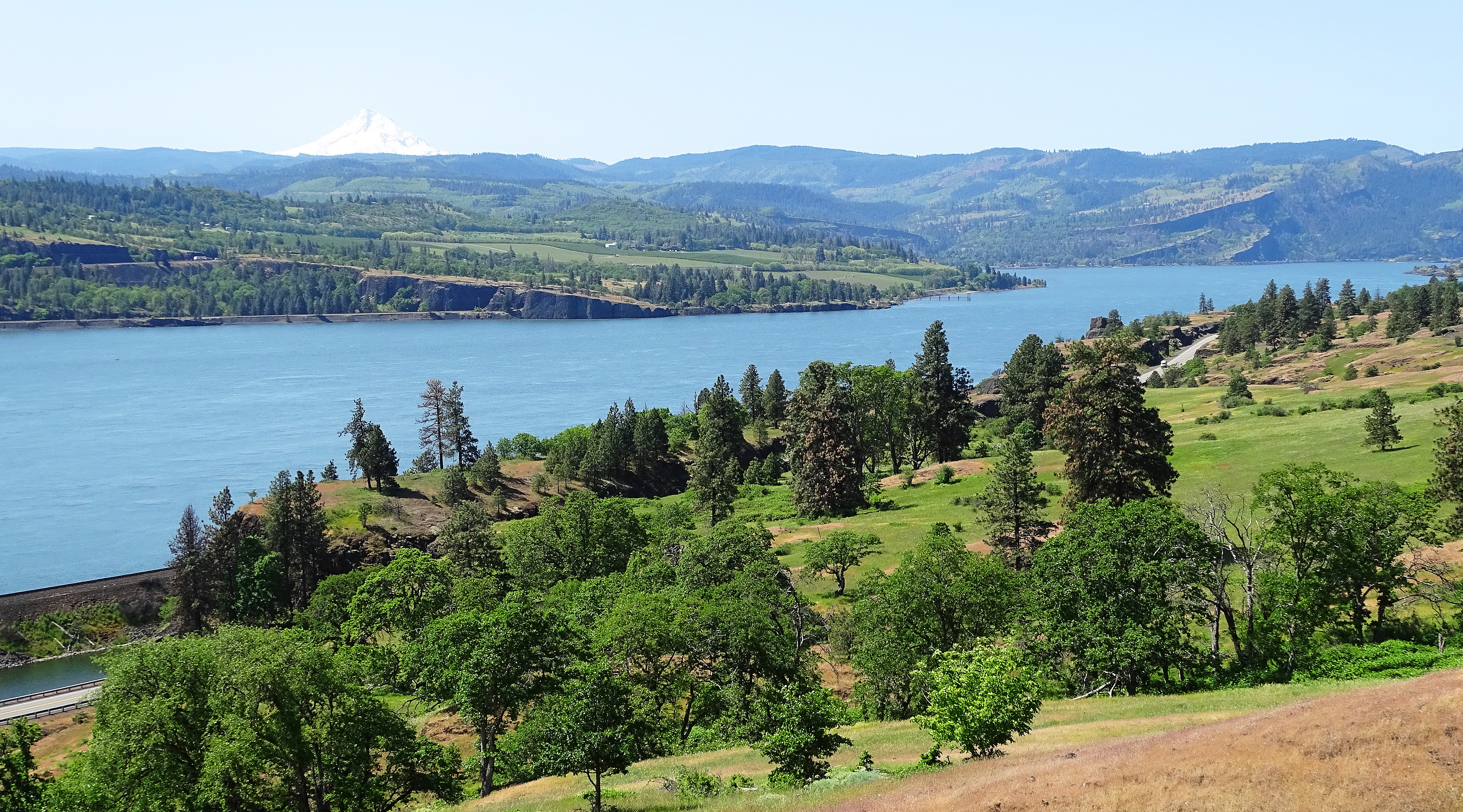
of Mt. Hood.

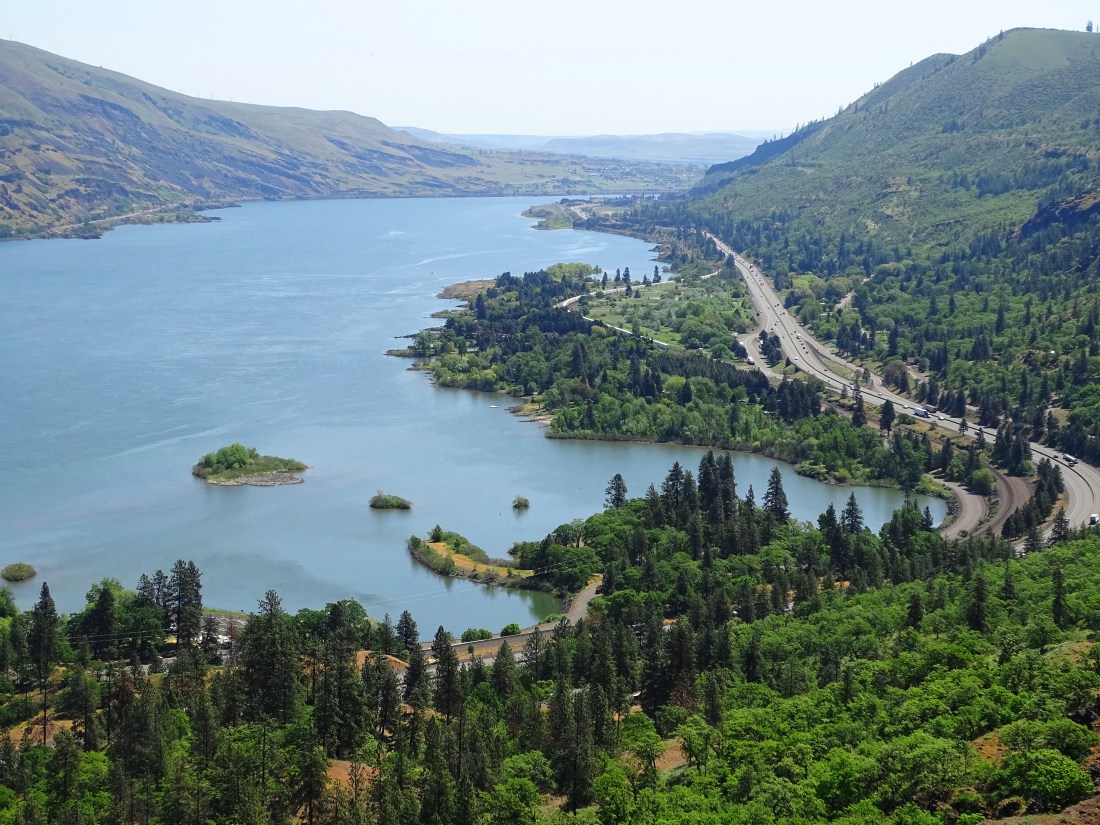
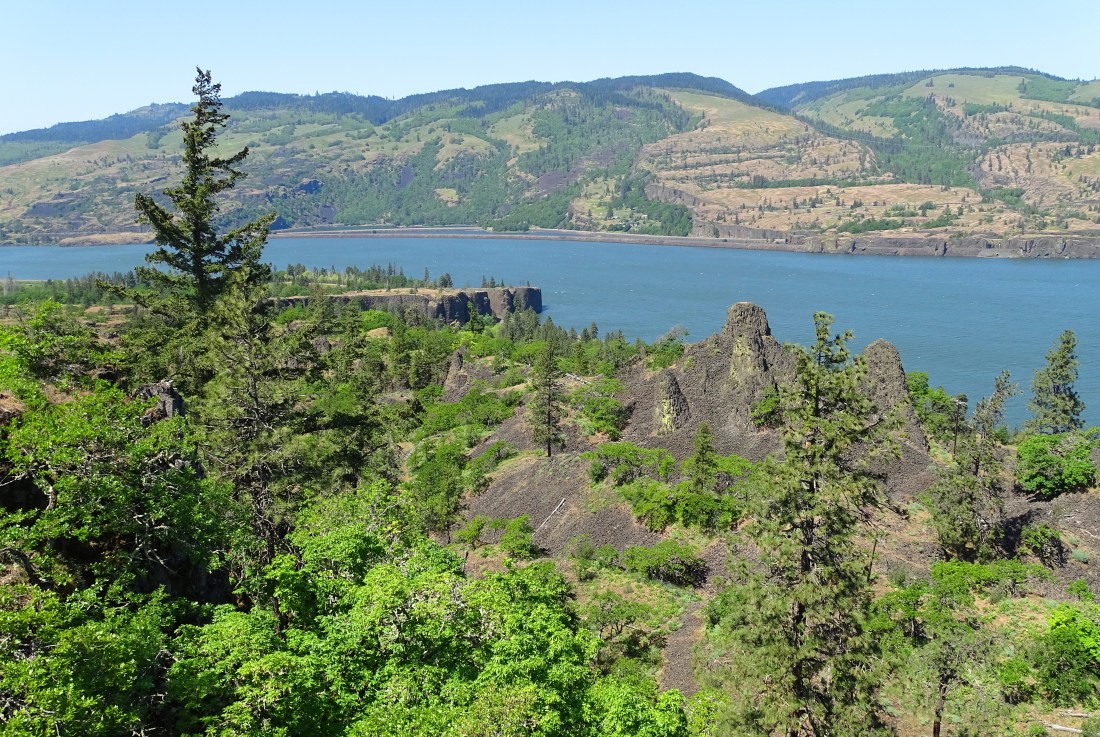
Driving along The Columbia River Highway on the Oregon side, you have clear views across the river to Washington.

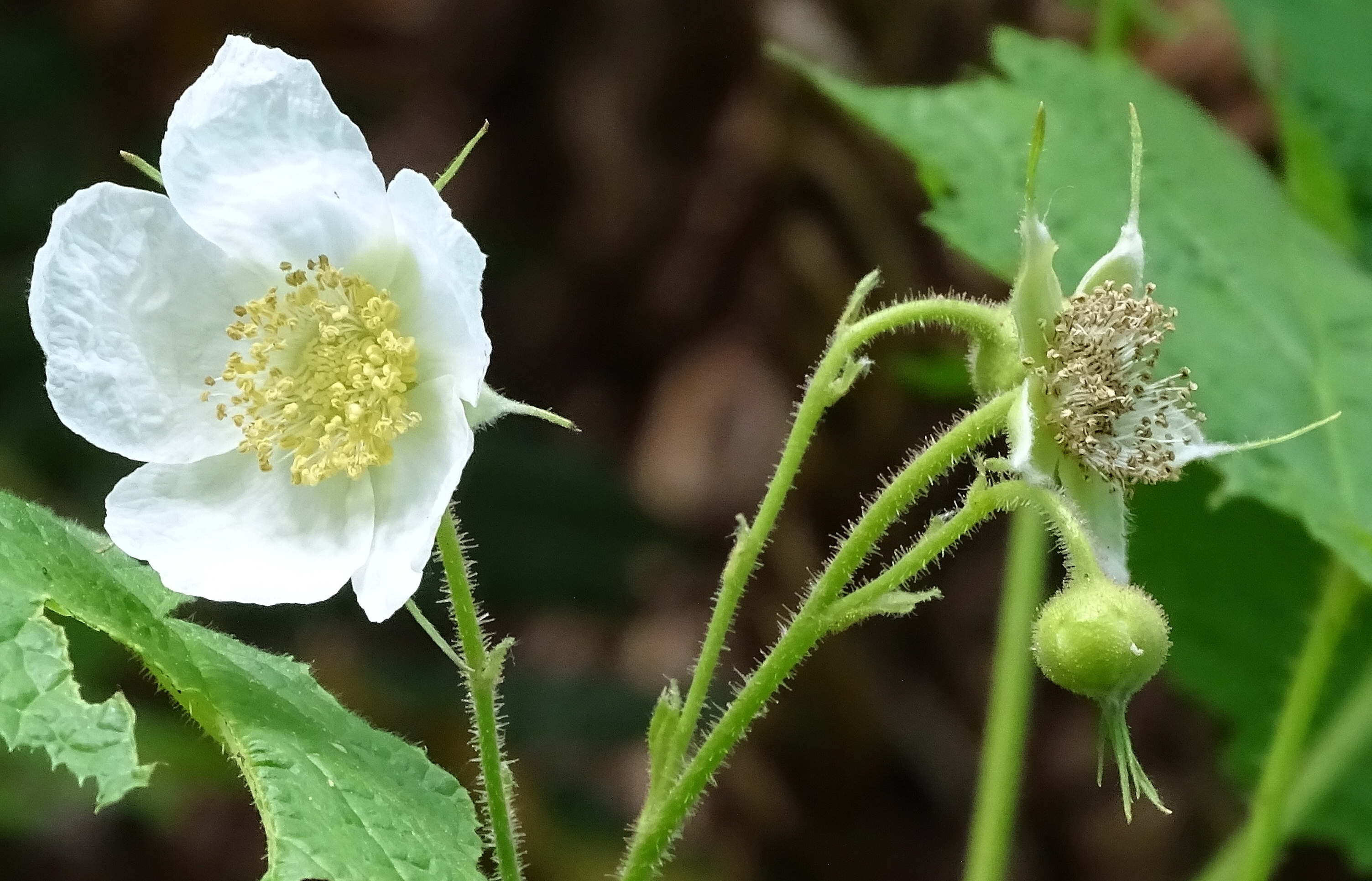
Cheers to you from the thimbleberry flower in Washington State~

Columbia River Gorge (Oregon Side)~

We are staying in The Gorge Hotel built in 1921 where my grandparents once stayed,

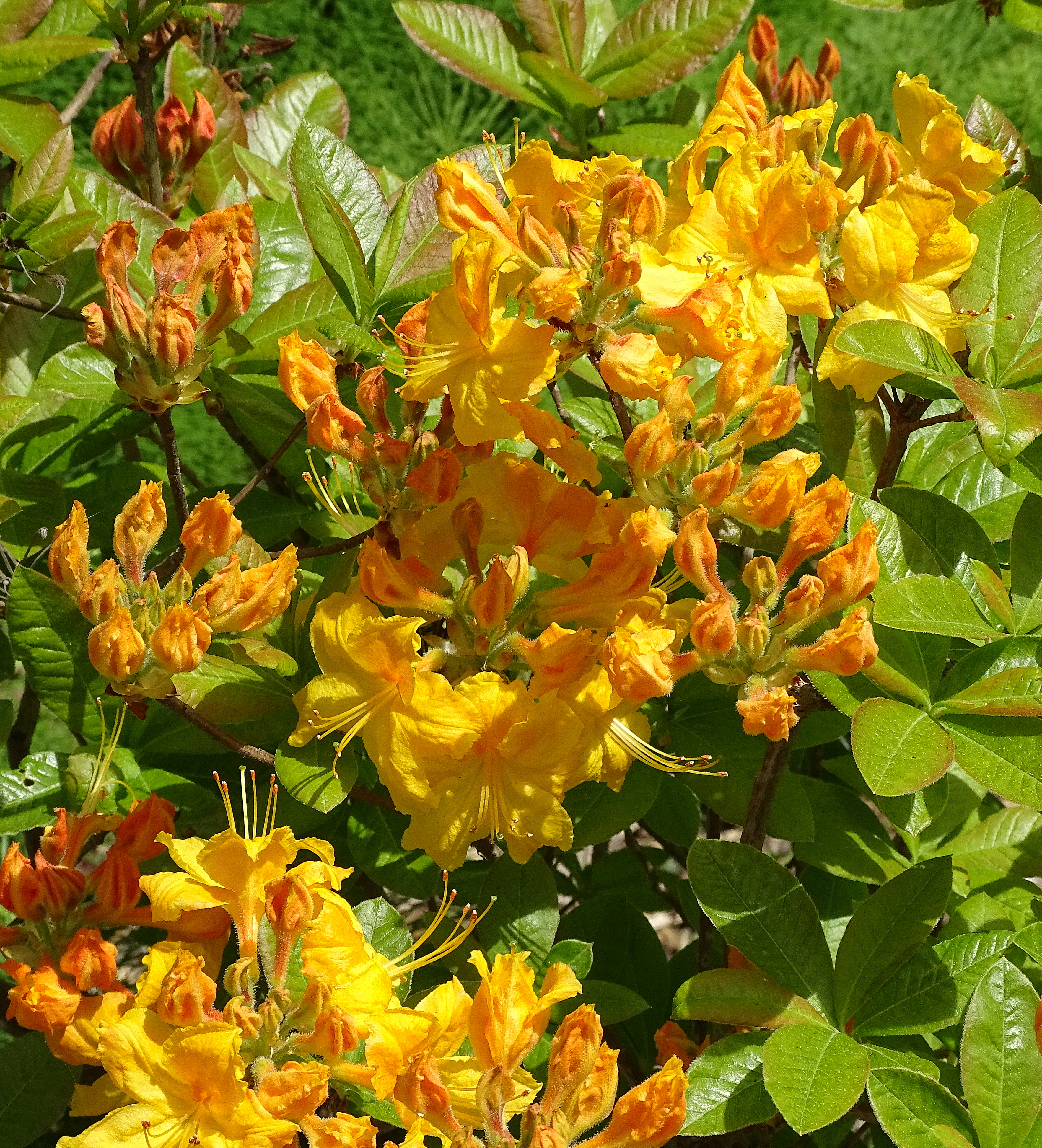
with the wildflowers blooming,

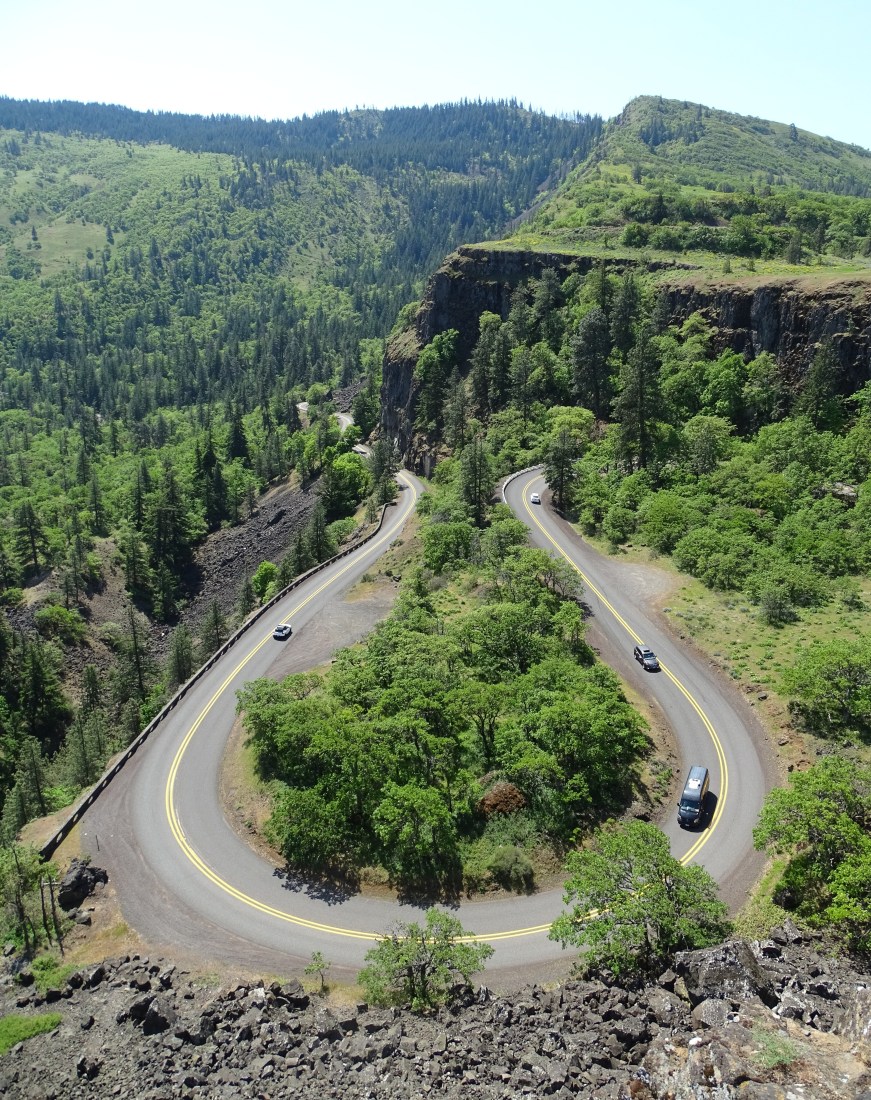
driving up to find the views,

my grandfather painted in his Columbia Gorge paintings.

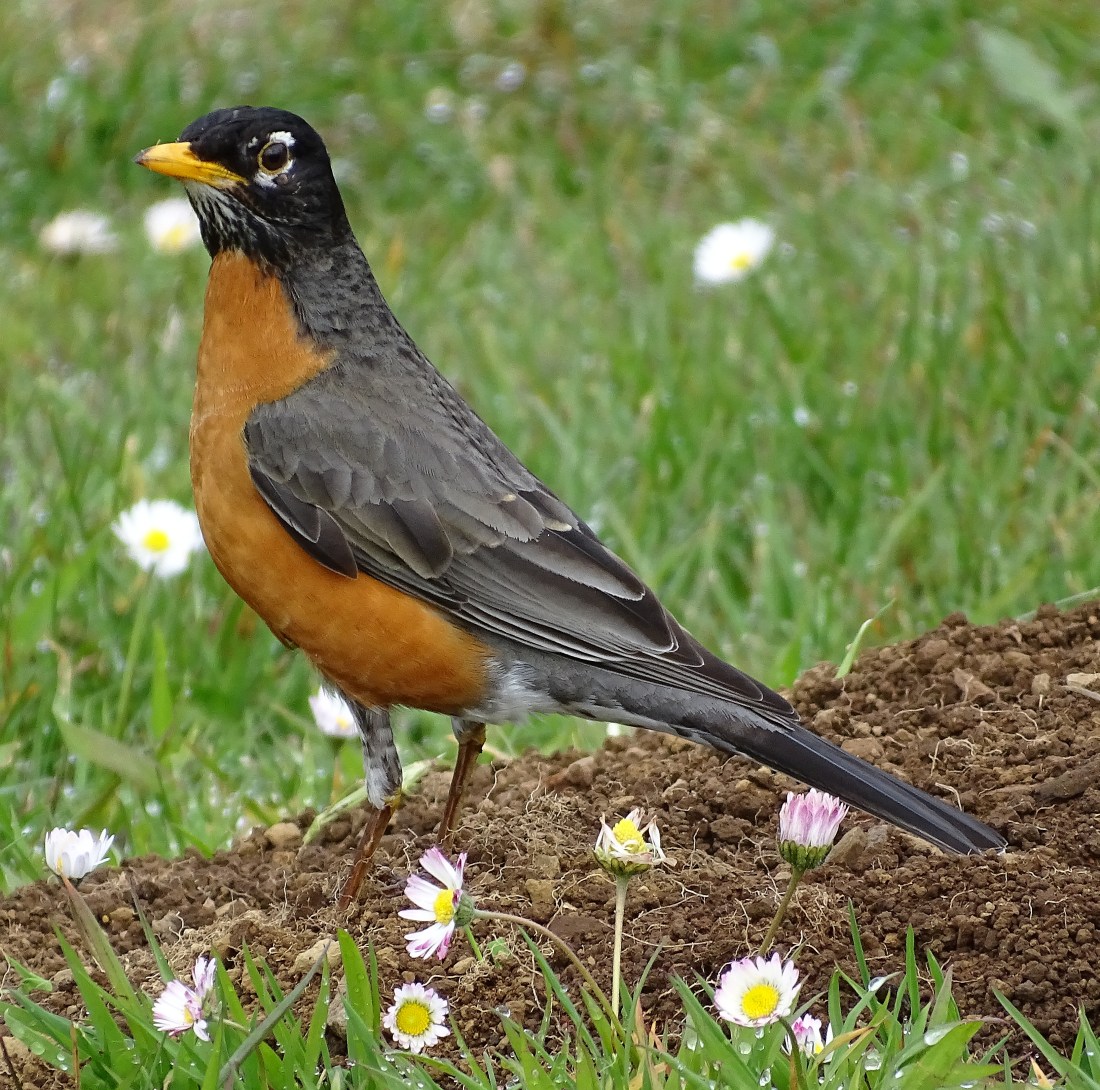
This observant robin didn’t let me distract him,

from his worm,

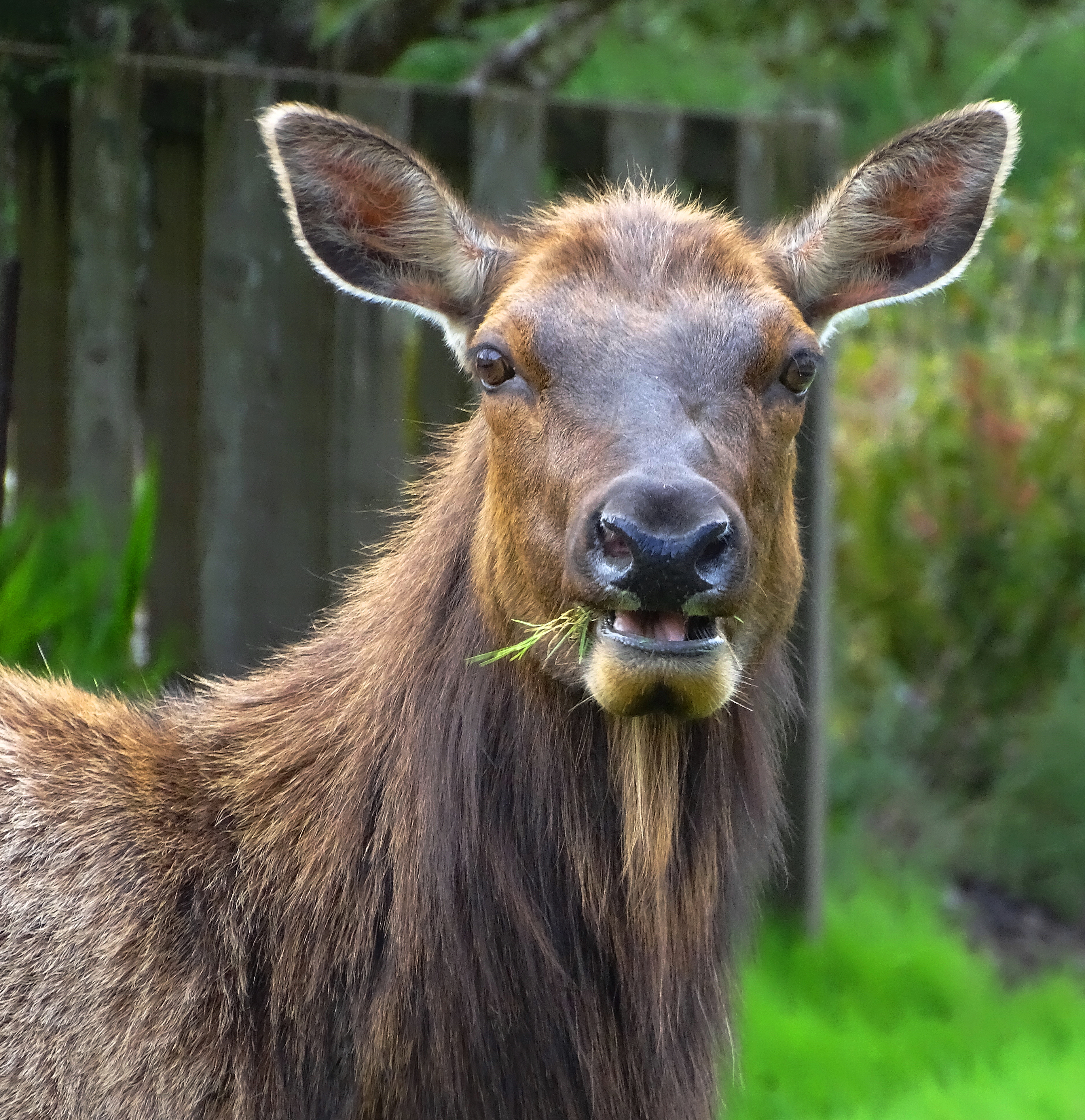
and this friendly elk licked our car windows!

Cheers to you from the gorgeous Gorge~

Mendocino~

(click/tap to enlarge and be sure to look at mystery plant at the end)

in Northern California,

is a blooming,

splendor.

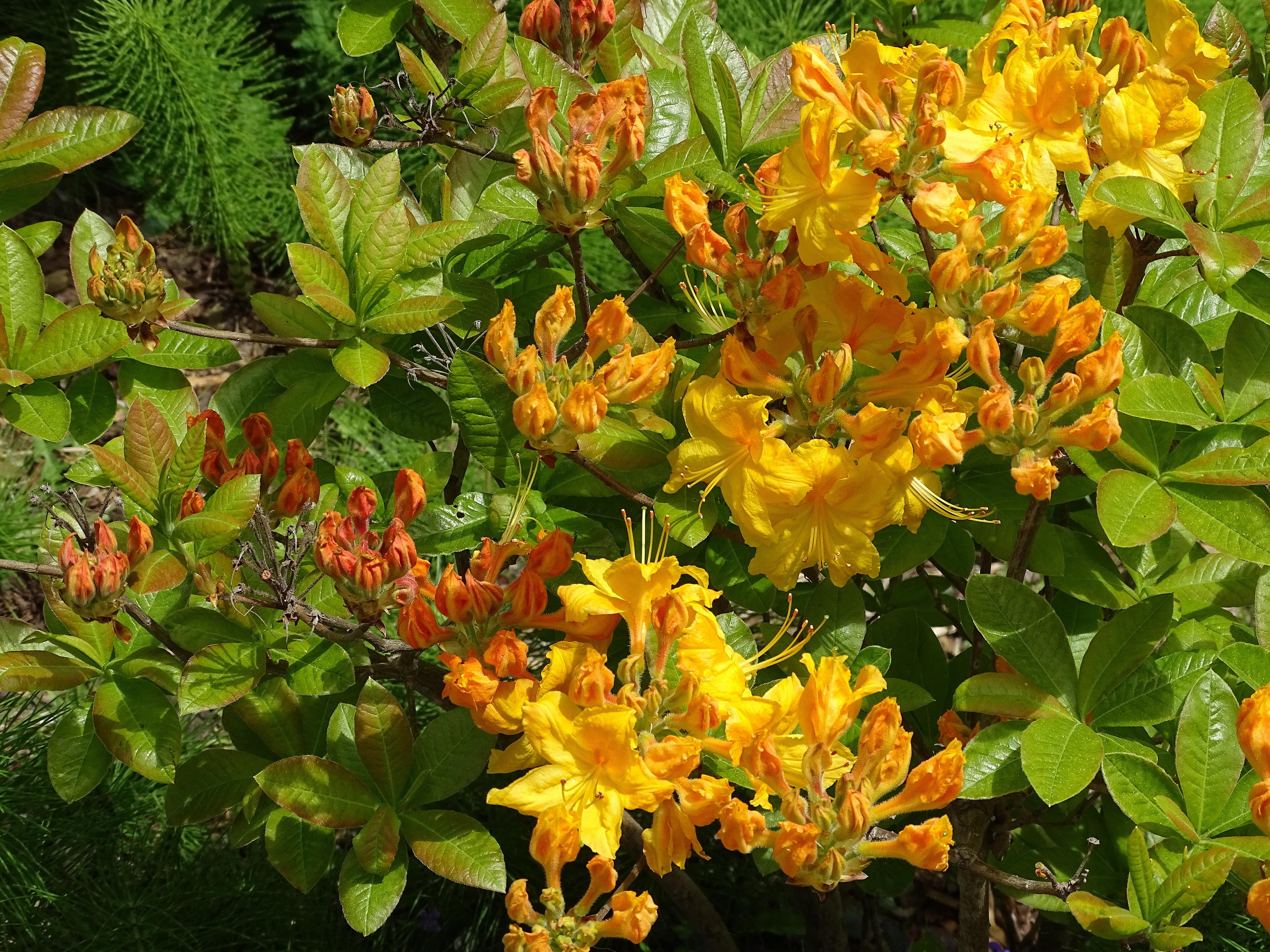
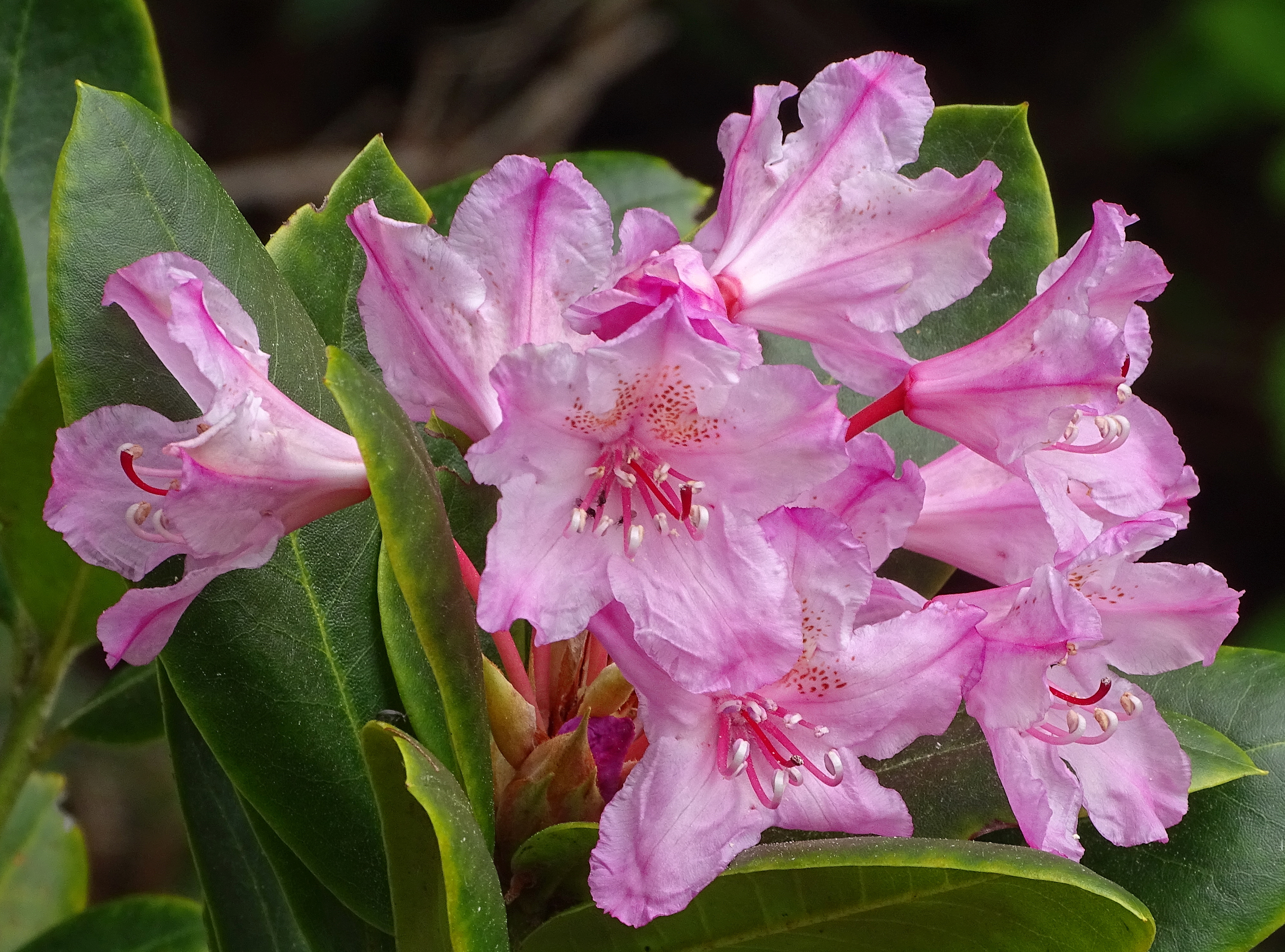
Rhododendron grow riotously,

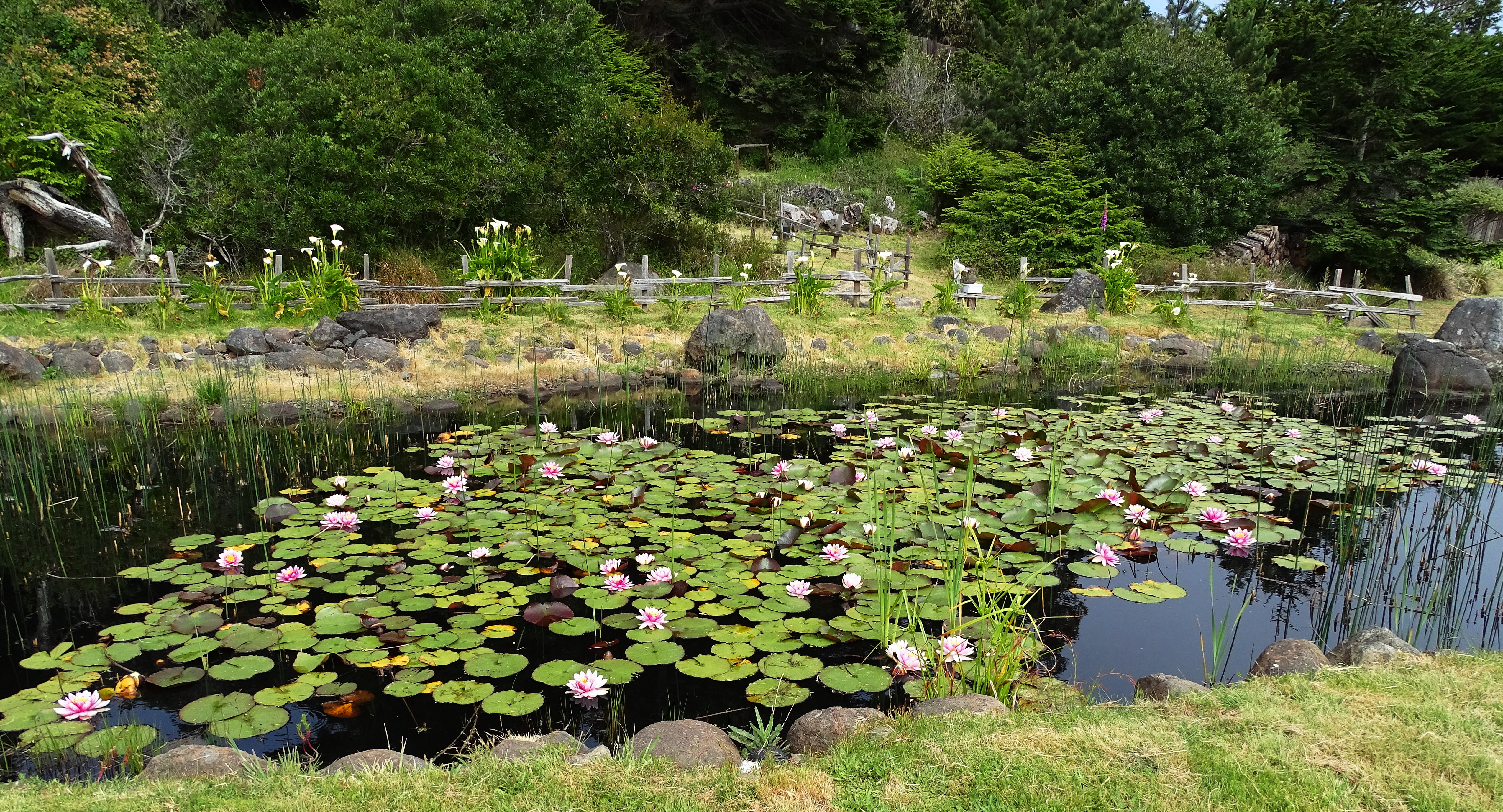
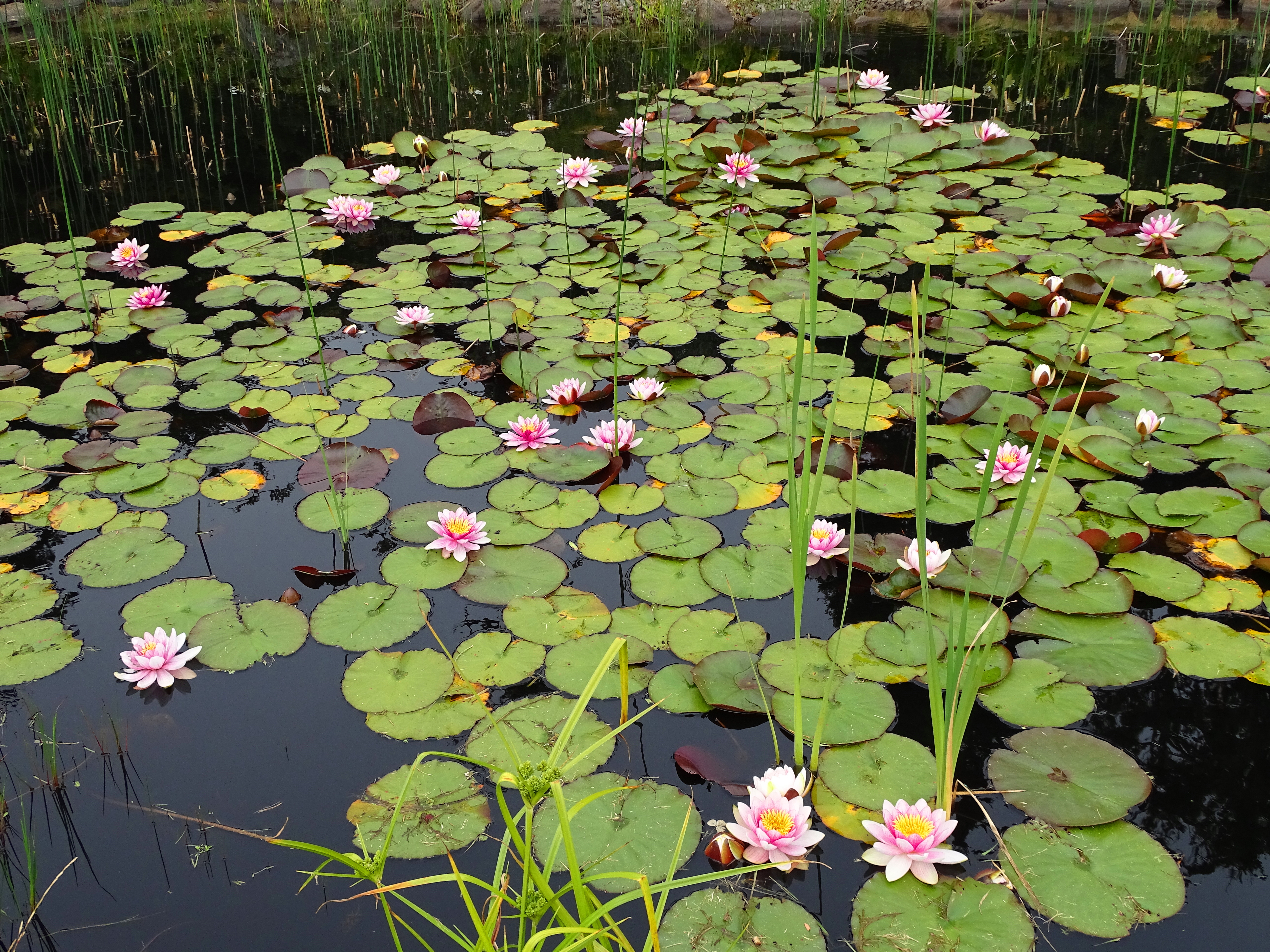
and water lillies,

abound.

Mendocino is less traveled,

allowing nature and people,

room to breathe.

Note: This last plant puzzled me. Do you know what it is without peeking? The flowers suggest foxglove, but the stalk was a mystery. I did lots of internet sleuthing to no avail, until I finally searched for mutant foxglove and found one example from Clemson University. Here is the citation:

Did you guess correctly? I certainly could not.

Cheers to you from blooming Mendocino~

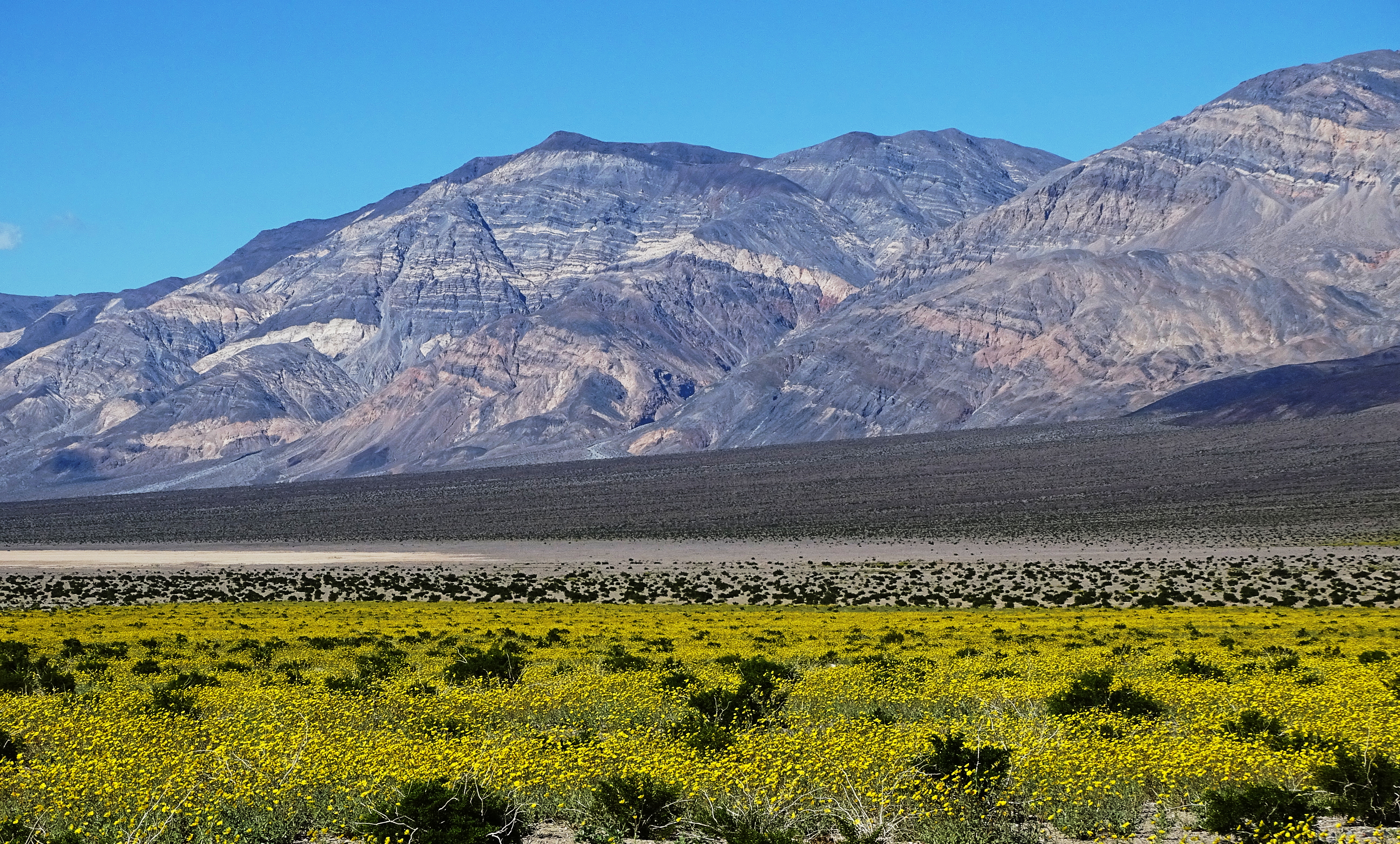
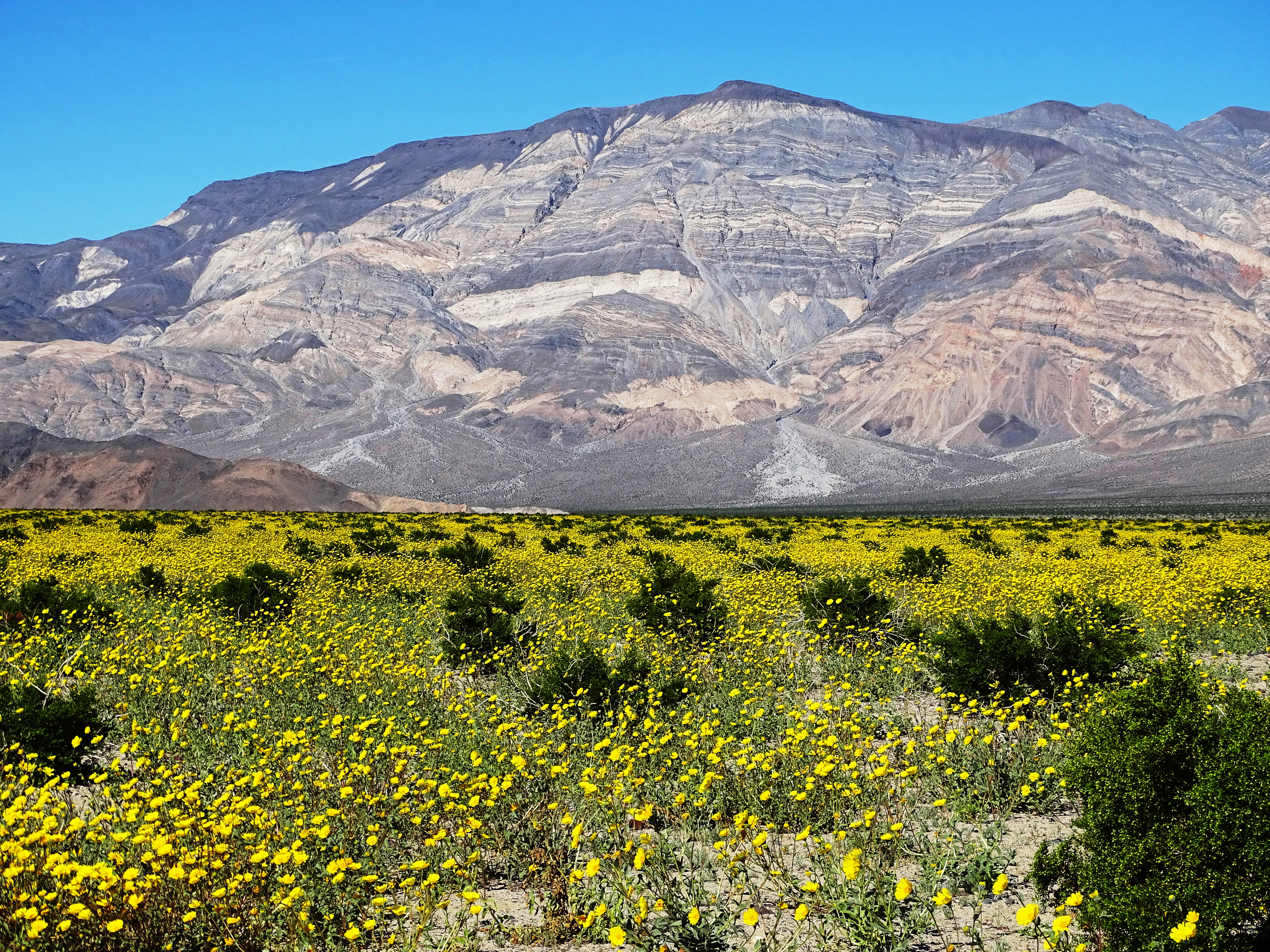
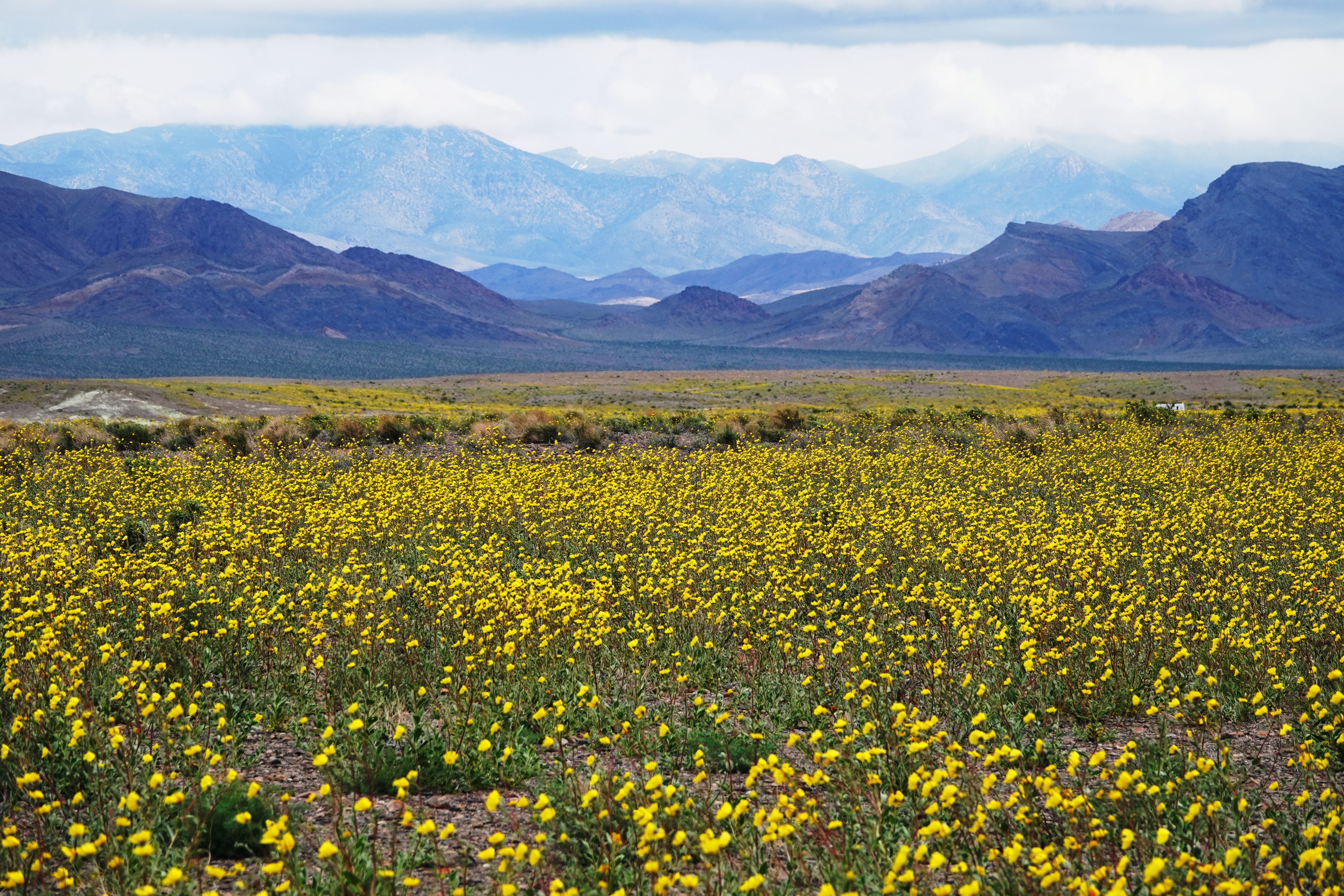
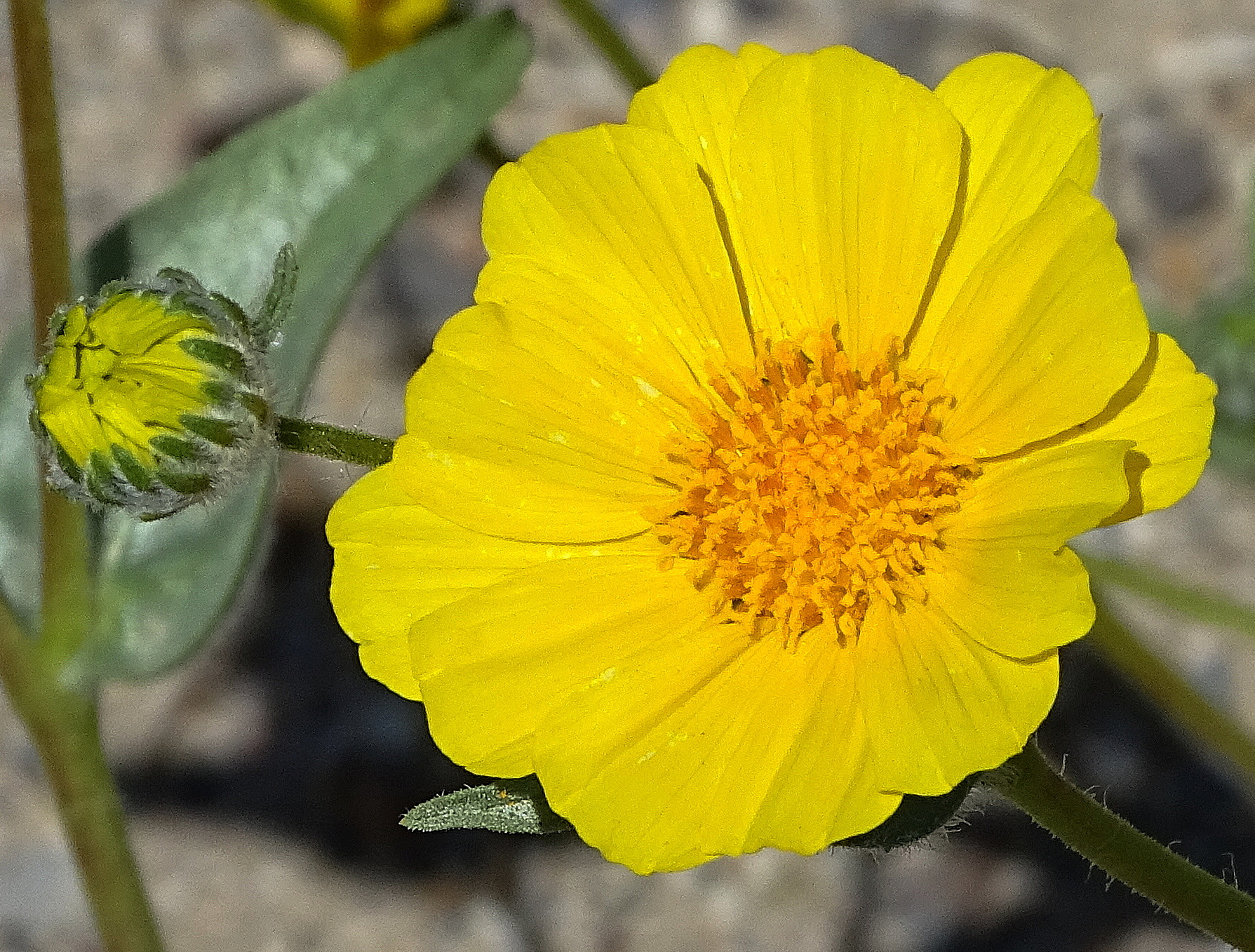
Desert Gold~

(click/tap to enlarge)

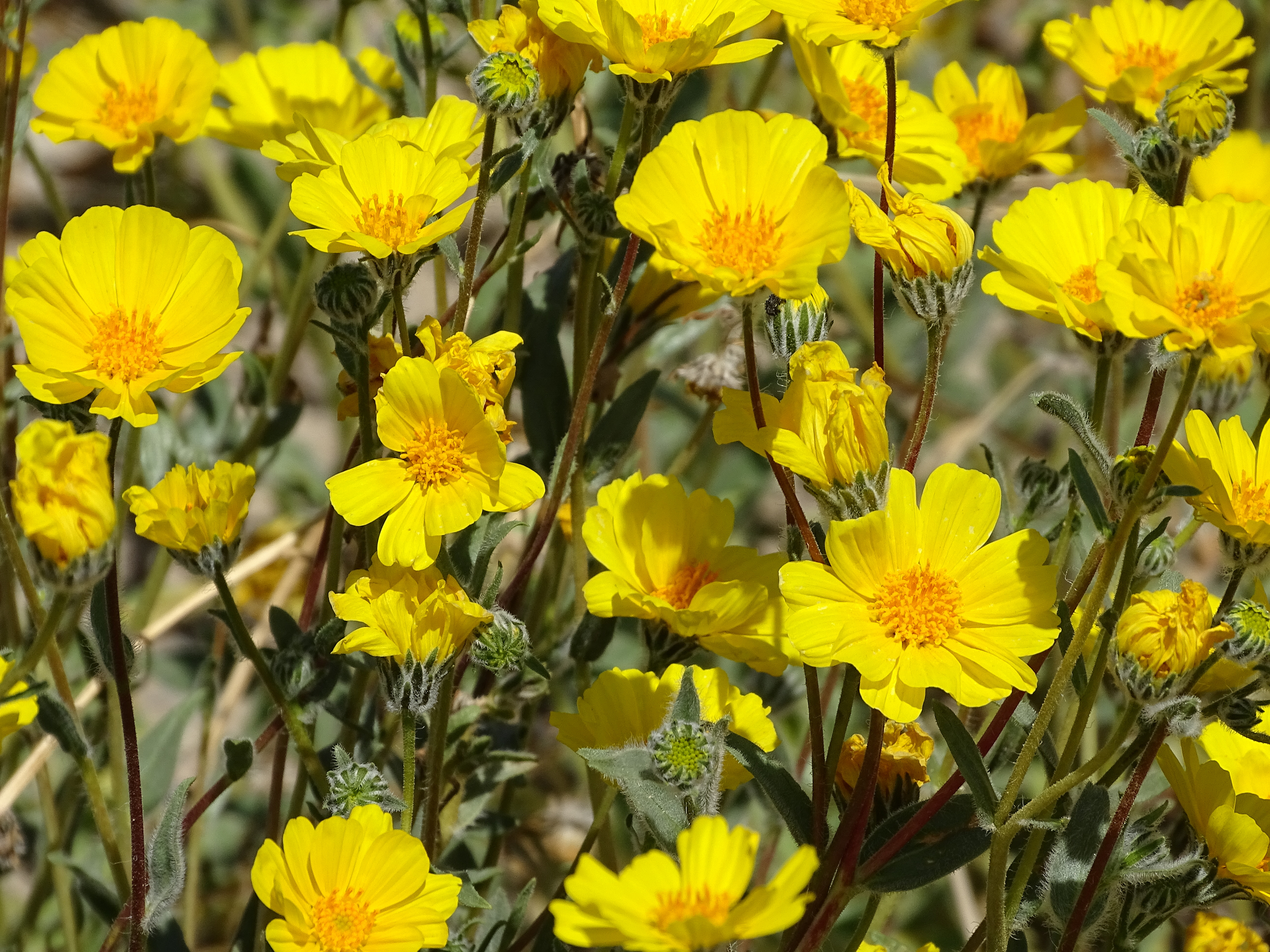
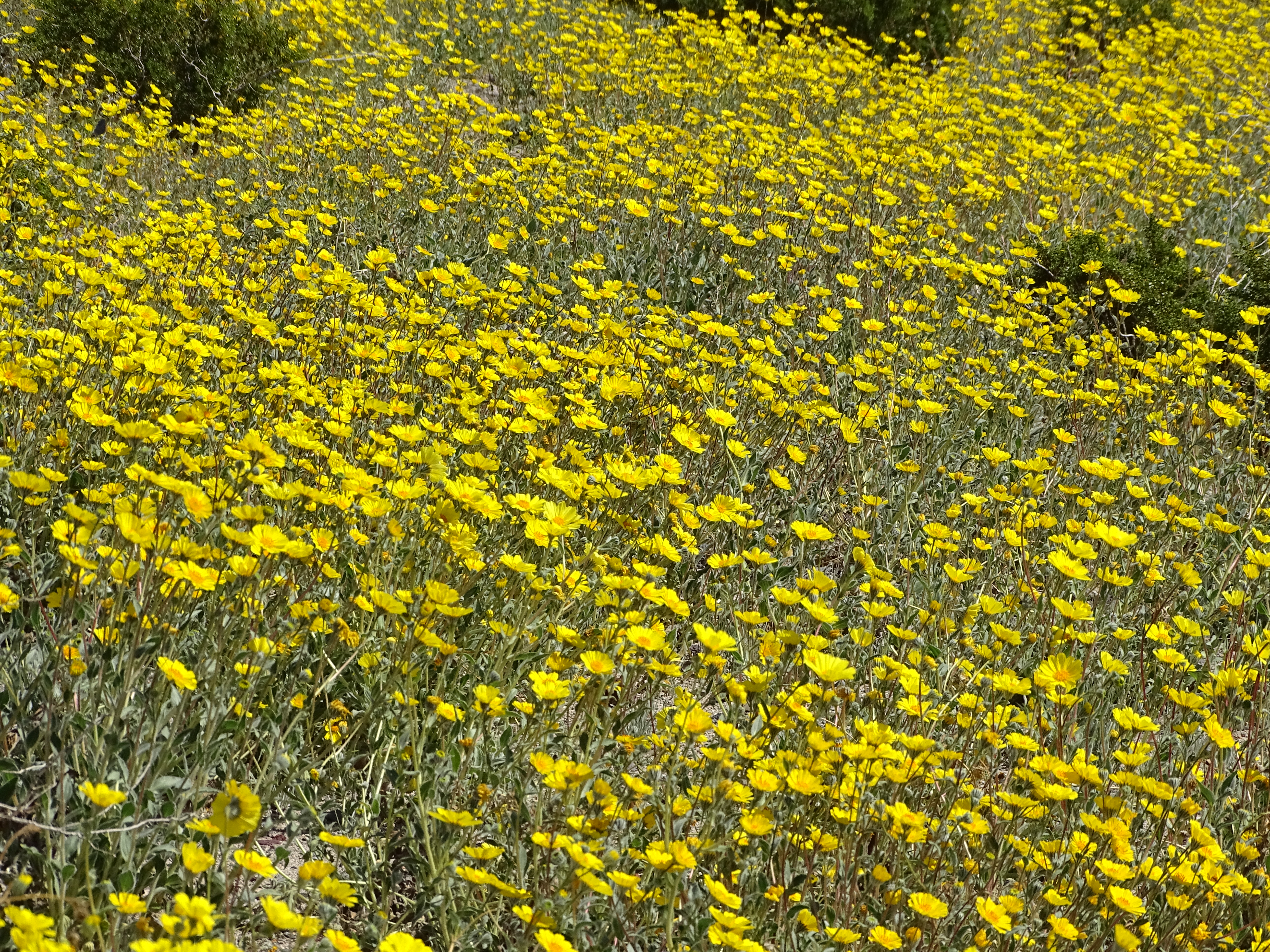
Wildflowers.

blooming in The Panamint Valley,

in Death Valley National Park.

Storms continue to drop record snow and precipitation in California,

making the plants,

and flowers,

happy.

Cheers to you from the blooming desert~

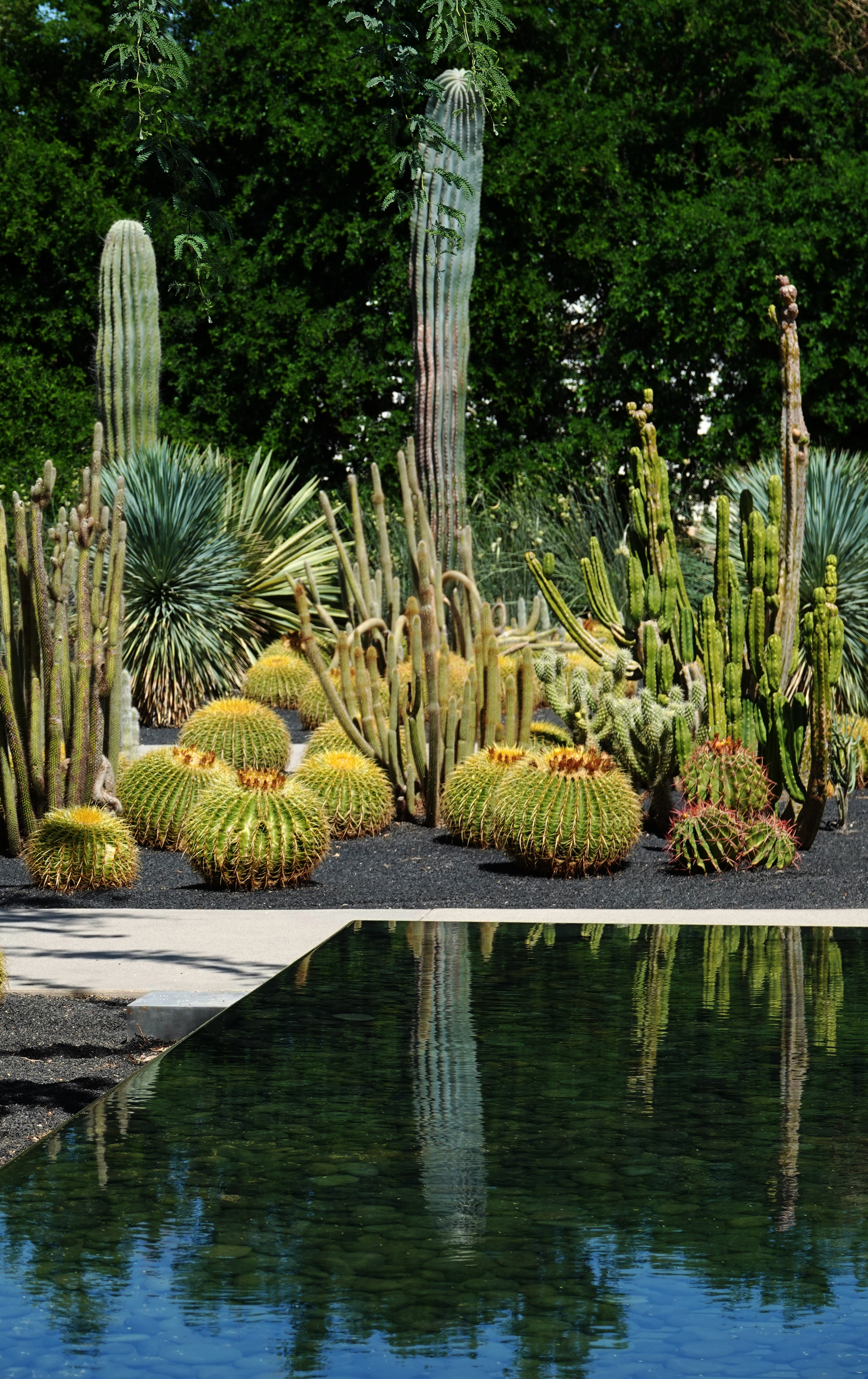
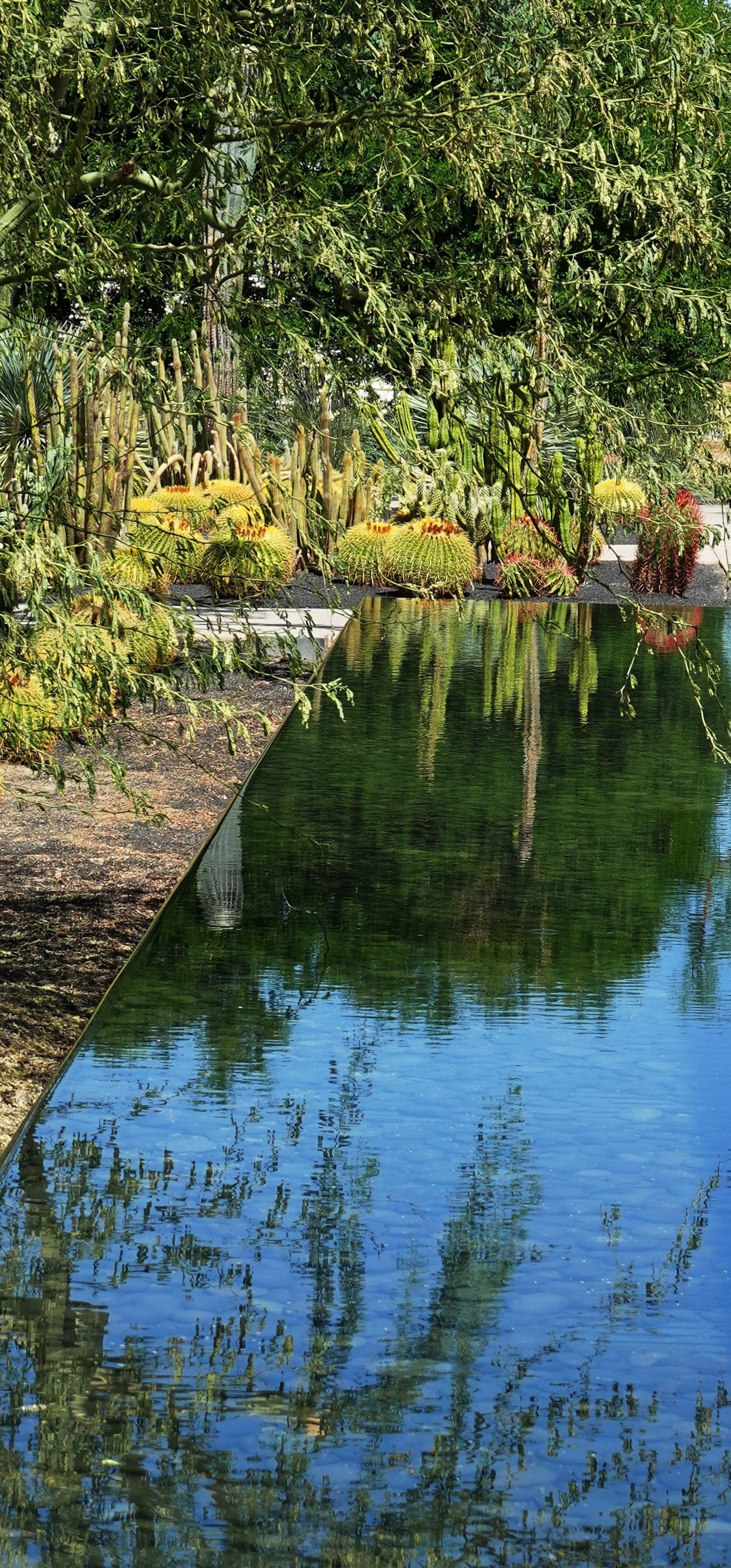
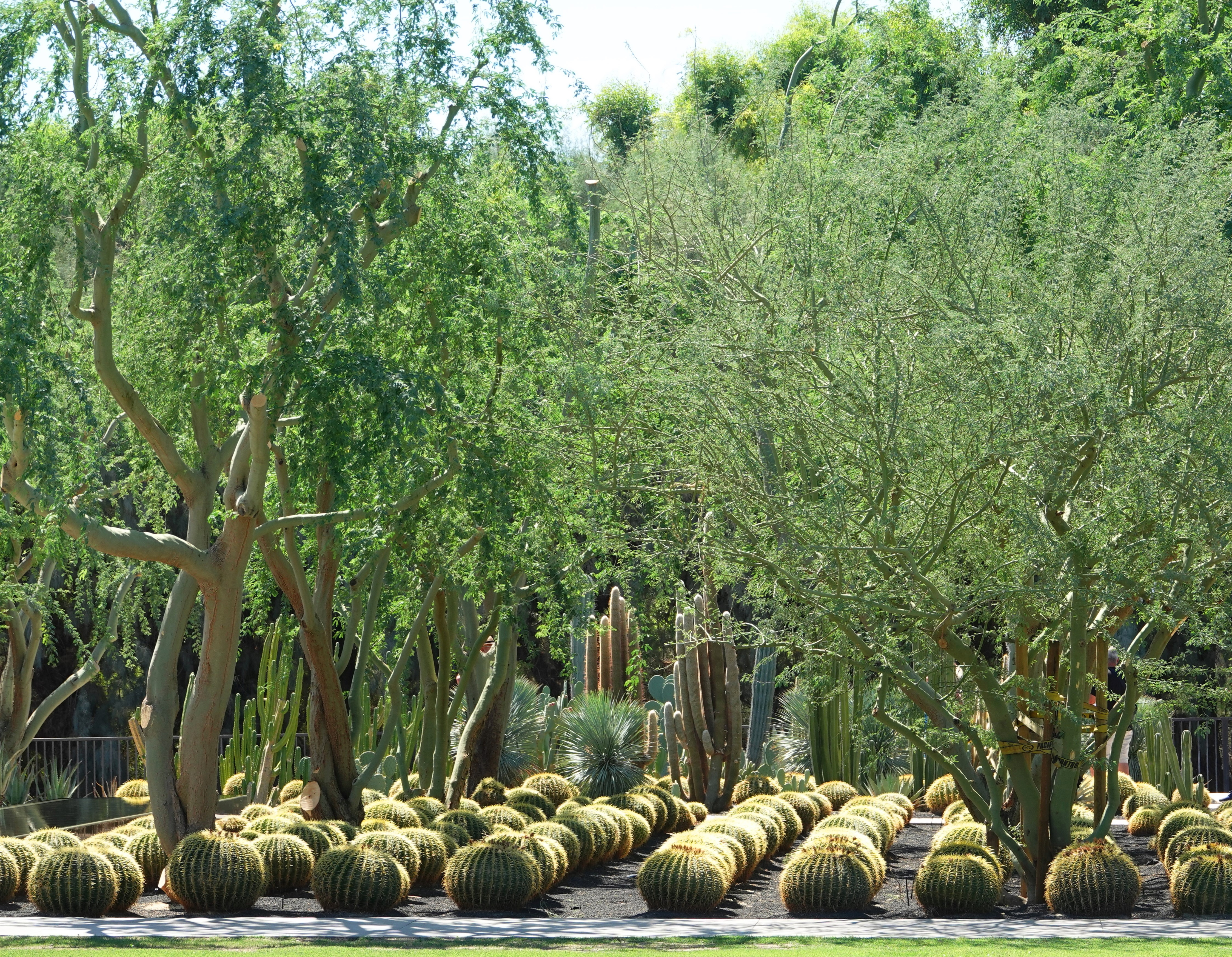
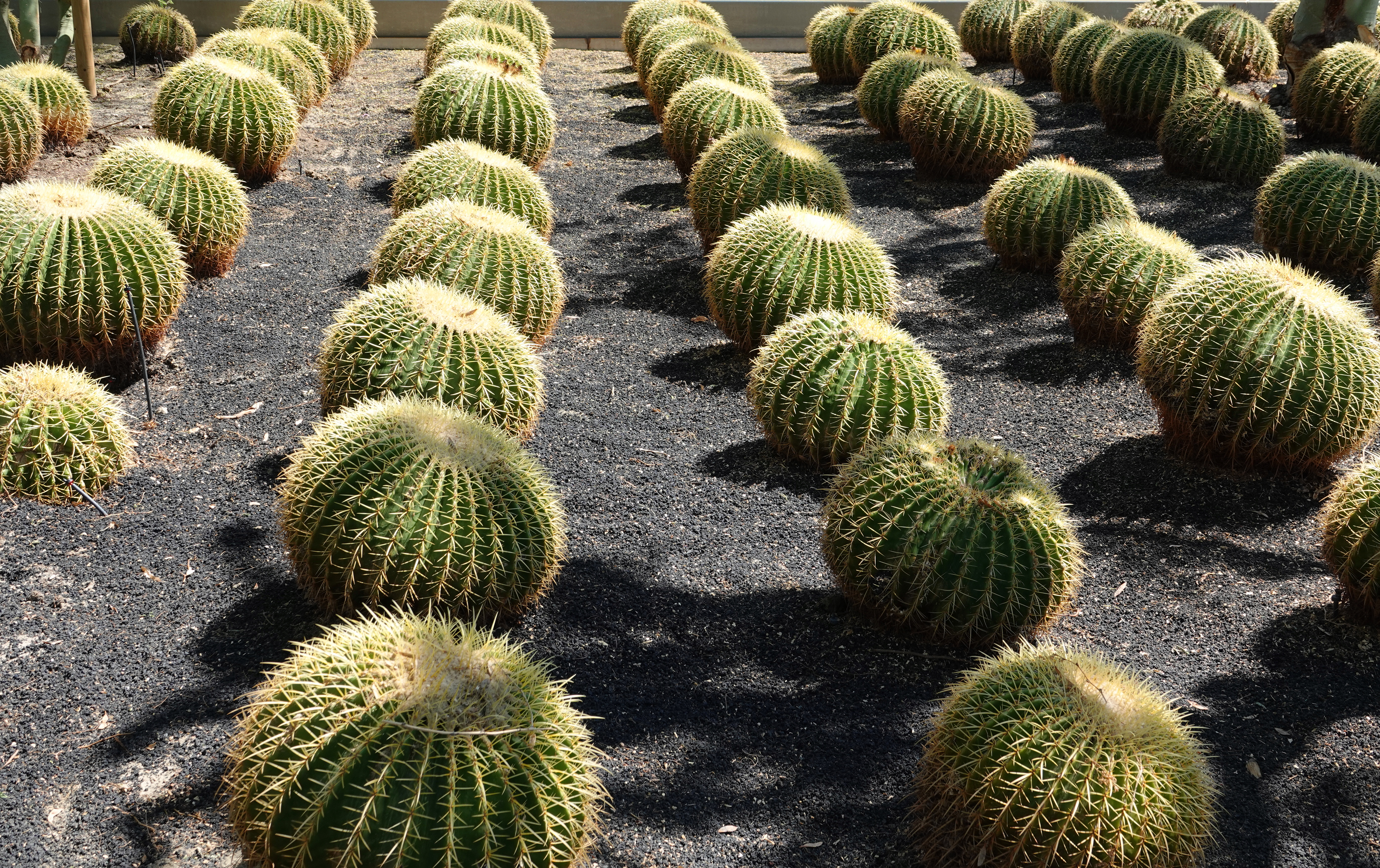
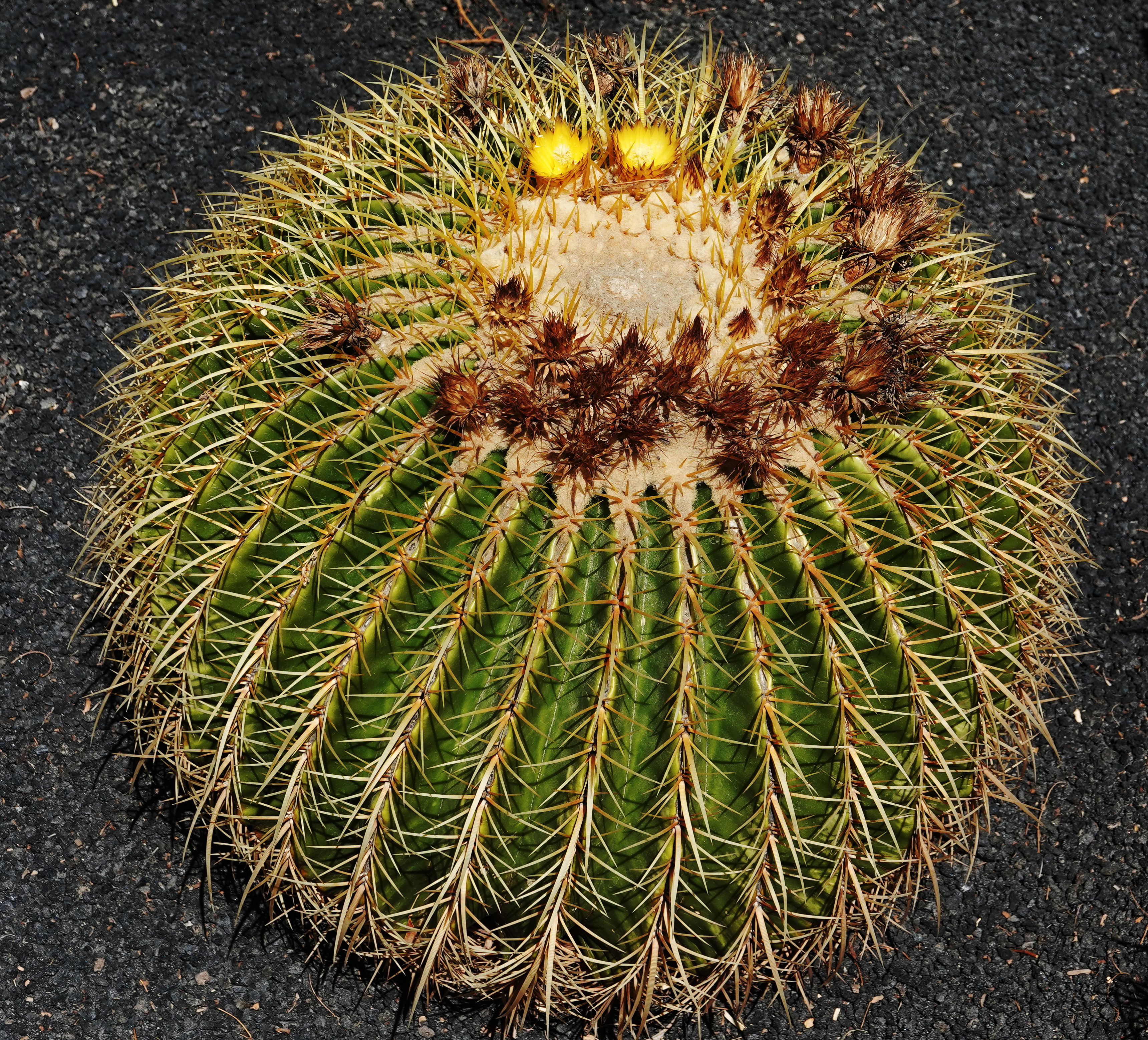
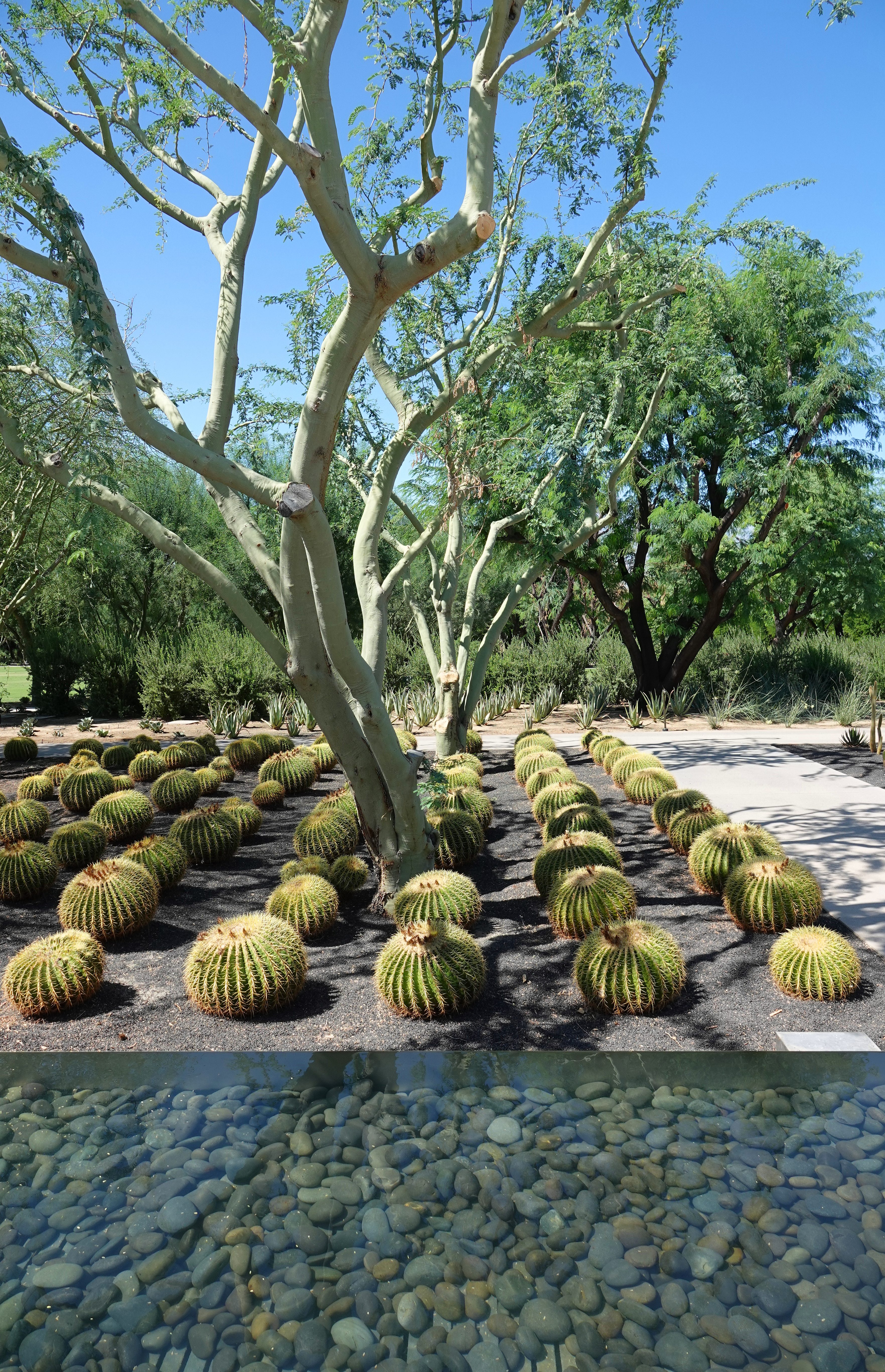
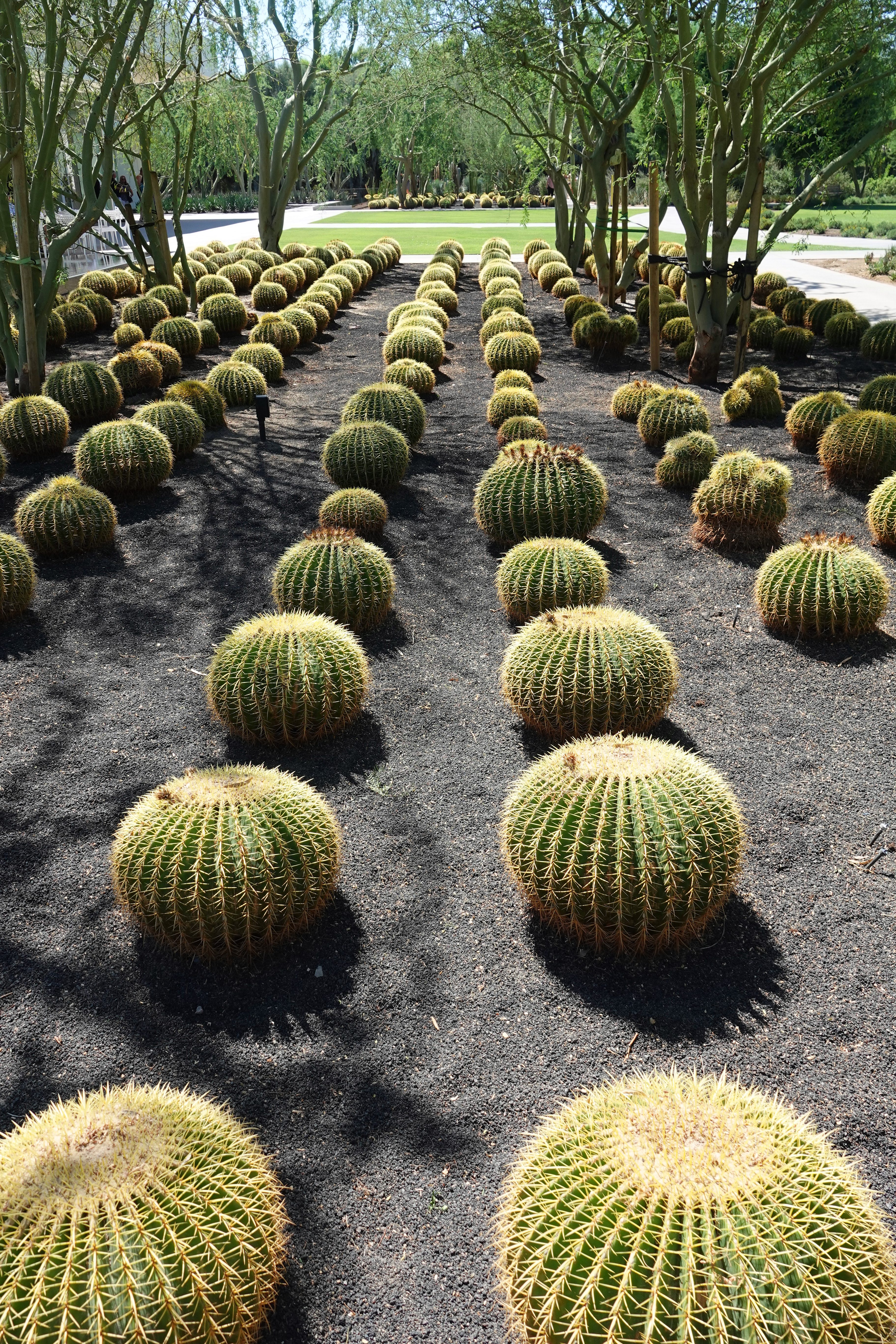
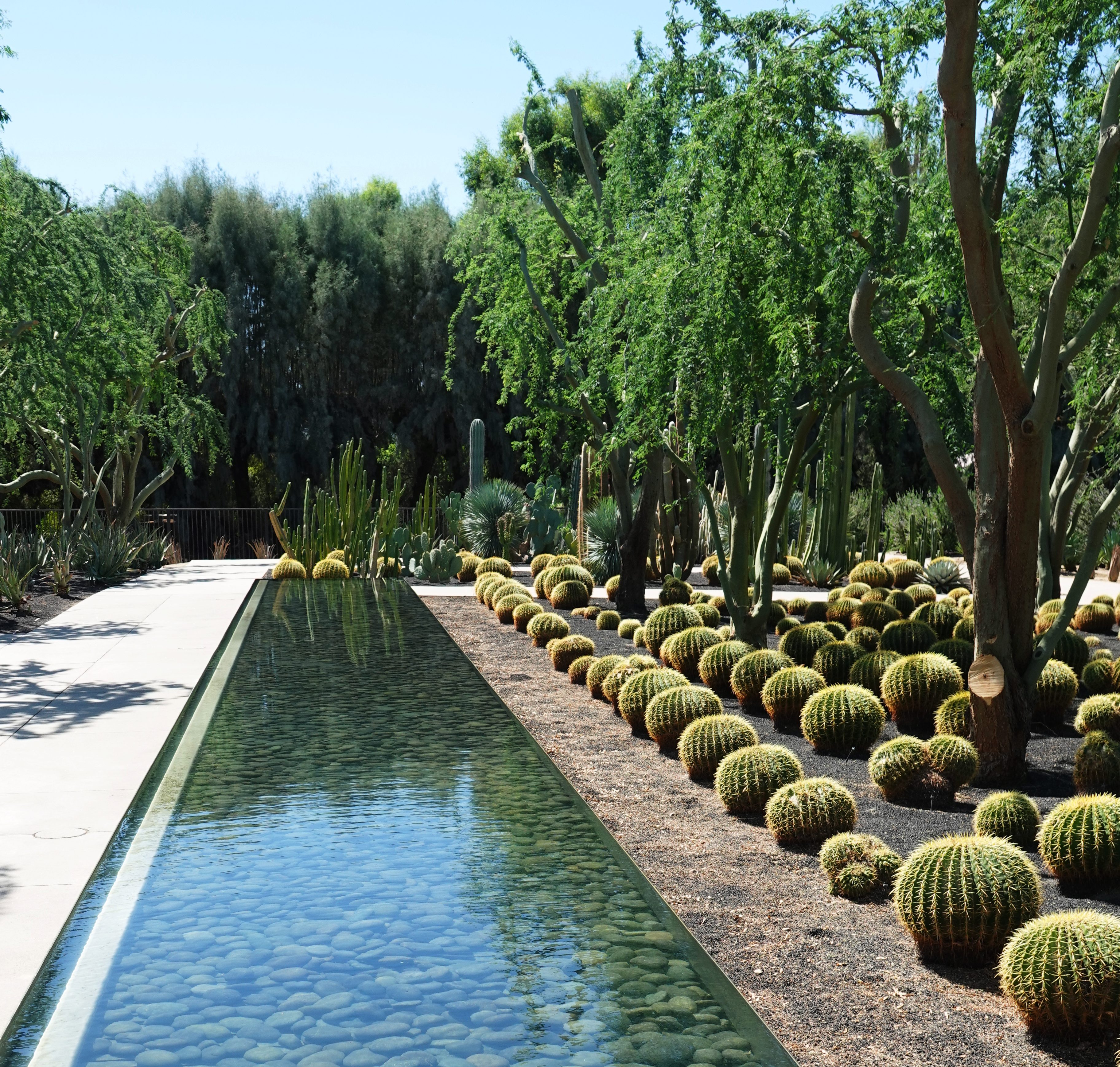
Sunnylands Reflected~

by still waters. (click/tap to enlarge)

The harsh desert,

softened,

by silent pools.

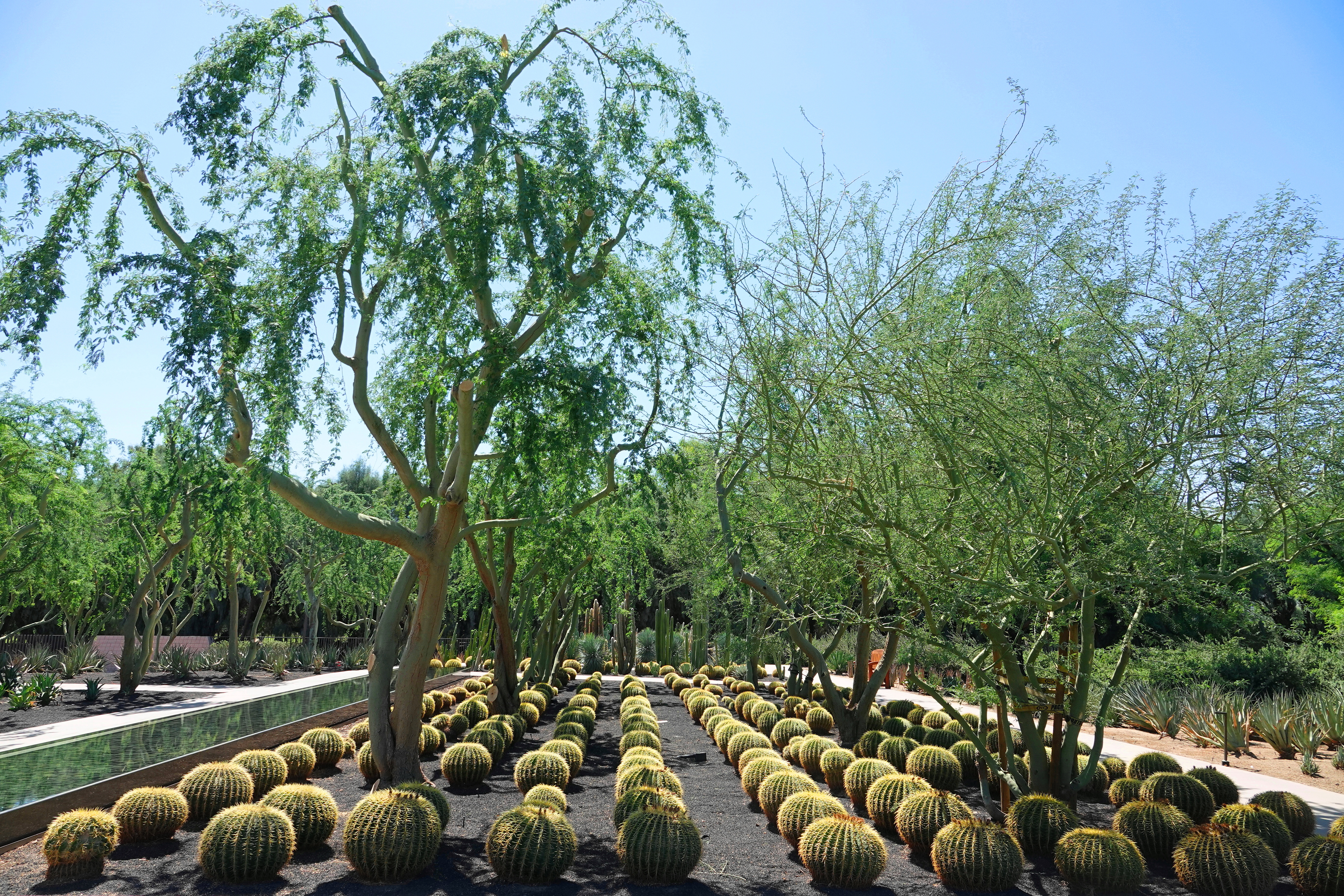
Trees offer shade,

in the fierce summer heat,

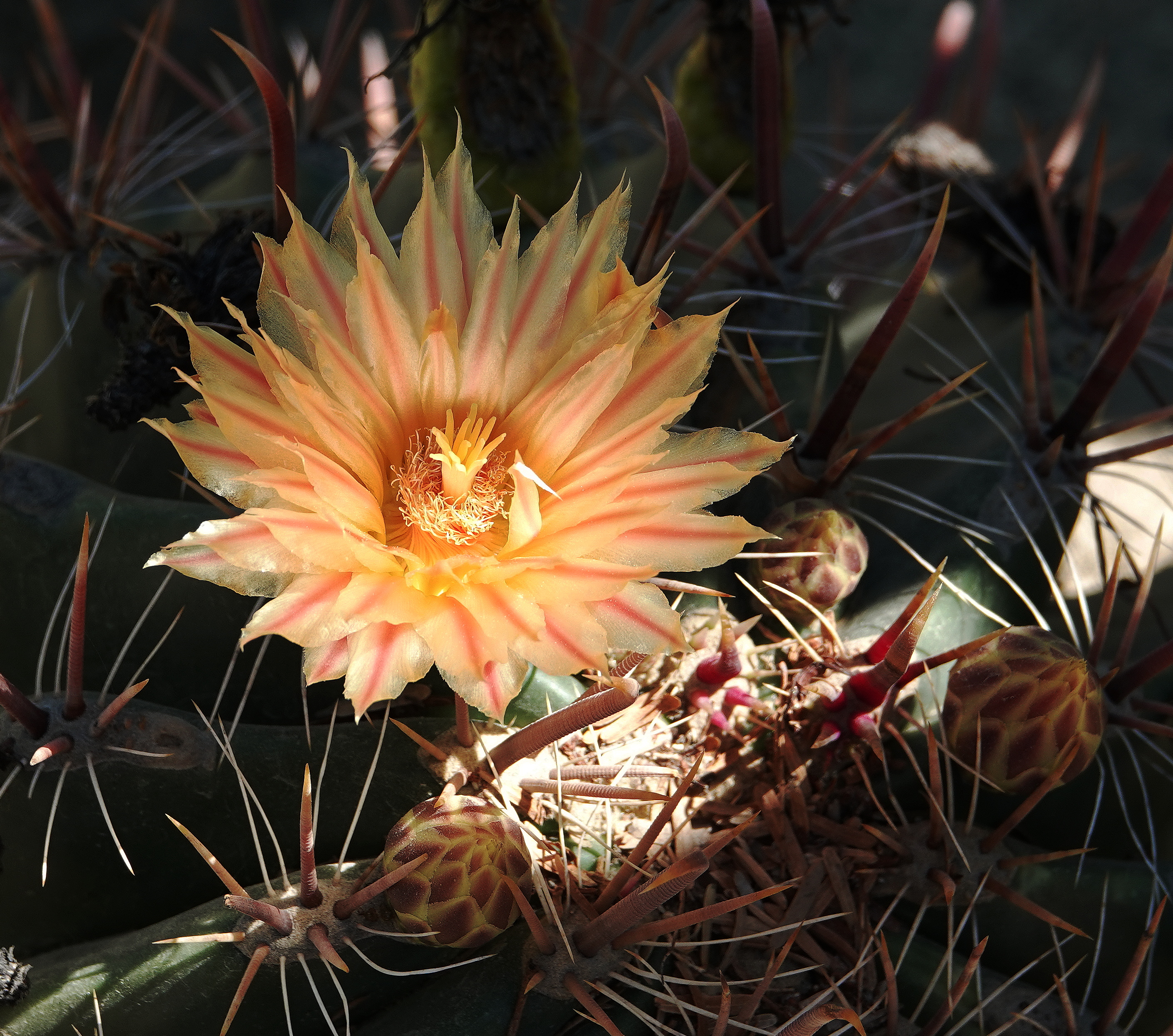
allowing buds to bloom,

and thrive.

Water,

turns Sunnyland,

into wonderland.

Cheers to you from The Annenberg Gardens in Palm Springs California~

Centurial~

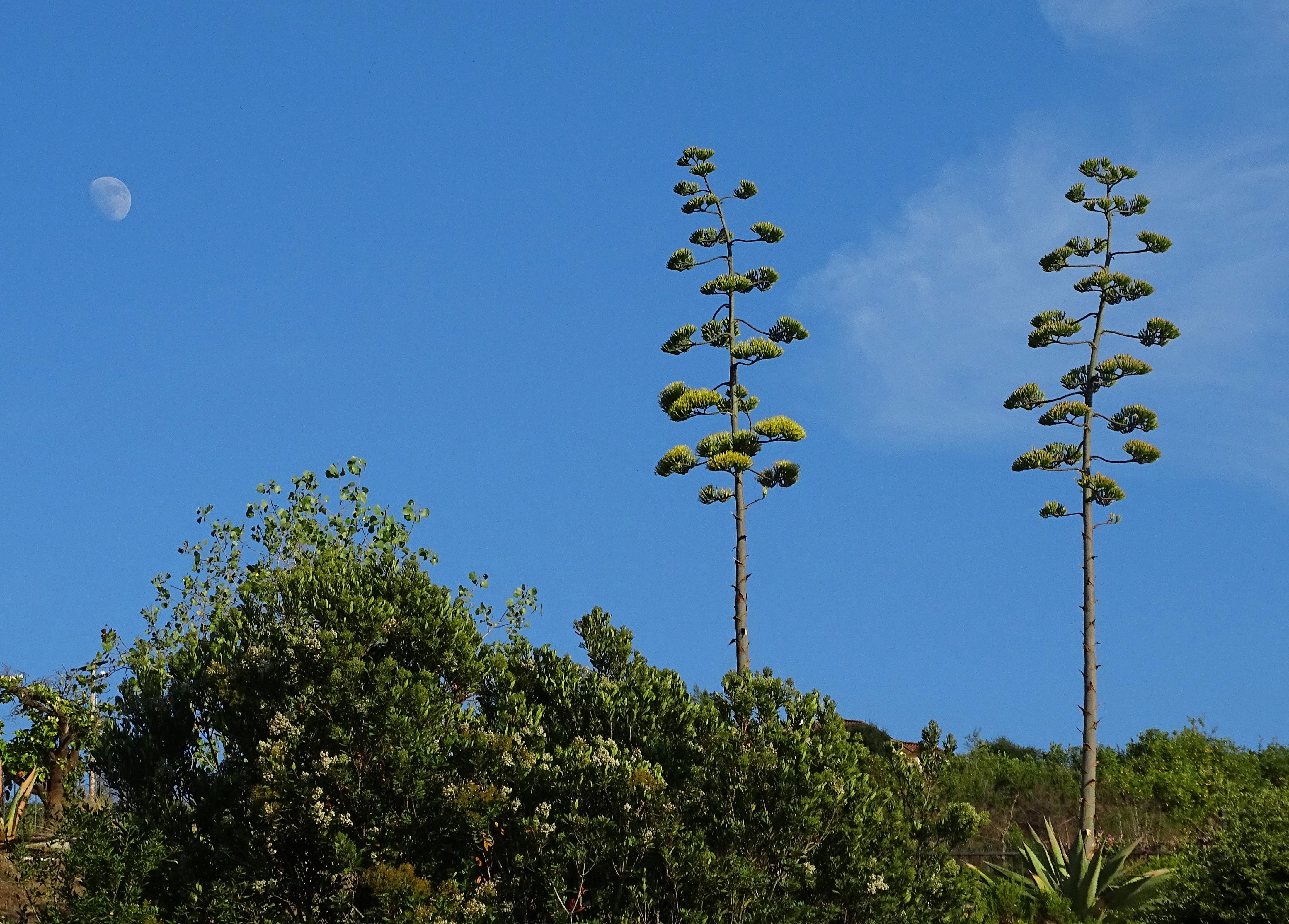
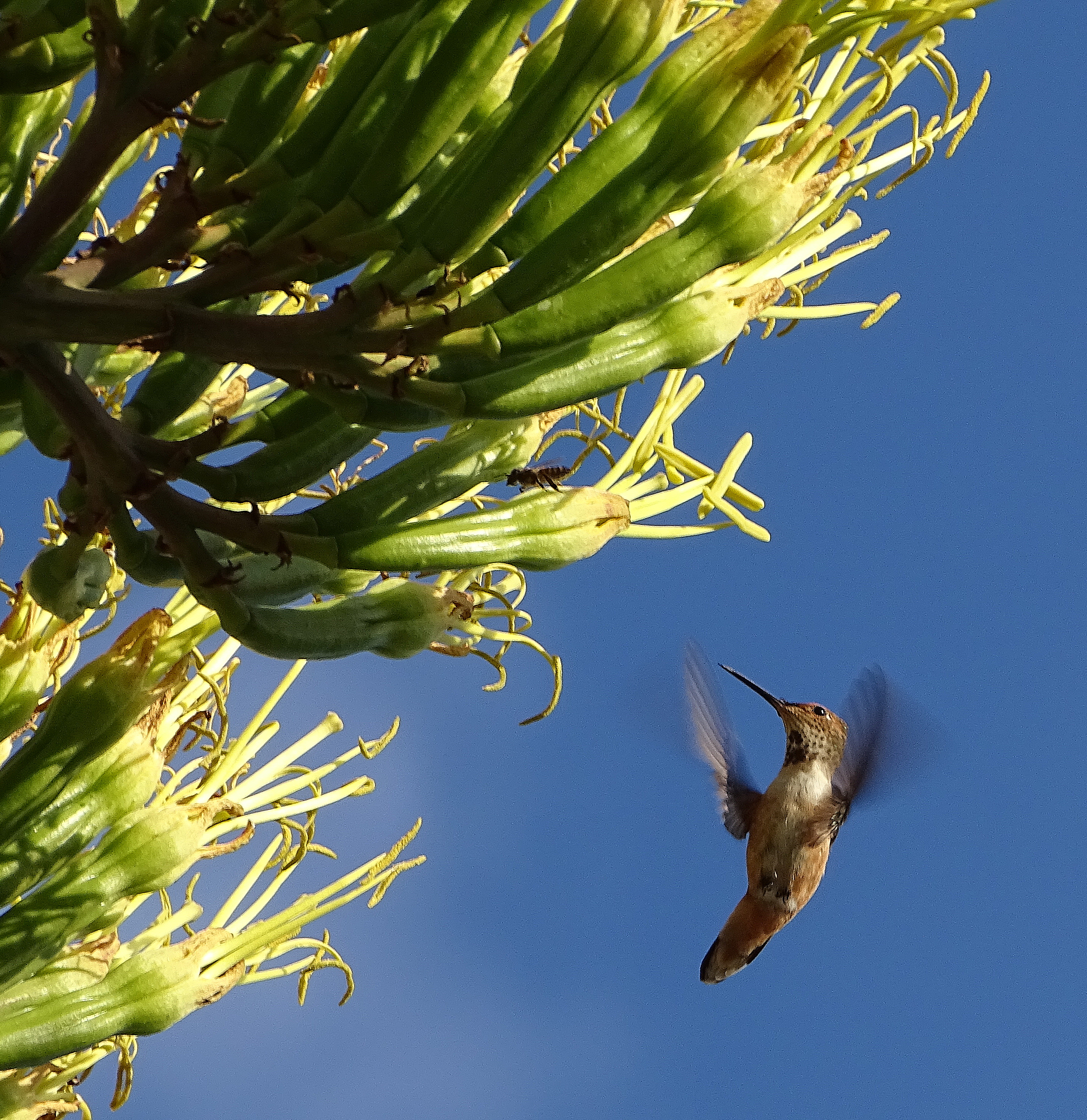
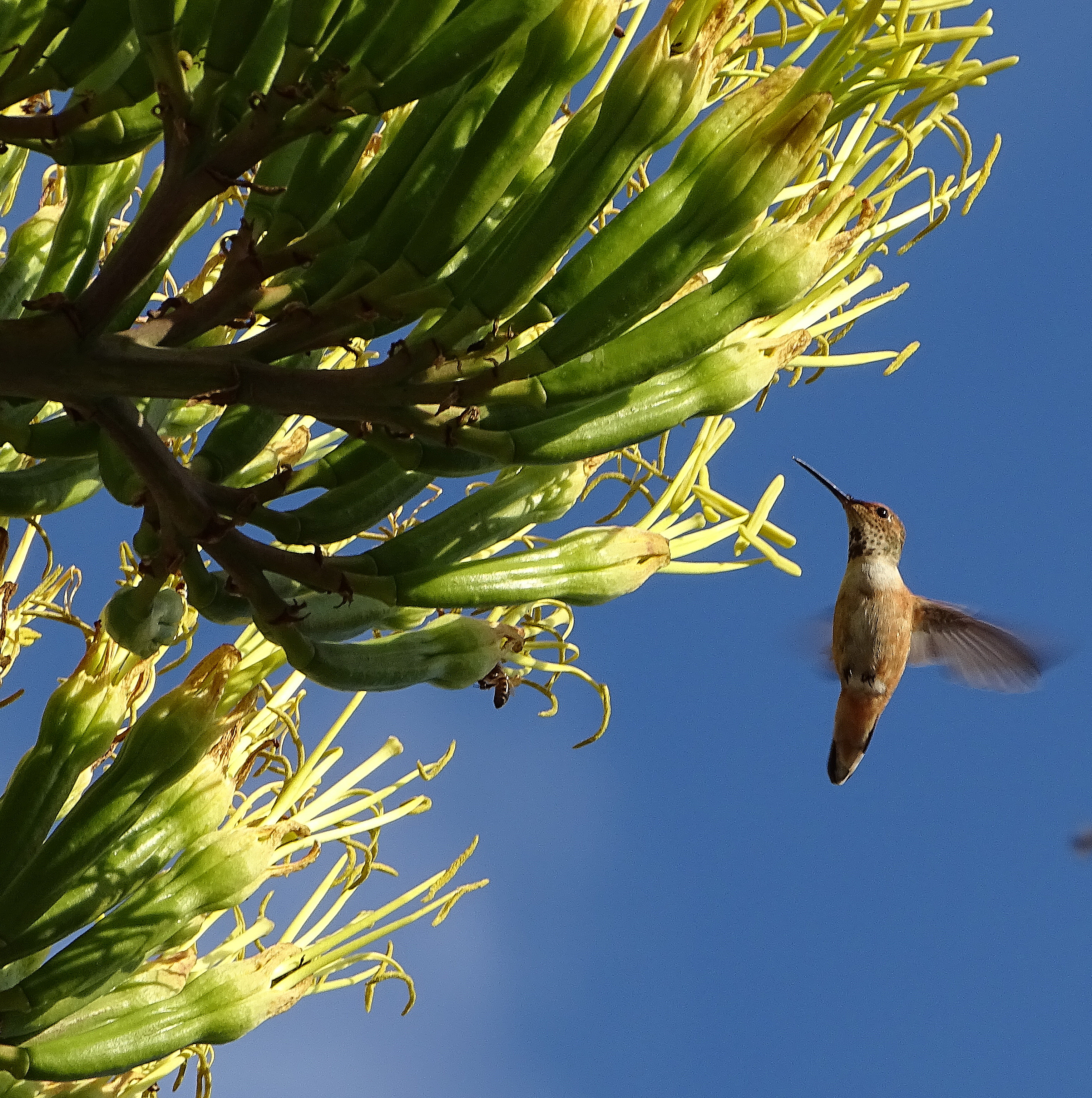
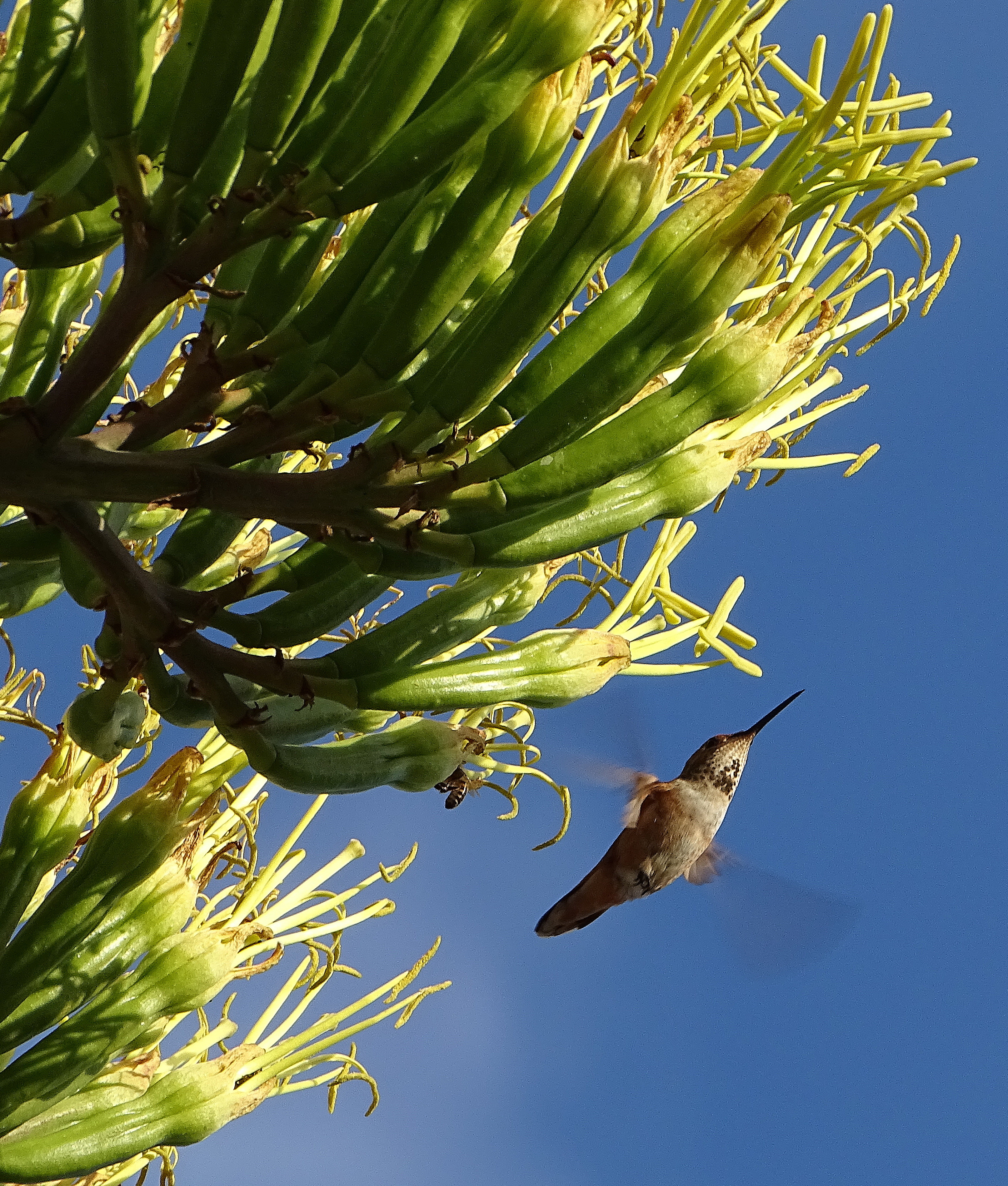
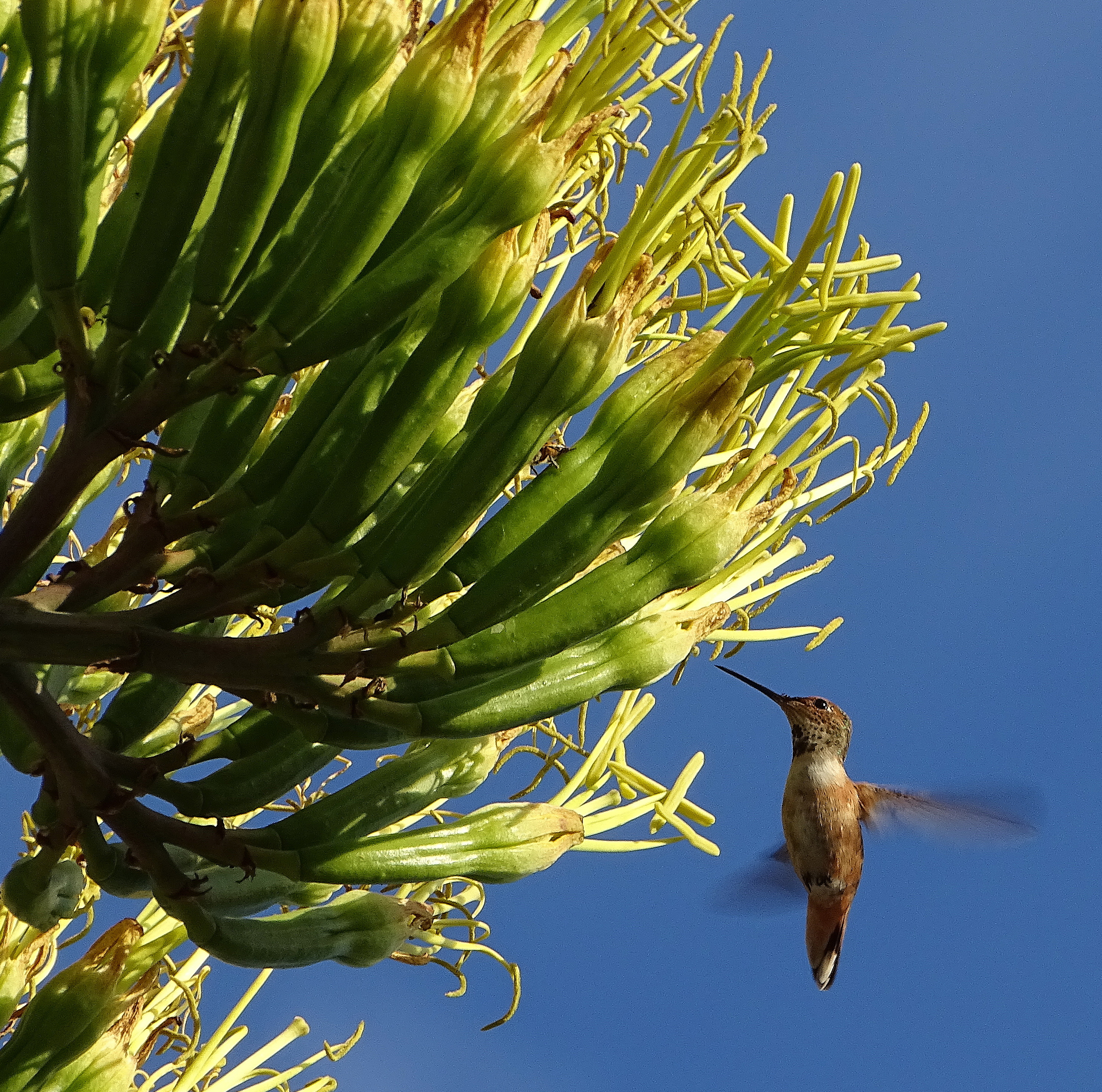
Century Plants look like giant asparagus and are members of the aspargus family.

Their name is derived because they are said to bloom,

once a century,

and then die.

We have at least a hundred or more at The Holler.

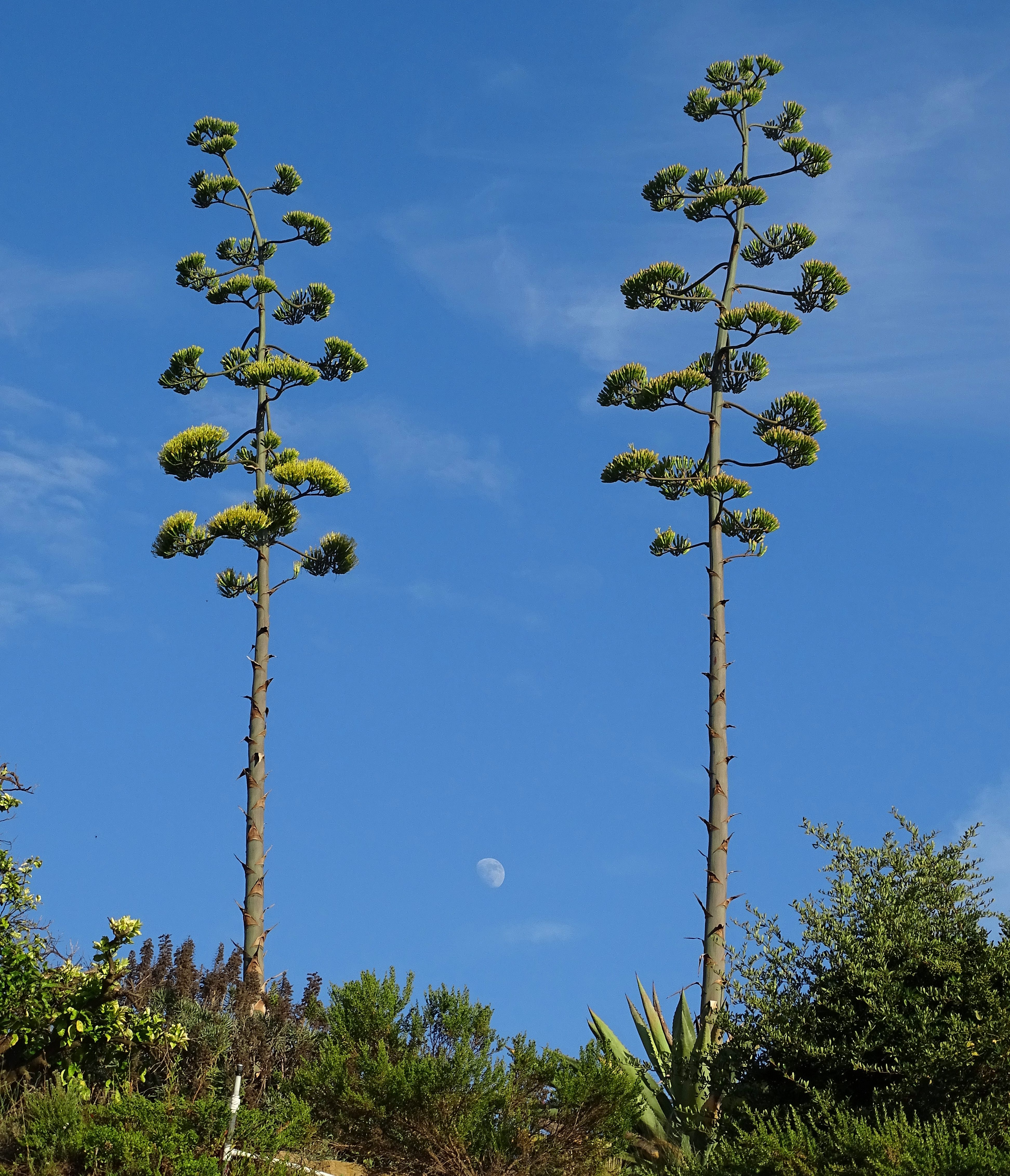
When they bloom,

the stalks are well over 20 feet tall.

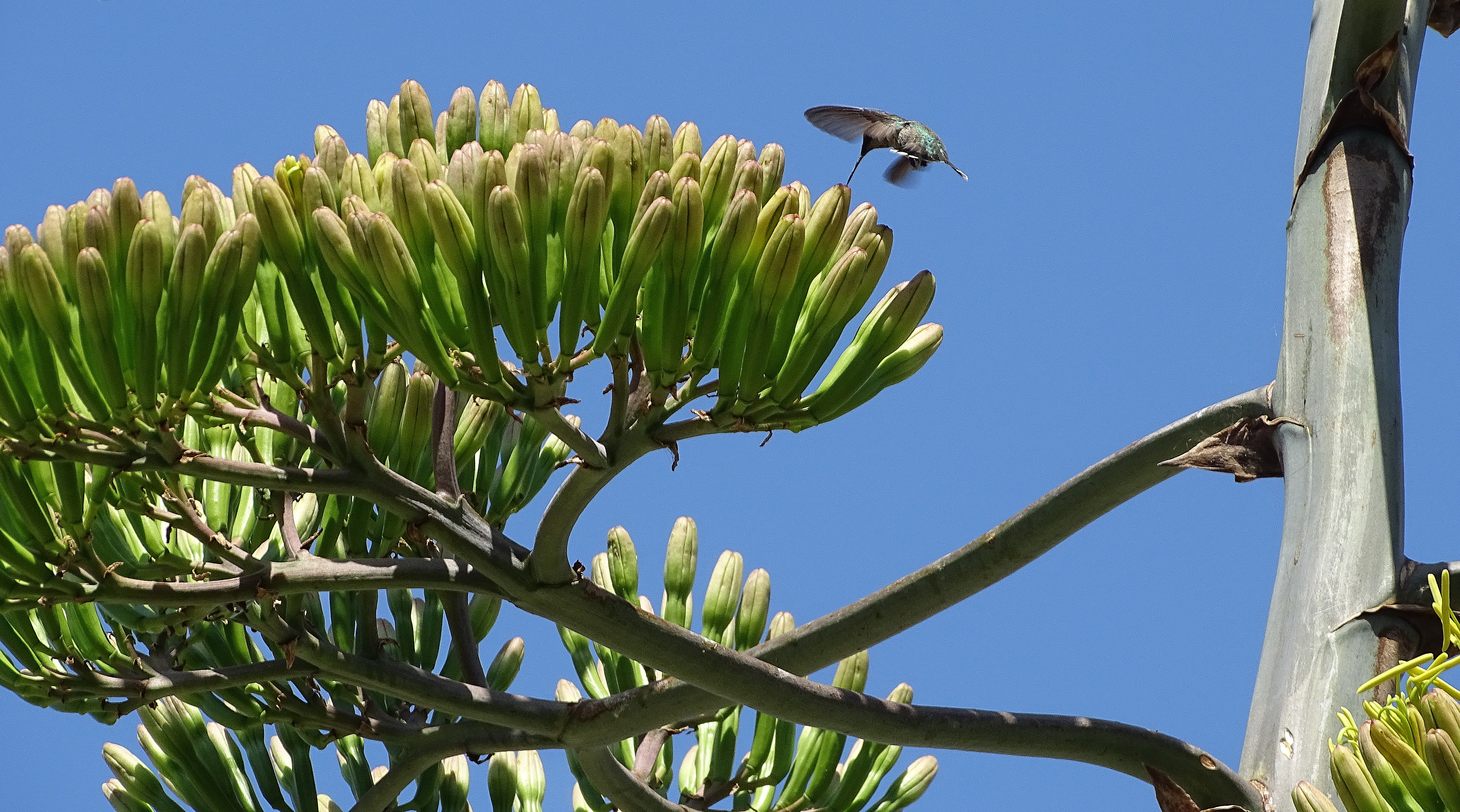
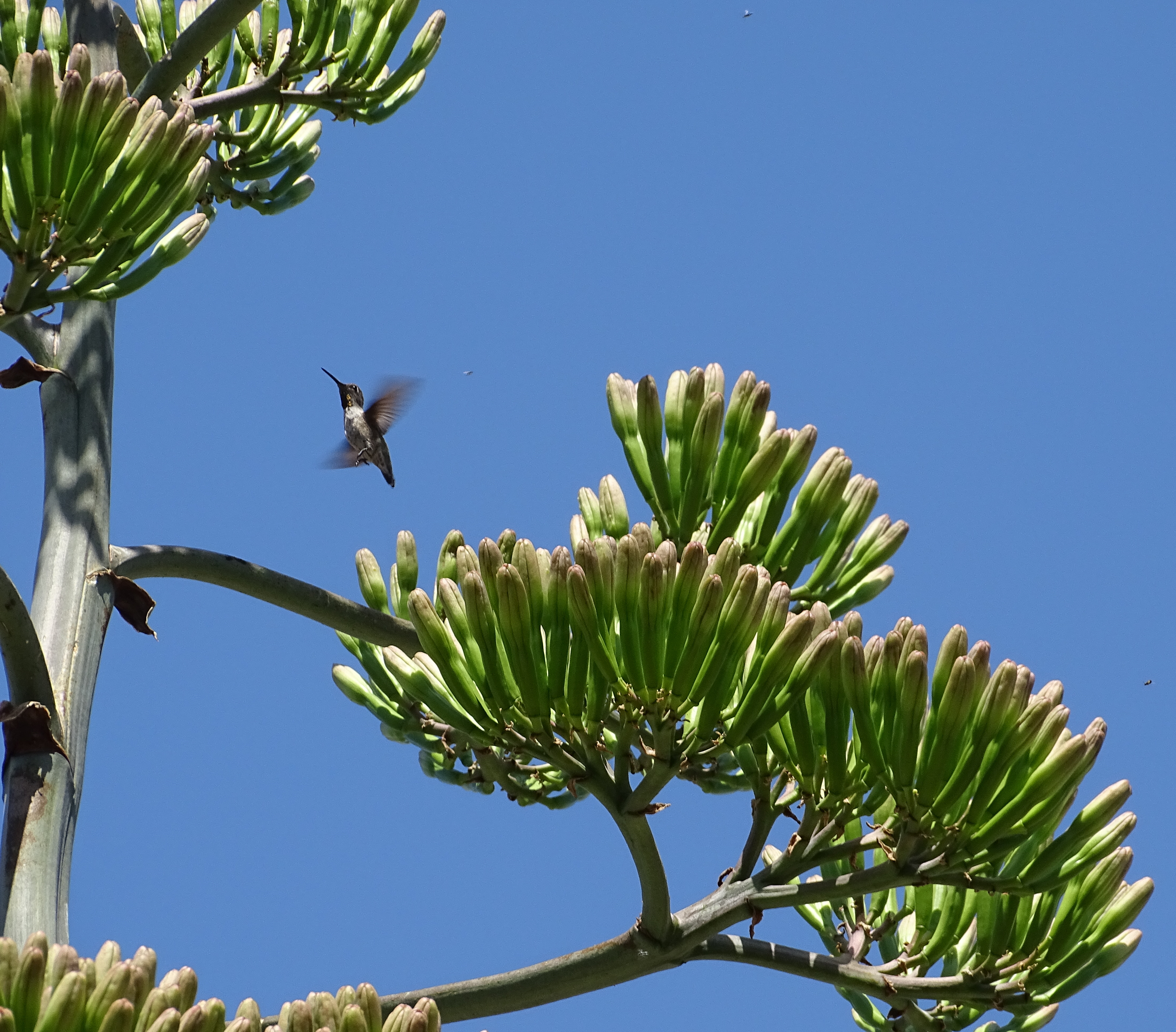
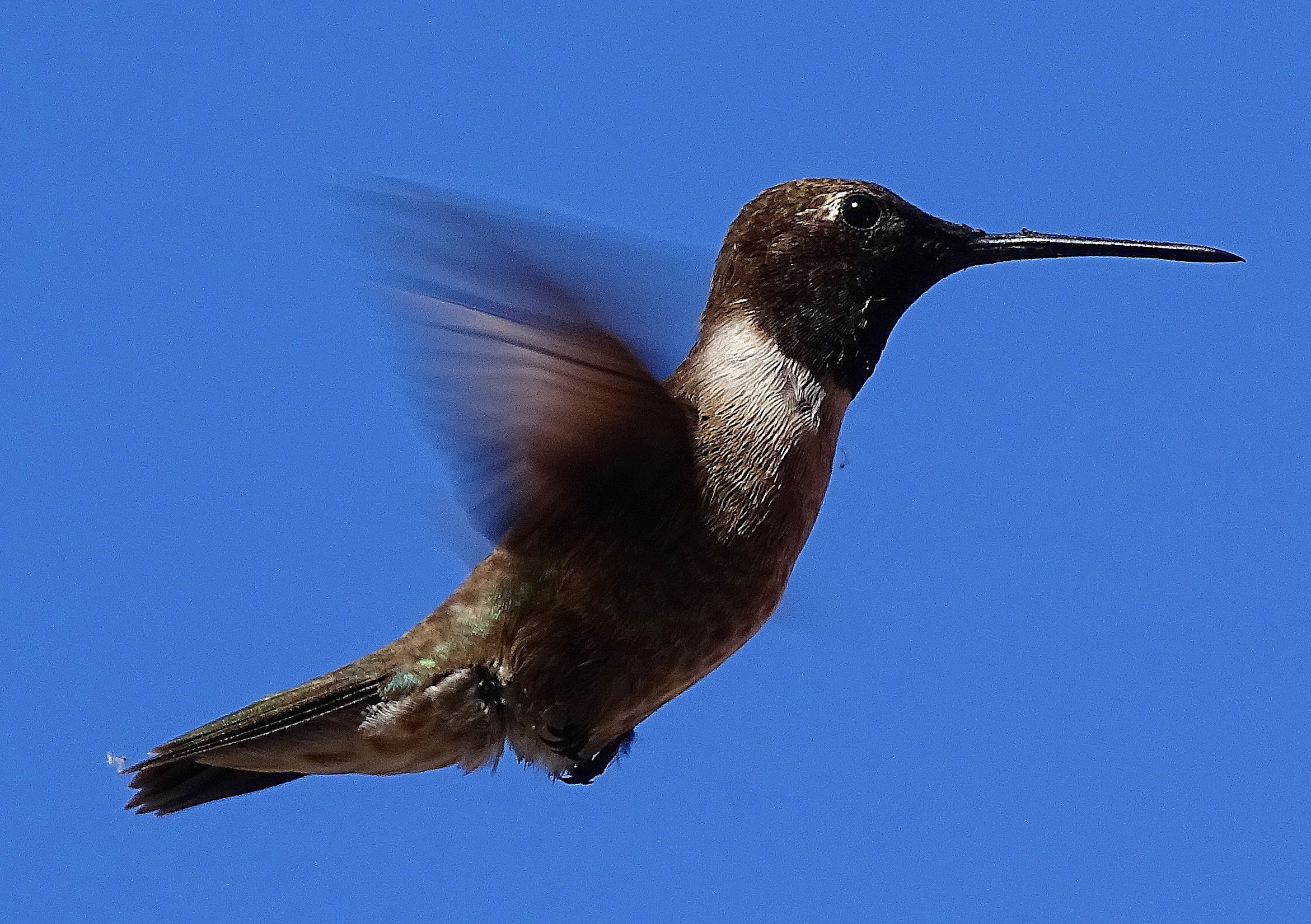
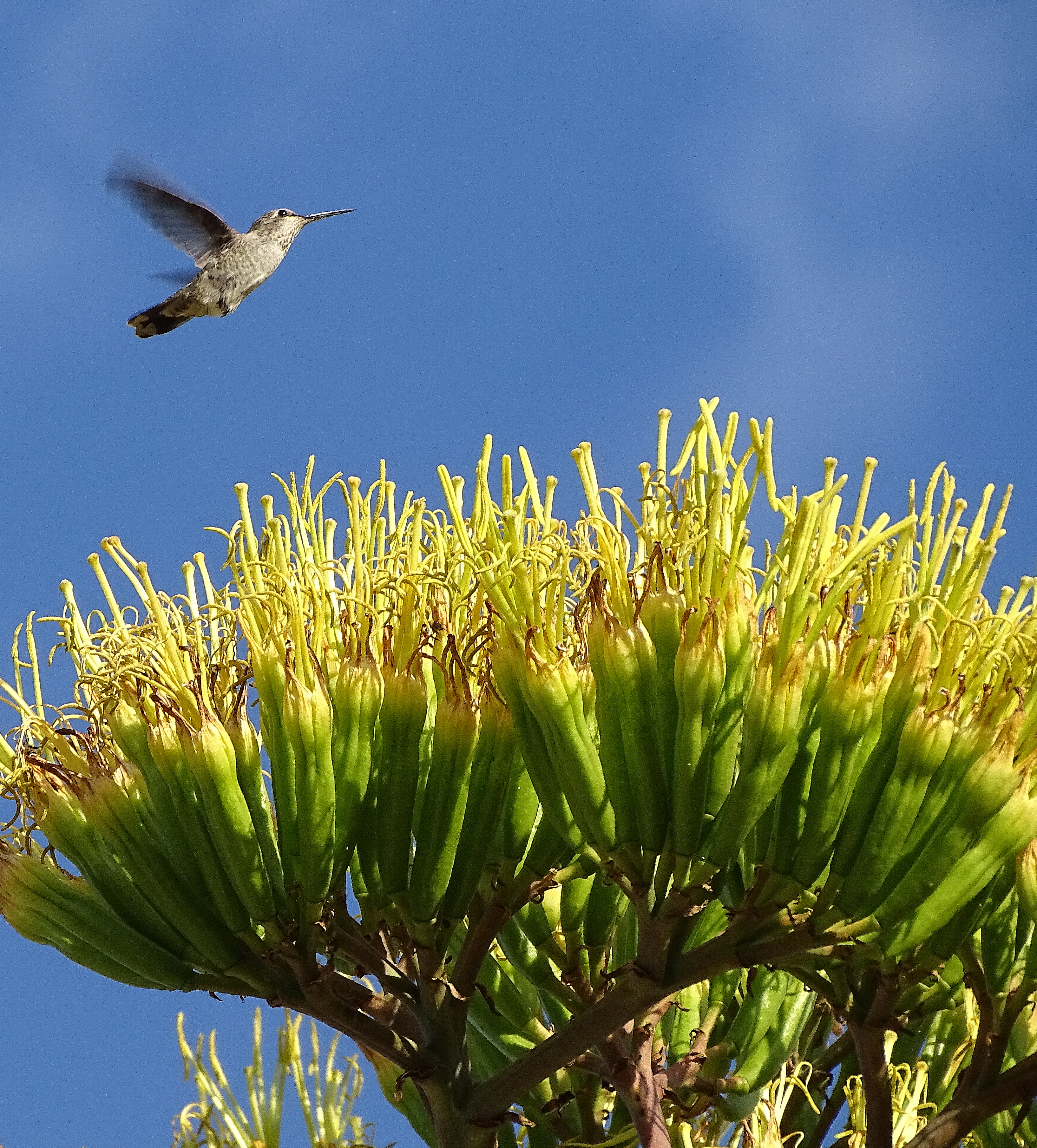
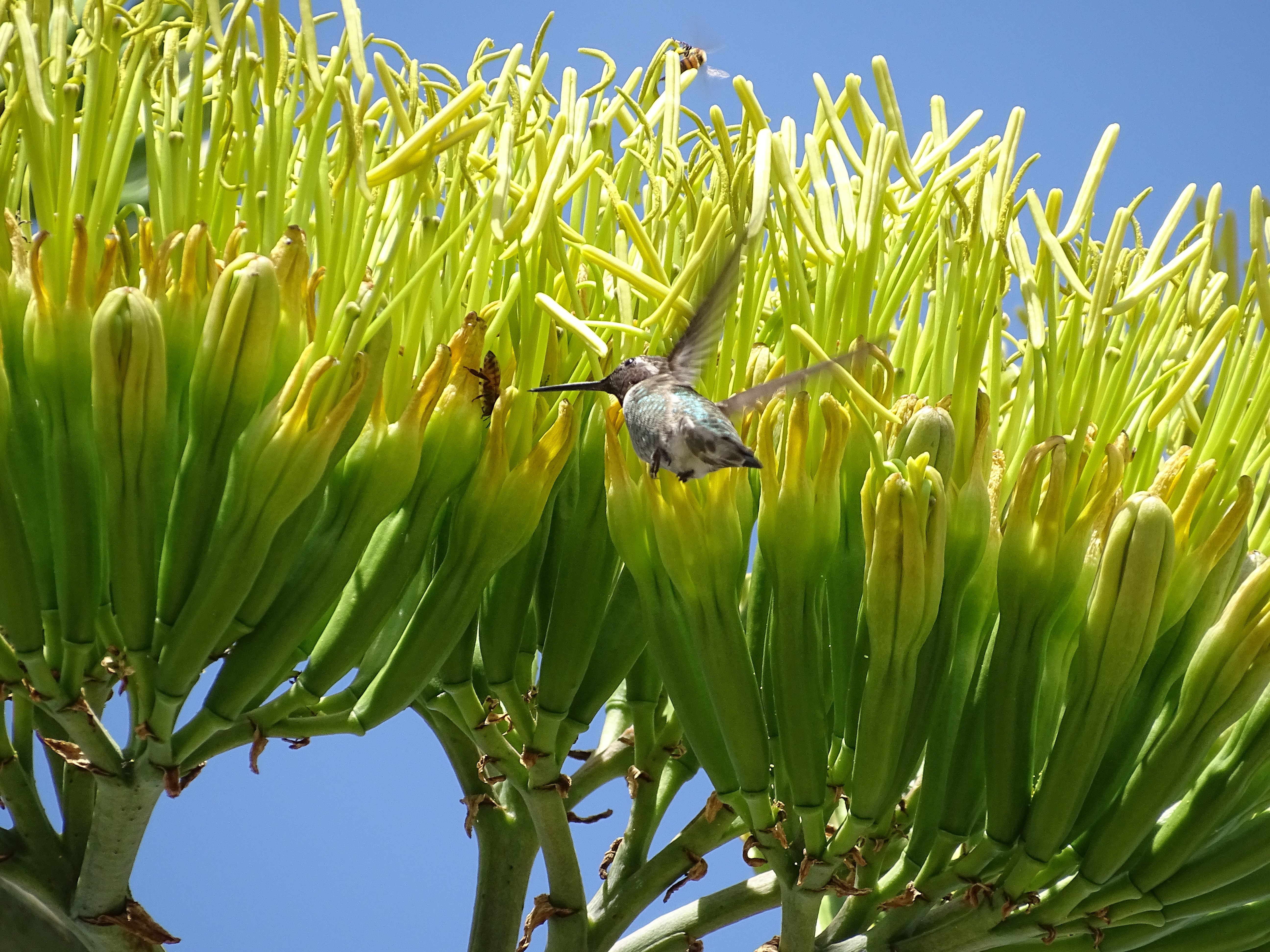
They are magnets for pollinators,

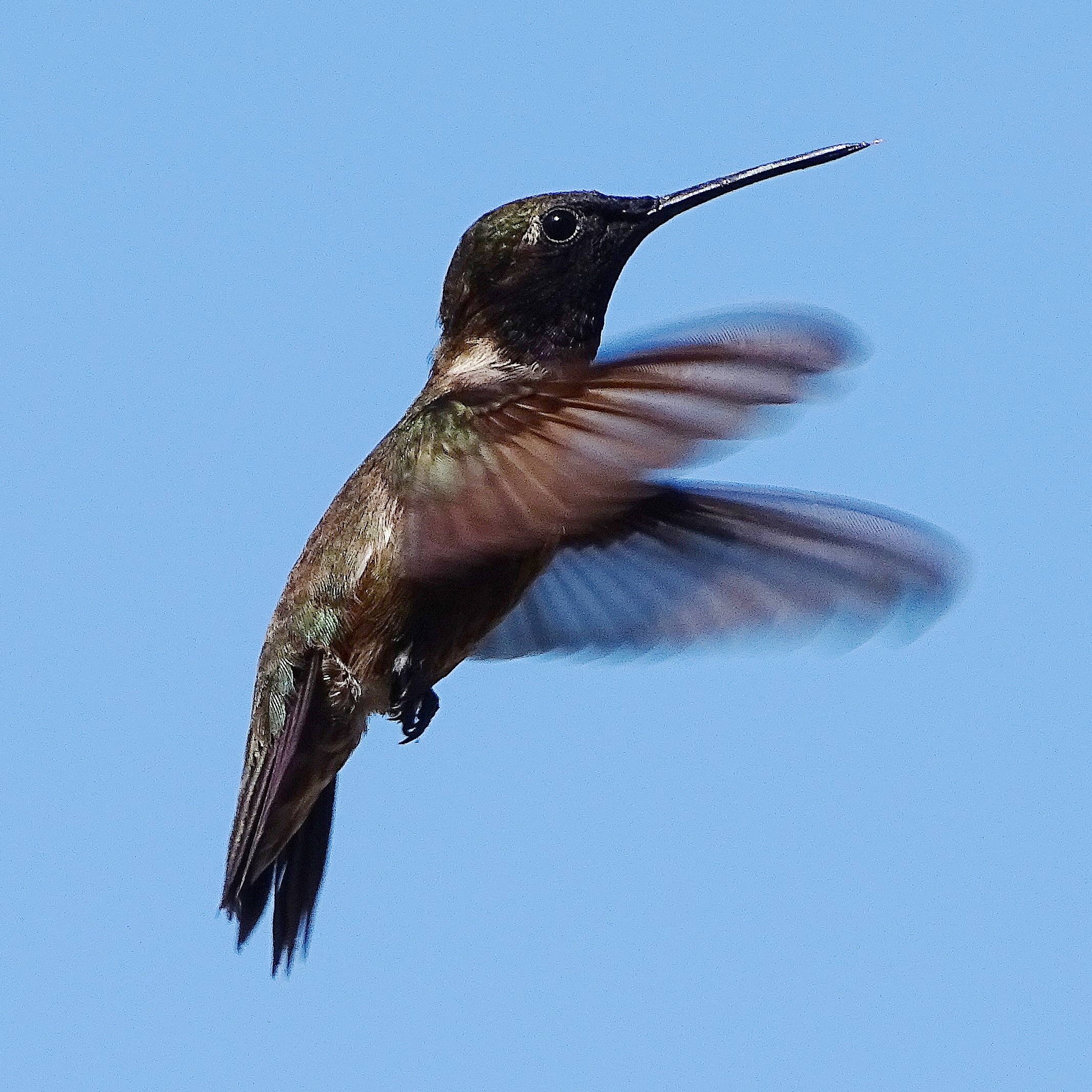
especially bees and hummingbirds.

The hummingbirds fight relentlessly for control over the massive stalks.

Our century plants bloom about every ten years and reproduce prodigiously via underground root systems.

Cheers to you from The Holler Centurions~