
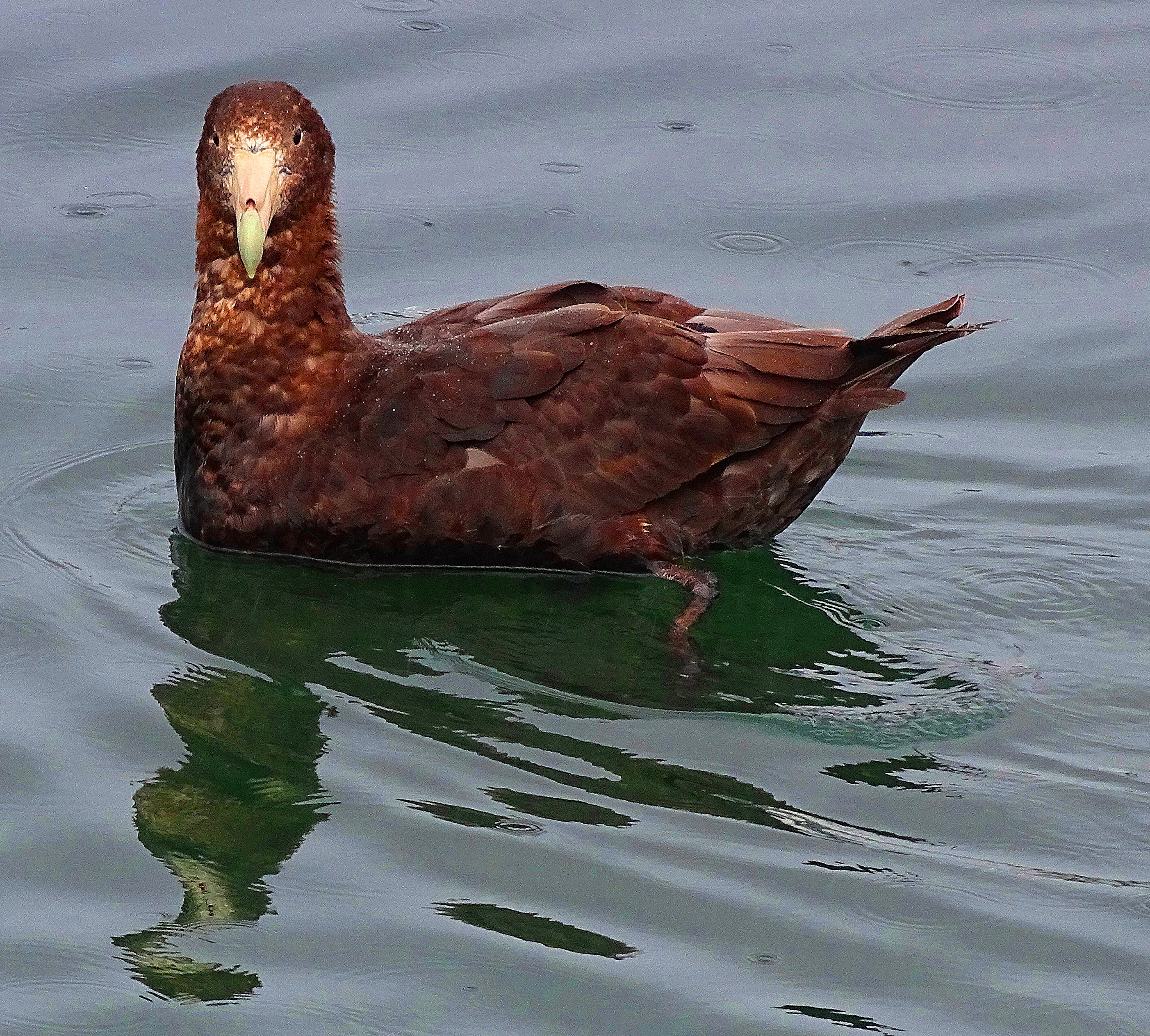
Southern Giant Petrels (SGP’s) are the largest birds in the pelagic petrel family with wingspans of up to 6.7 feet.

They live in the southern hemisphere and are circumpolar, distributed in the sub-antarctic to Antarctica.
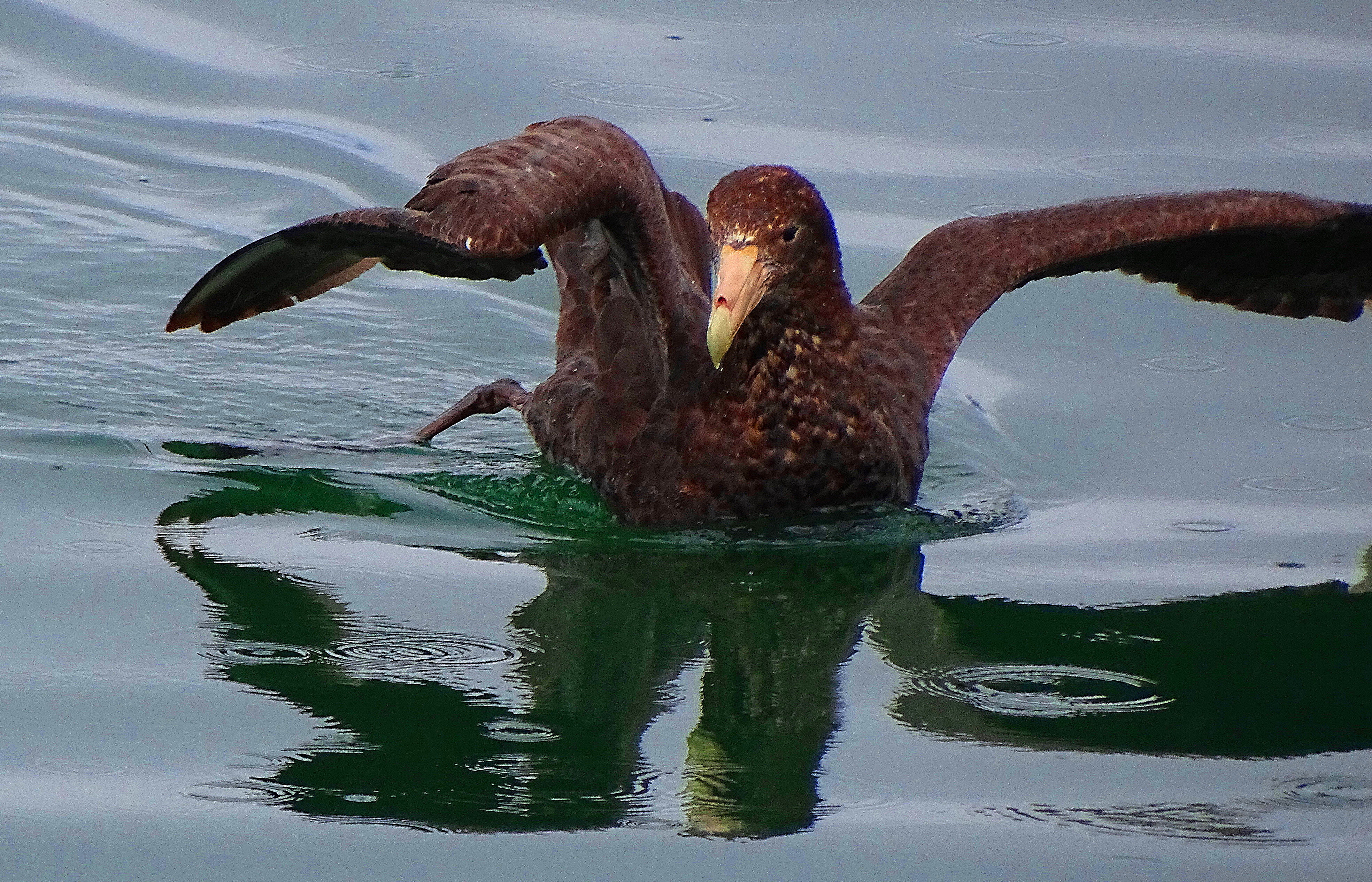
They are bigger than Northern Giant Petrels and are rated one of the ten oddest looking birds in the world due to their unusual stacked bi-valve nostrils joined together on the top of their beaks.
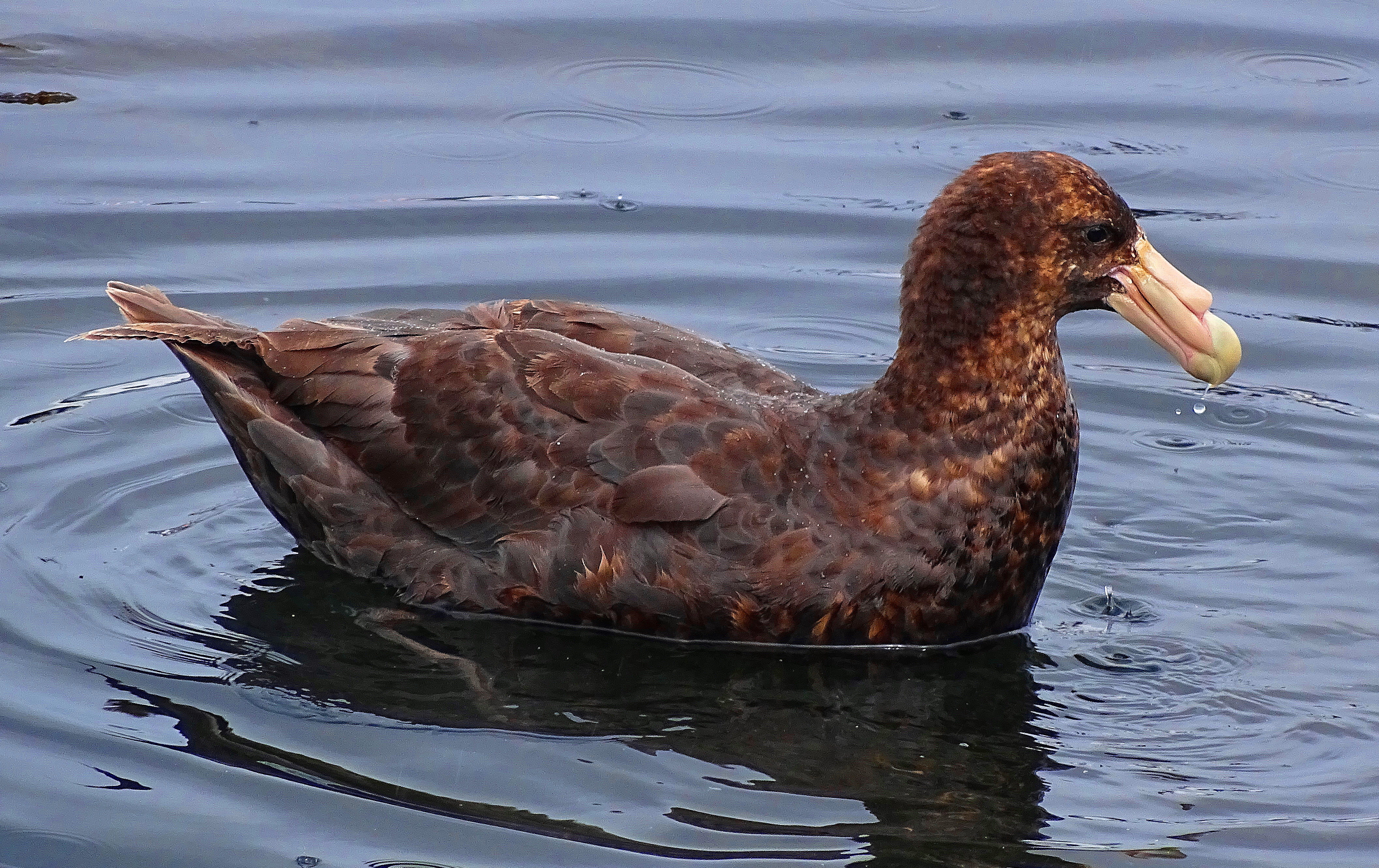
This bivalve, in combination with a saline eliminating gland, helps them eliminate salt from the large quantities of saltwater they consume.
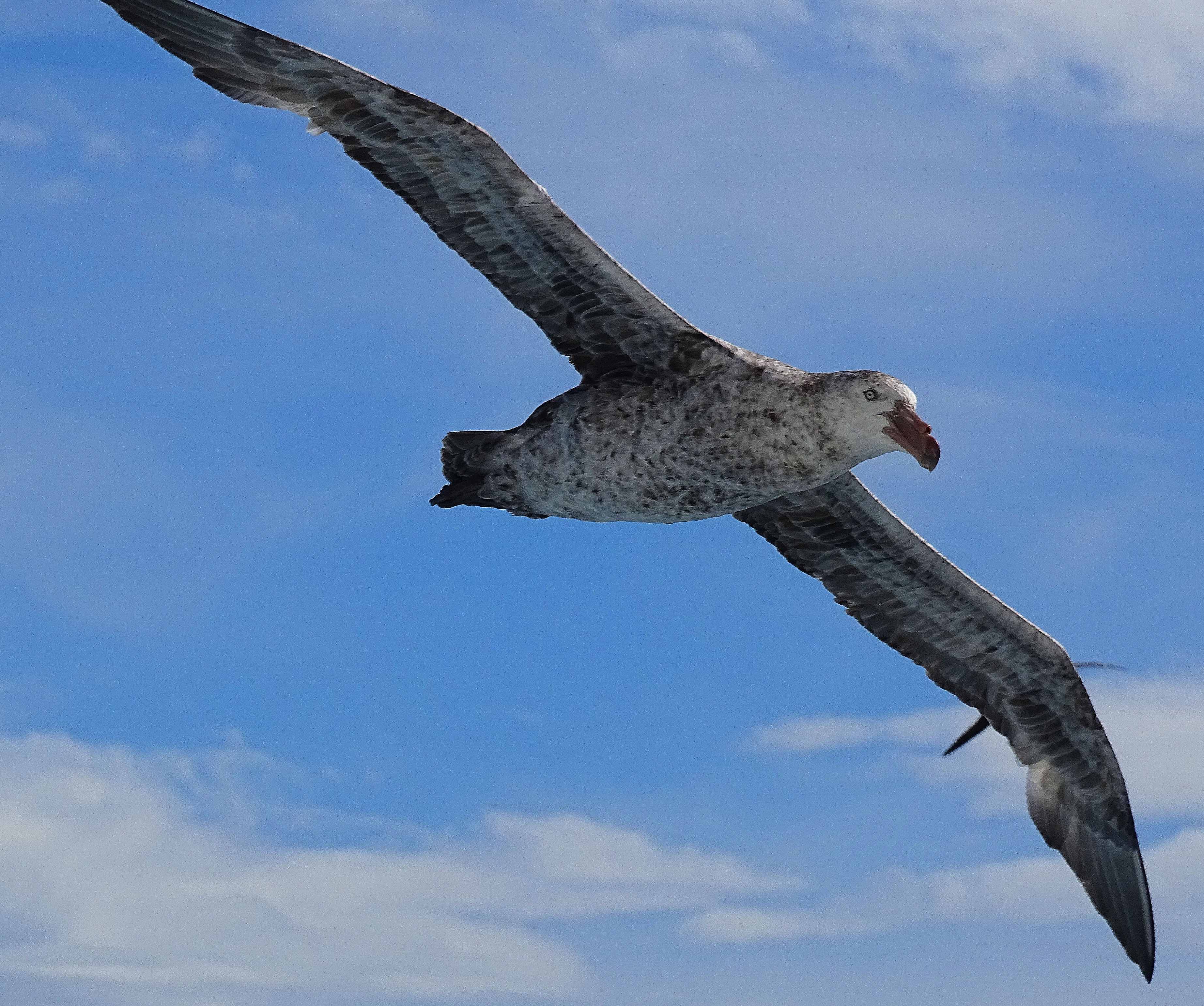
Like pelagic Albatrosses, SGP’s spend the first two to three years of their lives entirely at sea. White phase SGP’s, like the one flying here, are rare, constituting less than 5% of the SGP population.
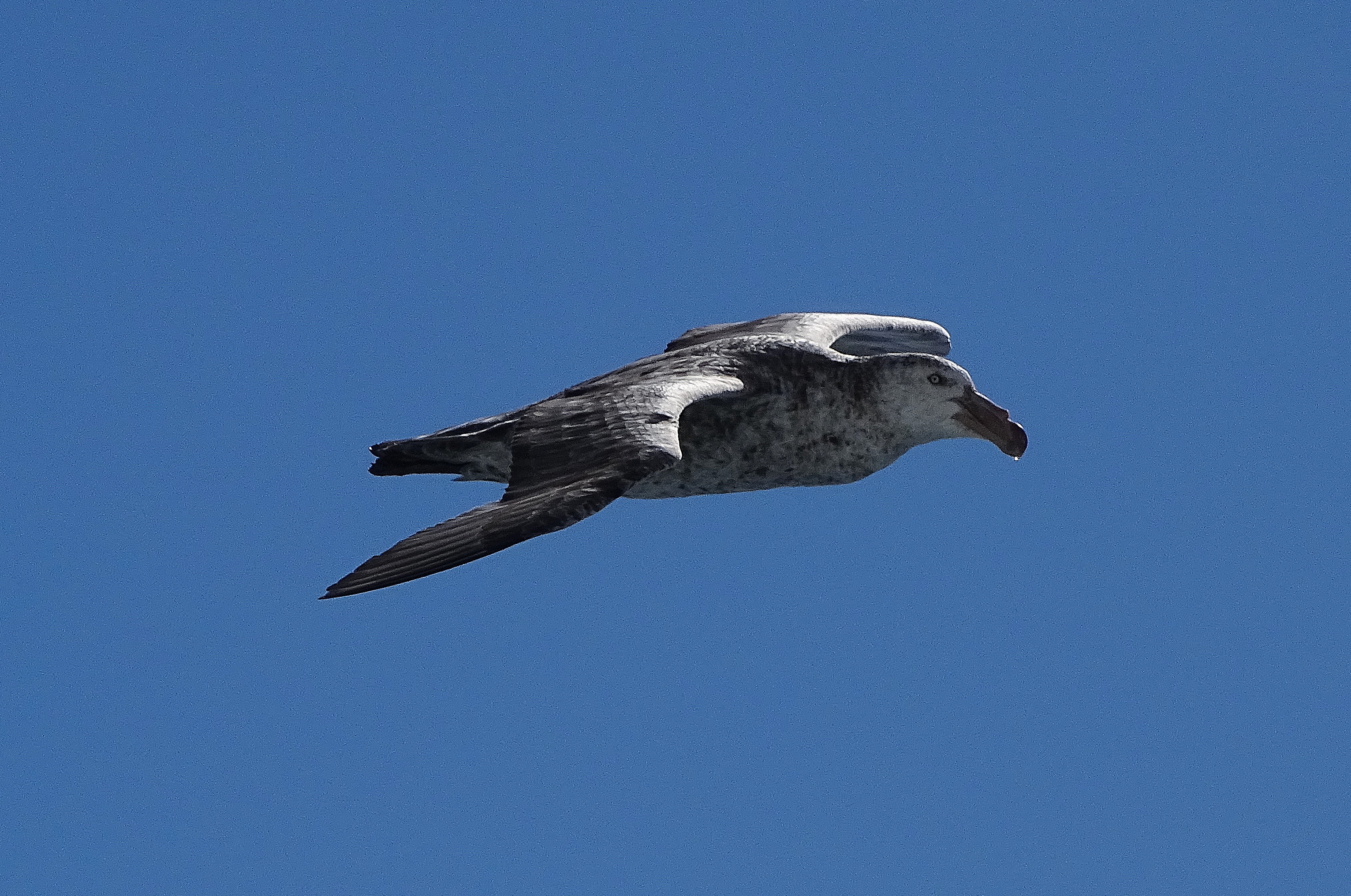
It is incredible to watch them mid-ocean taking off, catching wind drafts and soaring like kites.
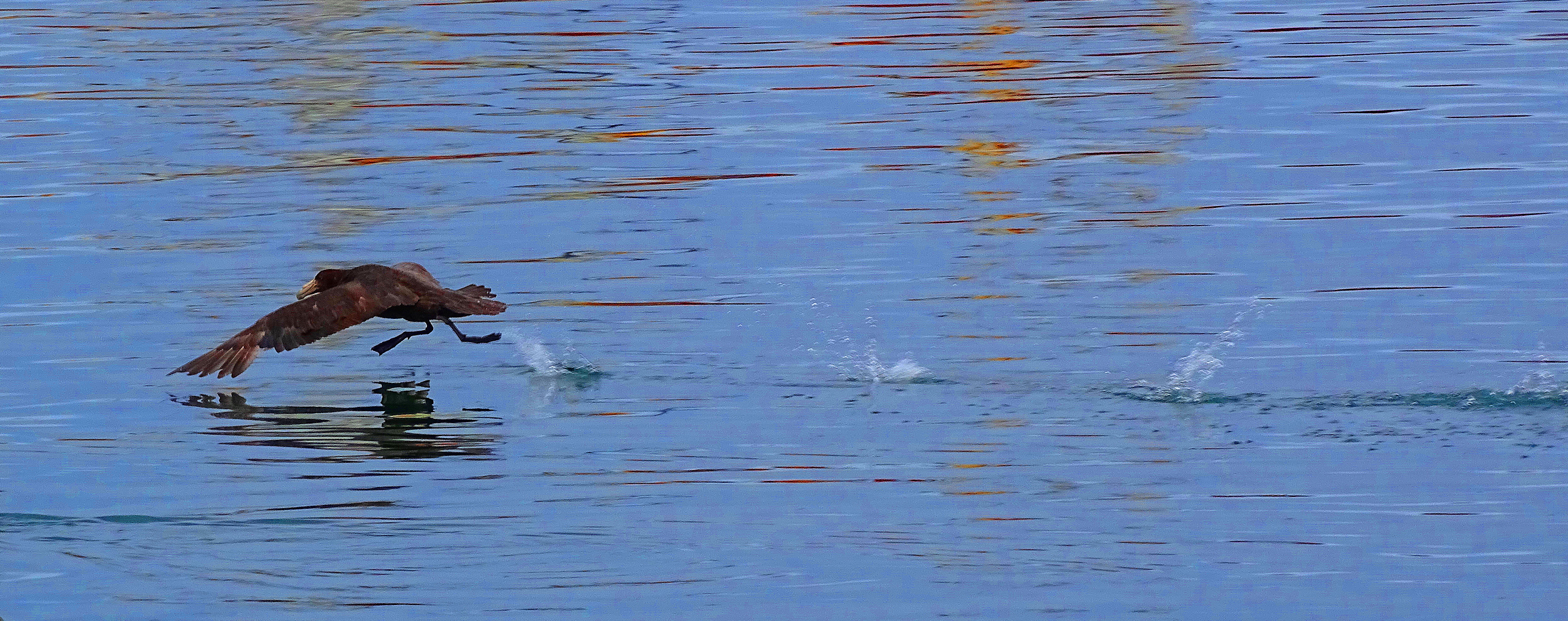
They are aggressive predators and scavengers, and incredibly skillful fliers, navigating the storms, waves and winds of the southern ocean with apparent ballet-like ease.
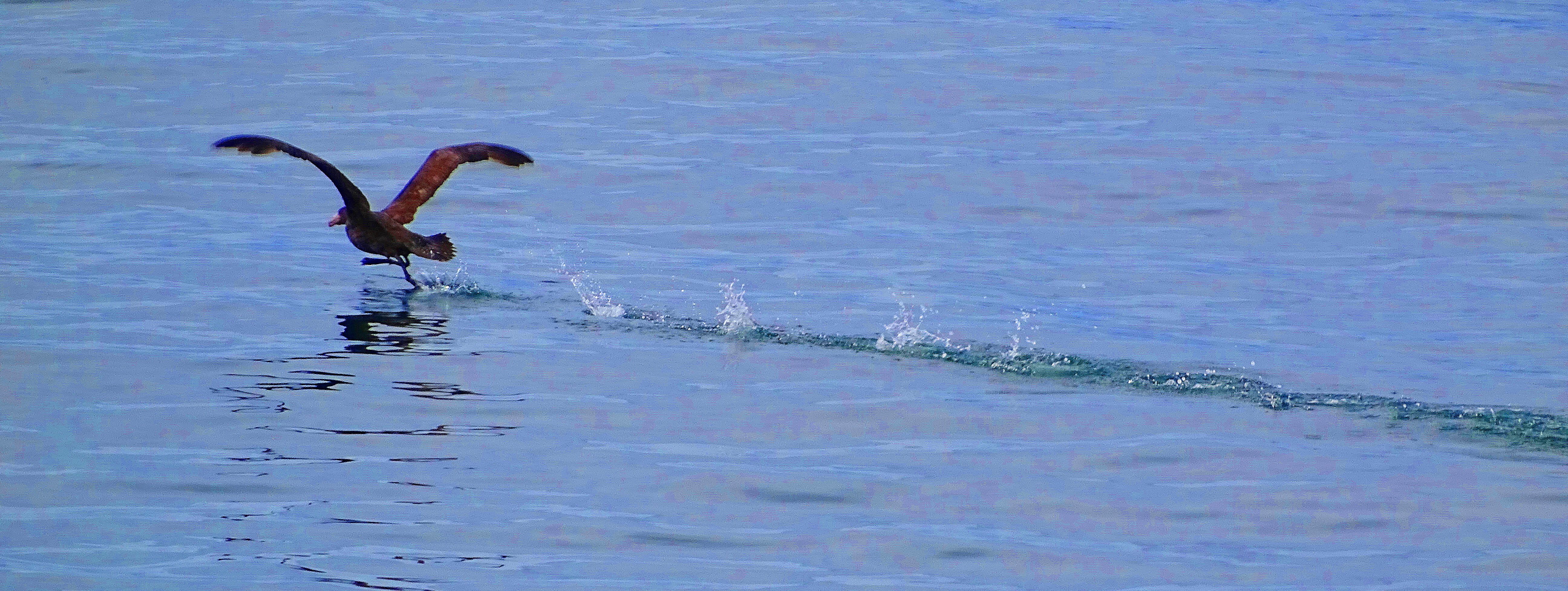
SGP’s were a vulnerable to near-threatened species for a long time, due mostly to fishing practices, but may be making a comeback.
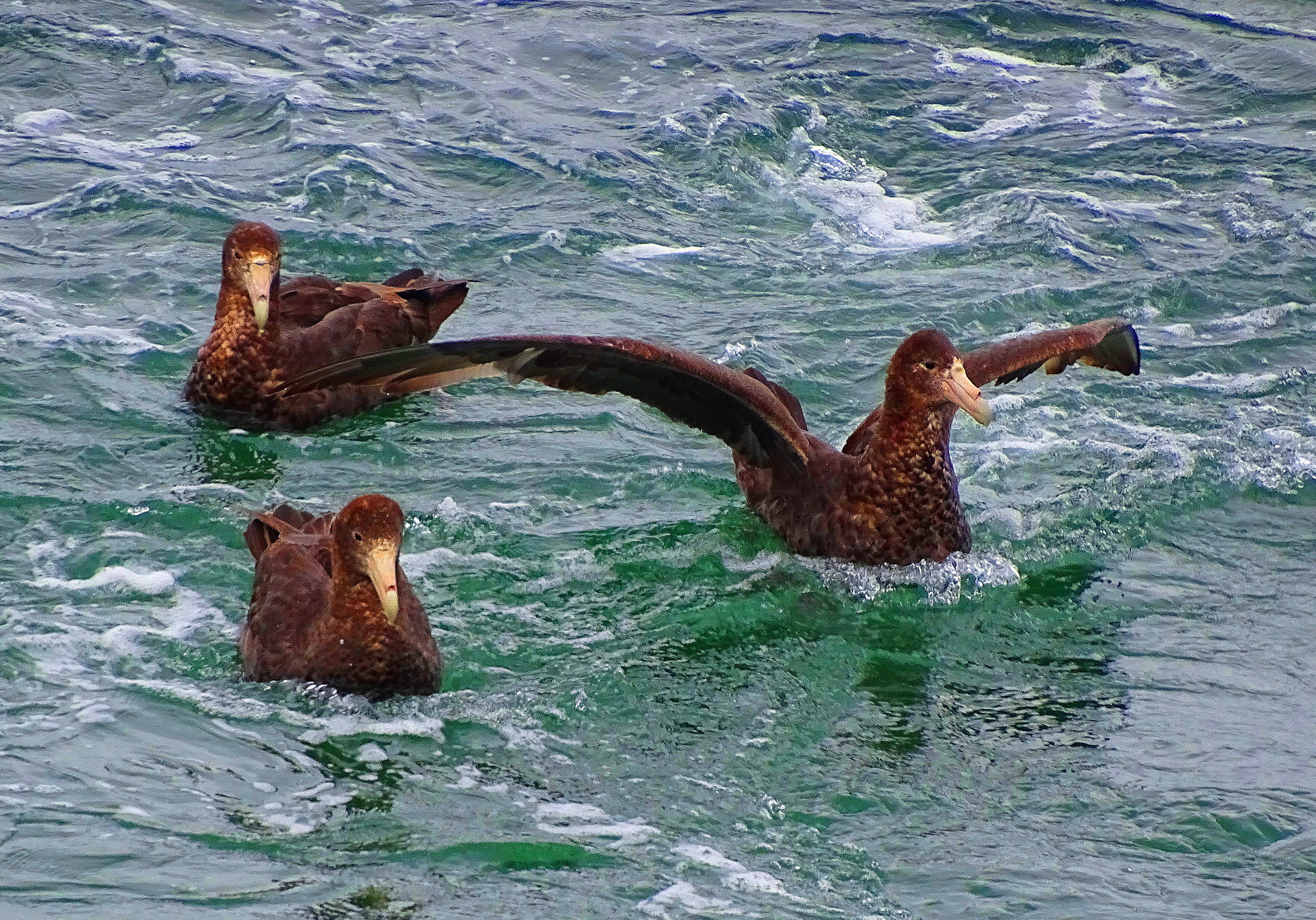
It is also amazing to see them in the open ocean, resting in their pelagic home.
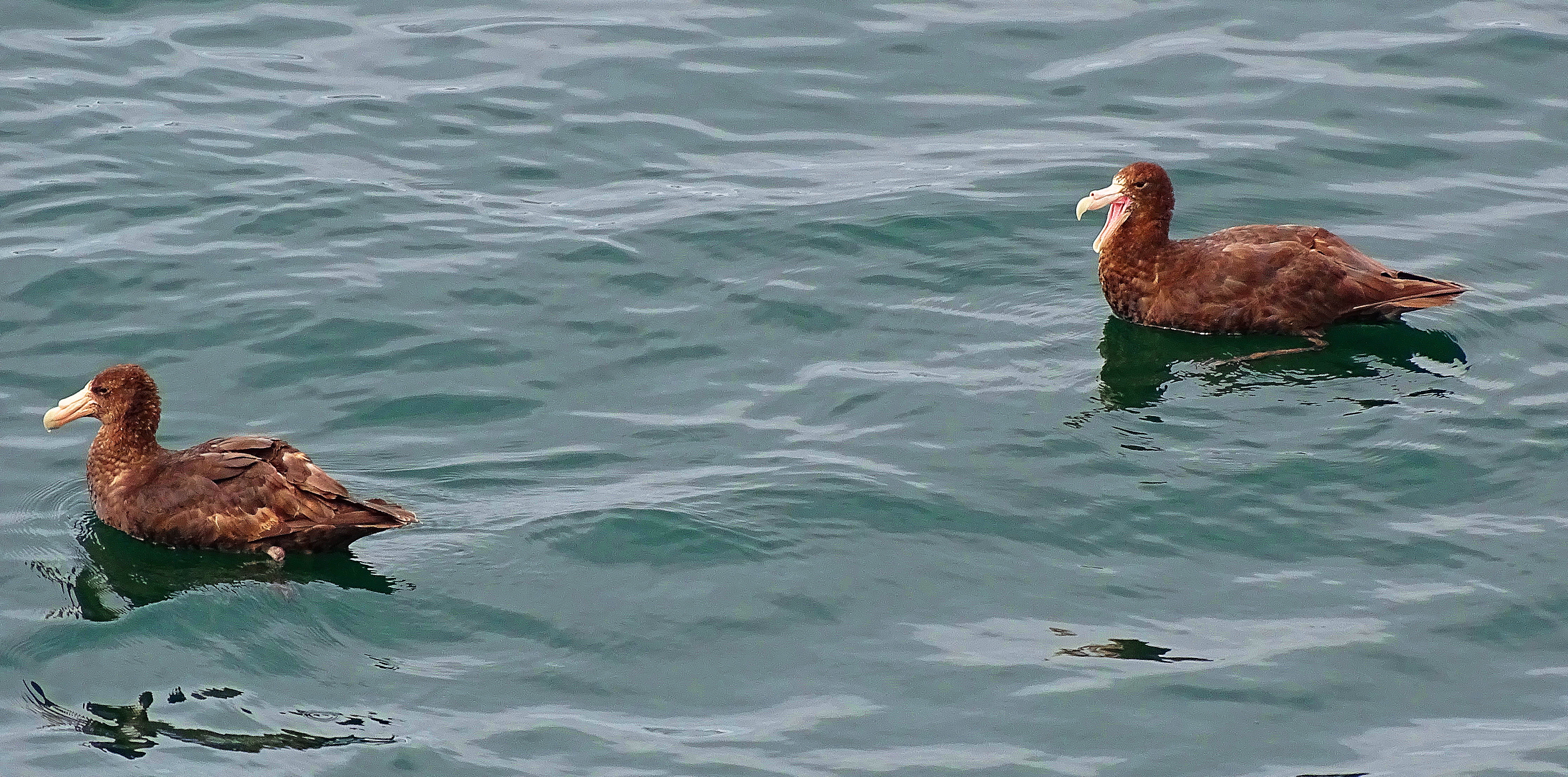
Cheers to you from the amazing birds of the southern hemisphere~
Category: Patagonia

El Fin del Mundo~

We keep going back to ‘The End of the World.’
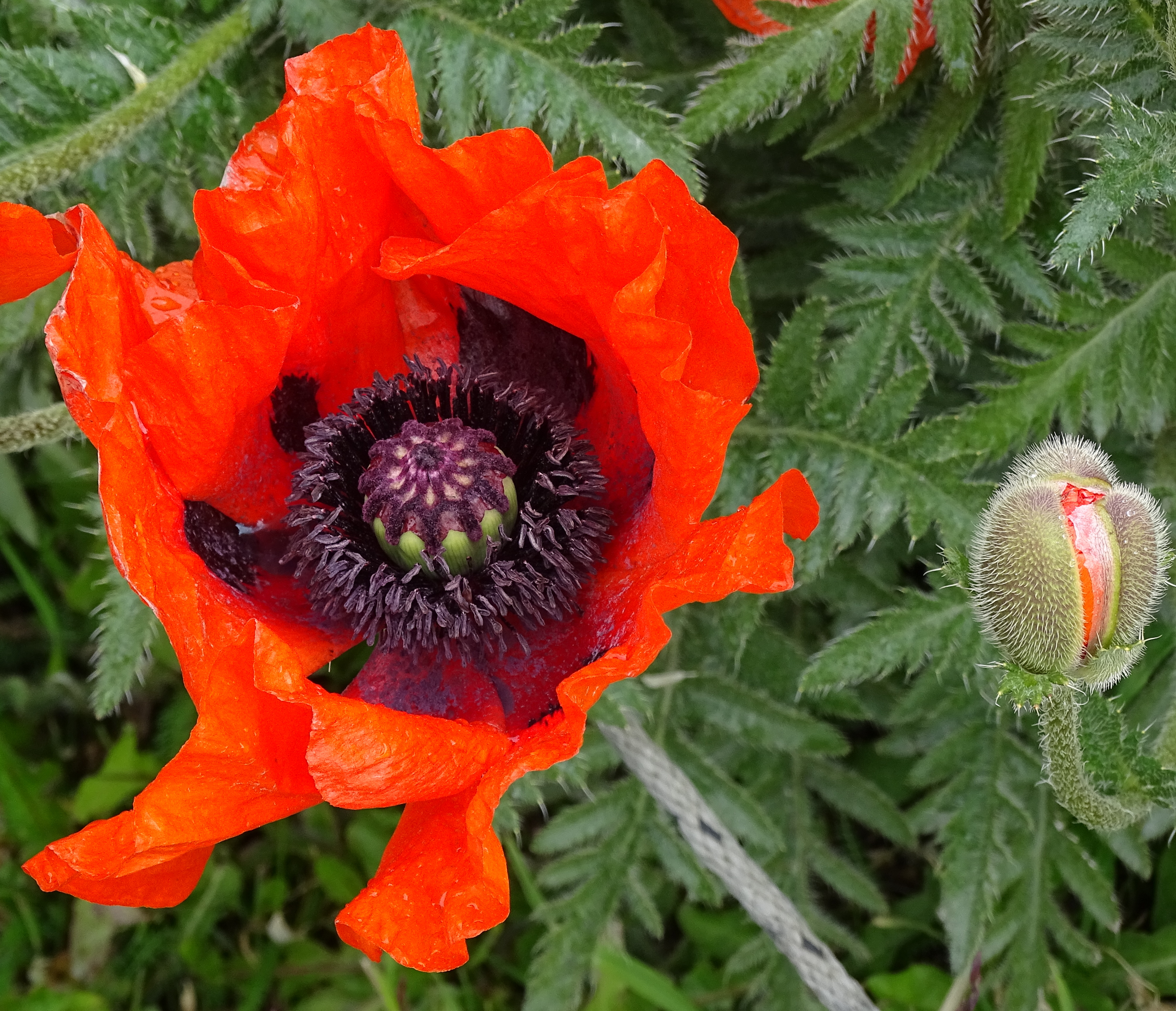
This poppy was as big as a salad plate!
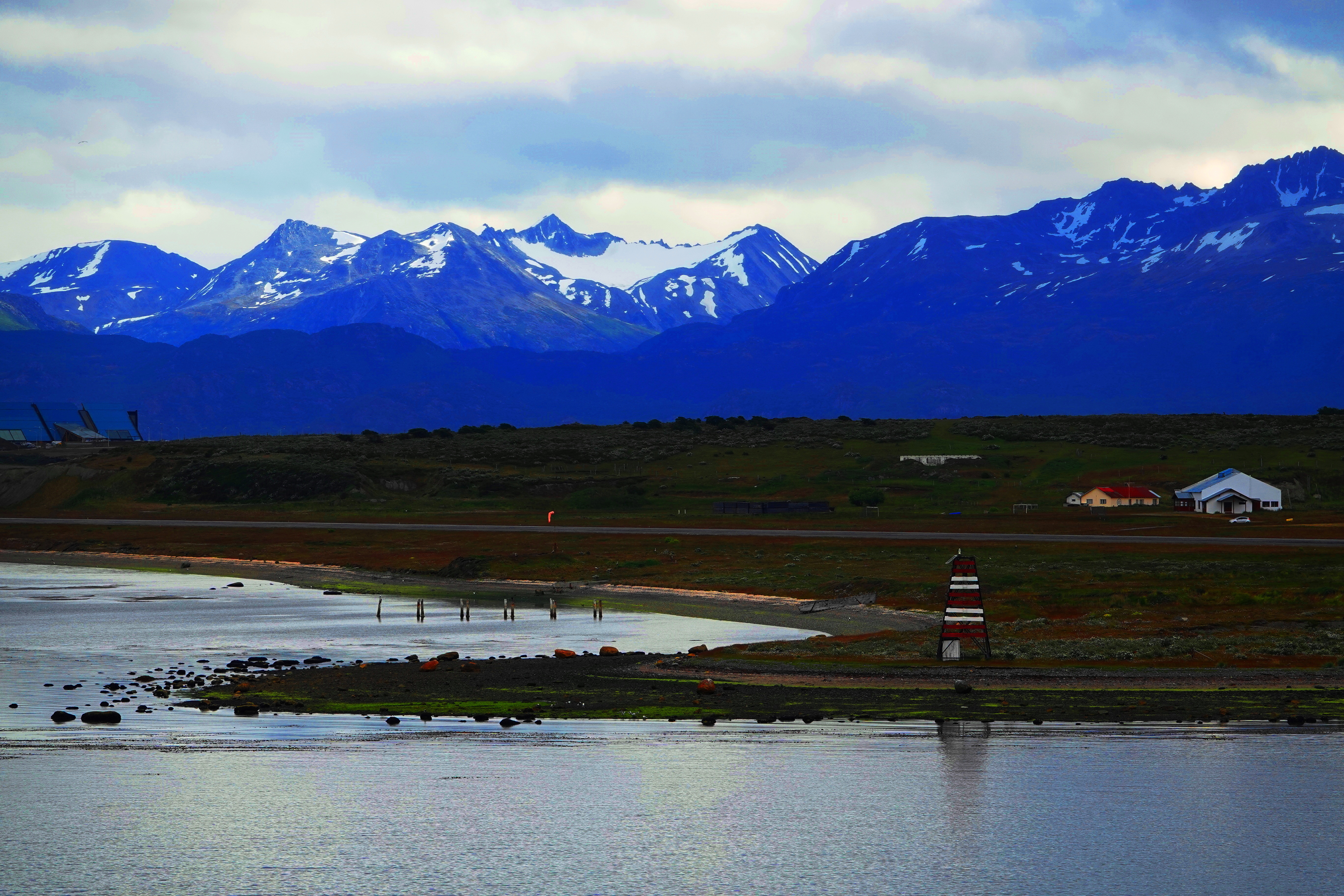
This was our third visit, but this time we were joined by our adult children for the holidays, which made it the best ever.
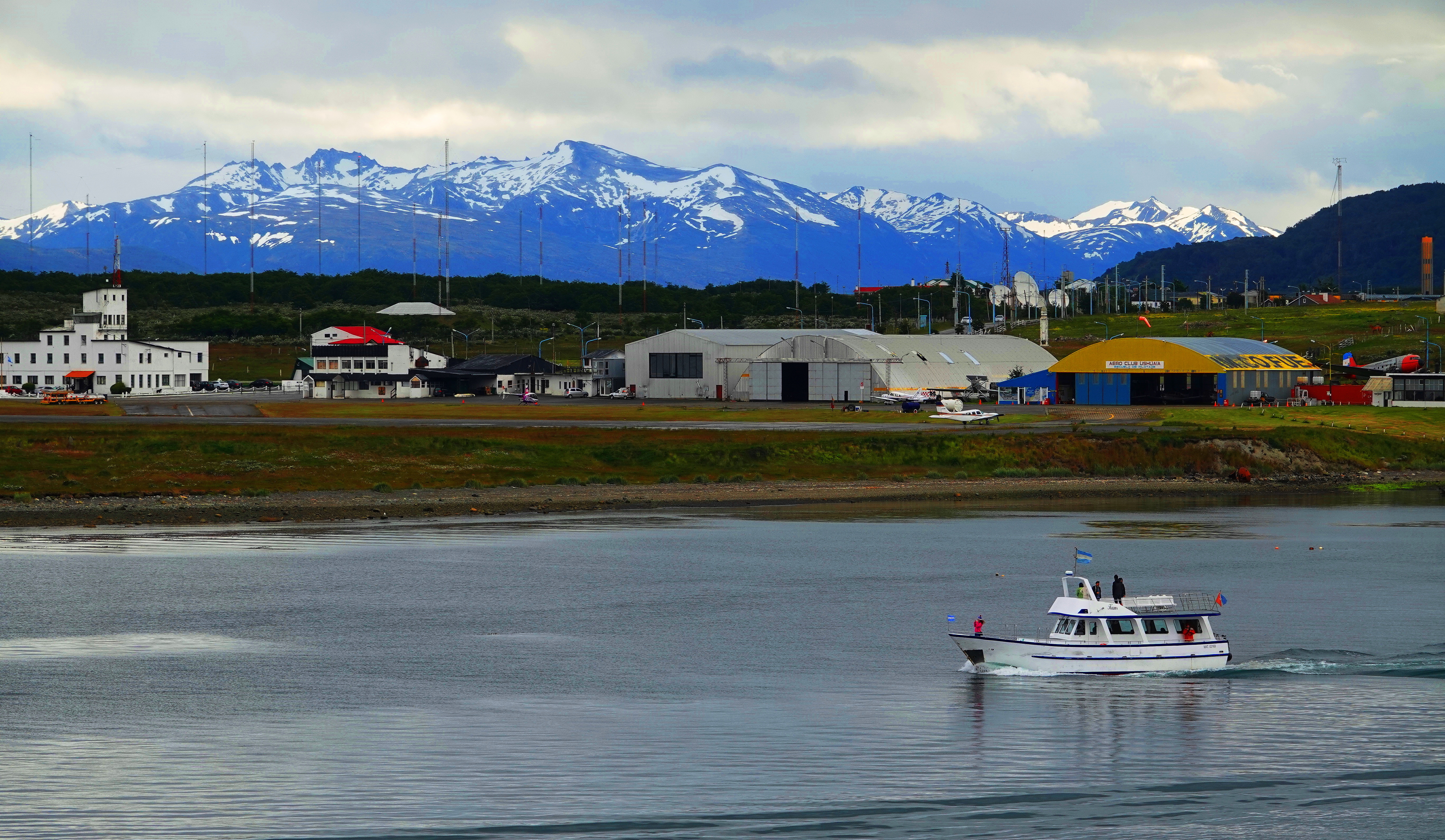
Ushuaia Argentina is the southern-most city in the world,
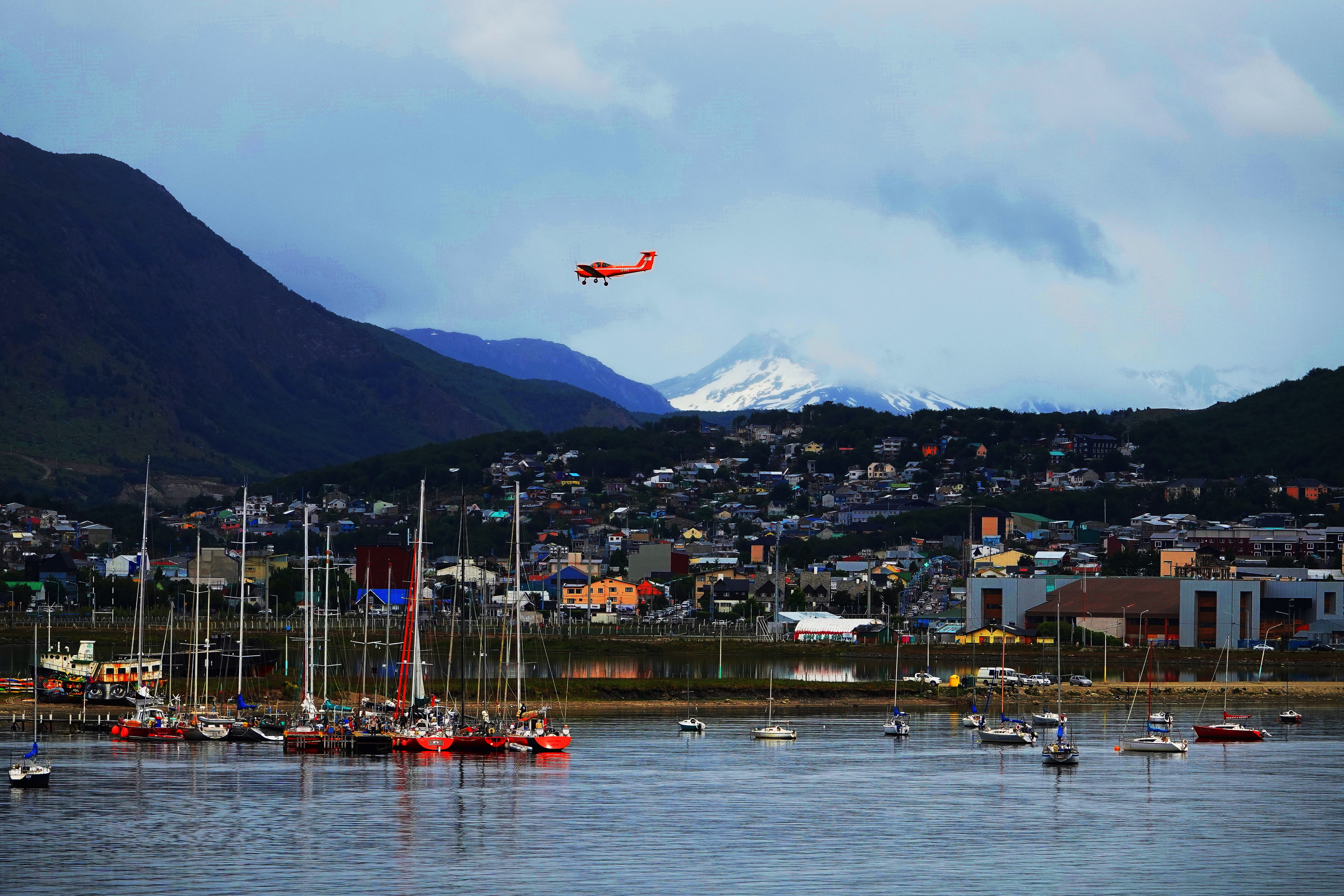
and can be accessed via the stunning Beagle Channel and Tierra del Fuego.
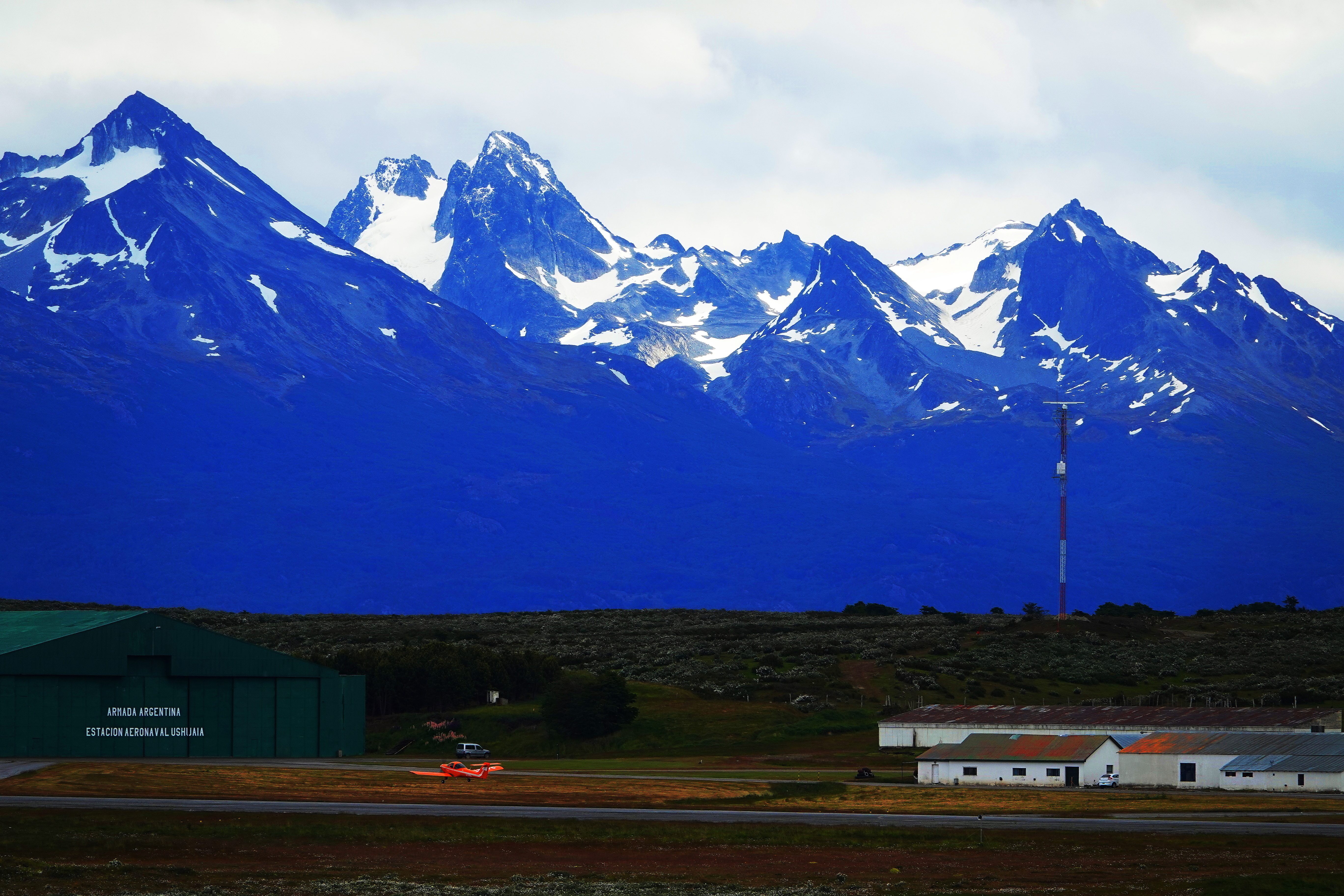
The city is surrounded by the towering glacier-rich Andes cordillera (spine), which was shrouded with clouds on this visit.
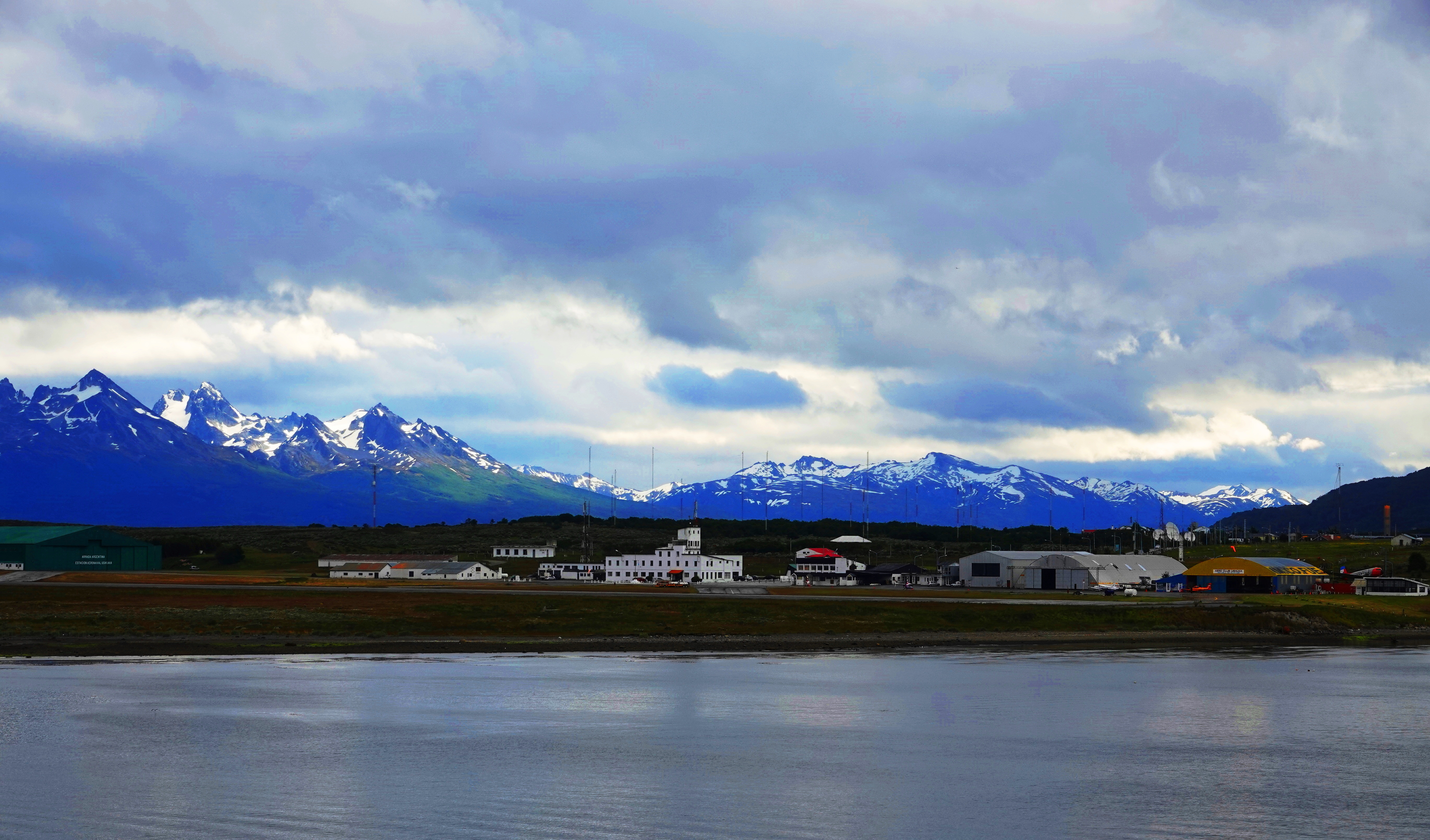
This part of the world is a wildlife and birders paradise and I will post some critters next.
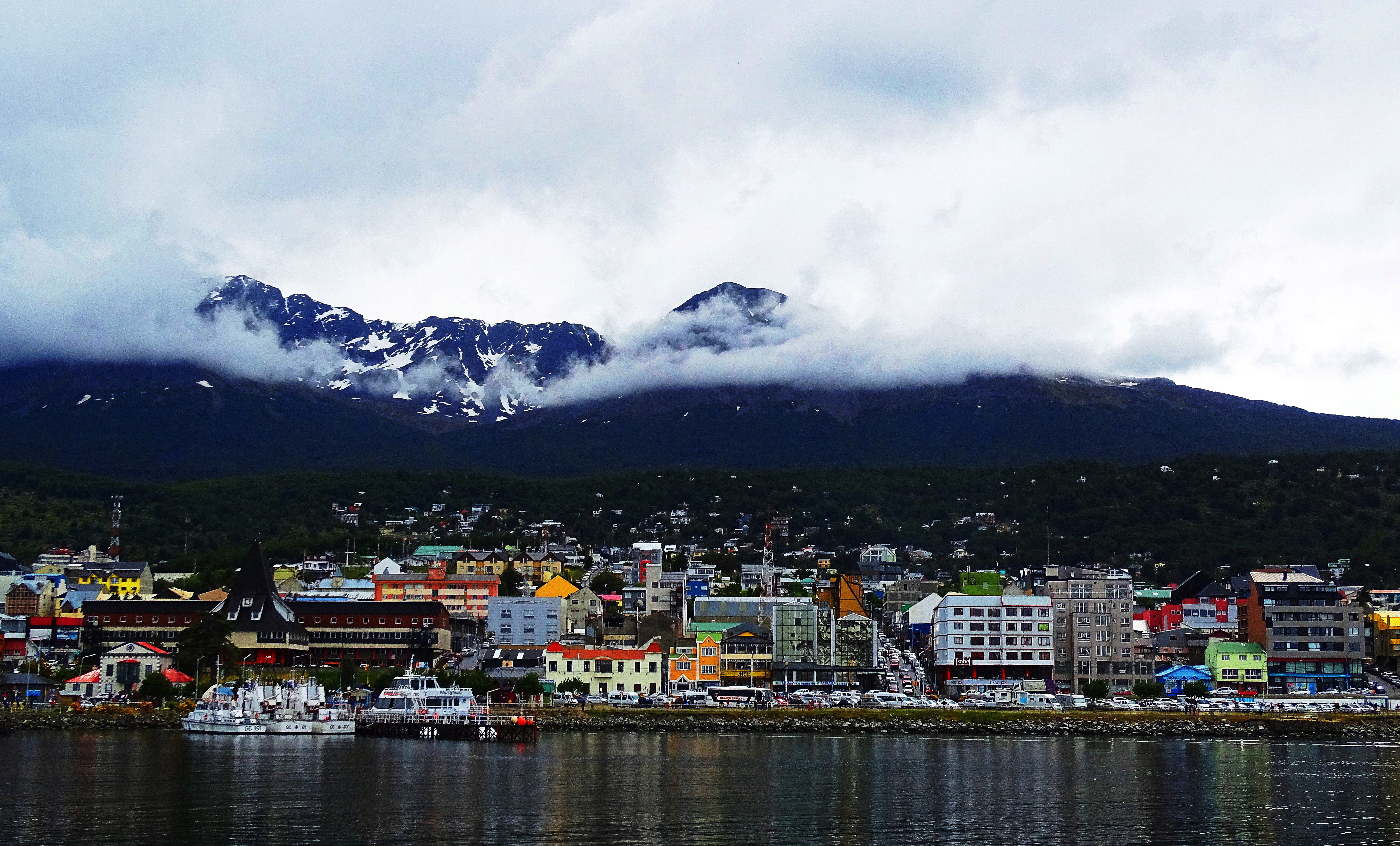
Not too many people come here, but those who do are rewarded with vast tracks of open spaces and pristine nature everywhere.
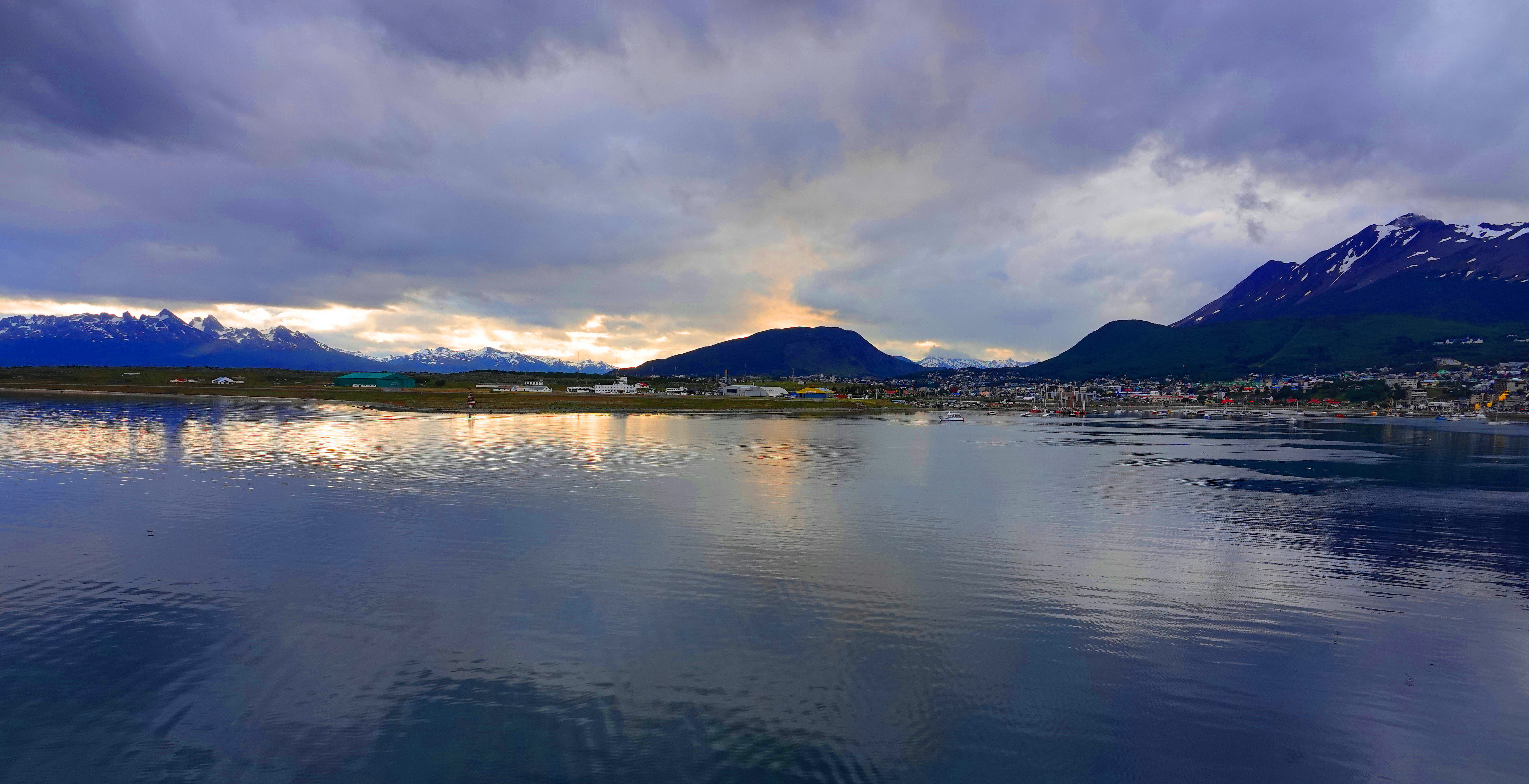
Cheers to you from The End of the World~
Share this:

Big Gulp~

This cormorant seems to have caught,
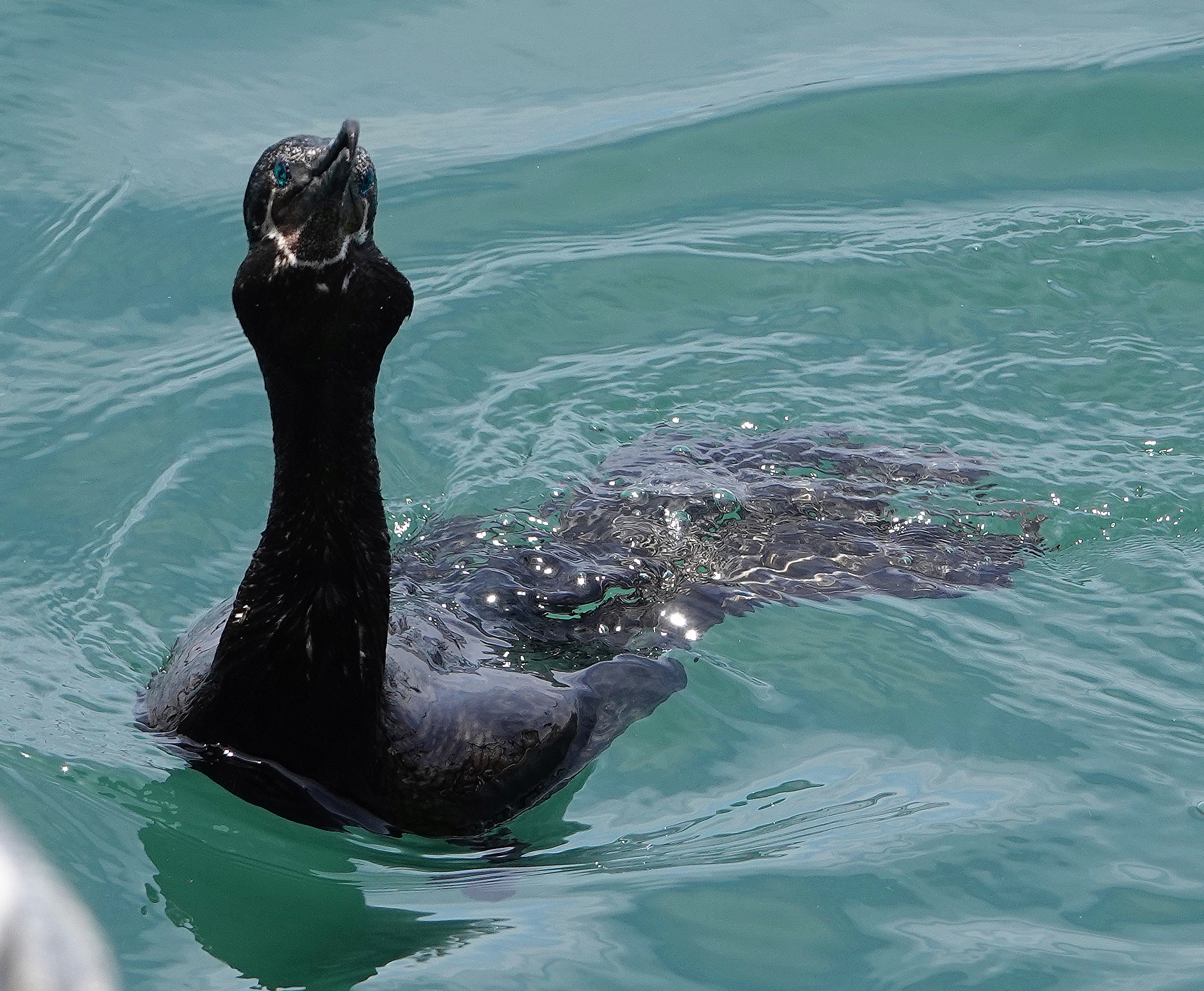
more than he can swallow!
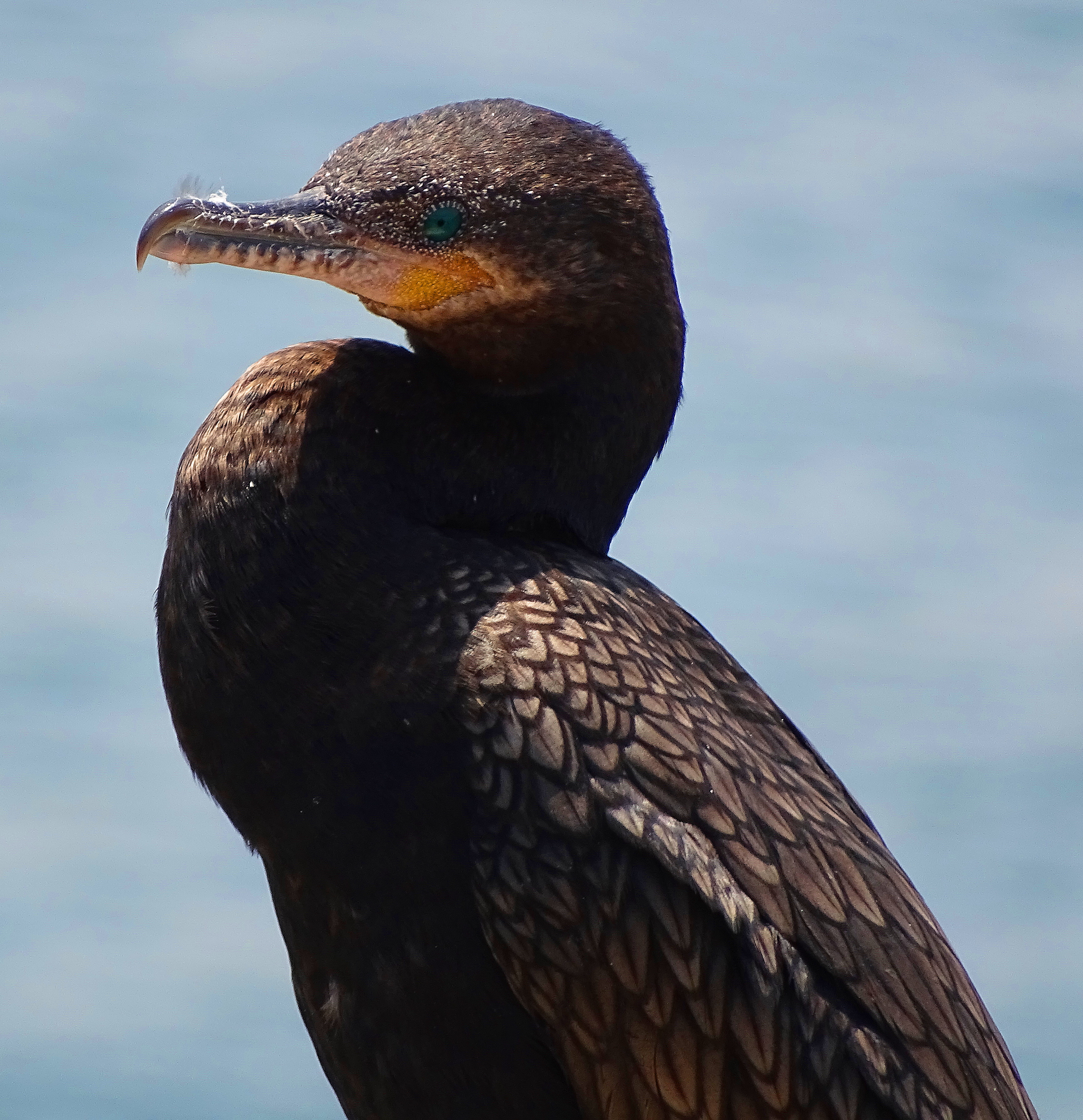
His mother obviously never taught him, not to gulp his food.
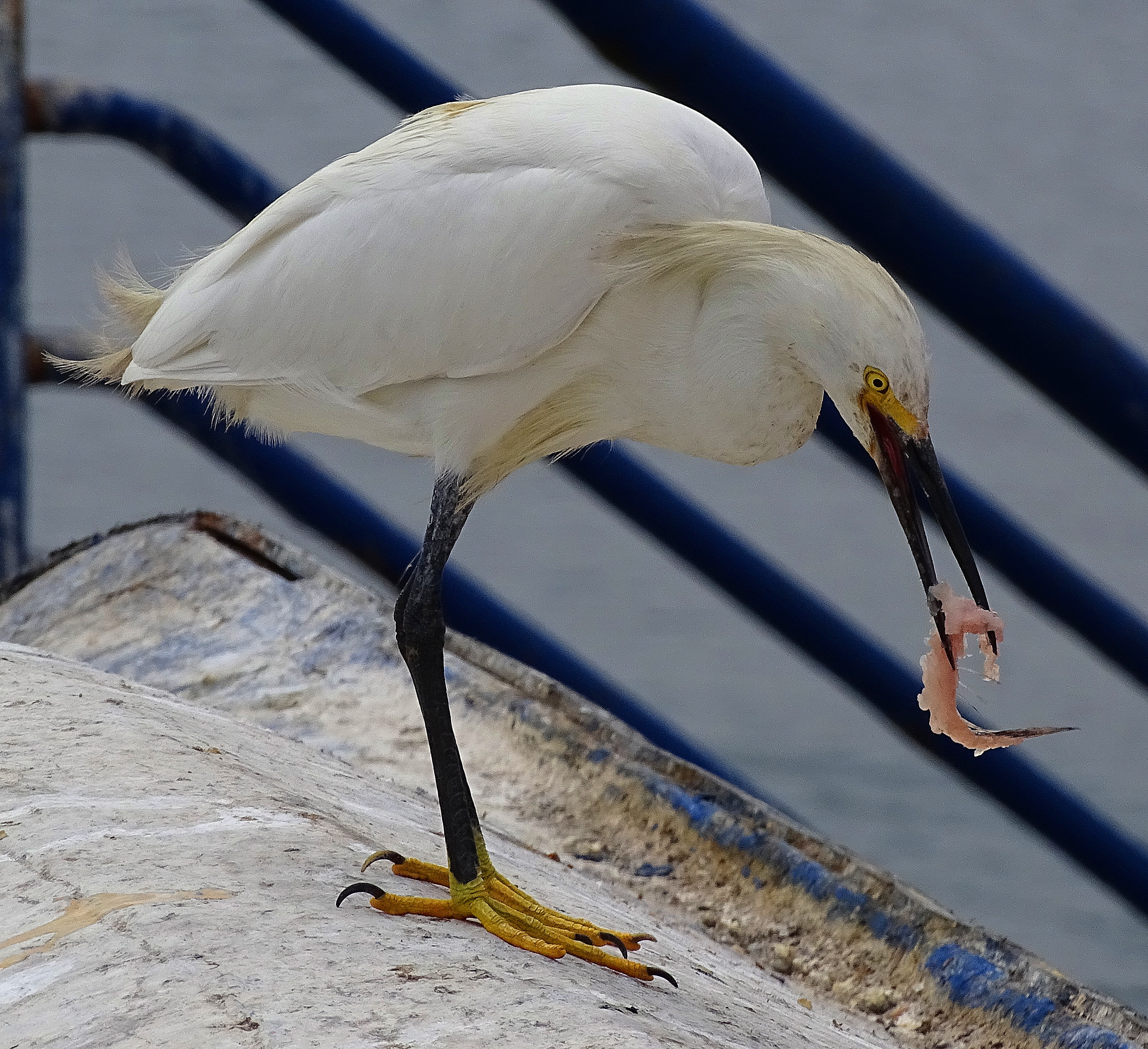
The Snowy Egrets,

also seem to bite off more than they can chew,
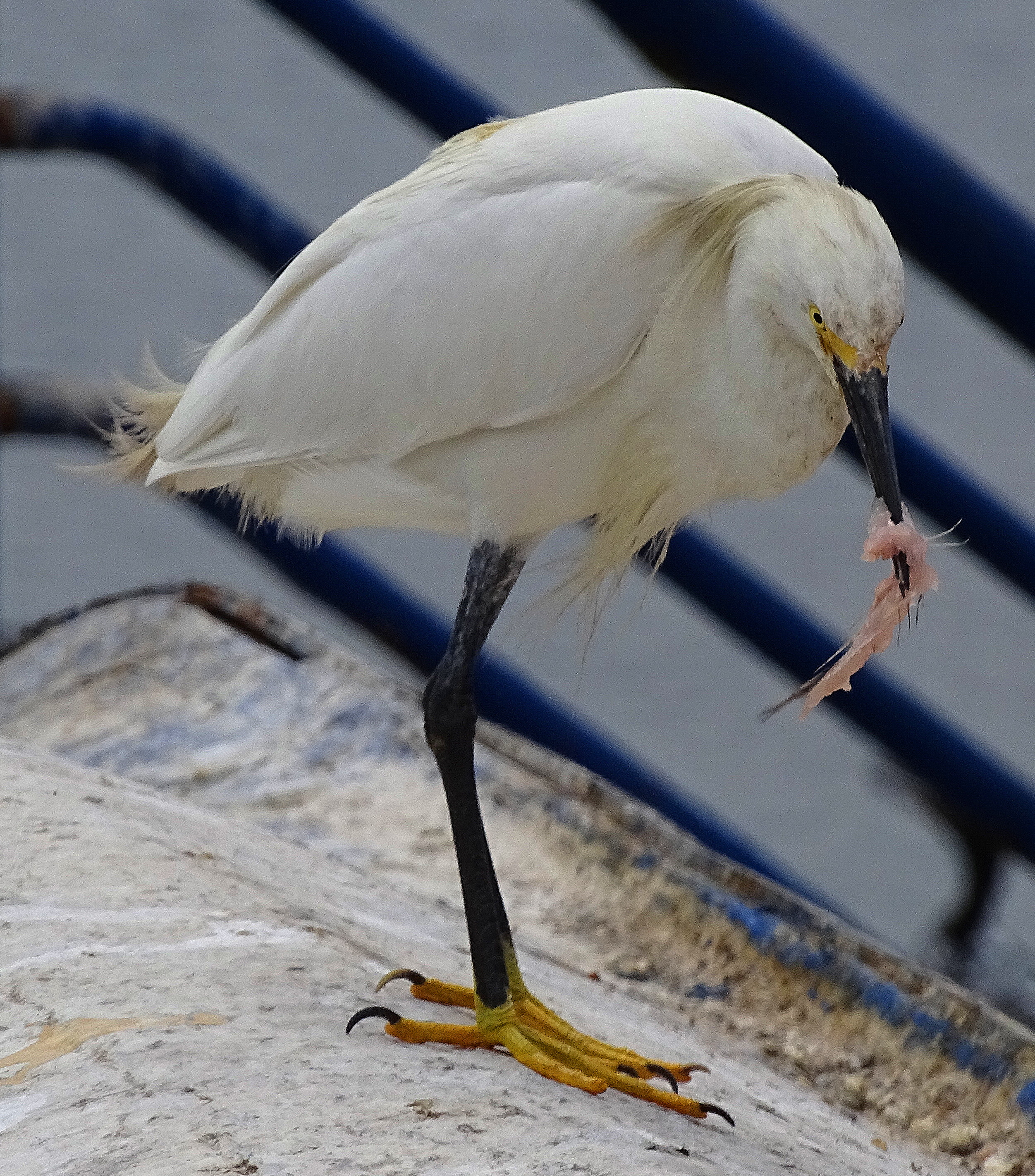
but there is lots of determination,

to eat what you catch,
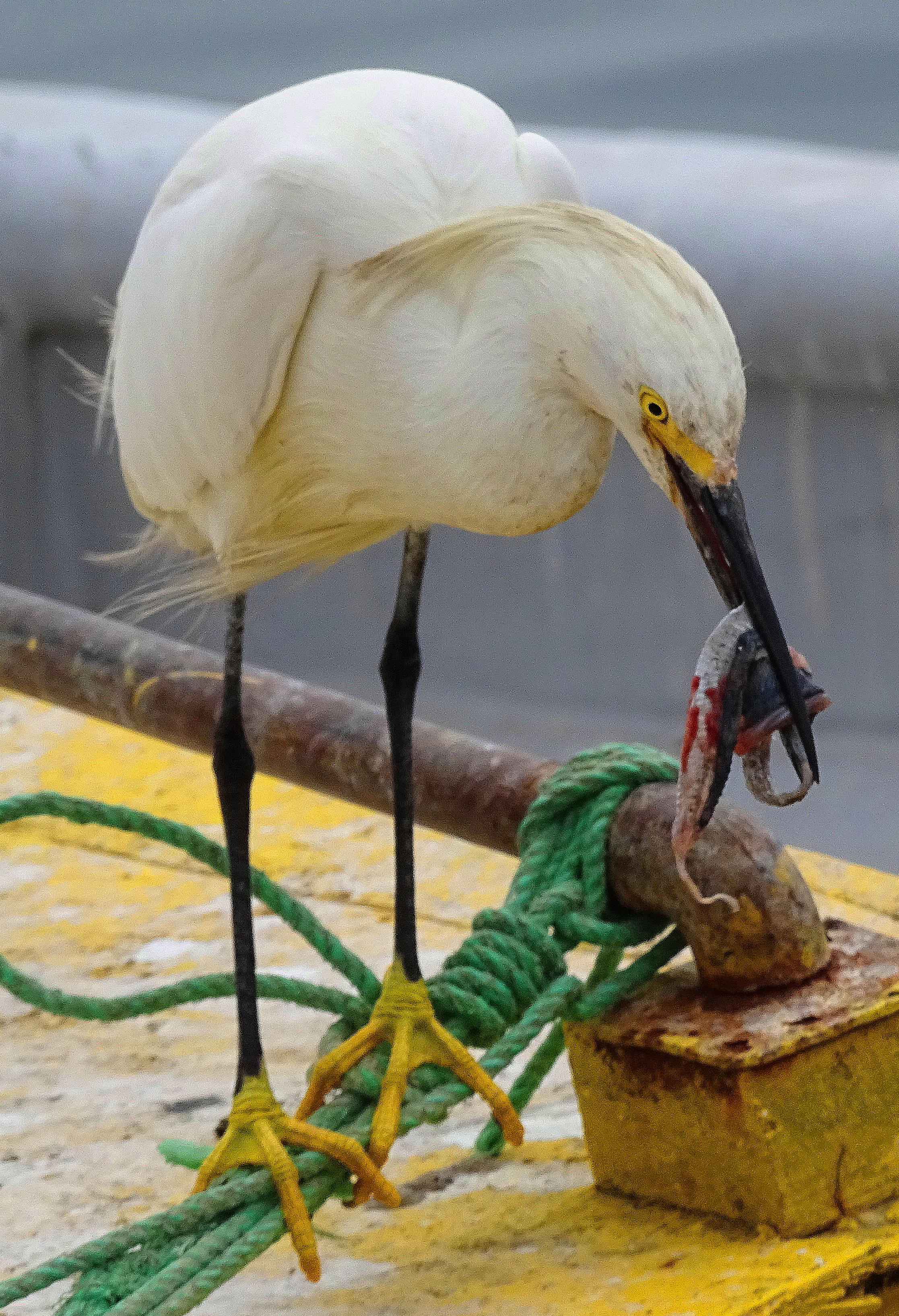
no matter how hard it is,
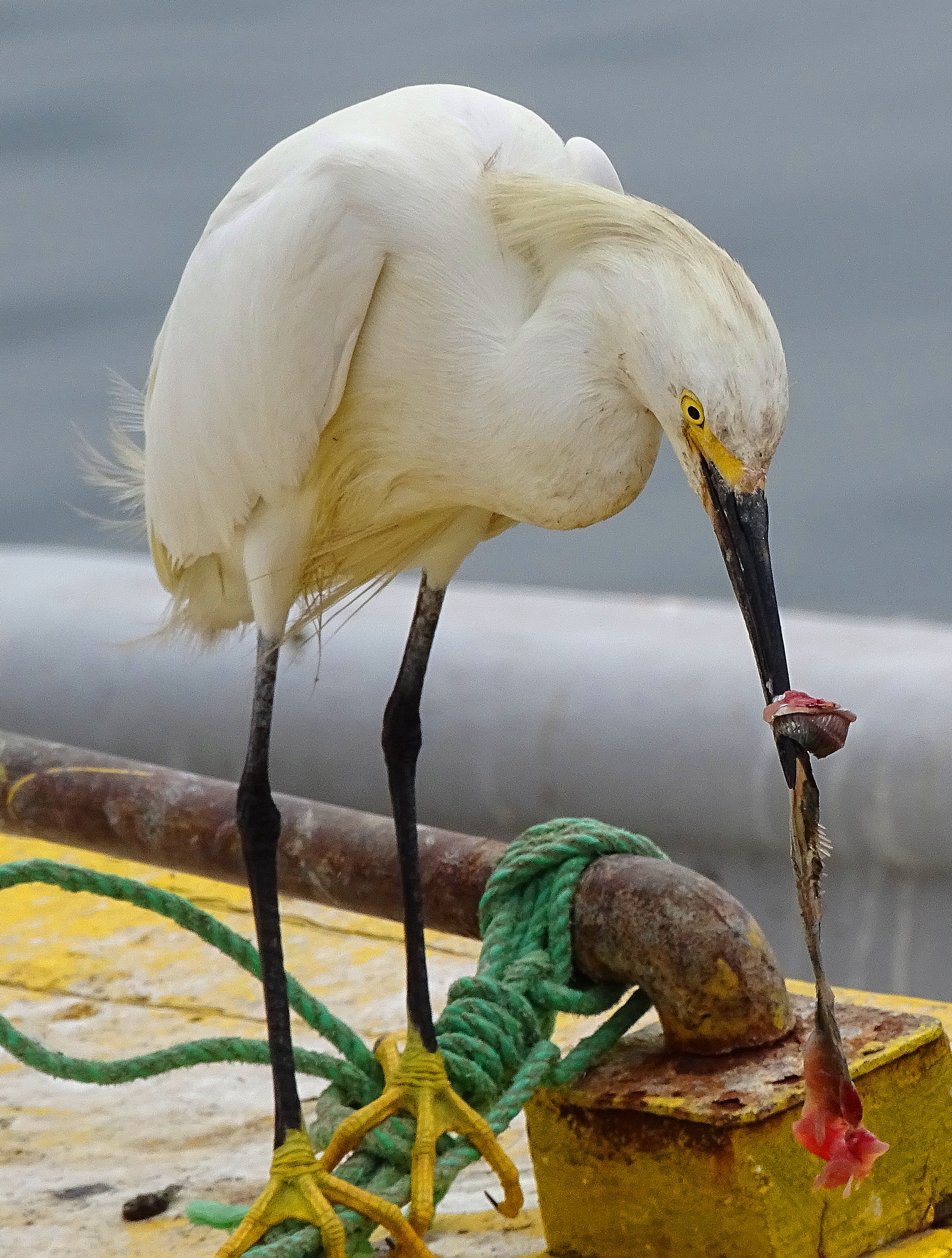
to swallow!
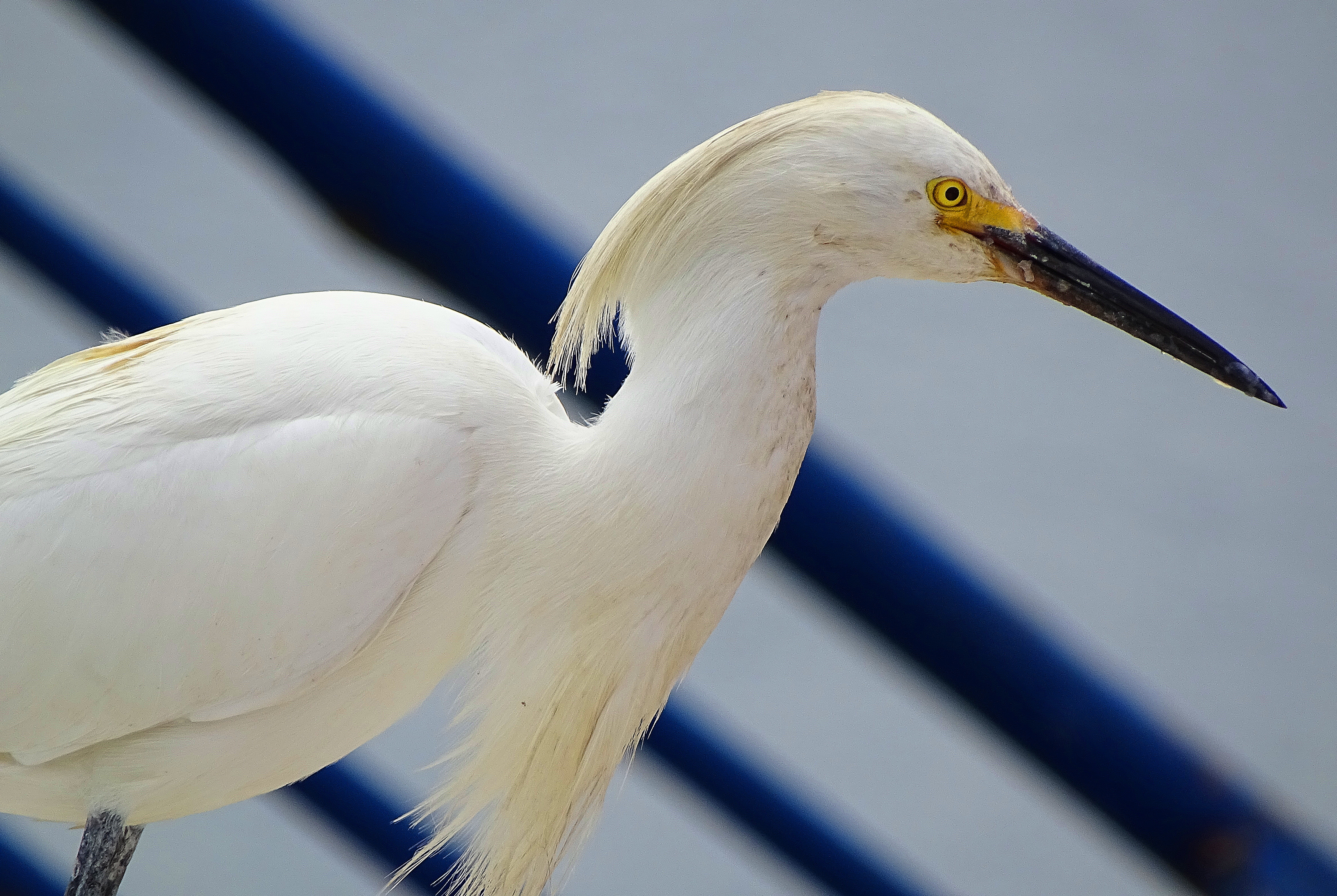
Cheers to you from the very well fed Cormorants & Egrets~
Share this:

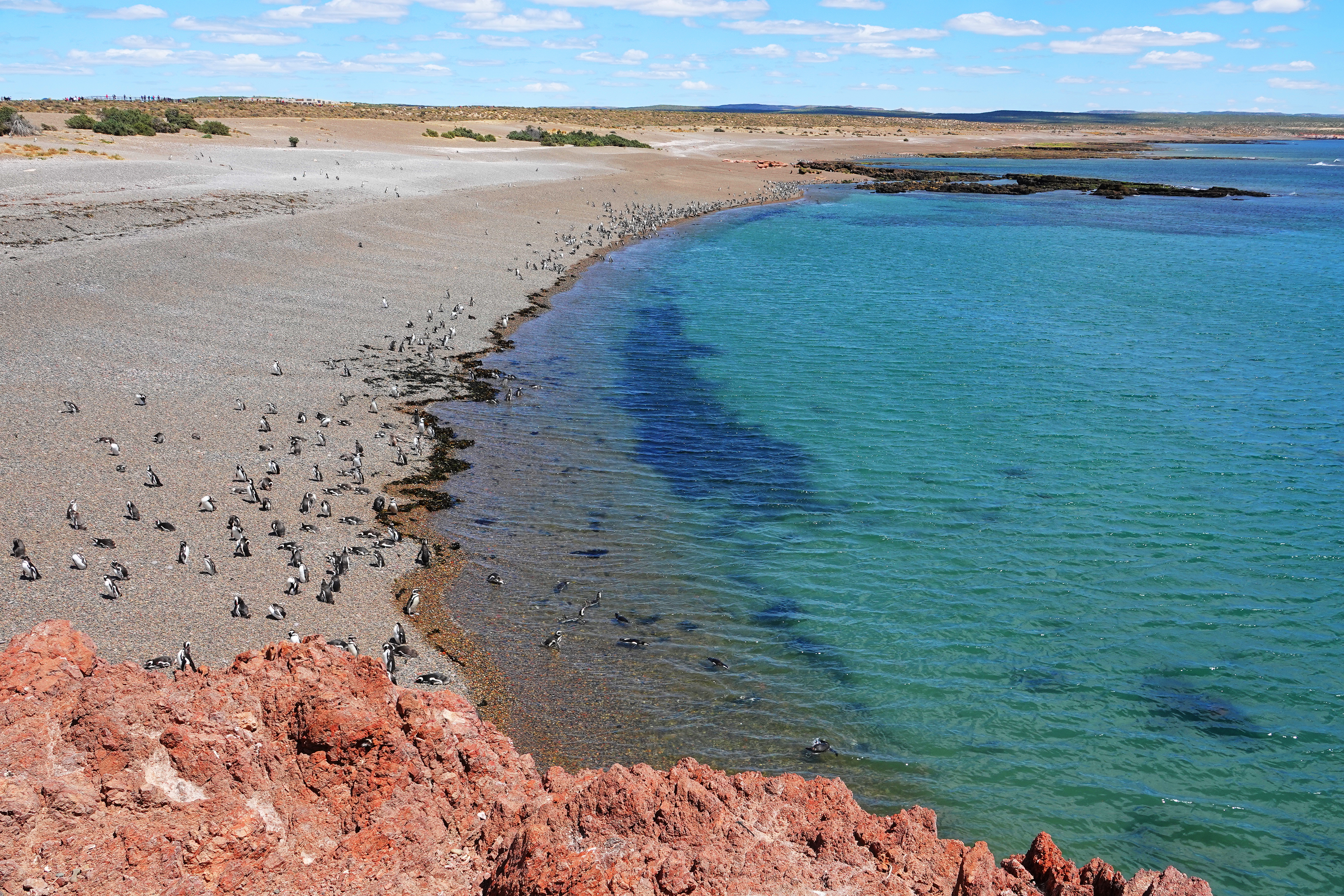
Punto Tombo~
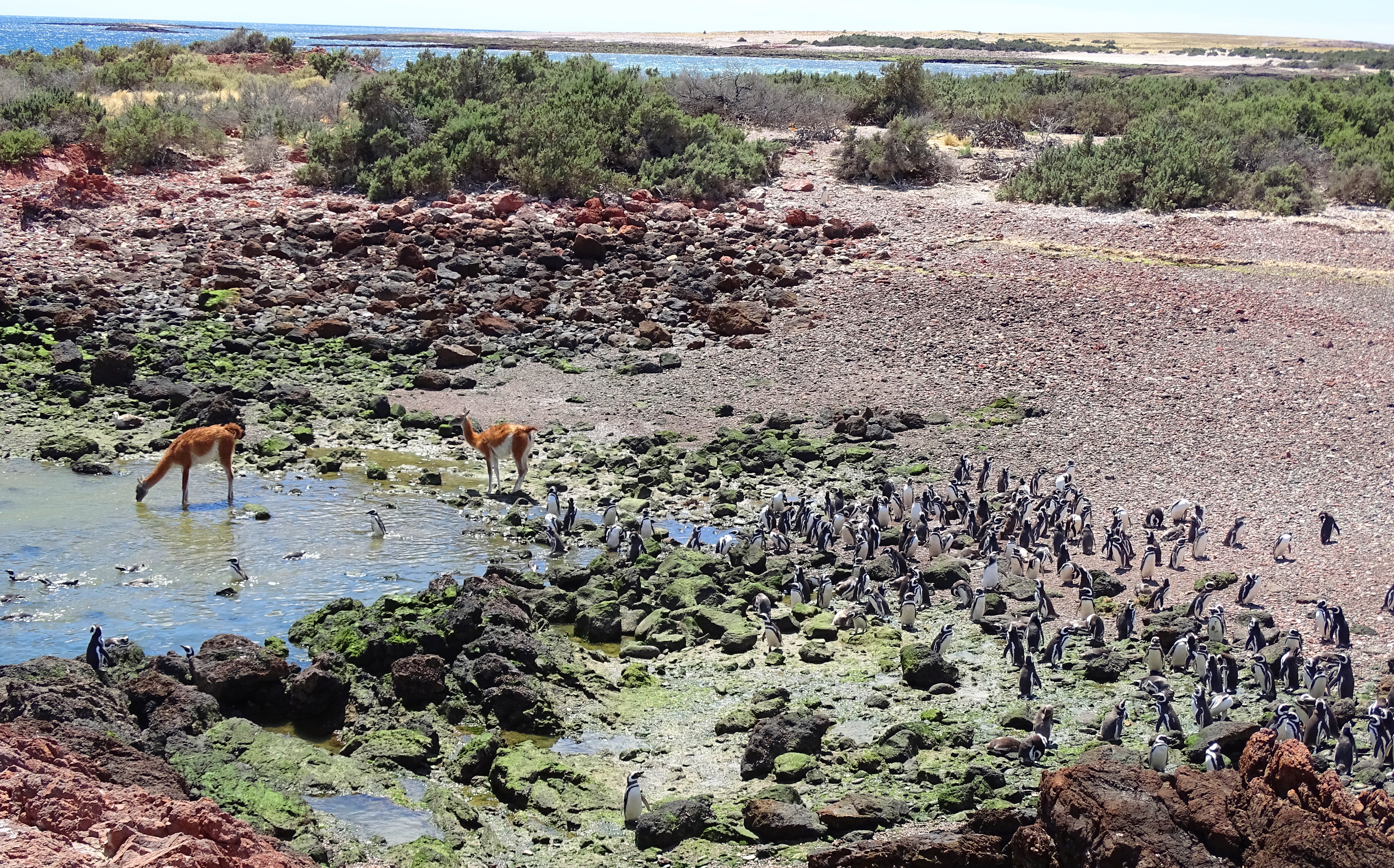
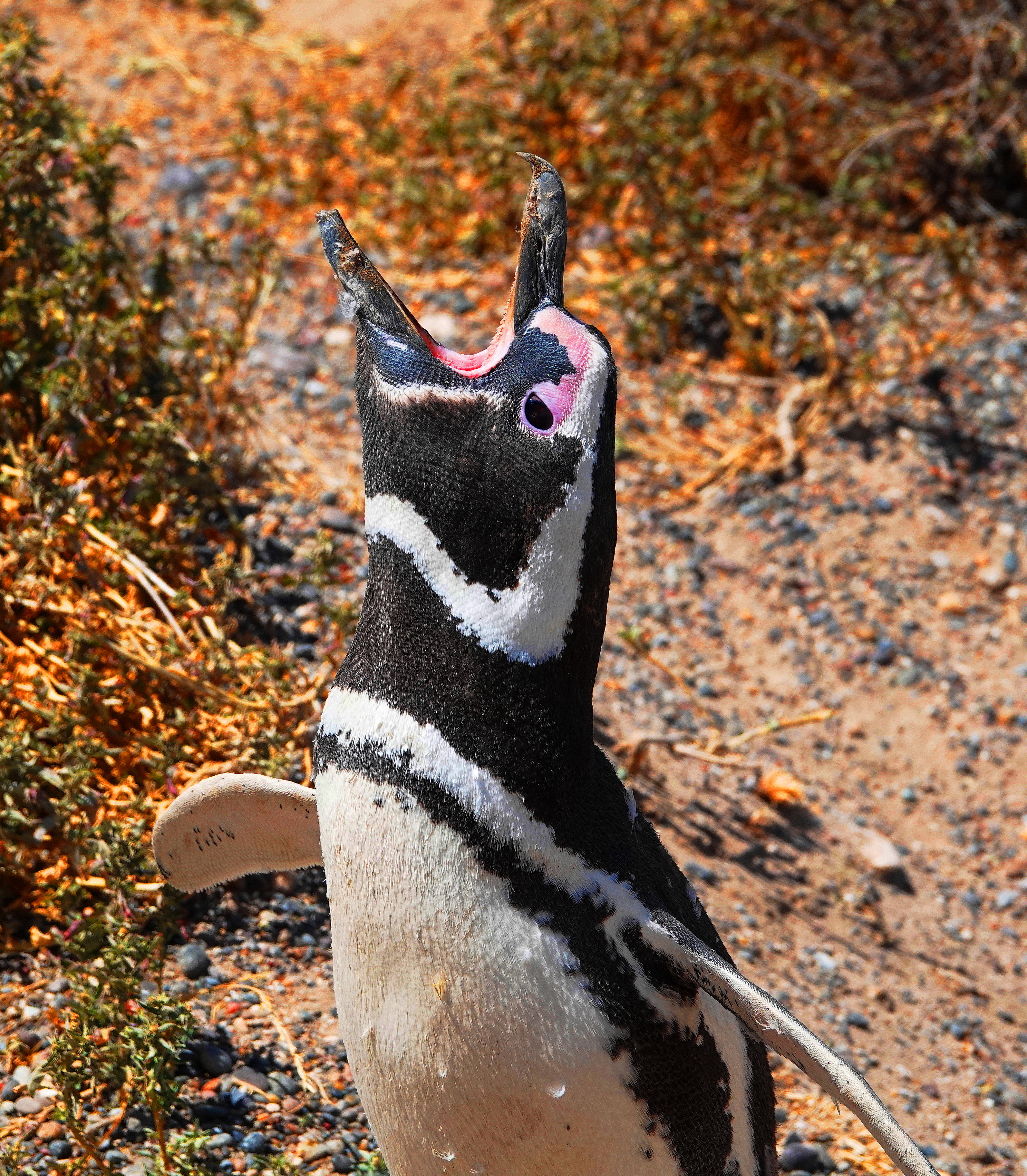
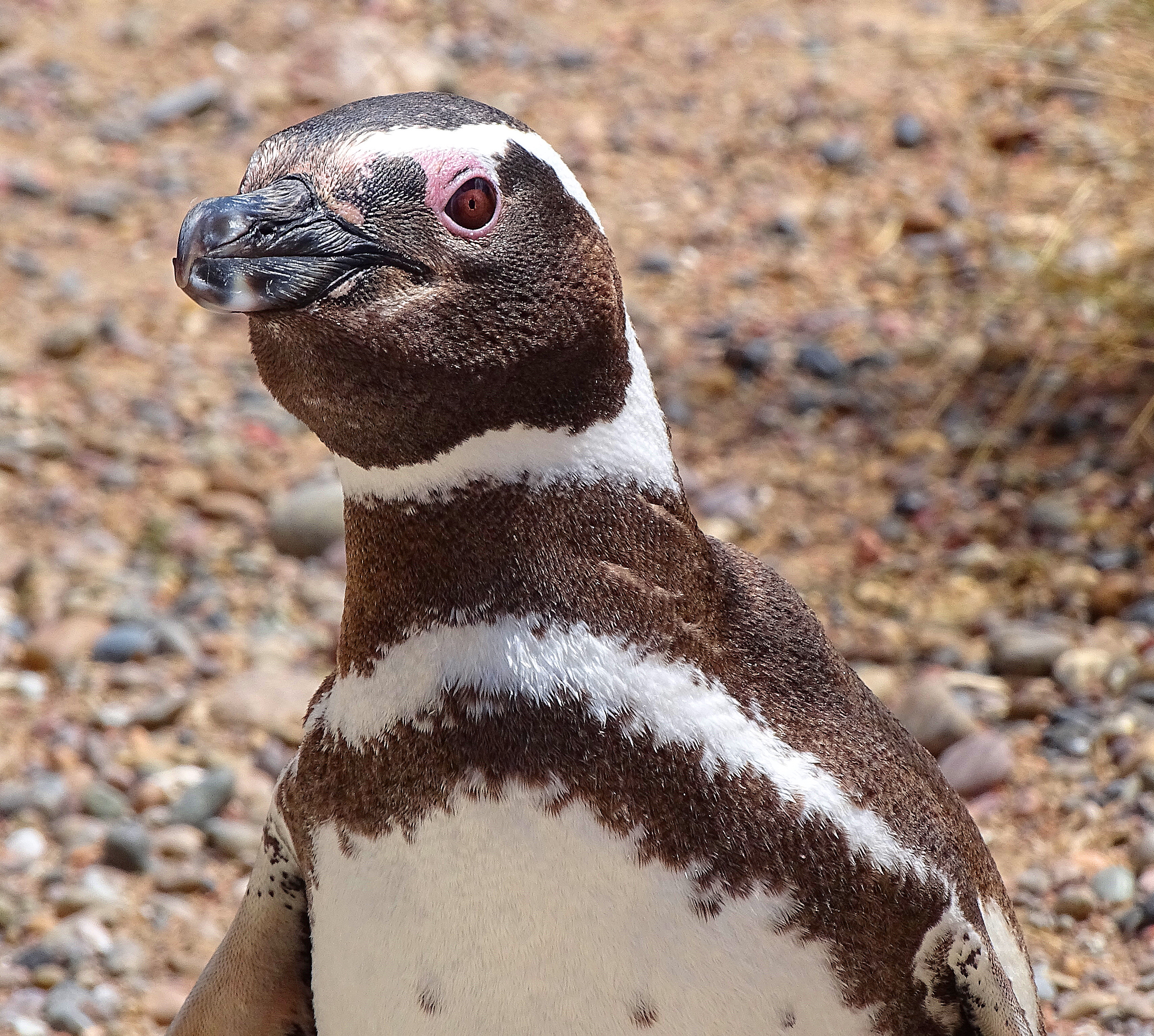
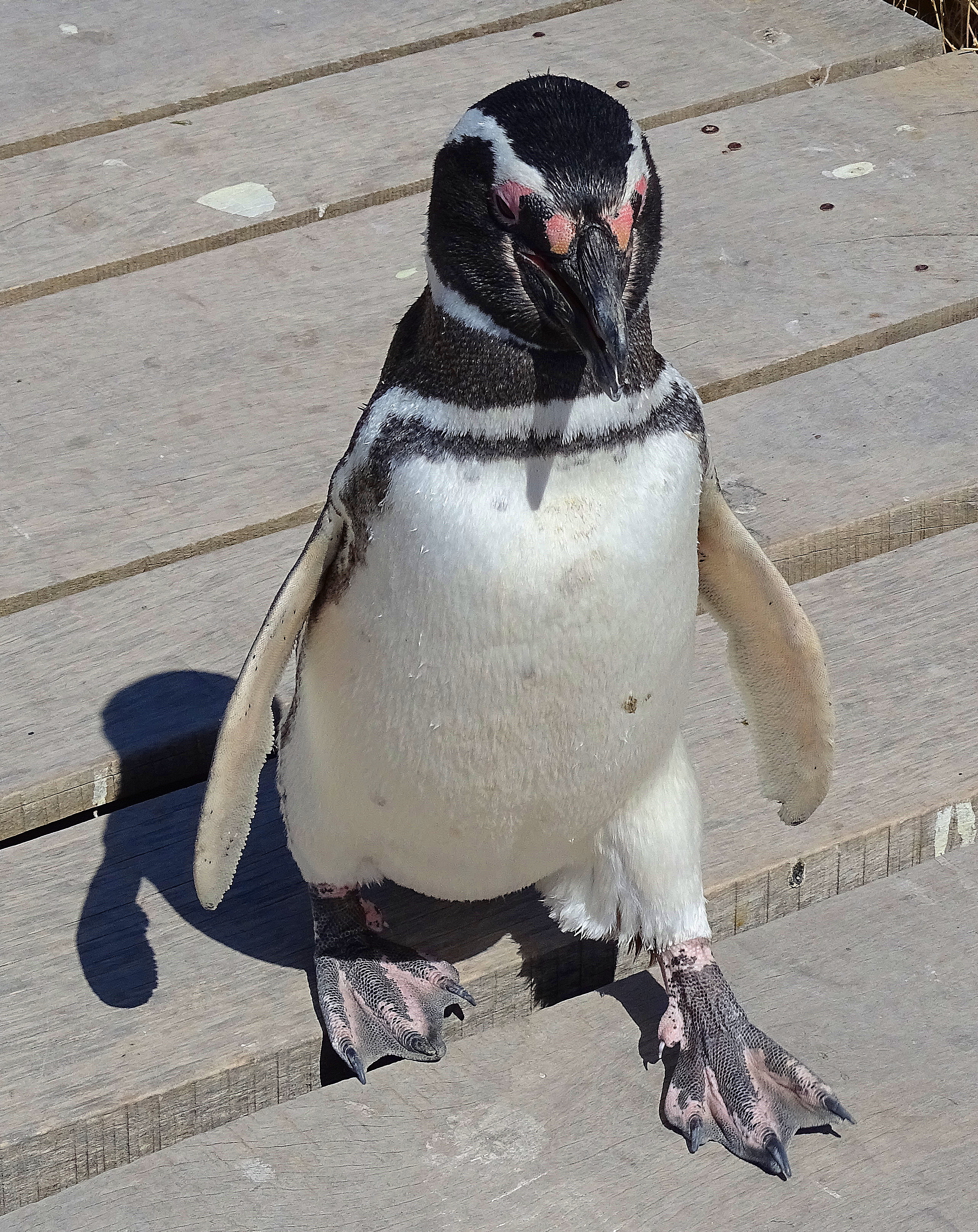
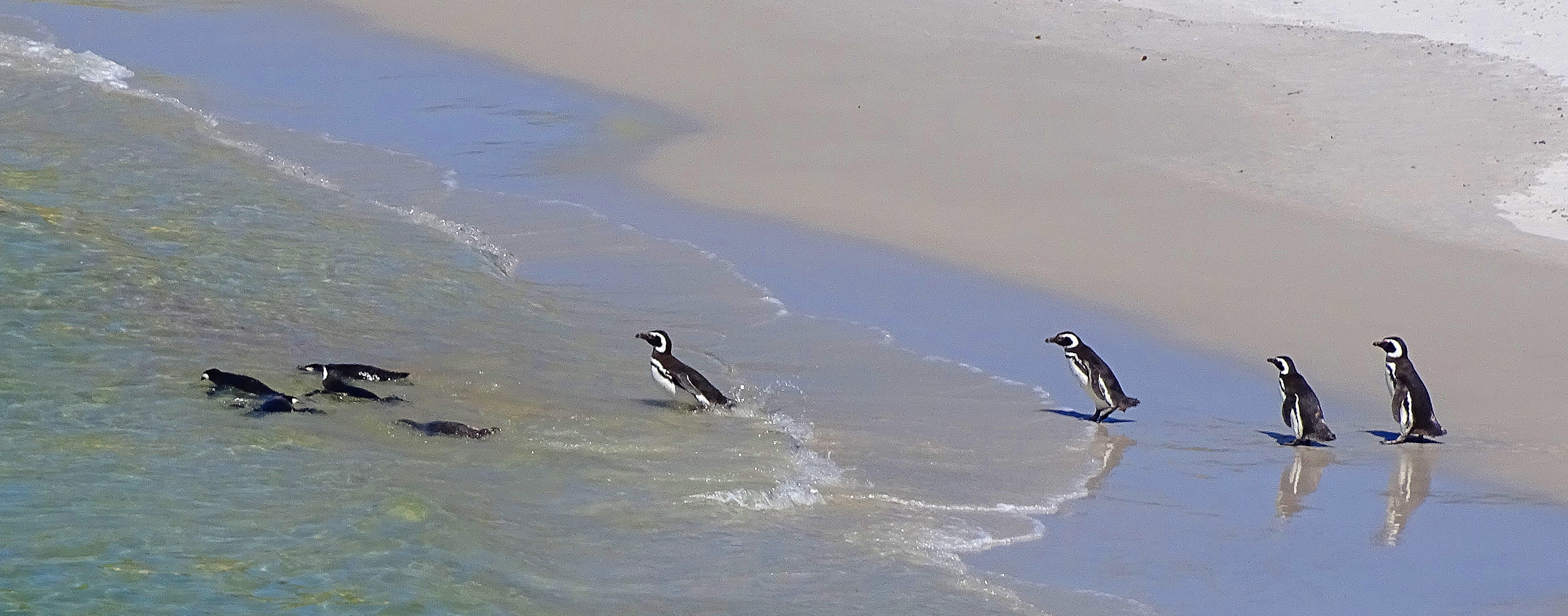
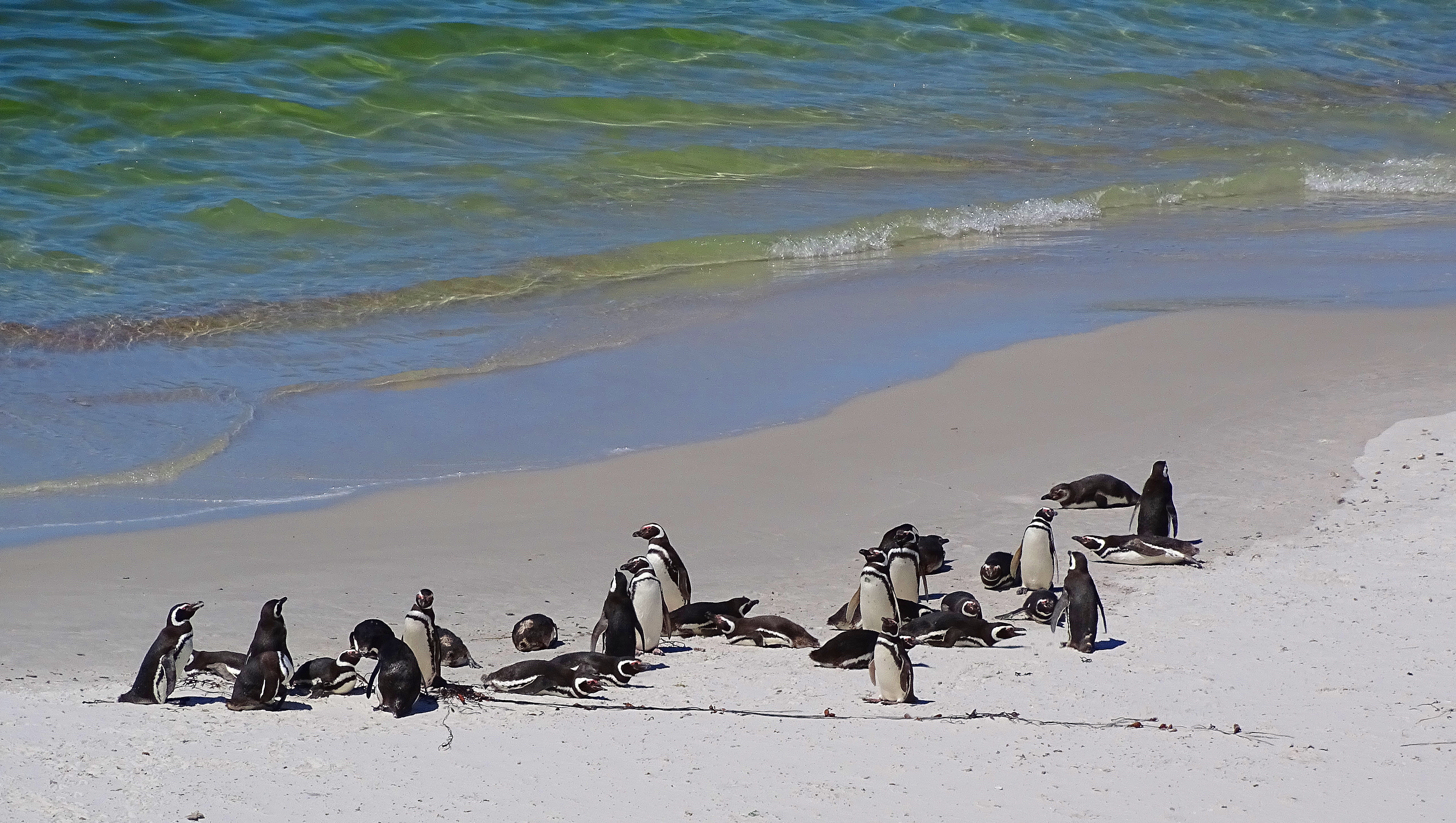
Punto Tumbo is a nature reserve located on Argentina’s central Patagonian coast.
It was set aside as a reserve in 1979,
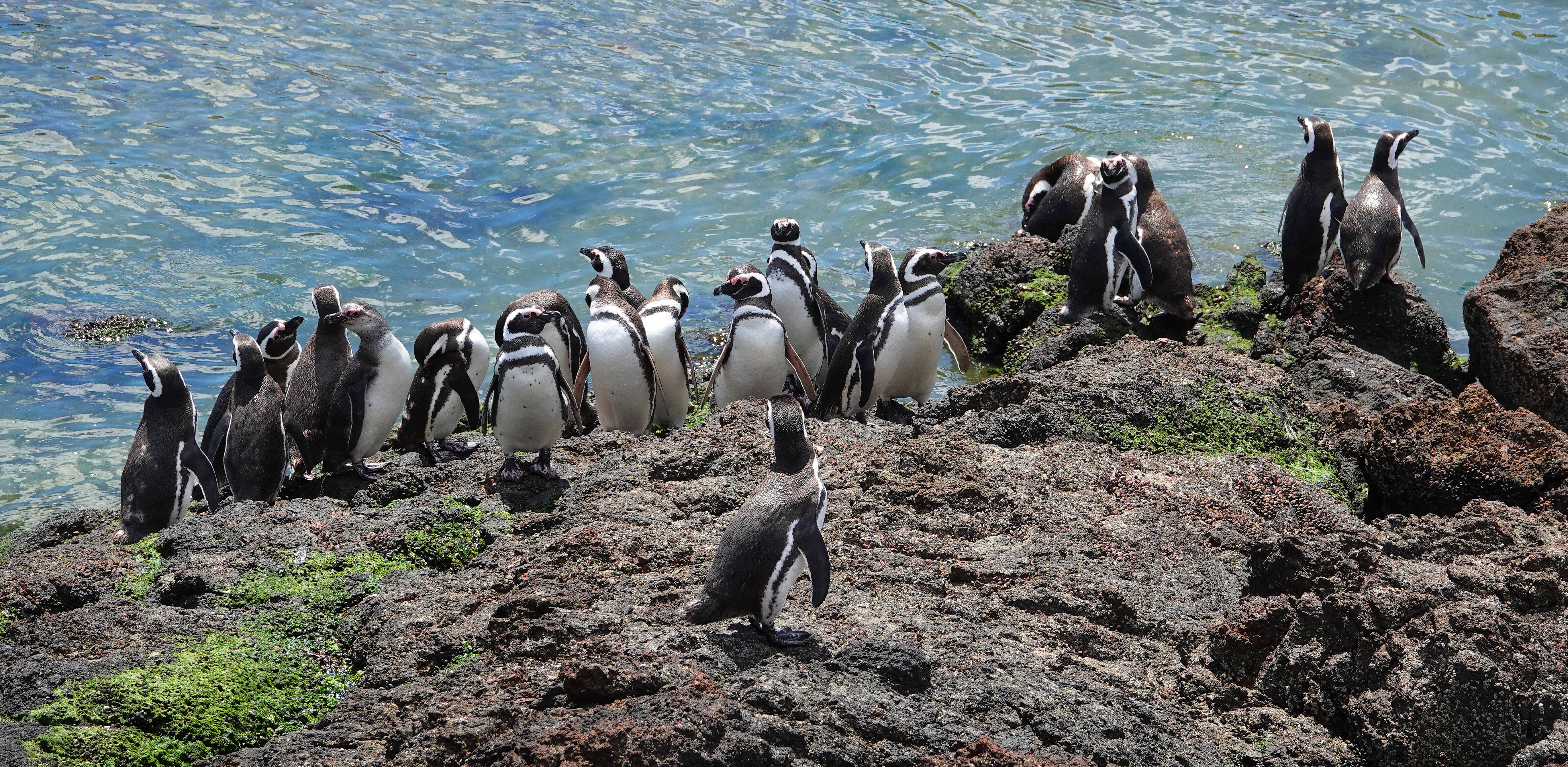
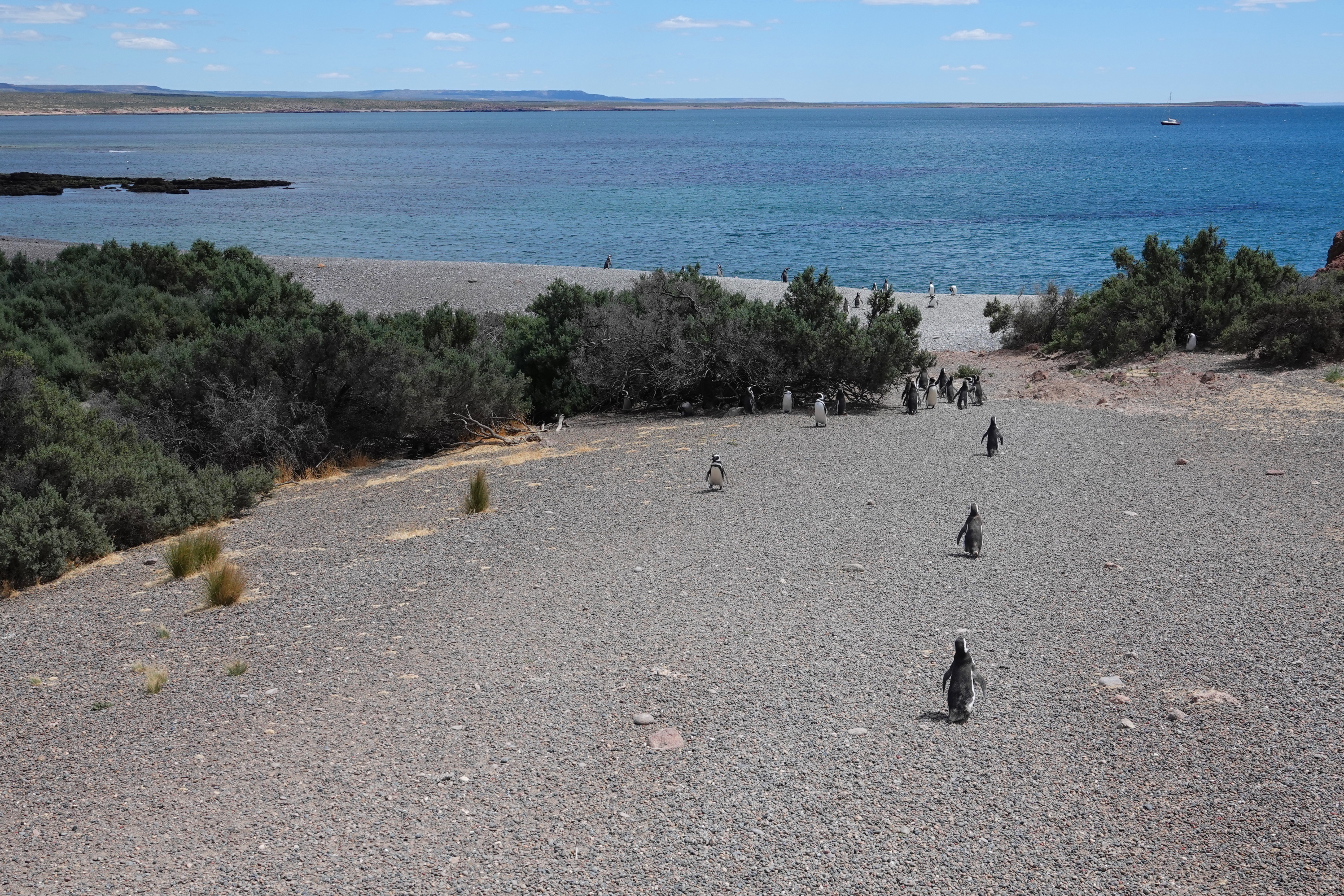
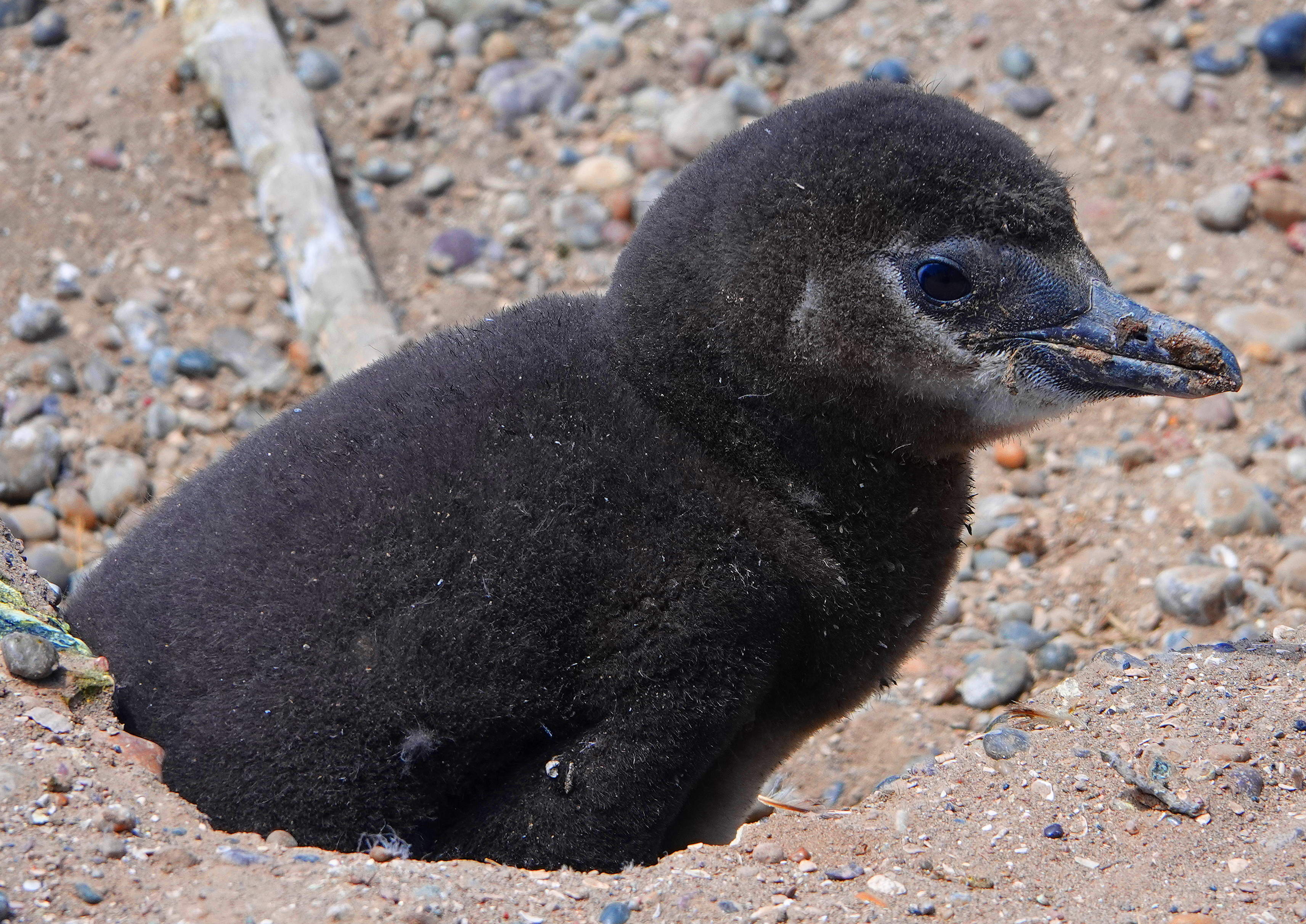
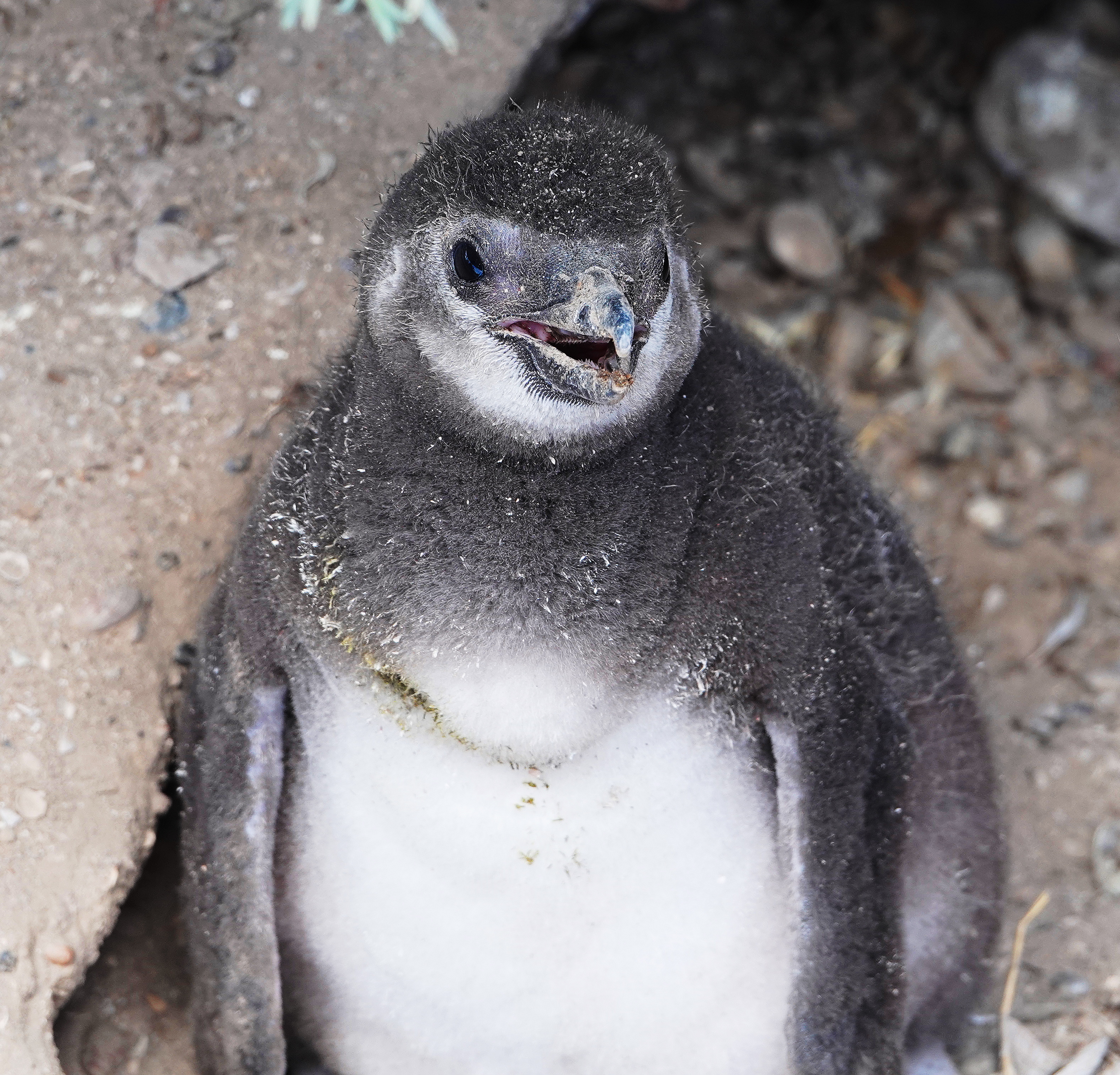
and is home to the largest colony of Magellanic Penguins in the world.
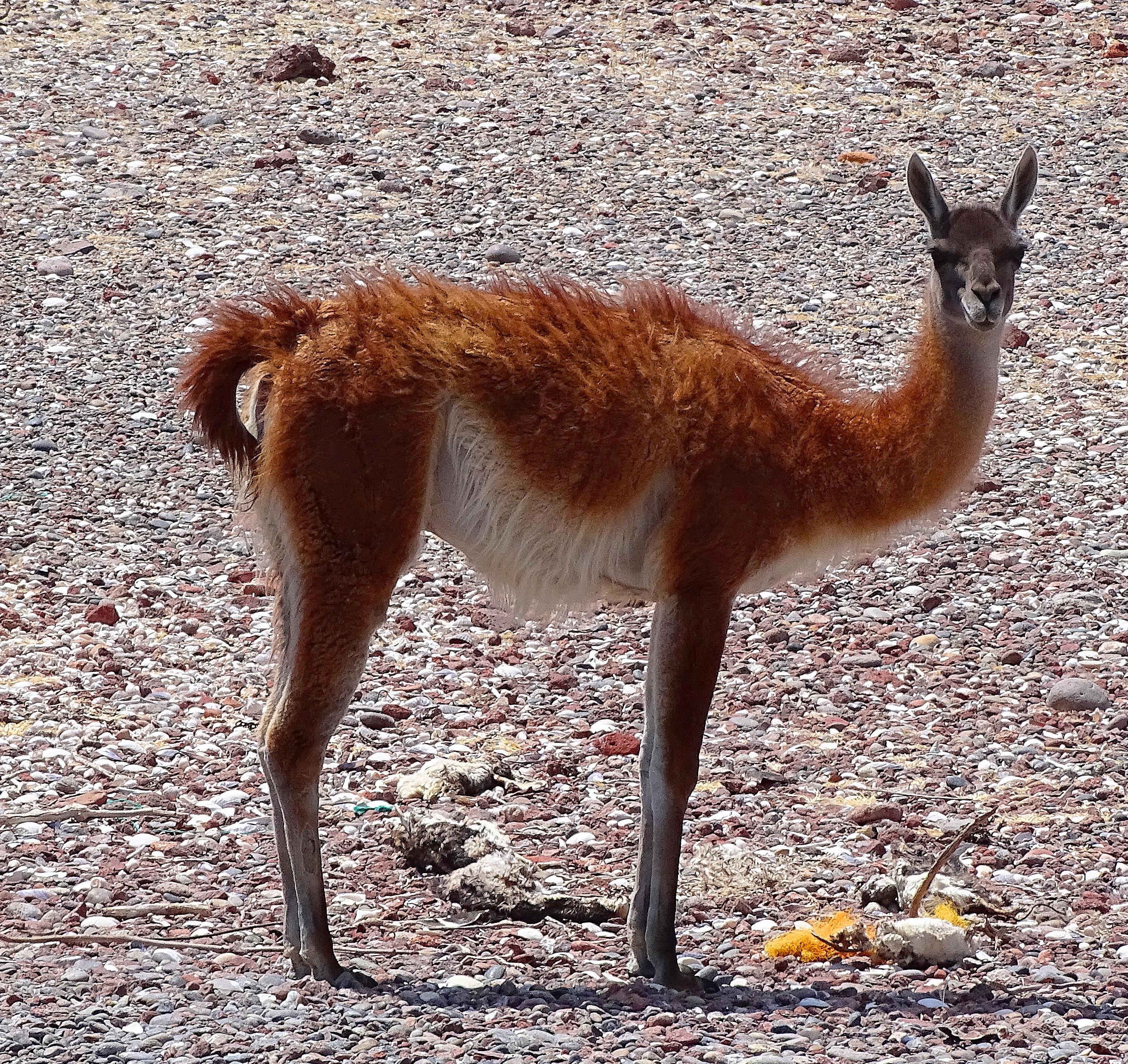
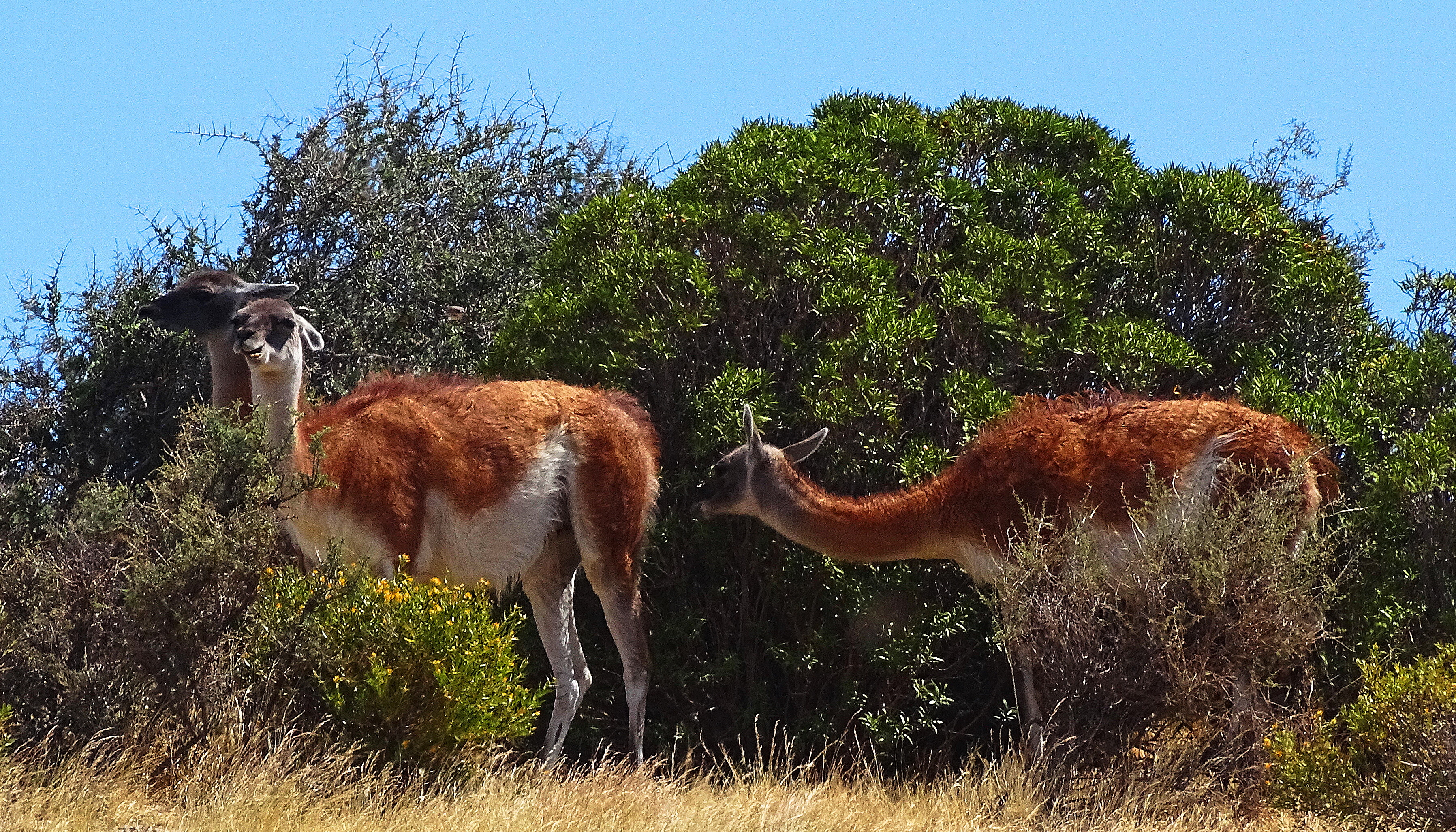
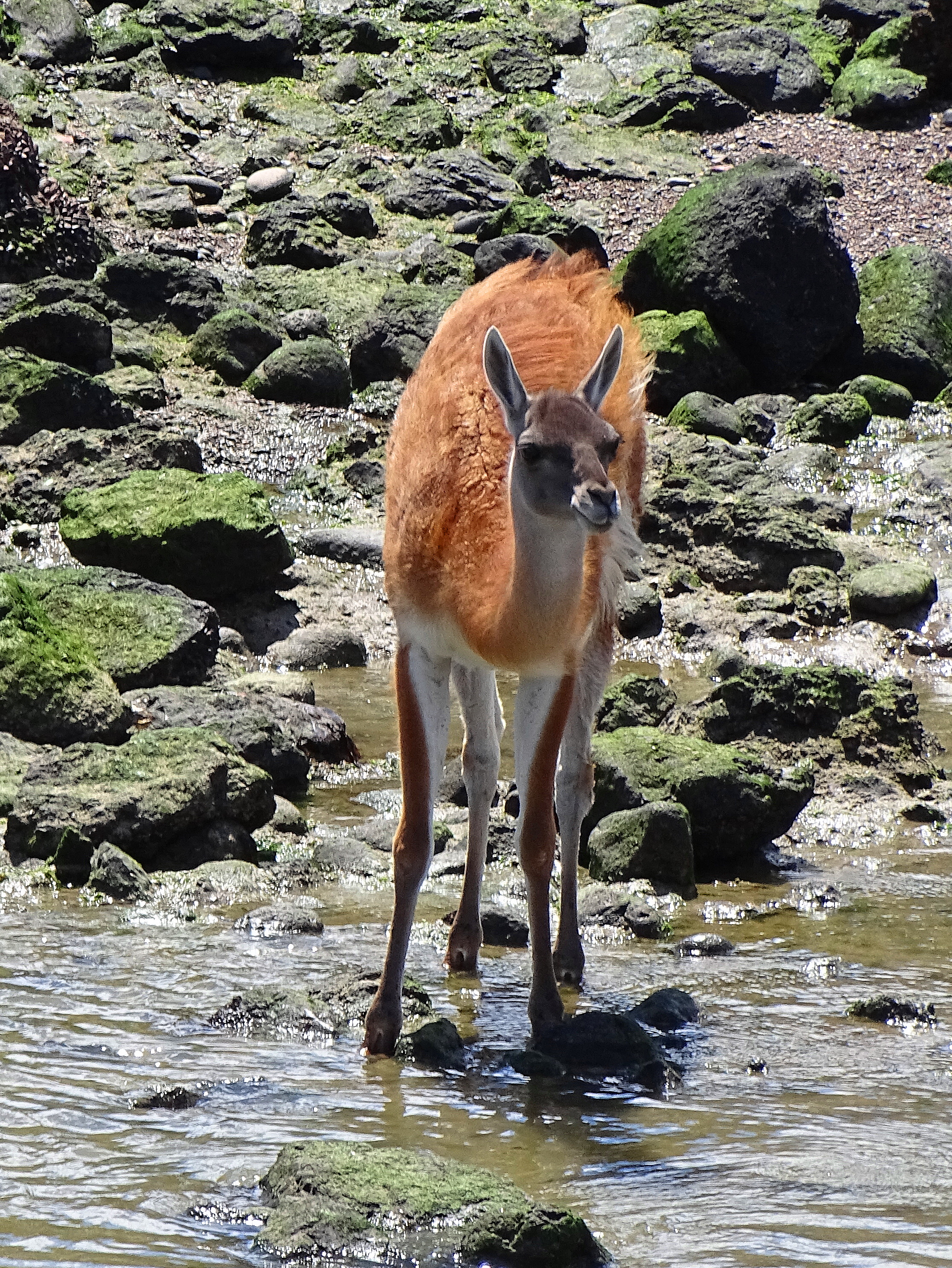
It is also home to the Guanaco, the largest non-domesticated herbivore in South America.
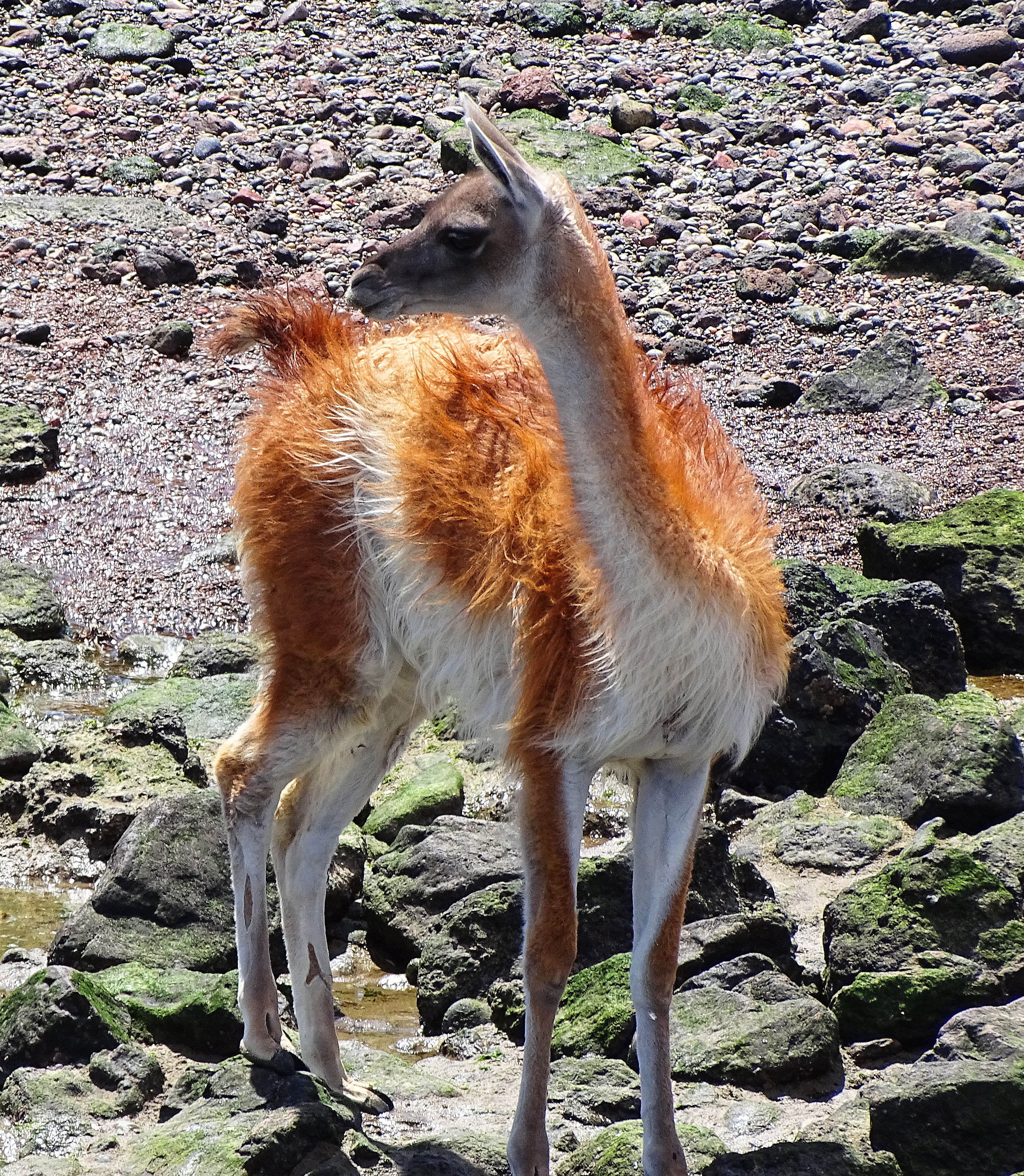
Guanacos are members of the camel family and are undomesticated or wild llamas.

Adult Guanacos can weigh up to 310 pounds and are excellent swimmers.
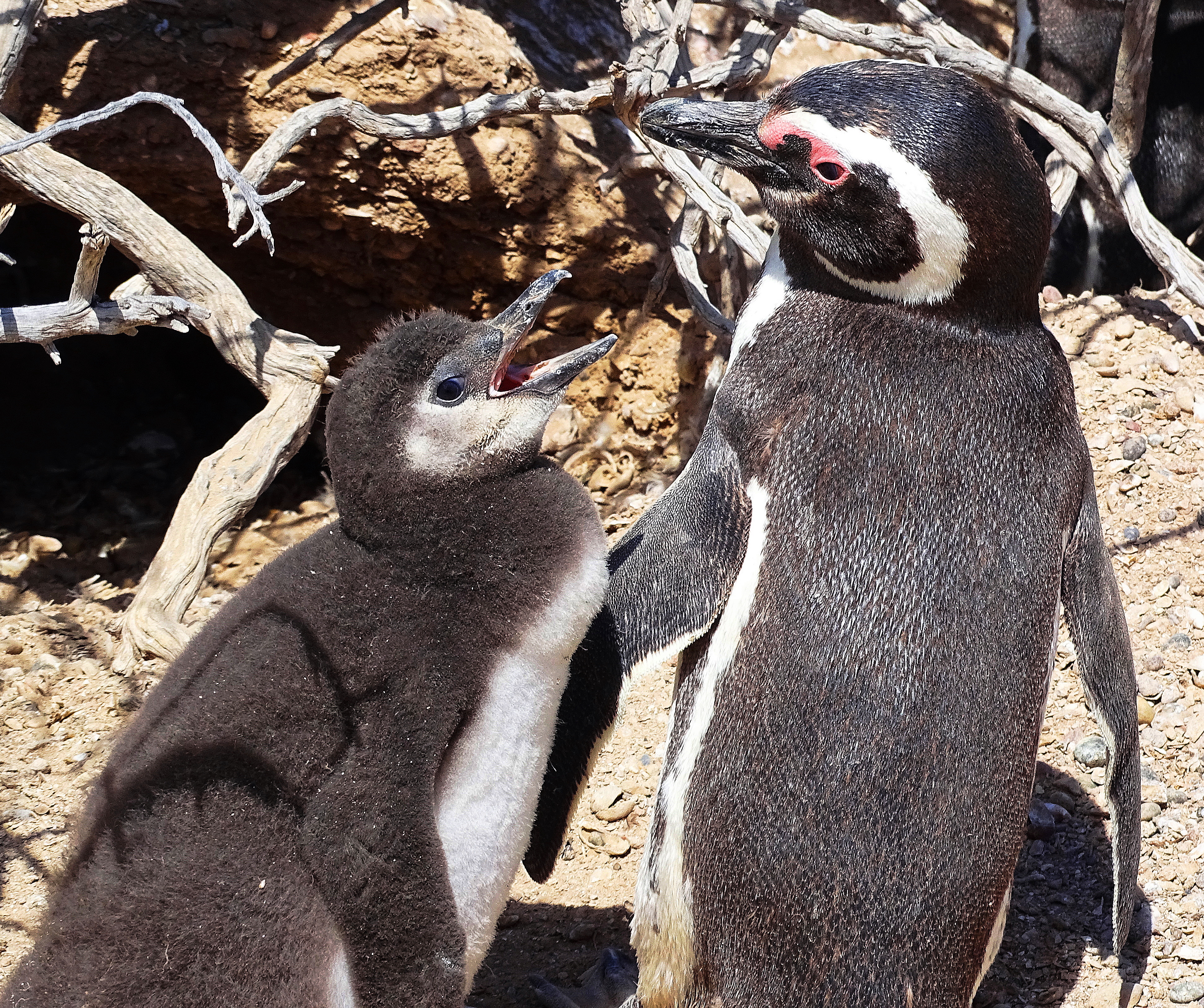
They coexist happily with the penguins,
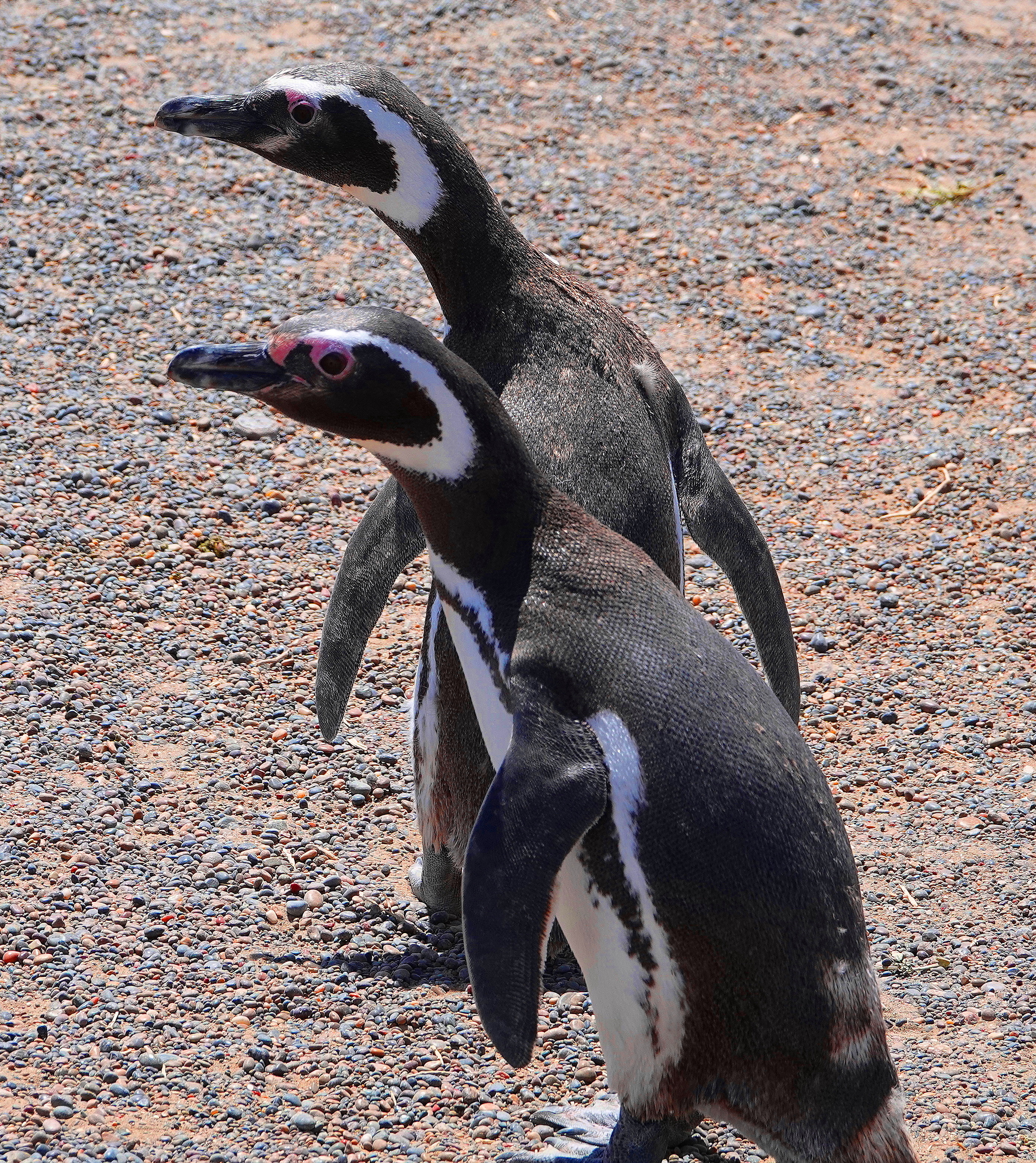
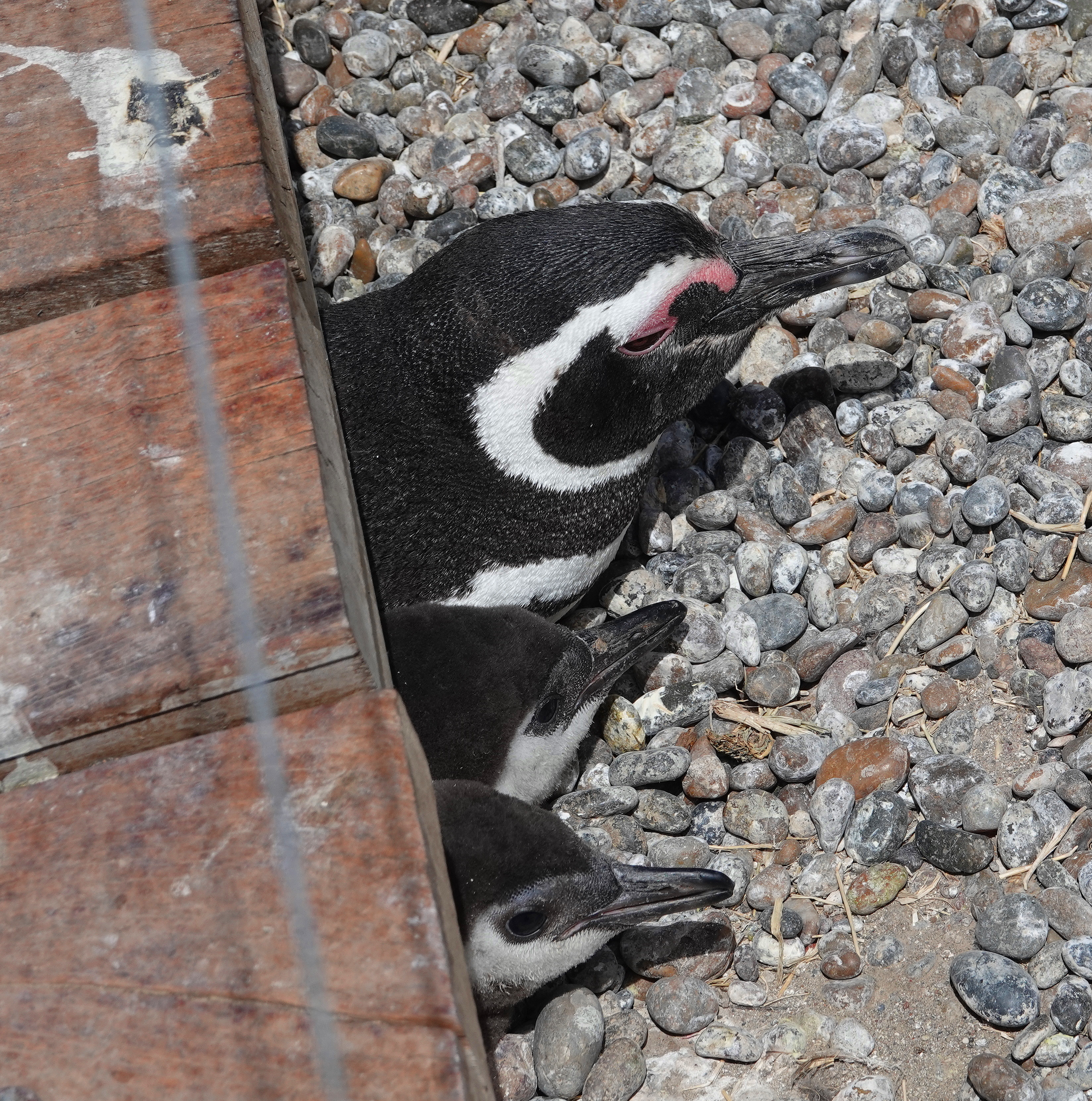
which is just a shameless lead-in to slip in a couple more penguin pics!
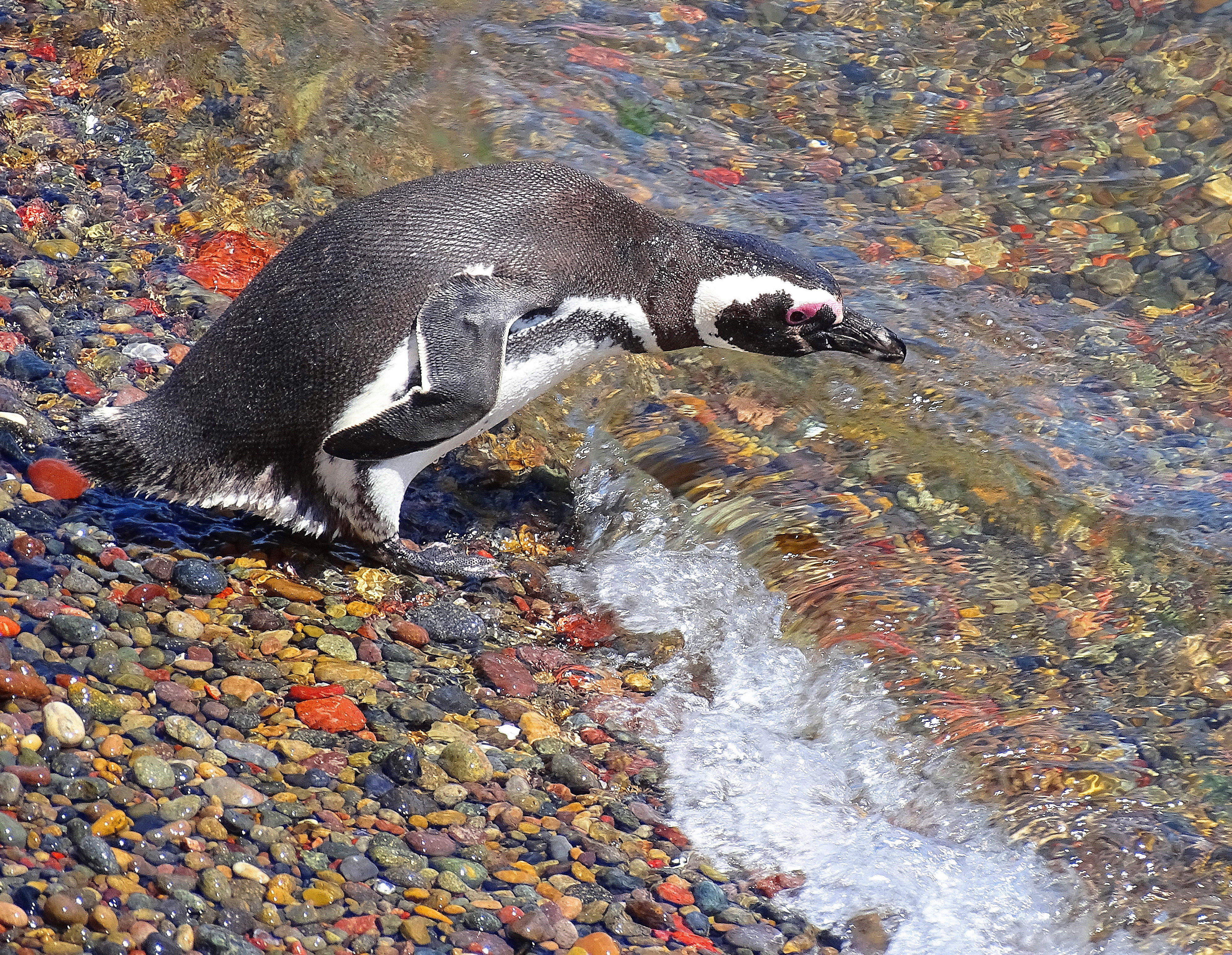
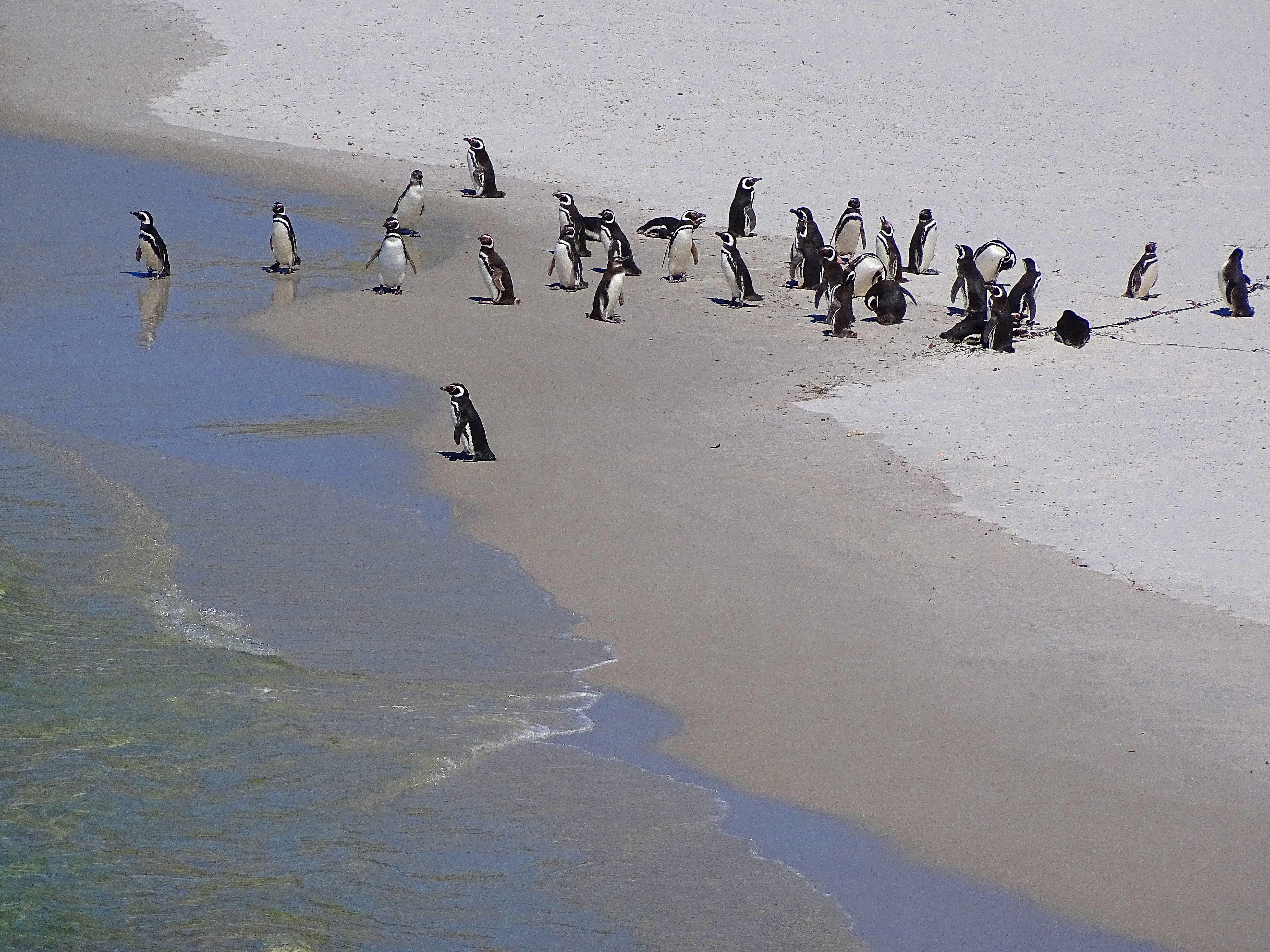
The final photo is from Gypsy Cove in The Falkland Islands which is an entirely different colony of Magellanic Penguins that I also couldn’t resist slipping in.
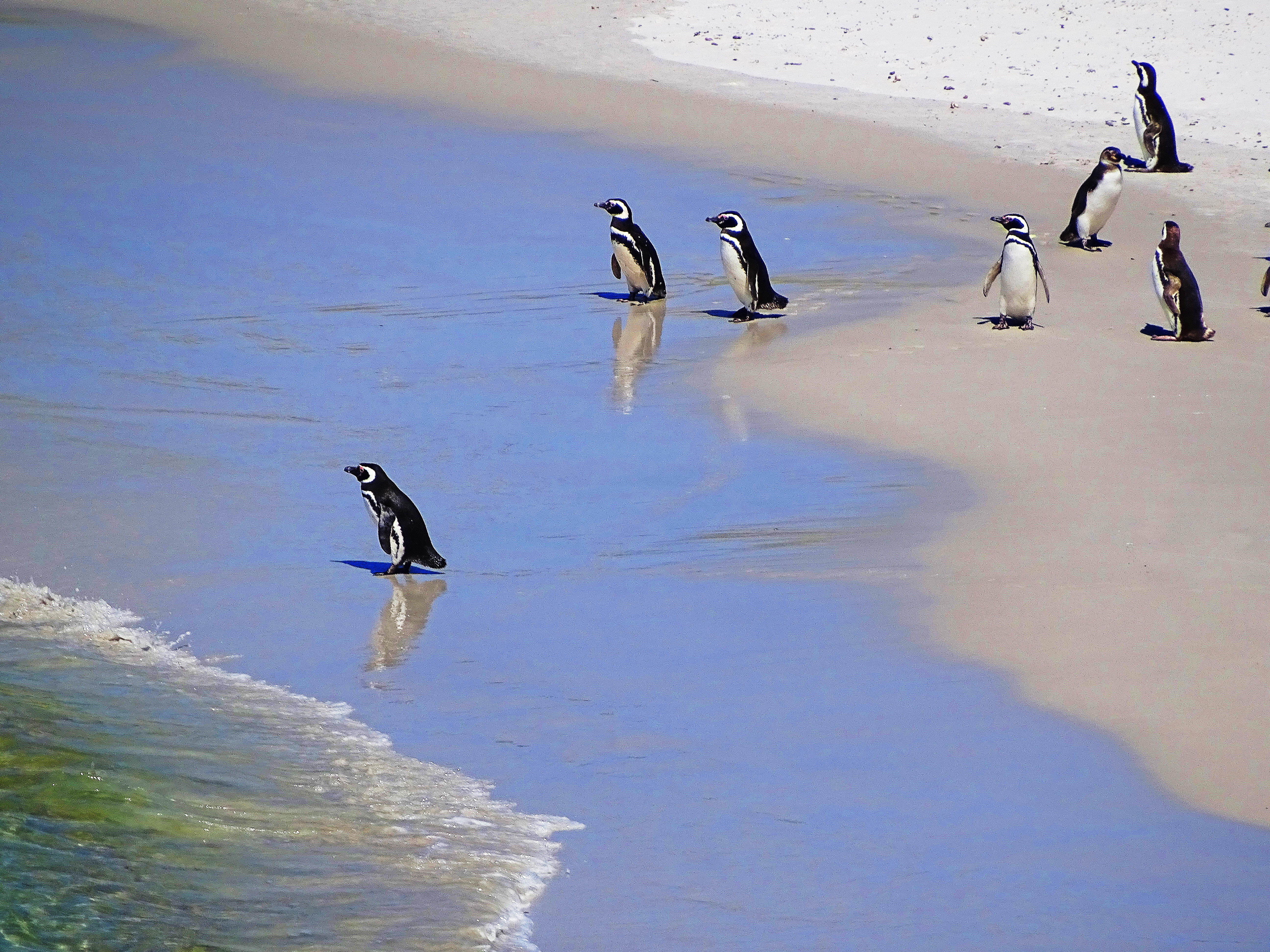
Cheers to you from the stunning wild creatures of the southern latitudes~
Share this:



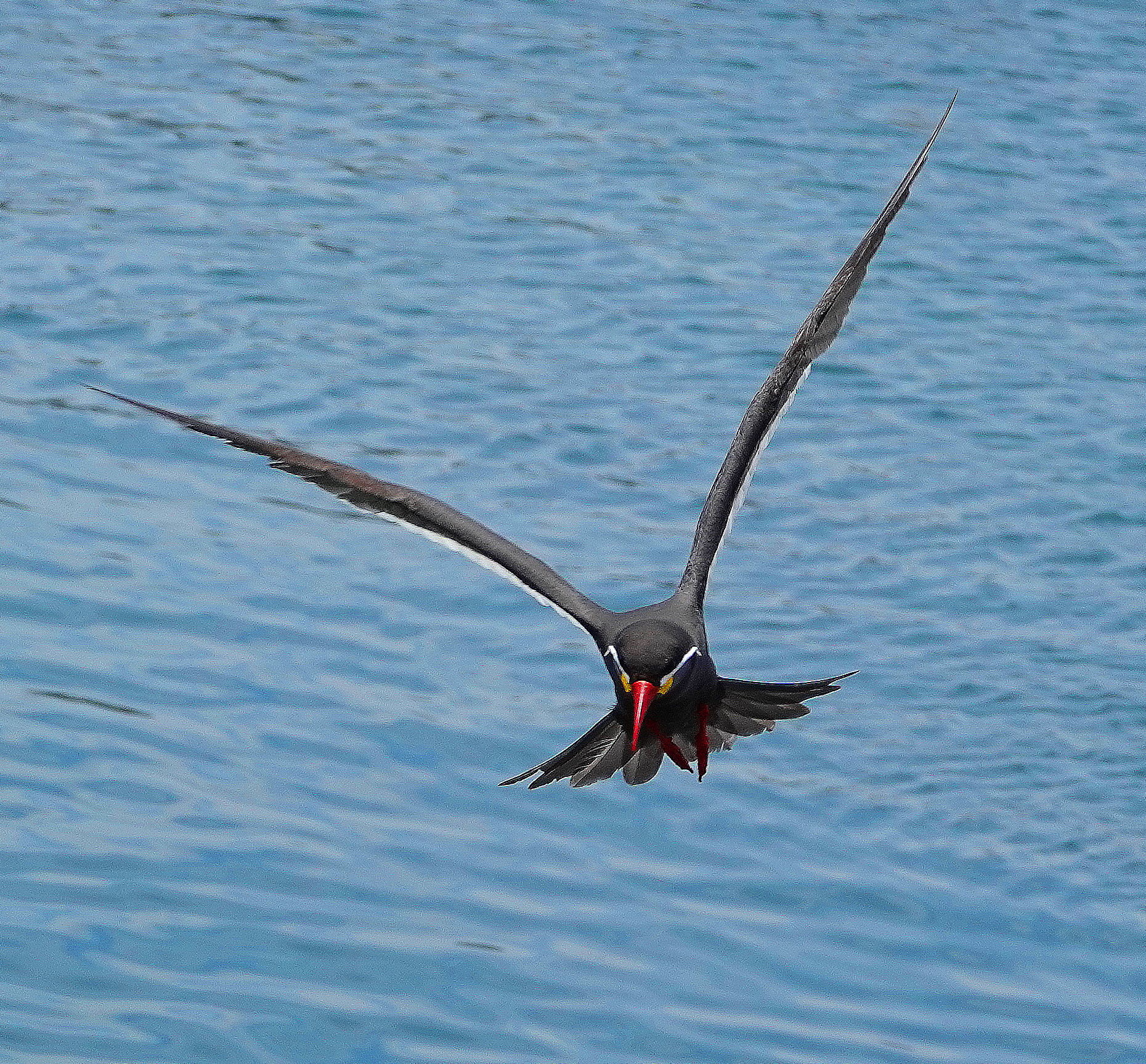
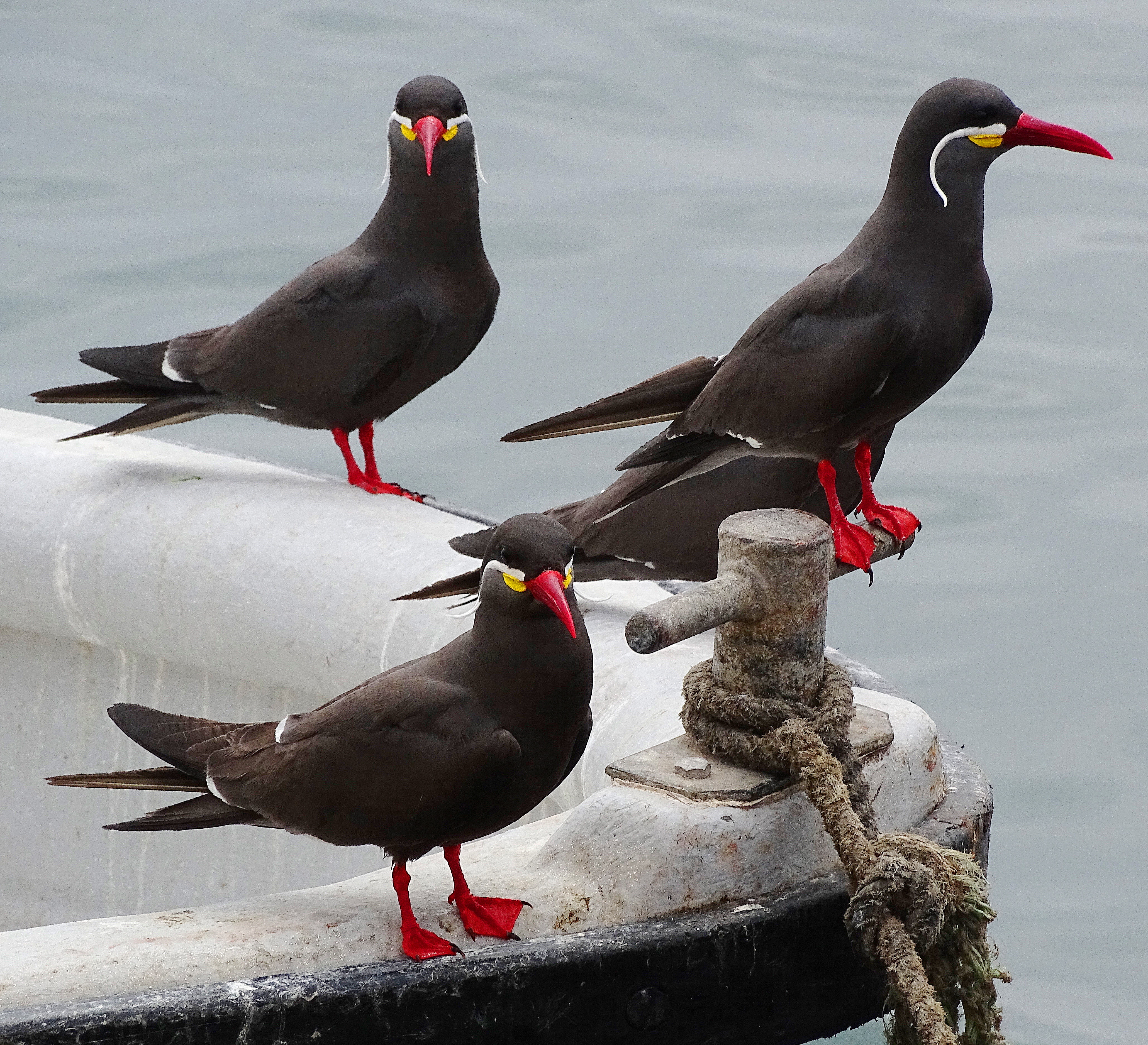
Inca Tern~
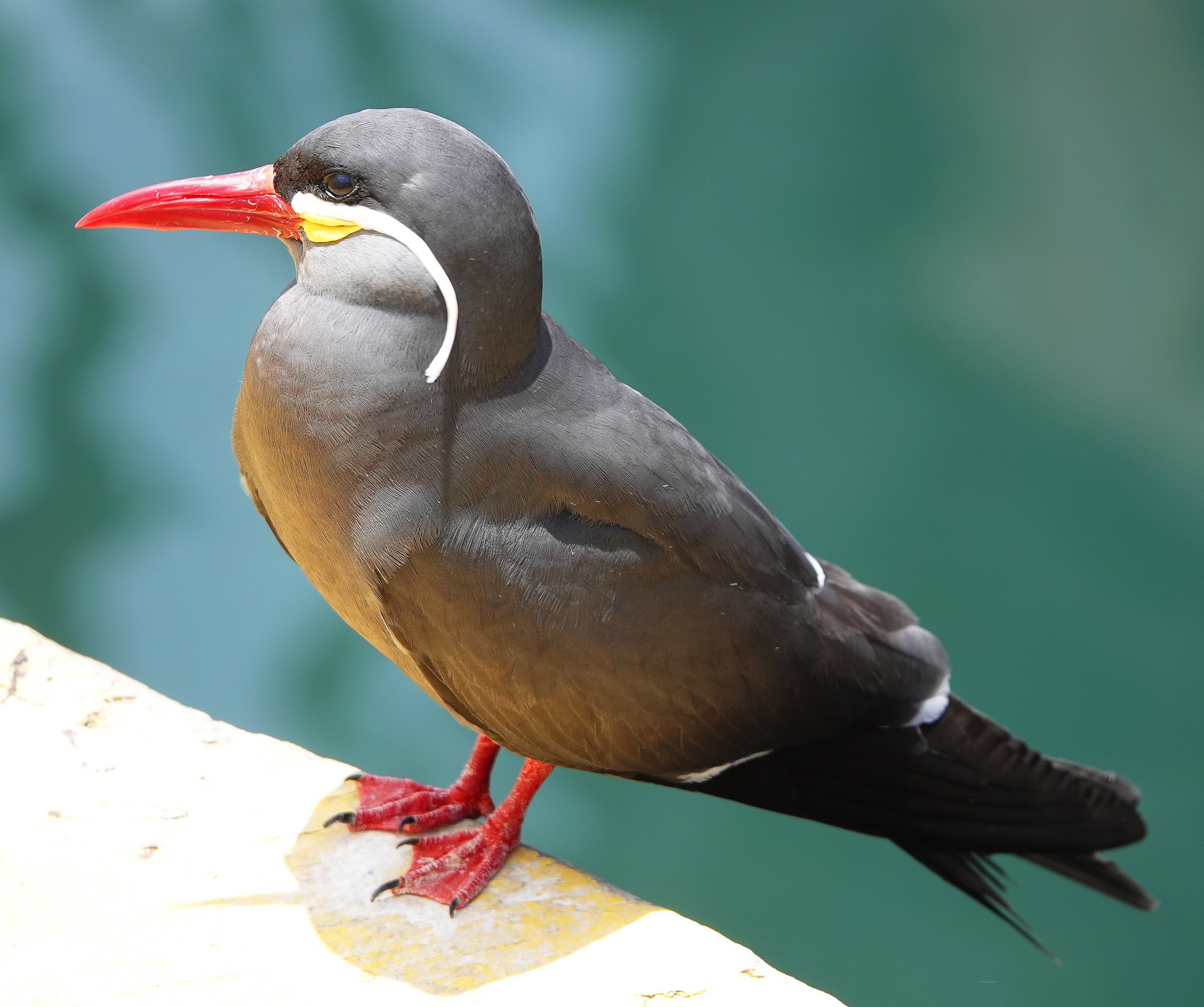
Meet the Inca Tern!
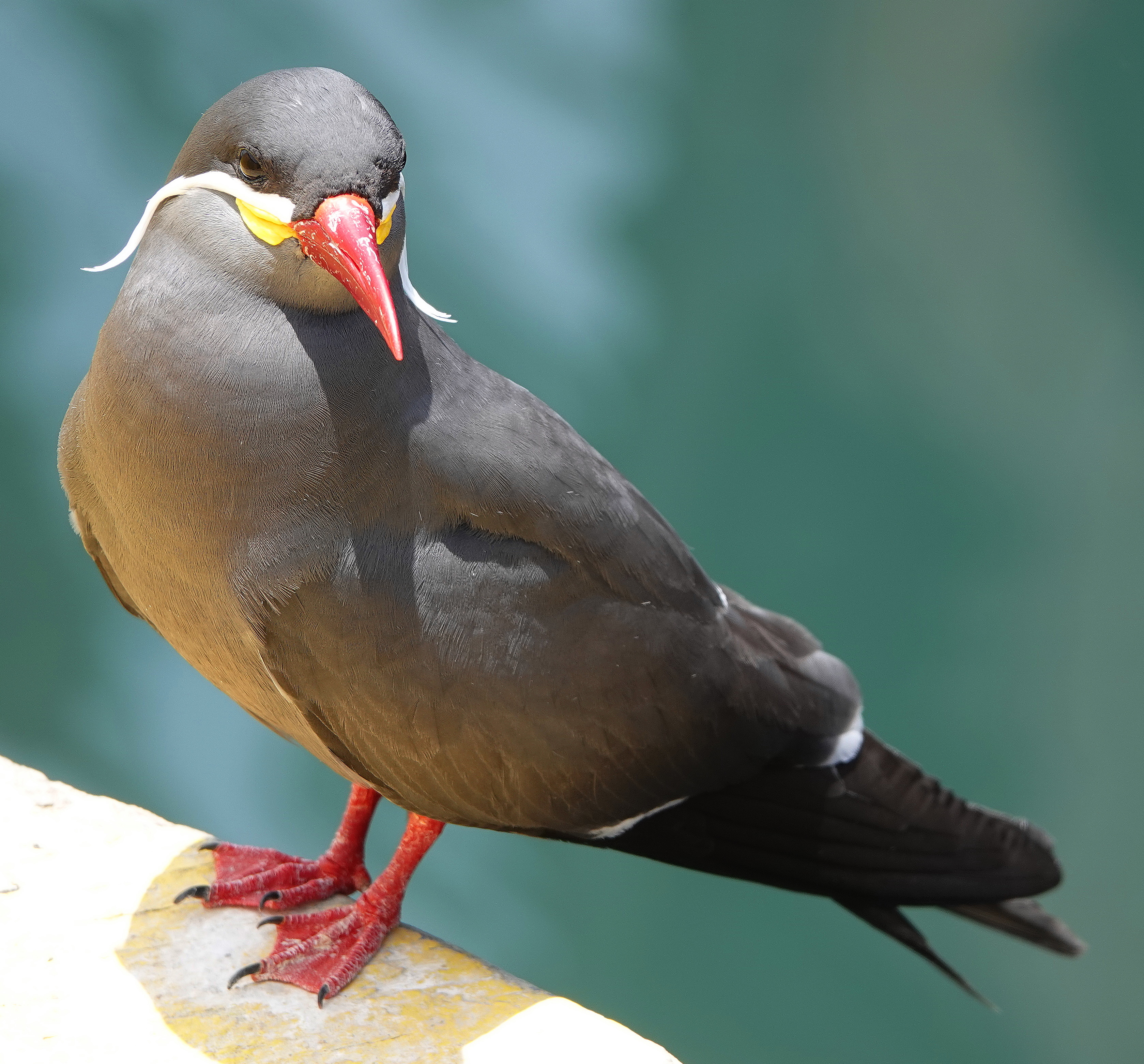
Even the females wear their mustaches with pride.
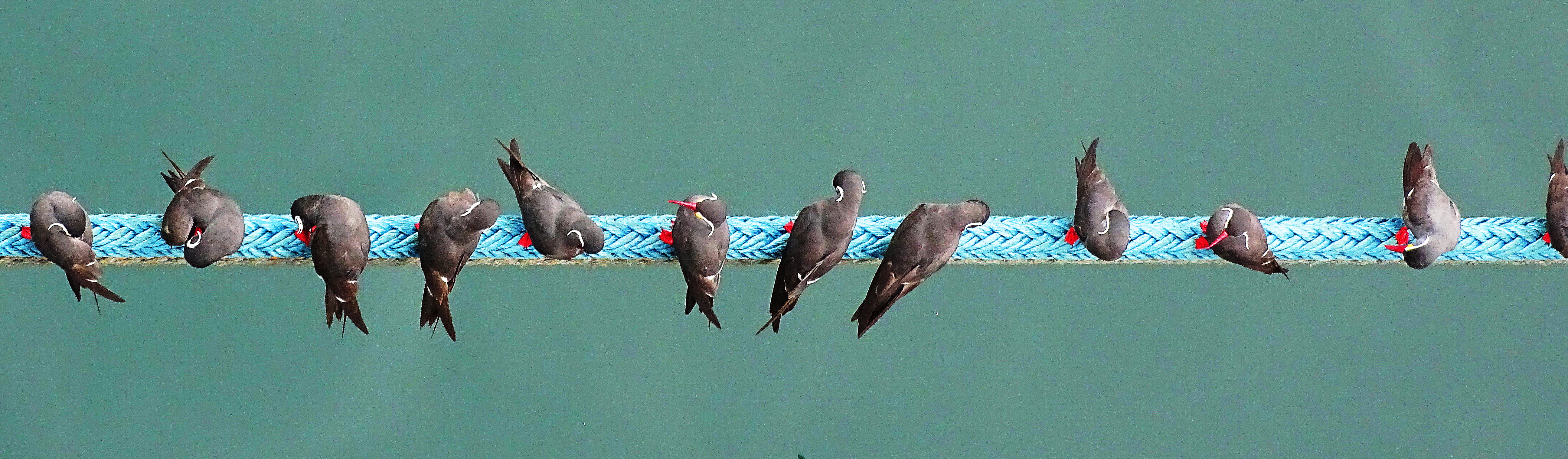
Inca Tern’s occupy the territories of Chile and Peru once occupied by the Incas, hence their name.
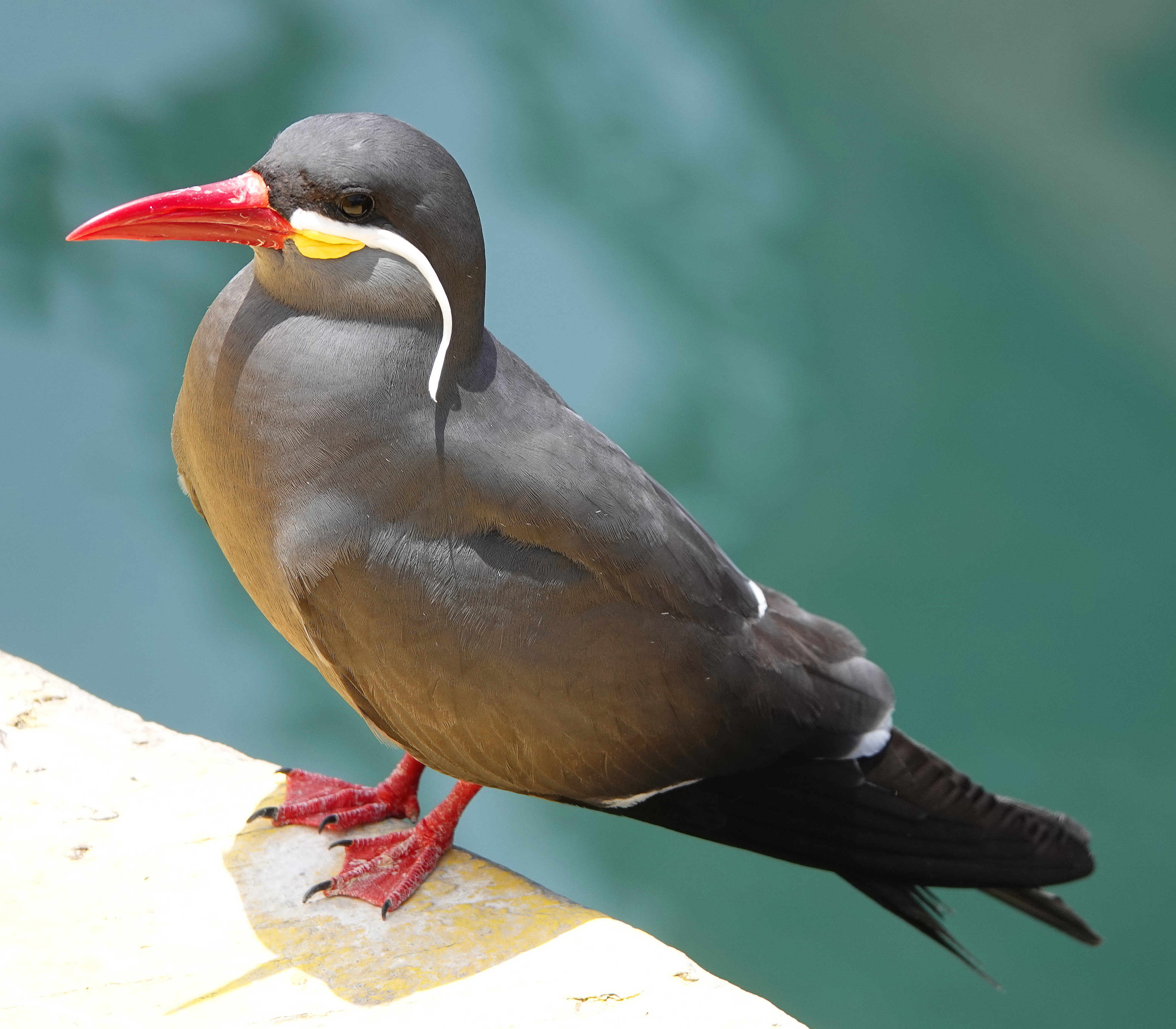
They are considered one of the world’s most unique bird species.
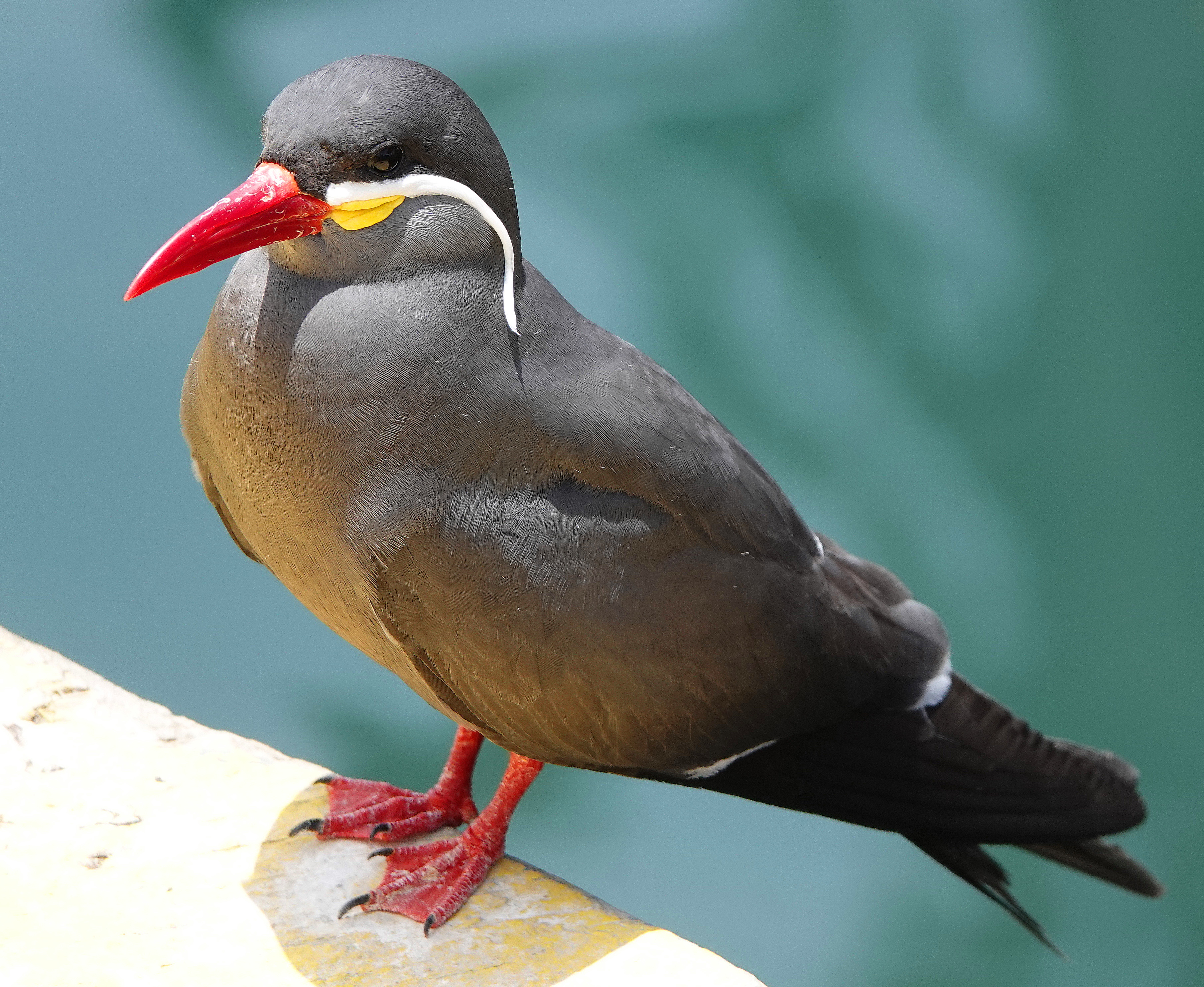
In the 1850’s there were millions of them.
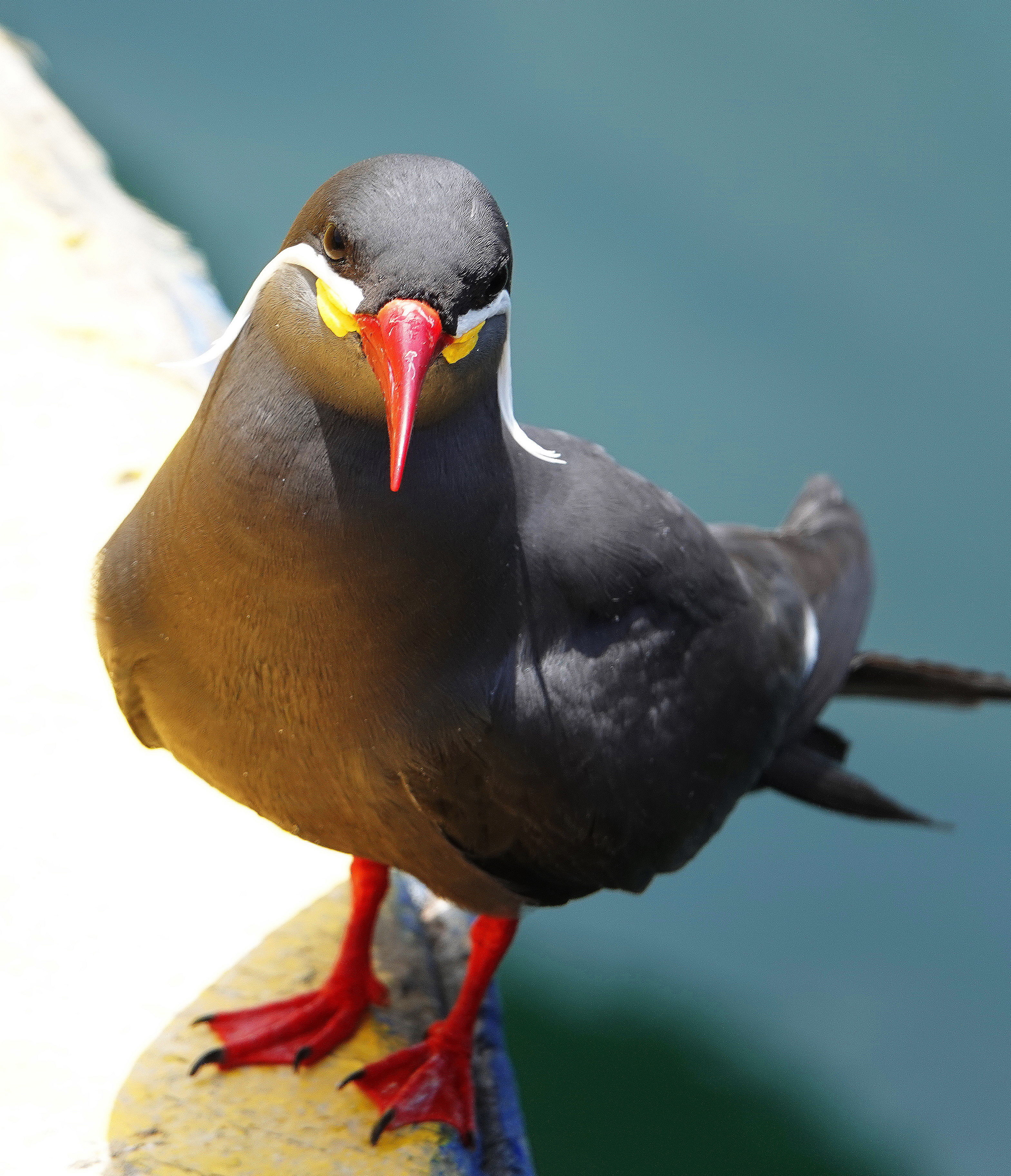
Their population is now estimated at 150,000.

I had no idea there would be such limited access to wifi on this trip, but I have never taken an entirely ship based trip before. Maritime wifi is extremely slow and expensive preventing me from responding to comments or commenting on your posts. Shore visits are intensive with limited time.

I so miss your comments and talking with you. I miss the feeling of traveling together virtually.
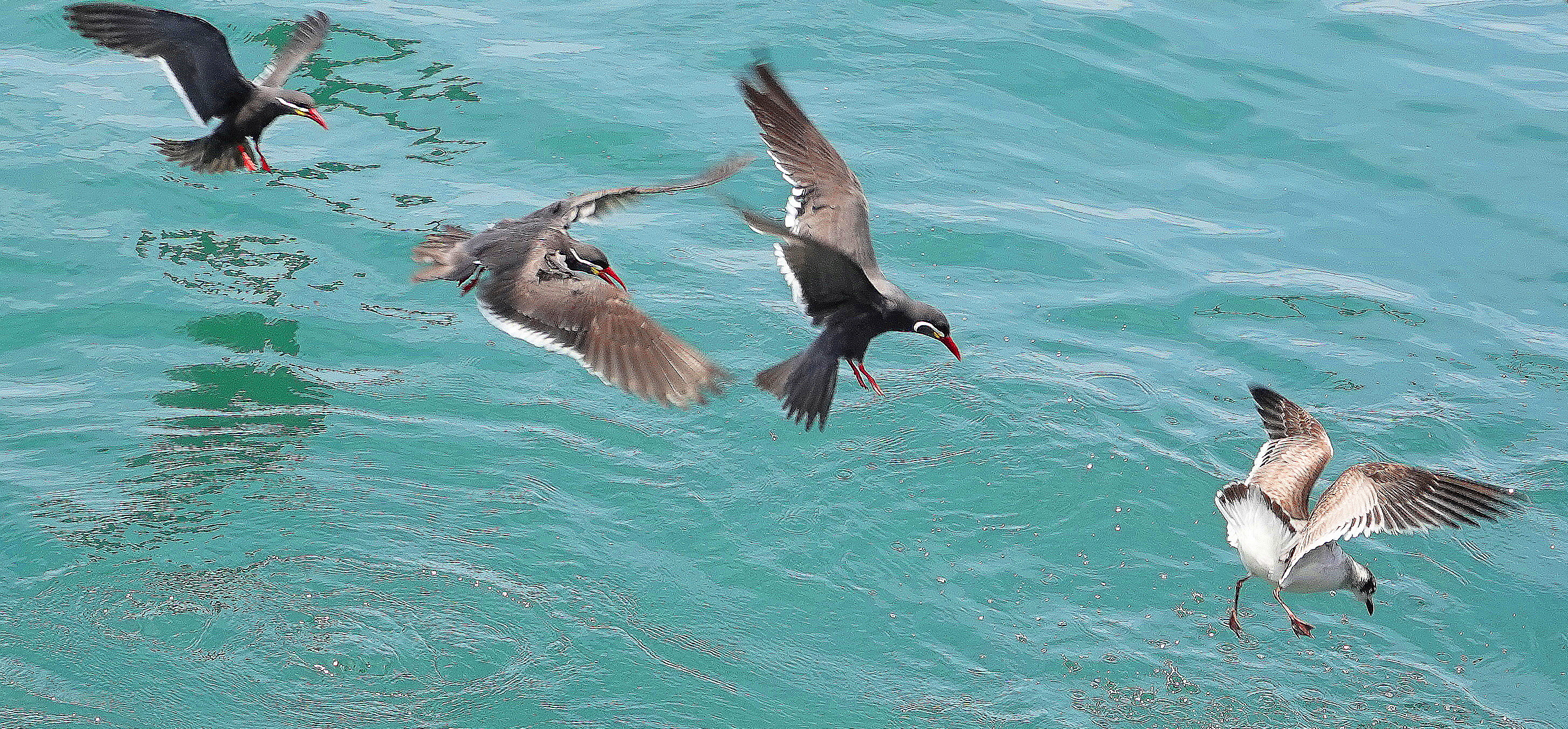
We are heading further south now towards Torres de Paine, Tierra del Fuego, and Cape Horn.
Our adult children have joined us for the holidays.
In about two weeks, we will return to terra firma, and I so look forward to catching up with you!
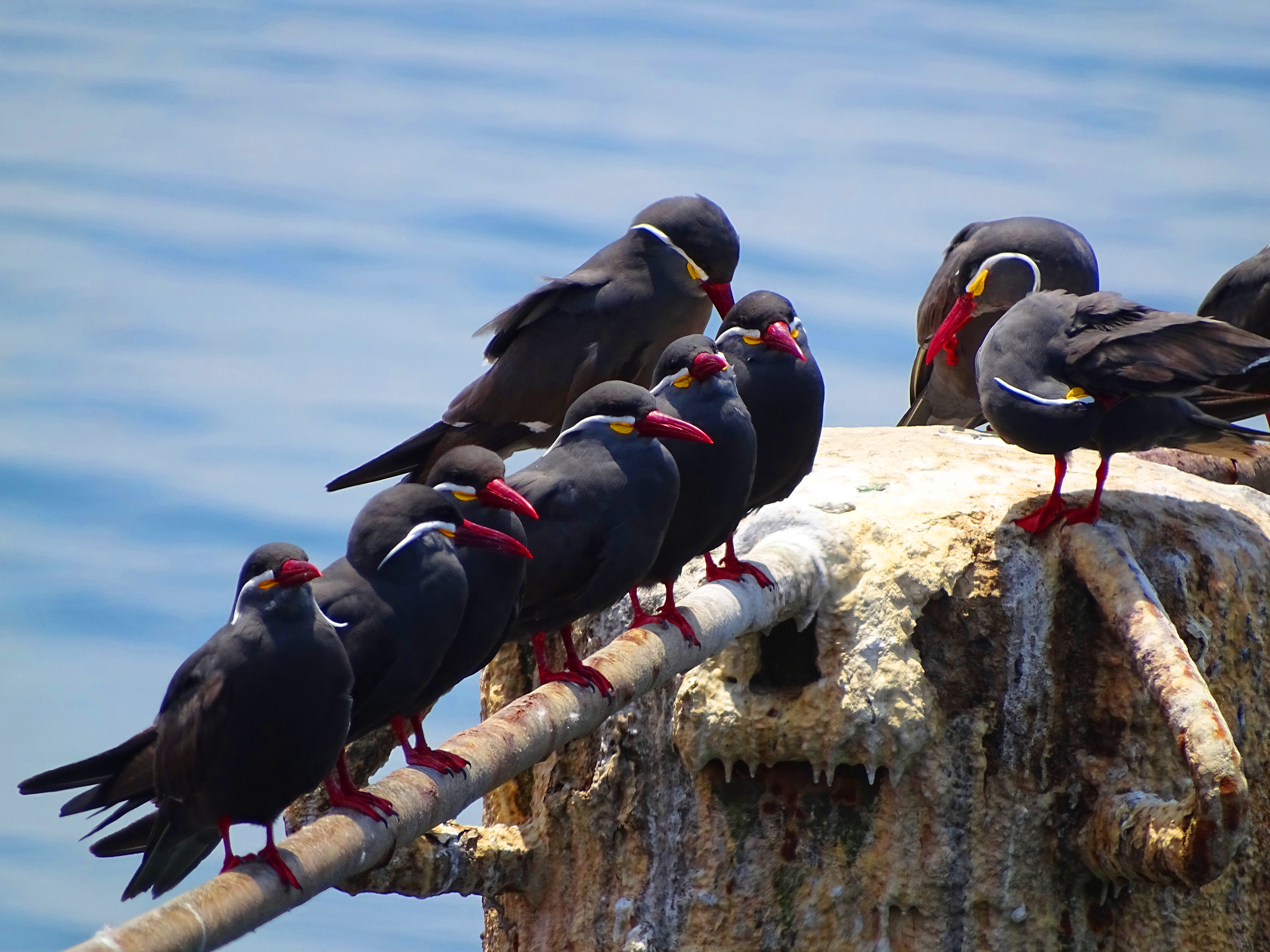
Until then, the gorgeous Inca Terns and I wish you Feliz Navidad y Prospero Ano Nuevo!
Share this:

Ushuaia & The Beagle Channel!

The happy penguins of Patagonia!

The Beagle Channel is named after Darwin’s ship, the HMS Beagle. Darwin explored and mapped the entire southern tip of Patagonia.

The Andes.
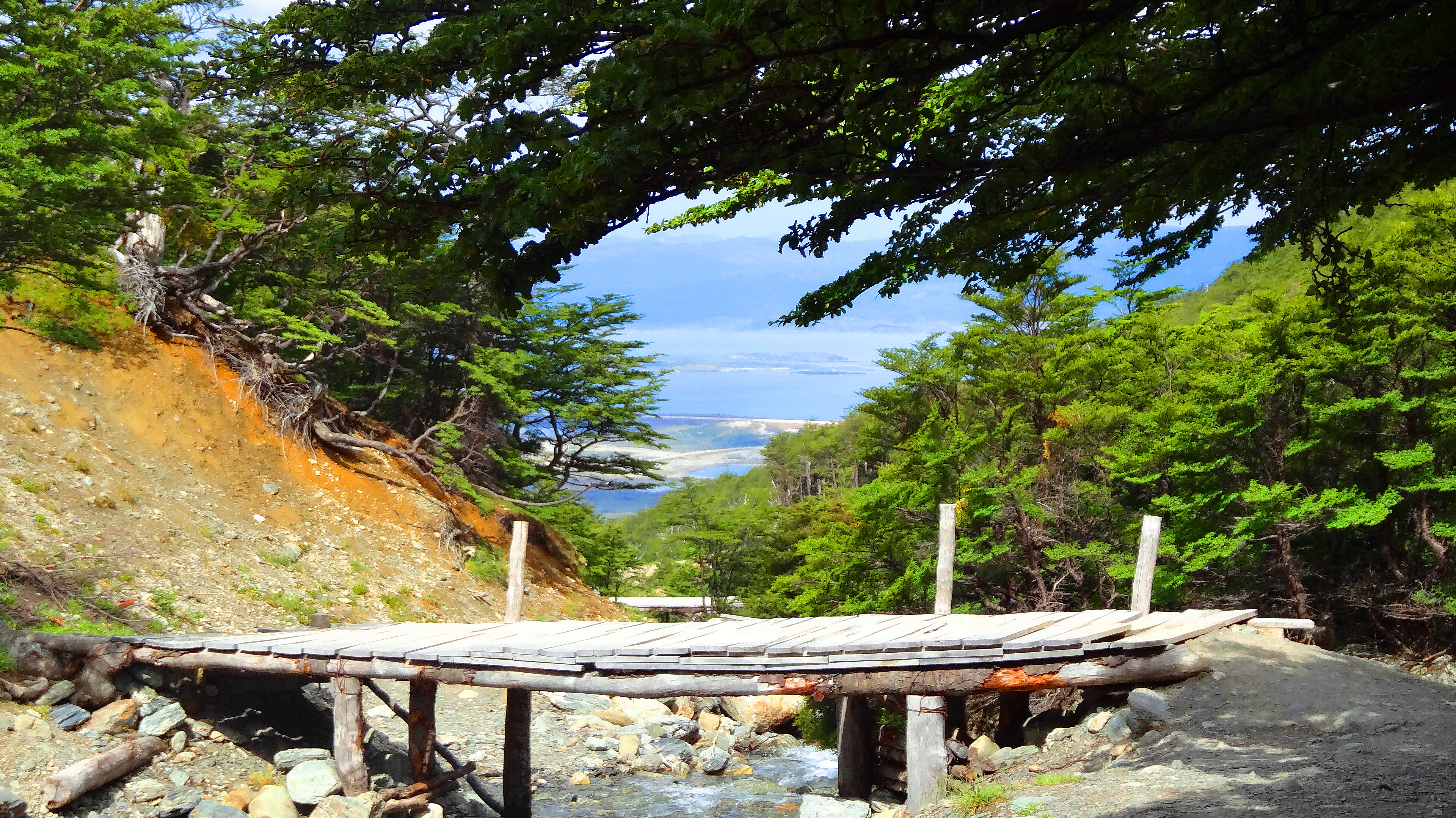
Channel view from Andes hike.
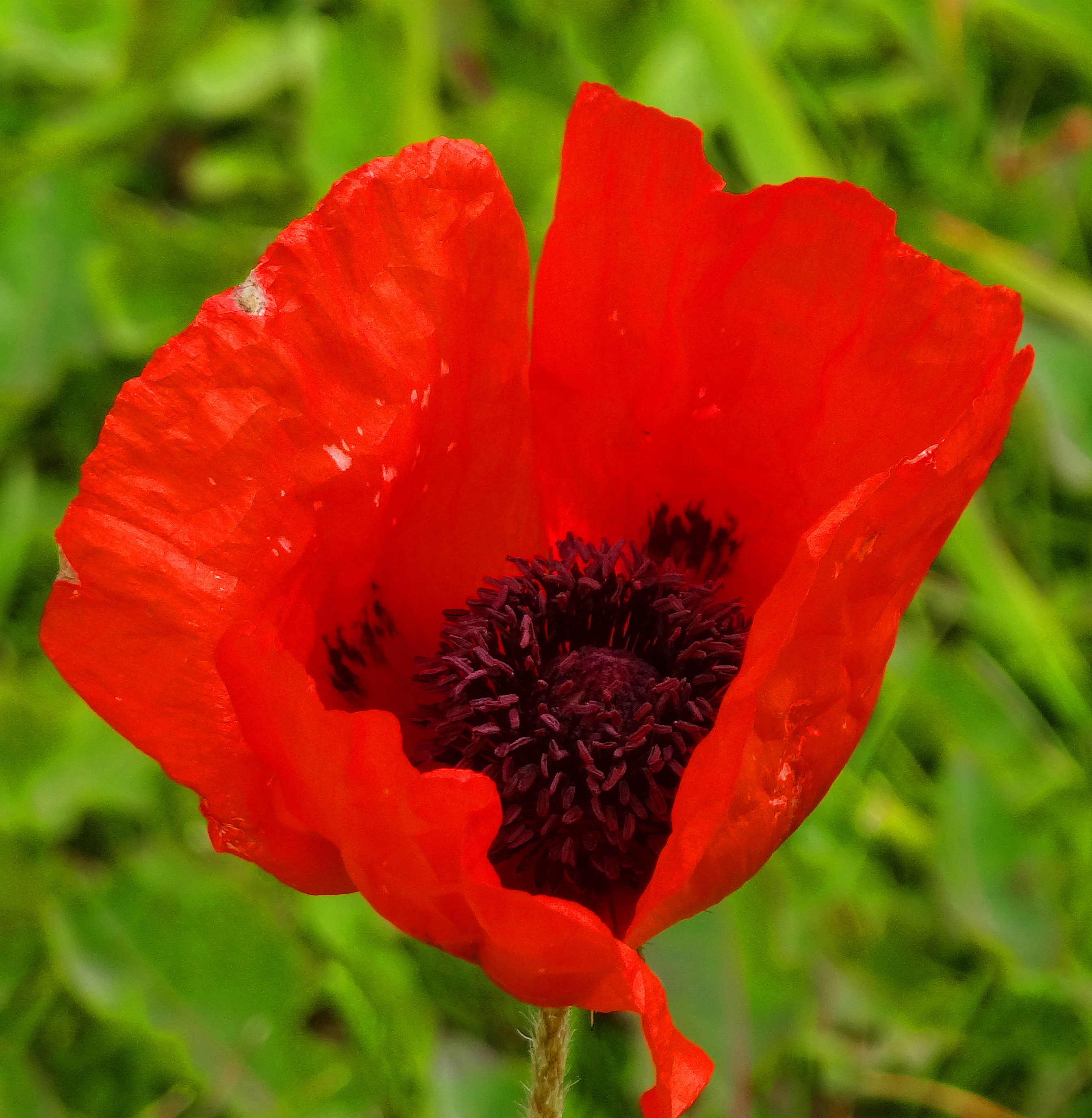
Poppies everywhere!
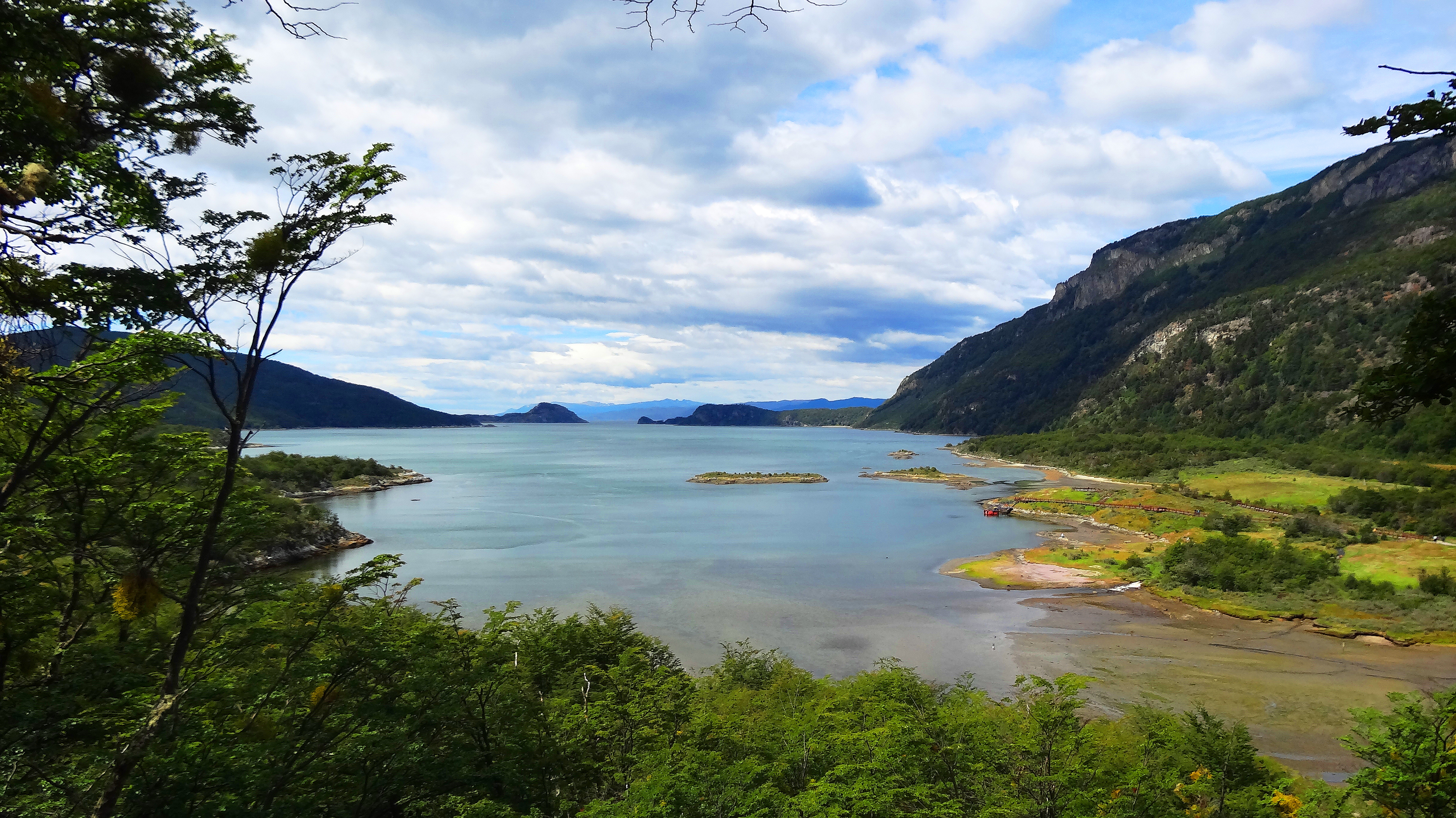
Parque Nacional Tierra del Fuego, Ushuaia Argentina. (This means “Land of Fire” and was named by Darwin. It referred to all the fires Darwin saw from his ship that were lit by the native people to keep warm.)

Ushuaia terrain.
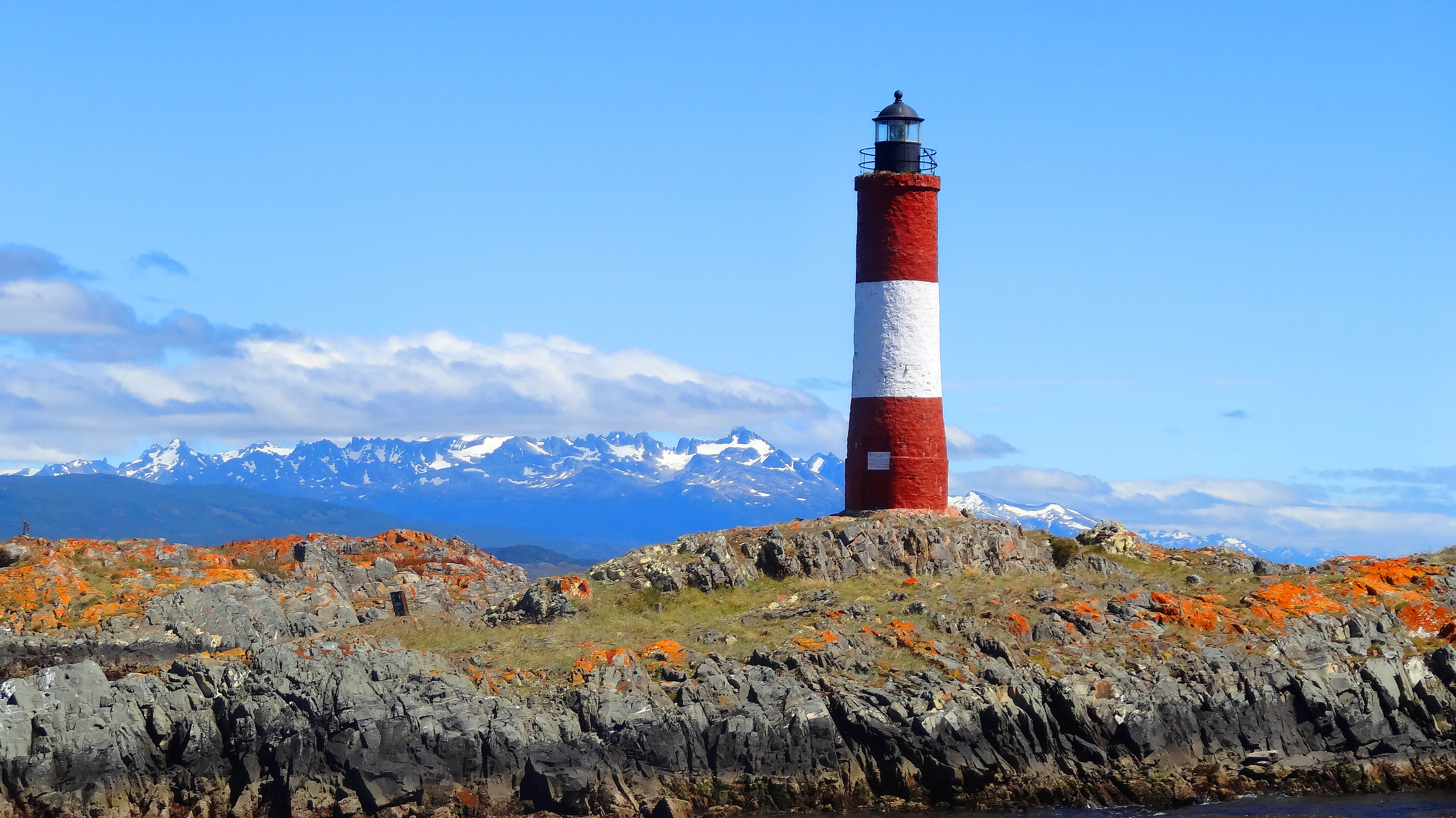
I would recommend adding gorgeous Patagonia to your bucket list if you like to travel.
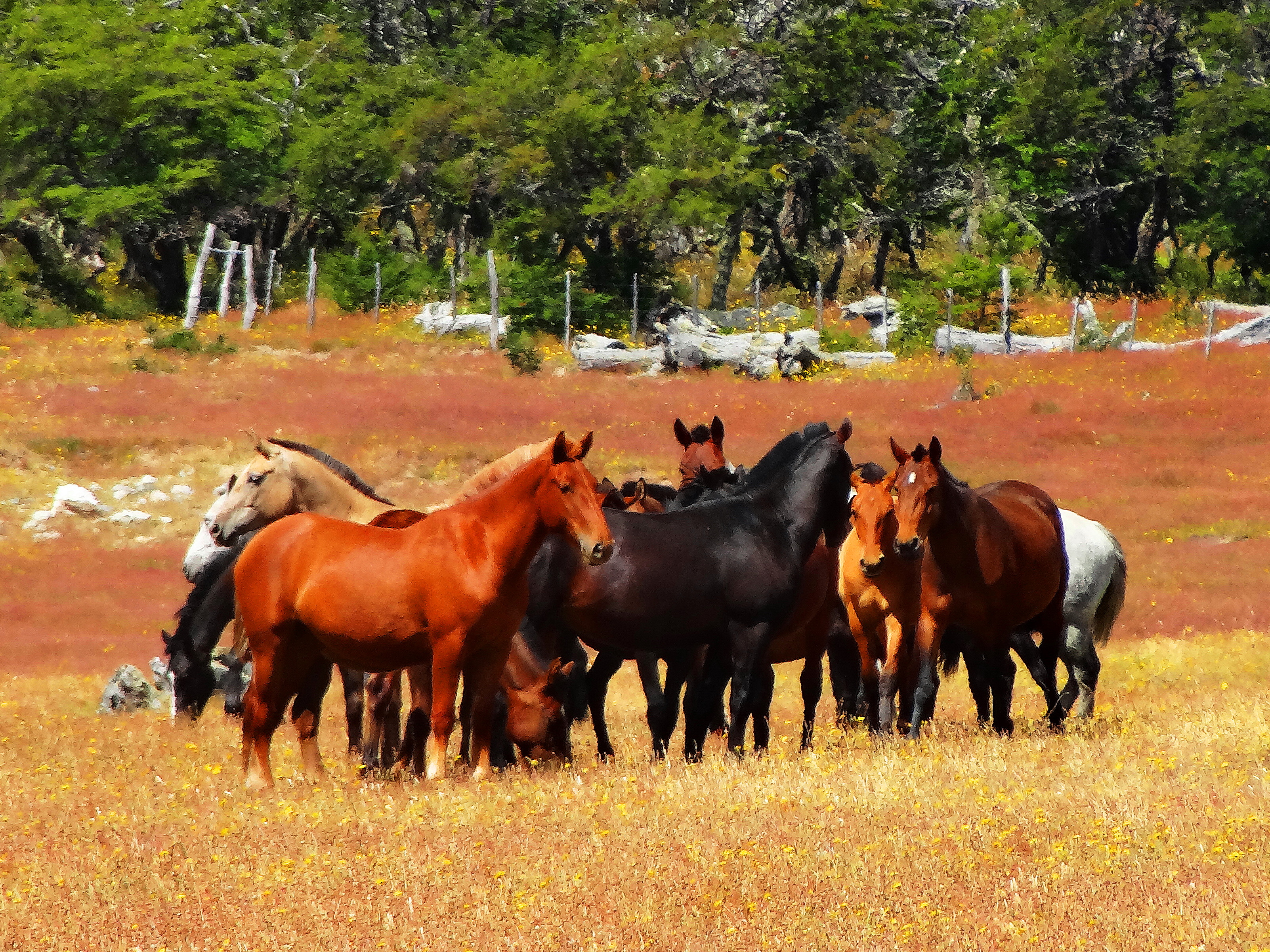
Happy Sunday to you from The Holler!
Share this:

Patagonian Memories!
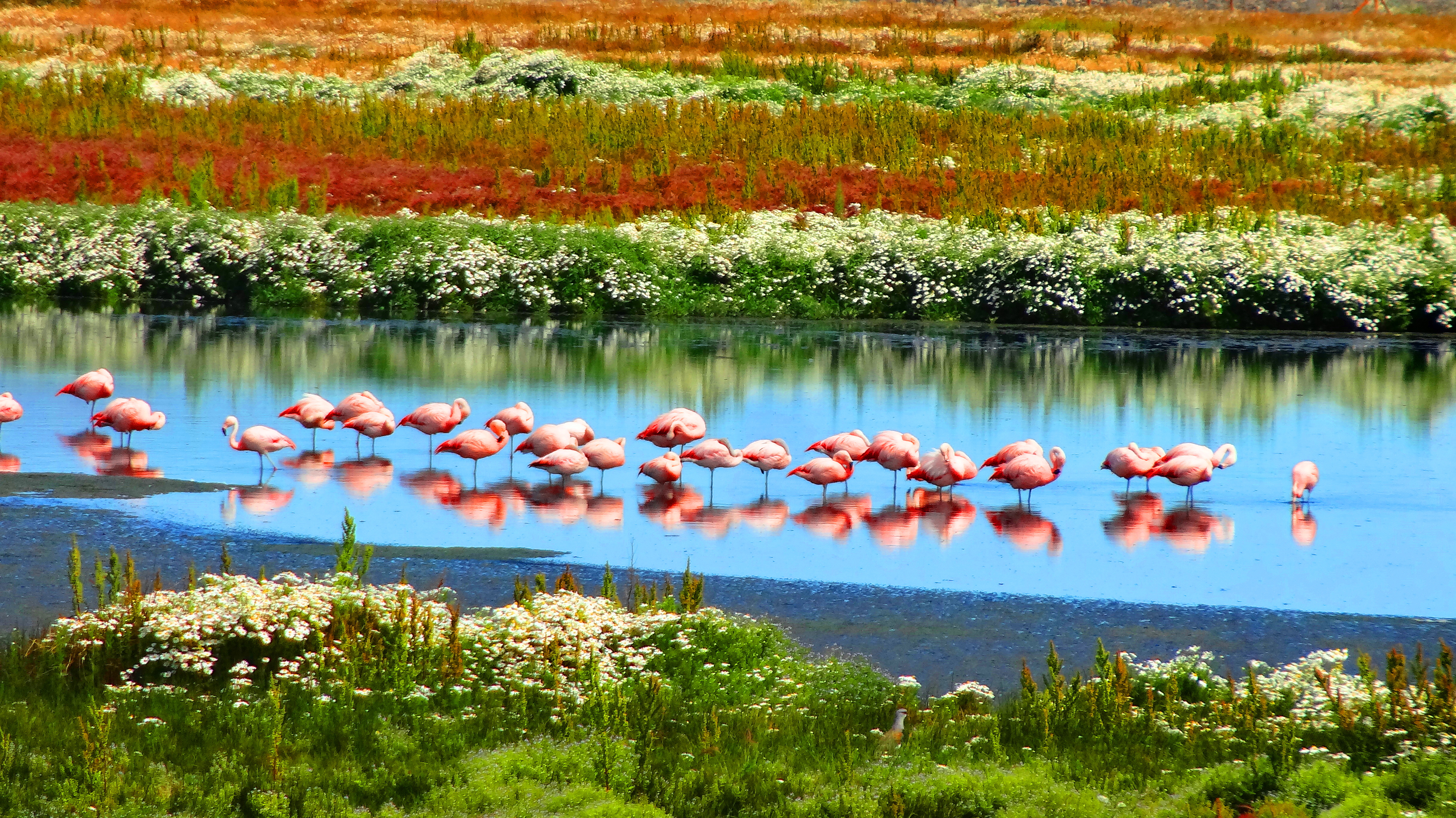
Stunning Patagonia. We were back for the second time in January of this year.
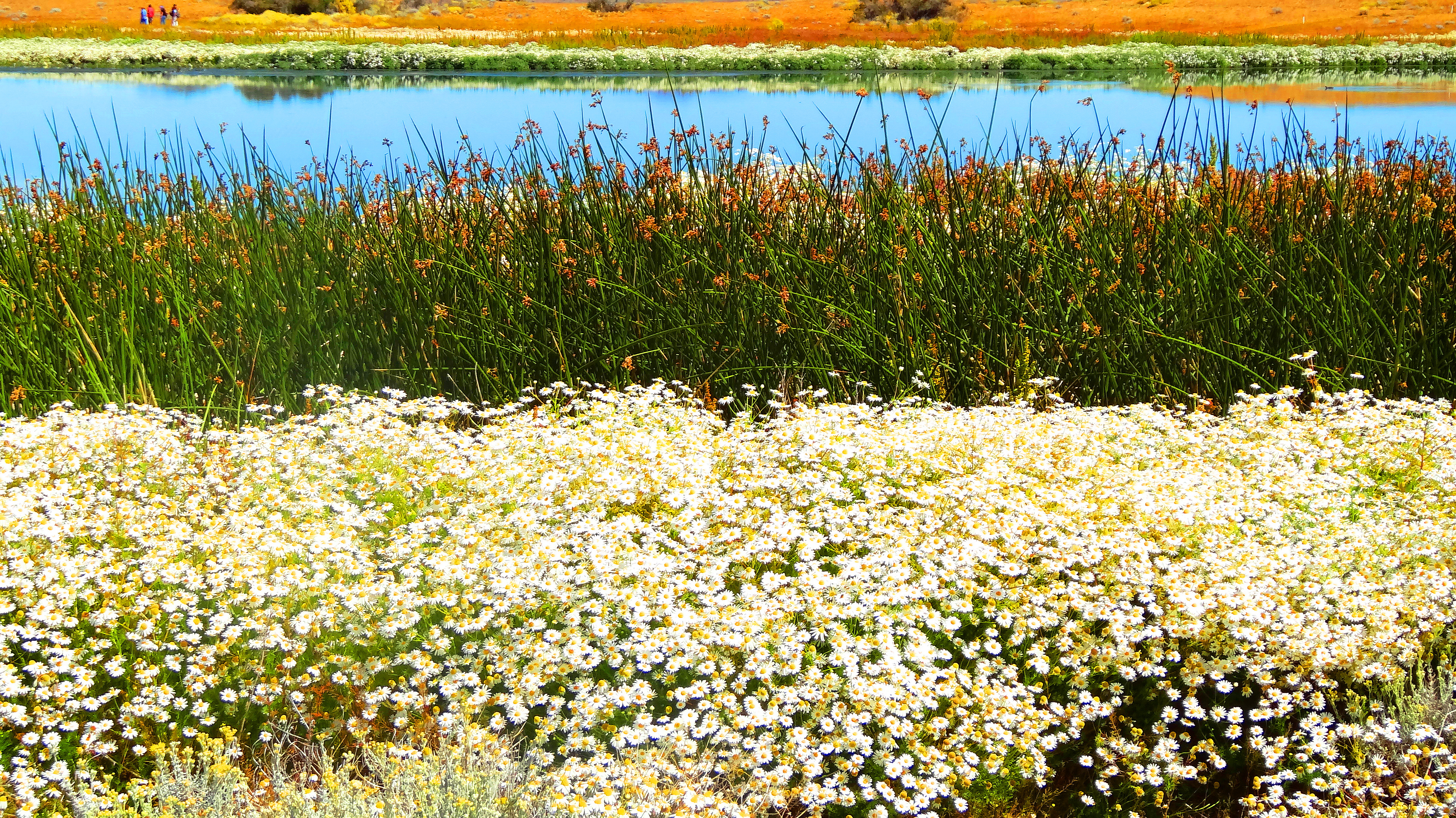
This is a saltwater marsh bird-sanctuary in El Calafate Argentina. It looked like a Monet painting.
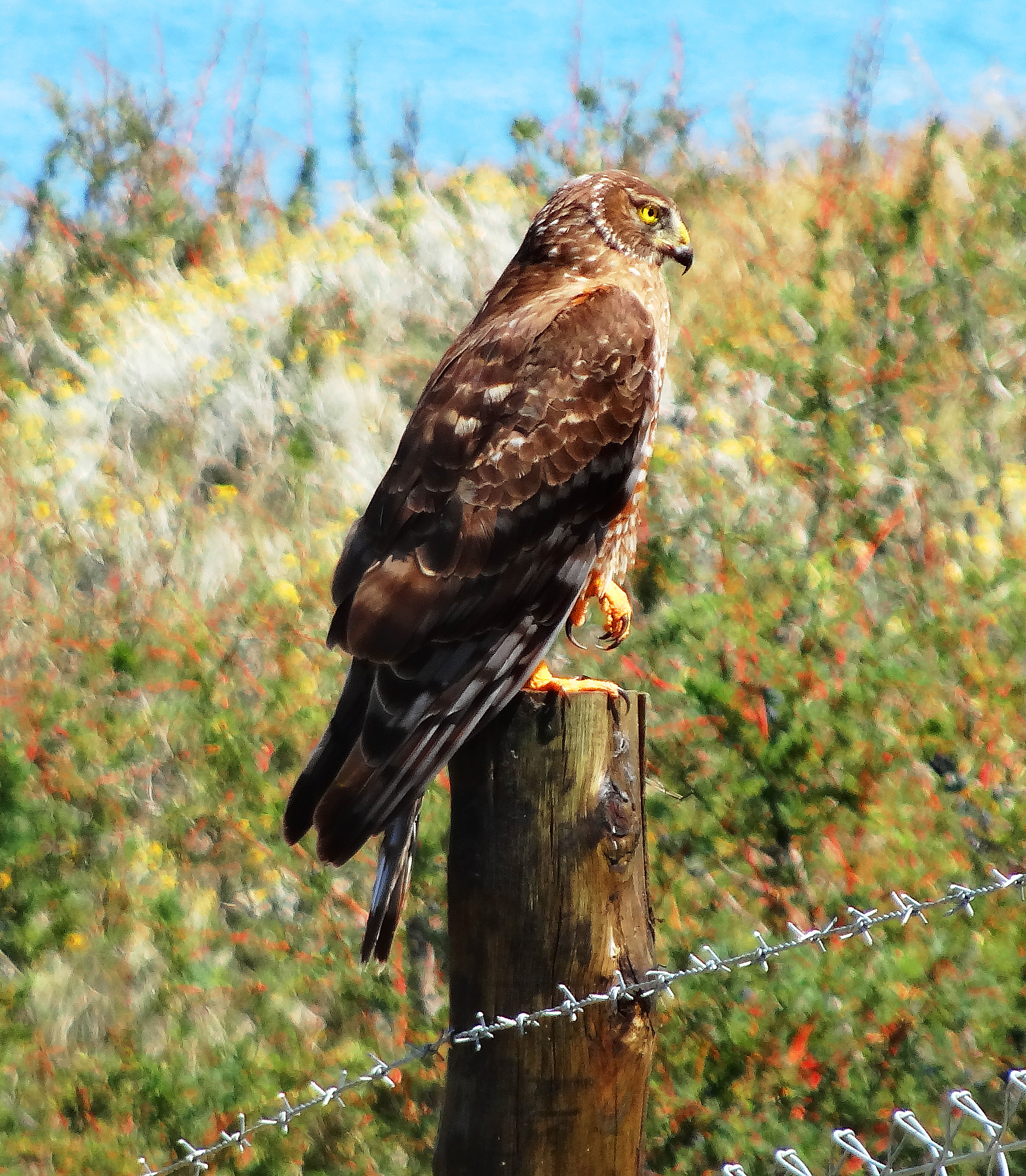
These Harrier Hawks were guarding their nest and dove at us repeatedly. We wore tie on hats and protective eyewear and ducked a lot. We moved out of their nesting territory, but not before I took some shots. It was quite exhilarating!
Note the talons!
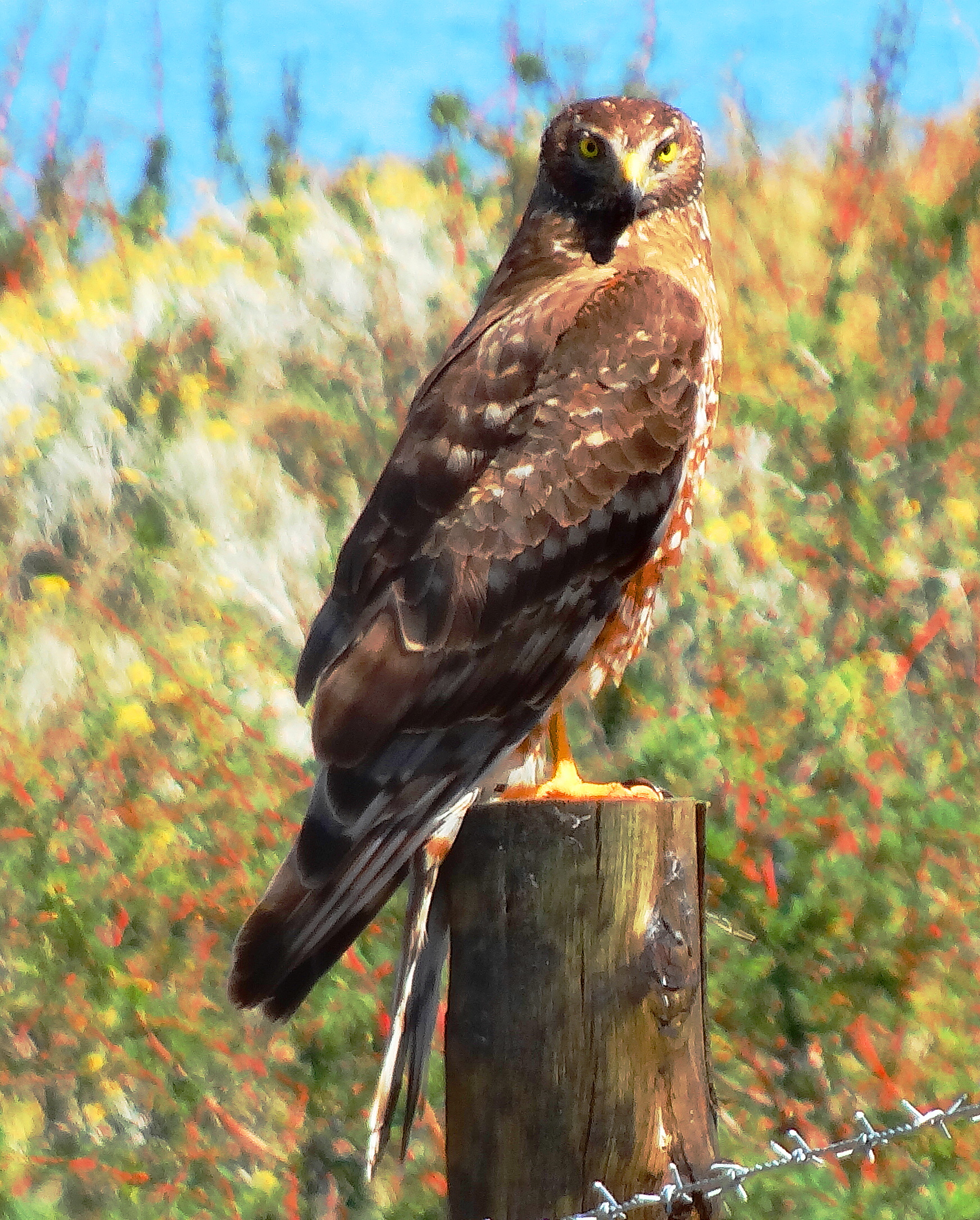
He looks rather annoyed at me doesn’t he!
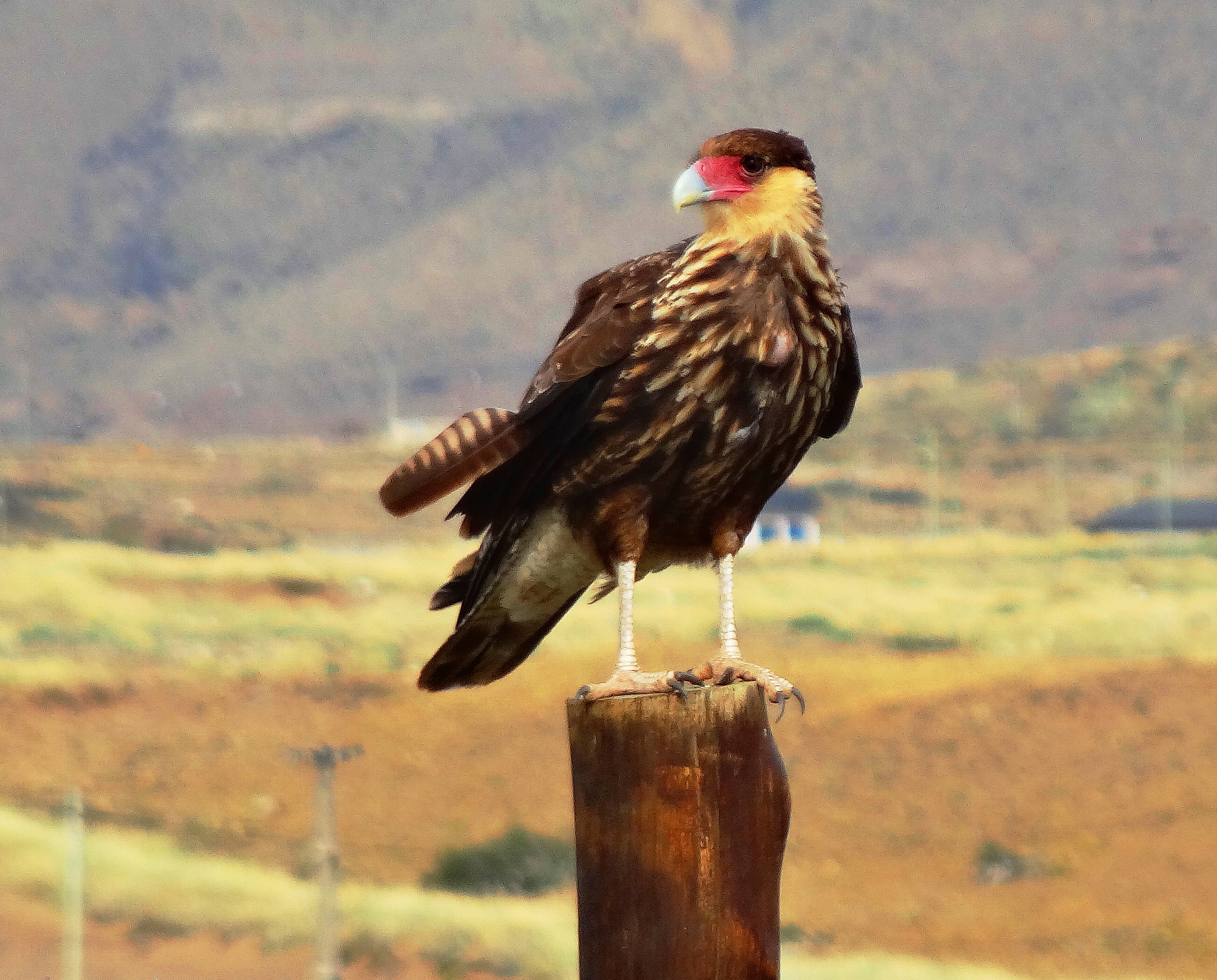
The Southern Caracara’s were everywhere!

We came upon this herd of oncoming traffic while exploring down a dirt road in Las Rocas, El Calafate. You can see why Patagonia is famous for its horses. They were a gorgeous sight, and a bit of a problem as the road had no shoulder! They streamed around us quite politely though!
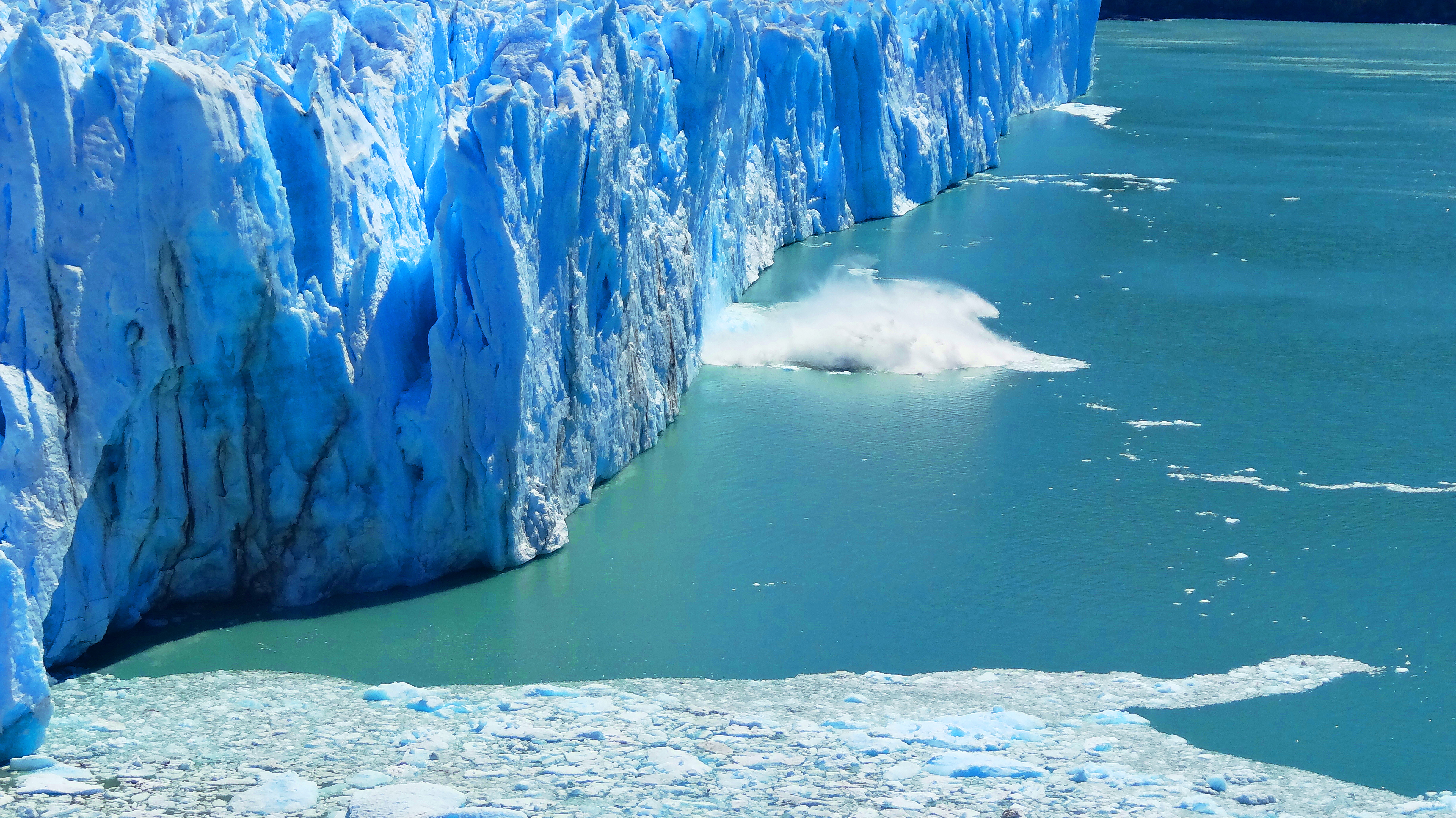
El Perito Morena Glacier El Calafate.

This Night Heron was in Ushuaia Argentina, the southern most city in the world, nicknamed El Fin Del Mundo. Of course we want to go back!
Cheers to you and happy Tuesday!
Share this:

Lodging Options In Southern Patagonia!
If you go to “The End of the World” you can’t really expect to stay in the kind of places you are used to, can you?

Well, of course you can. This is a gift shop in El Calafate!
It’s quite civilized in El Fin Del Mundo.
In the two places we stayed, El Calafate home of The Glaciers National Park, and Ushuaia home of Tierra Del Fuego National Park, we stayed in two very nice places.
Every sort of lodging option is available. There are bustling youth hostels. There are a few mid range large hotels focused on the package tour traveler, the least interesting accommodation in my opinion. There are family run B&B’s and small hotels, and estancias out-of-town. There are eco-oriented accommodations, and one or two super luxury accommodations in each locale that costs a ridiculous amount daily.
But I would say the best options for staying in either place are:
If you are under 30: Youth hostels Fun, family owned in these places. Very inexpensive.
Small family owned B&B’s and hotels: Charming, centrally located, you can walk to everything. Very inexpensive.
Out of town estancias: Working ranches, incredible, affordable and unique.
Eco-accommodations: Where we stayed. Somewhat pricey but amazing.
I would ditch the organized travel, large hotels that were so out-of-place, and I would ditch the type of gig that is ridiculously expensive and leaves you hostage to the owners because you are in the middle of nowhere.
This same lodging dilemma happened in Kruger National Park in Africa, but was even more pronounced. Many of the lodging options were ridiculously expensive, with things like private plunge pools and personal butlers, that are really out-of-place in the bush. We stayed in National Park lodging and were quite pleased with the accommodations and very inexpensive rates. We would like to return to Kruger and stay in the northern parts of the park.
This is what happens with bucket lists by the way. You just keep adding places you want to return to, so it is never-ending!
Much of the fun of traveling is in the planning. We choose where we are going together. Jim then plans the itinerary and modes of transport. He gives me the itinerary and I choose the accommodations. Jim is amazing at finding discounted air deals. I am quite good at booking accommodations at far below their publicized rates. This is fun to do and I only screwed it up once!
In Calafate we stayed at Los Sauces, reportedly owned by the female president of Brazil. It is now quite pricey. When I booked originally in 2010, the place was new and unpublicized. It is always a great deal to book a new hotel, because the prices are lower until a reputation is established, and the prices jack up.

There were around eight of these “houses,” each had private rooms en-suite, with a shared living room area. There was a separate restaurant and spa. This was definitely not roughing it! The breakfasts were included in the room rate. The baked goods in Argentina are to die for and always house made from scratch. Delicious!
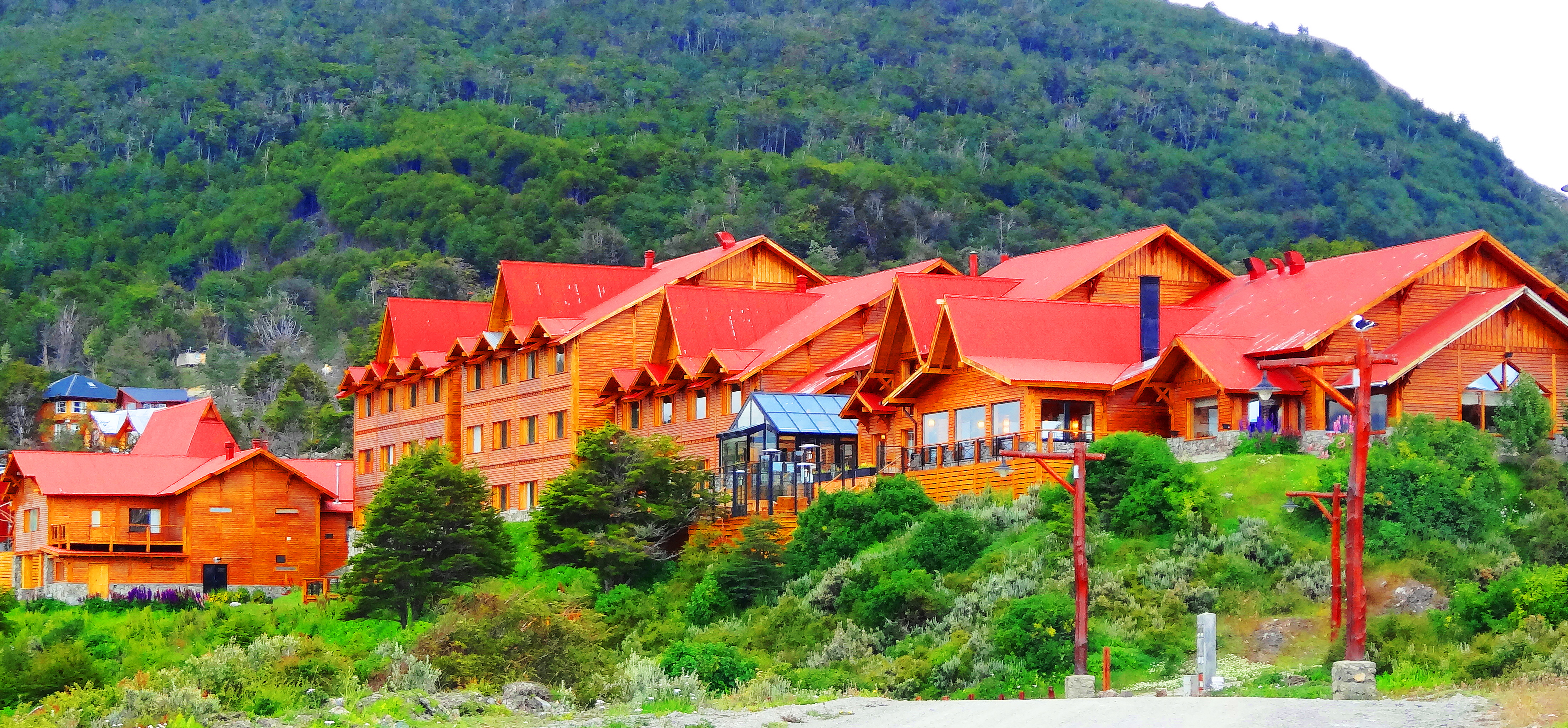
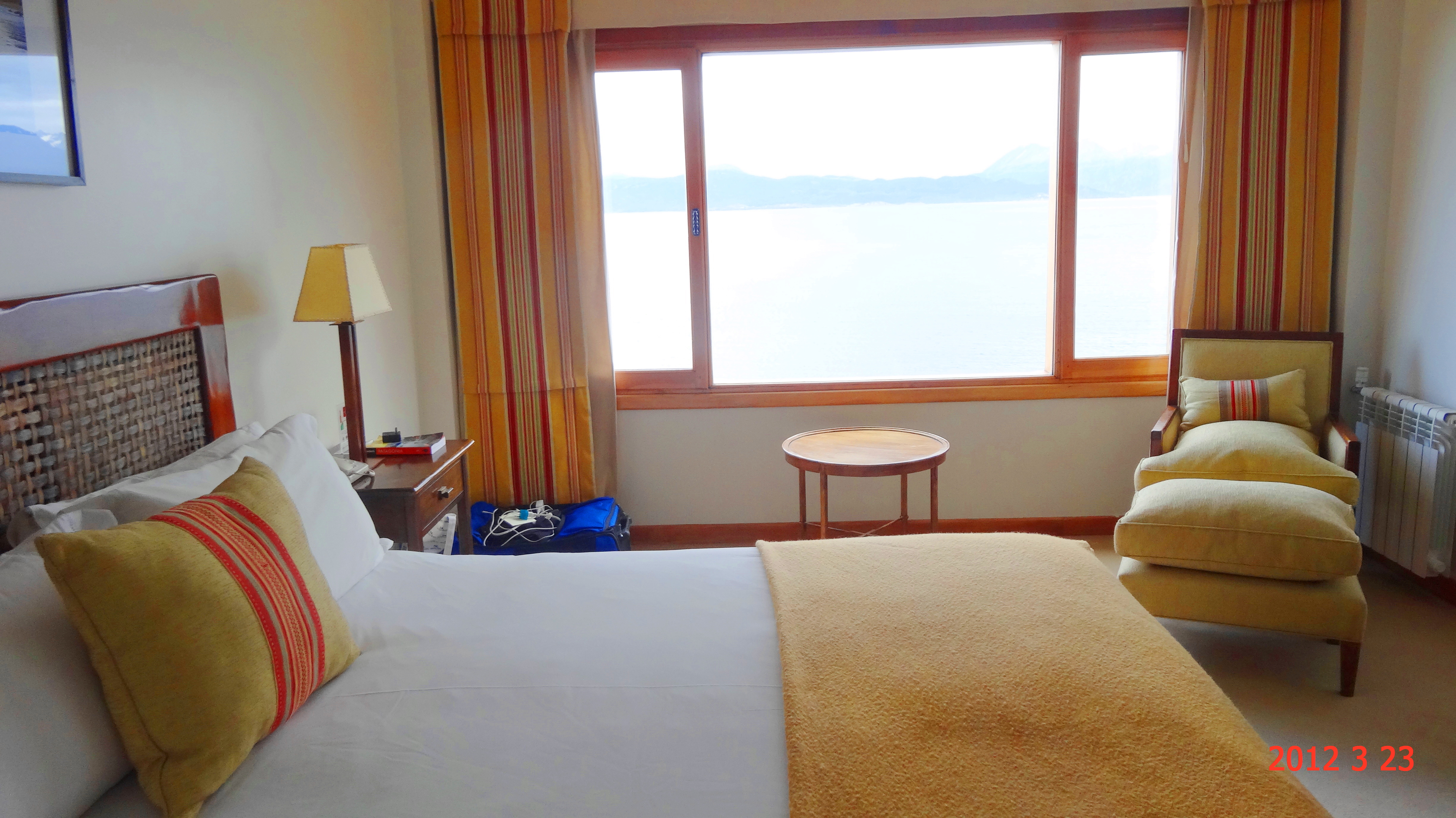
In Ushuaia we stayed at Los Cauquenes. This hotel is right on The Beagle Channel and we got a channel view room for the mountain view rate. Wonderful!

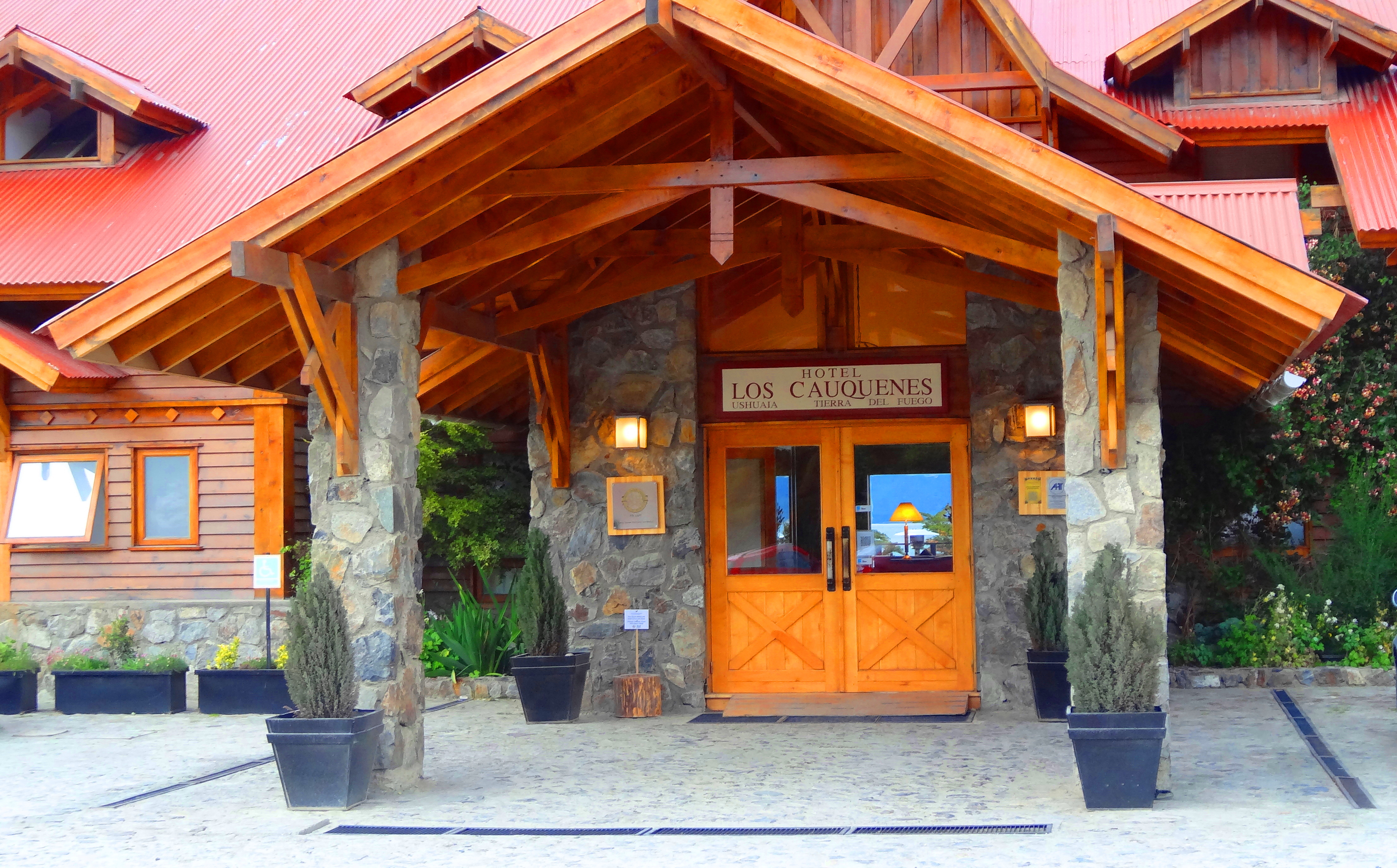
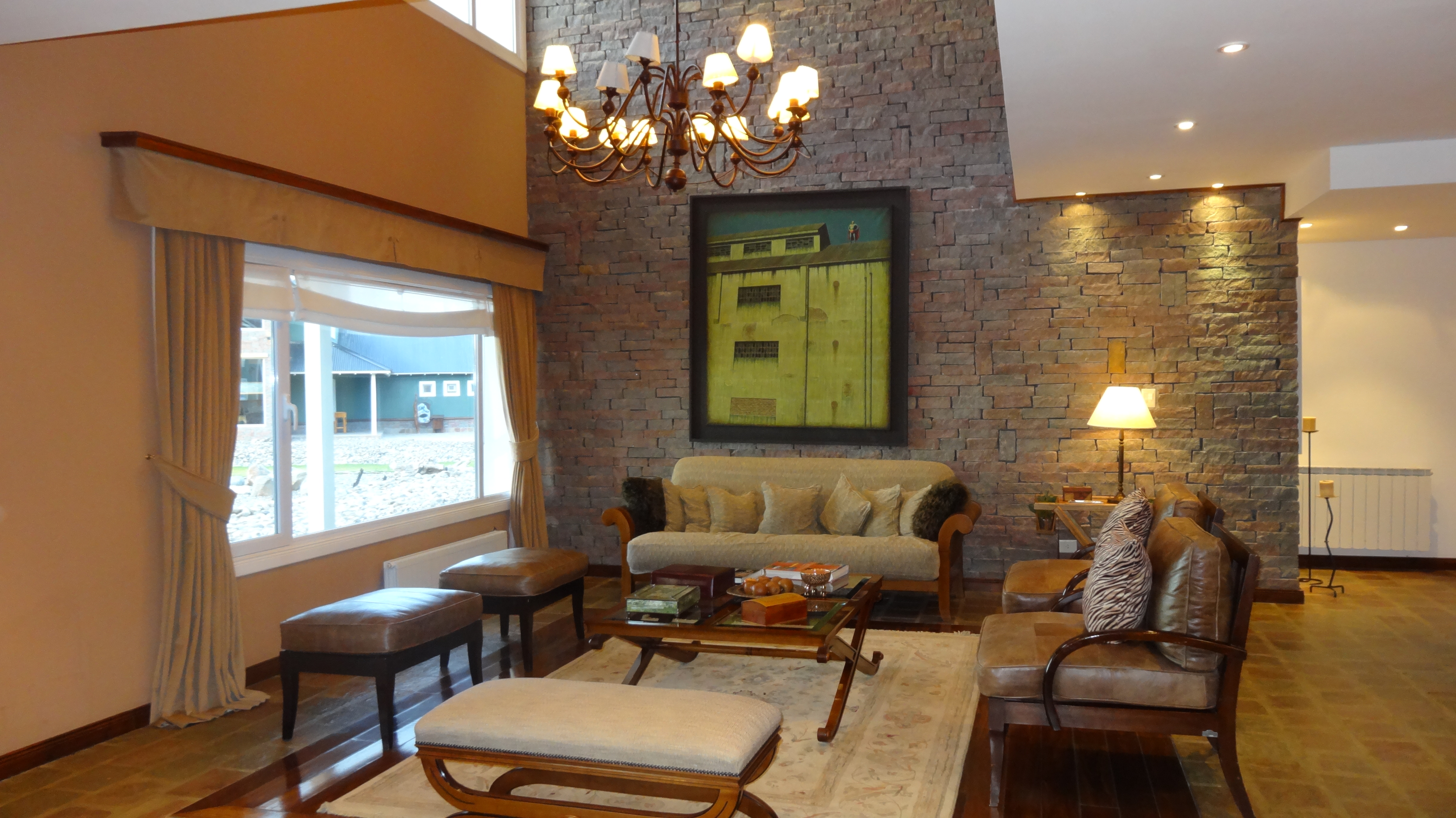
Our room.
Southern Patagonia can basically accommodate any traveler’s preferences and budgets. So if you want to go, check it out and be sure and post your photos on your blog!
Share this:

My final Six: Patagonian Bird Shots!
This post is dedicated to Alistair. Check out his incredible seagull shot & say goodbye to the last of my Patagonian bird shots!
http://kattermonran.com/2013/02/07/a-photo-a-day-february-07-2013/
Click to enlarge for optimal viewing.
Southern Caracara (an aggressive raptor with an up to 52 inch wingspan)

Dolphin Gull (native to Southern Argentina & Chile) It took me awhile to find out what this bird was!

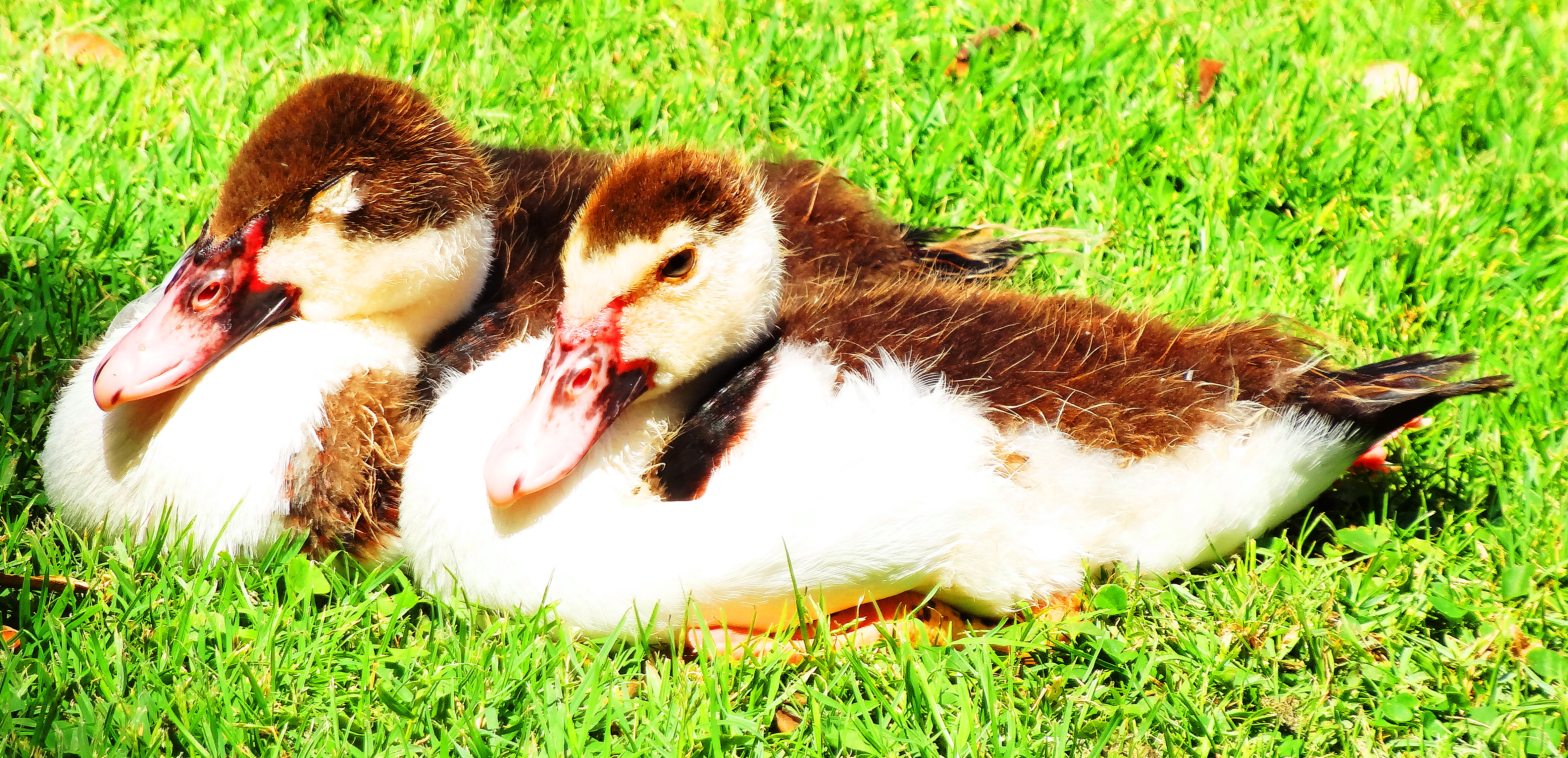
Goslings (these were in Buenos Aires)
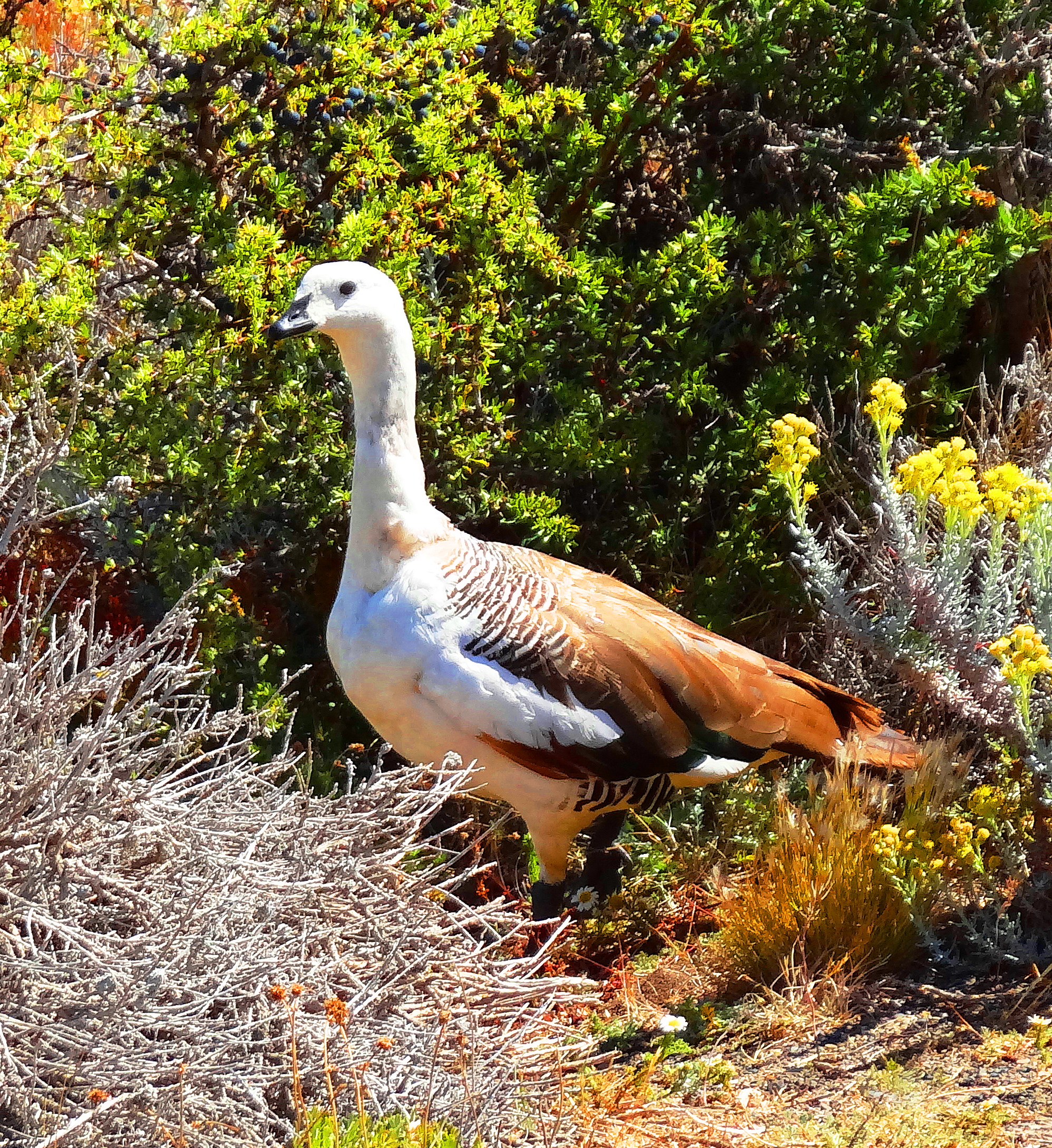
Magellan Goose (South American goose)
Southern Lapwing (only crested wader in South America)

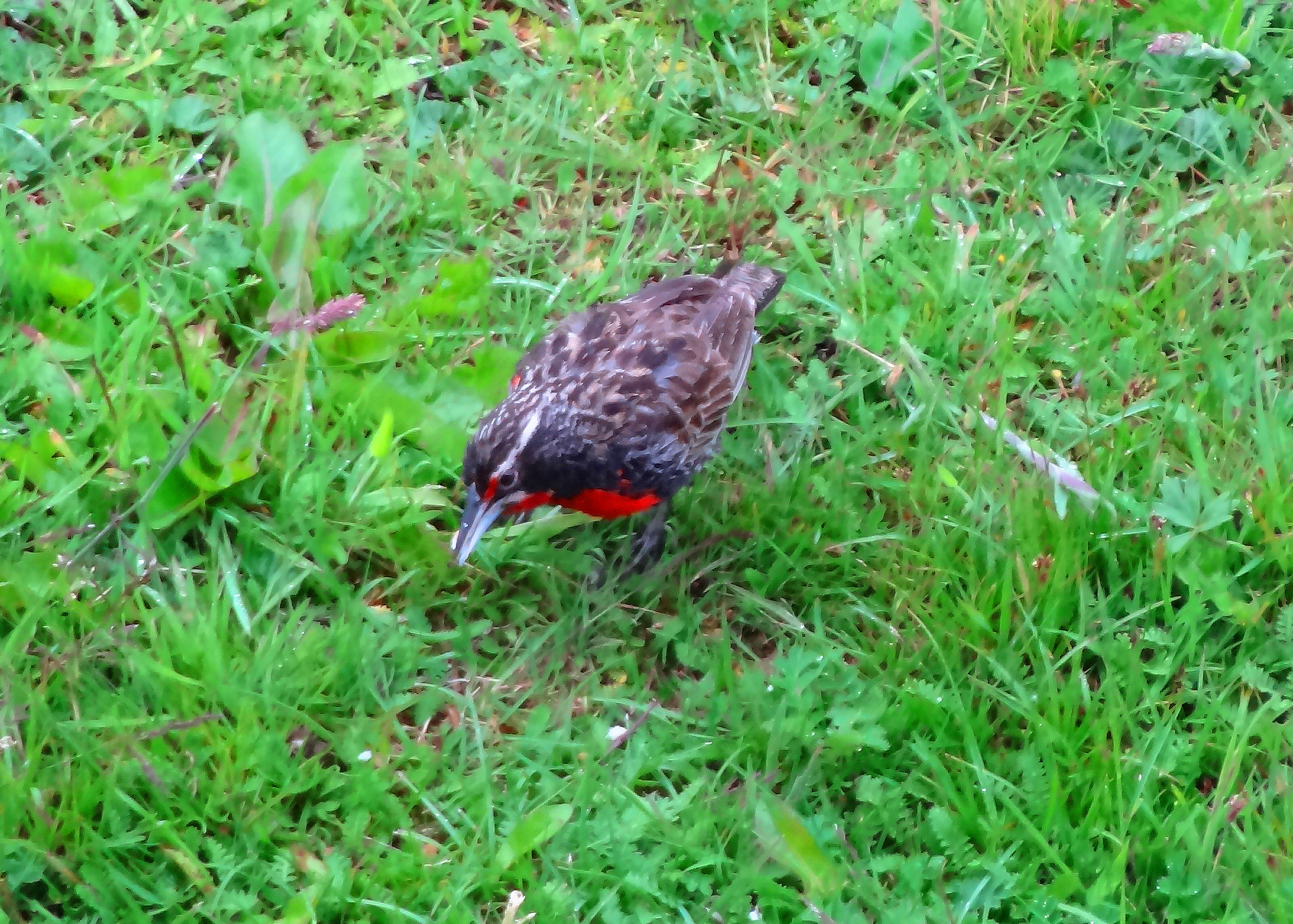
Long-tailed Meadowlark (native to Southern South America)
The heron in my prior post is a Black Crowned Night Heron!
