All things holler related such as animal interactions: with cattle updates, raptor stories, all interactions with birds especially roadrunners and quail, rattlesnake updates and coyote pack issues. Some time there might be human interactions as well, but there aren’t many humans near the holler!
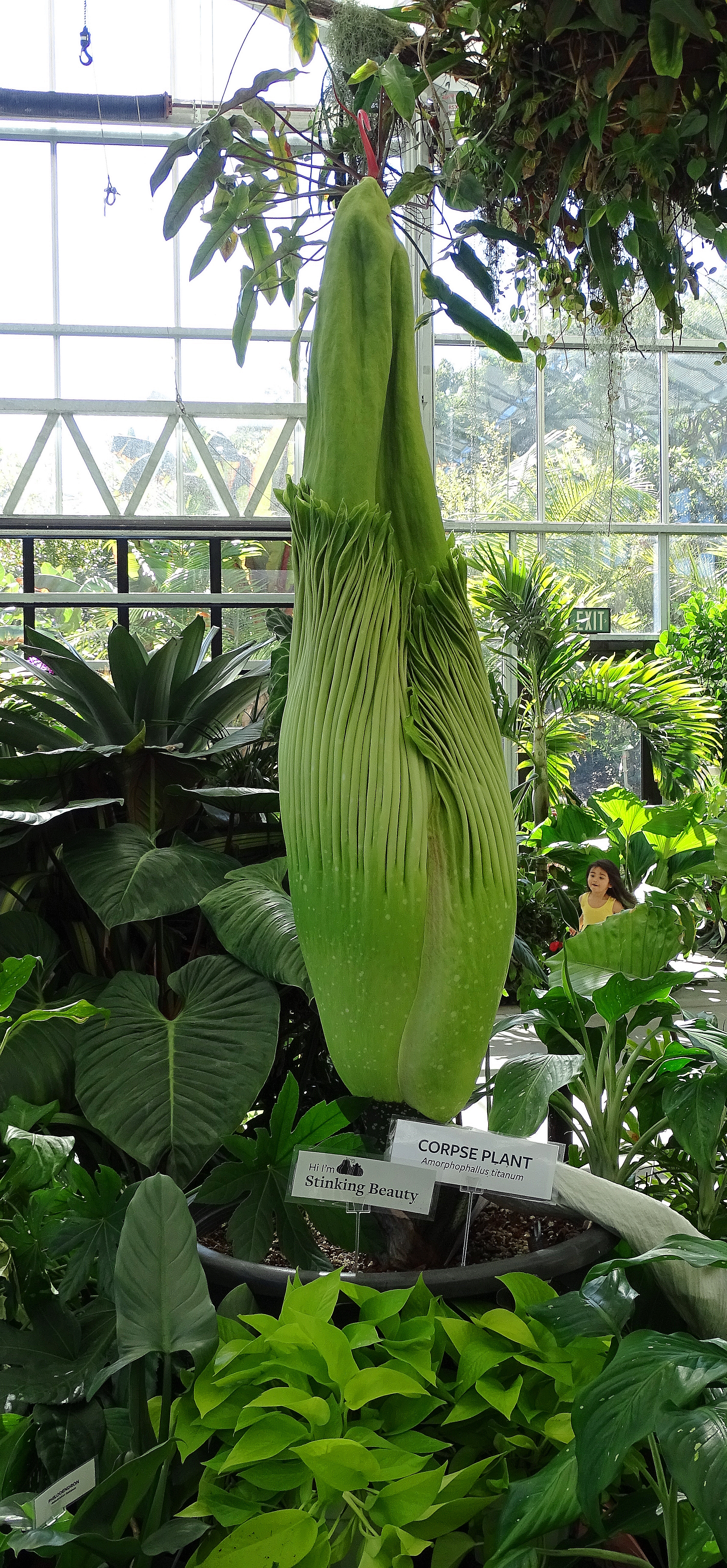
This is the flower bud of a corpse plant, named for the rancid corpse like smell the flower emits when it blooms. The smell attracts carrion beetles who pollinate the flower. The flower itself is the tallest in the world and can grow up to twelve feet in the wild. You can get a sense of how huge the bud is by comparing it to the exit door in the first photo, and the child in the second. It grows only on the island of Sumatra and is extremely endangered with about 1000 of the plants left in the wild. The flower bud grows six inches a day, and when it blooms, the flower only lasts for 48 hours. There are two of these flowers at The San Diego Botanic Garden. Watch the first one bloom in a time lapse video below filmed by Botanic Garden staff, appropriately enough, on Halloween:
This plant reminds me of the Saturday Sci Fi movies I used to watch as a kid! The plant takes about ten years to bloom, and will only bloom every four-ten years thereafter. It’s corm can weigh 339 pounds! As the flower begins to bloom, the temperature of parts of the flower rise by up to 10 degrees Celsius in a process called thermogenesis. The second bud at the San Diego Botanic Garden is due to bloom around Thanksgiving. The garden stays open until midnight during the bloom and 5000 people queued to see the first flower! People drive from out of state to see it.
Notice the detail of the bud petals. It looks a bit like a giant Bok choy!
This is the base of the first flower that bloomed. The female flowers are the red ones on the bottom, and the males are the brown ones above. It is the male flowers that rise in temperature during the bloom.
Cheers to you from the soon to bloom, very tall, and very stinky corpse flower~
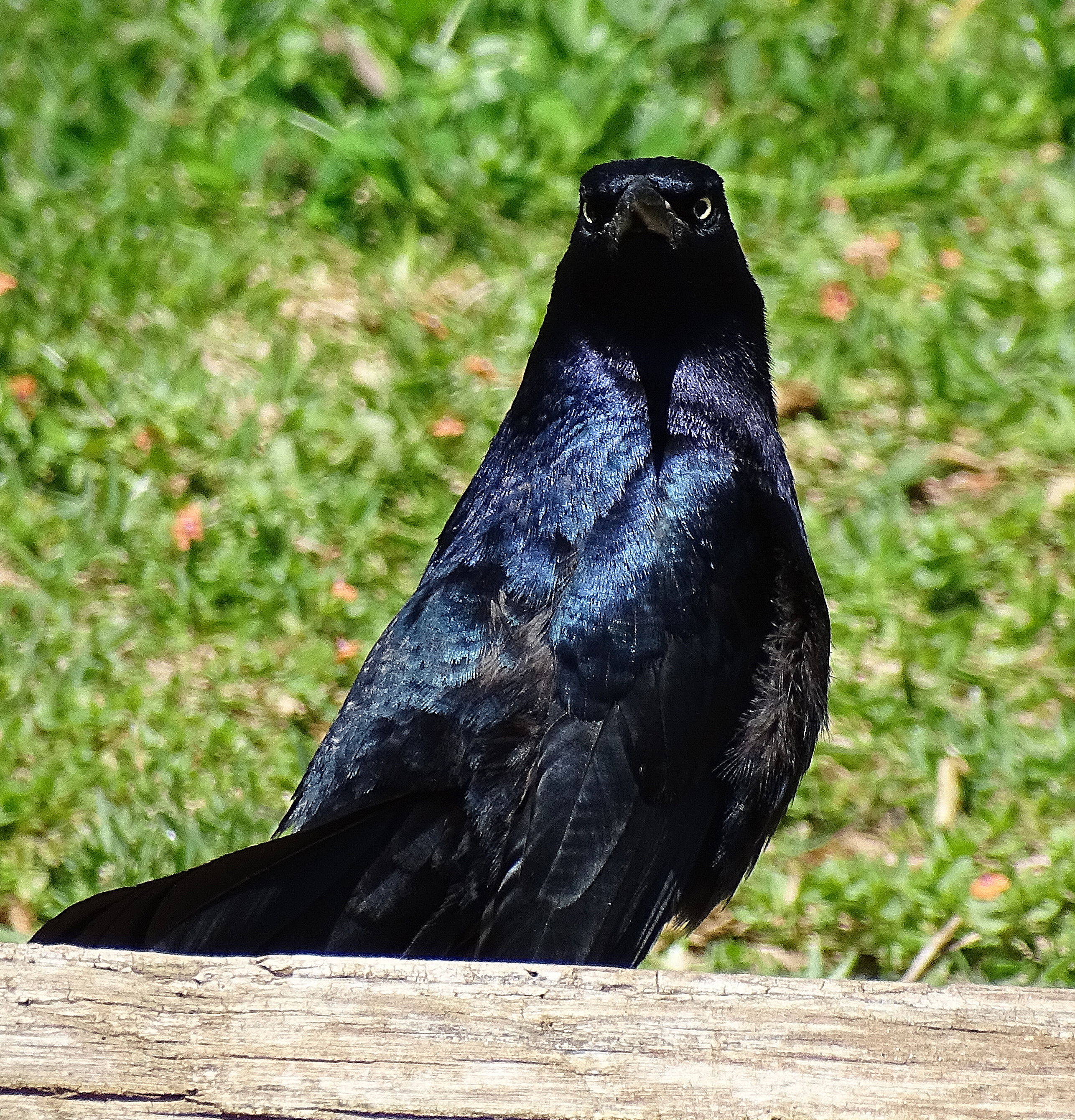
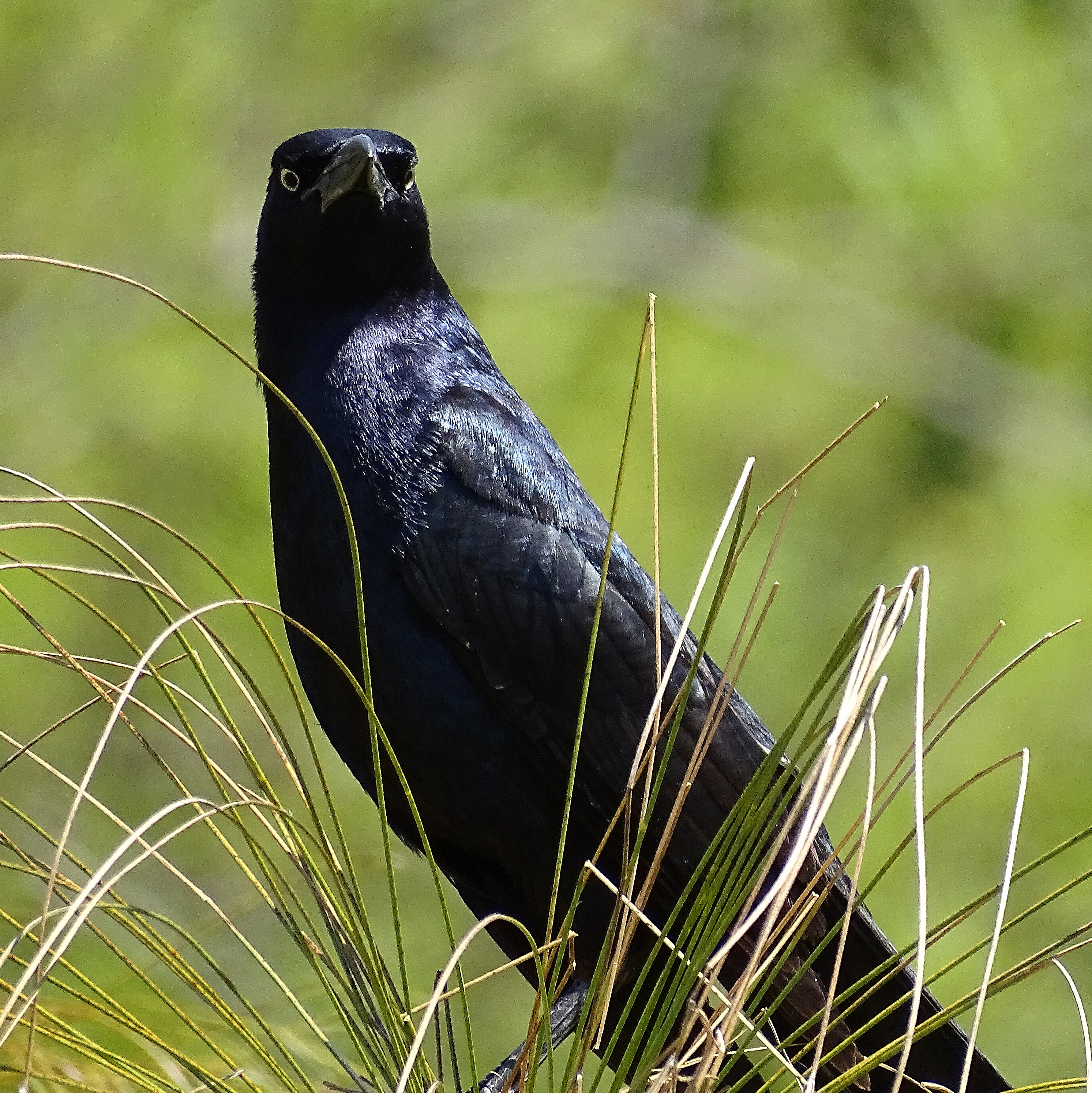
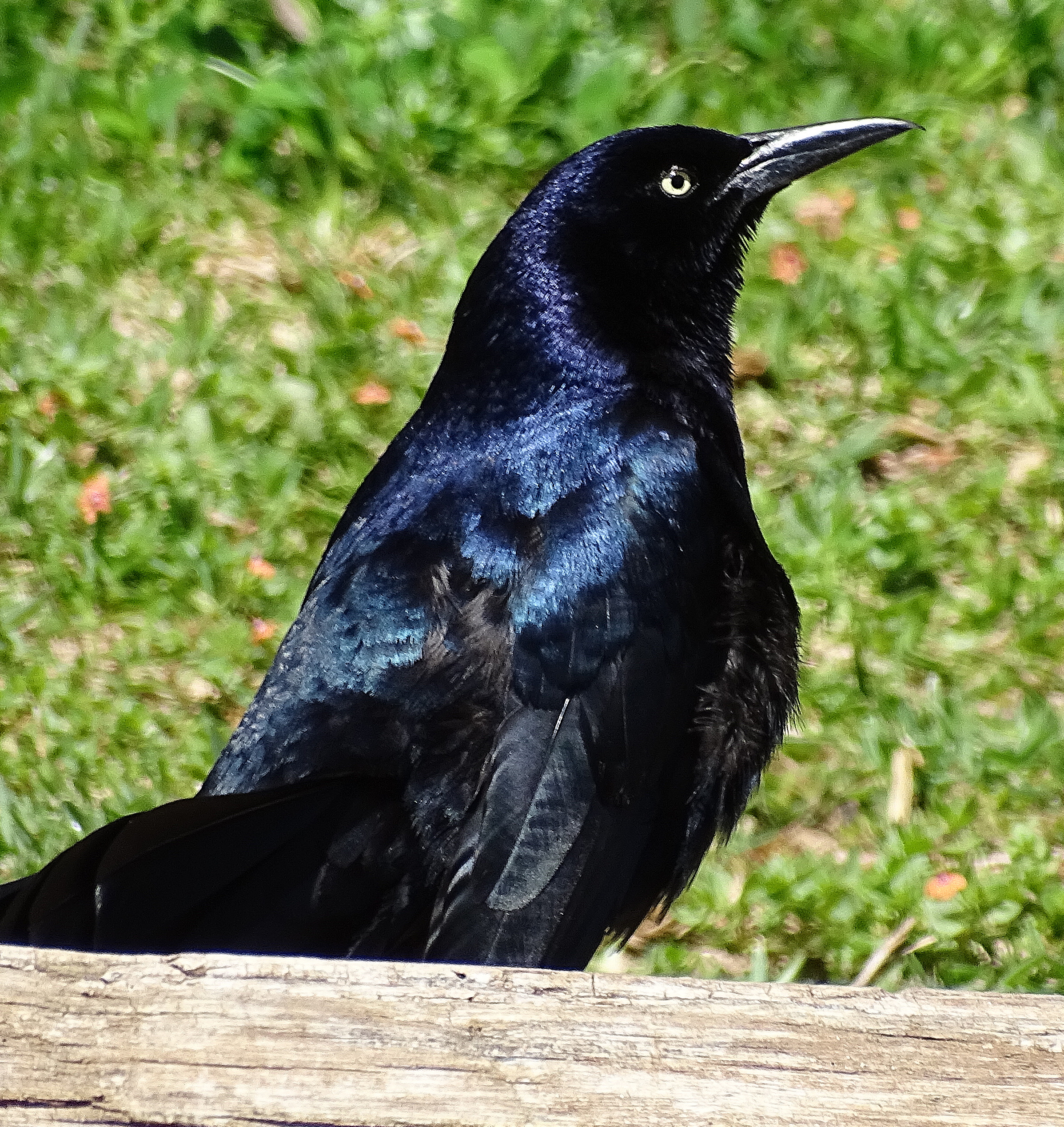
You find them easily by following their loud and distinctive vocalizations.
They chatter, sing, whistle and shriek. (I included a link at the end of this post if you are interested in listening to the diversity of their songs and calls.)
But mostly they sing like this happy guy. Grackles are always at least as interested in you as you are in them!
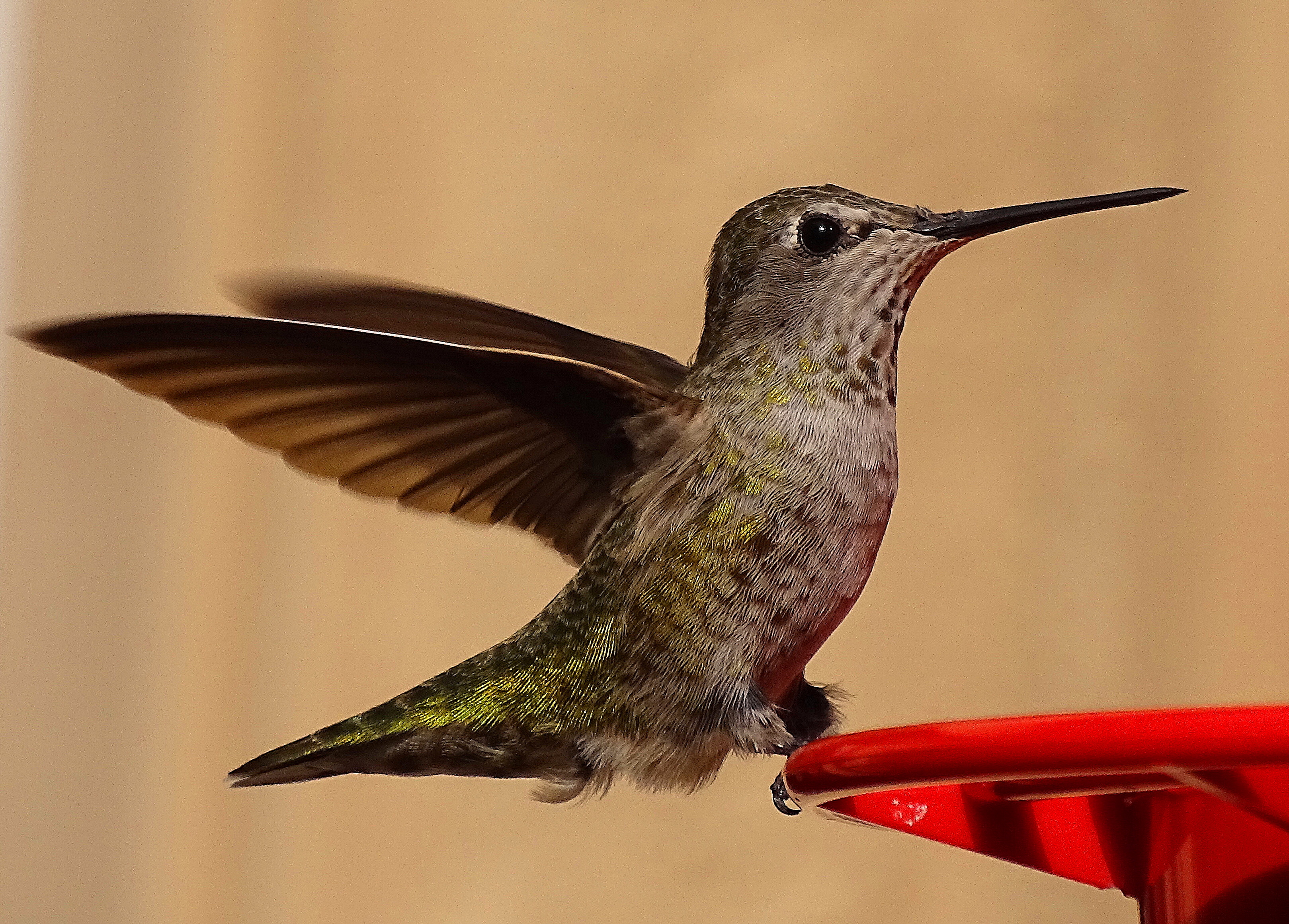
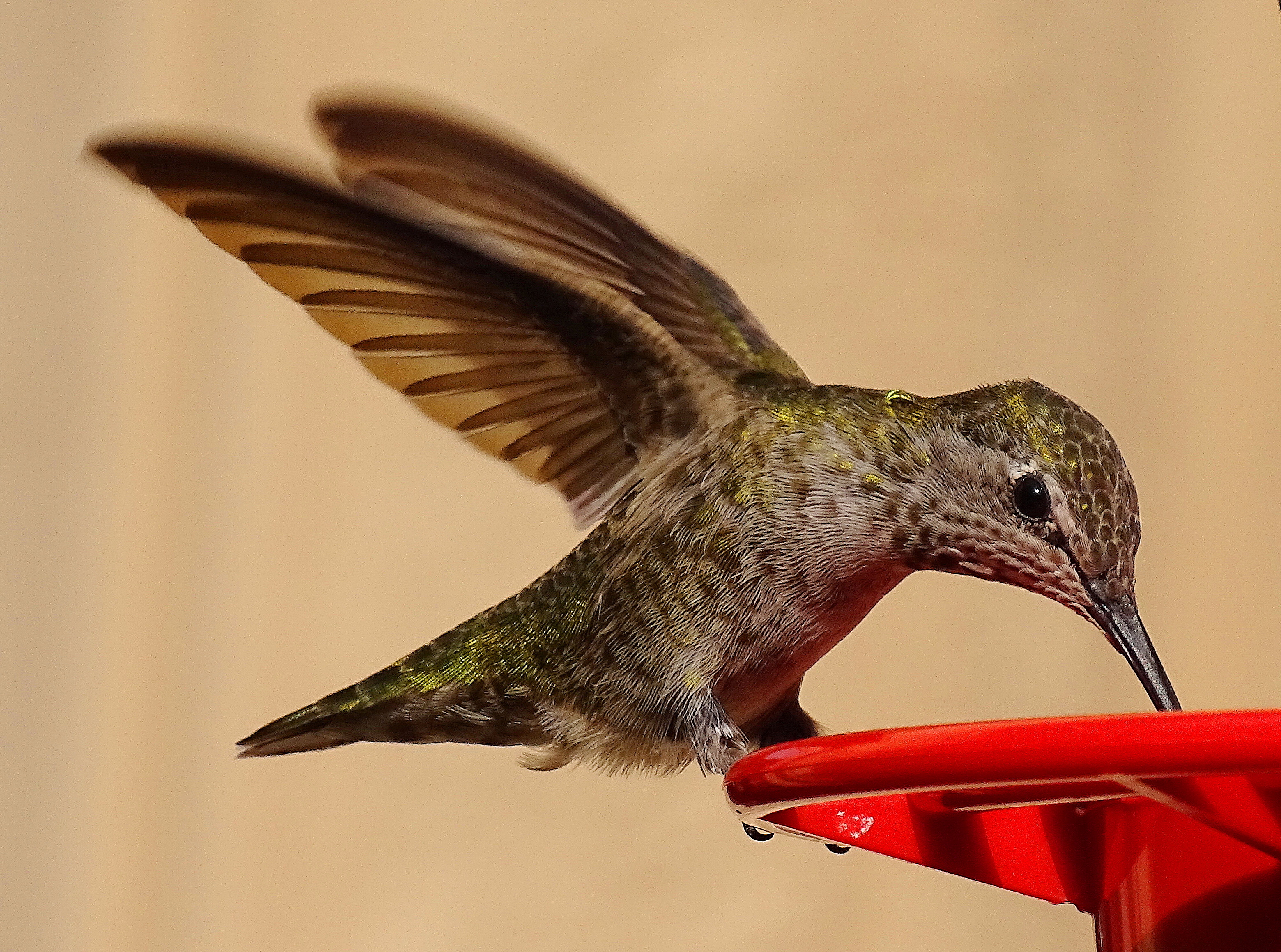
Hummingbirds are the smallest birds in the world. Anna’s weigh about .14 ounce, but they can fly at speeds of up to 60 mph.
Unlike other birds they can fly backwards and upside down, and they are among the 1% of birds who can hover.
Hummers fly upright, not flat like other birds.
Their wings rotate 180 degrees, on their shoulder ball and socket joints,
and can beat up to 200 times per minute!
Despite their petite size, hummingbirds have mega-brains. Their brains constitute 4.2% of their body weight, greater than any other bird, and greater than human beings whose brains are about 2% of their body mass. Hummers remember how to fly thousands of miles, they know and remember which humans can be counted on to feed them, and they remember which flowers have the best nectar.