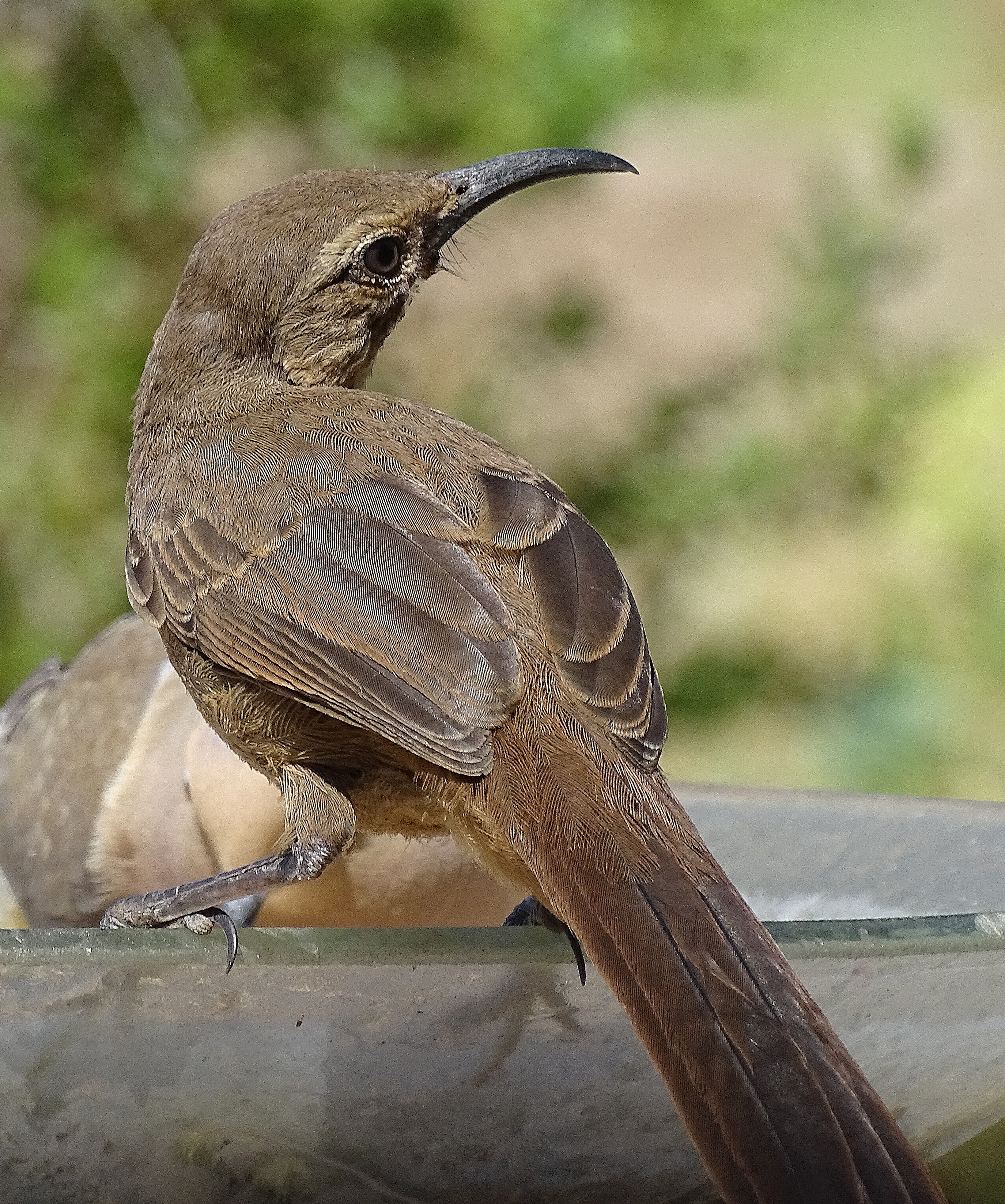
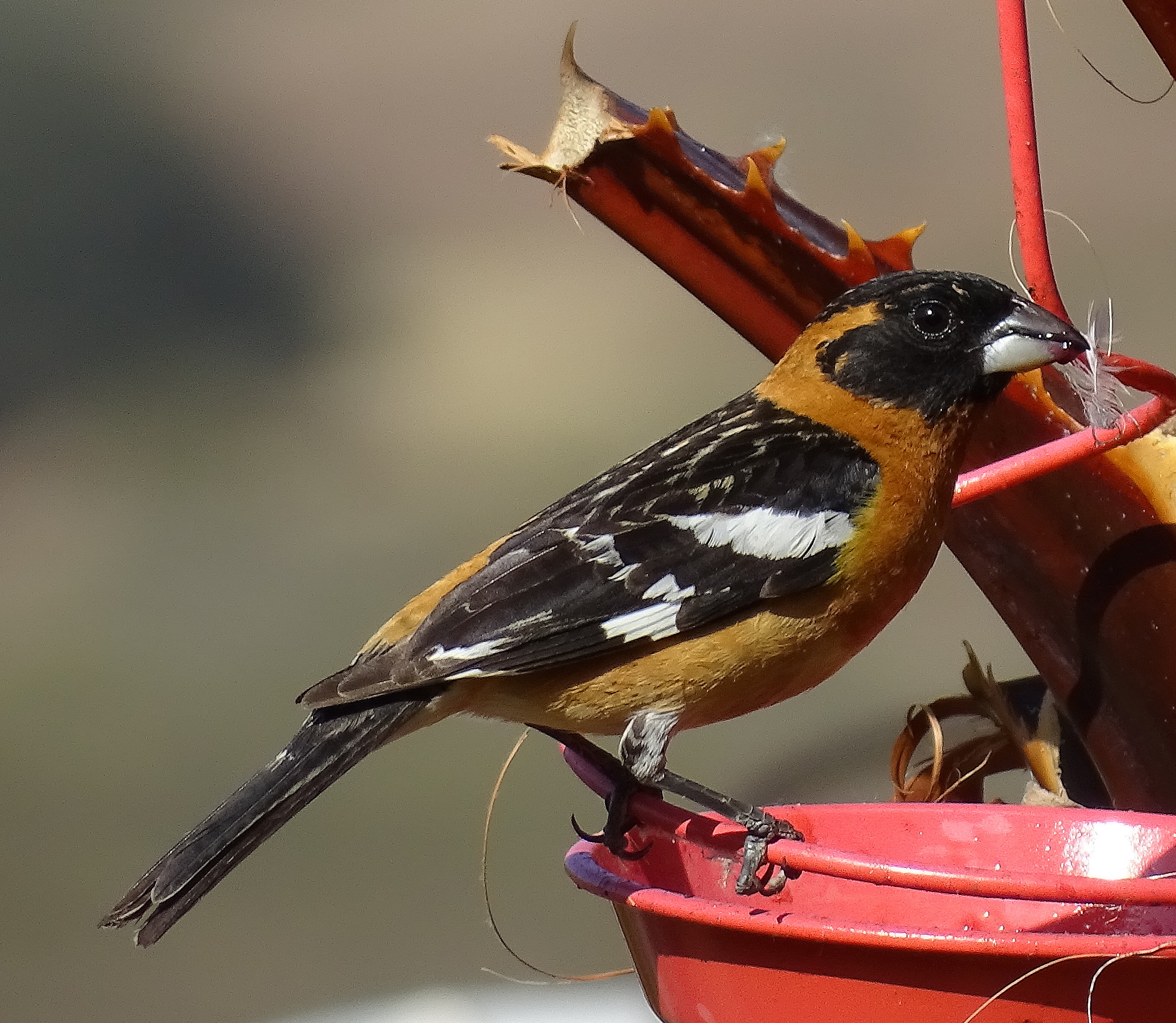
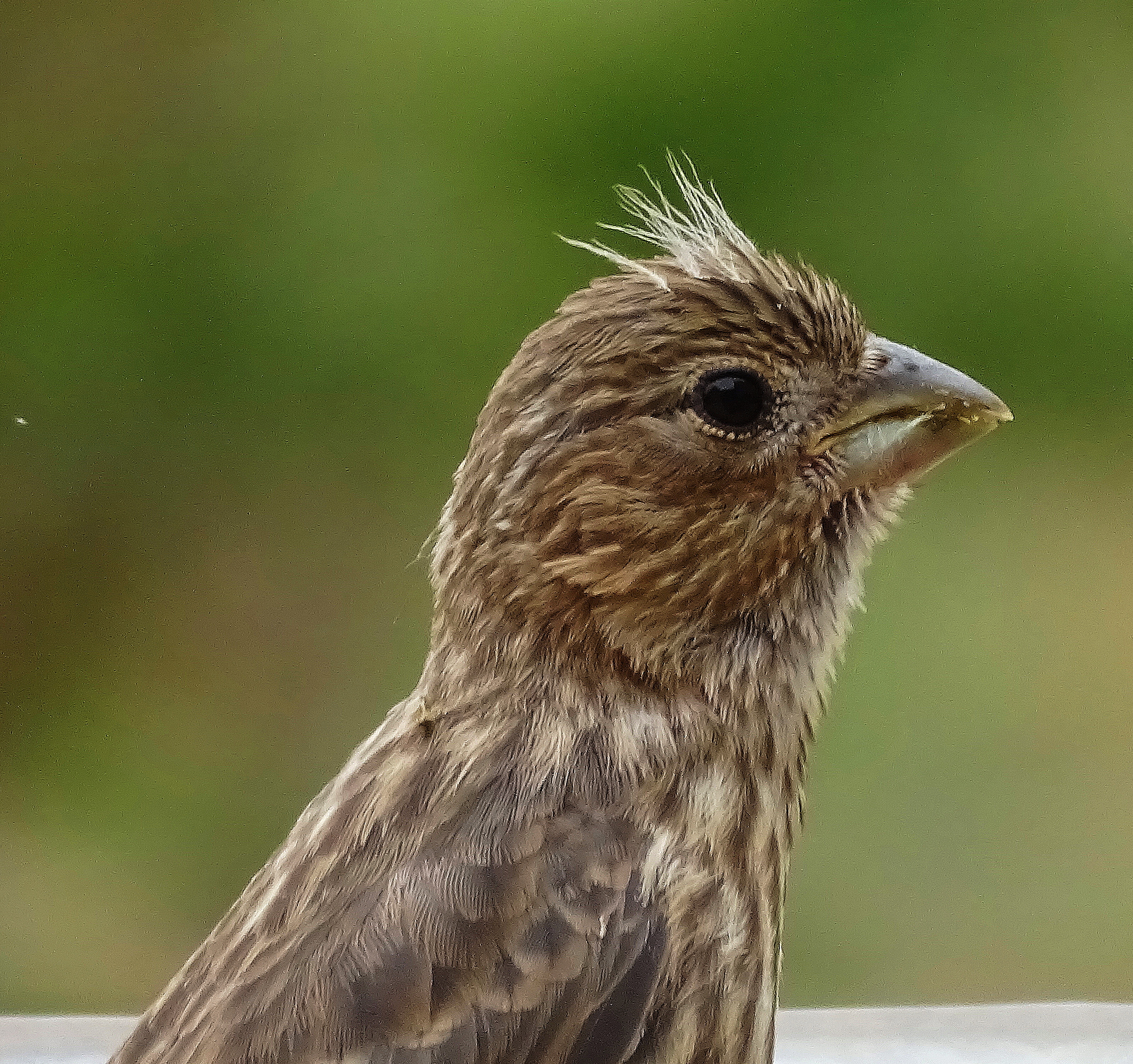
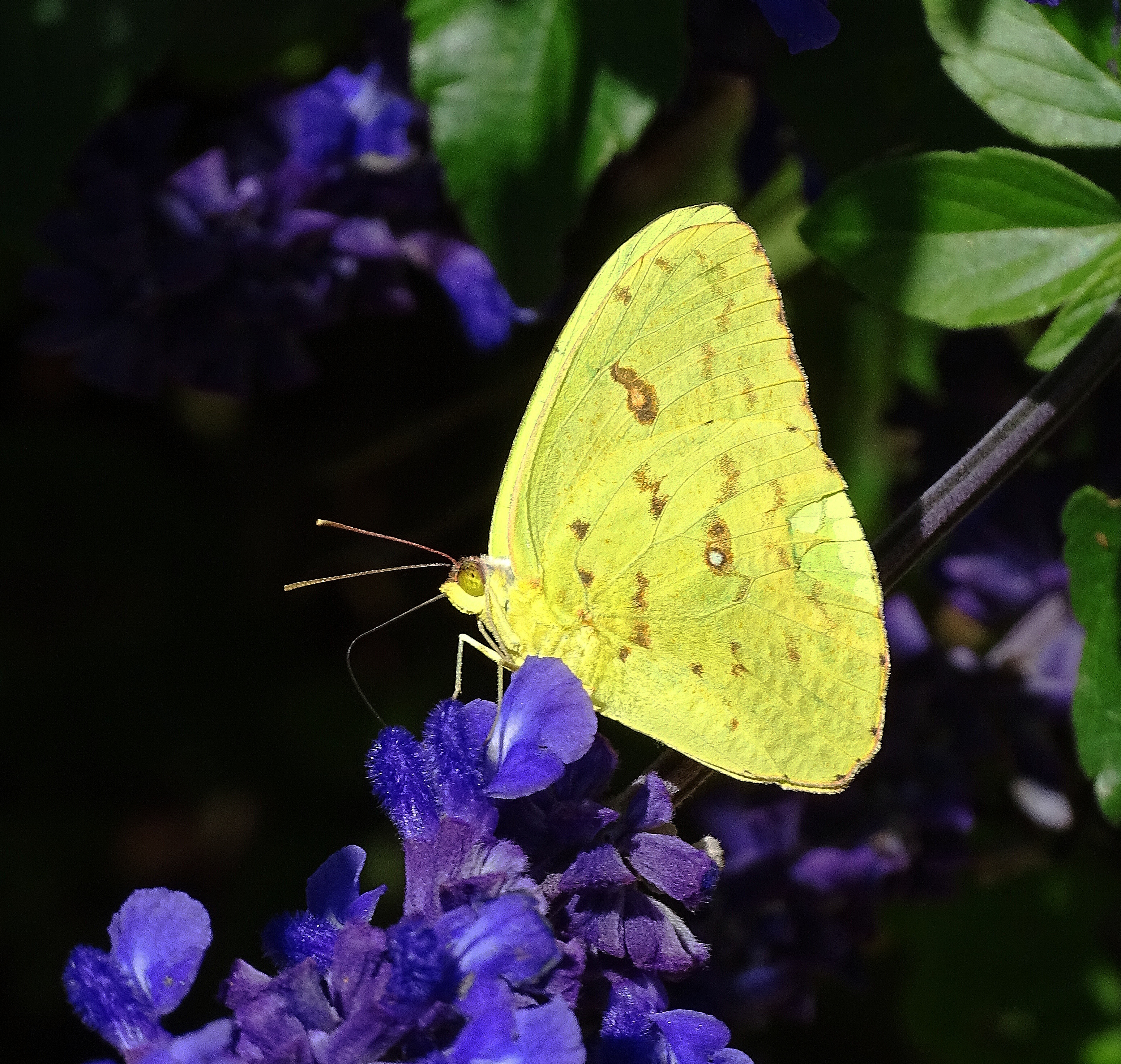
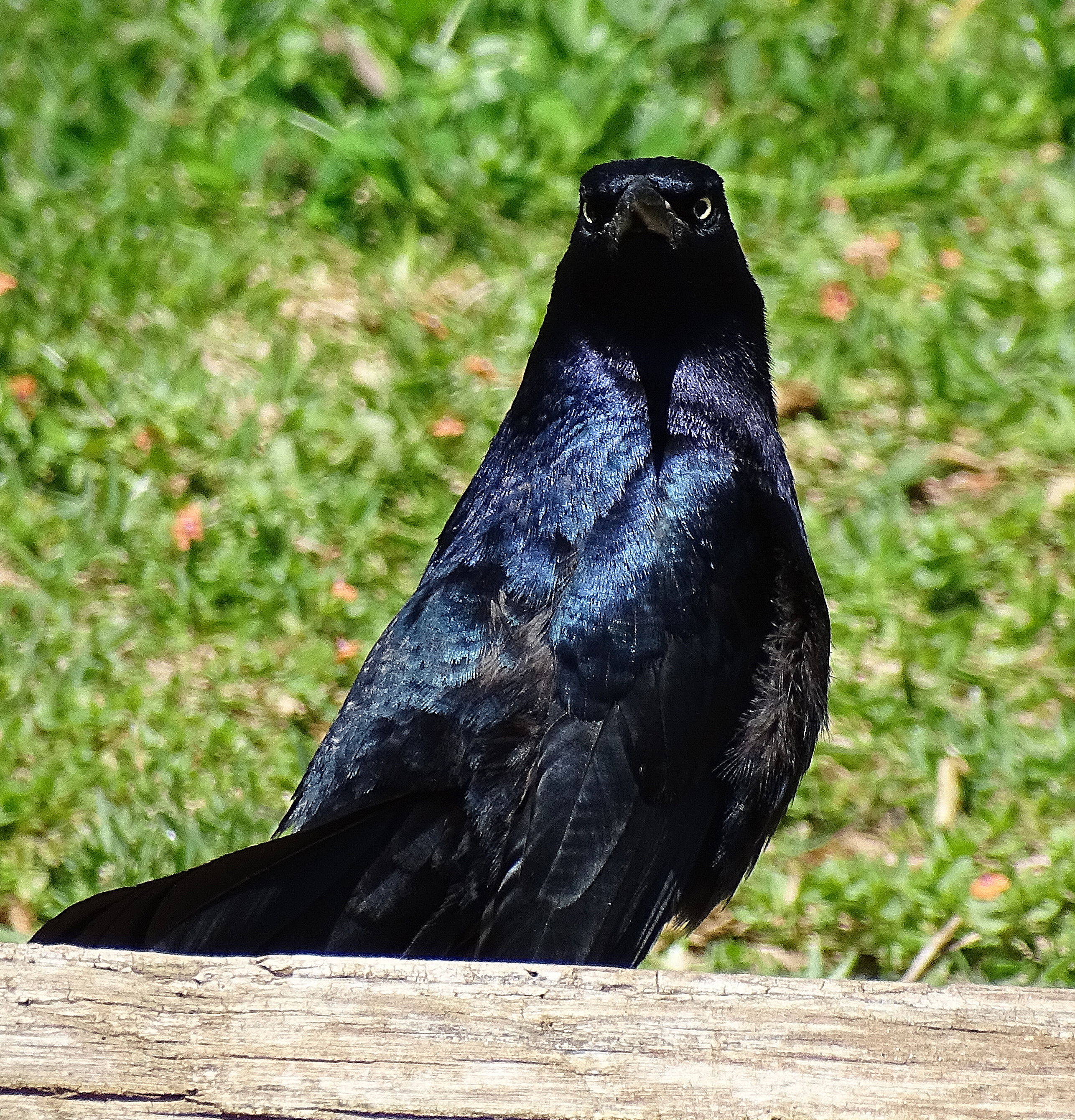
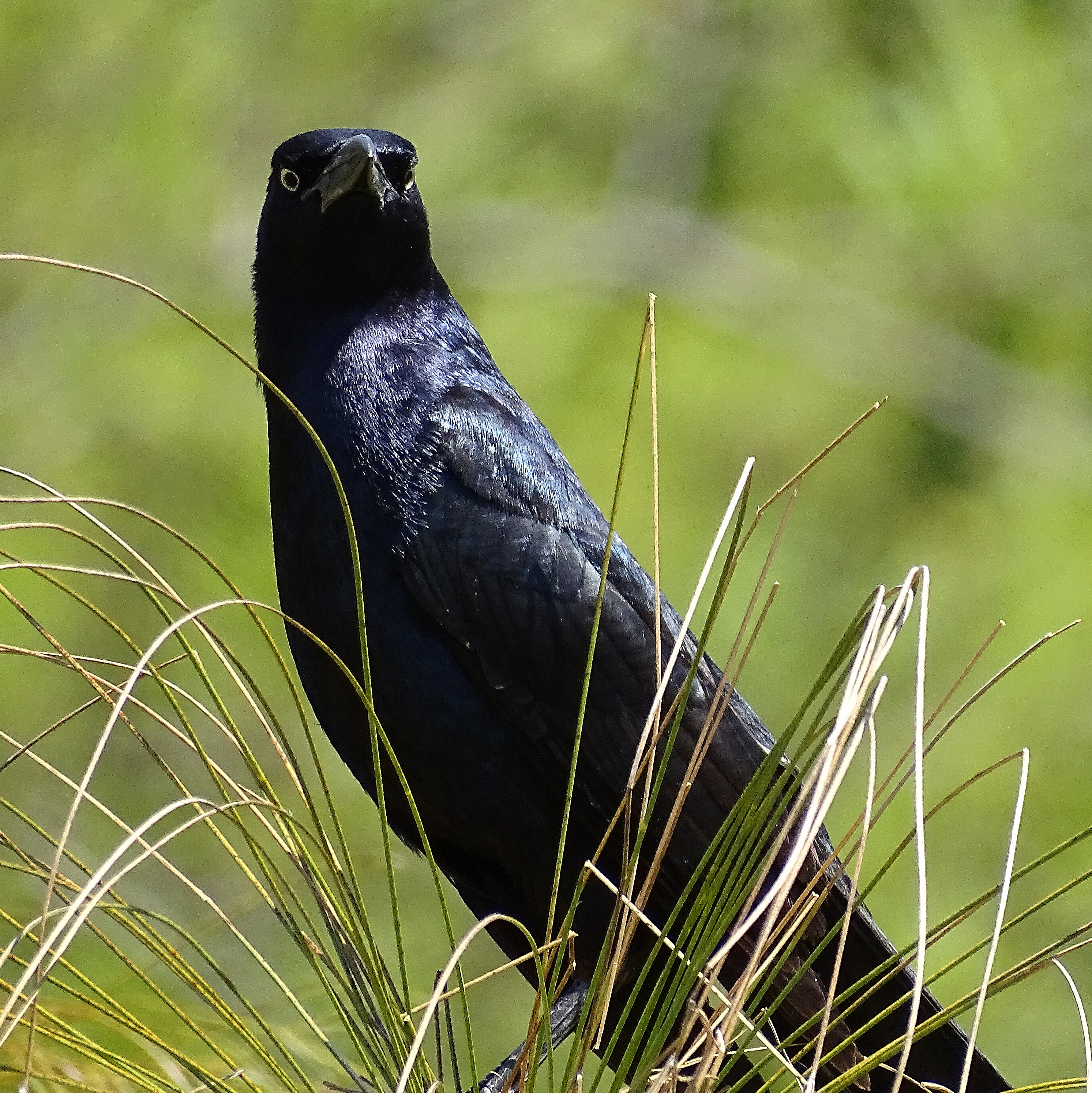
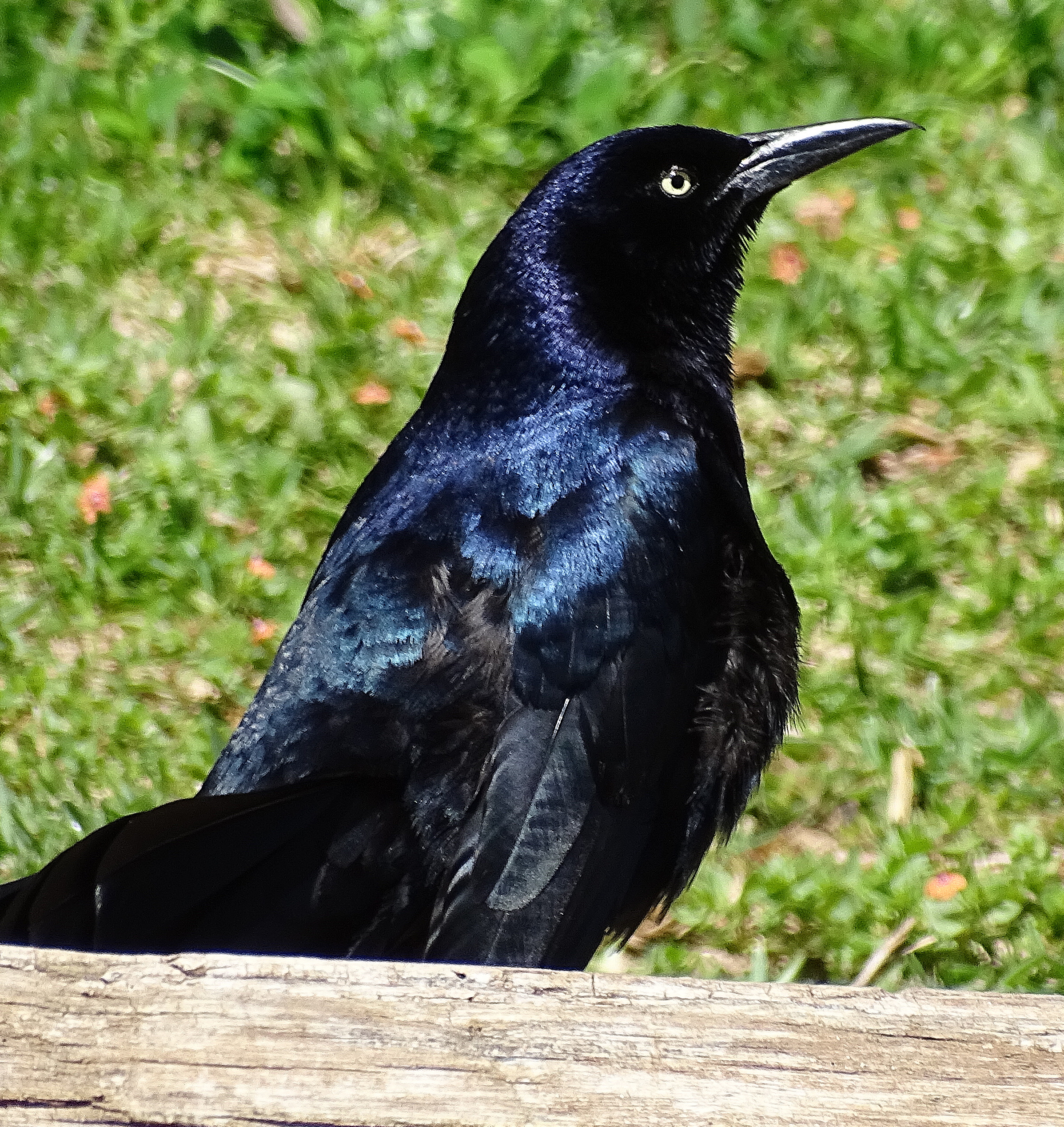
You find them easily by following their loud and distinctive vocalizations.
They chatter, sing, whistle and shriek. (I included a link at the end of this post if you are interested in listening to the diversity of their songs and calls.)
But mostly they sing like this happy guy. Grackles are always at least as interested in you as you are in them!
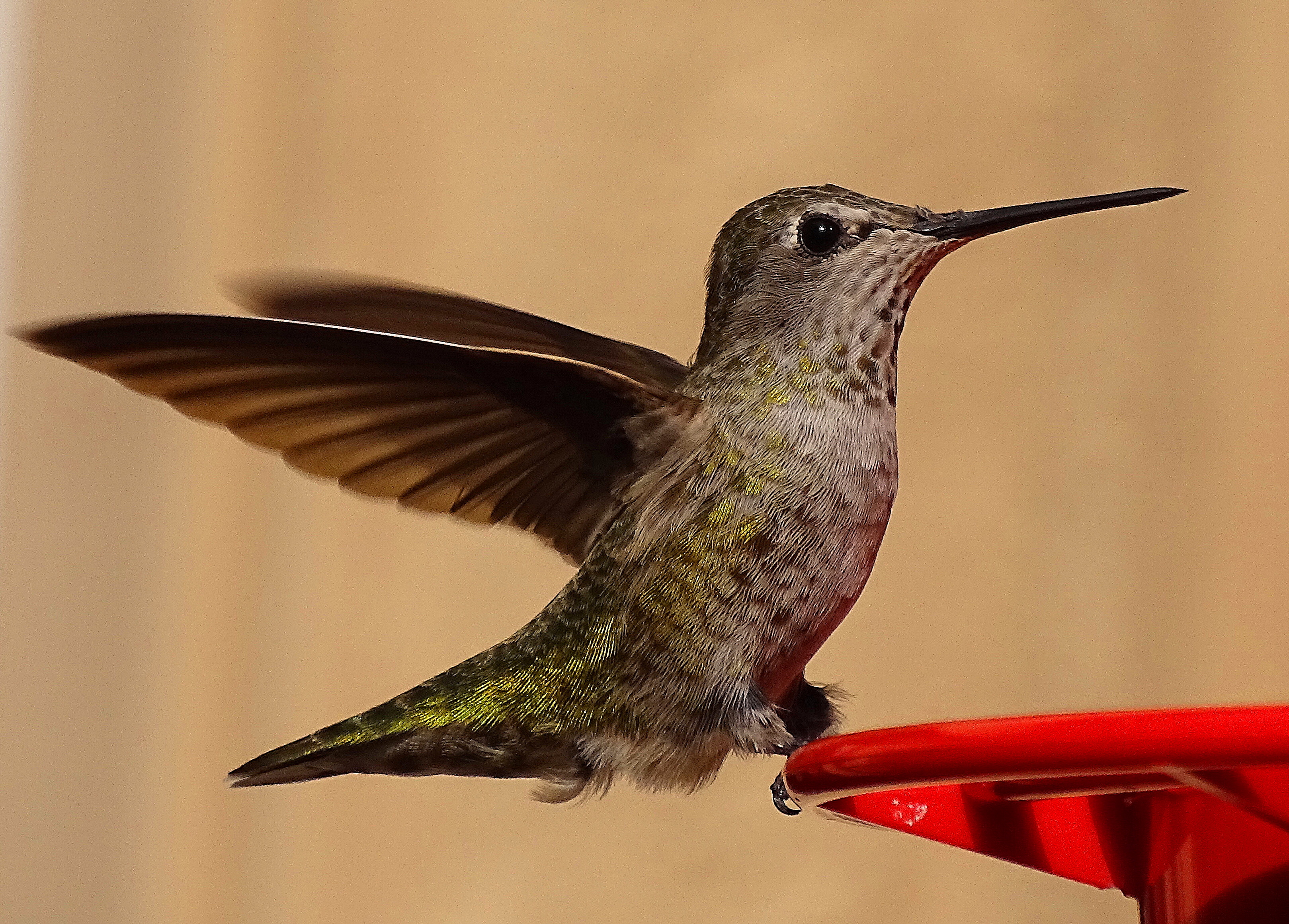
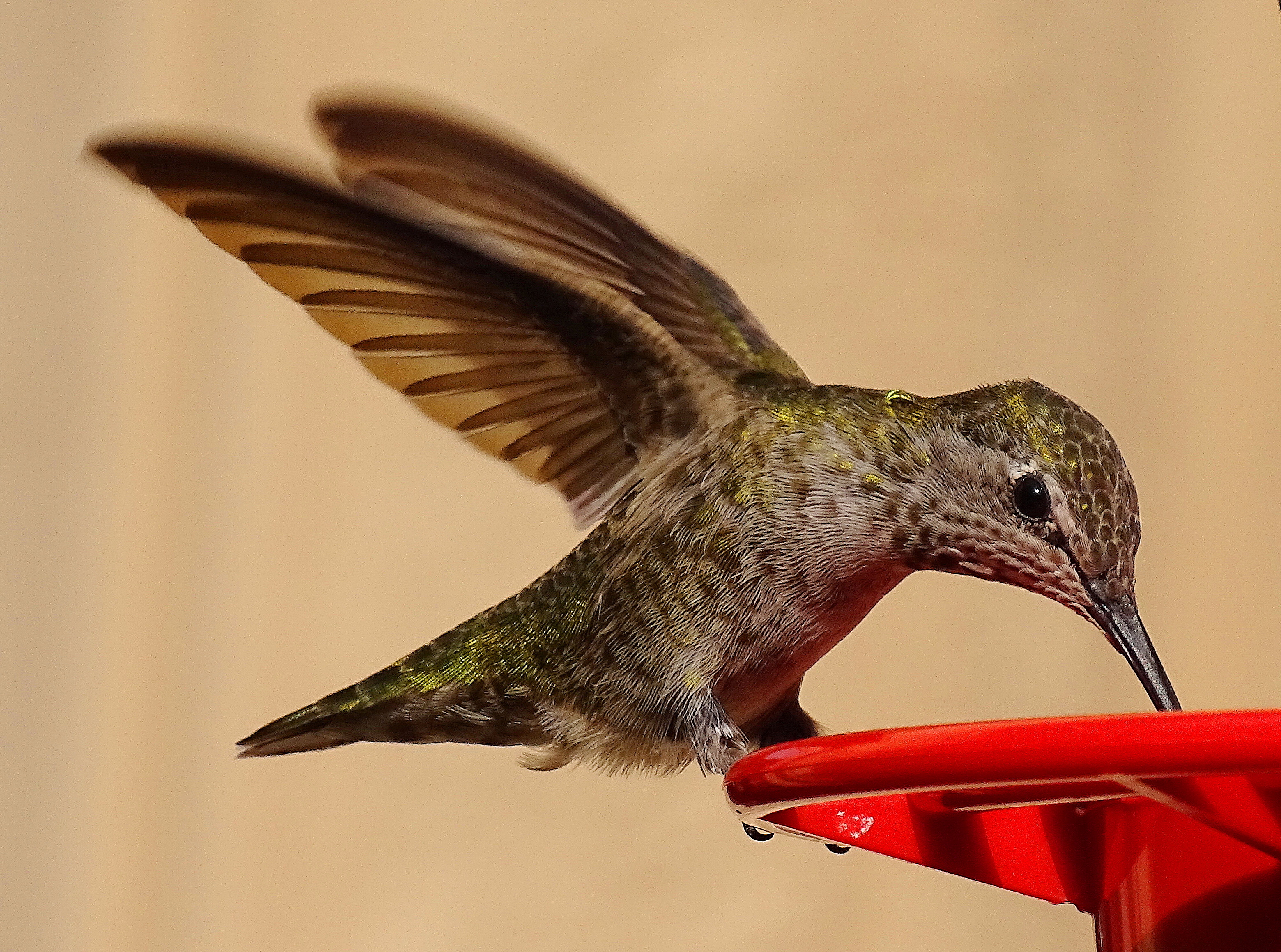
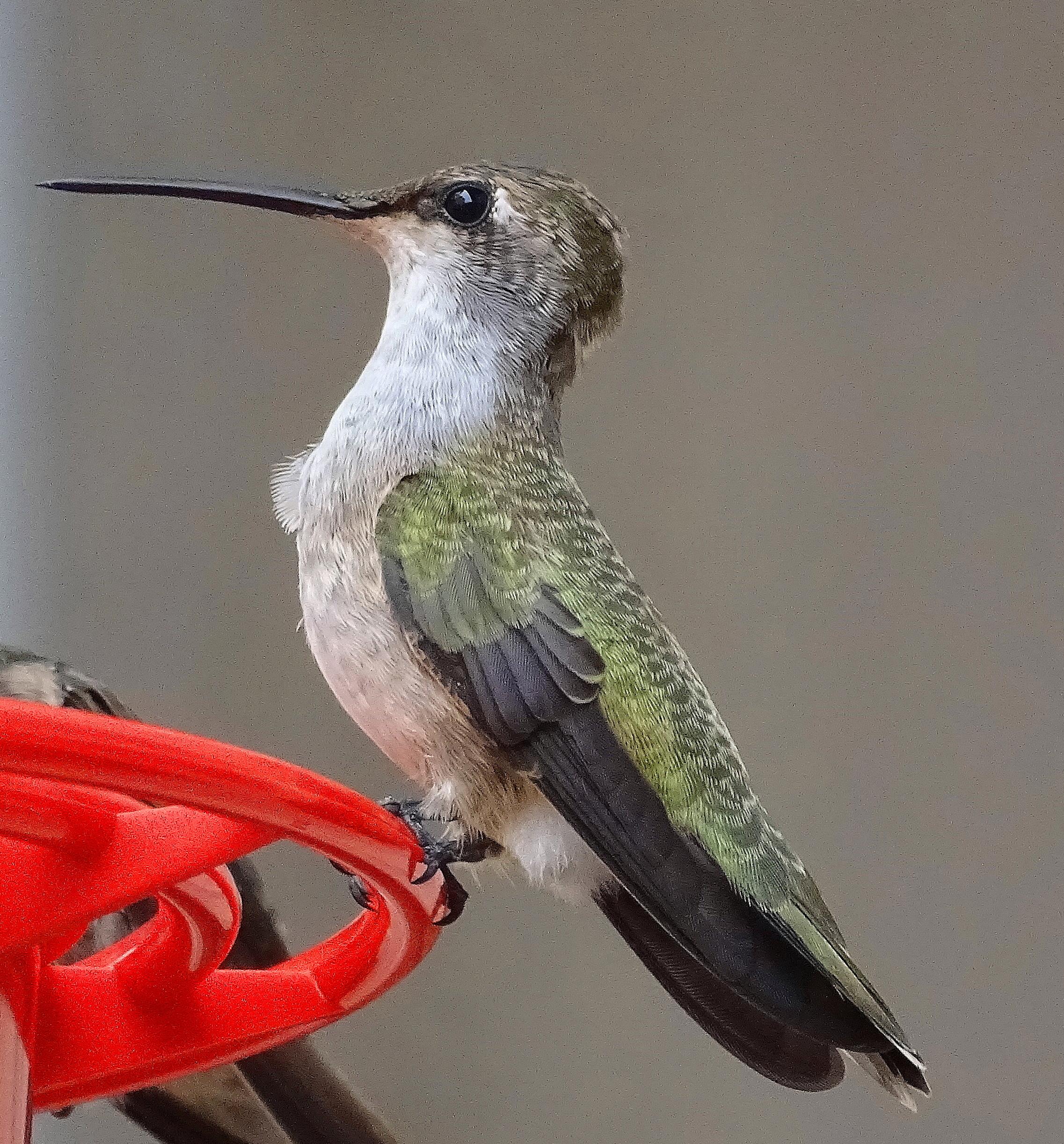
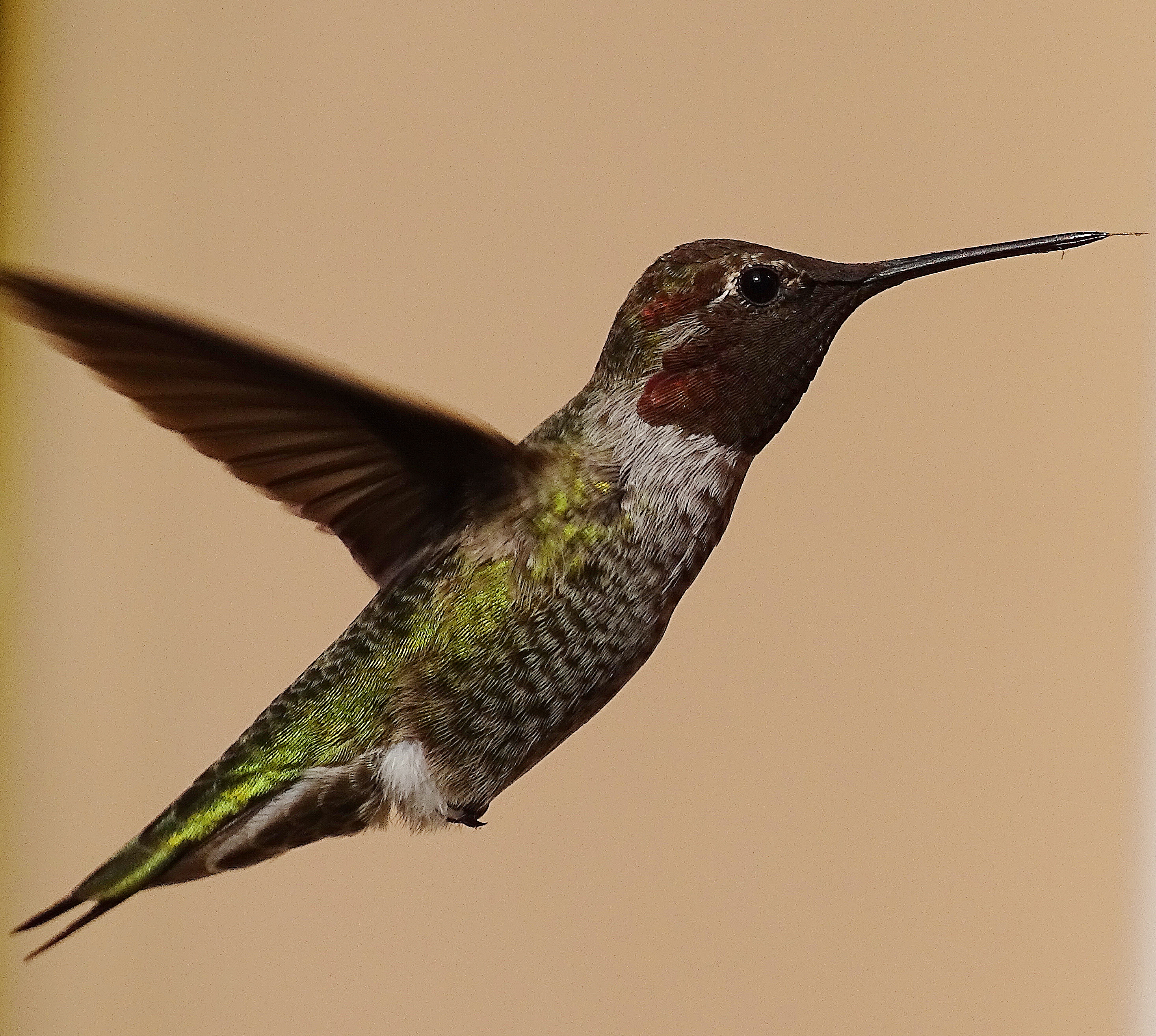
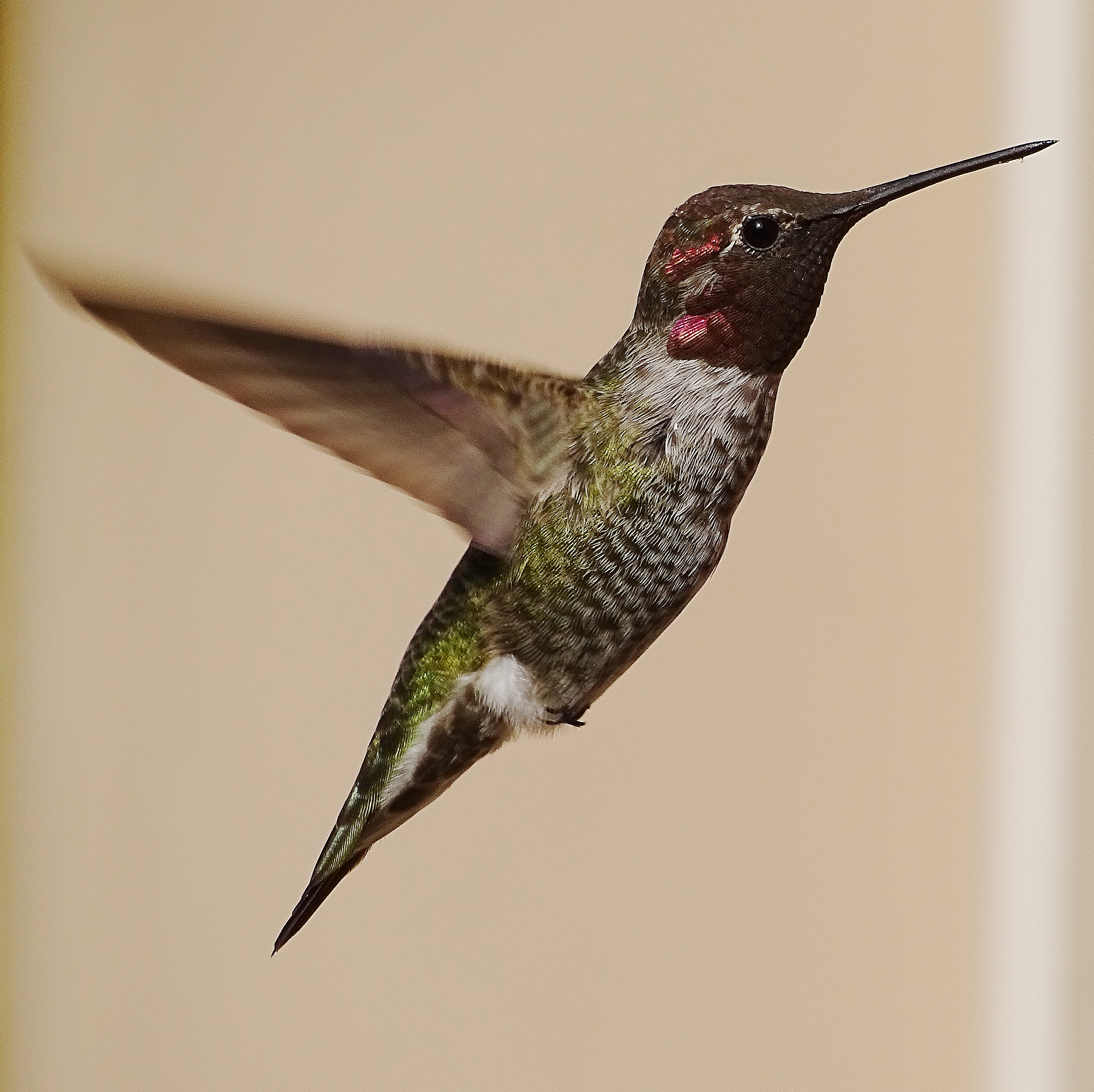
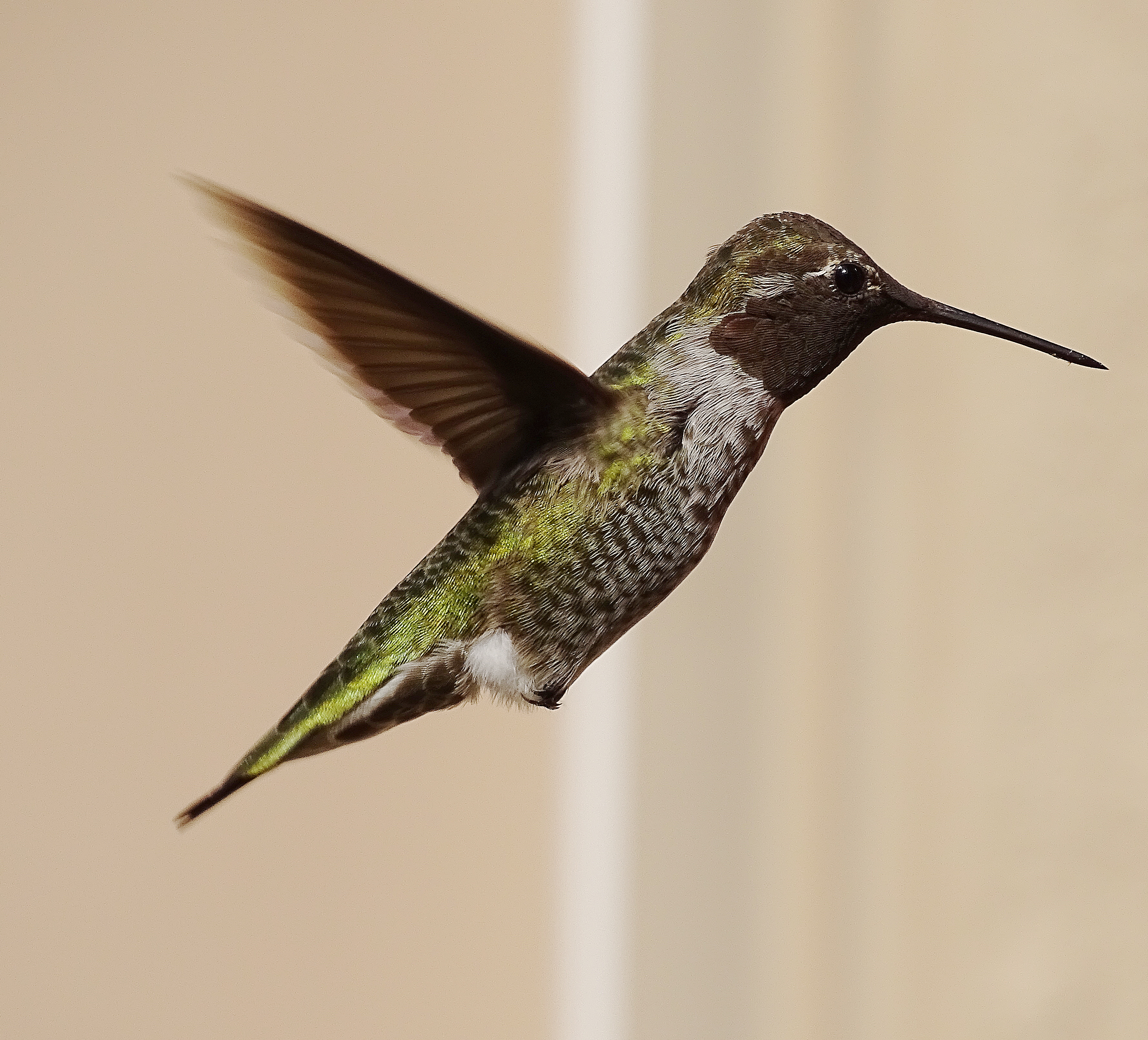
Hummingbirds are the smallest birds in the world. Anna’s weigh about .14 ounce, but they can fly at speeds of up to 60 mph.
Unlike other birds they can fly backwards and upside down, and they are among the 1% of birds who can hover.
Hummers fly upright, not flat like other birds.
Their wings rotate 180 degrees, on their shoulder ball and socket joints,
and can beat up to 200 times per minute!
Despite their petite size, hummingbirds have mega-brains. Their brains constitute 4.2% of their body weight, greater than any other bird, and greater than human beings whose brains are about 2% of their body mass. Hummers remember how to fly thousands of miles, they know and remember which humans can be counted on to feed them, and they remember which flowers have the best nectar.
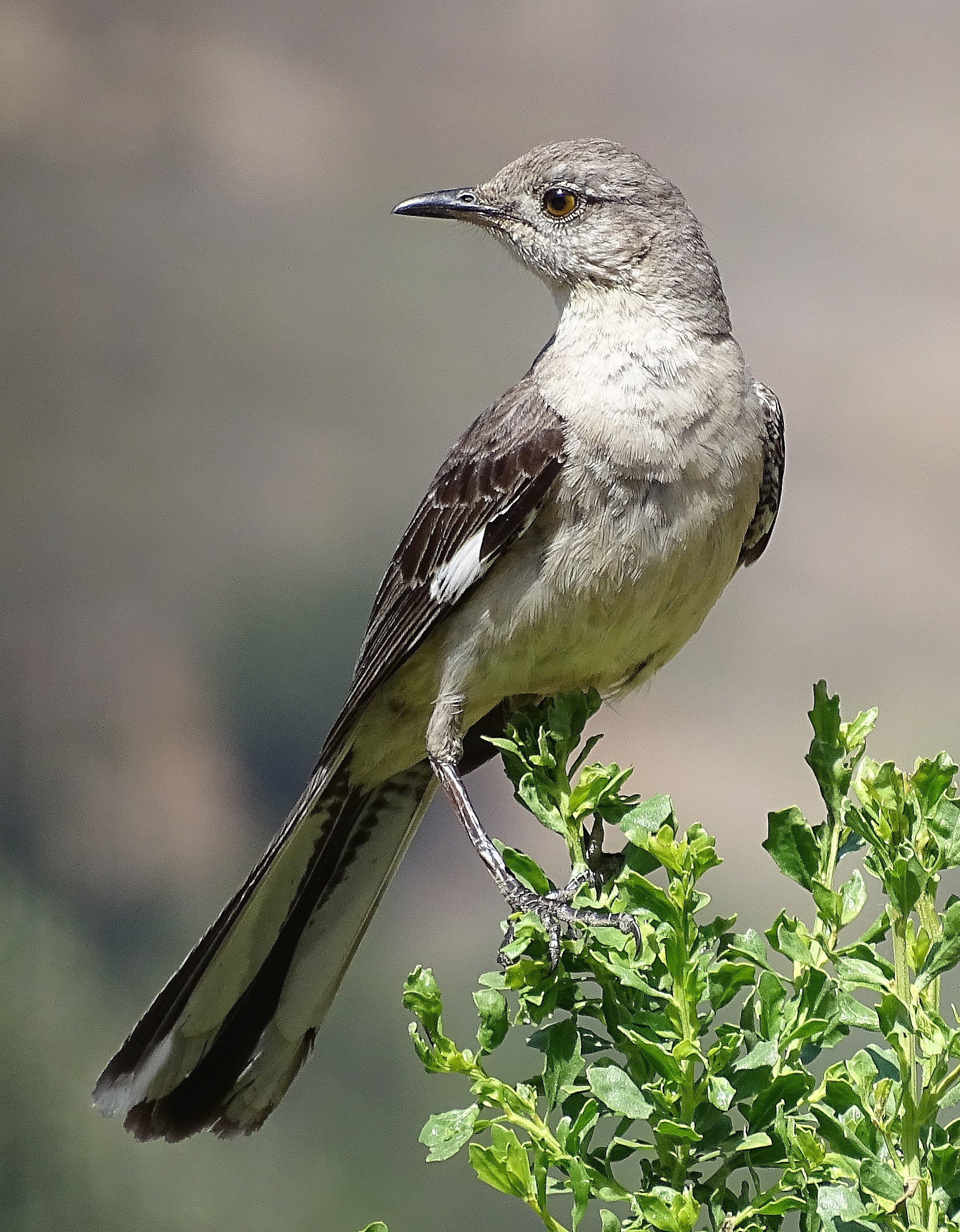
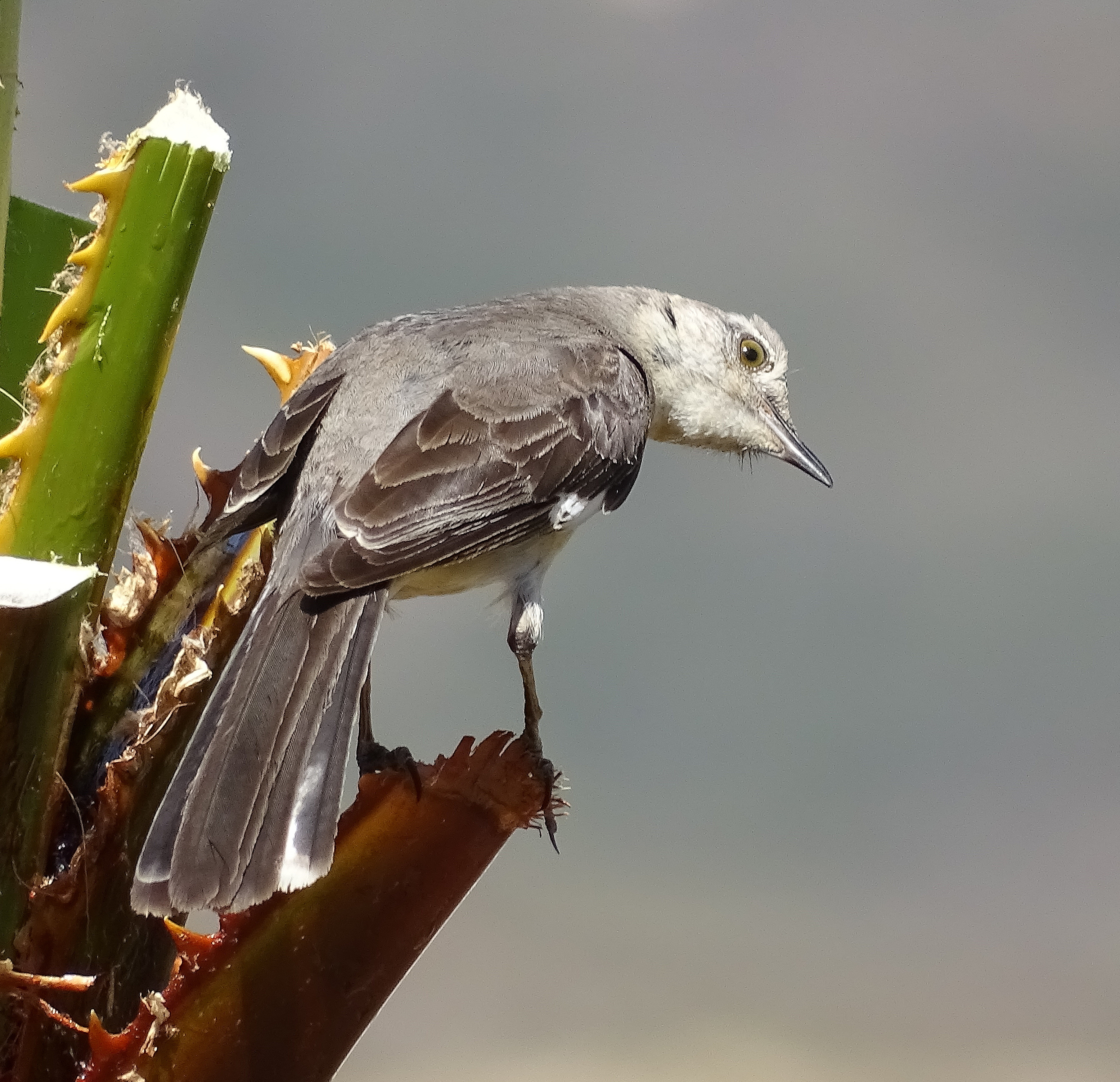
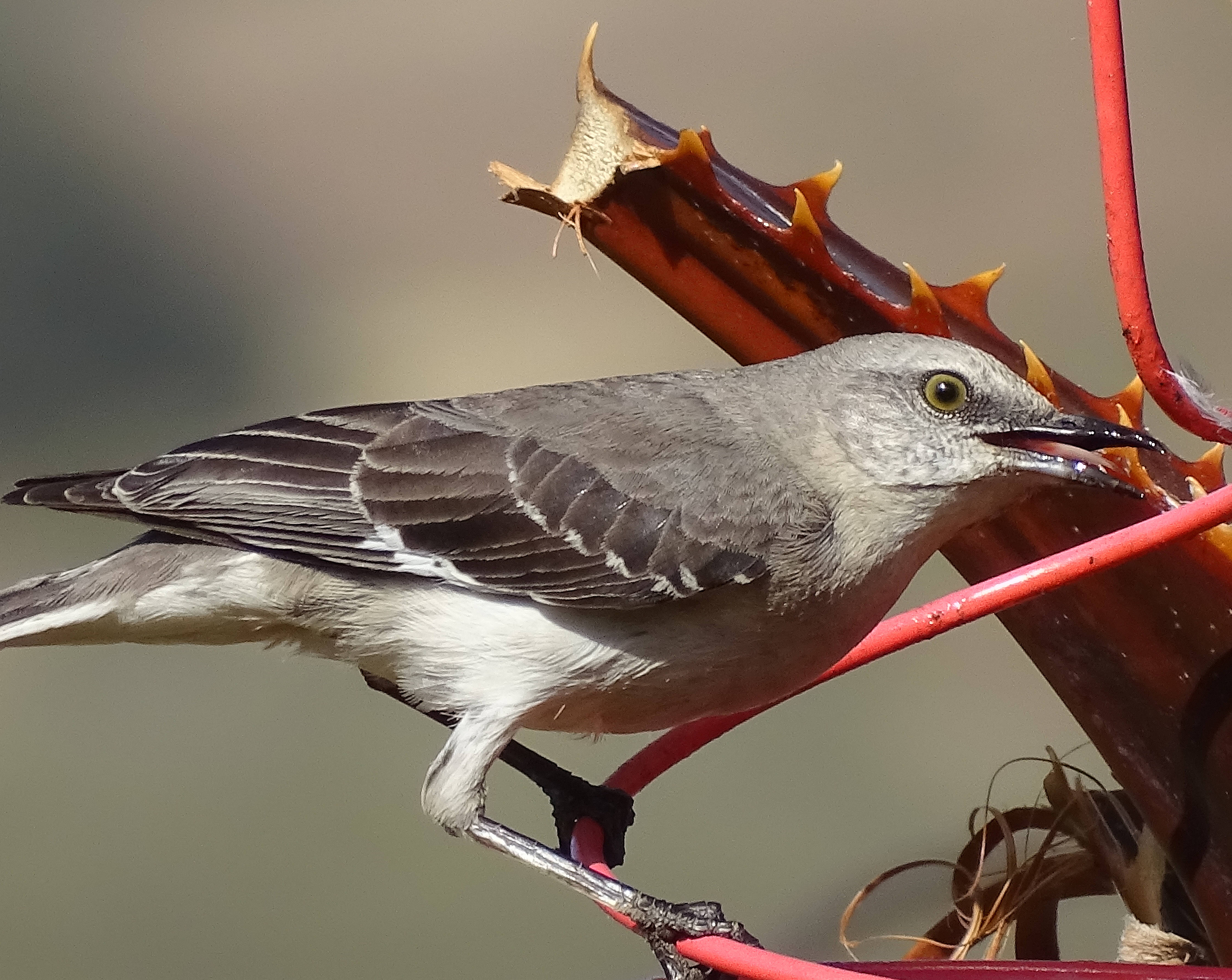
I’ve respected mockingbirds since I was a kid when I watched one pick up a snake that was threatening it’s nest and repeatedly dash it on the pavement from high in the sky.
My childhood friend rescued a baby mockingbird and it became her pet. It flew freely about the house and held it’s own with her family’s five cats.
They are feisty and assertive birds and they are talented musicians.
They don’t just mimic the sounds they hear, they also compose, morphing the timber,
and tune, to make their songs more melodic.
Mockingbirds are night singers in the spring and summertime at The Holler.
Juvenile and adult males without mates sing at night to attract females.
I love falling to sleep at night listening to their vocal repertoires.