

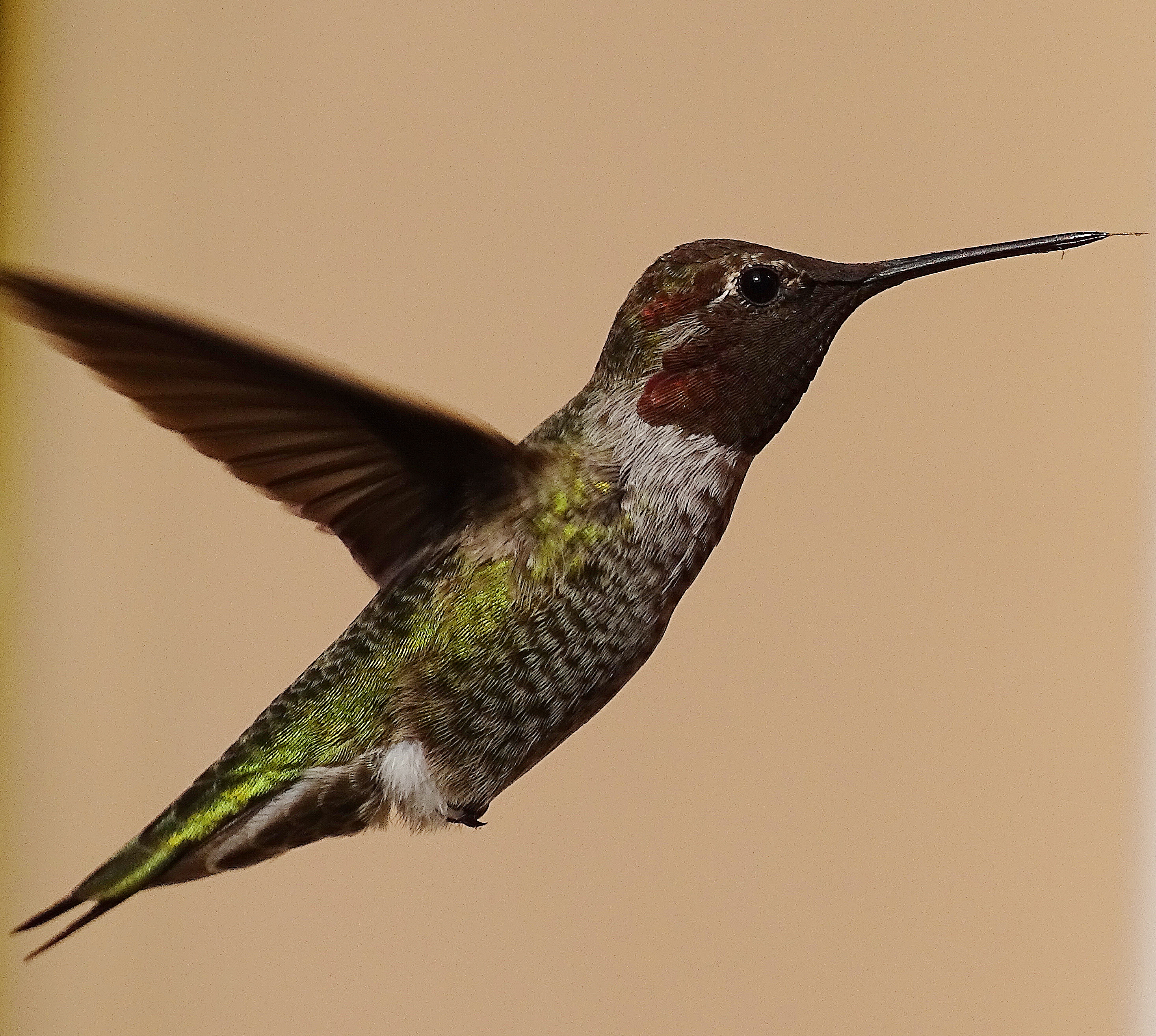
Hummingbirds in flight are difficult photos for me.

You can see his tongue here,
and here.

The world has been so depressing for such a long time now,
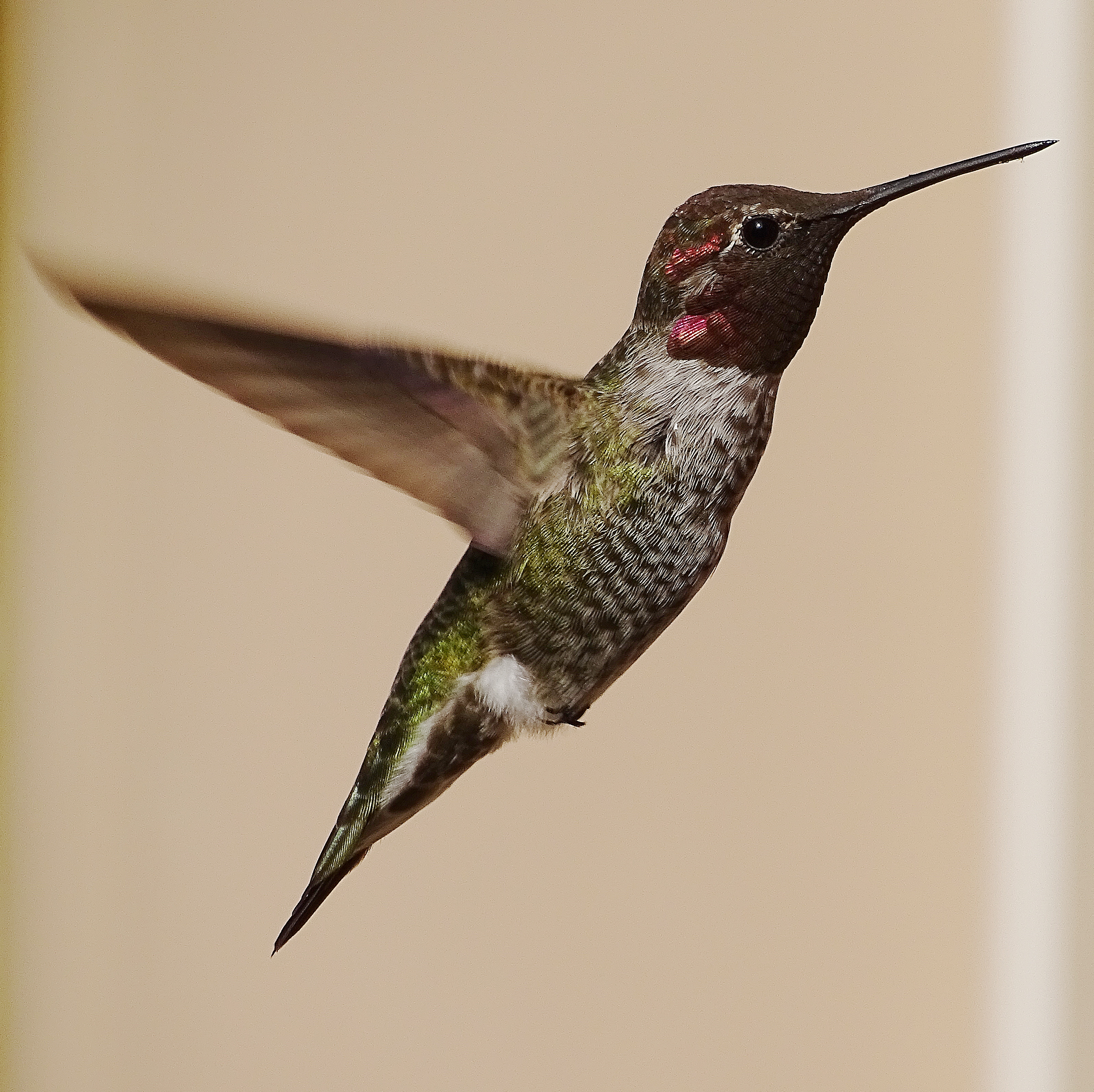
that I am sharing some of what keeps me going.
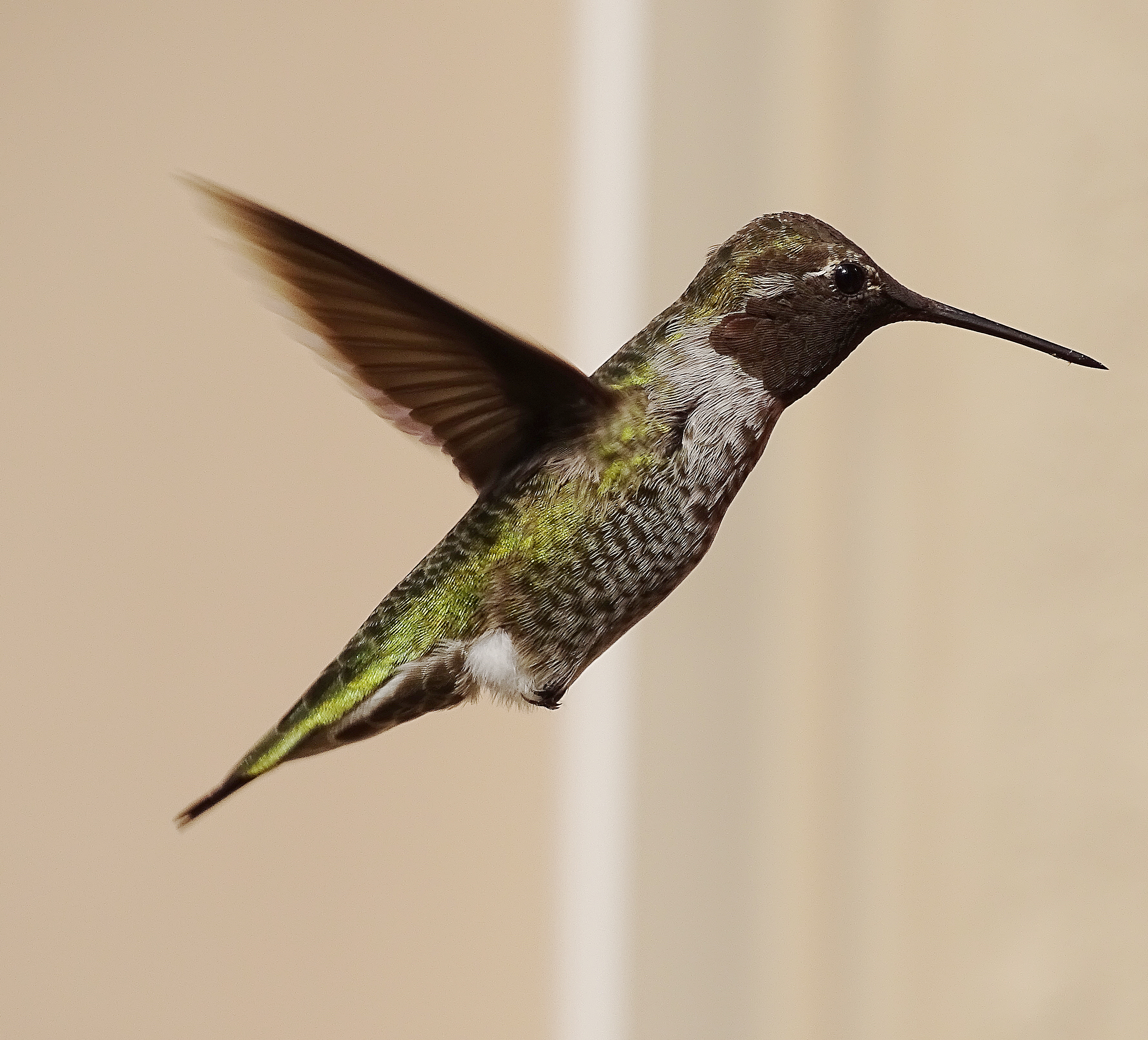
And risk boring you with too many photos.

I am going to post a series of hummingbirds, macros are next.

Hummingbirds help me realize how hopeful the world still is.
I hope they help you too. Cheers to you from The Holler Hummers~
Share this:

Discover more from Cindy Knoke
Subscribe to get the latest posts sent to your email.
WOW! Thanks for sharing these absolutely stunning pictures!
Awww…..Your kindness is much appreciated Barb. Thank you & cheers to you დ
They might be difficult to photograph in flight, yet you appeared to have mastered the knack. It is interesting to note the different positions of their feet – and tongues!
Their tongues are longer then their bodies. When fully extended they are a site to see. I have photos of it. Amazing დ
Stunning clicks. Thanks for sharing ❣️❣️
Thank you more for your kind appreciation. დ
Beautiful, amazing photos, Cindy! The tongue is so delicate. There are plenty of hummingbirds in Las Vegas, they are easy to hear. One went basting past my head a while back, so fast!
They will fly within an inch of your face if they like you! And they will hover there too, and study you!! 😉
I don’t think you could possibly bore me with humming bird photos, so post away! Birds just doing bird stuff has been comfort to me through all of this.
“Birds just doing bird stuff has been comfort to me through all of this.”
Yes. Emily said it best, “Hope is the thing with feathers!” დ
You could never bore us with your photos Cindy, they are uber fabulous.
Awww…… You are a thoughtful friend. Thank Sheree დ
Always a pleasure Cindy
დ
I took my feeder down a month ago and today I saw a Anna’s pop by to check If it was up?
Some of the Anna’s in your area are on the way up north. I never could understand why a bird would be flying north when everyone else is flying south?
Great shots Cindy!
Thank you Wayne. Our Annas stay year round. I have no knowledge of Anna’s flying north to Tofino for the winter. Are you saying they do? I agree with you, that would be odd…… დ
It’s well known that they do Cindy. The Anna’s rule during the winter.
https://www.birdnote.org/listen/shows/annas-hummingbirds-winter-north
Interesting Wayne. What I don’t know is whether they migrate north from California to Canada in the winter. I think what they are saying is that Anna’s range has expanded from the 1960’s to include the West Coast of the US and Southern Canada where they reside year round. Here is a quote and link from ‘The American Bird Conservancy,’
https://abcbirds.org/blog/do-hummingbirds-migrate/
“In contrast to most North American hummingbirds, Anna’s Hummingbirds do not migrate, although they will sometimes move short distances to search for additional food sources. Anna’s Hummingbirds now occupy an area of habitat stretching from northern Mexico to Southern Canada, but this wasn’t always the case: During the first part of the 20th century, the bird’s breeding range was much smaller, restricted to Baja, Mexico, and southern California. This changed with introduction of exotic flowering trees along the West Coast, which provided additional nectar supplies and nesting opportunities. Anna’s Hummingbird populations are also growing thanks to the popularity of backyard hummingbird feeders. This bird is an IUCN species of Least Concern.”
When the Rufous appear in the Spring they disappear. Than in the late summer when the Rufous have gone the Annas begin to show up again. Where they go for the summer I haven’t a clue,but they do spend the winter with us.
When the Rufous appear in the Spring they disappear. Than in the late summer when the Rufous have gone the Annas begin to show up again. Where they go for the summer I haven’t a clue,but they do spend the winter with us.
I just talked to a friend who is a birding expert. He says nobody knows where the Anna’s go when they leave here in the Spring? But we also agreed that they may fly north in the Spring but Winter with us?
“But we also agreed that they may fly north in the Spring but Winter with us?” That is so interesting. Maybe nearby Anna’s show up because the Rufous leave. Maybe you are observing bird behavior that is not widely known which is really interesting. I know from my travels that I have seen birds in places that they are definitely not supposed to be. I always say, “”The birds don’t read the studies clarifying where they are supposed to be!”
He’s (Adrian Dorst) has been studying birds for decades and says that nobody knows where they go? I say we strap a few with GPS units (which would probably weigh them down so much they’d settle on just flying a few miles away!) on them and find out where they are going to?
It would certainly be fascinating to find out…..
They certainly do! These photos are truly jaw-dropping! So beautiful.
Awww……You make me happy I lost Lynette. Thank you & stay safe and well დ
Beautiful birds Cindy and incredible photos. Thank you for sharing. They can’t fail to brighten someone’s day.
Massive Hugs
Aww… So pleased you enjoyed David! Hugs flying back to you დ
Wonderful photographs Cindy! And quite a lovely bird!
De nada, amigo mío. Son pájaros muy guapos y lo saben !!! 😉
De acuerdo Cindy, un saludo…
Mantente segura y bien დდ
Gracias Cindy, igual tu
დ
Beautiful photographs Cindy and what a treat to see these gorgeous birds up close – thank you so much for sharing 💜
I am happy you enjoyed them and thank you for letting me know! დ
Super tolle Flugaufnahmen .
Vielen dank mein lieber Freund დ
What joy, to have hummingbirds in your life. The best we can aspire to in the UK is the occasional hummingbird hawkmoth. And what lovely photos! The passerine paparazza is at it again!
Smiling…. I do so love that sobriquet! Thank you Margaret & stay safe and well my friend დ
🙂
Such tiny thing looks so majestic!! Credit to you, capturing the cute bird on its flight mode with tongue too!!
Smiling. Thank you very much! დ
Great photos, thank you for sharing, LG Marie
Thank you for your kind appreciation დ
Absolutely amazing photos, you do cheer everyone up with those pictures. Thank you for sharing Cindy!
Your kind comment cheers me up. Take good care my friend დ
Deine Kolibris erfreuen meinen Alltag und machen das Leben froh und schön. Danke meine Liebe fürs zeigen und einen lieben Gruss. Ernst
Du bist ein wunderbarer Mensch Ernst und ein liebenswürdiger Freund. Ich freue mich, Sie hier in dieser virtuellen Welt kennengelernt zu haben დ
Fantastic photos to catch these birds while flying! Hummingbirds are wonderful for how they hover to drink.
Thanks much Dave. And they are the only birds in the world that can fly backwards! დ
I’m lost for words, my friend. So I’m sending you a humming message… ♬♩˂₍͔⁽ˆ⁰ˆ⁾₎͔˃ ͟͟͞͞≣hm hmmm hmm hmmm hm hm hmm hmmm ͟͟͞͞˂₍͕⁽ˆ⁰ˆ⁾₎͕˃♪♫ Lol! ❤️🌈
Smiling back at you! ♬♩˂₍͔⁽ˆ⁰ˆ⁾₎͔˃ ͟͟͞͞≣
(●මᴗමσ)σணღ*
Thanks for the beautiful pics. We love watching them here in Ohio – but they are very territorial. While yours gather at the feeder, the dominant ones here keep others from the feeder – so it’s one at a time here.
If the population isn’t large enough to depose the despot, he will rule the feeder! Cheeky little bugger. It cracks me up to watch spend alll his time fending off rivals with no time to rest or eat. Seems so illogical and human!! 😉
I’m always down for a series of your beautiful nature photographs. The first one with the lowered landing gear is my favorite.
Smiling….Thank you Liz. I love their landing gear too! 😉
You’re welcome, Cindy! 😀
დ
🙂
Cindy, you did not publish hummingbird pictures for a long time. It’s never boring to watch them. Looking at these small creatures, thoughts are coming to my mind – if they can survive in this hostile environment, then we probably can do the same.
“if they can survive in this hostile environment, then we probably can do the same.”
Exactly!!! They are miniscule lightening streaks of hope on wings. Stay safe & well დ
Beautiful captures!
Grazie mille დ
What lovely pictures! And they really brighten up my day. Thank you for showing, dear Cindy!
Stay well, and stay safe.
Your kind comment brightened my day. Thank you very much & you stay safe too my friend დ
Absolutely perfect pictures! Thanks for sharing.
So thoughtful and you are most welcome my friend დ
Love these! We have had a lot of hummingbird visitors this year around our house. Love seeing them, but of course, they look much blurrier in real life. 🙂
They do look blurrier! Especially when they buzz by your faces from an inch away!!! I love them დ
You can never give us too many photographs. Never. You’re amazing and these are absolutely gorgeous.
People like you are the reason I love to blog. Your presence enhances my life დდ
Pingback: Are You Down for a Series? #1 Flight~ — (don’t miss any of these wonderful photographs, from Cindy) | Rethinking Life
Lovely shots! Our hummingbirds have flown south and will not return until next April.
Yes, it is time. I always think about the people who feed them and know them in Central America. They are extended family. Some of ours stay year round დ
Thank you for sharing your beautiful images Cindy. They help me keep my spirits up too. I appreciate you and love for nature.
They are mini-spirit lifters!!! Take good care Brad დ
Indeed. You as well. 🧡
დდ
Joy joy joy!
Indeed!!! <3 that you <3 them! დ
👏🙌♥️
You did so well in capturing those active little birds, Cindy. Those two little grandsons should put a smile on your face. The world is still a wonderful place.
Leslie xoxo
Oh the twins are joy X2 and I am smiling. They have started preschool two days a week. The other days they are with me. Covid is now infecting children, and they are too young for vaccination, so this has me concerned. Add my state’s forests, and so many other forests, burning, and you have some of the reasons for my concern. Stay safe & well my friend დ
Absolutely incredible. Share away, my friend.
Awww……So appreciated Jim. Thank you დ
Love these photos. I love watching them buzz around our feeder on the patio too!
They make our gardens happier places!! დ
They are difficult! Wonderful captures, Cindy!
Muchas gracias Susan დ
These little birds are so fast! Your photos are wonderful! 🙂
Thank you my friend. They are little lightening streakers! დ
They are a challenge, indeed….These are wonderful !
Merci beaucoup mon Ami Sandy დ
My pleasure.
You, boring? I don’t think so 🙂
Ahhhh, so kind of you Derrick & so appreciated დ
Goodness me, such a rich picking of those very difficult to catch beauties. You’re doing a stellar job with your pics. Thank you very much. They made me smile!
Your comment made me smile Kiki. Thank you very much დ
Fabulous photos. Hummingbirds are fascinating creatures!
Thanks so much and hummingbirds are incredibly fun to live with დ
I’m not sure where exactly the humming birds choose to build their nest. I live in North America, unfortunately I haven’t seen these birds where I live. Your shots are well done, I was amazed to see its tongue in two of your shots. Do they use their tongue to catch their prey? Thank you for sharing your awesome shots. 🙂
Good question. They actually do use their tongues to catch tiny flies and aphids. They require insects in their diet to survive. They drink nectar as a supplement. Thank you much more my friend for your thoughtfulness დ
Your hummingbird photos are wonderful and I could never get bored with too many photos! I agree with your statement about how the hummingbirds help you realize how hopeful the world still is. I also love to watch the hummers in my garden. I can’t figure out how the ones here will not share a feeder with any other bird! I am entertained by what I call their “hummingbird wars”!
There are certain hummers that are more territorial by nature. This often happens when one bird arrives first and claims the feeder as their own and sets about driving off other birds. If there is a big enough crowd, one bird can no longer effectively defend a feeder. If the population isn’t large enough, the wars continue as you describe. Interestingly, this used to happen to me when I had multiple feeders up and running and one bird would dominate a feeder. Now I have one feeder and the population is so large that one bird cannot possibly fight off the hordes. They are hilarious and highly assertive birds. I am glad you have them in your garden დ
So amazing and beautiful.
I<3 my friends who <3 hummingbirds დ
Nice thanks for sharing…
You are most welcome დ
Great photos, never boring!
Grazie mille Barbara დ
Hummingbirds are delightful creatures. I never tire of watching them. May your world expand again soon to lift your spirits.
Much appreciated Rosaliene. The burning of all the forests and now children getting Delta is truly bothering me. I feel sad for our world. We have messed it up so badly…… დ
I don’t see Hummers around my yard here like I did at the old house. I miss them. These images are stellar! Bring on the macros!! 😀
Smiling….. So nice! Thank you & I will დ
Oh my gosh! These are beautiful!
Thank you very much! დ
Your photos are never boring, Cindy. Ever!
Love these hummer shots, the feather detail on their bodies is perfectly sharp. Do cameras even have a setting to catch wings not-blurry at the speed of 60 beats a second??
Thanks for the happy post– it has been a tough 18 months, hard not to feel depressed except for fleeting moments in our gardens. Thank heaven Nature gives us hope.
Awww…… Thank you very much Eliza. Nature and our gardens are so necessary for our mental health. I am glad we both spend time in them. დ
They are hard for anyone to photograph but you do the best bang up job of them all. I see them sometimes in the yard but by the time I have my phone out, they are gone Beautiful.
Awwww…… You are a lovely friend Marlene! Thank you დ