
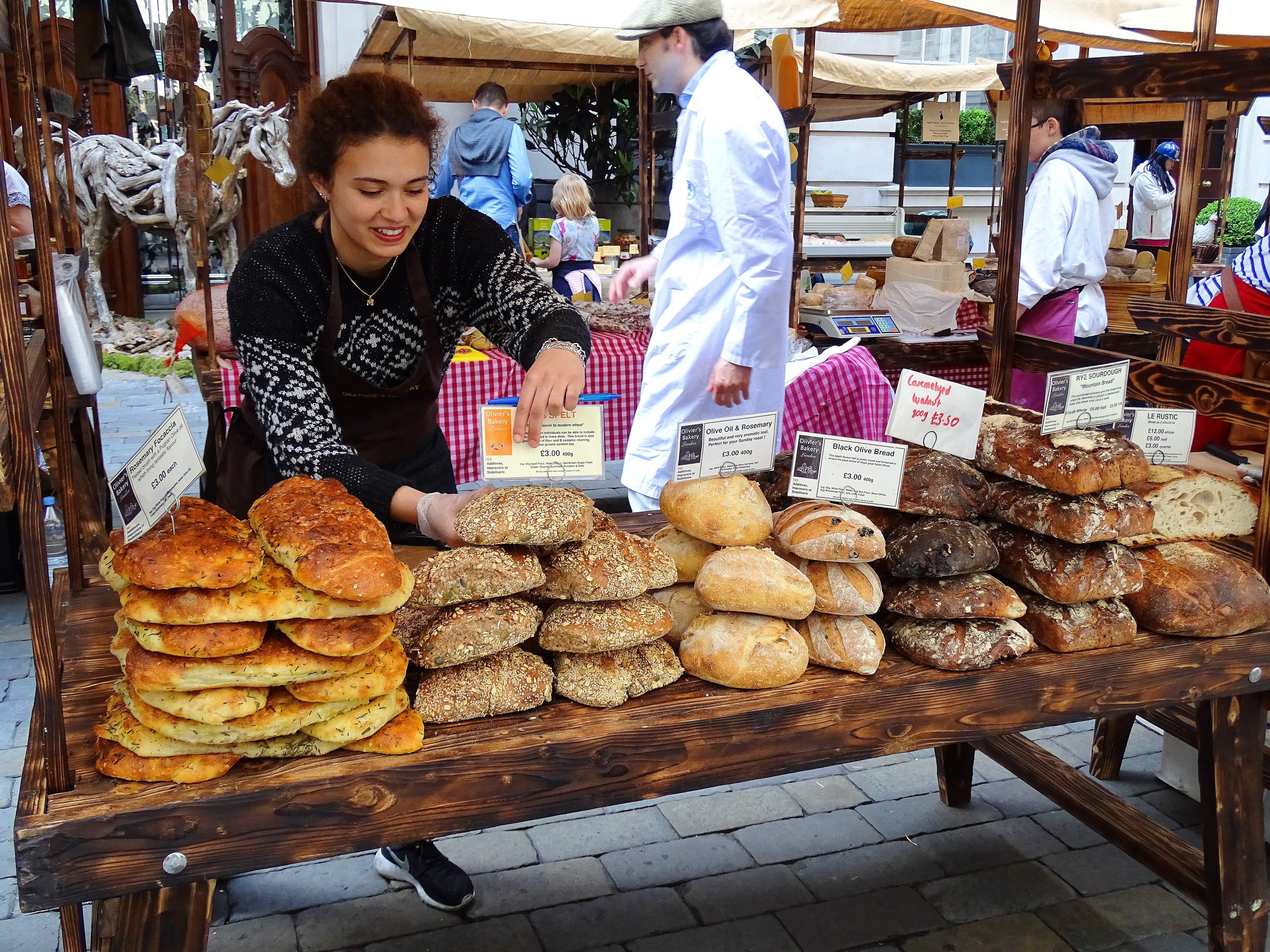
London’t first slow food Sunday market features produce from 30 vendors and artisans selected for exceptional quality.
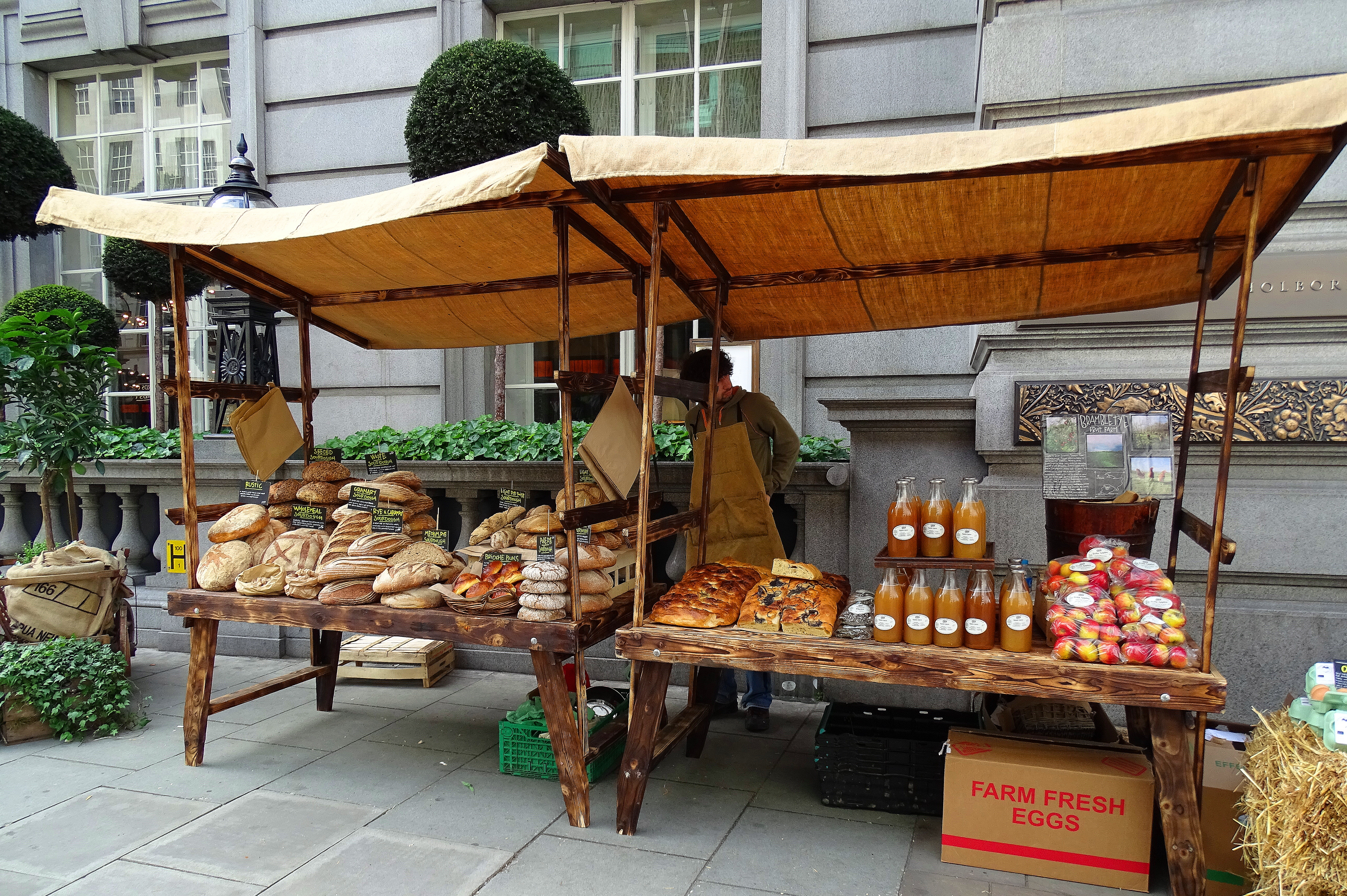
It is the only dedicated slow food market in London and is located on High Holborn Street.
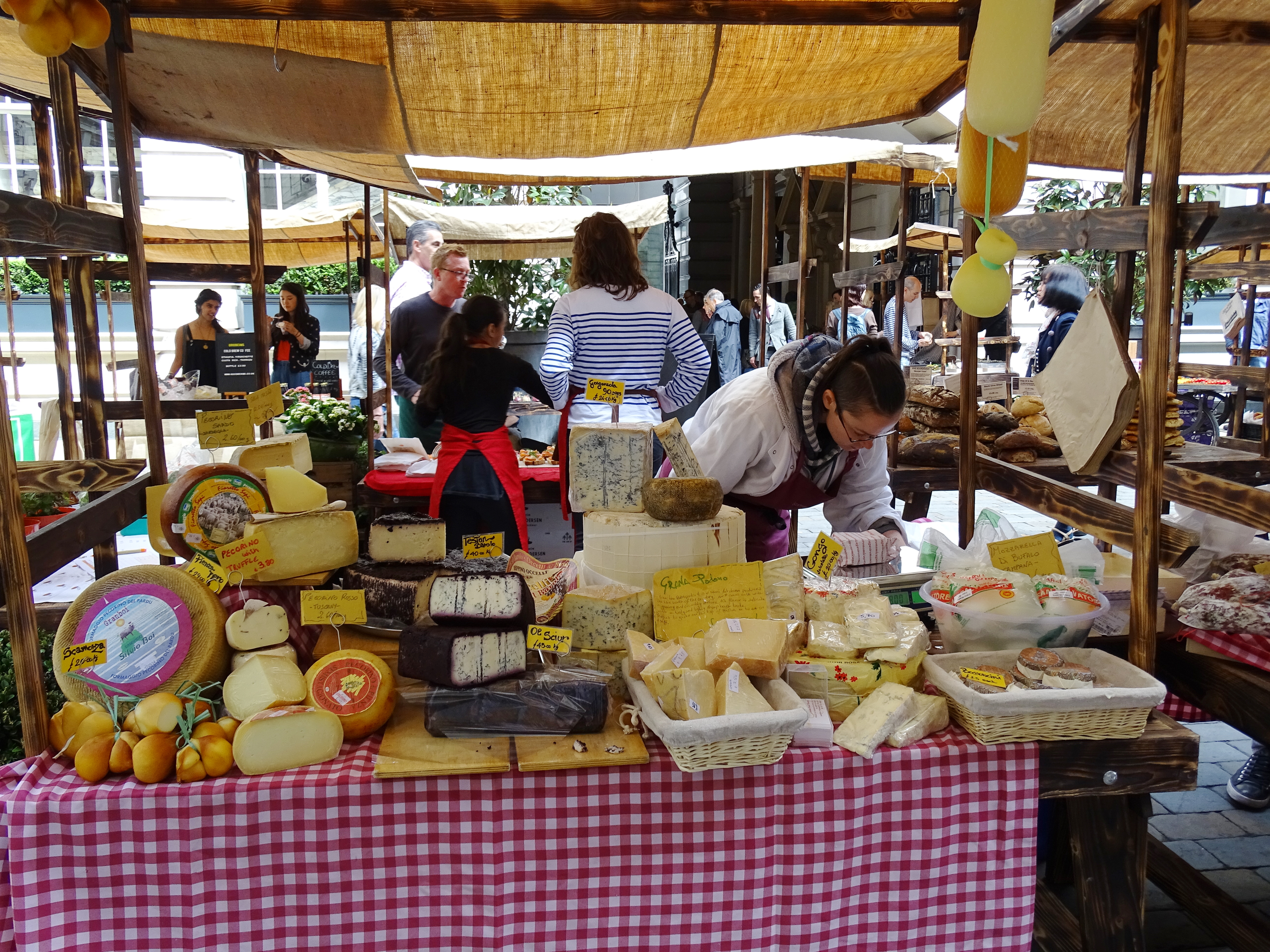
Slow food refers to regionally produced, fresh, clean produce, which has been thoughtfully harvested using responsible practices.
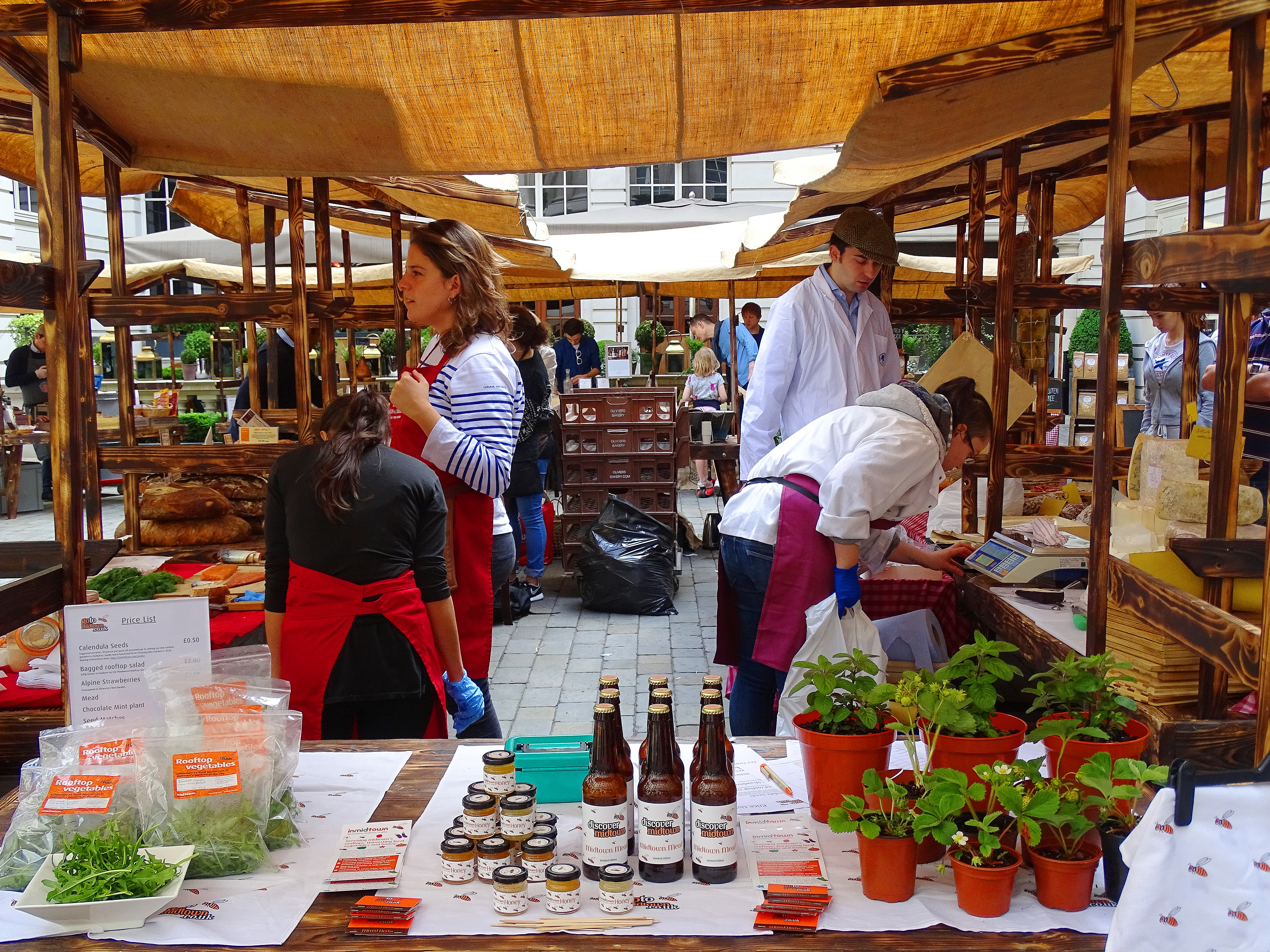
The aim of the market is to foster connections, and a sense of community between small scale rural producers, and urban London dwellers.
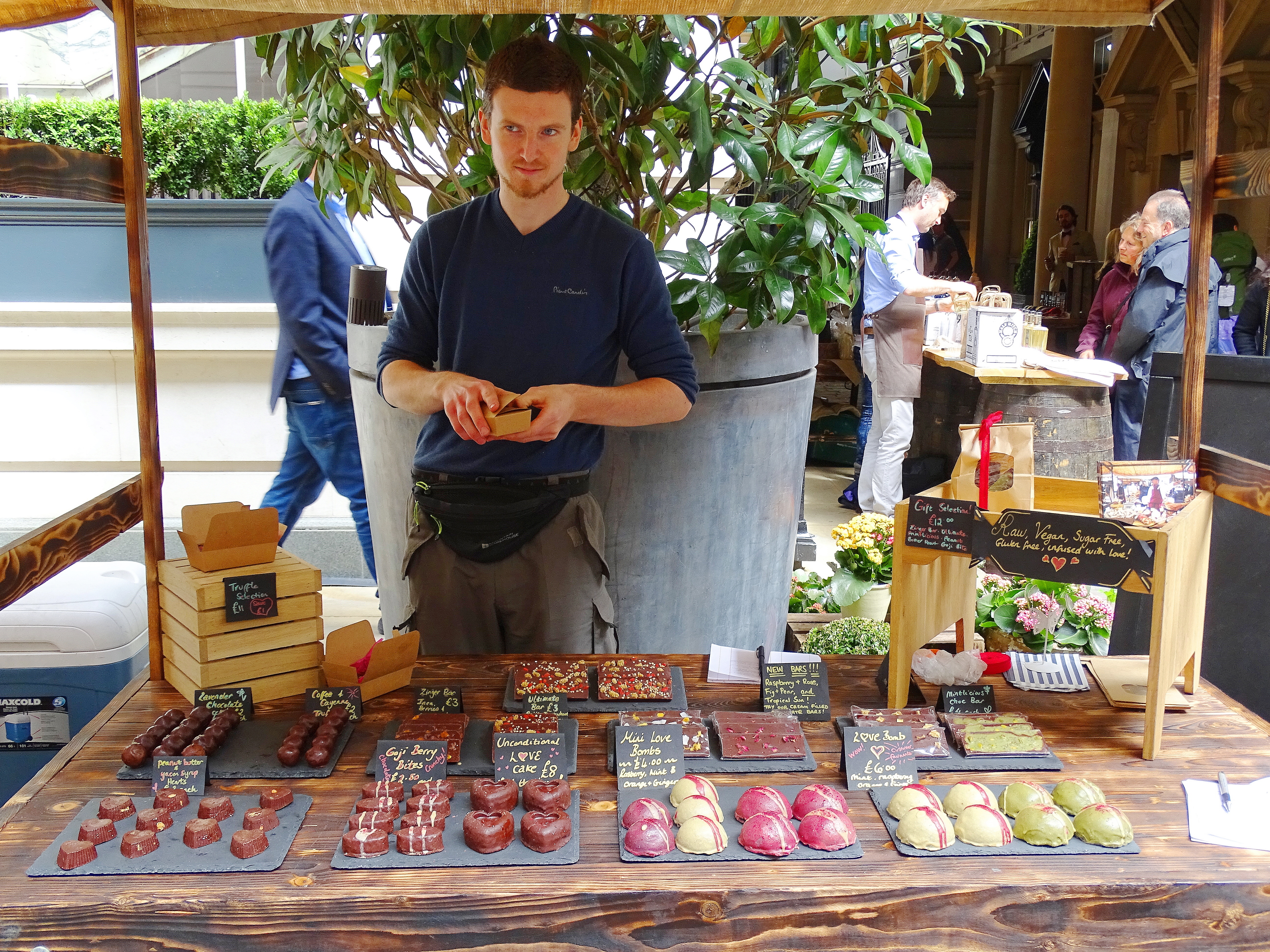
There is amazing chocolate and lots of it!
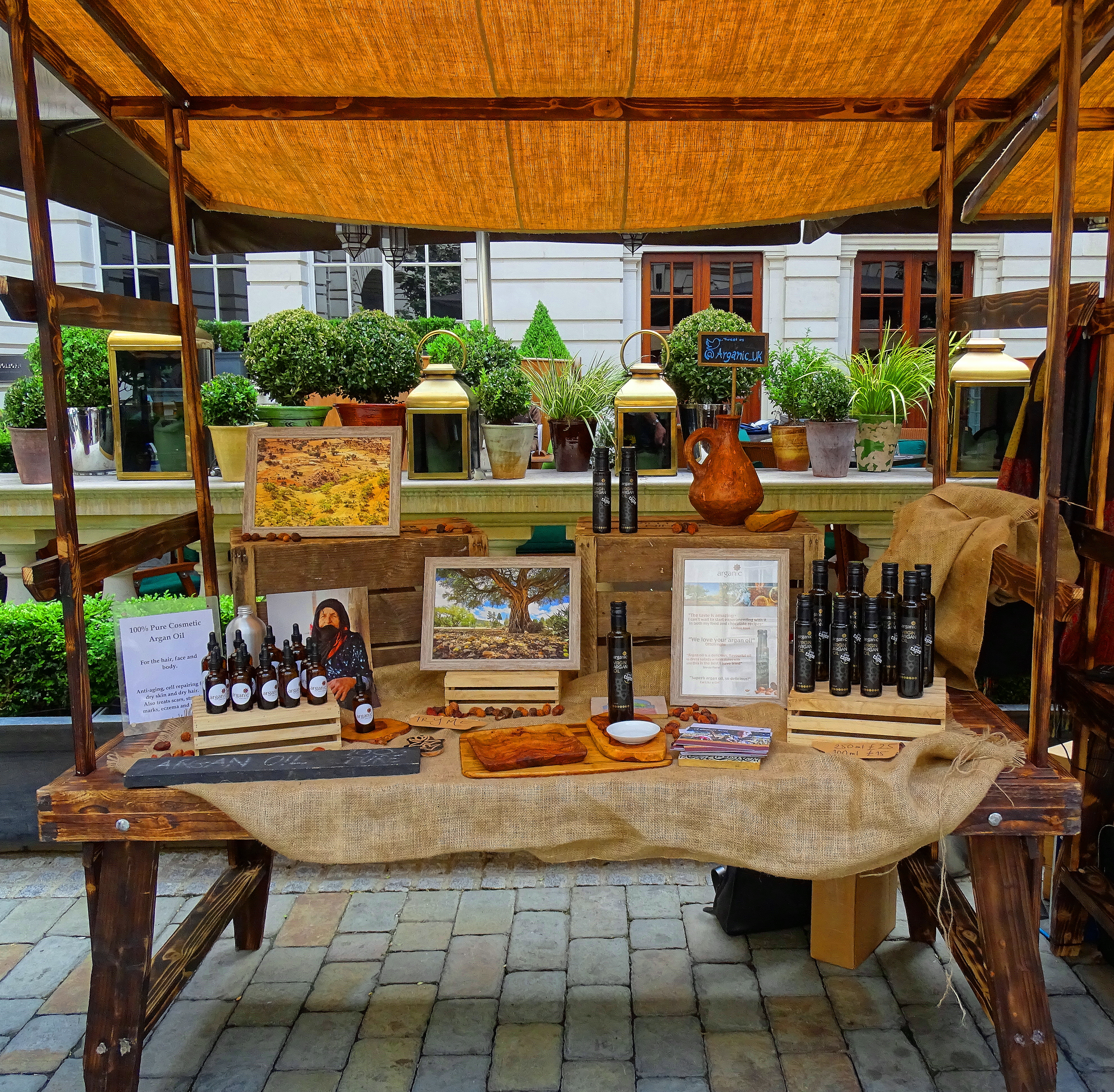
The items for sale here are not mass produced. The food takes time and care to produce.
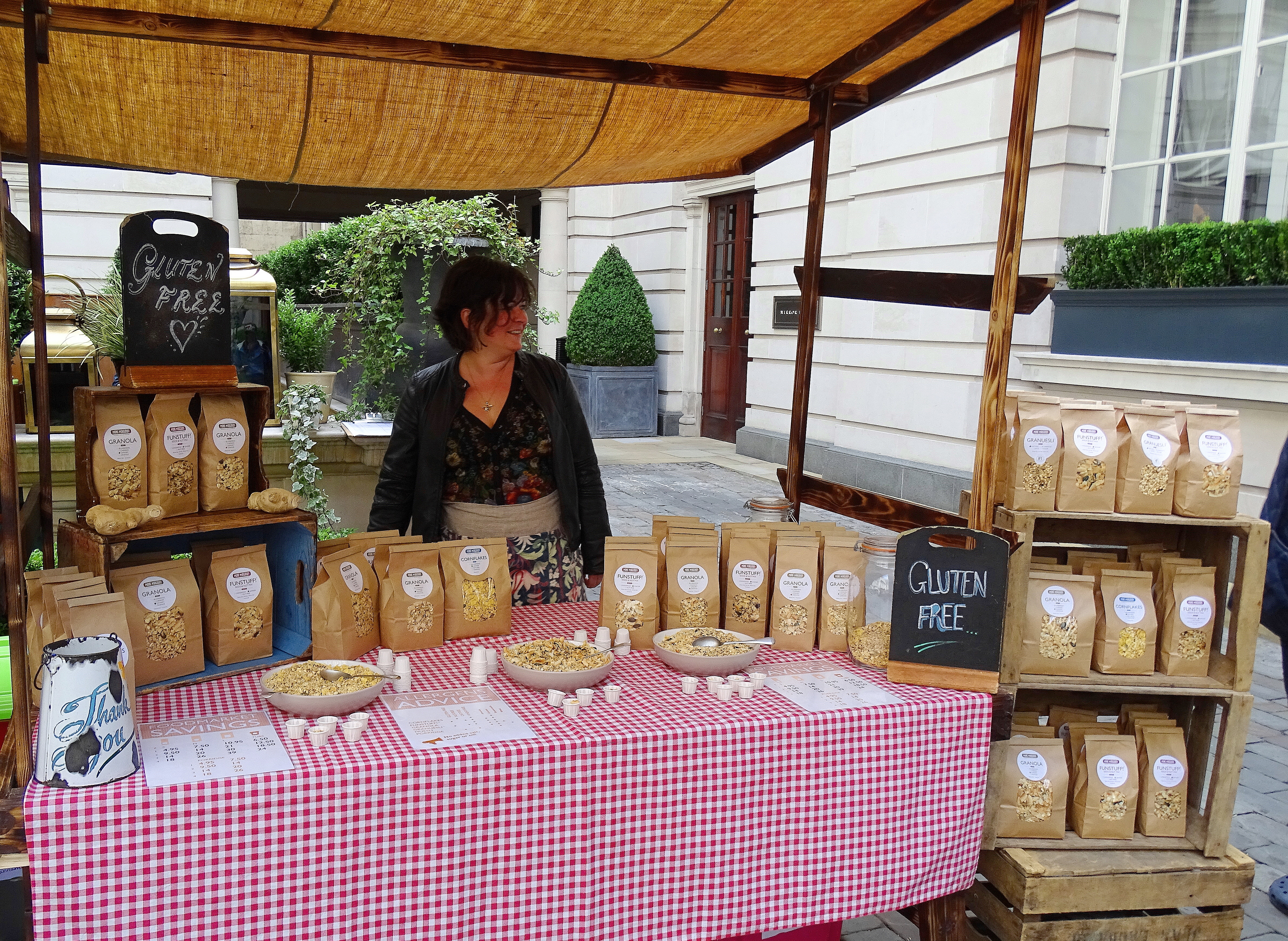
Obviously, it is much better for you, and tastes entirely better then the produce created by large scale agri-businesses so prevalent in the USA.
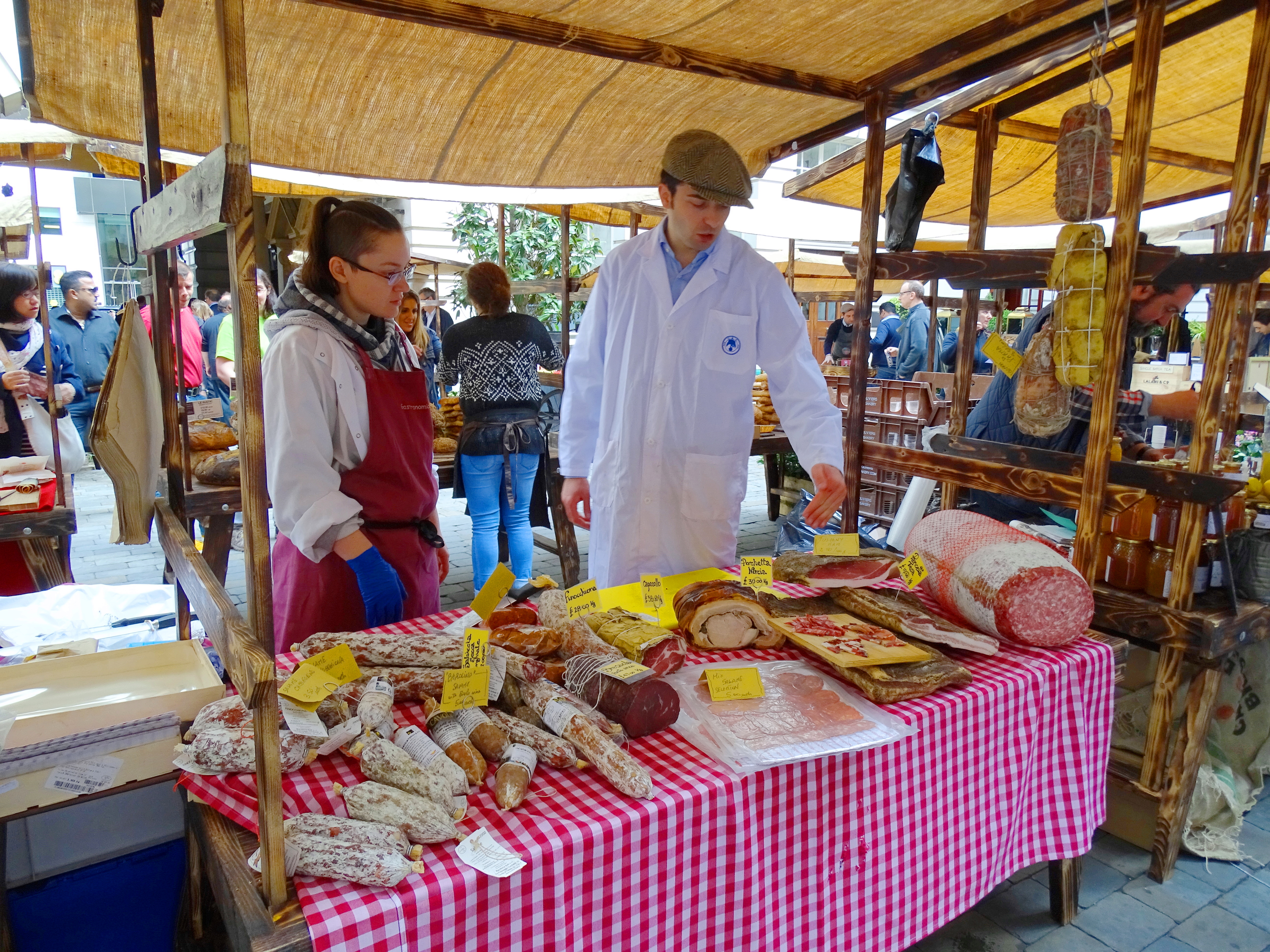
Fresh tomatoes burst with flavor like tomatoes should, and bread is prepared from scratch and tastes divine.
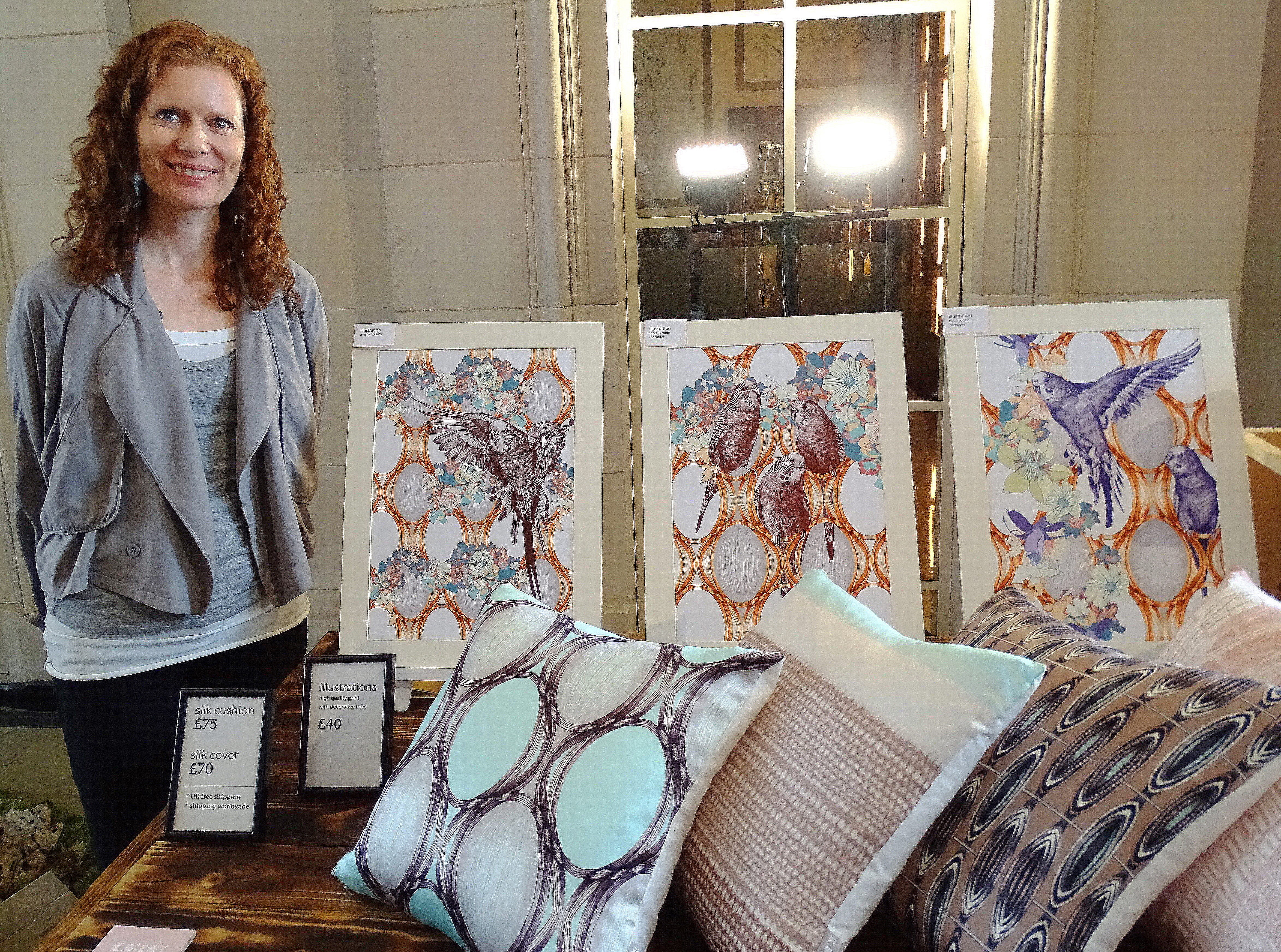
There are wonderful local artists with displays as well. All in all it makes for a most enjoyable, and tasty, Sunday stroll!
Cheers to you from London’s Slow Food Market~
For more about Slow Food in the USA, check out: https://www.slowfoodusa.org/about-us
Year: 2015

London Town~

Okay, I probably wasn’t supposed to take this pic, although I have been to London a few times, I have never been to Windsor, and the private gardens are pretty freaking amazing. I didn’t trespass. I just leaned really, really, far over the wall to get this pic. Gorgeous huh? You can see why foxes choose to live in certain London parks. They are smart as foxes!
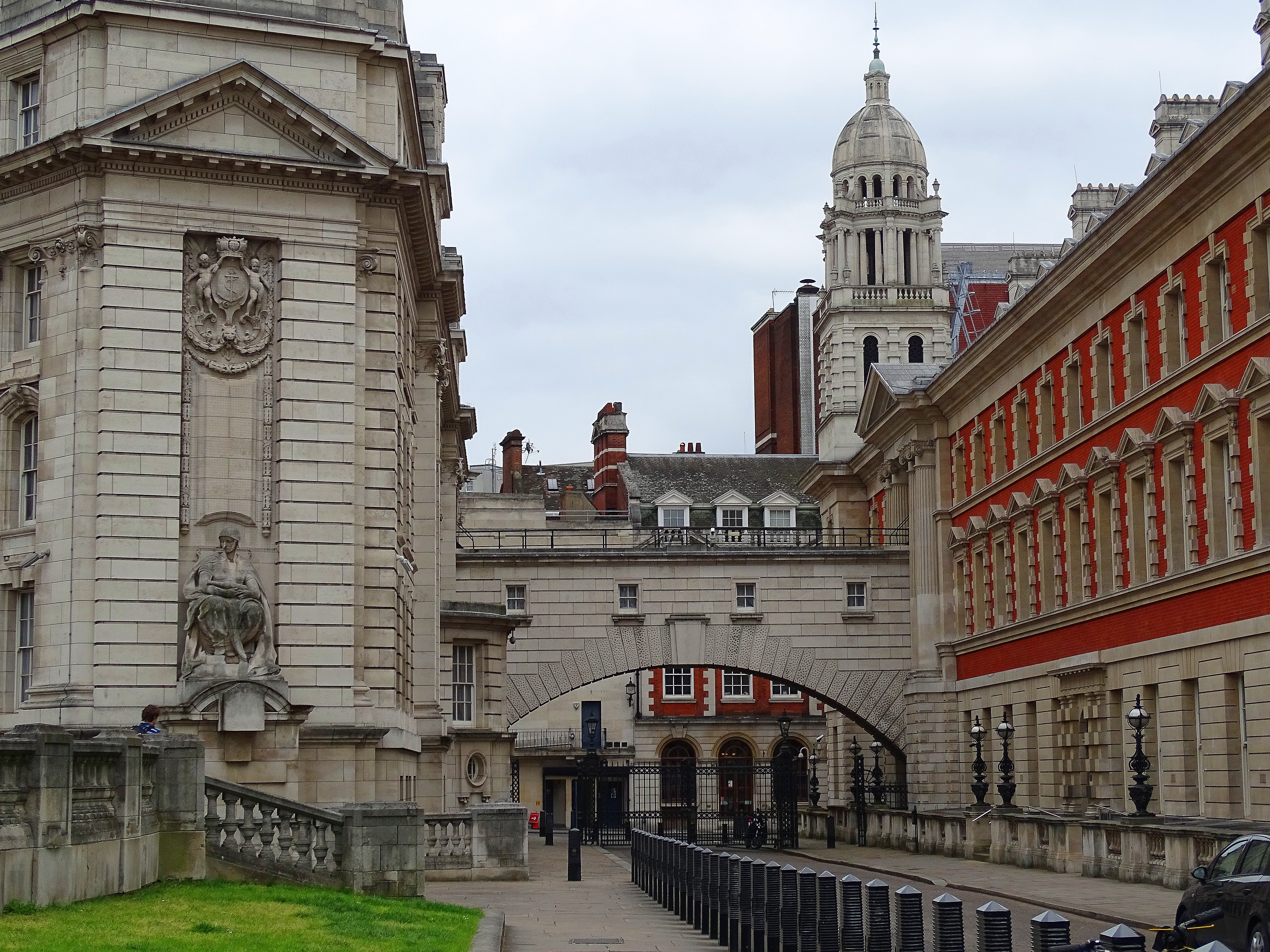
London is of course, old, historic, beautiful. It has gravitas.
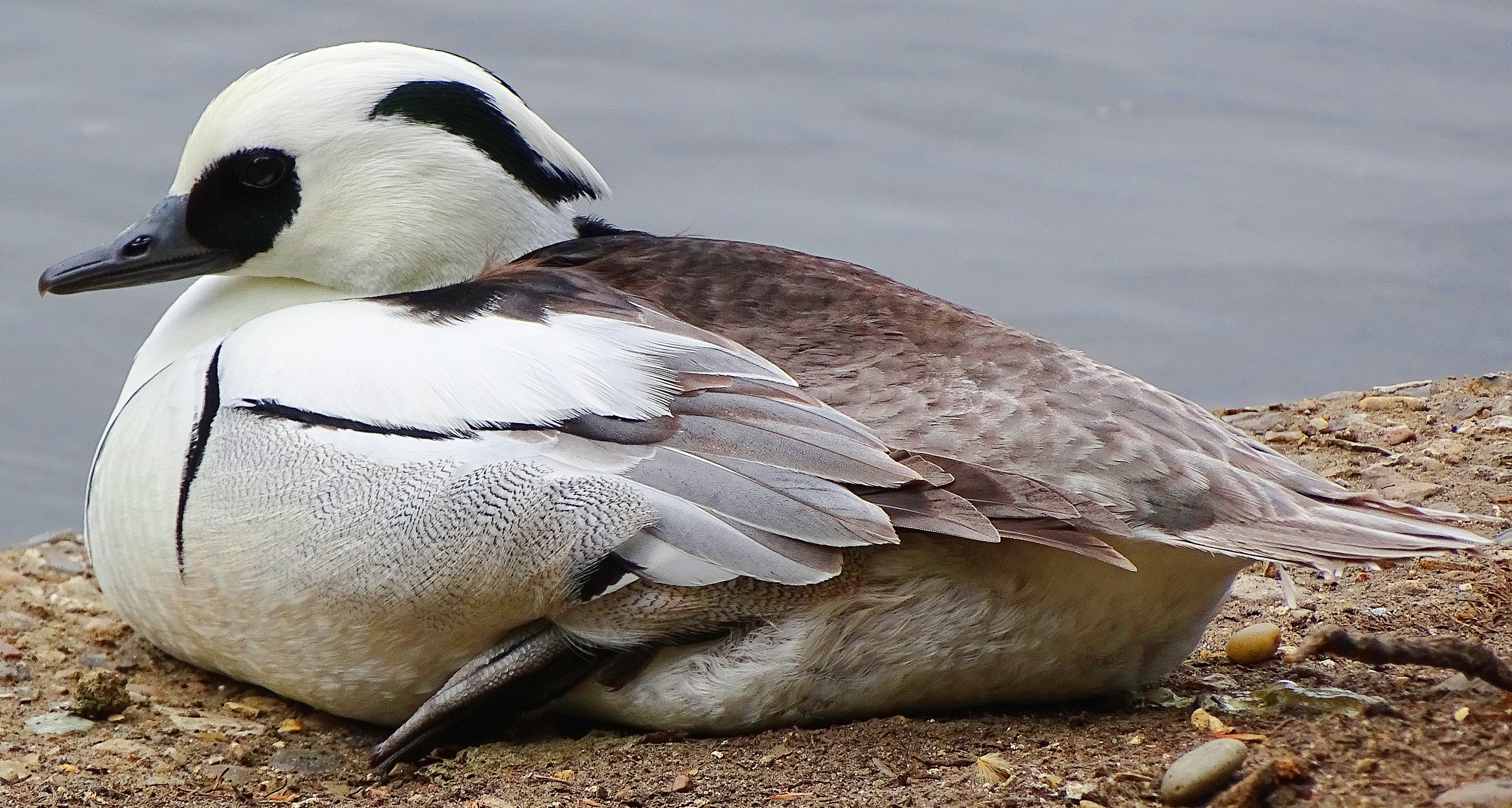
But it is also for the birds,

animals, gardens,
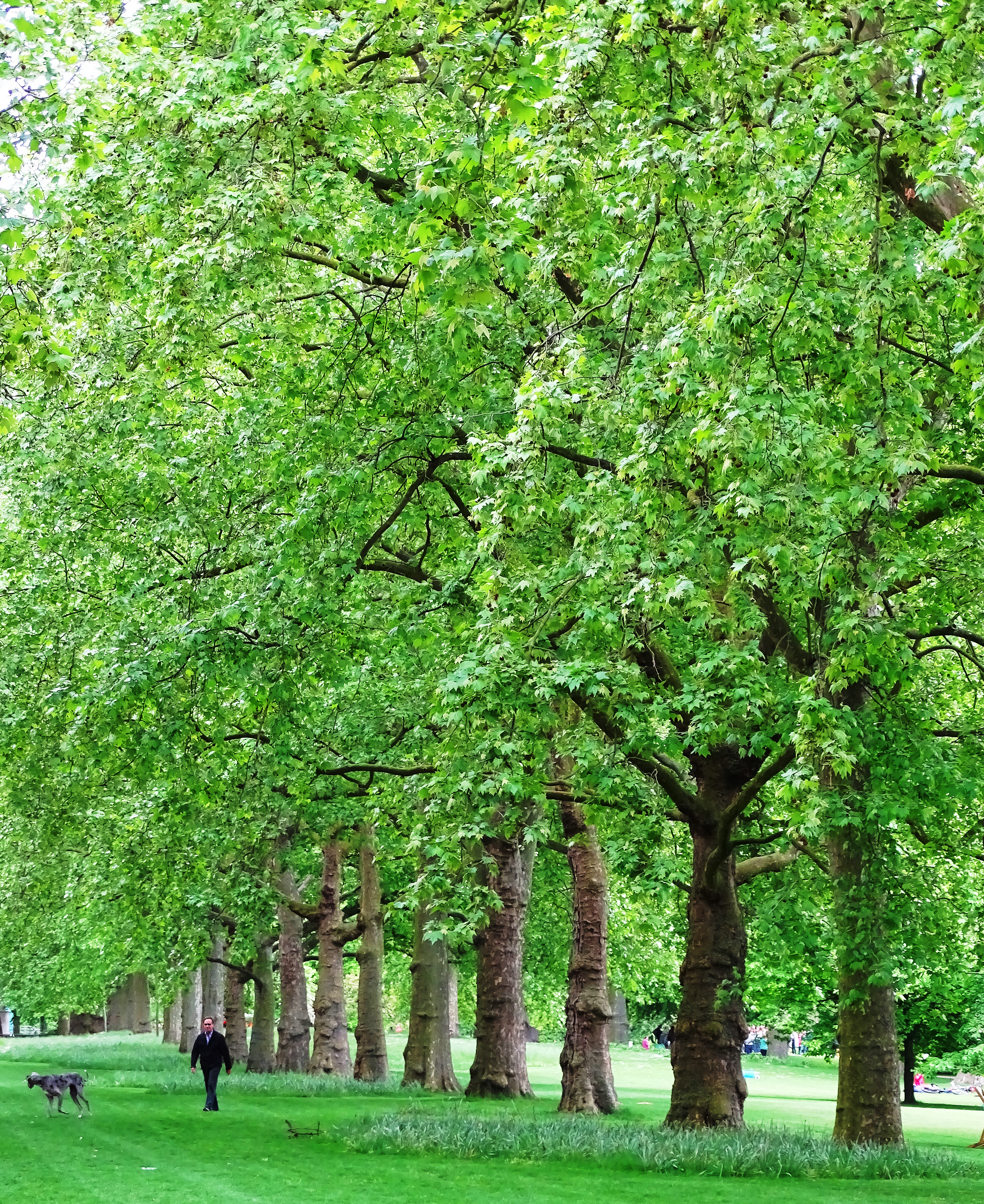
and the people who care for them!
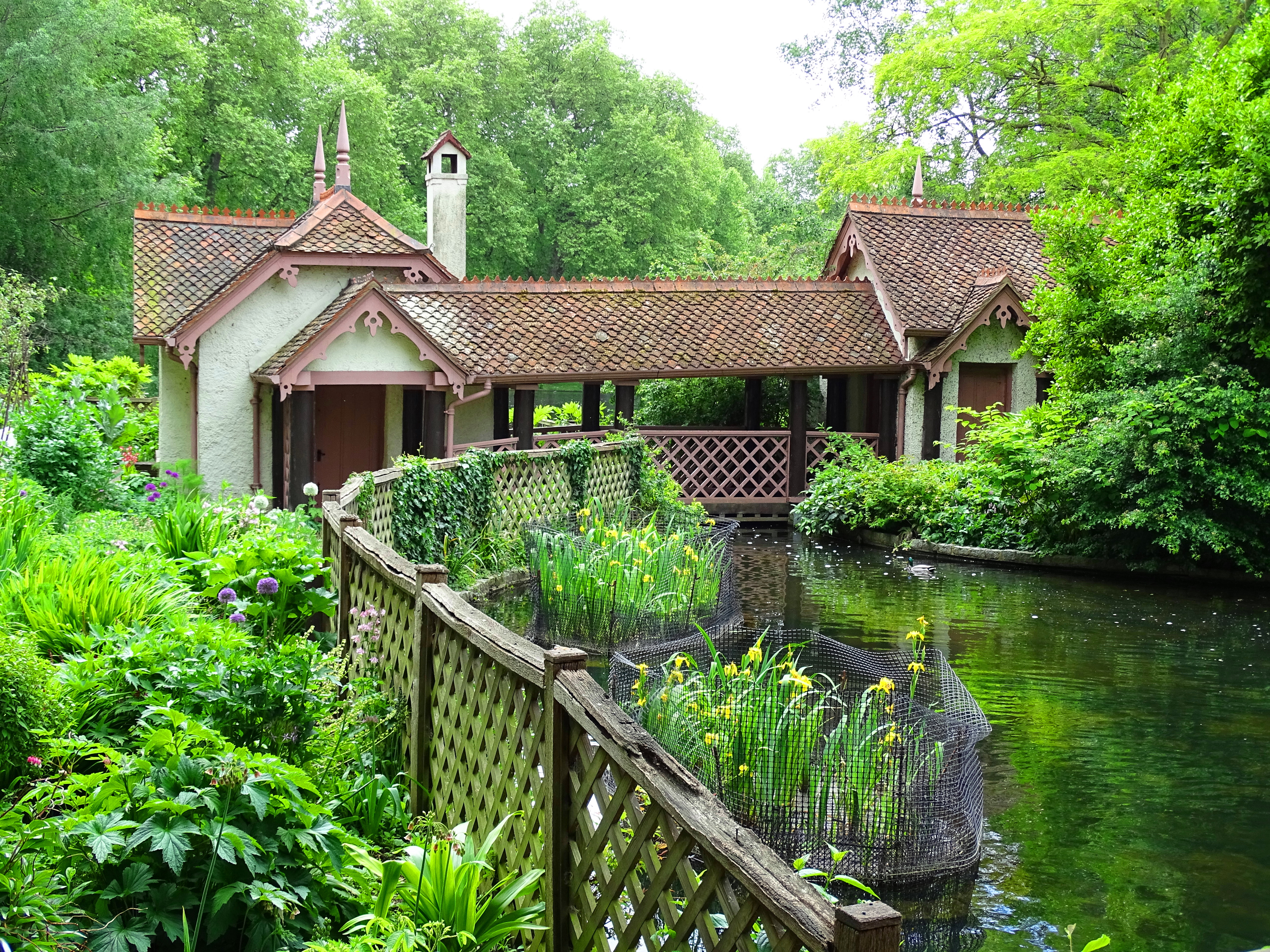
Like the birdkeeper and his cottage. A refuge for the birdman and his exotic birds was first established in 1612.
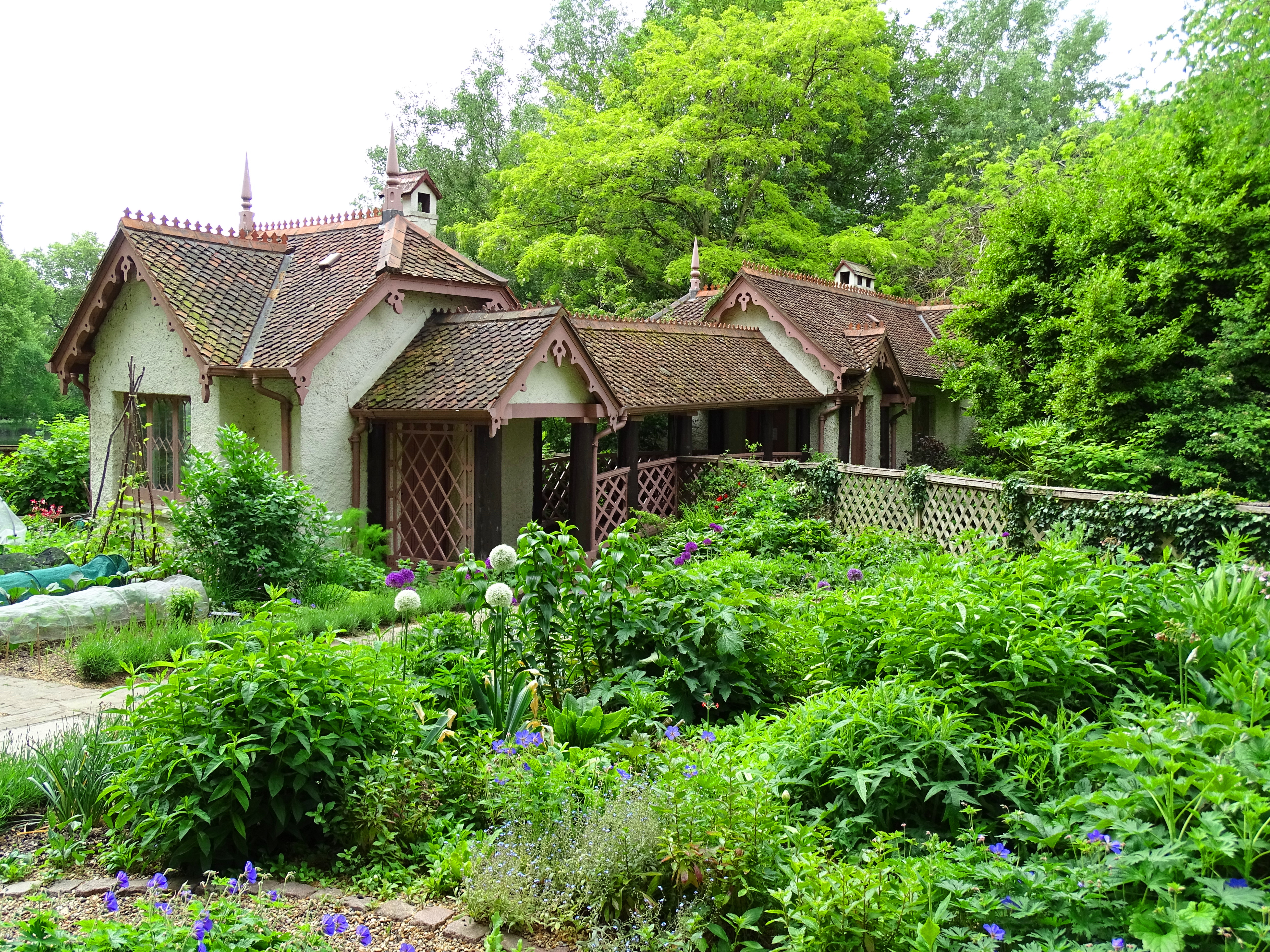
I love a town that established a place for a keeper of the birds 400 hundred years ago.
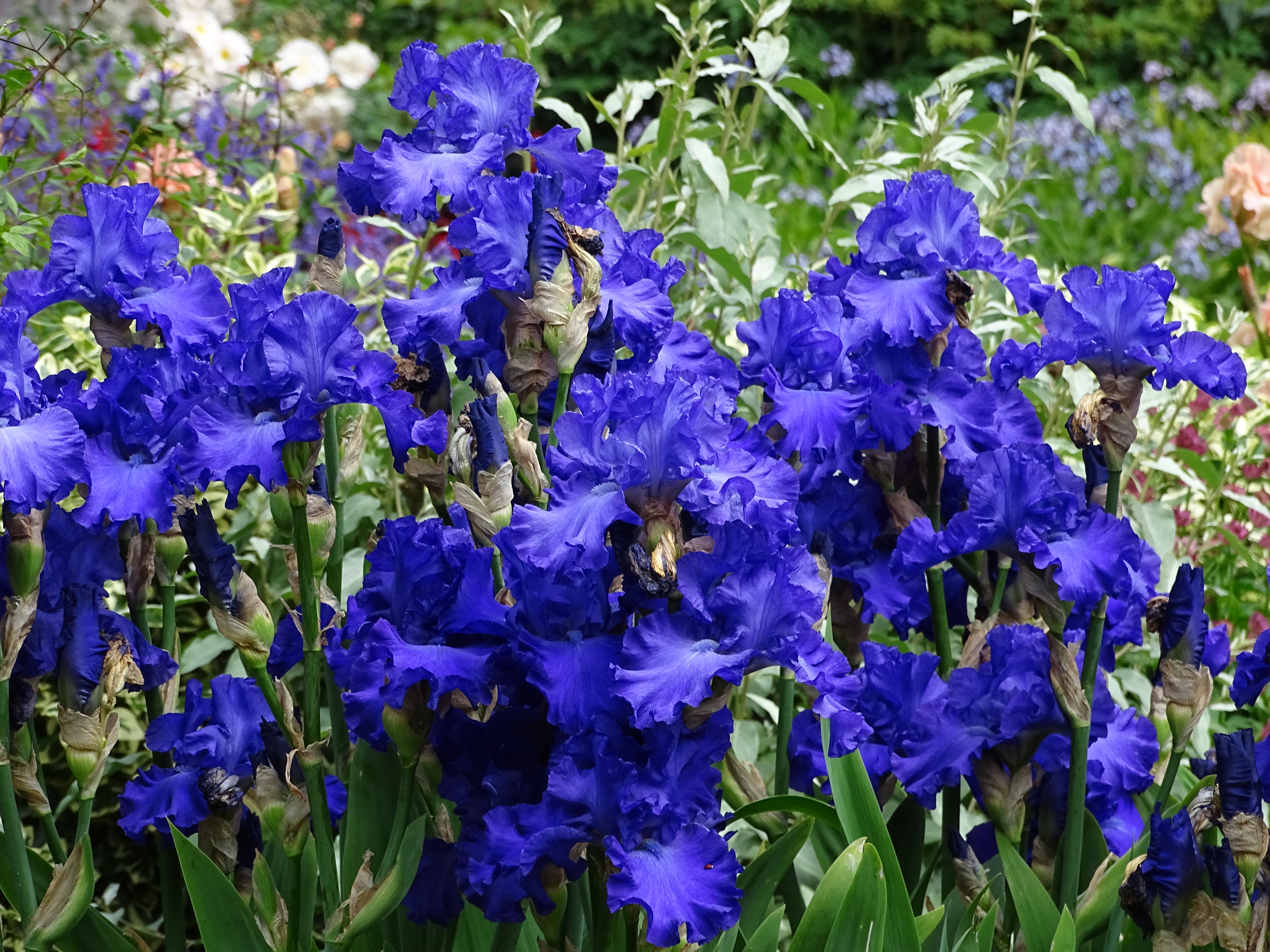
Plus, there are all the flowers.
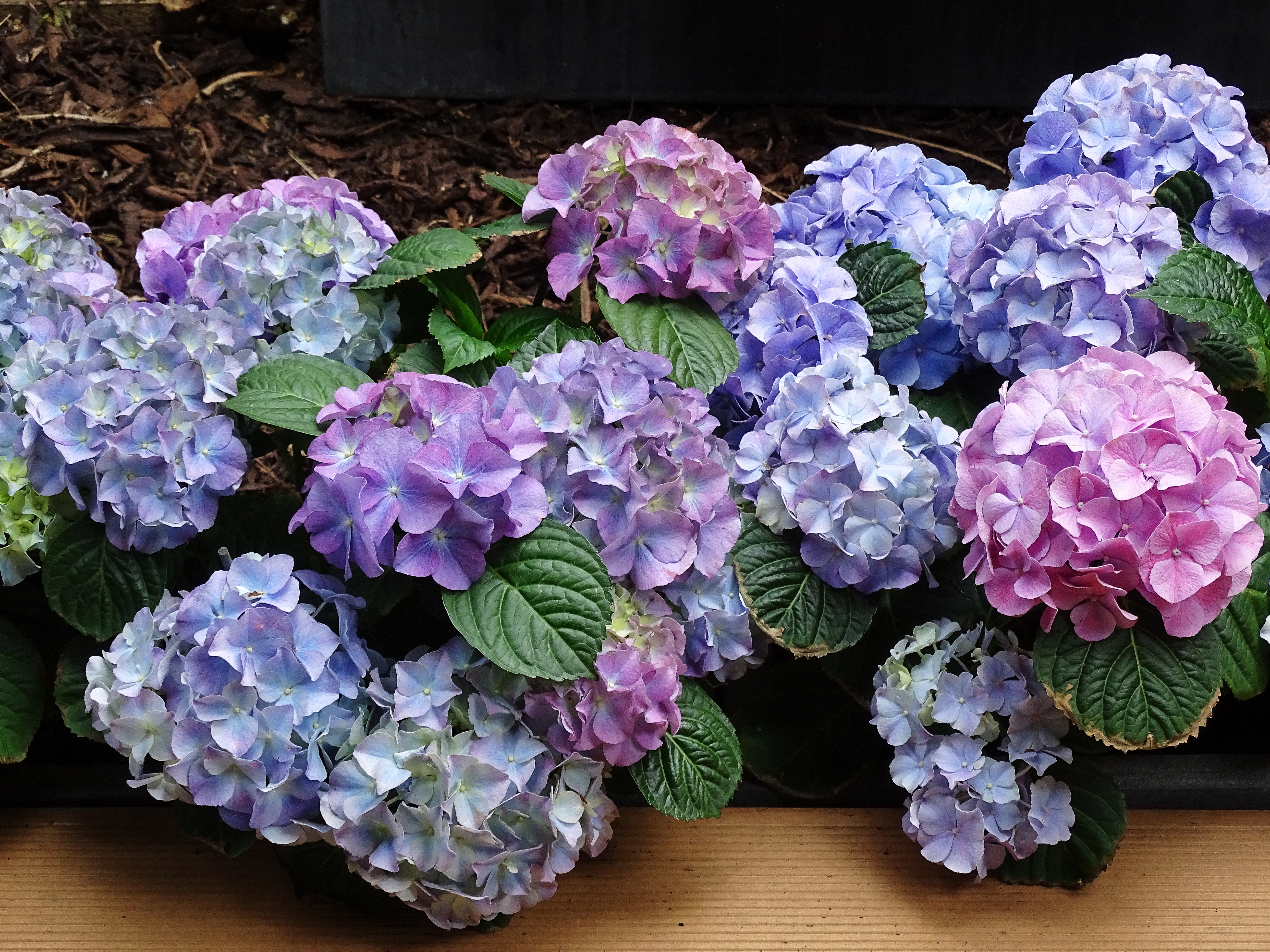
Which is the way to London Town?
To see the king in his golden crown.
One foot up and one foot down.
To see the Queen in her silken gown.
(Source: Unknown Nursery Rhyme).

Cheers to you from lovely London Town~
Share this:

Our London Safari~
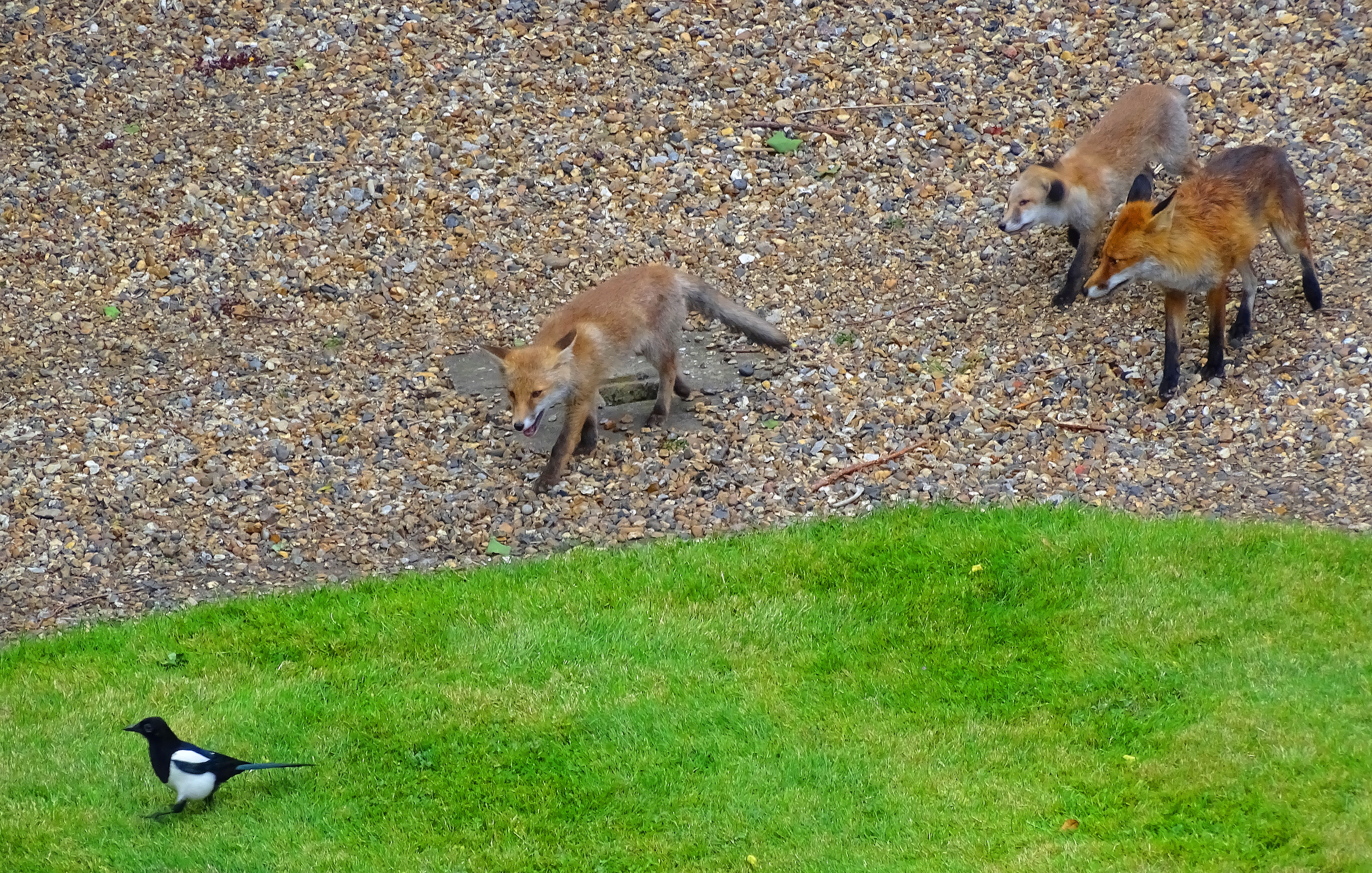
So you think one has to go to Africa to witness wild predator prey interactions? Ha, I say! Just go to central London. And, no I am not talking about the tube strike…..
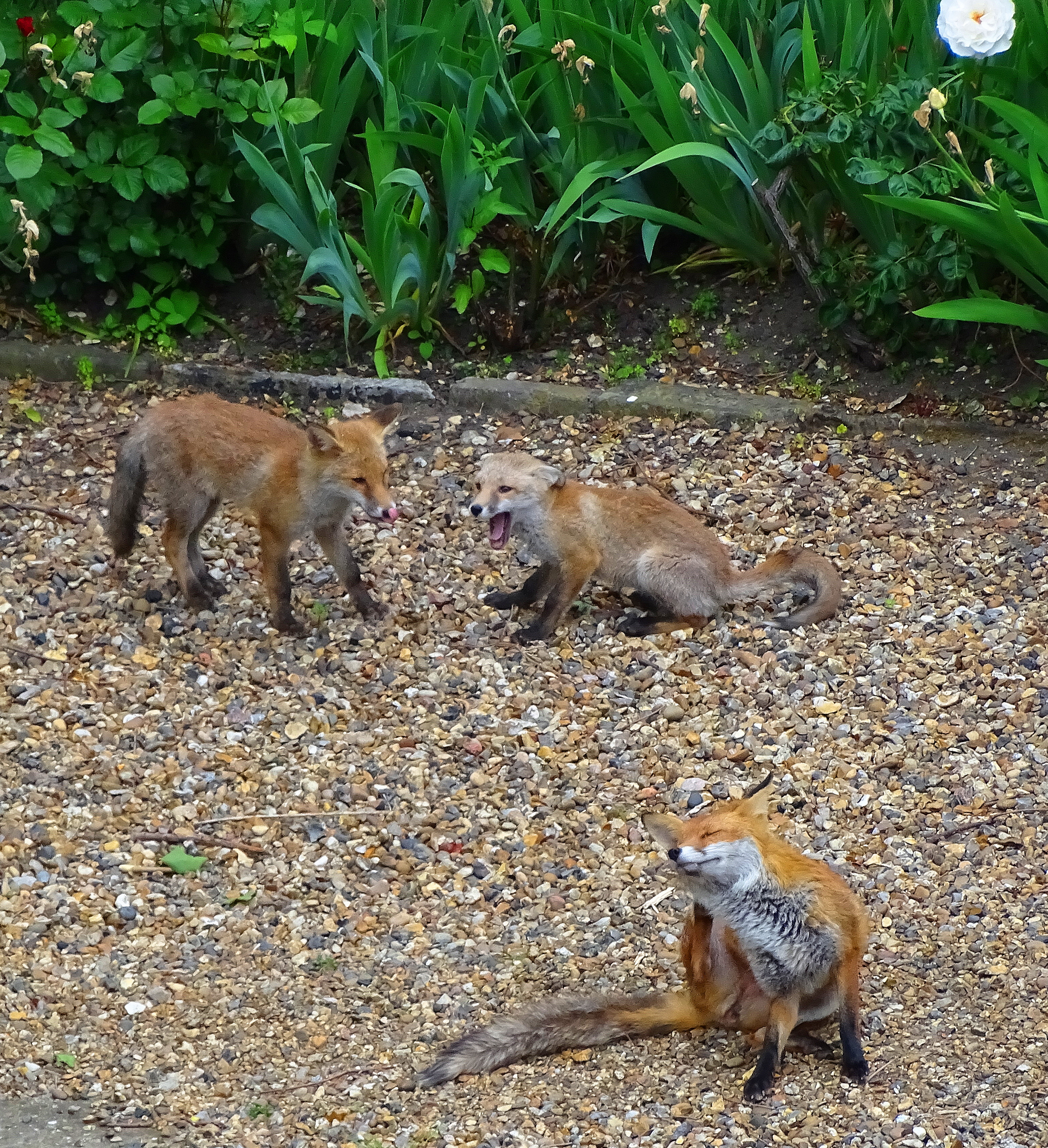
Actually, we left Africa and flew to London on the first leg home to The Holler. We were looking forward to a spell of civilization and culture. But it seems, our safari was to continue in London. We checked into a hotel quite near the crowds and hustle of the British Museum, and I looked out our hotel window onto a city park, and this was the sight that greeted me!
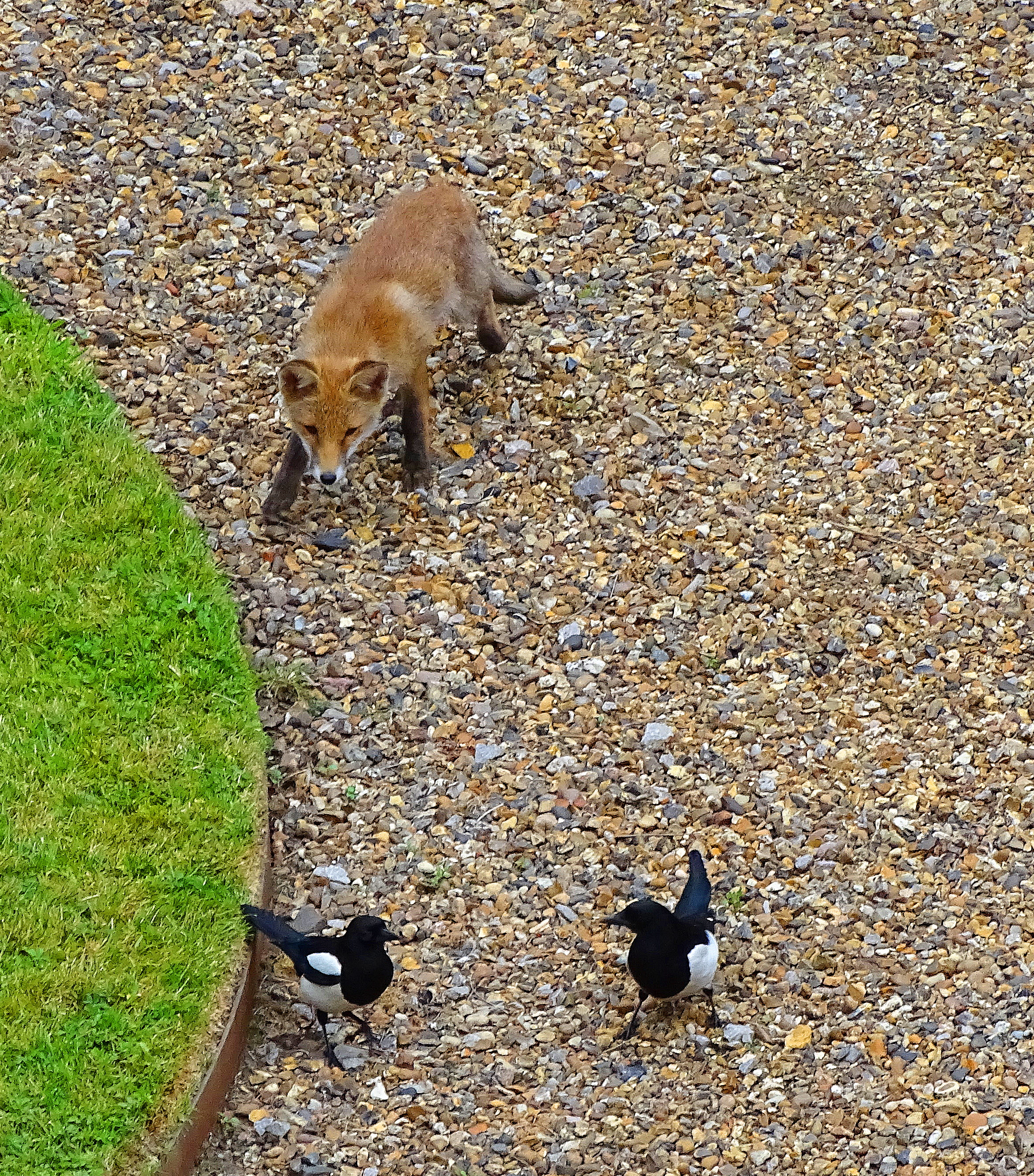
There were four foxes in this family in the center of London. There were magpies too. Occasionally the foxes would snag a magpie which resulted in the magpies giving the foxes holy hell for hours. They would taunt and goad them.

I was supposed to be going to the British Museum with my hubby, but instead I sat for hours watching the foxes in the Duke of Bedford’s garden. No one was allowed to go in the garden, thank God, and my hotel window only opened about four inches, so there was considerable challenge getting these pics, but I was motivated! I live in Southern California and rarely get to see foxes so it is always a thrill.
It takes effort learning to hunt,
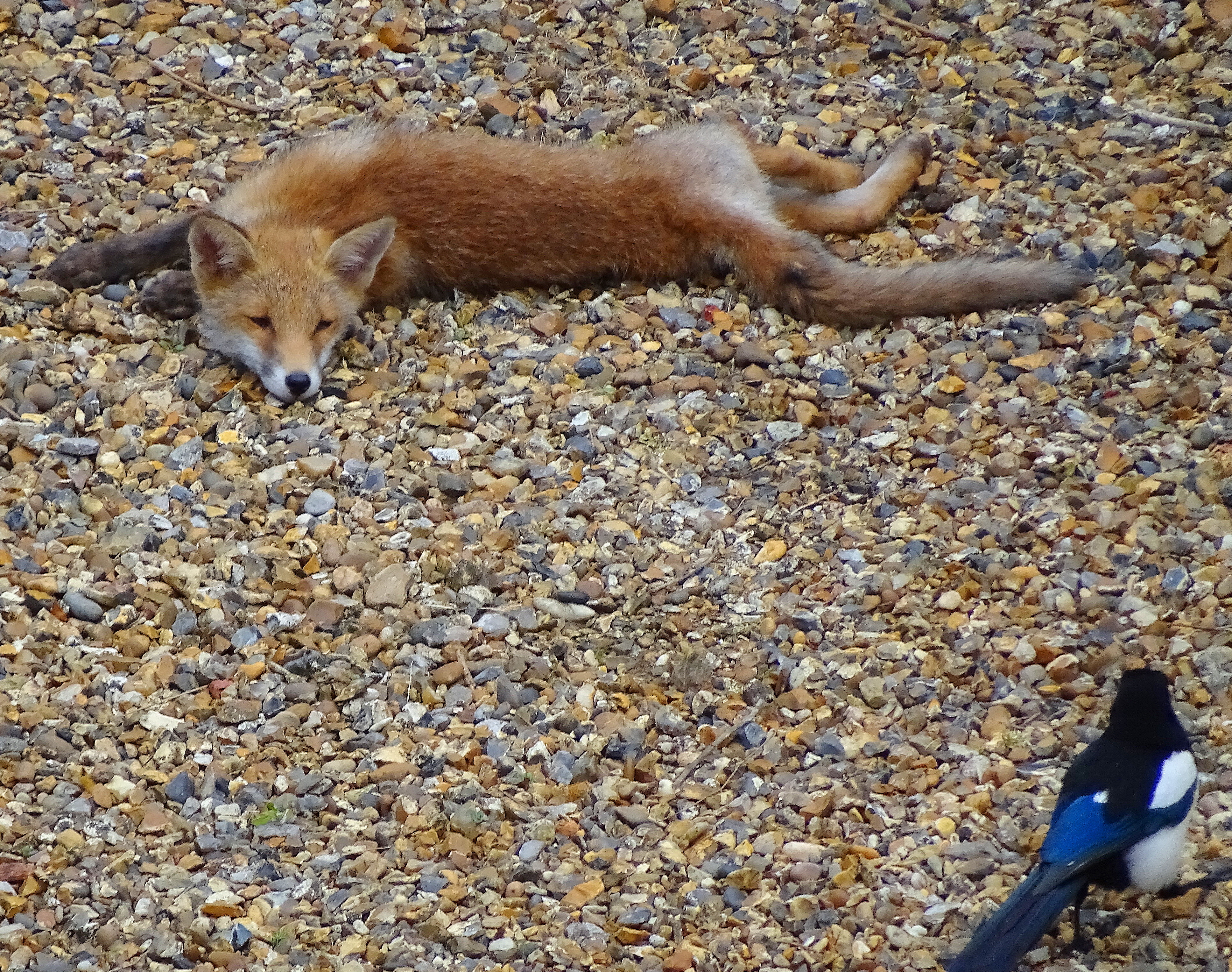
and can be quite exhausting.

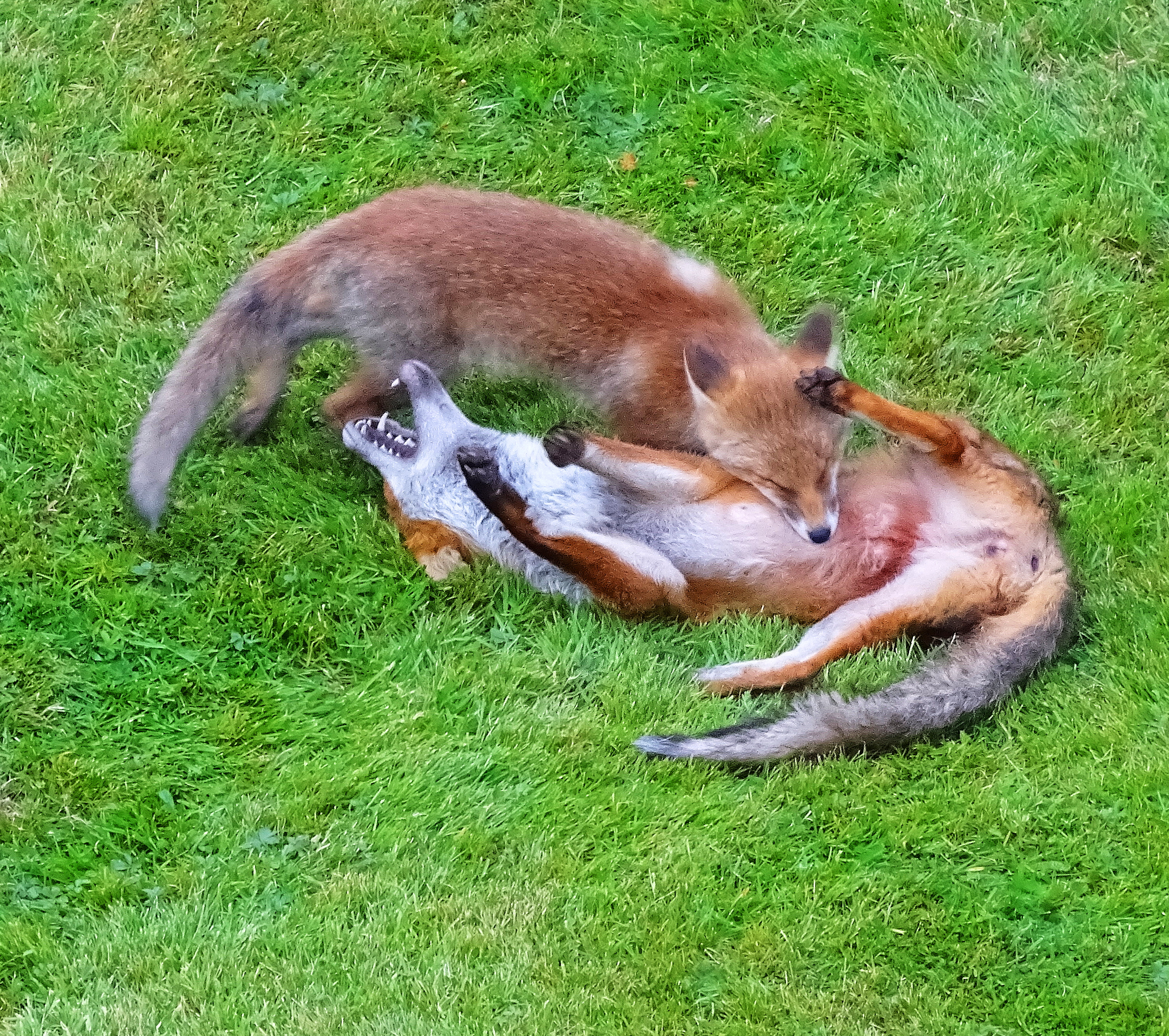
Not to mention embarrassing, when the prey decides to become the predator!
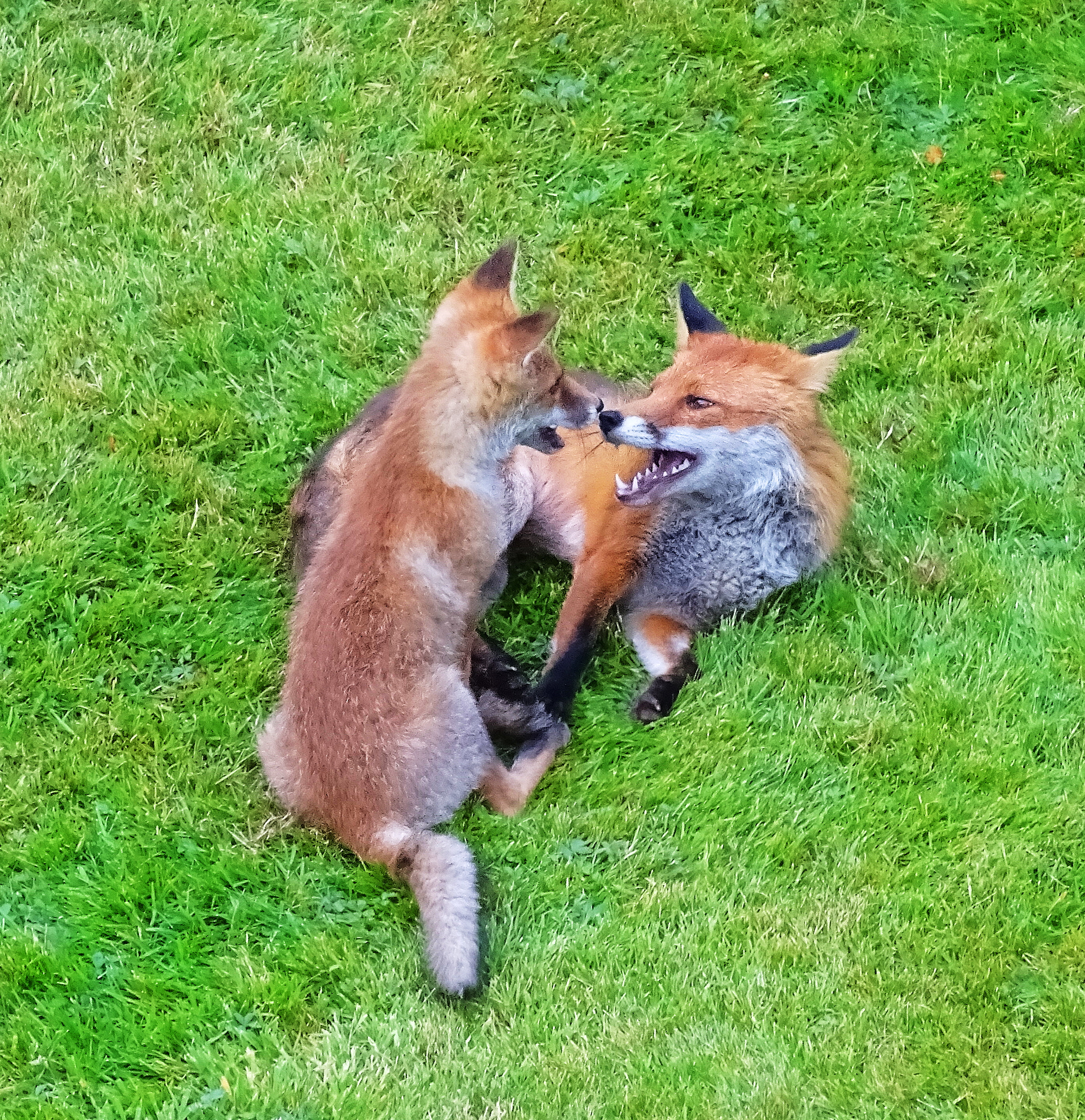
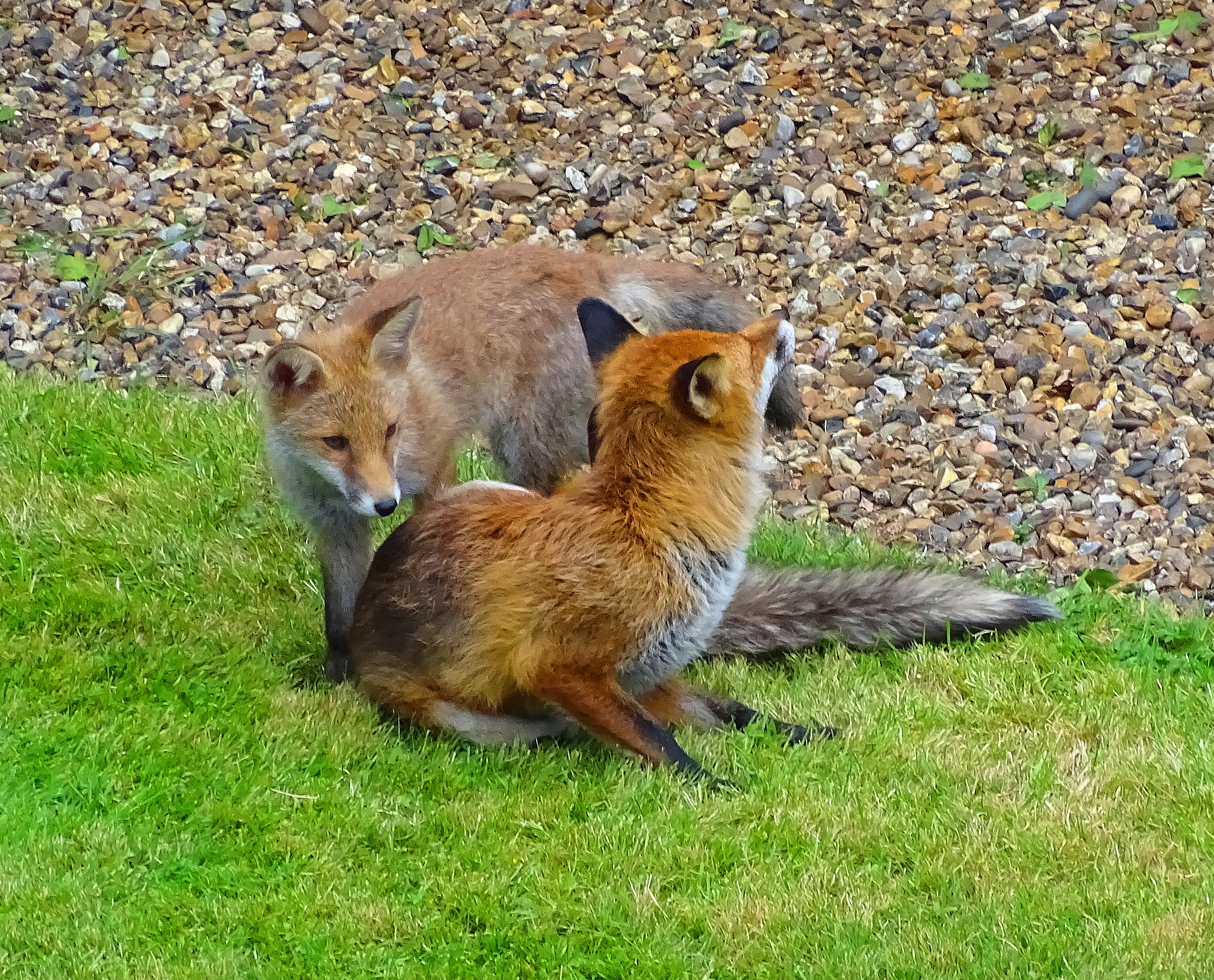
And then there is mum to contend with. She can be such a nag….
But being almost a teenager, mum is starting to get an idea what she’s in for.
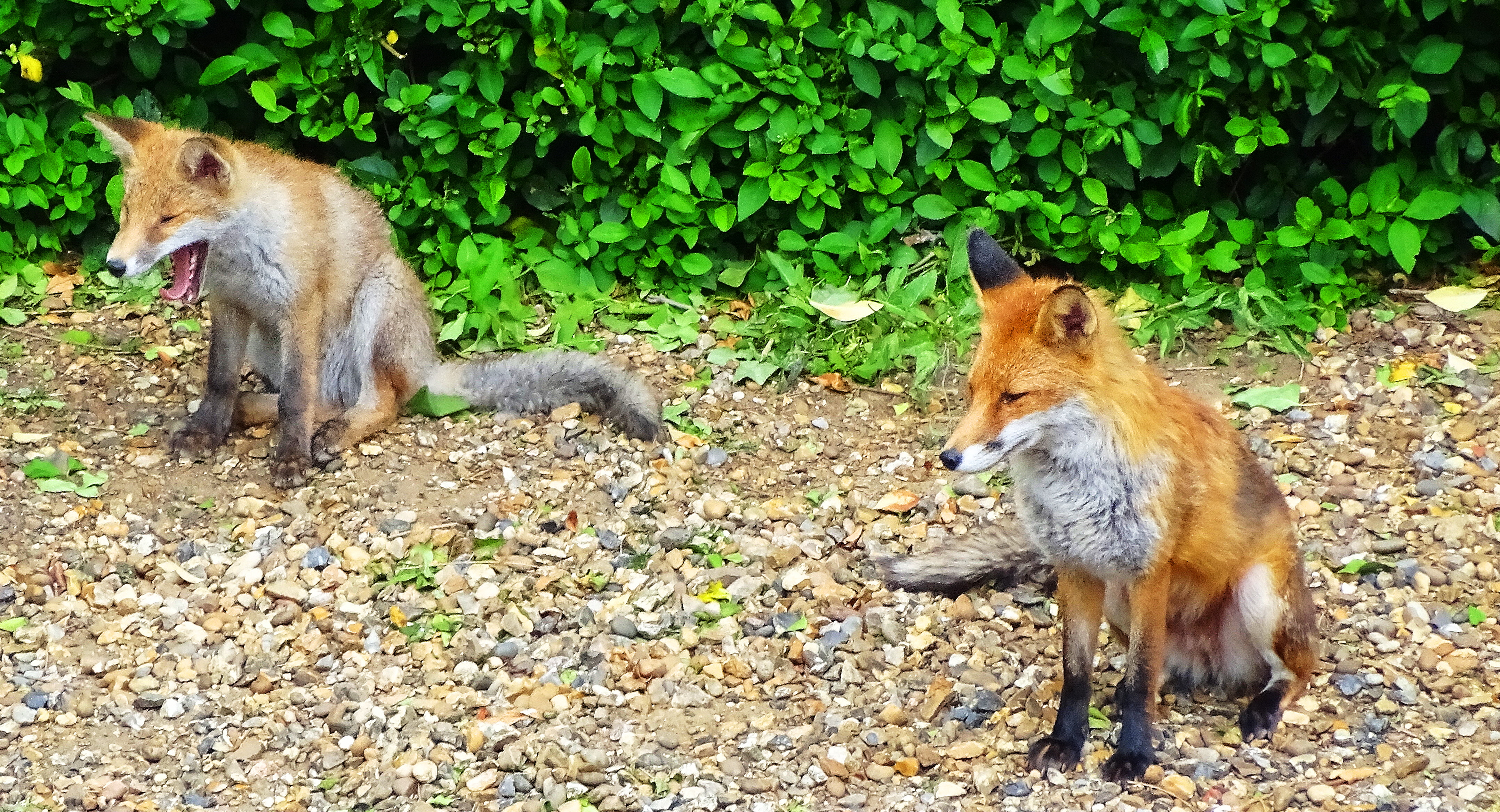
It’s nice to be a fox family in the Duke of Bedford’s garden,
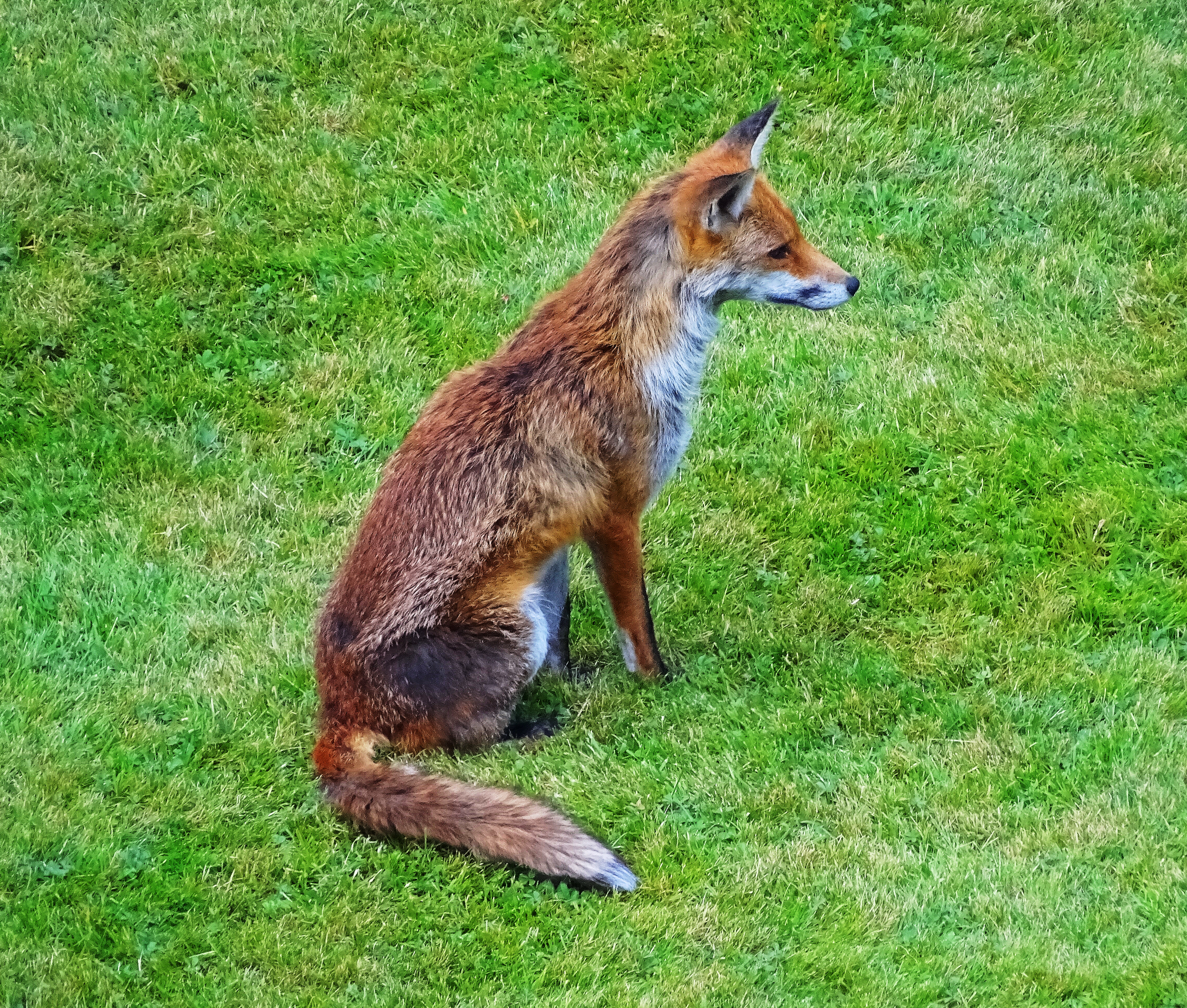
if only there was a little more to eat.
Cheers to you from the London fox’s garden~
Share this:

It’s Hard to Say Goodbye Africa~
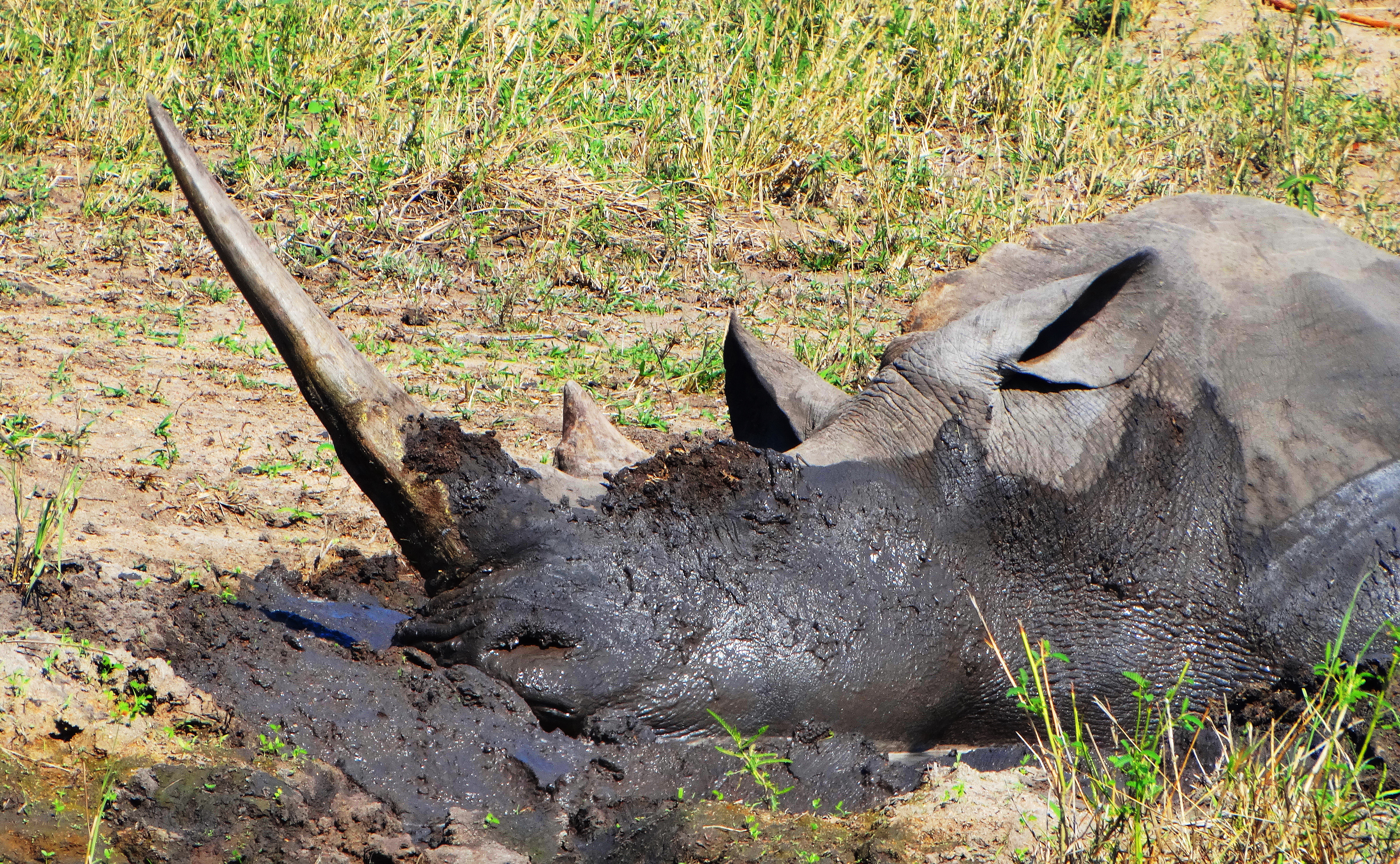
You no longer run into rhino,

sleeping in waterholes,
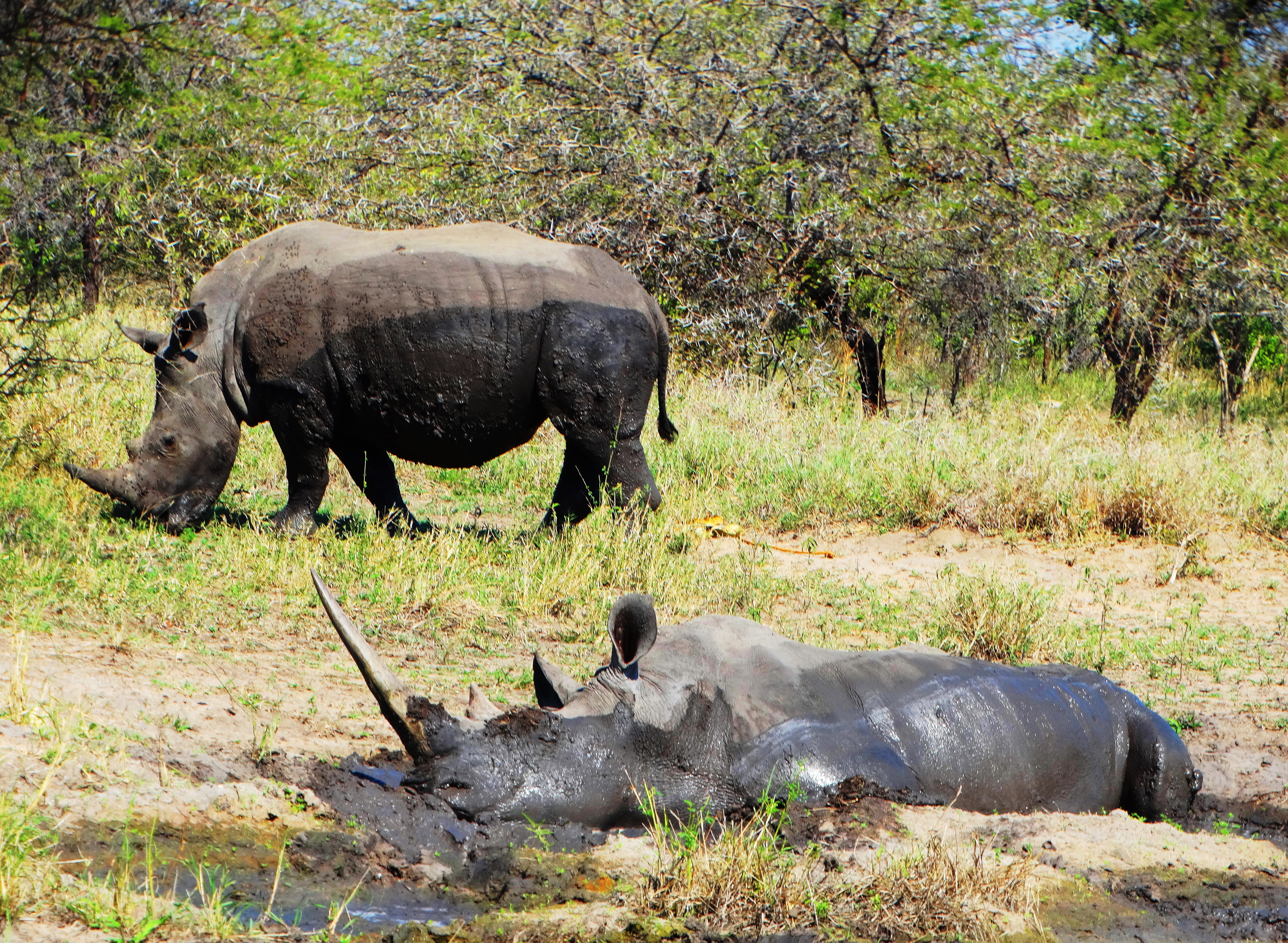
visited by a friend.
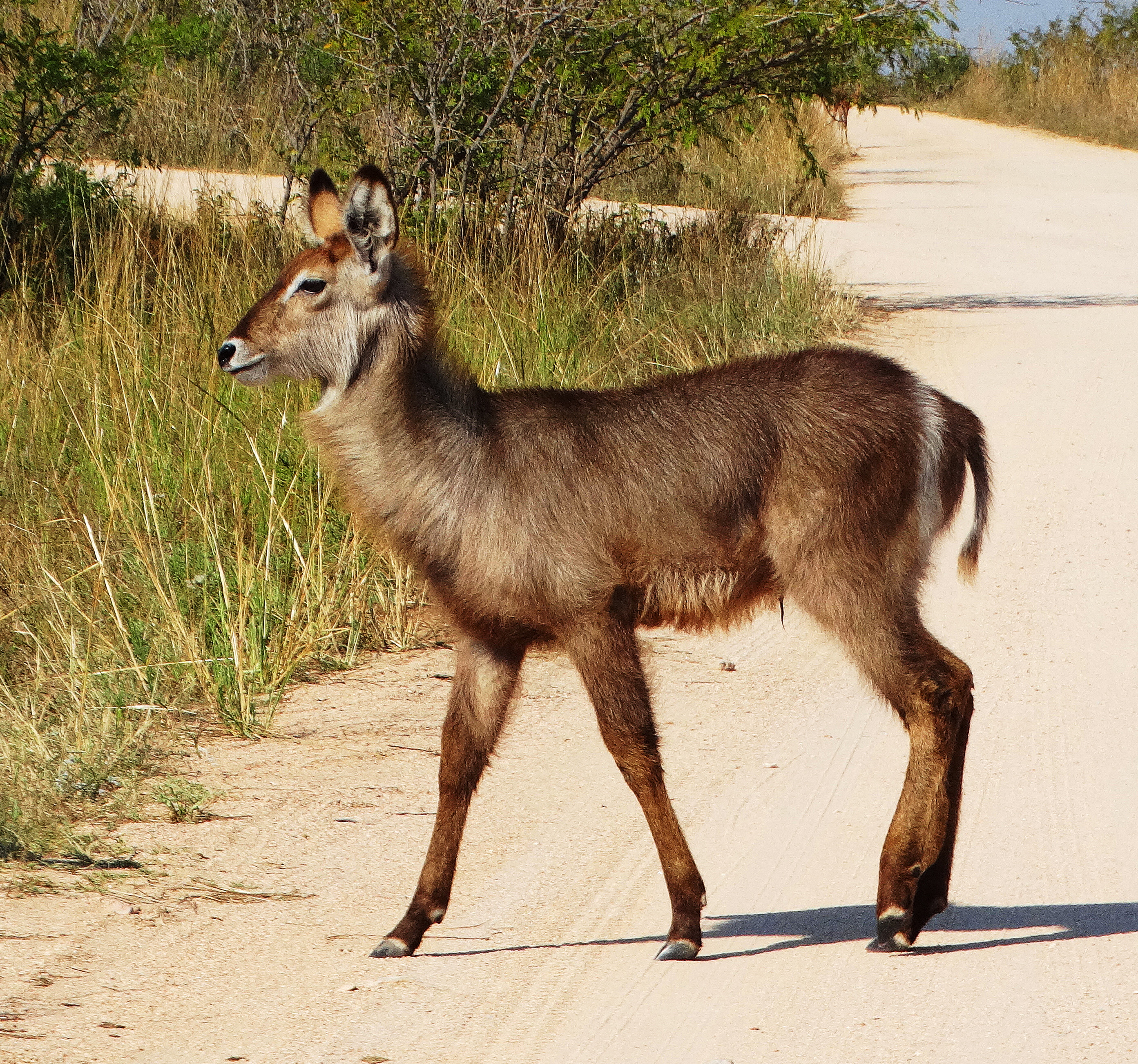
There is no need to break for baby waterbuck,
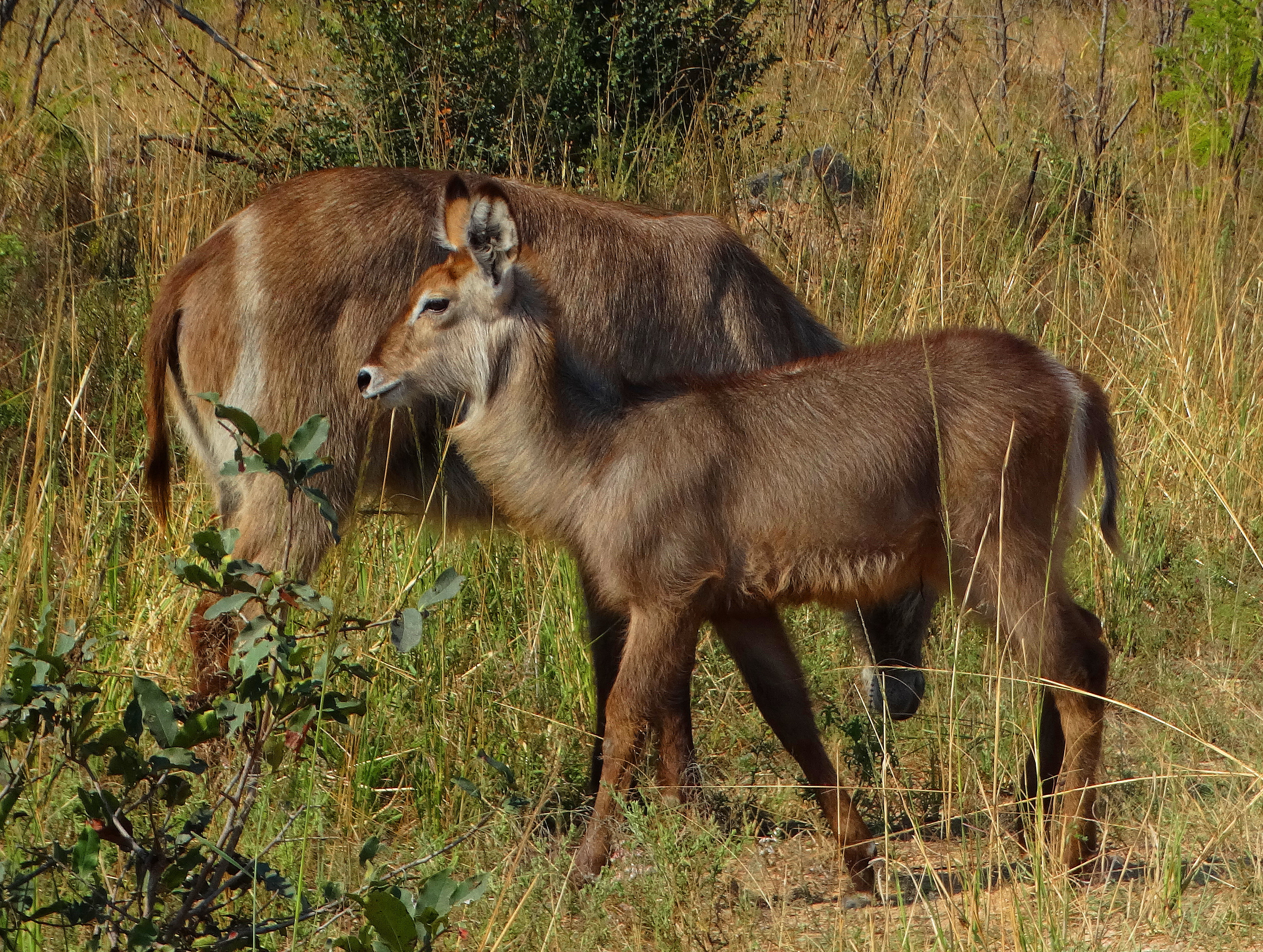
crossing the road to mama,

protected by papa, and watched by a drifting hippo.
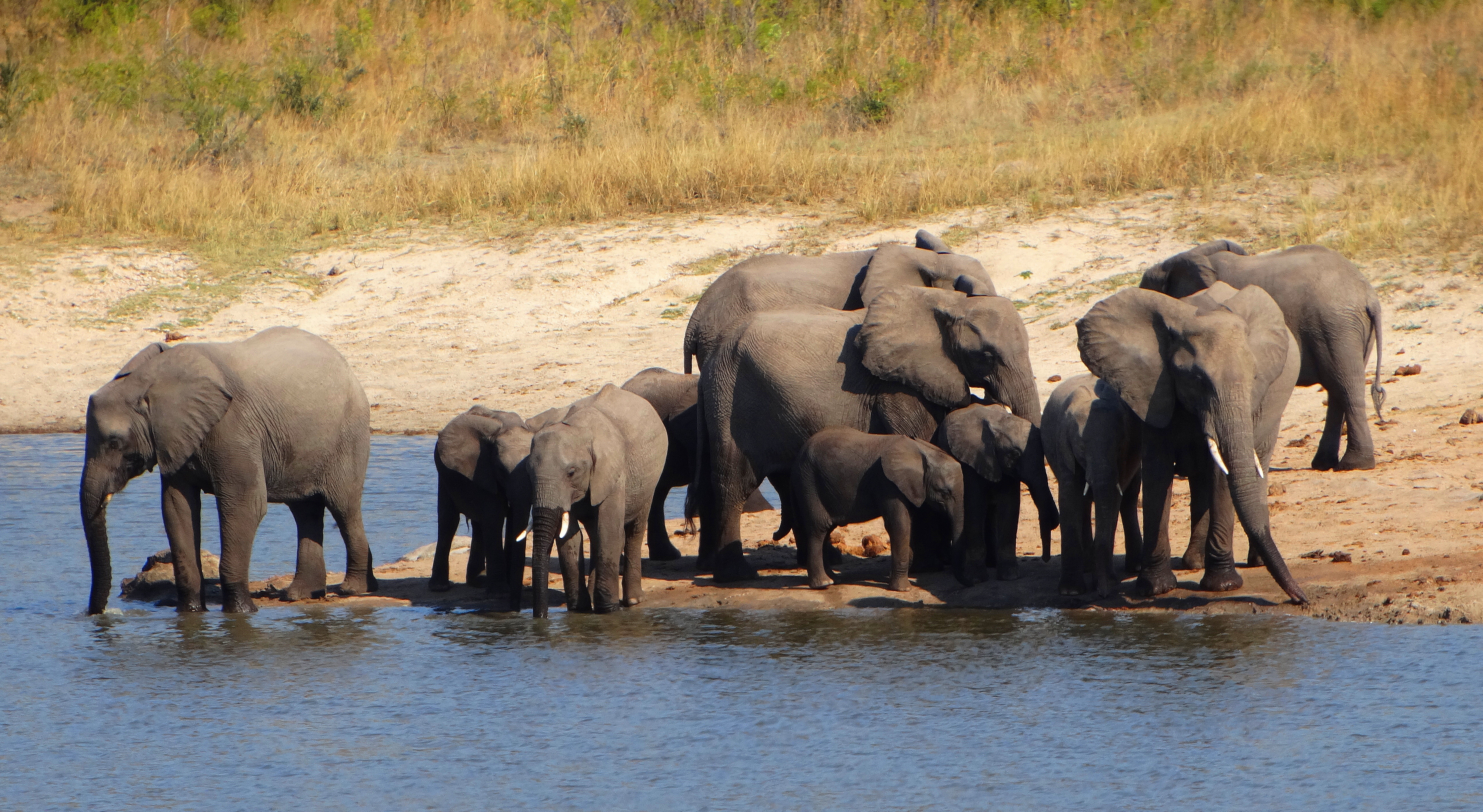
And of course you no longer see the elephant herds,
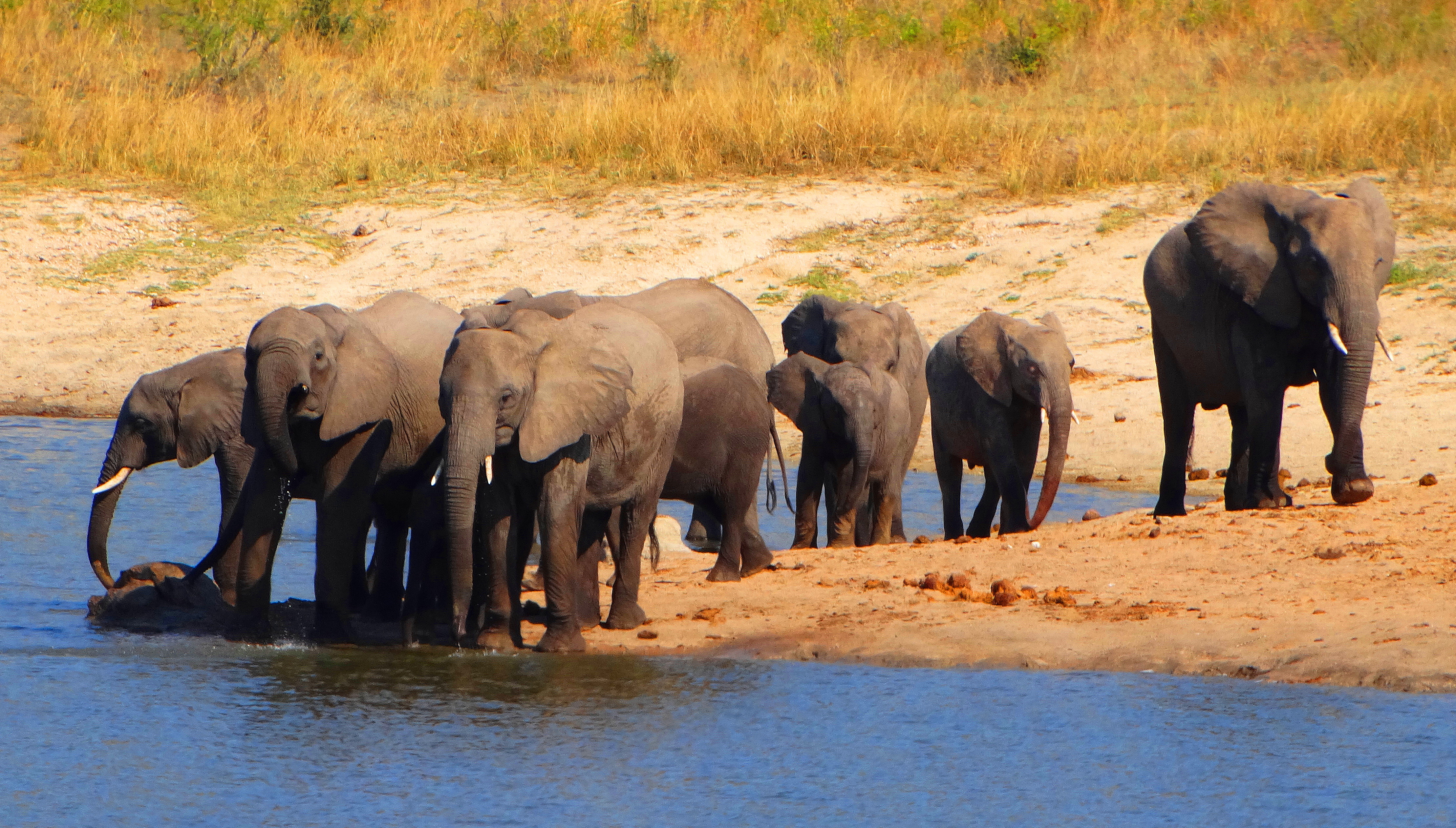
with all the happy babies.
Thank you for coming with me to Africa. I hope we can go back there someday.
Cheers to you from Africa’s wonderful wild creatures~
Share this:

High Plains Kickers~
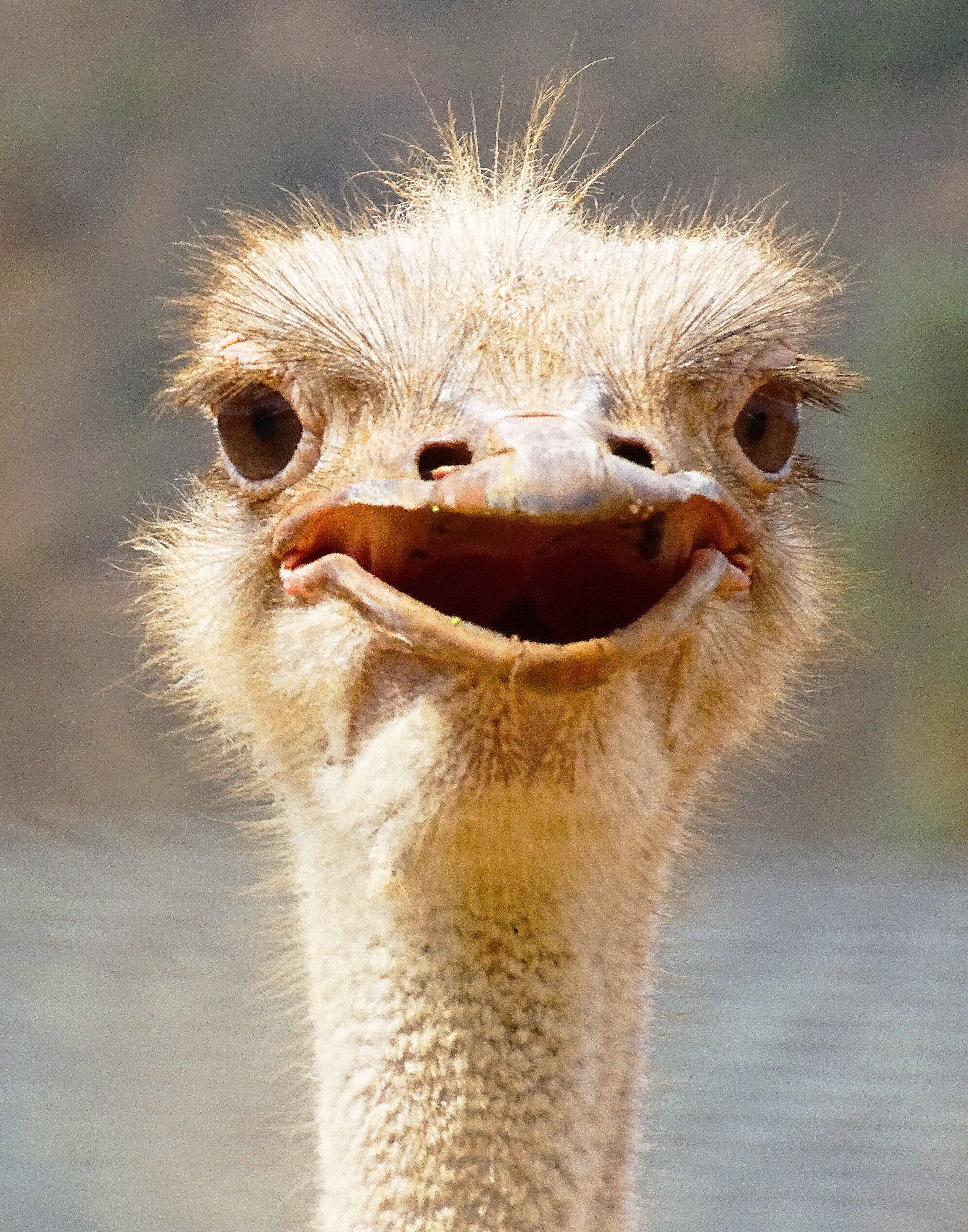
Look at this big gal! I wasn’t expecting to meet her! If you think she looks surprised, you should have seen Jim’s face. My first thought was that I was looking at Dr. Seus’s Grinch. You have to admit, she looks just like a friendlier version of the grinch…. except she isn’t green. And look at those eyelashes!
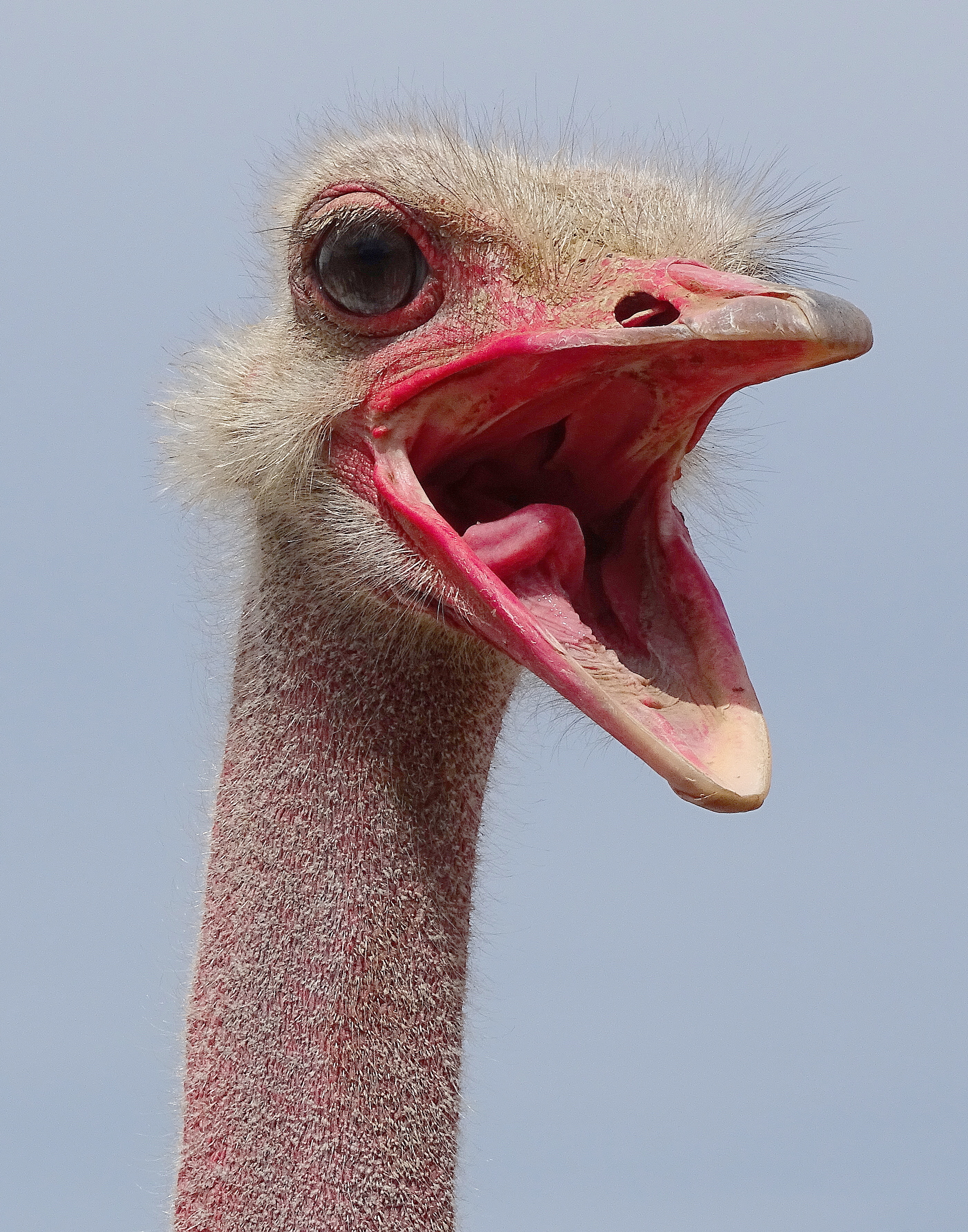
We have Holler Ostrich. Actually we don’t have any, but a fellow Hollerite has two. Personally, I don’t see the practicality of pet ostrich for us. I mean they can grow to nine feet, and weigh up to 320 pounds! And they can have attitudes. You can clearly see this guy’s attitude. Would you cross him? Apparently even lions don’t like to mess with ostrich and I can see why.
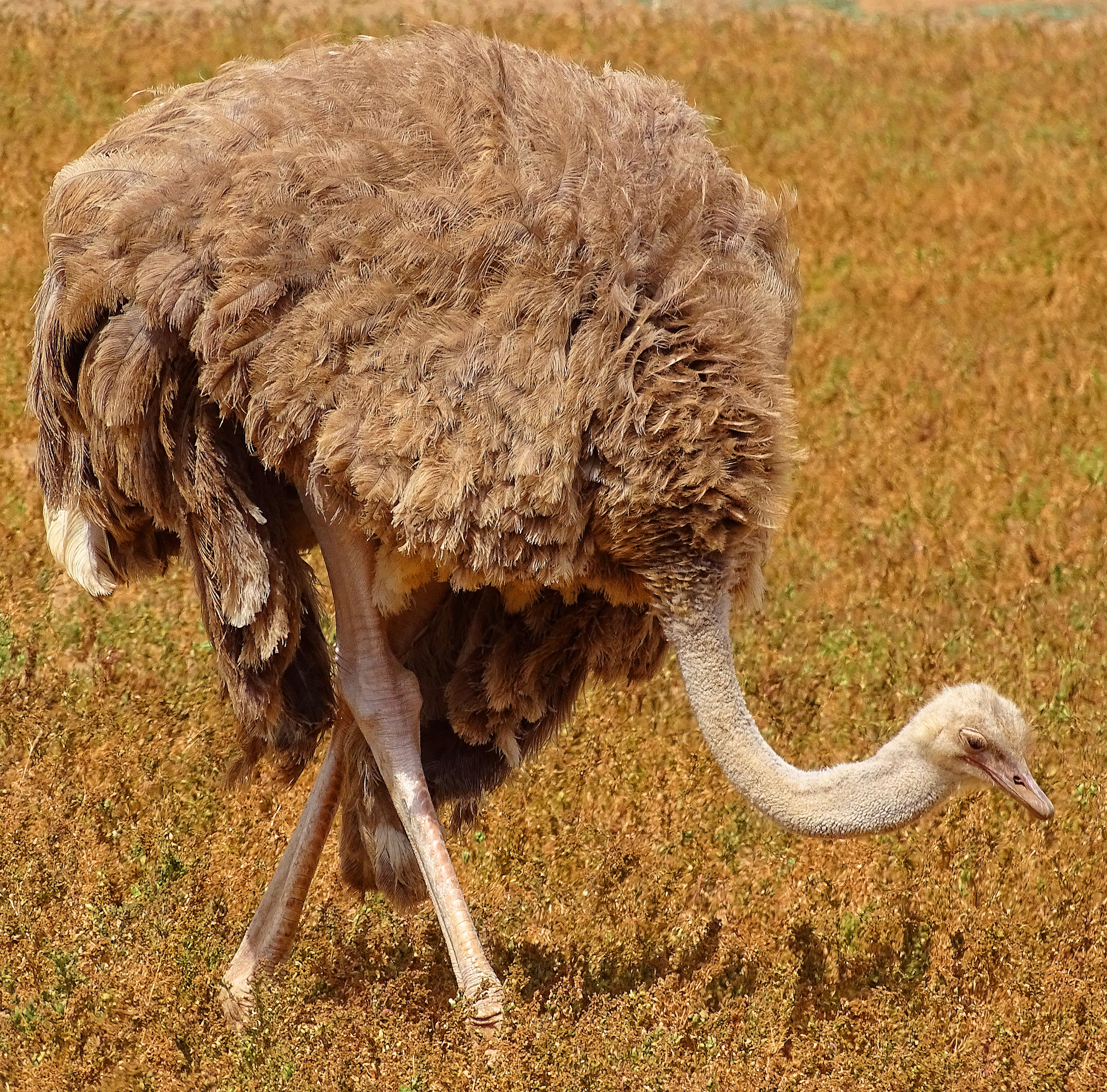
I think a 9 foot tall, 300 pound, attitudinal bird, that can run 43 mph, makes perfect sense in Africa, but less sense at The Holler. They aren’t your average canary after all. They can kill lions, and are the fastest two-legged creatures on earth!

Check out these female wild southern ostrich in Kruger. Aren’t they gorgeous? They are ballerina stepping, tutu wearing, high plains kickers! The Rockettes of South Africa! You go girls…..
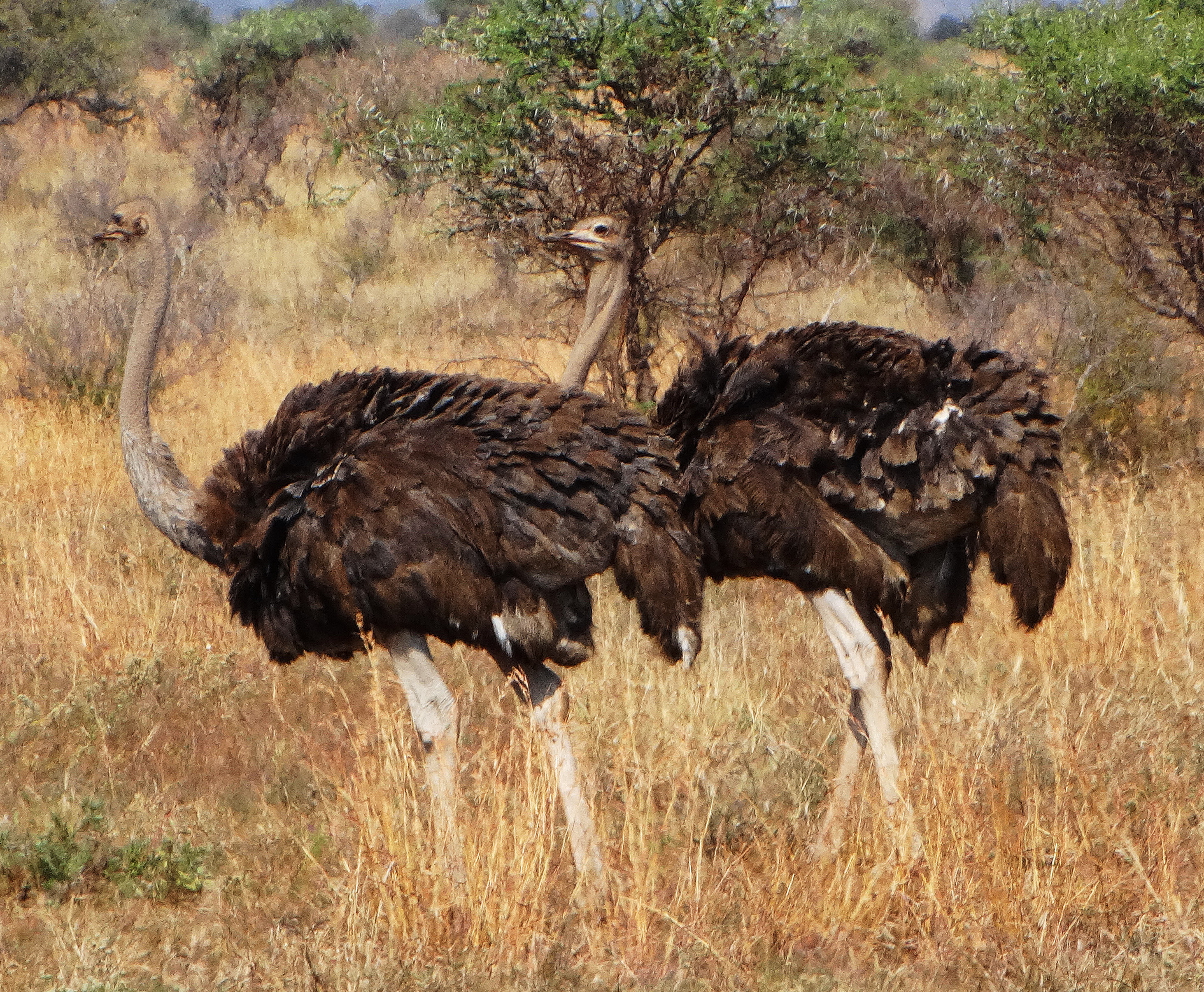
And look how content they are. We saw two groups of ostriches. Females you are looking at here, and another group of males.
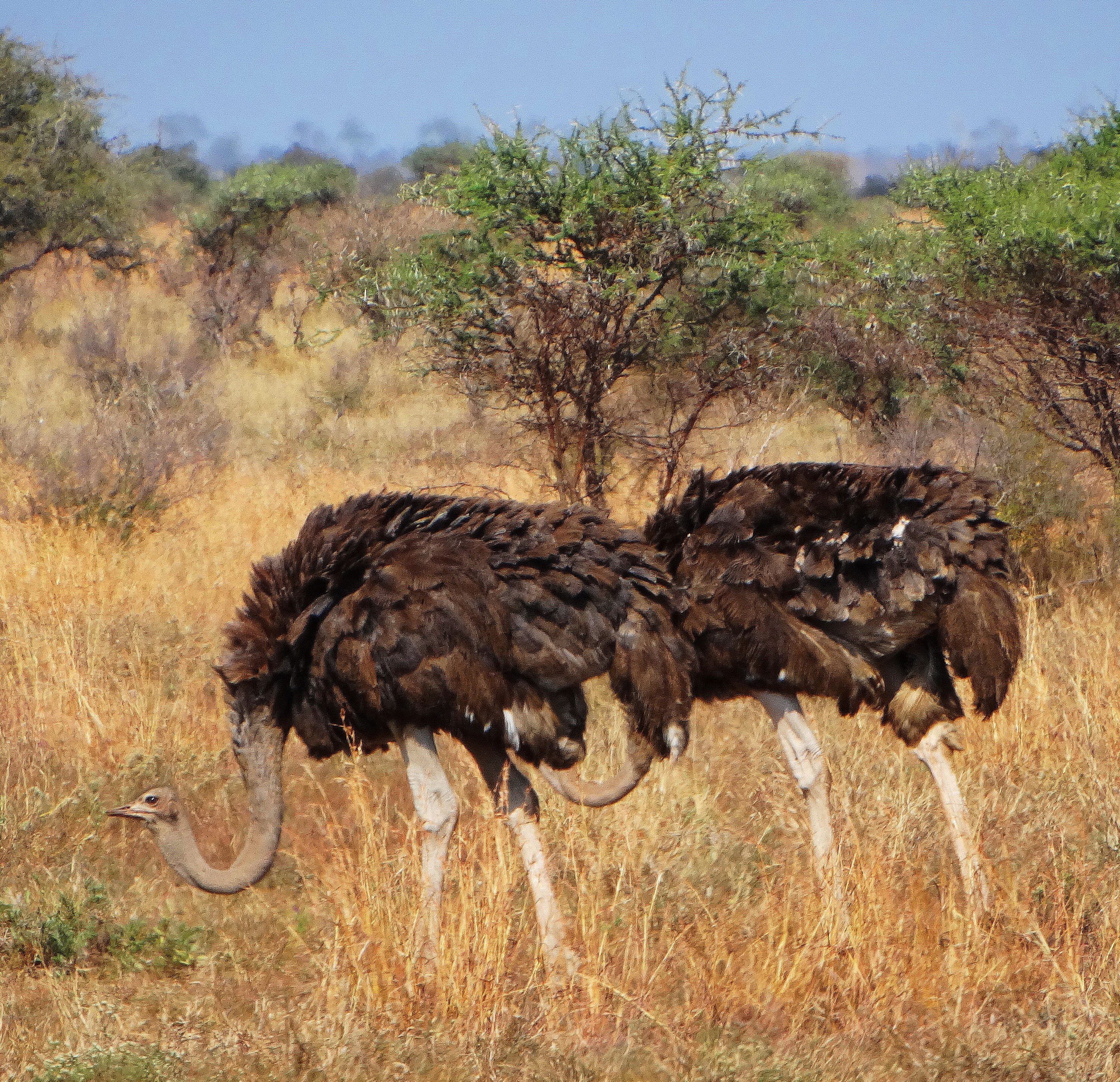
Contrary to common belief, ostrich do not hide their head in the sand when scared. Pliny the Elder just made that up around 73AD. But, as you can clearly see in this pic, they do hide their heads under their friend’s skirts. Some friends might consider this annoying, but this one seemed cool with it.
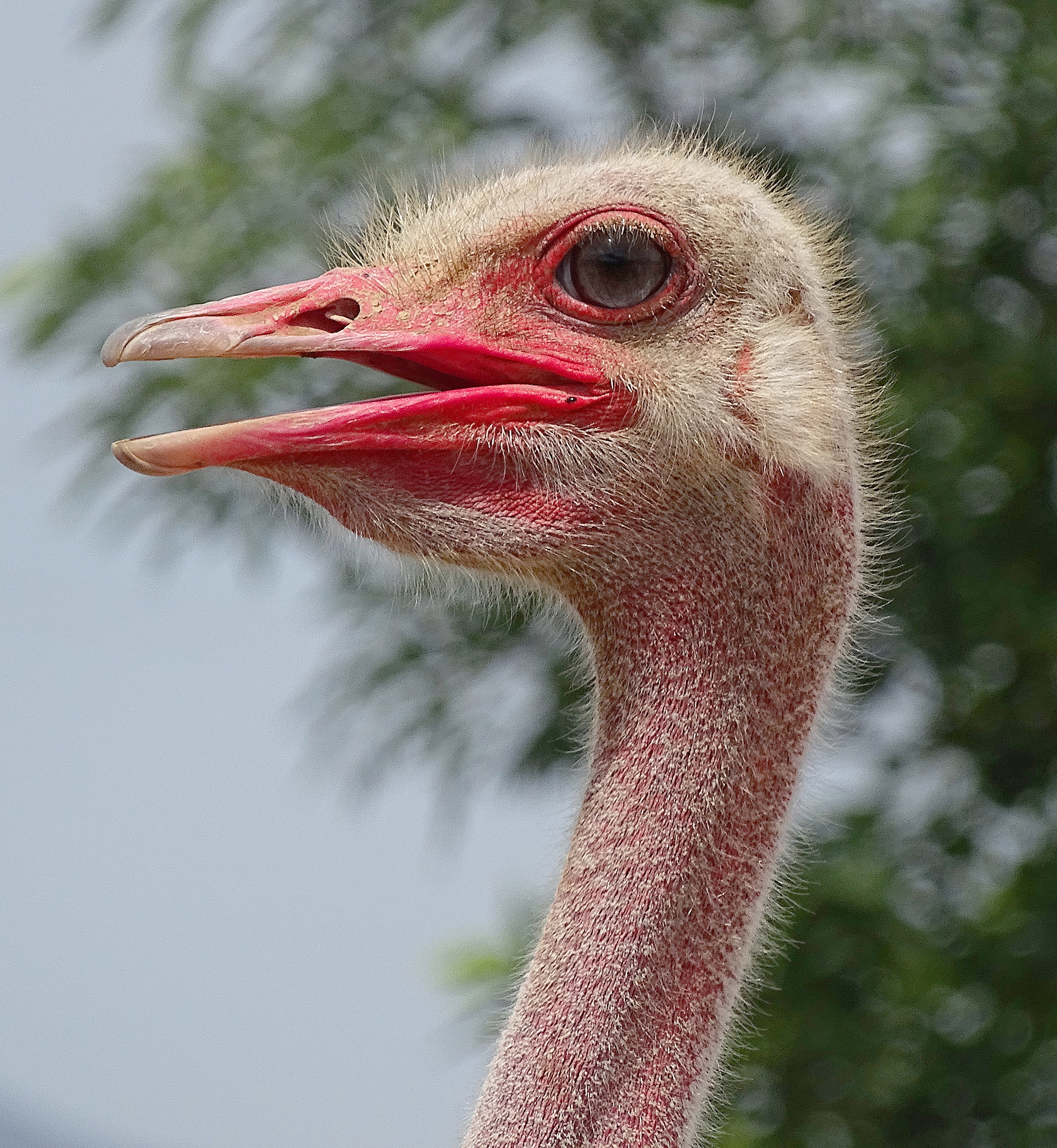
Anyhoo, seeing these incredible birds wild and free in Kruger was unexpected and a big thrill! The red necked northern ostrich at The Holler are endangered in the wild, so our neighbor gets my support for raising and caring for them, even though I would prefer to see them wild, free, and protected, in their native habitat.
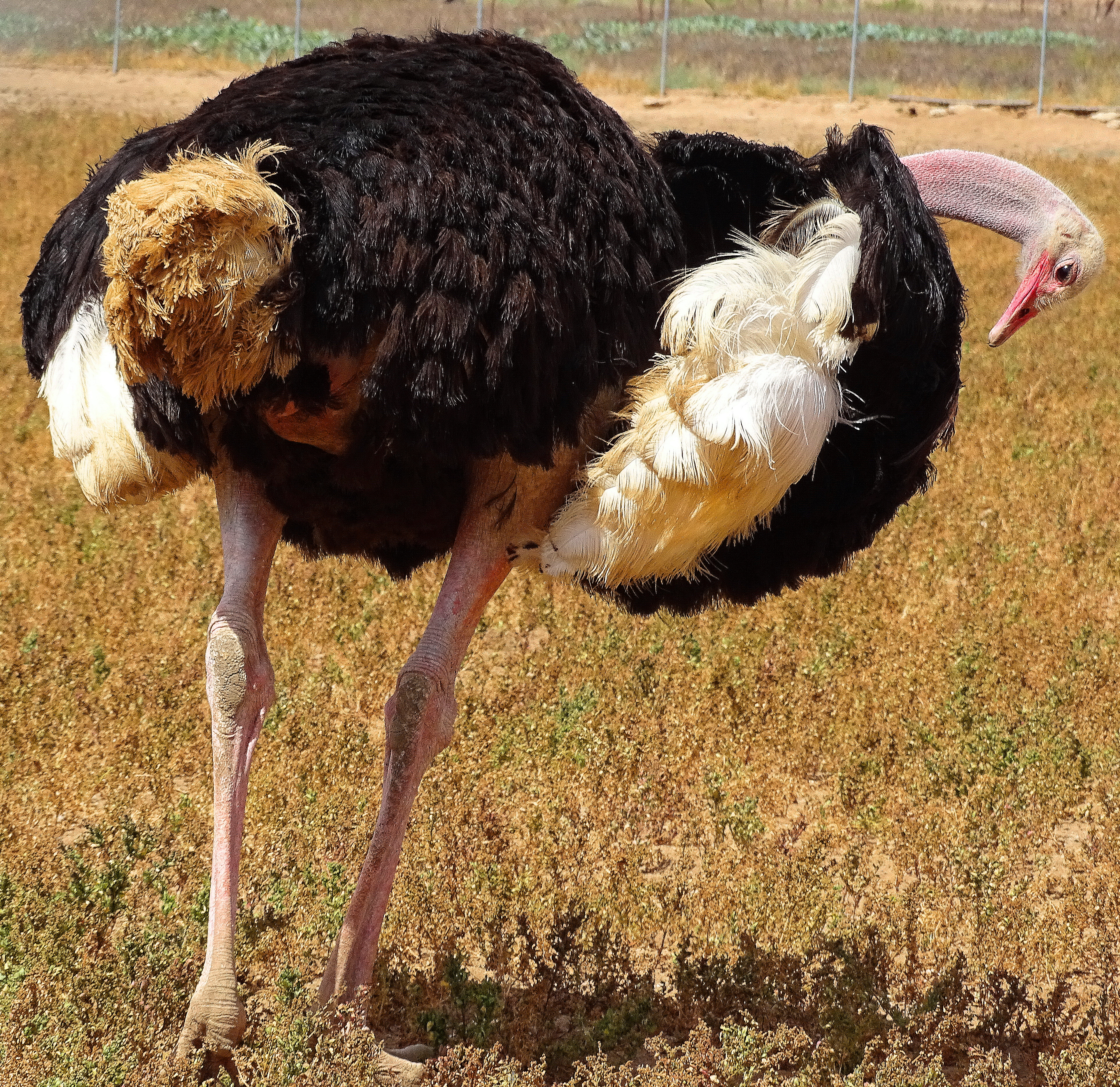
Cheers to you from these spectacular, nine foot tall birds, with ‘tudes!
Share this:

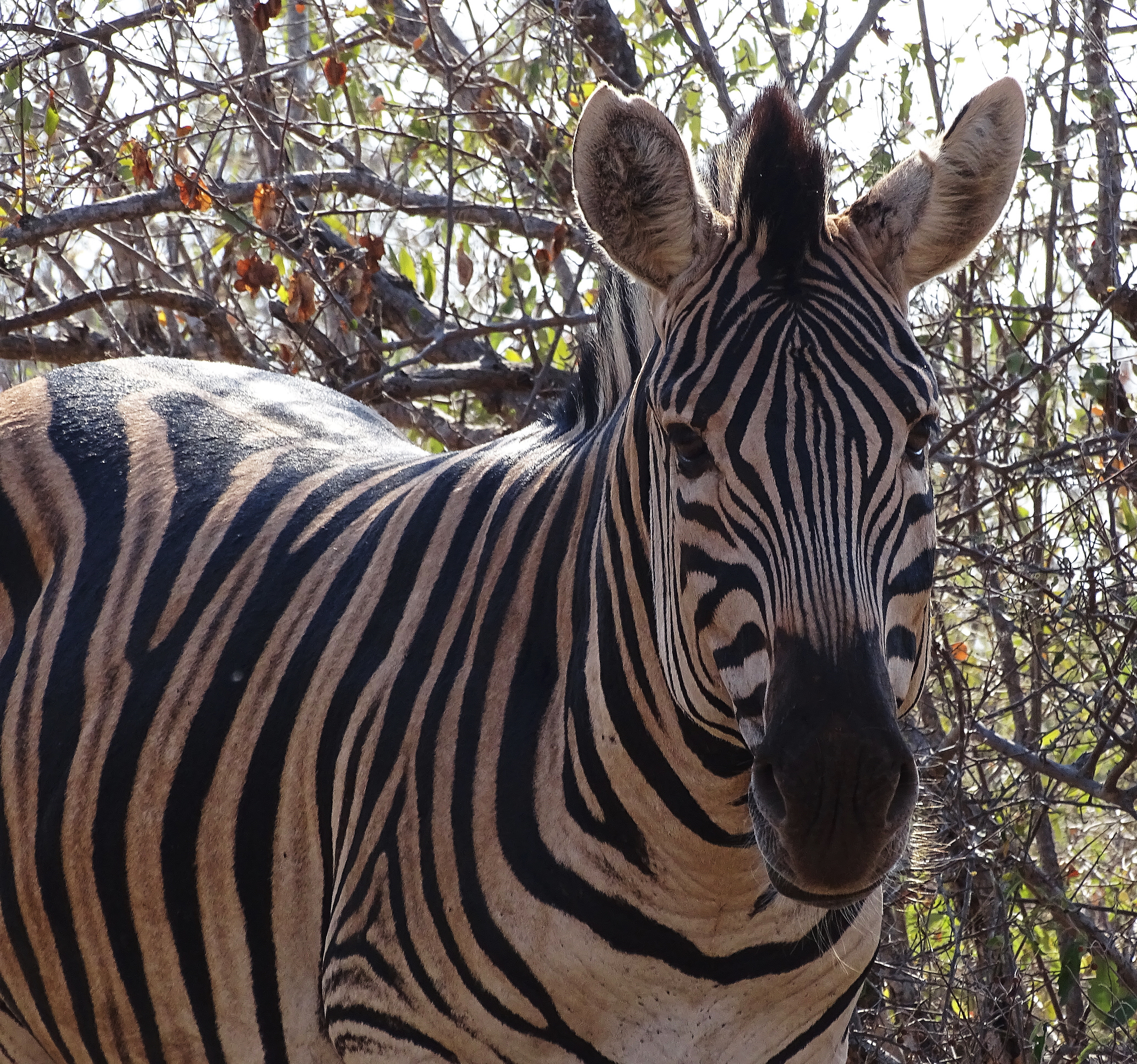
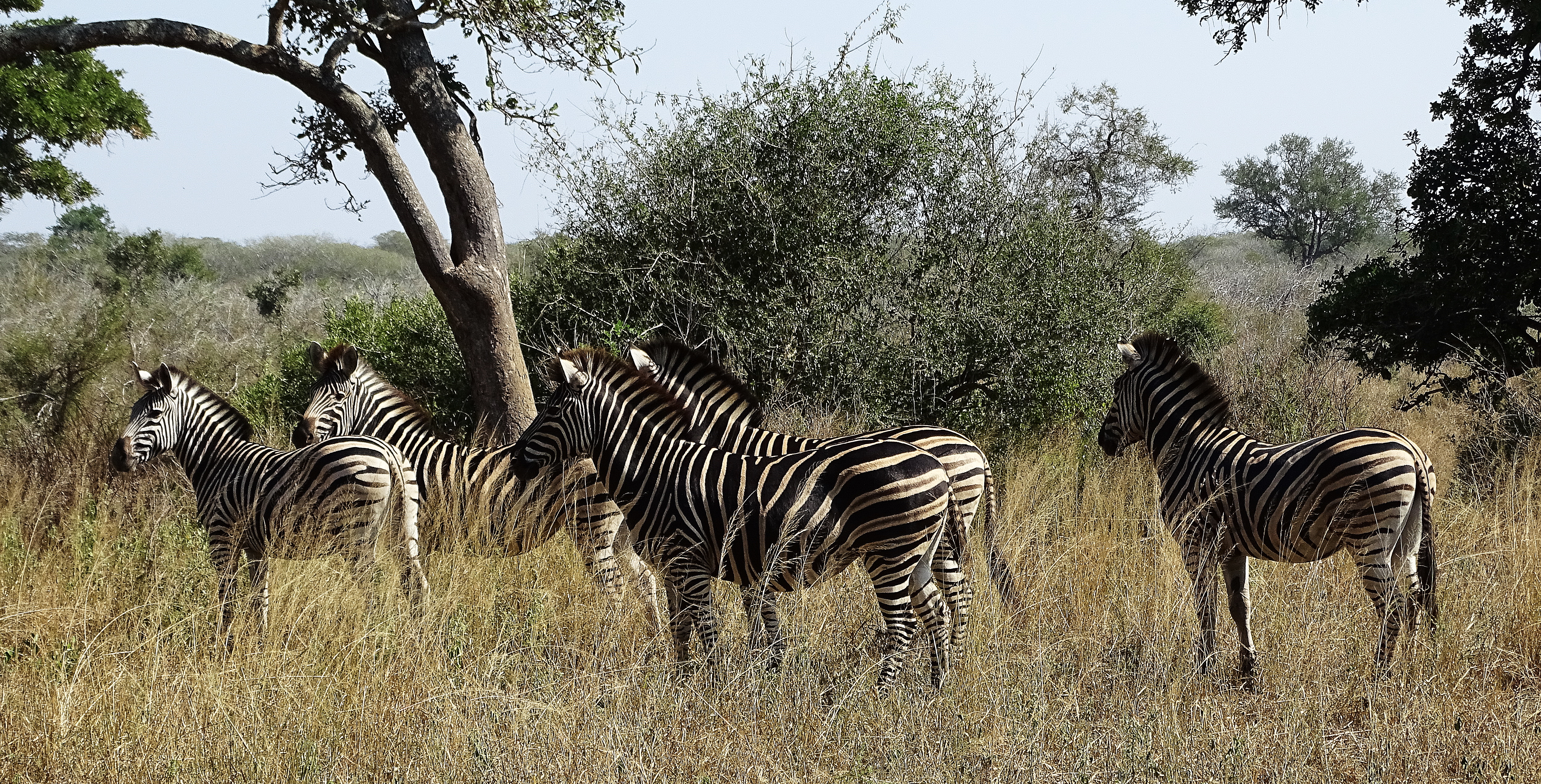
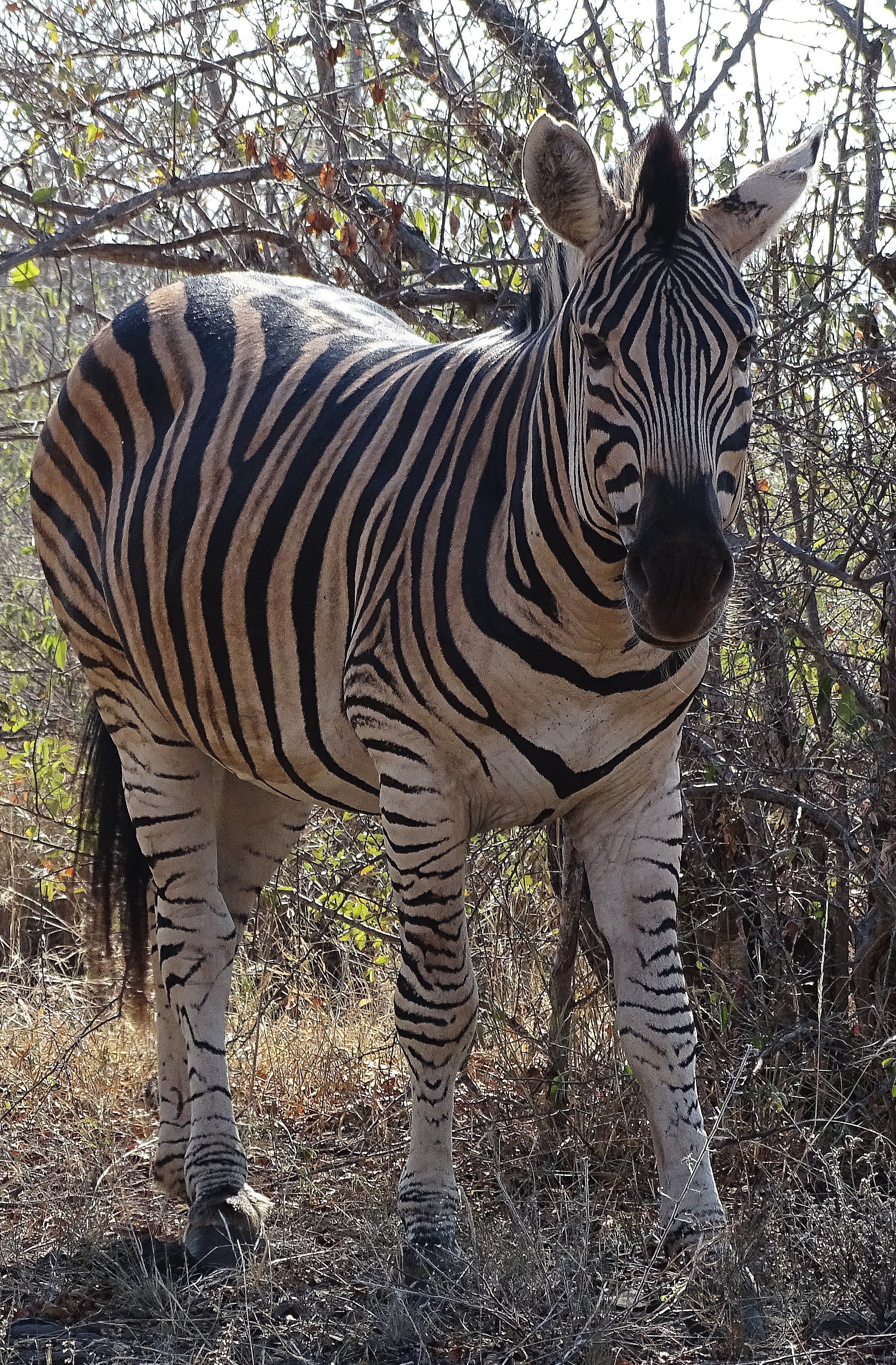
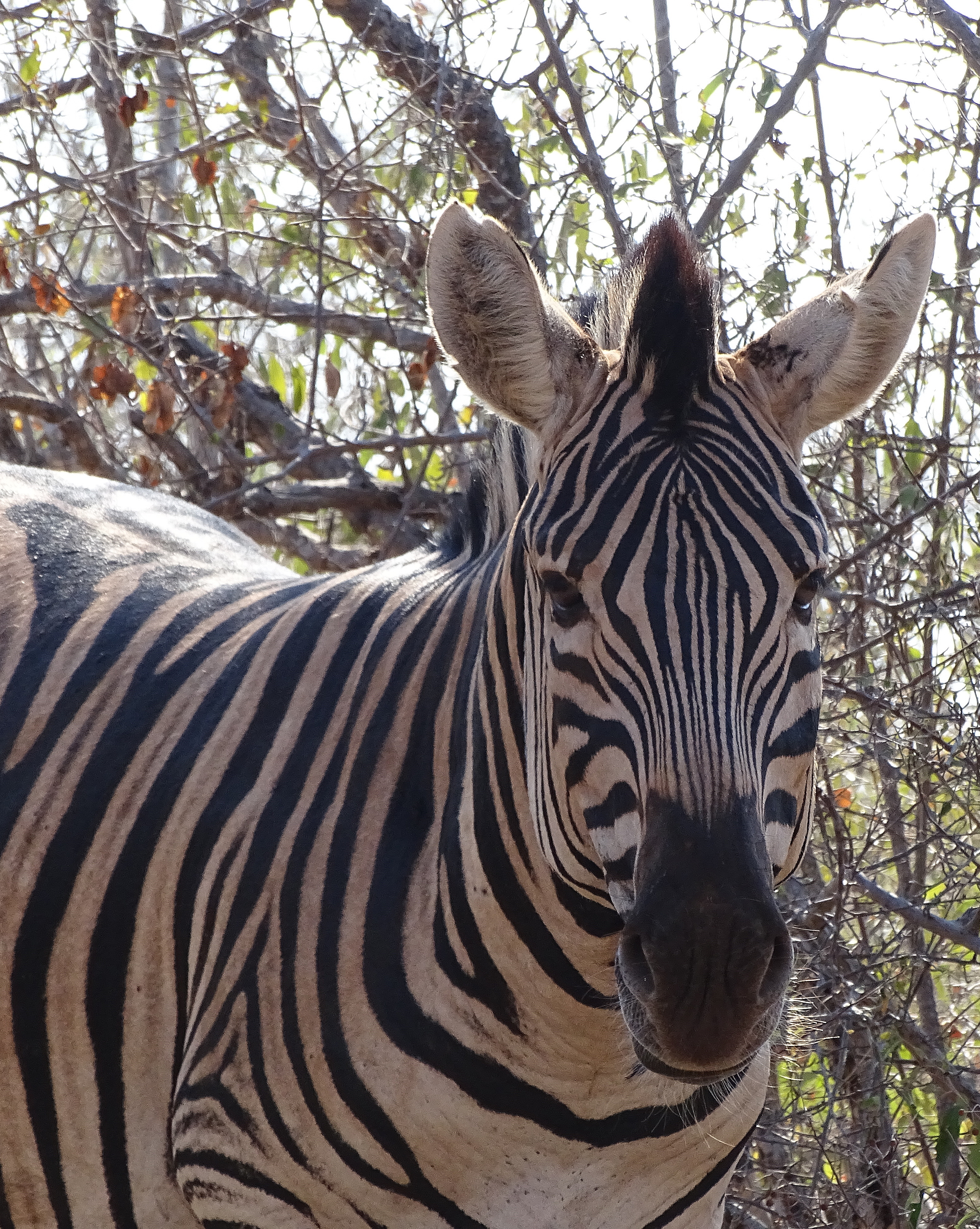


Izilwane Zasendle~
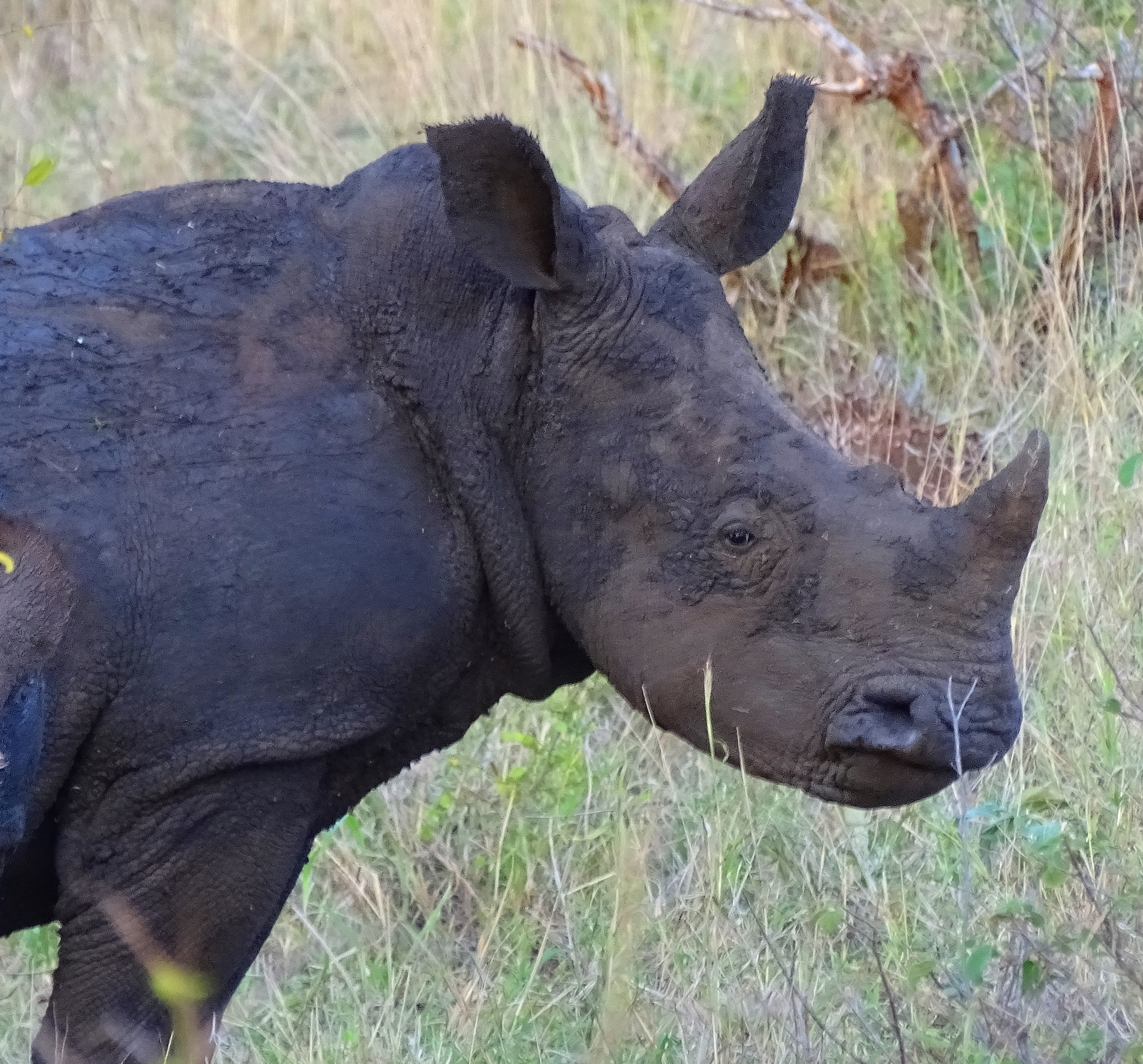
This Zulu phrase means wild animals. There are about 12,000 white, and 627 black rhinos in Kruger National Park. This one is looking at you for protection!
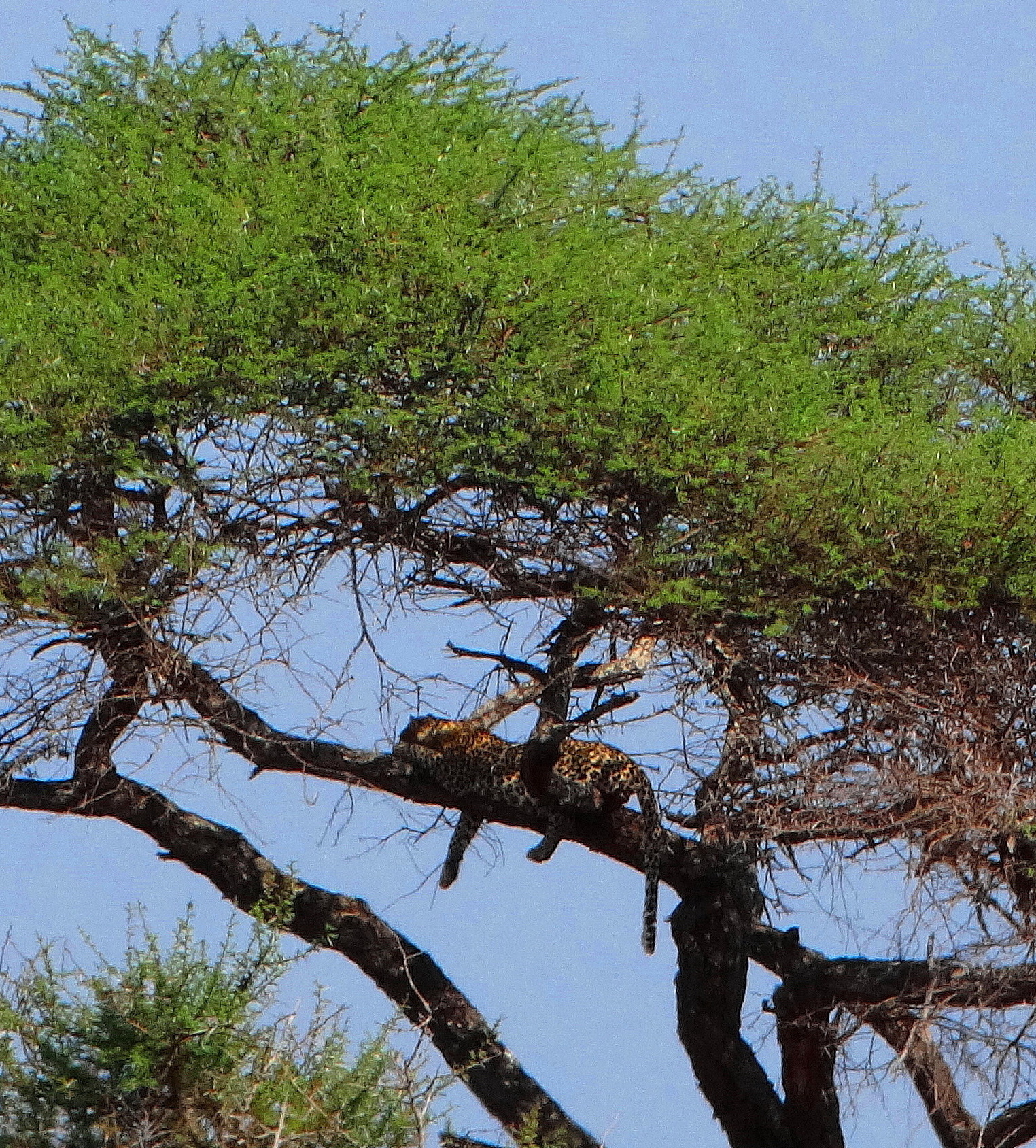
Leopards in Kruger are rare and rarely seen.
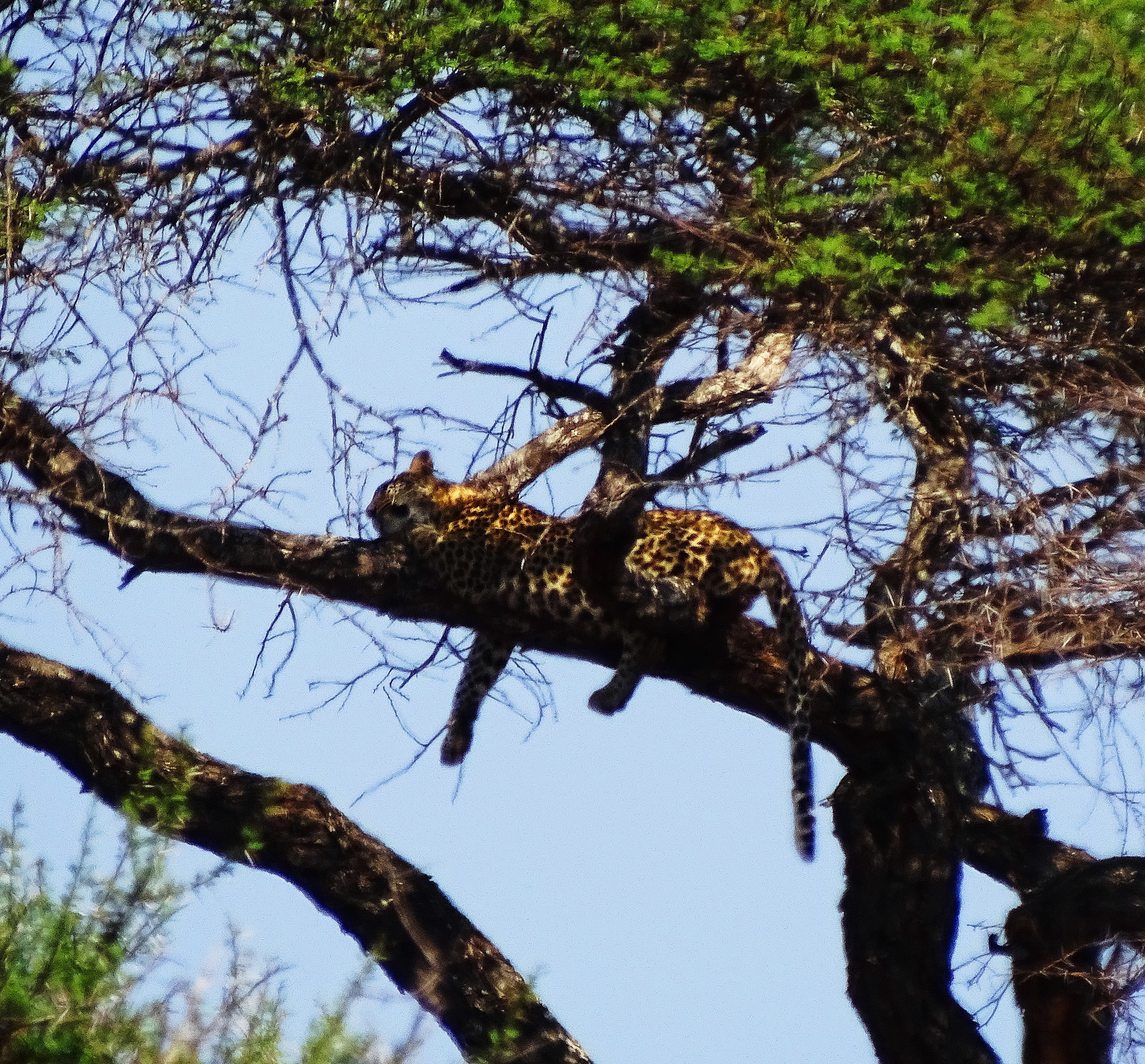
We were very lucky to see this one! The Kruger population is estimated at approximately 1000, although they are hard to count, because they are hard to find.
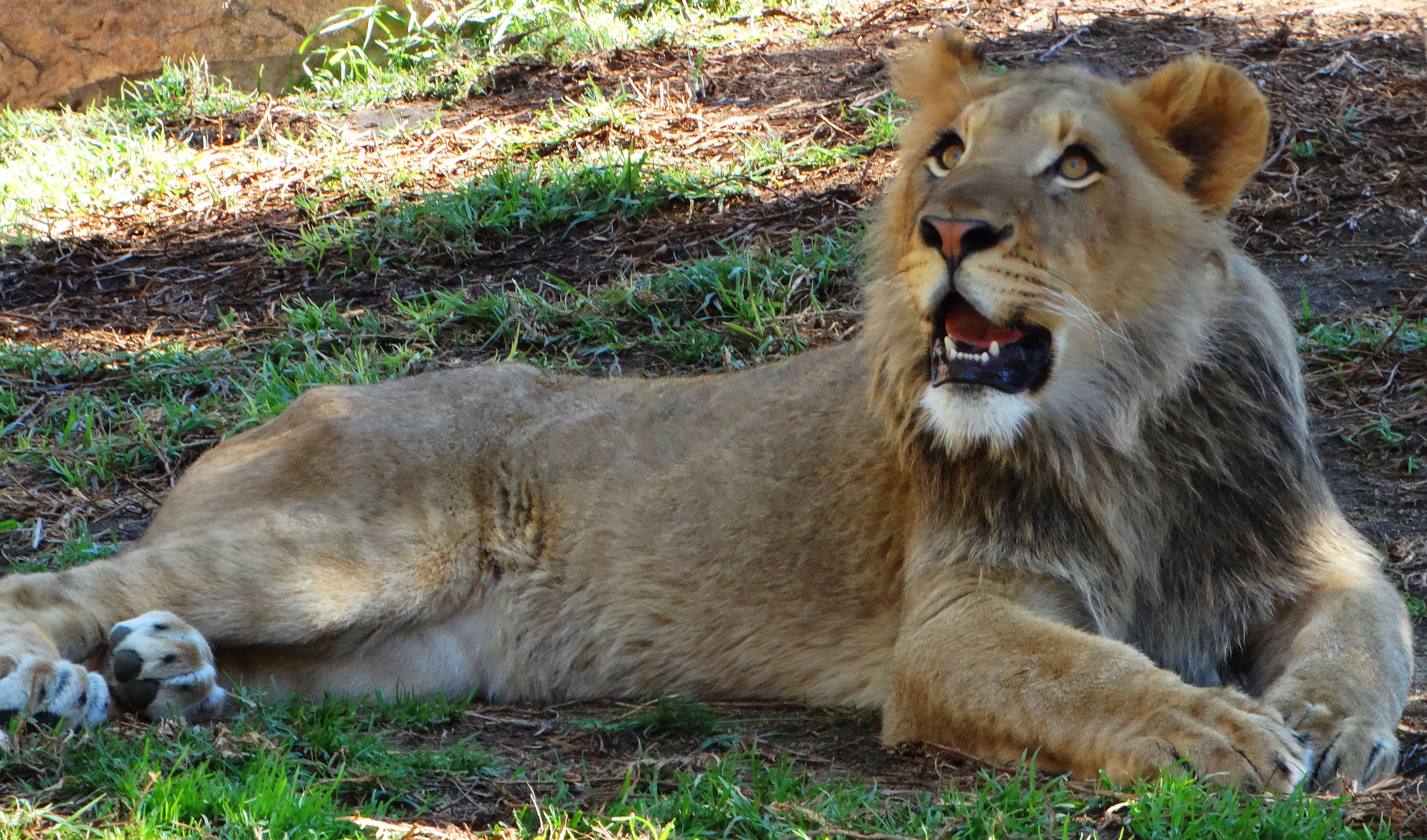
1,700 lions are thought to live in Kruger.
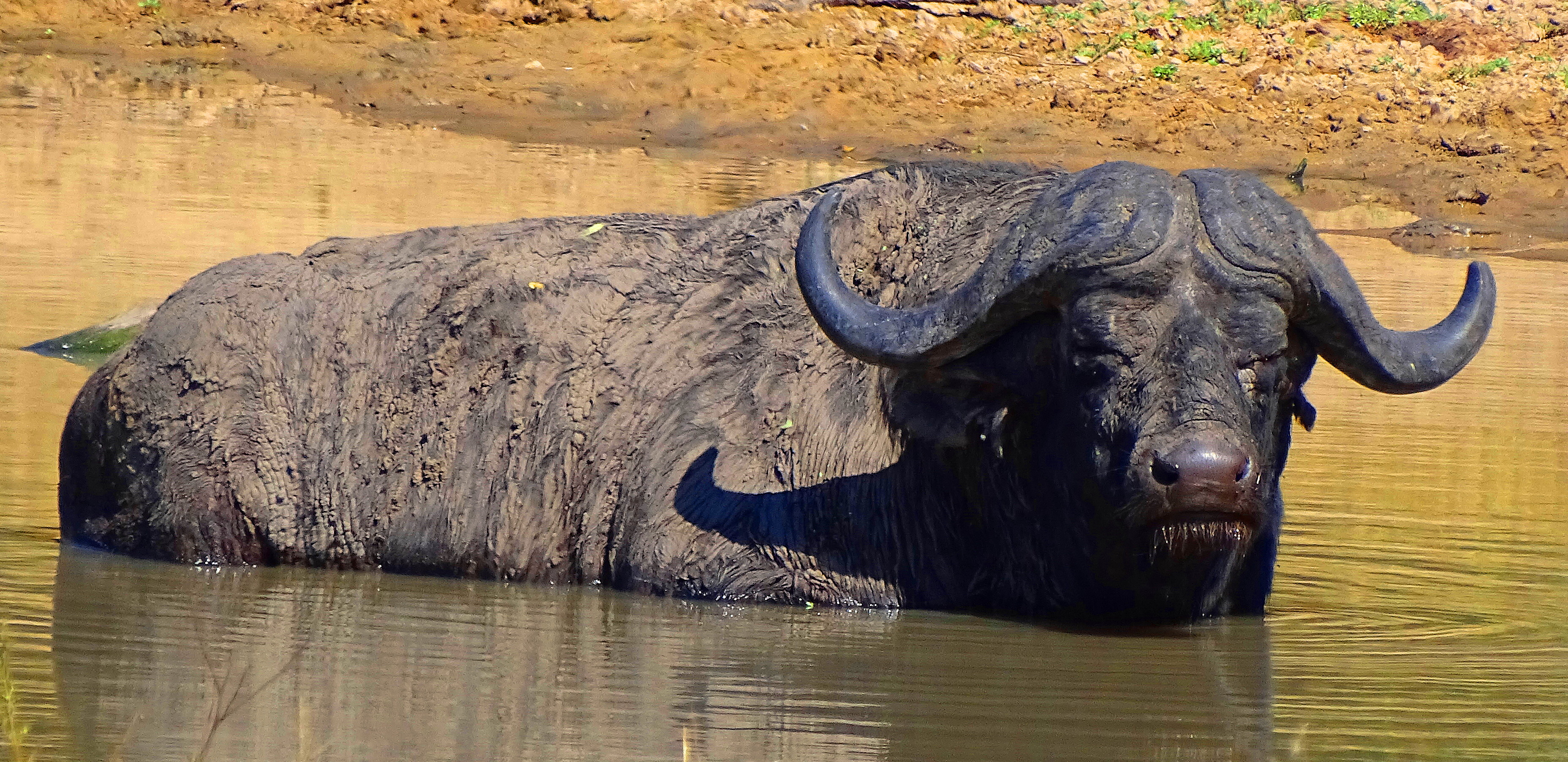
There are about 37,000 cape buffalo, and yes this one is sleeping. They do that a lot in water holes!
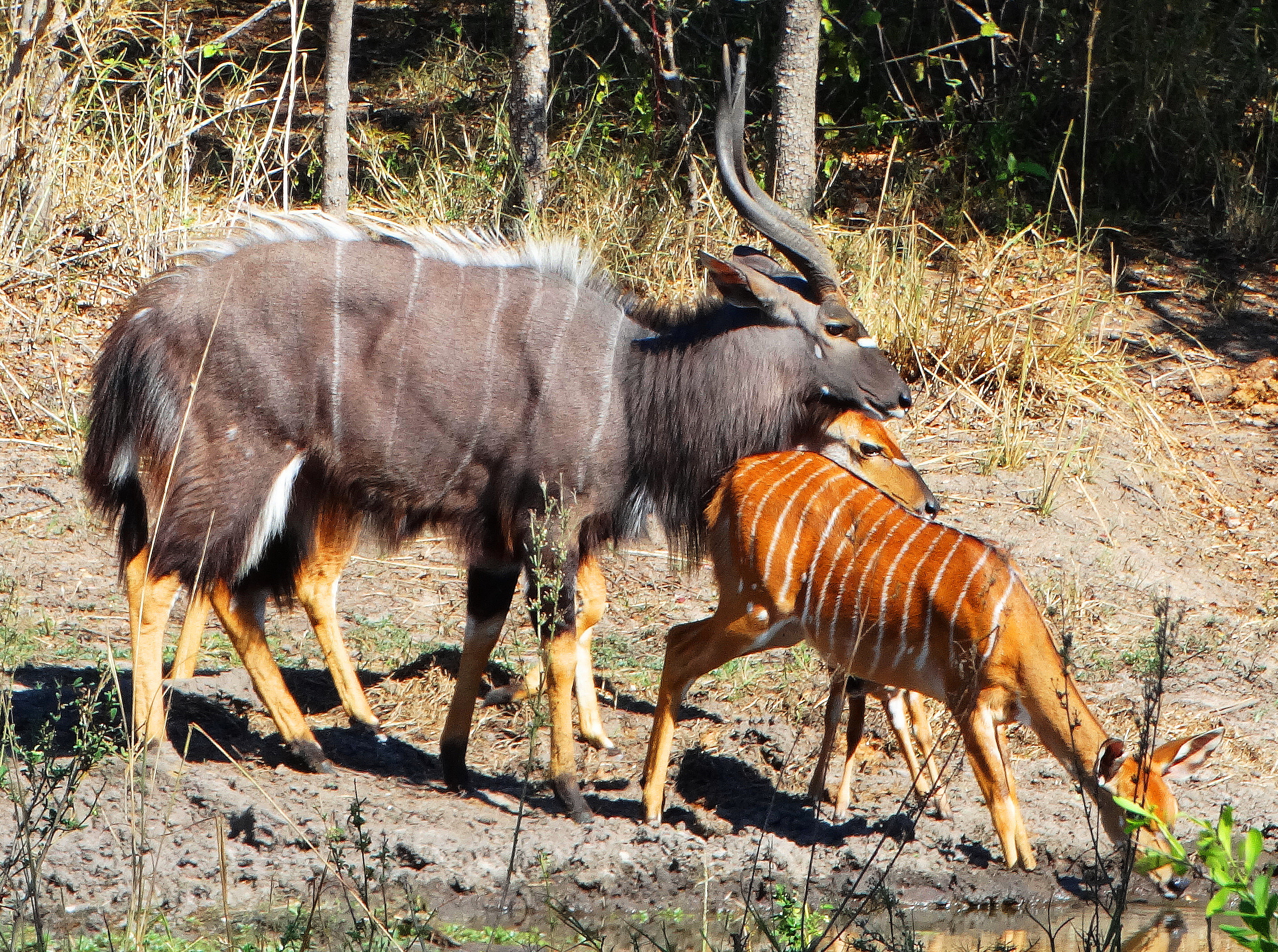
There are only around 300 nyala. This is a male and two females. Quite a sighting of beautiful, shy, creatures! (Late addition: My blogging friend Quiall, see comments, found a baby nyala’s legs in this photo that I didn’t see. Count the legs and you’ll find the baby!)
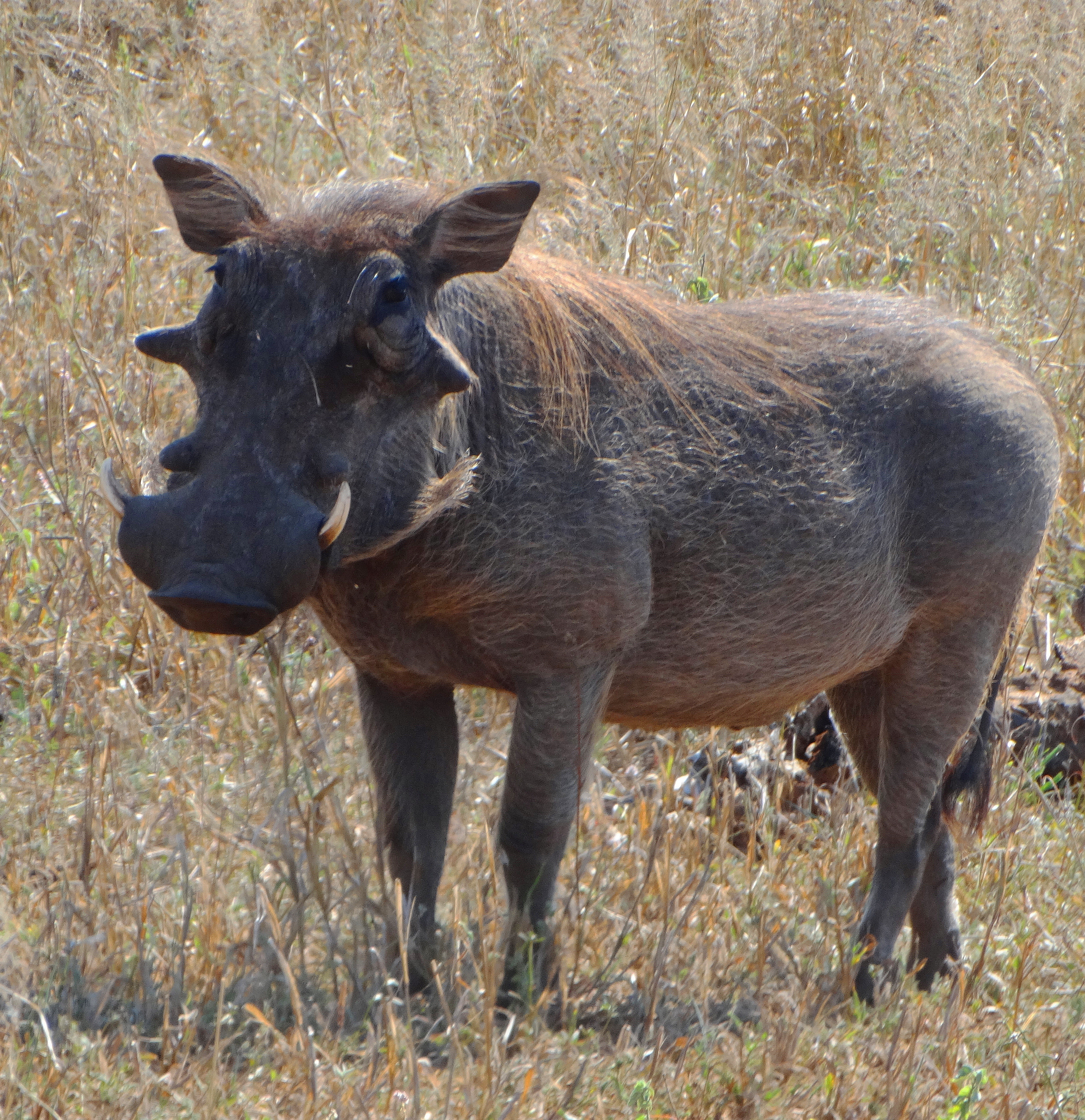
2000 warthogs,
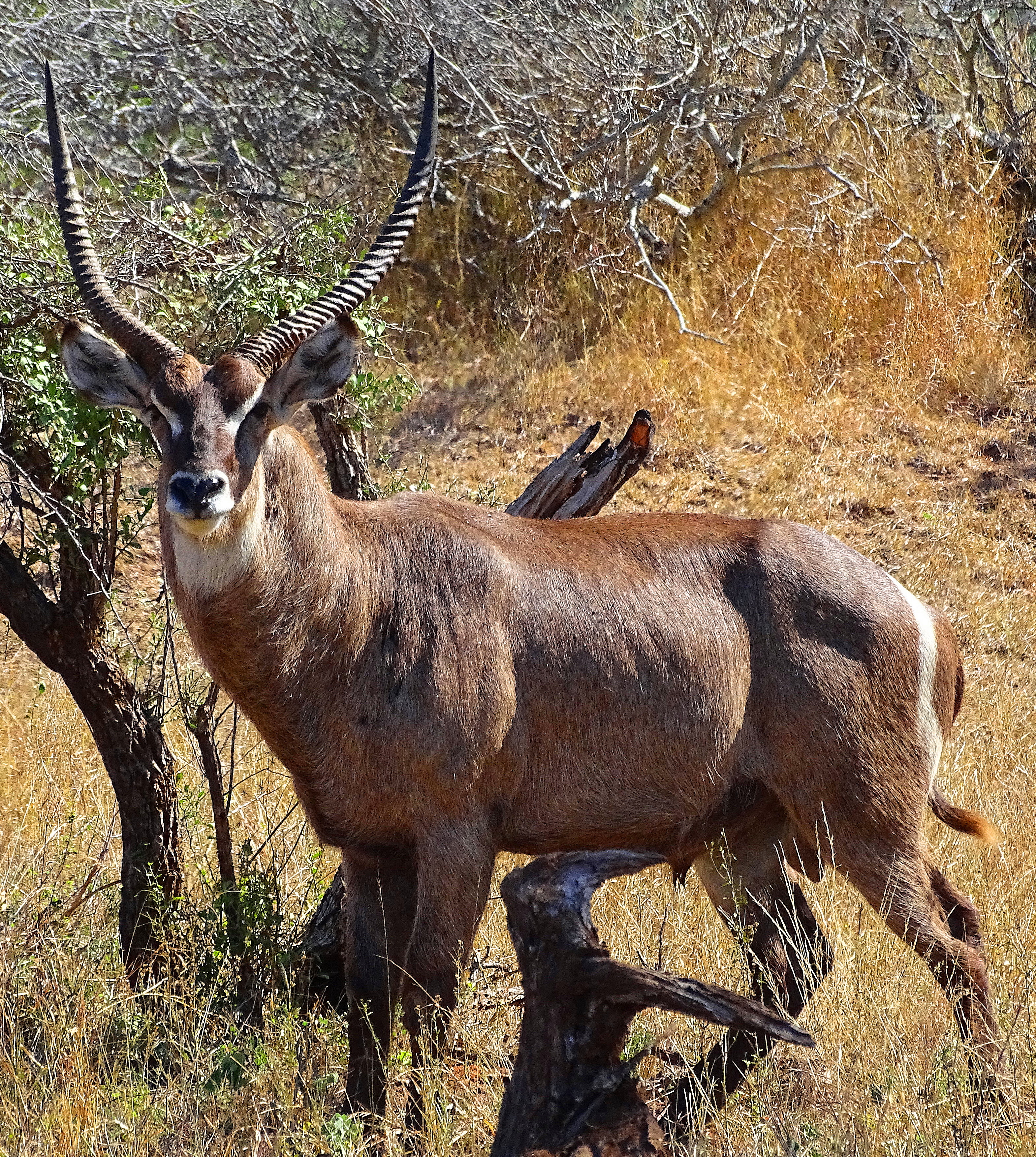
5000 waterbuck,
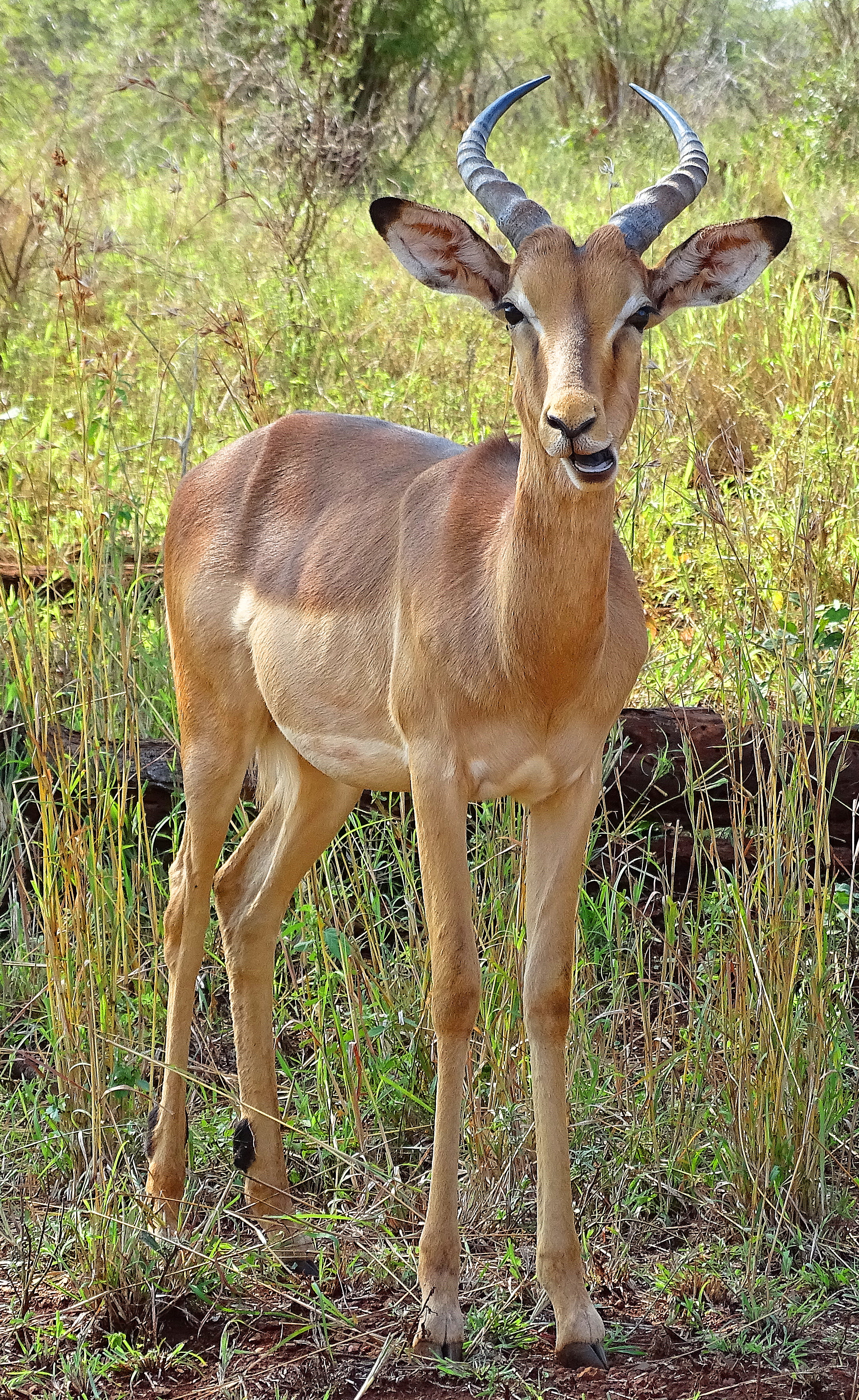
over 127,000 impala,

and more than 8,000 kudu call Kruger home. A trip to Kruger is an incredible experience and aids the park’s impressive wildlife conservation efforts.
Estimates, calculated between 2008 and 2009. Read more about Kruger’s animals and conservation efforts at: http://www.mediaclubsouthafrica.com/visitsa/1825-240610-kruger-park#ixzz3duwscq1H
Cheers to you from Kruger’s spectacular izilwane zasendle~
Share this:




Olifants~

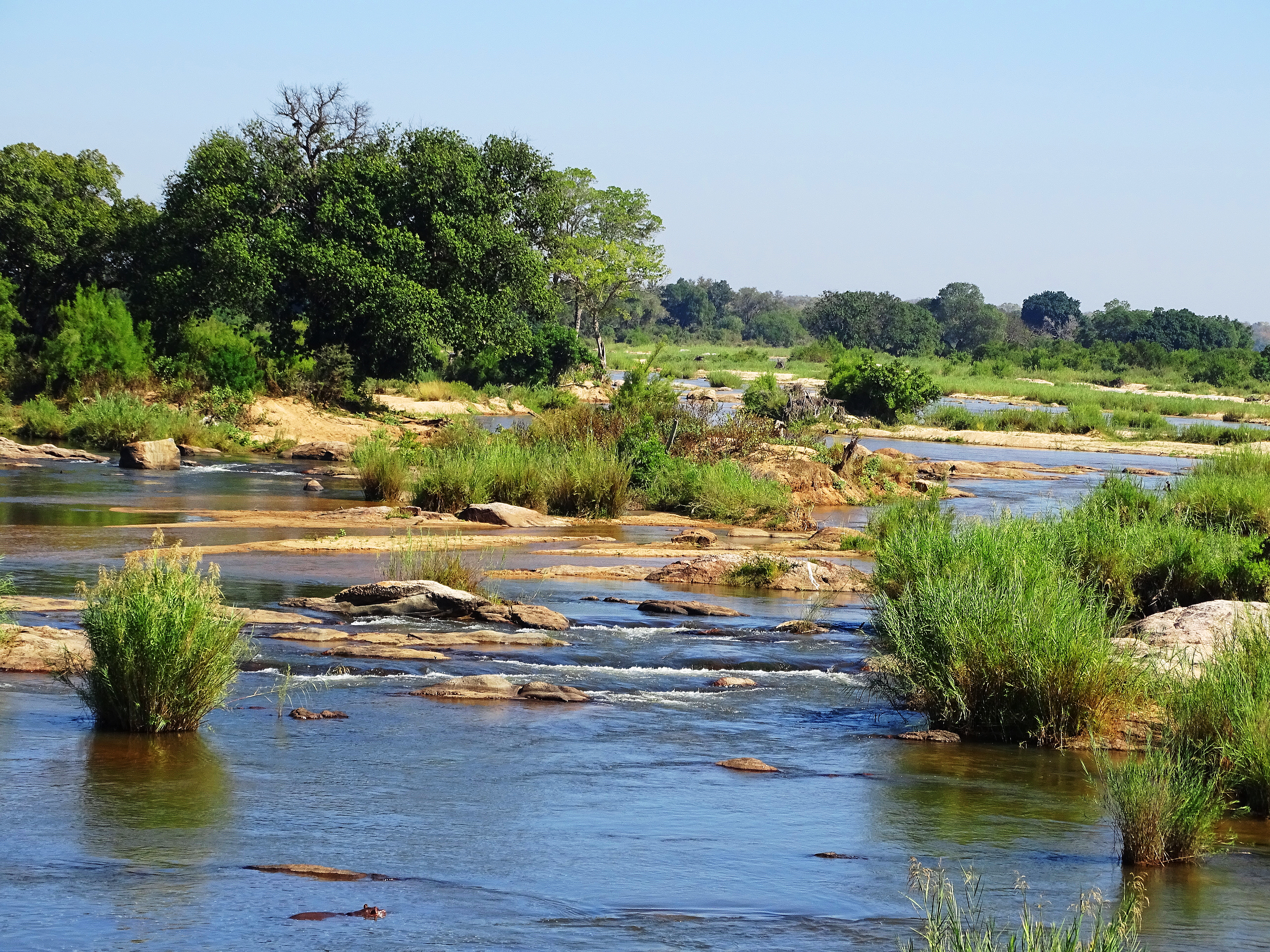
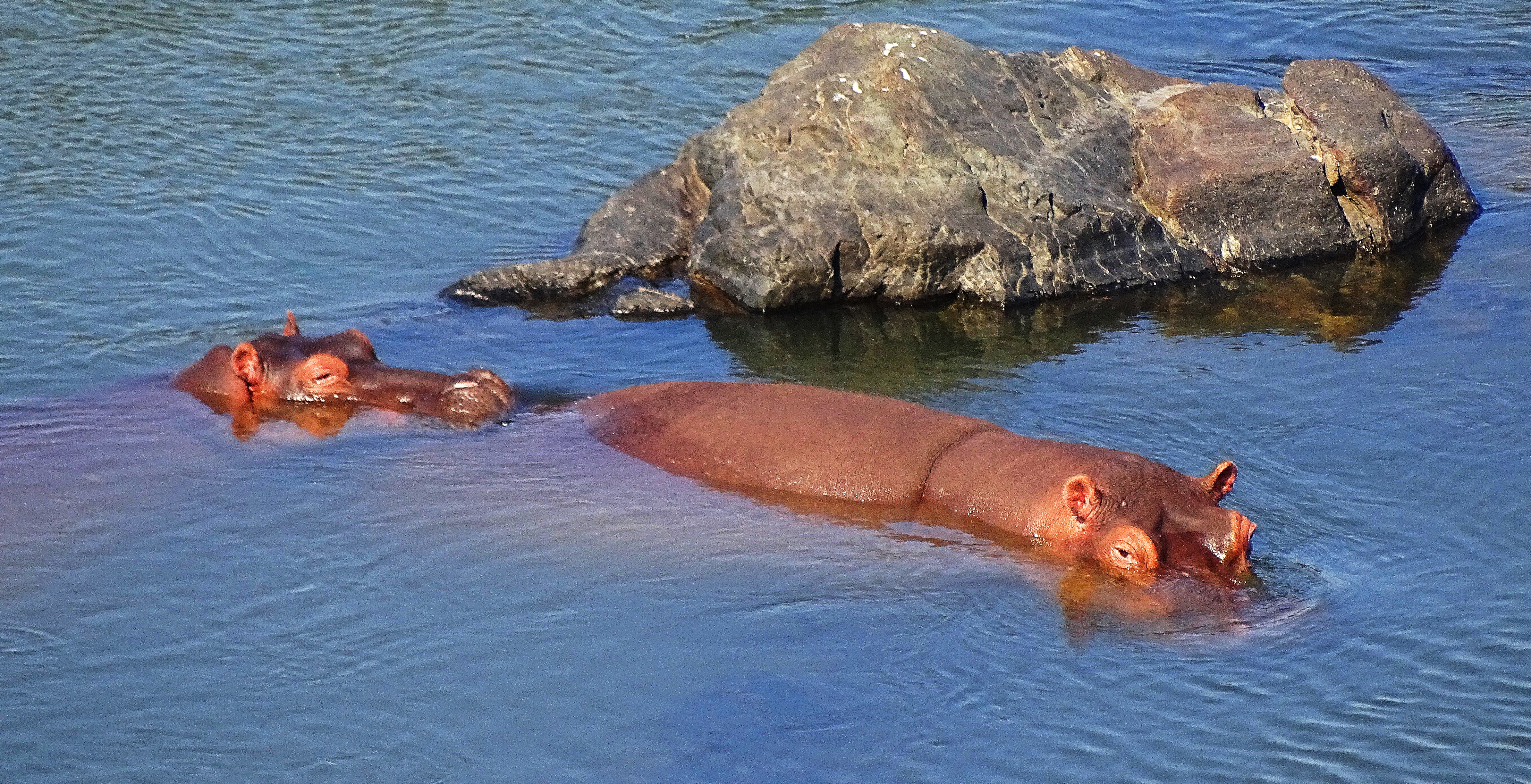
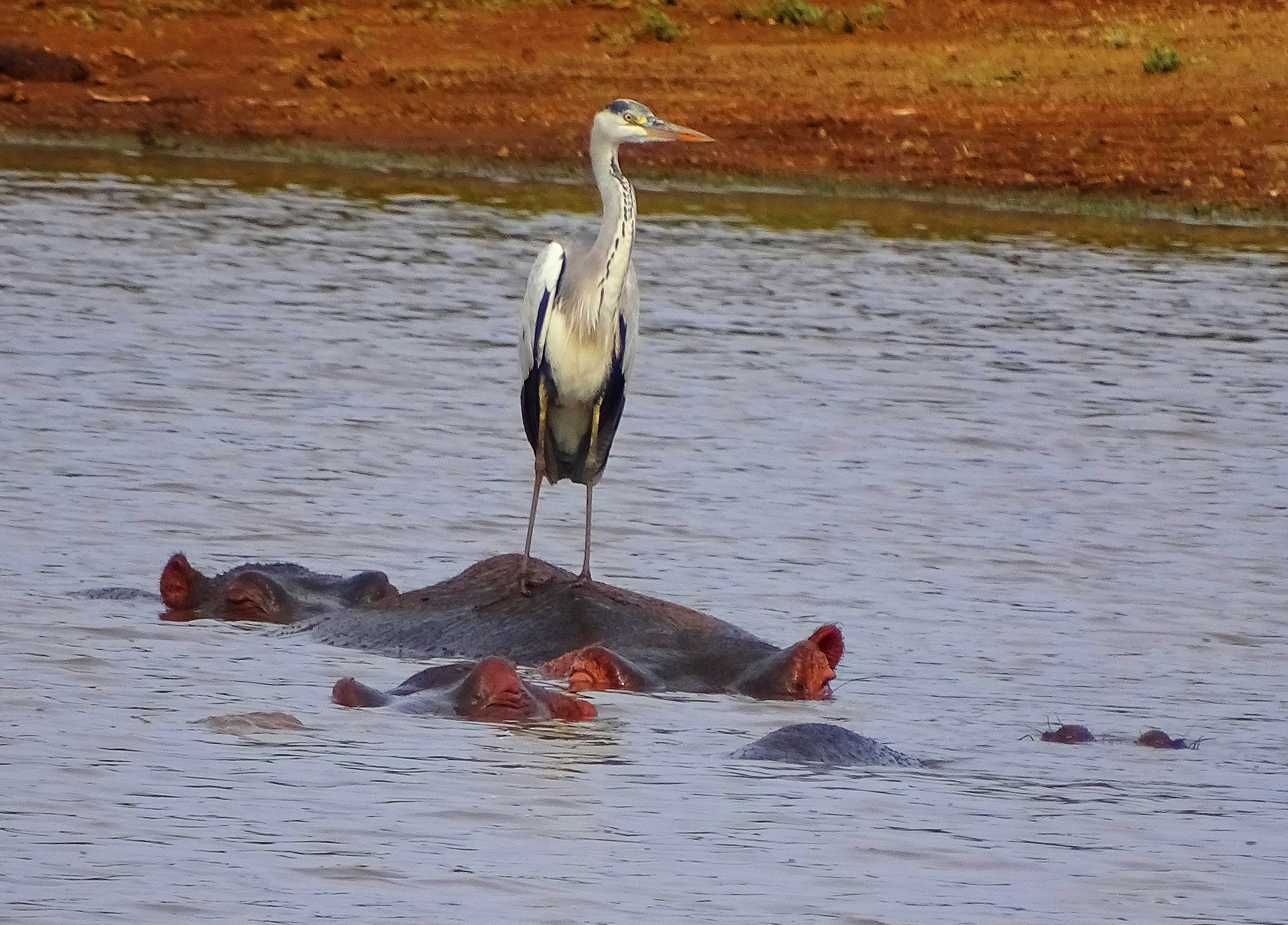
The Olifants River is a tributary of the “Great, grey, green, greasy Limpopo river.” *
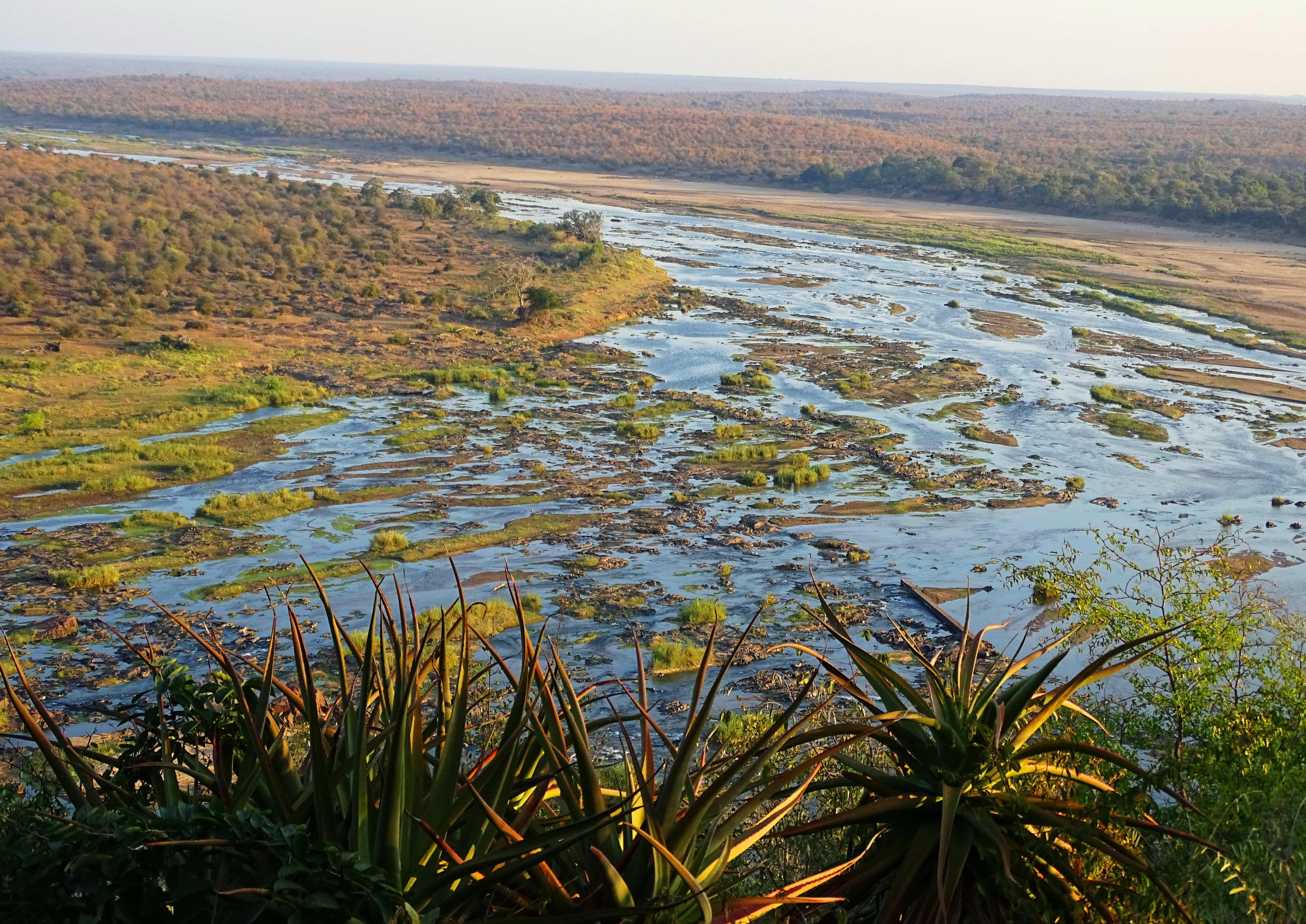
The river runs through the center of Kruger National Park, dividing the northern and southern regions.
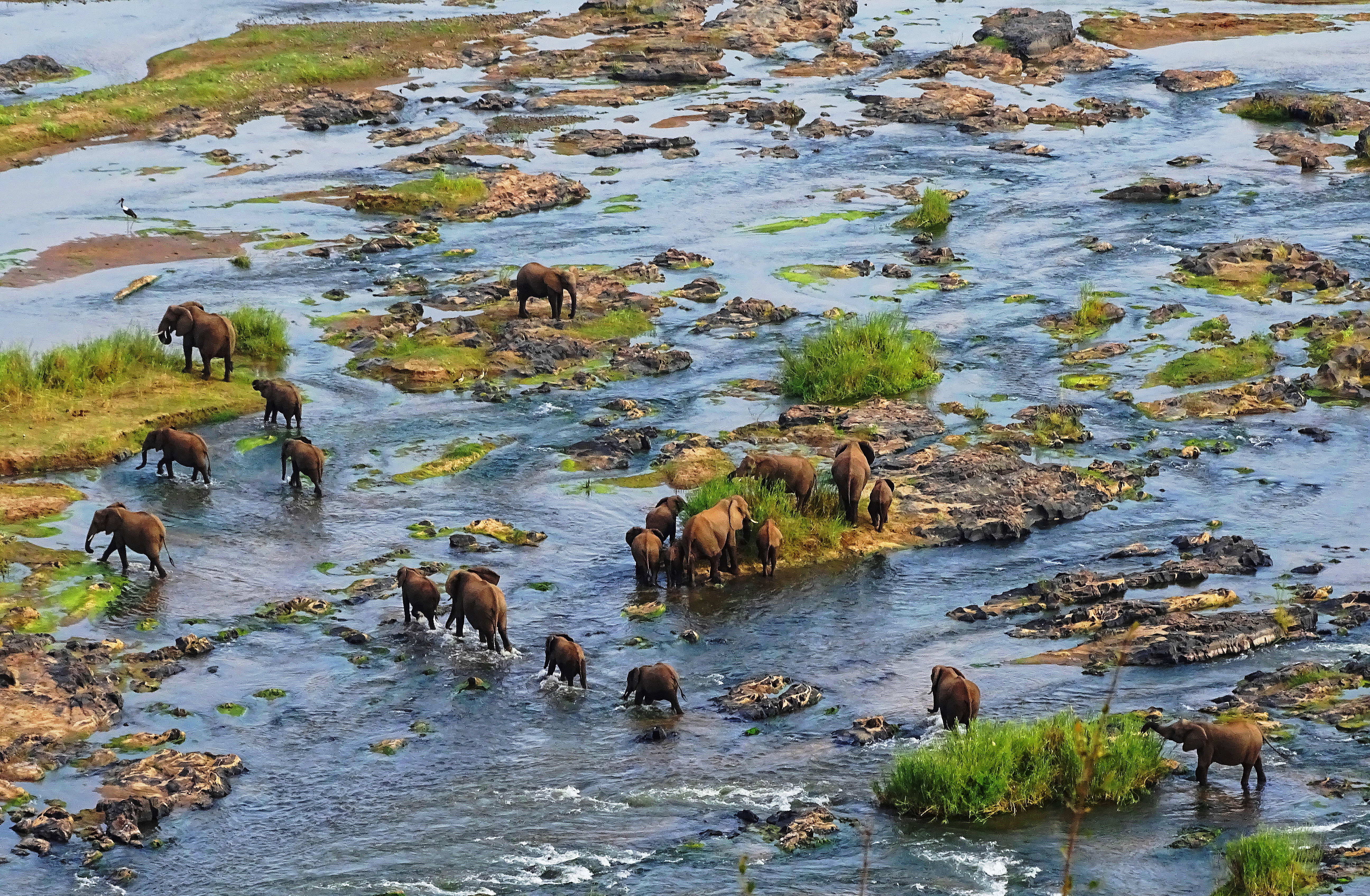
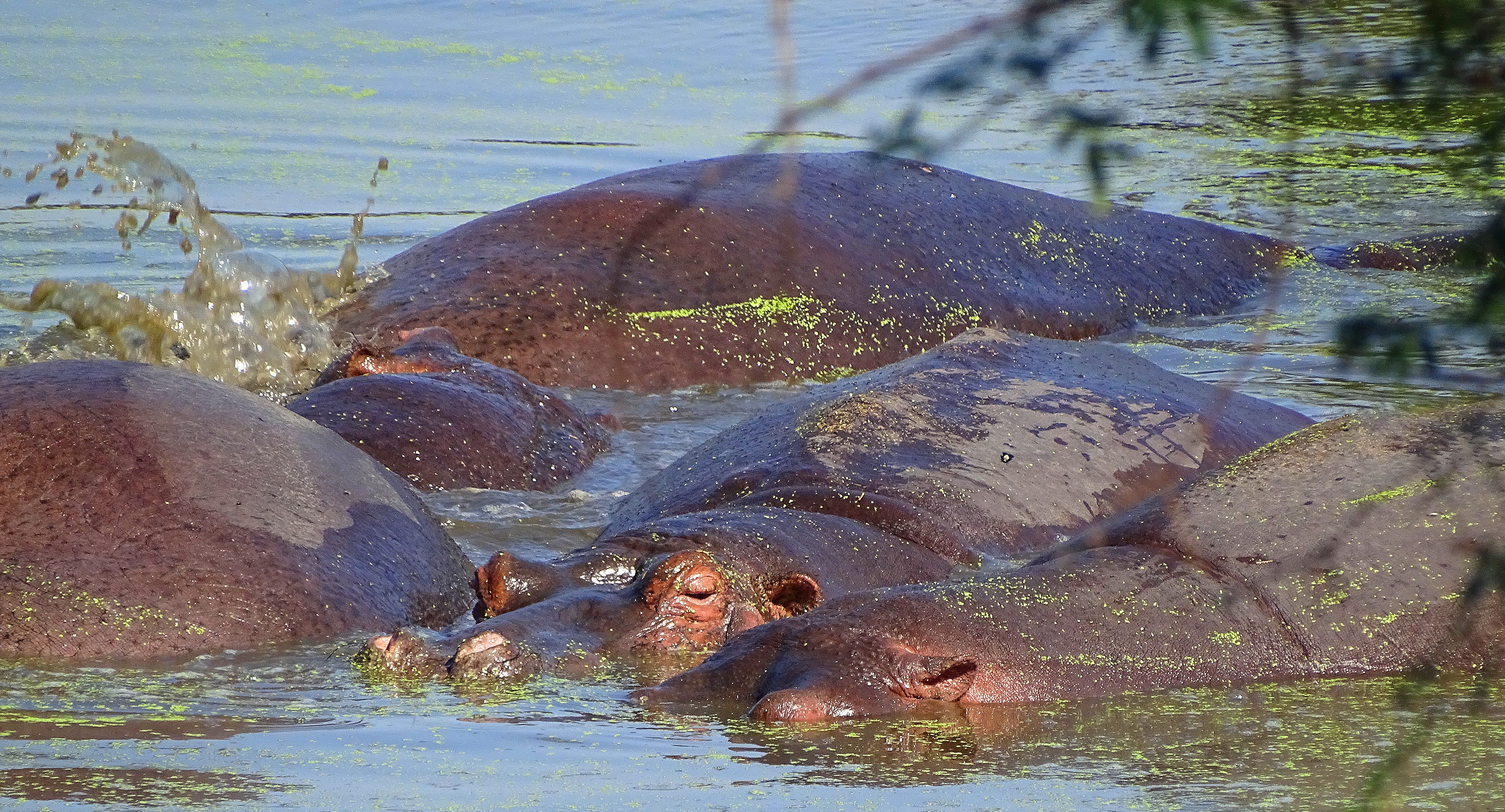
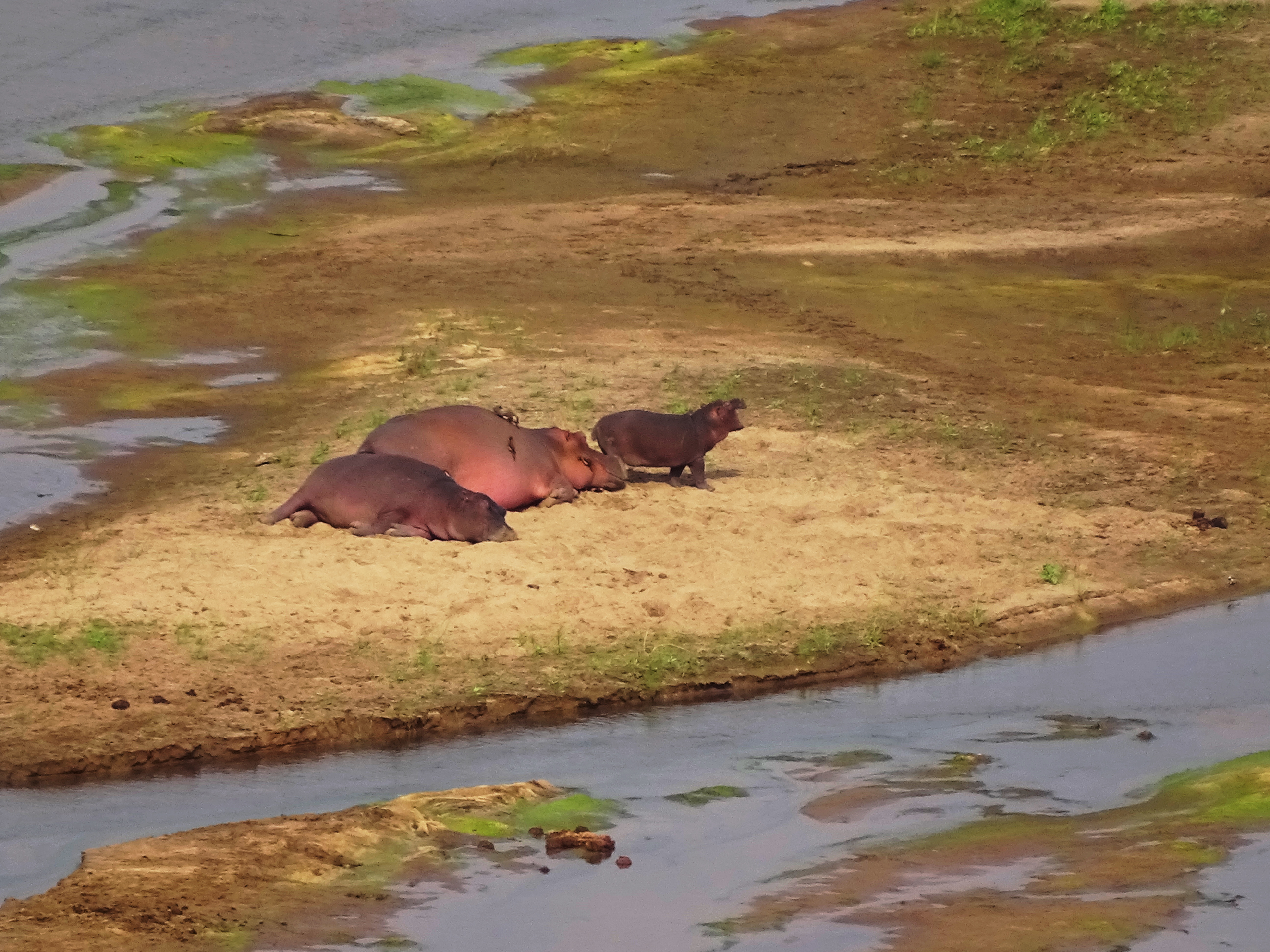
Olifants rest camp has arguably the best view in Kruger, lying hundreds of feet about the river and offering panoramic views of the African veld from the comfort of your rondavel porch. All of these photos were taken from our porch, with the exception of a few of the following ones, taken in the bush near the river.
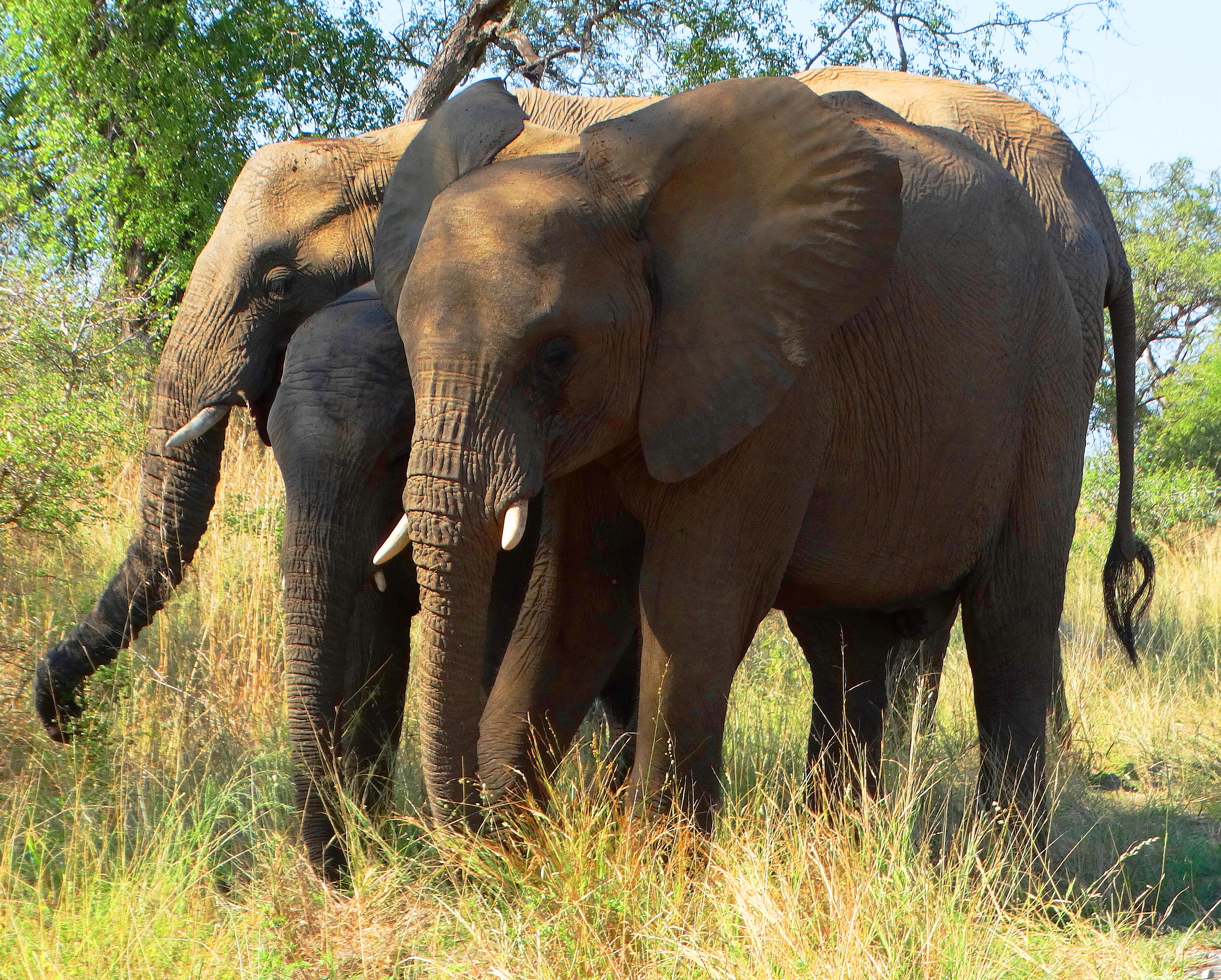
If you look you can see blurring near the elephants feet. This is when my camera started to break down after three harsh weeks in the bush.
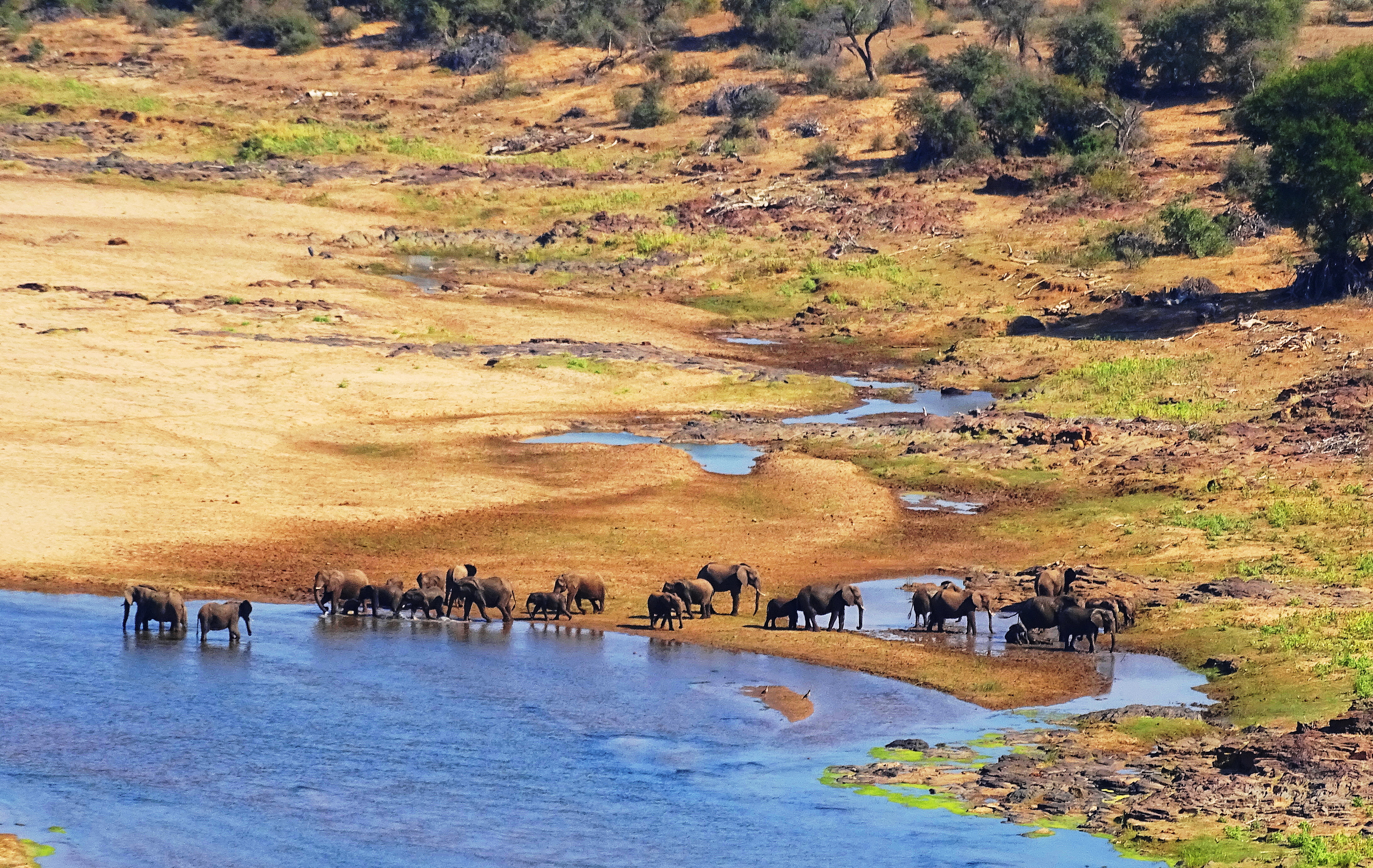
A huge variety of animals come to the river to drink, including of course the elephants that often walk single file to the water. In South Africa winter is the dry season, and the river provides scare water to a variety of animals. Olifants is the Afrikaans word for elephant, and many elephant herds spend the South African winter near the river.

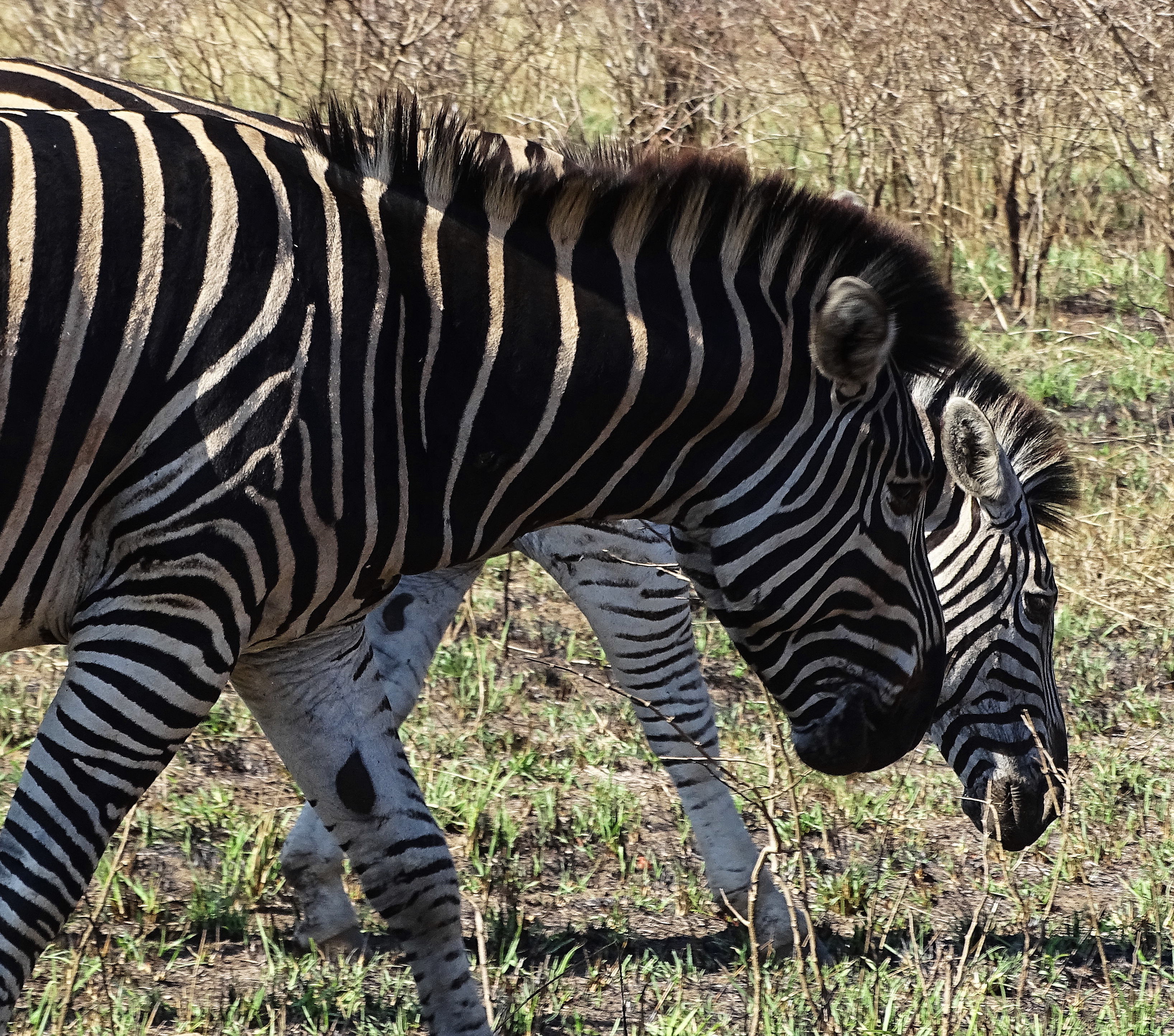
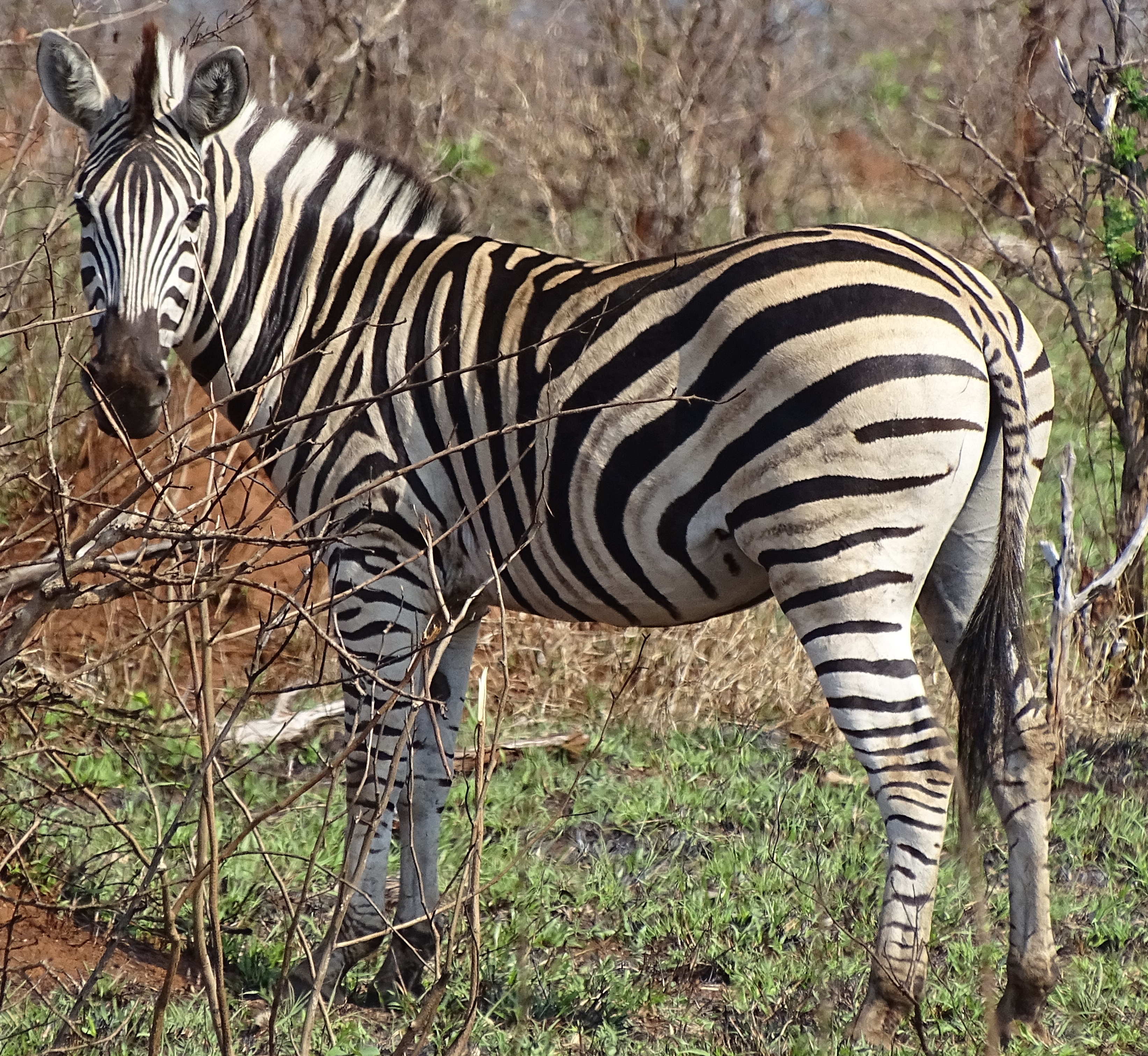
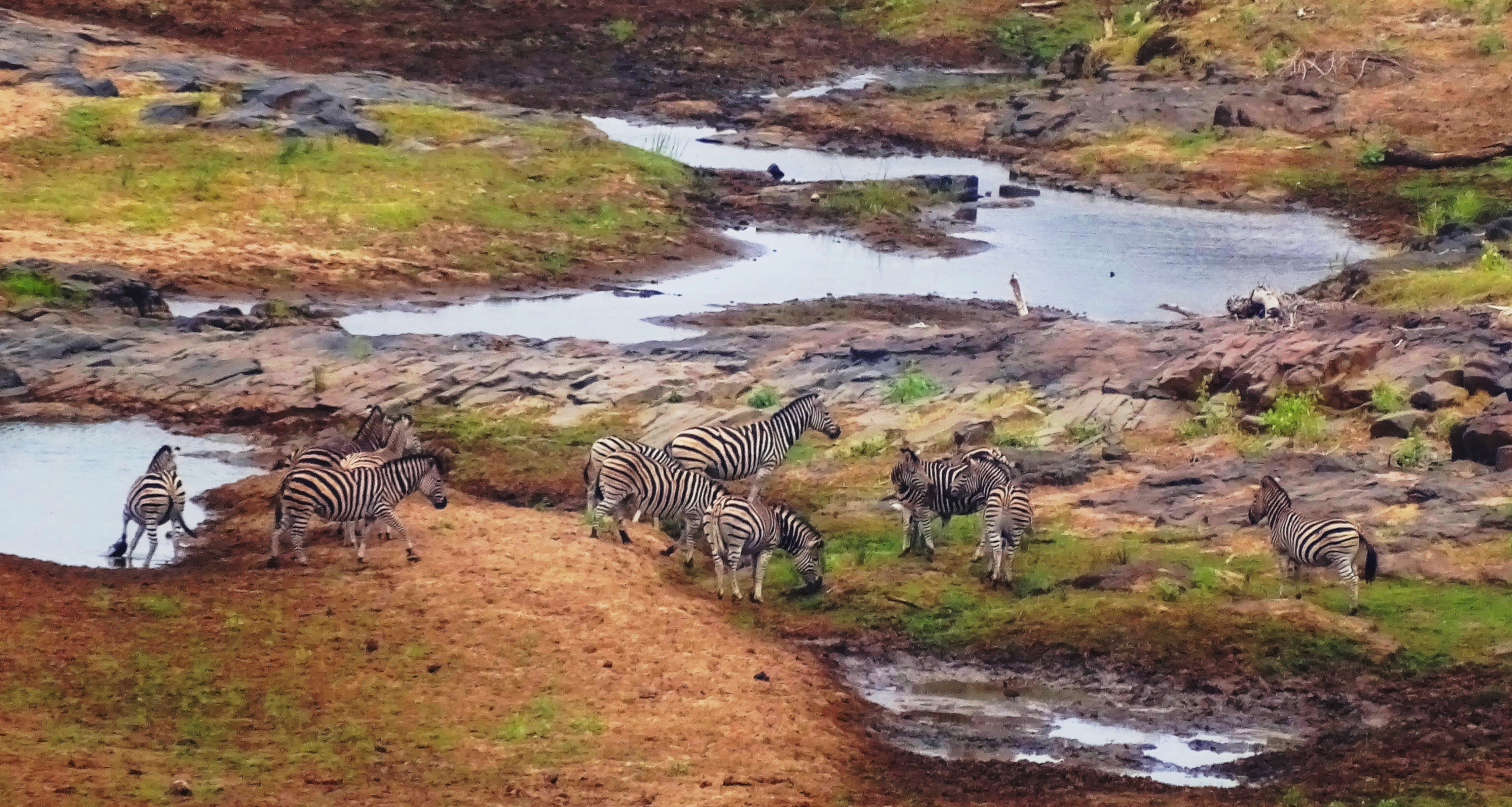
There is a long walk from the shelter of the veld to the river and animals make the trip in a very cautious manner, always on the lookout for predators. Zebras have a guard who scans the bush while the herd drinks. You can see the guard on duty on the far right.

Giraffes are the most cautious of all. They scan the veld closely before drinking. They must essentially disable themselves to drink, buckling or splaying their legs in order for their heads to reach the water and this makes them vulnerable to attack.
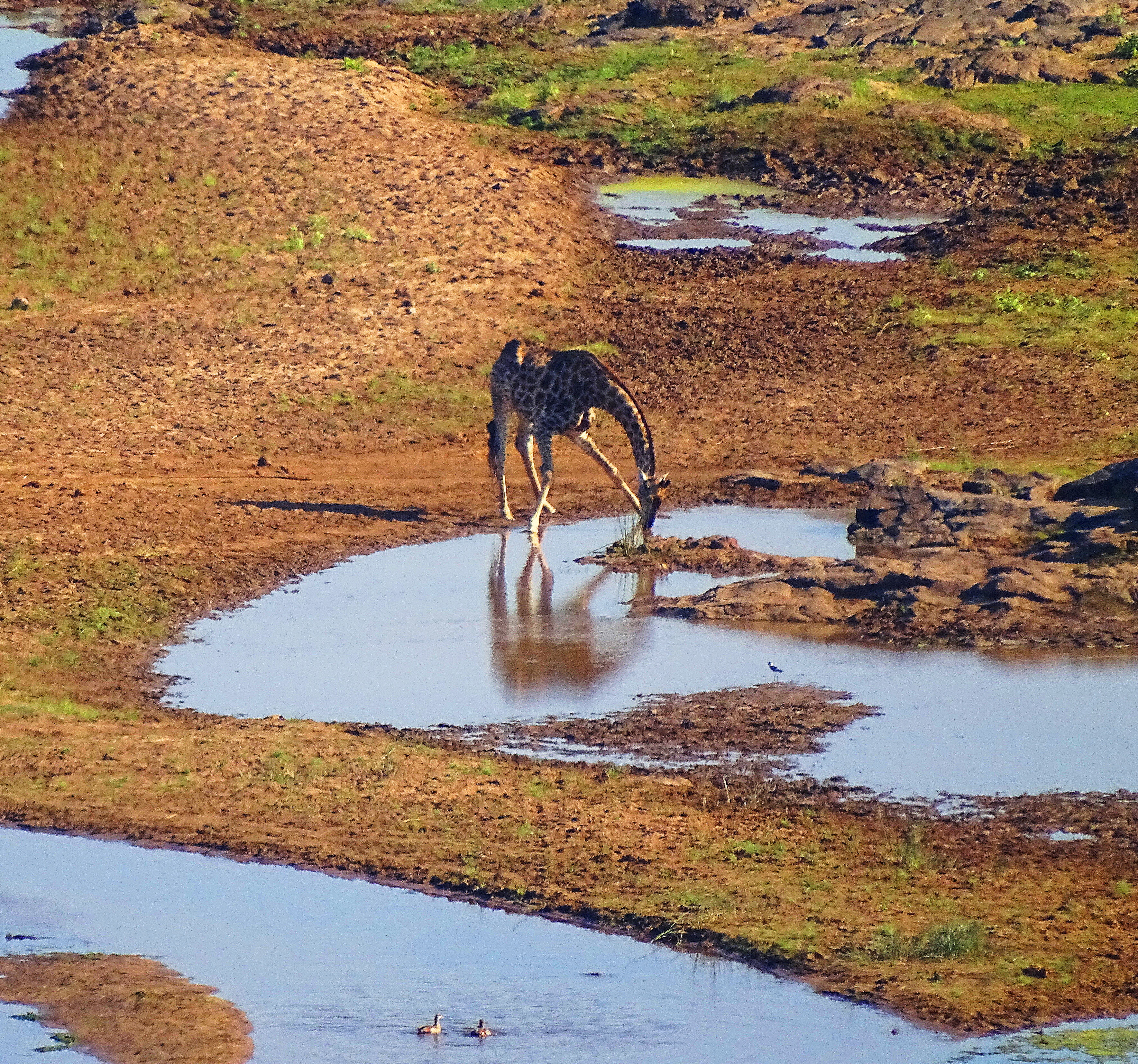
When they drink, they do so briefly, immediately resuming the scan, before they drink again. Giraffes only sleep for minutes at a time, remaining continuously vigilant.
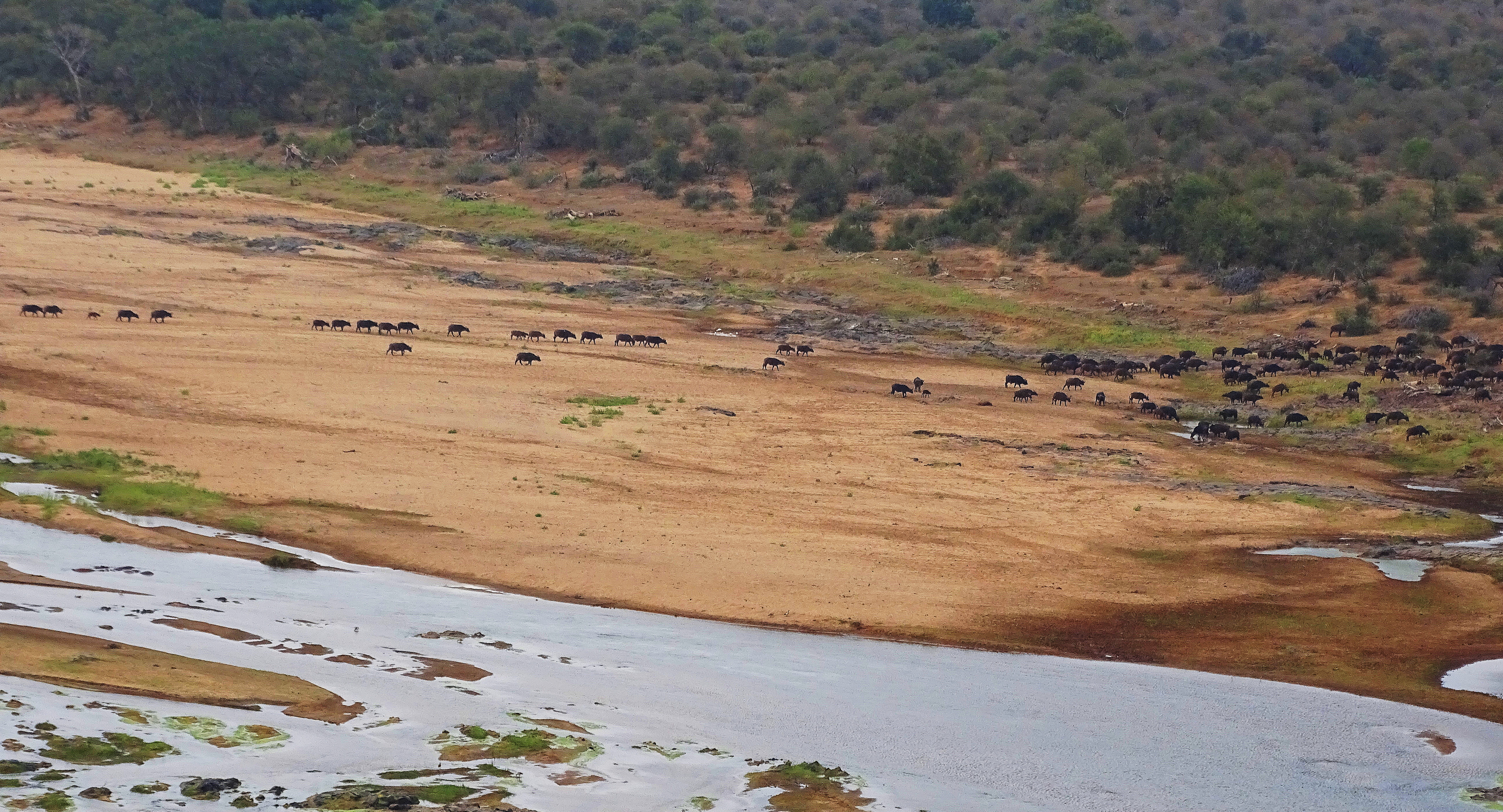
Great herds of Cape Buffalo come to the river to drink.
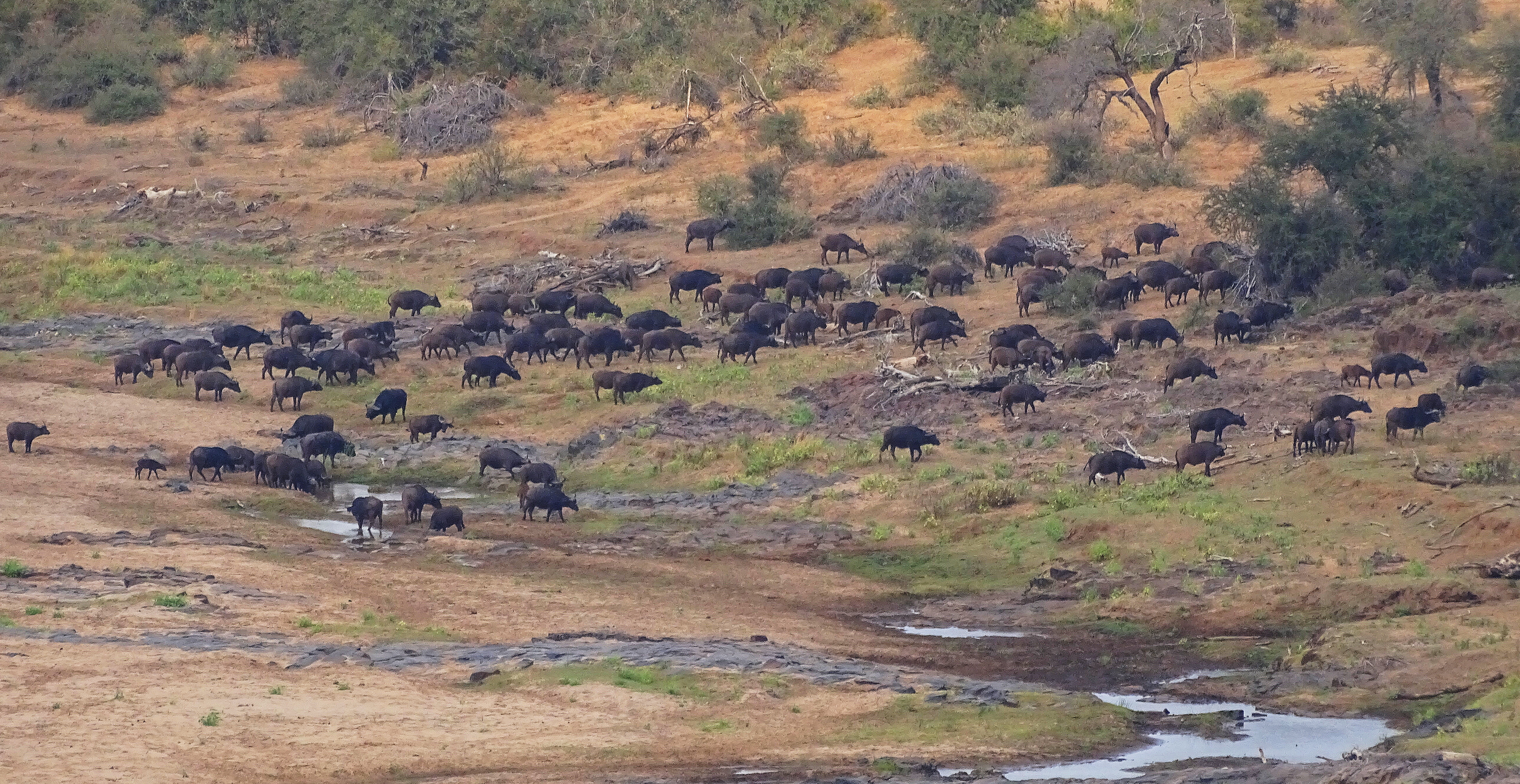
Hundreds block the road enroute to the river and when you encounter a herd, you sit in your car, surrounded by a sea of huge buffalo and wait.
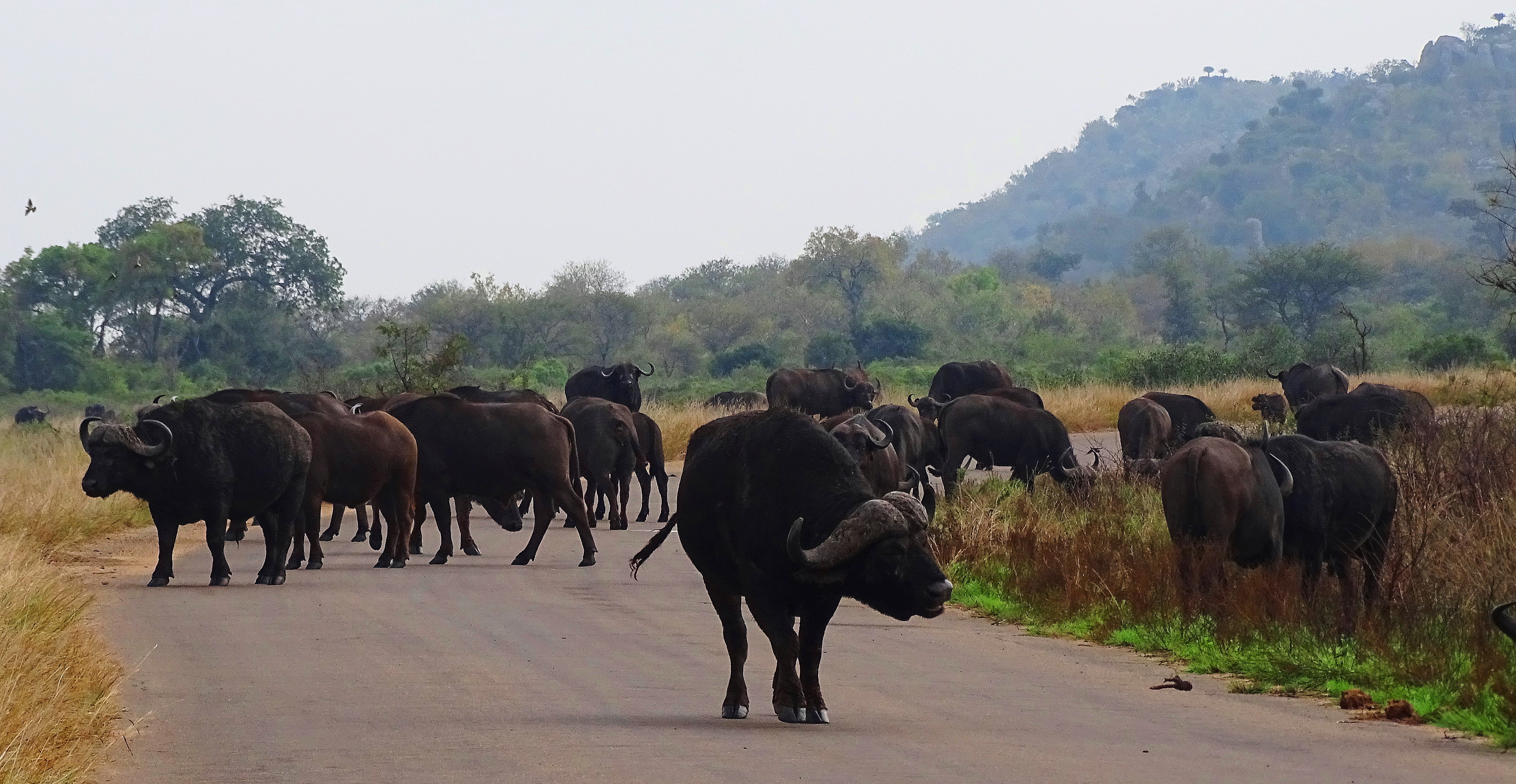
It is unnerving, especially when you are the only one on the road. You can see this buffalo warning us not to proceed. We listened to him!
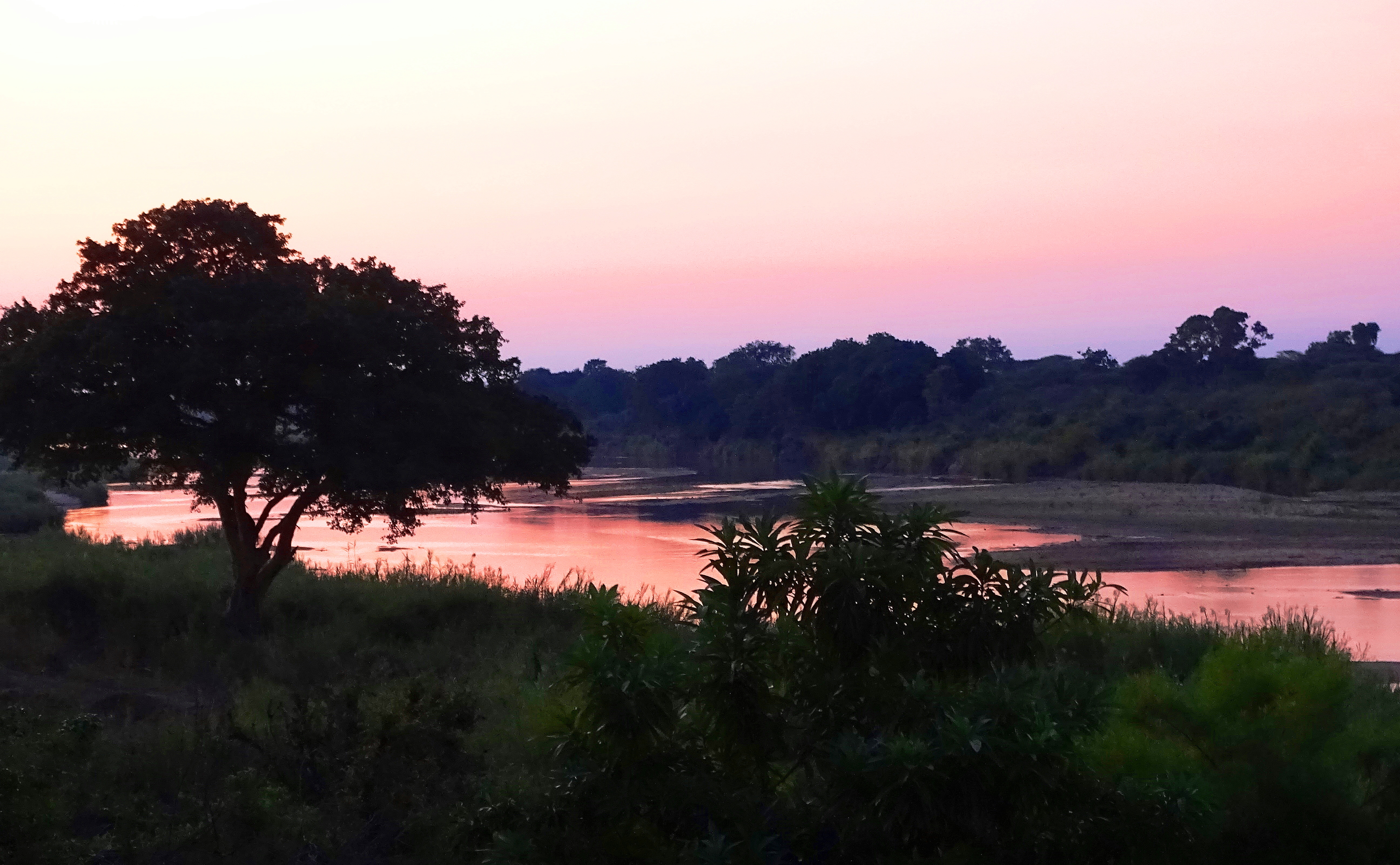
I am home at The Holler now, but send you cheers, and a South African river sunset!
* Source:The Elephant’s Child, Rudyard Kilpling
Share this:

Aquatic Equations~
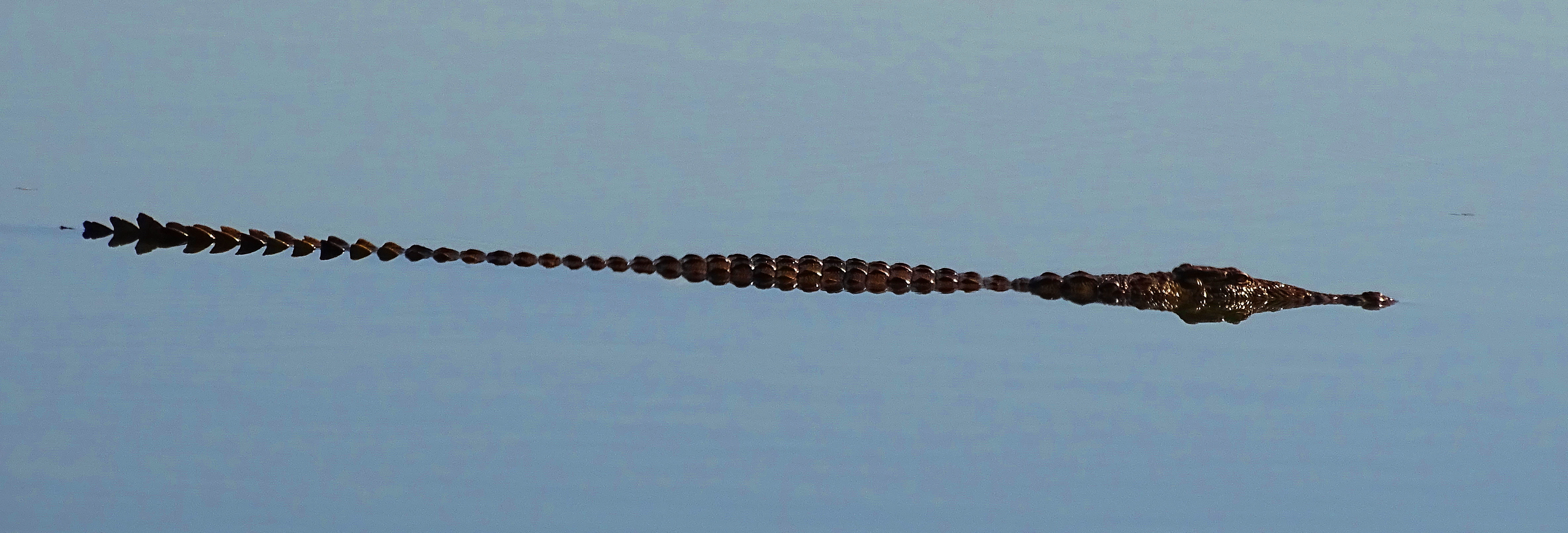
Mathematical silhouettes slither submerged,
(click to enlarge)

concealing cold calculus.
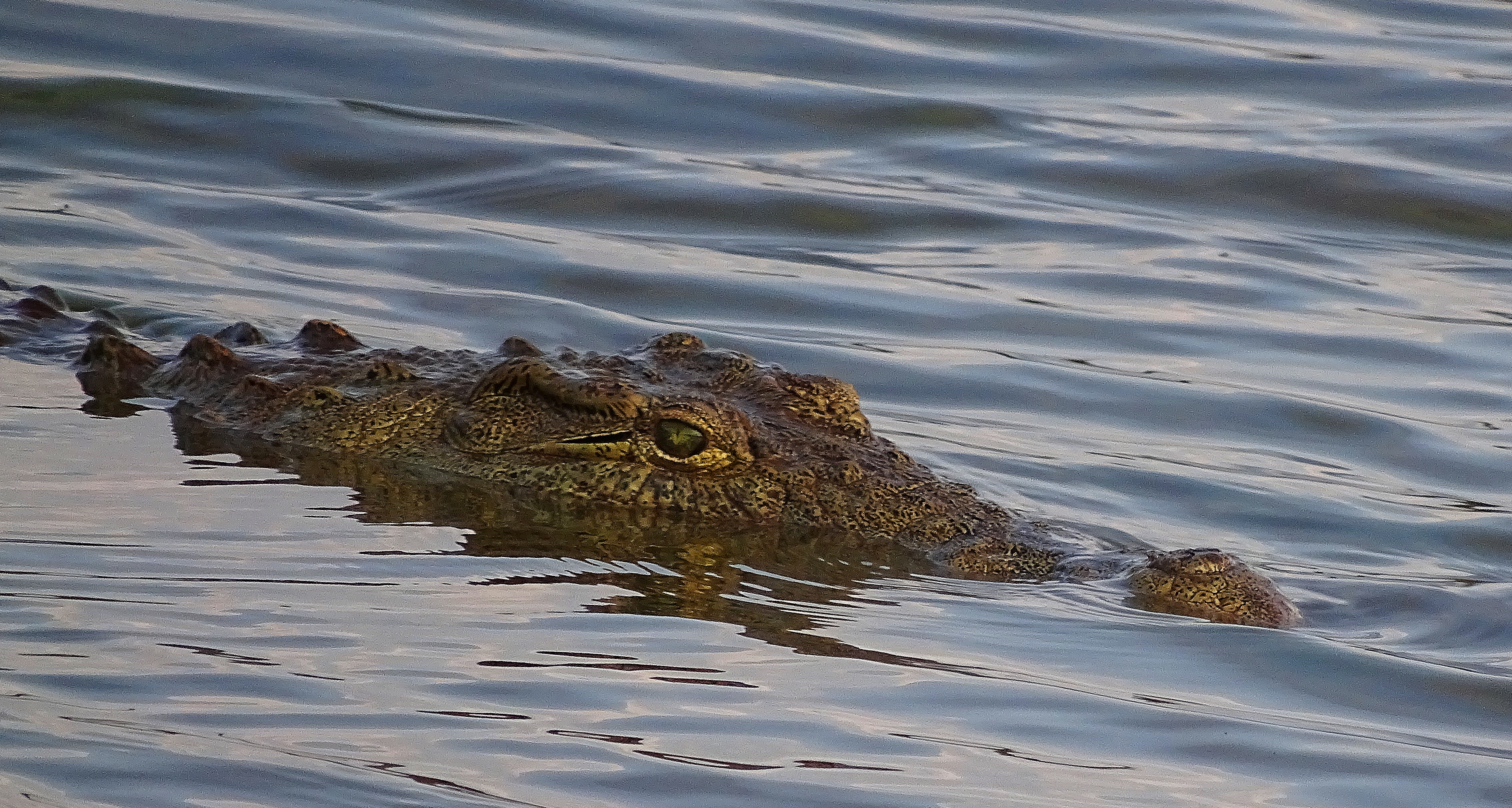
Silent, strategizing,
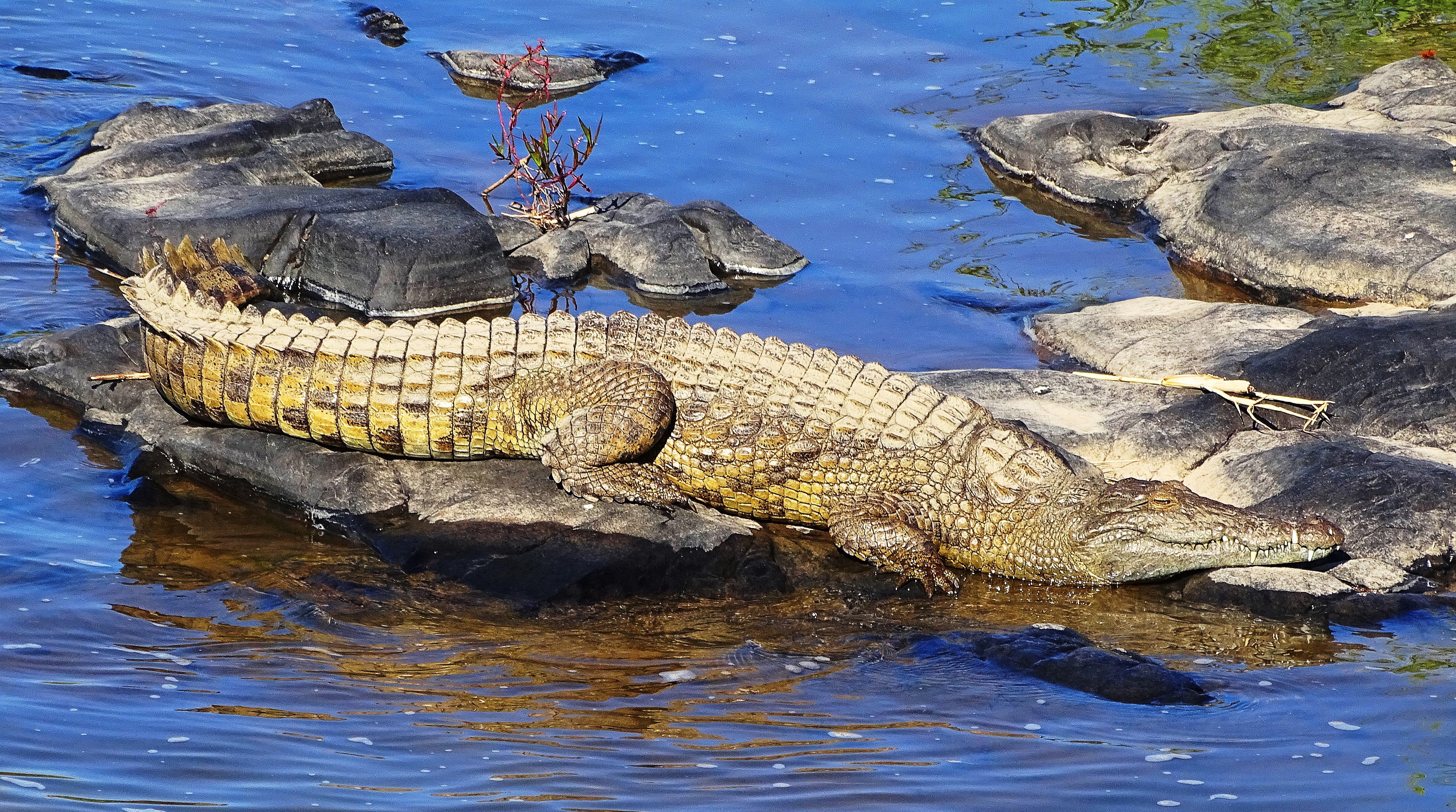
rate over distance, and time, always time.
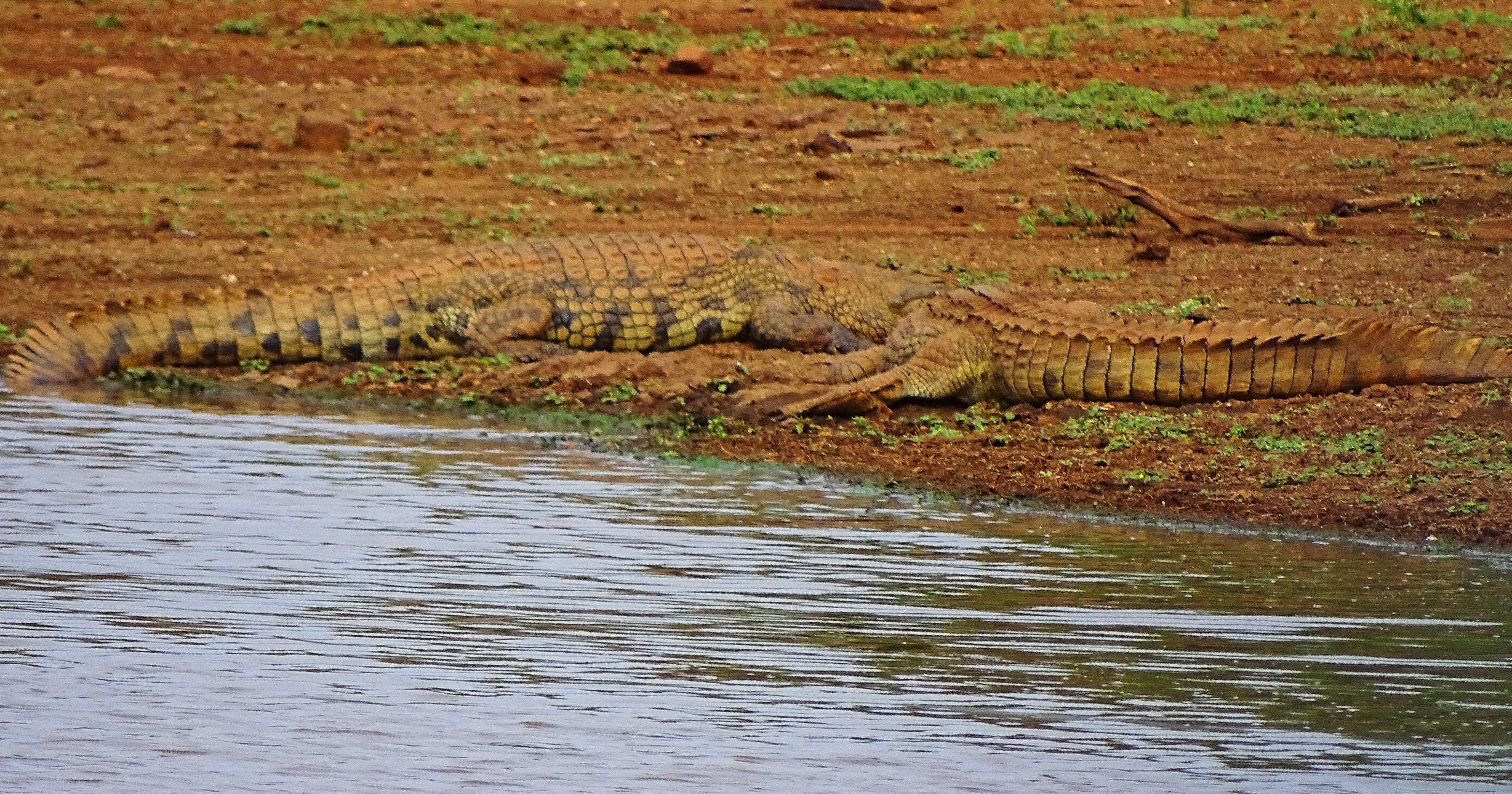
Crocodile minds synchronized,
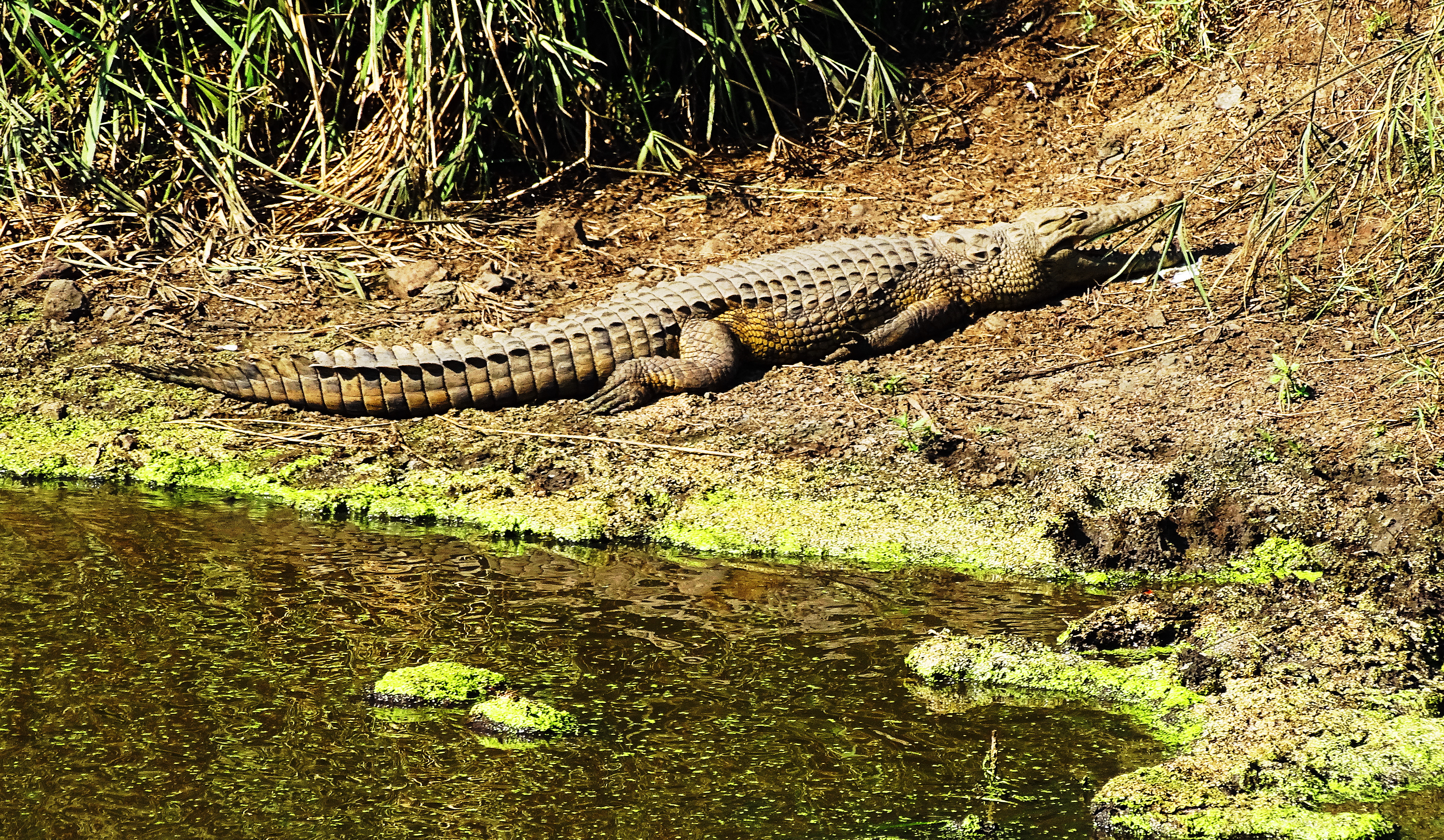
as they patiently wait to kill.

Even huge elephants know,
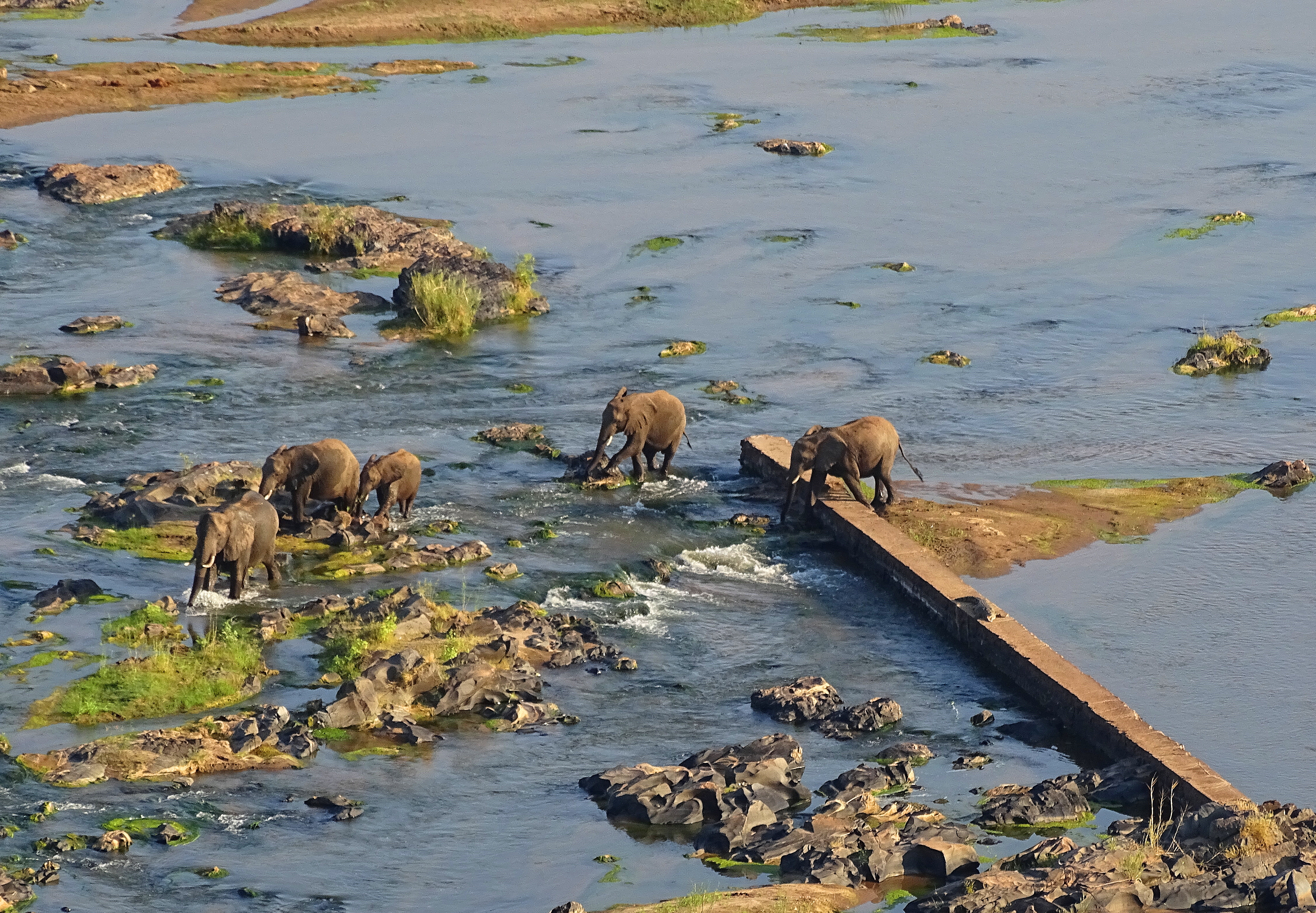
to give this tactician wide berth!
Cheers to you from the formidable and ecologically important, African Crocodiles~
