Sunburst~

DSC00883

The sunflowers grew tired of growing in their garden.

DSC00918
So they picked up long legs and walked away.

DSC08252
After traveling awhile, they arrived at The Holler, hot and bothered.
DSC00863
They realized too late, as we often do, how good they had it in their garden.

DSC08251
I put them in water, and took their photos, cheering them up considerably.

DSC00886
I hope their sunburst cheers you too~

Note: the color in these photos is not enhanced. I have been experimenting with food coloring in flower water. Blue makes some incredible effects which I will show you later. If you’re interested check out:
http://www.wikihow.com/Dye-Flowers

The Methuselah Grove~

DSC00666
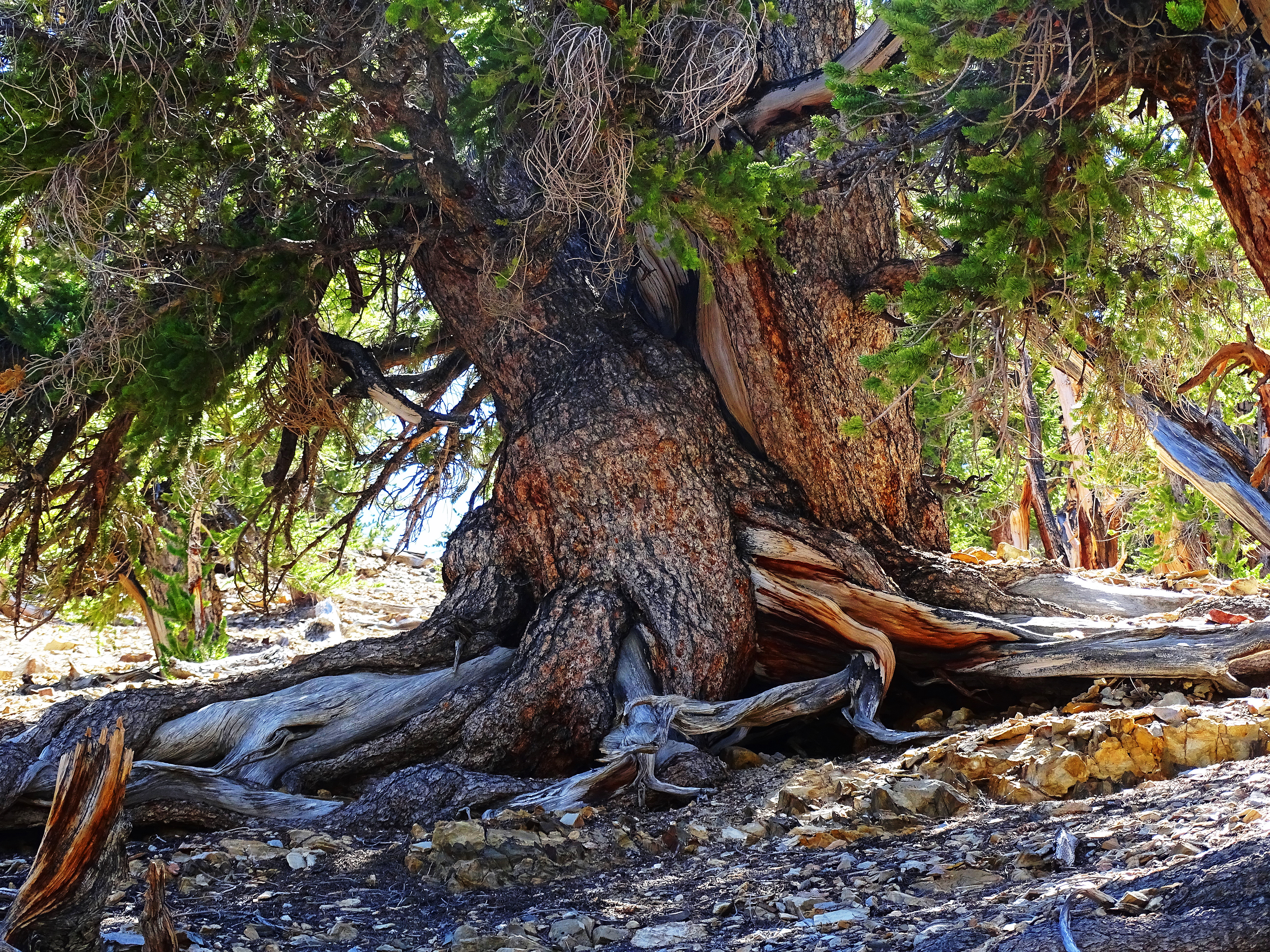
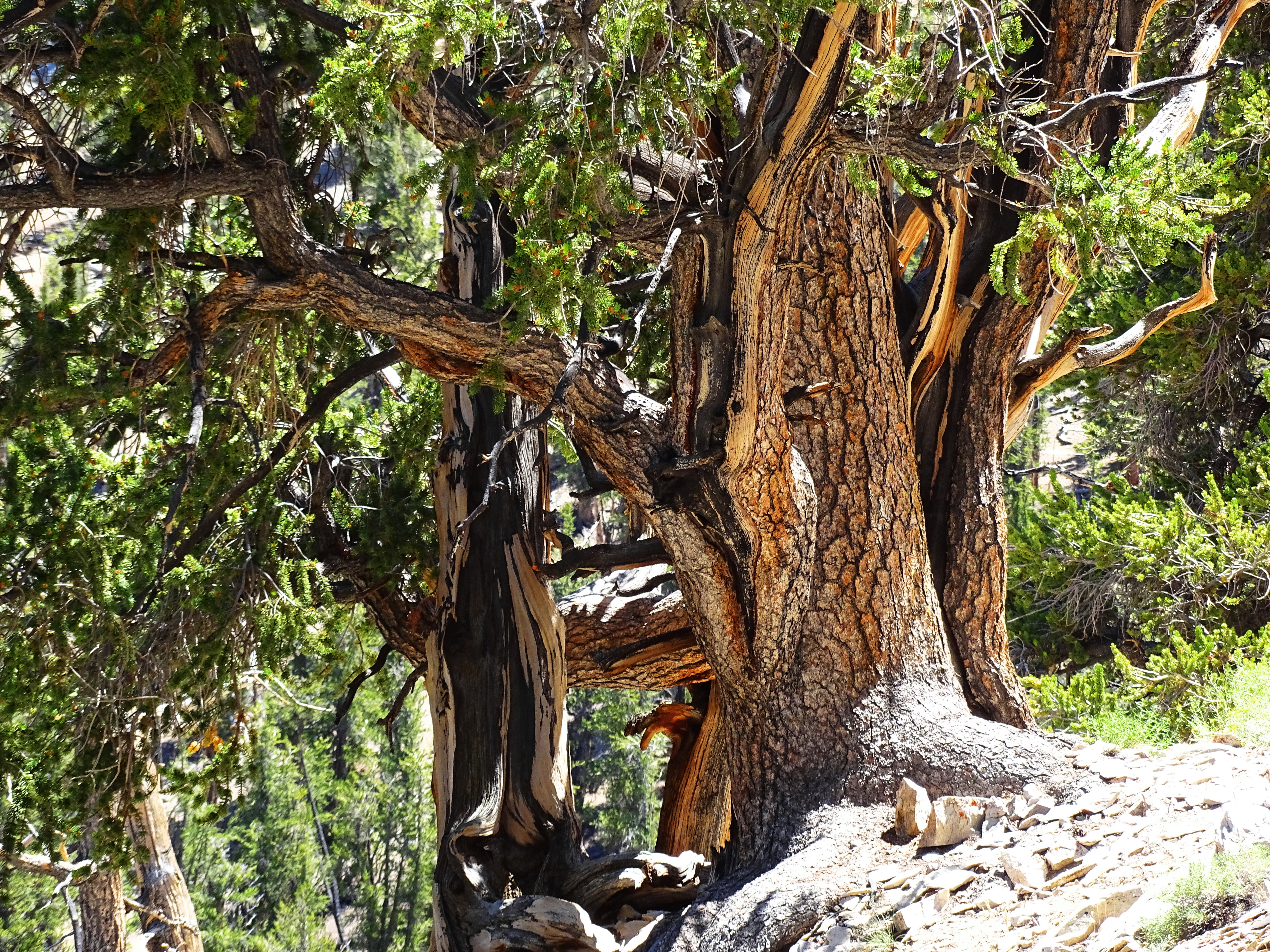
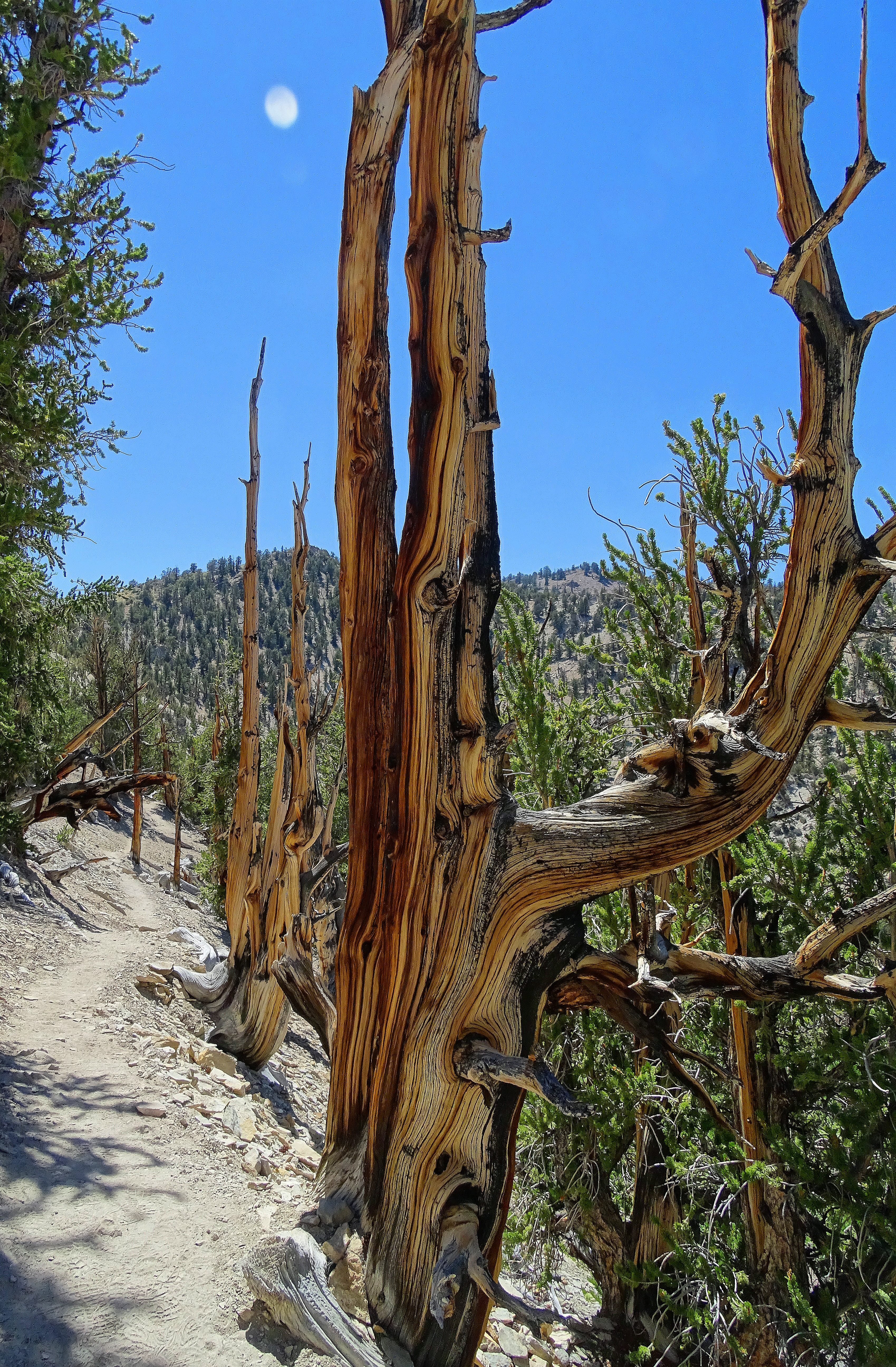
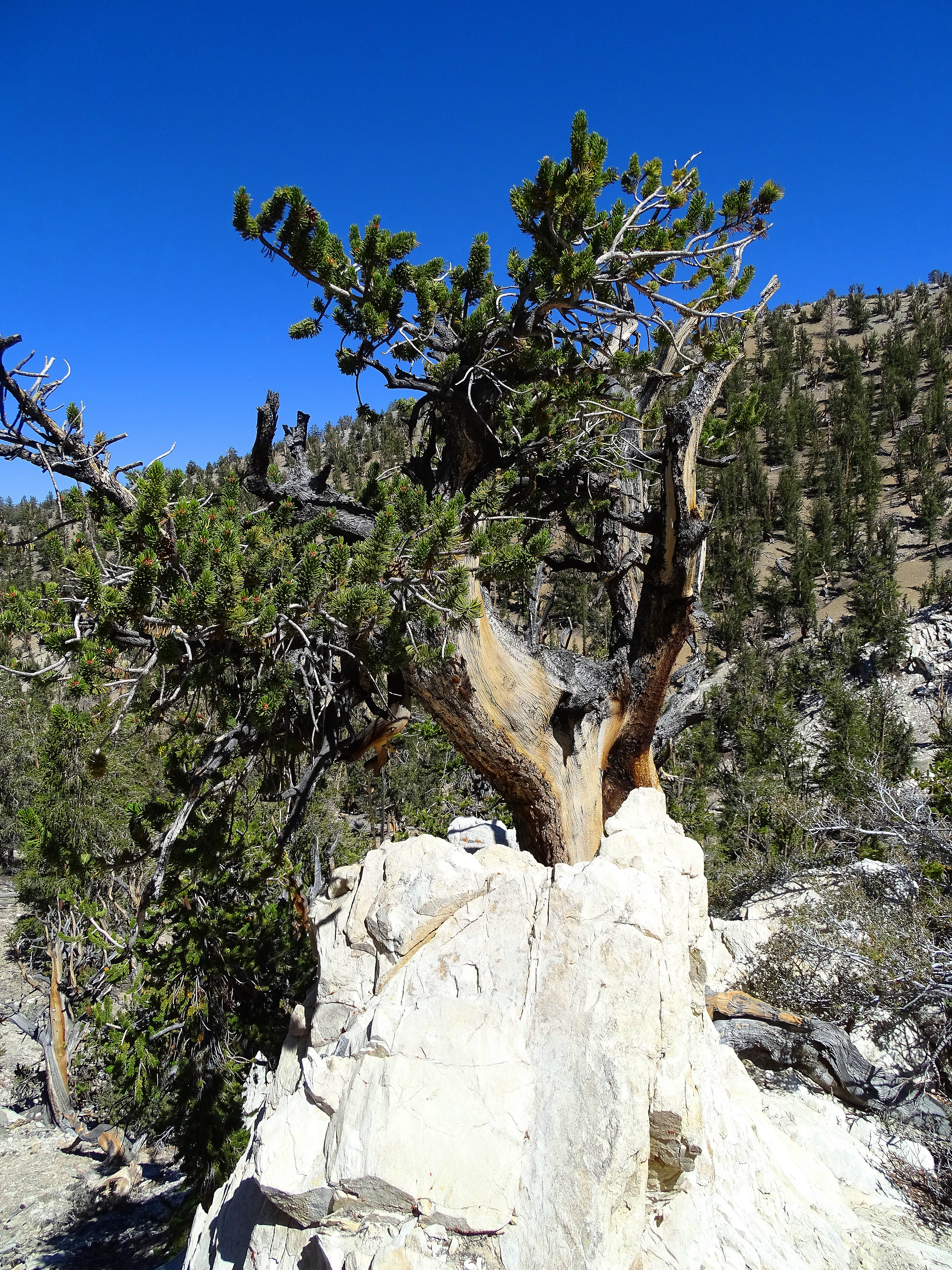
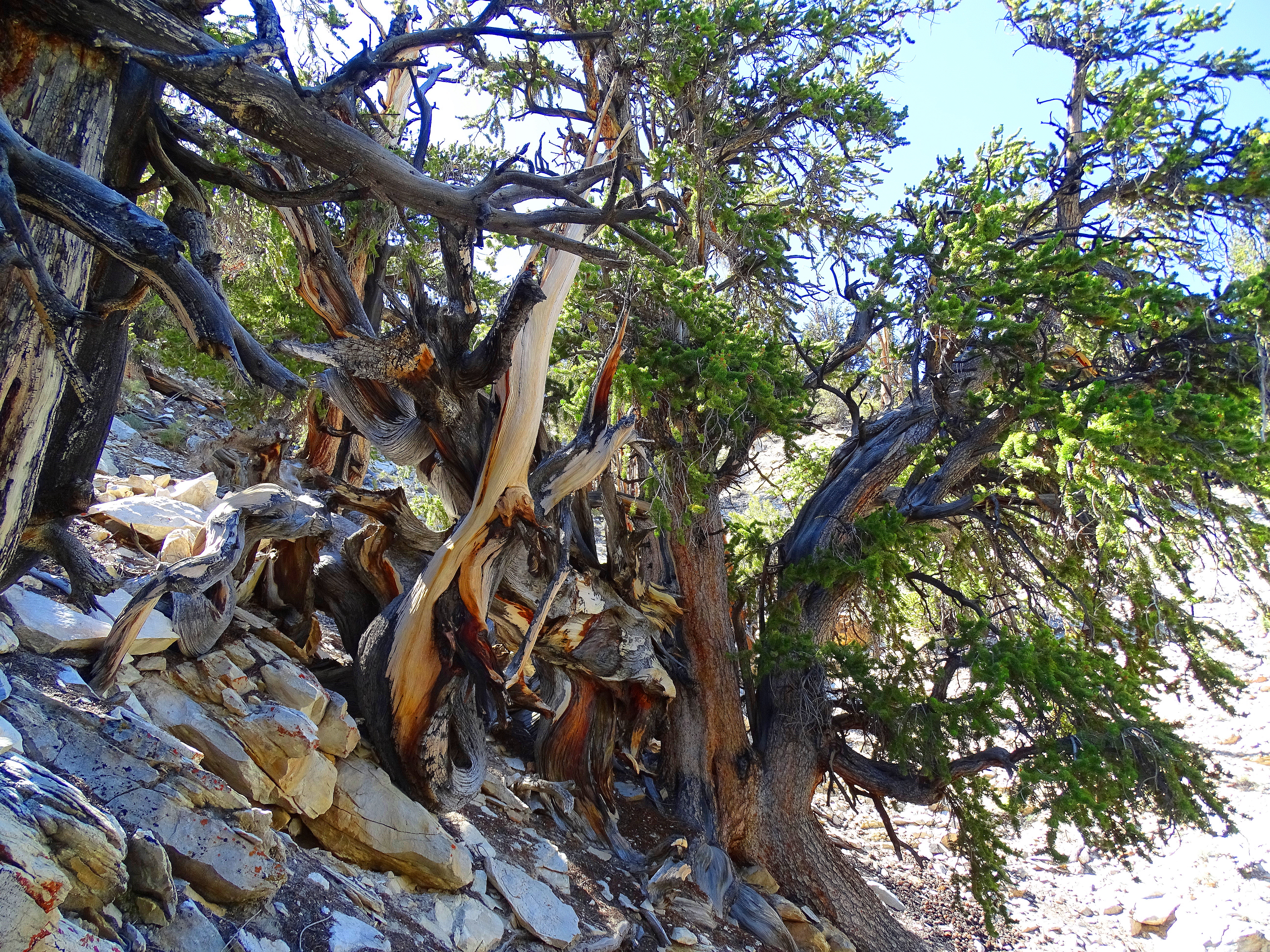
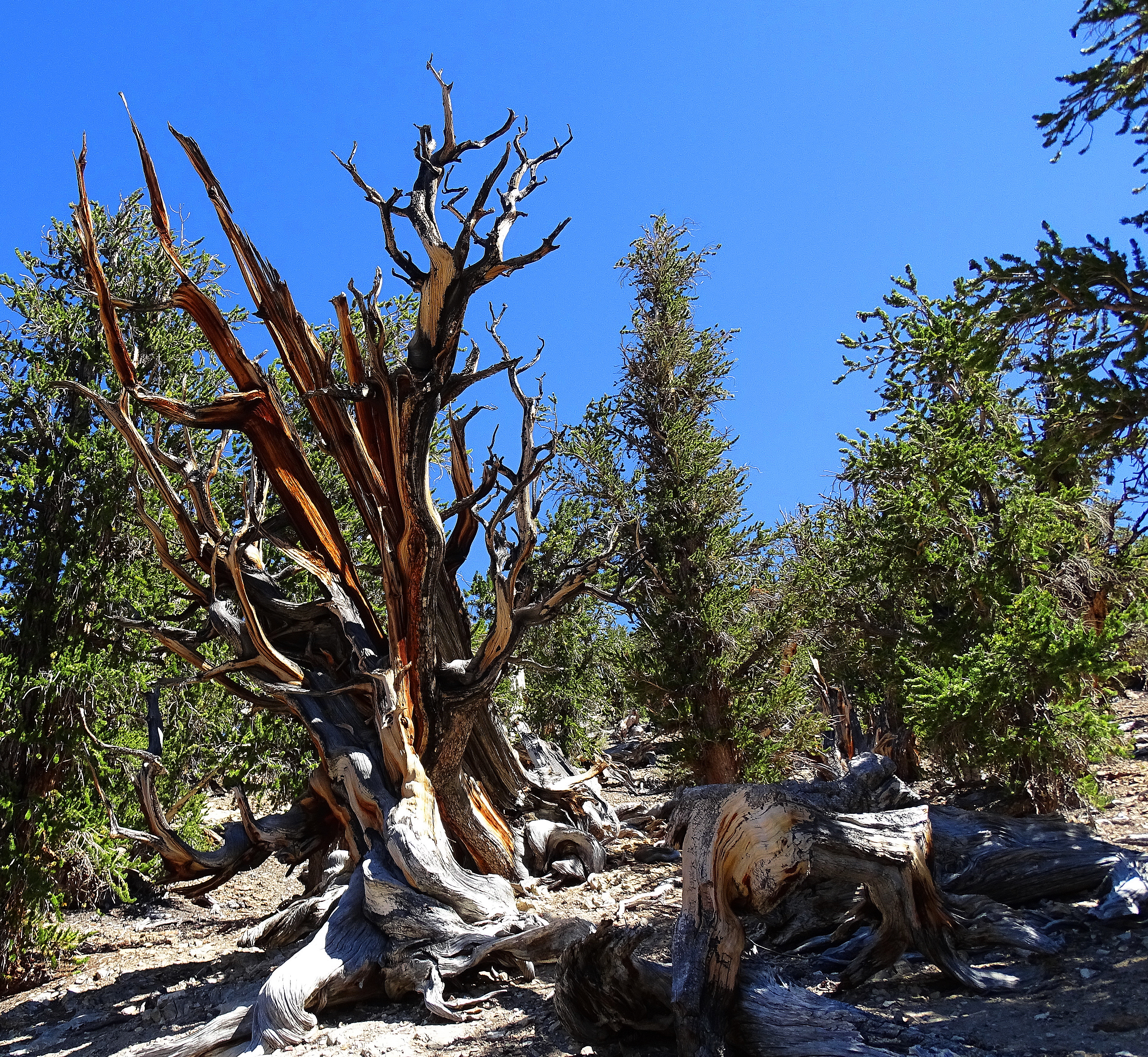
The Great Basin Ancient Bristlecone Pine Forest in The White Mountains of California/Nevada have the world’s oldest living non-clonal organisms, ancient bristlecone pine trees. Non-clonal means these trees are not genetic duplicates of a parent organism, but are in fact, original organisms.
DSC00646
The oldest known tree in the basin is 5,065 years old and was germinated in 3051 BC. This tree started growing before the first pyramid was built-in Egypt.

DSC00754
Another, Methuselah, is 4,848 years old.
DSC00756

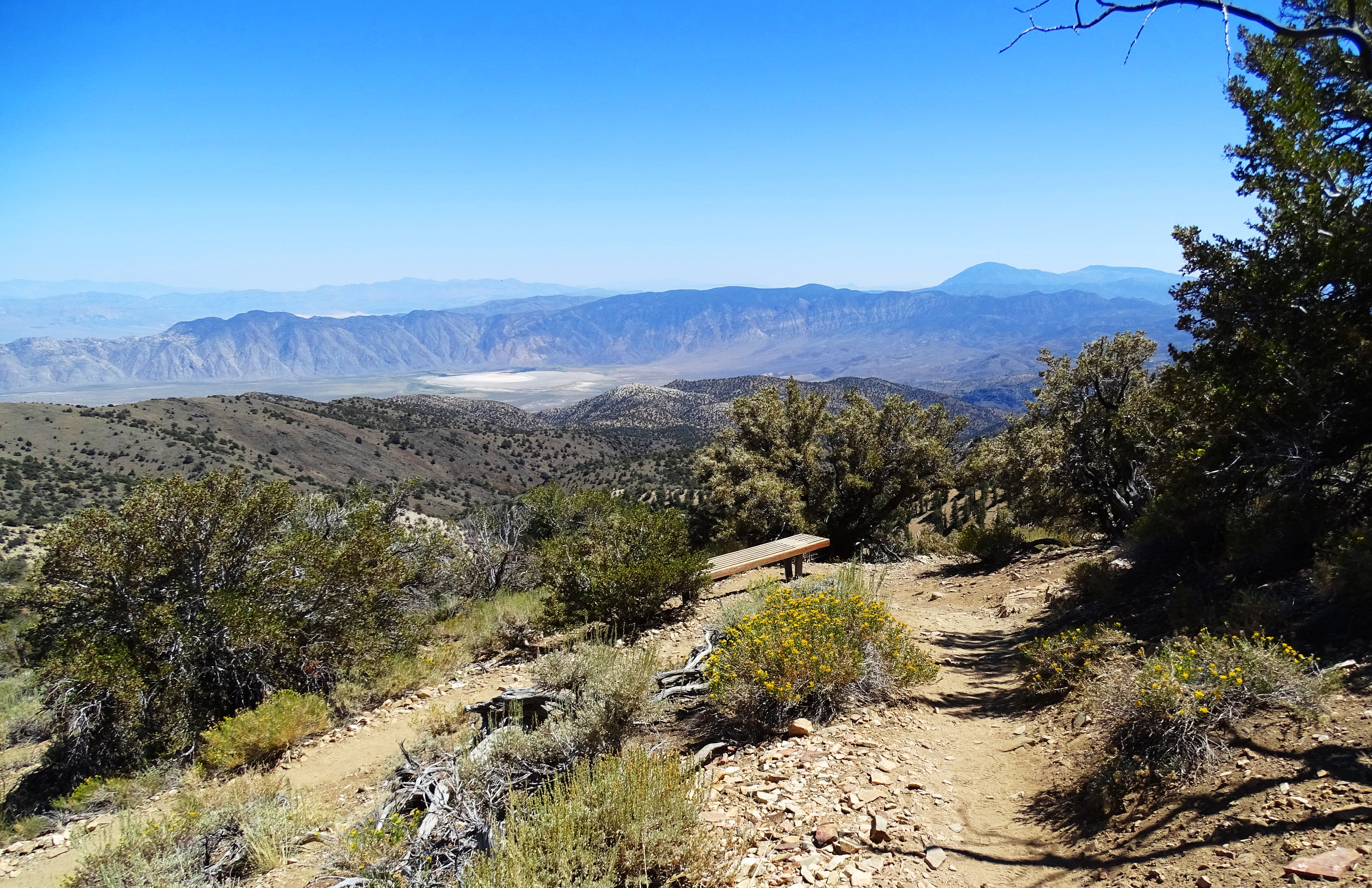
The White Mountains run parallel to the Sierras in the west and Death Valley in the east.

DSC00679
White Mountain is a sister peak to Mt. Whitney, the highest mountain in the continental US. When you hike here you look to your left at almost eye level with Mt. Whitney, and to your right at the lowest non-submerged place in North America, Death Valley.

DSC00710
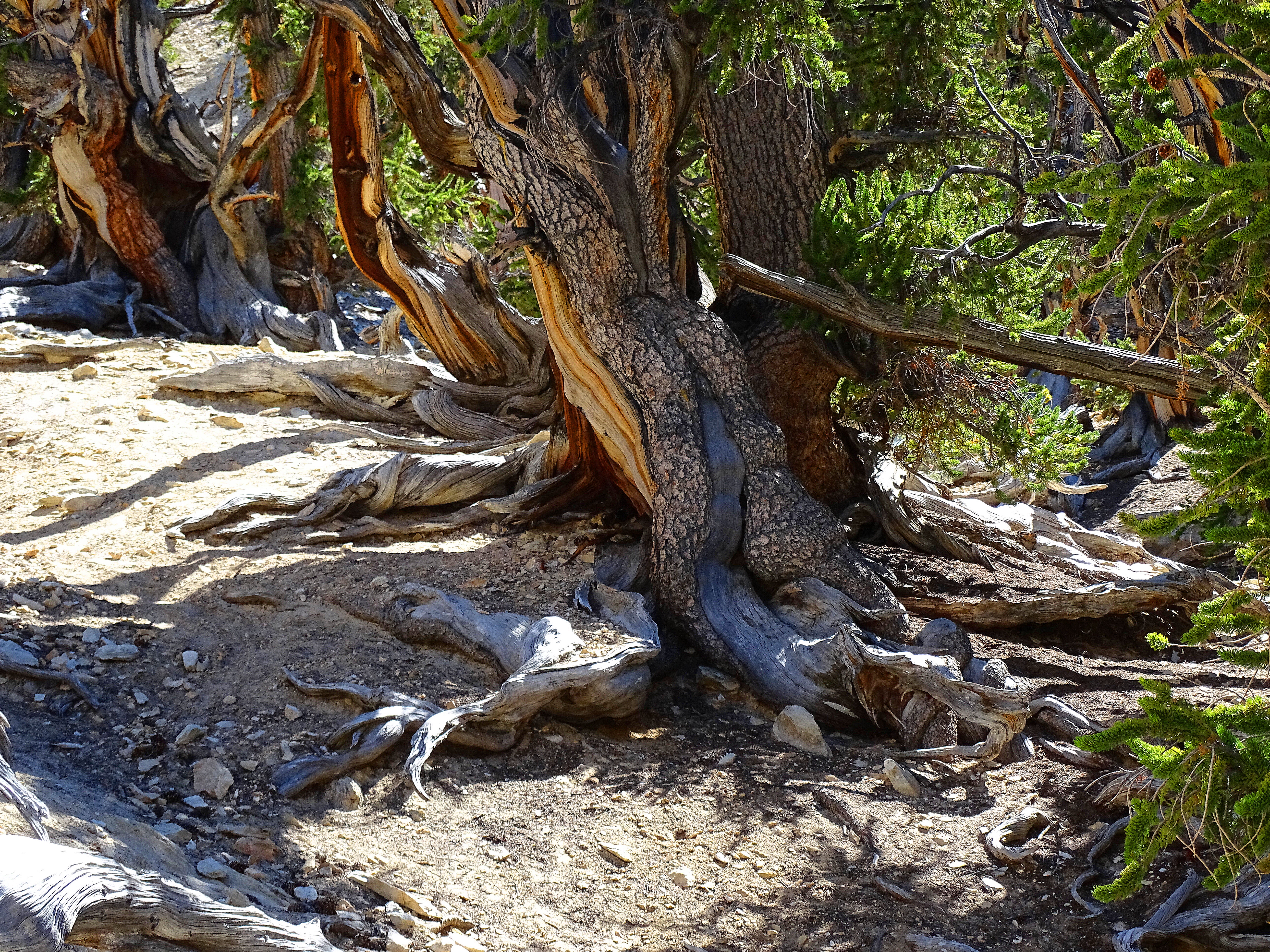
In the dolomite covered White Mountains these ancient organisms continue to thrive in white powdery soil that was once an ancient sea bed.

DSC00775
When you touch the non-bark covered cambium layer of these ancient ones, it is like touching living stone. Something you have never felt before.

DSC00792
The bristlecones survive possibly because they live in an isolated hostile location, which makes them strong, and creates the almost impervious density of their stone-like structure.
DSC00784
To say that I was blown away by being here is a huge understatement.
I am hoping the lack of protection afforded the ancient ones is purposeful. They are hard to get to, even harder to hike to, and not very many people know about them. Plus, for much of the year, due to winter snow, they are inaccessible.
DSC00795
There is nothing here but these living fossils.
DSC00729
I never knew about these trees, even though I have driven near them all my life to go skiing, and now I can’t even imagine the world without them.
Cheers to you from the ancient ones~

http://www.arizona.edu/keepers-prometheus-worlds-oldest-tree

https://en.wikipedia.org/wiki/List_of_oldest_trees

http://www.historyofinformation.com/expanded.php?id=3441

Lo-Down Ankole Watusi Holler Life-

DSC09246
The Holler is really a Holler and not only for the birds.

DSC09255
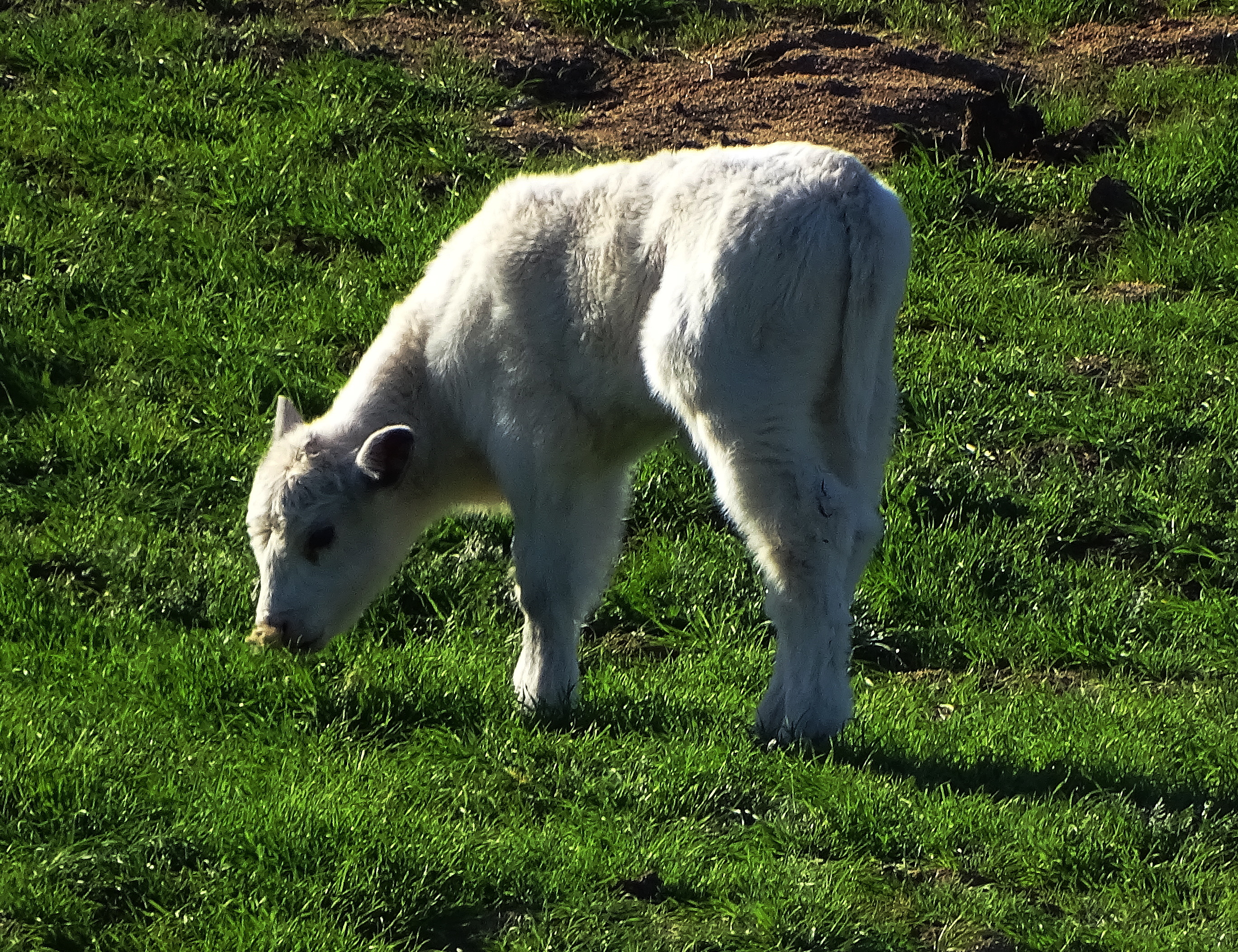
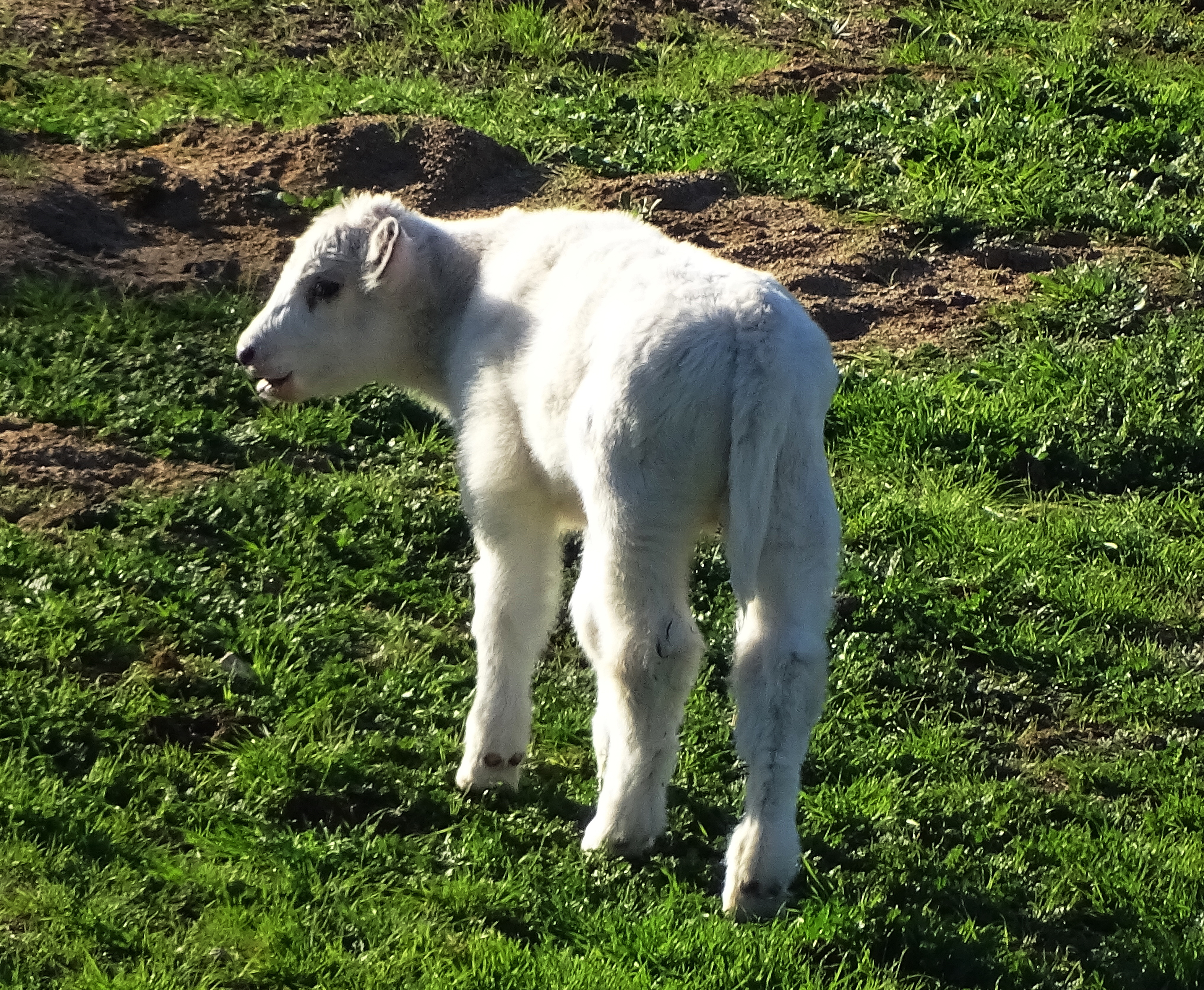
It is for low-down, on the ground, critter life as well. Meet the new, free range calf.

SUNP0056

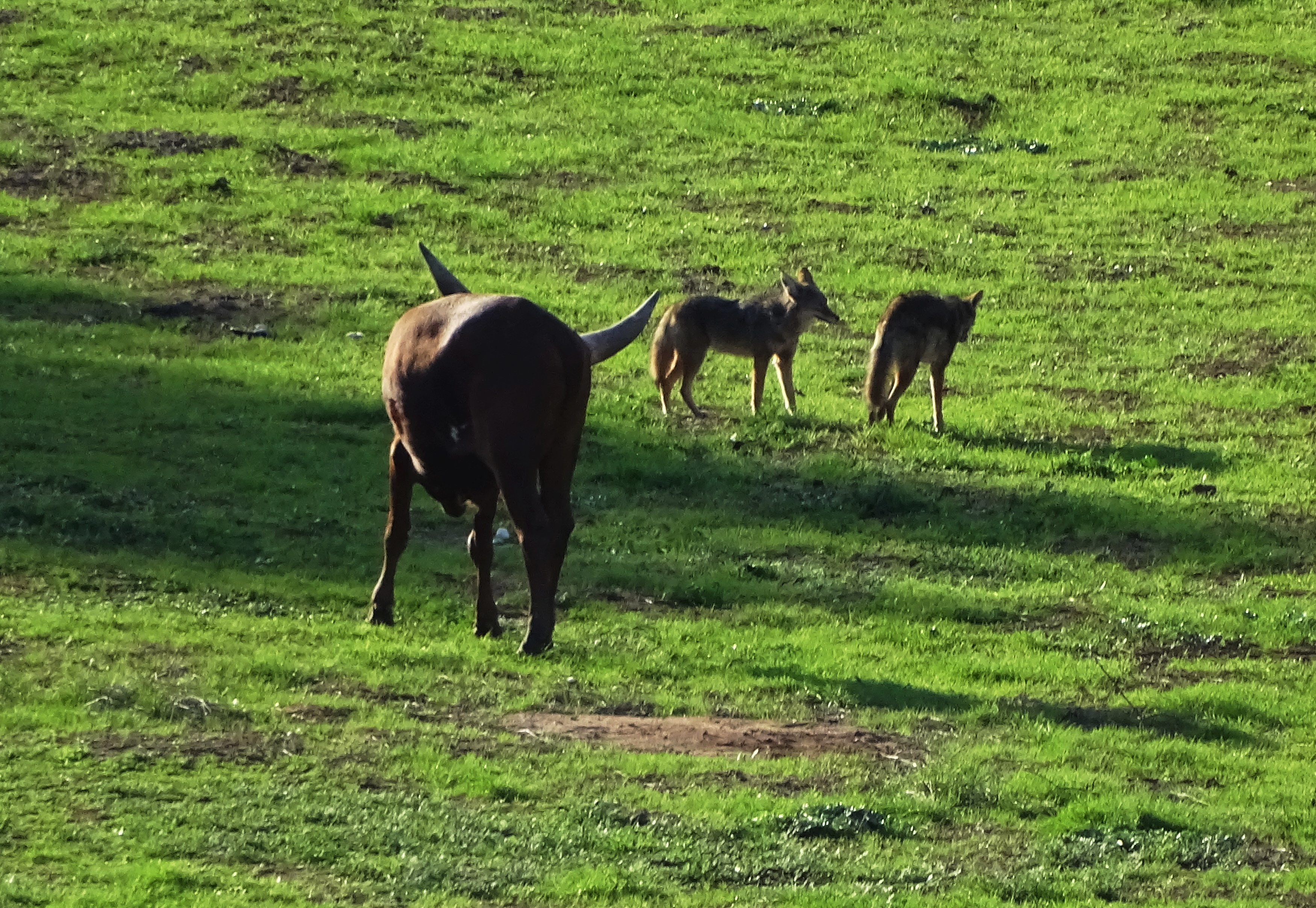
And, meet the guys who are overly fond of new free range calves.
SUNP0076

We were quite done with watching the coyotes prey on the defenseless calves, and the cowboy intermittently shoot the coyotes.

This approach solved nothing.

The cowboy who grazes the free range cattle on the 1200 acre state-owned nature preserve that abuts The Holler, finally came up with a creative solution.

DSC09296
You know I value creativity. It is why I love bloggers so much!

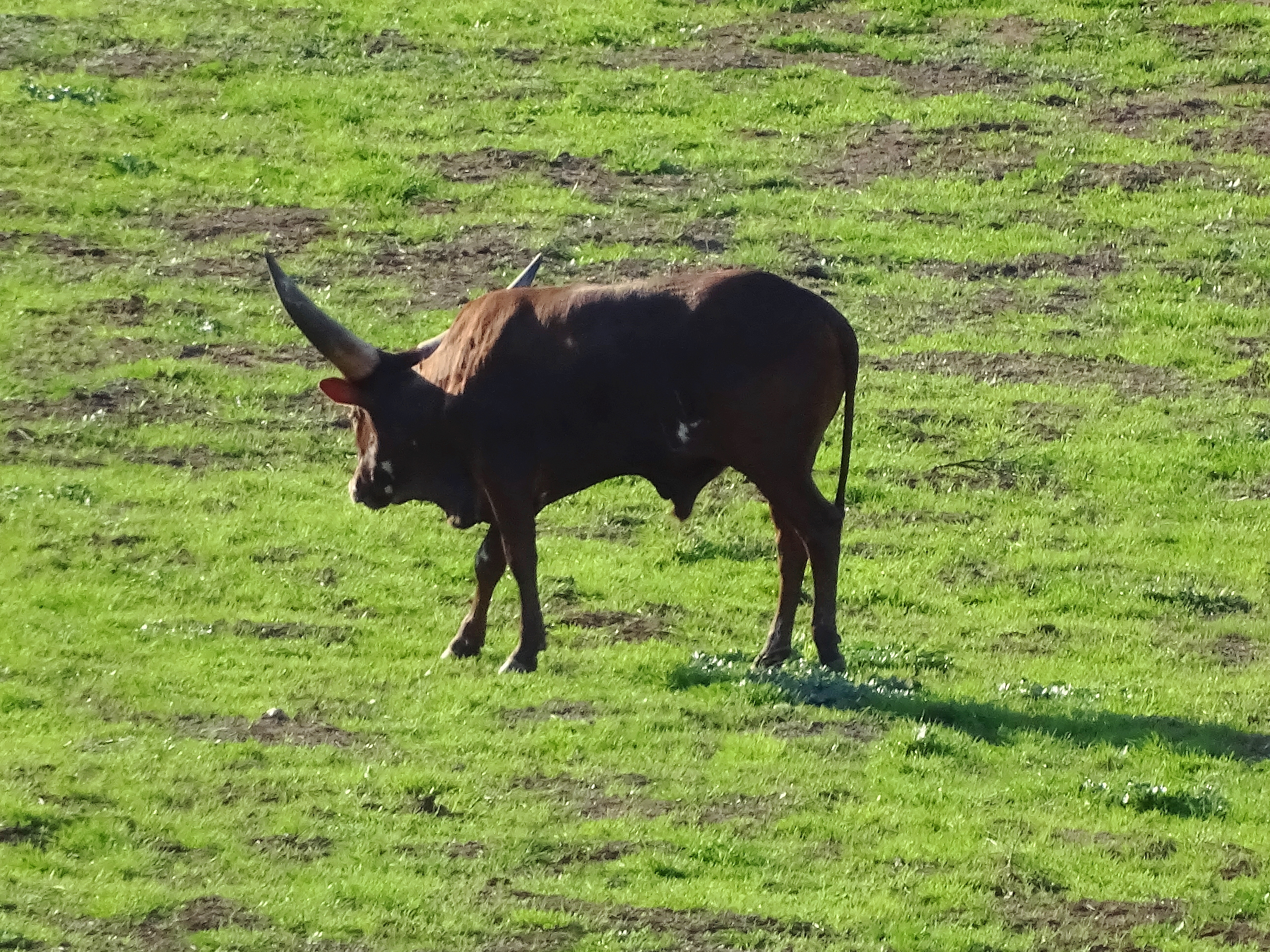
Anyhoo, meet the new juvenile Ankole-Watusi bull. Imagine how big he is gonna be when he is all “growed” up!

These are African free range cattle that grow horns up to eight feet from tip to tip. At night, in Africa, when predators are active, the Ankole adults place the calves in the center, while the adults, and their eight foot horns defend the perimeter through intimidation. They are highly protective of calves and able to repel African predators. These cattle can subsist in drought conditions with low water and feed.

DSC09309
They are currently interbred in Europe and North America and, and news to me, The Holler. I had no idea of the Ankole solution until my telephoto saw them, and I sent it straight from my camera, to your eyes!

I am grateful to my camera because Ankole can be quite aggressive towards humans. If my camera hadn’t alerted me to their presence, I would still be hiking in the preserve, not expecting an ambush by potentially aggressive African bulls!
DSC09310
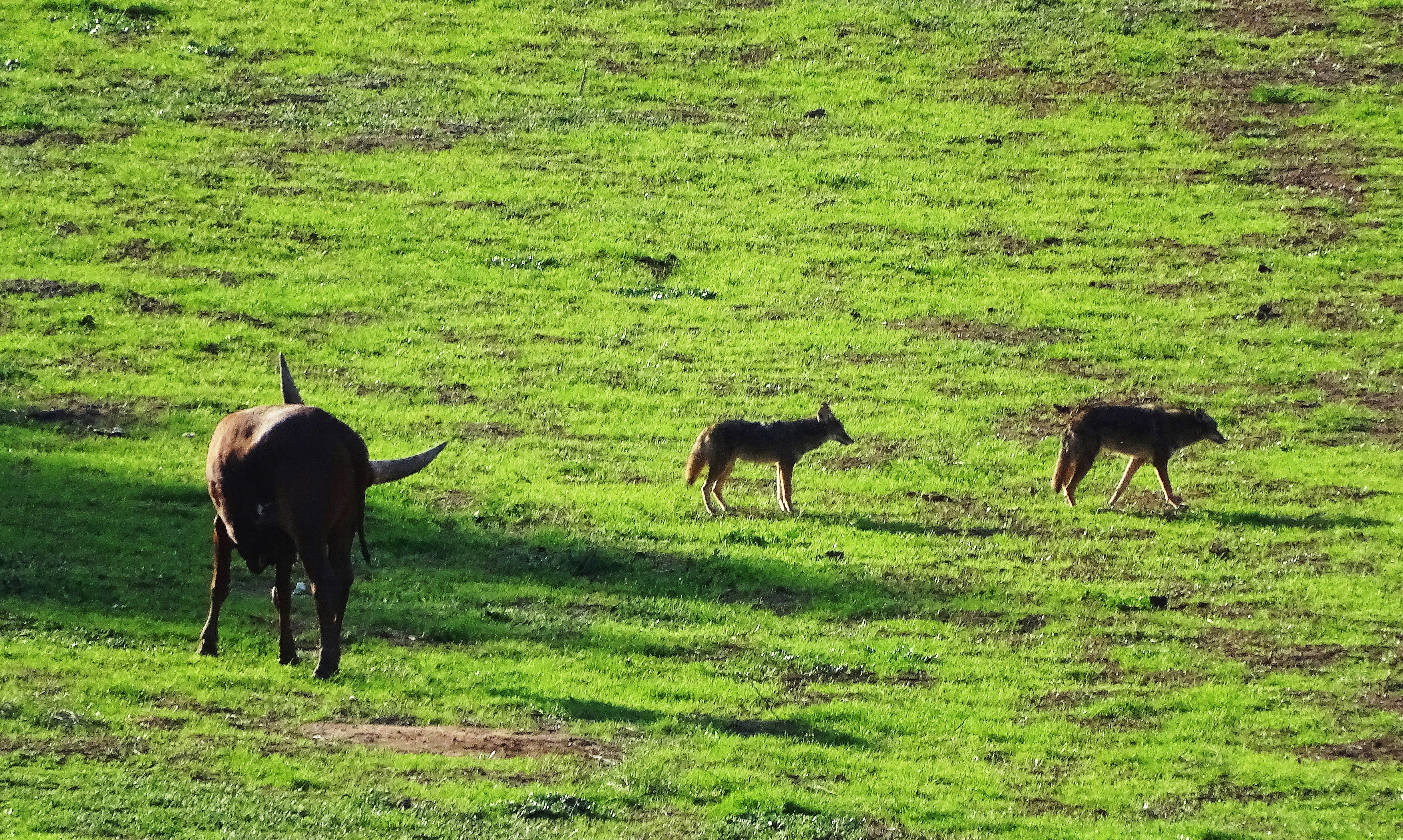
The coyotes are now in a state of détente. When the Ankoles lower their horns in the coyotes direction, off the coyotes trot. Coyotes regulate their estrus and birth cycles in accordance with environmental conditions. They are intelligent and adaptable. As they are able to kill less calves, they will limit their birth rates, and subsist on rodents.
DSC04008
Of course the poor squirrels have no say in this matter, but at least they can run fast into their extensive burrows.

DSC09358
Cheers to you from the still wild, and almost natural, Holler~
For more than you probably ever want to know about the Ankole-Watusi check out: http://edventures.phoenixzoo.org/pdf/animalFactSheets/watusiCattle.pdf

Rijksmuseum 17th Century Dollhouses~

DSC06386
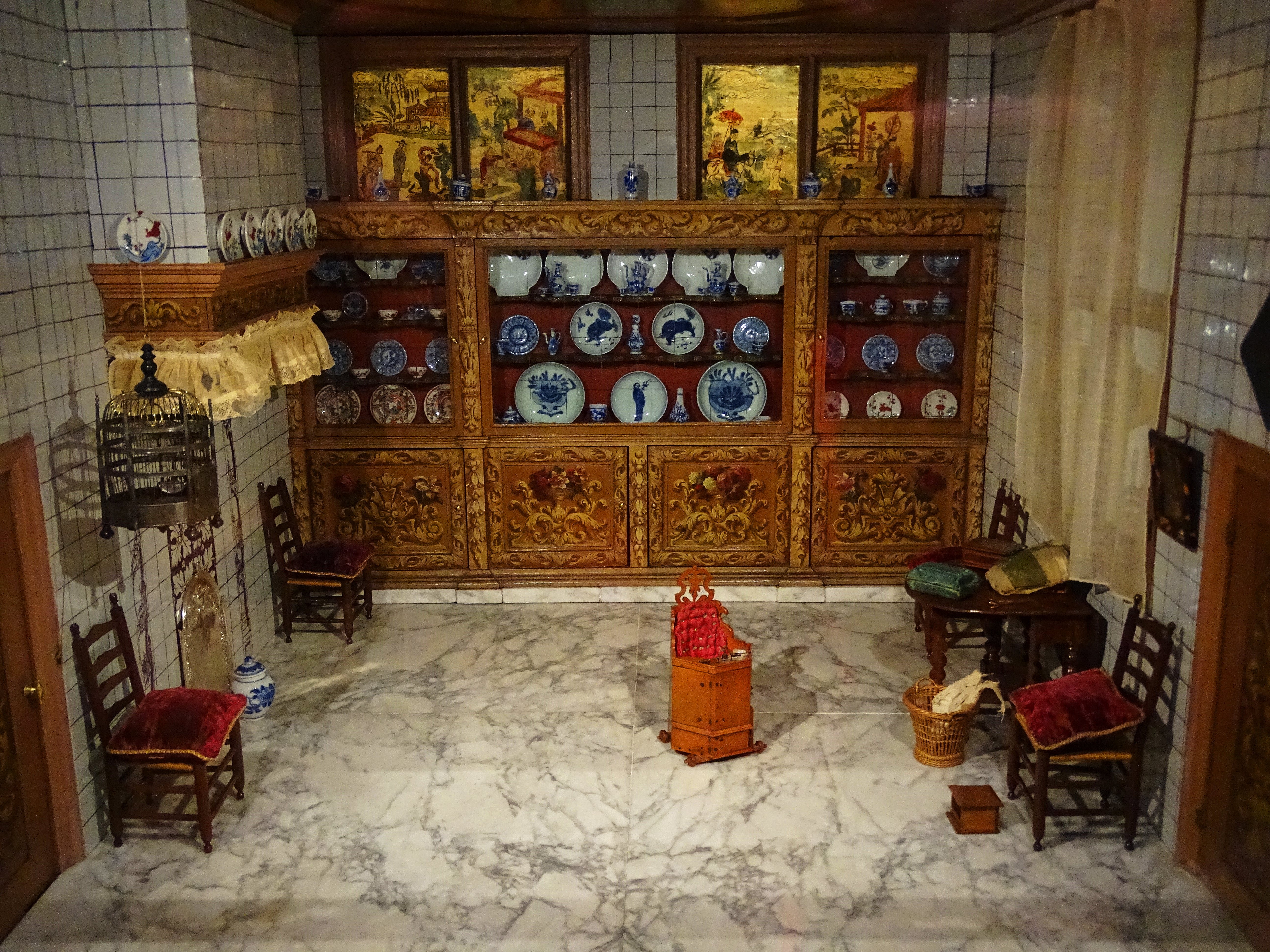
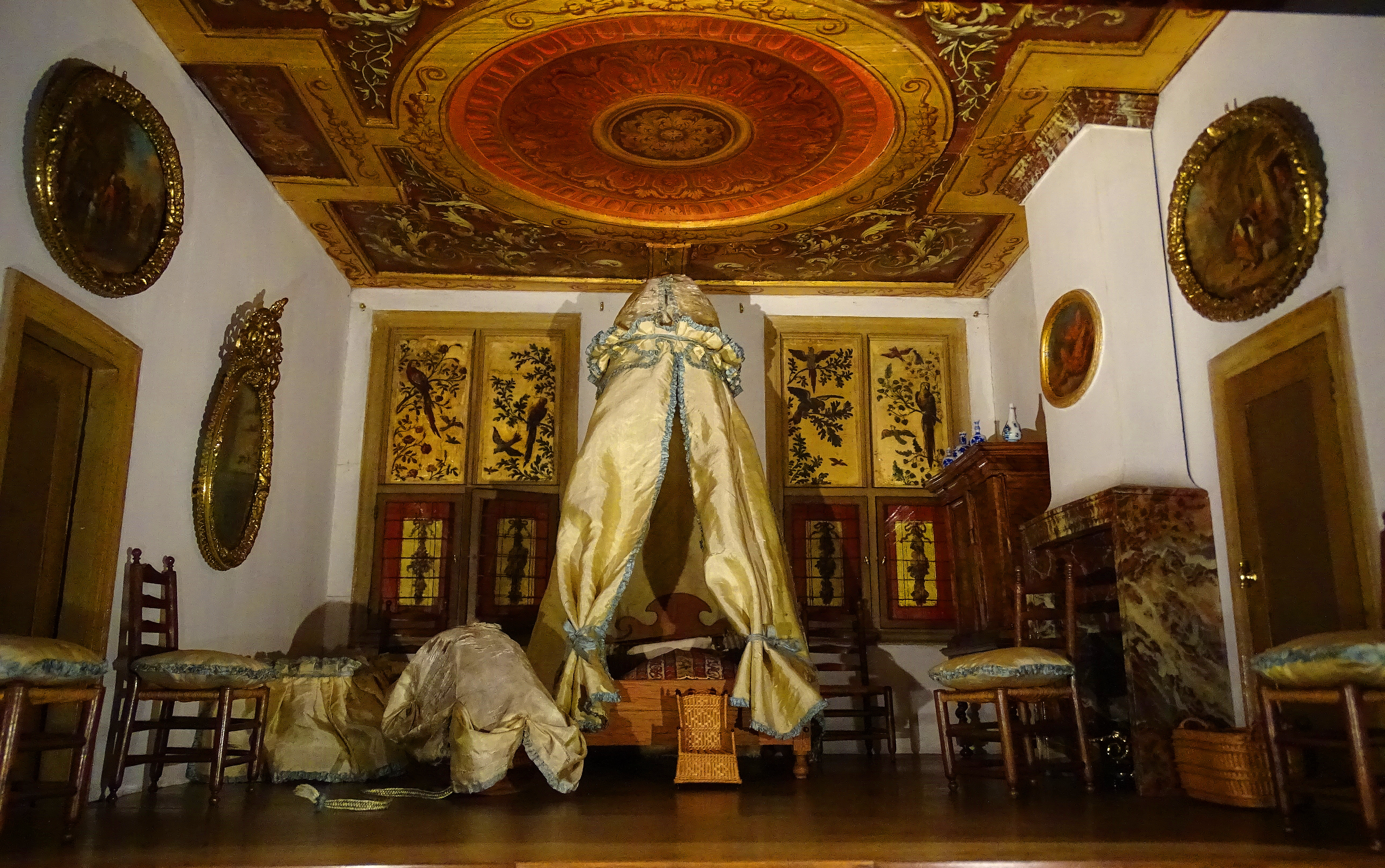
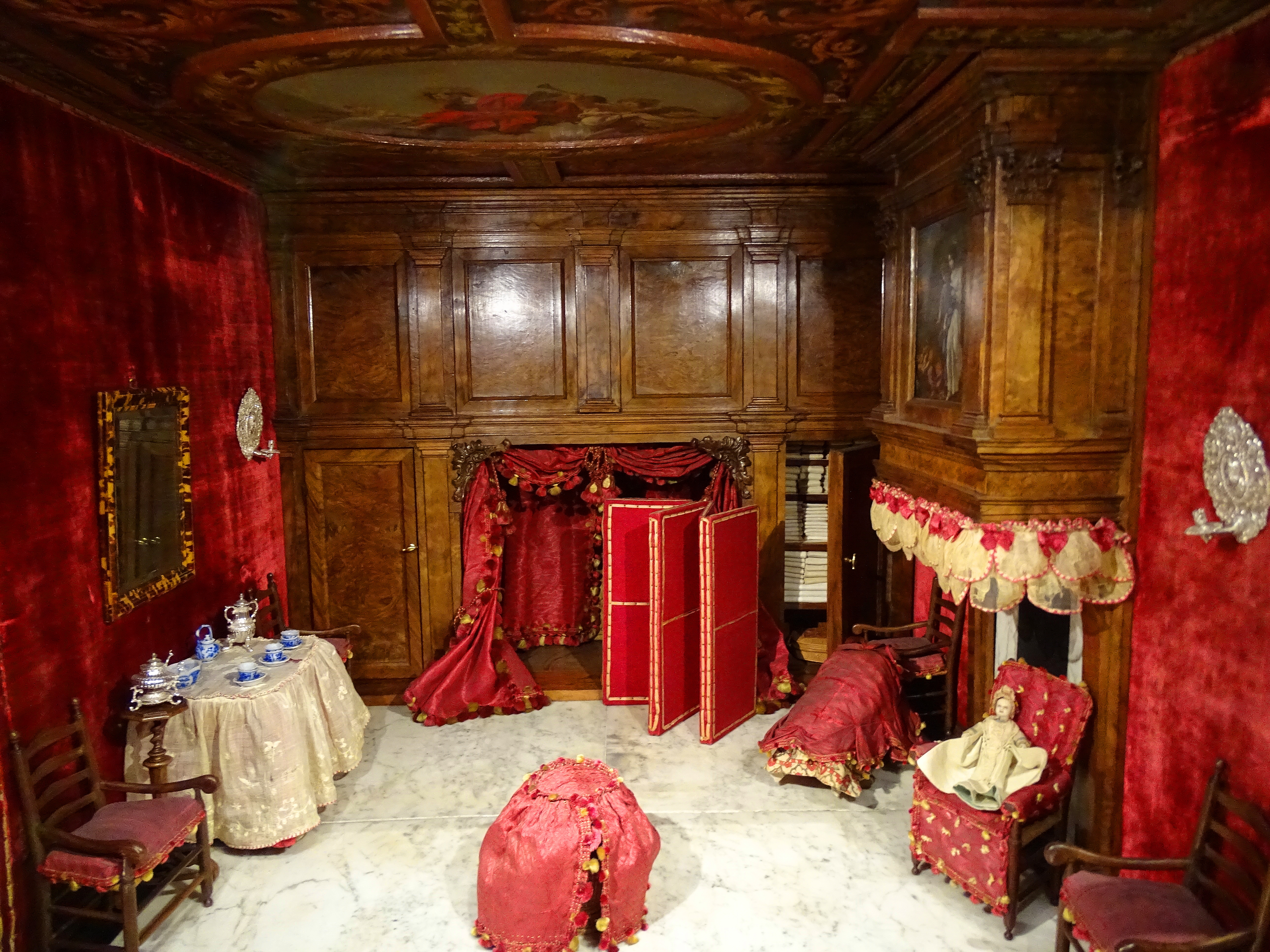
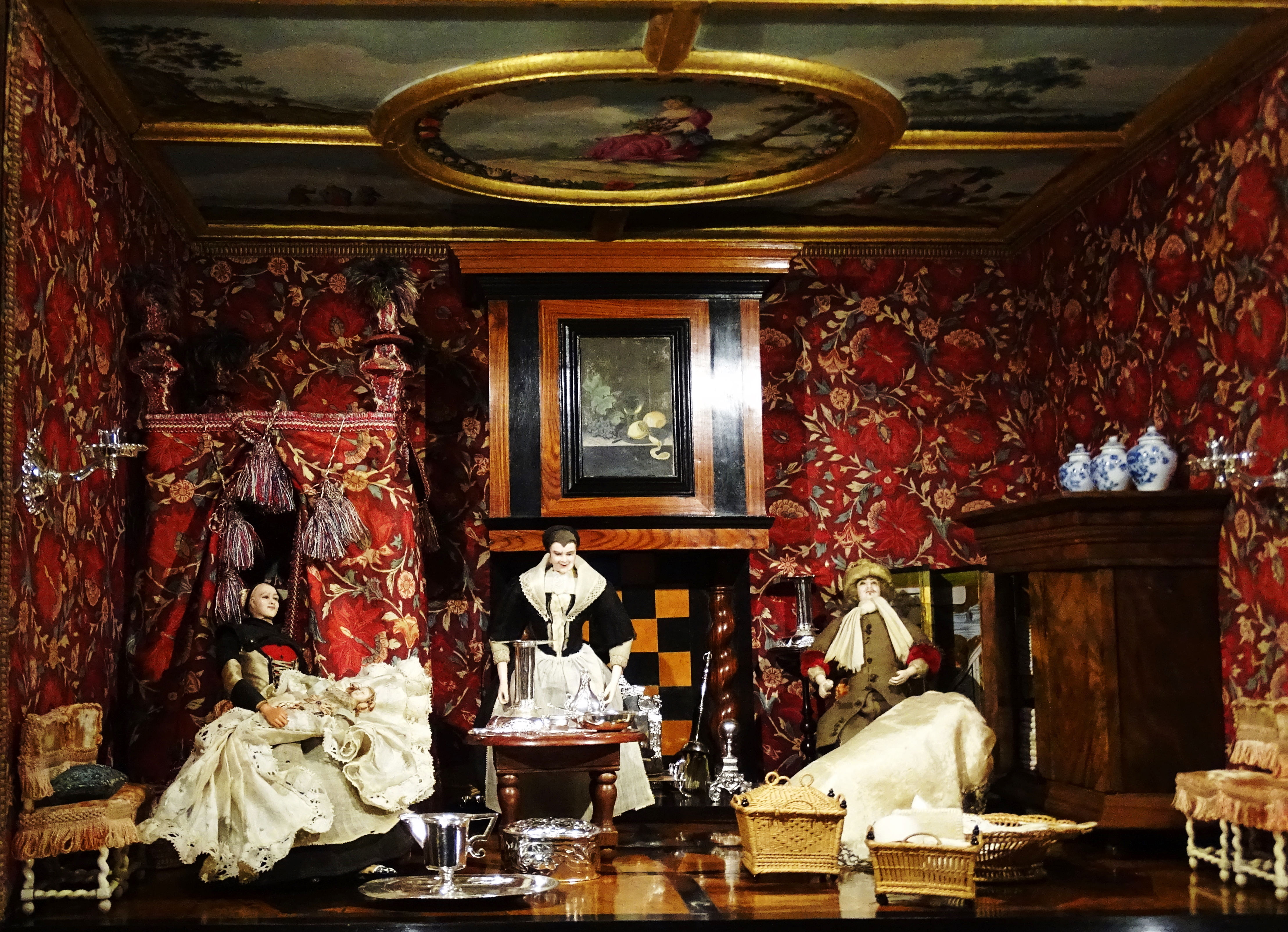
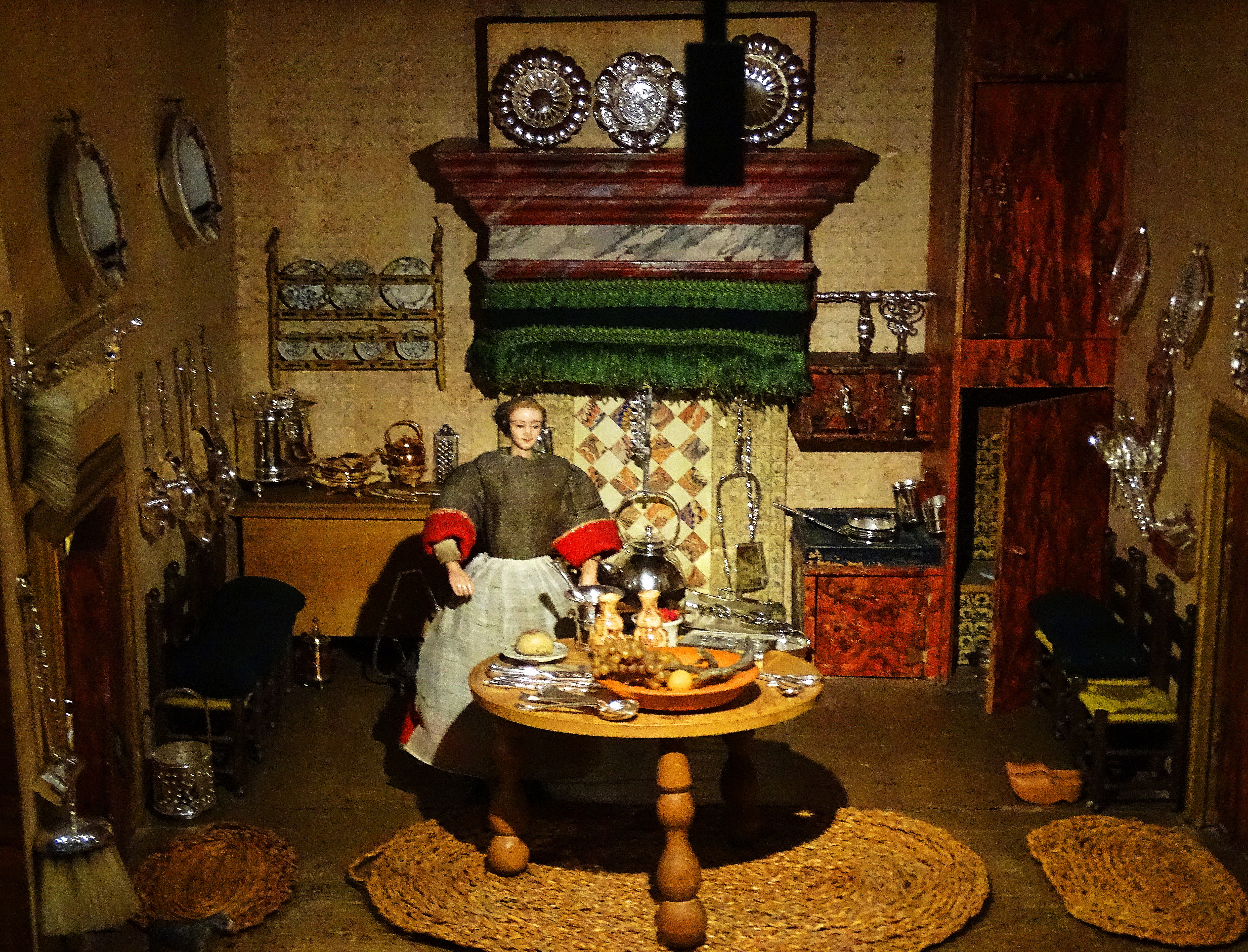
In the 17th century, women in Holland created and displayed miniature dollhouses, in much the same way that men of their era, collected and displayed curiosity cabinets. (You can click the images to enlarge them)
DSC06394
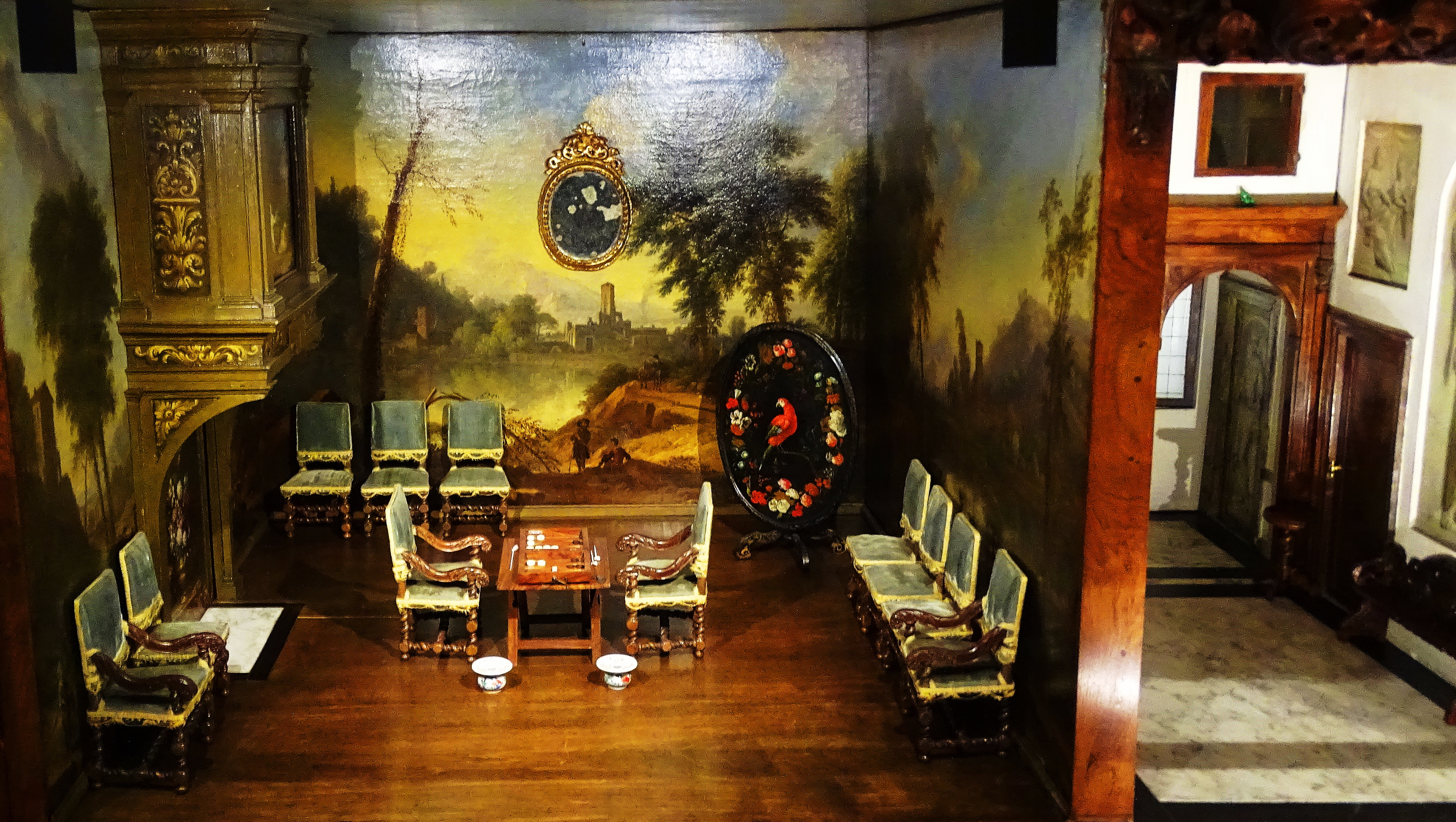
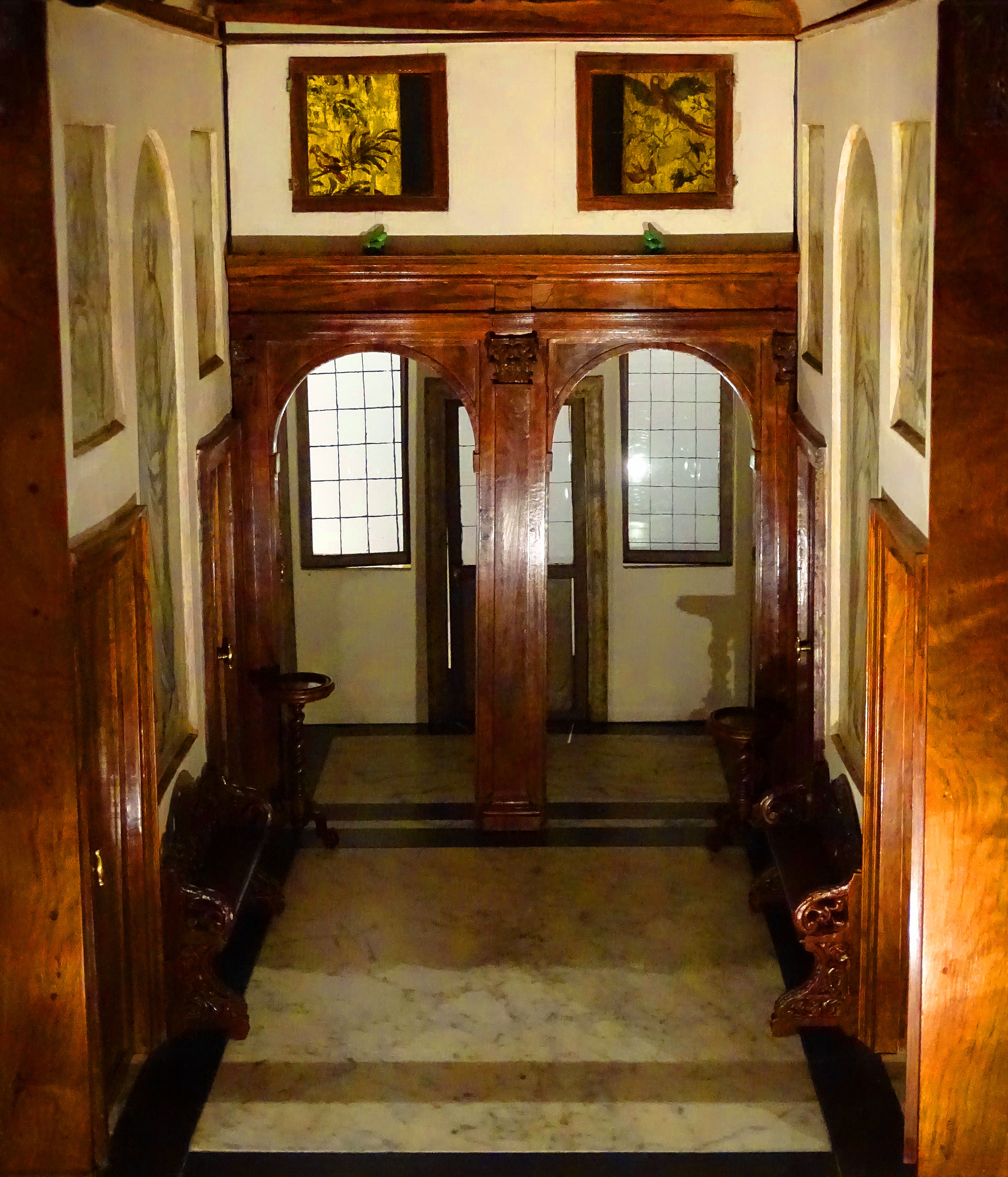
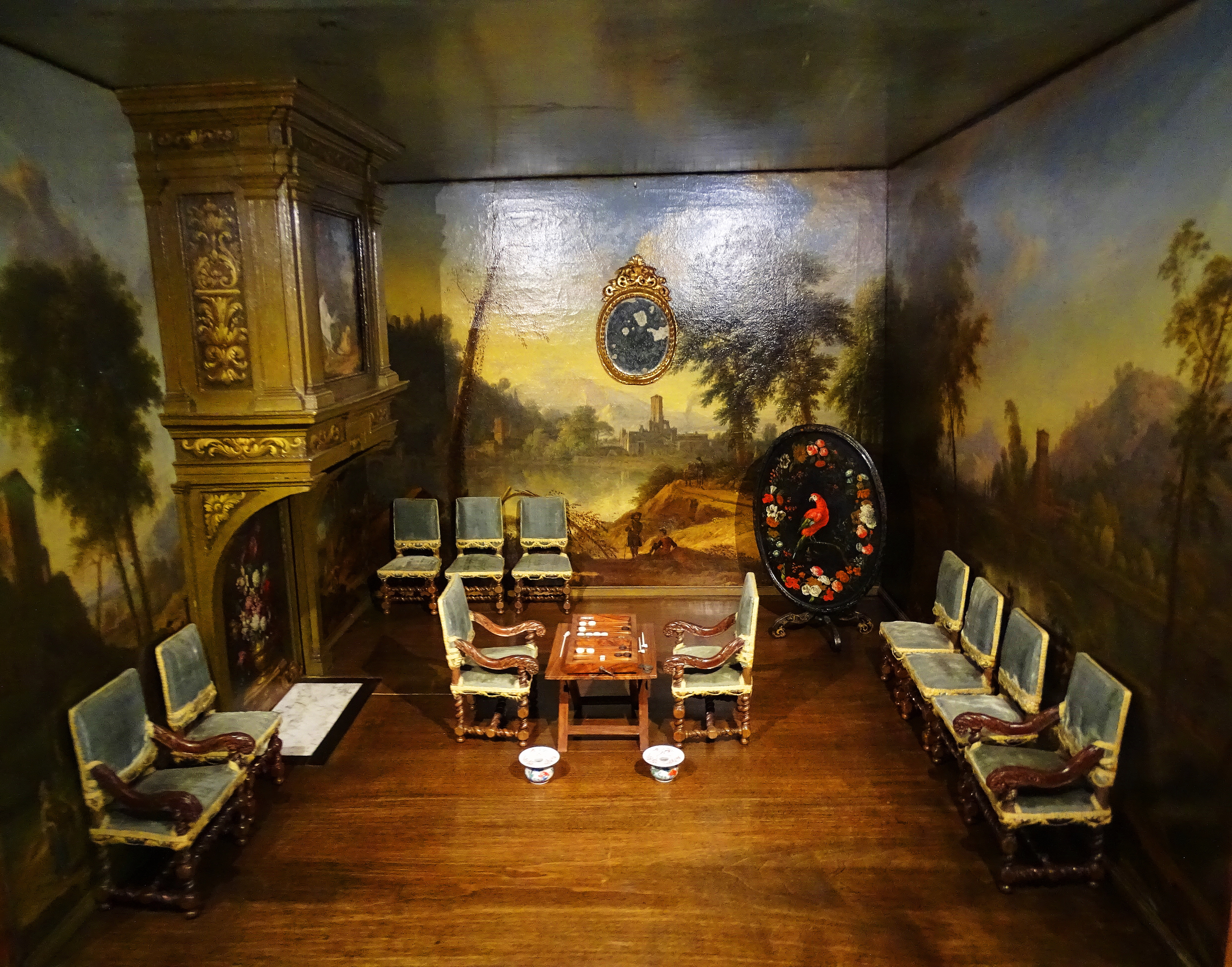
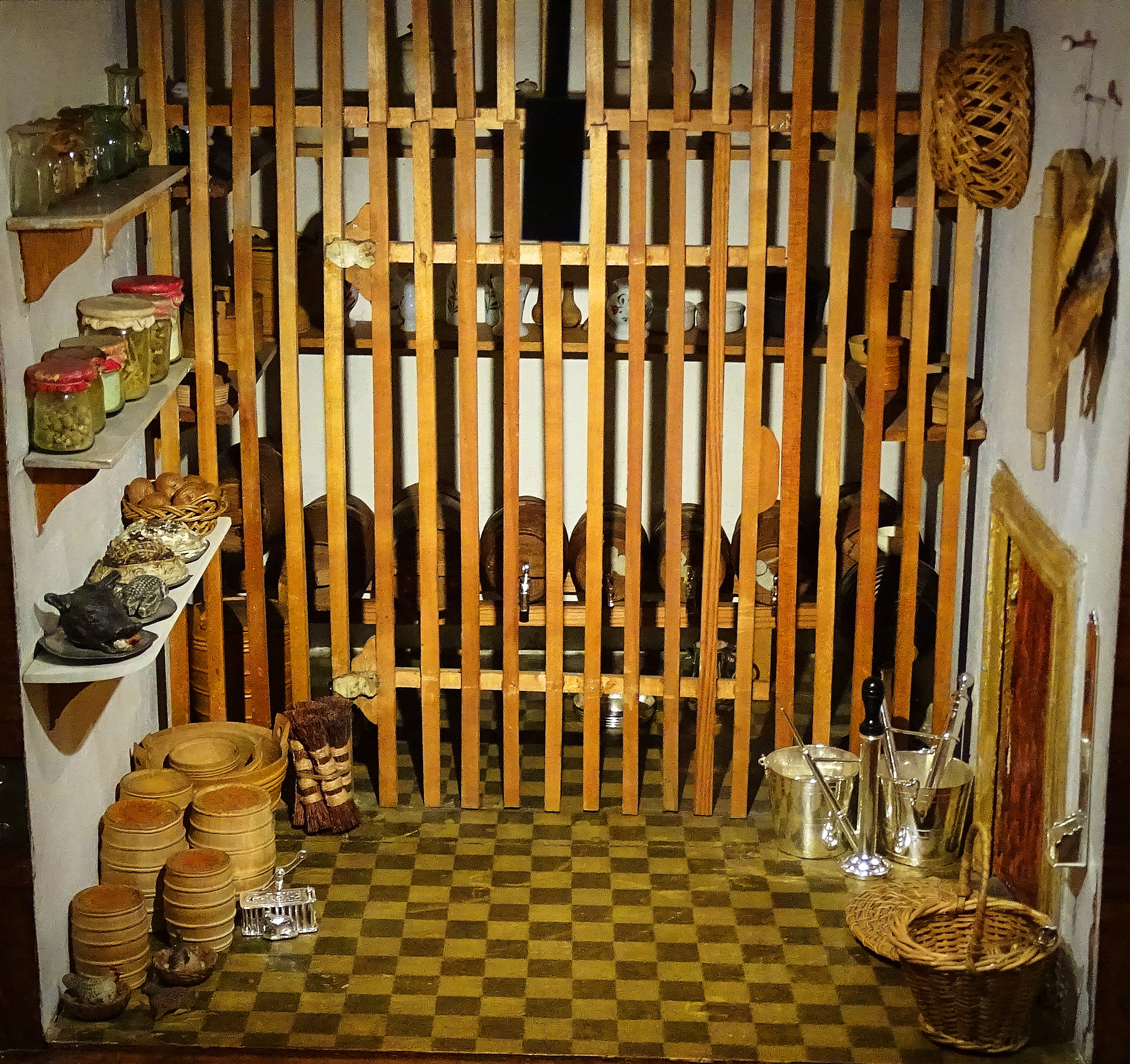
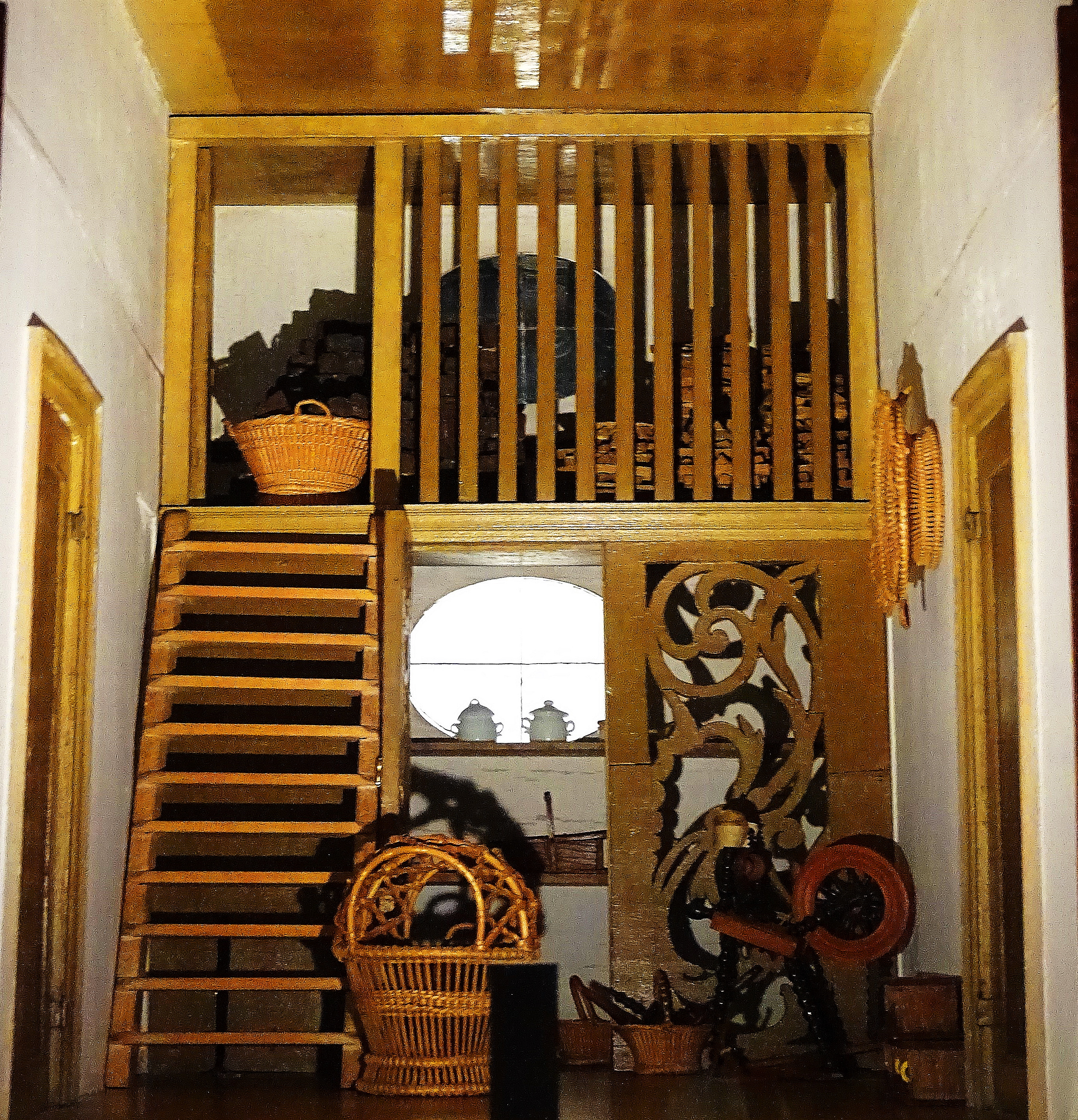
The Rijksmuseum in Amsterdam has three of these dollhouses, two are pictured here, one from 1676 and another from 1686.
DSC06396

These dollhouses were not meant for children and could cost as much as an actual canal house at the time.
DSC06388
One dollhouse creator Petronella Oortman, commissioned artists of her day to create a perfectly to scale house with marble floors, sculpted ceilings, hand painted wall frescoes, and doors that opened on a garden with a working fountain. She commissioned miniature porcelain from China.

DSC06389
There is something about these miniature worlds that fascinate us to this day, whether it be scale model trains and towns, or intricate dollhouses.

DSC06397
Many humans like to be creators and masters of their own perfect little worlds, absent the stress and strife of real life. They are miniature dream worlds where everything is beautiful and peaceful.

DSC06401
These old dollhouses are time capsules, that allow us to travel back in time and imagine what life was like in 1686 living in Holland, on the canals, in this house.

DSC06403
Creating a house like this must be like Zen meditation, the creator lost in the bliss of their own imagination.
DSC06402
I would love to make one, but can well imagine the mounting costs, and how much I might get into it.
DSC06393
But it is free to look at these amazing houses, that others have built before us, and it sends our imaginations soaring across time, back to them.
Cheers to you and may your New Year be happy and peaceful~

Cabin Fever and The Ol’ Wild West~

DSC05696
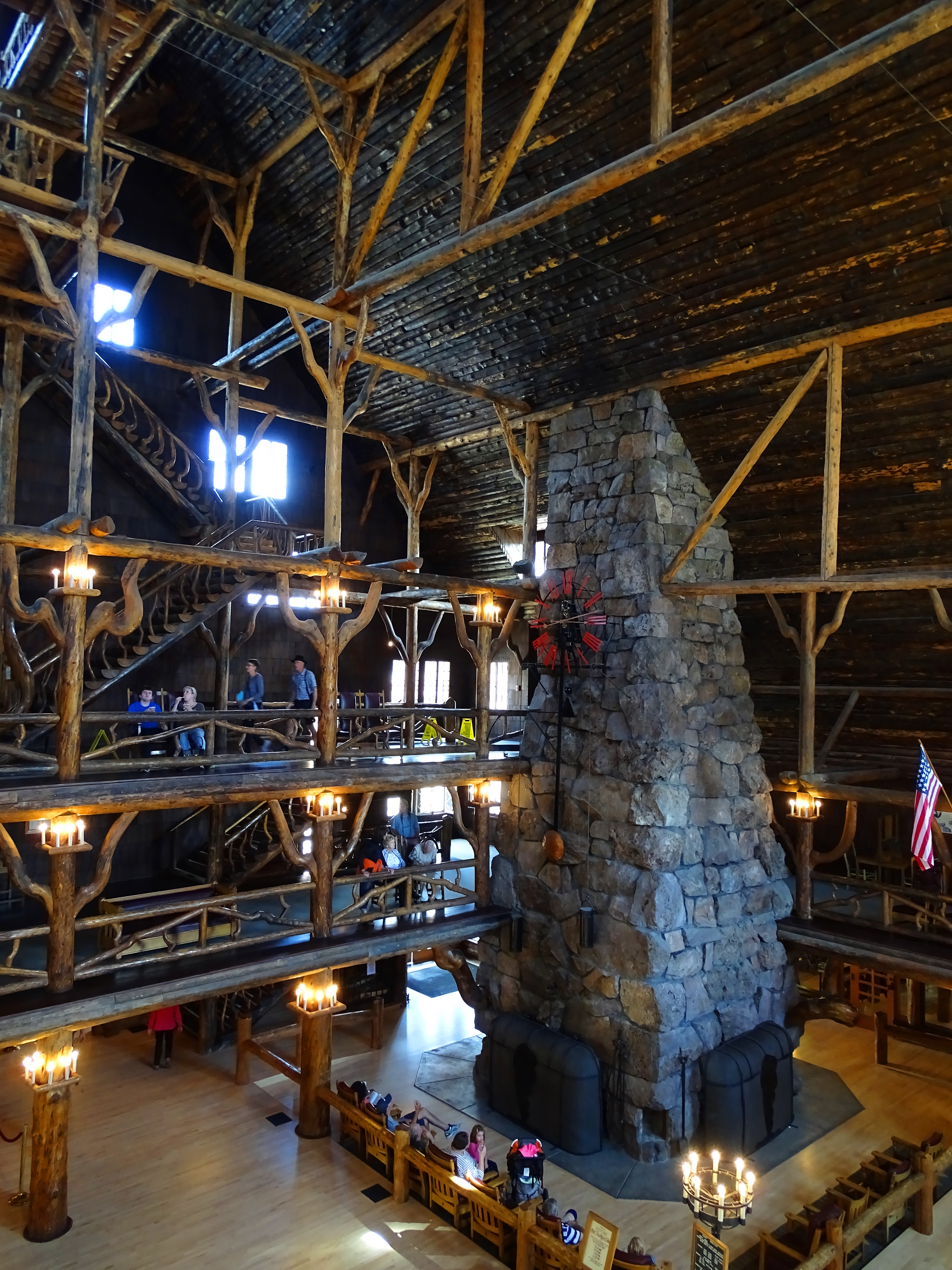
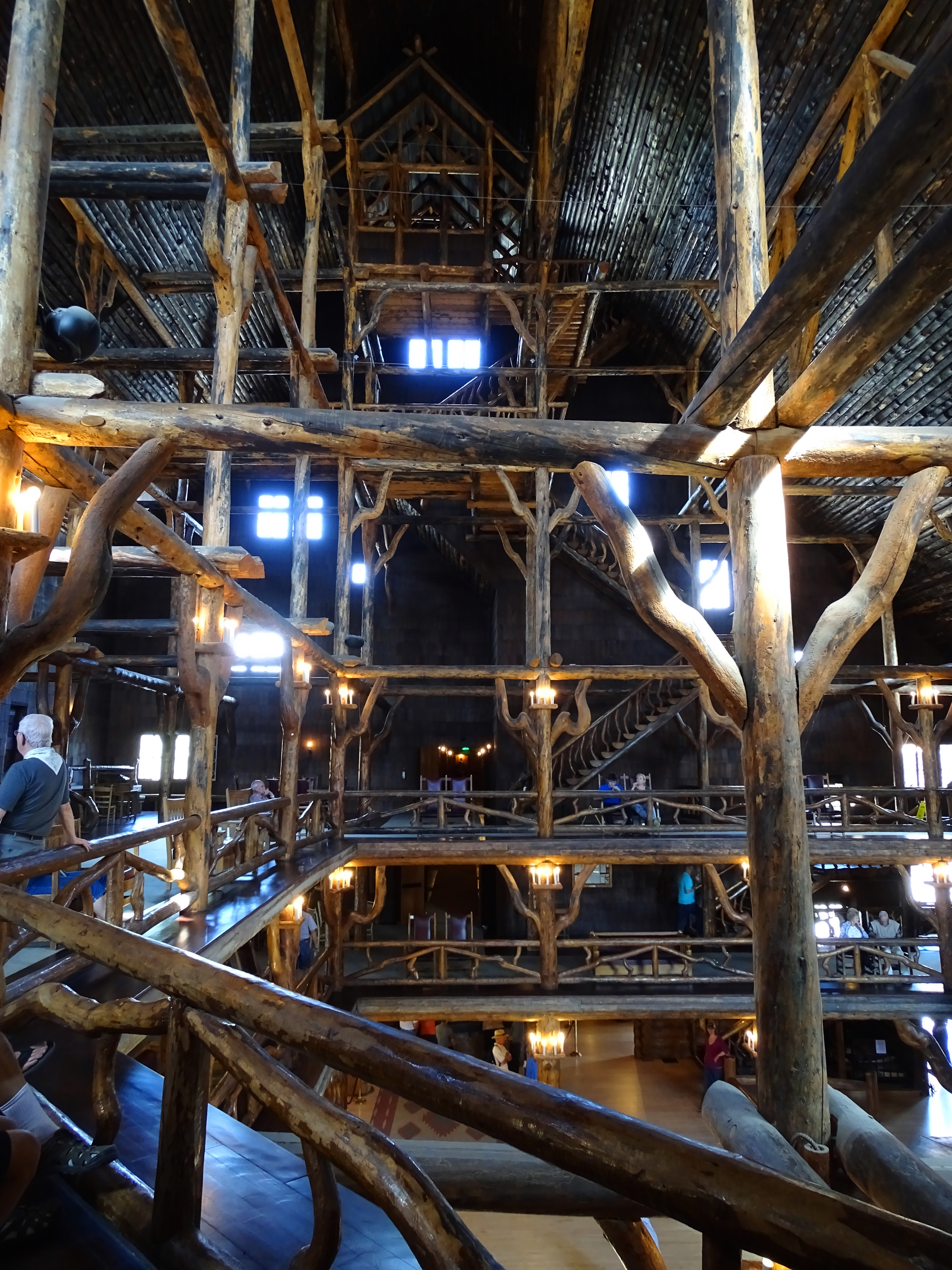
Okay, this is a big log cabin! The fireplace weighs 500 tons and is 85 feet tall.
DSC05692
It is of course the six-story lobby of The Old Faithful Inn built in 1903-4.

DSC03786
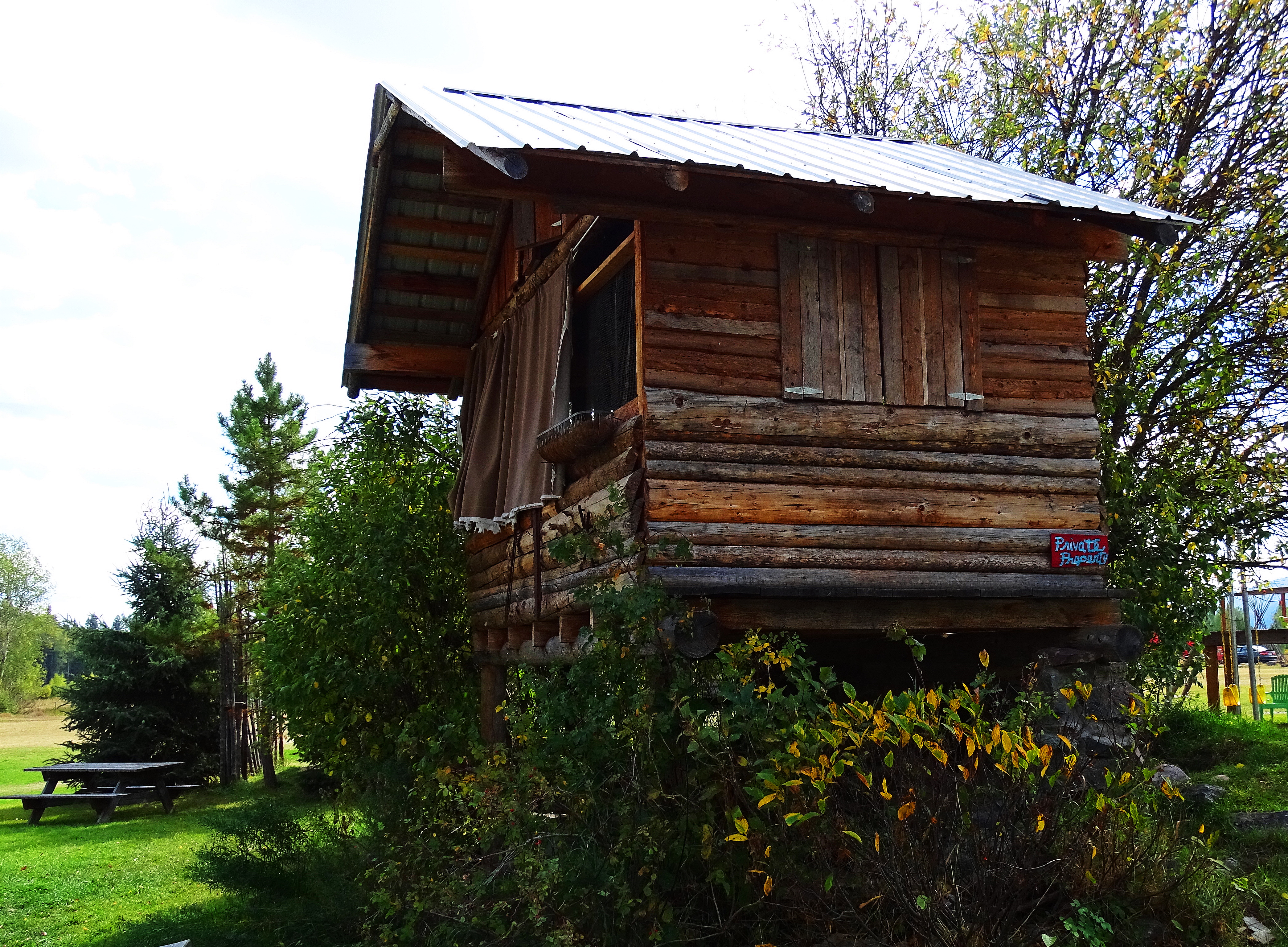
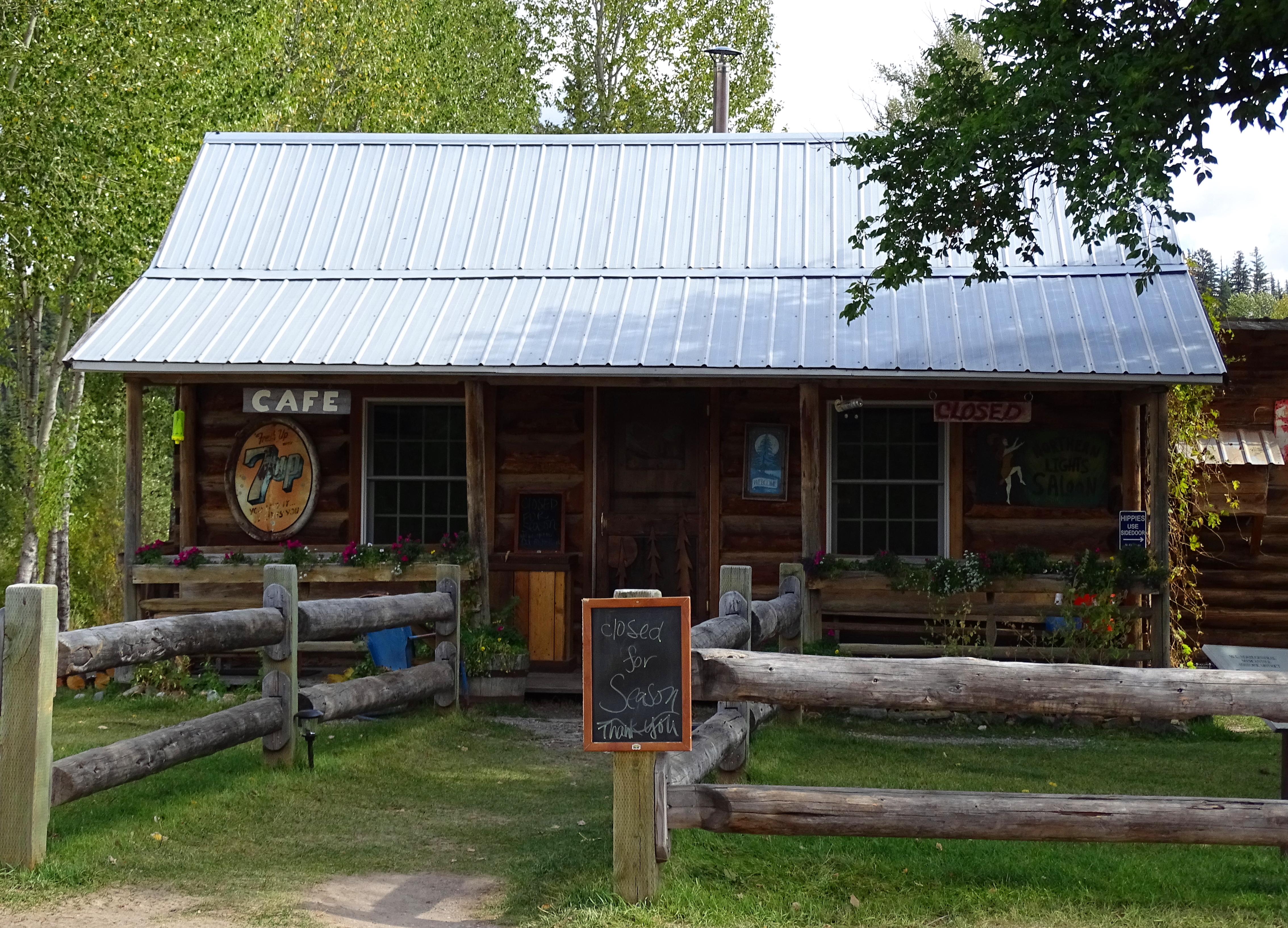
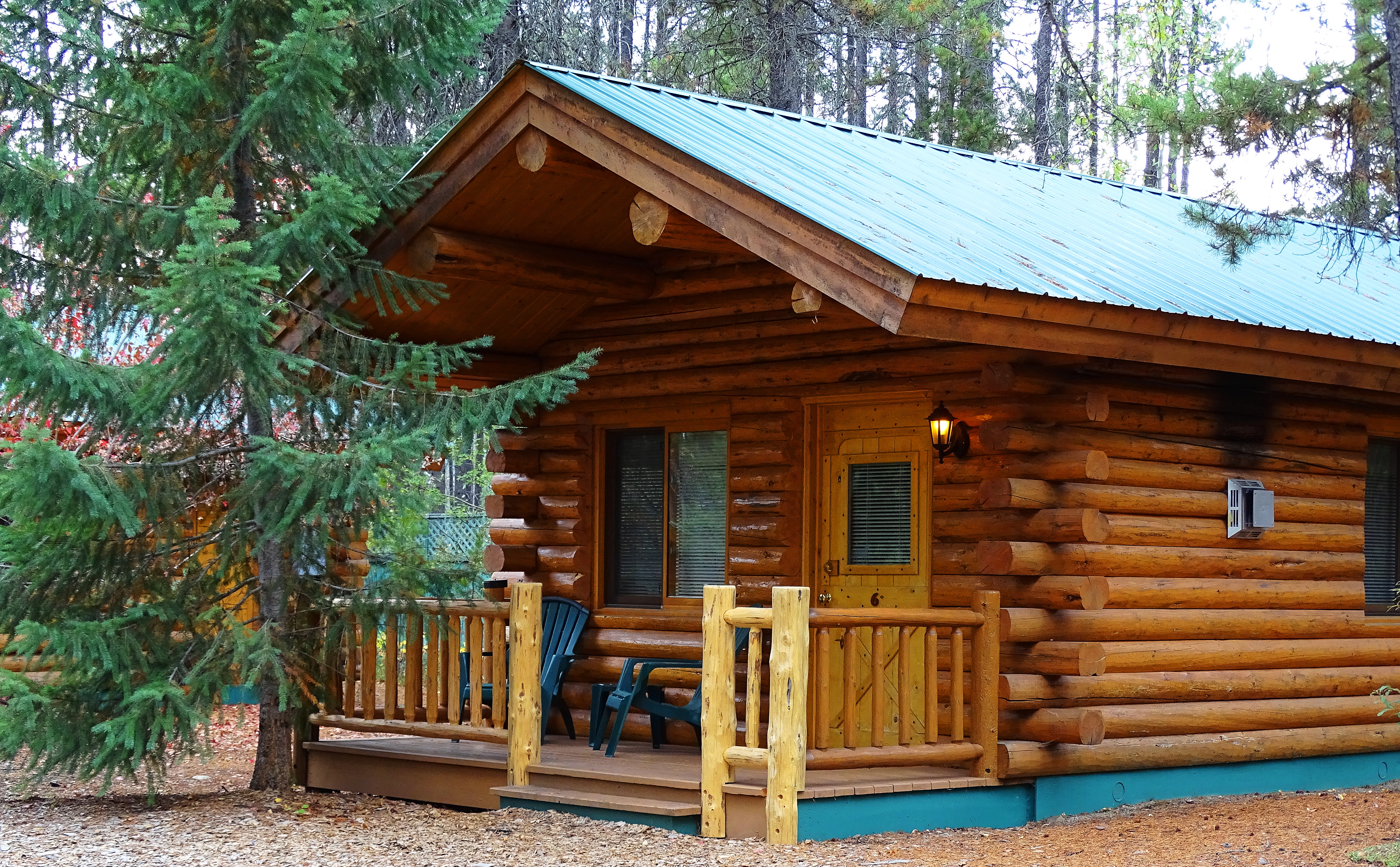
I have a fever for all kinds of cabins.
DSC03782
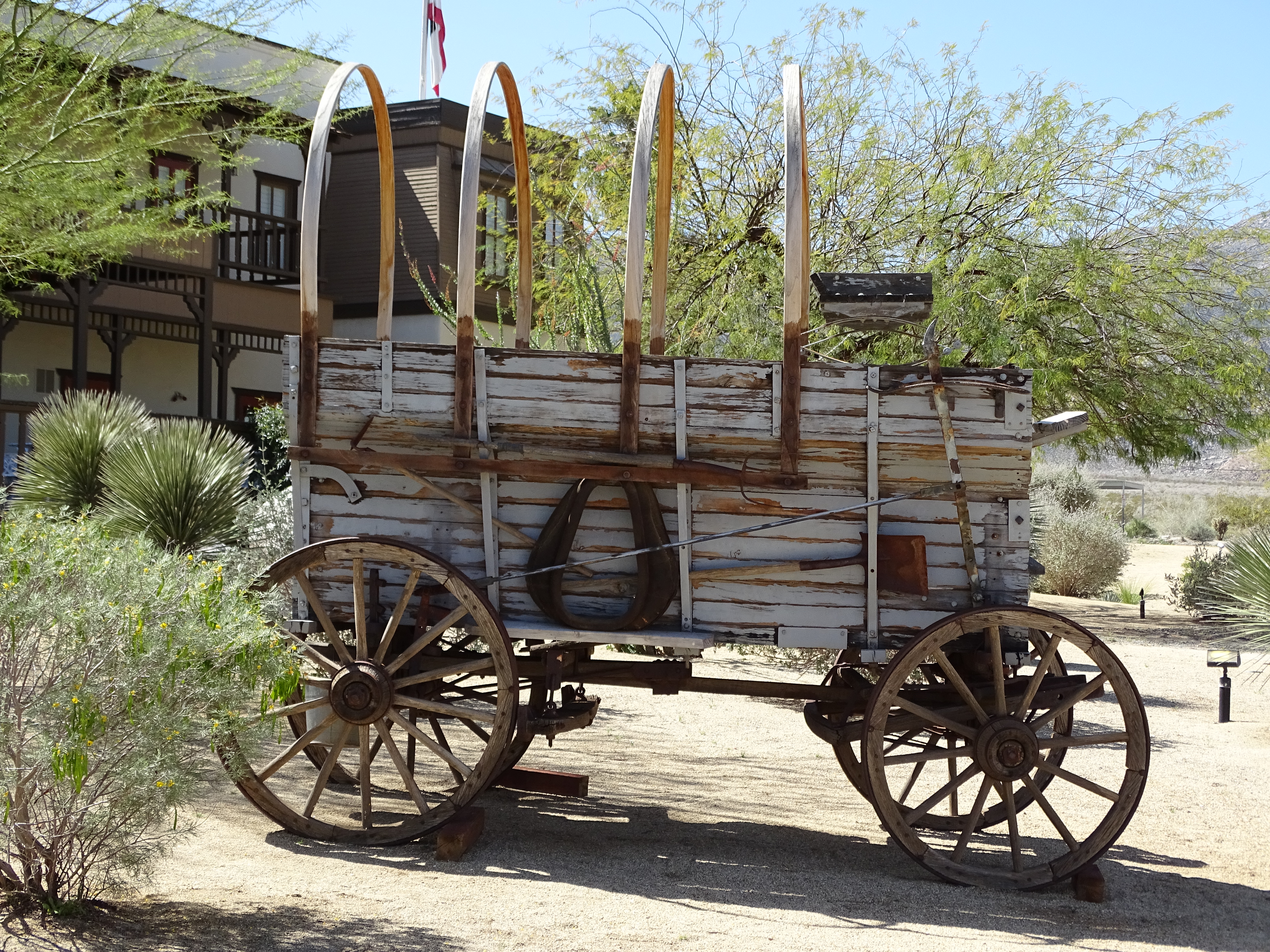
They remind me of pioneers, fortitude and the American West.

DSC04146
There seems to be living history you can feel in the real old ones that are still in use.
tetons day 2 029
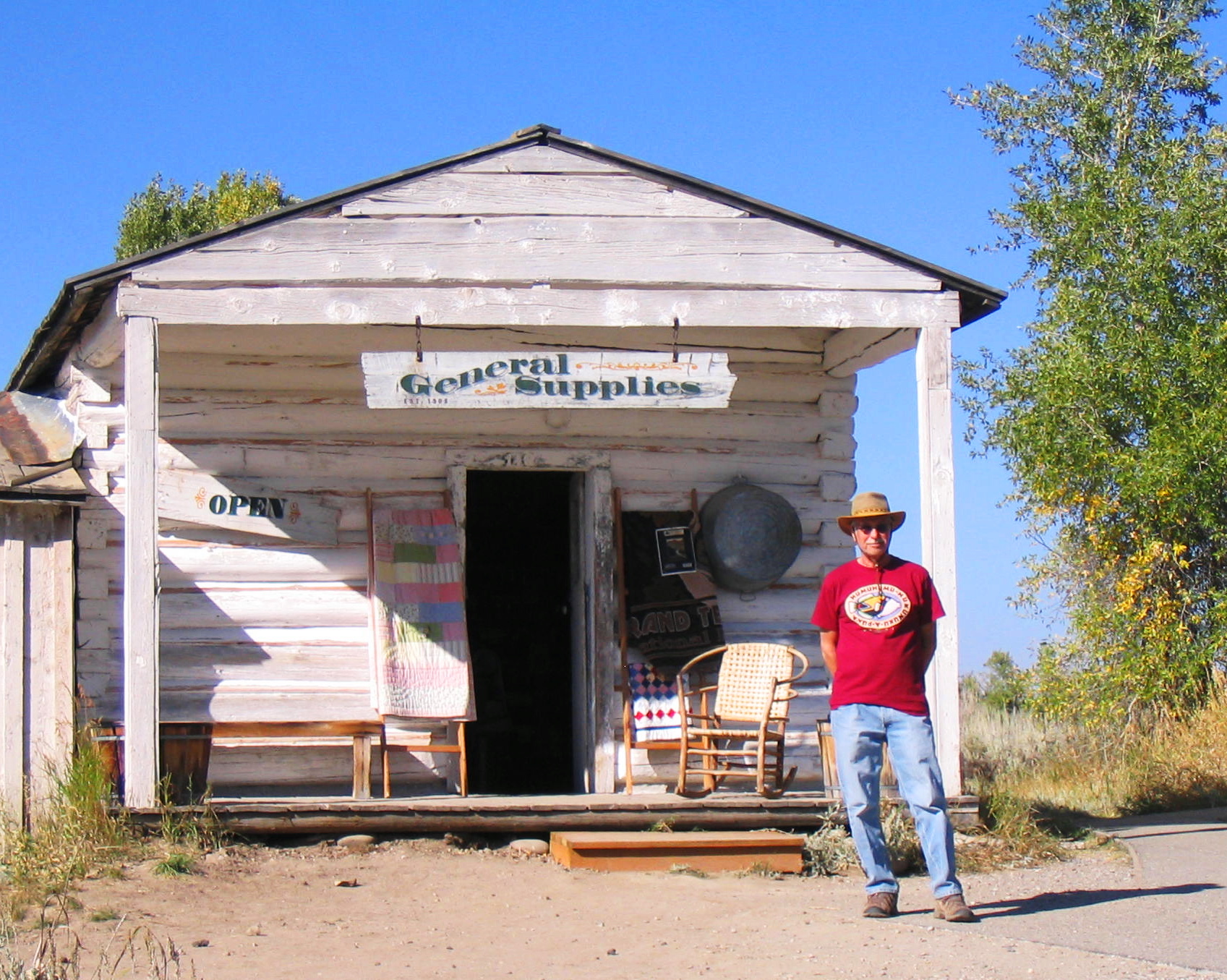
Jim loves experiencing this too.
DSC03876
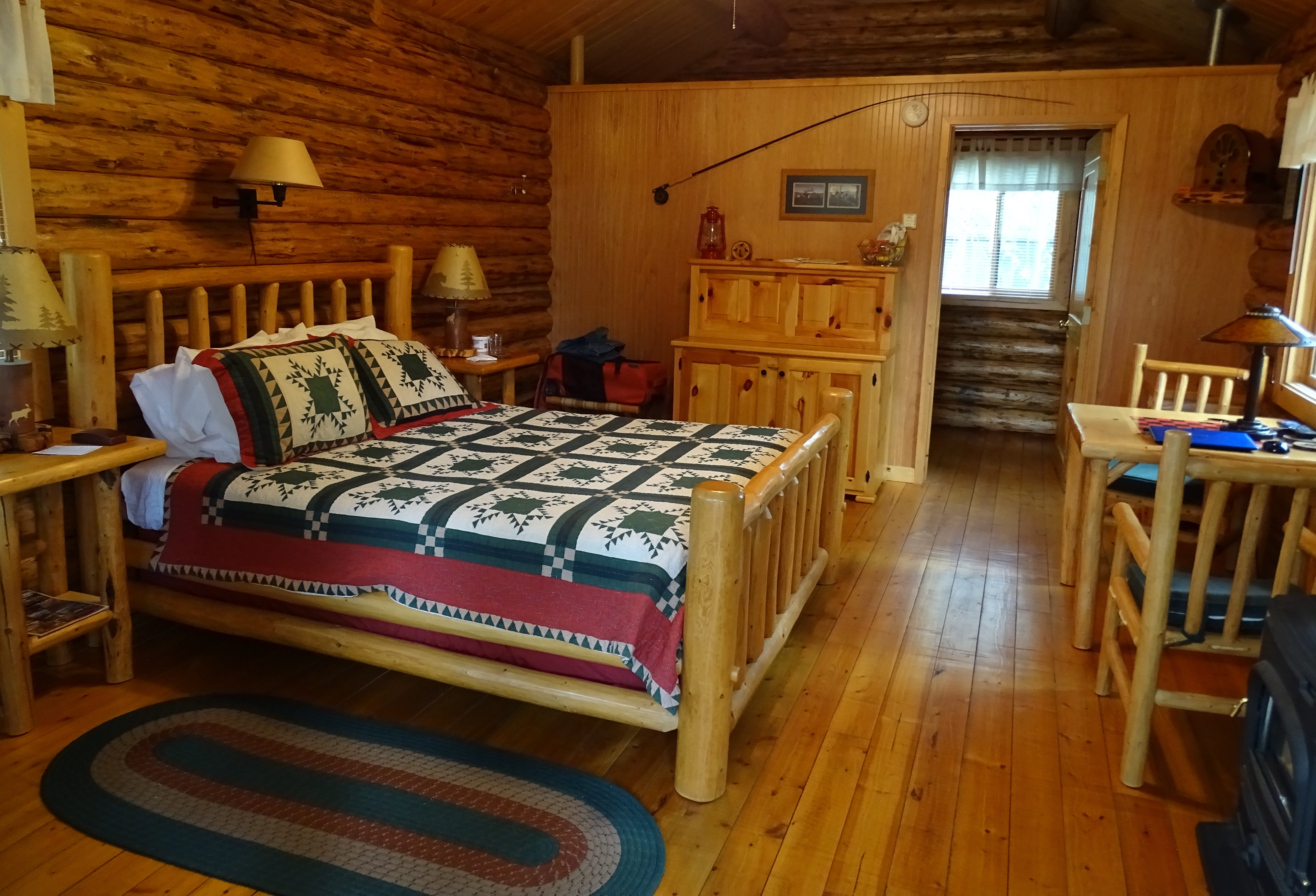
We like to stay in cabins and imagine a simpler, more natural world.
DSC03871
With fire for warmth, log walls for safety and wild animals as constant companions.
DSC03868
At home in the wilderness…..
DSC01443
Can you imagine what it was like to travel like a pioneer, stake out a claim, and build your cabin?
Okay, okay, there would be no wi-fi, no indoor plumbing, no grocery stores.
Can you imagine NO WIFI…..Ever????
I can bare knuckle it for 10 days max.
Cheers to you from the, almost wild, WiFi-west~

Astonishing Estonia!

DSC07739
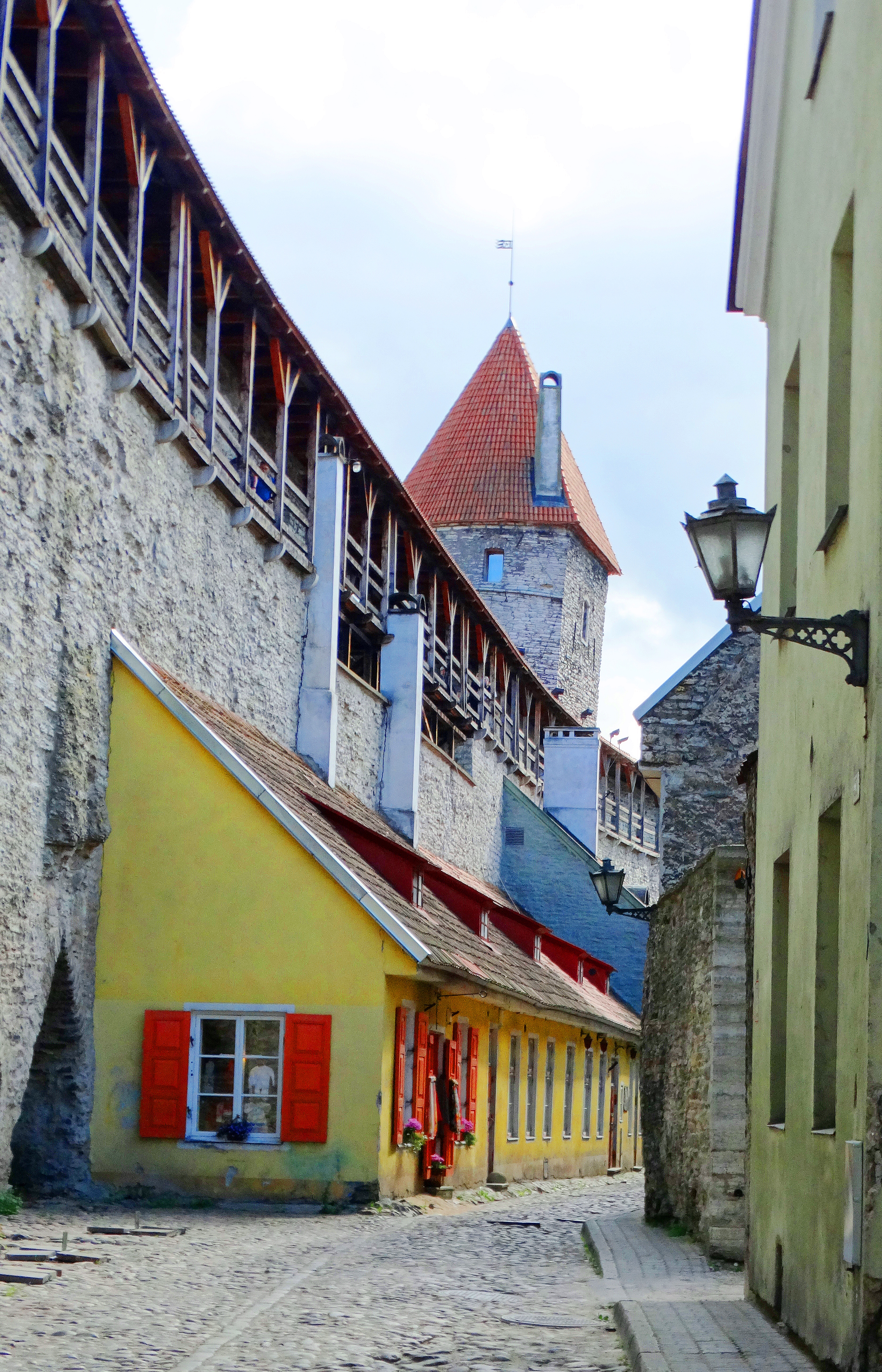
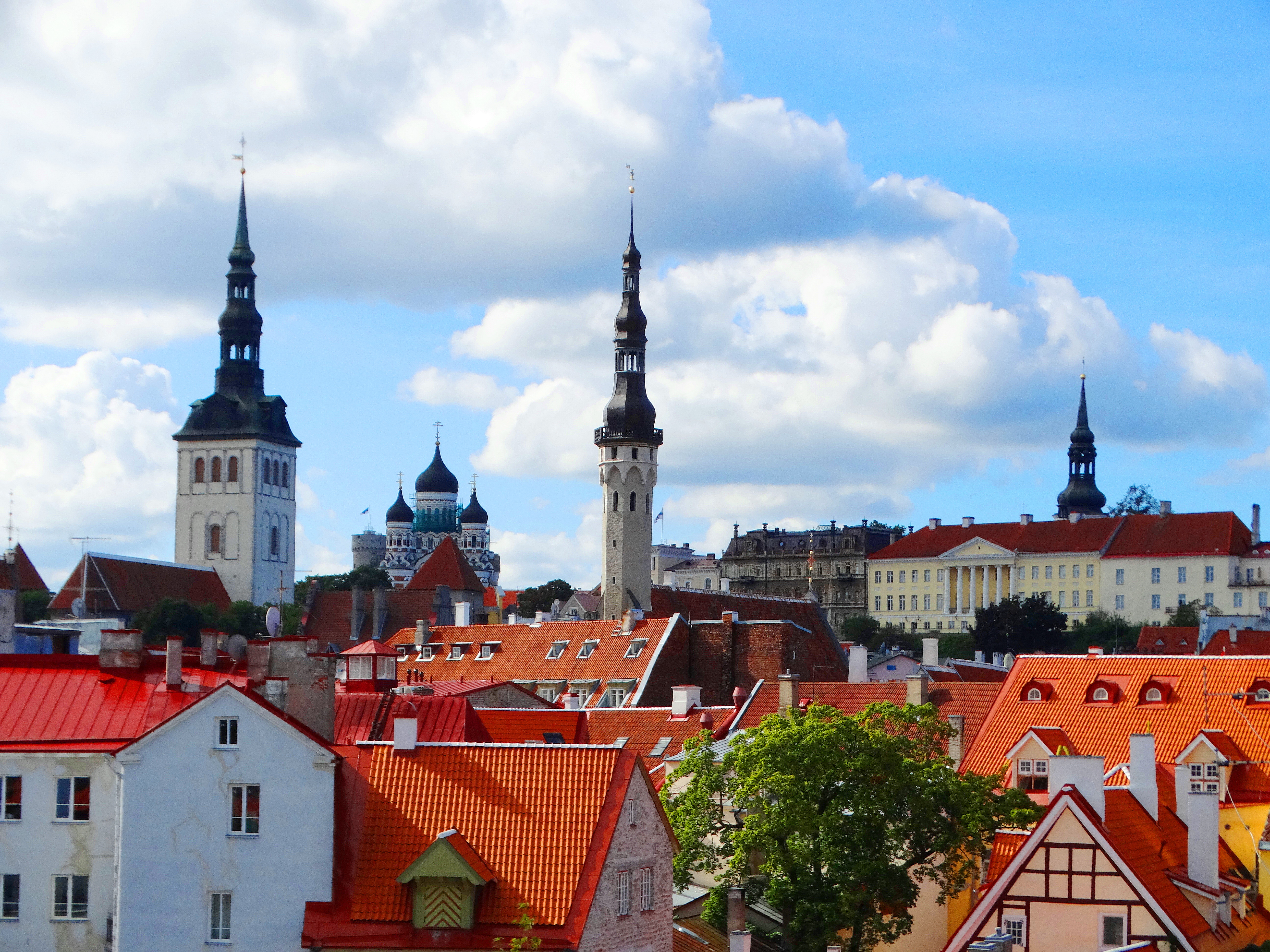
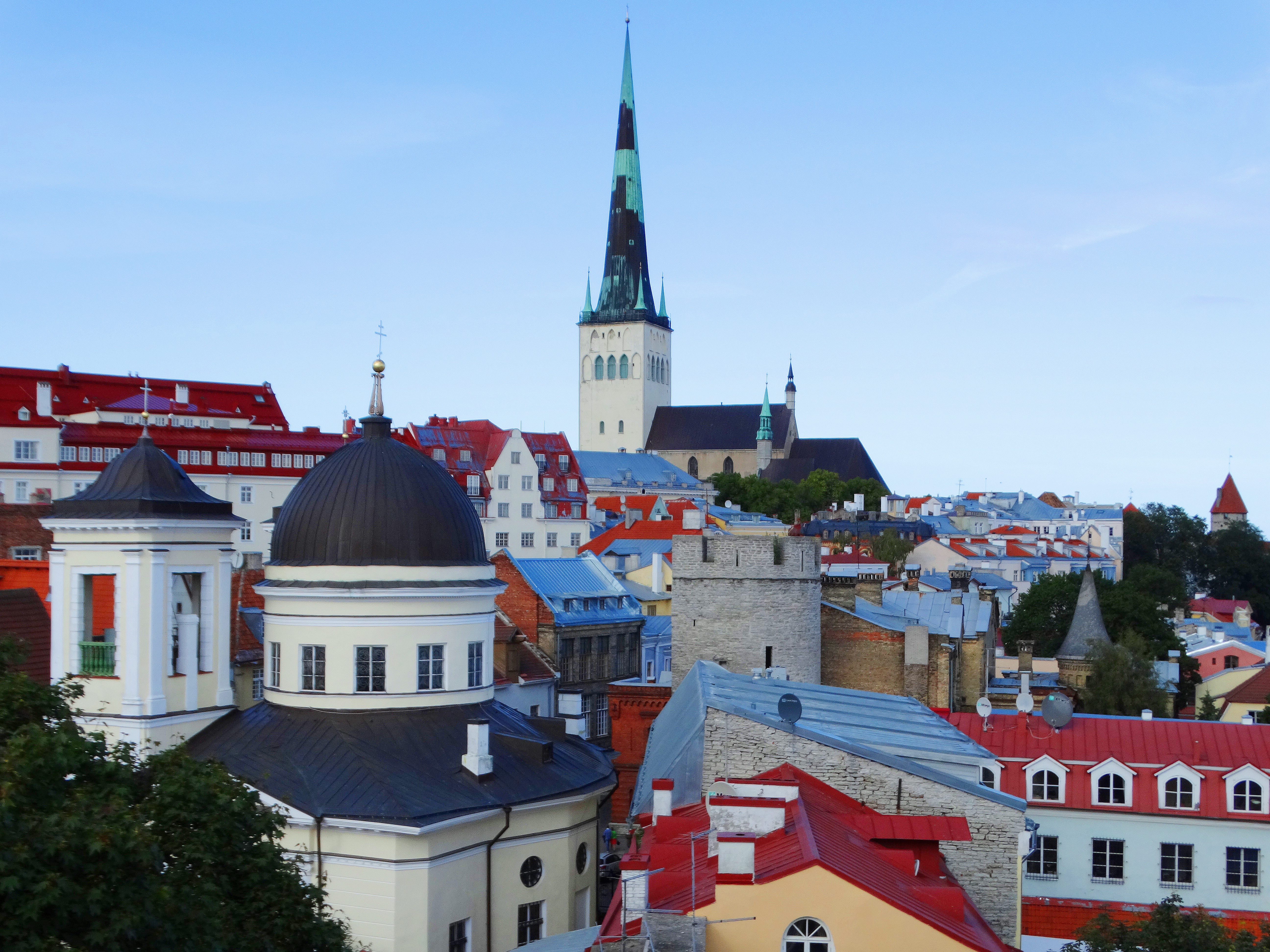
The old city walls of remarkable Tallinn, the capitol of Estonia.

DSC07710

The first fortresses in Tallinn were built in 1050 and the old city is a UNESCO World Heritage Site.
DSC07639

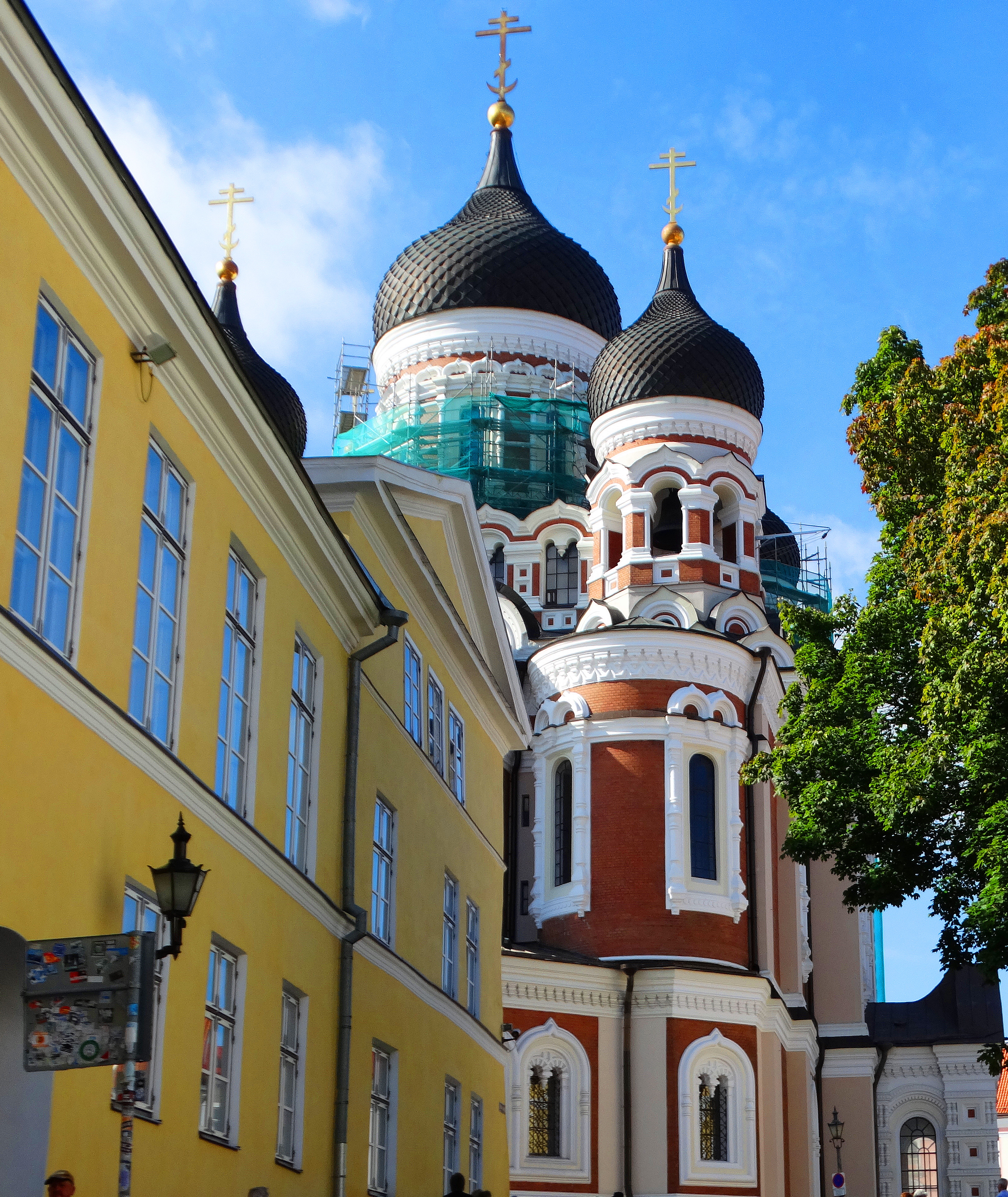
The stunning Alexander Nevsky Orthodox Cathedral is the the largest in Tallinn.
DSC07657
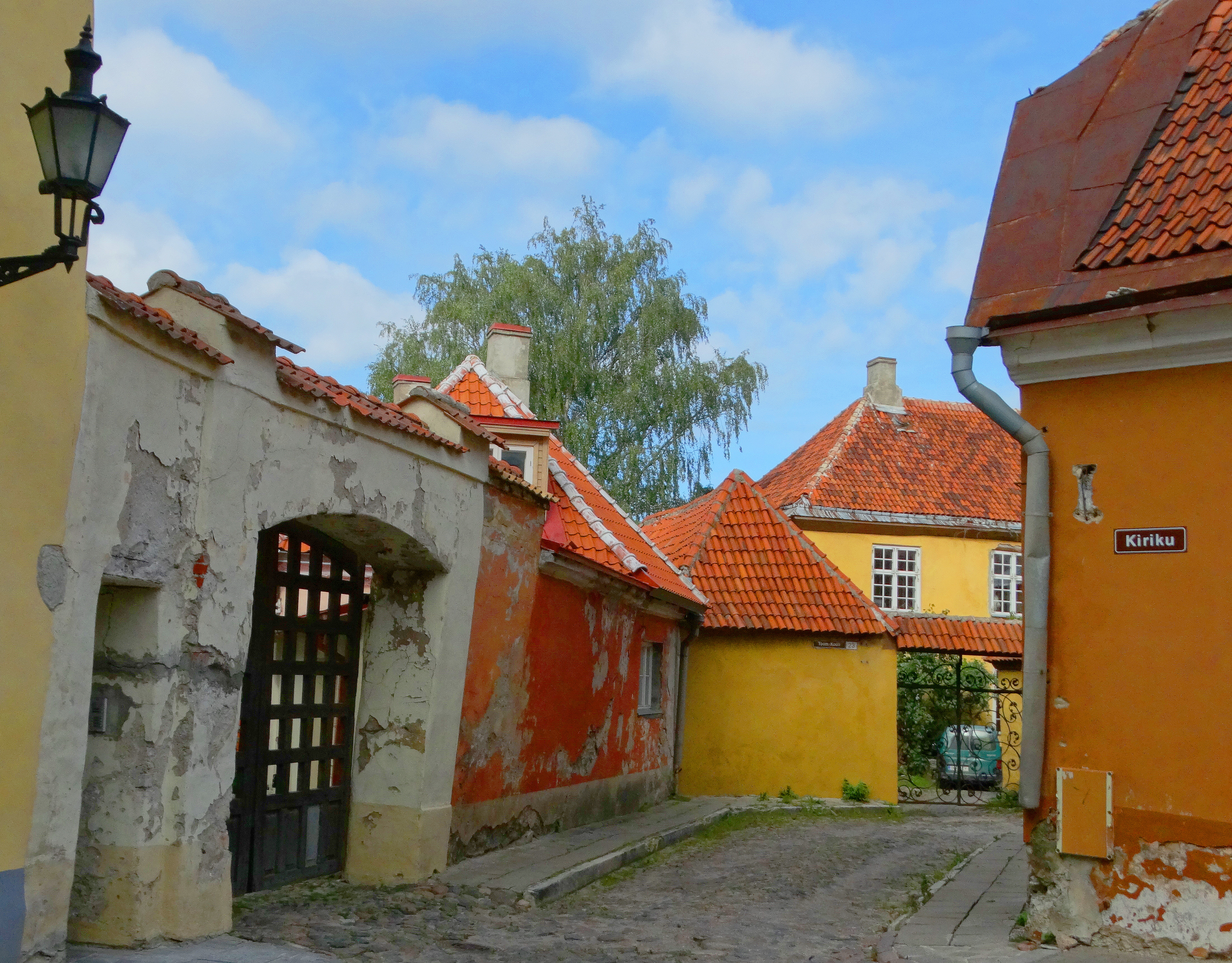
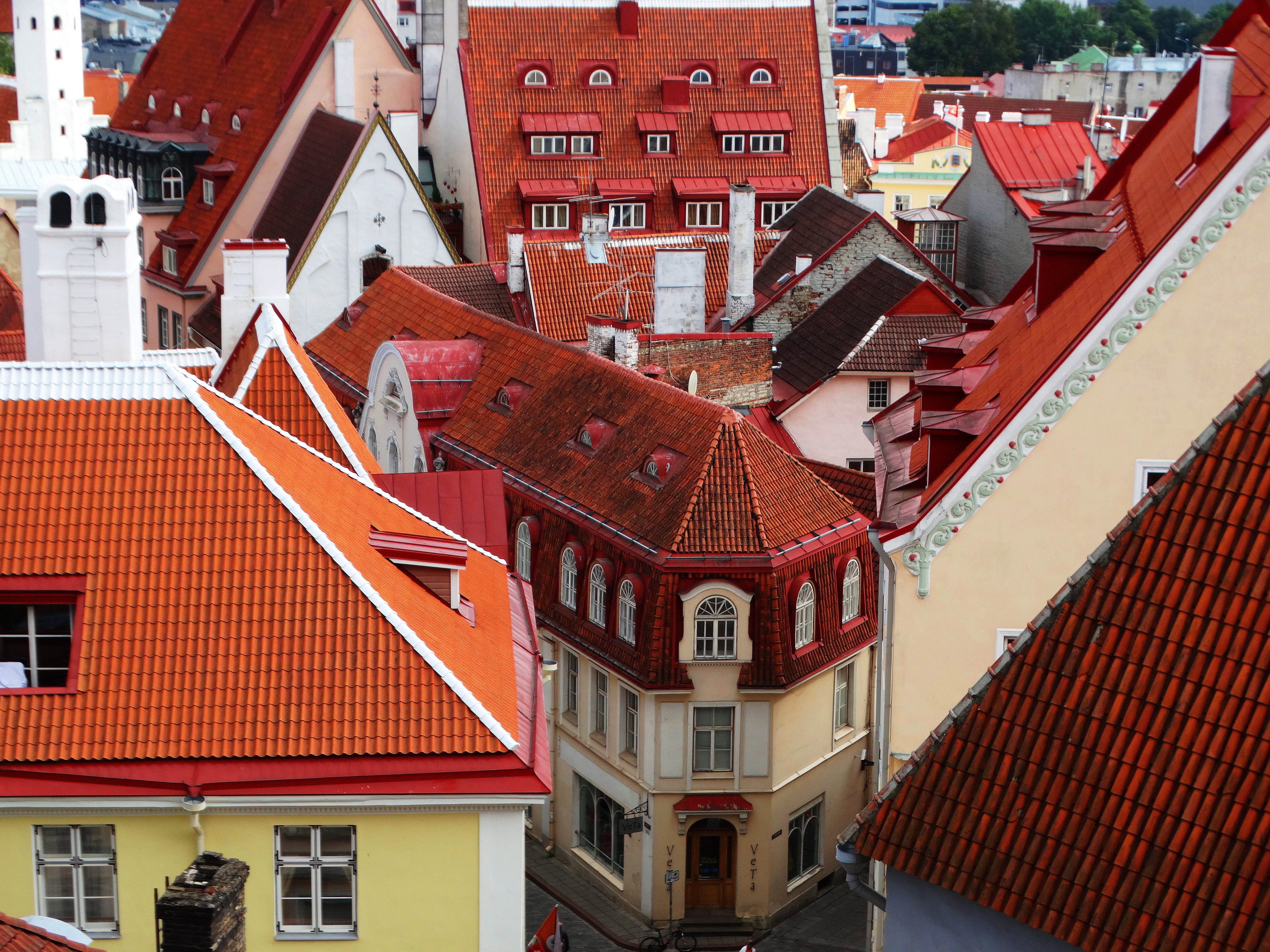
Tallinn is visually charming at every turn.
DSC07674
As visitors we felt warmly welcomed, making the city a delight to visit.
DSC07640
The Nevsky Cathedral is astonishing.
DSC07663
As if all this isn’t enough to make you fall in love with Tallinn, it is rated one of the top ten digital cities of the world along with Tokyo and Singapore, because of it’s widely available and free wifi, and it’s general public spirited digital saavy. As a person who travels a lot each year and is addicted to wifi, this is massively appreciated. Thank you Estonia!
DSC07726
For more on the top ten digital cities of the world check out:
http://www.popsugar.com/tech/Top-10-Digital-Cities-World-325012
Cheers to you from the very fast wifi of Tallinn Estonia!

Love Locks of The Rhine~

DSC05680
We have just arrived, jet-lagged, in Cologne, Germany. The Cologne Cathedral is on beautiful display outside our hotel window. It is stunning at sunset.
DSC05628
The Hohenzollern Bridge over The Rhine River leads into the old city. Every inch of the bridge fencing on one side is covered with hundreds of thousands of “love locks!”
DSC05627
Lovers place these locks on the bridge swearing ever-lasting love and toss the keys into the Rhine.
DSC05624
We are traveling and I will be blogging as we go. Please understand that I will not be able to follow and comment on your posts as much as I would like. I will check in though, whenever I can.
Until then, cheers to you from beautiful Cologne Germany~

Imani’s Newborn~

DSC05937
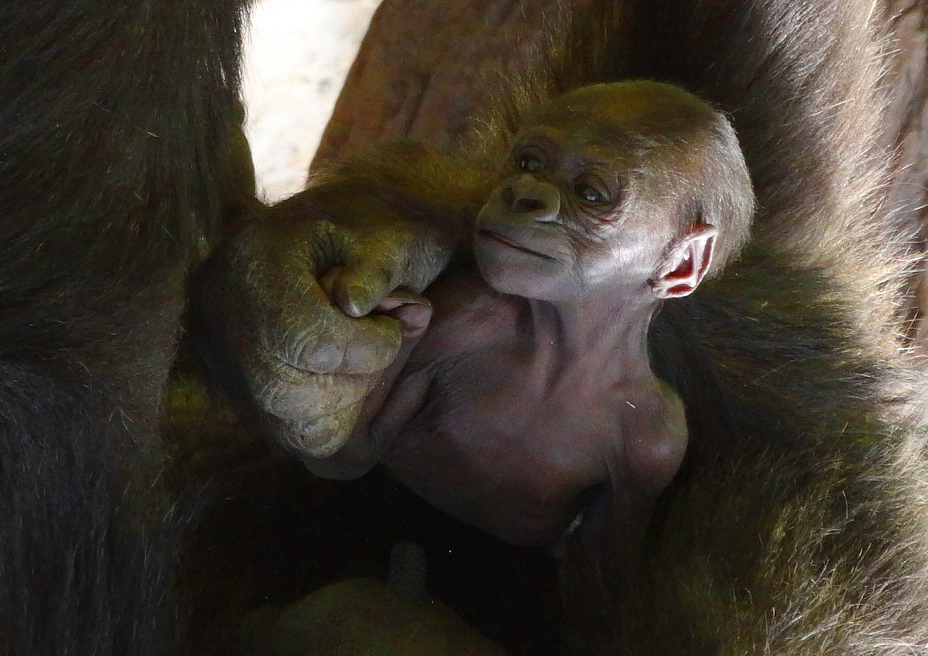
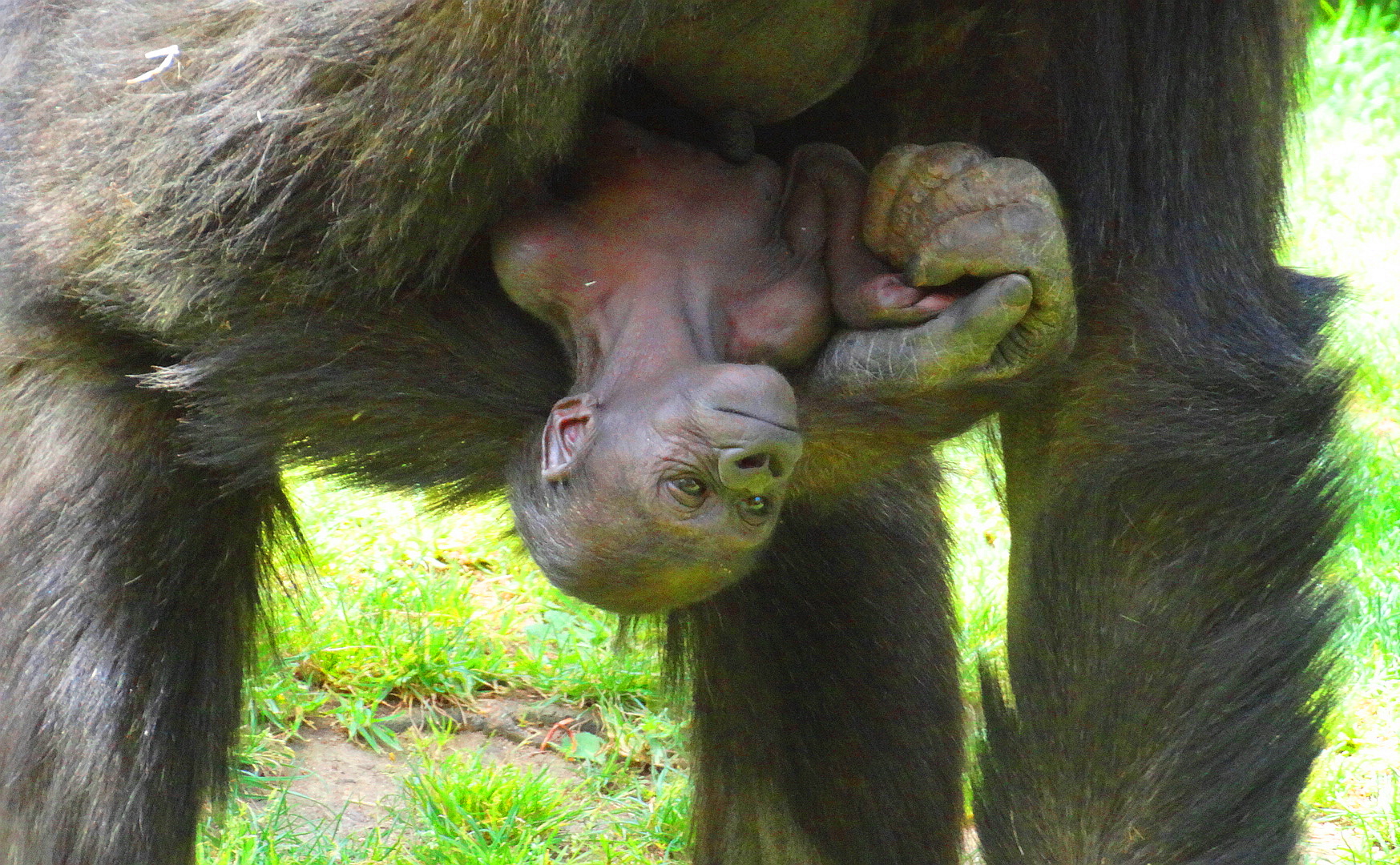
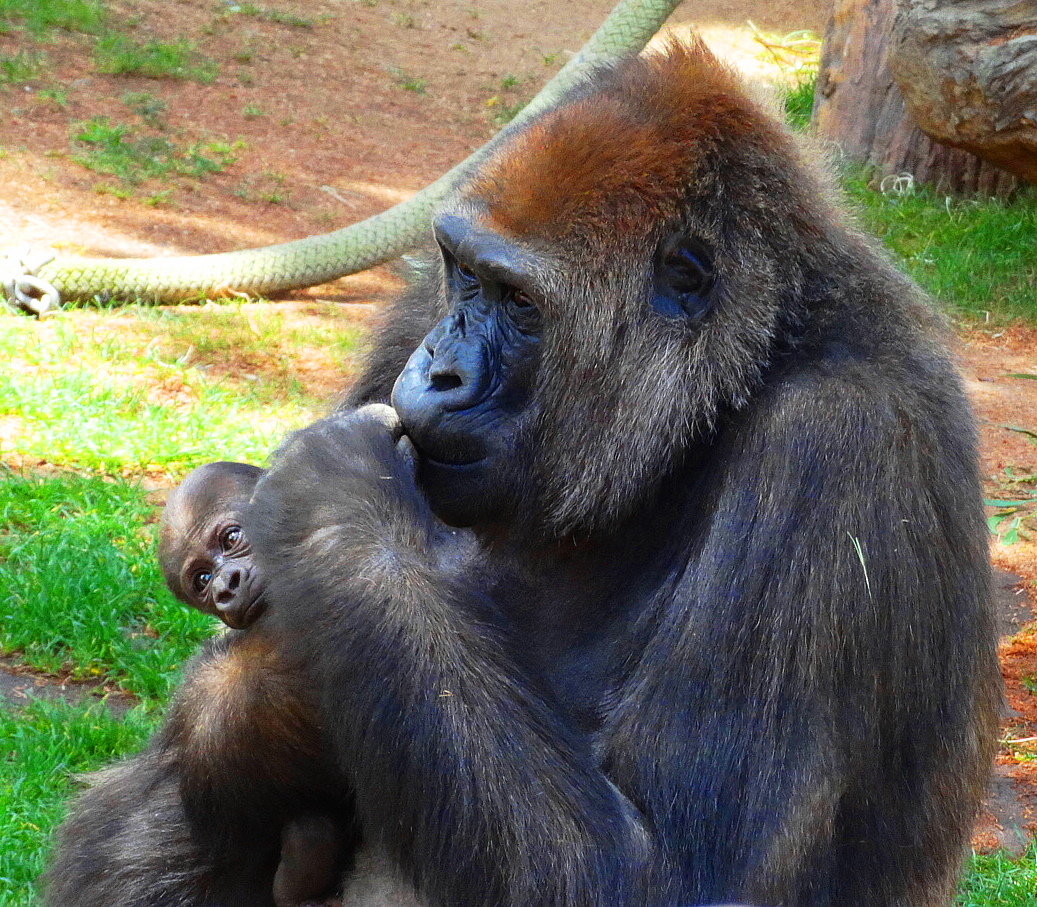
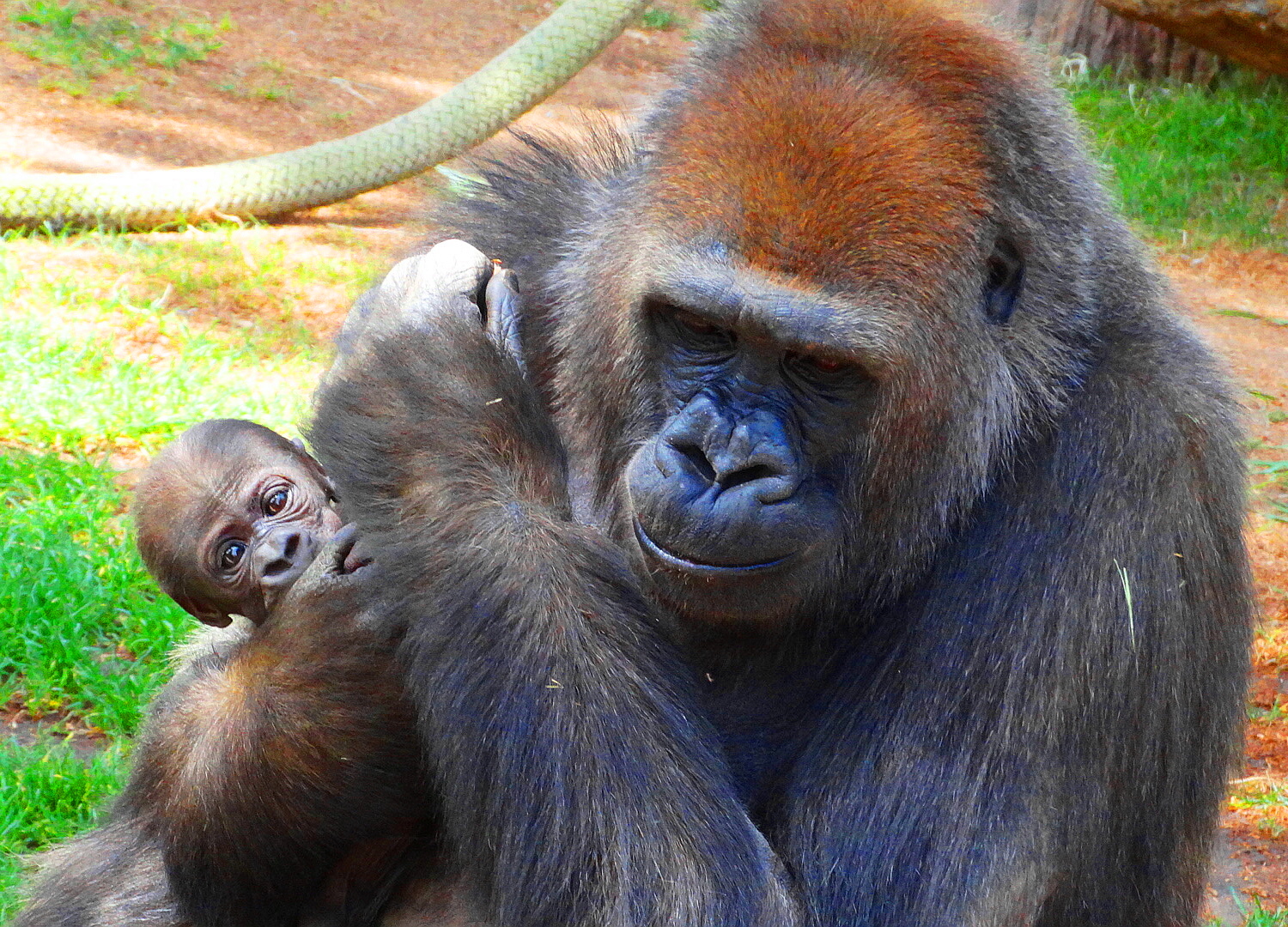
Imani is a 18 year old lowland gorilla at the San Diego Safari (Wild Animal) Park and this is her newborn baby delivered on March 12, 2014. (Please click to enlarge).

DSC05938
This is the 17th gorilla born at the Park. The baby was delivered by cesarean section and born with a collapsed lung and severe pneumonia. The neonate had surgery at birth, was treated for the pneumonia, and reunited with her mother at age 12 days.
DSC05915
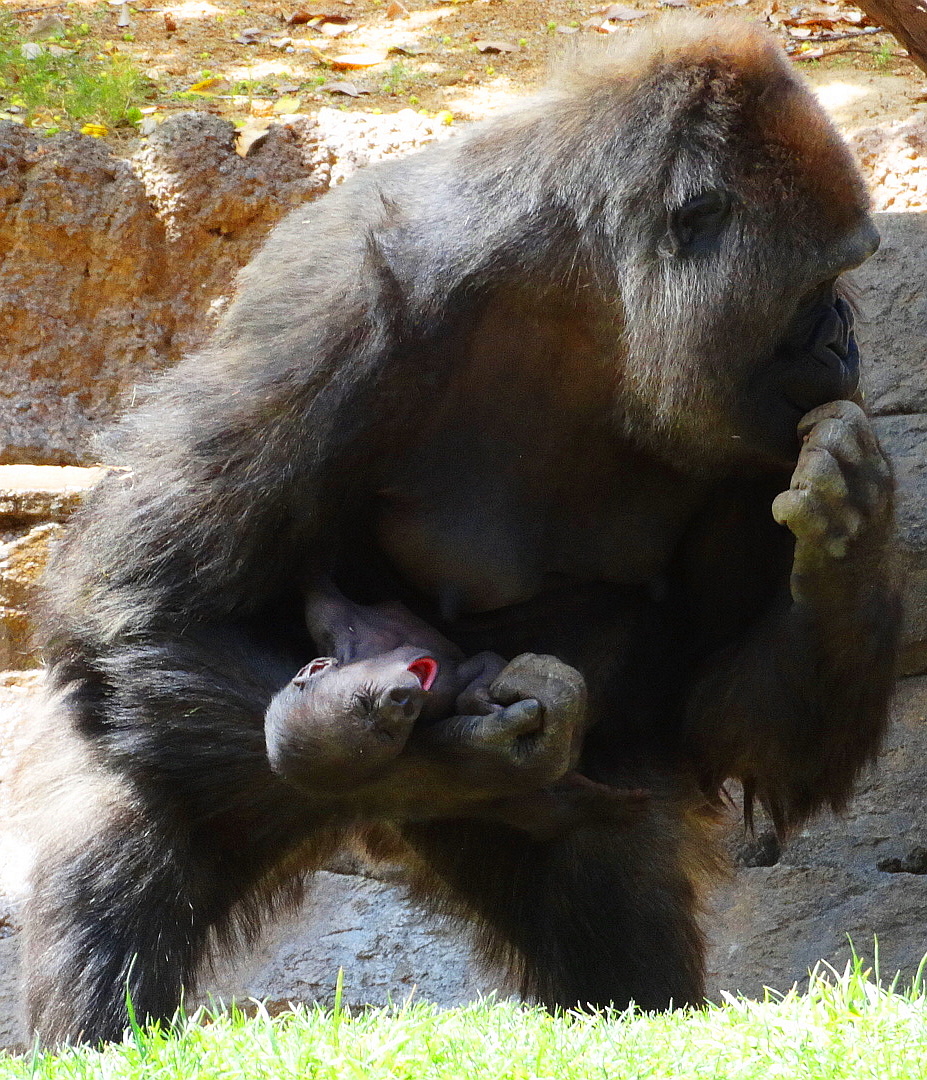
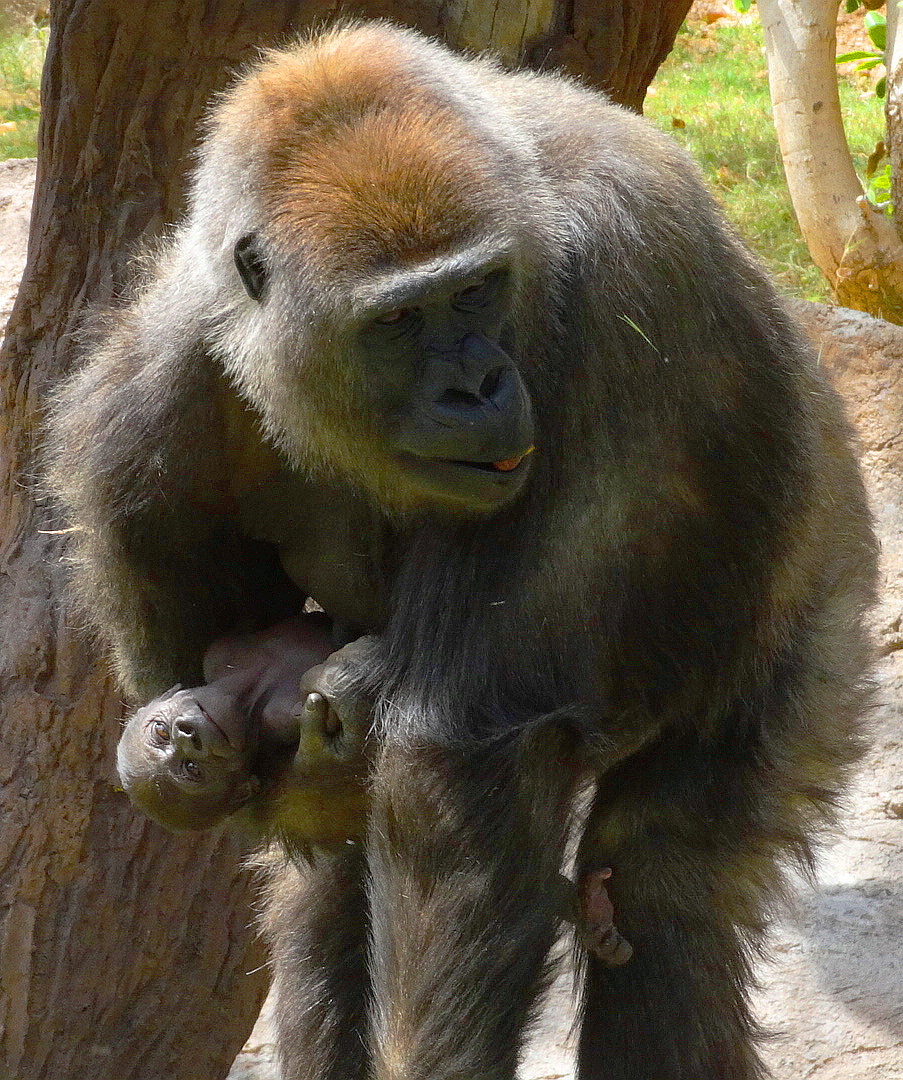
Mama Imani has basically not put the baby down since the reunification.
DSC05916
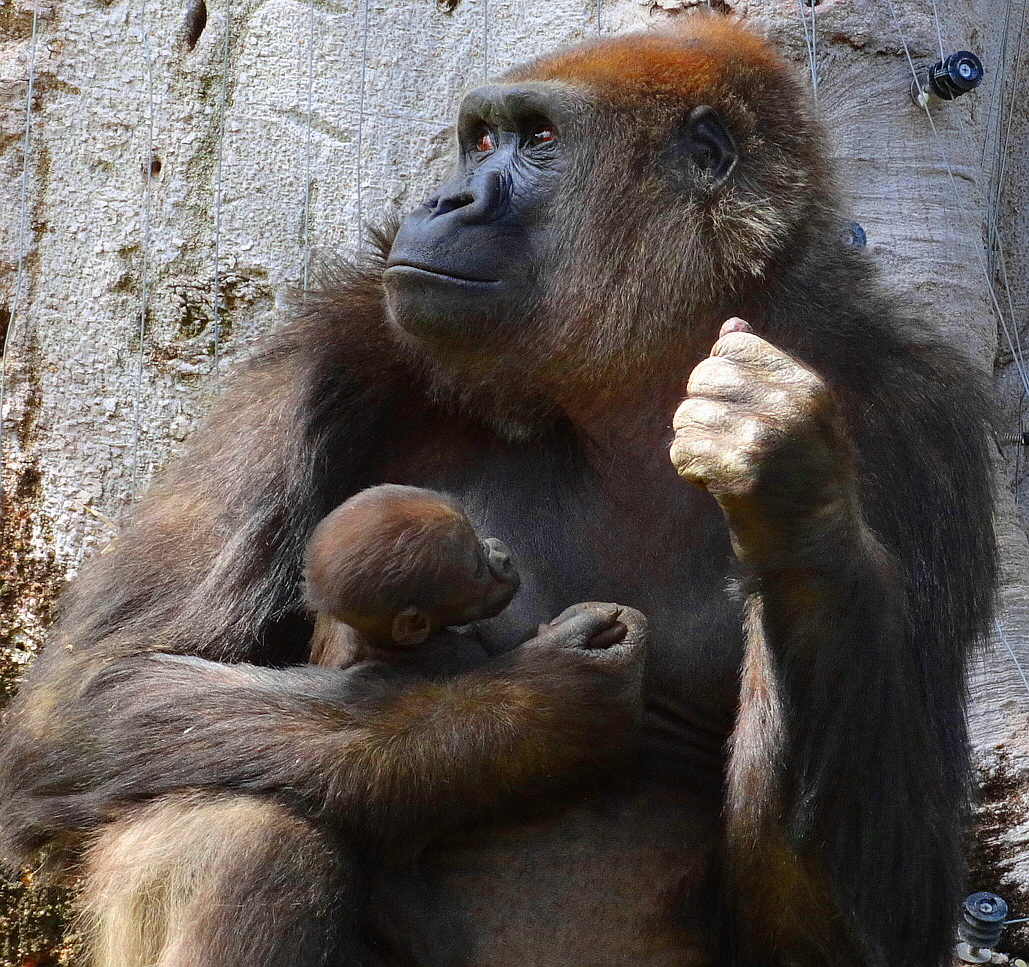
Gorillas are such good mamas and could teach humans a thing or three about maternal child bonding.
DSC05934
The baby’s head lolls when it falls asleep. Mama is always holding baby’s hand as you can see in these pics.
DSC05935
Mama Imani was also a surrogate mother to Frank, now a five year old gorilla. She is still quite attached to Frank. All the park gorillas live in a troop with a silverback male leader you will see below.
DSC05922
Gorillas are an endangered species with approximately 100,000 left in the wild. There are however only 300 Cross River Gorillas and 720 Mountain Gorillas still alive in the wild. Mountain gorillas cannot survive in captivity, so if something dramatic isn’t done soon, they will be gone without a trace. Gorillas are poached for meat and trophies, and their habitat is being decimated. Humans of course are primates like gorillas, and we share over 99% of our DNA with our gorilla cousins.
DSC06055
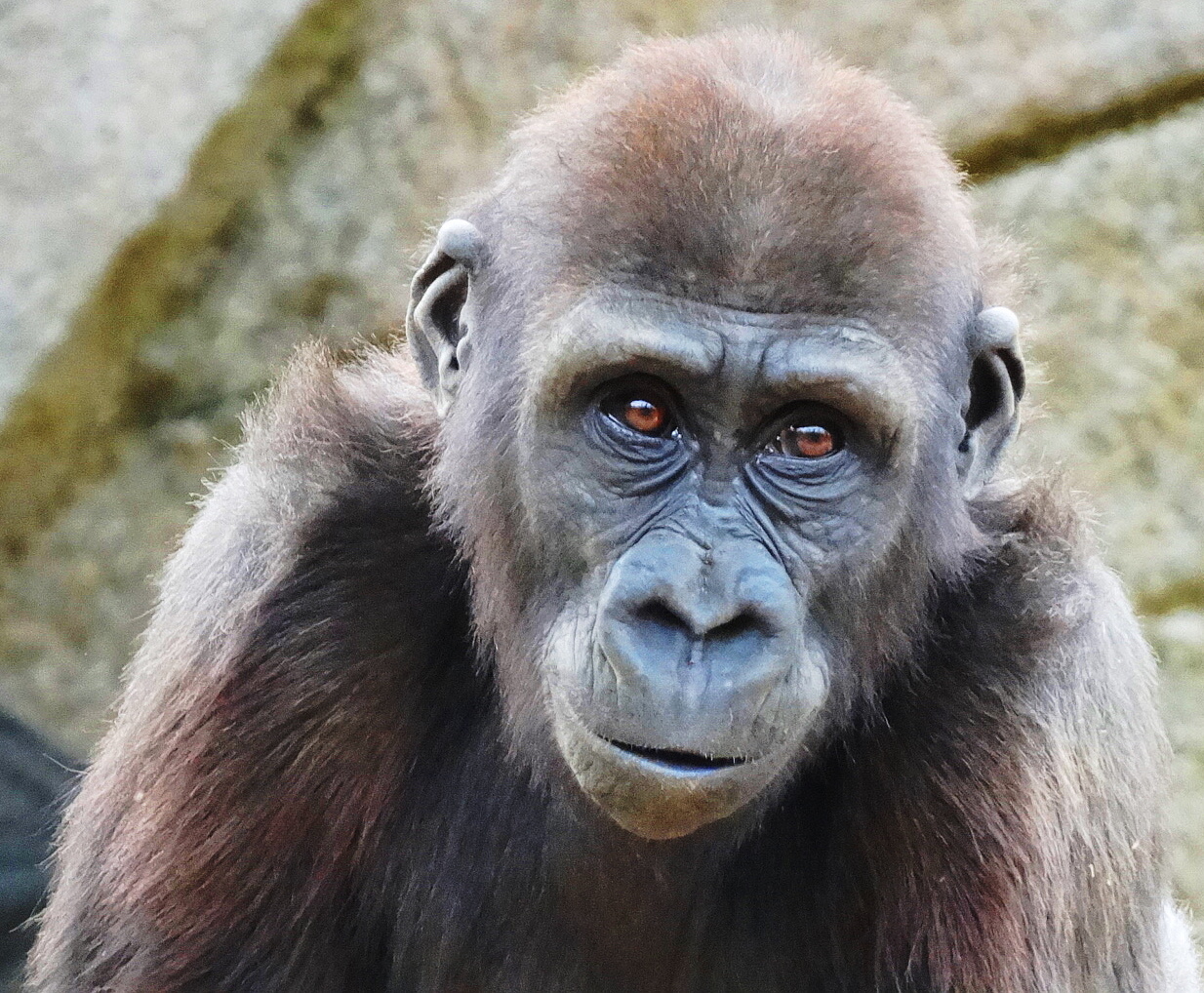
One of the troop juveniles.
The Park is a special place. It is a non-profit organization that focuses on protecting and helping endangered species reproduce. Animals that are extinct in the wild are reproducing and being protected here until they can safely be reintroduced to the wild. It is not a zoo, with animals in cages, but a vast park where animals roam in herds and live in family groups. If you have a chance, and care about endangered animals, I would recommend a visit.
DSC06071
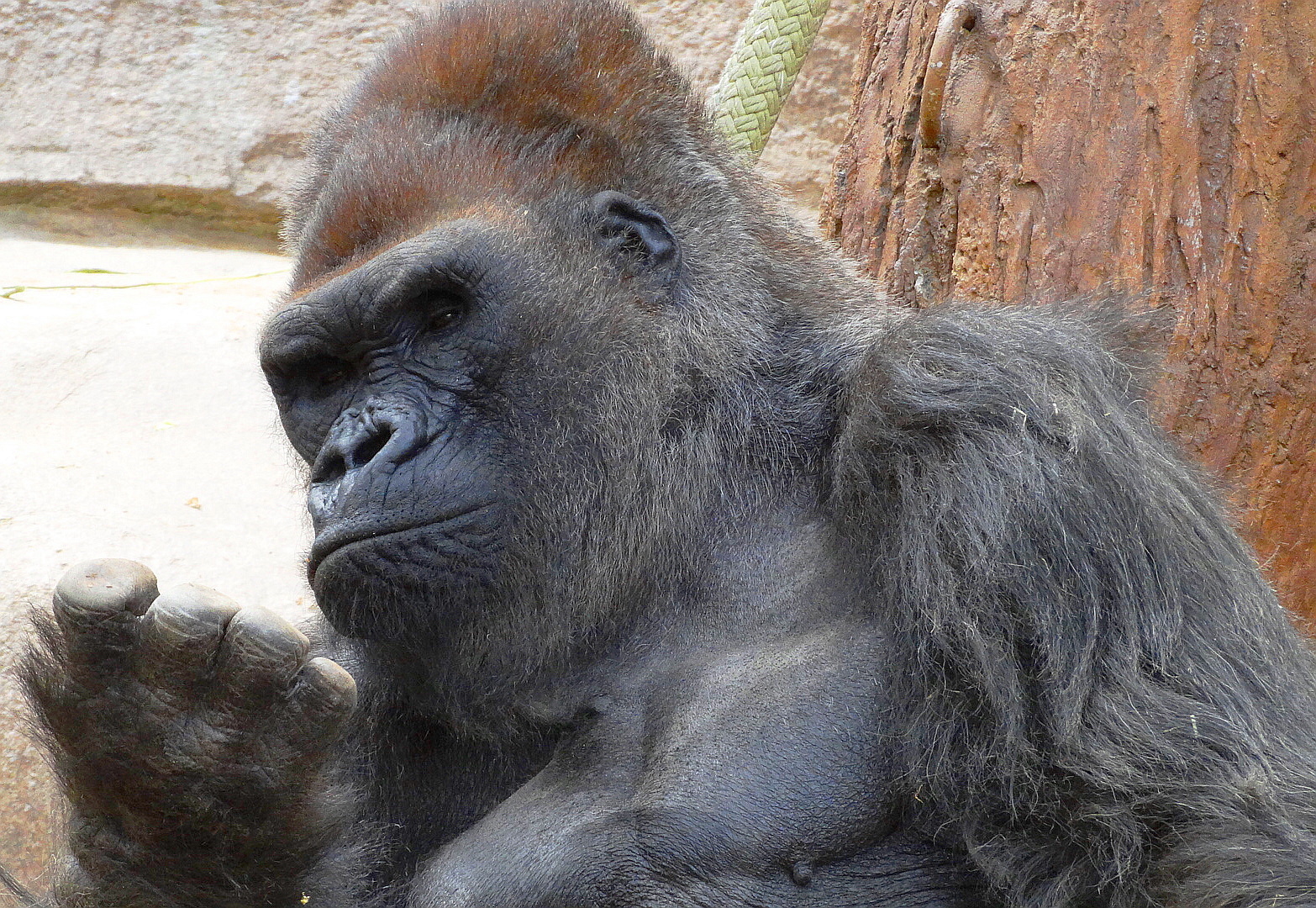
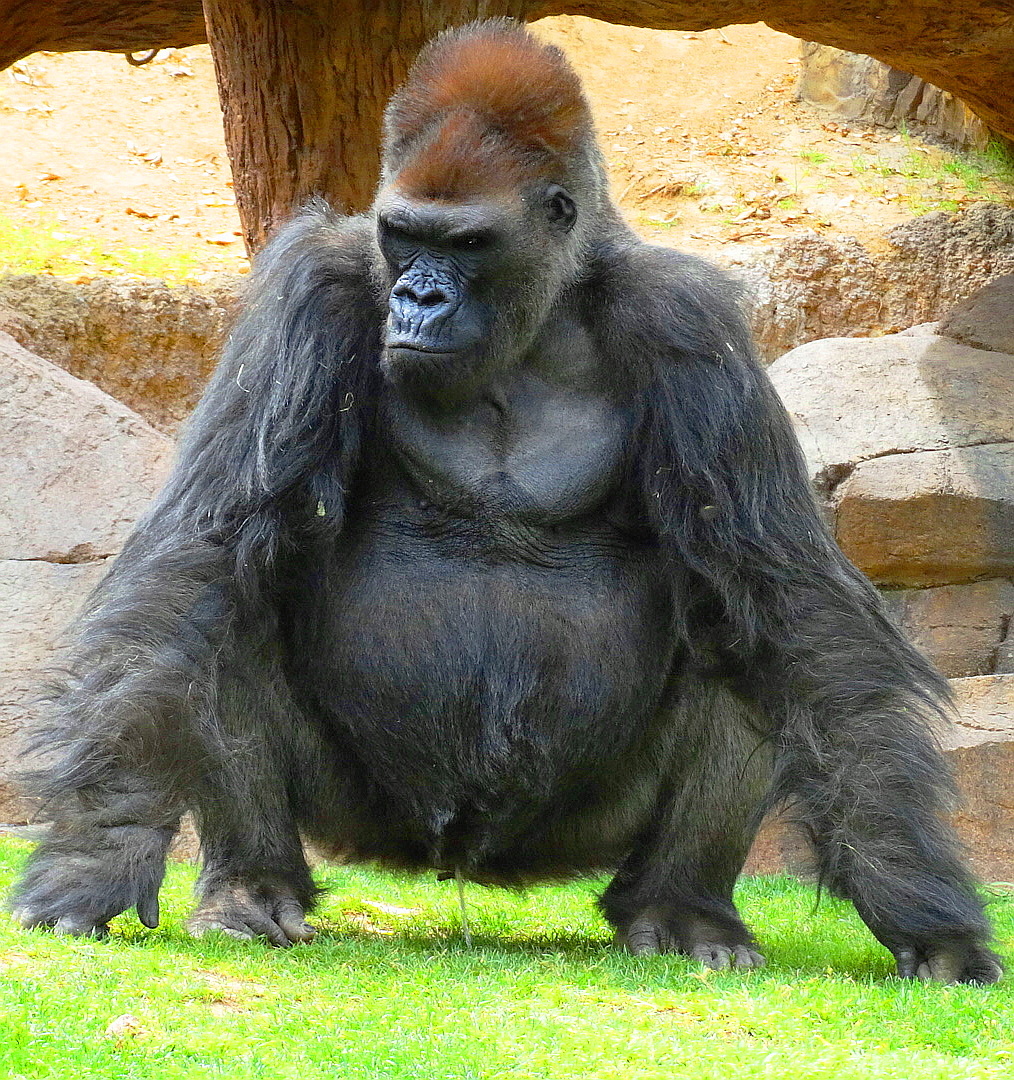
The papa, troop silverback male.
My son Matt volunteered for a year at the Institute for Conservation Research here, before going to graduate school in wildlife biology. This non-profit organization is a world leader in research for the protection of endangered species. Check it out:
http://www.sandiegozooglobal.org/
http://www.sandiegozooglobal.org/ICR/purpose
DSC06059
Cheers to you from these magnificent gorillas, our gentle, kinder cousins!
For more info check out:
http://www.saveagorilla.org/60-Questions.html

Invasion of the Robotic Wind Thieves!

DSC07159
Hide under your bed!
DSC07146
They’re coming!

DSC07087
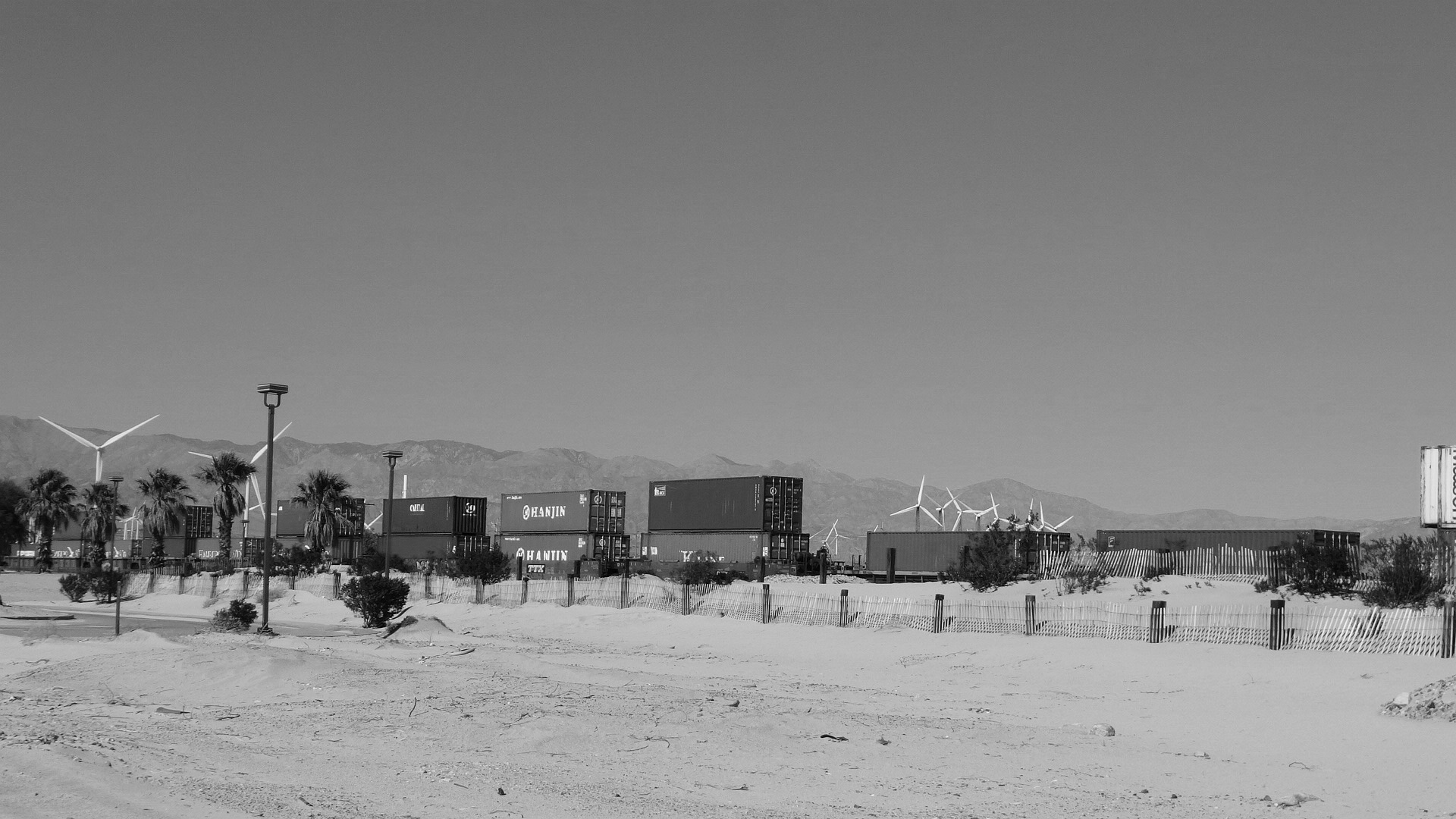
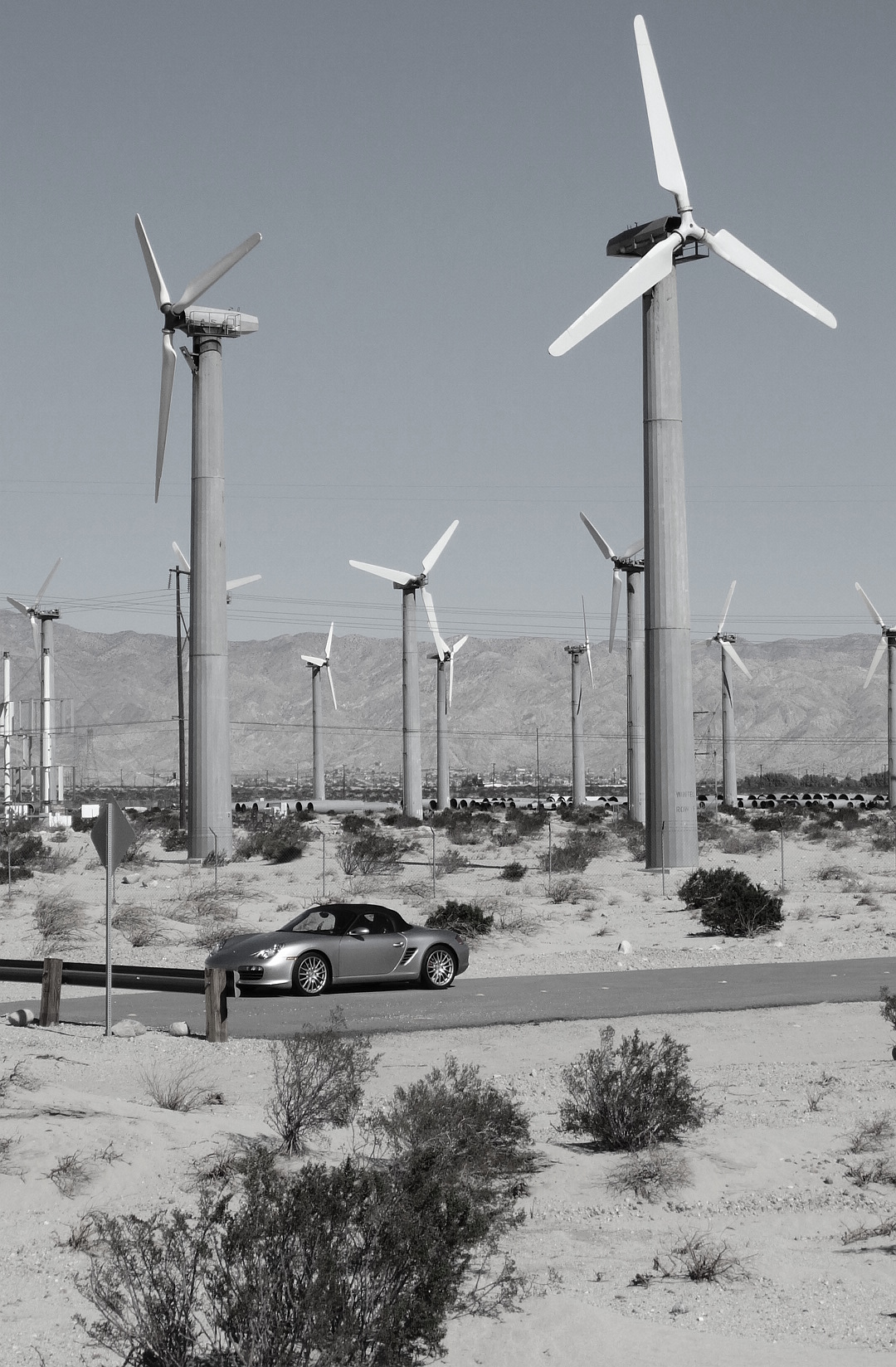
They’ve invaded the desert,

DSC07091
and there are thousands of them.

DSC07115
They have endless supplies of energy,

DSC07144
and multiple means of transport.
DSC07116
They even have Boxsters!

DSC07103

Oh humanity, how will it end?

PS- If I were you,

I wouldn’t lose any sleep over it.

Tech Marvels & The TV Tray!

f335a9d47aae95dcf3afdfe4c6ae7bf2
(Please click on ads to read small print.)

Some of you may recall, I previously posted prior segments of this 1950’s series, ending with photos from Betty Crocker’s house and barn and anything else I found there to photograph (See October 11 post under Tech Marvels.).  My mother Eleonore came with me on this adventure , as we browsed at the antique barn and acted like undercover paparazzi, snapping shots incognito for your pleasure and edification.  This was so exciting.  I couldn’t stand it.

Today, part four ( for those who are numerically challenged, like me) we will be discussing that integral part of the 1950’s-60’s life,  The TV Tray.

TV trays were of course made to eat TV dinners on in the 1950’s & 60’s.  TV dinners started out rather small,  so the original TV Trays were rather small too.  Everything in the 1950’s was small, bathrooms, closets, me.
images (5)

I think this retro-ceramic TV dinner from the 1950’s for sale on ETSY for the incredible steal price of $450.00 will be a perfect launching point for our discussion of this fascinating topic.  There is only one of these ceramic beauties available, so if you must have it, you better move quickly.  Here is the website:

http://www.etsy.com/listing/48165731/retro-tv-dinner-ceramic-art-tile

And here is the ceramic product,  I mean art piece ( it looks good enough to eat just like a real TV dinner):

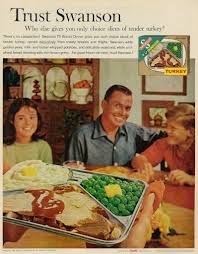
The original TV Dinner made by Swanson’s was this delectable turkey delight that cost only $1 in 1953:

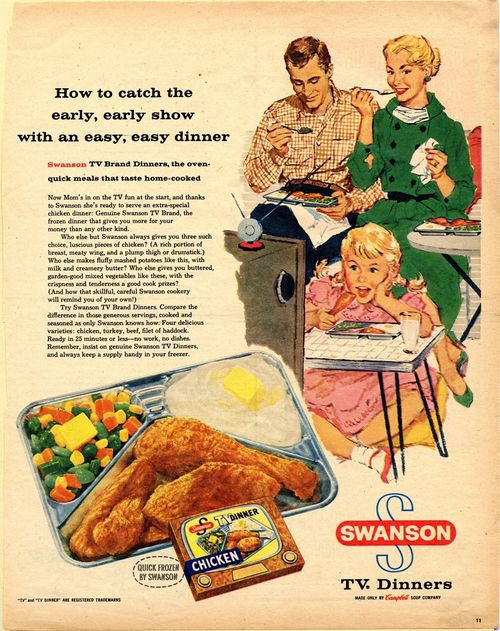
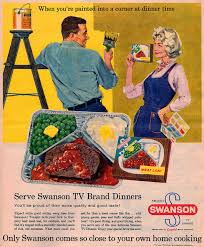
It came out just a couple of years before I was born actually, and was advertised as the “perfect solution for women who worked out of the home,” and didn’t have time for pesky things like making dinner, and who also had no intention of engaging in boring activities like a family dinner, and would rather watch TV as they enjoyed this gourmet repast. See ads:
download

6a00e553a80e108834014e8c3a18a2970d-500wi

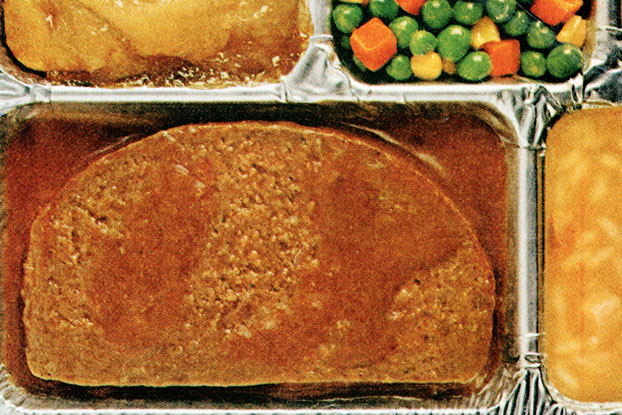
Swanson sold millions of these babies, so they ramped up production and diversified to things like my favorite as a child, “Salisbury Steak.” See example. YUM!
10-breakthroughs-tv-dinners-3

So truth be told, millions of kids like me were sitting in front of tv screens, numbing our brains in the 50’s/60’s watching TV.  The computer now at least requires some type of cerebral activity in users.

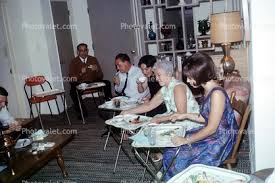
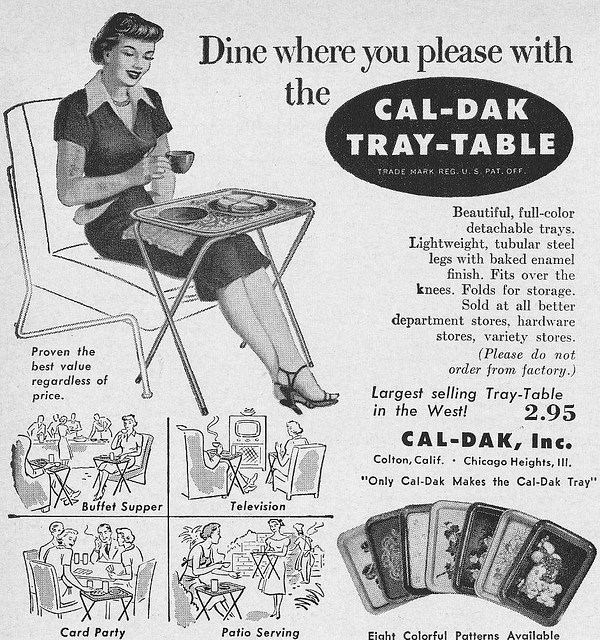
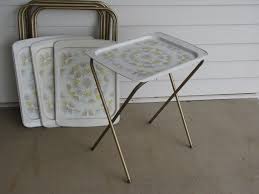
For those too young to remember what a TV tray is. (Sacrilege!) I have included some helpful examples.  For the rest of us, these will just serve as memory prompts for our already severely challenged senior cerebellums.  TV Trays, the point of all this ramble in the first place, were designed and released in 1954 as the perfect technological advancement to make eating and watching TV not only possible, but darn easy.  Here are a few examples of this wizardry in actual operation in the 1950’s.  They were sold in 4-paks with an innovative device developed to store them after use:
images (4)
download (1)

tumblr_me44mcizha1rjhbjlo1_12801

By the time the 1970’s rolled around, TV dinner’s technologically advanced one more time.  “Hungry Man” larger TV dinners were developed. This was in response to the men’s movement (or something).  Anyways, ads came out with a song & jingle, whose lyrics were, “How do you handle a hungry man?  The manhandlers.”  I kid you not!  It was sung in basso profundo by lumberjacks or something.  Anyhoo, “The Man Handlers,” were an innovation by Swanson again (The Apple of their time) to handle the big appetites of big men, who were obviously not happy with their TV dinners and must have been bitching, I mean complaining about them at home.  I ate them so I can attest to the fact they consisted of an additional two ounces of something approximating chicken noodle soup, a delectable three ounces of “fruit” (I use the term loosely) cobbler, and an extra couple of ounces of something resembling vegetables.

12003269_10153542920704373_6707983945195024614_n

This huge leap forward in innovation required additional modification of the TV Tray, which became outdated just like your original i pod and pad.  “The King Size TV Tray,” was invented to bridge this gap. Here is an example:

The best thing about the invention of the TV dinners was that a woman no longer had to wash dishes if she didn’t want to. The TV dinners could just be thrown away after use!  This prevented the sort of dish washing drudgery that I shared with you in a previous post:

This is where my expertise about all this incredible 50’s innovation ends. My parentals would go on “date night, ” the sitter would arrive, and my brother and I would sit contentedly in front of the boob-tube, I mean TV, watching Bonzana and eating our favorite “Man Handler’s” on our TV trays.  Those were the days……

I am exhausted now by all this extensive history, I am sure you are too, and I am too tired to make dinner.  Where are the damn TV trays?