
(click/tap to enlarge)

I am reading John Muir’s, “My First Summer in the Sierras,” published in 1911.
Note the horse hoof tracks in the sand, these are the wild mustangs of Mono Lake:
https://cindyknoke.com/tag/mono-lake-wild-horse-photography
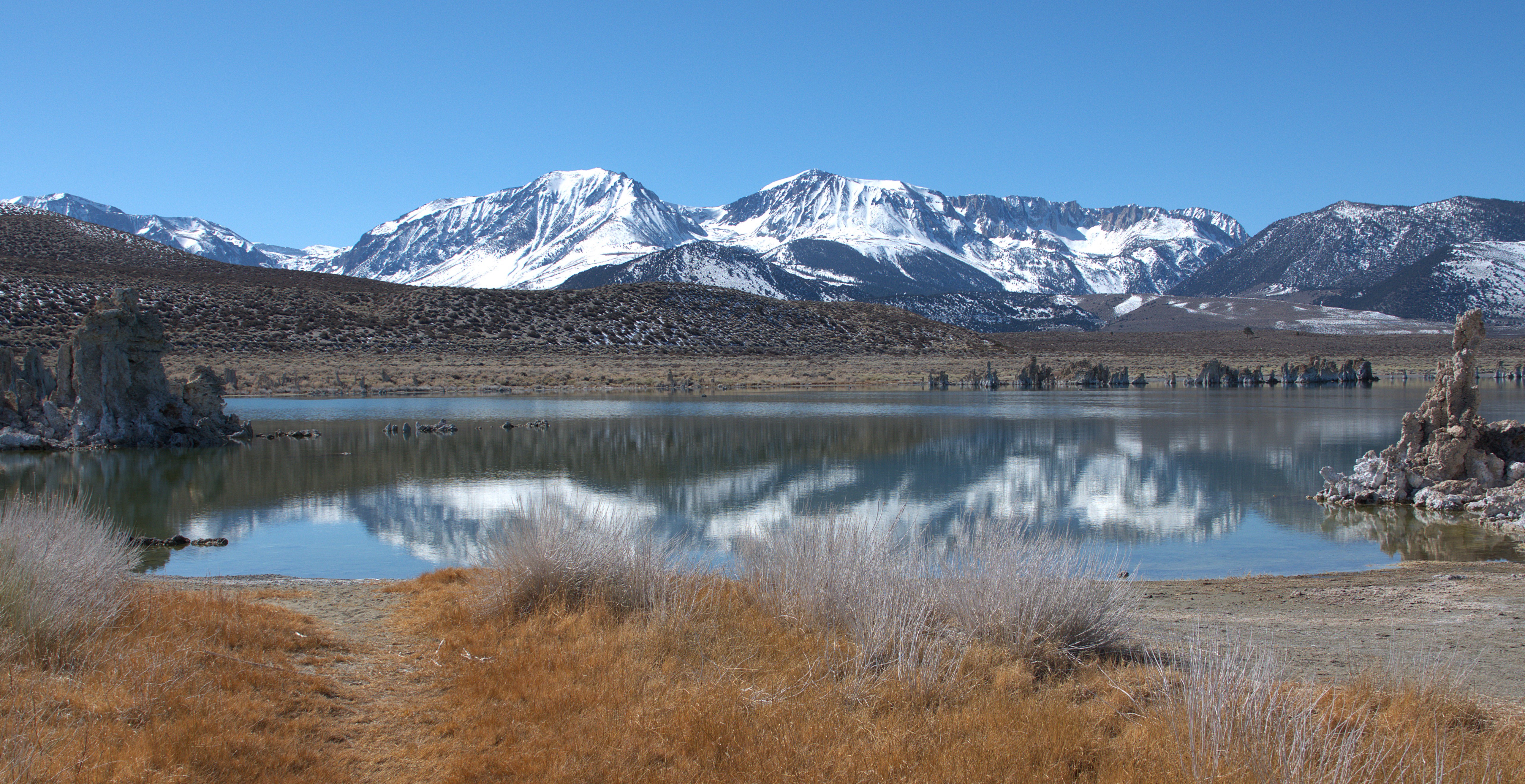
Muir’s diary is replete with his illustrations.
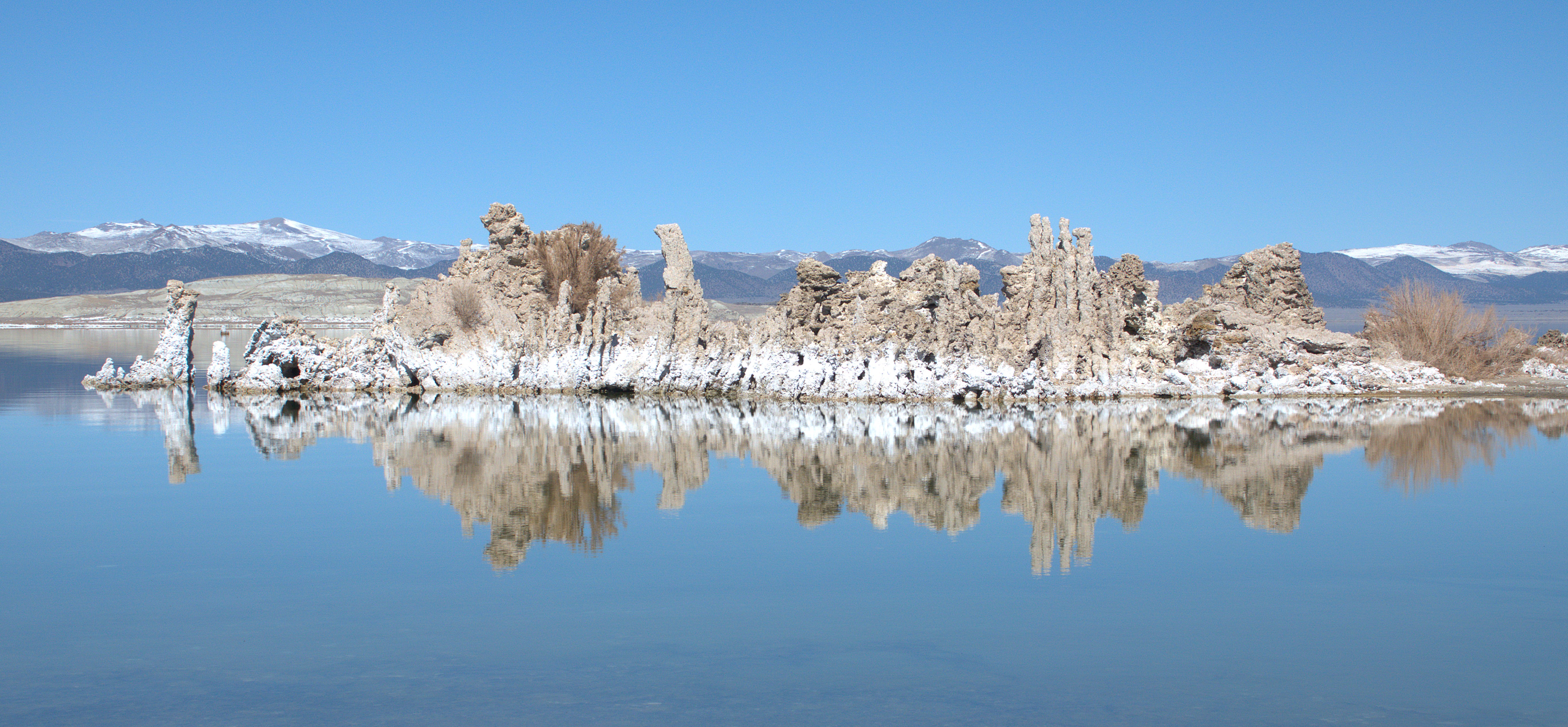
As I walked where he walked, I was struck,
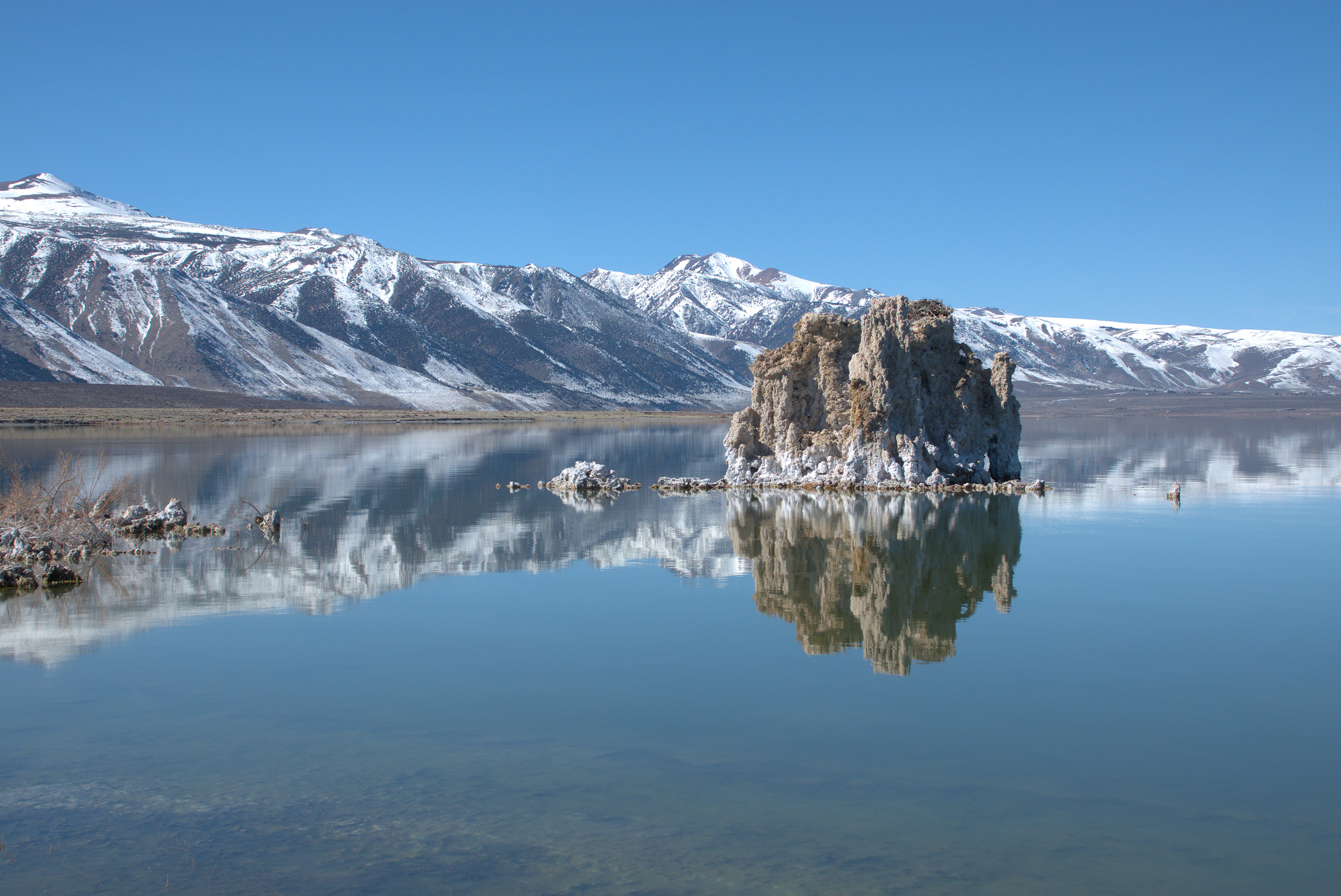
by how he views nature as a sacrament.
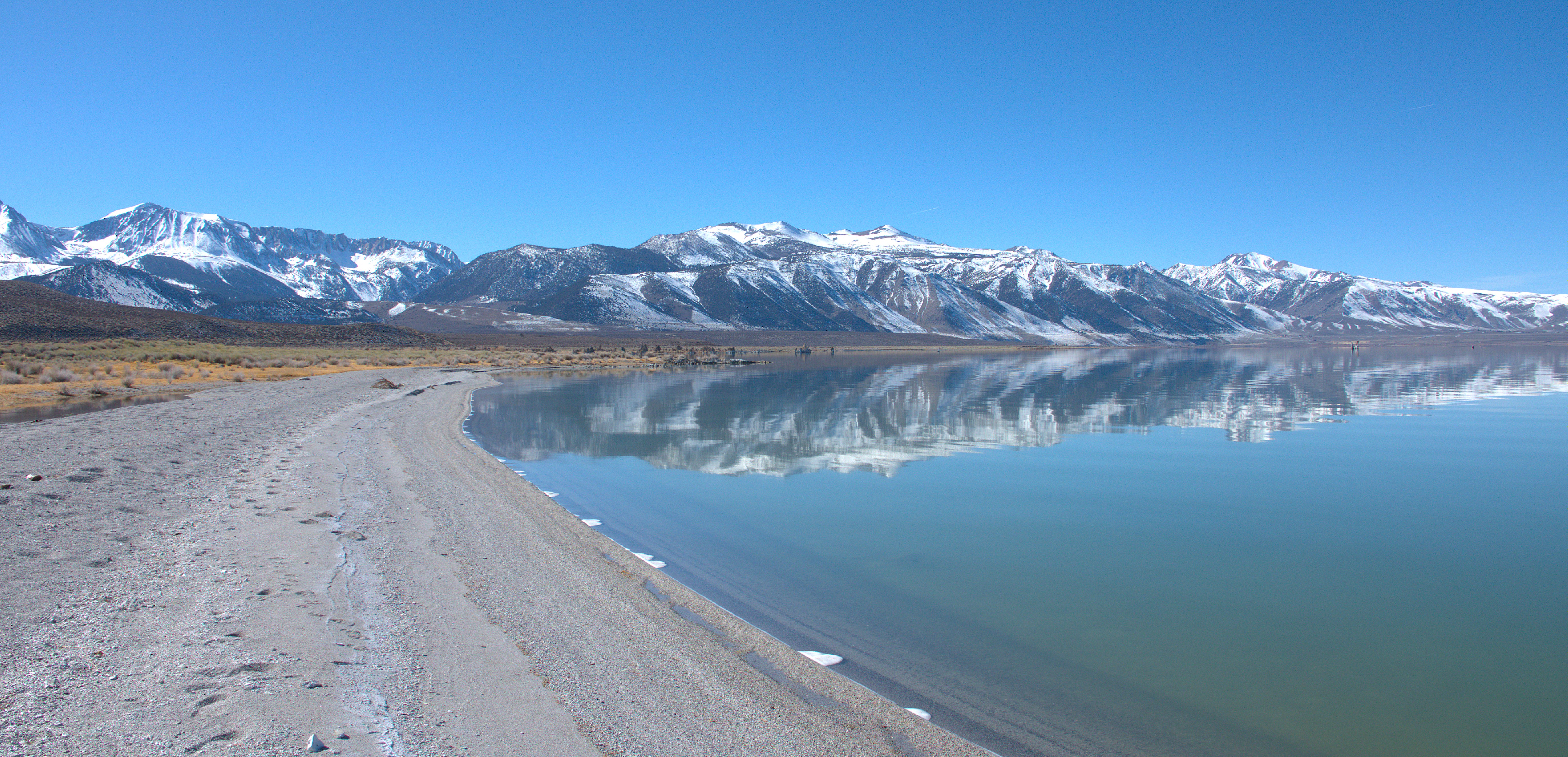
He finds not just solace here,
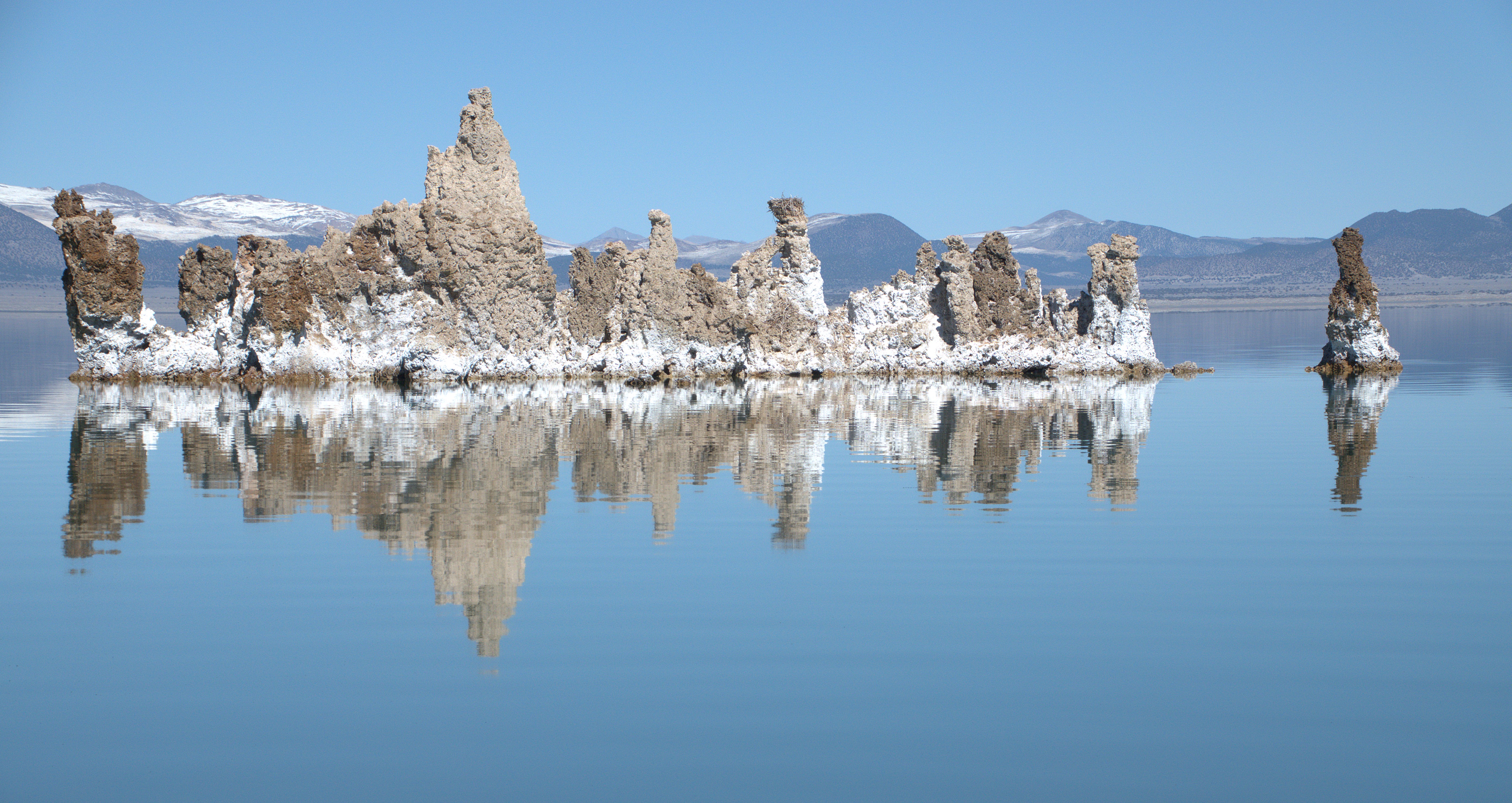
but spiritual joy.
Of Mono Lake, he wrote, “I never beheld a place where beauty was written in plainer characters or where the tender fostering hand of the Great Gardener was more directly visible.”
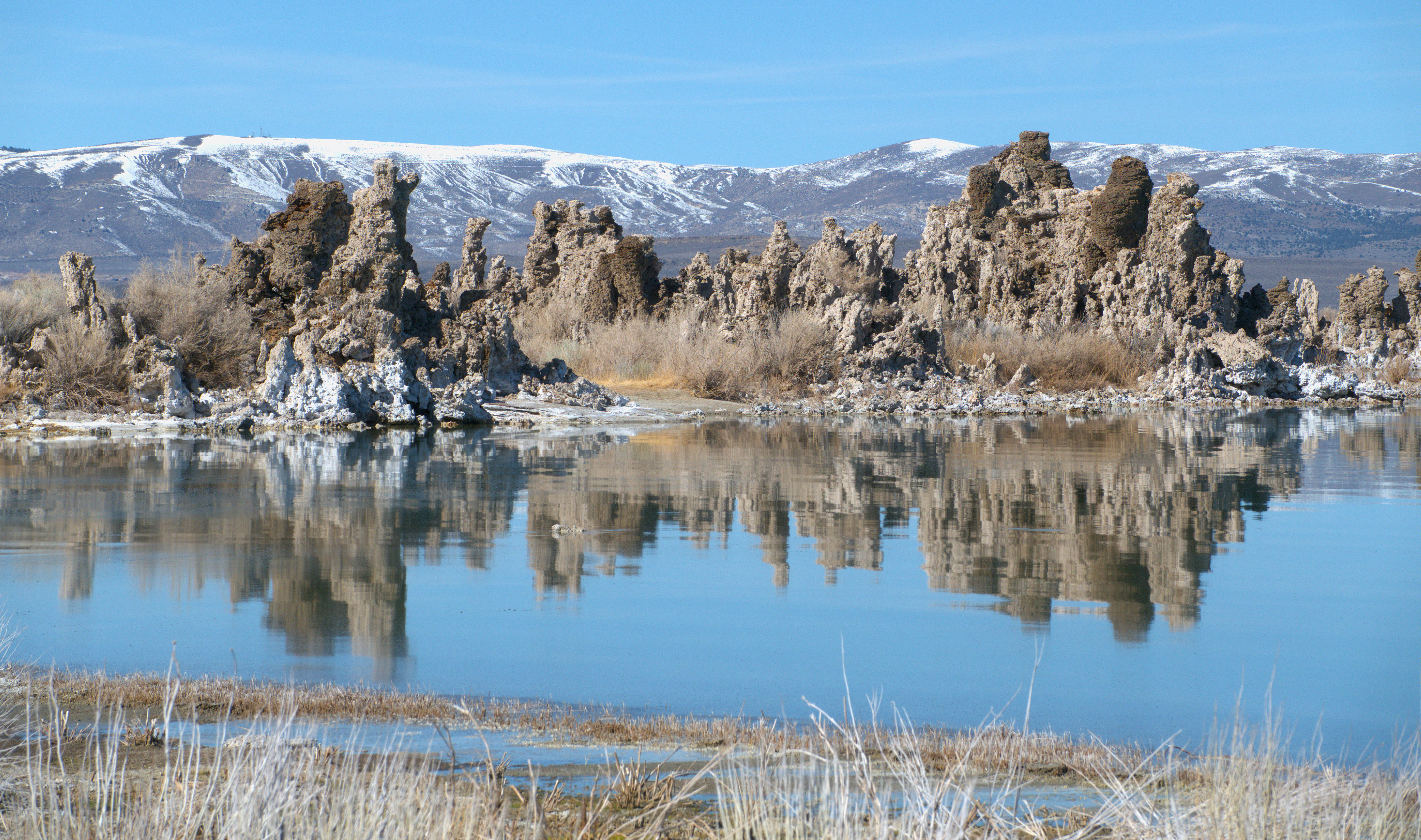
He went all over the world,

but his name and imprint are all over California forests and trails, and the university I attended.
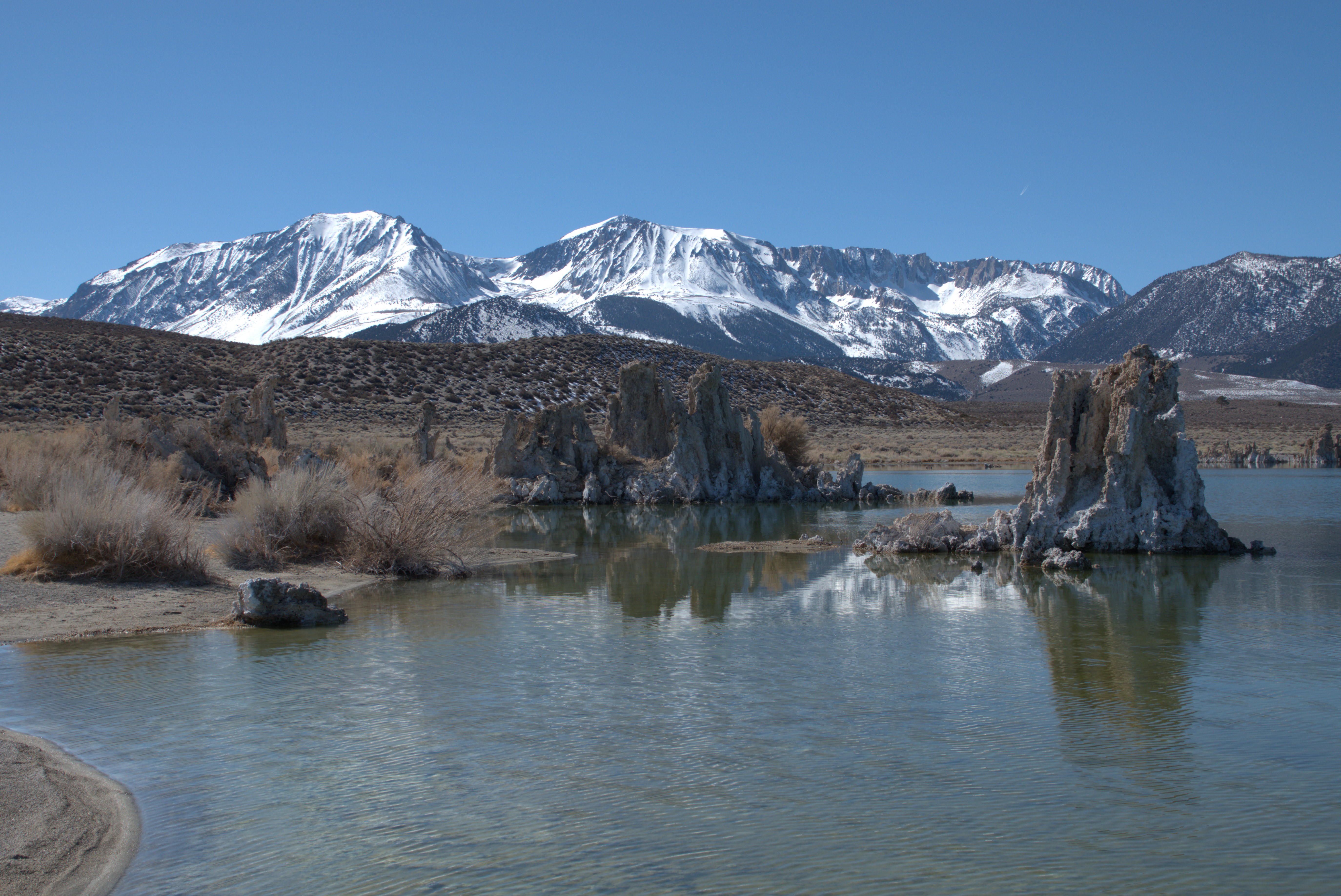
He called Mono Lake “a marvel,” and knew the brine shrimp were the only permanent residents of “the ancient lake.”
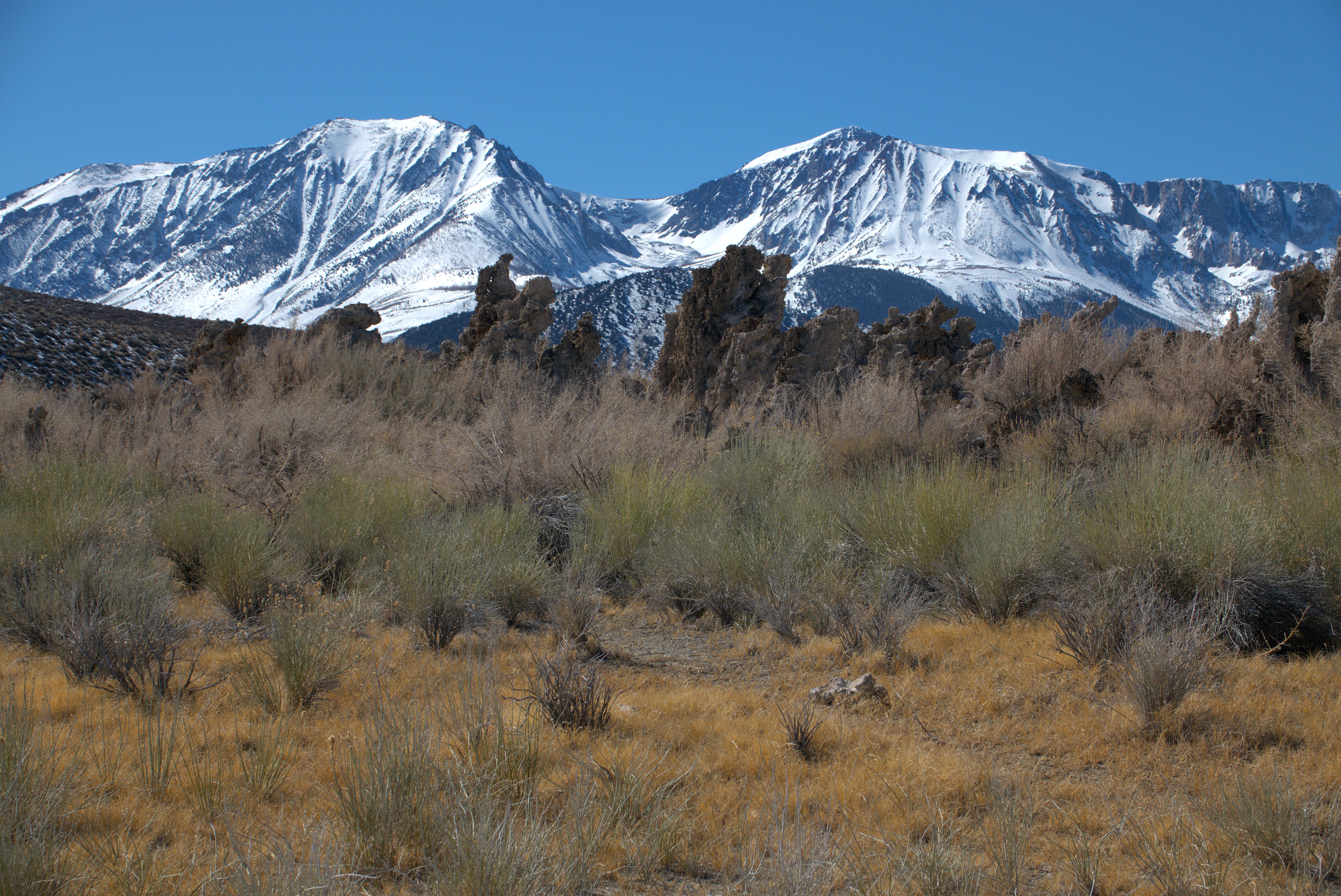
He wrote this in 1869 and he couldn’t be more correct today. He traveled on foot in The Sierras with pencil and paper. I wonder how he knew all this?
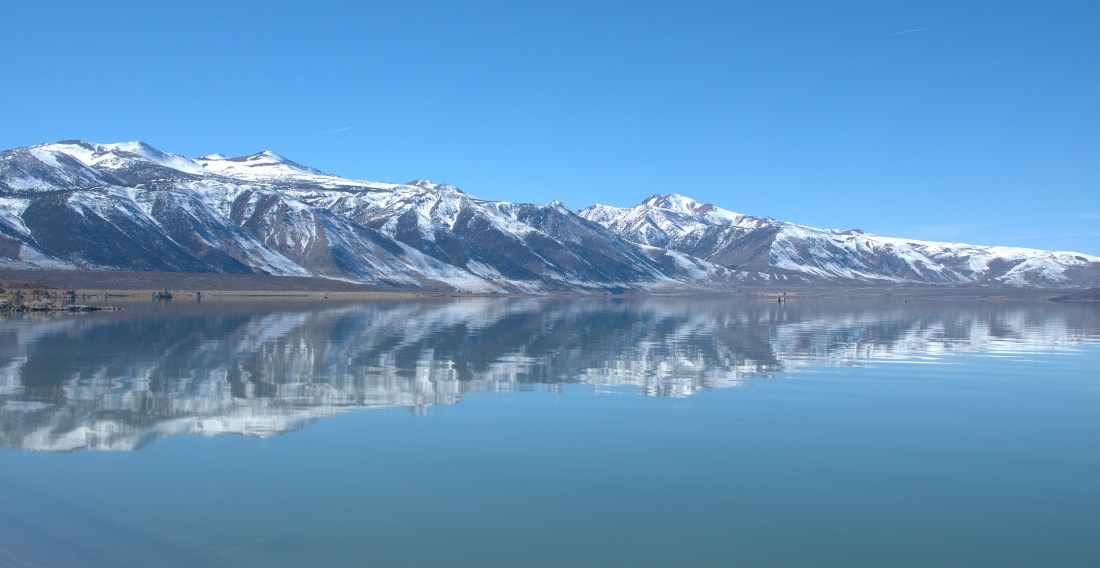
Thousands of migrating birds rely on the lake’s brine shrimp for sustenance as they migrate every year.
Los Angeles continues to siphon water from the lake and the lake continues to dry and shrink.
My Scottish immigrant grandmother who arrived in the US in the early 1900’s never read John Muir, but she loved Scotland, and so did he.
Cheers to you from The Scotsman of The Sierras~
See: https://vault.sierraclub.org/john_muir_exhibit/writings/my_first_summer_in_the_sierra/
Share this:

Discover more from Cindy Knoke
Subscribe to get the latest posts sent to your email.
Cindy, your photos take me away. I just love them!
Awww……. Smiling. Makes me very happy. Thank you Kymber & cheers too! ࿔*:・゚ᨒ↟
Cheers to you, too, Cindy!
Ohhhhhh wowwww😍
Smiling…… Love wow! Thanks much ࿔*:・゚ᨒ↟
Wonderful shots! Thank you for sharing.
Thank you more for your thoughtful appreciation! ࿔*:・゚ᨒ↟
Beautiful shots, Cindy.
A moving post, too.
Man cannot steal enough from nature. Will we ever learn to respect and work with nature?
It seems pretty discouraging these days doesn’t it. The perfection of natural beauty contrasting with ugly human arrogance. The human ‘winners’ may actually turn out to be the biggest losers ࿔*:・゚ᨒ↟
A living dream destination!
Yes. Best appreciated in winter when no one is there but the wild horses ࿔*:・゚ᨒ↟
Stunning captures of the beautiful scenery
So appreciated. Thank you very much ࿔*:・゚ᨒ↟
Beautiful pictures, and some things I didn’t know about John Muir. He must have been so observant! My family on my mother’s side (Urquharts) came in the late 1700s from the Scottish Highlands to Nova Scotia, and in the early 1900s my great grandparents came down to Maine from there.
Fascinating life history and synchronistic. Wouldn’t we love to be able to talk to them today about their experiences. My English paternal grandfather was a Barton, as am I, and his family extensively settled in Nova Scotia. I was surprised by all the Barton businesses in Nova Scotia. I hope to return to Maine soon to see your wonderful puffins! Thanks for stopping by ࿔*:・゚ᨒ↟
These pictures are breathtaking and the story is mind blowing. How did Muir know all that back then?
Thanks very much. That is exactly what I wonder. How did he know so many really minute scientific details, but he did, and subsequent research has proved him eerily correct ࿔*:・゚ᨒ↟
Hey Cindy! It’s Mary Sweeney. Don’t know why it came up an anonymous. Happens when I reply on my phone.
I don’t reply often but I always love seeing your adventures of God’s beauty.
Hope you and yours are well.
Hi Mary! Wonderful to hear from you. Yes, WP puts comments in the wrong places too, making them difficult to respond to, sorry. Hope you get this. I am so happy you joined me on this virtual journey to Mono Lake my friend and that you enjoyed it. Blessings to you and yours & take good care ࿔*:・゚ᨒ↟
Beautiful.
Merci beaucoup Mon Ami Gigi ࿔*:・゚ᨒ↟
Glorious, beautiful photos bringing peaceful moments away from the many messy parts of the world!
Thank you Eha. You expressed this most eloquently and accurately. Give me The Sierras over politics every day ࿔*:・゚ᨒ↟
Beautiful photos and fascinating story about Muir, Cindy.
Thank you Eugi. I am very pleased you enjoyed & cheers to you ࿔*:・゚ᨒ↟
A Scottish grandmother? I knew there was something extra special about you, Cindy. 🙂
Smiling….. Great to hear from you Ronnie & hope all is well with you ࿔*:・゚ᨒ↟
Wow, so spectacular.
Thank you Dana. It is a spectacular place ࿔*:・゚ᨒ↟
My goodness, you capture the breathtaking vistas beautifully. John Muir was a trailblazer. Thank goodness he and Teddy Roosevelt were friends and started our National Parks. I love how you write that he sees nature as a sacrament, finding solace and spiritual joy.
Thanks very much Jenny, And, yes! Thank God for our most precious National Parks. Long may they be protected ࿔*:・゚ᨒ↟
Amen!
࿔*:・゚ᨒ↟
Mystery explained that we are more than kindred spirits with beliefs in the spiritual nature of nature, appreciation for the spectacular beauty, but now I find we are related with our Scottish DNA. Not at all surprised. Thank you for these images and reflections. There are no words.
Smiling. Love to you Sheila. Thank you more for your kind thoughtfulness my friend & be well ࿔*:・゚ᨒ↟
What stunning scenery, Cindy! I’ve only been to California for business, so I’m afraid I missed sights such as these. Perhaps I’ll remedy that one of these days!
I hope you do if you feel like it. As with everywhere, there are a lot of choices about what to see, and maybe where not to go! 😉
John Muir would be delighted in the way you have captured his world.
That is such joy Jo Nell. Thank you & be well ࿔*:・゚ᨒ↟
I am so pleased you mentioned John Muir’s writings, which I believe are essential for anyone seeking a deeper connection with nature and understanding of its profound impact on our well-being. His reflections evoke a sense of tranquility and reverence for the natural world, encouraging readers to appreciate the beauty and serenity that nature offers. Your photos are exquisite, Cindy!
Thank you very much Rebecca, for knowing so much. We are all nature’s children. And those who feel/know this are truly blessed. It makes me sad that some people don’t appreciate or want to understand ࿔*:・゚ᨒ↟
I share your sadness, Cindy!
࿔*:・゚ᨒ↟
Beautiful, inspiring, and relevant! Thanks.
Thank you more ࿔*:・゚ᨒ↟
This deserted space fills the soul, heart and head with incredible sensations. The abundance of space and air creates lightness of thought and causes delight!
I am so happy you experience like I do Alexander. Thank you. And be well my friend ࿔*:・゚ᨒ↟
Thank you, Cindy. 🙂
࿔*:・゚ᨒ↟
John Muir was born in Dunbar, Scotland. We visited the town a few years ago. There is a park dedicated to him outside the town. We took a boat ride to the Bass Rock and saw lots of puffins and gannets. It was springtime, and still very cold. I’m thankful to John Muir as I also enjoy exploring USA’s National Parks.
Yes, people are mentioning the park and trail that sounds so beautiful. I have never gotten close enough to your puffins, although I have tried. I would love to visit. And yes, Thanks to John Muir, our National Parks are treasures. Hope all is well with you ࿔*:・゚ᨒ↟
Wonderfull photos.
Grazie mille! ࿔*:・゚ᨒ↟
Thank you for all the spectacular photos. I want to go to Scotland, so thank you for making me smile and reminding me of this goal. You come from a beautiful place too.
You are so welcome and thank you for your thoughtful comment. Scotland is amazing and so varied as you travel the length. I hope you do go and blog about your experience ࿔*:・゚ᨒ↟
I love Mono Lake, Cindy, and have also blogged up about it. When I was executive director of PCL, I supported the Mono Lake committee in their efforts to protect it. I’ve done a couple of blogs on the lake. I’ve also wandered up and down the Sierra many times, always remembering John Muir. Good post.
Thanks much Curt & hope all is well with you and Peggy ࿔*:・゚ᨒ↟
Going well, Cindy. Peggy and I are about to take off on a five month tour of the Southwest.
Wonderful! Enjoy.
A sacrament it is… 👏🏻
࿔*:・゚ᨒ↟
PS. Haven’t read Muir. I’ll look him up.
࿔*:・゚ᨒ↟
Stunning landscape!!
So appreciated. Thank you Amy ࿔*:・゚ᨒ↟
It’s fascinating how John Muir was able to describe the beauty of nature so powerfully, and amazing that his words remain relevant today. His ability to capture the landscape and its importance to wildlife demonstrates not only his passion for nature but also his deep understanding of ecological relationships.
It’s sad to hear that Mono Lake continues to suffer from water depletion—it sheds light on the challenges many natural habitats face today.
The connection between your grandmother and Muir is also interesting; they both share a love of nature, even though they lived in different times. It’s thought-provoking how such appreciation can endure across generations.
Thank You, Cindy, and have a nice day….
Rosie from Germany
Yes. Thank you! You get it exactly Rosie. Muir loved nature implicitly, but he loved every aspect of it specifically. Since he spent so much time in wild places, and wrote and drew while there, the result are these incredibly detailed observations, of every plant, flower, squirrel, bird, animal, stone, rock, and mountain. He loved squirrels and devoted a lot of time writing about them! He is an enduring amazement to me. Thank you for your sensitive perceptiveness Rosie & be well my friend *:・゚ᨒ↟
Breathtaking!
Honored. Thank you very much Purobi ࿔*:・゚ᨒ↟
Wow and to think that I feel the touch of this sacrament just looking here. The amount of peace I get just looking through your images astonishes me! Like I can hear the silence and it permeates by being. I can barely John Muir writing with pencil and paper 📝 and what sort of lamp, or in the sun.
You can “hear the silence…permeate my being.” This is exactly what it looks, feels, and hears, like to me. The profound sound of silence. The fact that you hear the silence astonishes me. Thank you more than you know ࿔*:・゚ᨒ↟
🩷
Gorgeous photos. So calming!
You make me happy I posted. Thank you very much Alex ࿔*:・゚ᨒ↟
I’m saddened to hear of the shrinking lake. Sigh. Your photos make me long for time in this beautiful place.
Thank you for caring Alys. Stay safe and well my friend ࿔*:・゚ᨒ↟
The same to you, Cindy.
Magnificent. Like peeking into the landscape of another world.
I am so happy you enjoyed. Thank you very much and be well ࿔*:・゚ᨒ↟
Beautiful photos! I love horses.
Thank you Dawn. I do too! *:・゚ᨒ↟
Incredible landscapes Cindy. Thank you for sharing with us <3 xx
You are so welcome my friend & I am happy you enjoyed. Hope all is well with you *:・゚ᨒ↟
Busy times, but A Ok thanks Cindy <3 xx
Glad to hear.
Amezing photos! Thanks for sharing with beautiful words.👍👏
Thank you more for such a thoughtful comment & cheers to you! *:・゚ᨒ↟
I looked for you on Bluseky
(i just signed up: https://bsky.app/profile/greenstarsproject.bsky.social)
But you are mentioned there! Which is nice! 🙂
Oh, I have never visited, but I love ethics and the concept. Thanks for letting me know & cheers to you *:・゚ᨒ↟
🙏🤗
࿔*:・゚ᨒ↟
Hi Cindy! Thank you for this beautiful post!
Thank you more for your lovely comment! *:・゚ᨒ↟
Pingback: Please Enjoy This Beautiful Post From Cindy Knoke! – charles french words reading and writing
Your kind thoughtfulness is so appreciated Charles. Take good care my friend *:・゚ᨒ↟
Wow incredible photos
So very appreciated! Thank you very much *:・゚ᨒ↟
Incredible landscape, Cindy!
Yes. Mono Lake is stunning. Hope all is well with you Amy *:・゚ᨒ↟
Beautiful pictures—and I so appreciate your writing! Thank you for bring our attention to the Designer of these gorgeous landscapes, and educating us about this Scottish explorer. So Good!!
Ahhh….. You are so very welcome Katie. Thank you for your thoughtfulness & be safe and well *:・゚ᨒ↟
Thank you Cindy! 🙂
Thank you Katie *:・゚ᨒ↟
Beautiful pictures as usual. Our world is such a wonderful place
Yes indeed. Thank you Beverly & be well my friend *:・゚ᨒ↟
Wonderful!
Thanks much! *:・゚ᨒ↟
What a wondrous post, Cindy.
The idea of Nature being not only sacred, but a sacrament – how interesting.
Reading it makes me wish I’d met Muir. But how lovely that he left journals and drawings.
I feel just like you do about Muir Cynthia. He would be a delight to walk with in the woods. He would now every, grass, flower, tree, insect, bird and animal! *:・゚ᨒ↟
Your article is truly inspiring! You beautifully connect your personal experience with the work of John Muir, who viewed nature as a sacred place. Your respect for his legacy and deep understanding of nature, especially Mono Lake, make the text emotional and captivating. I’m impressed by how you write about his influence on California and nature in such a personal and poetic way. Beautiful!
Who are you? Your comment is so beautiful. Thank you *:・゚ᨒ↟
Your words combined with your outstanding pictures are always very inspiring, dear Cindy😸Double Pawkisses for a Happy Day🐾😽💞
Smiling. You are so NICE! Thank you and Happy Day 2UX2! ࿔*:・゚ᨒ↟
🕊🕊
Cindy Beautiful gorgeous photos
Anita
Hi Anita. Thank you so much & cheers! 🕊
Hi Cindy beautiful photos Anita
Merci beaucoup Mon Ami Anita! 🕊
Cindy I saw an photos Anita