
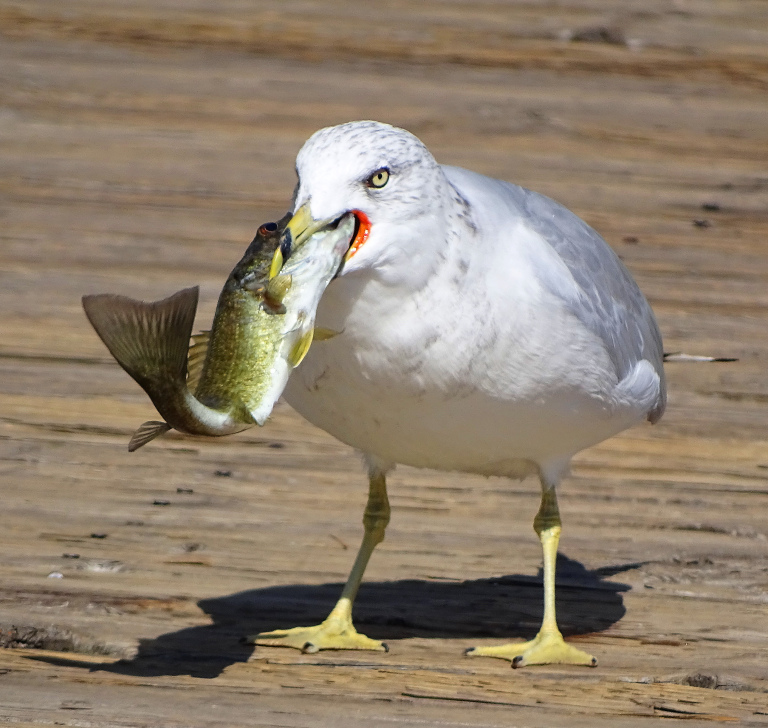
Big Gulp Gull,

swallows his catch, Coeur d’Alene Idaho.

Bald Eagle,
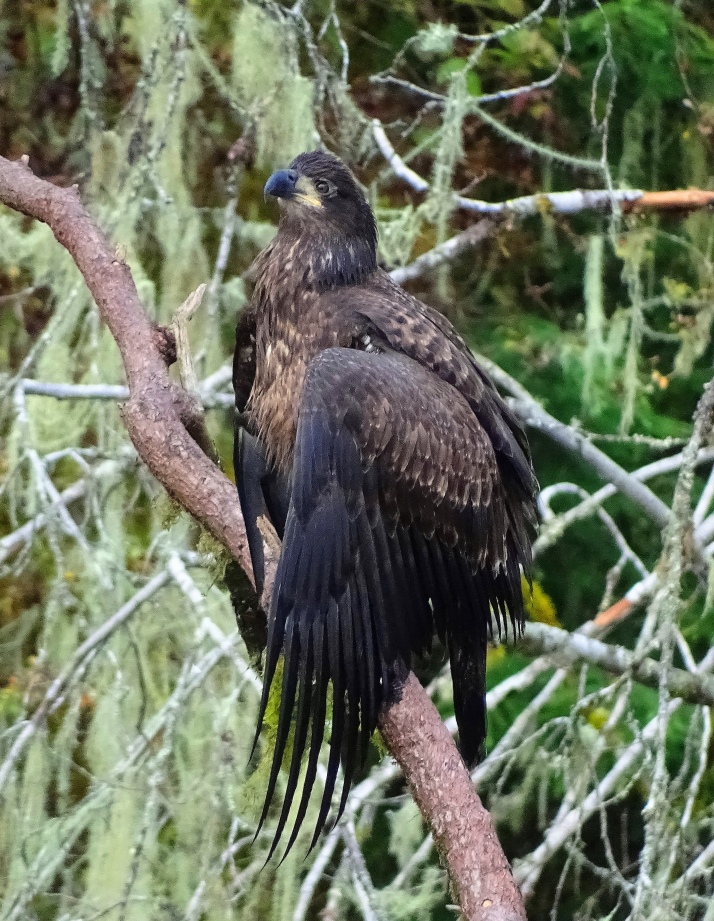
and juvenile, catch grizzly salmon scraps, British Columbia Canada.
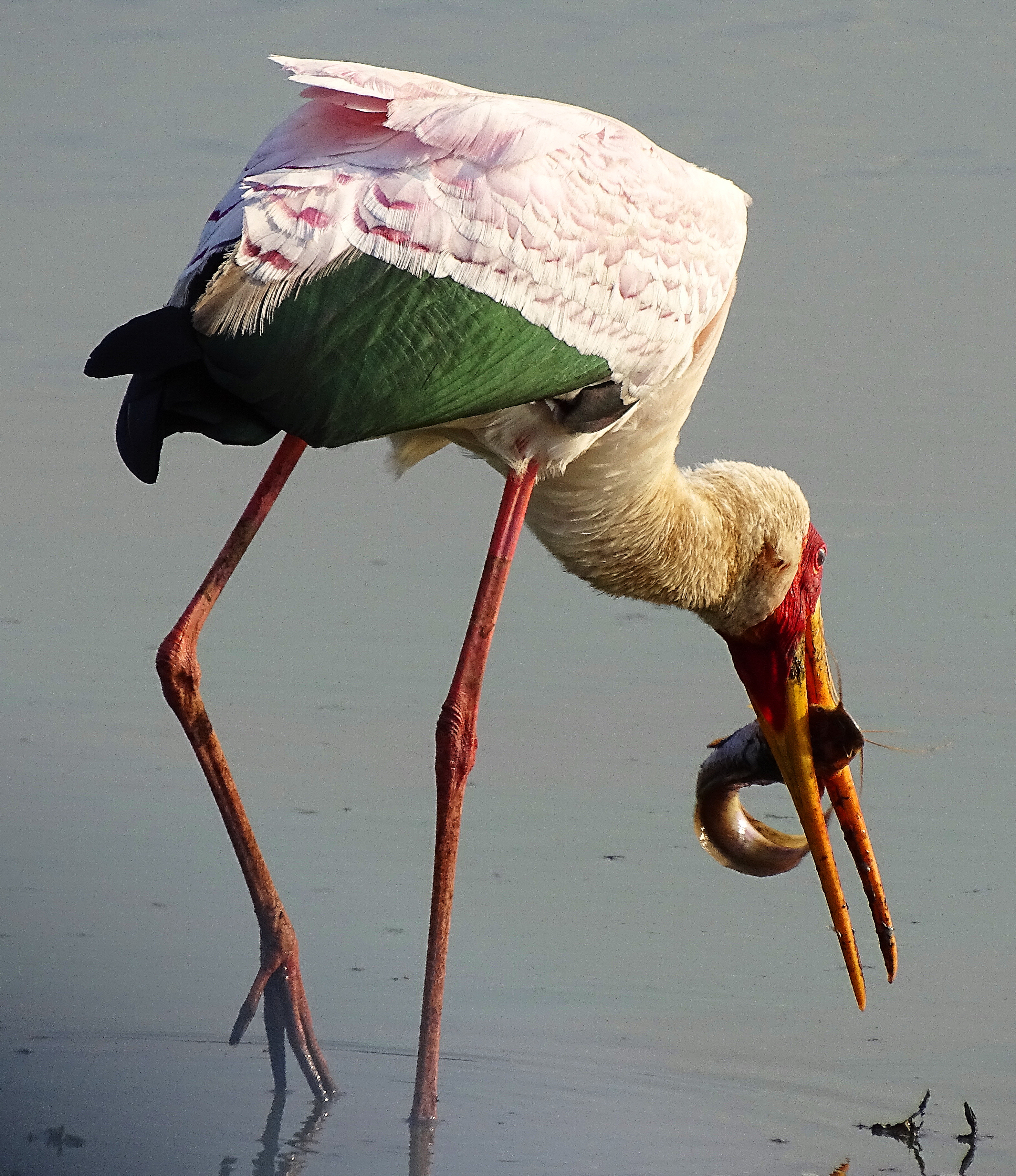
Saddle Bill Stork catches a cat,

Kruger National Park, South Africa.

Red Tailed Hawk,
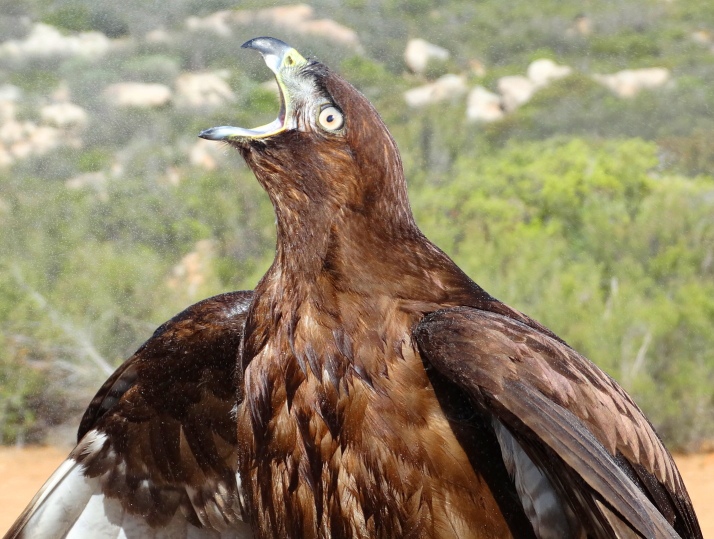
loves rare water, Southern California.

A pair of Yellow Legs multiply in reflection, Salton Sea, California.
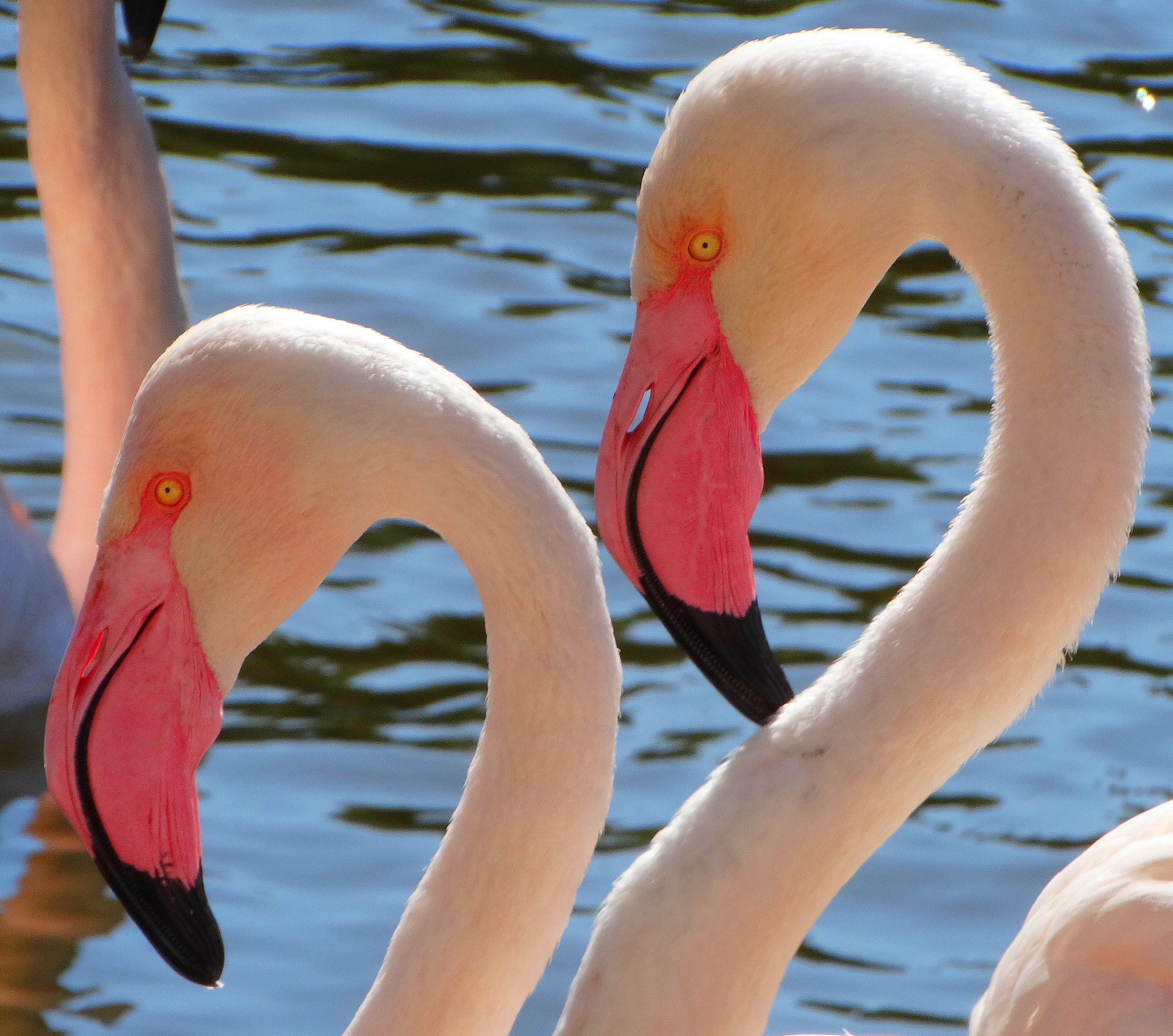
Greater Flamingos tango, Tagus Estuary Portugal.
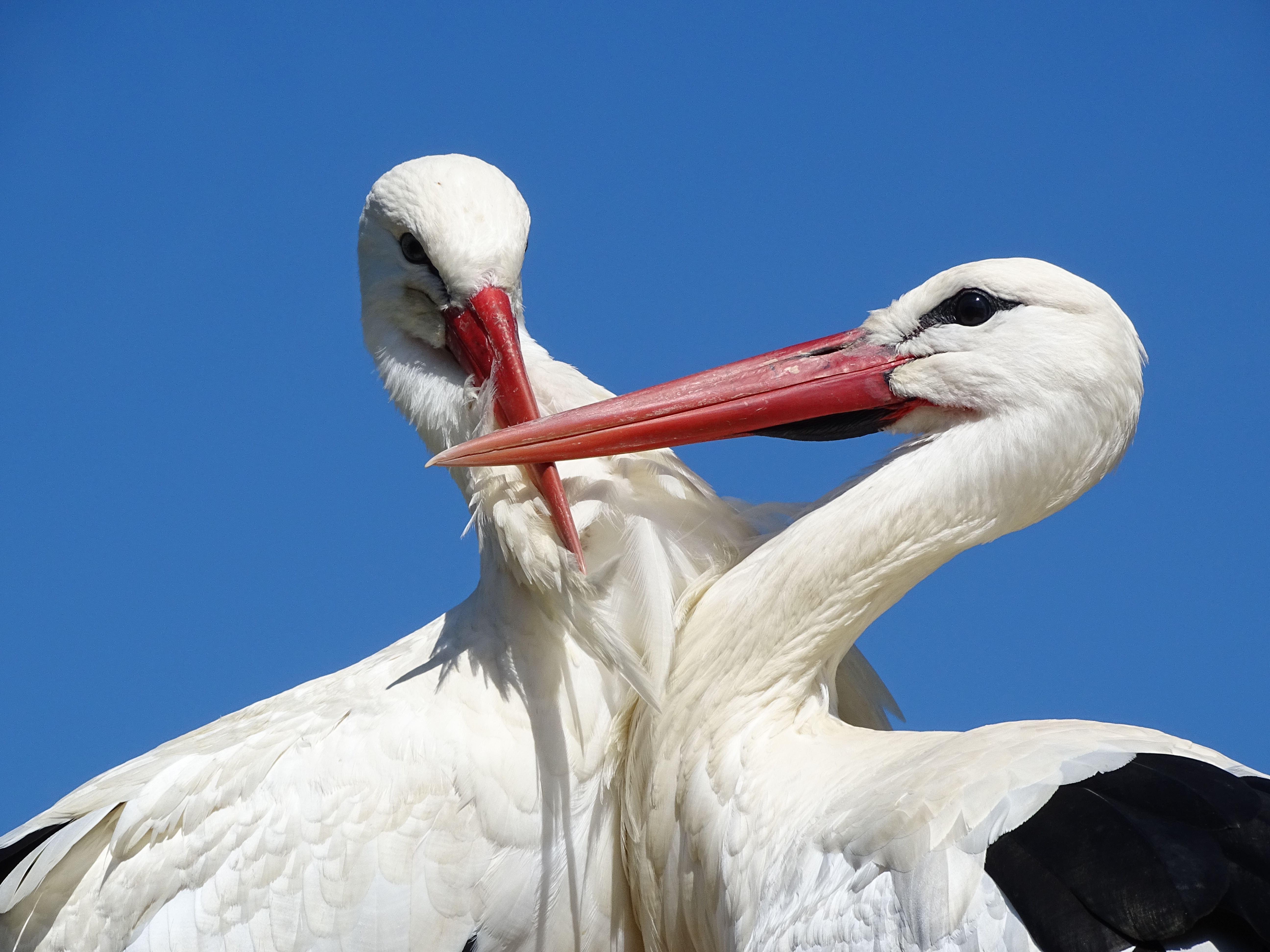
Mated White Storks greet on their nest, Alsace France.
Cheers to you from your feathered friends~
Share this:

Discover more from Cindy Knoke
Subscribe to get the latest posts sent to your email.
Beautiful pictures . Reflection image is extremely good. 👌 🍁🍀
Thank you. Much appreciated დ
Amazing photos! Thanks for share Cindy!
Have a wonderful time!
Elvira
Merci beaucoup mon ami Elvira დ
Merci beaucoup mon ami Cindy.
I appreciate your kindness.
Take care.
Elvira
დდ
Aren’t Flamingos amazing creatures? Love your fine feathered friends post, Cindy. Why am I suddenly hankering for a seafood dinner?
Smiling….. Flamingos are incredible, especially when flocks take off დ
You’re right about that! Have you ever seen this iconic photo of the Flamingos sheltering during Hurricane Andrew: https://www.atlasobscura.com/articles/the-story-behind-the-most-famous-photo-from-hurricane-andrew What a success story!
OMG! No I hadn’t seen this. How wonderful that people did this!! Thanks for sharing დ
Oh I’m so glad you like it! As far as I’m concerned, that iconic photo is Pulitzer-worthy. And shepherding all of those Flamingos to safety was a brilliant, amazing act by human saints.
Yes! So uplifting!
Wow!!! As a Floridian, I never even heard about this!! My focus was on other things, but this is such a great story!! Good on him!! 🦩🦩🦩
It is such a testament to people who care in action დ
It is!! I just love this story so much! Andrew was such a terrible monster of a storm, and really humbled us here in Florida. It completely decimated Homestead, this is such a bright ray of light!
Storms here in California, and fires, definitely are getting worse. It is terribly humbling. I am very happy you came through safely დ
Fantastic!
Grazie mille Bruce დ
Amazing and beautiful, Cindy! ❤️
Thank you John დ
How will the Gull gulp such a huge fish? Amazing shot Cindy. Thank You for sharing. 🙂
He flew away after swallowing it one big gulp! I was shocked. დ
Terrific shots, Cindy. That gull pigging down is quite humorous!
And it flew off immediately swallowing!!! Amazed me 😉
Fantastic images and captures for you both! I loved the reflections too.
So appreciated and I am happy you enjoyed them! Thank you. დ
Great photos! I love the flamingo pair! There’s an element of repetition in the photo, which I love!
Thank you. I like the repetition too. It implies some sort of unexplained order which is intriguing. დ
Your portraits are so full of great details, Cindy. I’m glad the gull didn’t choke on that fish. Maybe that represented an instance of the eyes being bigger than the stomach!
Laughing….. He was on a pier and I was taking his picture. He saw me, panicked, gulped the whole-dang-thing down, and flew away! I was flabbergasted 😉
I would have been, too!
დდ
Amazing! 👏
Thank you Karen. Birds are such დ
Beauty shots Cindy!All birds instinctively swallow head first to keep those fins folded back!
Thanks much Wayne. I still don’t know how that gull flew off immediately after swallowing that entire fish whole! დ
Never a gull moment looking at these spectacular shots! Way to go, Gull friend! ⋋(‘Θ’◍)⋌ :.。✯❤️❤️❤️
Smiling…. I didn’t know a a gullible was capable of swallowing such a big fish whole!! 😉
Lol! Have a great Sunday, my friend (●මᴗමσ)σணღ*
დდ
All fabulous
Merci beaucoup mon Ami Sheree! (I love writing this! It rhymes.) დ
Indeed it does!
დდ
Great pairs and I loved the creativity of your choices for the last three.
Thank you! Much appreciated. დ
How lucky you are to have seen so much of the world and its wonders! And how lucky *we* are to have you share what you’d seen with us ❤️
Looking at those first few photos makes me feel like I’ve got something stuck in my throat 😂
Burbles of laughter stuck in my throat from you Teresa!! 😉
My gosh..these are all so amazing . And some are fishermen.
And they swallow their catches whole!!! 😉
Who knew these beautiful birds could be so greedy!
They certainly do enjoy a fresh fish dinner!! 😉
That was quite a big fish dinner. *burp*
I bet he belched and burped a bunch of times because he flew off as soon as he swallowed that whole fish! Talk about fast food!! 😉
FAN.TAS.TIC!
So appreciated Pit! Thank you დ
Wonderful pictures Cindy! The reflection birds!
Very happy you liked & thank you Peter! დ
Amazing.
Grazie Mille! დ
Such gorgeous captures, Cindy! The flamingoes are so beautiful.
Thank you Lynette. Flamingos are such a thrill to see დ
If I were the seagull, I’d be paraphrasing the cooking quote “Eating is like love. It should be entered into with abandon or not at all.” 🙂
Cracking up……. I know this is EXACTLY what he was thinking 😉 😉
What fun to see a Saddle-billed Stork in this outstanding collection of photographs! Your keen eye – and quick finger – give us enormous pleasure.
Awwww……. Thank you so much. I feel exactly the same about your amazing photos and posts my friend დ
I am in awe. 🙂
Jim, I am honored. Thank you very much დ
Wow! Great action photos that are hard to take, much less find. Go go Cindy!!
Smiling. So appreciated and so nice of you. Thank you!
Beautiful array of hungry birds.
Thank yo Timothy დ
Great shots…as always. 👏🙂
Grazie Mille დ
Great examples of close ups Cindy. The broad mouth gull personifies its main feature, voracious.
Thank you Hans. Yes gulls are voracious, and so smart. They used to steal silver napkin rings from an elegant hotel near where I grew up and fly off with them. Many years later all the rings were found in an unused bell tower at the hotel.
A gull stole a toy duck from my son when he was three. He said to me, “Don’t worry they’ll bring it back.”
I tried to tell him the gull wouldn’t return it, but my son wouldn’t listen. Several hours passed. As we were packing up to go, the gull swooped down, and dropped the duck on the sand. My son said, “I told you so!”
I think they like some people more than others!!! 😉
Here where I live, they are best known for stealing ice cream or sausages from the hands of people, just when they paid. The staff at the serving have shirts with a printed message “Watch up for the seagulls”, they usually attack from the roof above namely.
Yes. They are masters at stealing food! I love them anyway. They’re hungry. It like’s Les Miserable!
Do you ever take a dud photo? These images, especially of all the fish dinners, are fantastic! Thanks so much.
Thank you Margaret. Your thoughtfulness is most appreciated. I definitely takes lots of duds!! Sometimes if the photo is bad, but I love the subject, it is hard for me not to post it. დ
You have really excelled even yourself with this batch – fearsome, elegant, reflective, and making patterns
Ahhh…… So kind. Thank you Derrick and I love your descriptors! დ
Once again, Anonymous is Derrick
I would know you anywhere my friend. Thank you for the effort to overcome the glitch.
Amazing photos Cindy
Thanks very much Pauline. Give my best to Jack. So wonderful to be back in touch! დ
Great to see you again Cindy. Wonder if you will ever finish your trip to Australia.
We did go a second time, but had already booked a third. Whilst we were in Hyams Beach, covid struck big time. Since then we’re traveling, but not leaving the country. So much left to do and soo, so much life left to live. Having it on hold for another year is frustrating. დ
Top Photos Cindy. on the third from last photo you show a bird that we also have very often a “redshank” i will show photos of it in my netx post. i would be interested in whether it is the same species
Bird identification is fascinating and often so difficult. I don’t think Redshanks are native in Southern California, but that isn’t decisive because I have seen lots of birds where they shouldn’t be! See discussion on this complicated topic: https://www.birdforum.net/threads/redshank-or-lesser-yellowlegs.307854/
You are undisputedly right, due to climate change and other reasons that we often cannot understand, birds come to regions where they shouldn’t be normal.
Flamingos have been settling in my environment for years and raise their nestlings. In another protected area there are red-shouldered ducks whose home is definitely not Germany.
VG Werner
I have seen so many where they shouldn’t be. I saw Mandarin ducks in Baden Baden!
It is often humans who take animals out of their habitat and bring them into a world that is completely foreign to them. Whereby he doesn’t worry about the consequence. Currently, the Egyptian goose is spreading more and more and fighting with other species for their new habitat. Something that was never wanted by nature.
Yes. I saw them in Europe and it is a problem.
Great shot!
Merci beaucoup mon Ami! დ
Great bunch of shots. That yellowlegs reflection is a bit of a mindbender.
Grazie Steve. I love reflections for just that reason! დ
Amazing photos, thanks for sharing. I wish you a wonderful time (without, hopefully, corona), Marie
Thank you Marie. I hope you stay safe and well too my friend დ
The Saddle Bill Stork is so beautiful! I’d say Mr. Gull won’t have a need to steal anyone’s French fries any time soon after swallowing a whole fish!!
Well……. He may wants some chips with that fish!!! 😉 😉
It wouldn’t surprise me!
I would 😉
🙂
These are awesome, Cindy.
Very much appreciated Darlene & thank you! დ
Such great pictures, Cindy! Wow!
Have a nice sunday, and stay safe!
Vielen Dank mein Freund und dir auch, bleib bitte gesund und munter! დ
Breathtaking pictures! I wonder if the gull could fly after all that added weight. 🙂
He did, which shocked the beejeezus out of me! The second he gulped it, that gull was gone!!! 😉
All gorgeous shots, but the Yellow Legs and reflection – amazing!
Awww……. Thanks so much & cheers to you and your critters დ
Great shots. I love the one with the ‘cat’ the angle from behind is every interesting.
Thank you. The plumage on the back of that stork was so beautiful. დ
A stunning array of birds enjoying their tasty treats, Cindy! What a gobbler that seagull was!
Thank you Terri. He ate and flew, which blew my mind!! დ
That’s incredible, but that’s survival for ya!
დდ
These are absolutely gorgeous images Cindy! You have a gift/ talent for photography and fun backstories. To feather friends feasting! 😘
And you have a talent for alliteration, which I love! Thank you Brad & take good care დ
Thank you. I’m grateful to know you Cindy.
Visa versa 2UX2 Brad!
Fantastic photos! it must be wonderful to be exposed to such beauty!
So kind and so appreciated Dawn. Stay safe & well my friend დ
Same to you, Cindy!
დდ
Amazing captures. As fir the gulls they can gulp some imaginable things. There is a footage of a Great Black- backed Gull gulping a hare.
Thank you Michael. An entire hare! WOW. Apparently aquatic birds swallow feathers, lots of them, to cushion the fish bones route through their bodies. I just found this out because someone asked. See: Eating Feathers
“Perhaps because the idea of swallowing hair is so unpleasant to us, it is difficult to believe the stories of birds deliberately eating their feathers. Nonetheless, some do and they do so regularly. Grebes, for example, consume their feathers by the hundreds. Feathers taken from parents are found in the stomachs of chicks only a few days old. Fifty percent of the stomach contents of a Horned or Pied-billed Grebe may be feathers. This odd behavior seems to have a purpose.
The action of the gizzard in these primarily fish-eating birds is insufficient to crush the bones that are swallowed. The feather balls are thought to protect the stomach by padding the sharp fish bones and slowing down the process of digestion so that the bones dissolve rather than pass into the intestine. This notion is supported by the observation that the Least Grebe, which of all the grebes consumes the fewest fish, also accumulates the smallest feather ball. Comparative studies of the gizzards and digestive physiology of fish-eating birds are needed to test this hypothesis. If it is supported, the question will then be why grebes have not evolved digestive tracts that can function efficiently without being stuffed with feathers.”
Yes they do. Very interesting. Some will even regurgitate pellets made of bone, feathers and hair.
I have read of this.
Cindy these photos are so beautiful. Makes me want to cry a bit. Then I thought – what happens to the fish bones? How are they digested? Hmm
Awwww…… So very kind. Thank you! I had no idea about the fish bones and it is a fascinating question. I may have found the answer through google of course, check out: “Eating Feathers
Perhaps because the idea of swallowing hair is so unpleasant to us, it is difficult to believe the stories of birds deliberately eating their feathers. Nonetheless, some do and they do so regularly. Grebes, for example, consume their feathers by the hundreds. Feathers taken from parents are found in the stomachs of chicks only a few days old. Fifty percent of the stomach contents of a Horned or Pied-billed Grebe may be feathers. This odd behavior seems to have a purpose.
The action of the gizzard in these primarily fish-eating birds is insufficient to crush the bones that are swallowed. The feather balls are thought to protect the stomach by padding the sharp fish bones and slowing down the process of digestion so that the bones dissolve rather than pass into the intestine. This notion is supported by the observation that the Least Grebe, which of all the grebes consumes the fewest fish, also accumulates the smallest feather ball. Comparative studies of the gizzards and digestive physiology of fish-eating birds are needed to test this hypothesis. If it is supported, the question will then be why grebes have not evolved digestive tracts that can function efficiently without being stuffed with feathers.”
Cindy that is fascinating! Thank you!
დ
Those are all beautiful, Cindy. I love the big fish going down the hatch. Doesn’t seem that they should be able to do that, and it is amazing to see. 🙂
Thank you Lavinia. I was flabbergasted. I was sure he wasn’t going to be able to swallow it, and they he up and flew away!! 😉