Polar Play~

We are seeing polar bear everyday here in The Hudson Bay!

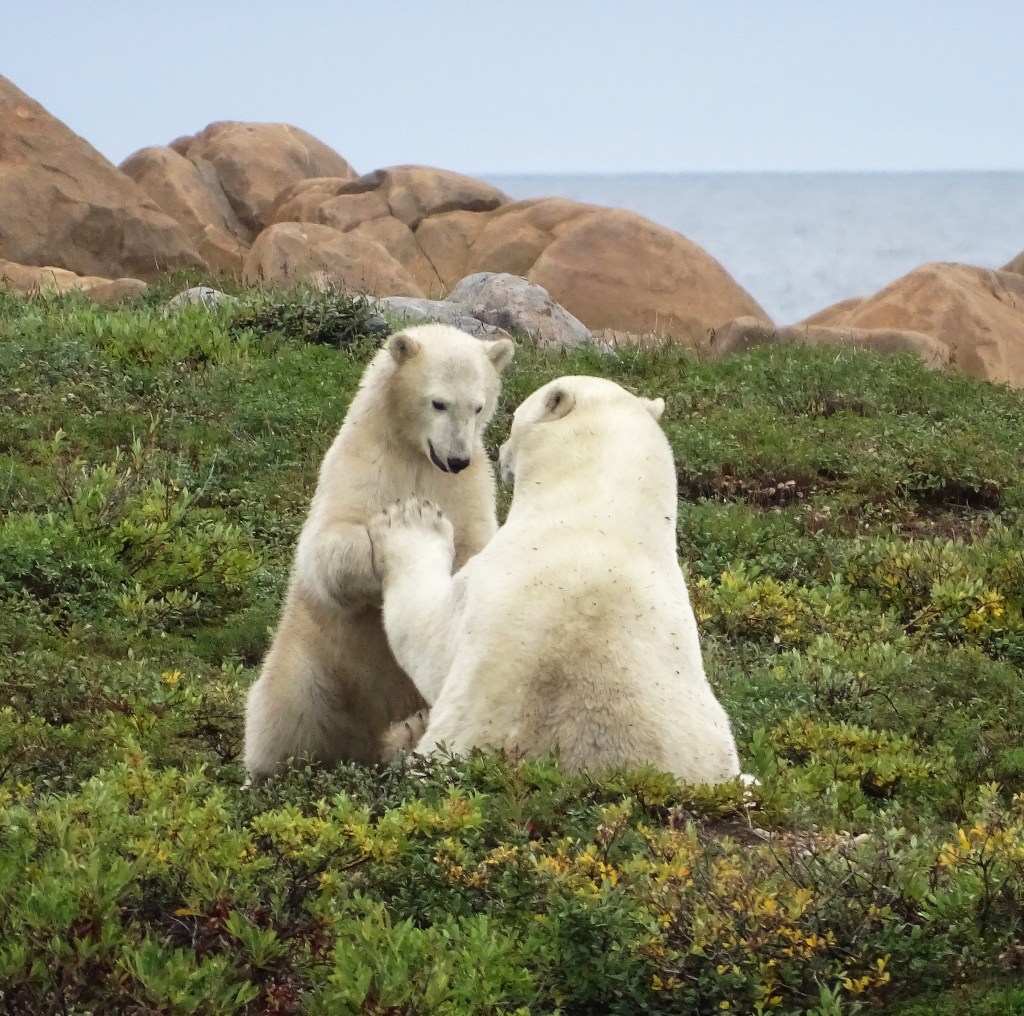
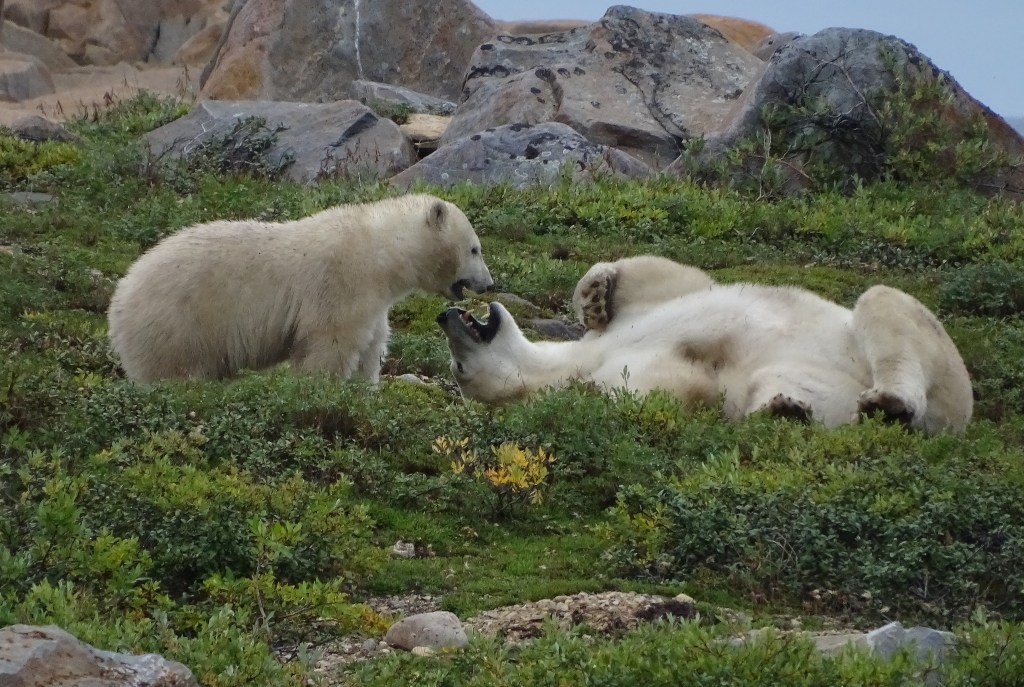
This series of shots are a mama and cub at play.
Polar Bear health is rated on a scale of 1-5, with 1 being too thin and starving, and 5 being overfed and obese.
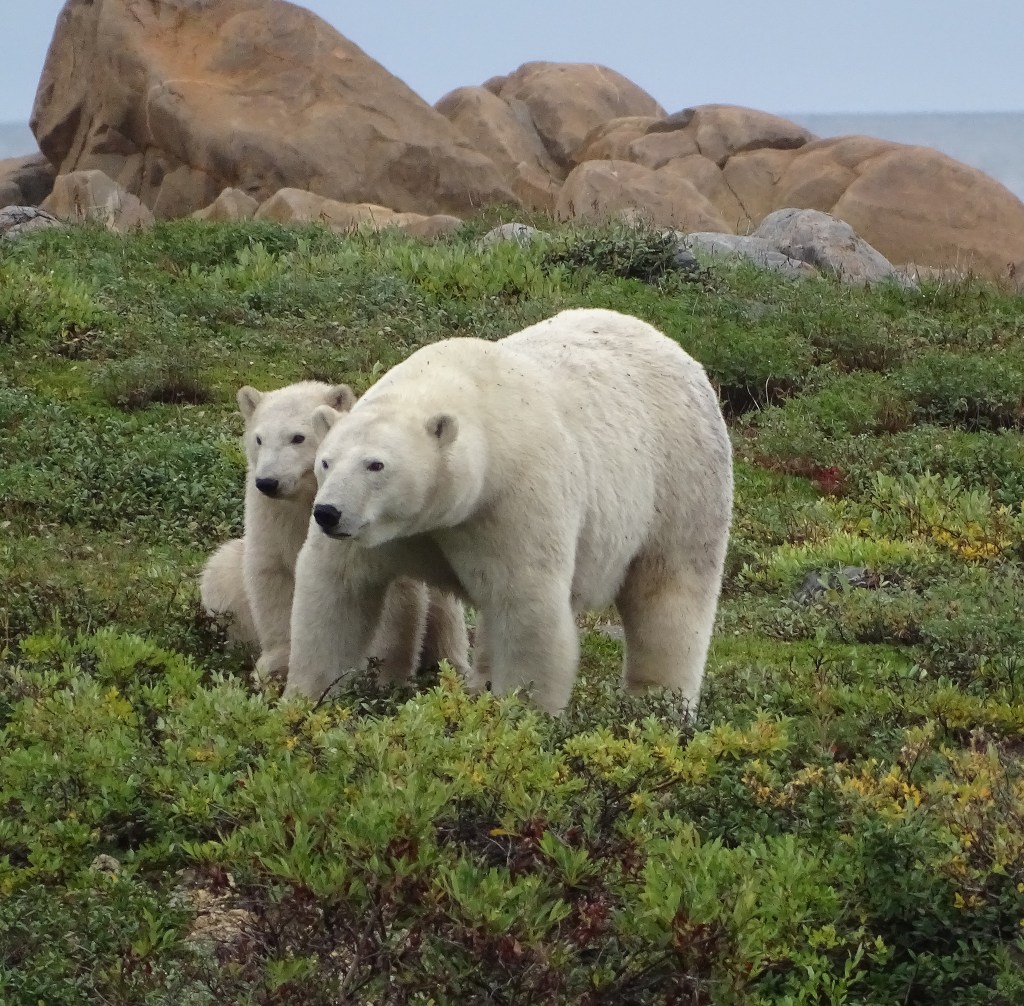
I am happy to report that all the bears we are seeing are healthy fours!
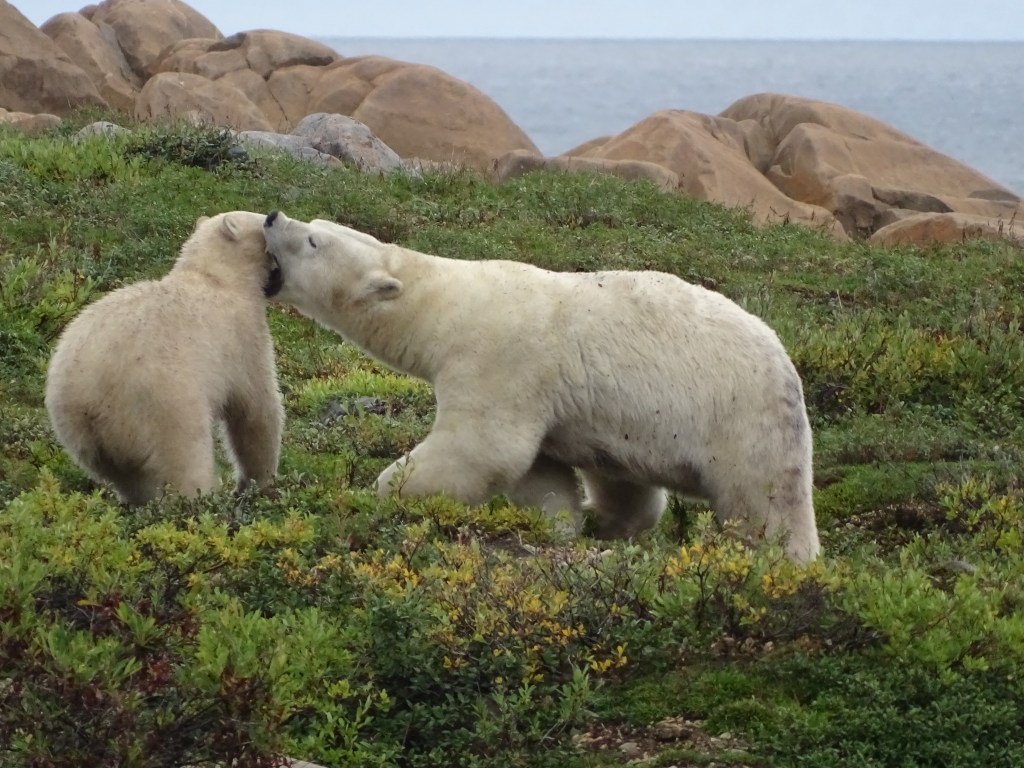
The population of polar bears at Hudson Bay are thought to number between 900-1000.

Some estimates indicate Hudson Bay populations may have declined approximately 17%- 22% in recent years, but they have rebounded from all time population lows in the 1950’s-70’s.
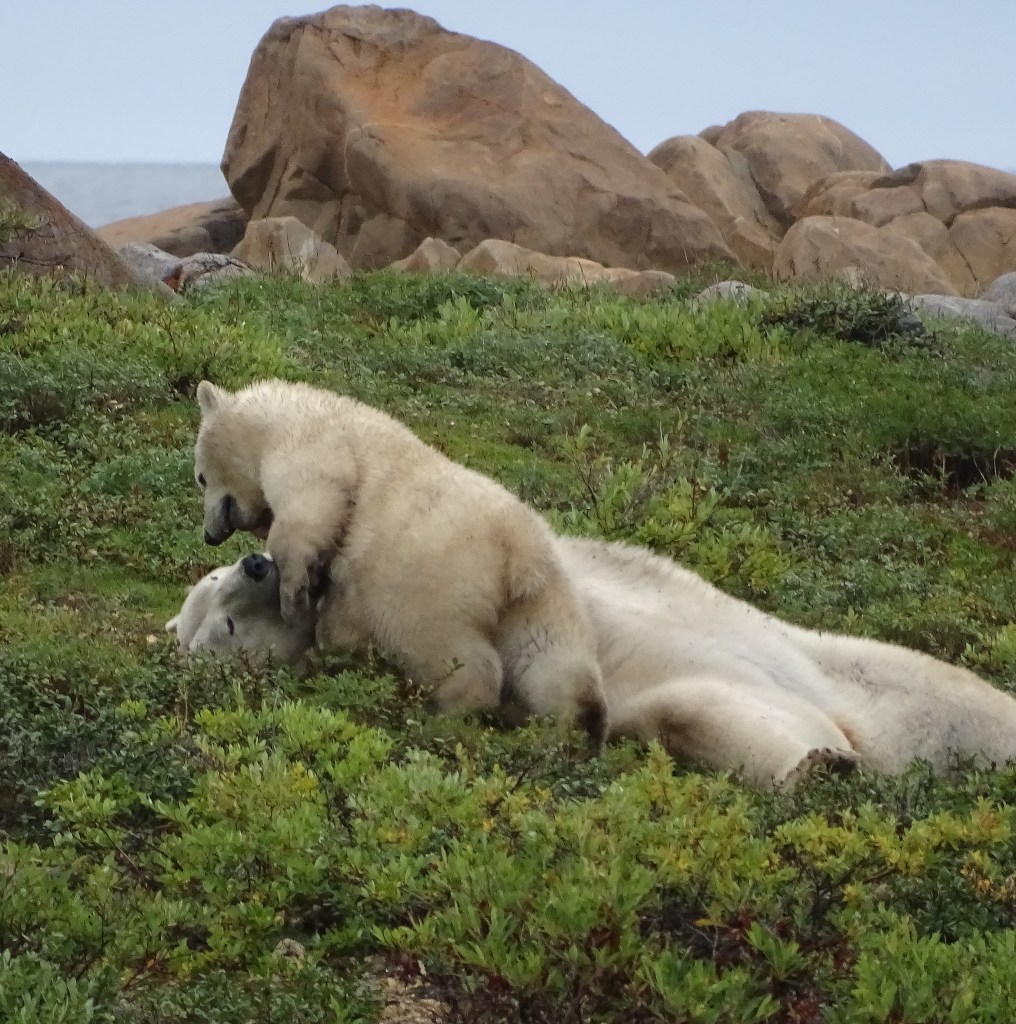
All the bears we are seeing look really healthy.
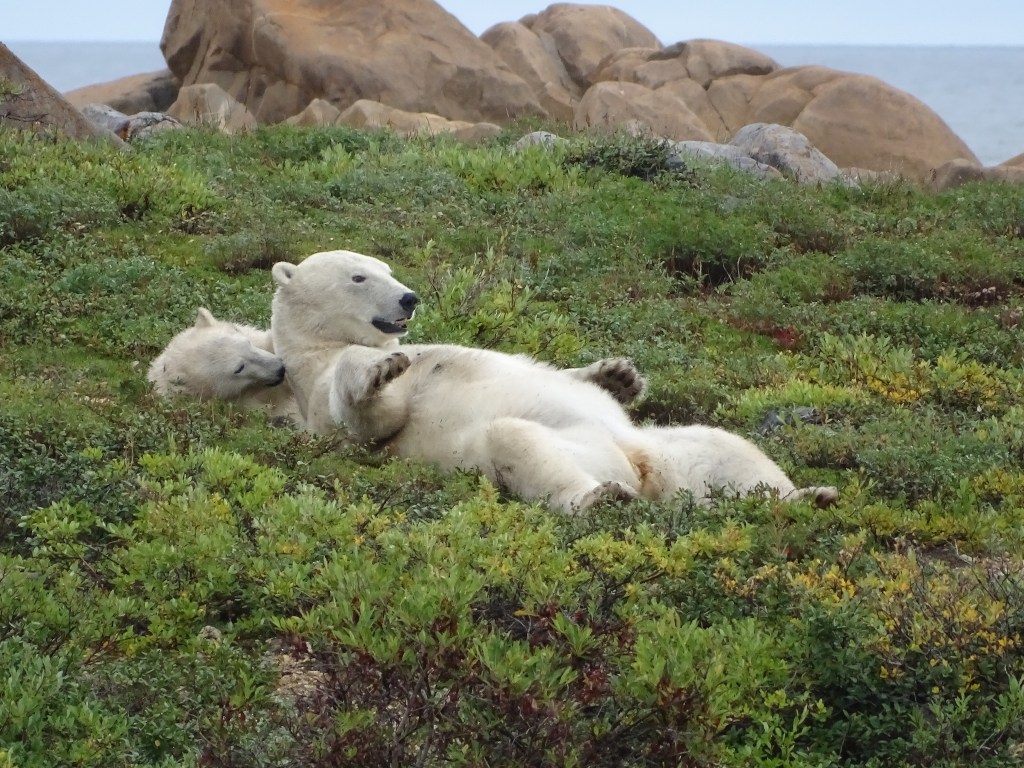
During the end of August, polar bears are in a state of semi-stuporous, walking hibernation, waiting for the waters of the bay to freeze up, so they can head out and hunt seals.
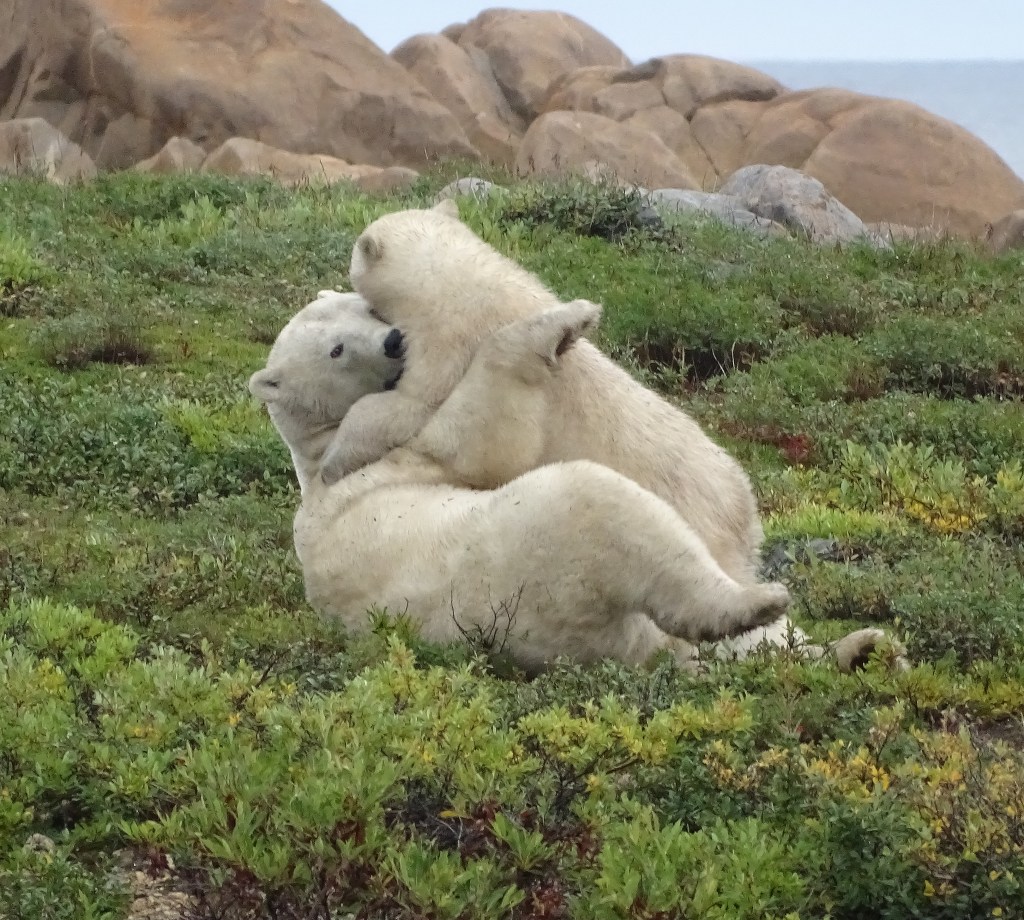
They still do eat and hunt though, and I will show you some photos of this in my next post.

But, for the most part, these lazy August days are spent sleeping, playing and swimming.
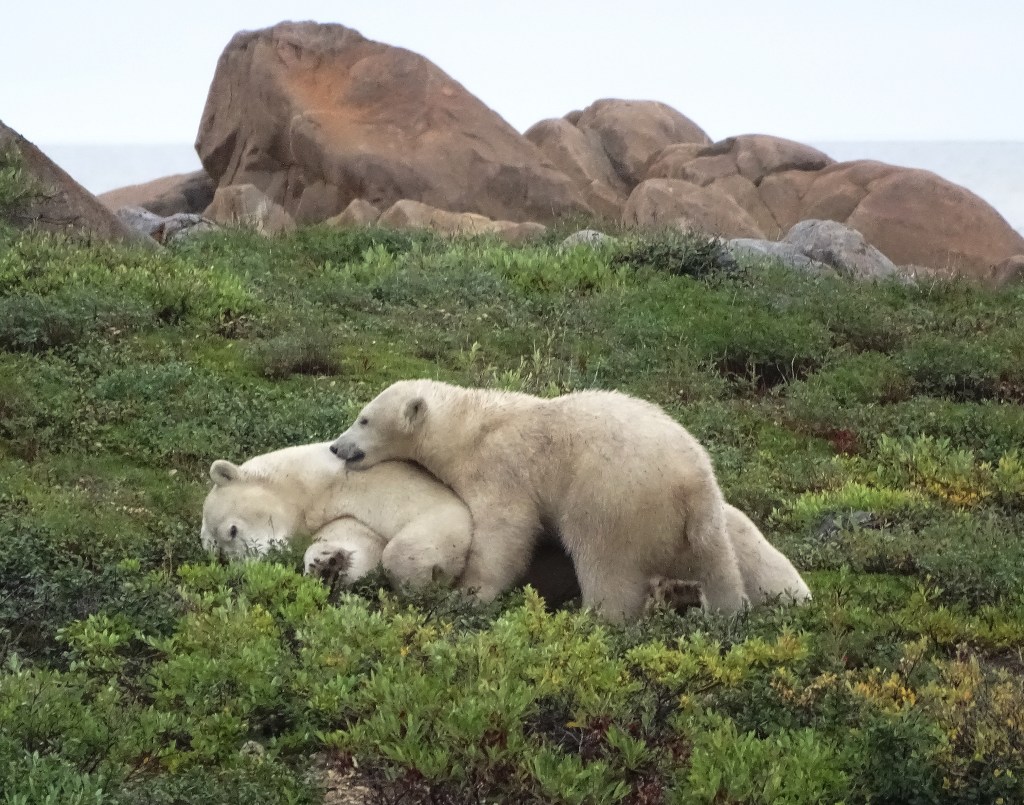
This little cub though, seems quite intent on depriving mama of her nap!
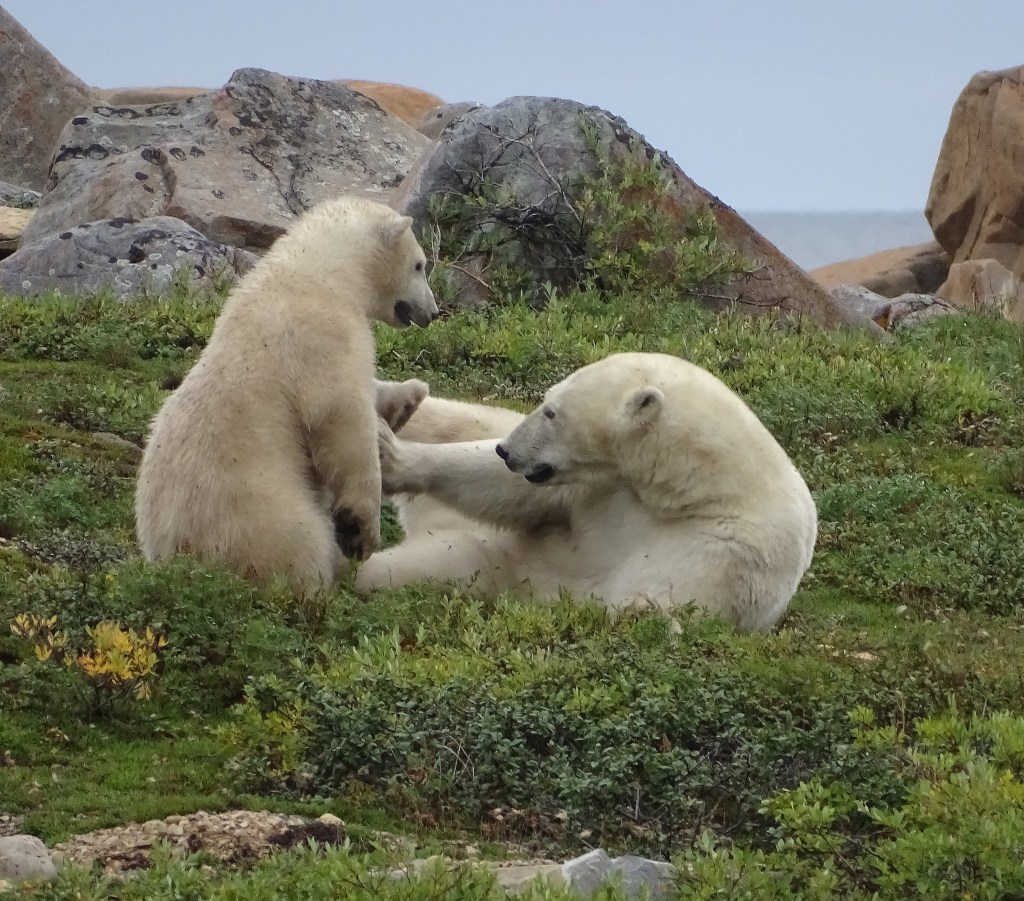
The affection between them was beautiful to see.
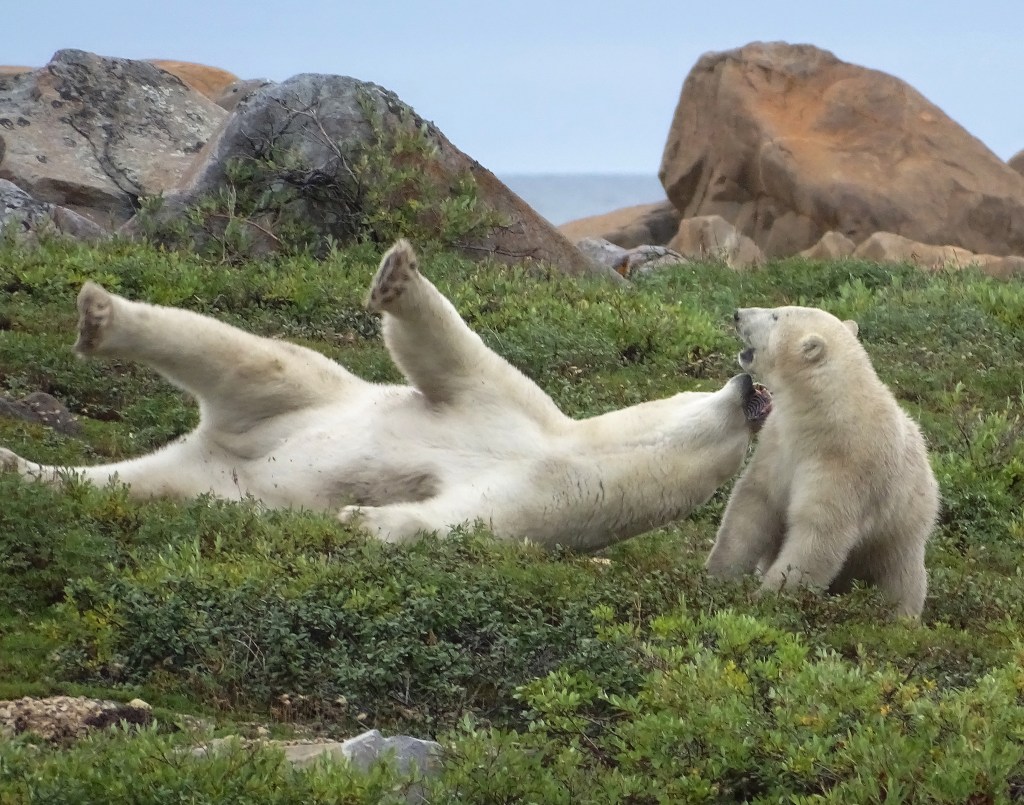
Cheers to you from the happy, healthy bears of The Hudson Bay~

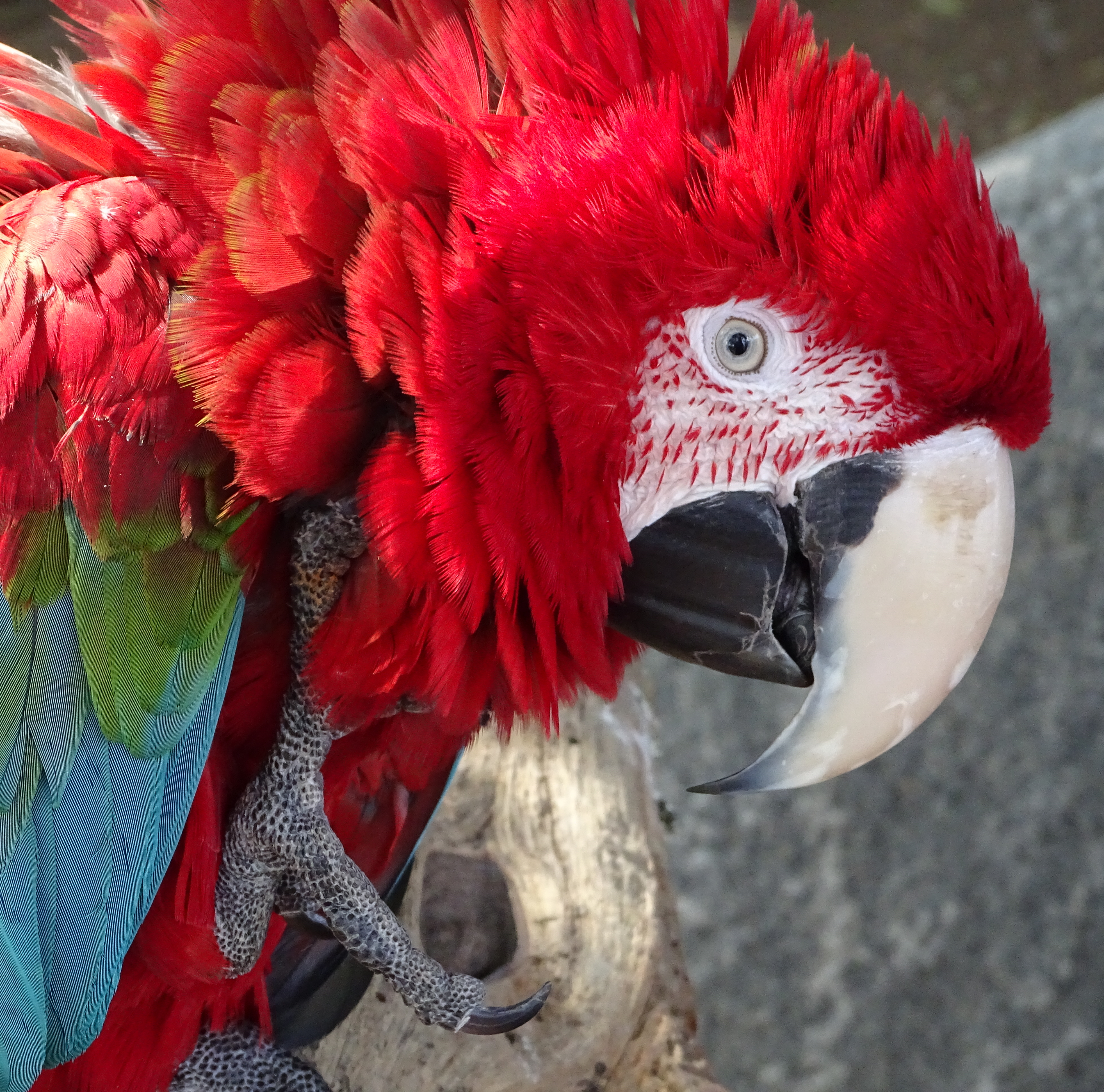
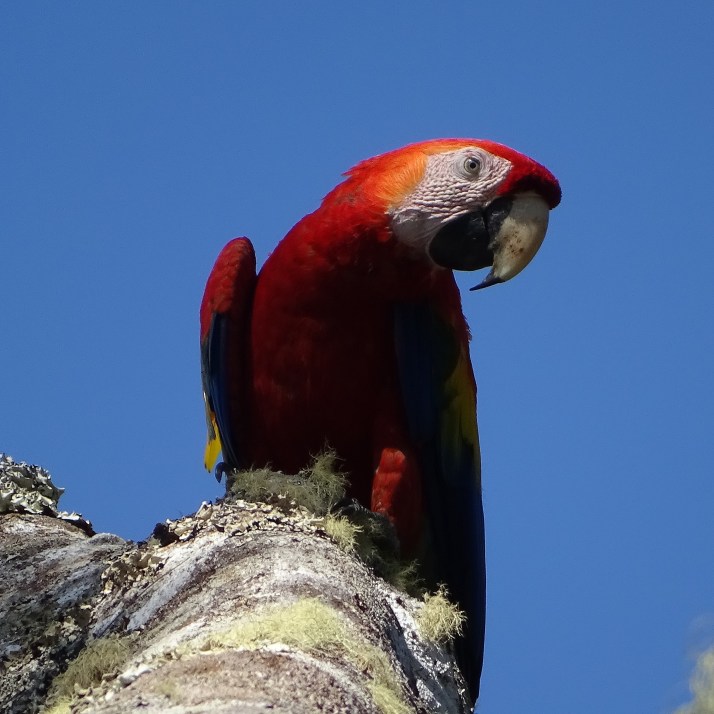
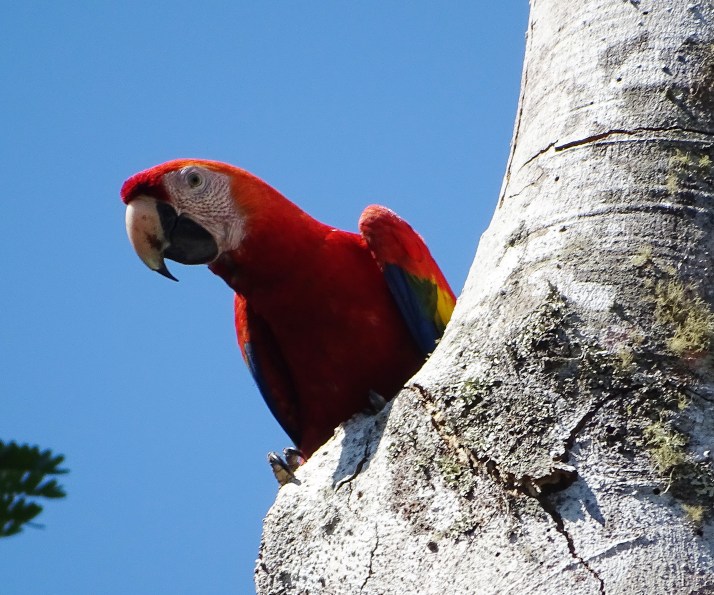
Green Winged & Scarlet Macaws~

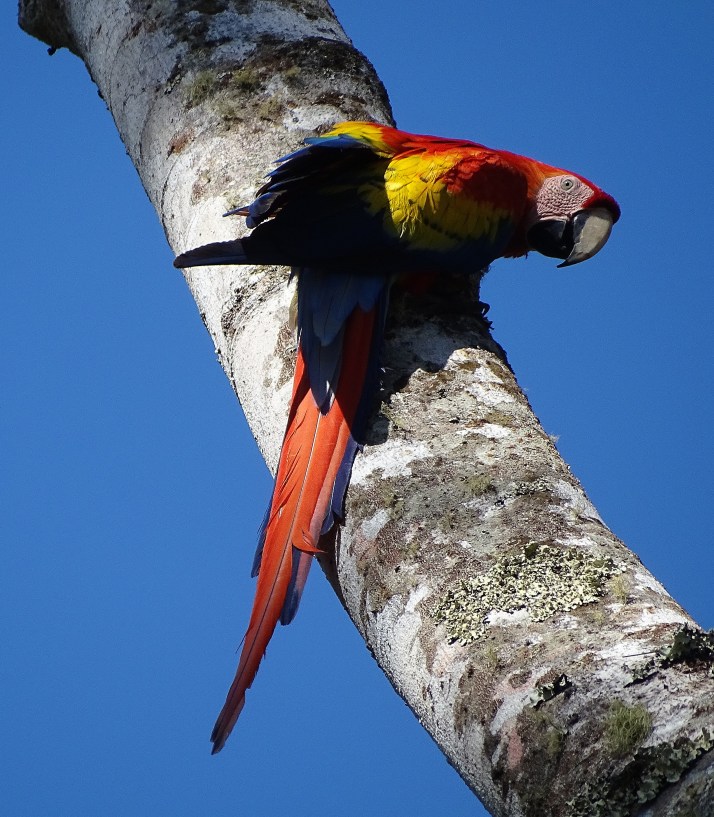
Green Winged Macaws have green feathers on their wings and red feathers on their faces. They are red, green and blue, and live in South America.

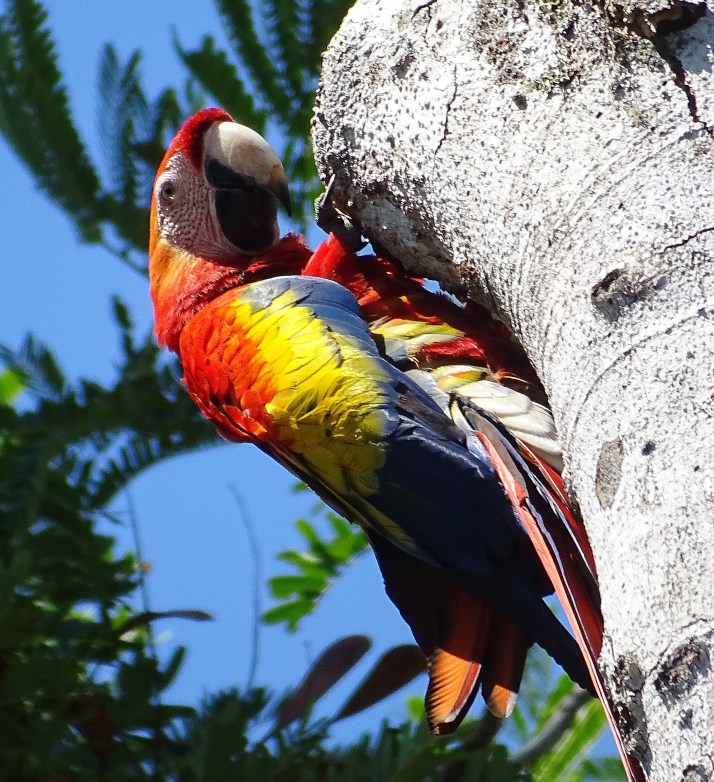
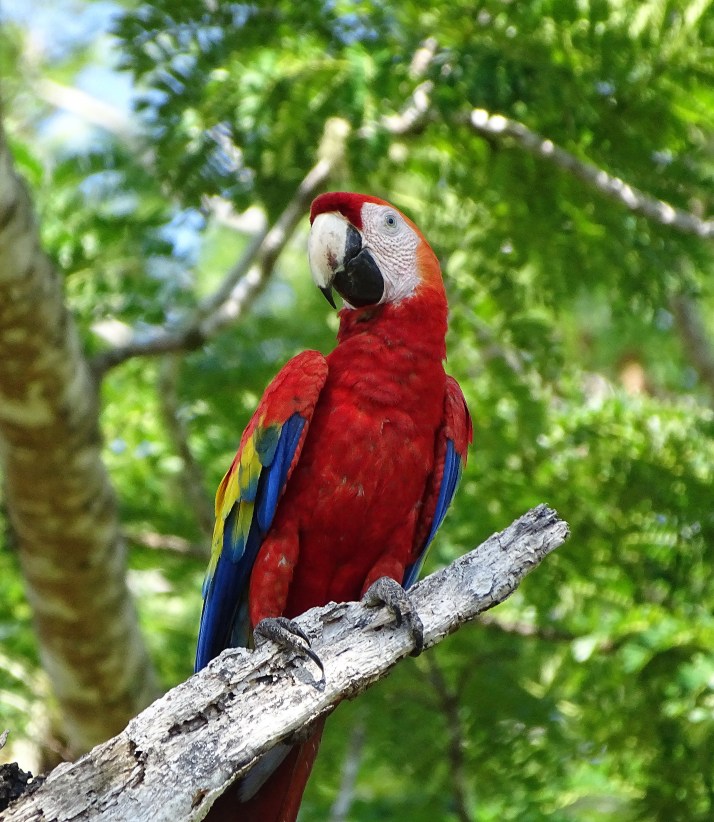
Scarlet Macaws are red, yellow and and blue, with white faces.

Scarlets live in South and Central America and Mexico.

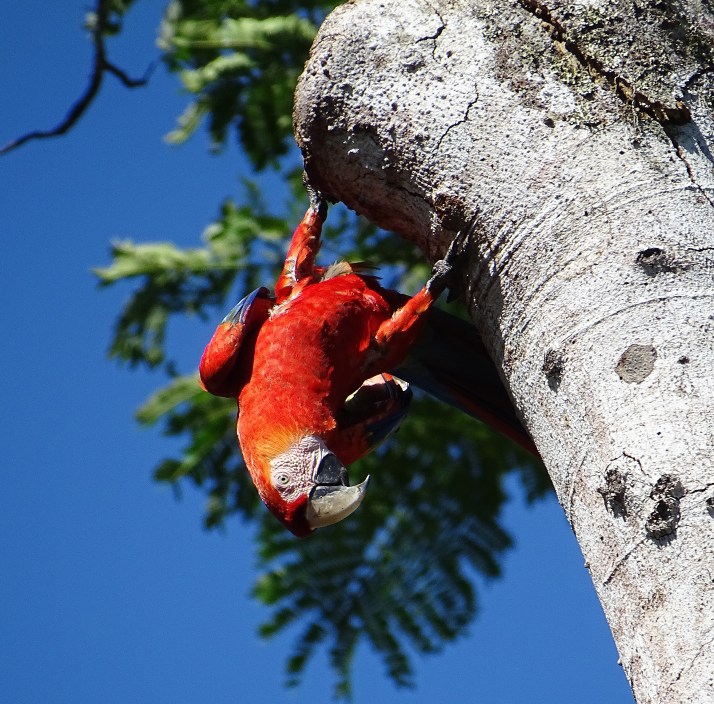
I was amazed to come upon this friendly scarlet in Costa Rica.

I couldn’t figure out why he was performing for me, until his mate turned up, and I realized they were feeding their chick in a nest in the hollow of this tree.

I have never seen nesting wild macaws so this was quite a thrill!

Macaw populations are scattered in the wild and rare to find.

Their numbers have been decimated by habitat destruction and the pet parrot trade.

Macaws are highly intelligent and mate for life.

Cheers to you from the incredible Macaws~

Icelandic Birds~


Icelandic waters are teeming with over 300 species of fish, and many marine mammals, but they have only a handful of terrestrial wild animals including reindeer, mink and arctic fox, and 85 species of birds.

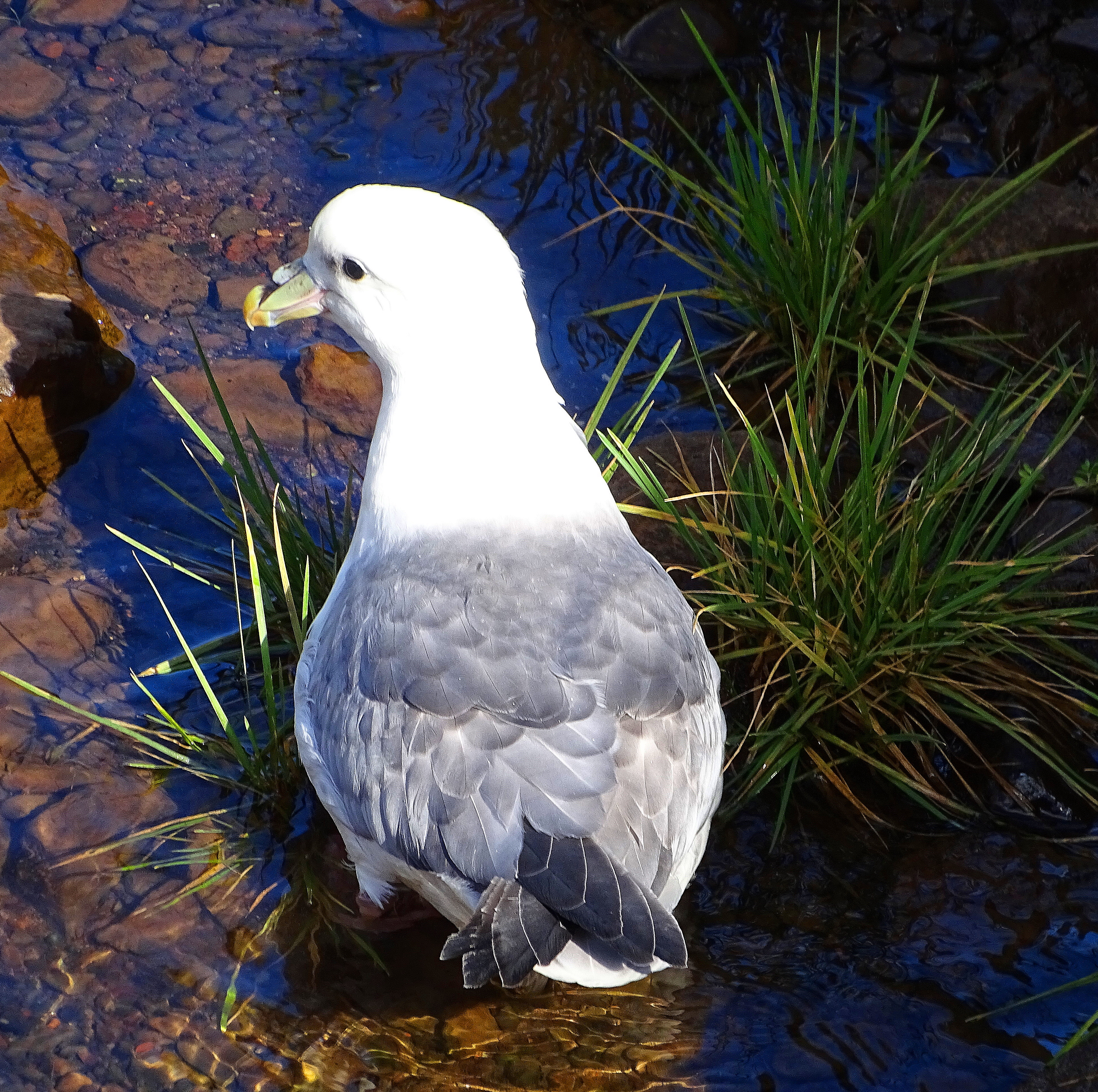
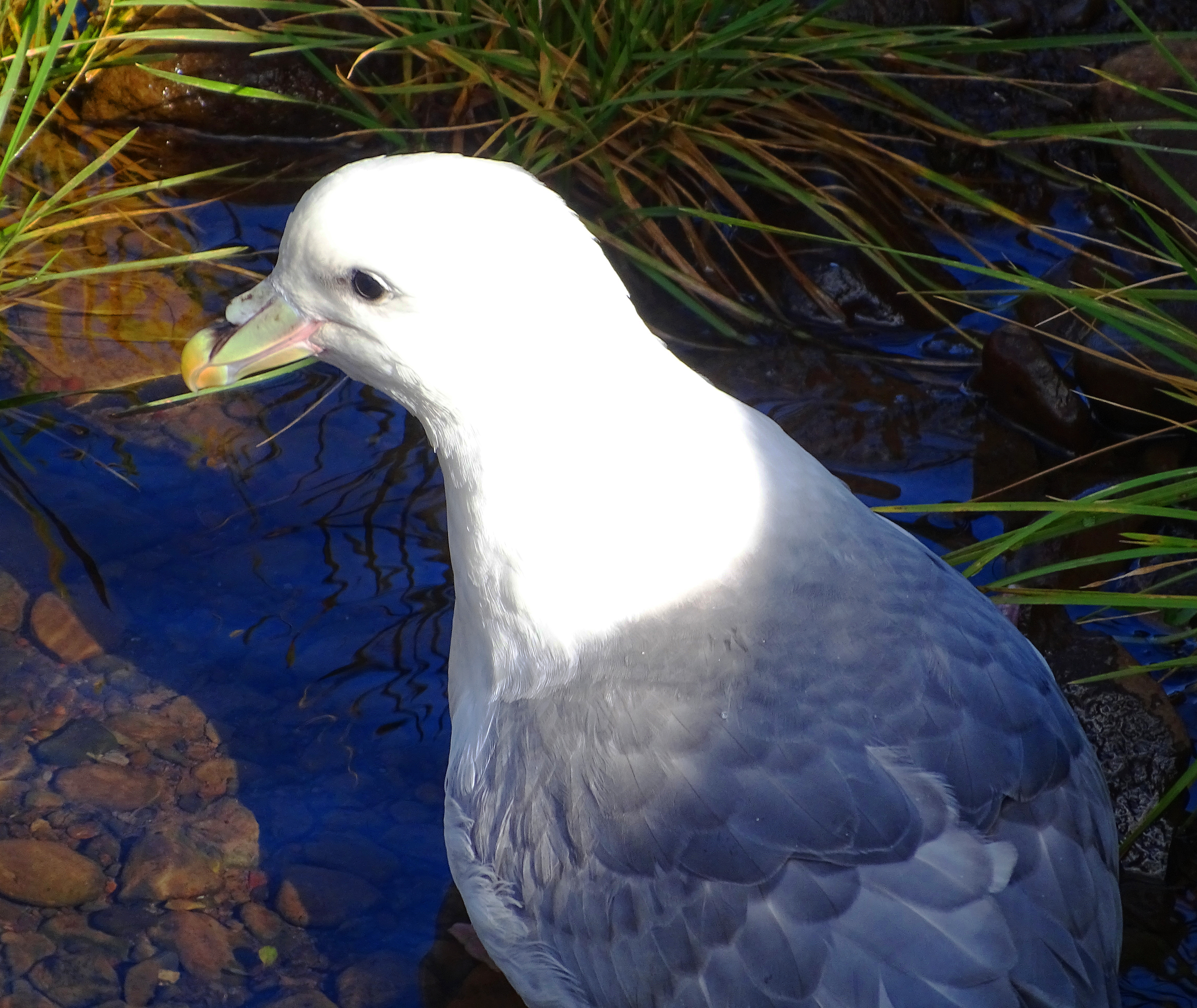
The Northern Fulmar is a pelagic bird, meaning they spend their lives at sea, and are capable of diving several meters in pursuit of prey.

They resemble albatross, and have tubular beaks for processing sea water like other pelagic birds, including albatross and petrels.

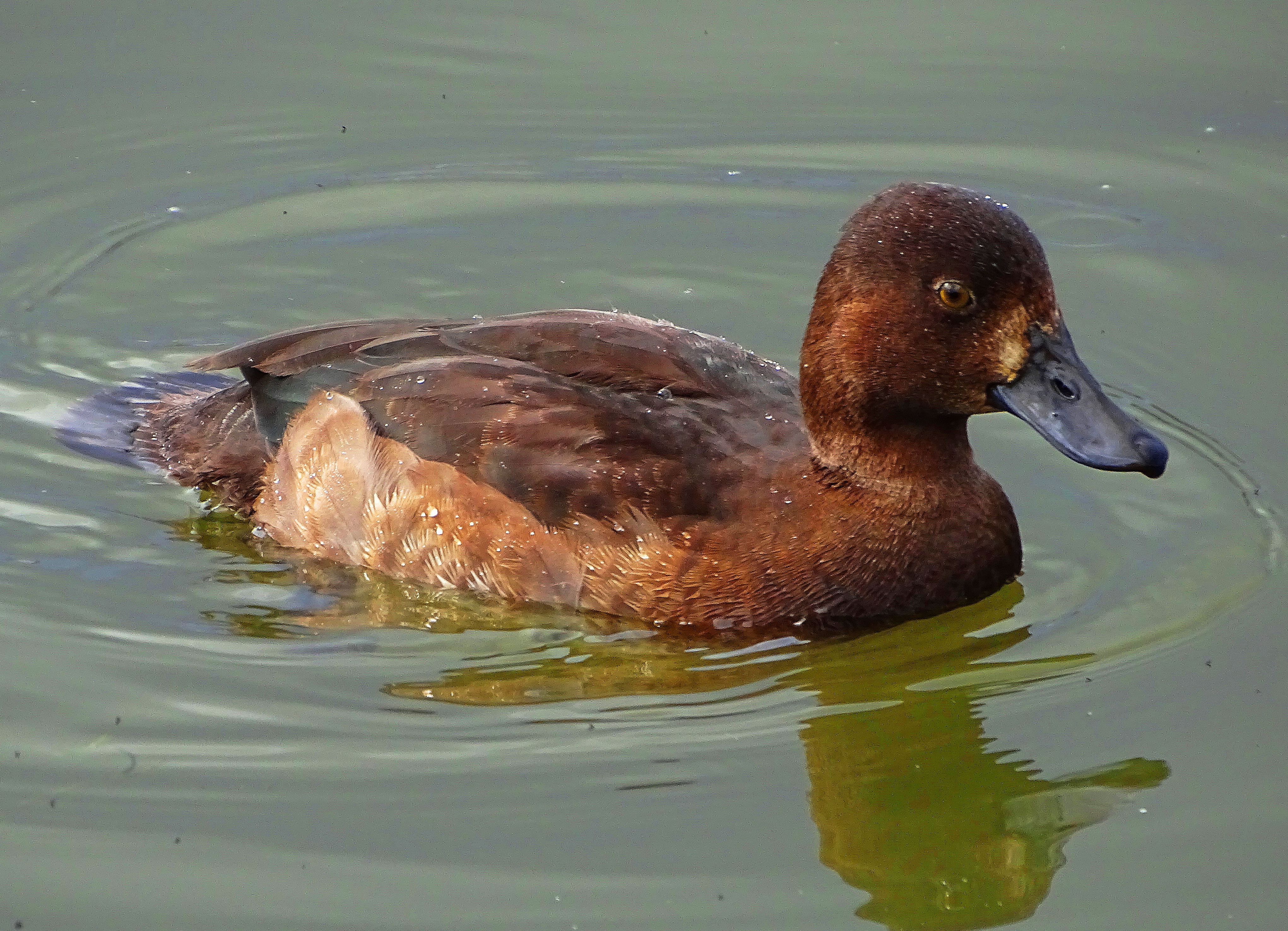
Very handsome Tufted Ducks are common breeders all over Iceland. This is a female.

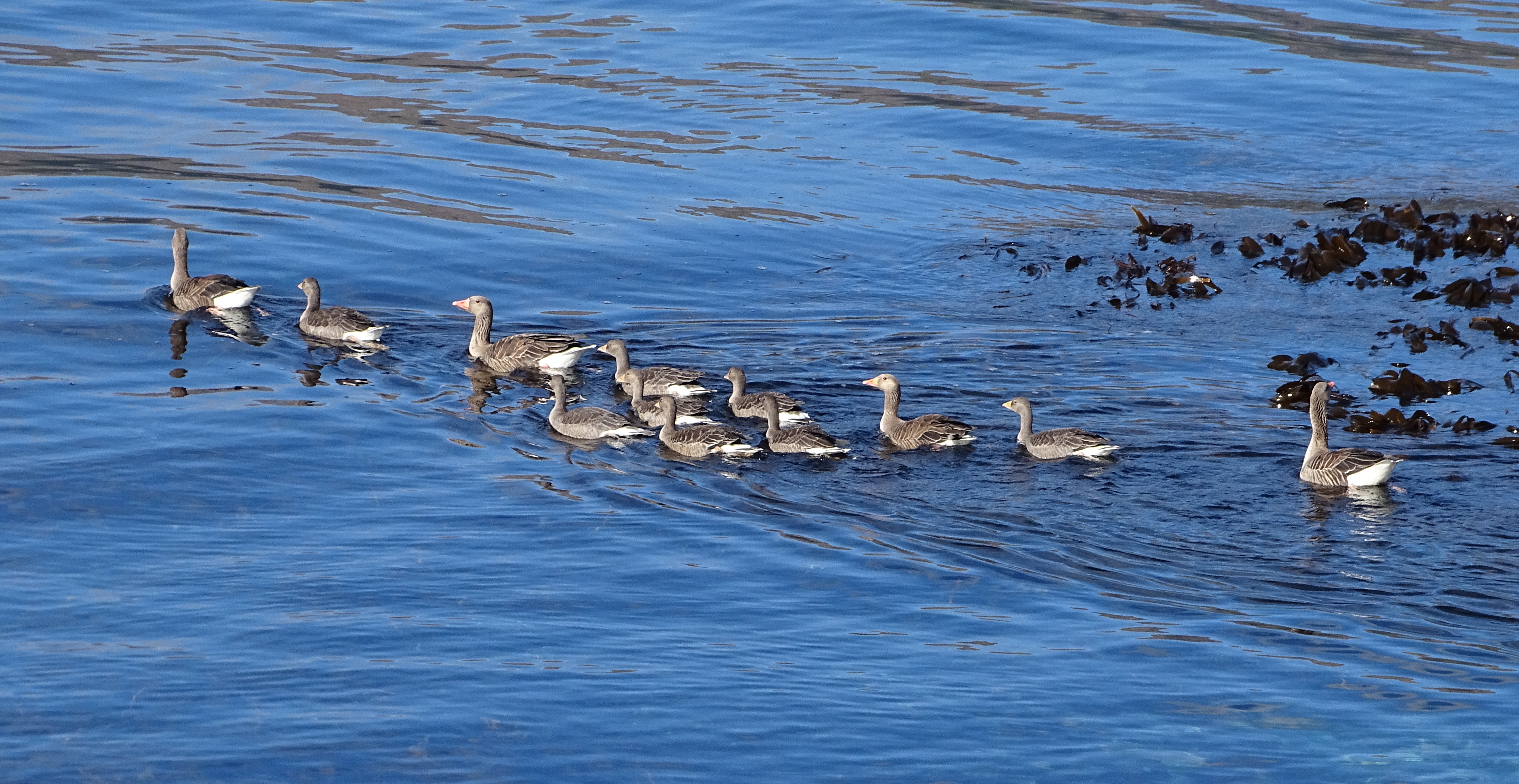
Ocean swimming Greylag Geese breed in Iceland, Finland and Scandinavia, and winter in the British Isles.

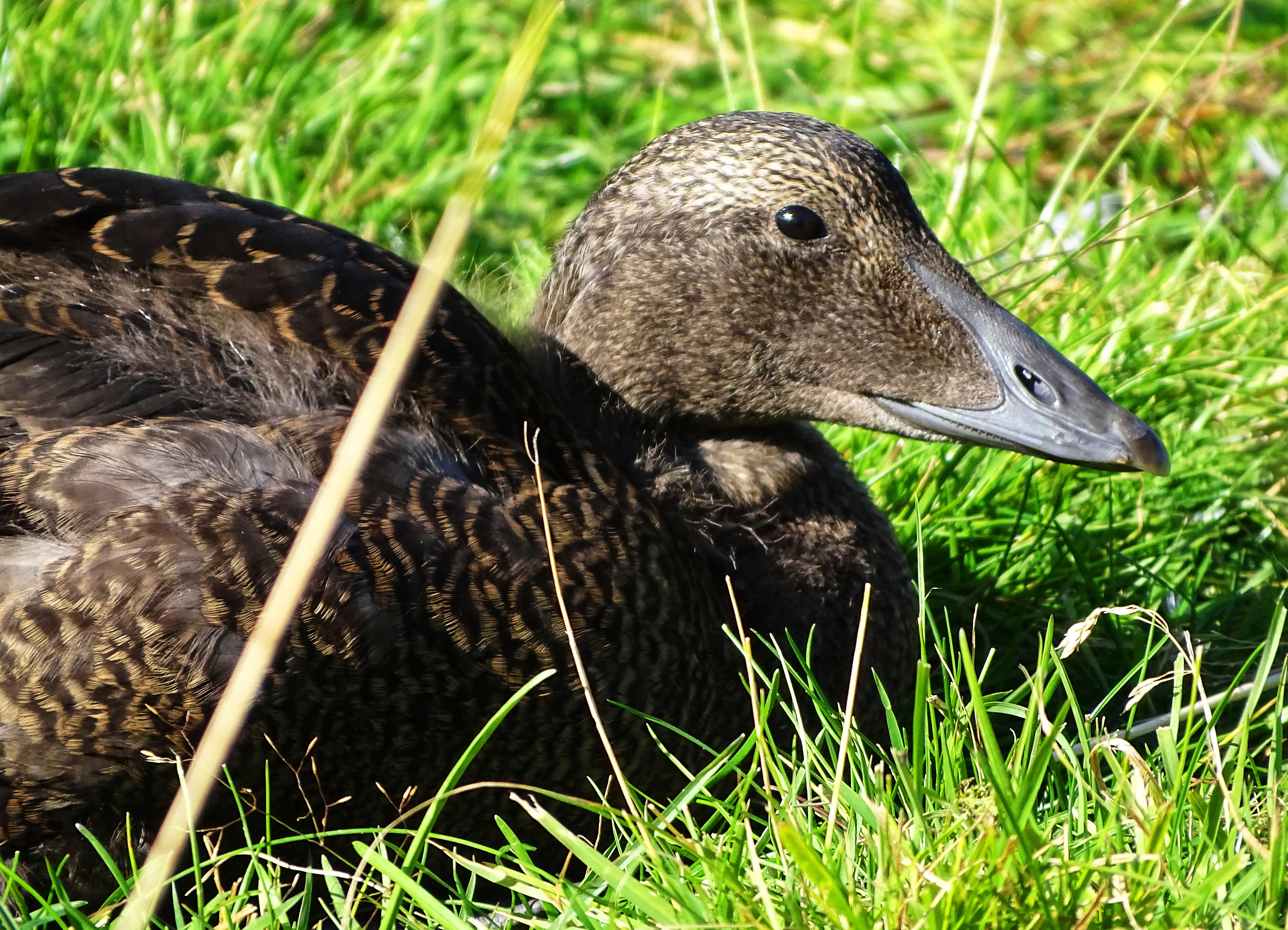
The Northern Common Sea Eider is the producer of eider-down which is harvested in Iceland by special eider farmers.

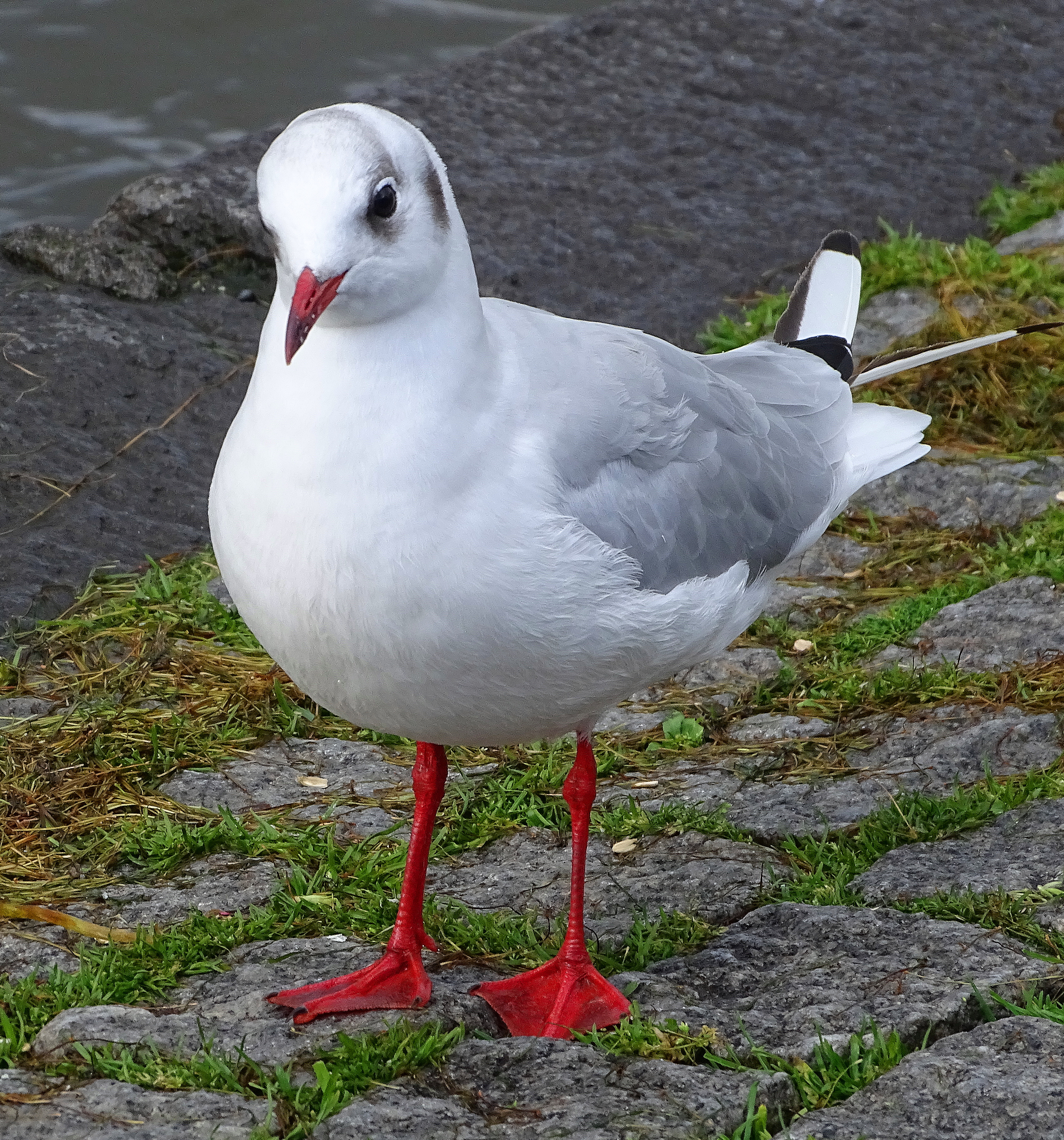
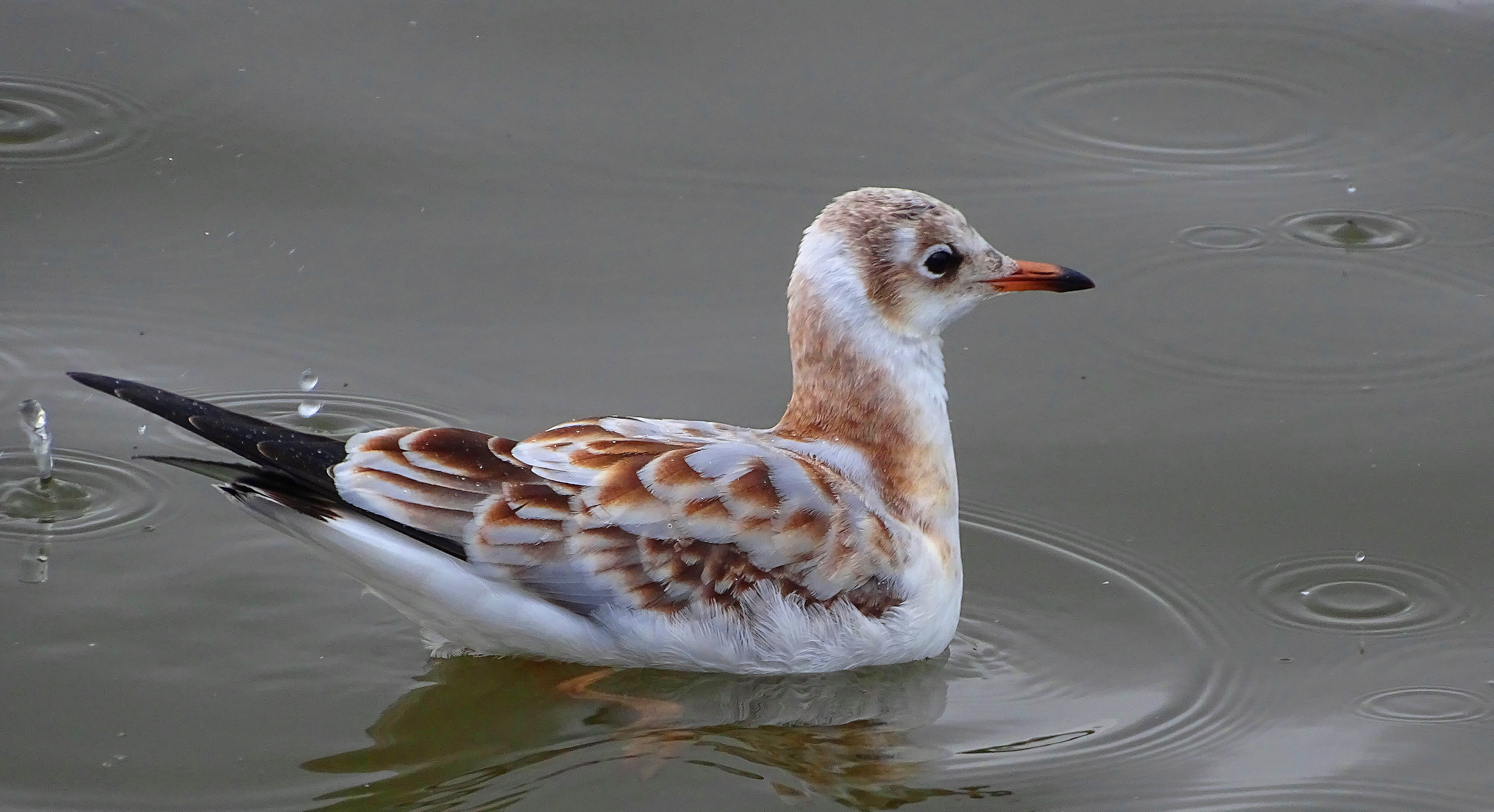
Black Headed Gulls are common in Iceland.

This one is a juvenile.

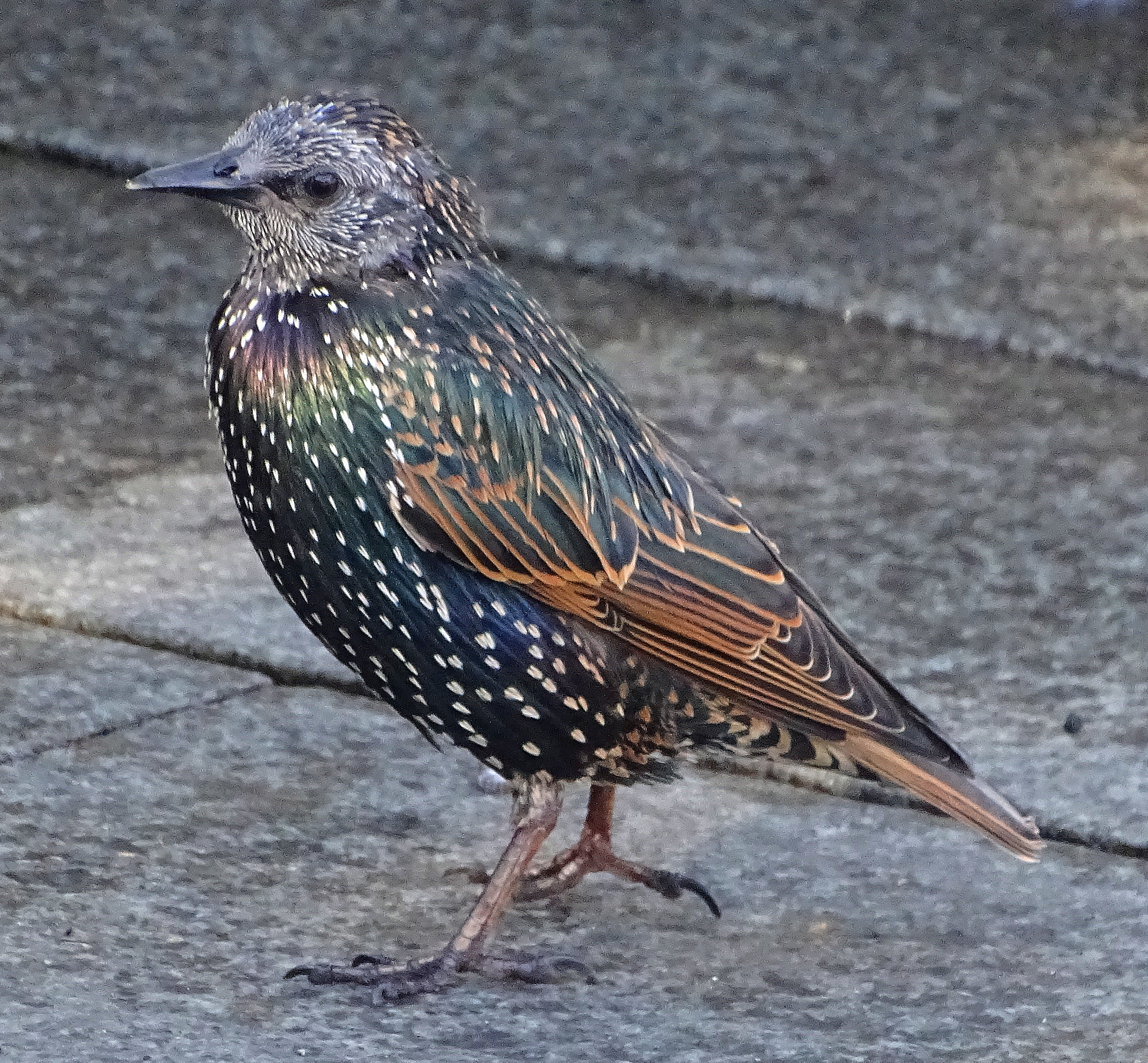
Adaptable Starlings first settled in Iceland in the 1940’s, and now can be seen nesting in Akureyri and Reykjavik.

Cheers to you from beautiful Iceland and her very hardy birds~

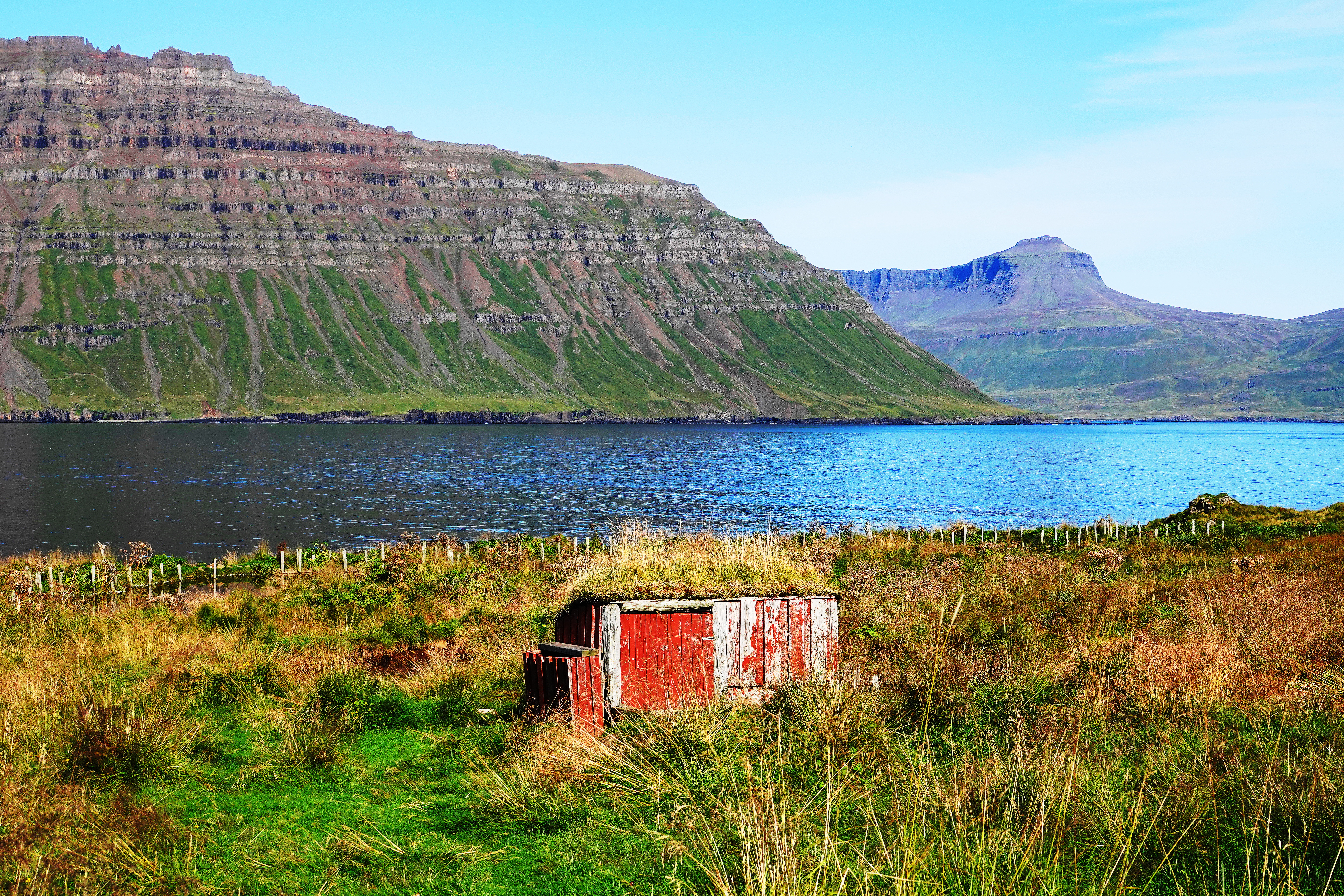
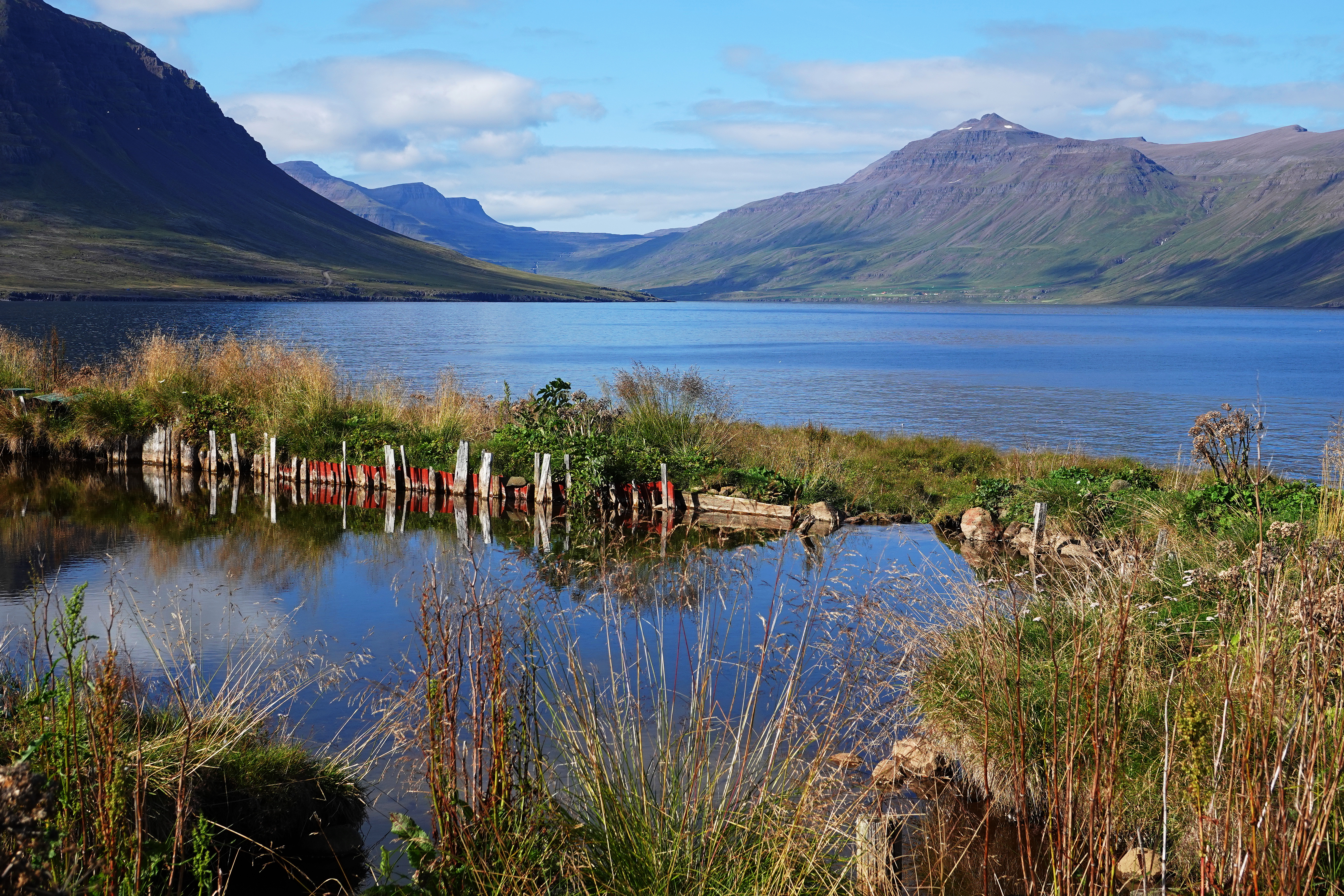
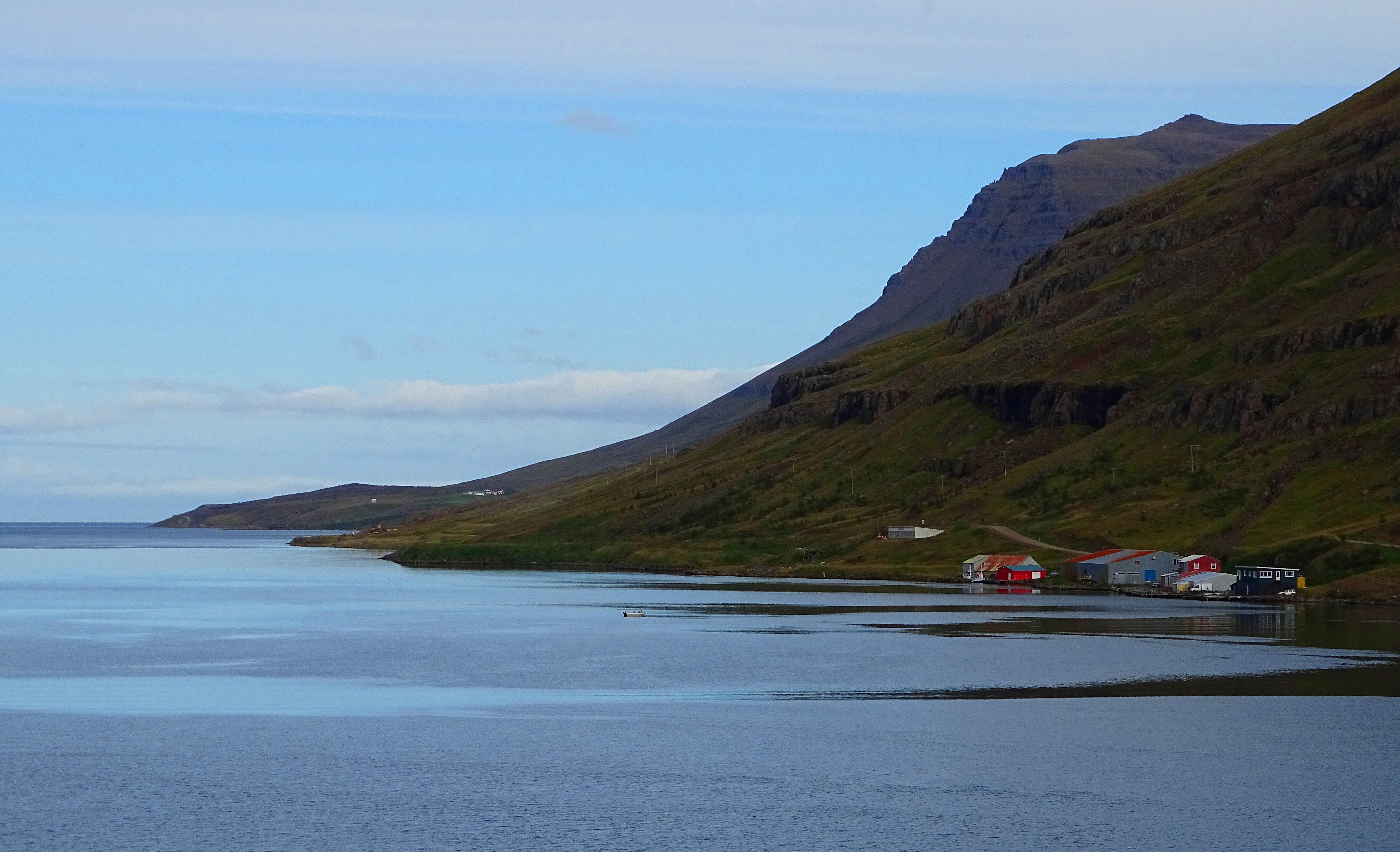
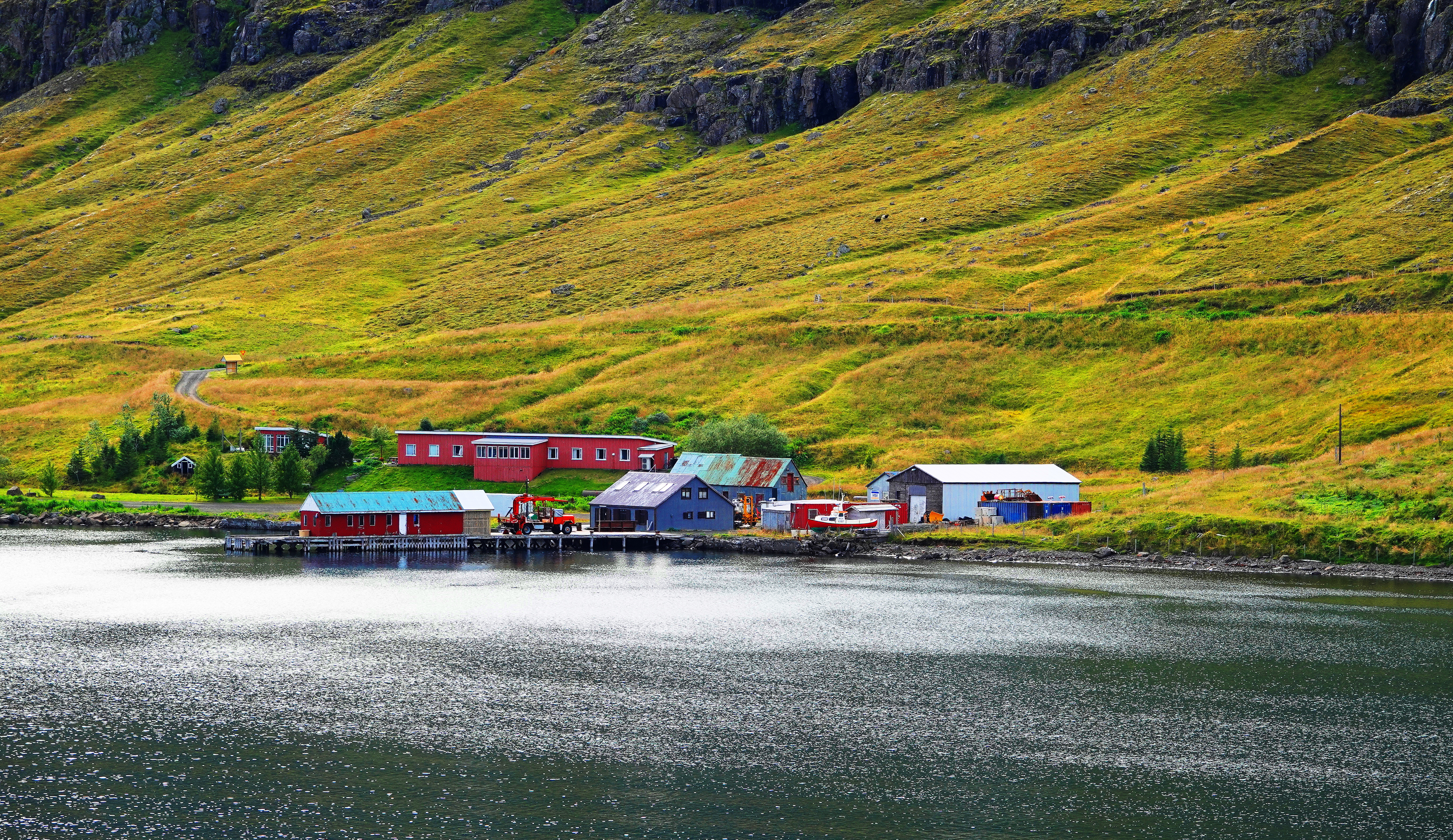
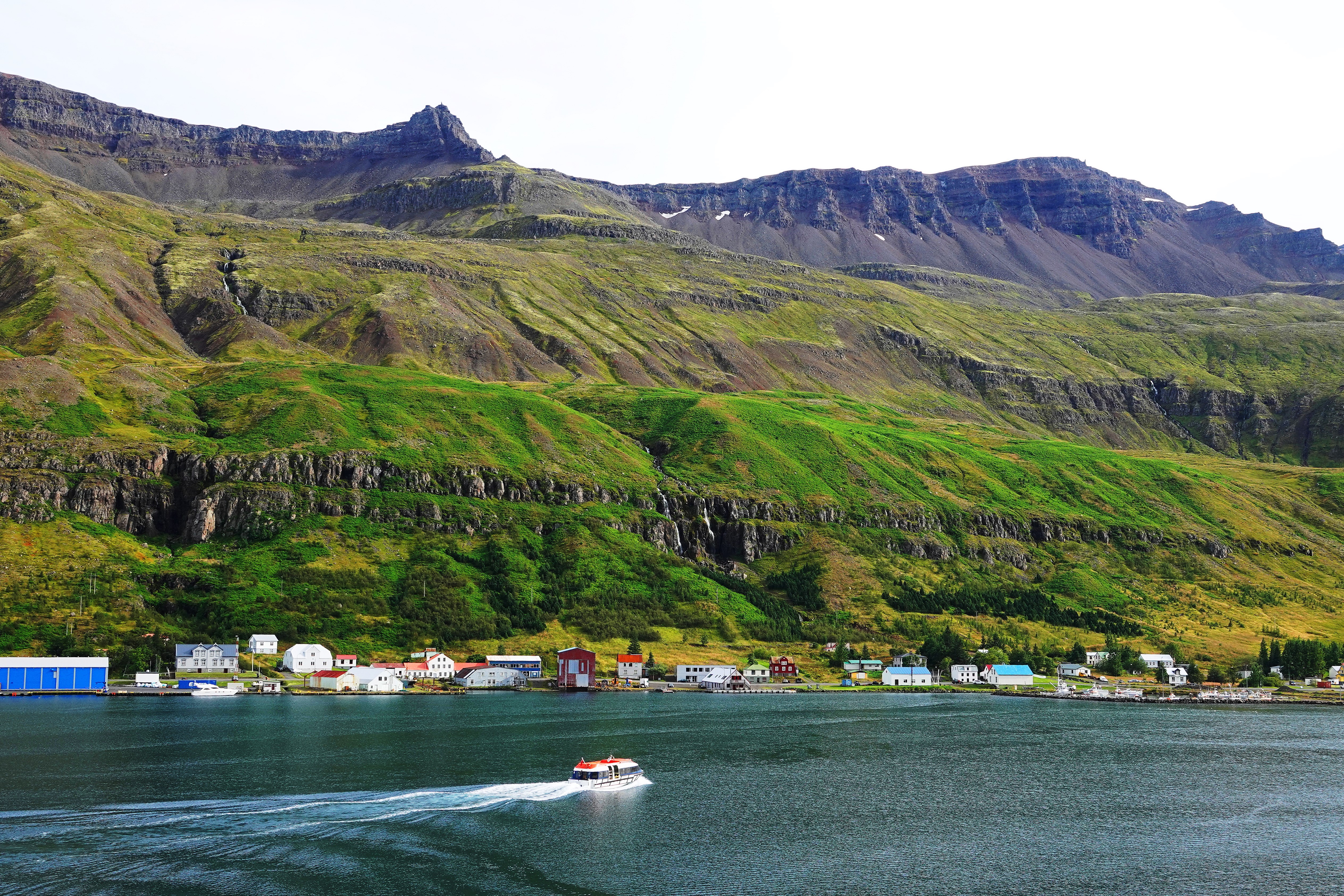
Seydisfjordur Iceland~


Seydisfjordur is a town of 665 people.

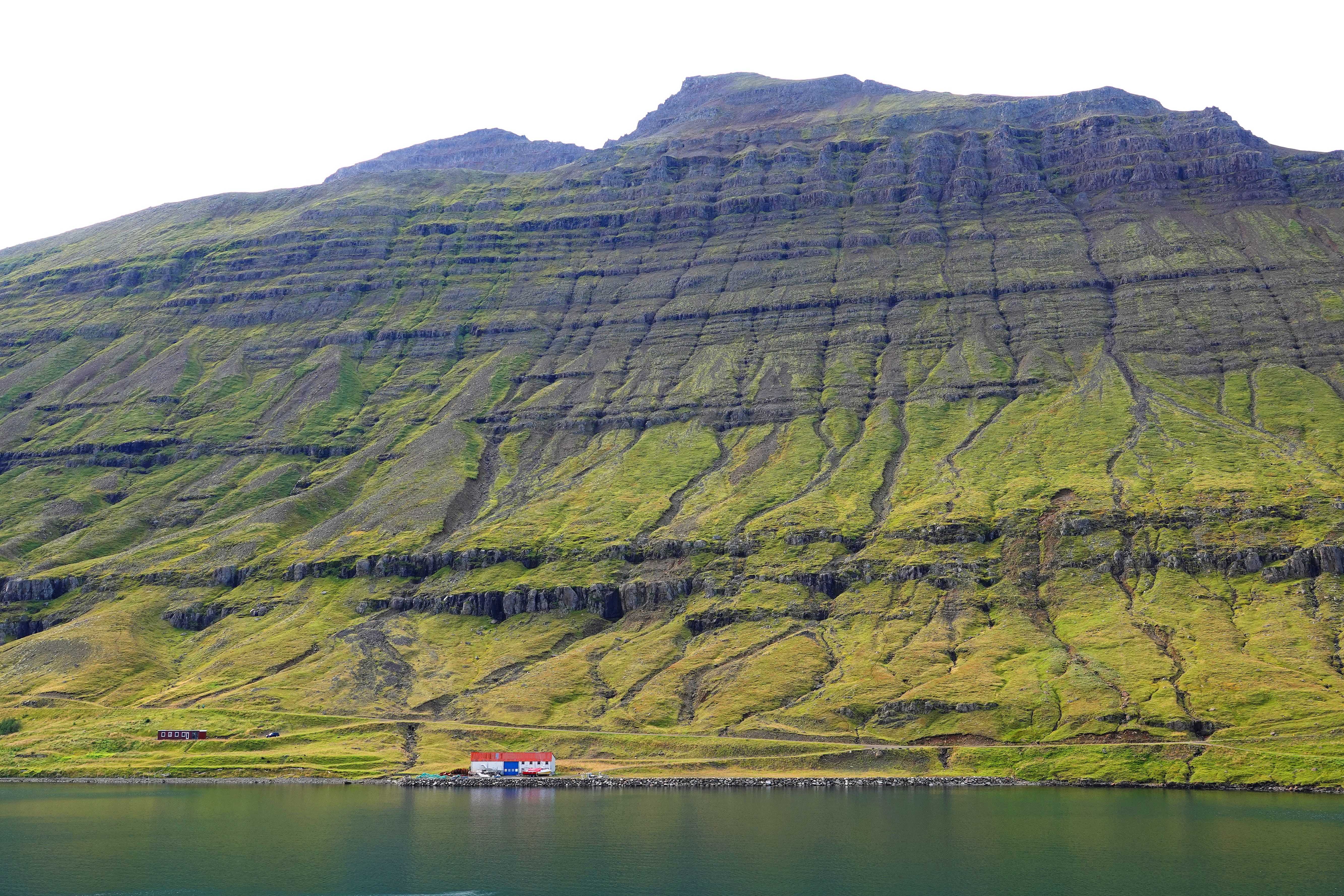
It is located deep up a fjord,

flanked by high mountains,

in Eastern Iceland.

It can be reached by Iceland’s famous ring road.

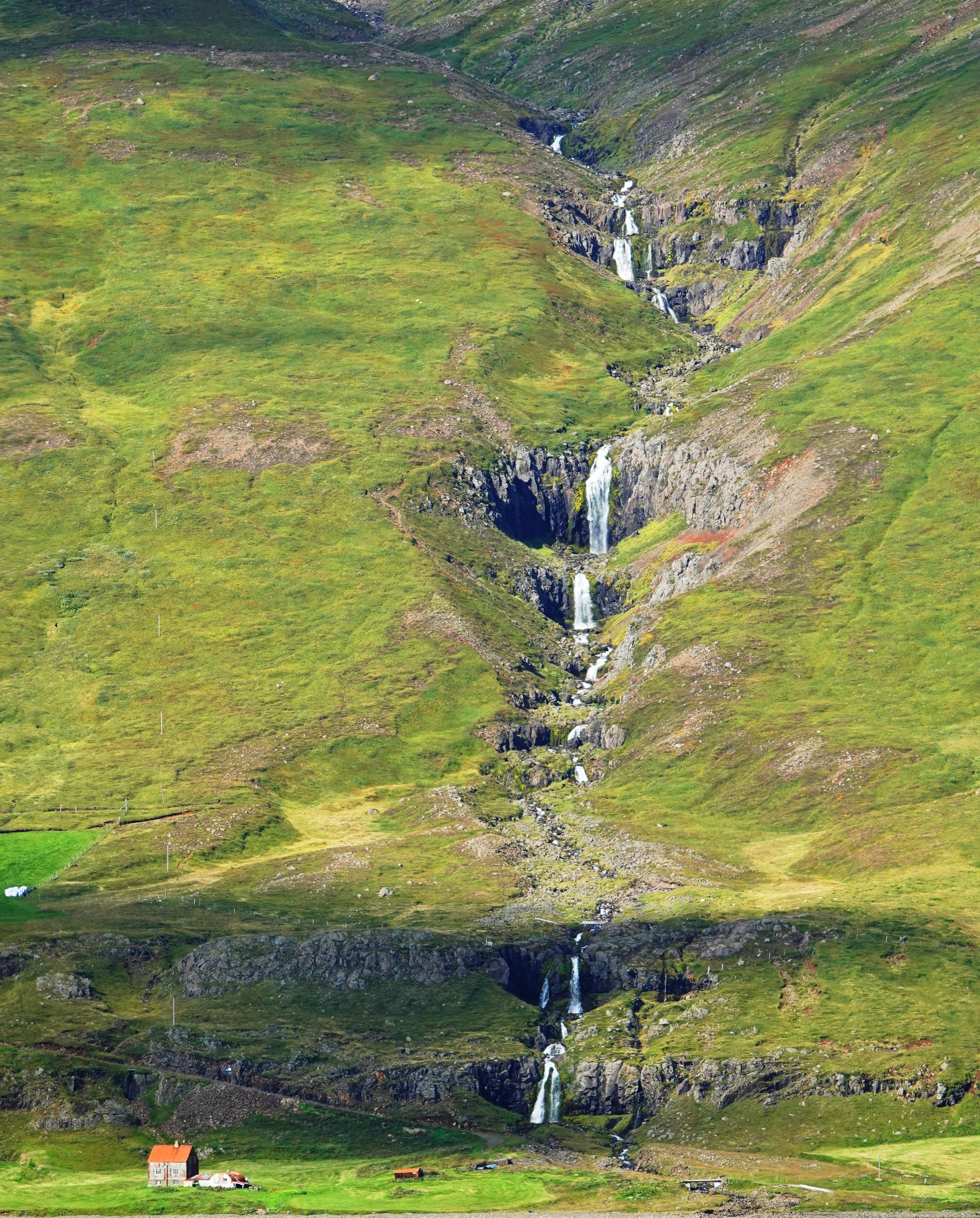
The area is filled with waterfalls,

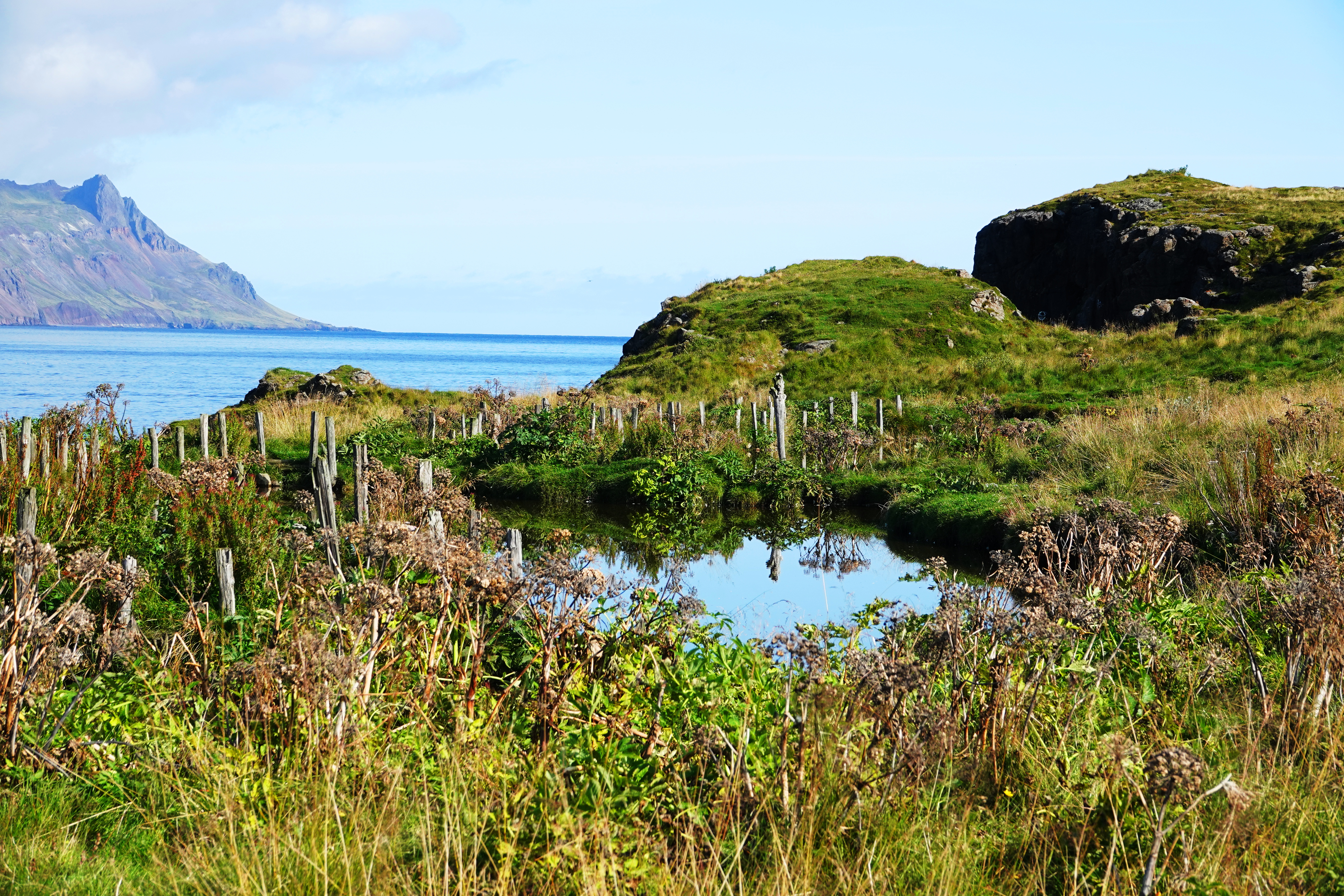
and is home to Skalane’s Nature Preserve which is a wildlife paradise teeming with artic birds and sealife.

Cheers to you from stunning Iceland~
(Internet continues to be problematic, but I will check in when I can!)