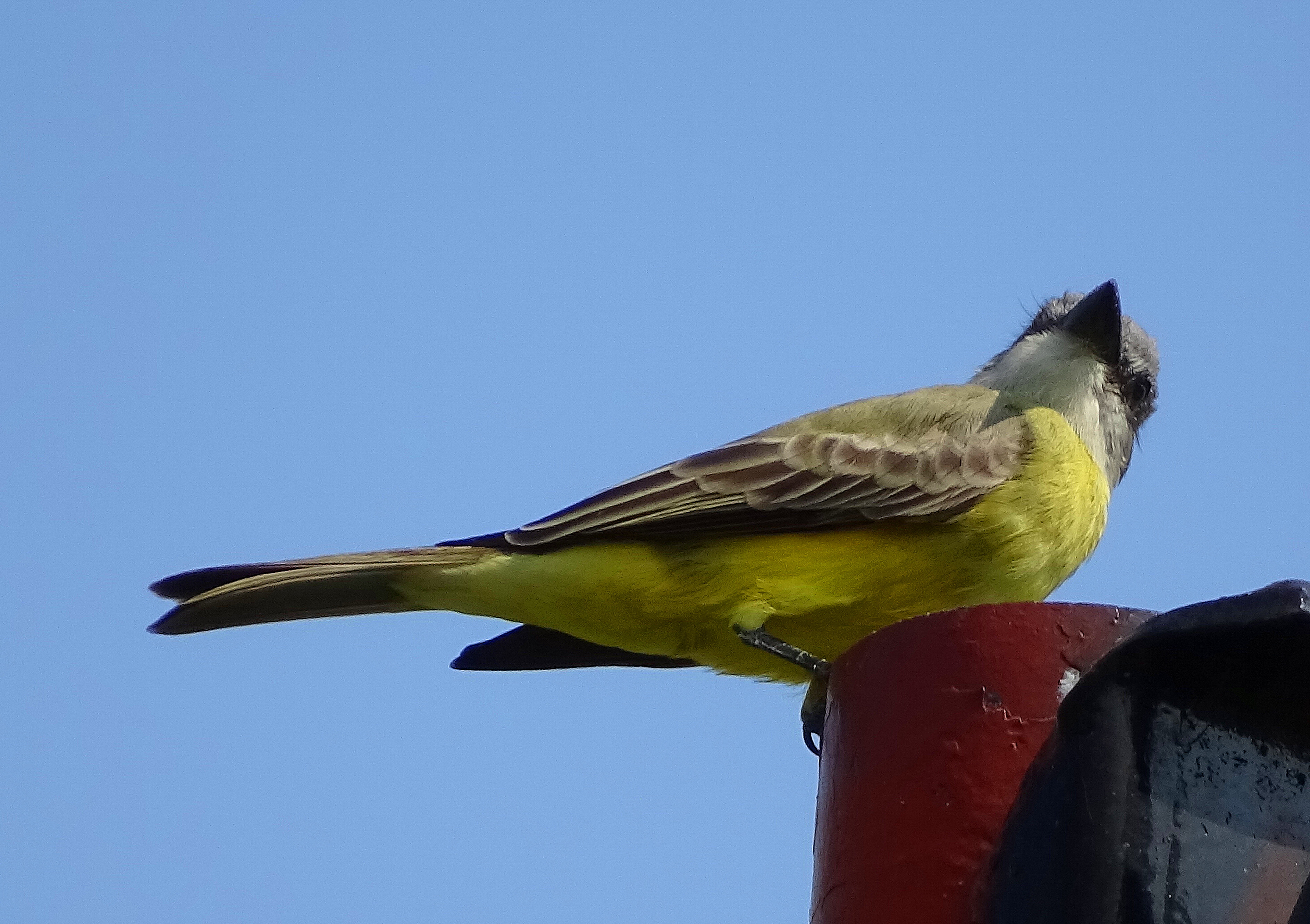
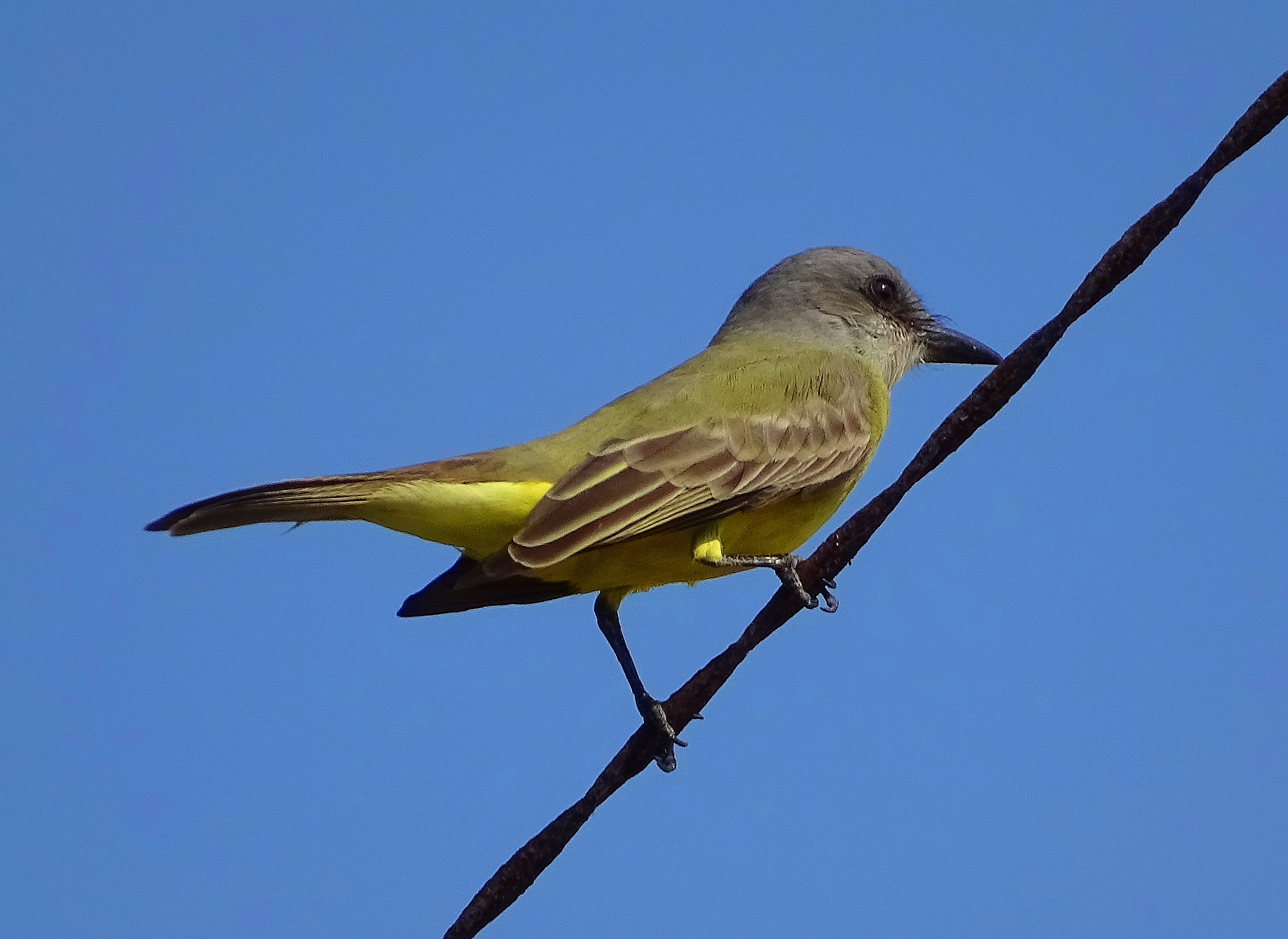
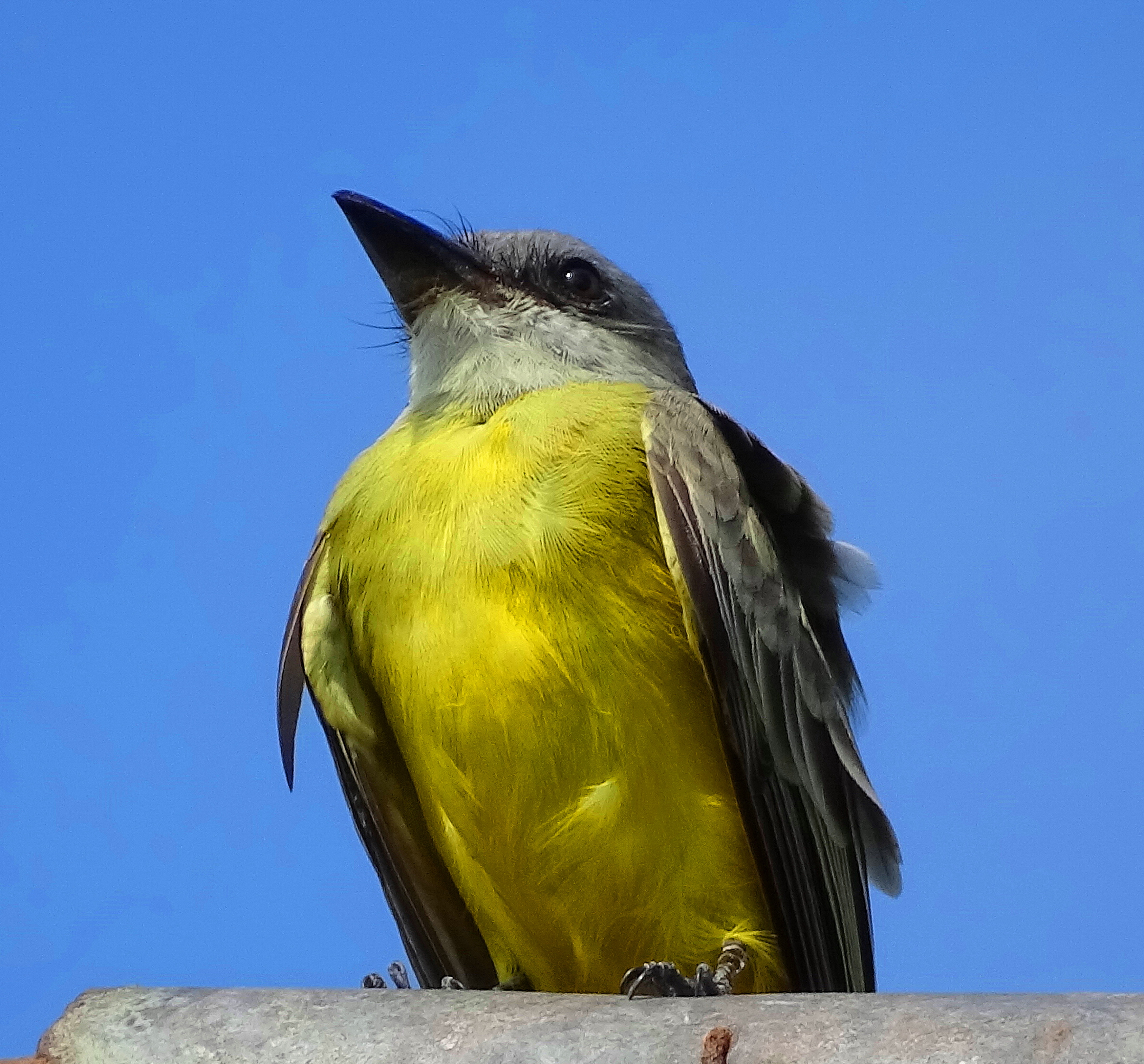
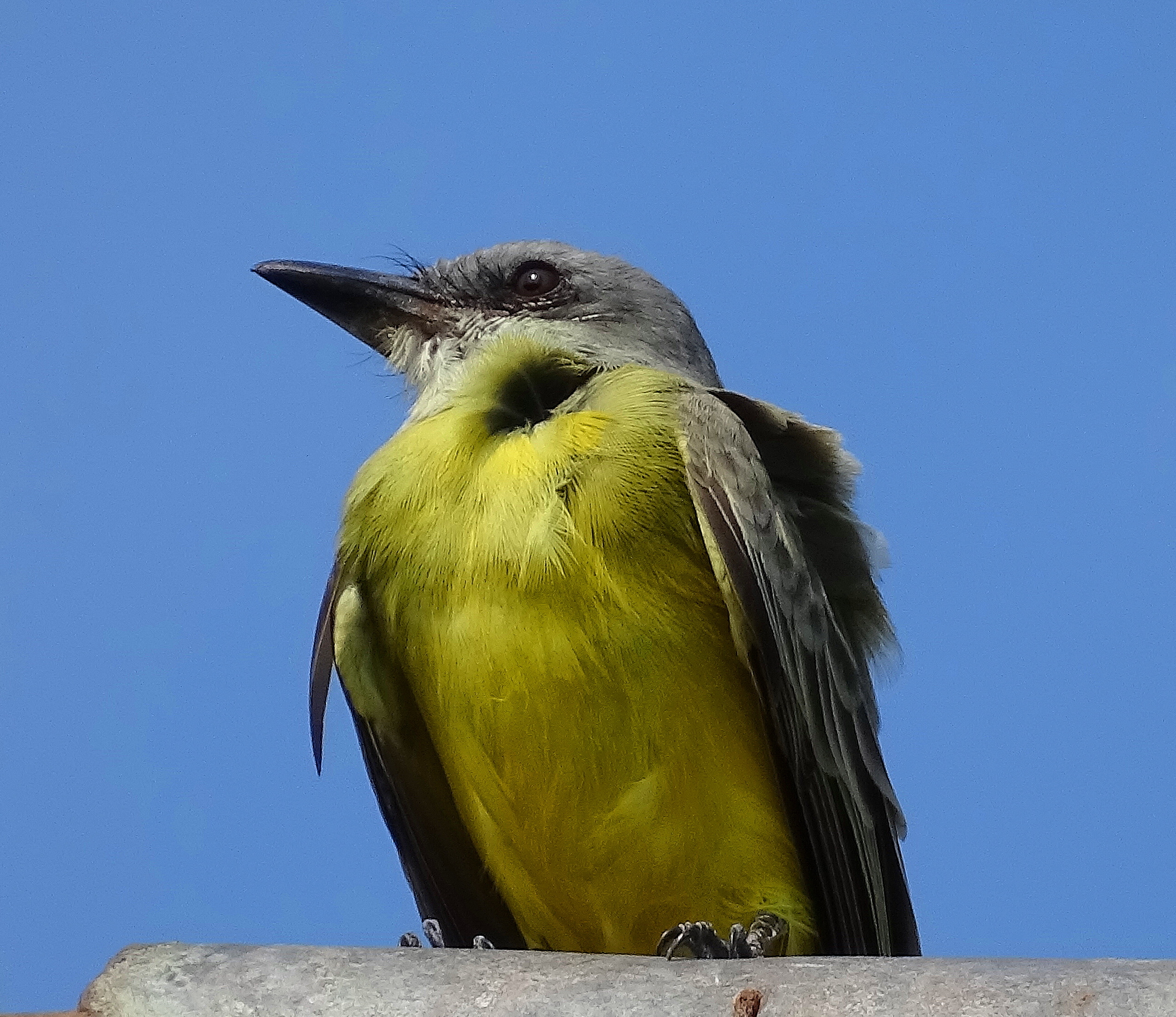
Two new birds for me! The first five photos are Tropical King Birds.
The Tropical Kingbird identification is a late edition correction provided for me by Teresa Robeson, a brilliant blogging friend @ teresarobeson.wordpress.com
Thank you Teresa! Thrilled you, and your family member, helped identify another new species for me.
She clairified this bird was either a Couch or Tropical Kingbird.
It’s location points to it being a Tropical Kingbird,
a member of the tyrant flycatcher family.
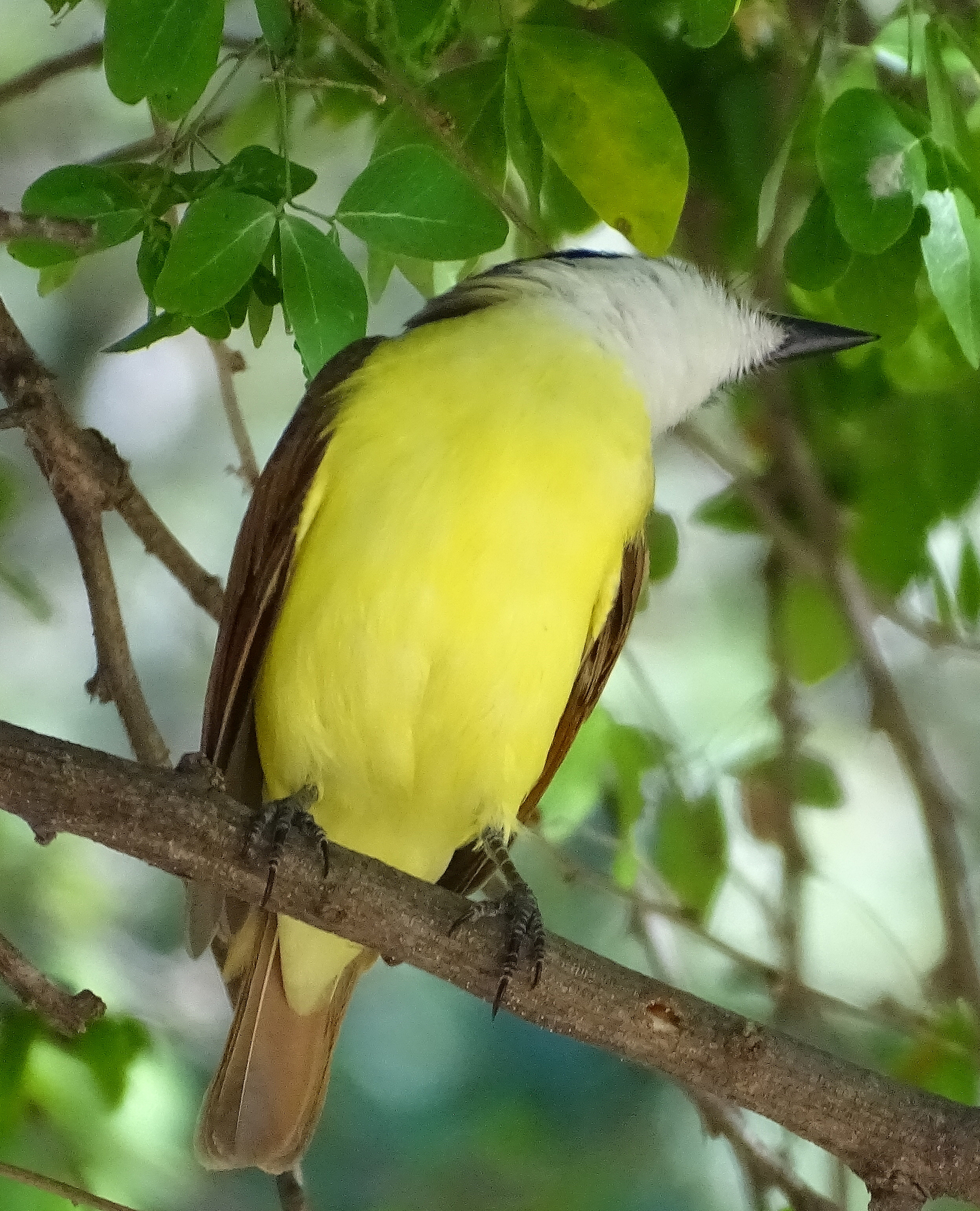
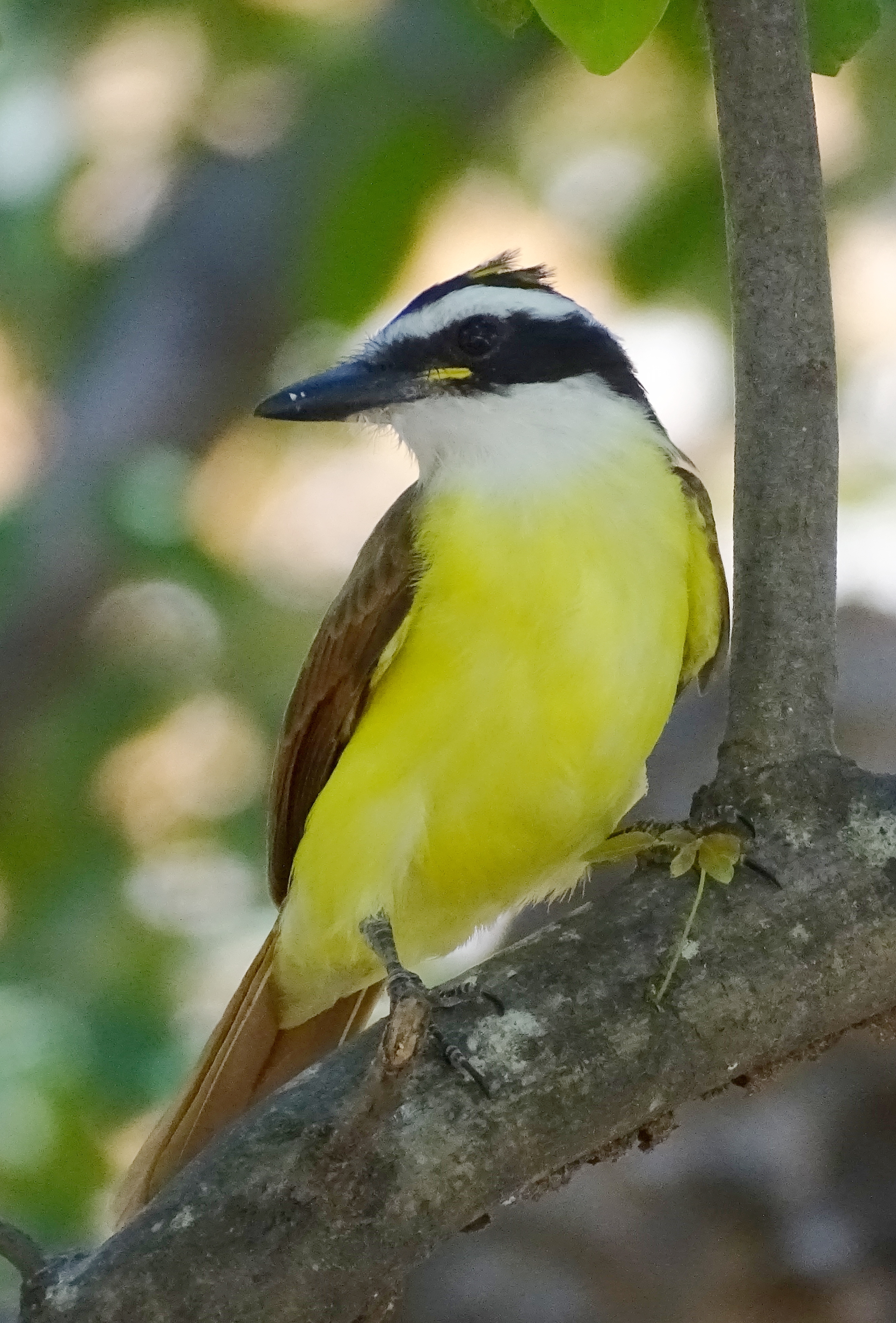
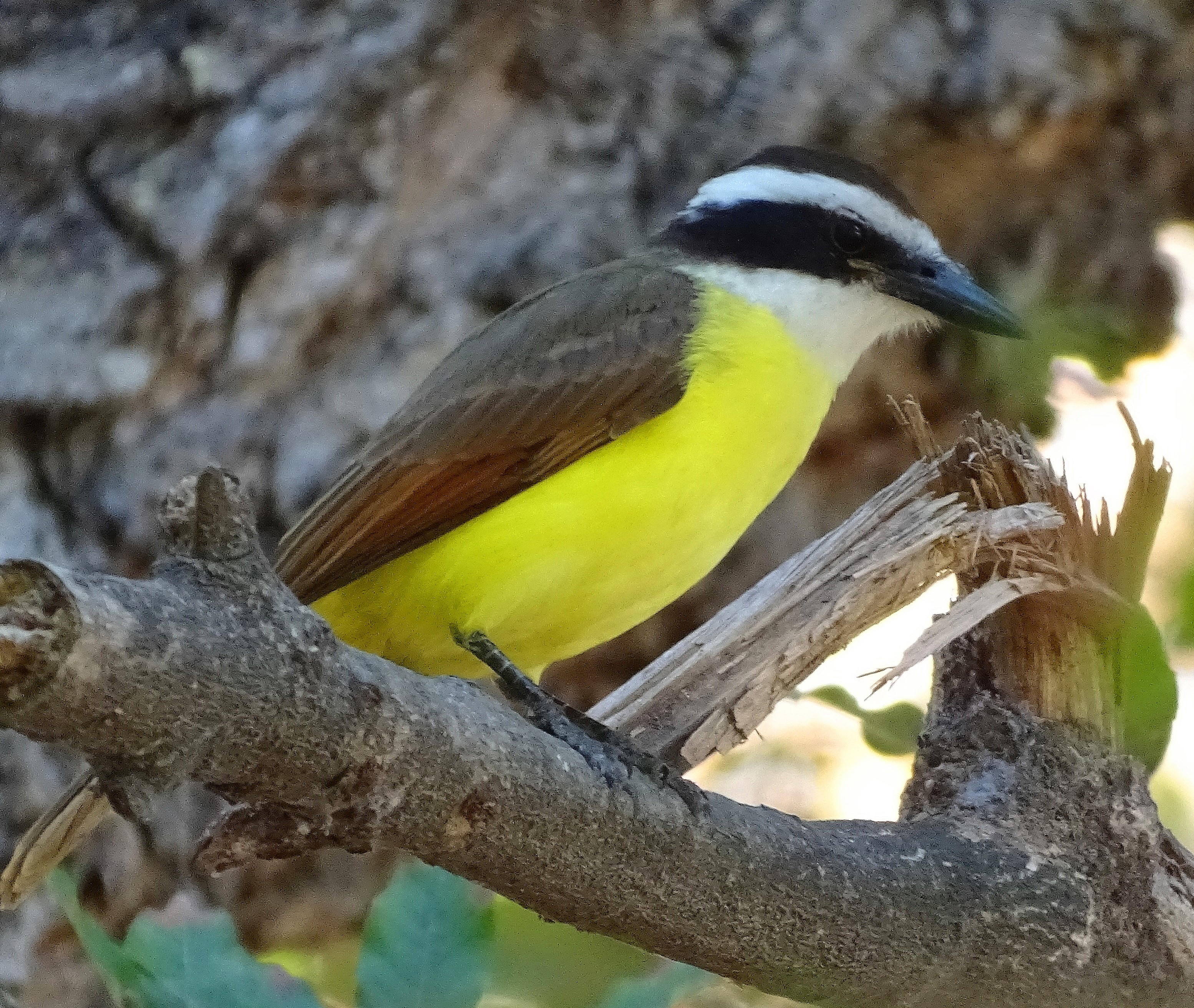
The final three photos are Great Kissdadees also in the tyrant flycatcher family.
Kisskadees are not only beautiful, but bold and will chase away monkeys, raptors and snakes.
Tropical Kingbirds and Kiskadees can be found in Southern Texas, Mexico and Central/South America. Tropical Kingbirds have a similar range but can also be seen in Southern Arizona.
Like most birdies, both species are avid people watchers.
Cheers to you from Mexico and her beauteous birdies~
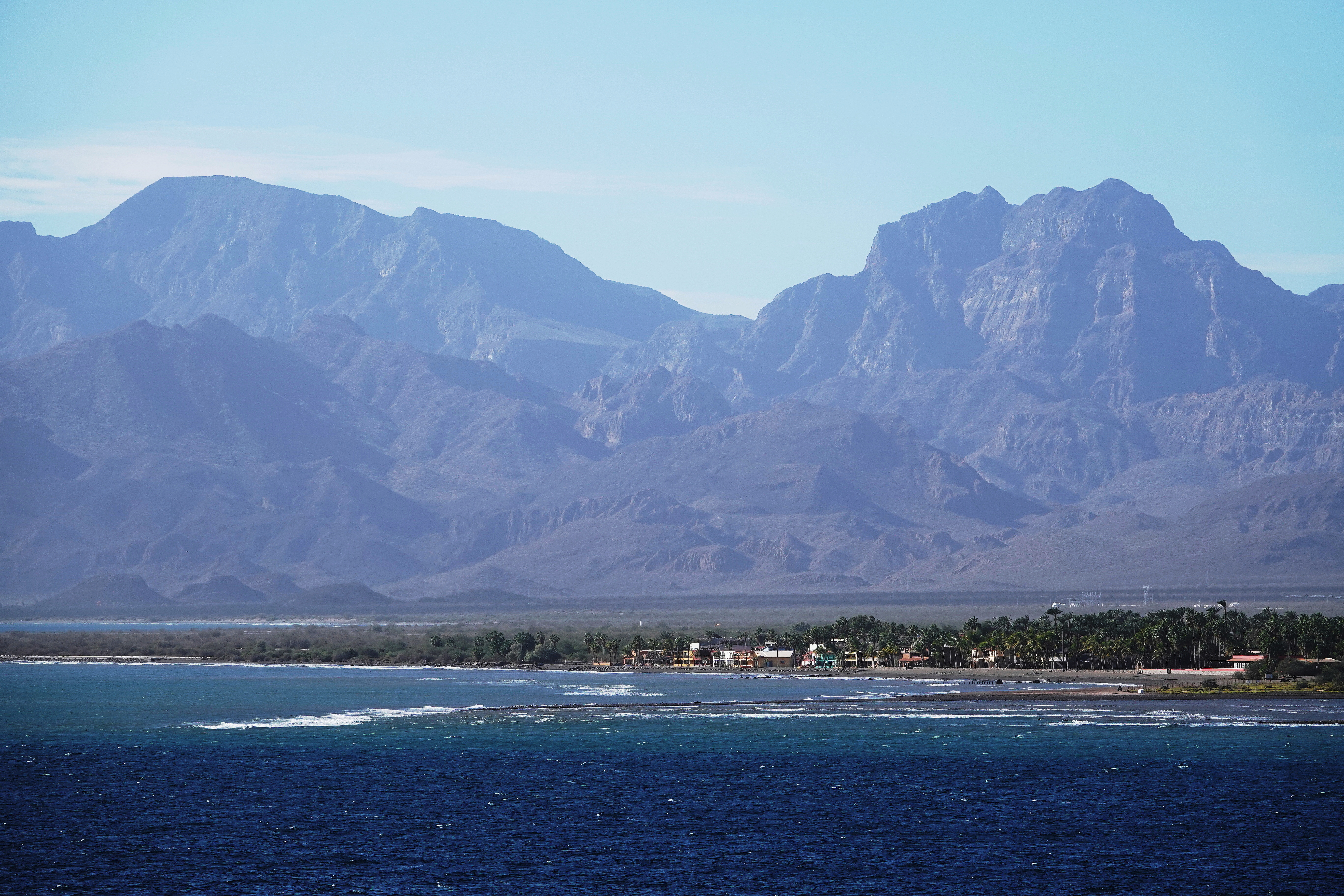
Meet Mr. Red Rock Crab. He is quite large! We have been traveling out of wifi and satellite range on the Pacific side of the Baja California Penninsula in Mexico and into The Sea of Cortez through the narrows where the two oceans meet.
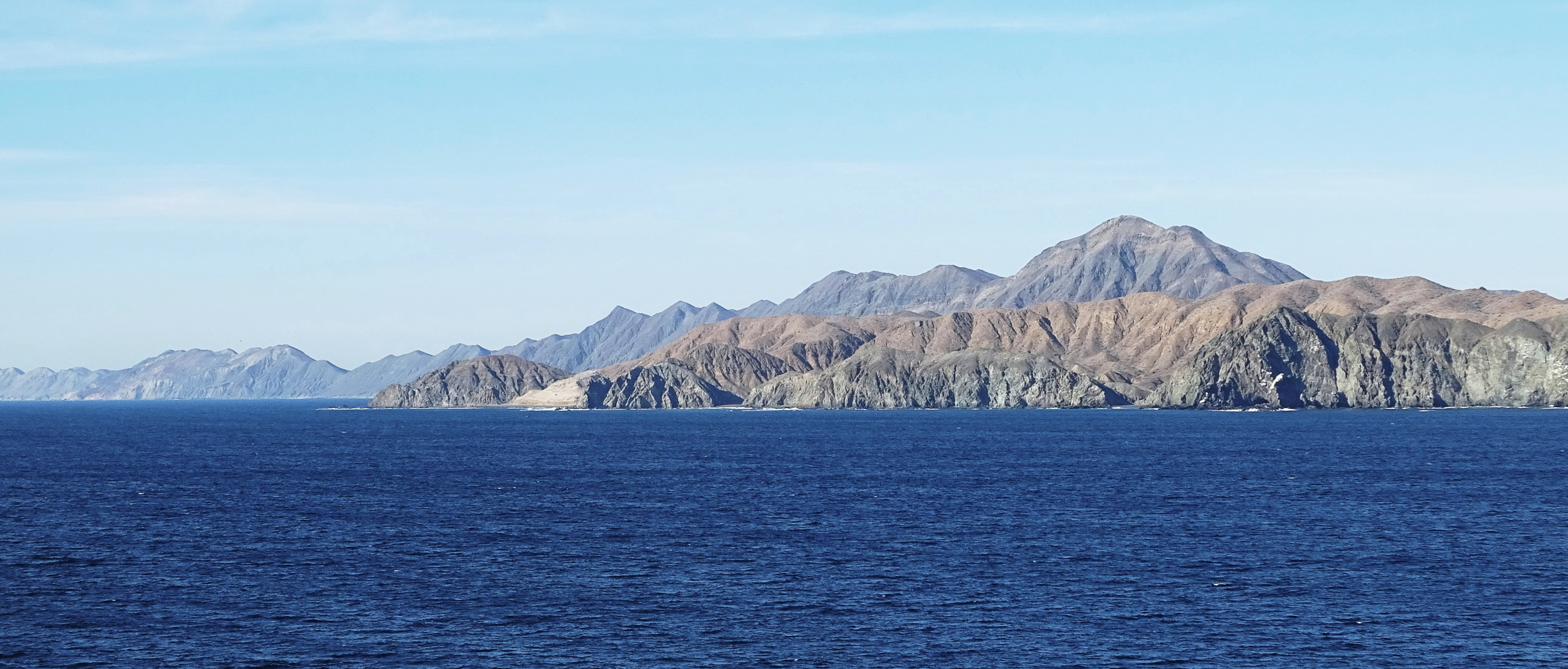
This view between the rocks is where The Pacific Ocean meets The Sea of Cortez.
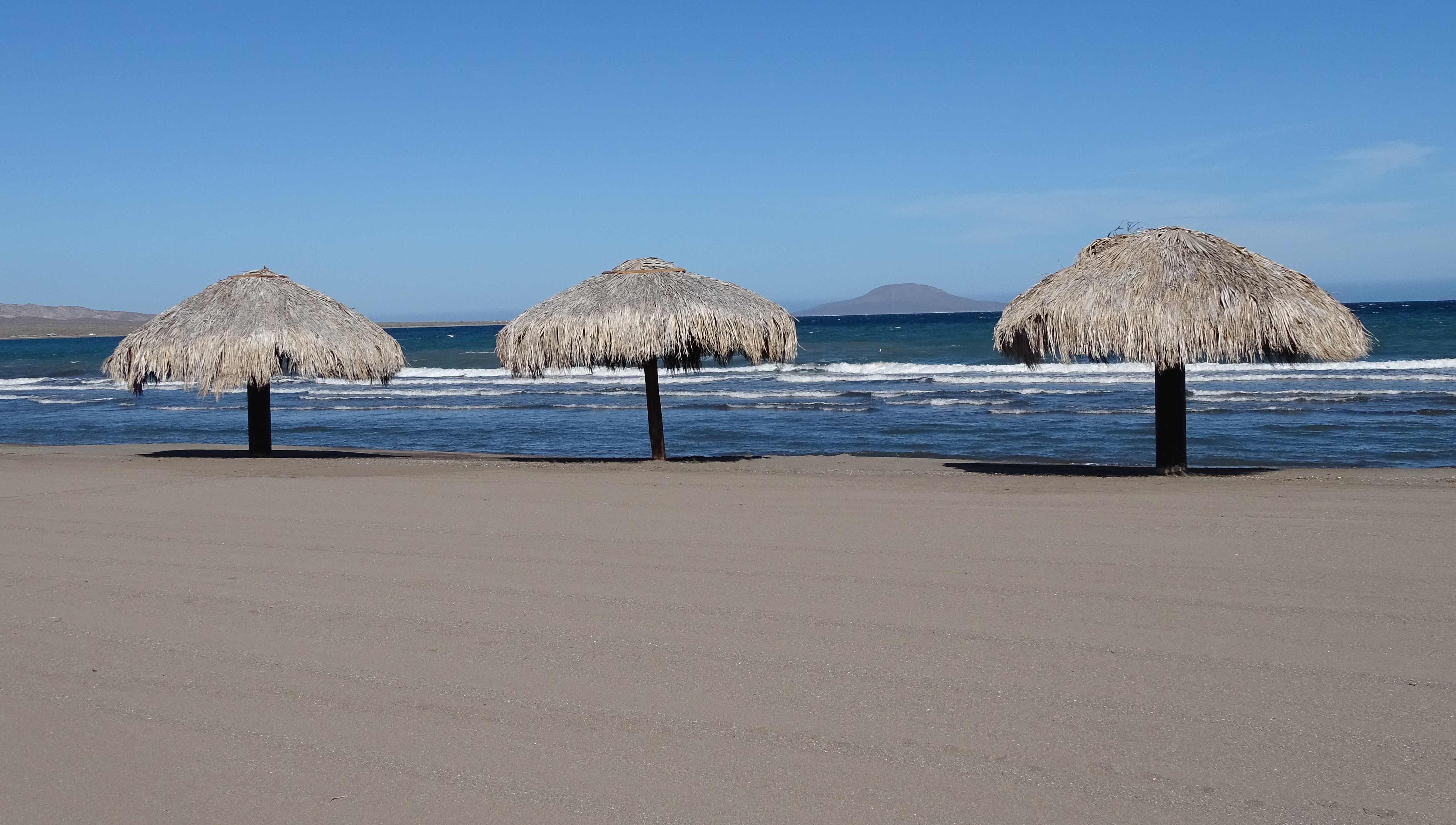
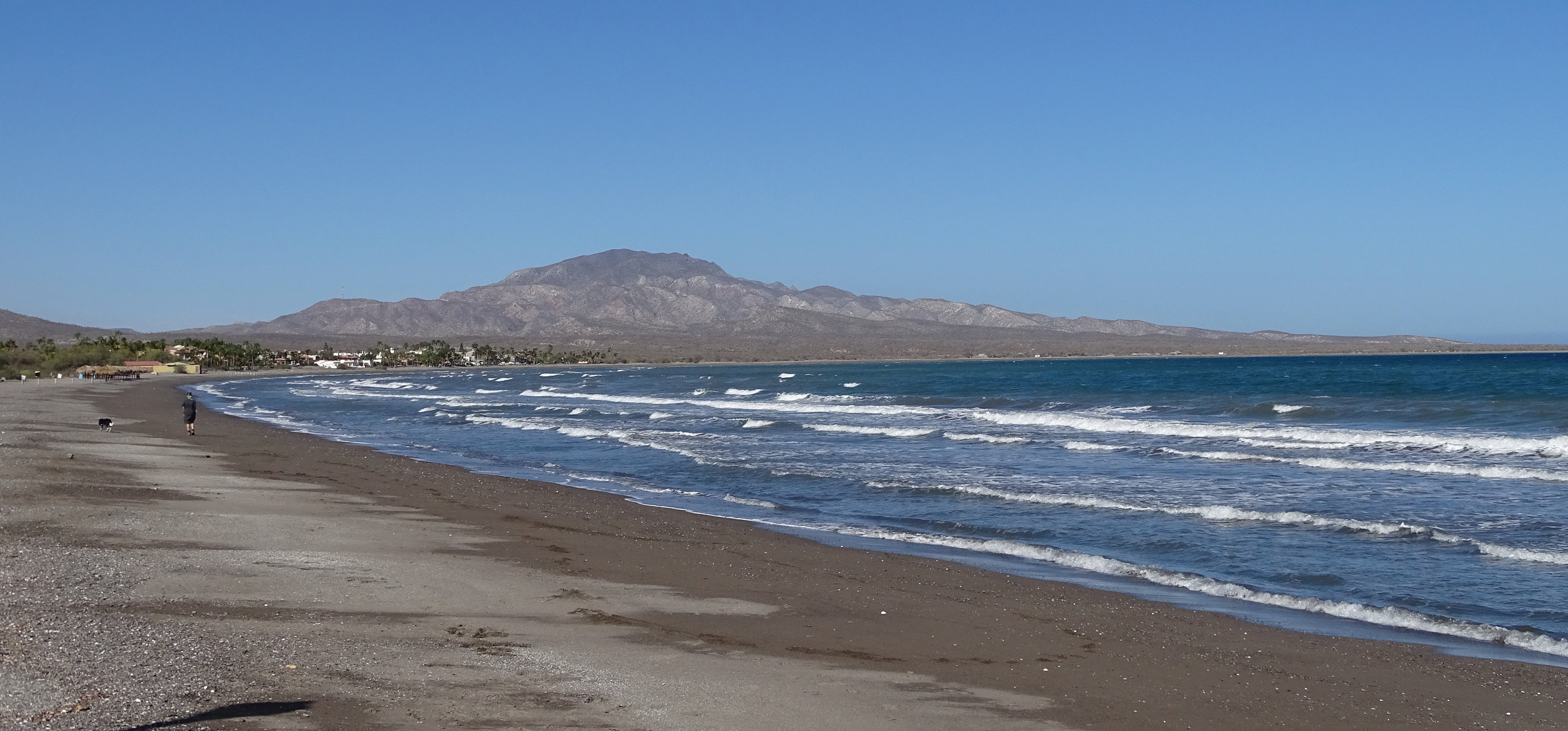
This is a pristine, unpopulated desert ecosystem extending for hundreds of miles, surrounded by oceans that are teeming with wildlife.
This bull sea lion is suspicious and watches me with one eye,
before he relaxes and resumes his nap.
Rare, rarely seen, huge, up to 5000 pounds, and endangered, this Sunfish basks on the surface of the ocean sideways to absorb heat from the sun before he dives deep into the cold ocean to forage. For more click on following link:
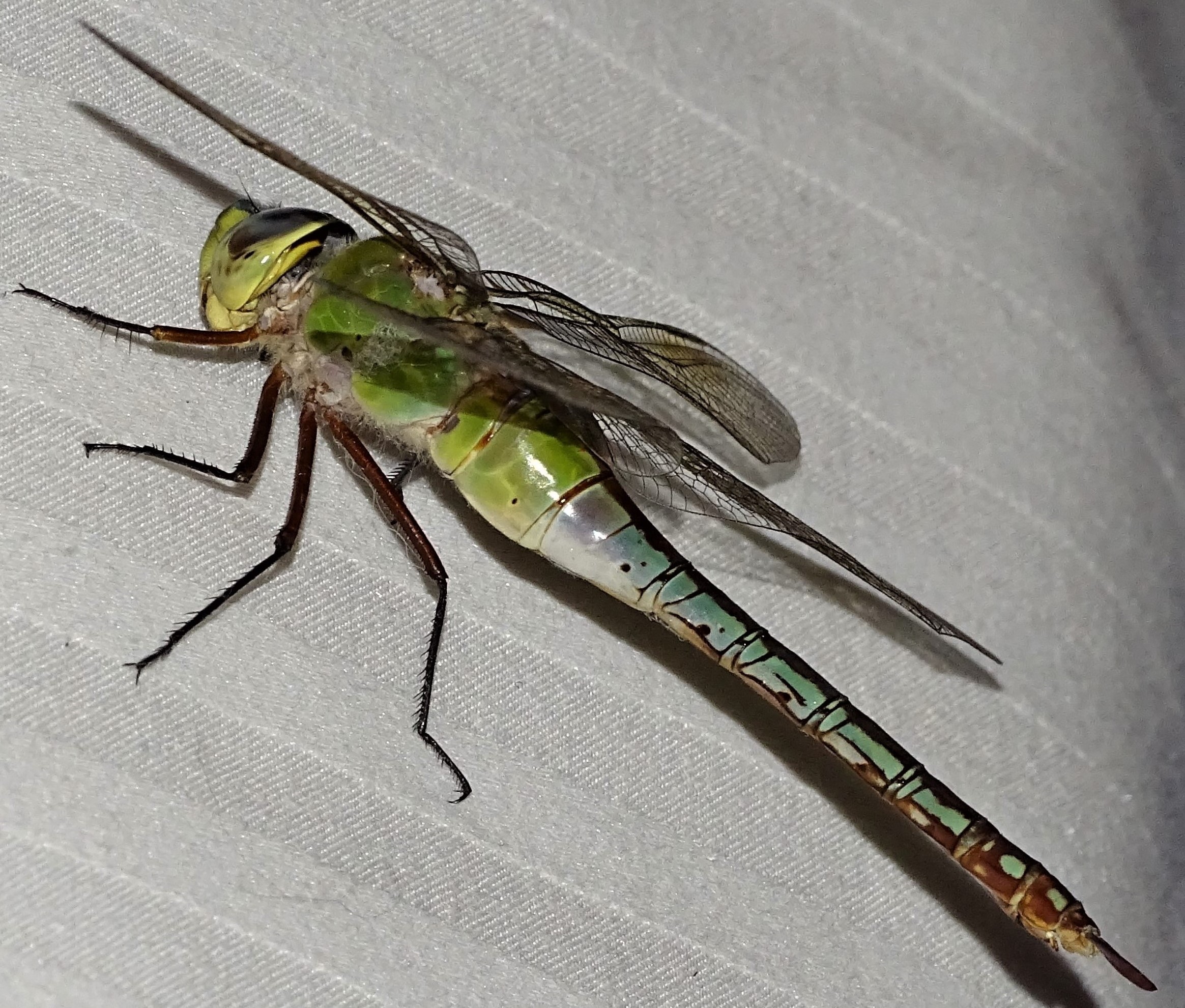
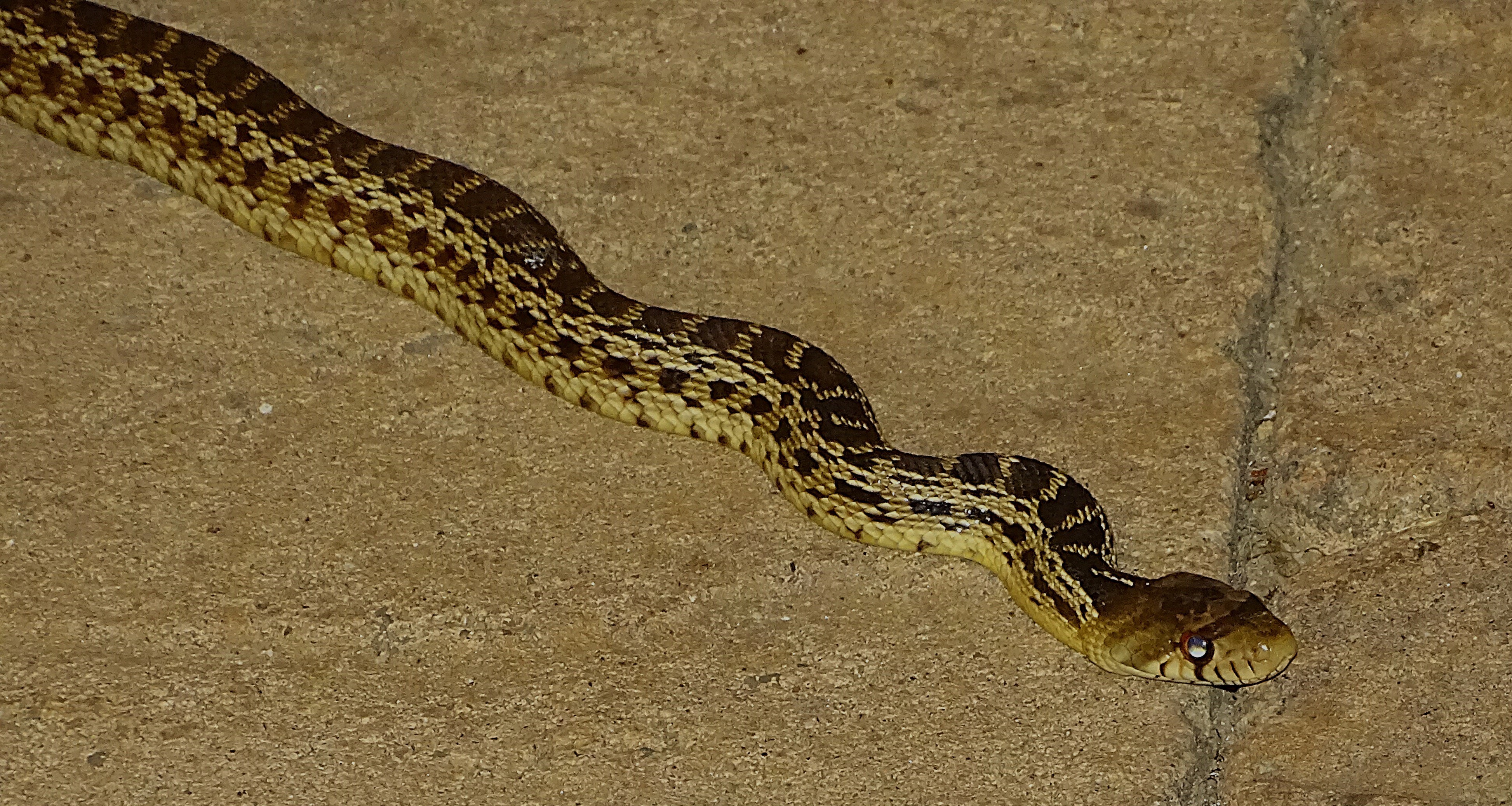
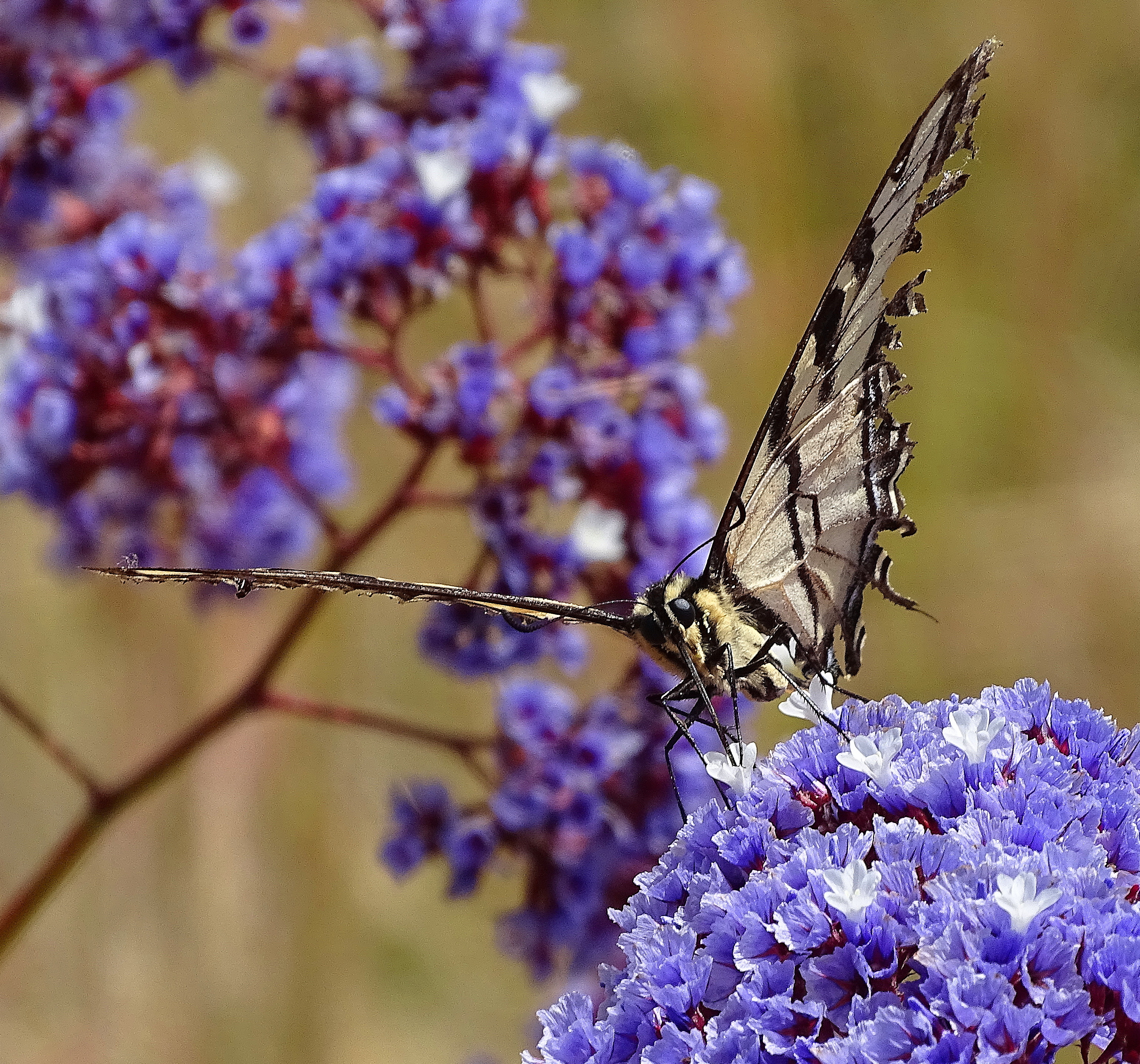
My best guess creepy crawly identification in order are: Rustic Sphinx Moth, Green Darner Dragonfly, and the rarely seen, mildly venomous, nocturnal California Lyre snake. I welcome any corrections~
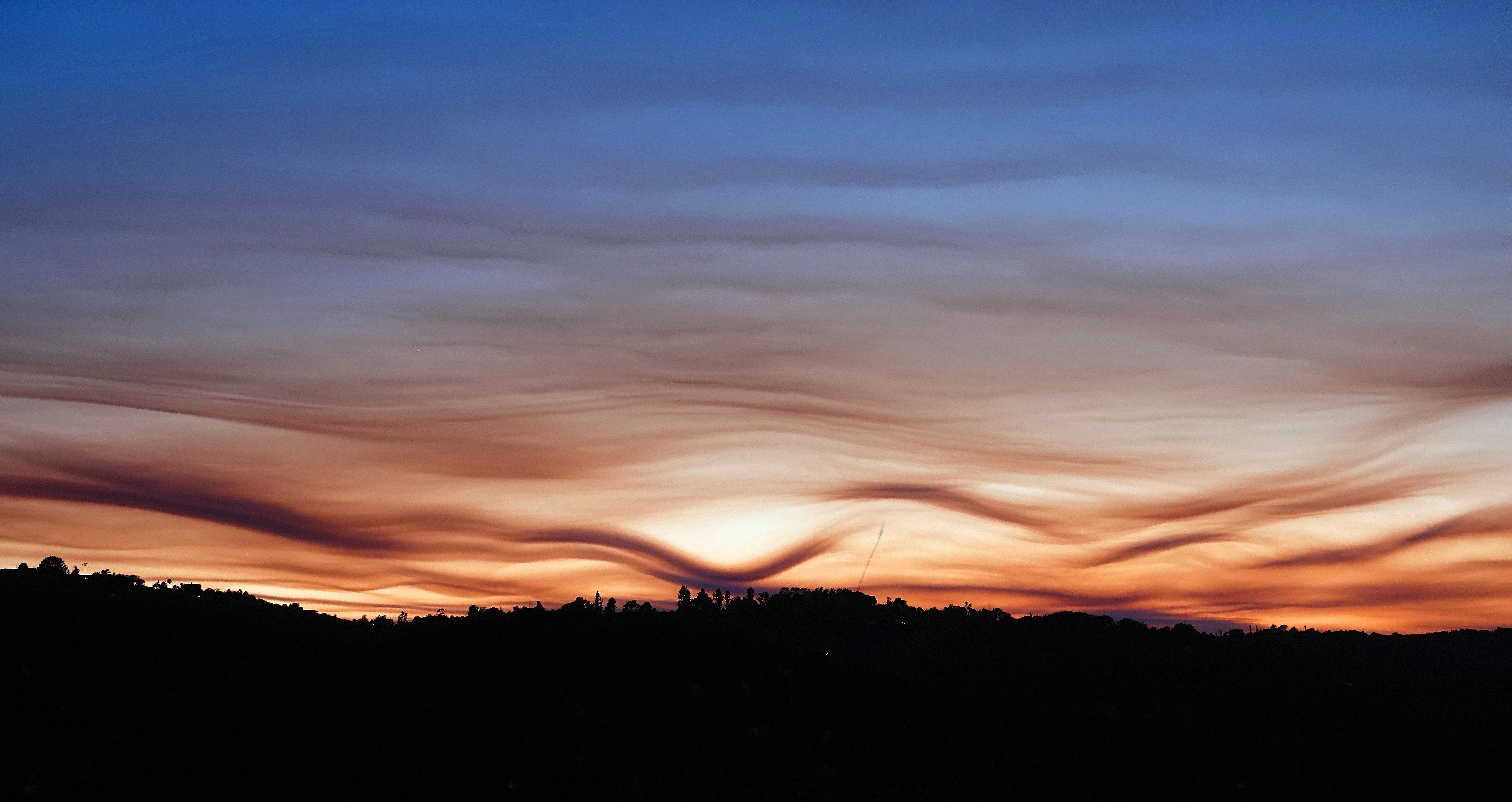
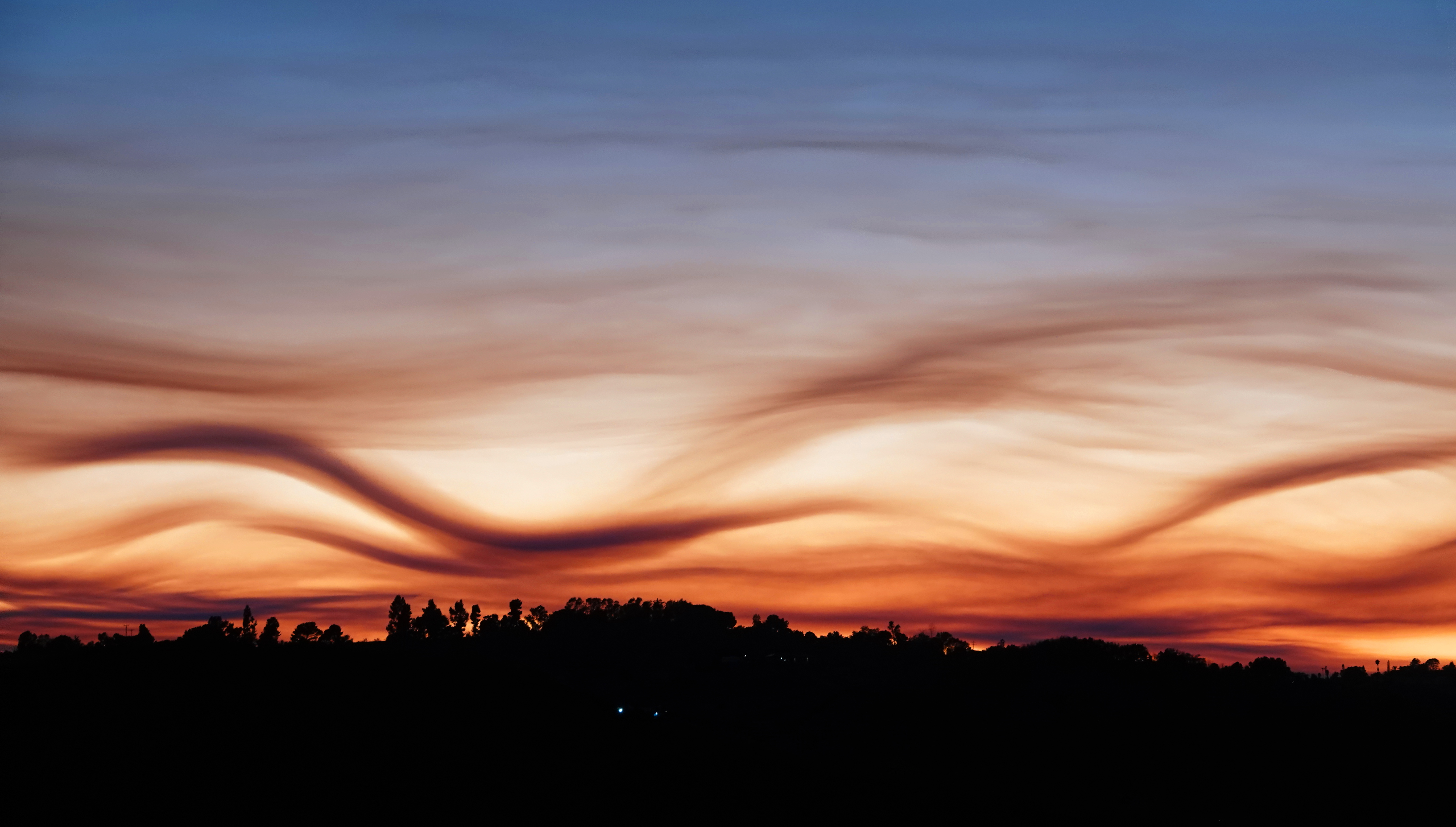
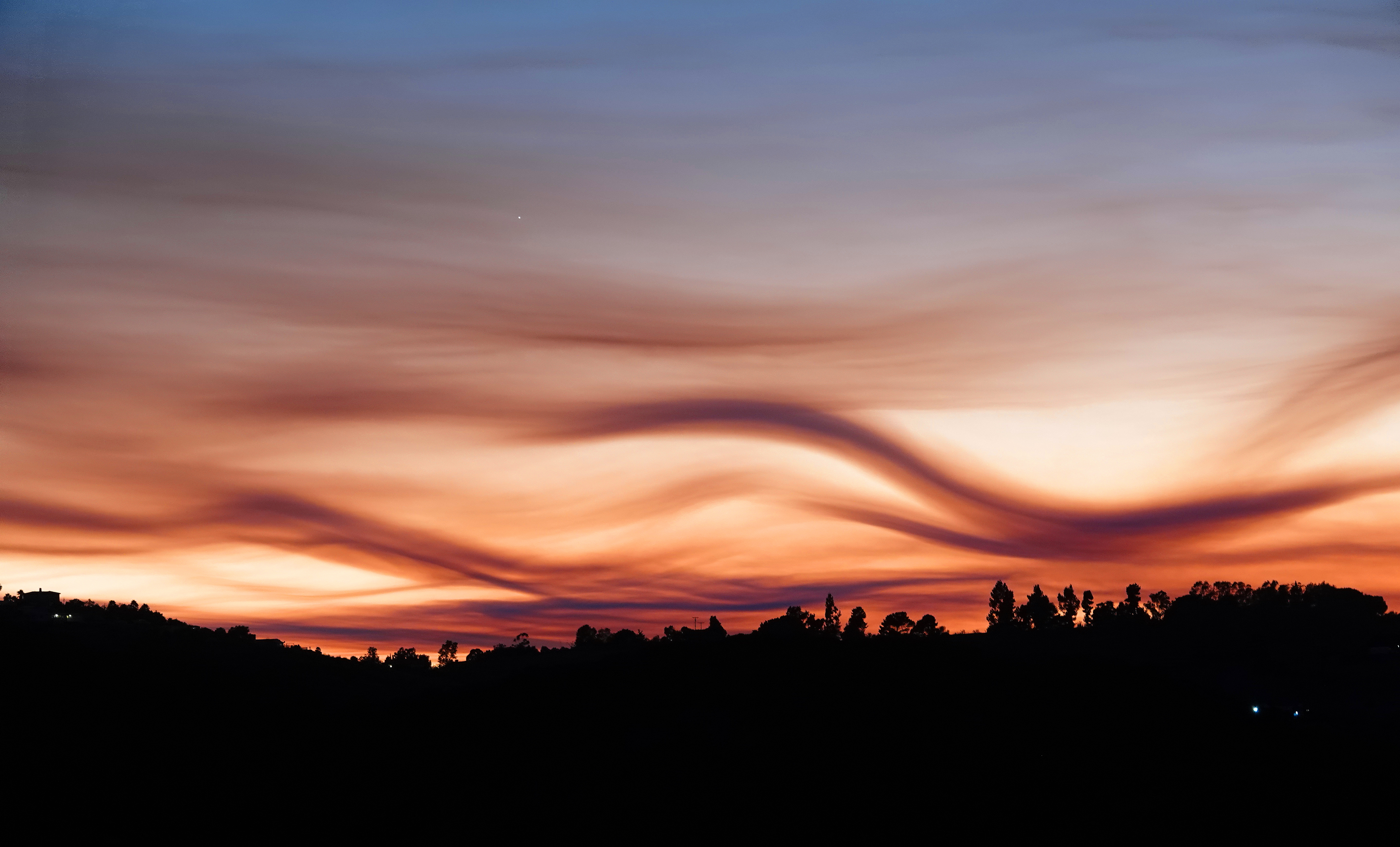
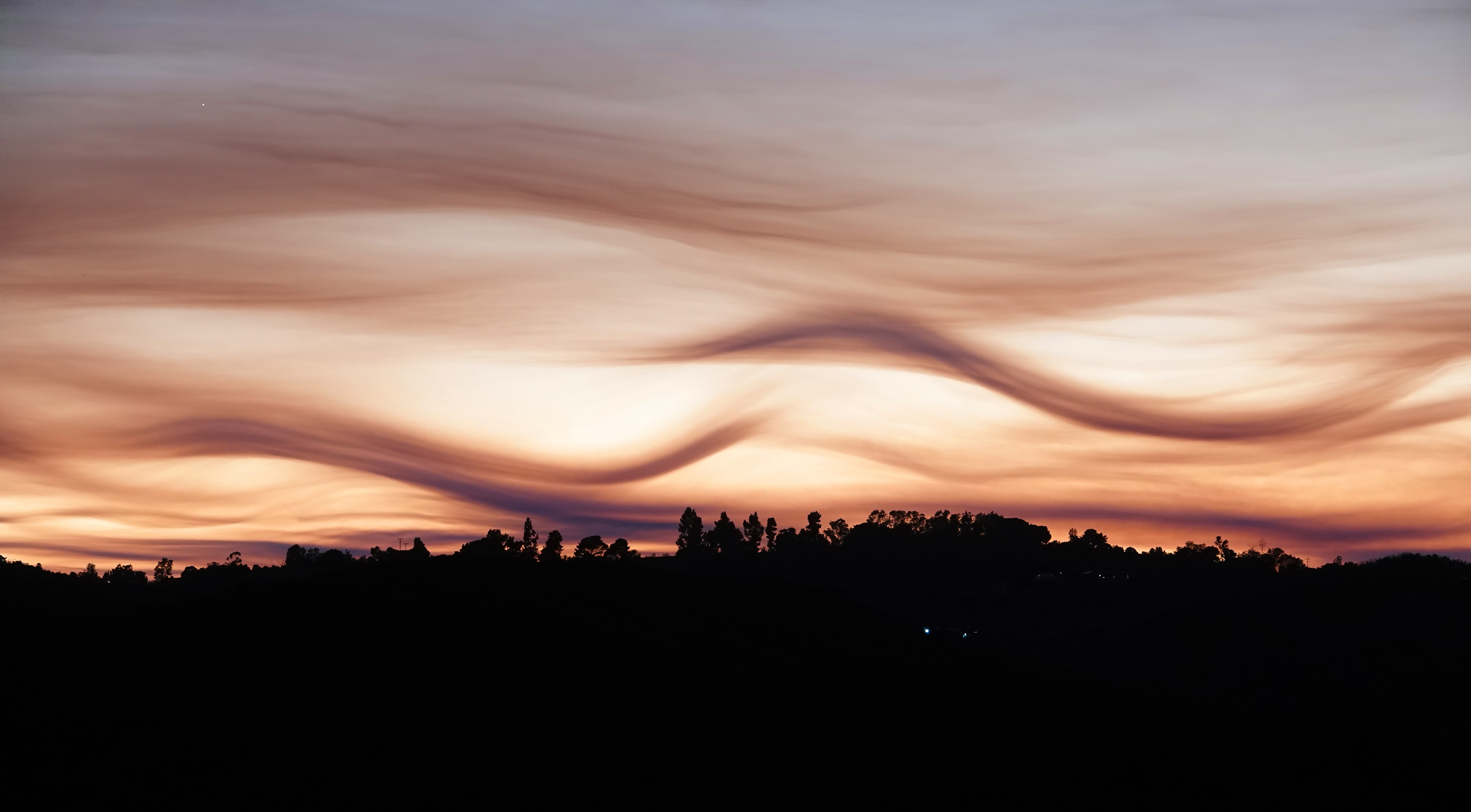
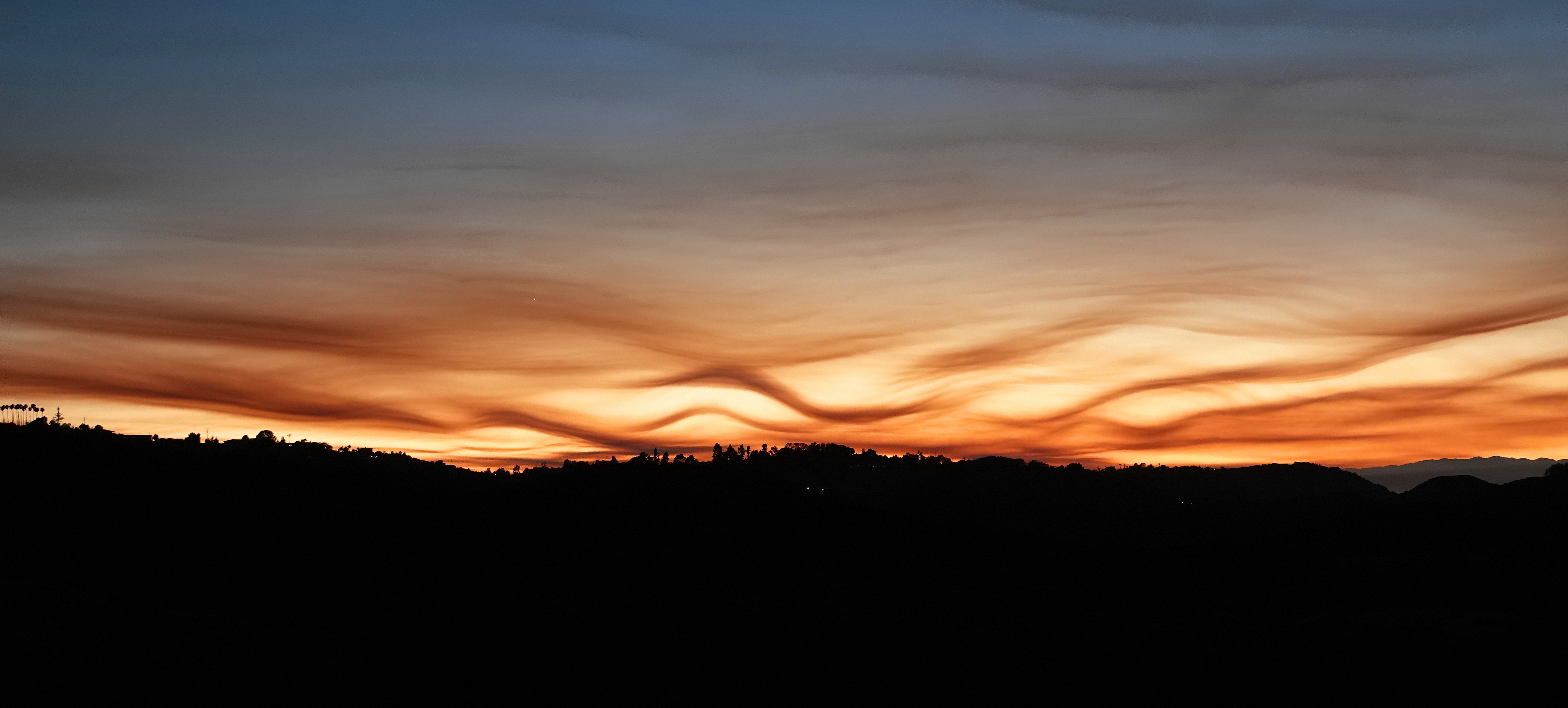
I photographed these unusual cloud formations last night when it was extremely hot and humid and the clouds seemed to dip from holding the weight of water.
Cheers to you from ‘the banks of the yellow sea’~
(poem attribution Emily Dickinson)
Late addition: Two brilliant bloggers identified these clouds for me as Asperitas Clouds only formally classified in 2017. Here is a reference: https://en.wikipedia.org/wiki/Asperitas_(cloud)
I want to recognize both of these clever bloggers and thank them sincerely for their fascinating information.