
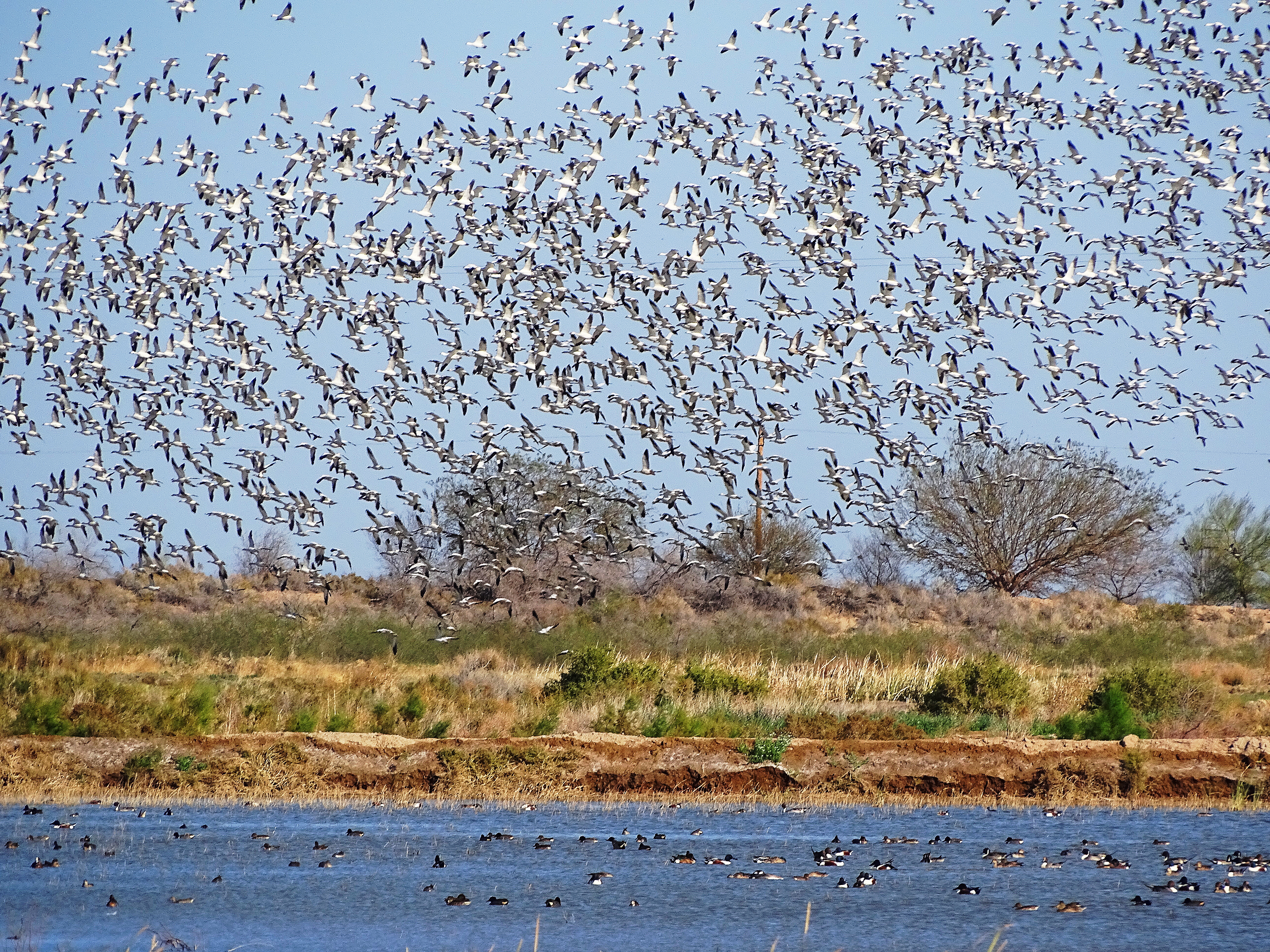
The Salton Sea near Anza Borrego Desert in Southern California is one of the crucial wetland stops on The Pacific Flyway for birds migrating between Alaska and Latin America.
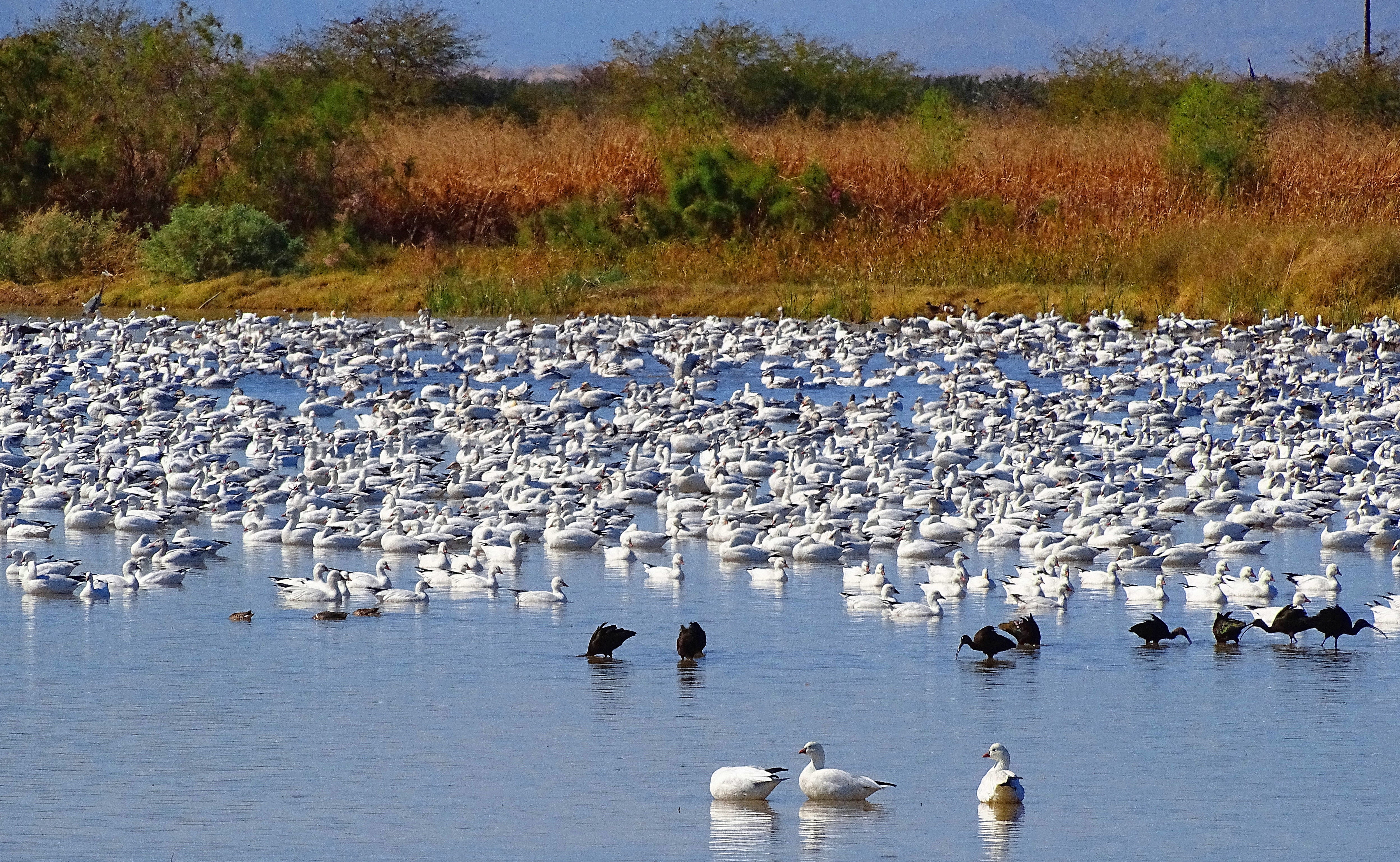
6 million birds rest here every year. (Snow Geese, Glossy Ibis)
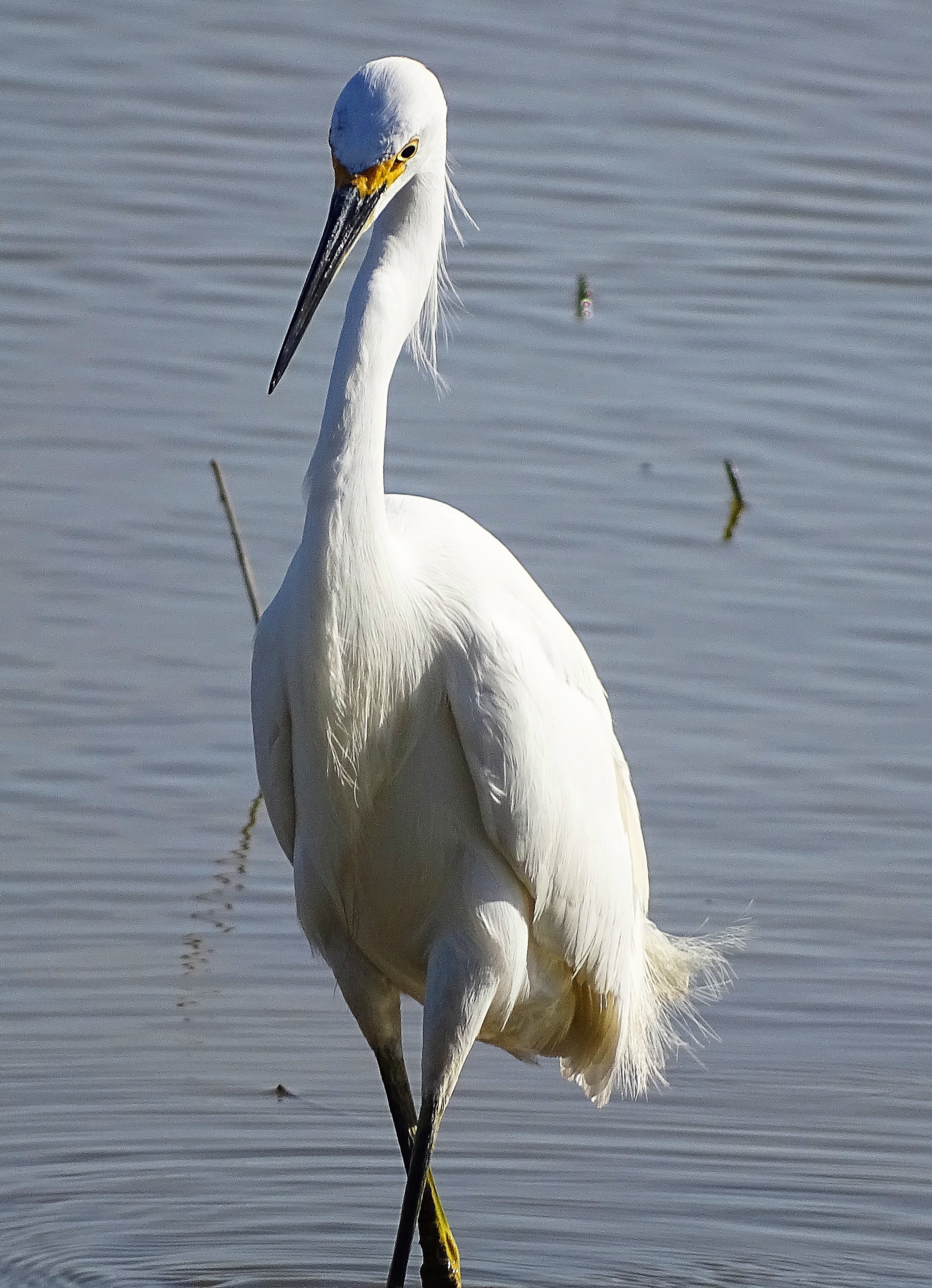
424 different bird species have been counted at The Salton Sea. (Snowy Egret)
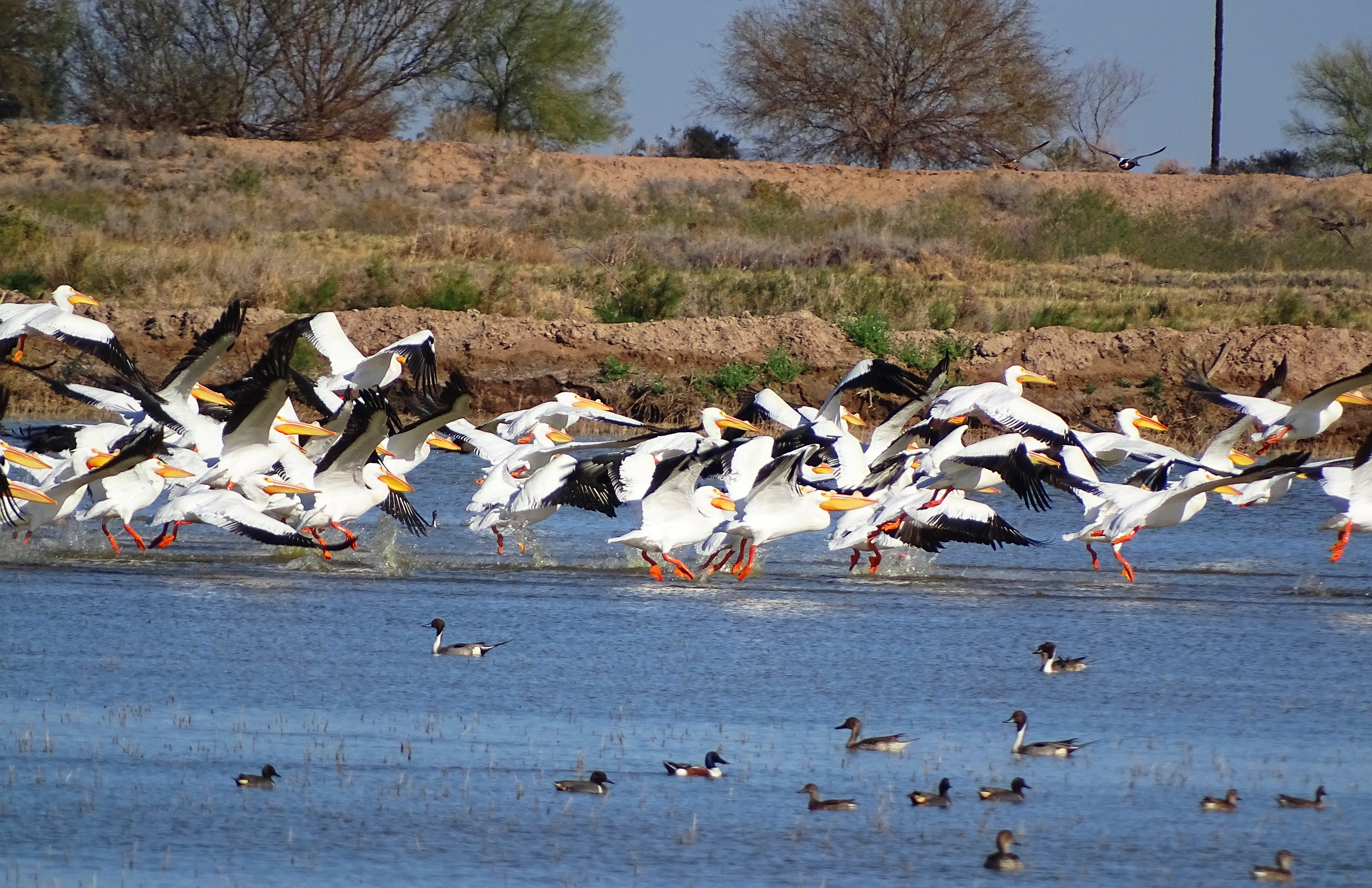
San Diego County hosts more than 500 different bird species, more than any other location in the continental United States. (White Pelicans)
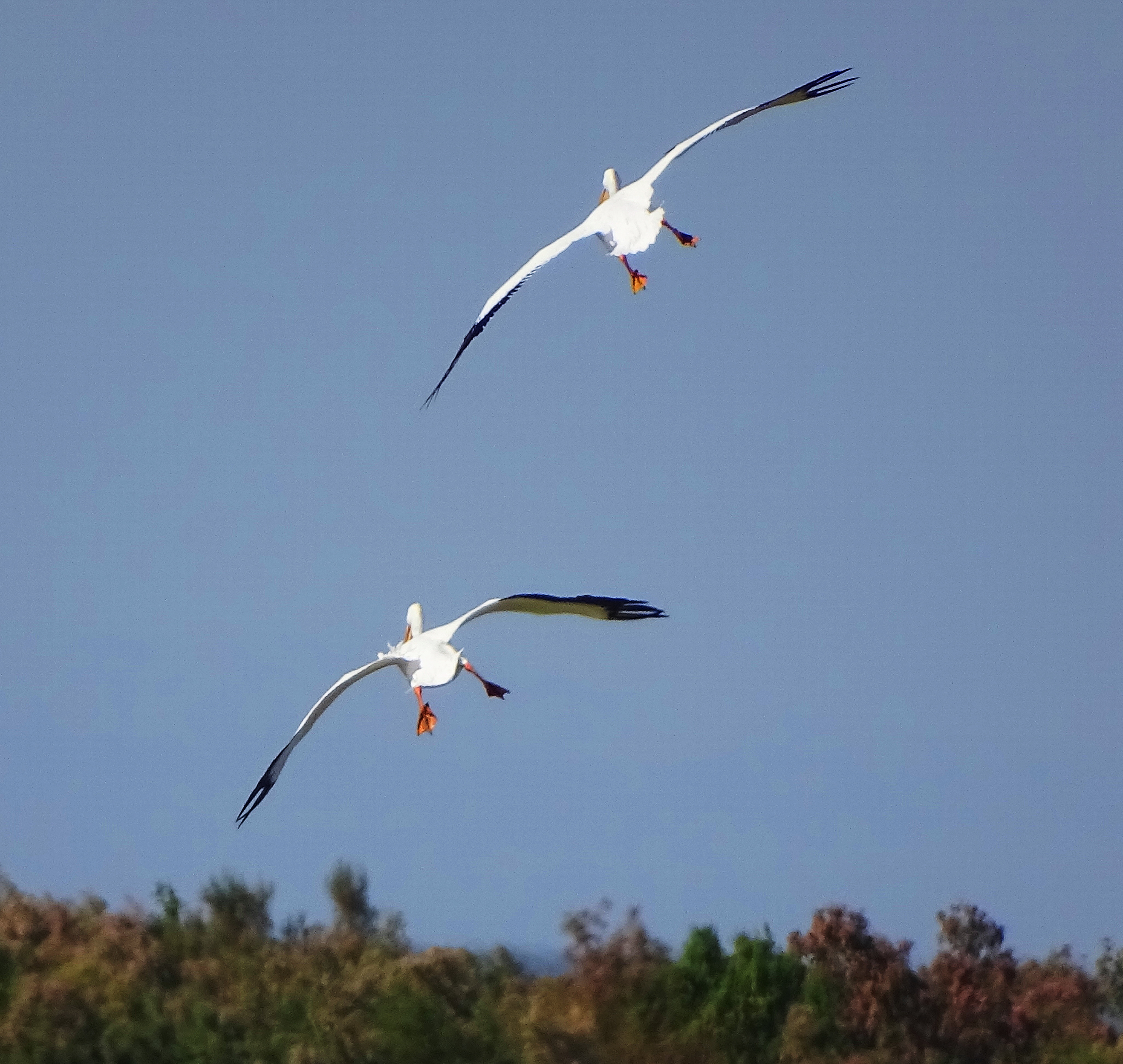
The Salton Sea sits 228 feet below sea level, its salinity percentage is greater than The Pacific Ocean, and it is California’s largest lake.
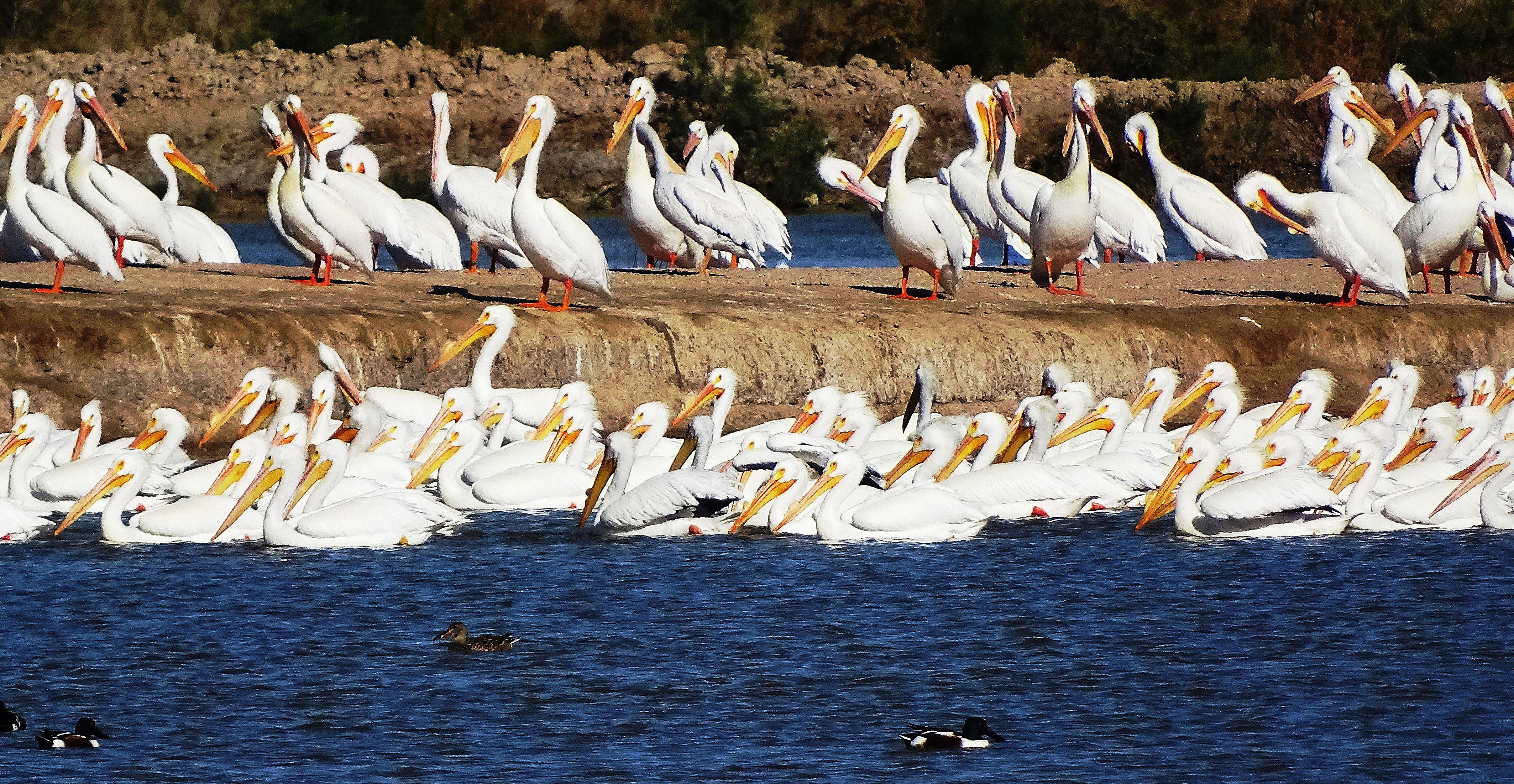
The sea has been steadily evaporating for the past fifteen years, and this evaporation is accelerating due to Southern California’s prolonged drought.

If the sea evaporates, 6 million migratory birds could be brutally affected. (American Avocet)
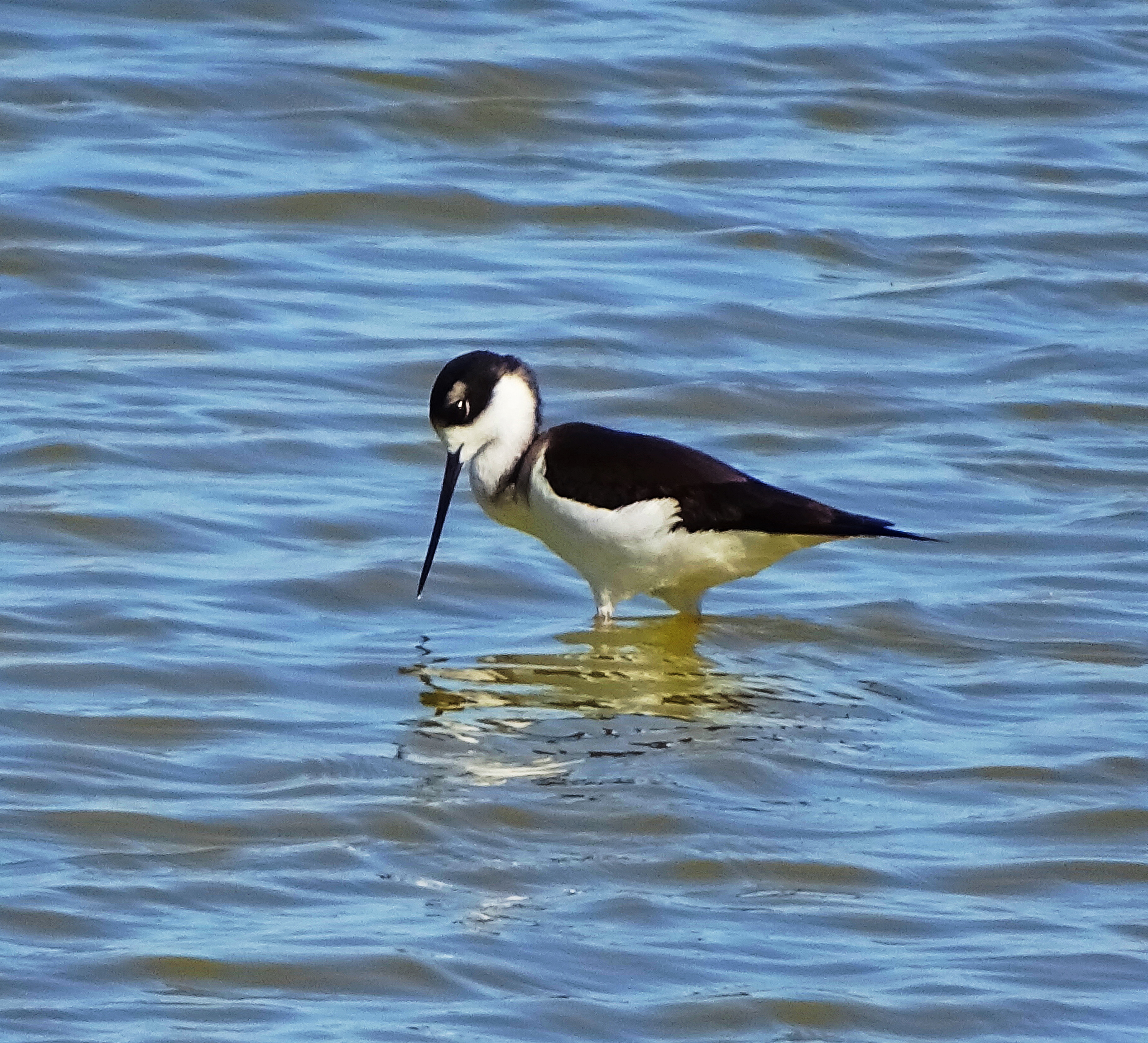
90% of California wetlands are already gone! (Black-Necked Stilt)
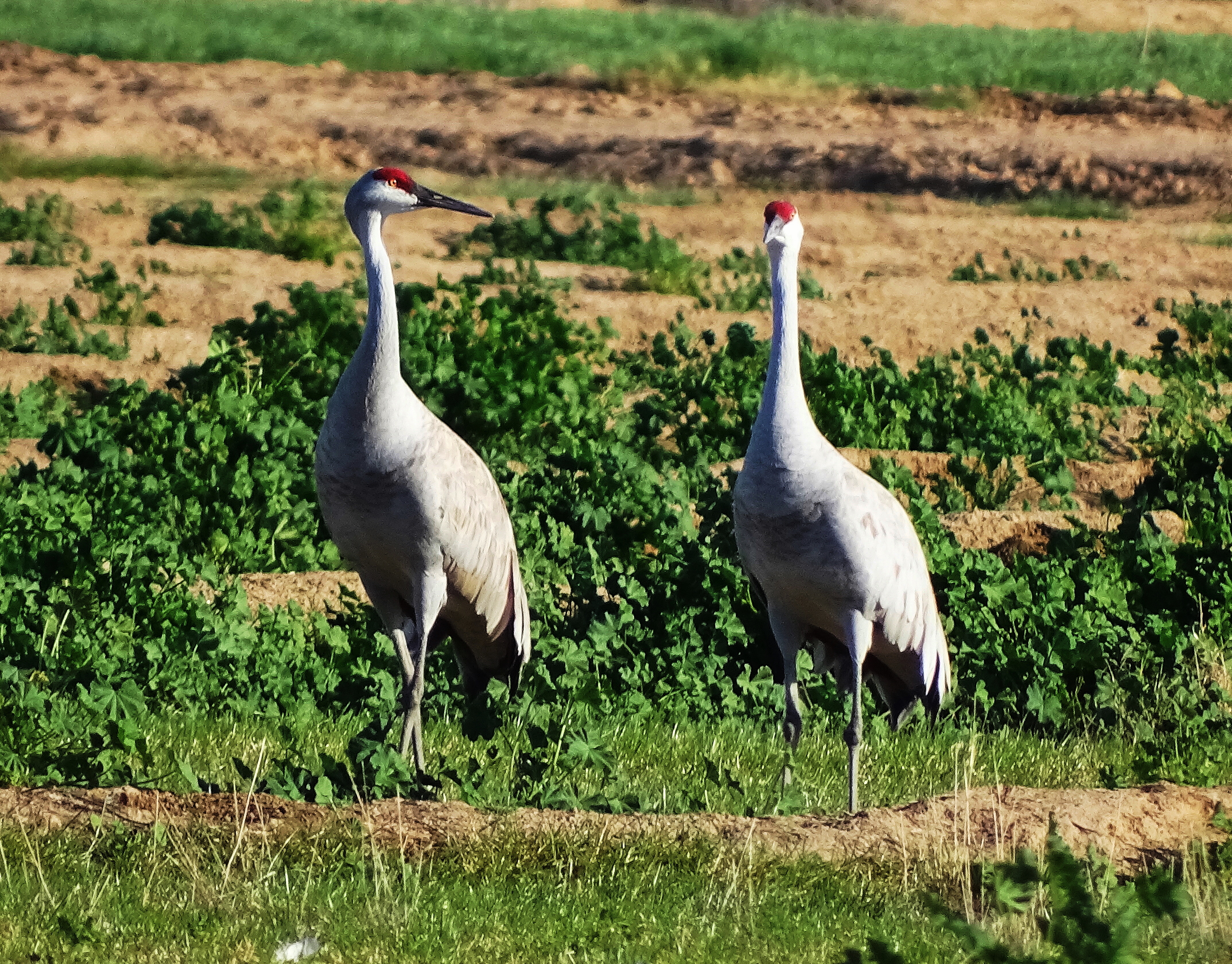
95% of the US population of Eared Grebes rely on The Salton Sea, as well as 90% of White Pelicans, 50% of ruddy ducks, and 40% of Clapper Rails. Several threatened and endangered species also shelter here. (Sand Hill Cranes)
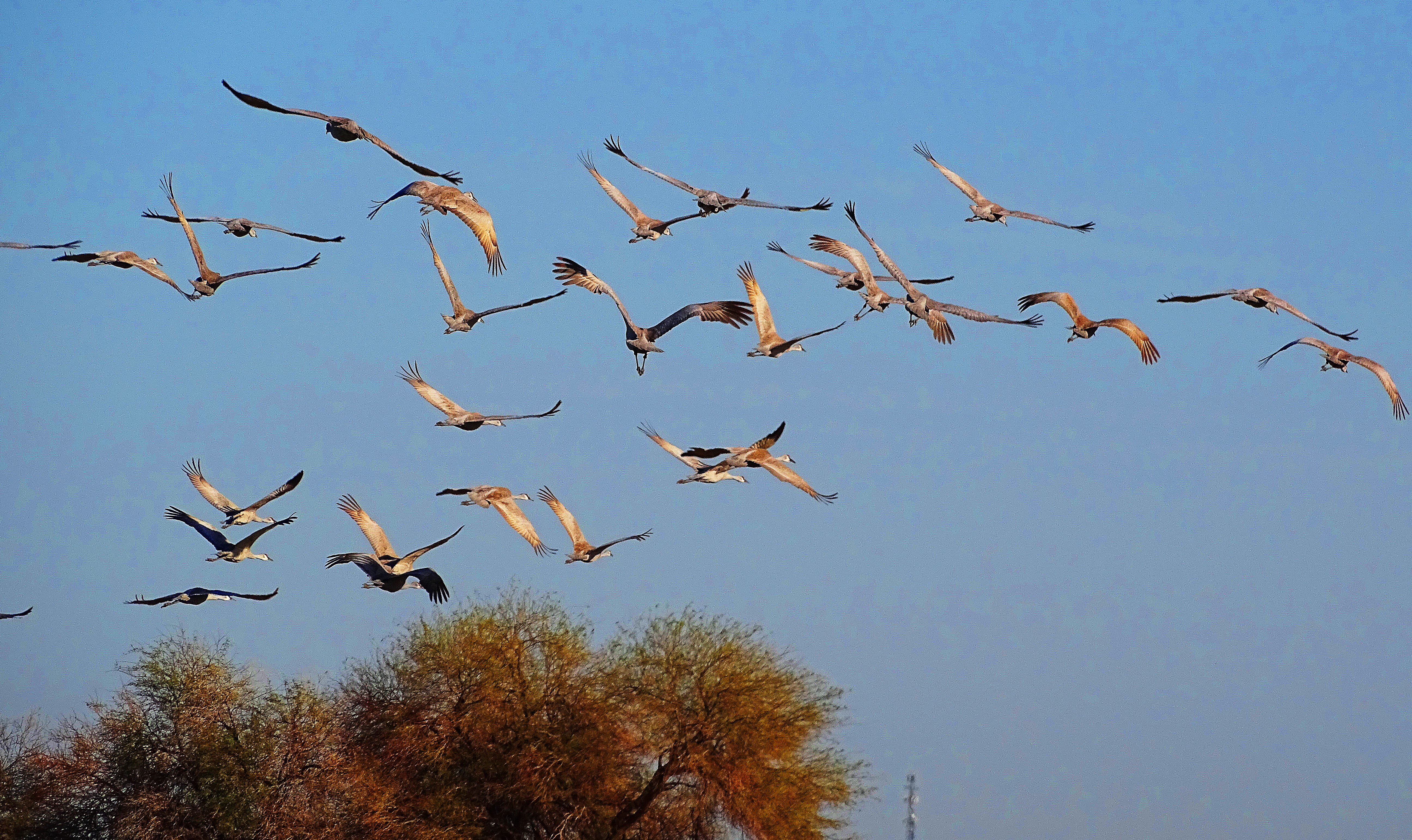
Cheers to you from the millions of beautiful, but at-risk birds at The Salton Sea (Sand Hill Cranes)~
Share this:

Discover more from Cindy Knoke
Subscribe to get the latest posts sent to your email.
The essence of freedom! Lovely, Cindy. I can hear their wings as they reach for the sky.
The sound of the wings and squawks of thousands of birds simultaneously taking off is unforgettable. I would be focused on a subject and I would hear the noise, like multiple crying aircraft taking off, I would move my camera towards the noise and see so many thousands of birds taking off in unisom. It happens many times everyday. Truly thrilling!
Cindy, It’s amazing the beauty of your posts. Wonderful shots !!!
love it all
Awwww, motivates and encourages me. Thank you very much.
Is there any plan to preserve the lake? I hope they are working on it. Beautiful pictures of these birds. I can imagine you can go out there watch these different birds all day long.
It is a two hour drive from The Holler to the sea, but it is an incredible place and no, there are no set plans to preserve the lake from evaporation which is a crime. SoCal is entering our fourth year of drought now, and these birds need the wetland, as do the mammals like raccoons and foxes.
Another great series of photos and an education on the Salton Sea. Thanks for sharing with us.
Awww, thank you more for your support and friendship Wally. Be well my friend~
Lovely photos. It is so sad to think that their habitat is changing, even slowly disappearing,
I was shocked to learn that 90% of US wetlands have disappeared, think of all the wild creatures that perished. So sad~
That is a completely different vision of the Salton Sea than I saw last year. I was probably in a different spot or maybe it wasn’t the season for the birds to be there, but everything looked so desolate. Beautiful pictures! I hope the powers that be can turn things around for this great resource. We certainly haven’t had the rain we need so far this winter.
Yes, if you go to Salton City, it is like a surreal, post-acopolyptic, example of man’s planetary destruction. You have to drive a bit further south to Unit 1 & 2 of the Sonny Bono National Wildlife Refuges. Here wildlife looks like the opening scenes of ‘Out of Africa.’ Mammal tracks are everywhere, birds in the many thousands. There are raptors and snakes and lots of insects. It is fascinating. I am going to the eastern side soon which I am embarrassed to admit I have never done.
Fabulous photos, Cindy! I used to take my students from my Biology for Non-Majors at the University of California Irvine to Anza Borrega every year on a field trip – tons of fun and lots of things to see. Many of them had living in CA there whole lives and had never seen a desert.
Living in California and not visiting Anza is criminal. I identify much more with the desert than the ocean and I was born on the ocean. The desert is just the most amazing eco-system and the way it changes with the seasons is incredible. Your class must have loved you!
Phenomenal! These photos ought to be published in NatGeo, Cindy!
Were they okay last year during the drought?
Yes, the sea is still here, but it is rapidly diminishing. If the politicos don’t do something, the results could be devastating for wildlife. SoCal was supposed to get the El Nino rains this year, but they didn’t materialize for the southern part of the state, so the situation is increasingly severe. We have had three weeks of days in the mid- 80F.
Worrisome… say the least.
yes.
Amazing photos!
Awww, thank you!
That is amazing with that many species of bird 🙂 However it is sad that 90% of wetlands have vanished 🙁
This was a new and distressing factoid for me too. So sad~
More great work, thank you.
Thank you for appreciating our feathered friends~
It is a fascinating place. Great shots of the avian varieties who depend on it.
Thank you Dor. As the lake evaporates, the saline content intensifies. This alone is a big problem.
Wow! Great pictures!
Mil grazie~
Extraordinary photographs – and how even more extraordinary to see it for real. Where I lived in Thames, New Zealand, the wading birds would fly from Siberia (and then go back!) Apparently it is one of the longest flights on the planet. Nothing like the scenes in your photos though.
Bird migrations are simply astounding. There is a goose species that flies over Everest every year. It is wonderful to think of species moving from Siberia to New Zealand every year. The Holler hummingbirds travel around 2000 miles each year from SoCal across the Gulf of Mexico to Central America. These birds weigh about as much as a US nickel. They are tiny and amazing!
Hummingbirds are the greatest delight (I found) when living in North America.
You would very much like The Holler (where I live). We have them year round, and get around 50 all spring and summer. They should be coming back soon! I love them fiercely.
WOW what a view with so many! :O
Birdie heaven for me! Nesting will be starting soon.
A great sign that summer’s finally coming 🙂
<3
Wow so many Pelicans !
I couldn’t give you a sense of the scope without posting a lot more photos. There were thousands of all sorts of different bird species including soooo many white pelican.
I would LOVE to see such a sight!! One time I did see a migration of snow geese on the ground over near Rio Vista and it was quite something but I was driving and I couldn’t really stop to enjoy it. Thanks for sharing these! Post more please! Oh a panorama would be amazing! 🙂
Yes, I have a bunch of panaromas, it was the only way to capture it, but there is only so much I should post. I parse it. I think you should segue down here. I’ll meet you at the wildlife refuges. I’m serious. This place needs your camera.
Great photos, Cindy, and rather frightening for a non-avian…. reminds me of Alfred Hitchcock’s “The Birds.”
Hitch exercised ‘poetic’ license. I had so much fun approaching the Sandhills. It was a walk, stop proposition. These birdies are 4 feet tall. Still I do admit to being intimidated by the wild ostrich in Africa. Those are really BIG birdies! 😉
Quite the sight when one knows the migration schedule. Well done, Cindy!!!
So appreciated! Thank you~
Will the birds be clever enough to find new places, I wonder. Such a pity there is no plan to try to save the Salton Sea.
I don’t know. Originally the birds used the Colorado River, but the river was diverted for human use. I don’t know what they would use without The Salton Sea. Another crucial resting spot in California is Mono Lake and it is also steadily disappearing. Just looking at the lake levels in Southern California is eerie and spooky. You have piers going out over dust, and lake bed dried to a crisp.
:((((((
Isn’t it just so worth it to do everything possible to save these magnificent beauties from extinction.
Thank you. I couldn’t say it better. We need to be a more responsible species.
XX 🙂
Amazing shots, Cindy!
Much appreciated Kate~
It’s so sad to hear about the sea evaporating because of the drought conditions. These are gorgeous birds, and your photographs are amazing. What beauty!! Did I use enough adjectives? LOL
You definitely did and you are very kind Dorinda. People like you are why I love to blog~ <3
Thank you, my friend! I so enjoy looking through your lens 🙂
As I enjoy your creative kindness.
Amazing. I wish you could see the smile on my face, Cindy. May they always have their home. And may we all be conscious of the effect of our doings. I love your work.
Your thoughtful comment brought a smile to my face Maiko. Knowing you is a gift my friend~ <3
Cindy, your photos are always beautiful and sharp. I particularly admire these bird shots. You really do a great job of showing a sense of freedom. I’d love to take such great flying shots. 🙂
I am blown away by your photography and your subjects! So we are just going to have to agree on mutual admiraton. I envy your subjects and appreciate your skill Jane.
🙂
Awesome photographs!
Ahhh, thanks much my friend~
Love these shore and water fowl photos! I have a friend who lived near Anza Borrego and used to bird there. We never made it there the one time we were in San Diego so I appreciate your gorgeous pics even more!
Anza is definitely off the beaten track, hundreds of miles with no people or civilization. I am so glad I have the opportunity to share it with you Teresa! <3
You are the perfect friend for an armchair traveler like me! <3
Visa versa 2 U X 2! <3
Love your photos, Cindy. What an amazing experience it must be to see all these birds at once…the climate change causing these extreme weather patterns is truly worrisome. I hope for rains for this area before it’s too late.
My hope is dwindling for rain this year. This is our fourth year of major drought. These birds in these numbers are just thrilling to see. I photographed some hawks but no ospreys this time darn it!
I like all your pictures -always. I think the picture of the snowy egret is stunning.
You are a lovely friend, my friend~
Magnificent habitat, wonderful creatures and most beautiful images! Thanks for sharing this special place!
Thank you more for such kind appreciation & cheers to you~
Wow, thank you for my first view of the Salton Sea Cindy! My family recently inherited some land around there and we haven’t had the chance to visit it in person yet. So I’m quite excited to be seeing it through your eyes! I love the view of there being so many birds that they seem to blot out the sky. And the close-up of the Snowy Egret is my favorite! 🙂 ~Lynn
Be sure and visit the two Sony Bono Nature Refuges. They are a birders paradise. The property could be interesting for you Lynn. It is like another world out there. The area around Salton City is getting some development further away from the shores. You need to explore beyond Salton City. I have yet to visit the eastern shore and I want to go soon!
I sure plan to! We have 2 plots of land (one for me and one for my sister) upon which we can build a home – in an area marked for residences, and they’re very close (walking distance) to the sea and the Sony Bono Nature Refuges. Yay! 🙂
<3
Such beautiful bird photos but your stats break my heart. Where would they go?
We are so thoughtless aren’t we, with this incredible planet. It breaks my heart too. Mono Lake is in trouble too and it is another rest stop. I don’t have any answers because I don’t know.
Big, and stonishing, numbers to a delicate population… beautiful register, Cindy. Hope the future is positive for them.
I hope so too. Such a terrible thing to consider losing these beautiful creatures.
I have your pictures and commentary, Cindy. I have been out there and never realized the number Birds that rely on the Salton Sea. It has been a few years. Perhaps I need to go back again.
Be sure to go south away from Salton City to Units 1 & 2 of the Sonny Bono National Wildlife Rescue Complex. If you go in March or April there will be nest activity. It is very much worth a visit. Salton City is worth a visit to see the affects of misguided environmental actions, but it is sad to see.
We camp in Anza Borrego-not too far away. Will definitely check it out. Thanks, it really was a great post.
Camping in Anza Borrego makes you brilliant, in my book. I have stayed so many times, but never camped. The night stars and solitude while camping must be overwhelmingly maginifient.
Wonderful pictures as always Cindy.I hope the drought in California is soon over so that none of these beautiful creatures is put at risk.
xxx Massive Hugs xxx
Here’s to hoping along with you David and thank you my friend~
It is very sad to see what drought and extreme weather patterns can do to the environment, birds and wild life, as there are many endangered species and lands affected from it all.
The Salton Sea is so complex. It was created by human misadventure resulting accidentally from the draining of The Colorado River for human agriculture. The sea is full of agricultural chemicals. The birds and animals relocated to the sea when their natural Colorado River marshes were destroyed by human action. Now the sea is at risk of drying up, leaving the wildlife with little options. It is heartbreaking to see how we seem incapable of learning and correcting our behavior.
It is such a thrill to see so many birds all around and above you – had a similar experience a few months ago. Great photos, Cindy.
These creatures are simply magnificent in these massive flocks! They move like one unified organism, all making simultaneous cries, along with the crescendo of thousands of beating wings. Glorious to witness, I agree with you!
You got so many very beautiful photos Cindy 😀
I am most fortunate to have thougthful people like you to appreciate them. <3
😀
Very fascinating, excellent captured… 🙂
Thank you!
That’s amazing, Cindy! I was there with my parents once when I was very young. I remember lots of dead fish floating on the surface. I heard it was from getting caught in ski boat propellers. It was a ski trip and I was told I was too young to ski so I was crushed.
Nice piece!
Yes, many years ago, The Sea was built up to be a water skiing resort. Hotels were built, restaurants and bars. But the inadvertantly created, man-made sea, was a resevoir for chemical run off from the agricultural fields of the Imperial Valley. It soon became a brew too toxic for most fish and people. So now Salton City, the old resort town, is an eerie, post-apocalyptic appearing toxic area, where the shores consist of the ground up bones of thousands of dead fish. There are planned suburbs with lots and street names, that were never built. Some of the abandoned restaurants still have fixtures in them. You have to go south, to the marshes created by leaking agricultural water canals, to find this incredible abundance of thriving wildlife.
We’ll have to see this! Sounds like a great adventure!
Yes, do and post please.
grandiosità e perfezione della natura
exeelleny
Grazie mille! Sono onorato. <3
Cindy!
I feel we need not go anywhere to see things flying.
We need to come flying to your blog.
That’s All.
Well done as always.
Shiva
Ahhhh, that is such lovely sentiments. Thank you my friend and be well~ <3
Wunderschön so viele Vögel wünsche dir ein schönes sonniges Wochenende liebe Grüße und Umarmung Gislinde
Danke mein lieber Freund Gislinde. Hab ein wundervolles Wochenende. <3
Woooow!!! Spectacular pics!!!
Ahhh, thanks much & cheers to you~
wowww. Liberta…
Si splendidi uccelli selvatici liberi!
Stunning photos, so wonderful. Thanks for sharing 🙂
Thank you much more for appreciating them & happy weekend Jane~
You also Cindy, happy snapping too. 🙂
<3
Fascinating. Wikipedia enlightens as usual. C’mon rain.
Yes!!! God Bless Wiki and it will be another scorcher today.
Such beautiful birds. That’s so sad about the wetlands evaporating. To think that we’ve had so much rain that it has caused devastating floods in the UK and then there are other areas devastated by drought that would have benefited from all that rain.
Yes, the chaotic extremes so indicative of global warming. Sometimes other people misunderstand and think global warming only means warming. It also means abnormal cooling and precipitation, just markedly abnormal climatic patterns. This is what we are wittnessing in Southern California. I have lived here for 59 years and I have never seen anything like this.
There have been periods of marked climate change throughout history, such as a mini ice-age in the Renaissance and Mediterranean temperatures in the south of England in Roman times. Whether our world will bounce back from what’s happening now is a different matter, as we have to factor in many more pollutants caused by human activity.
Those are terrific photos! I hope the drought ends soon, before the wetlands completely disappear. That would be horrible. Thanks for sharing, and for letting everyone know about the problem.
Thank you for caring. Our planet needs people to care.
I love it when that happens!
It is pretty amazing to witness isn’t it!!
I’m trying to imagine the noise.
The noise is the most amazing part. It starts with this cacaphony of a thousand birds lifting off and vocalizing, Then you hear the amplified murmur of thousands of wings gaining updraft similtaneously. I can’t describe the sound. It is too wondrerful.
Thank you Cindy, not only are the photos stunning, but I was also equally impacted by the ecological message of the signifiigance of protecting wetlands – and the habitat for all of creatures. Great informative uplifting beautiful post! Peace, Harlon
Awww, such a lovely, encouraging and motivating message. Thank you more Harlon~