
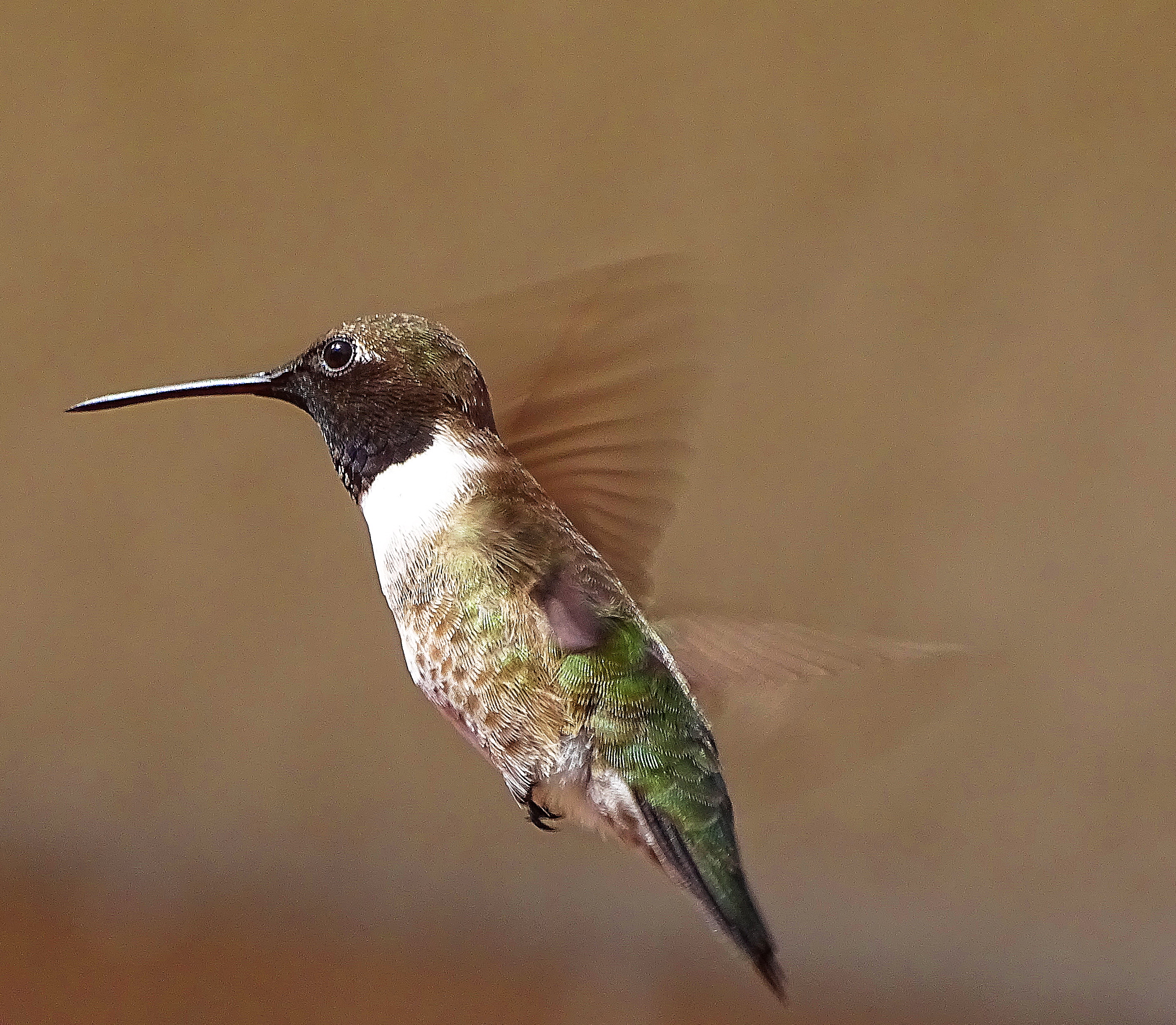
Four quarts of nectar were being consumed by The Holler Hummers in 48 hours. But now, each two quart bottle of nectar, has it’s own lethal enforcer, who will attack any hummer who tries to feed. So one hummingbird controls 2 quarts of nectar!

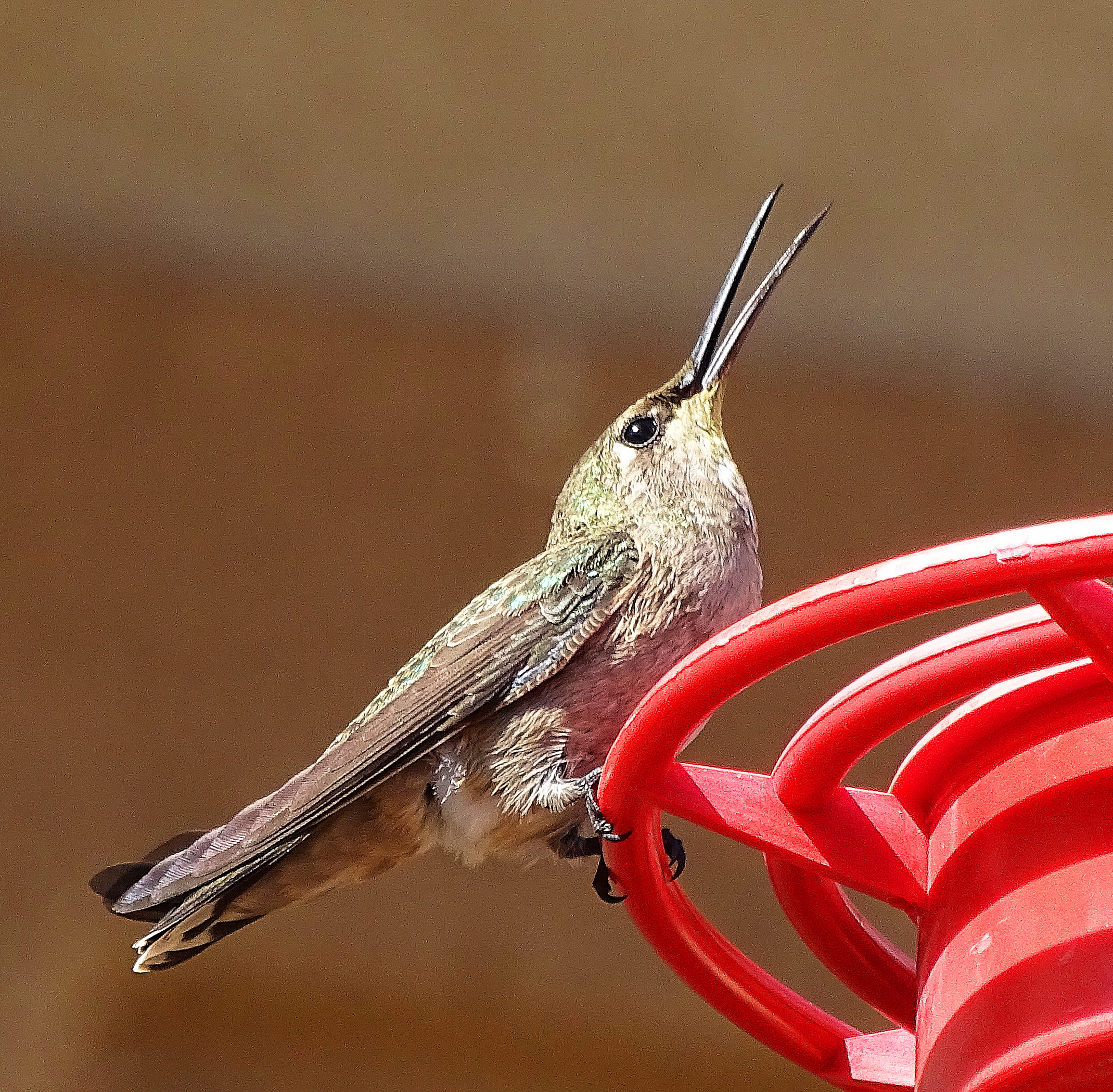
The most lethal enforcer is the guy above. You can see he has a malformed beak that he may have gotten in one of his many battles. He is like a capitalist robber barron, hoarding riches he will never be able to consume.
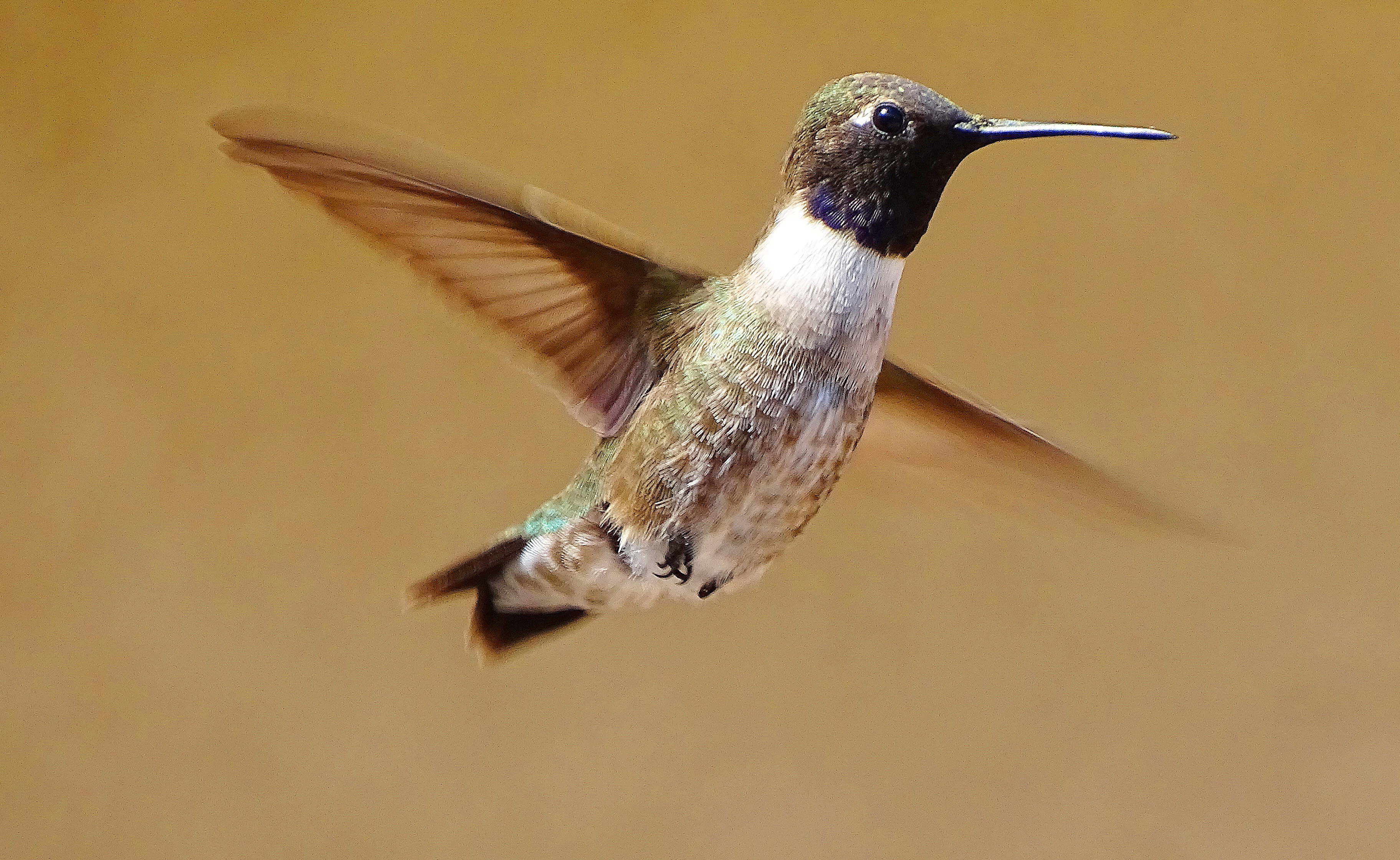
Here is enforcer number two. Both enforcers have visble differences from the other hummers, the beak malformation in number one, and number two is the only black chinned hummingbird at The Holler.
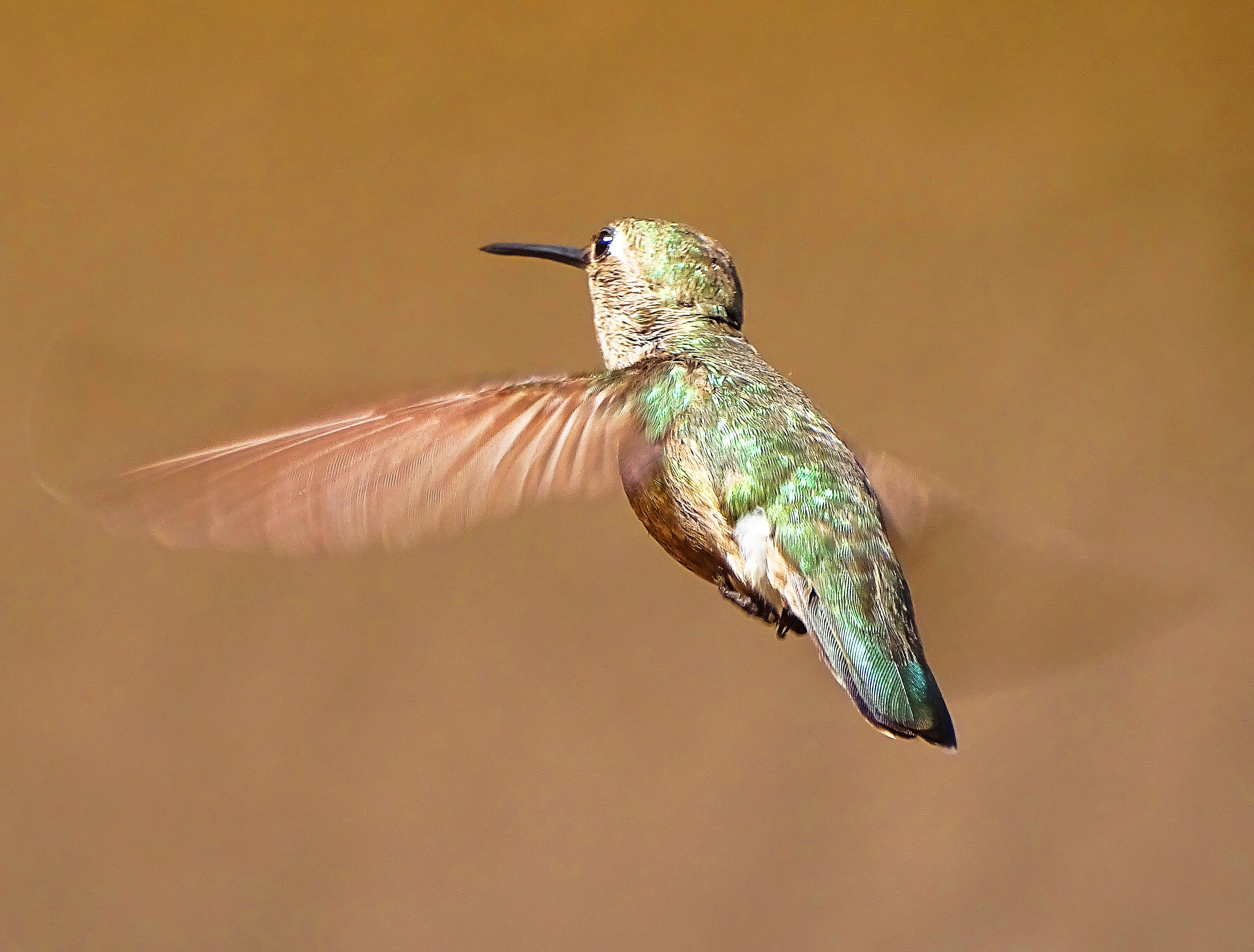
The other hummers snatch nectar when they can, but most have given up and go feed on the flowers. I think they are the smarter ones. Who wants to waste all this energy fighting?
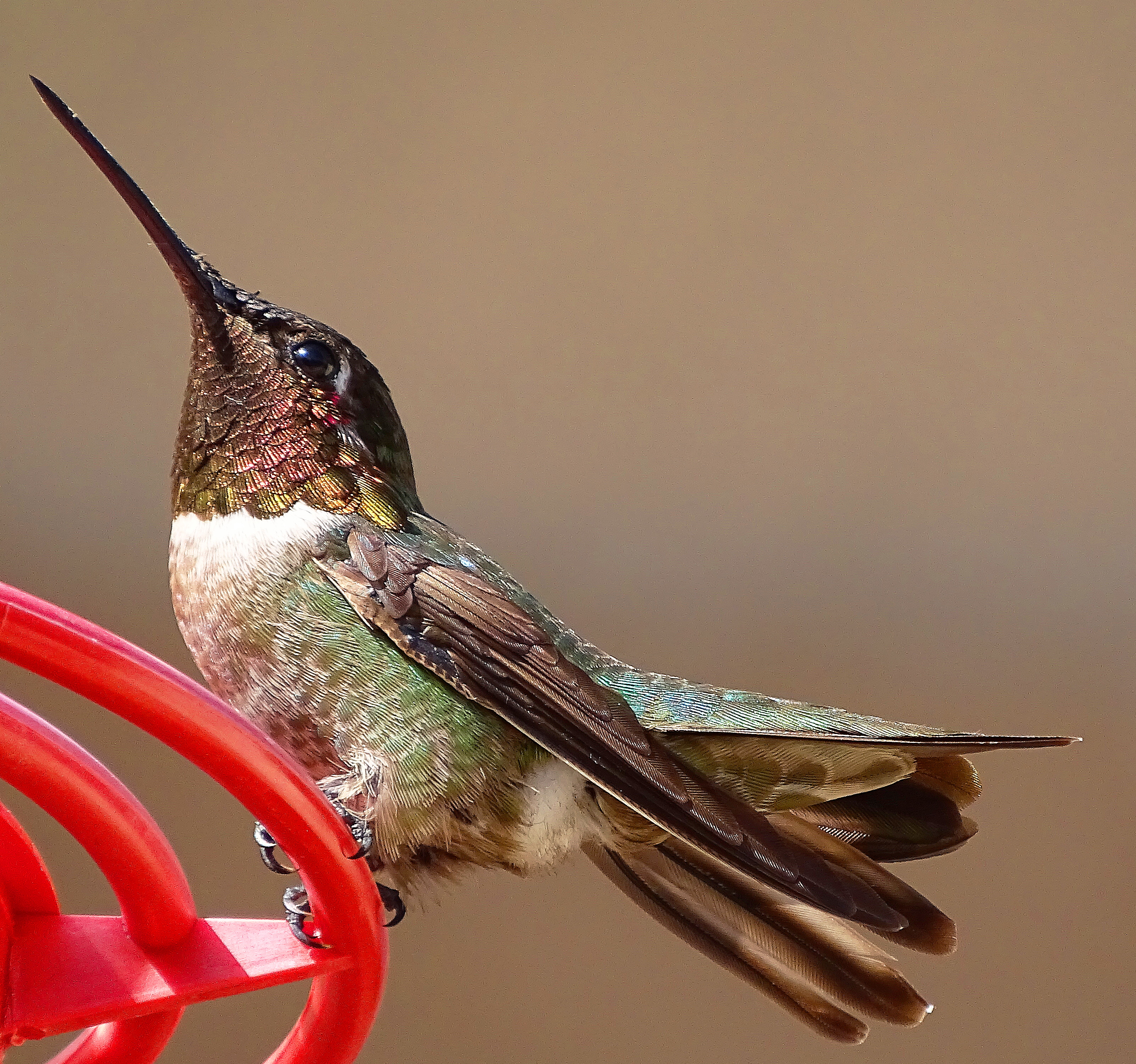
All the hummers who do attempt the feeders are intensely leery of attack from above.
They are constantly ready to self defend!
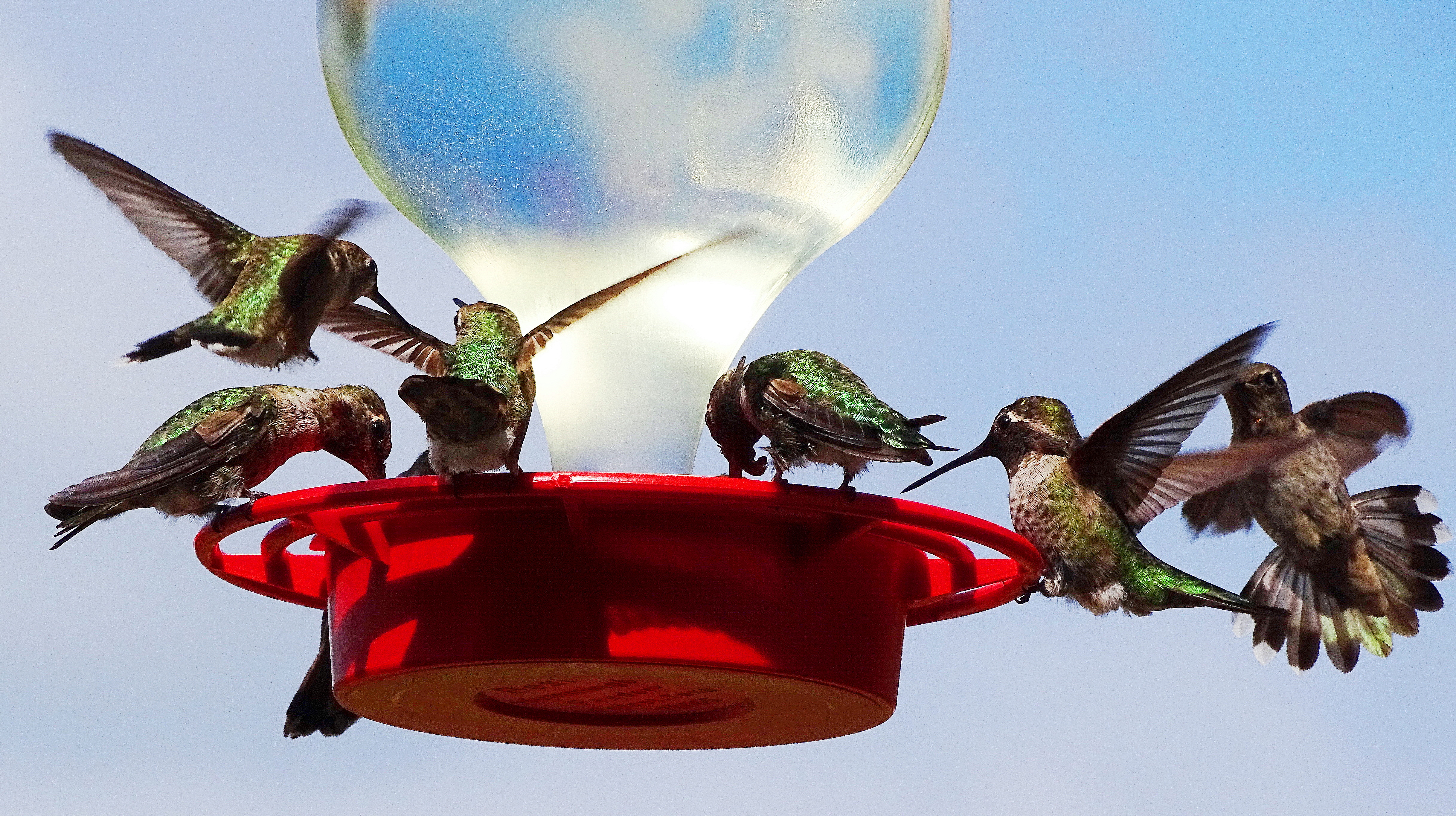
I understand that hummingbirds need to feed constantly because of their hyper-drive metabolisms, but I don’t understand how all this relentless attacking is adaptive for them as a species.
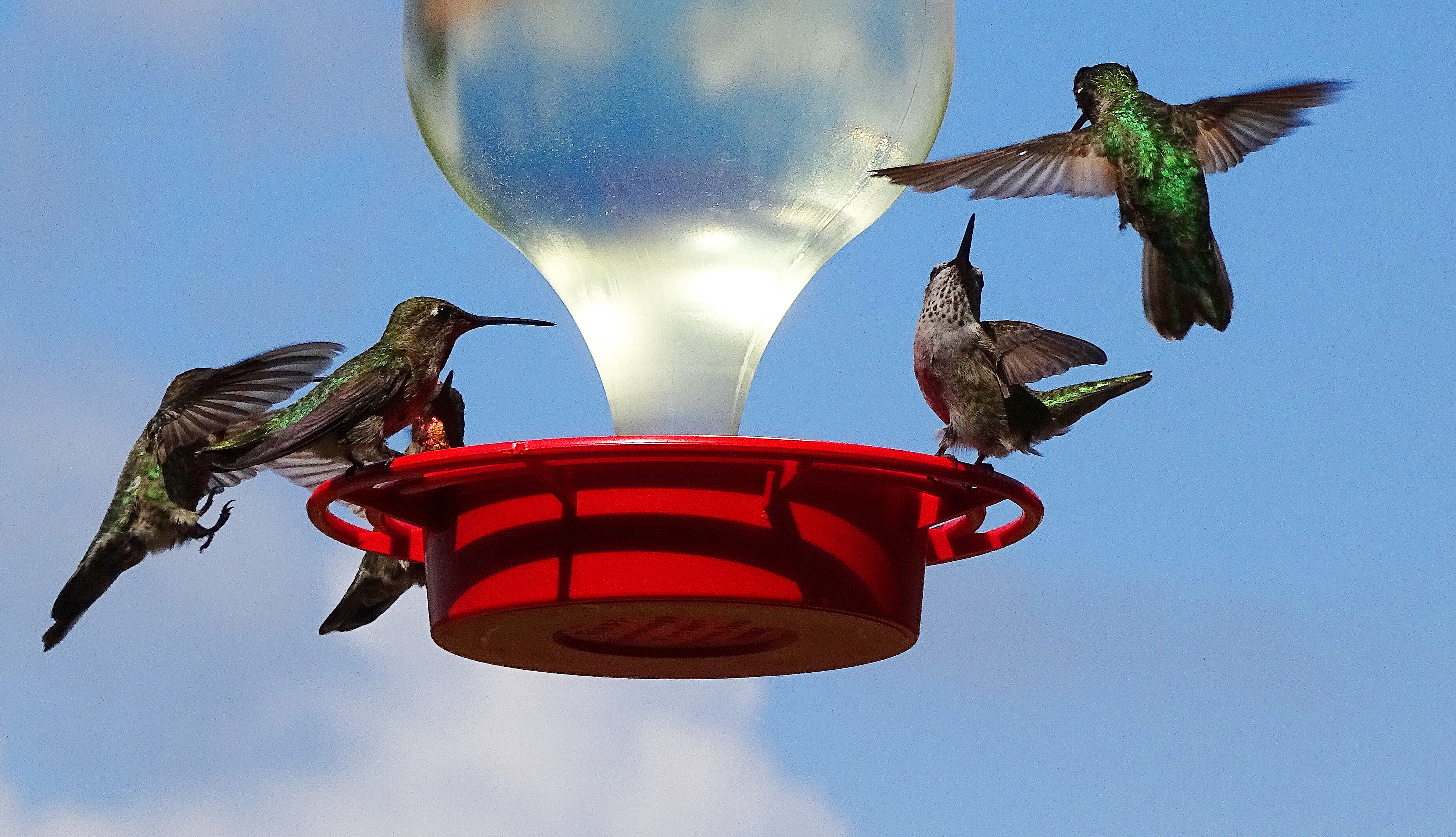
They remind me of human governments that hoard resources and launch vicious attacks for control. I wonder why they, and we, can’t all just share and get along?
Cheers to you from The Holler’s sometimes too “human-like” hummers~
Share this:

Discover more from Cindy Knoke
Subscribe to get the latest posts sent to your email.
They are certainly beautiful, but as you say, they are a bit ………
cranky! 😉
Humans aren’t the only ones with anxiety and greed. You need a hummer revolution to throw down the tyrants!
I know! I was out there quoting Marx to the downtrodden masses of them, but they just don’t seem politically minded……..;)
…and that’s a good thing !!!
LOL Don’t want to throw their weight behind it? Oh wait, they don’t have any weight to spare. LOL
Fabulous!
Mil grazi!
Great photos and commentary Cindy. Make love, not war. XD
Amen to that brother!
Gorgeous photos. It is sad that we have enough resources to feed every person on the planet and yet so many die every day.I don’t have nectar feeders so my hummers have to live off the flowers. They love bee balm so I have it planted lots of different places. I’d be curious to put a feeder up and see if the hummers around here would become aggressive and territorial. Peace.
Yes, it is sad how poorly we humans manage to care for each other and of course we have the resources to so much more than we do. It is frustrating isn’t it. I truly do not understand why the hummers are getting so aggressive now after seven years of bickering, yes, but also sharing. I wonder if the nearby orchards succombing to the drought is the explanation. They have to compete more intensively for less available nectar. I don’t know……
If resources are becoming scarce that would probably explain the aggression. The feeder nectar is easier to get at and maybe with limited water resources from the drought, they are getting more fluids as well as nutrients. I don’t want to think what our continued climate change is going to do to the ecological imbalance that is already causing stress in so many areas of the world. I’m glad the Holler is an oasis of beauty and mostly peace.
Those beaks look like lethal weapons.
LOL on the hummingbirds & govt comparison.
Yes – Why can’t we all just get along?.
I get this very strong feeling that we are all supposed to be getting along……..and caring for each other too!
beautiful shots of a most interesting species of bird…love hummers 🙂
They are completely entertaining! Who needds a soap opera when you have hummers!
Wow! Stunning photos, Cindy!
Thanks so much!
Good thing the others have the flowers. I suppose you would need smaller feeders spread out over a larger area if they had nothing else to eat. Then the mean guys wouldn’t be able to guard all of it.
Yep, I am going to have to alter my strategy, clever, greedy little hummer tyrants! 😉
Incredible, stunning and amazingly beautiful.
Awwww, you are such a good blogging friend! <3
Beautiful pictures and good motion capture. !!!
Thank you for noticing &mentioning that!
GREAT photos, Cindy! I can’t fathom how you managed to snap them, though! Were you inside peeking out??
The hummers are fully used to me. They find me utterly boring. One time recently the feeder was empty, and this hummer buzzed repeatedly inches to my face, and then to the feeder, and back again. Clearly saying to me, “Come on giant, do you job! Fill the feeder….” LOL!
They come to our window where we are sitting to buzz us and let us know the feeder is empty.
Is the humming bird in the last photo giving you a raspberry with its amazing little tongue? 🙂 Great photos Cindy. –Curt
Yes he is and I am glad to have someone confirm this for me! 😉 😉
Hello, I hope you had a great Holiday weekend. Beautiful birds. 🙂
Thanks Fae! Just over at your new blog! Looks awesome~
Happy Easter, my friend!
Visa versa 2U!
Your photos of them are spectacular, to say the least. The observations are so interesting as well. I never thought of them being so territorial – so unnecessary and the analogy was spot on. Excellent post.
Vey pleased you enjoyed and thank you too!
Awesome photos!! 🙂 …
Mil grazi~
Absolutely gorgeous!
Yay! Makes me happy!
I just love em all, Cuz. …hawks and hummers, good or not, Cindy. 🙂
I do too cuz! That’s why were related! <3
Extraordinary shots Cindy. I don’t know how you do it. Warrior hummers eh? – way too much fun in your garden.
Alison
I know, but thank goodness I don’t have to spar with these guys! Too lethal for my tastes~
I had no idea hummingbirds were so governmental! 😛
Laughing! Love your use of adjective! <3
😉 😆 <3
Wow, such incredible shots of the hummers!! You need to watermark them so I don’t steal them 😉
I know for certain you wouldn’t. Cheers to you Terri~
Your hummingbird pictures are always amazing.
They are amazing little creatures! Be well Stephanie~ <3
Fantastic pictures! One wouldn’t think any of those beautiful little ones could be so vicious. Truly brings some human behavior to mind as you say.
I think of this all the time when I watch them, all this bickering, infighting, stabbing. The tryants actually formed an allegiance to attack all incomers today, which is new behavior. So much like more problematic humans, who tend to misuse position or authority. I wonder how this is truly adaptive for them, and for us. I suspect it is not for either species. But it is thought provoking. Humans and hummingbirds need to learn how to be kinder. I think that would improve the chances for both species survival.
I agree! To learn to live in peace and let everyone thrive would improve the chances of survival for all of us.
<3 <3
I’ve always loved hummingbirds–these are gorgeous!
They are indeed the most remarkable birds!
I suppose any survival drive can itself be driven by a distorted neurotic one. That is, I’m only safe if I control it all. Otherwise, others will do what I would do” . Control freakery. Ho Hum 🙂 Now when I rule the world ~
Good shots though and a pleasure to see. At least there are only two out of how many ? I wonder if it might be 1-2% ?
Yes, you are right Graham, it is a small percentage of the hummningbirds that bully. This is an important point that I hadn’t considered.
🙂 Just like humans 🙂 We are not that different really. Except I can’t fly. 🙂
First off Cindy these little creatures were captured so perfectly. I’m fascinated by the raging turf battles – ferocious they are.
Fast & furious! 😉
Great shots, Cindy. I love hummers even if they are a bit cranky. Such unusual birds!
They are so wonderful to have around, and most of them are almost tame!
Amazing photos as always.
Mil grazi & cheers too~
Preciosas e impresionantes capturas. ¡Qué mérito tan extraordinario!
Estoy tan contento de que gozan sus los pájaros y gracias por su amable comentario ! Saludos a usted ~ <3
Oh dear, if even those sweet little hummers can’t get along, what hope is there for us humans?
Both humans and hummers would have to realize that violent conflict is harmful for the ongoing survival of the species~
Oh, we are so much anticipating their return to our home. You are right, and your photos prove it, they are just so beautiful. But they are little warriors. We watch them fight, attack, defend, fly and chase and then come back for another sip of the delicious sweet water. Thank you for your post.
Thank you even more for the kind appreciation & cheers to you~
These photos are really stunning Cindy, so amazing and beautiful birds 😀 I agree, we should be able to share and live in peace.
Alot of people do favor peace, but we are apparently not being listened too…..
I never knew about these habits. The photos are amazing – all that shimmer in such a tiny packet.
They really are remarkable in terms of behavior, flying ability, and personality!
OMG pics of those hummers!
Hope you enjoyed! 😉
Absolutely … especially the one posing as a gymnasts during the cross pose on the rings.
They are remarkable gymnastic fliers!!
Fascinating laws of hummer hierarchy! I did notice there is always one who is the warden, but I thought perhaps a benevolent one. Maybe not.
Nope, the benvolent part is not in evidence! I have moved the feeders and things are more peaceful today!
So Beautiful Cindy, hope you had great Easter…ours was very nice…nothing like having the whole family together…
huggs
Reblogged this on Sherri's Sharing and commented:
so beautiful Cindy
So thoughtful of you Sherri and much appreciated! So happy you hear you had a wonderful Easter. Cheers to you my friend~
A friend desperately wants to photograph hummingbirds. I’d show him your blog but in pure misery and shame he would break his camera, rip off his shirt and start wearing ashes. So I think it much, much better that I wait until after he has tried and posted his efforts to show him this post. That will break his heart even more! 🙂
Laughing, so not true! I am certain your friend will surprise you and I would love to see the results. All he needs is a comfortable chair and a little patience and viola!! Hummers are hams. They can’t resist helping you get a good pic! 😉
I’ll tell him. But if he starts getting great shots and gets better than me. IT WILL BE YOUR FAULT!!! 🙂
Laughing, no good deed I have ever done has gone unpunished!!! 😉 😉
Amazing captures! Those little critters are so cute. 🙂
They are truly beauteous! I love it when a new colored variety shows up. The colors are amazing. Cheers to you my friend~
WOW was für schöne Fotos 🙂 L.G.Kerstin
Willkommen und vielen Dank! Haben Sie einen wunderbaren Tag~
They’re back – thank you HW!!!
I hope spring has sprung for you Antionette! <3 <3
Absolutely gorgeous, Cindy! 🙂
Thanks my friend, they are beauteous little birdies!
Fantastic post! These are the most amazing creatures!
They are and so much fun to live among! Cheers to you & thanks too~
I have never seen one so close in a real life. Actually, I have seen them only once in my life, at a distance 🙂
You capture the beauty of such a mystifying (and quite scary) creature! These are awesome pics! 😀 I have to tell you on a funny note I am scared of birds lol- don’t know if it’s from all the sea gulls that have done their duty on my head throughout the years- or the bat that flew in my room as a child 😄 Either way- beautiful post and always enjoy seeing them!
I admire your bravery in sharing your fear. All people have some sort of fear, so no worries. The fact that you enjoy looking at pics of birdies in spite of your unease is a wonderul testament to you! <3 <3
I’m learning more to respect the beauty of birds- still working on insects lol
My thing used to be rattlesnakes but my son cured me of this fear. I still am wary of them, but not irrationally scared. Helped me to learn they are more afraid of me than visa versa. Humans are pretty scary, for good reason, to most wild things….. Cheers to you and good luck with the bugs. People call them bugs for a reason I suspect! 😉
Those birds made my childhood as a kid. Nice work as always 🙂
Oh, now I want to know about your childhood with hummingbirds! Sounds awesome~
It was fairly awesome, Then would always come by the mango tree I had in my yeard 🙂
A mango tree alone sounds awesome enough! 😉
If hummingbirds, as beauteous as they appear, can’t make a peaceful go, man will never find true peace on earth.
Interesting lesson from nature!
Well, a significant majority of Holler hummngbirds bicker, but essentially get along, ie., as it approaches nightfall, they will be sitting co-operatively, eight to a feeder, bulking up for the night. It is a small minority of birds that are bullies and extremely aggressive. In this way, I do see a remarkable similarity to humans, in that the majority of humans are co-operative and considerate, yet the minority that are bullying, manipulative or aggressive, ruin things for those who are not. Unless this problematic minority change, there will be no peace for us. I don’t see this happening either. But, still, Power to the Peacemakers! <3
Beautiful hummingbirds, Cindy! They’re among my favorite birds and they happily keep me company in my yard <3
Don’t you love when they buzz right up to your nose and hover there? 😉
Yes! I grew up back east and wasn’t familiar with hummingbirds. I assumed that they would be shy, but they are so friendly and bold! Love them <3 I also love our cactus wrens and Gambel's quails. They aren't the fanciest birds but the wrens are bold, too, and the quails are charming.
Oh yes, quails are such fun to watch! All wild birds are a joy! Seems we are on the page about this~ <3
Those are seriously stunning photos of hummers! That, along with your description makes me feel like I’m there watching them with you. 🙂
Oh how lovely! I truly wish you were! <3
p.s. I showed my family this post and they loved it, too. Birder son thought the beak abnormality may be congenital as physical damage doesn’t usually do that to the beak (from what we can see).
Yes, I tend to agree with your son, either congenital dysmorpholgy or some type of viral/bacterial process. I have seen a finch here with a bulbous growth on his beak which I was able to identify as either an avian virus or bacteria, can’t remember now.