Columbia River Gorge (Oregon & Washington Side)~

The Astoria-Megler Bridge is the longest continuous truss bridge in North America, connecting Oregon and Washington State and spanning The Columbia River.

On the Oregon side is Fort Clatsop,

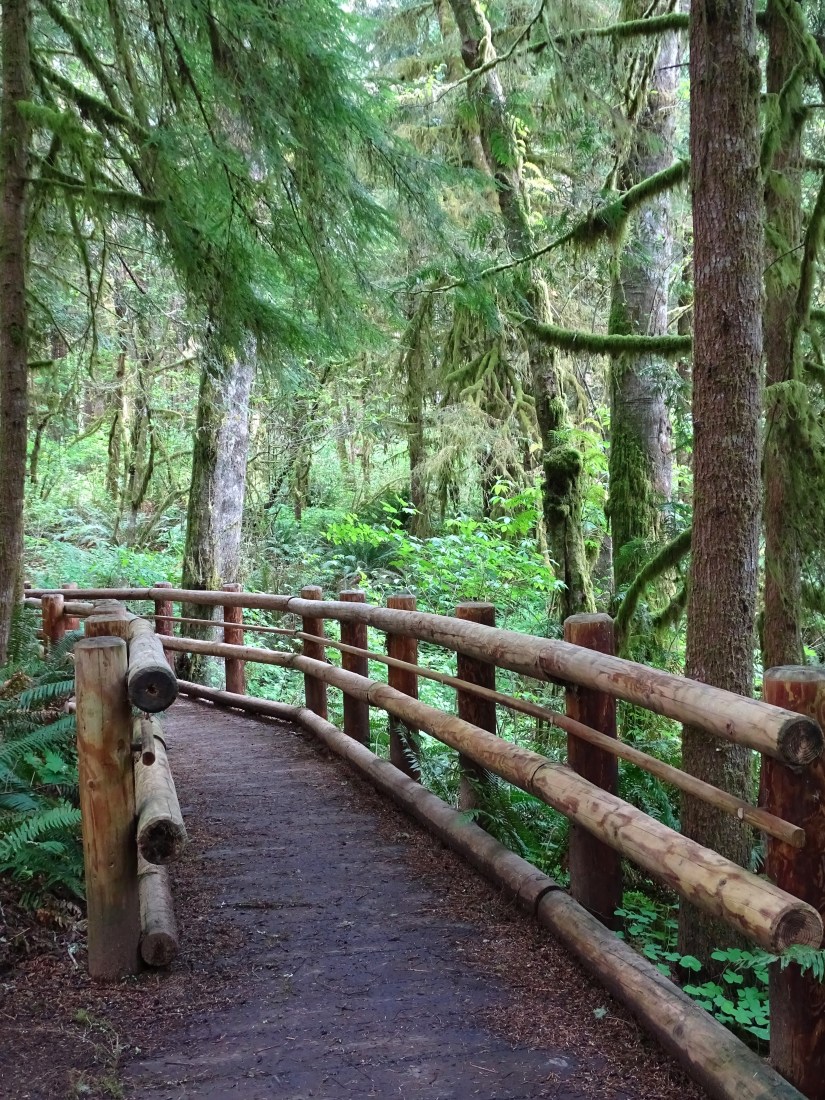
and the temperate rain forests of The Pacific Northwest.

It is the home of the rebuilt Fort Clatsop which was the winter home of Lewis & Clark in 1805-1806.

On The Washington side, Cape Disappointment in the south west corner of Washington State, is where the mouth of The Columbia River meets The Pacific Ocean. The Cape was named by a British fur trader who was searching for the mouth of The Columbia River, but mistook it for a bay after he was unable to navigate his ship through the treacherous sand bars protecting the mouth of the river. He didn’t know he actually had found the river mouth he was looking for.

North Head Lighthouse on The Cape was built in 1897 and is still in operation.

Washington state is blessed with beautiful volcanos like Mount Adams,

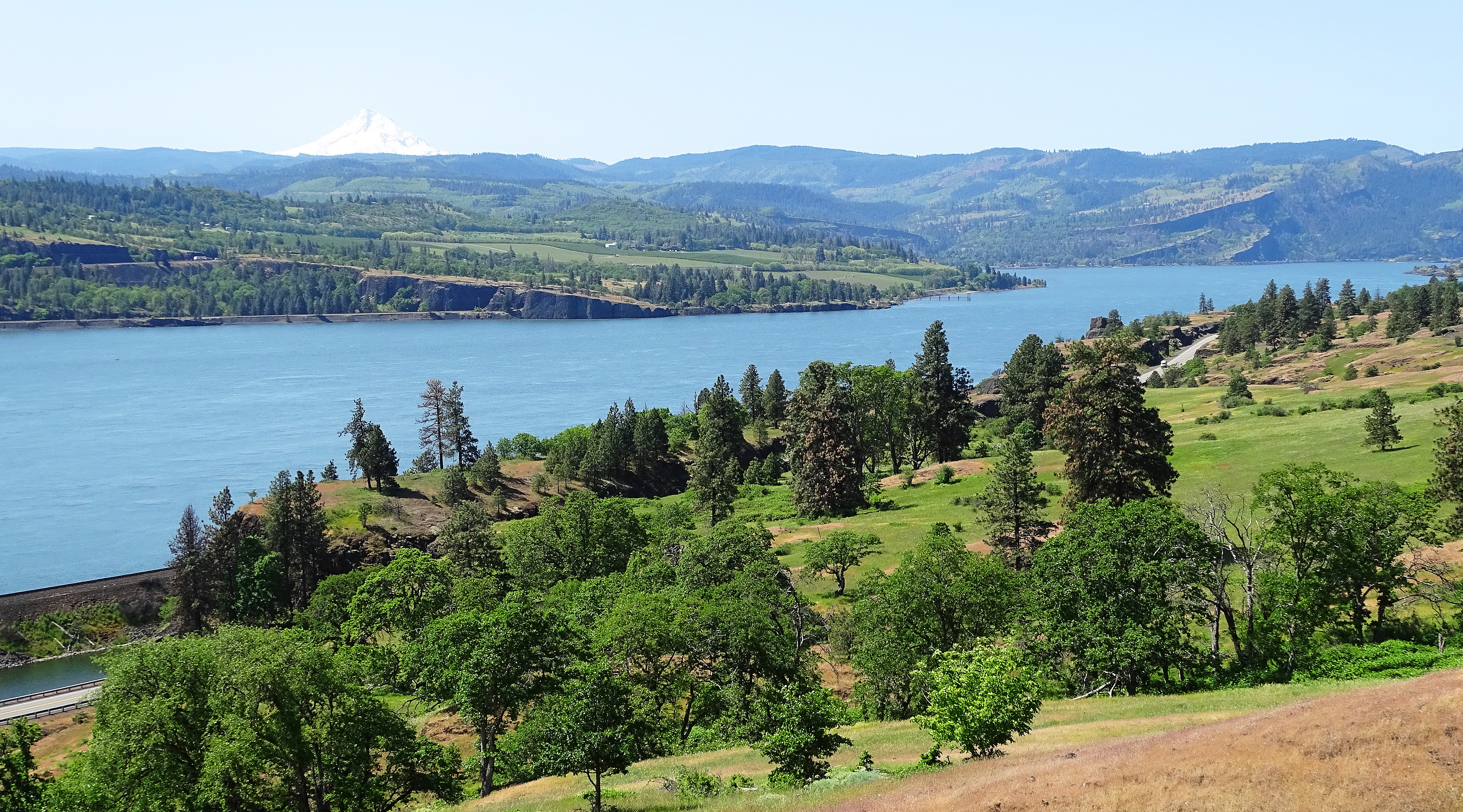
and views across the river,

of Mt. Hood.

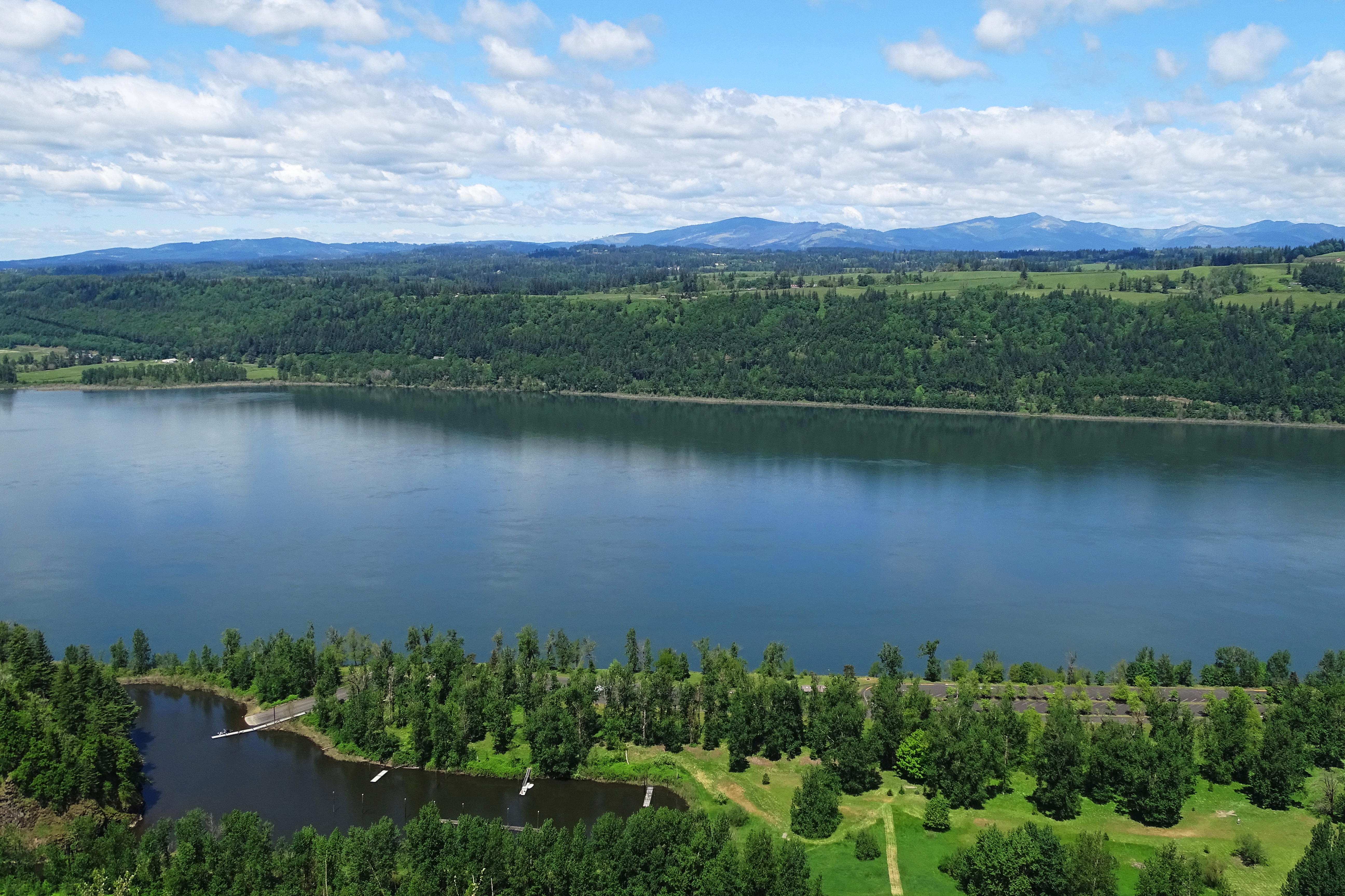
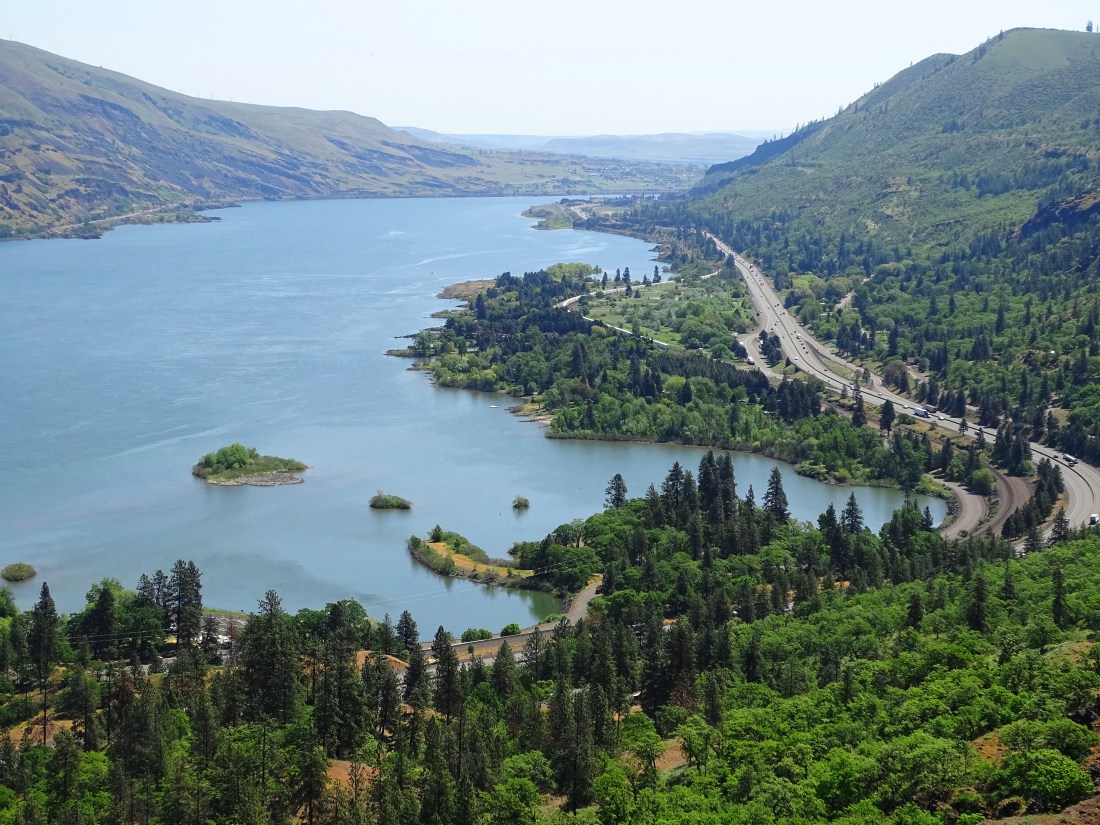
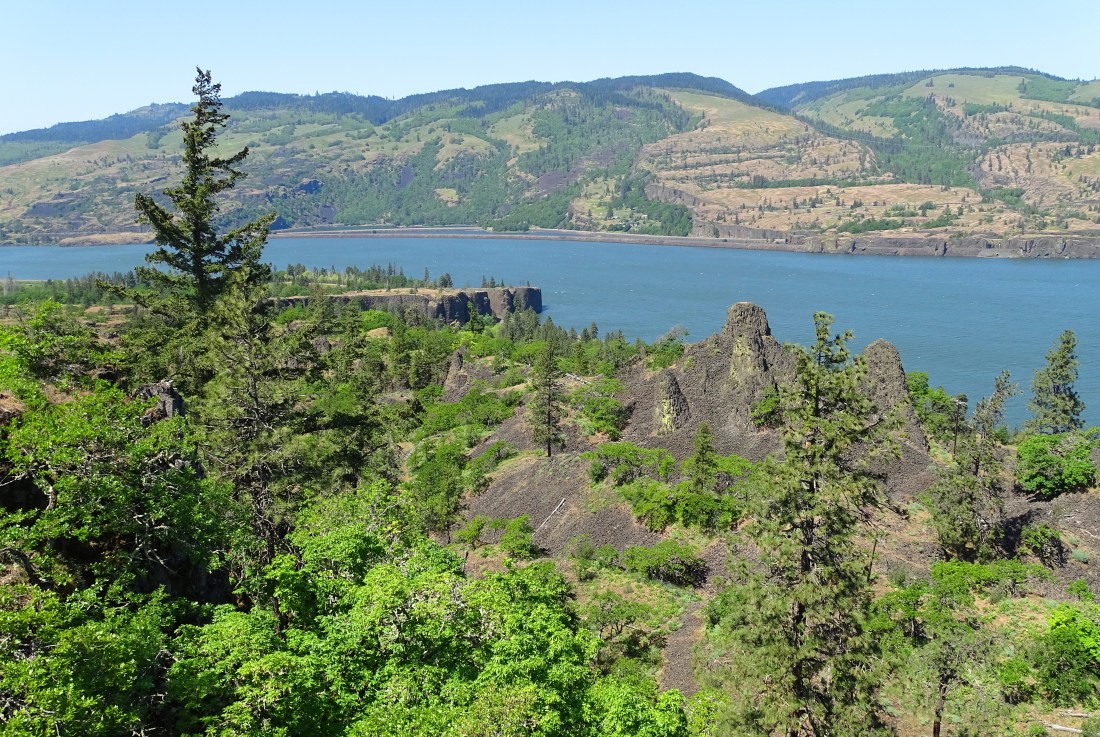
Driving along The Columbia River Highway on the Oregon side, you have clear views across the river to Washington.

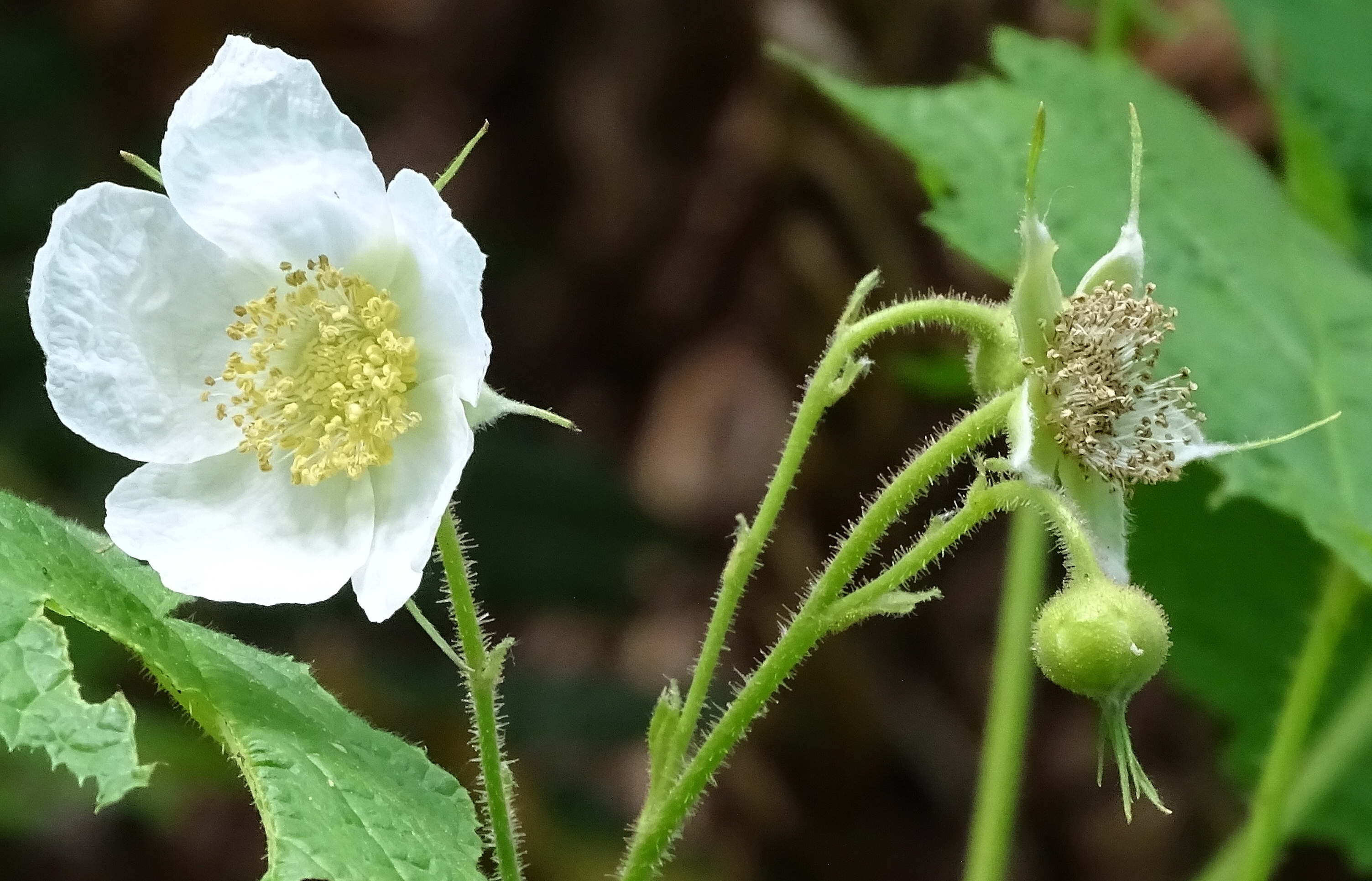
Cheers to you from the thimbleberry flower in Washington State~

Columbia River Gorge (Oregon Side)~

We are staying in The Gorge Hotel built in 1921 where my grandparents once stayed,

with the wildflowers blooming,

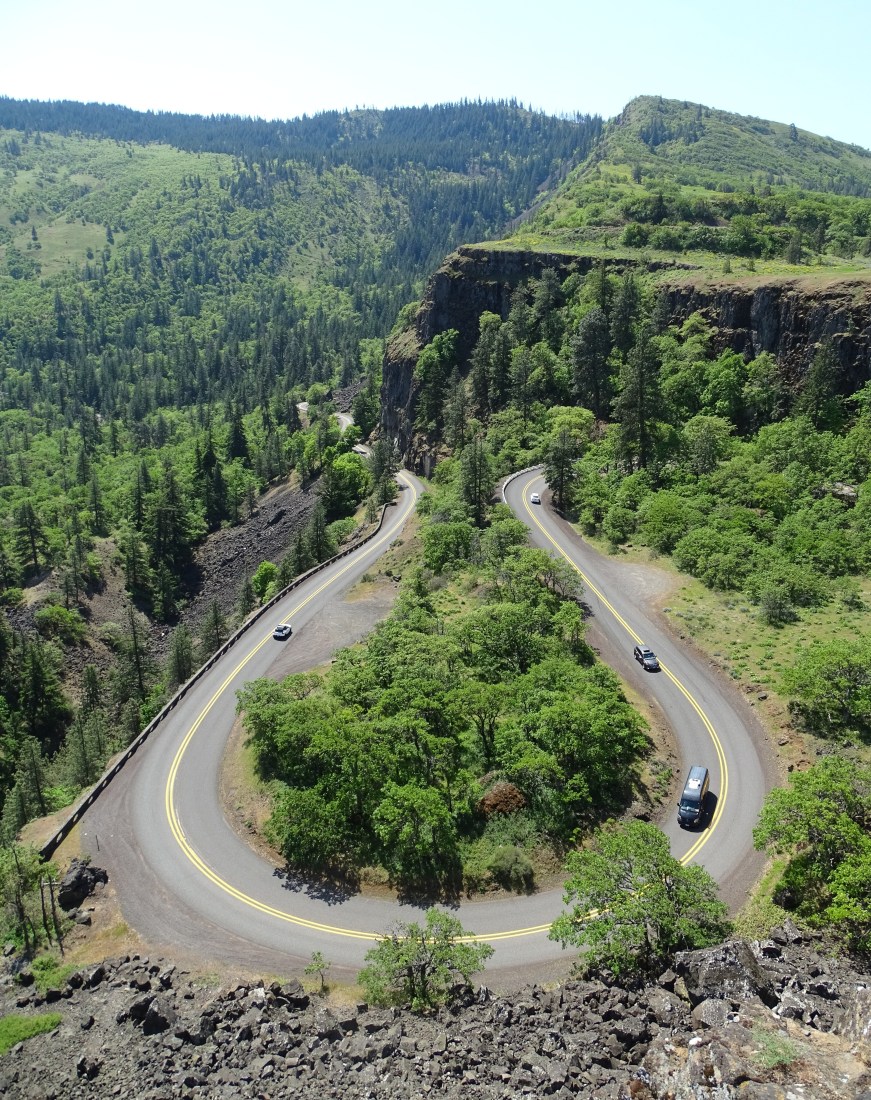
driving up to find the views,

my grandfather painted in his Columbia Gorge paintings.

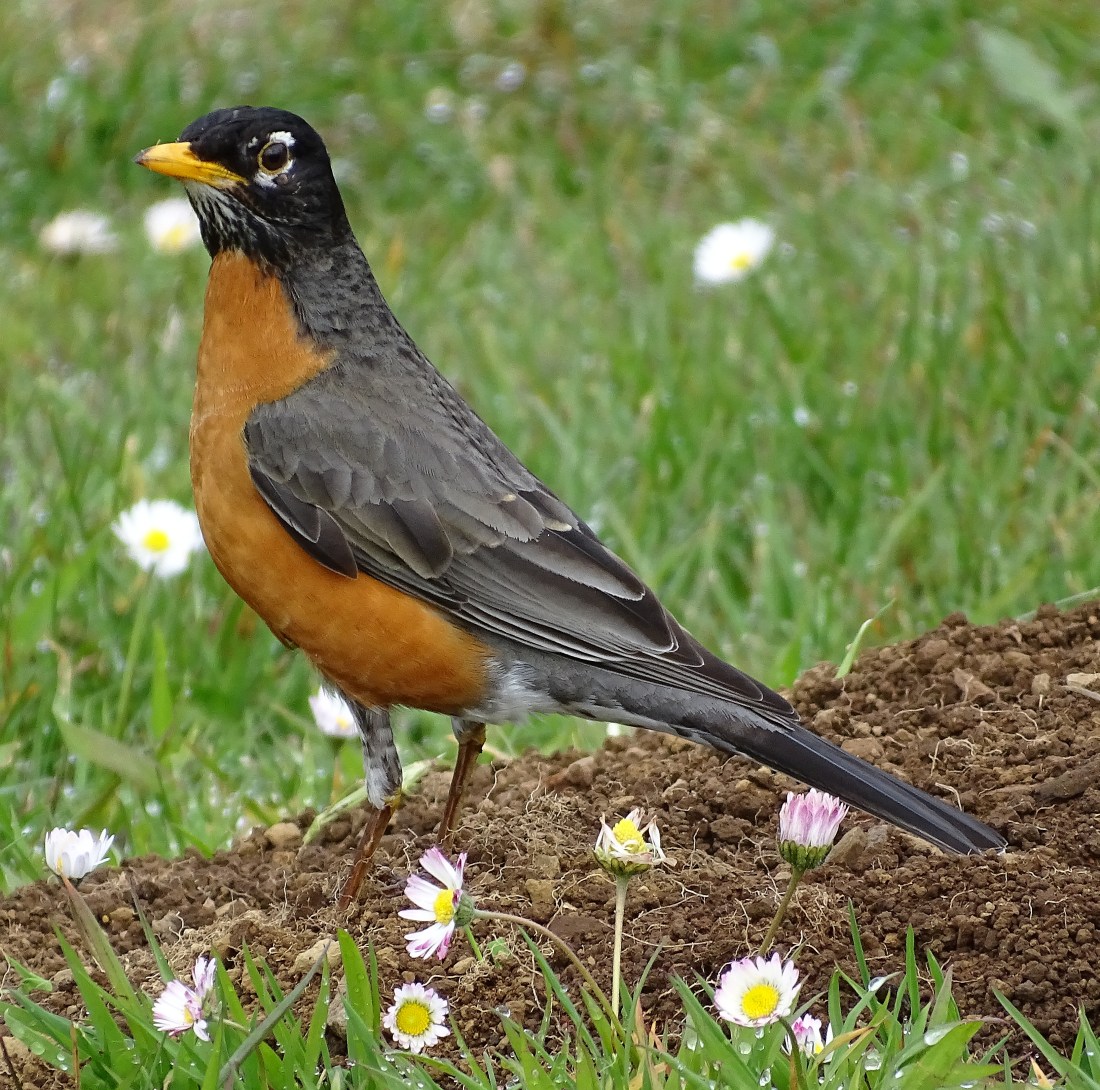
This observant robin didn’t let me distract him,

from his worm,

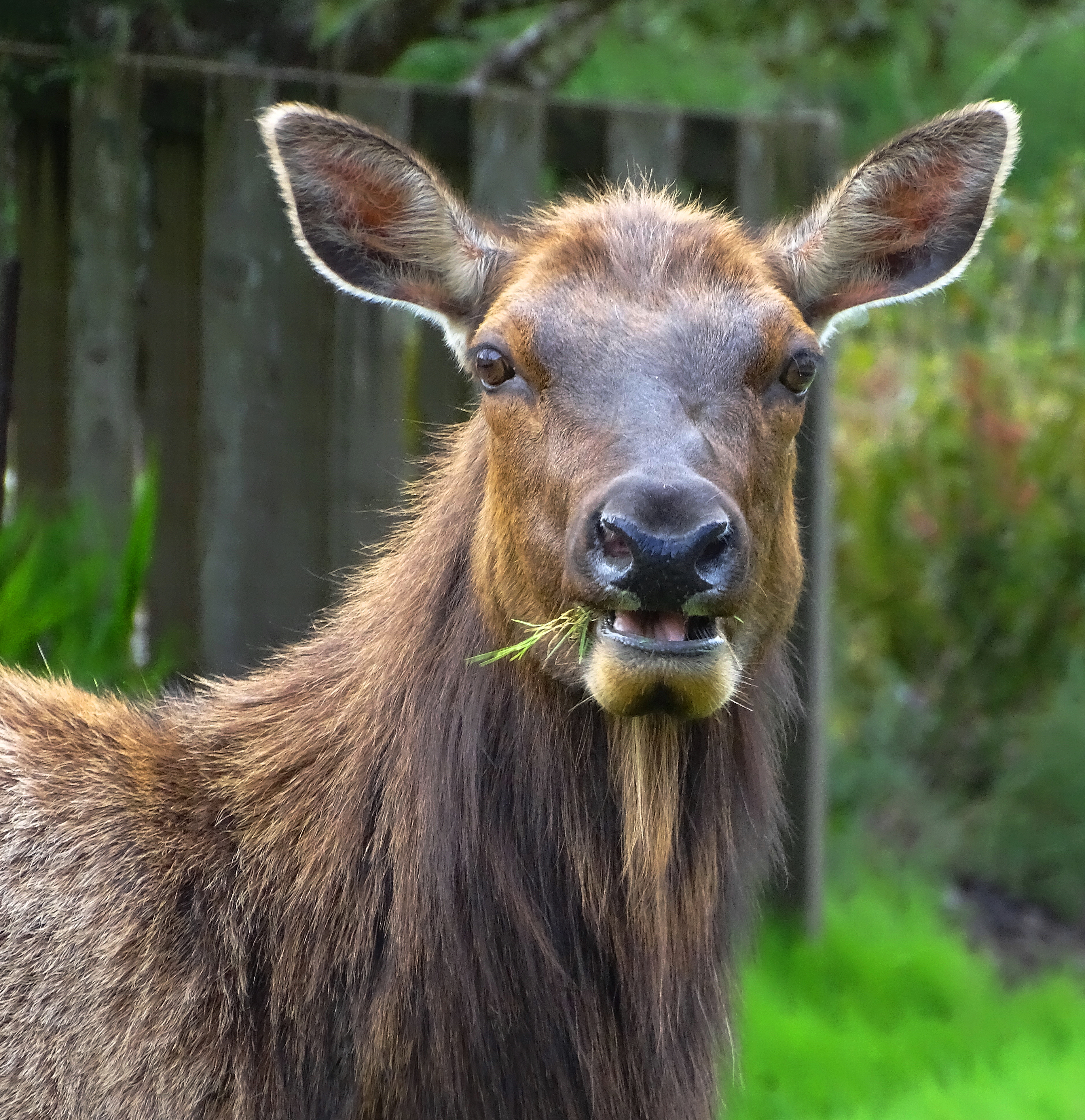
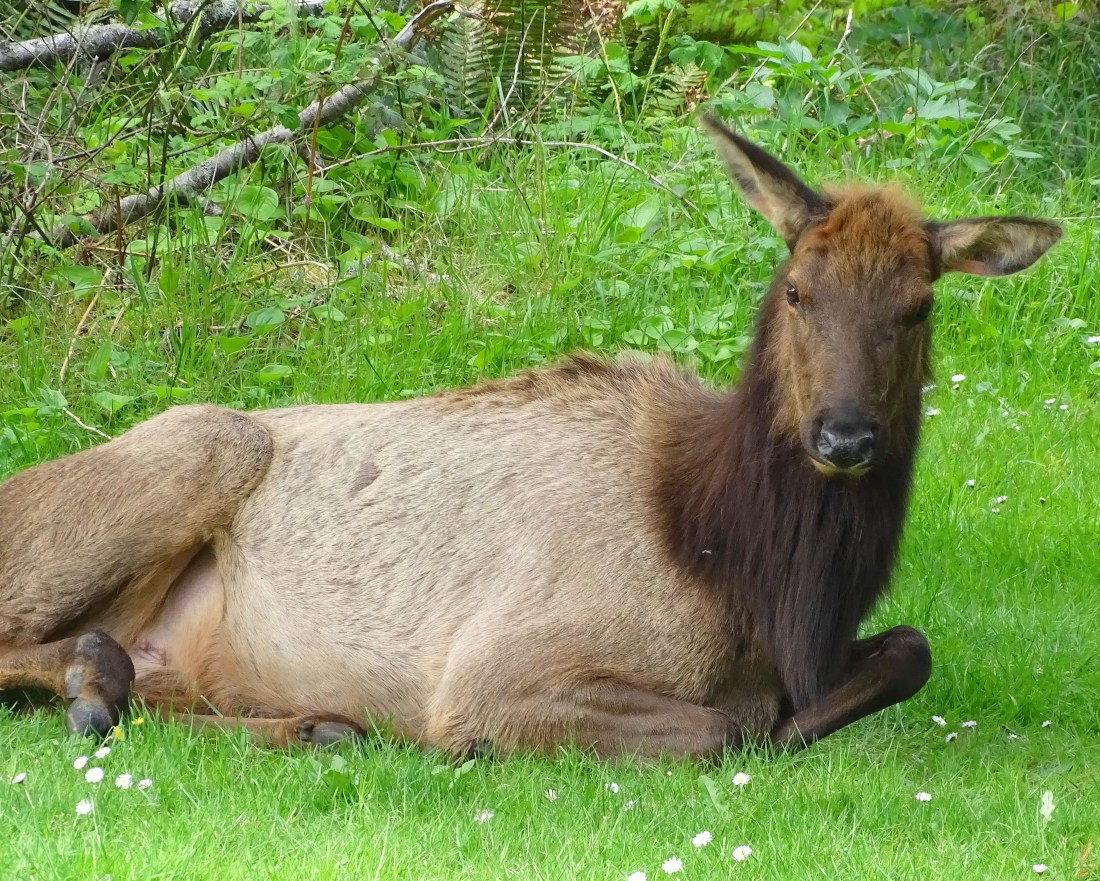
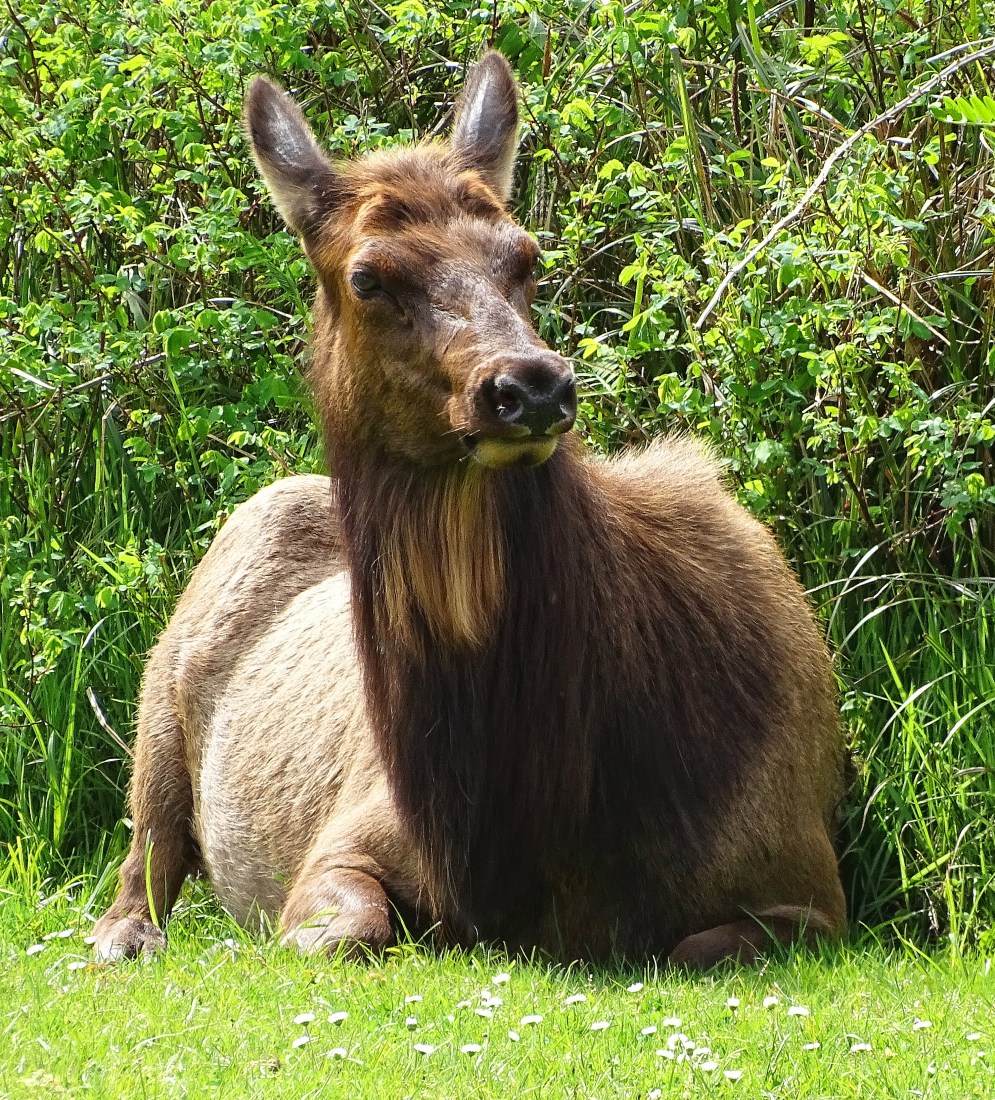
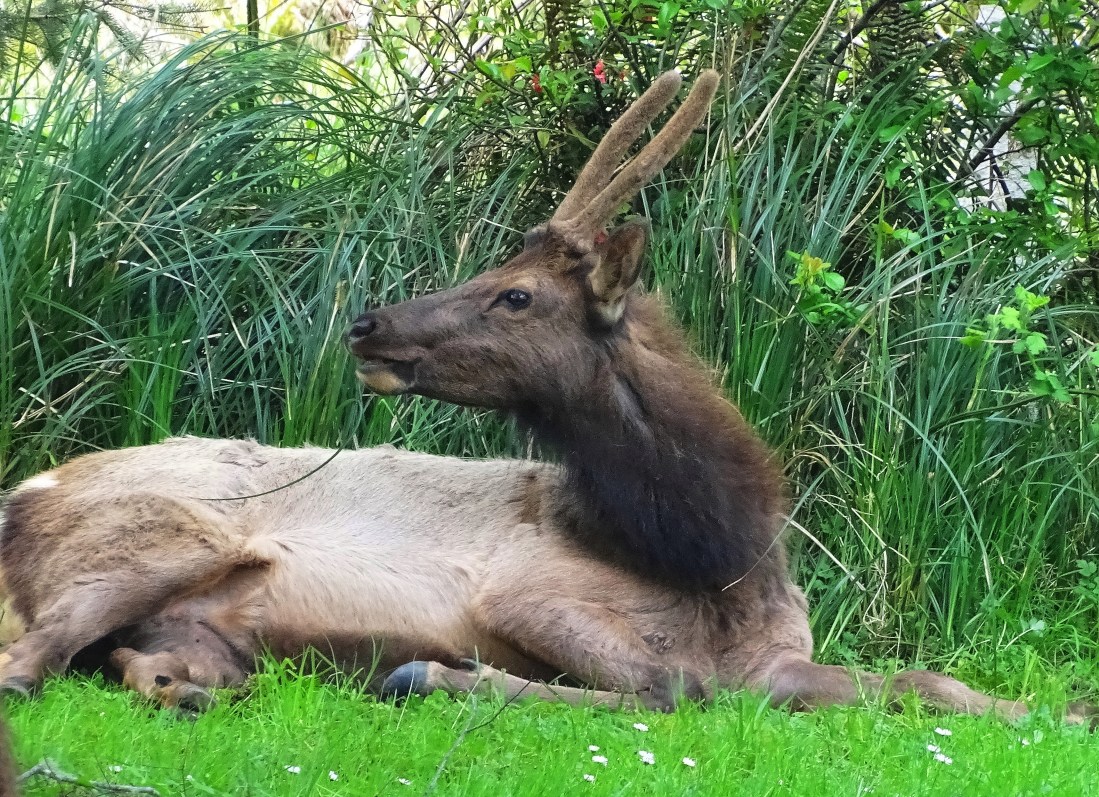
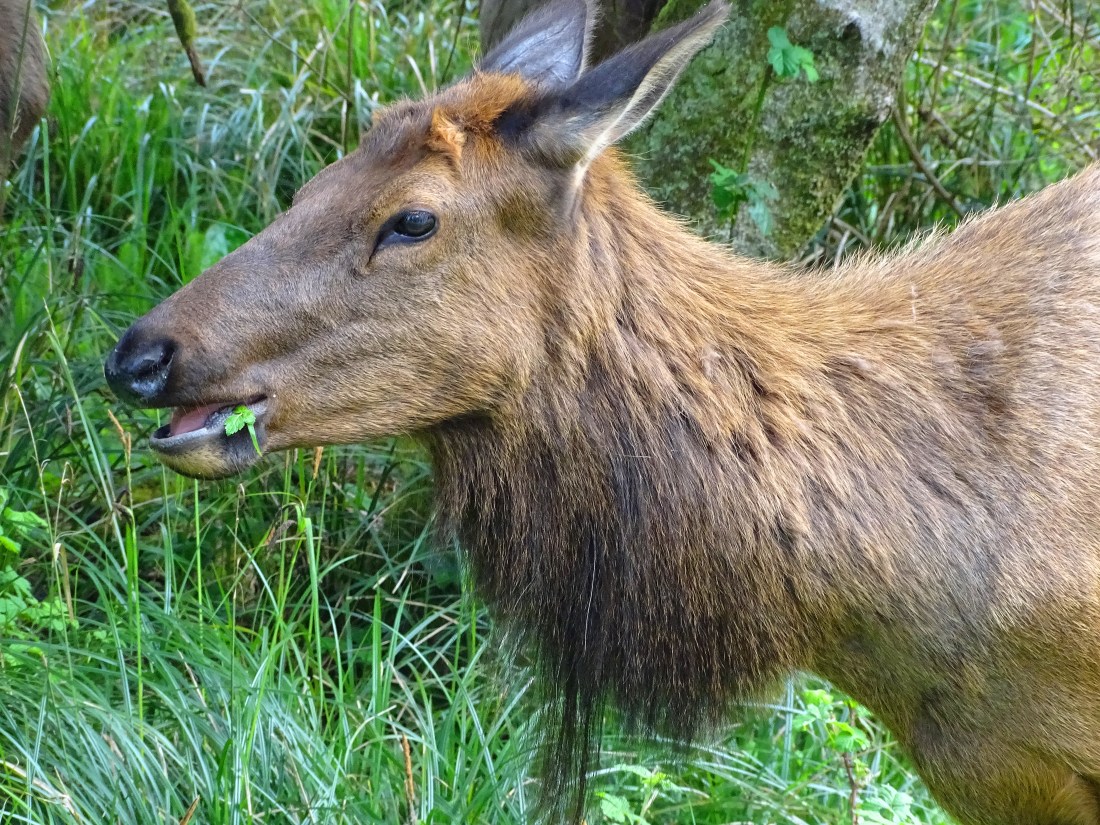
and this friendly elk licked our car windows!

Cheers to you from the gorgeous Gorge~

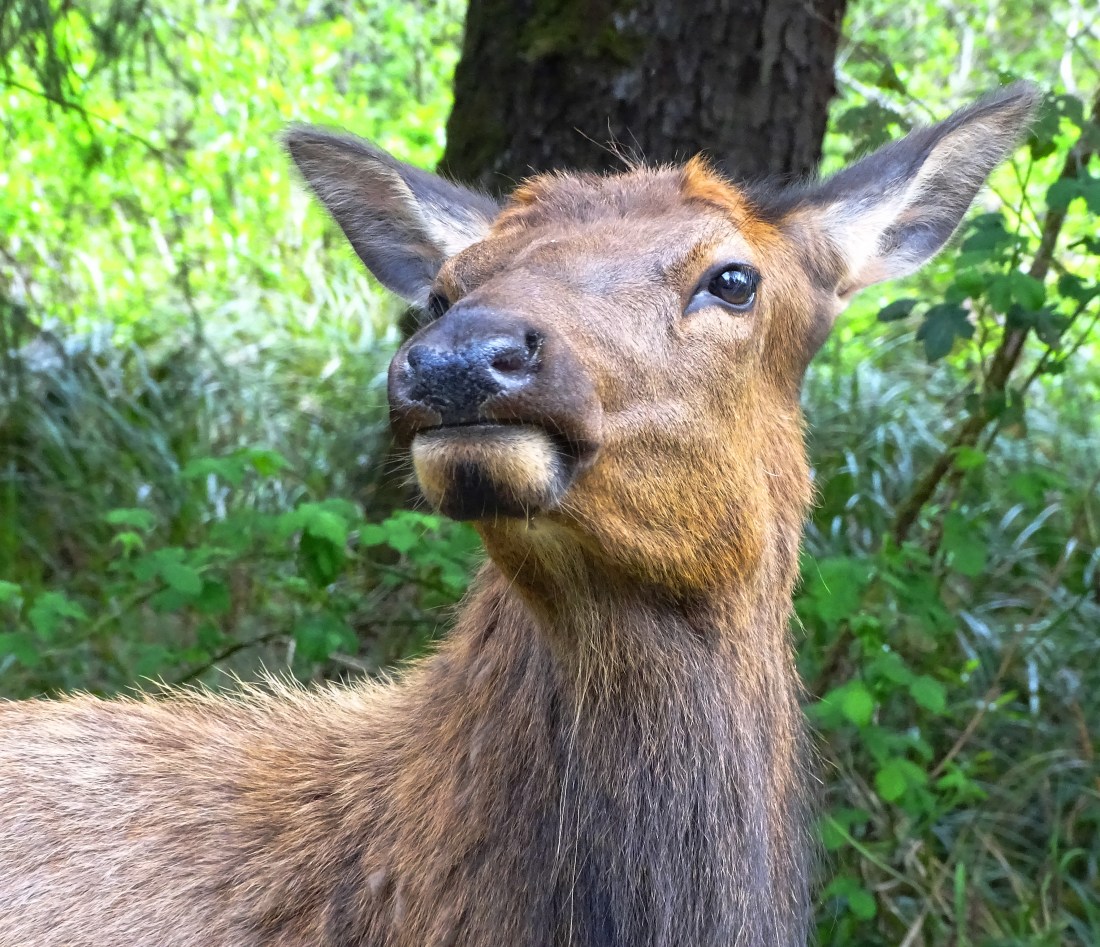
Elkish Attitude~

Who do you think you are?

Can’t you see we’re busy?

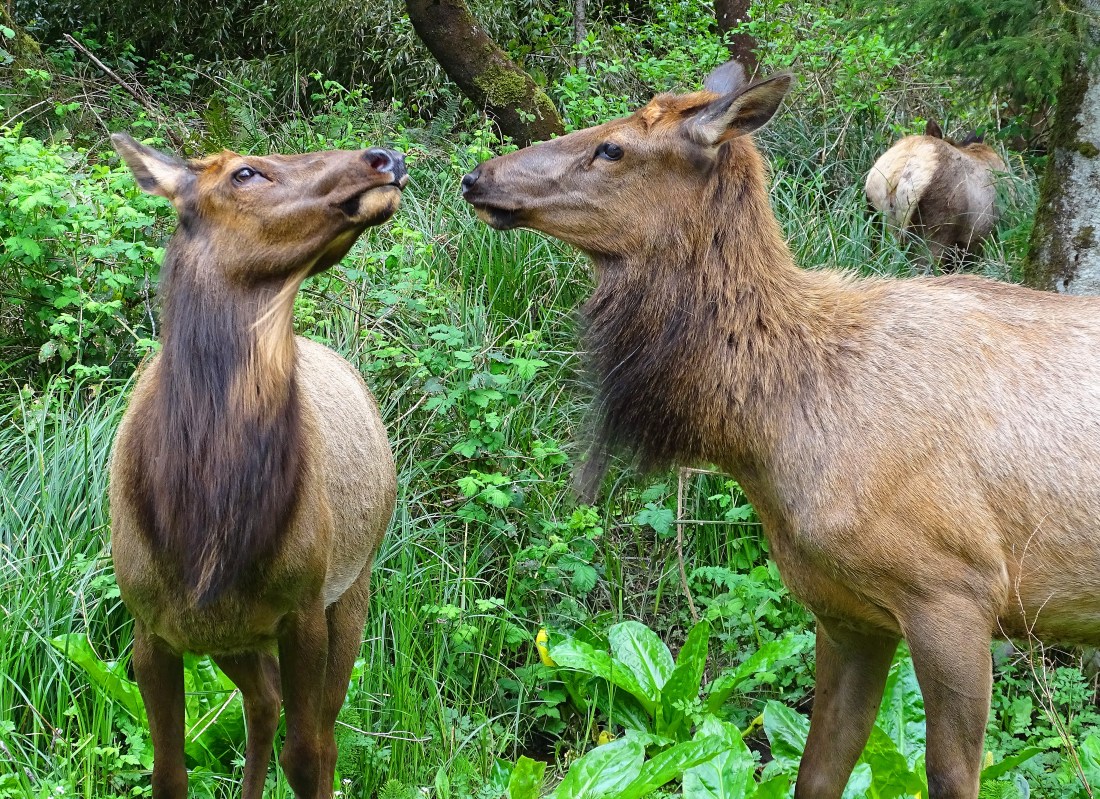
You are not a member of our clicque!

We have a hard enough time getting along with each other.

You are just toooo much!

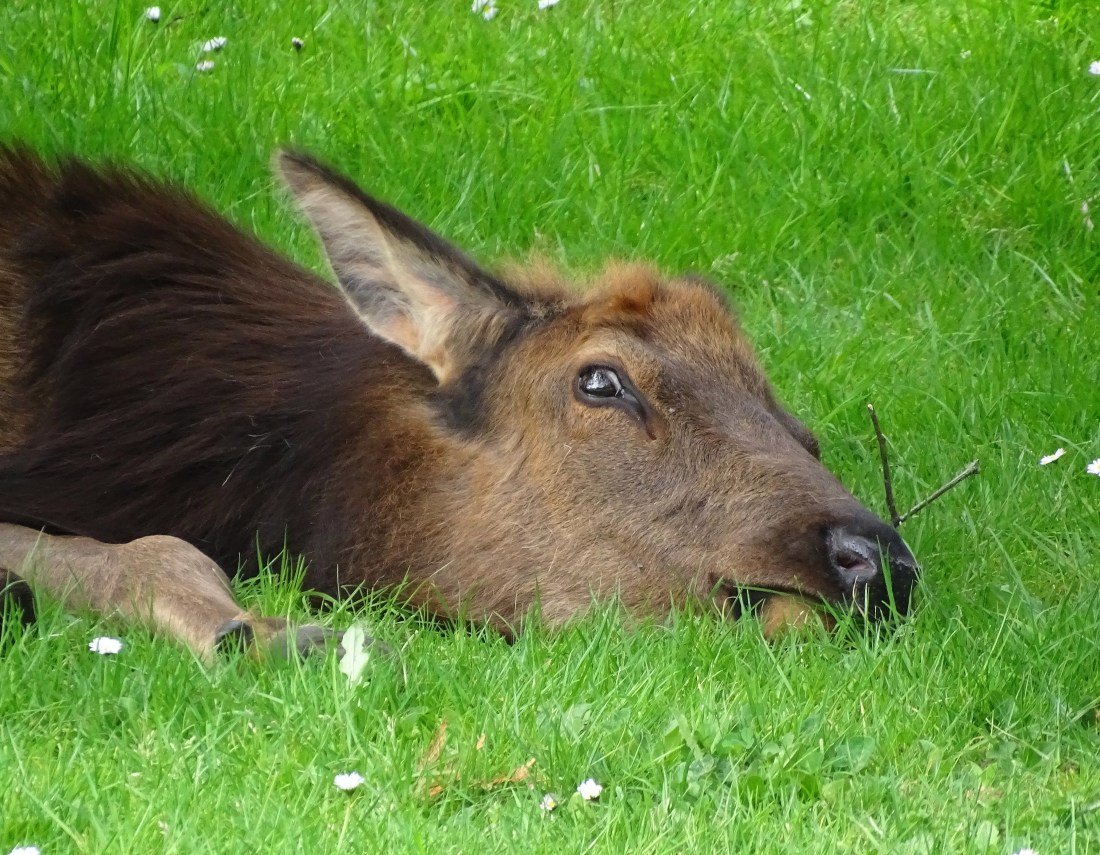
We just want to rest in peace,

but you human, are not getting the message…..

and you are NOT invited for dinner.

Besides we are much more handsome than humans.

Cheers to you from the handsome haughty herd of Cannon Beach Oregon~

Cannon Beach~

in Oregon stretches for seemingly endless misty miles.

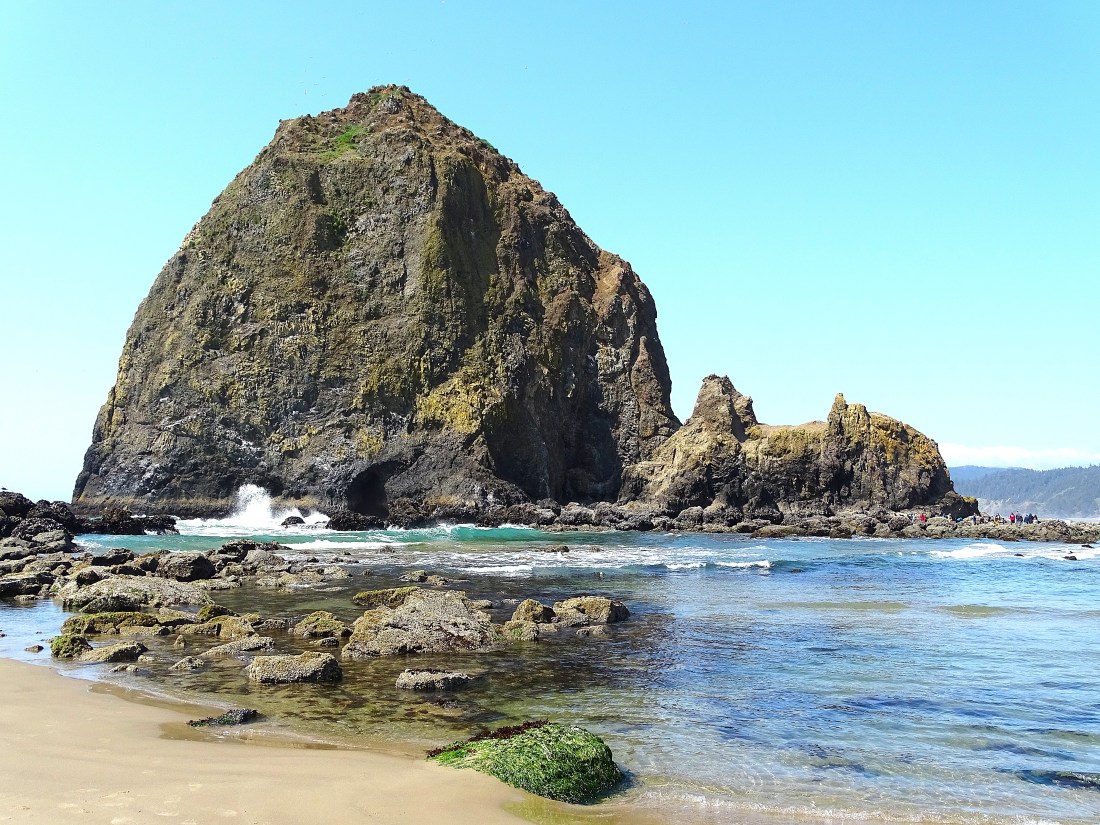
Haystack Rock on the beach is famous both for it’s unique grandeur,

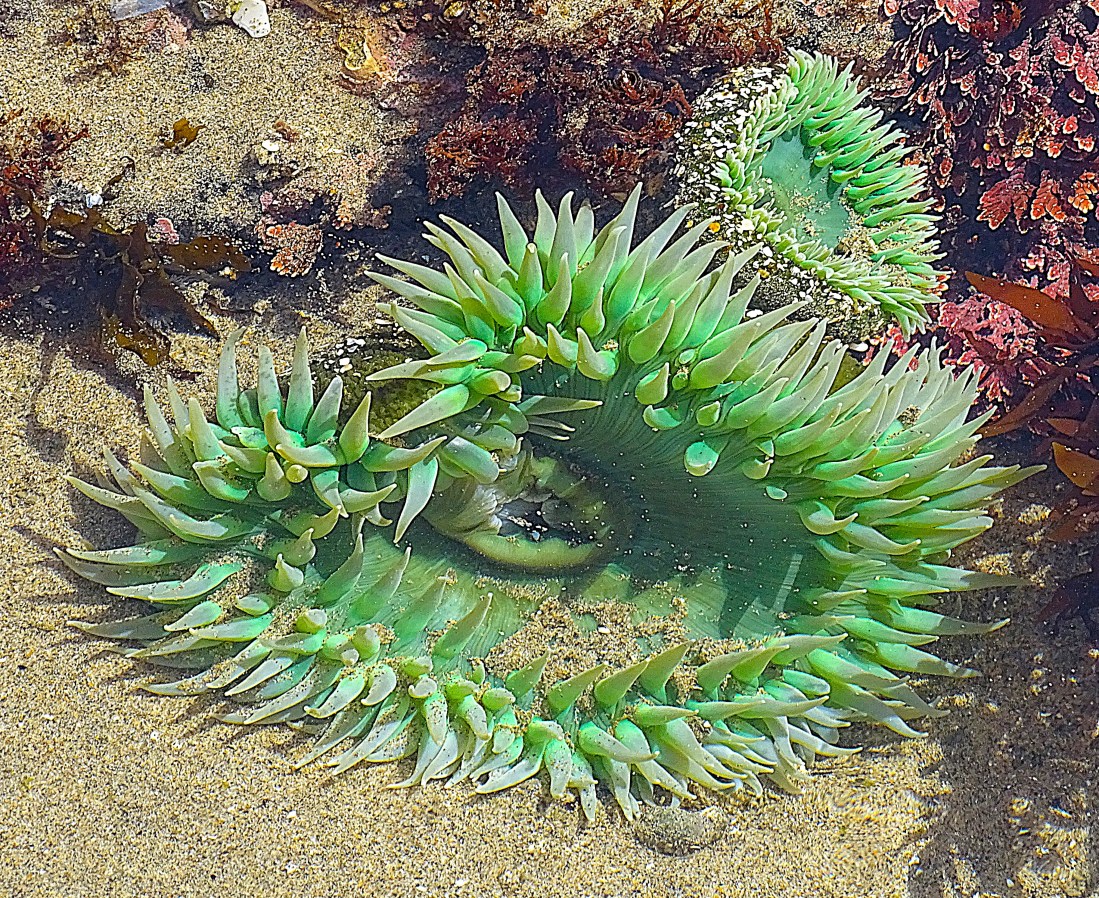
and for the variety of wildlife it harbors,

including a nesting colony of tufted puffins,

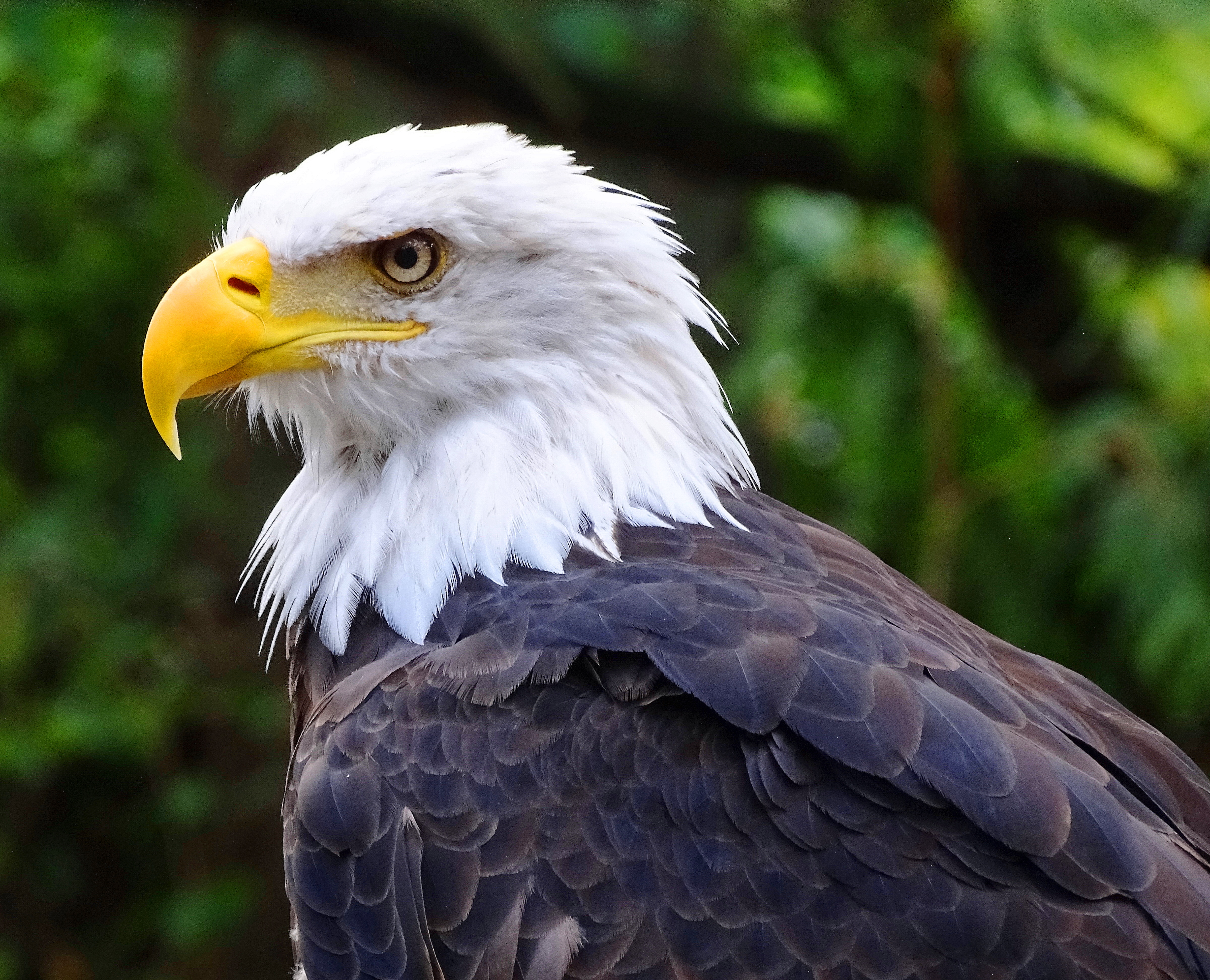
unless of course these guys decide to nest on the top of the rock and scare all the puffins away!

Harlequin ducks seem unfazed by the eagles and swim happily all around Haystack.

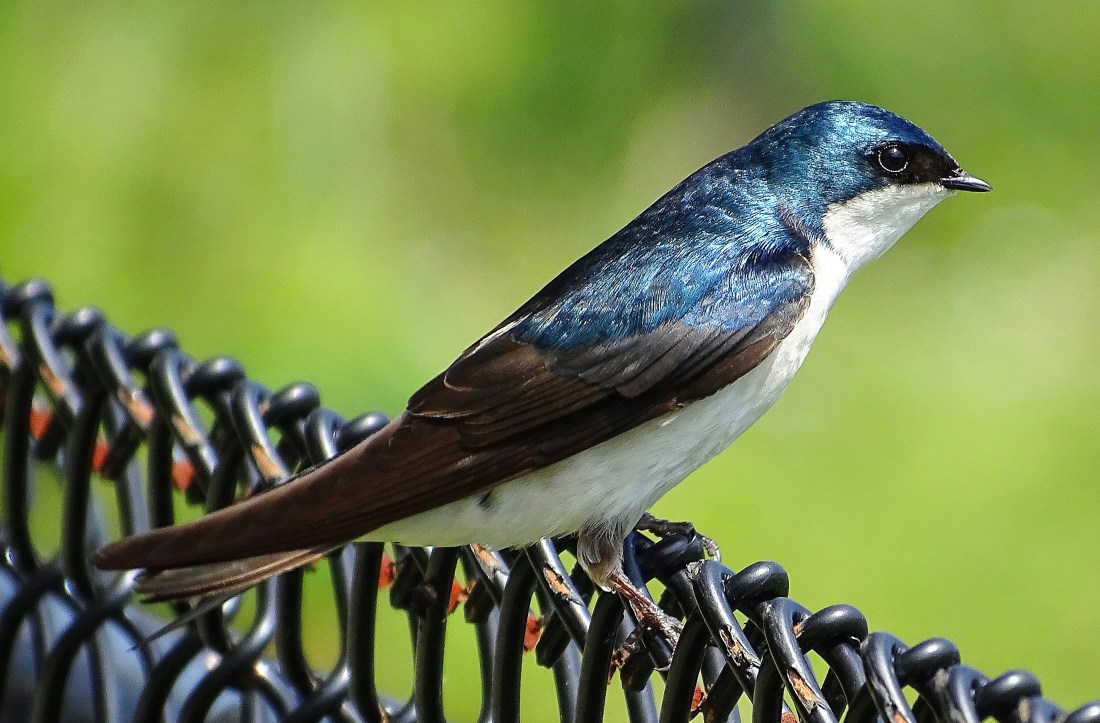
Many birds can be found in nearby estuaries and ponds, including tree swallows,

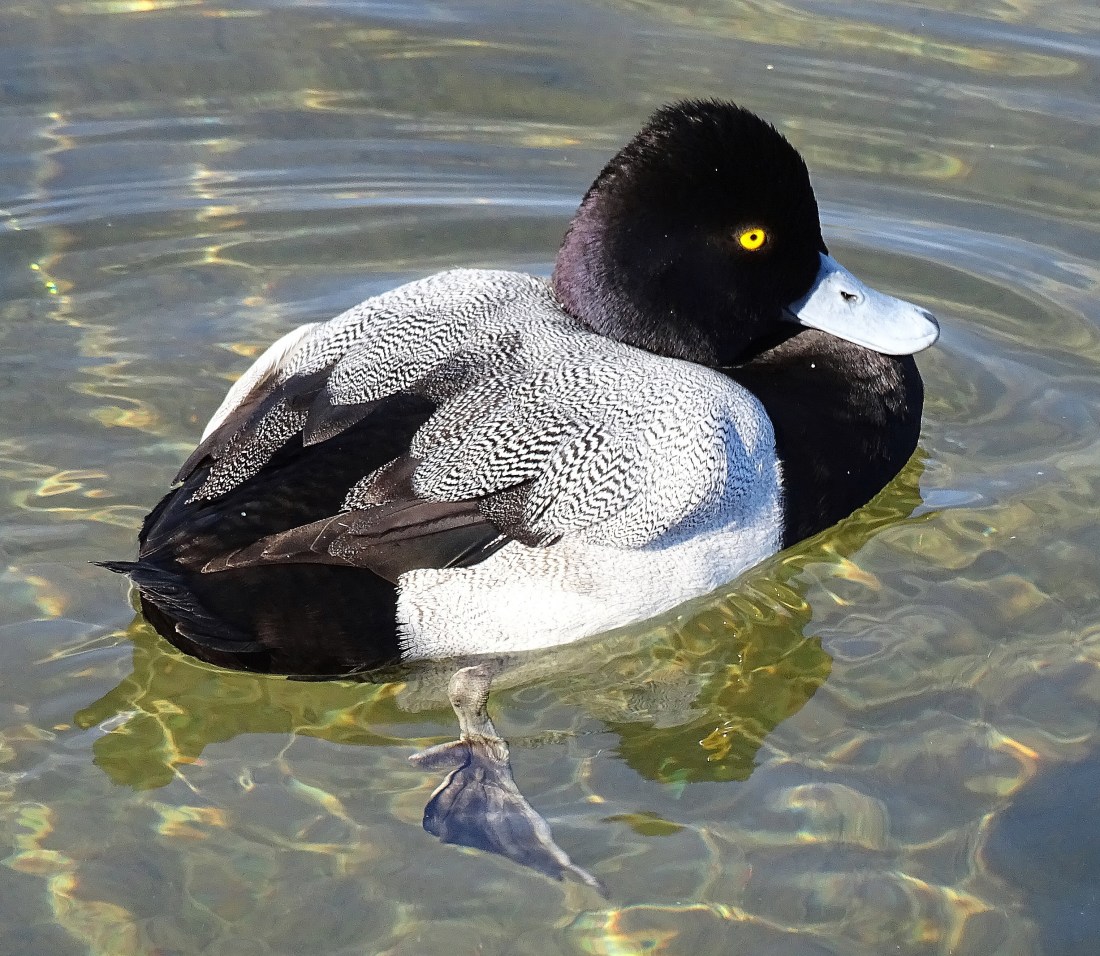
scaups,

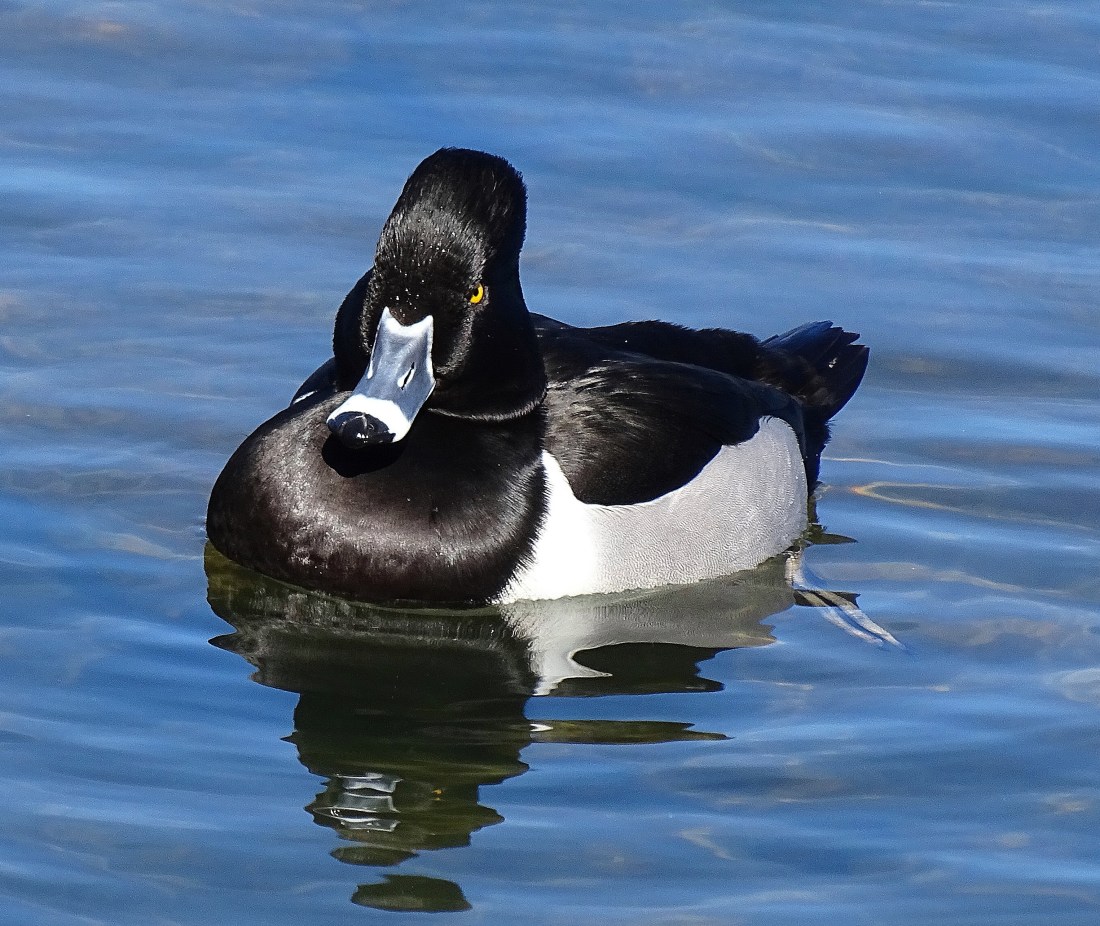
and ring necked ducks.

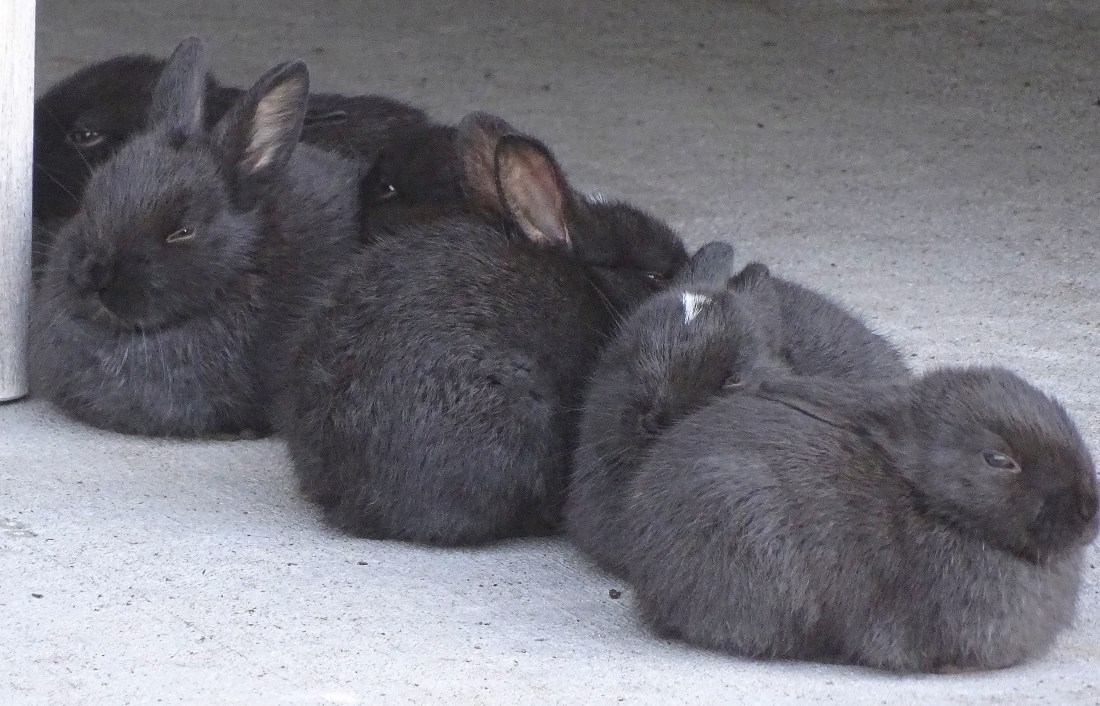
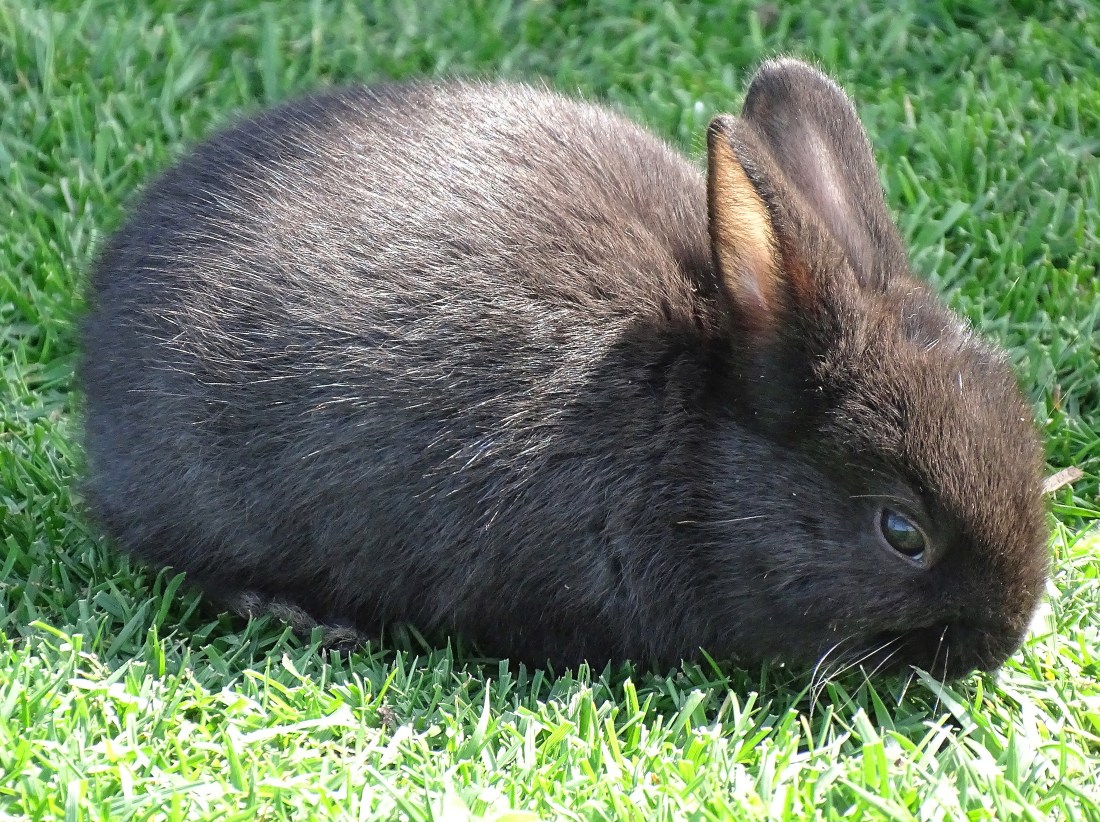
Bundles of baby beach bunnies sleep on our ocean front patio,

using our presence to keep the eagles away.

Apparently in the 1980’s domesticated rabbits were released into the wild and bred like bunnies!

Cheers to you from Canon Beach~

/)/)
( . .)
( づ♡

Happy Easter Wishes~

Flying,

to you,

from The Holler,

and,

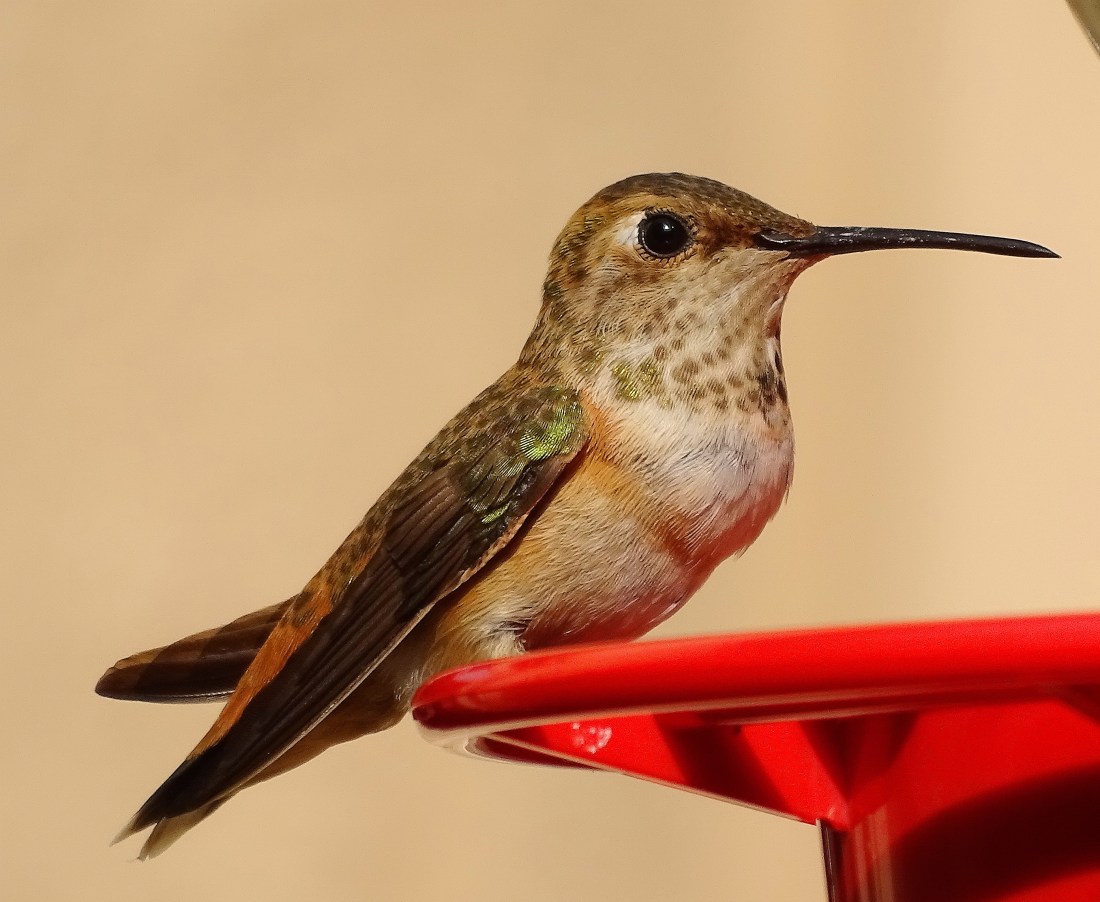
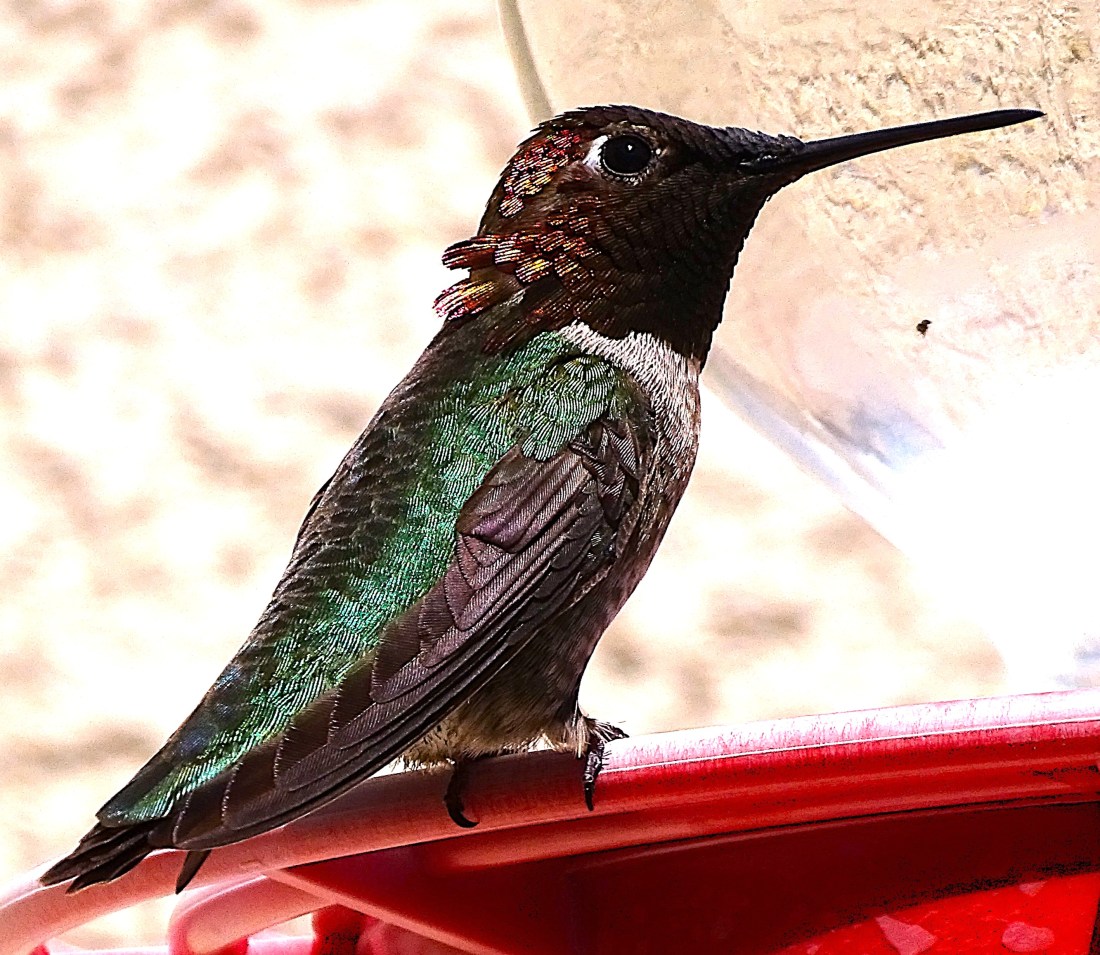
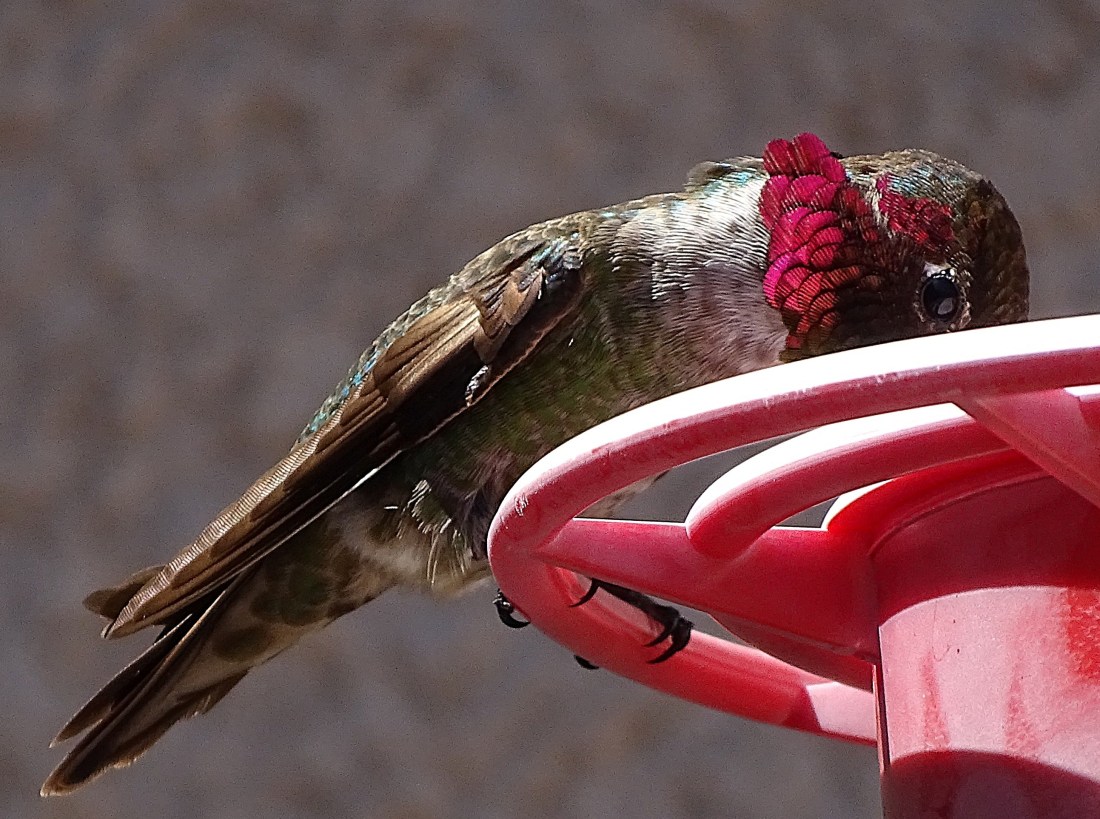
your feathered friends! (note the hummingbird’s tongue)

Cheers to you & Happy Easter~

(_/)
( • .•)
/ >🥕

Hollerites~

Our tiny,

mighty,

sleepy,

Holler hummers,

are flying jewels,

in the garden.

They make every Holler day,

a happy day.

Cheers to you from The Hollerites~

The Scot’s Cali III~

(click/tap to enlarge)

I am reading John Muir’s, “My First Summer in the Sierras,” published in 1911.

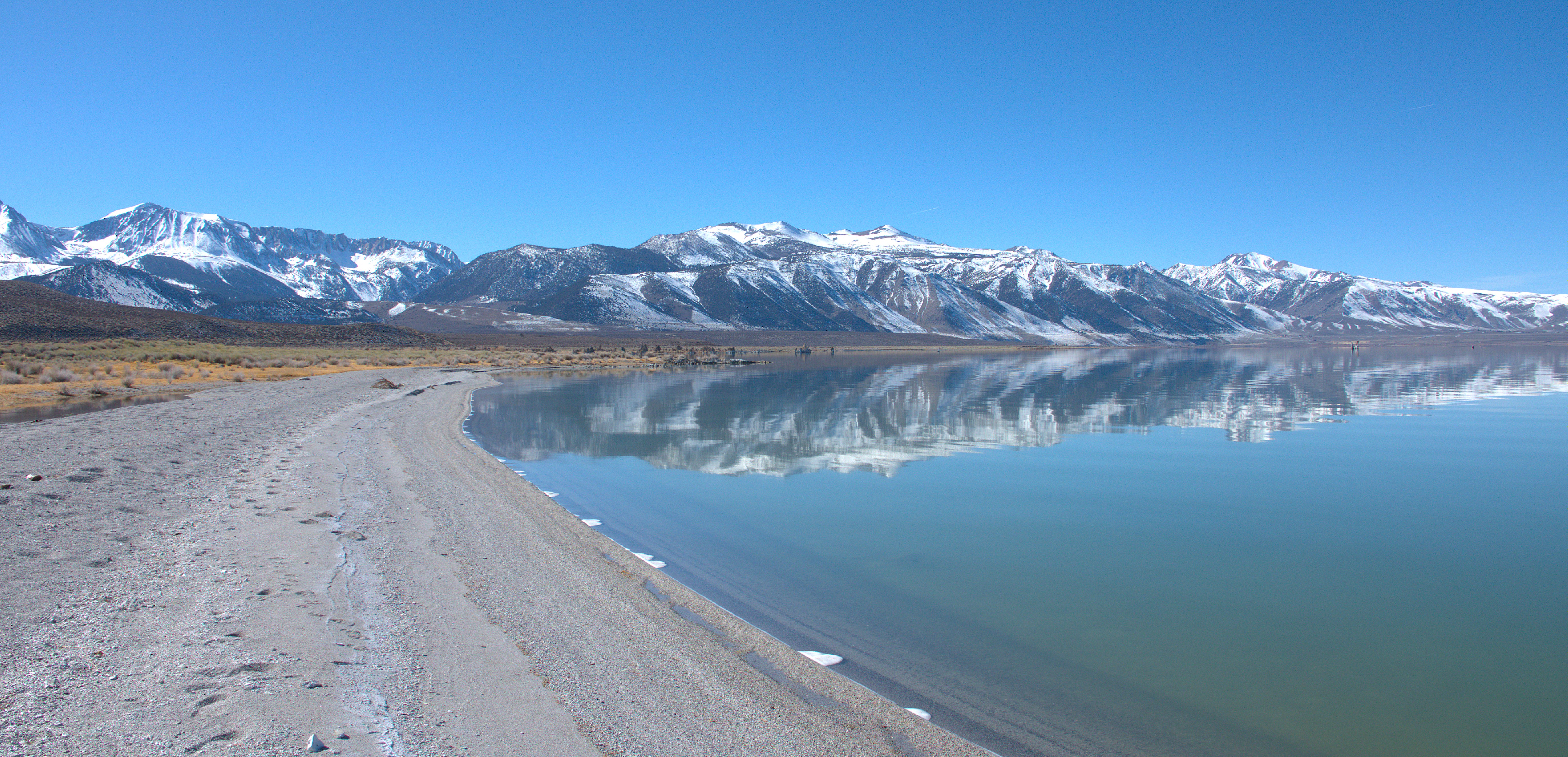
Note the horse hoof tracks in the sand, these are the wild mustangs of Mono Lake:

https://cindyknoke.com/tag/mono-lake-wild-horse-photography

Muir’s diary is replete with his illustrations.

As I walked where he walked, I was struck,

by how he views nature as a sacrament.

He finds not just solace here,

but spiritual joy.

Of Mono Lake, he wrote, “I never beheld a place where beauty was written in plainer characters or where the tender fostering hand of the Great Gardener was more directly visible.”

He went all over the world,

but his name and imprint are all over California forests and trails, and the university I attended.

He called Mono Lake “a marvel,” and knew the brine shrimp were the only permanent residents of “the ancient lake.”

He wrote this in 1869 and he couldn’t be more correct today. He traveled on foot in The Sierras with pencil and paper. I wonder how he knew all this?

Thousands of migrating birds rely on the lake’s brine shrimp for sustenance as they migrate every year.

Los Angeles continues to siphon water from the lake and the lake continues to dry and shrink.

My Scottish immigrant grandmother who arrived in the US in the early 1900’s never read John Muir, but she loved Scotland, and so did he.

Cheers to you from The Scotsman of The Sierras~

See: https://vault.sierraclub.org/john_muir_exhibit/writings/my_first_summer_in_the_sierra/

The Other Cali II~

(click/tap to enlarge)

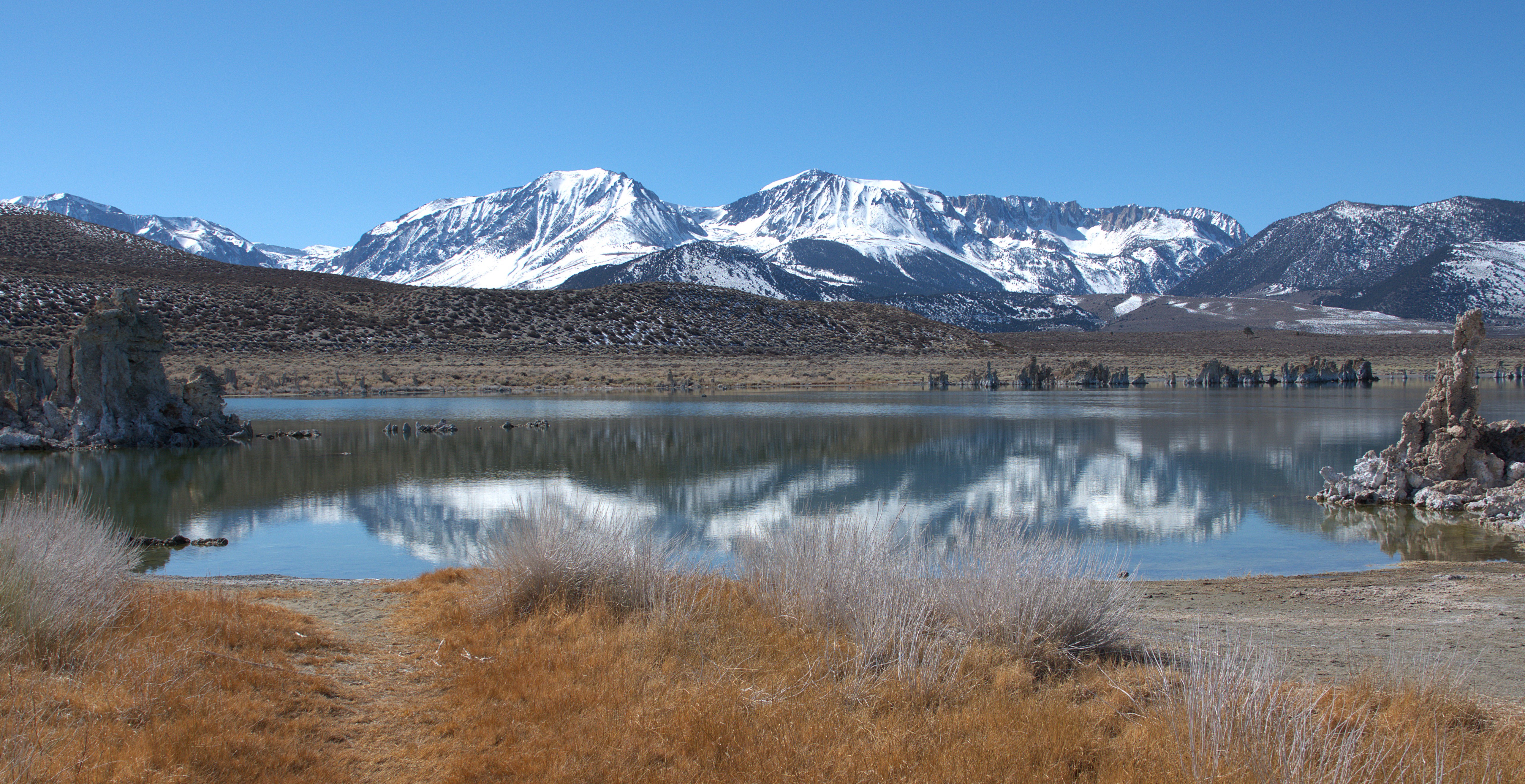
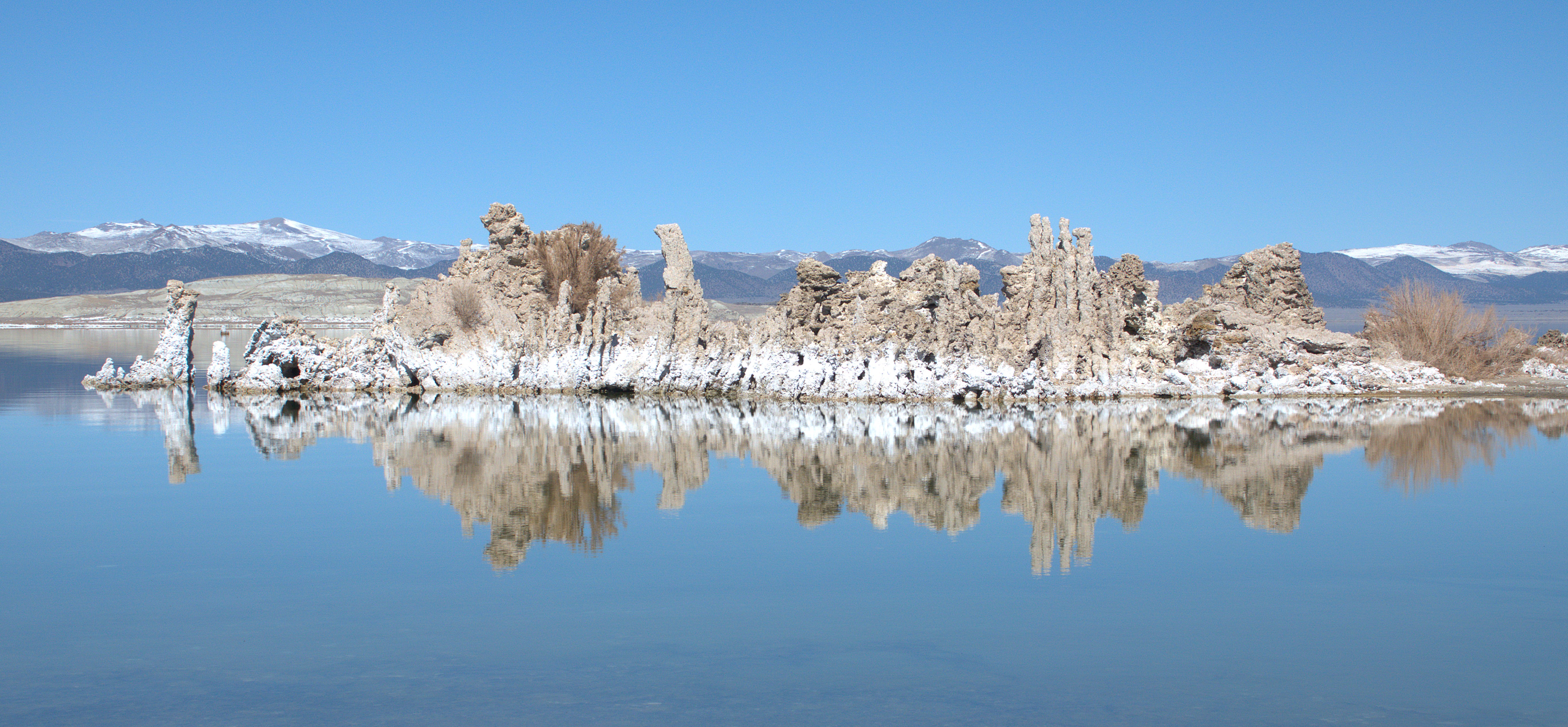
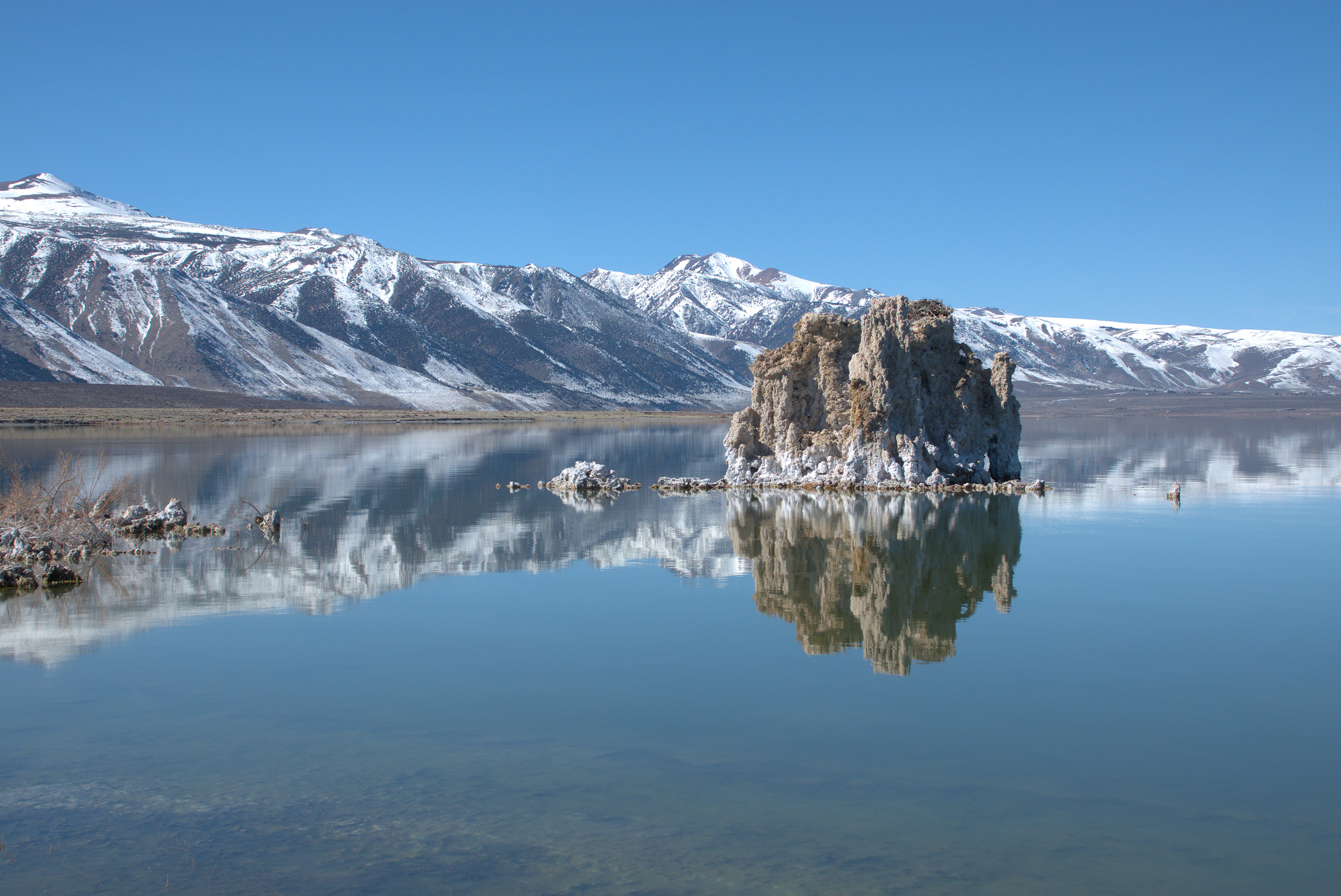
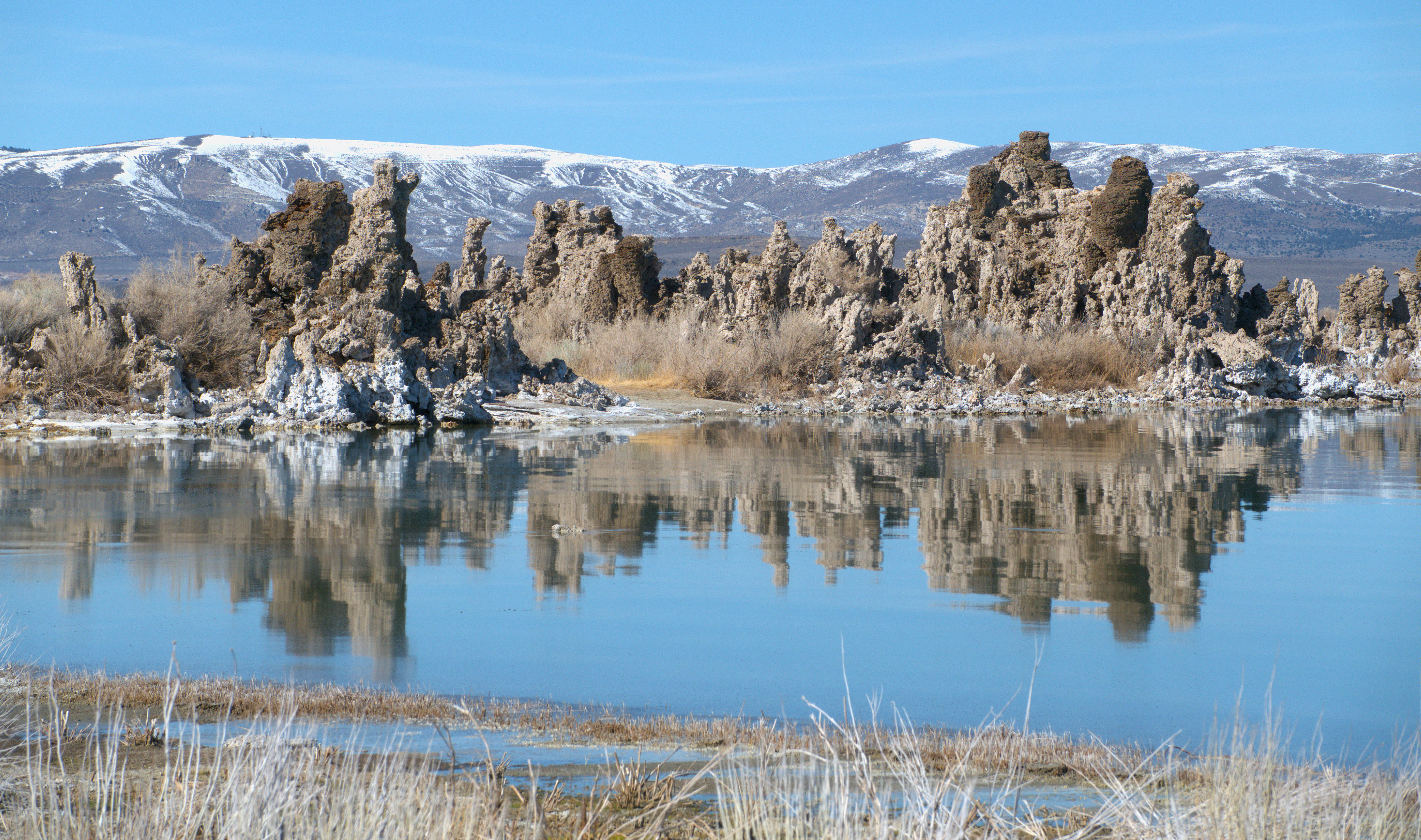
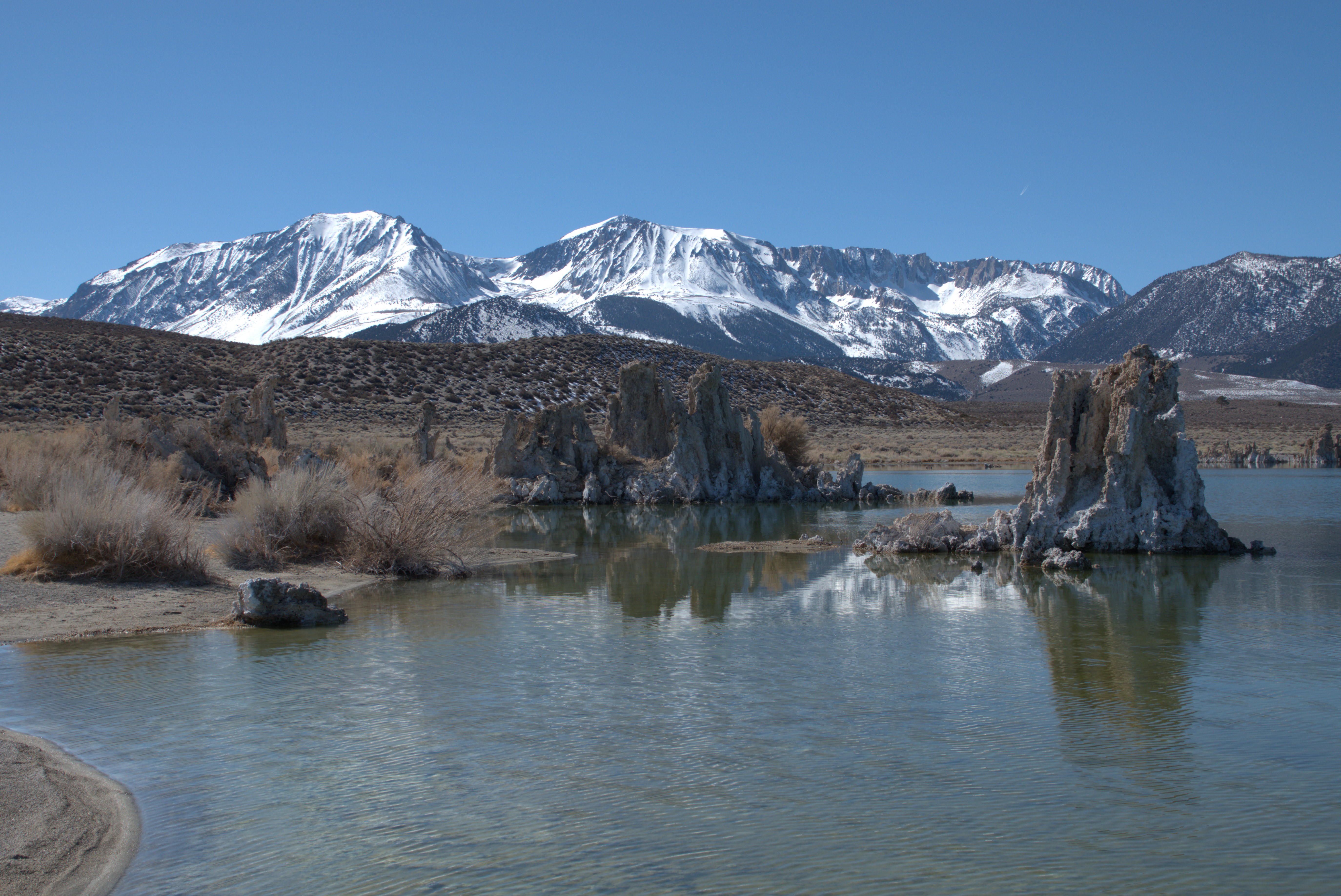
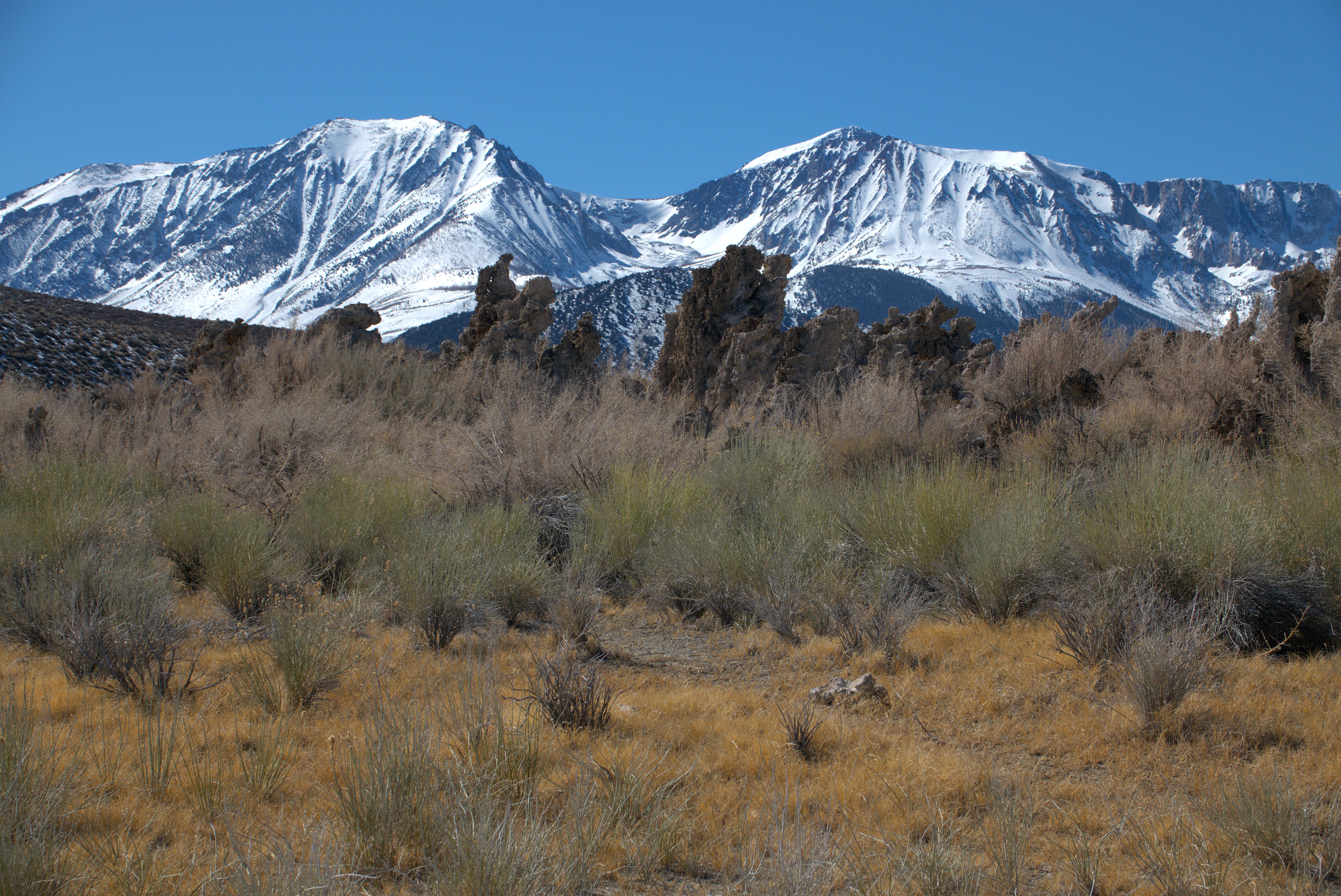
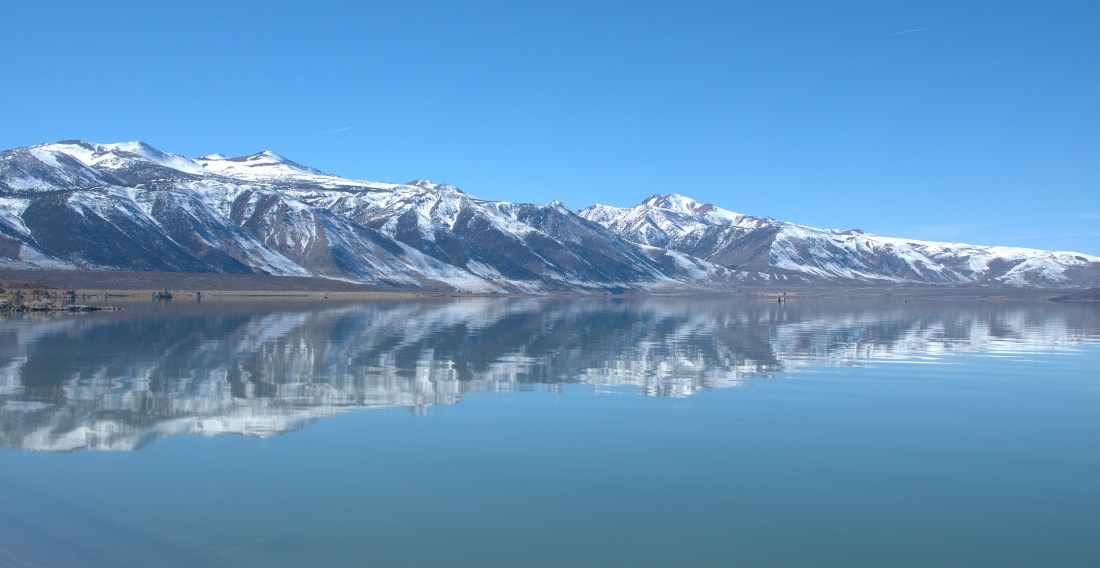
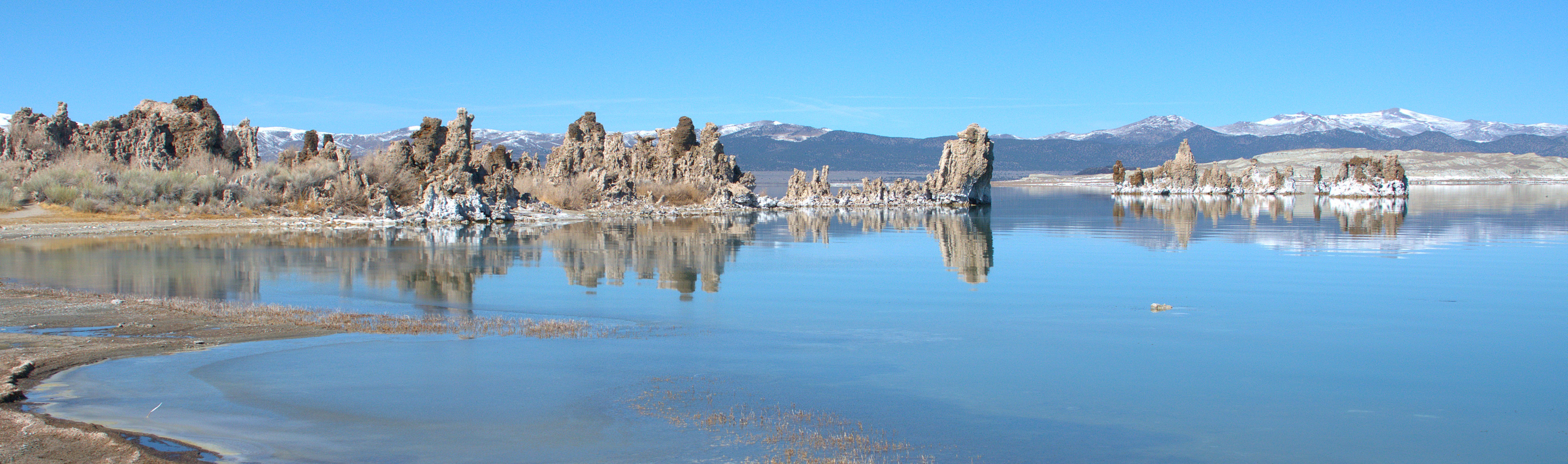
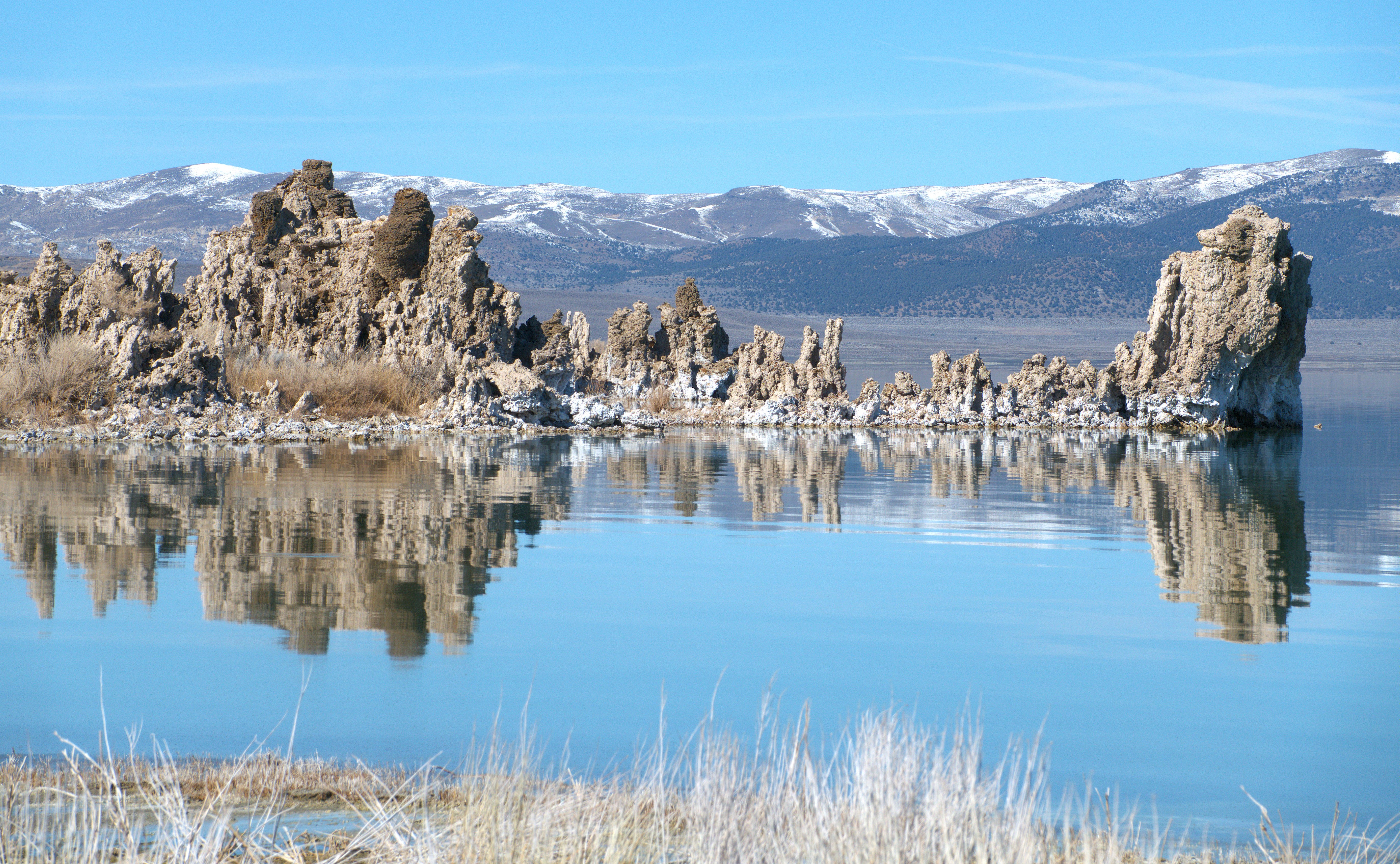
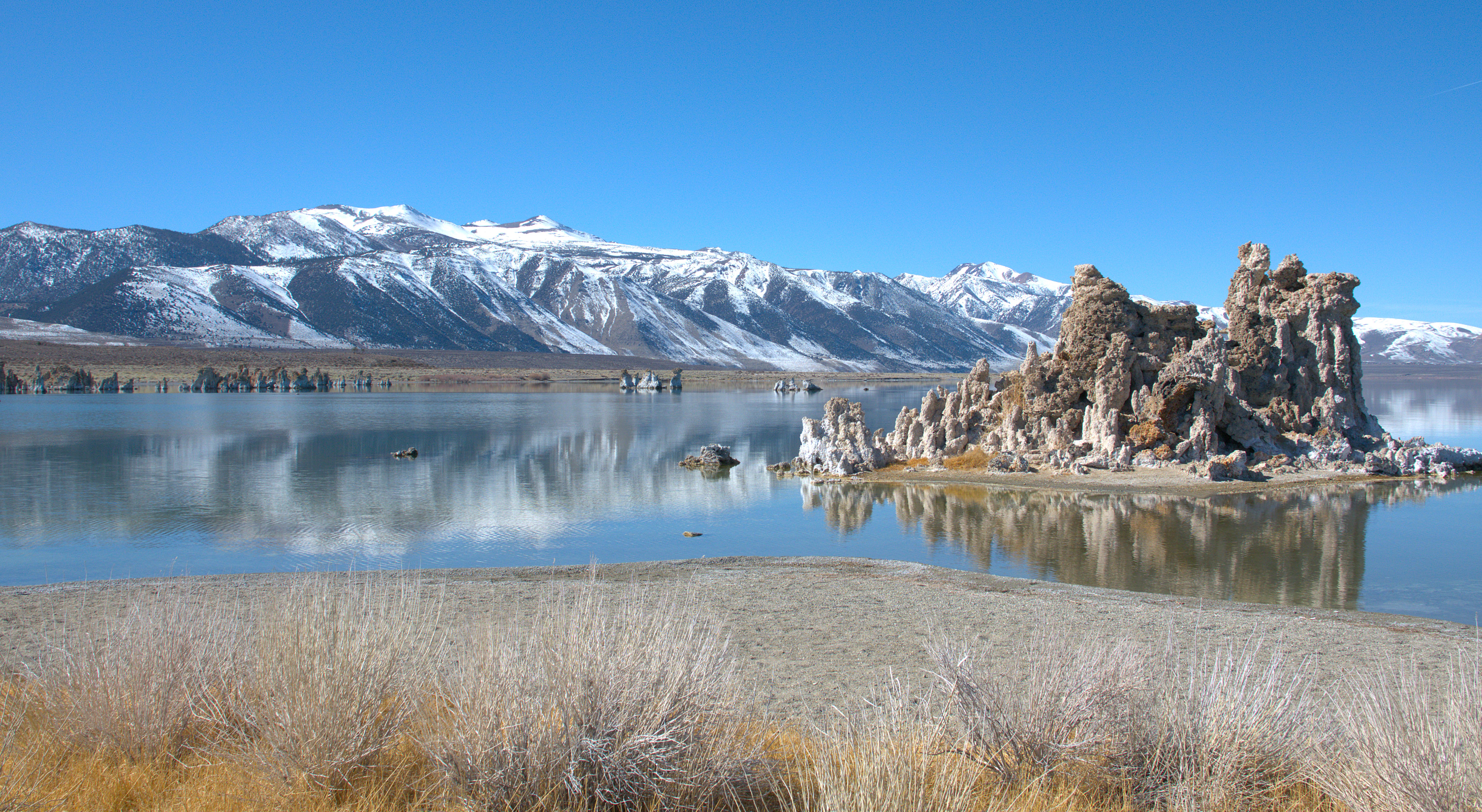
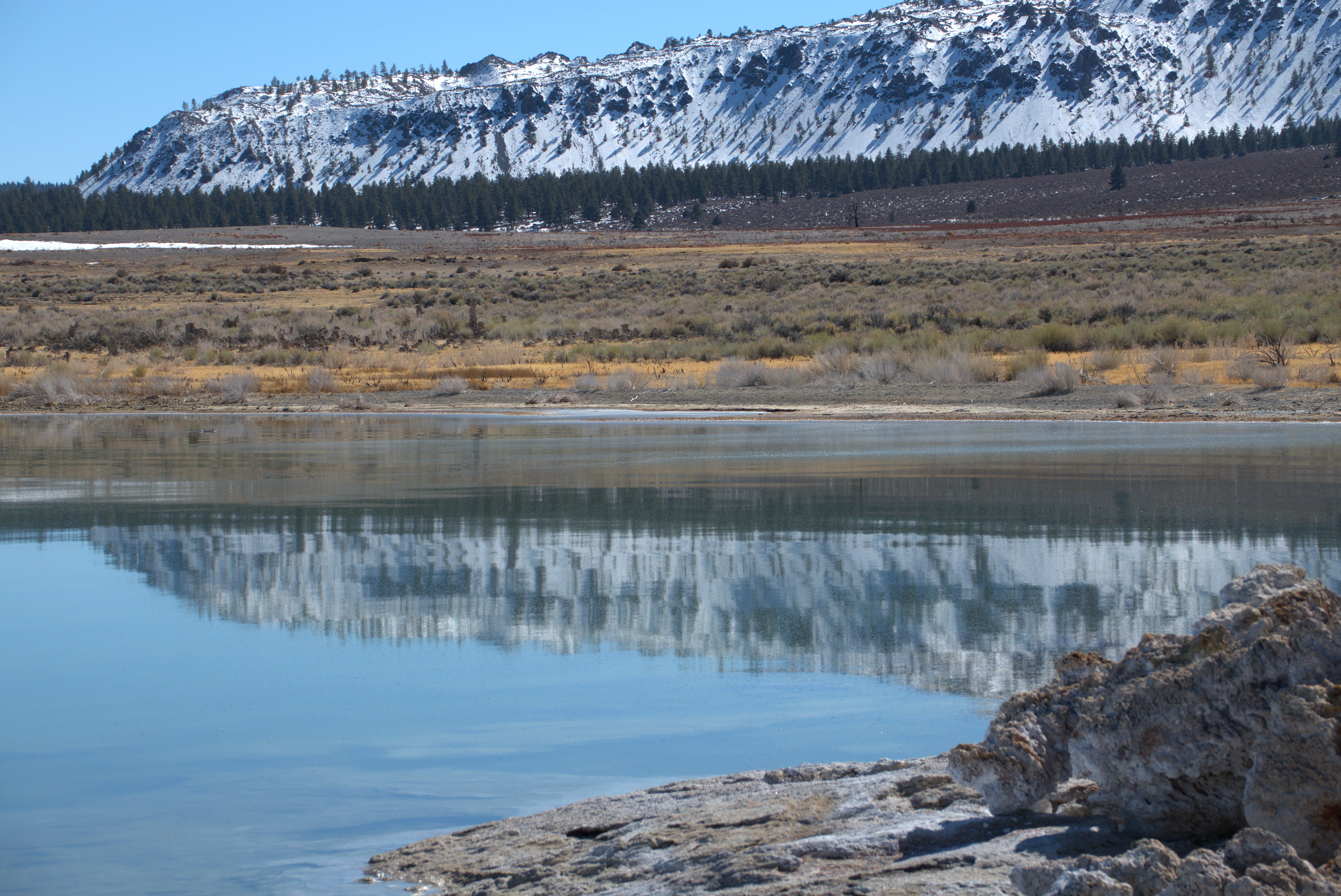
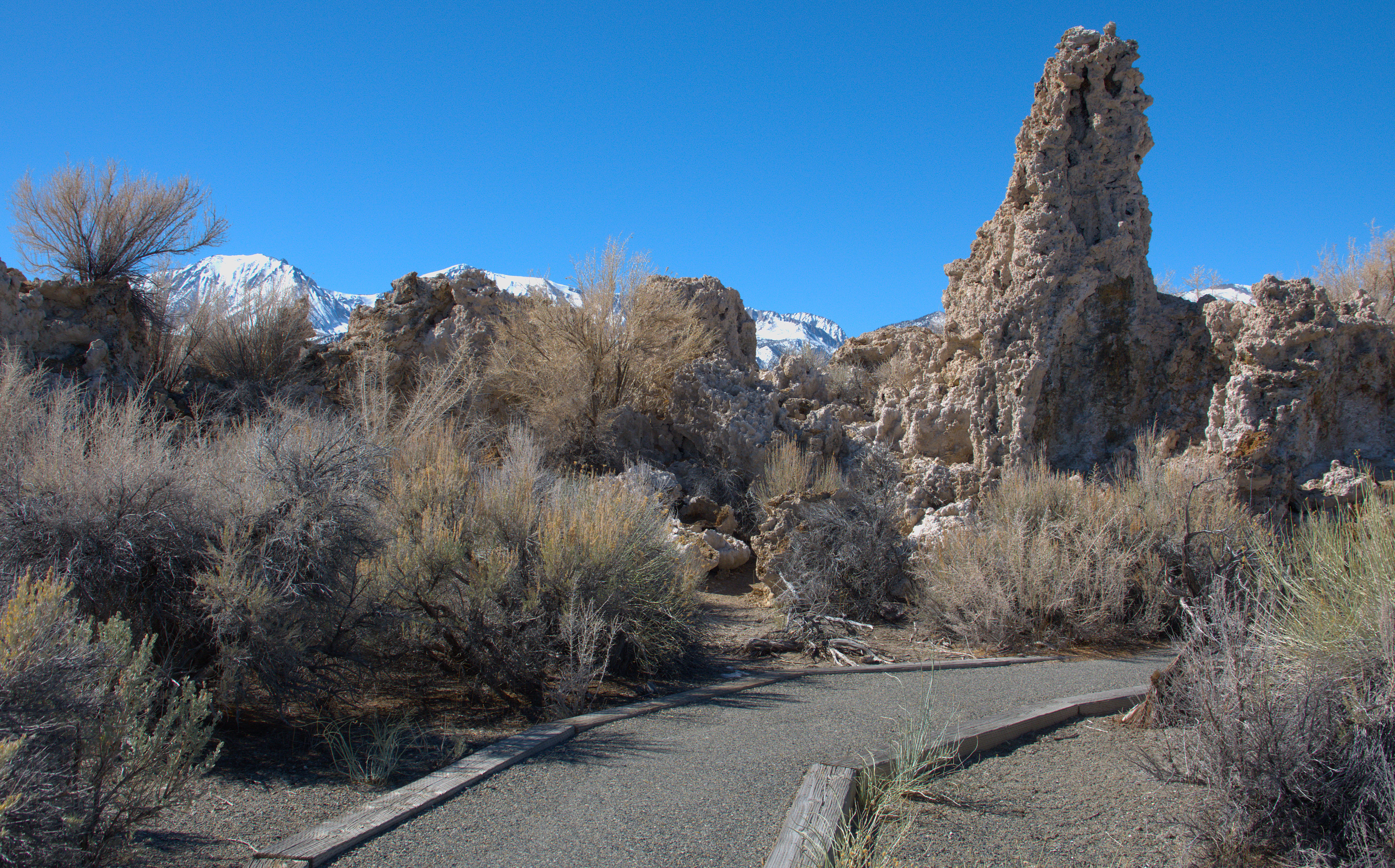
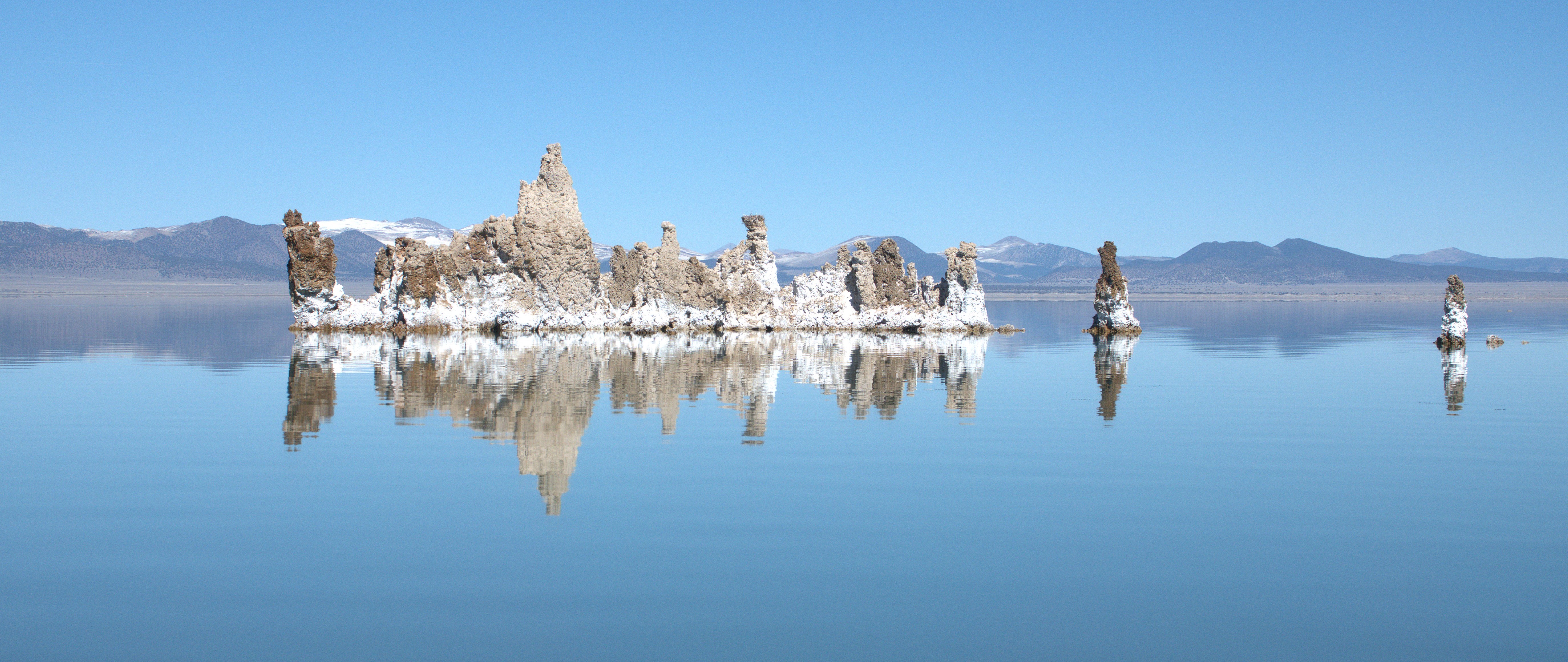
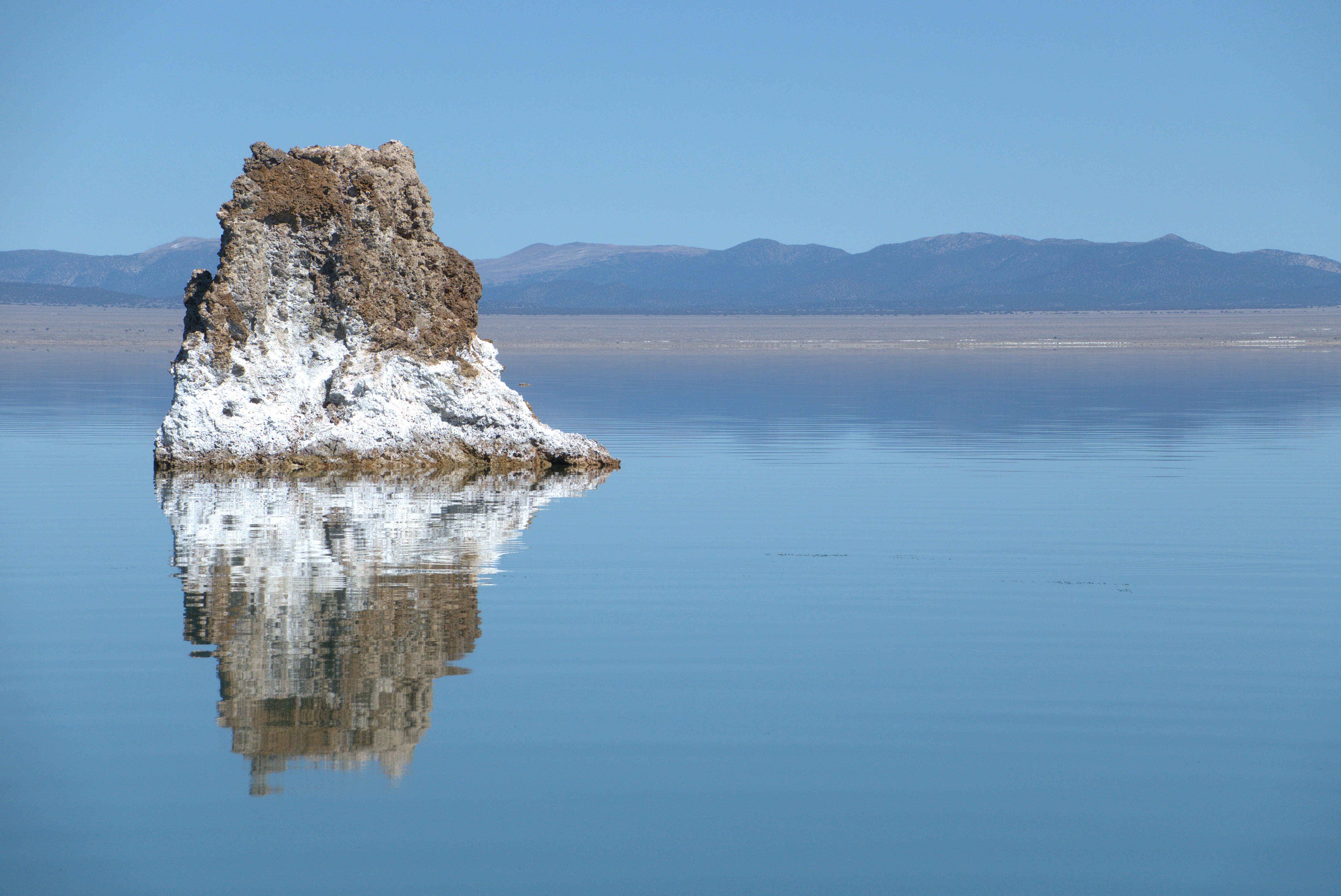
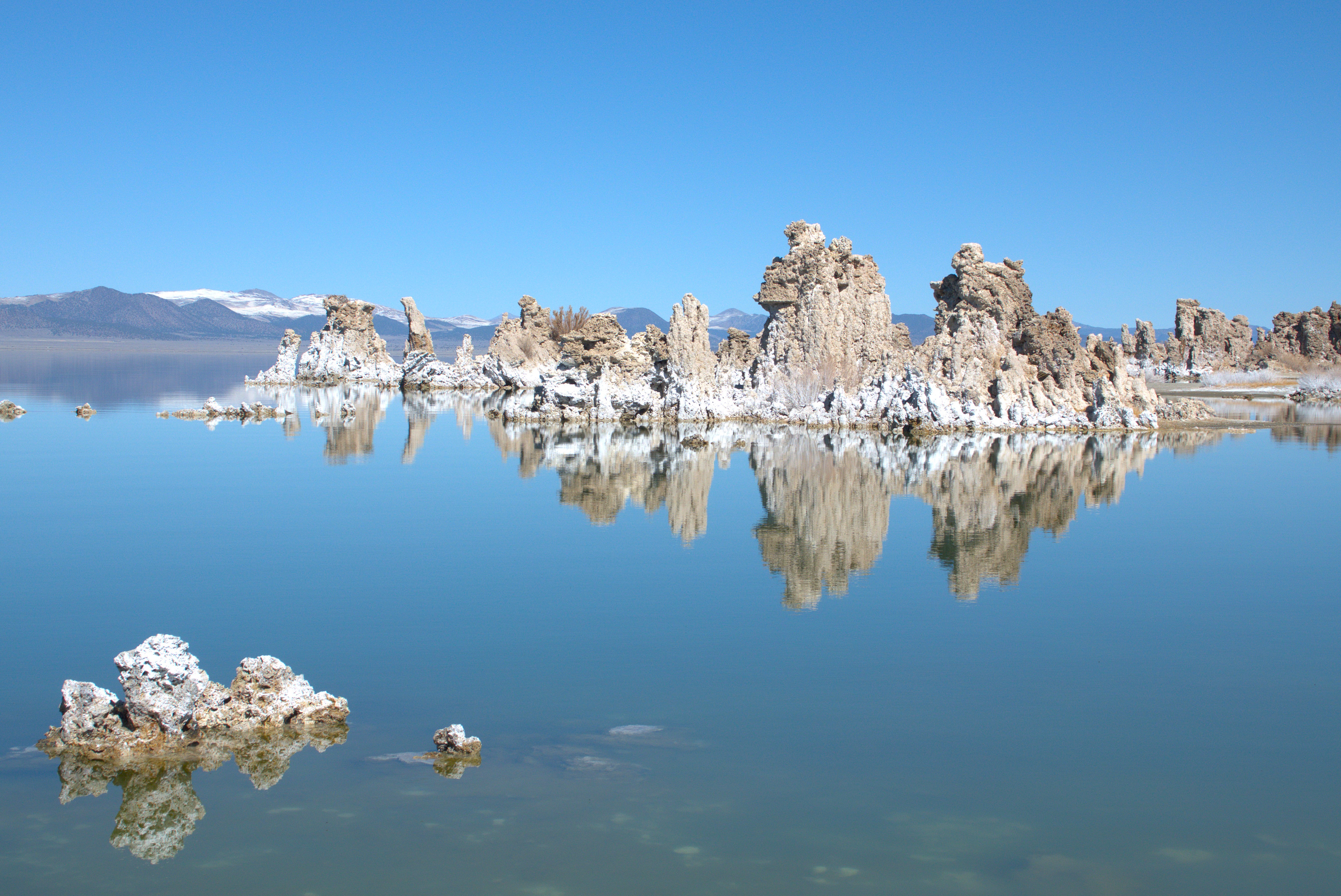
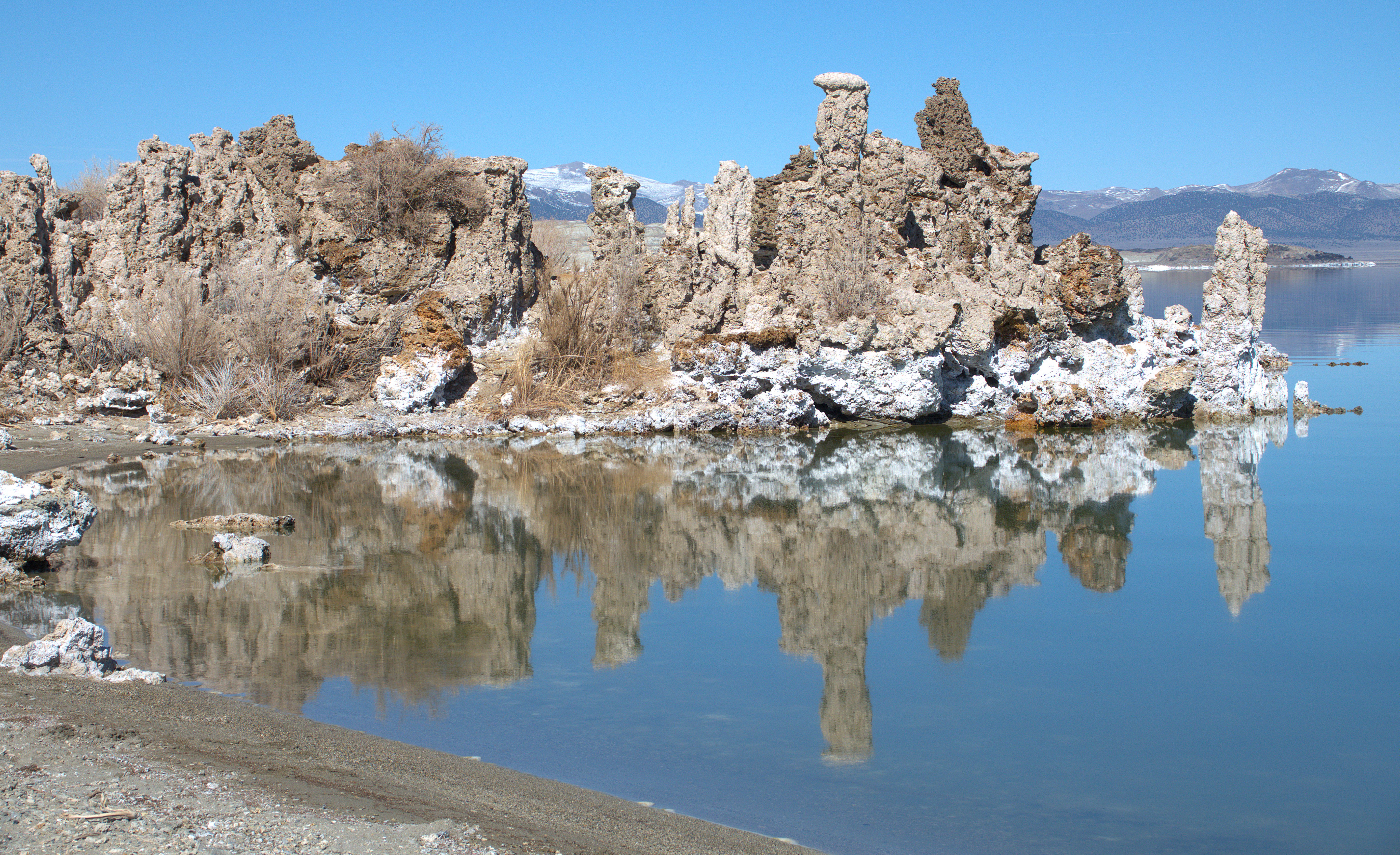
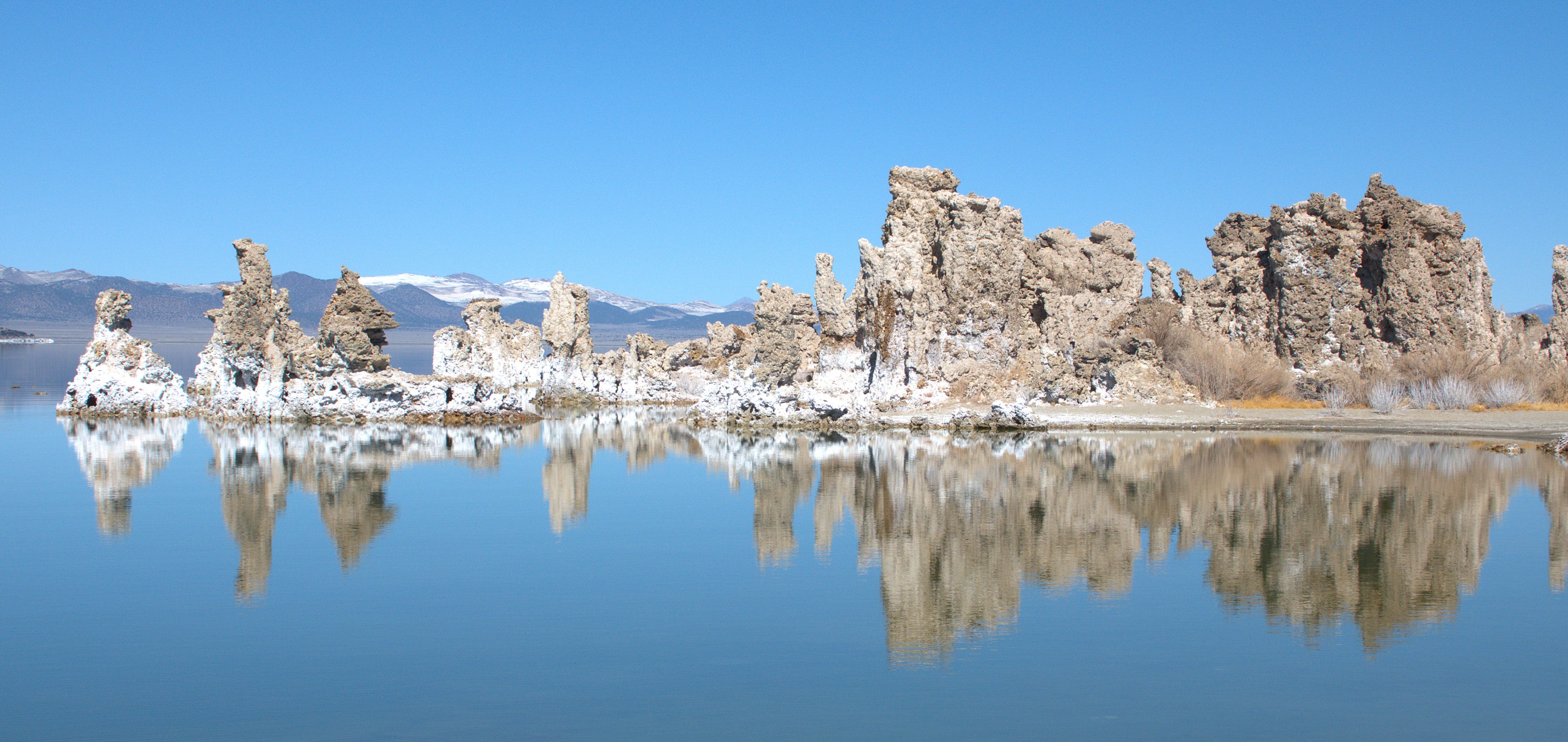
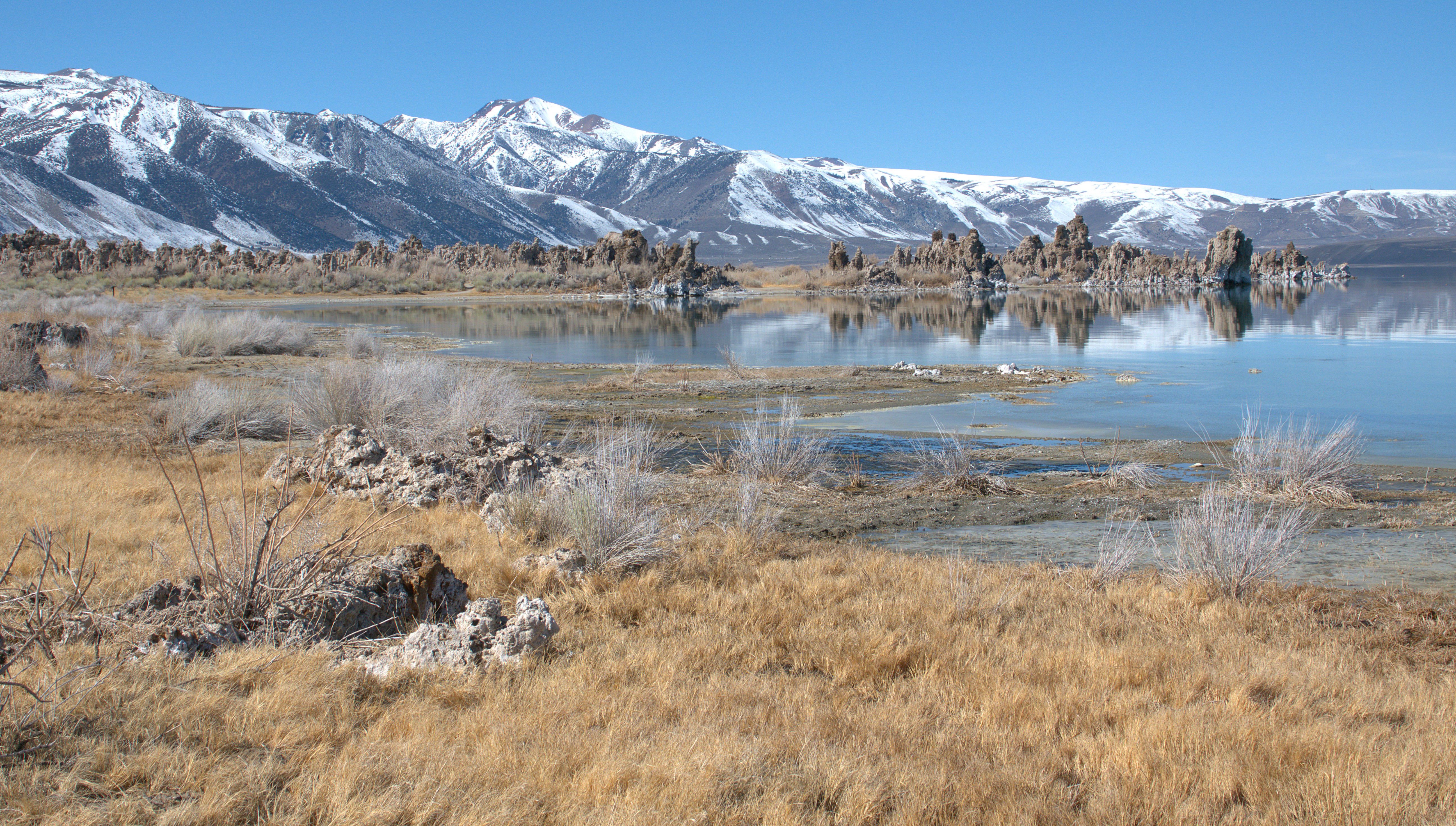
Mono Lake in California,

is a pristine,

paradise,

in winter.

There is no one here,

but the lake,

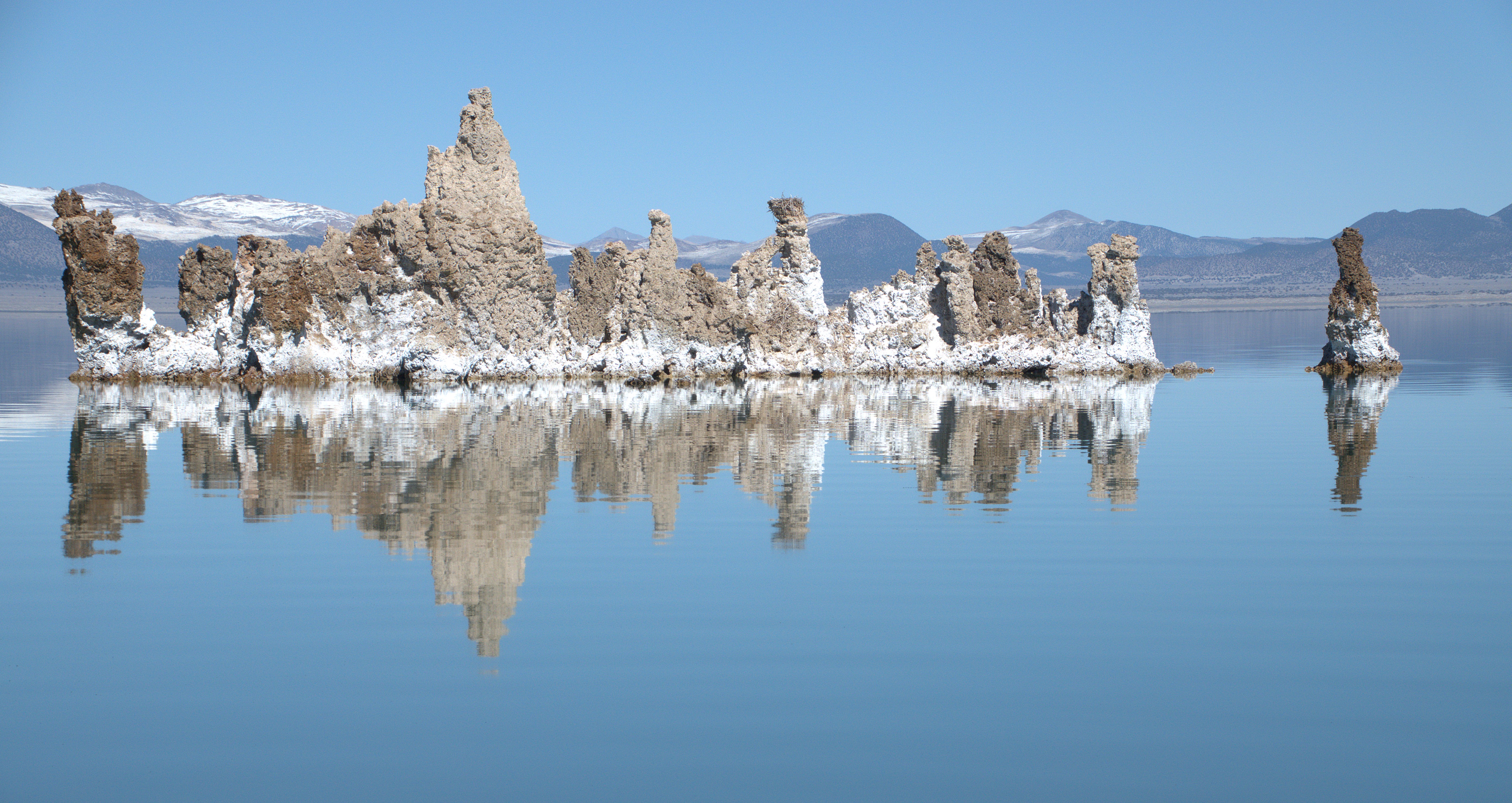
the tufas,

and you!

Tufas are delicate limestone structures formed over thousands of years,

by the interaction of fresh and alkaline water.

Cheers to you from Mono Lake in the winter~

The Other Cali: Part I~

(click/tap to enlarge)

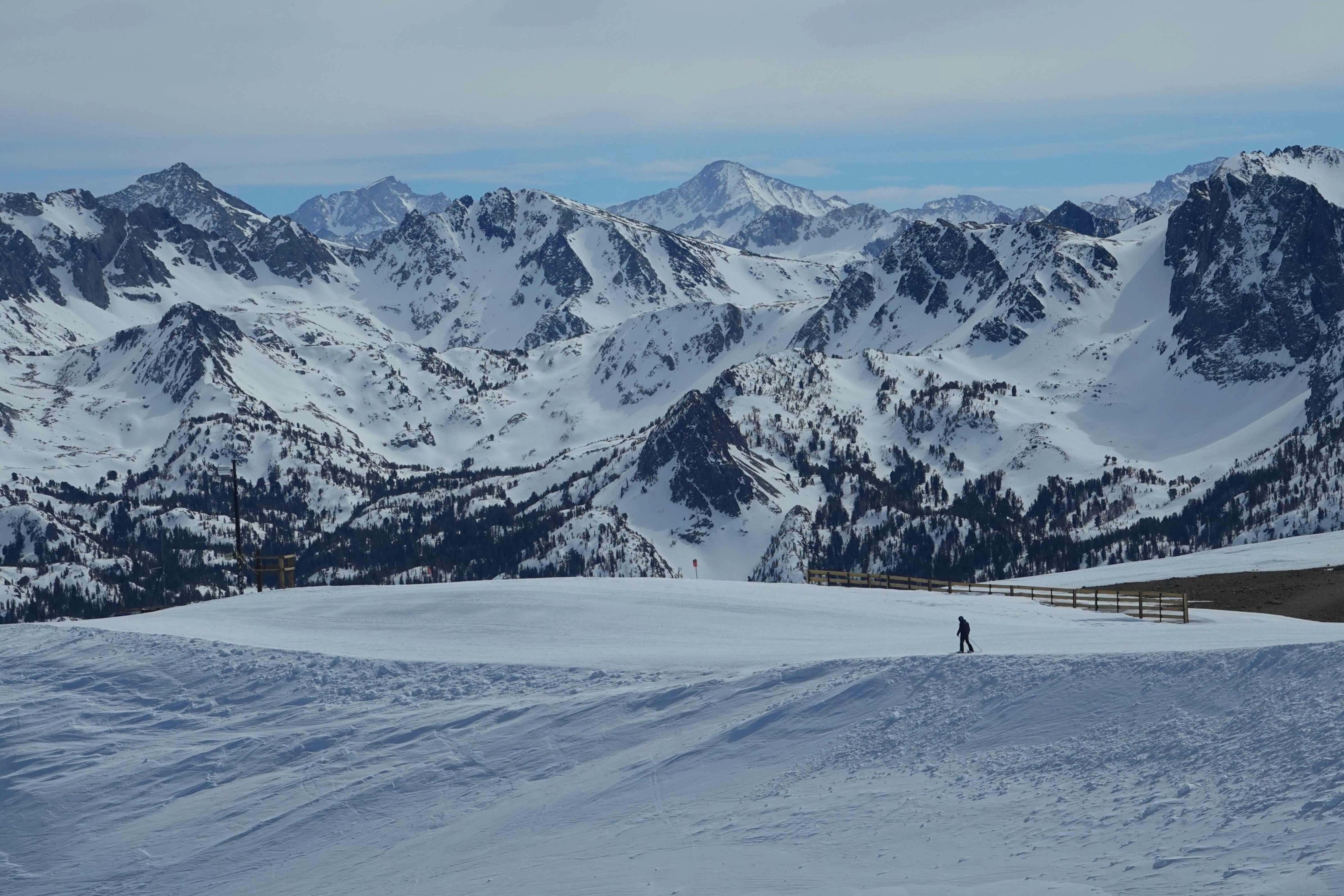
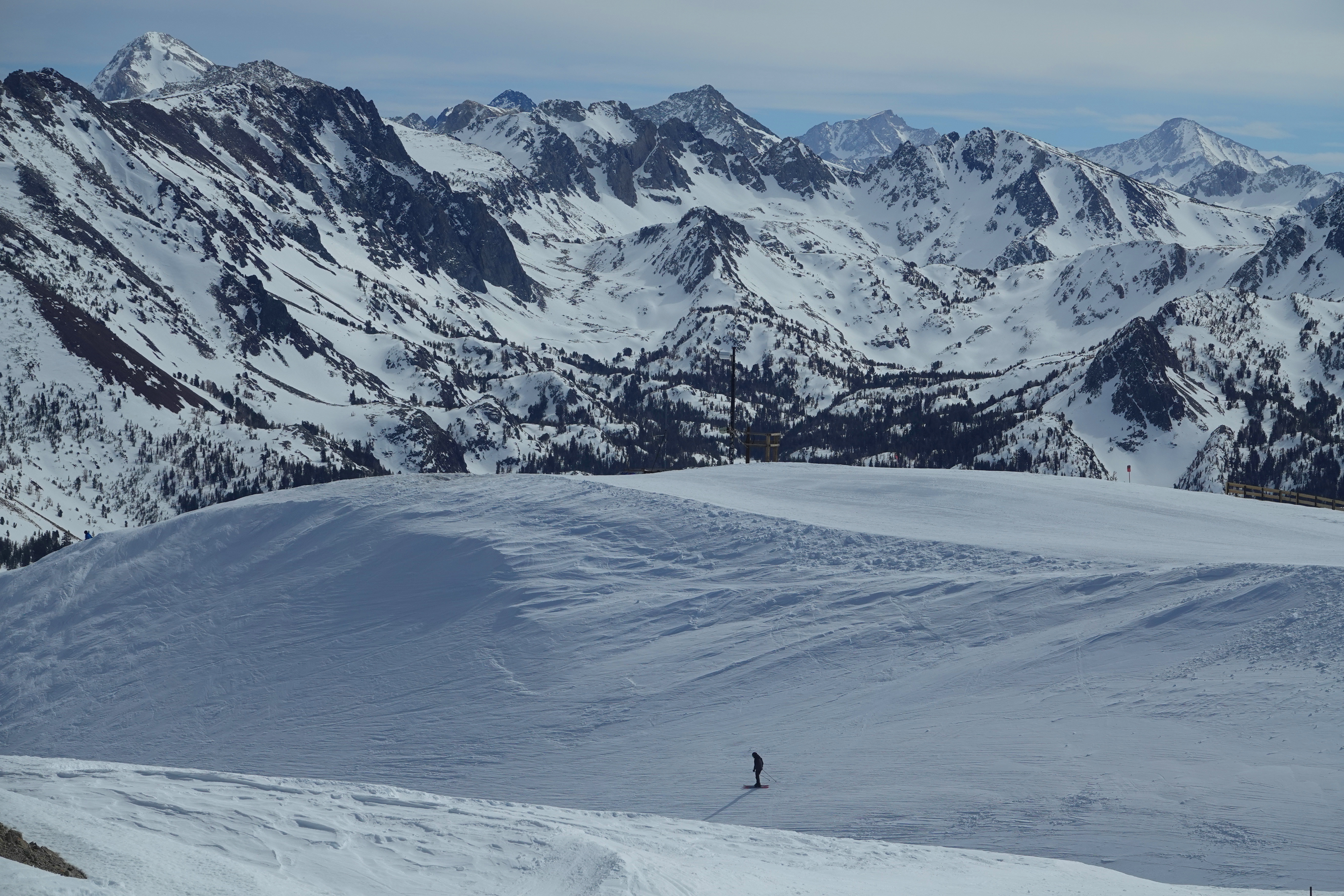
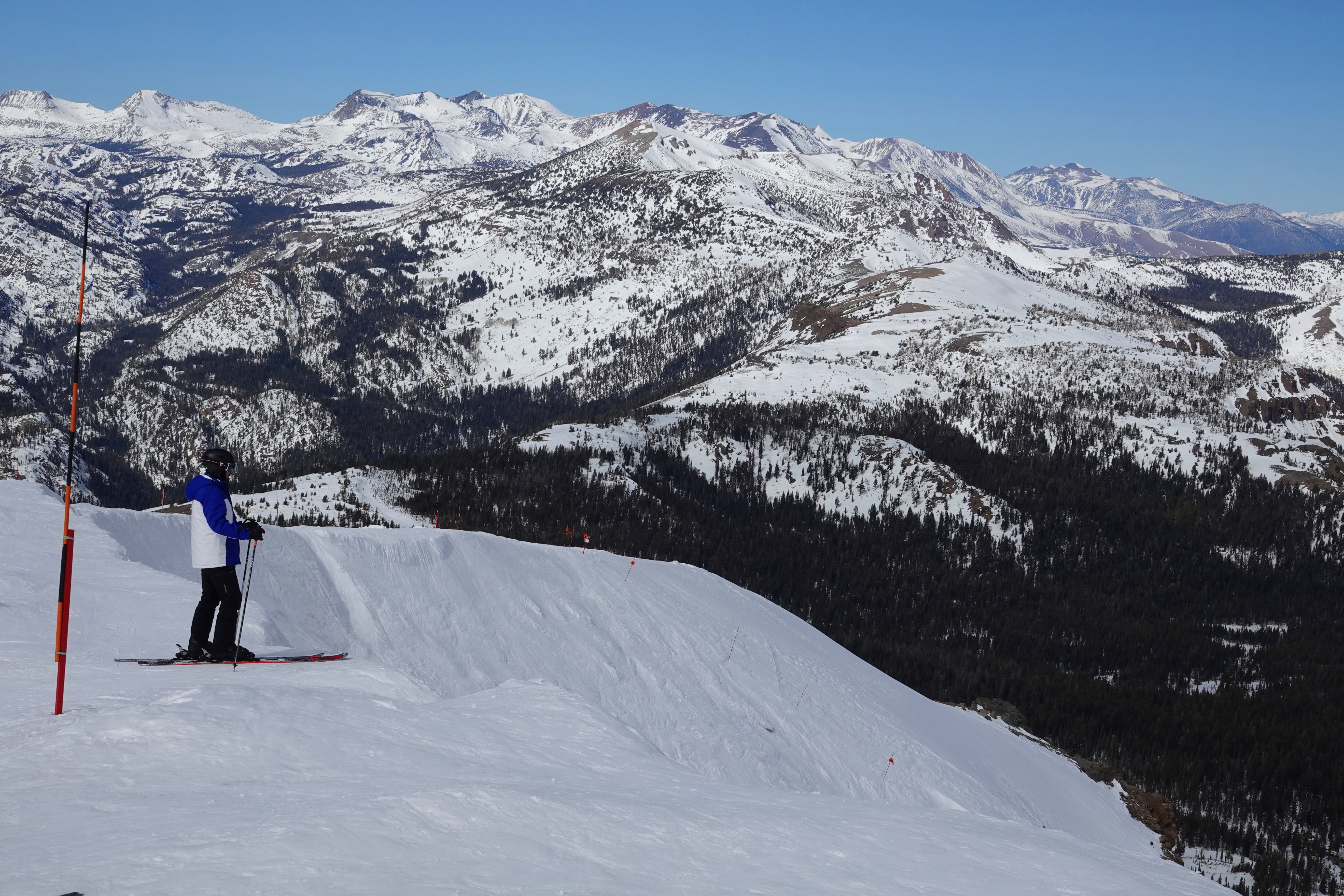
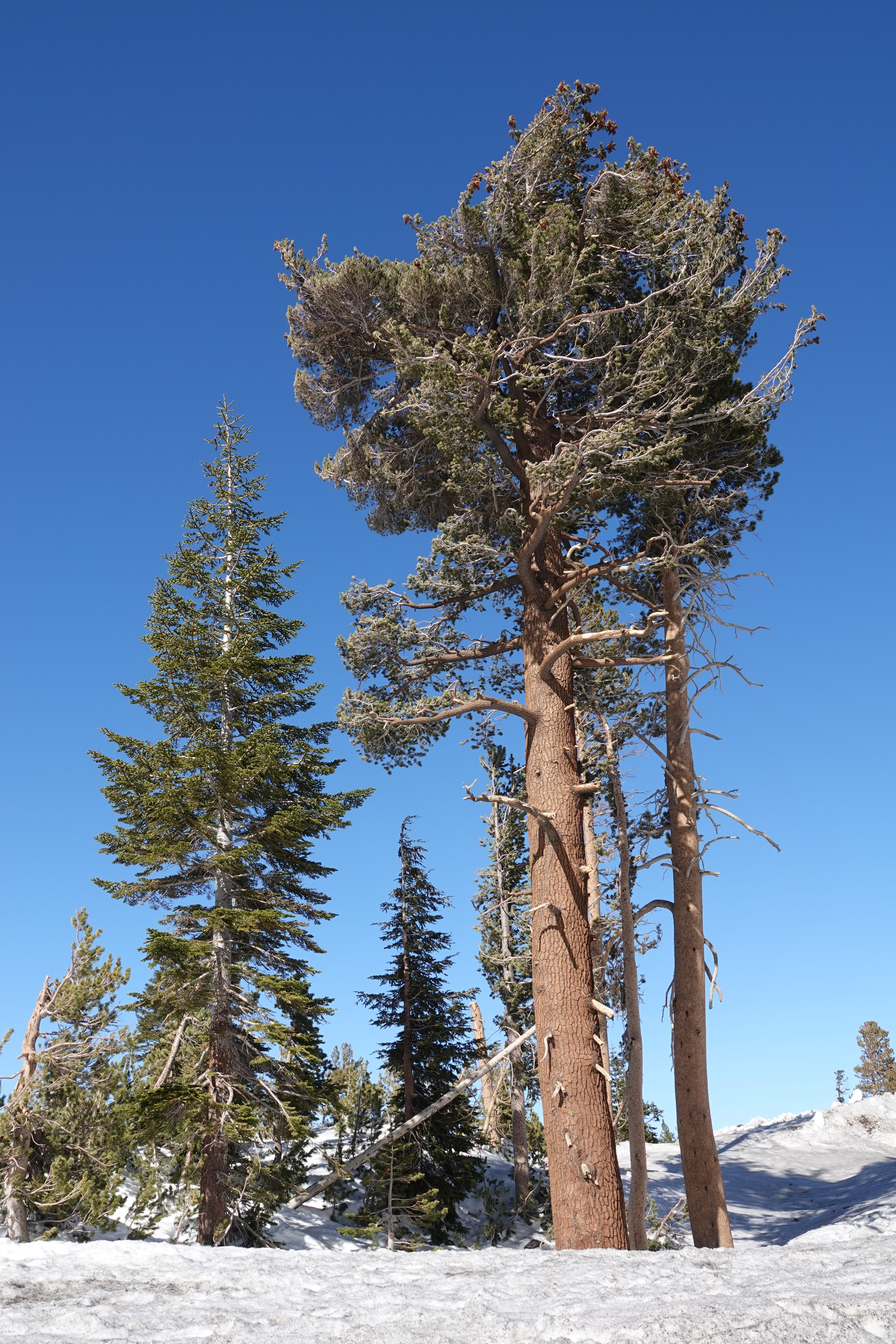
California isn’t all ocean,

sun and surf.

It is also mountains,

snow and ski.

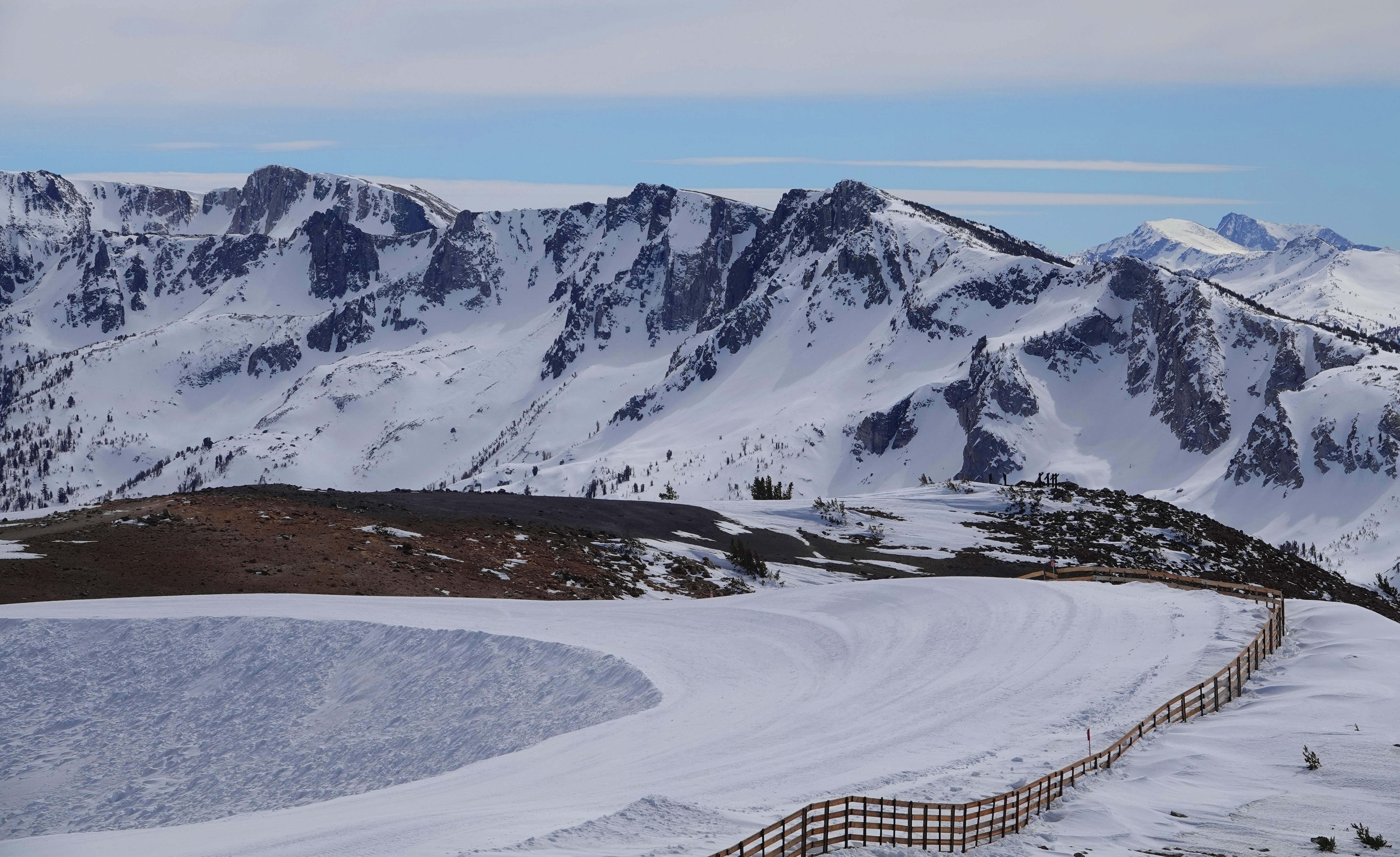
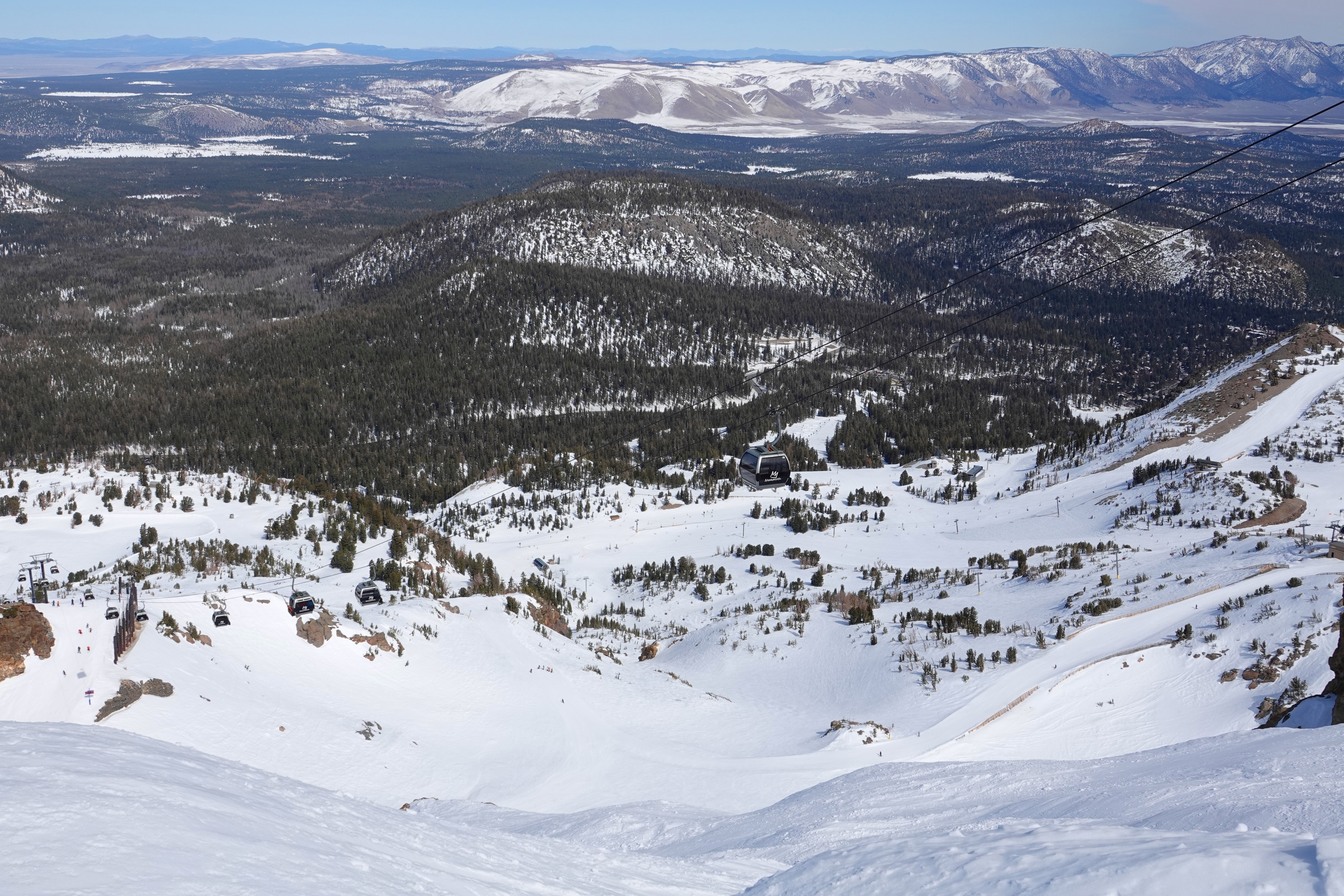
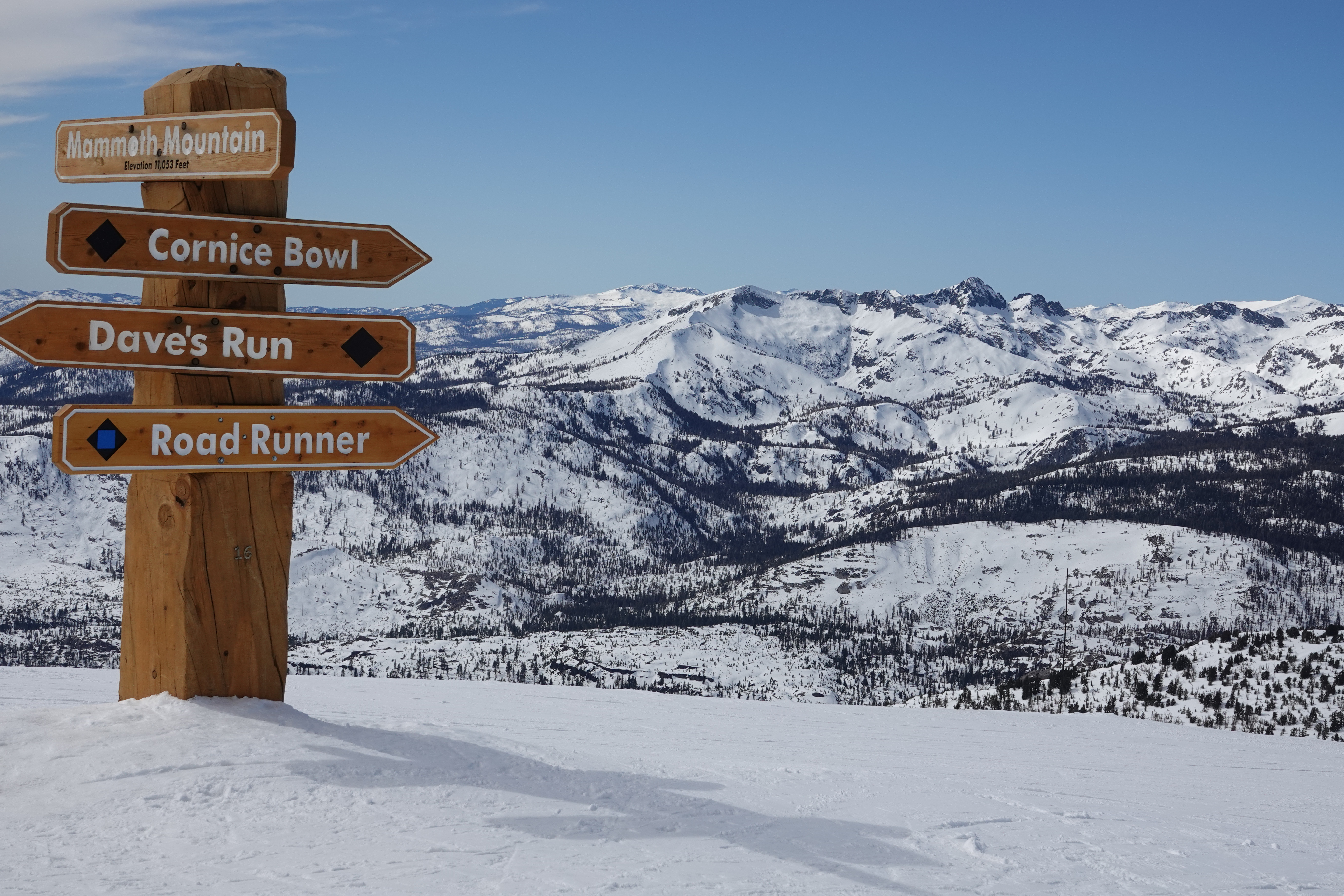
Mammoth Mountain in Mammoth Lakes California averages 400 inches of snow each year.

We have been coming here to ski annually for almost 55 years.

Another storm is arriving this weekend!

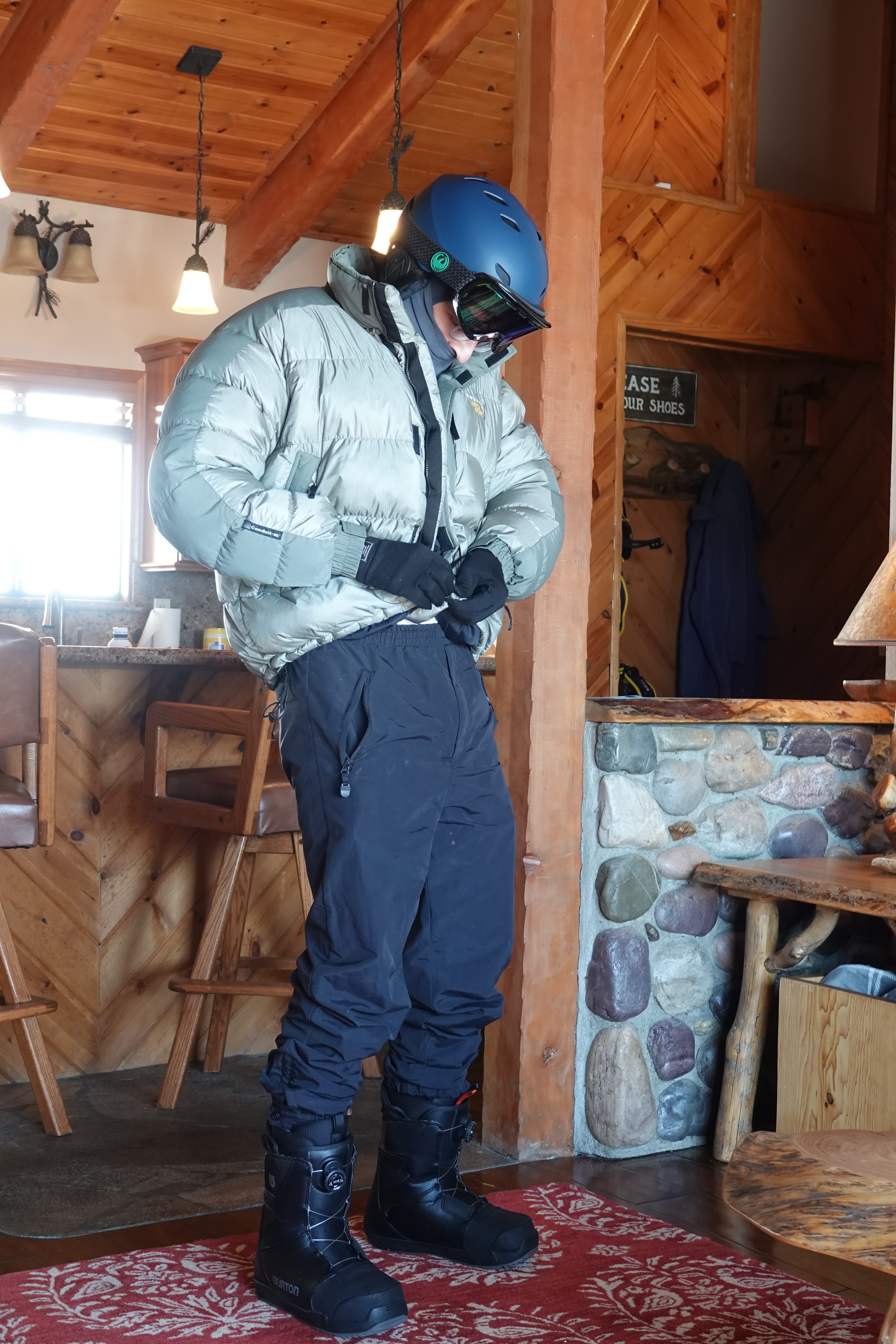
Gearing up.

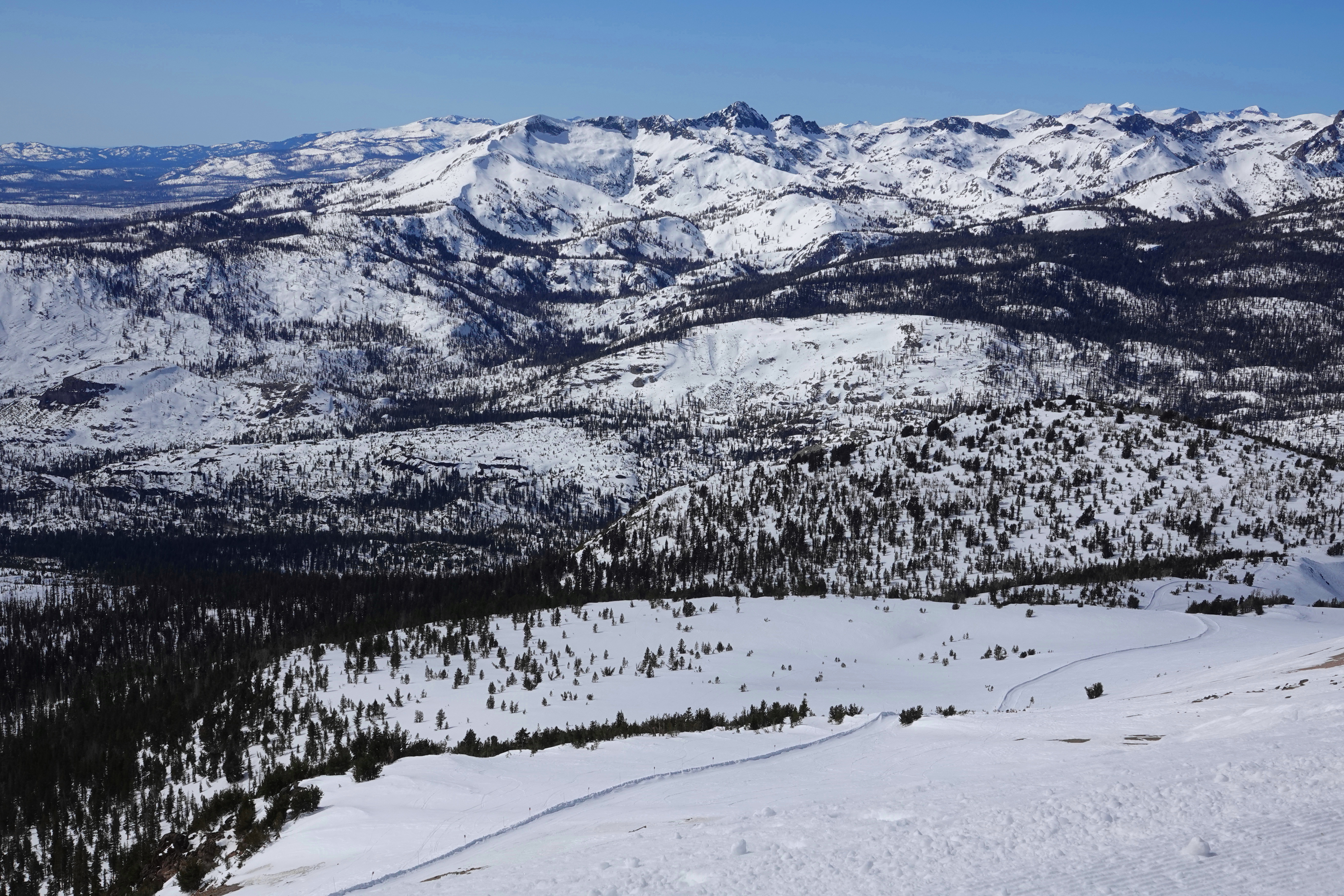
You can see Mono Lake in the distance where we are going tomorrow.

Cheers to you from Mammoth Lakes in February~

Birds of The Sea of Cortez~

(click/tap to enlarge)

Jacques Cousteau referred to The Sea of Cortez as the world’s aquarium,

which it clearly is,

empty, stunning, and full of wildlife.
The region is also,

home to a huge variety of birds,

including the formidable Harris Hawk,

comical,

peli- cans,

curious grackles,

and stunning,

frigate birds.
Cheers to you from all the birdies in The Sea of Cortez~