Cannon Beach~

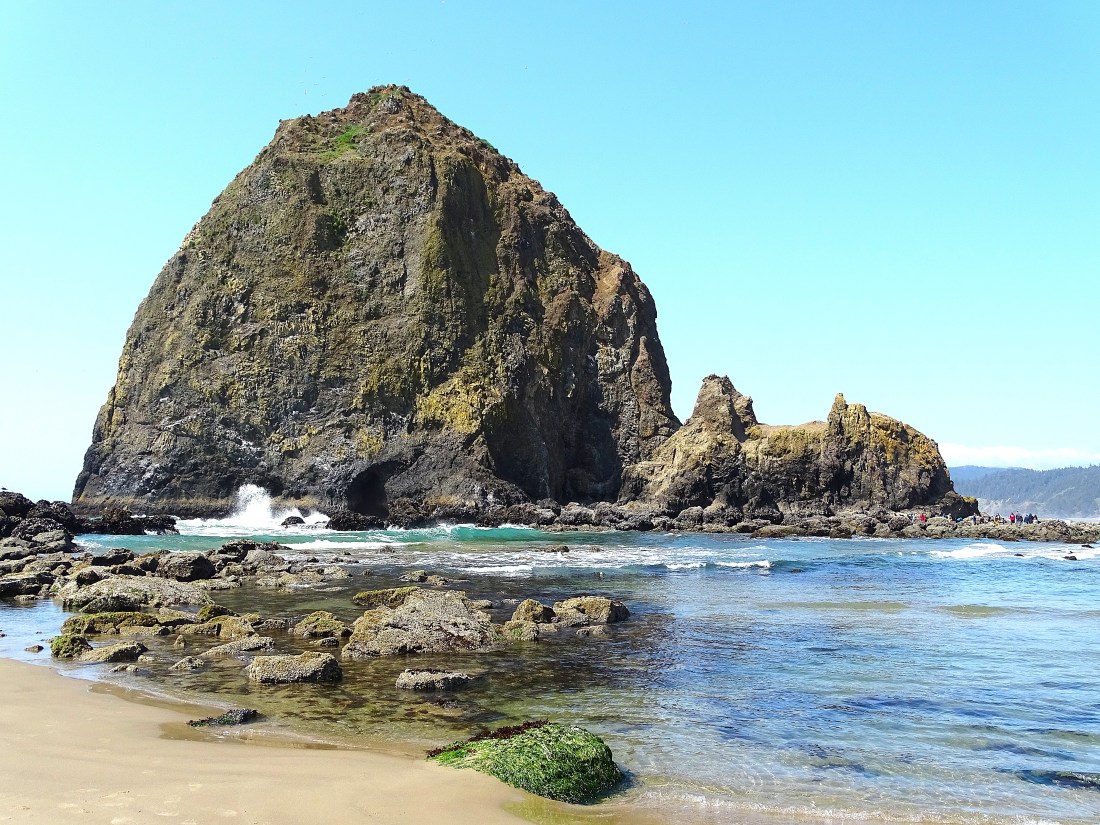
in Oregon stretches for seemingly endless misty miles.

Haystack Rock on the beach is famous both for it’s unique grandeur,

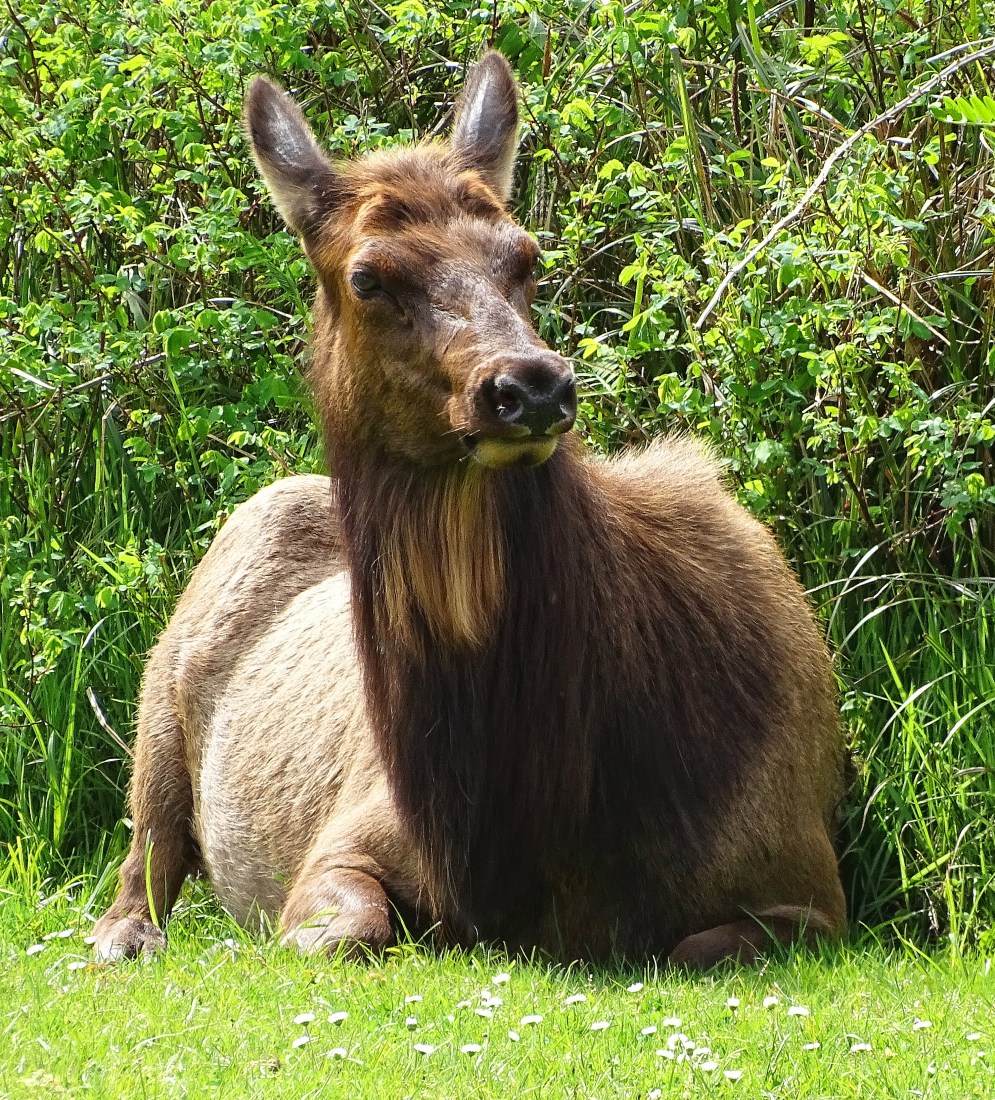
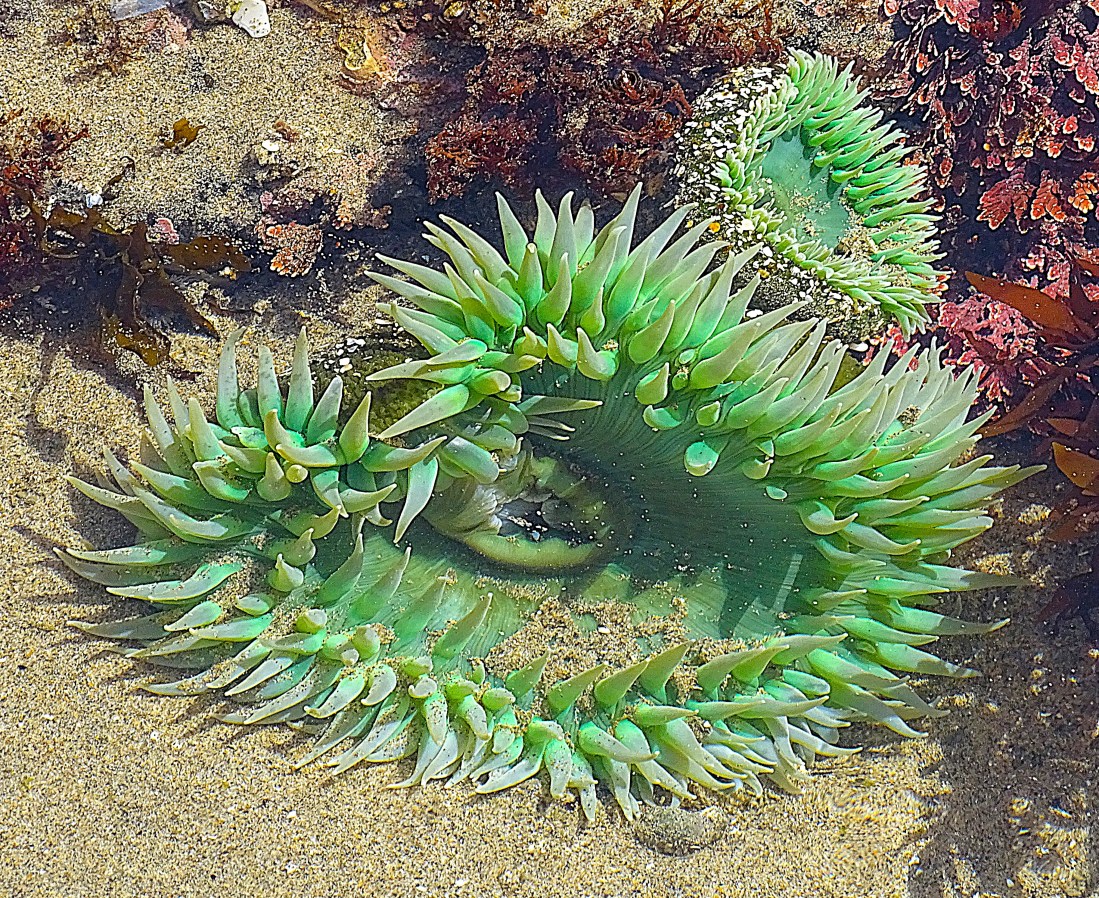
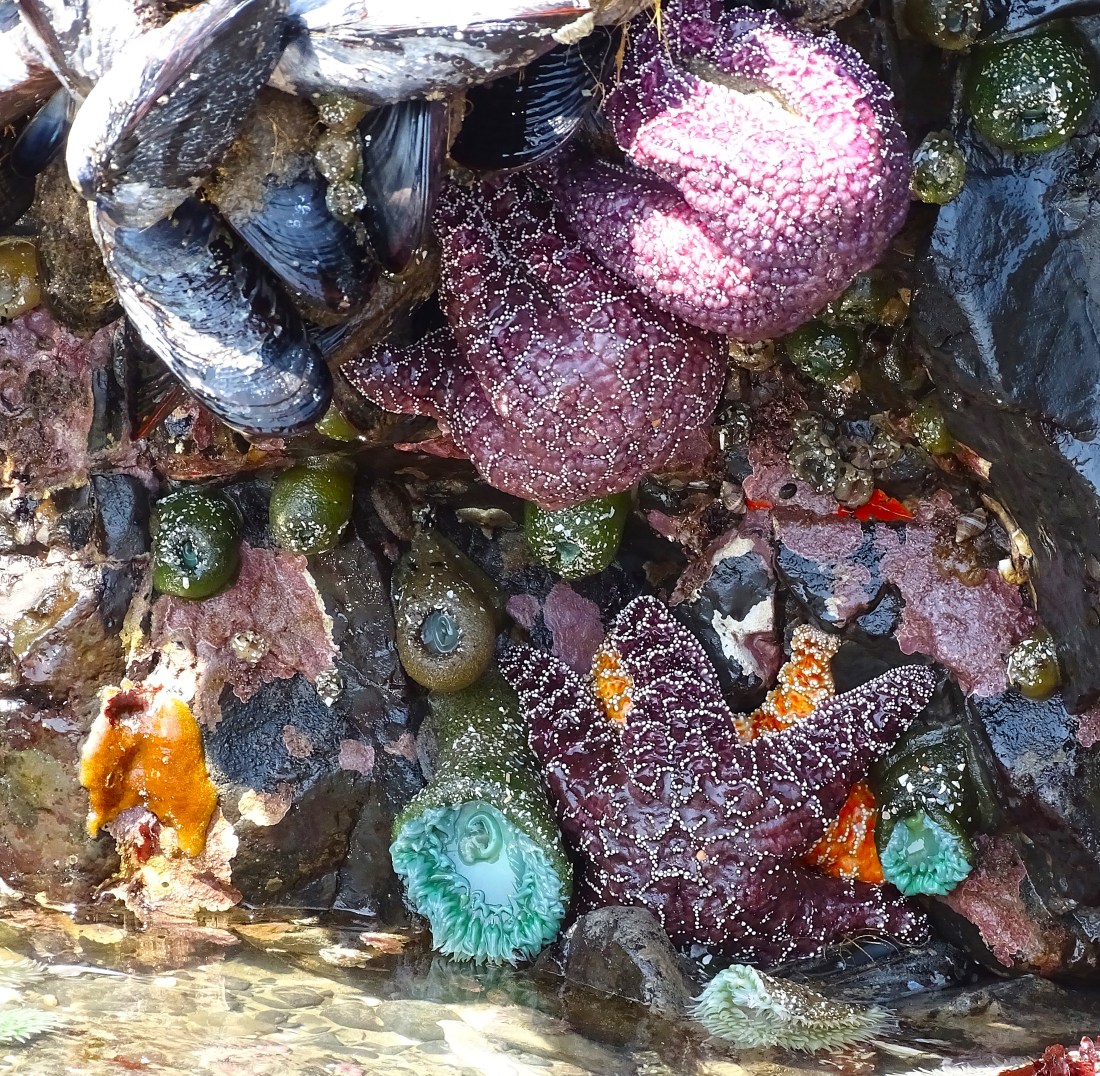
and for the variety of wildlife it harbors,

including a nesting colony of tufted puffins,

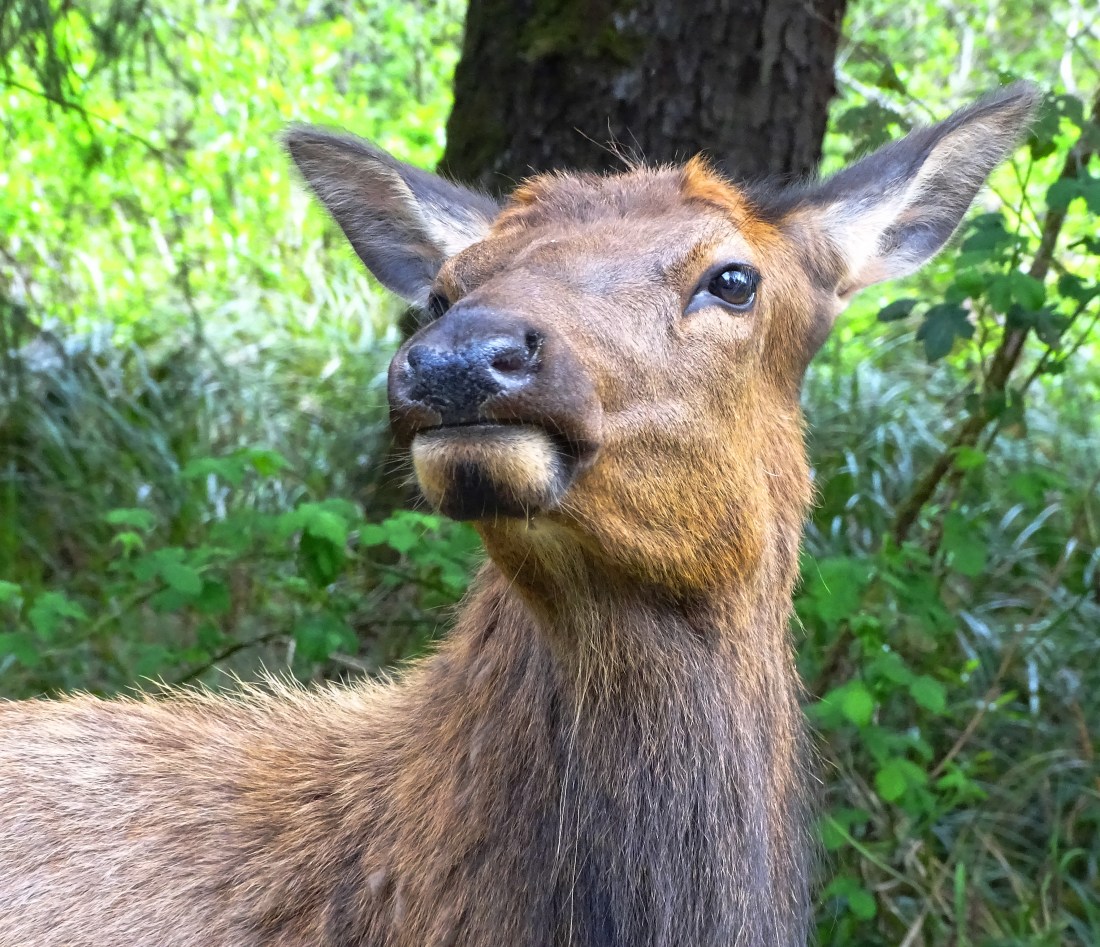
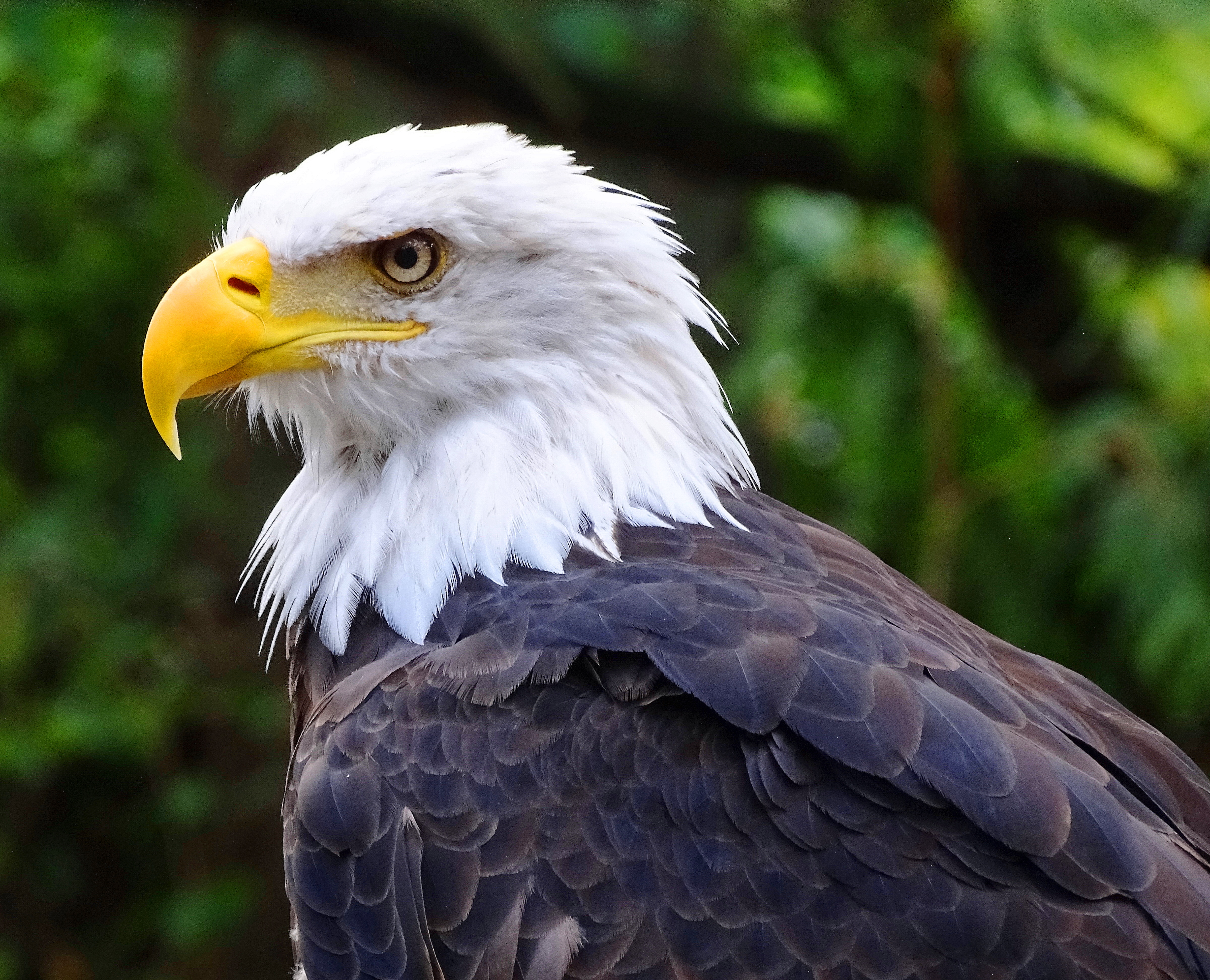
unless of course these guys decide to nest on the top of the rock and scare all the puffins away!

Harlequin ducks seem unfazed by the eagles and swim happily all around Haystack.

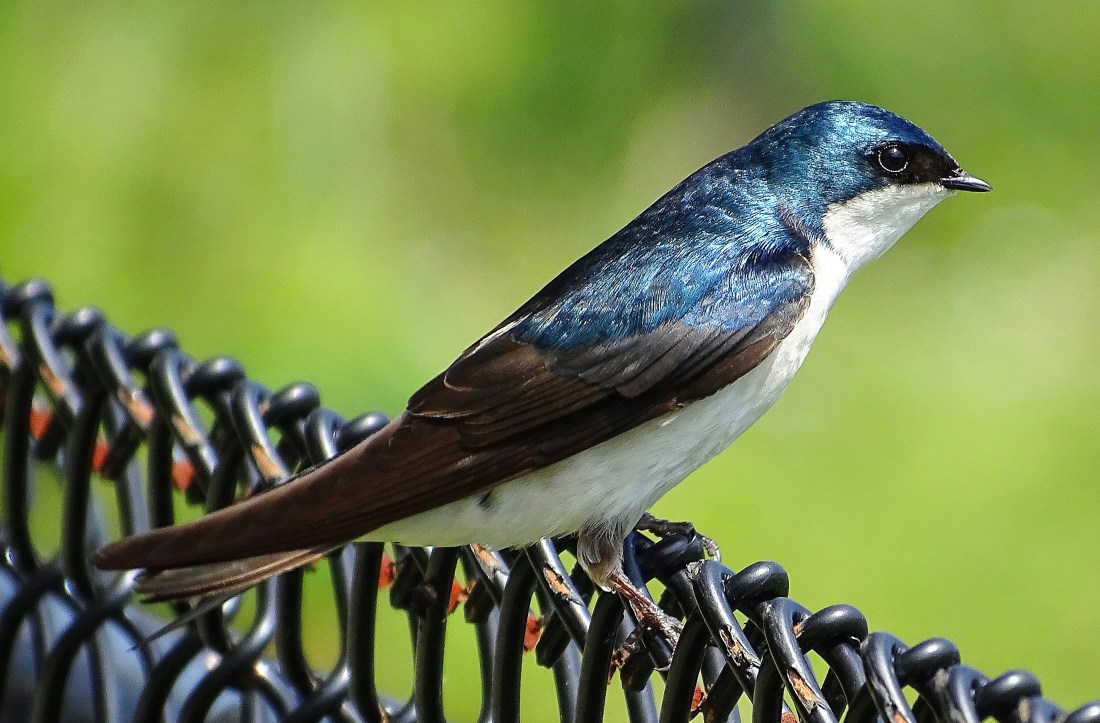
Many birds can be found in nearby estuaries and ponds, including tree swallows,

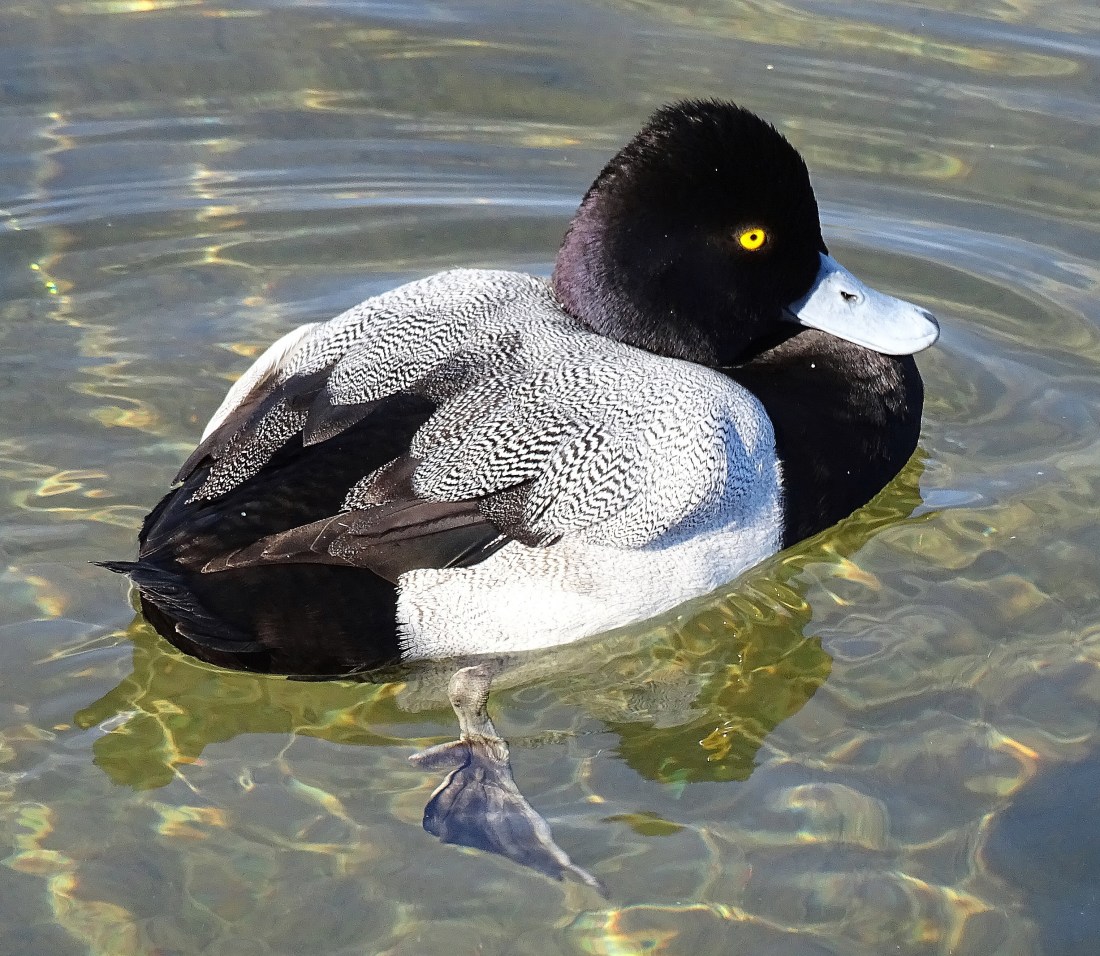
scaups,

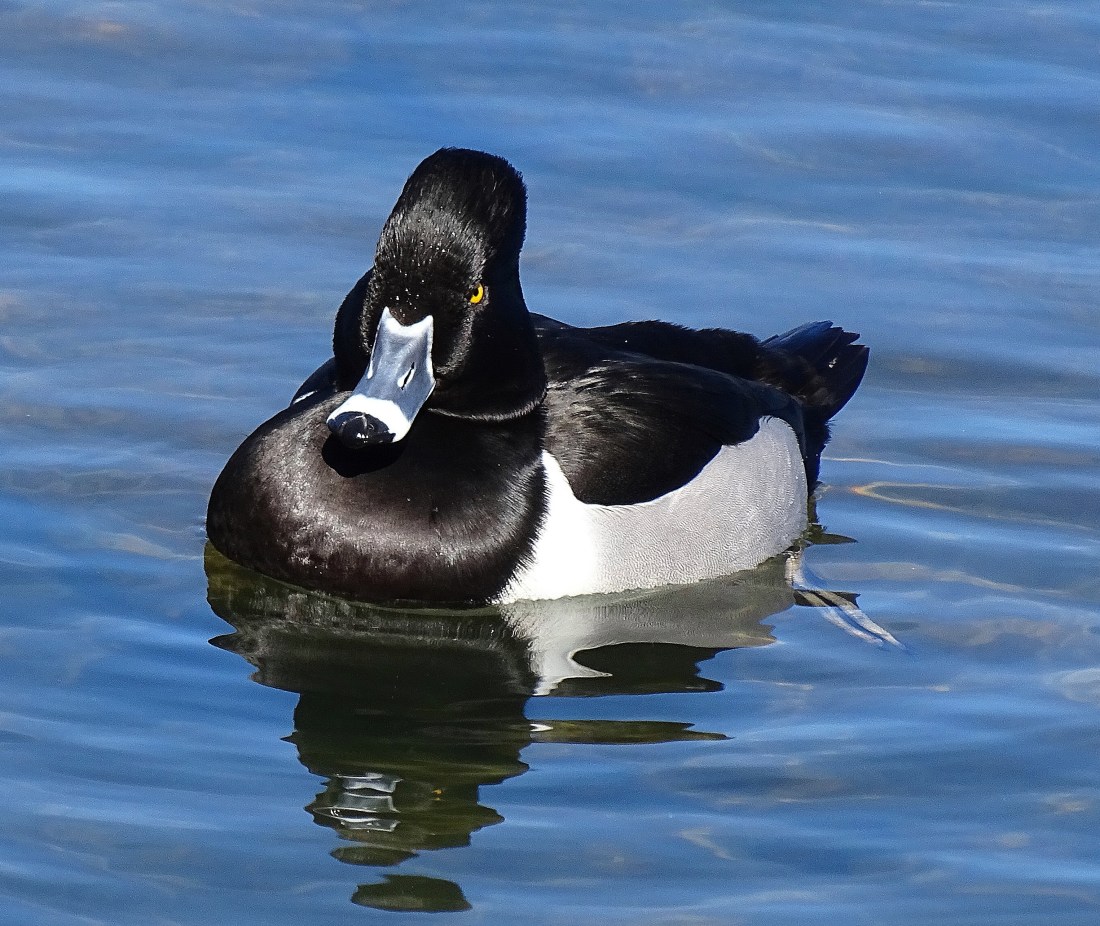
and ring necked ducks.

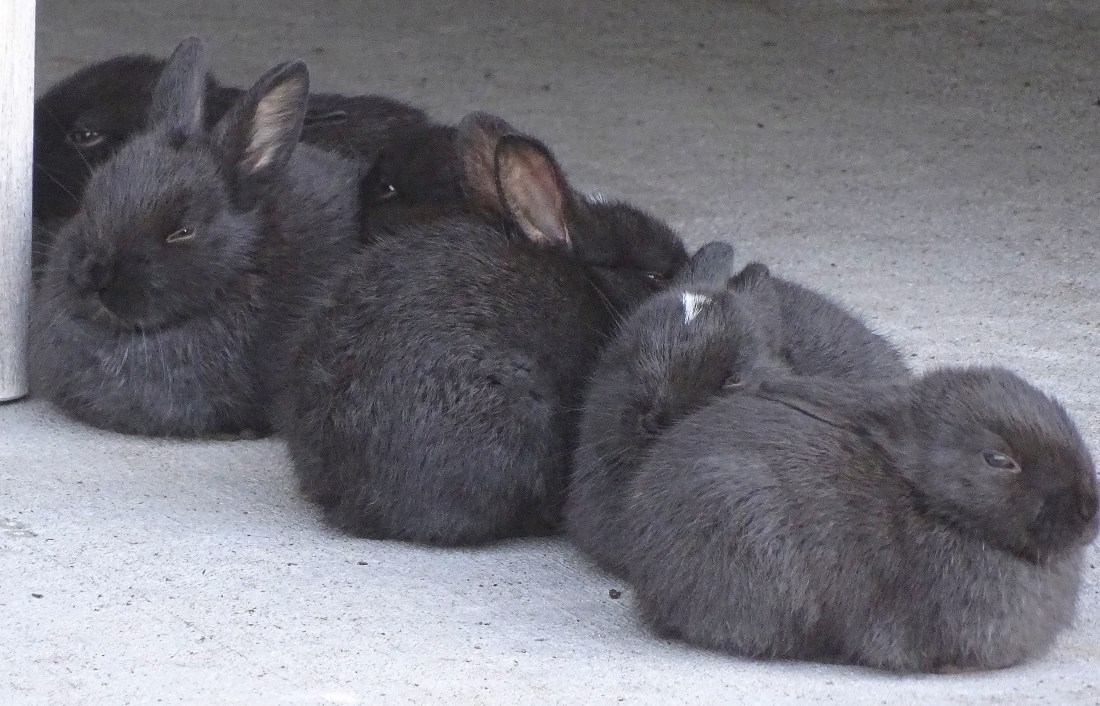
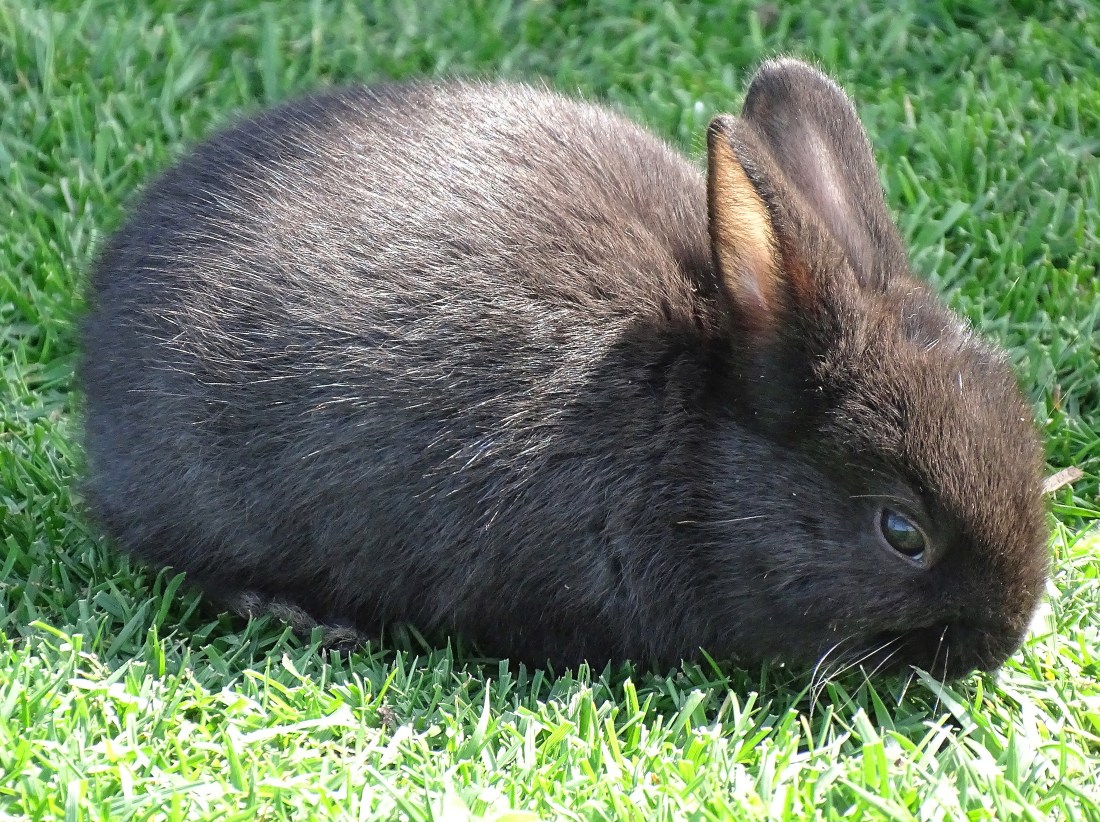
Bundles of baby beach bunnies sleep on our ocean front patio,

using our presence to keep the eagles away.

Apparently in the 1980’s domesticated rabbits were released into the wild and bred like bunnies!

Cheers to you from Canon Beach~

/)/)
( . .)
( づ♡

Happy Easter Wishes~

Flying,

to you,

from The Holler,

and,

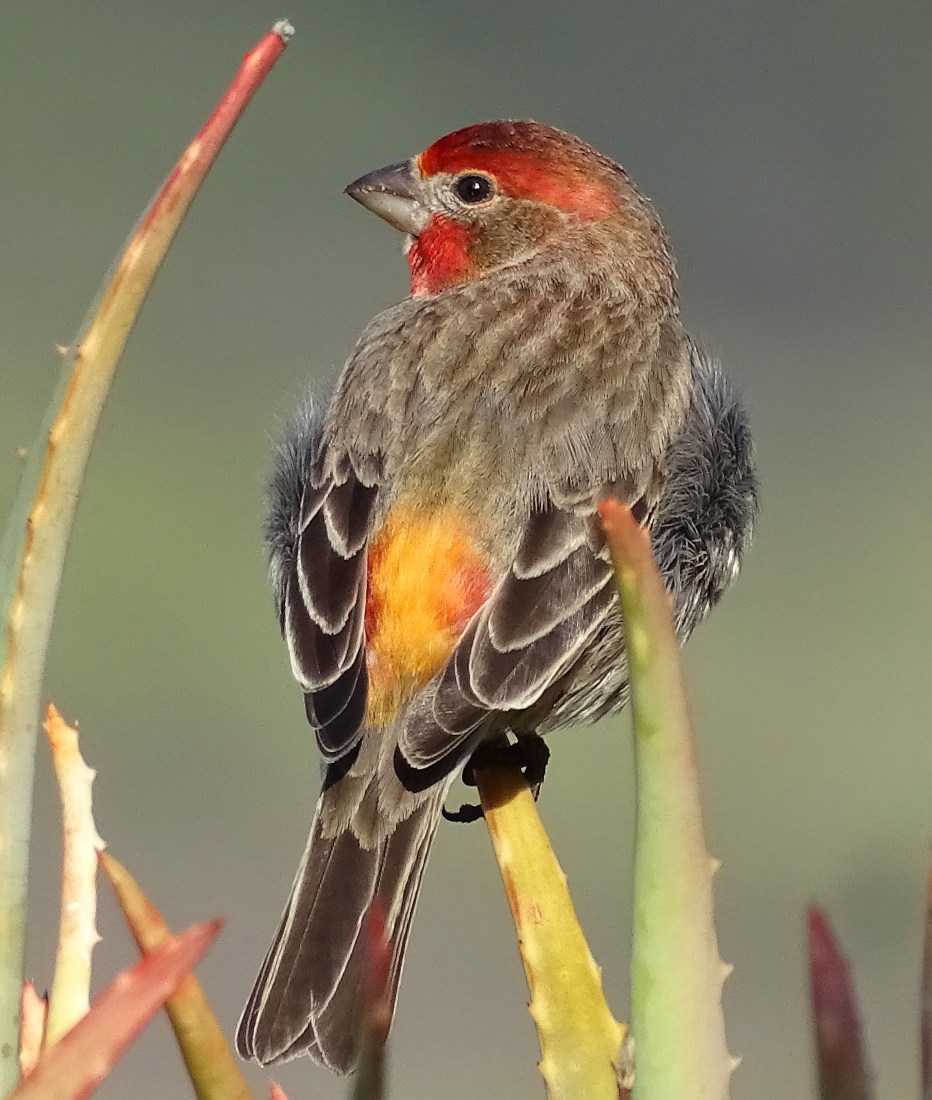
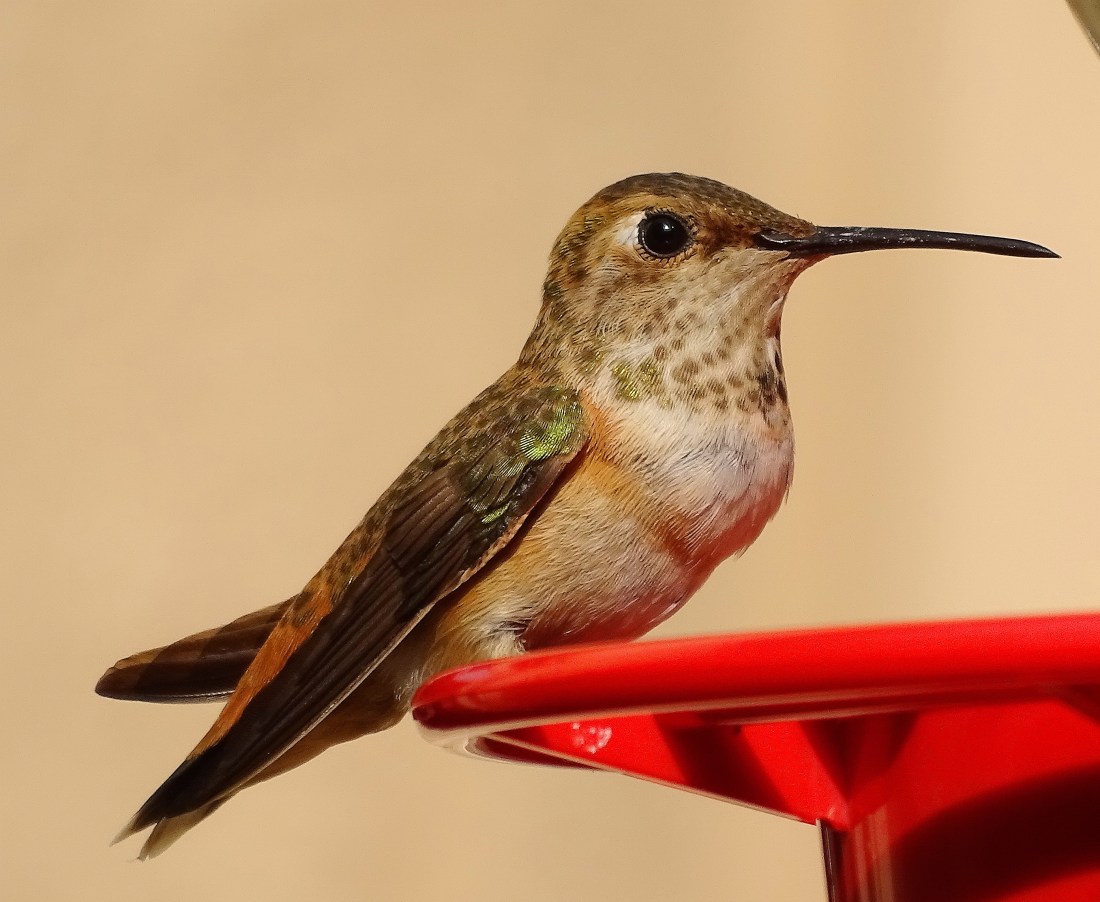
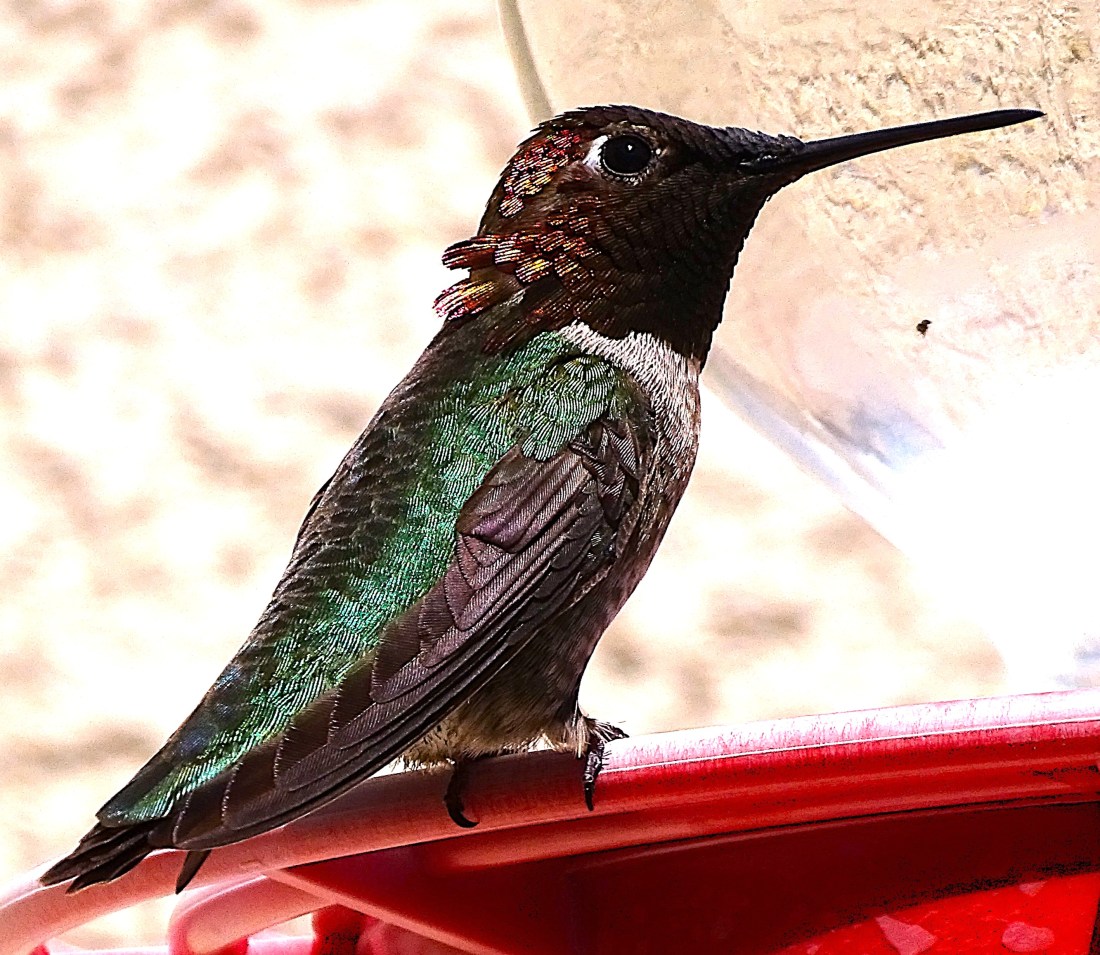
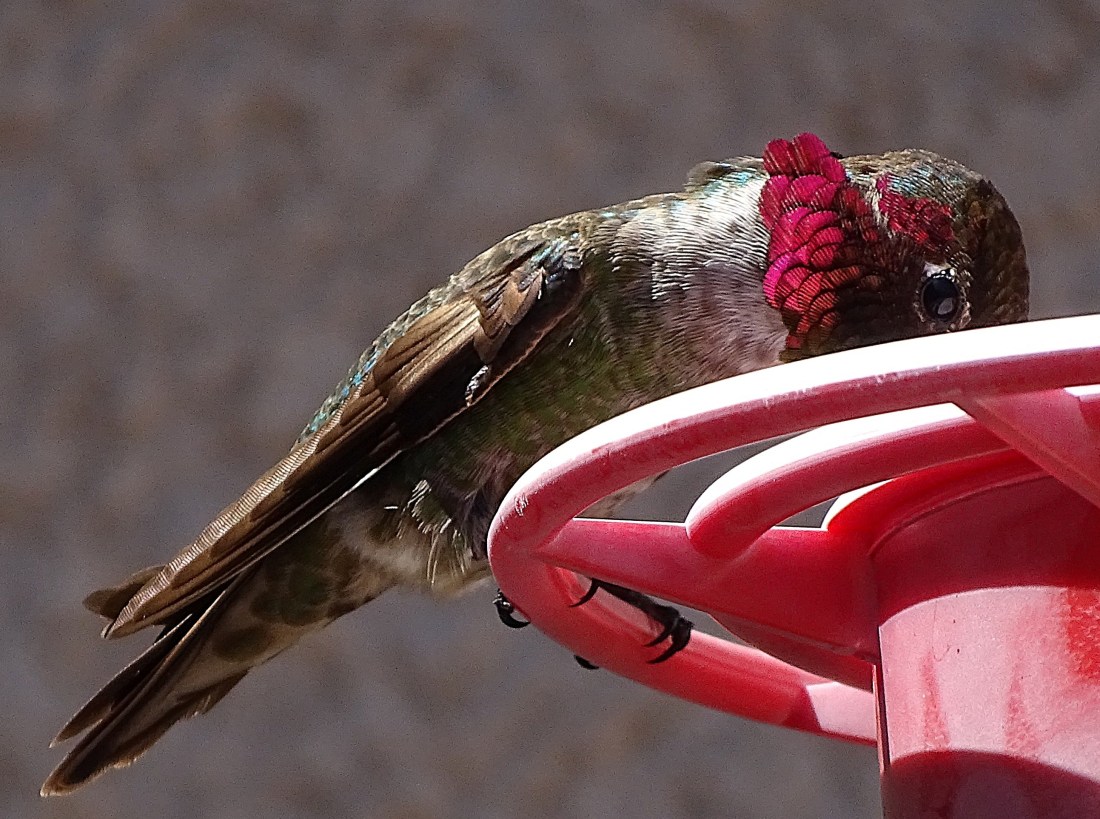
your feathered friends! (note the hummingbird’s tongue)

Cheers to you & Happy Easter~

(_/)
( • .•)
/ >🥕

The Scot’s Cali III~

(click/tap to enlarge)

I am reading John Muir’s, “My First Summer in the Sierras,” published in 1911.

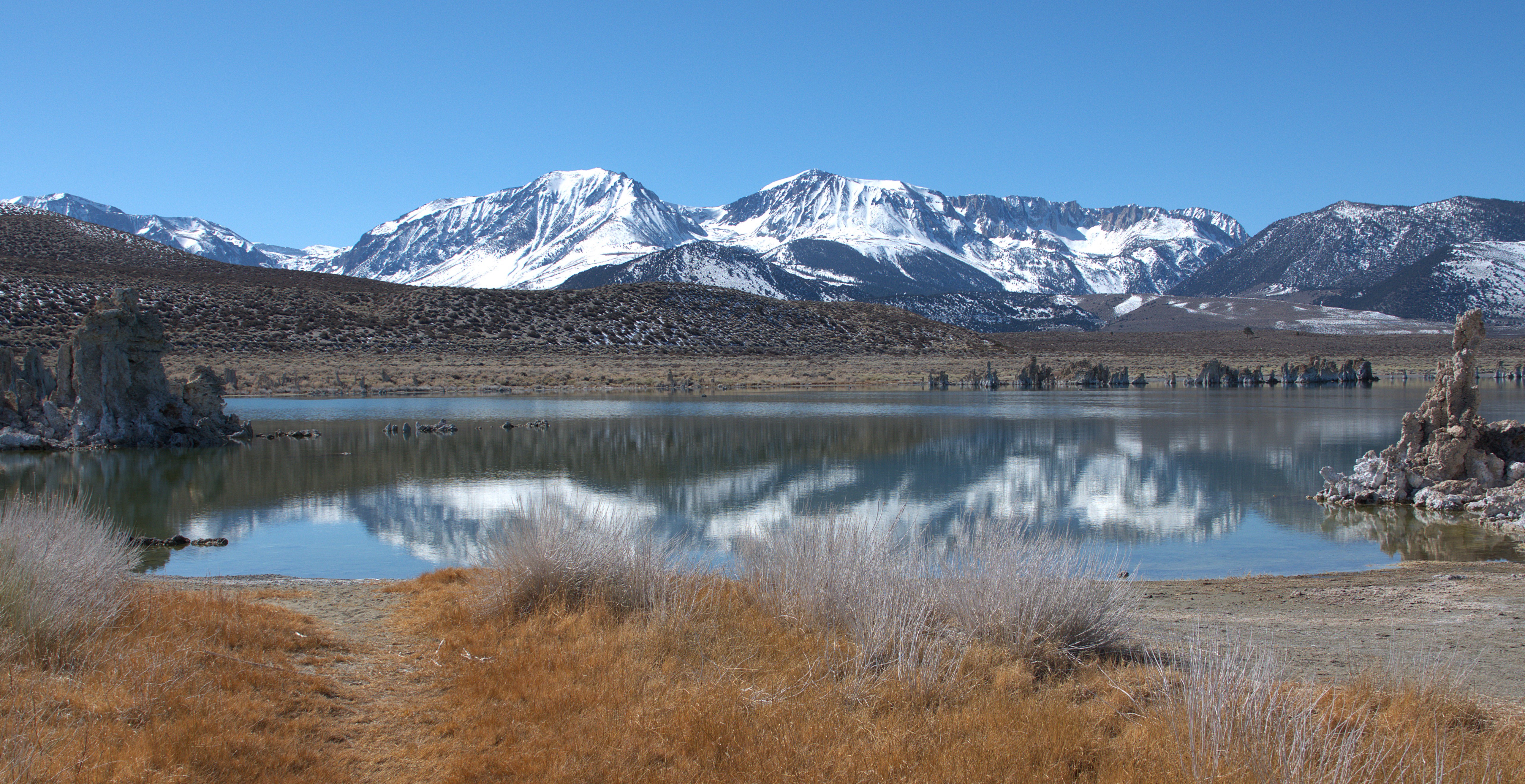
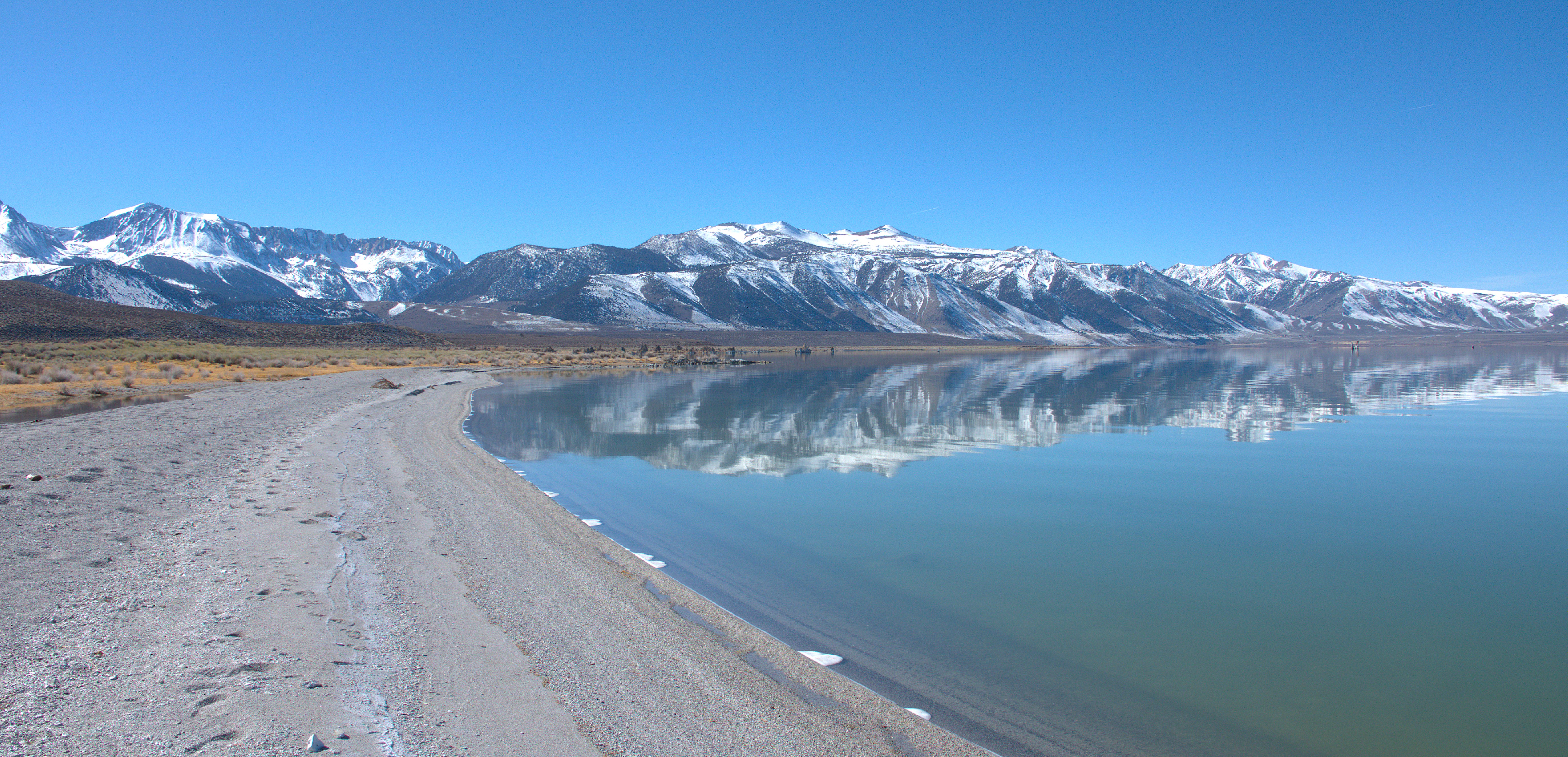
Note the horse hoof tracks in the sand, these are the wild mustangs of Mono Lake:

https://cindyknoke.com/tag/mono-lake-wild-horse-photography

Muir’s diary is replete with his illustrations.

As I walked where he walked, I was struck,

by how he views nature as a sacrament.

He finds not just solace here,

but spiritual joy.

Of Mono Lake, he wrote, “I never beheld a place where beauty was written in plainer characters or where the tender fostering hand of the Great Gardener was more directly visible.”

He went all over the world,

but his name and imprint are all over California forests and trails, and the university I attended.

He called Mono Lake “a marvel,” and knew the brine shrimp were the only permanent residents of “the ancient lake.”

He wrote this in 1869 and he couldn’t be more correct today. He traveled on foot in The Sierras with pencil and paper. I wonder how he knew all this?

Thousands of migrating birds rely on the lake’s brine shrimp for sustenance as they migrate every year.

Los Angeles continues to siphon water from the lake and the lake continues to dry and shrink.

My Scottish immigrant grandmother who arrived in the US in the early 1900’s never read John Muir, but she loved Scotland, and so did he.

Cheers to you from The Scotsman of The Sierras~

See: https://vault.sierraclub.org/john_muir_exhibit/writings/my_first_summer_in_the_sierra/

The Other Cali II~

(click/tap to enlarge)

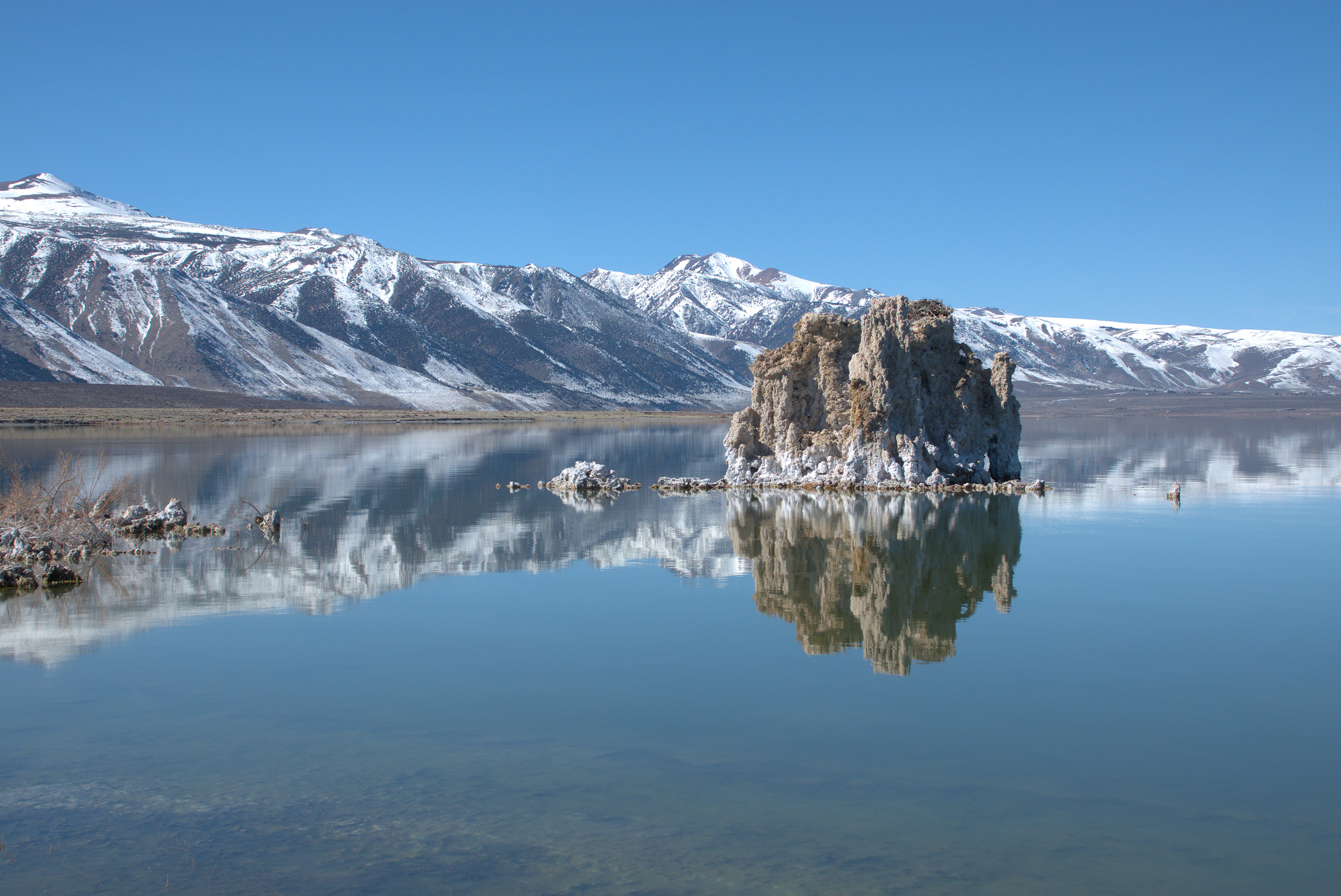
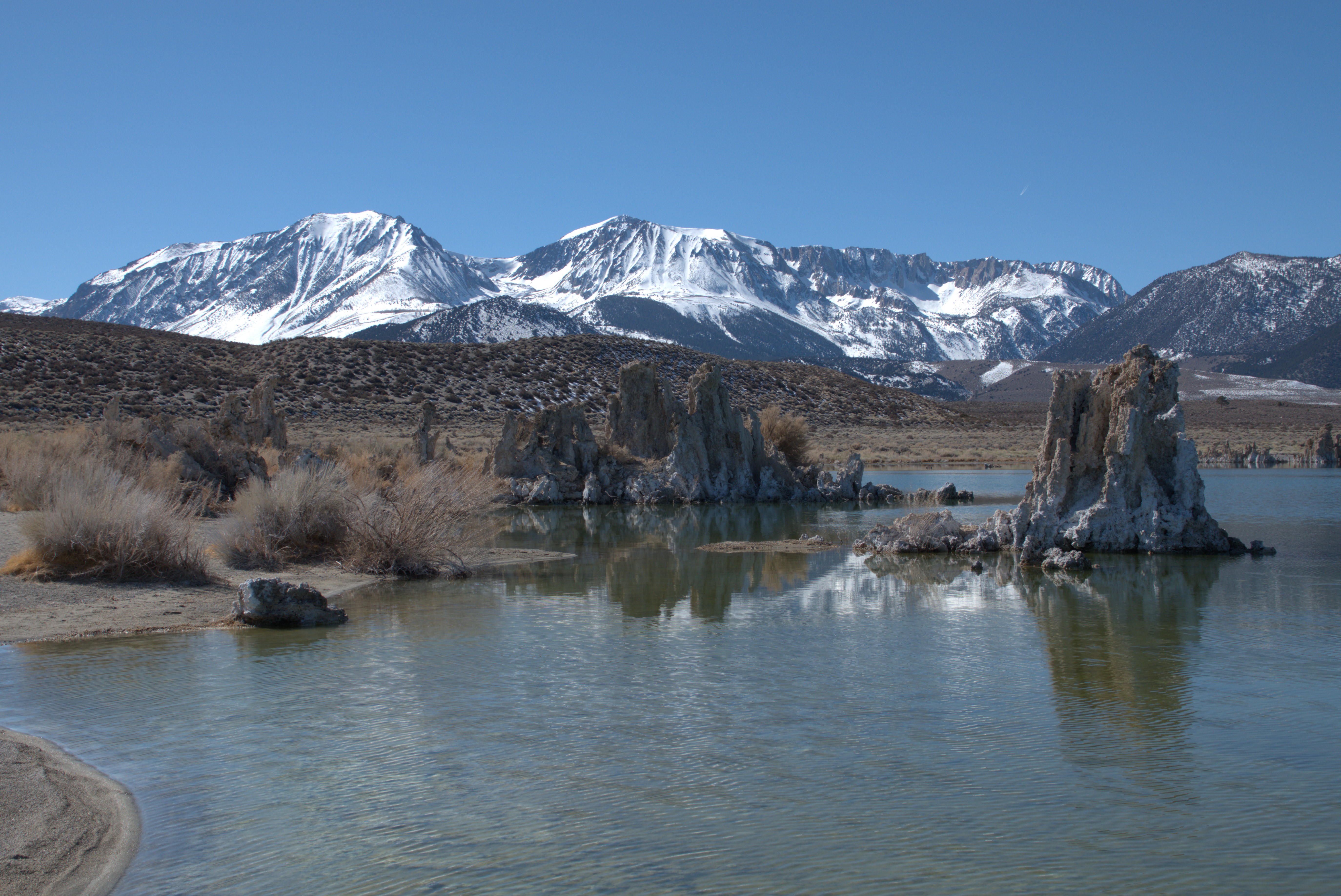
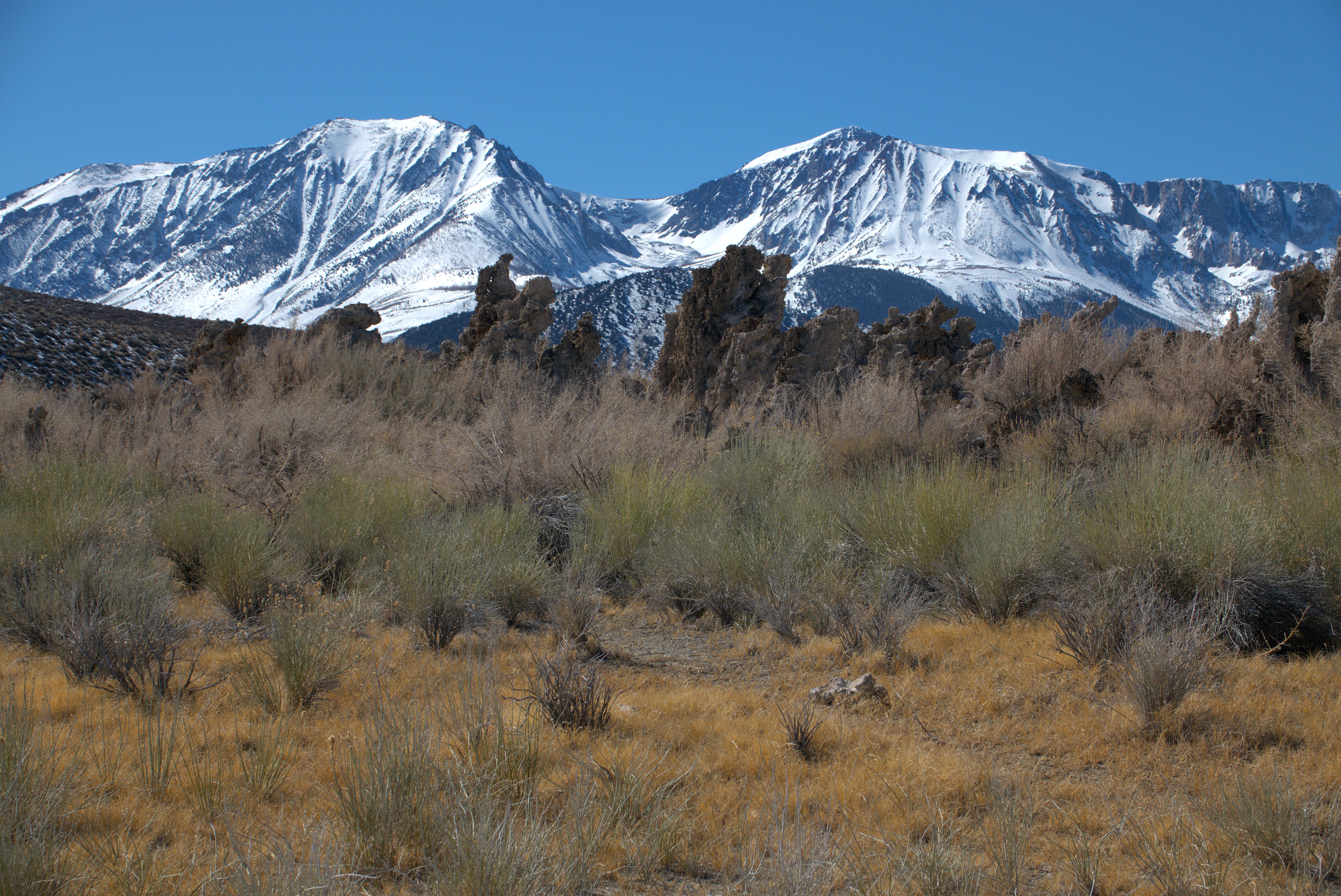
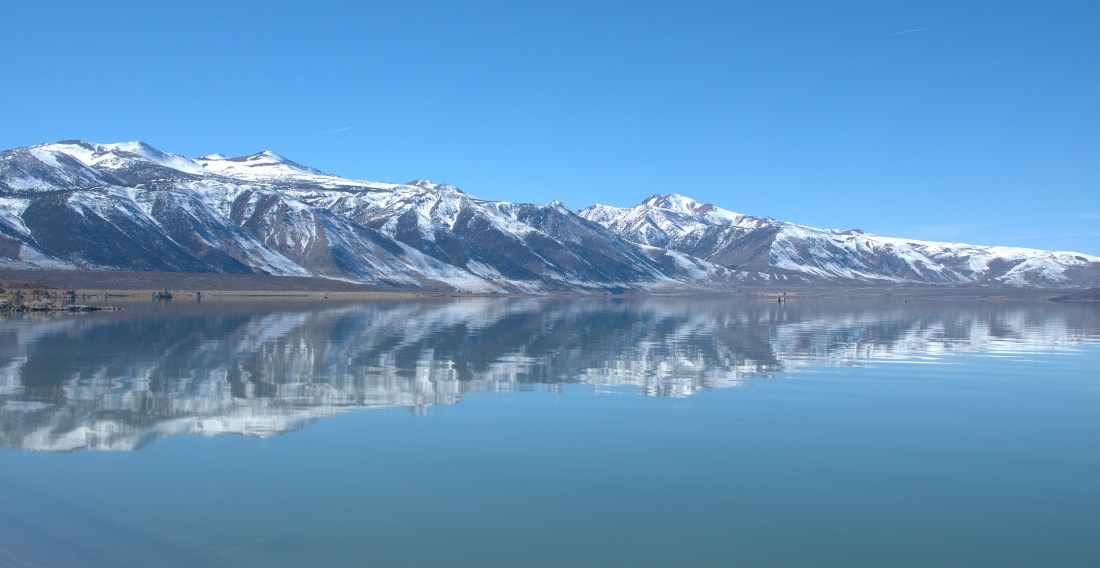
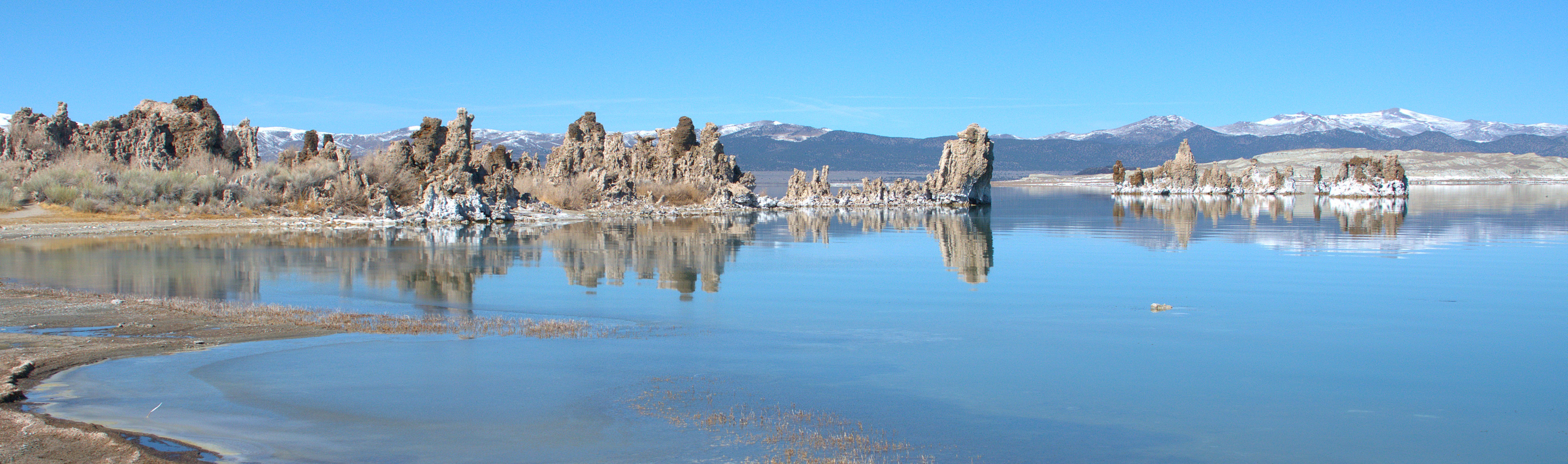
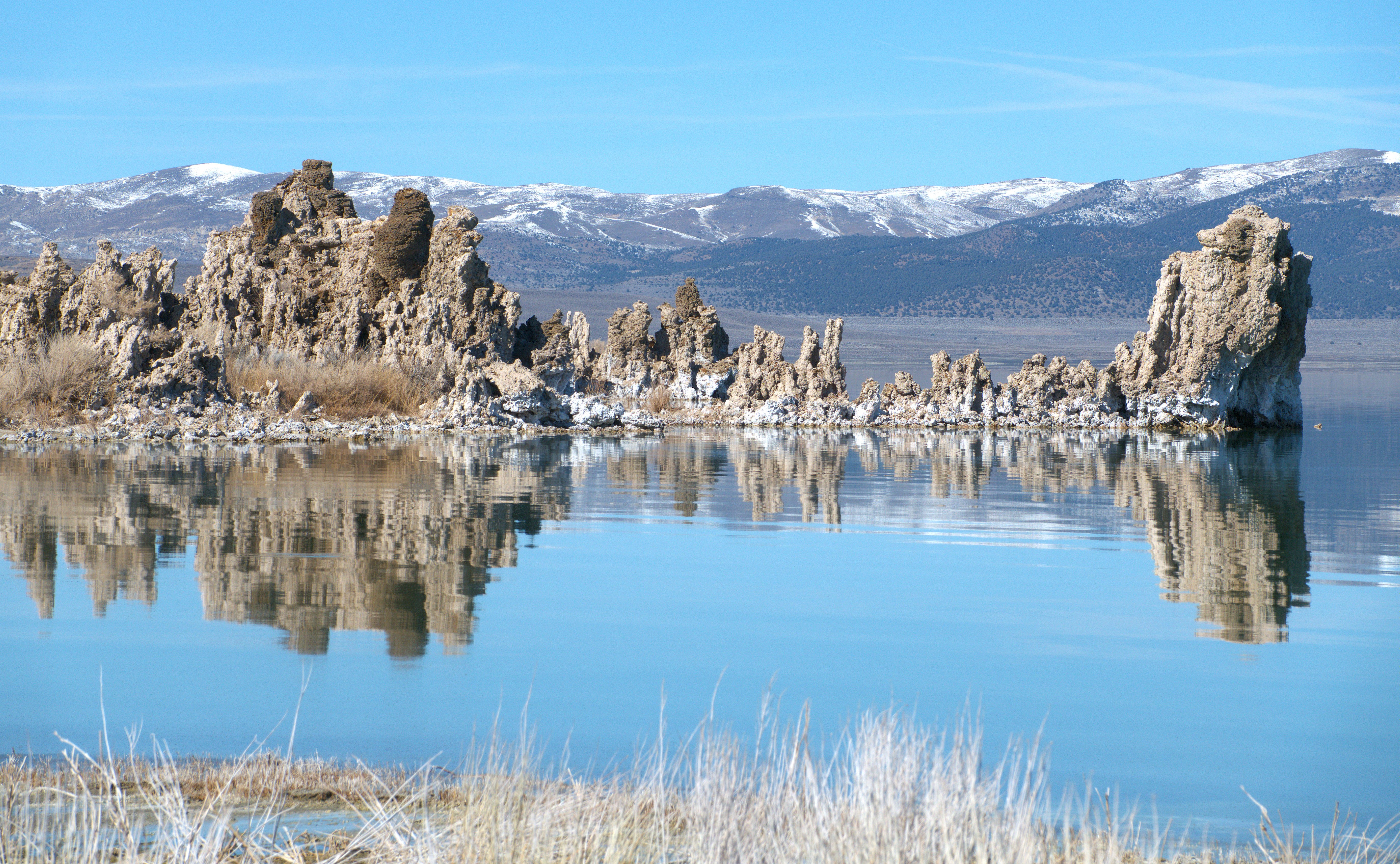
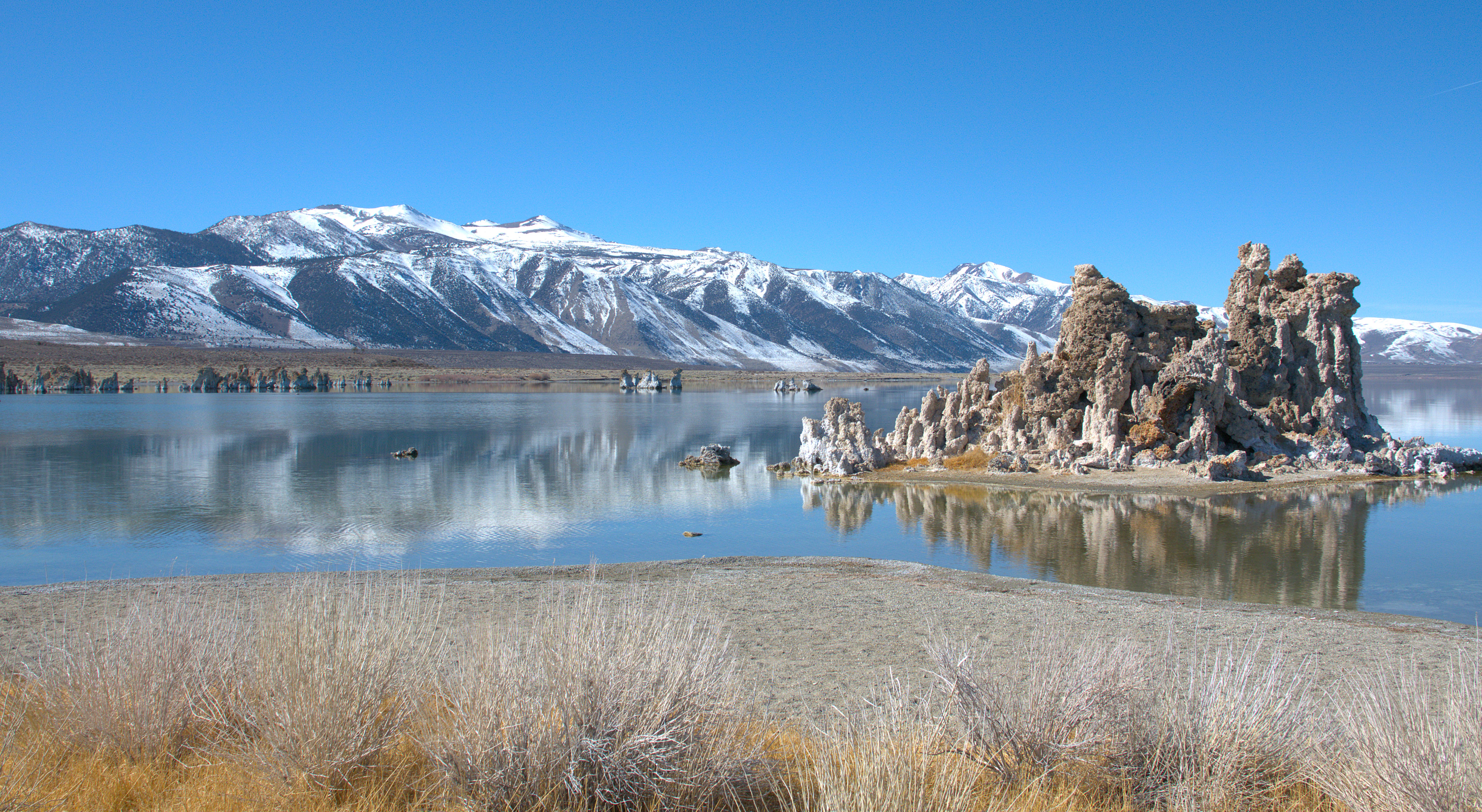
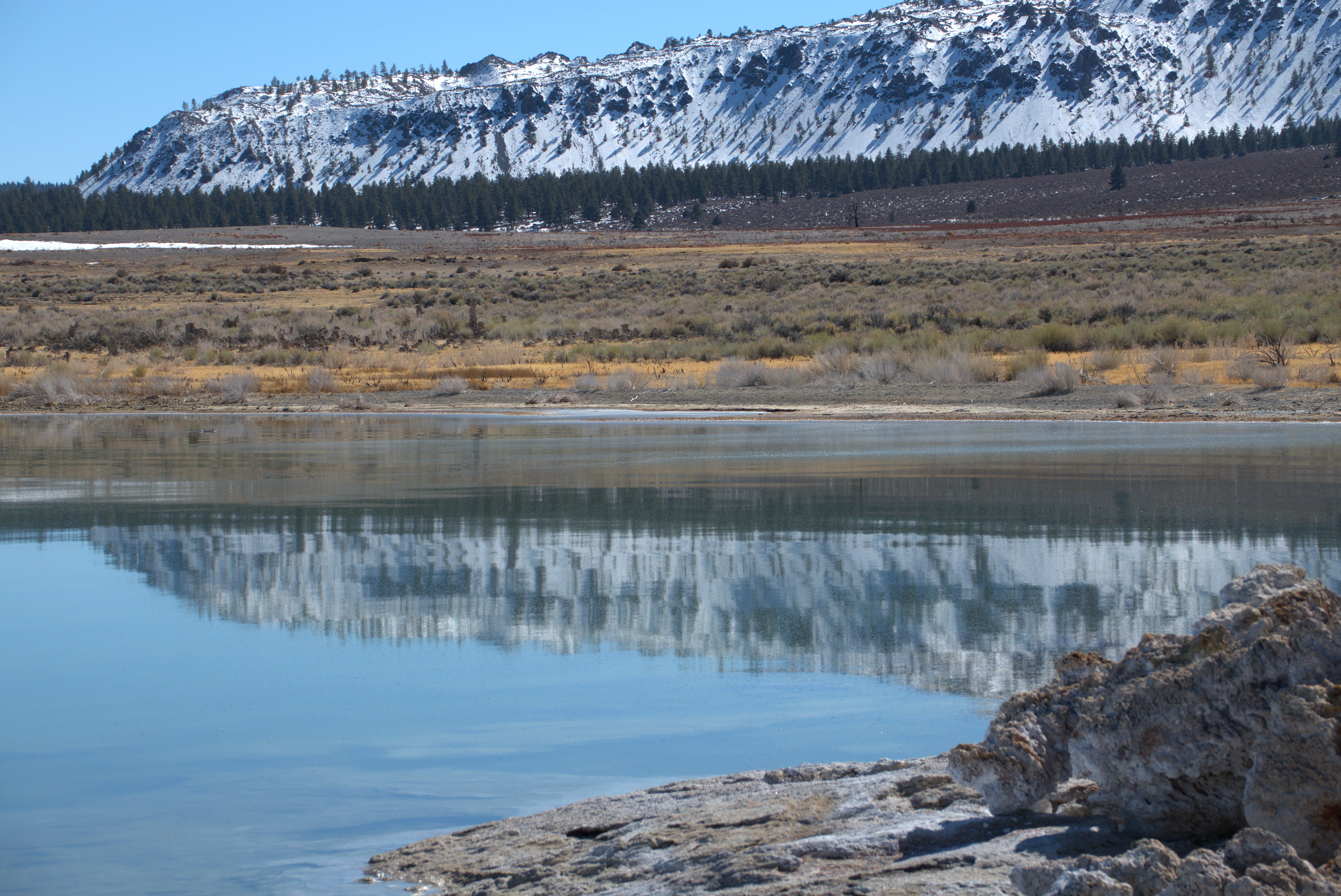
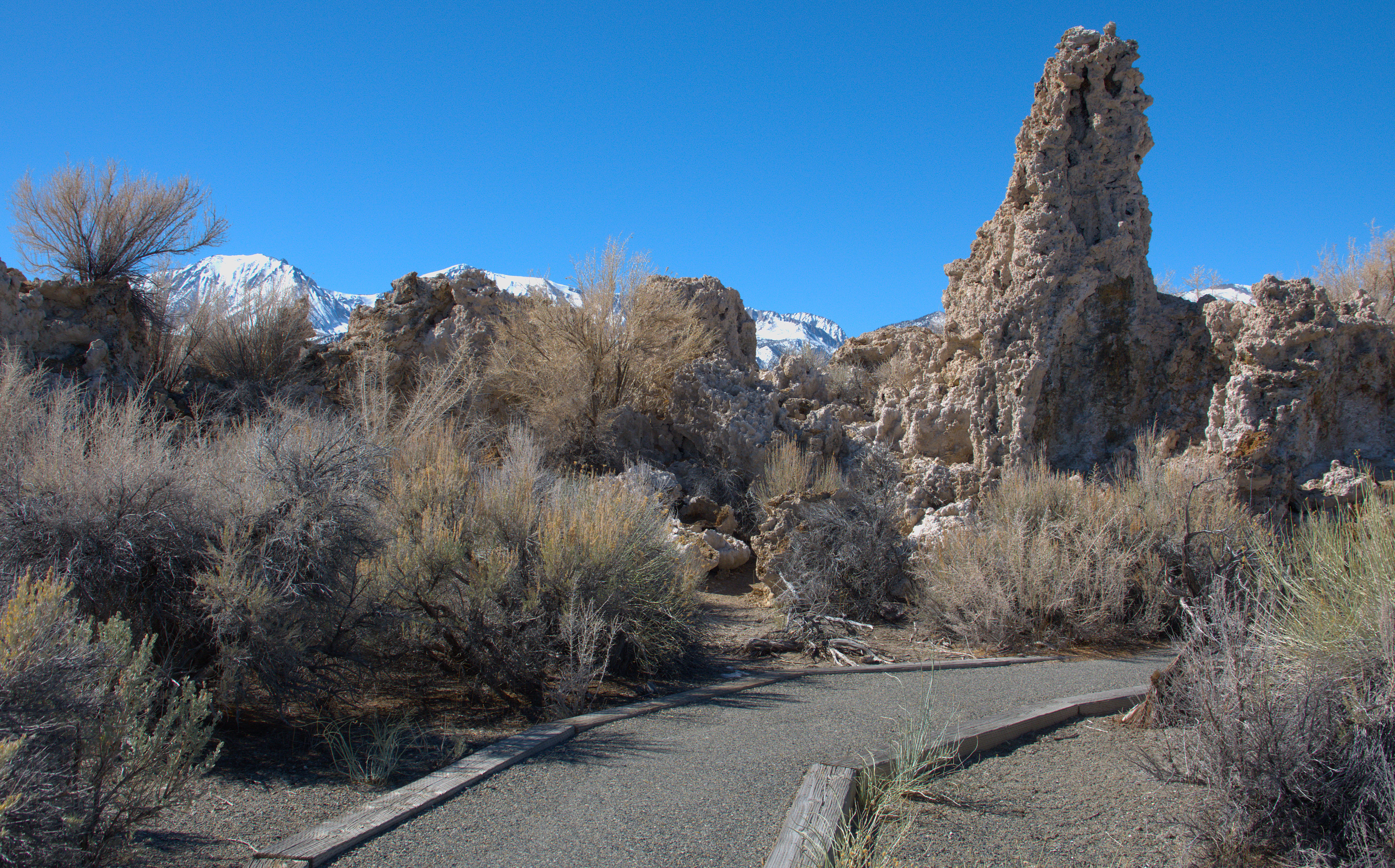
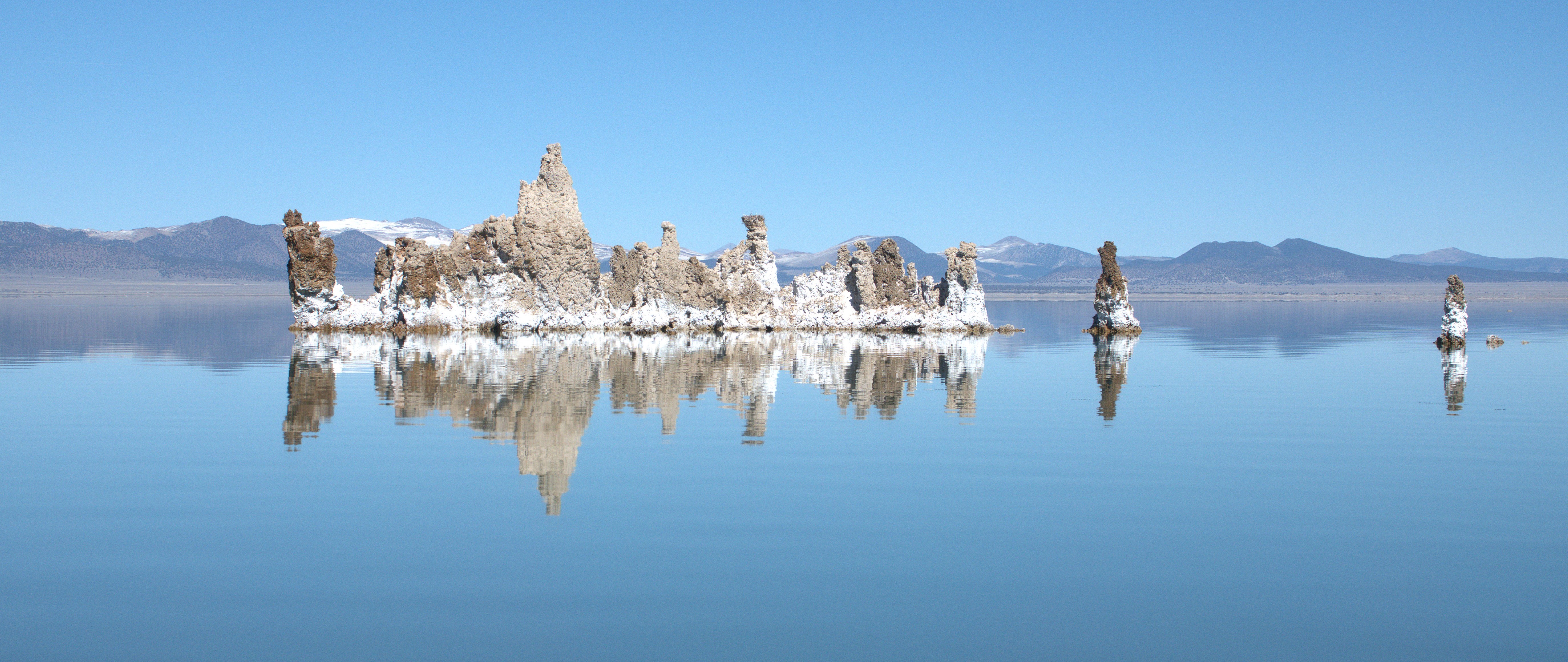
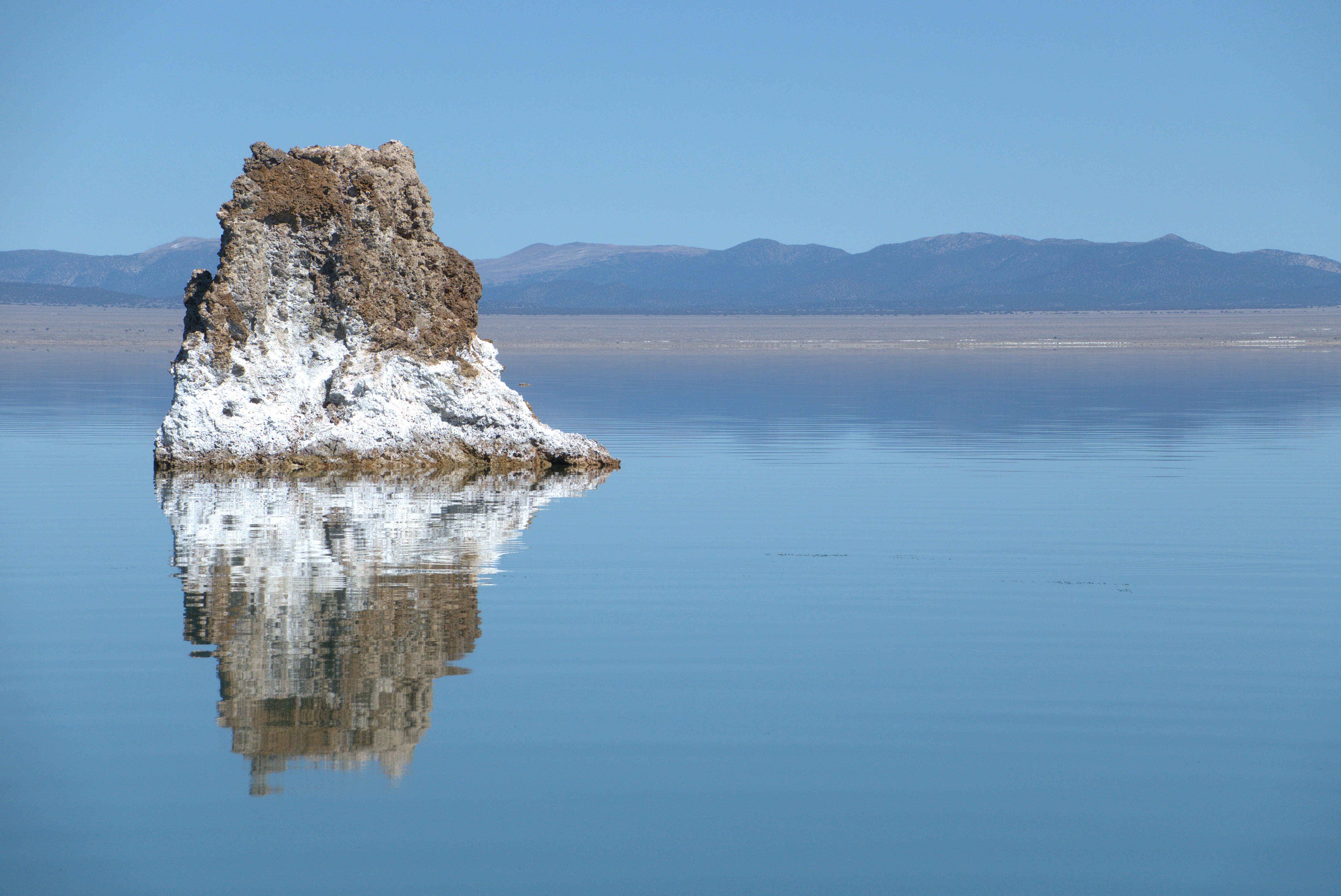
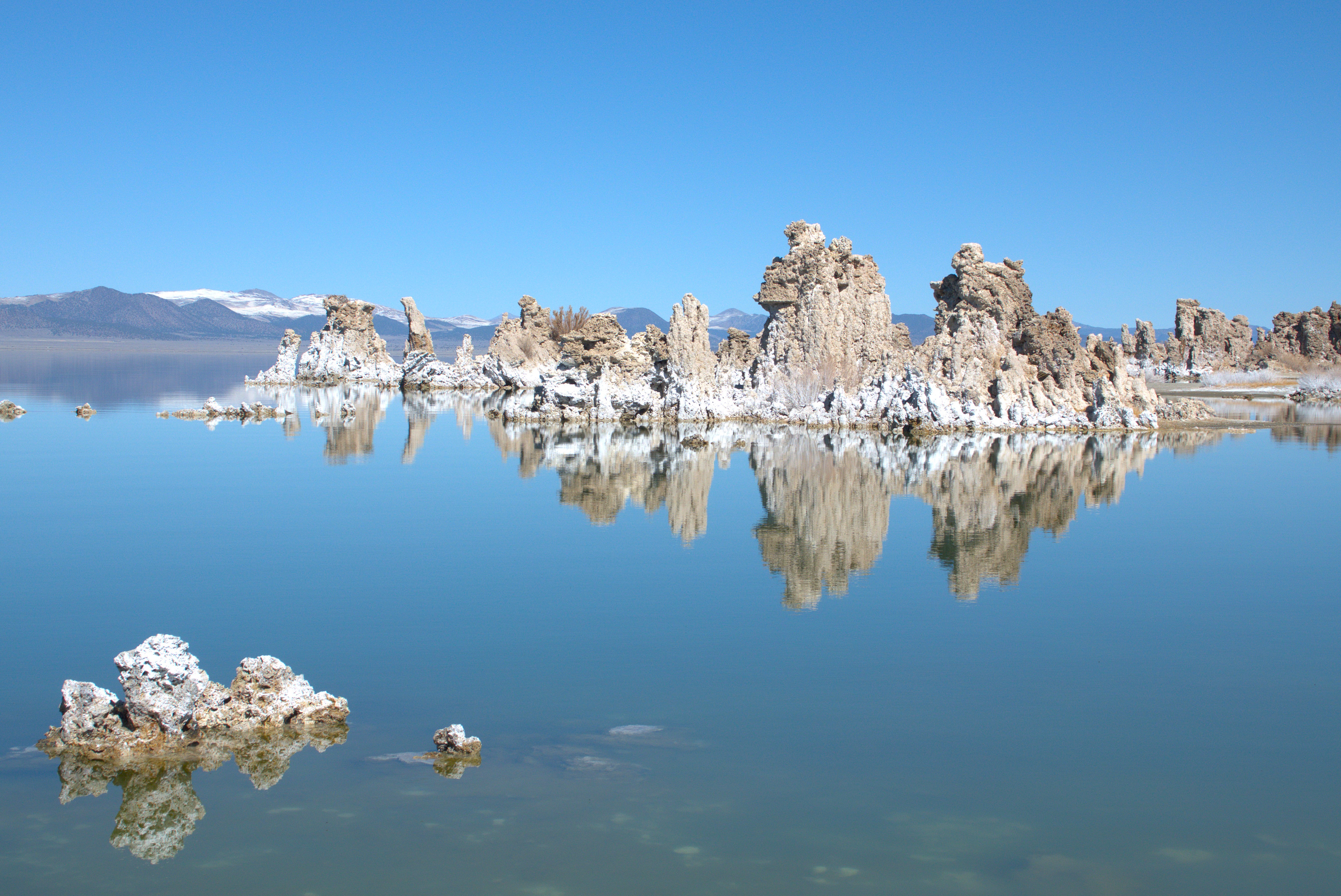
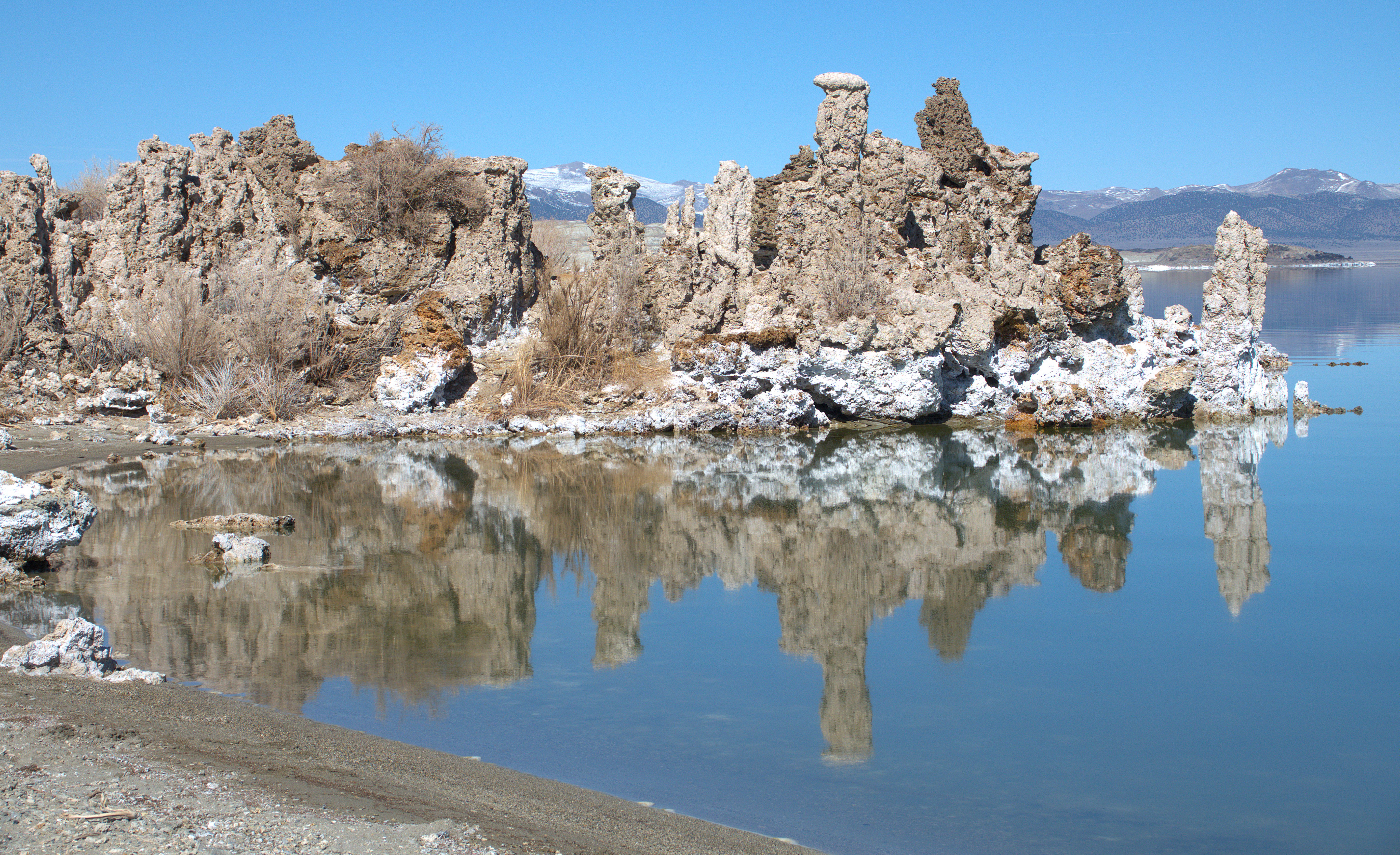
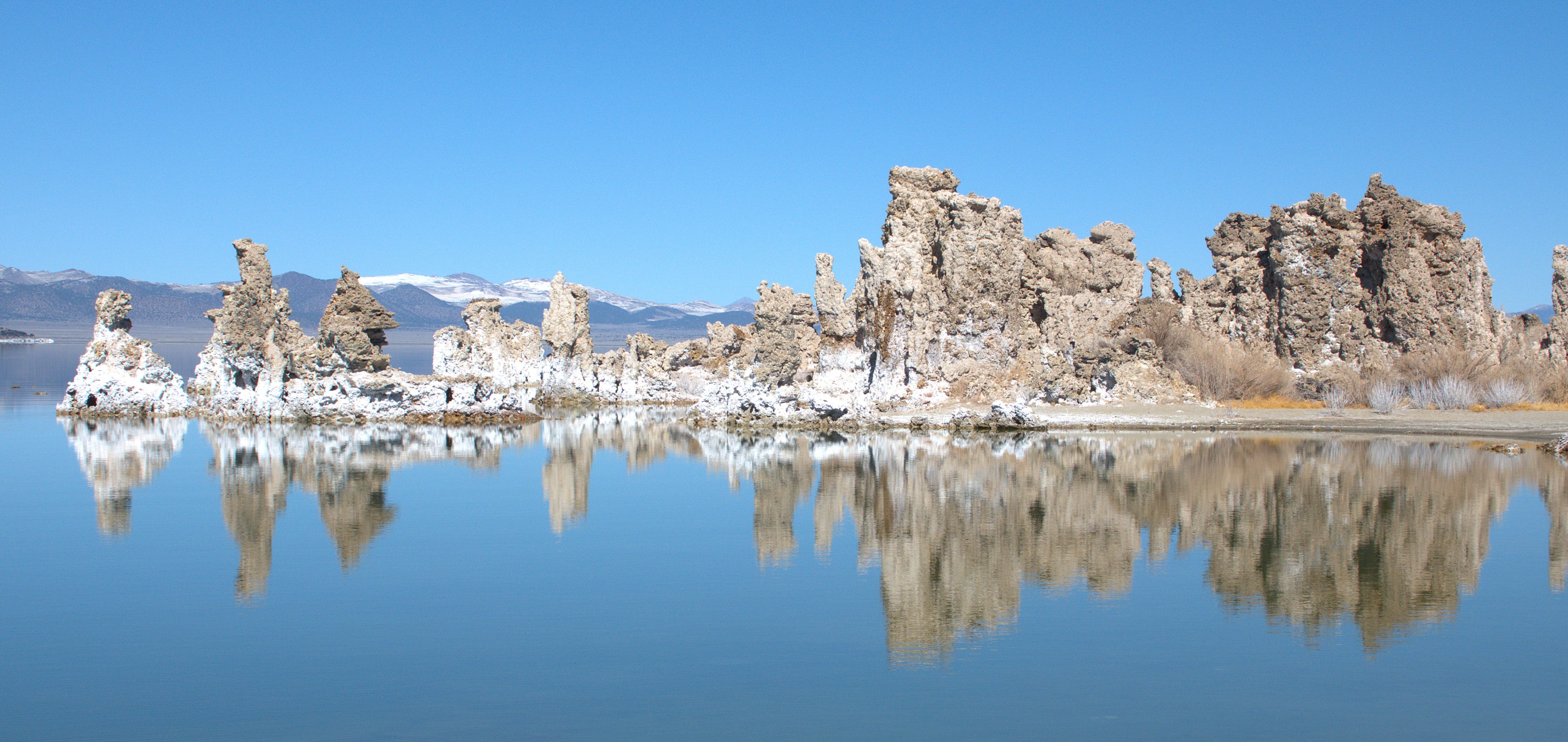
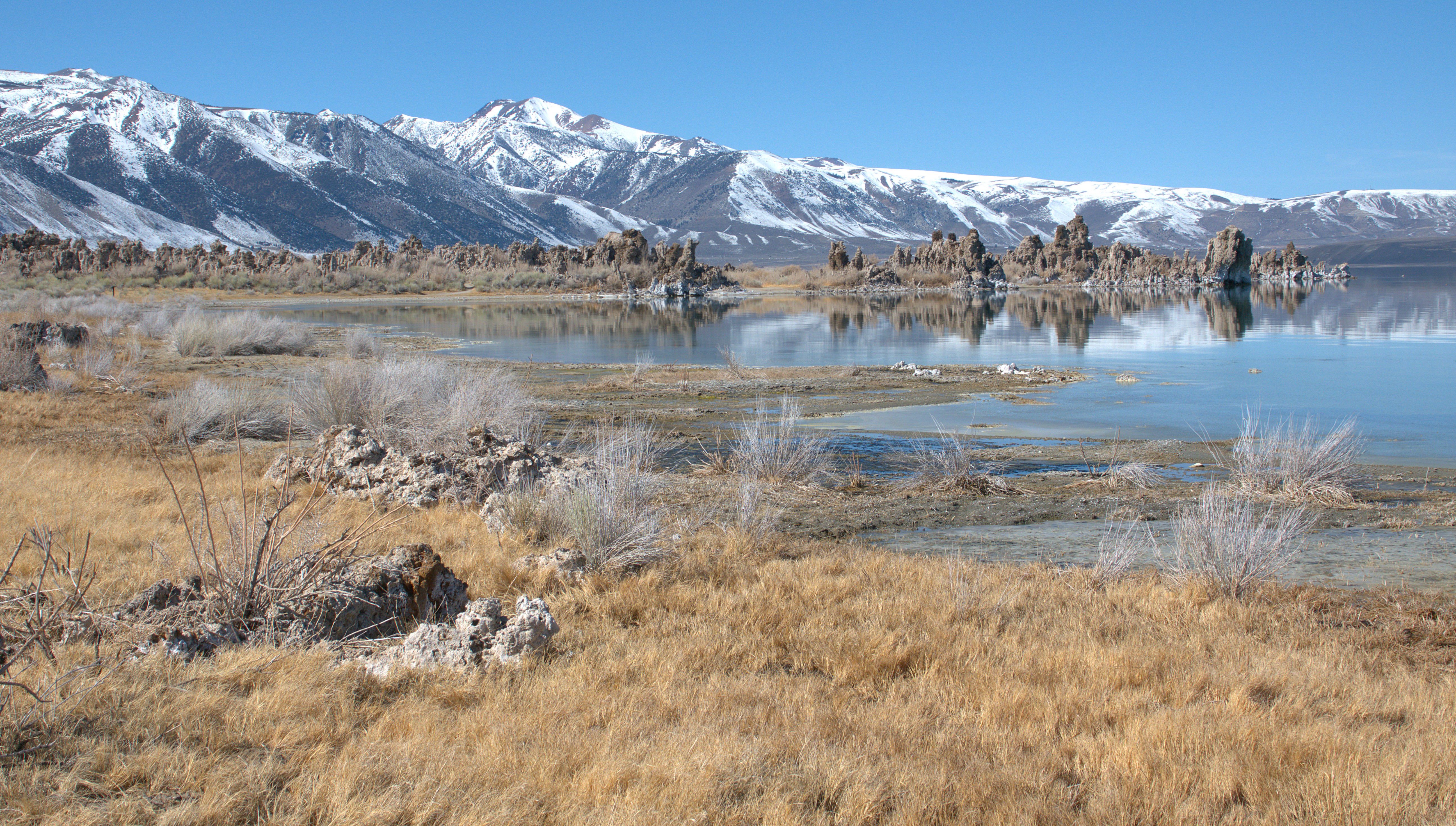
Mono Lake in California,

is a pristine,

paradise,

in winter.

There is no one here,

but the lake,

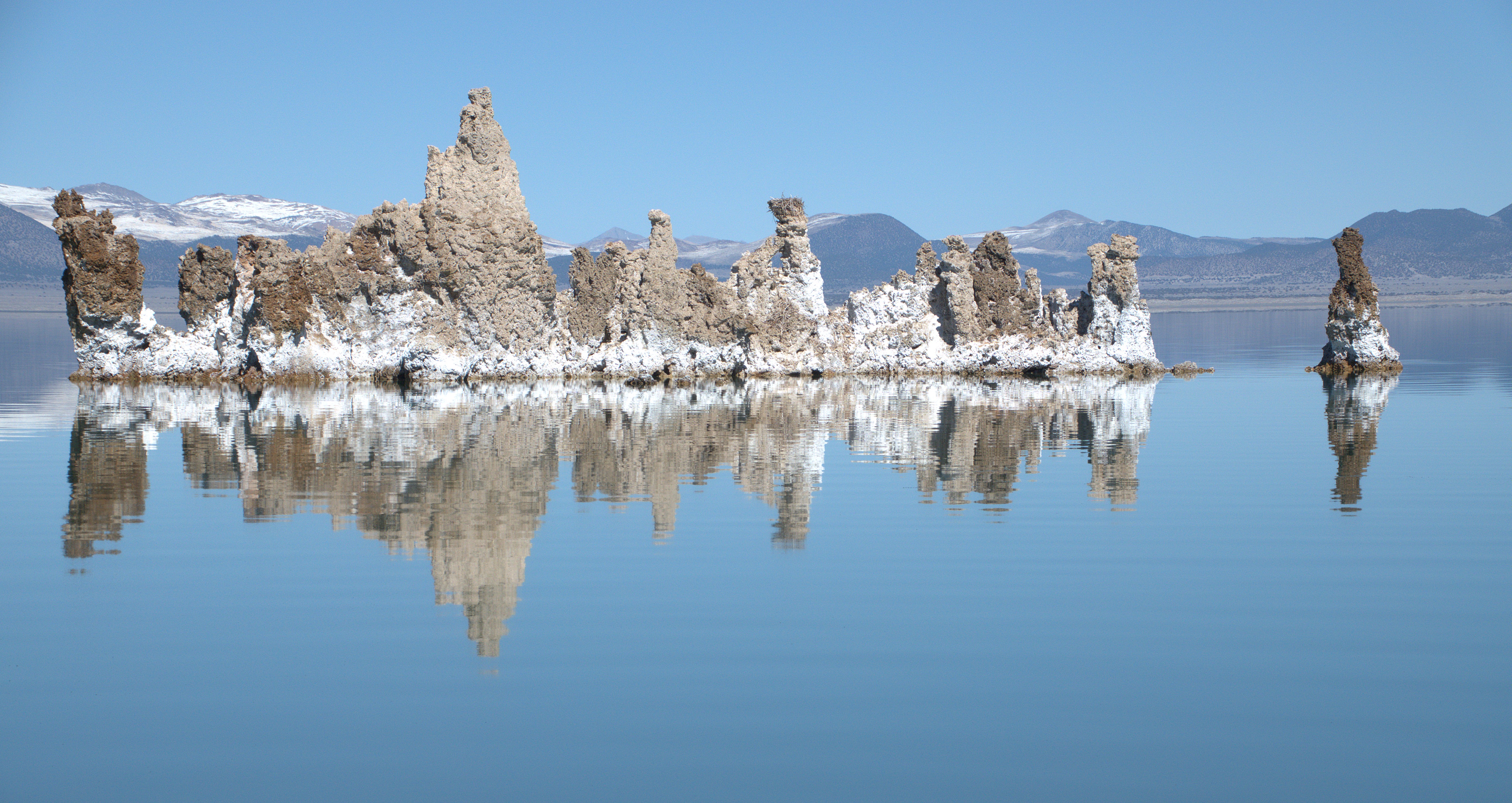
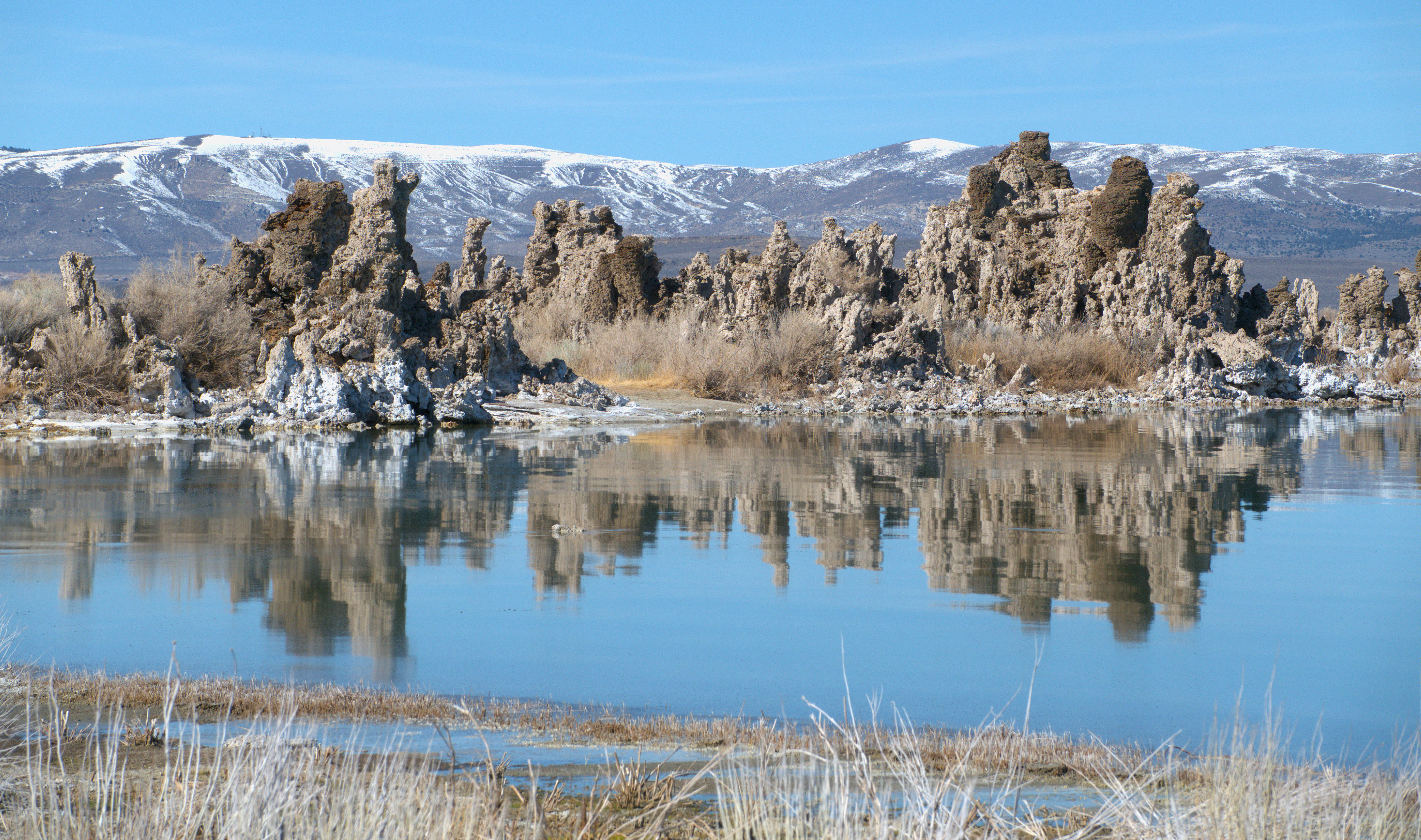
the tufas,

and you!

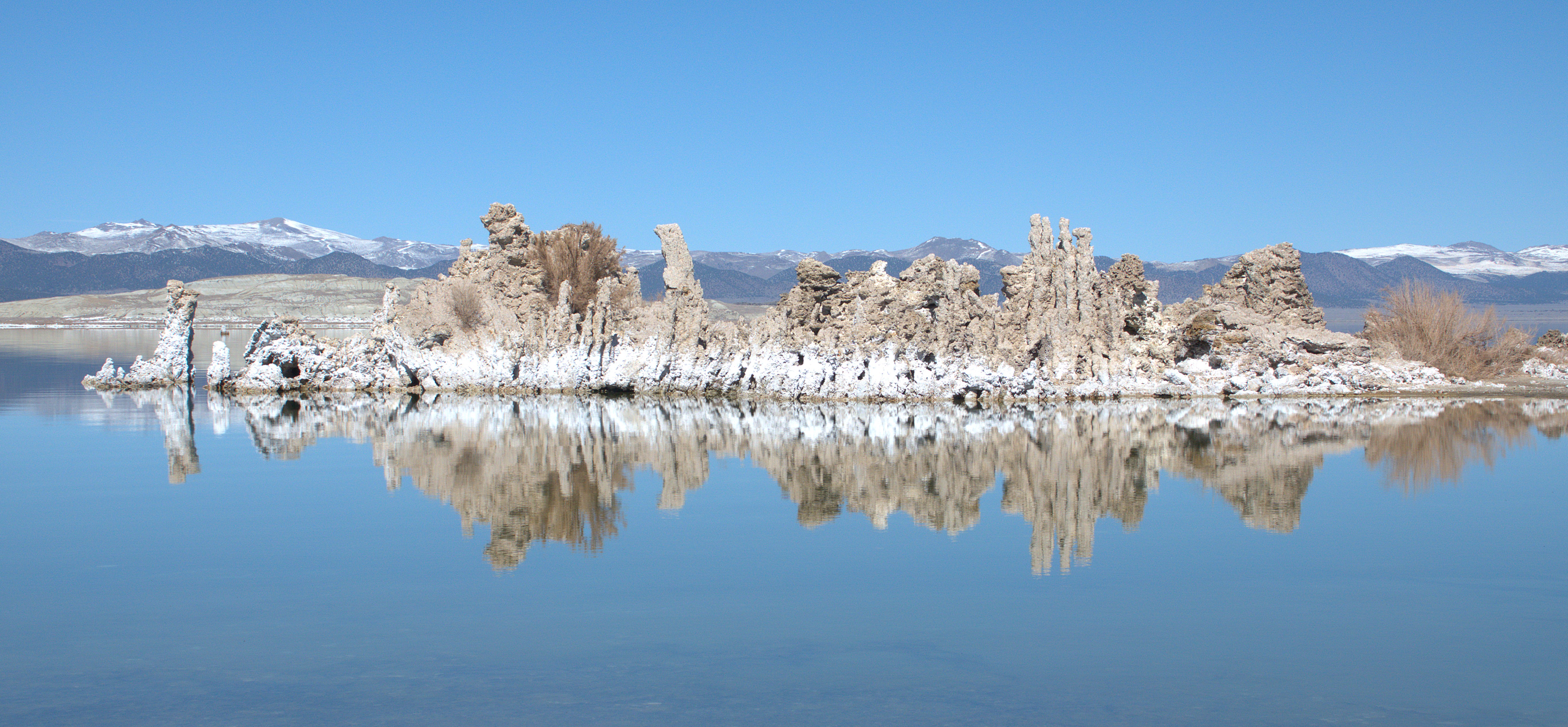
Tufas are delicate limestone structures formed over thousands of years,

by the interaction of fresh and alkaline water.

Cheers to you from Mono Lake in the winter~

The Other Cali: Part I~

(click/tap to enlarge)

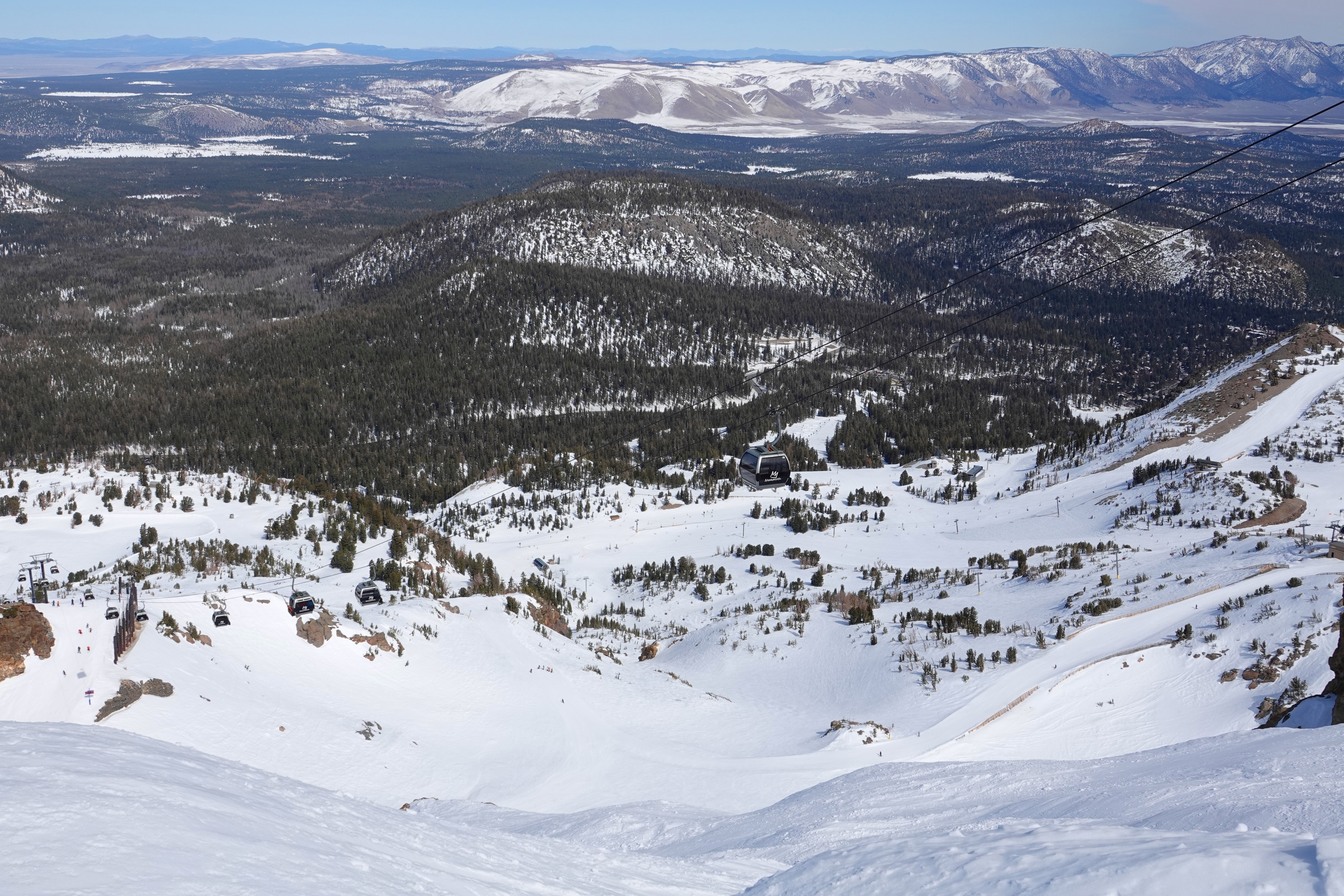
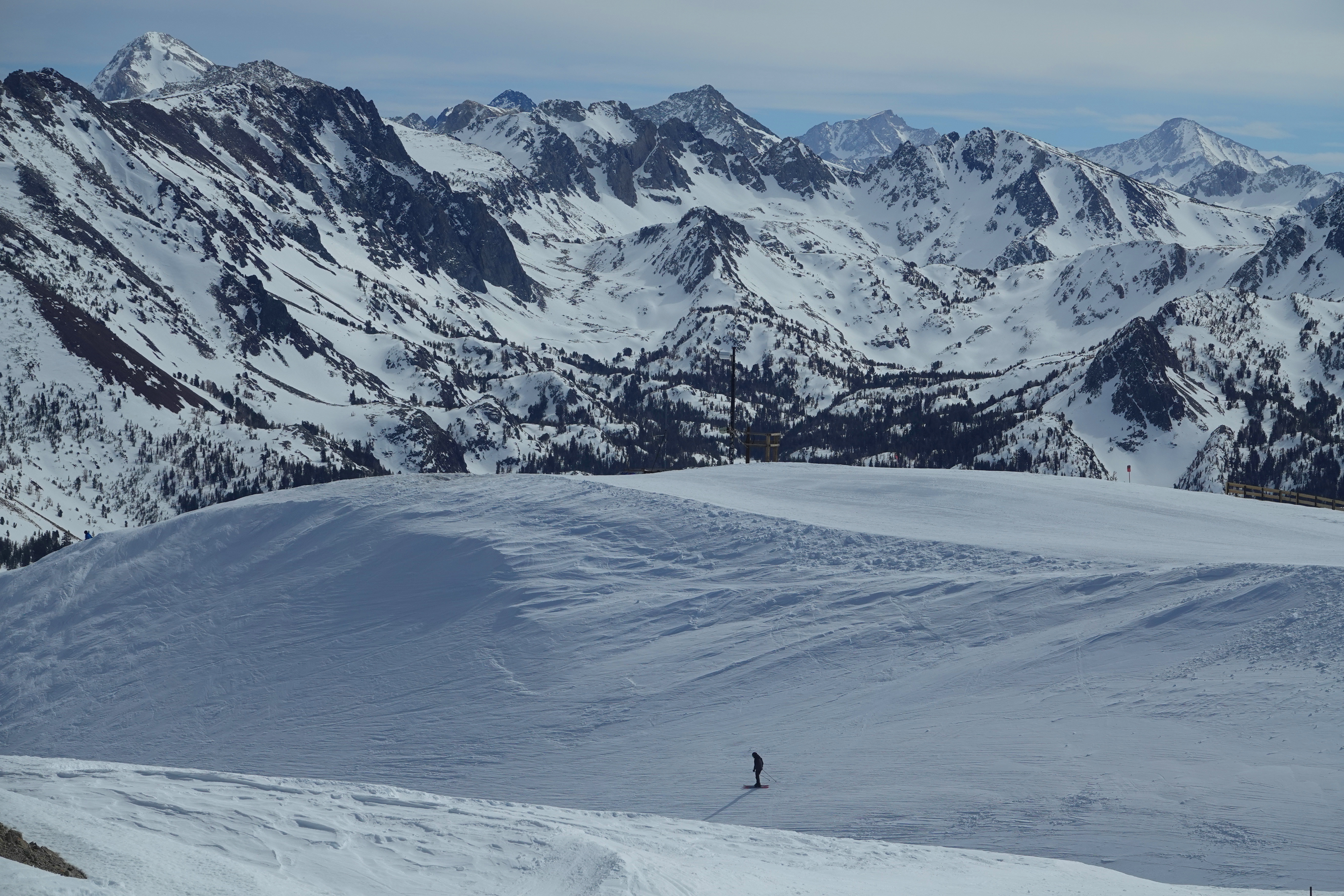
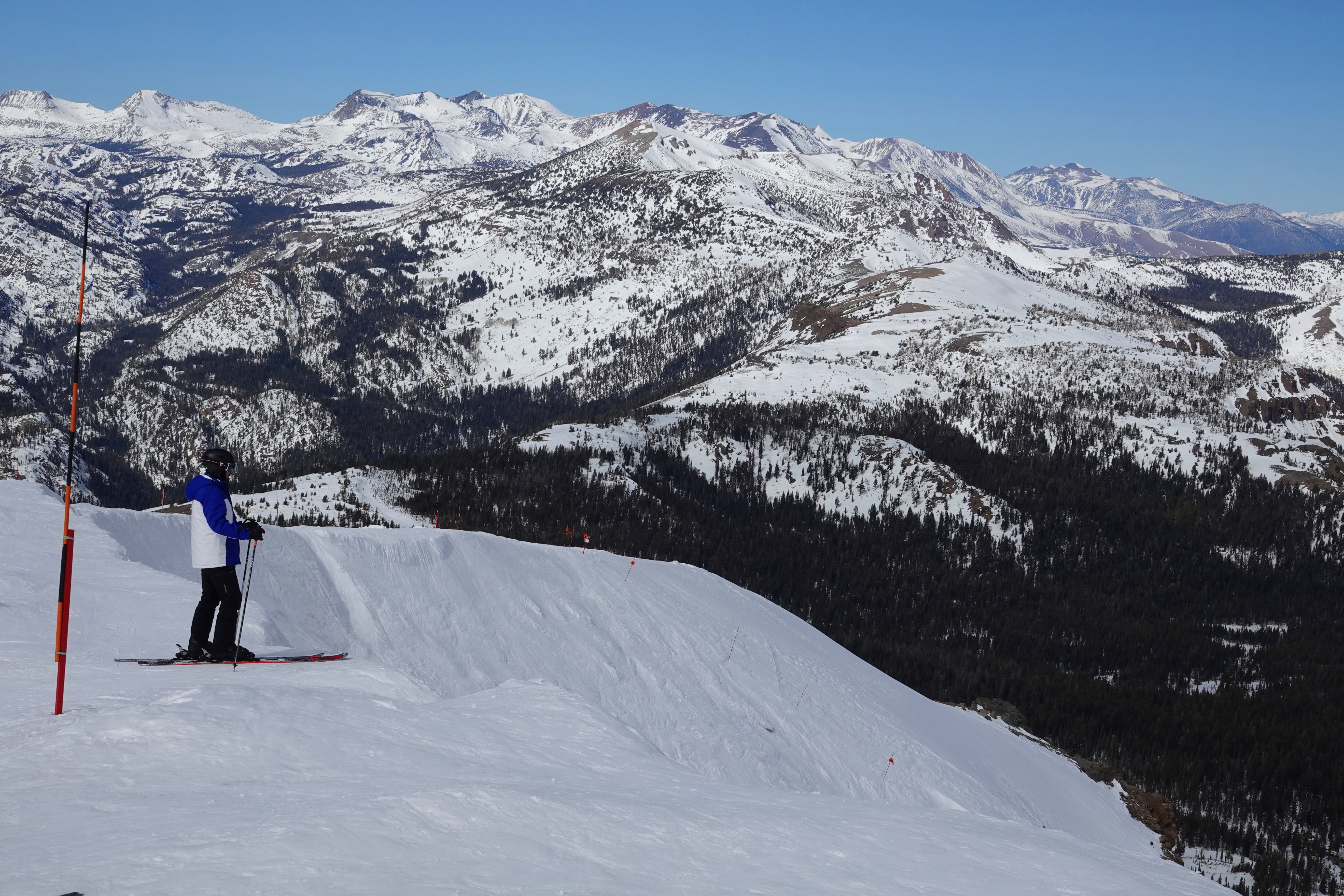
California isn’t all ocean,

sun and surf.

It is also mountains,

snow and ski.

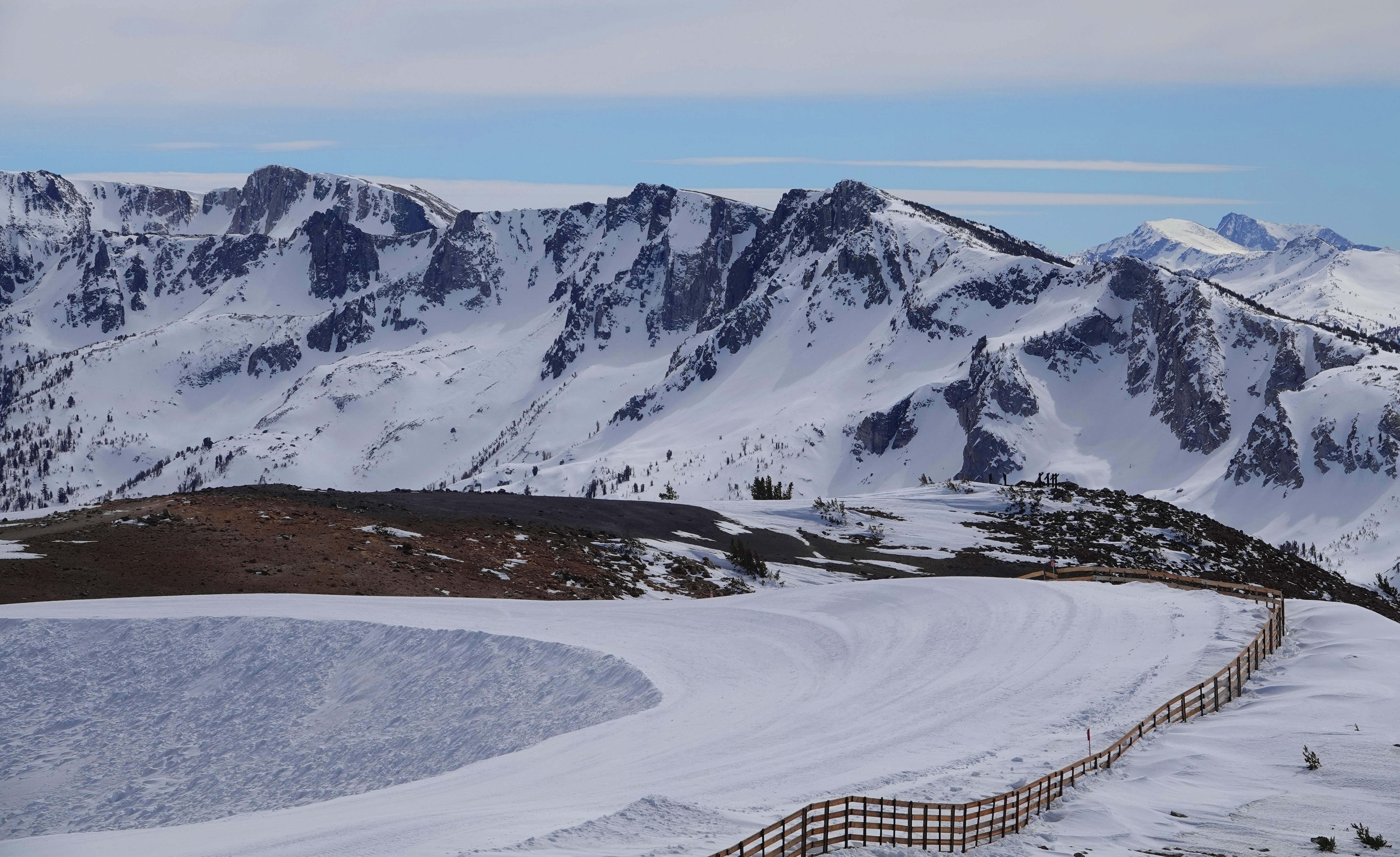
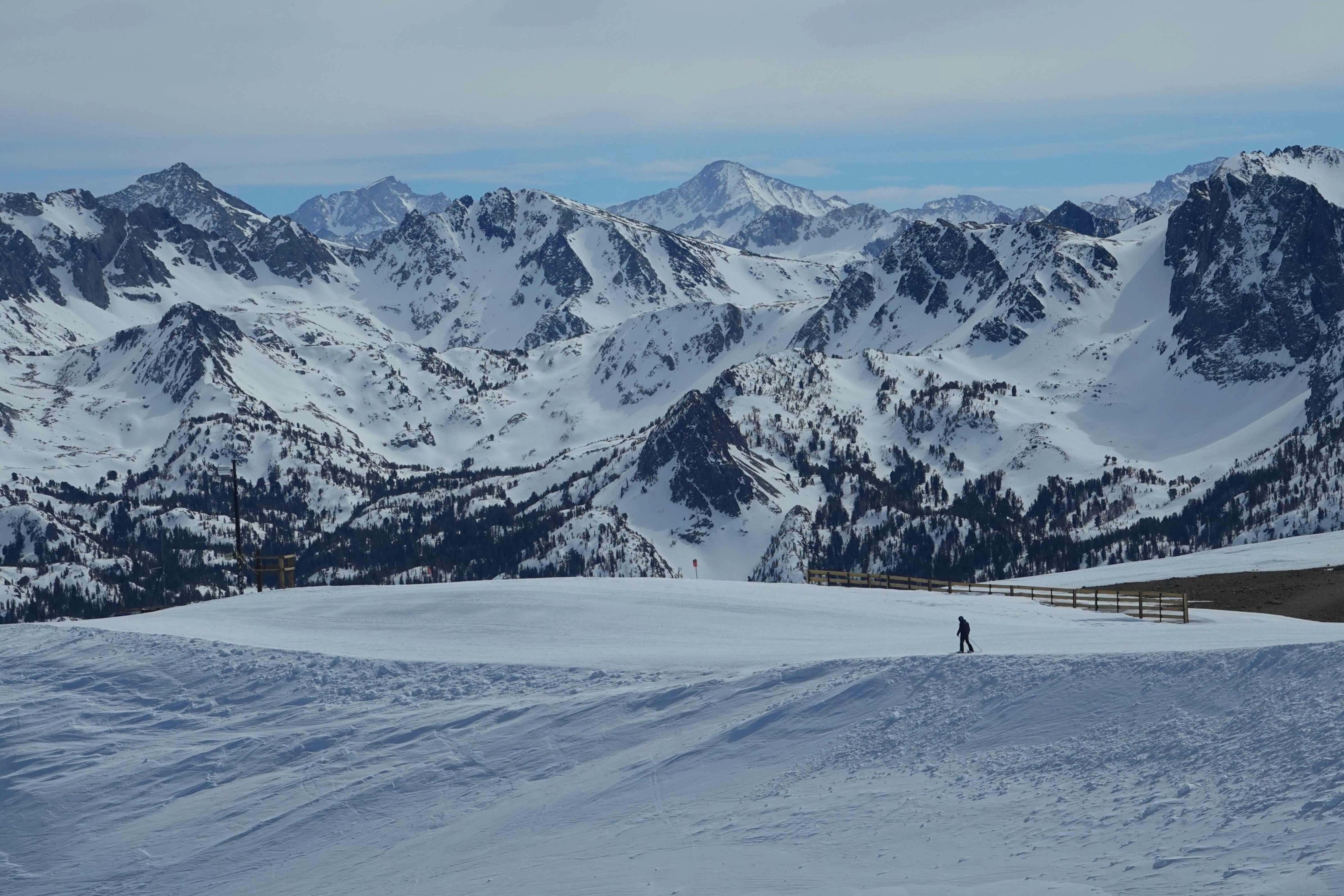
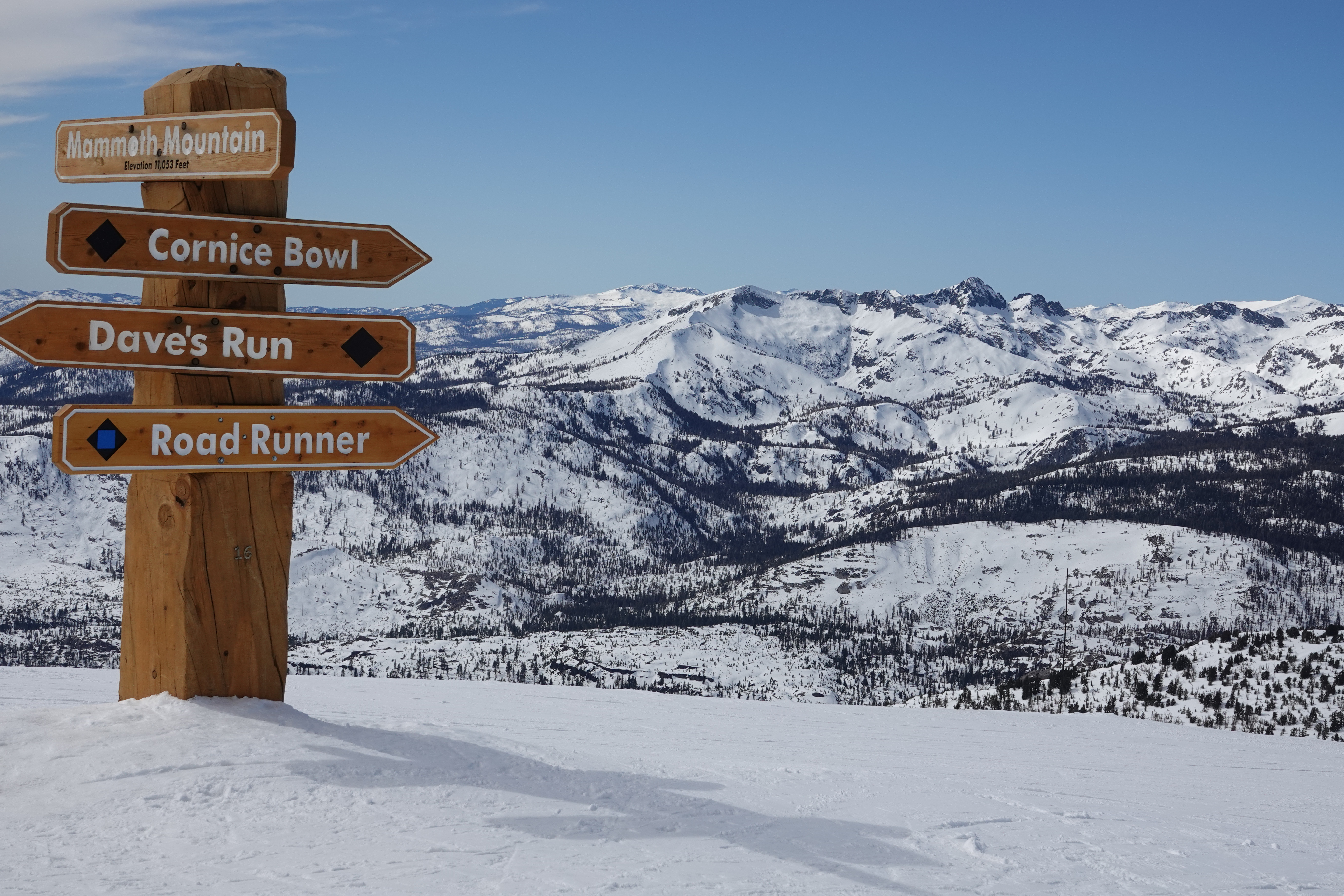
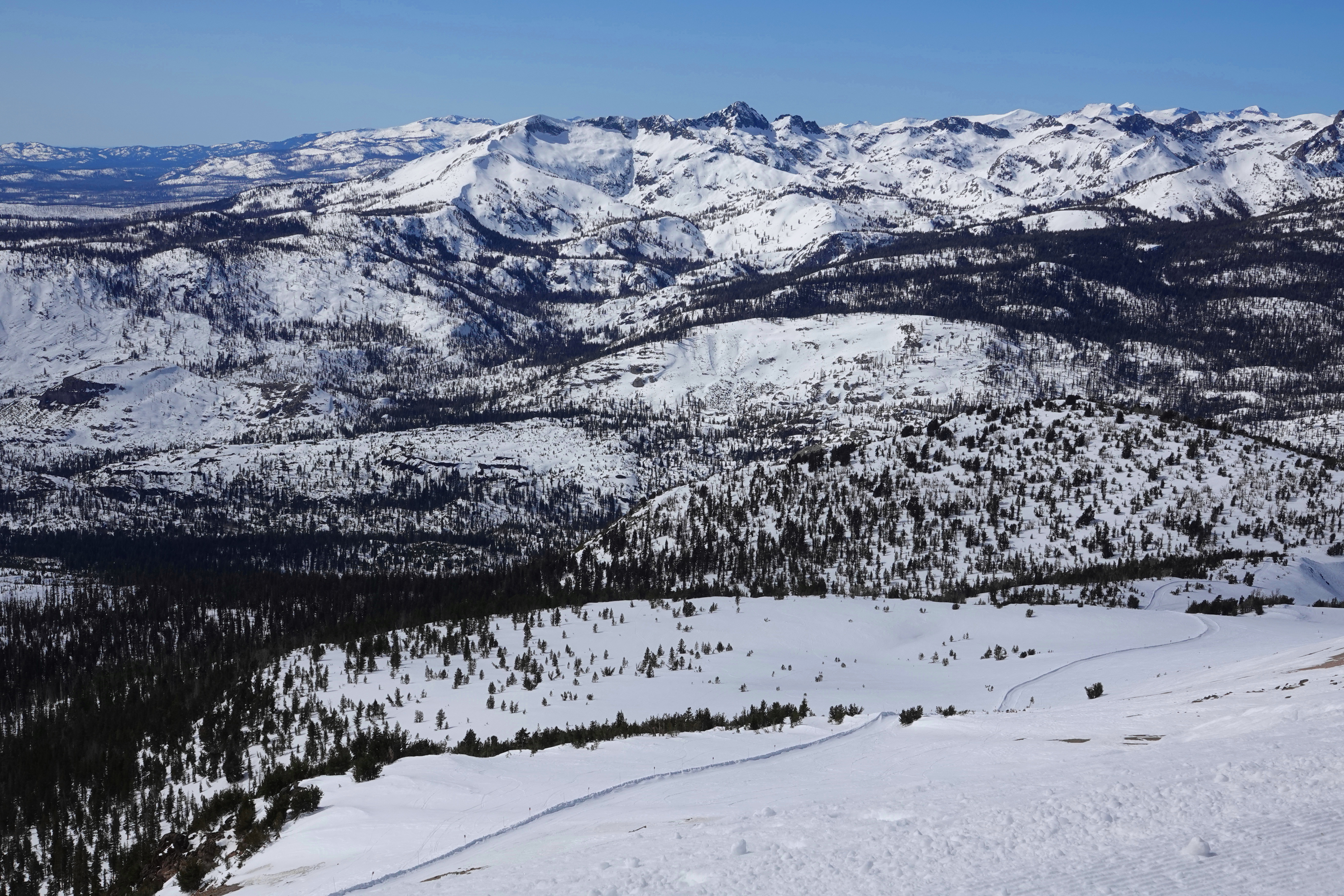
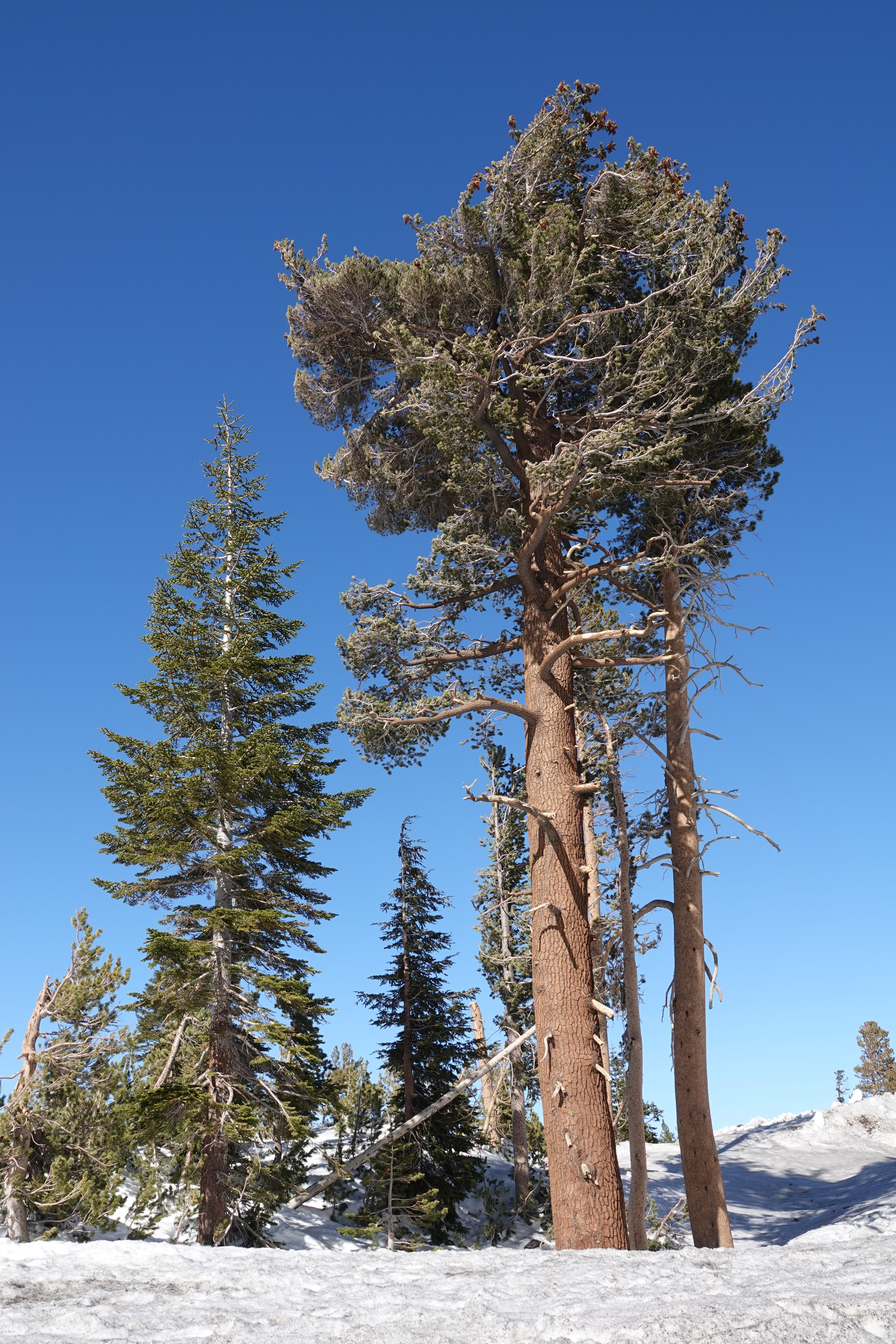
Mammoth Mountain in Mammoth Lakes California averages 400 inches of snow each year.

We have been coming here to ski annually for almost 55 years.

Another storm is arriving this weekend!

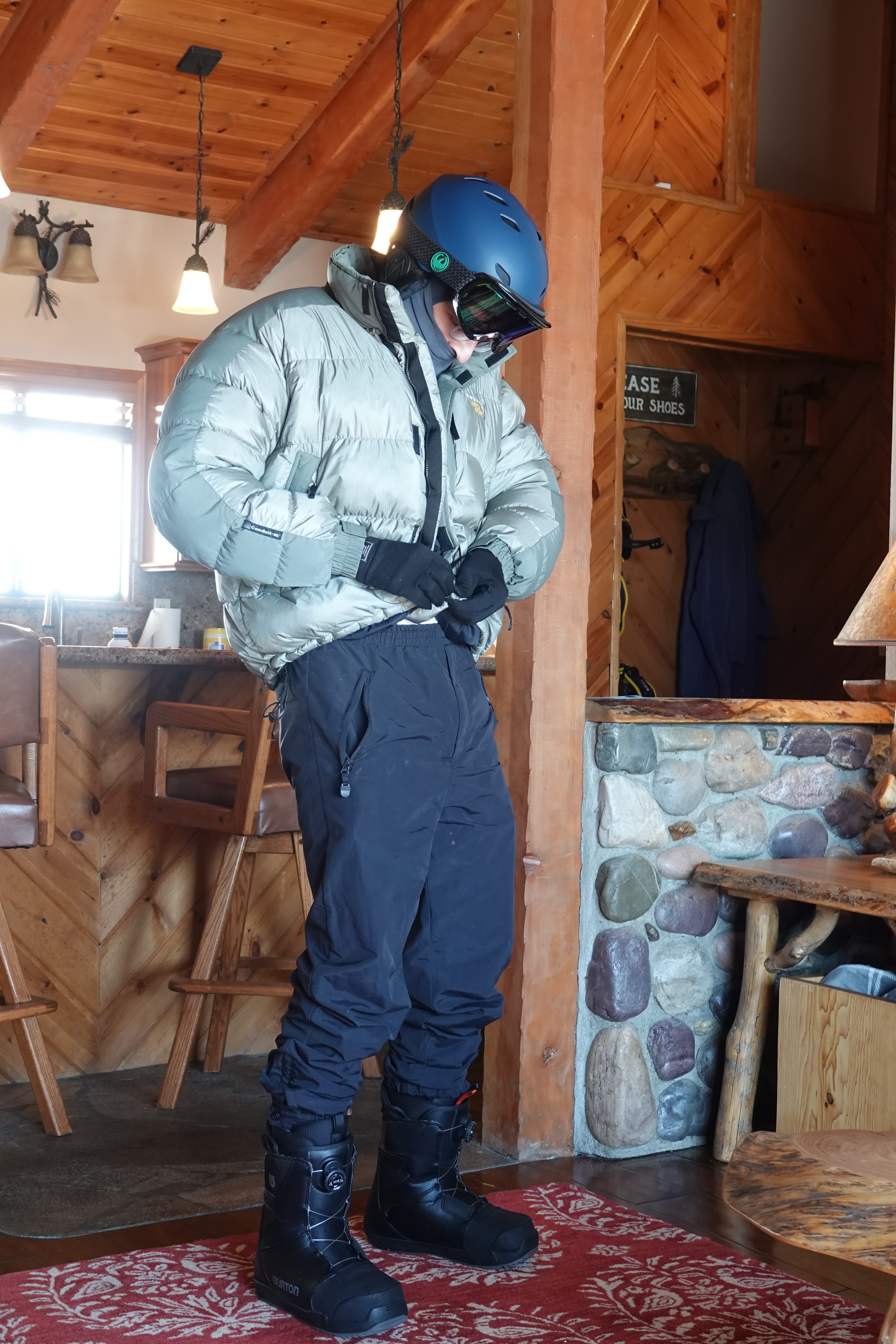
Gearing up.

You can see Mono Lake in the distance where we are going tomorrow.

Cheers to you from Mammoth Lakes in February~

Birds of The Sea of Cortez~

(click/tap to enlarge)

Jacques Cousteau referred to The Sea of Cortez as the world’s aquarium,

which it clearly is,

empty, stunning, and full of wildlife.
The region is also,

home to a huge variety of birds,

including the formidable Harris Hawk,

comical,

peli- cans,

curious grackles,

and stunning,

frigate birds.
Cheers to you from all the birdies in The Sea of Cortez~

Tropical Kingbird & Great Kisskadee~

(click/tap to enlarge)

Two new birds for me! The first five photos are Tropical King Birds.

The Tropical Kingbird identification is a late edition correction provided for me by Teresa Robeson, a brilliant blogging friend @ teresarobeson.wordpress.com

Thank you Teresa! Thrilled you, and your family member, helped identify another new species for me.
She clairified this bird was either a Couch or Tropical Kingbird.
It’s location points to it being a Tropical Kingbird,

a member of the tyrant flycatcher family.

The final three photos are Great Kissdadees also in the tyrant flycatcher family.

Kisskadees are not only beautiful, but bold and will chase away monkeys, raptors and snakes.

Tropical Kingbirds and Kiskadees can be found in Southern Texas, Mexico and Central/South America. Tropical Kingbirds have a similar range but can also be seen in Southern Arizona.

Like most birdies, both species are avid people watchers.

Cheers to you from Mexico and her beauteous birdies~

(Hopefully the identifications are now correct!)

Magdalena Bay~

Click/Tap to enlarge.

Meet Mr. Red Rock Crab. He is quite large! We have been traveling out of wifi and satellite range on the Pacific side of the Baja California Penninsula in Mexico and into The Sea of Cortez through the narrows where the two oceans meet.

This view between the rocks is where The Pacific Ocean meets The Sea of Cortez.

This is a pristine, unpopulated desert ecosystem extending for hundreds of miles, surrounded by oceans that are teeming with wildlife.

This bull sea lion is suspicious and watches me with one eye,

before he relaxes and resumes his nap.

Rare, rarely seen, huge, up to 5000 pounds, and endangered, this Sunfish basks on the surface of the ocean sideways to absorb heat from the sun before he dives deep into the cold ocean to forage. For more click on following link:

https://www.montereybayaquarium.org/animals/animals-a-to-z/ocean-sunfish#:~:text=The%20ocean%20sunfish%20(Mola%20mola)%20looks%20like%20the%20invention%20of,the%20world’s%20heaviest%20bony%20fish.

Dolphin abound and can be seen alone,

or hunting in huge superpods,

that can consist,

of thousands.

This pod surrounded our boat and swam around it for close to an hour.

They were noisy,

slamming their bodies and tails on the surface of the ocean,

to stun the fish,

whom they herd into,

balls and consume.

This spotted box fish is left at peace because he is poisonous.

Even the always ravenous Snowy Egret won’t touch him!

Cheers to you from The Sea of Cortez~

BOO!

(click/tap to enlarge)

To you,

from The Holler,

silent Slytherins,

of the night,

& Happy Halloween!

My best guess creepy crawly identification in order are: Rustic Sphinx Moth, Green Darner Dragonfly, and the rarely seen, mildly venomous, nocturnal California Lyre snake. I welcome any corrections~