

Icelandic waters are teeming with over 300 species of fish, and many marine mammals, but they have only a handful of terrestrial wild animals including reindeer, mink and arctic fox, and 85 species of birds.
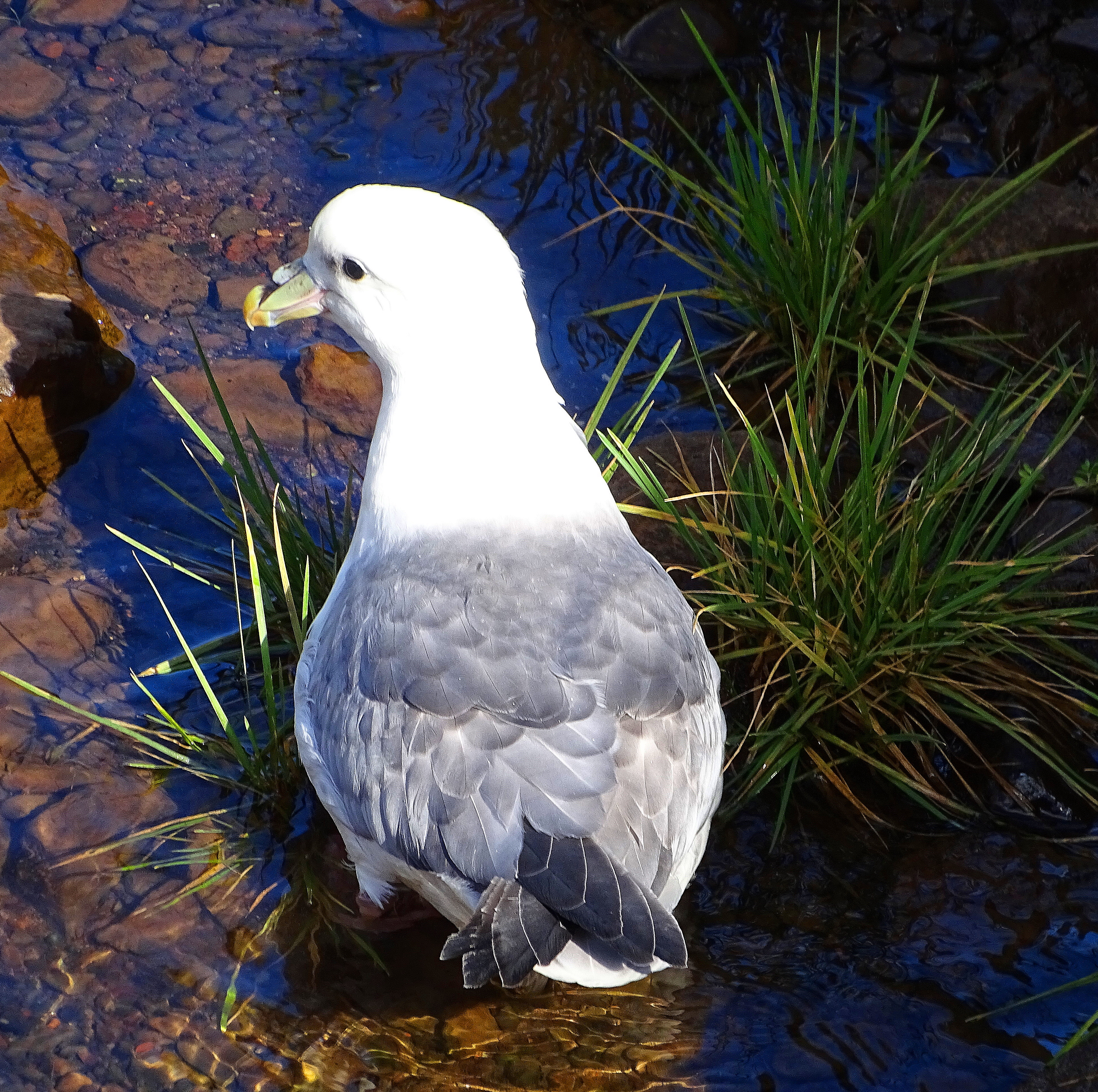
The Northern Fulmar is a pelagic bird, meaning they spend their lives at sea, and are capable of diving several meters in pursuit of prey.
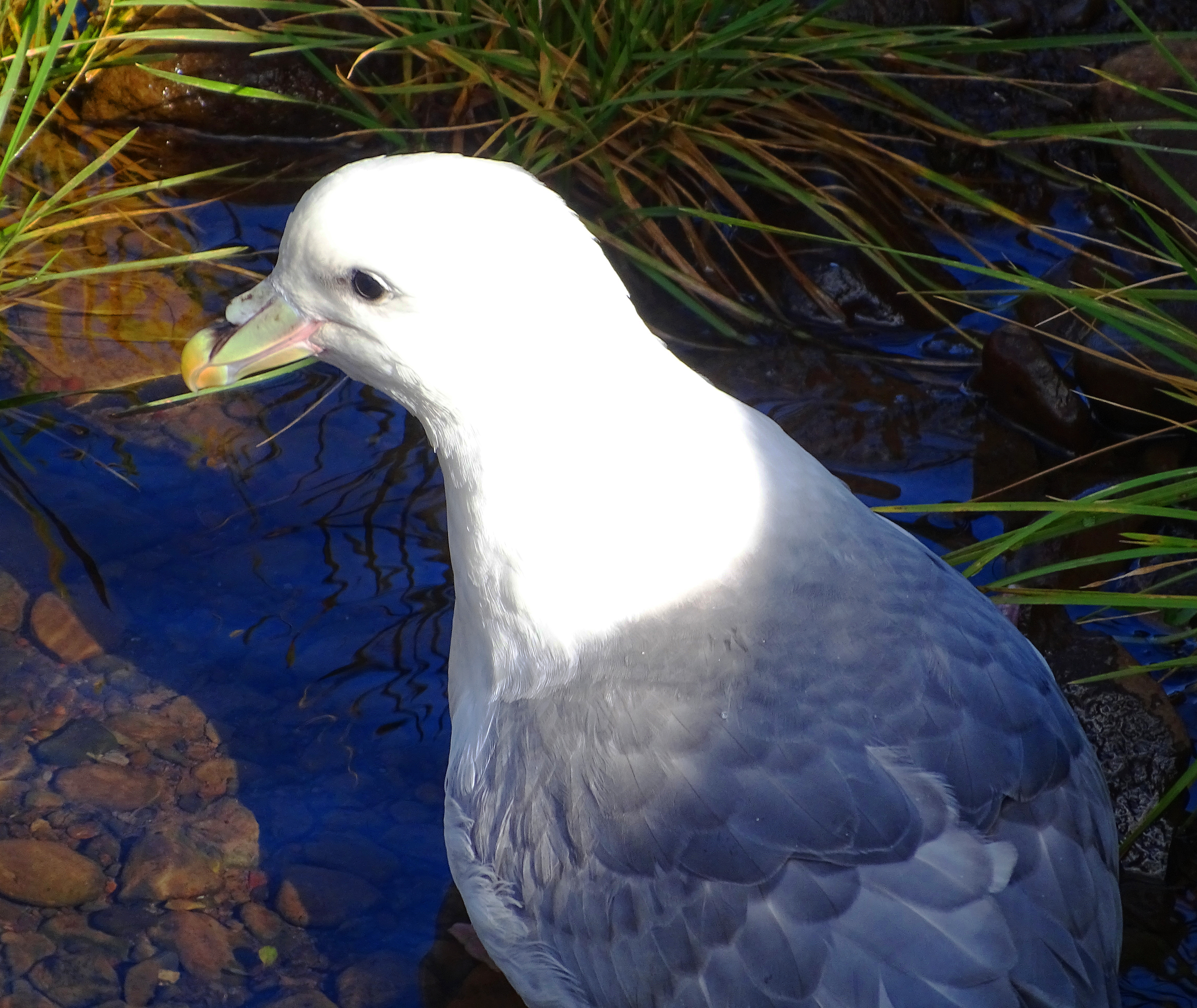
They resemble albatross, and have tubular beaks for processing sea water like other pelagic birds, including albatross and petrels.
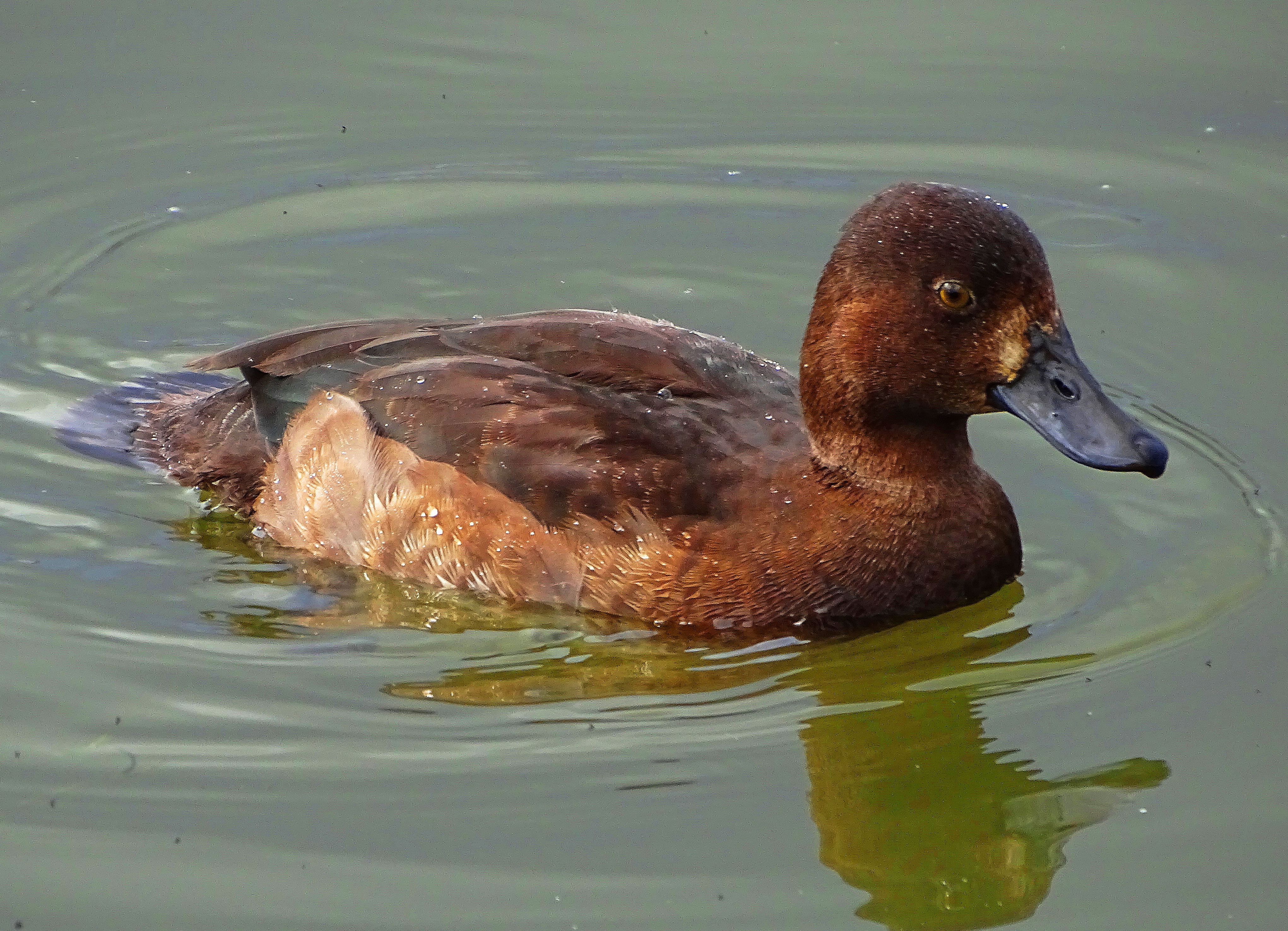
Very handsome Tufted Ducks are common breeders all over Iceland. This is a female.
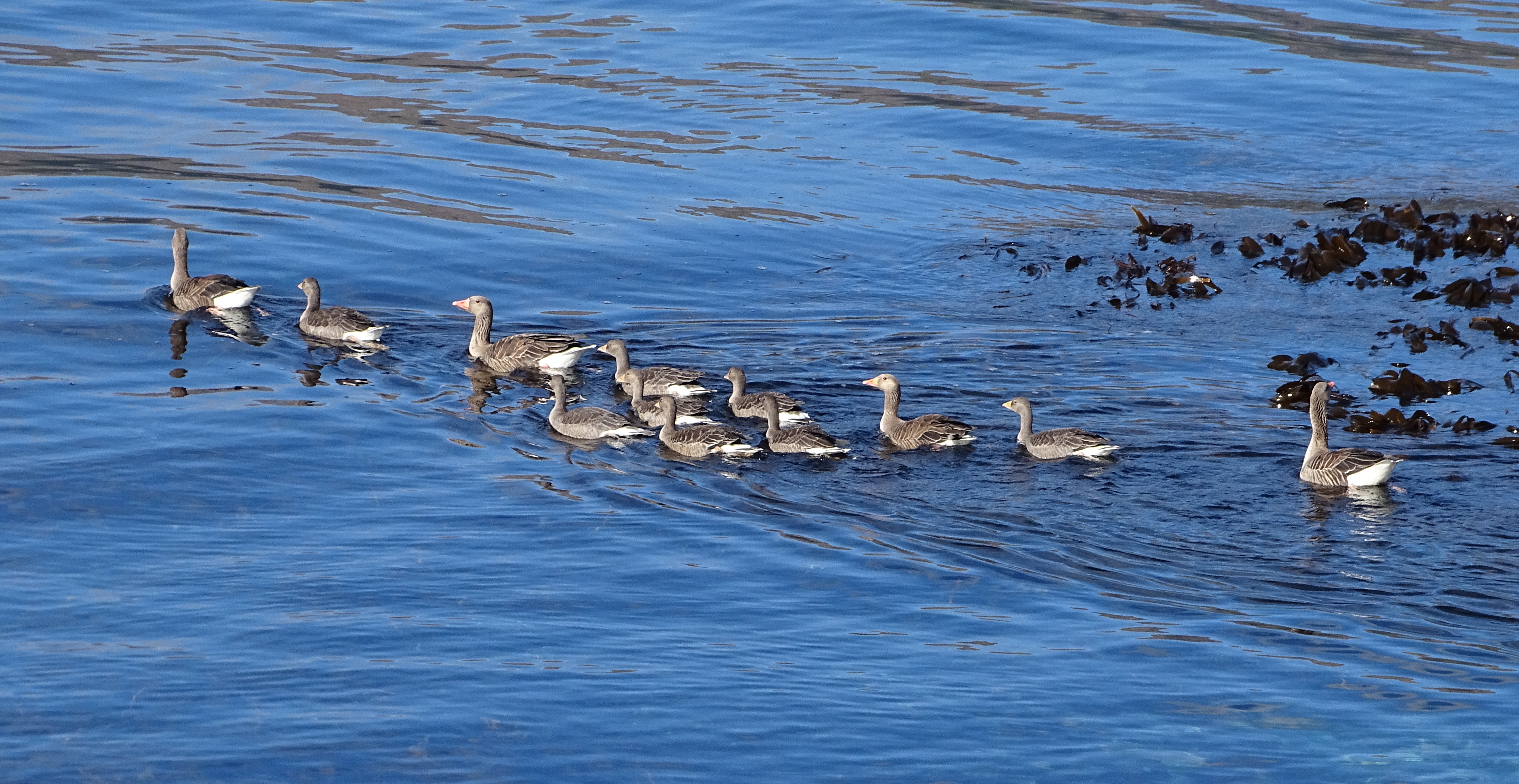
Ocean swimming Greylag Geese breed in Iceland, Finland and Scandinavia, and winter in the British Isles.
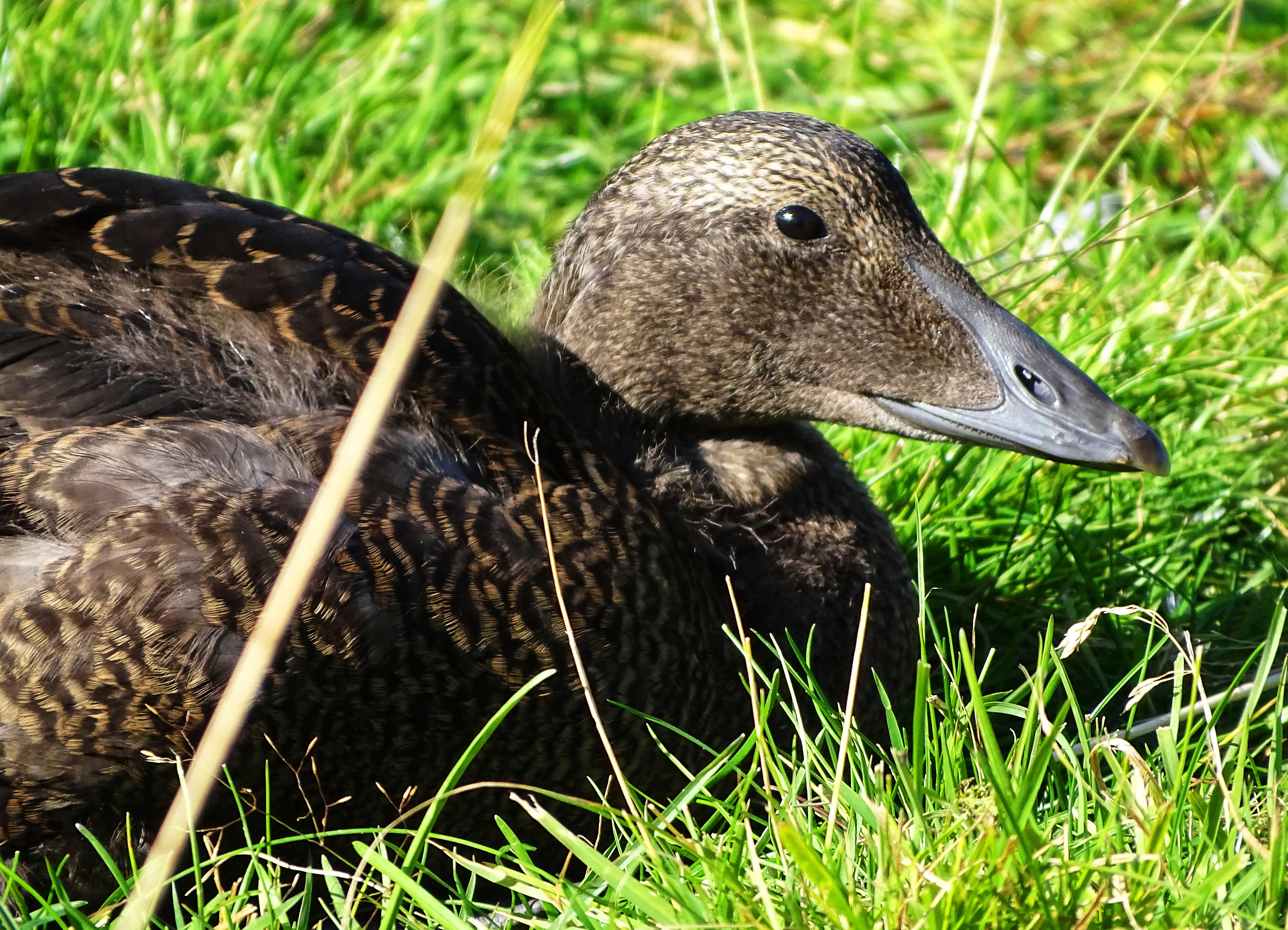
The Northern Common Sea Eider is the producer of eider-down which is harvested in Iceland by special eider farmers.
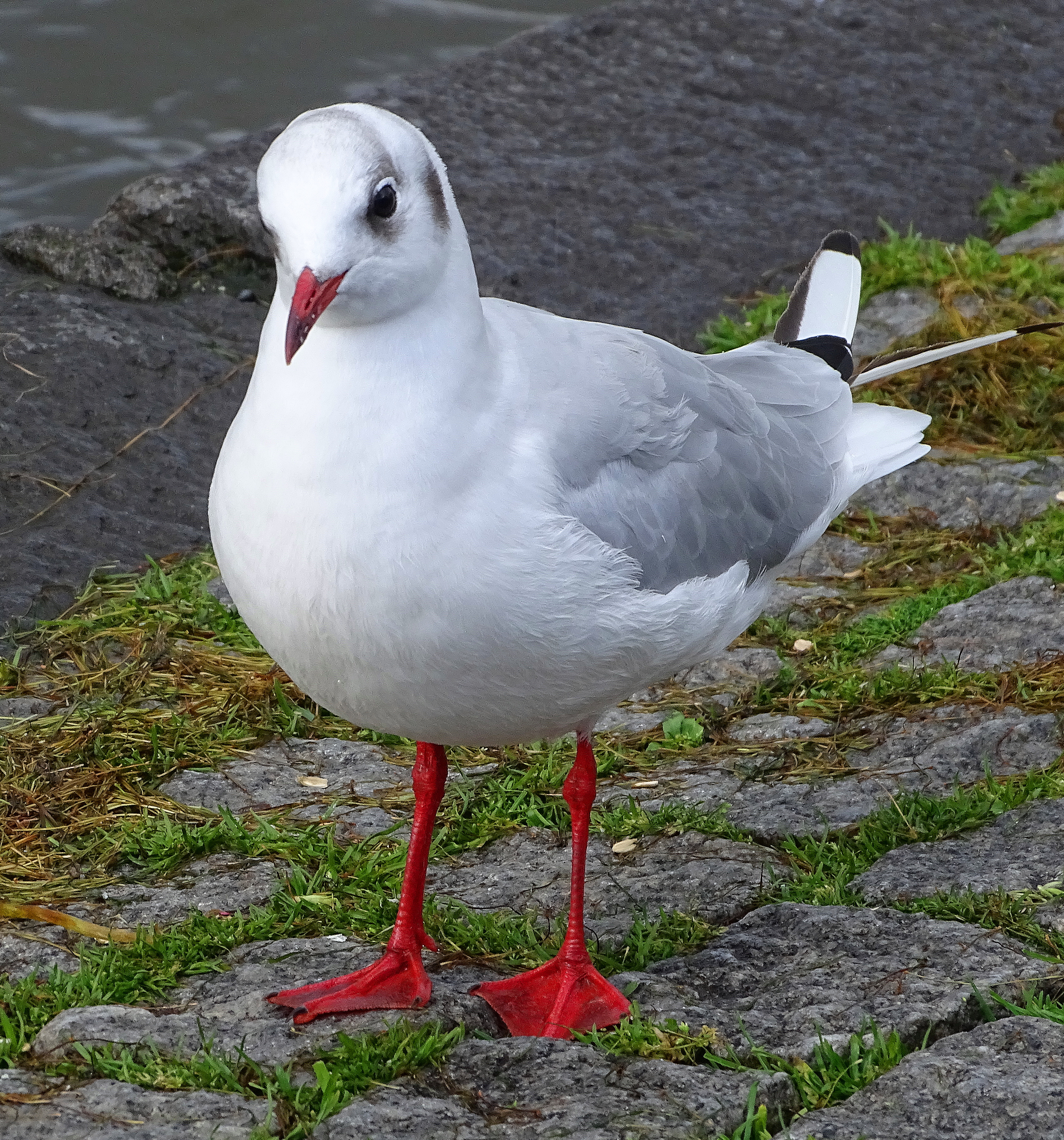
Black Headed Gulls are common in Iceland.
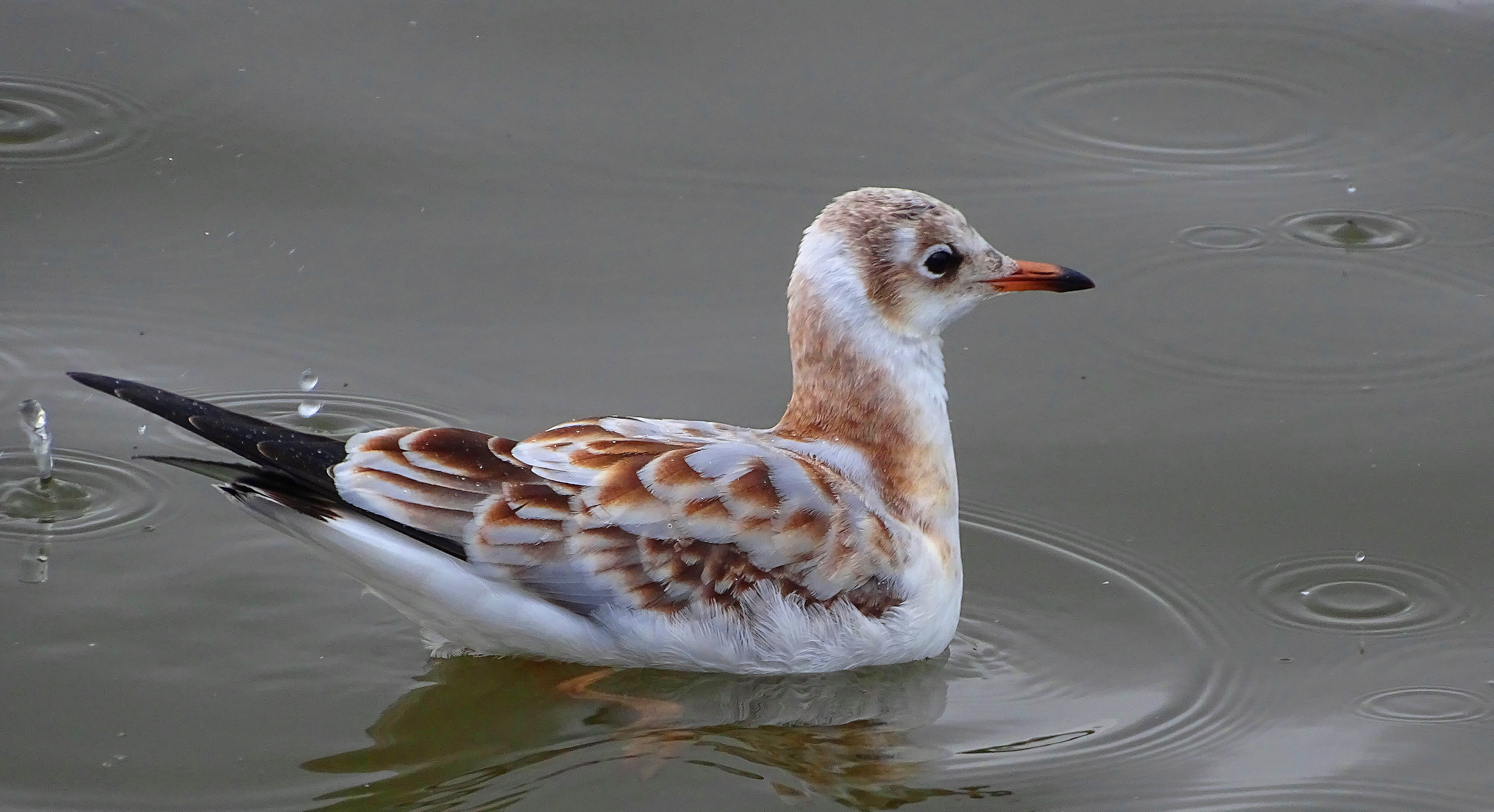
This one is a juvenile.
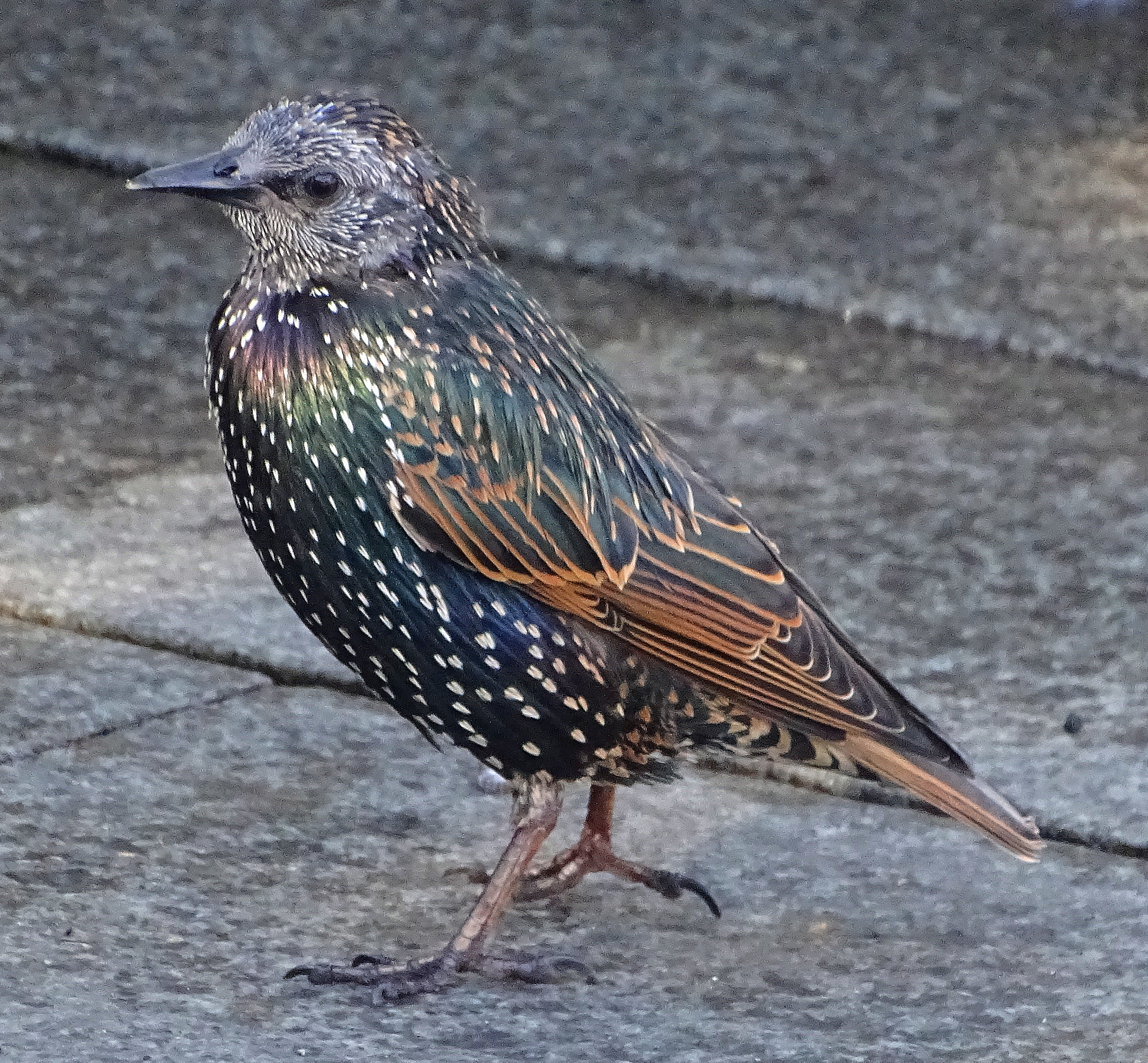
Adaptable Starlings first settled in Iceland in the 1940’s, and now can be seen nesting in Akureyri and Reykjavik.
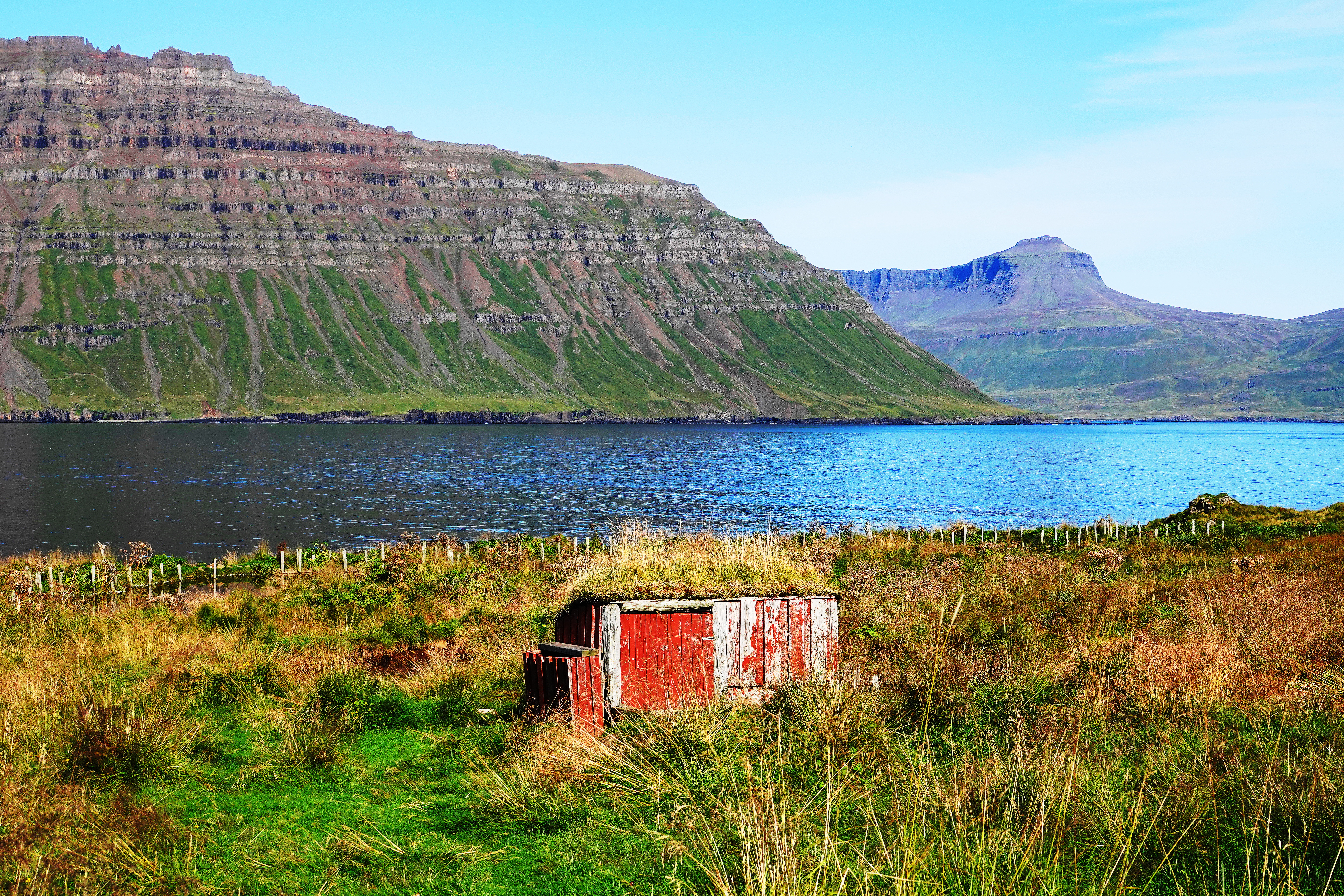
Cheers to you from beautiful Iceland and her very hardy birds~
Share this:

Discover more from Cindy Knoke
Subscribe to get the latest posts sent to your email.
That Silver Gull and the Fulmar are lovely! I’ve been hoping to see an Eider one day. You saw a lovely variety there.
Yes, my first sighting too and I saw several. This one was a still partially molting juvenile.
Gorgeous scenery and great bird shots, Cindy. This place looks amazing!
I expect you, and your hubby, might be going soon! 😉
Such beautiful birds and scenery. Thanks for sharing them. 🙂
Thank you more for your thoughtful appreciation Lynette~
Cheers Cindy you’ve captured such bright days and yes the birds are delightful 🤓 sending you joy ~ smiles Hedy
Thank you for sending me smiles Hedy and I love your name!
Beautiful landscape and birds. Did you try putrified shark or skate while you were there?
No I did not. I definitely have my limits! Laughing…. The fish was ethereal though.
Iceland is so beautiful in many ways.
It is indeed!
Thank you for introducing me to Adaptable Starlings and so many wonders in exotic locales like Iceland. You open up a window into our lovely world with its magnificent inhabitants.
much love, Linda
Thank you sweet friend and love back to you! Hope all is going well with you~ <3
They all look so peaceful. Beautiful country. ❤️
It is a gorgeous and rugged place.
Wonderful series of images, Cindy.
That Tufted Duck looks just like our Hardhead, only different coloured eyes (that I can see).
Beautiful shot of the Starling – so sharp in focus and great light showing off its feather pattern and colour.
Ducks are amazing because there are so many of them, they are so personable, and most male ducks are just outrageously beautiful. But this female Tufted held her own in the beauty department. The starlings in Iceland just surprised the heck out of me. When I was young, a Starling actually scared me, when it flew into my bedroom. I was quite surprised, and pretty amazed, this plucky bird actually pulled-off relocating to Iceland.
Beautiful!
Takk fyrir!
You captured the beauty and serenity beautifully!
You are very kind. Thank you.
Thank you for sharing your pleasures with your wonderful photographs.
Thank you so much more for your kind appreciation.
Beautiful.
Thank you! <3
I have changed over the last few years. I love birds. Thank you for the wonderful photographs and for sharing the information about the various wildlife. It’s amazing stuff you post.
This makes me very happy, because birds actually like you back, and are very interested in you, albeit quite scared of you too. In this way, birds are much like us. Thank you so much for sharing such wonderful thoughts.
This place is for the birds! Why are we fighting? Watch bird instead!!
Exactly! Let’s just go look at birds together. Everyone might just discover that they not only like birds, but also each other. <3
Oh, Cindy, I’ve missed your incredible pictures this busy summer. Flying out early tomorrow to Japan for 12 days. I hope I capture moments as fadcinating as these. Love, Sonali xx
You will capture amazing things, and I can’t wait to see! Cheers & all the very best to you <3
I’m guessing the Silver Gull heard Iceland was the place to be 😊 Beautiful birds!!
Birds are super smart that way. They always go where people say they never are.
I might have to try that lol
🙂
It is amazing to see that starlings have invaded that part of the world too! They must rate among the most ubiquitous birds outside of their original range. SUCH beautiful photographs!
I know. I was really impressed with the starlings. I can’t imagine how they survive the winter, but they are supremely adaptable birdies. I will never forget Africa’s various stunning starlings. Thank you for your kind words.
The Iceland gull and that beautiful starling your images are always just spectacular, Cindy 🙂
Awww, you are very kind to say so, and much appreciated too!
Well Cindy this is like an I-spy challenge as it is 7.15am and I’m drinking tea in Reykjavik while waiting to go on a tour South. I’ll see which ones I can tick off my list….
Oh how exciting!!! I cannot wait to see what you find! Have a wonderful time.
Stunning photos as usual. Interesting to see both familiar birds (starling) and less familiar ones (Icelanic gull) here.
Yes, the starling really threw me, and I looked up the explanation as soon as I returned to my hotel and computer. Amazing little birds aren’t they!
They are very versatile birds, I’m quite of fan of them!
So glad to hear it!
Lovely photos. I love the soft fold of their feathers that make up their patterns and their beauty. Your photos instil an appreciation for our feathered friends.
Awwww, that makes me very happy. Thank you!
These birds are cute. 🙂
They like you too Ranu <3
Very Nice! Interesting birds and ducks (ok, ducks are also bird). The northern common sea eider face is a bit funny. I have not associated down to any real faces before. Now I do 🙂
Now every time you fall asleep on an eider-down pillow you will think of this mama bird who lined her nest with her own feathers so her ducklings and you would sleep well at night.
So much interest – Silver Gull seems to be looking at you with a big question! Your usual high standard of images
Thank you! I grew up by the ocean, surrounded by gulls and seabirds, but gulls are the most puzzling birds for me to correctly identify. First off, they defy regions, and are often where they are not supposed to be, and secondly, there are so many subtypes with such subtle differences between them, that it is easy to mix them up. I am not certain of my identification of either of these gulls, but I did my best. If they are some different subtype, I hope someone more knowledgeable tells us all!
Well you are certainly knowledgeable yourself. The more we know the more there is to know!
Very true!
Wonderful as ever
Very kind of you & much appreciated too!
I can’t believe European starlings can survive in Iceland’s harsh climate! Do they migrate during the winter? If so, I wonder how they learned when and where to fly to? We tend to put down common animals, but the adaptability of creatures like starlings and house sparrows is quite remarkable.
I also wonder how land-based animals made it to Iceland, given the fact that it’s an island. Perhaps they walked along ice sheets during Earth’s frozen past?
Well the land based animals are mink (imported) rats and mice (stowaways) reindeer and rabbits brought in, foxes may have been stowaways too, I don’t know, or as you say they could have floated or walked over on pack ice. There are unique species of foxes on California’s Channel islands that got there somehow and evolved in isolation too. Polar Bears occasionally swim to Iceland and are routinely shot for their trouble, which I know you and I both feel the same about. I agree with you, the starlings are just amazing. Maybe they got upset by WWII and relocated to a quieter place, or maybe they got blown there in a storm, but I agree with you, the fact that they survive and set up breeding colonies in Iceland, is just proof of their adaptability and hardiness. People often devalue highly adaptable and successful animals and birds, but I don’t.
So many beautiful birds! Thanks so much for sharing your fantastic photographs, Cindy.
Thank you for appreciating them & cheers to you Jill!
Starlings in Iceland – perhaps their lifestyle of safety in numbers helps them adapt!
Who knows, but it is remarkable isn’t it!
Beautiful looking birds Cindy. Thanks for sharing
Thank you for appreciating! <3
Reblogged this on Musings on Life & Experience and commented:
Beautiful pictures of birds in Iceland from Cindy Knoke.
Thank you sweet friend <3
Very nIcelandic birds, need look no feather. LOL! Have a lovely weekend, my friend.
⤴︎ (ง ˃̶͈̀ᗨ˂̶͈́)۶ ⤴︎ *✰✰✰✰✰
Feather friends are all weather friends! Cheers to you my friend and Happy Sunday ⤴︎ (ง ˃̶͈̀ᗨ˂̶͈́)۶ ⤴︎ *✰✰✰✰✰
Wow, you have a really nice collection of shots here.
Thanks much & Happy Sunday!
You captured some great photos Cindy, thanks for sharing.
Leslie
I am very happy you enjoyed & cheers to you~
🙂
Each bird is so beautiful. Their sweet faces and lovely feathers as gorgeous. I was amazed to see the Starling. They used to be everywhere, around here, but I don’t see them any longer. Your photographs are truly wonderful. Thank you so much.
When I saw him, I thought, “That can’t be a starling…..In Iceland!” But it was and there were there, hardy, impressive, little peepers!
I love the coloring of the starling. Too bad they’re a nuisance around the world. 🙂
It amazes me they somehow got blown to Iceland, liked the real estate and decided to stay and thrive, despite the harshness of the winters. Maybe they failed to pack a map. They really are adaptable birds. This one kept hiding his head behind leaves, thinking I couldn’t see him, since he couldn’t see me. My cat Herbert does the same thing.
ha, ha!
Pretty birds. Are they there all winter or so they fly somewhere else.?
By the time I arrived in Iceland which was late August the nesting was over, and puffins and many other birds had left. Many birds leave before winter and head south. Some stay year round, many at sea.
thank you.
What a variety of birds.
And I only captured the briefest sampling. I wasn’t there are peak nesting time.
Beautiful. I never get tired of looking at pictures from Iceland. Actually, I mean any pictures from you ! ♥
Awwww, you are a very kind person <3
Fantastic. Thanks for this nice trip to Iceland. <3
Thank you more for joining me.
Did you use a telephoto lens, Cindy? I can’t imagine these beautiful birdies would let you get that close to them — such detail! And not one of them looks dirty, too — imagine that!!
Yes, I use a variable telephoto for birds that is up to 1200mm equivalent. All of these birds except the starling spend lots of time in the water so that might explain their well washed look, although I can’t recall seeing many dirty birds!
Beautiful pics, Cindy. We had Fulmars on the island of Rousay, they used to spit at you if you got too close. Foul smelling it was hard to wash off.
Yes, they are famous for this oily fish gunk they will regurgitate towards you, if get to close. Penguins do this too. How remarkable that you saw this! Although it probably didn’t feel so remarkable at the time! 😉
I’m glad it wasn’t me. My Mum was a district nurse and had to climb down hills to get to some farms, right in the way of fulmars. xxx
Oh she did! I so wish I could have gone with her!!!! She sounds plucky.
She was, Cindy. She had a red mini car to run but, most of the farms on the West side of the island had roads only fit for tractors. lol
Oh my! She was four wheeling in a mini! She must have been a formidable nurse. After going through such travail to reach her patient, the illness would have no chance against her!
Indeed it didn’t Cindy. xxx
<3
Oh, I do enjoy your blogs about birds.
Yay, because I love blogging about them. Cheers to you Rebecca!
Each bird is magnificent and absolutely unique. Such beauty! Thank you for sharing these gorgeous photos, Cindy. 🙂
Thank you more for your kind appreciation!
A pleasure, Cindy. 🙂
<3
Gloriously cobalt blue water in the fulmar photos!
Yes, glacial blue waters and shallow.
Lovely!
Alison
Takk Fyrir!
Tolle wunderschöne Aufnahmen, Cindy. Herzlich Ernst
Ahhhh, deine Freundlichkeit wird sehr geschätzt. Prost und Danke!
I am honored
Beautiful birds. Starling is my favorite.
Oh, I am so pleased you enjoyed the starling, many people don’t like them. Cheers to you Darnell~
Beautiful photos!
Merci beaucoup mon ami!