
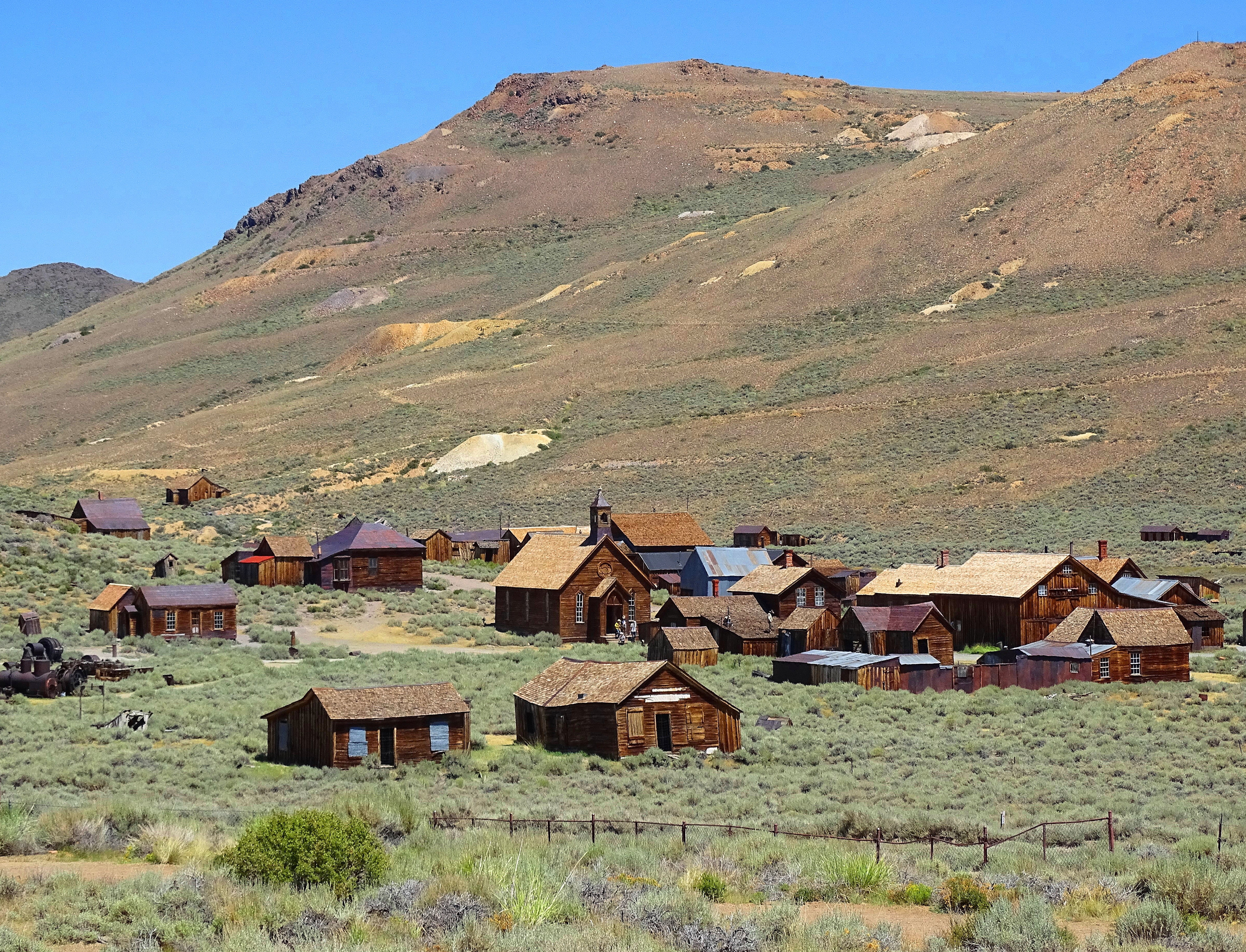
Bodie is a gold rush era ghost town east of the Sierra Nevada Mountains in Mono Lake California. In its heyday it was a wild west era boomtown with shoot outs, bar-room brawls, stage-coach robberies, and murders. Dust and mayhem in the old wild west!
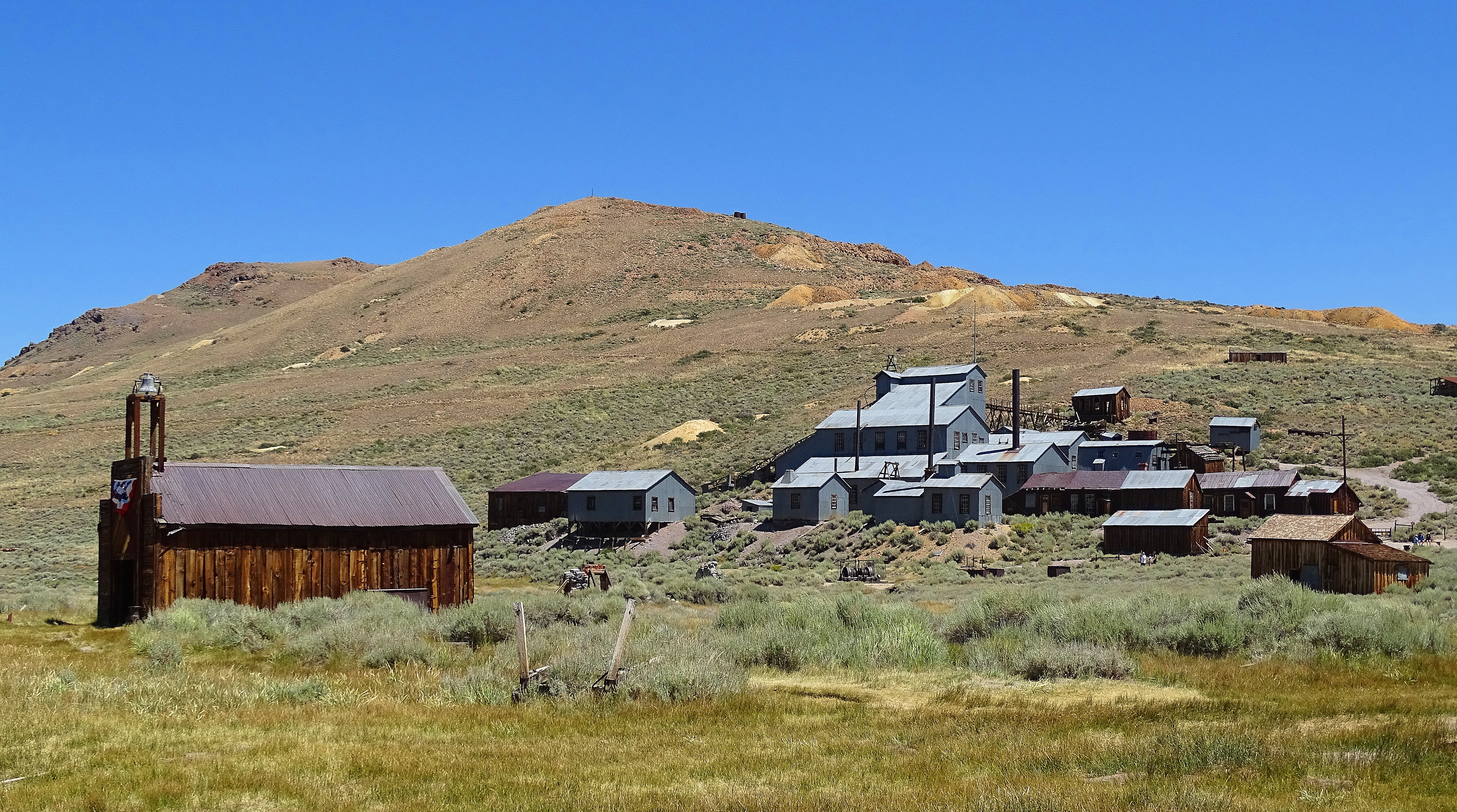
It had a jail, saloons, a red light district, and a morgue, everything you needed in the lawless frontier, just like all those western movies we’ve all watched.
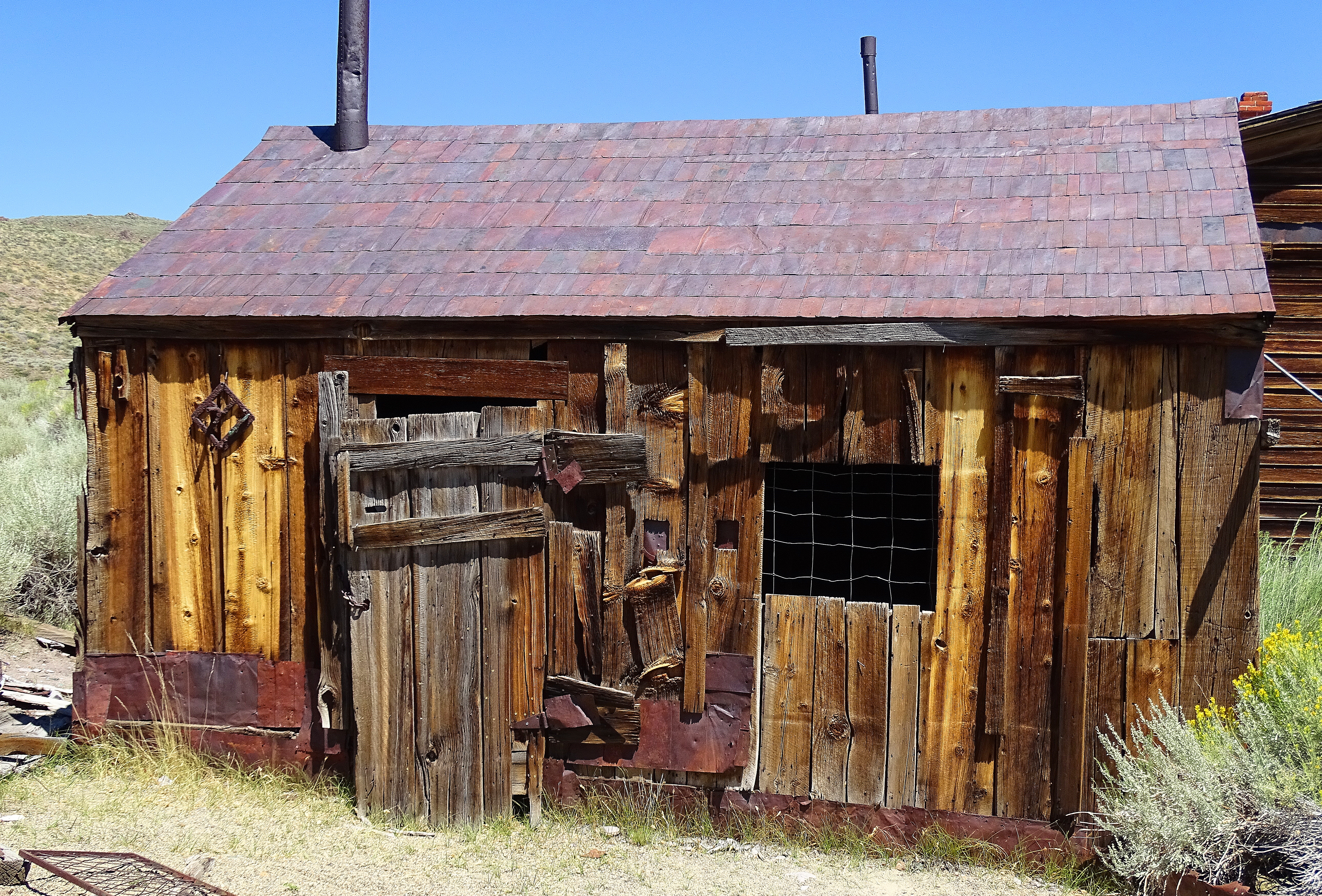
Bodie also had a Chinatown with an opium den and Taoist temple. I don’t remember Taoist temples in the old western movies, do you? I guess this doesn’t quite fit with the six-guns and society ethos of those movies.
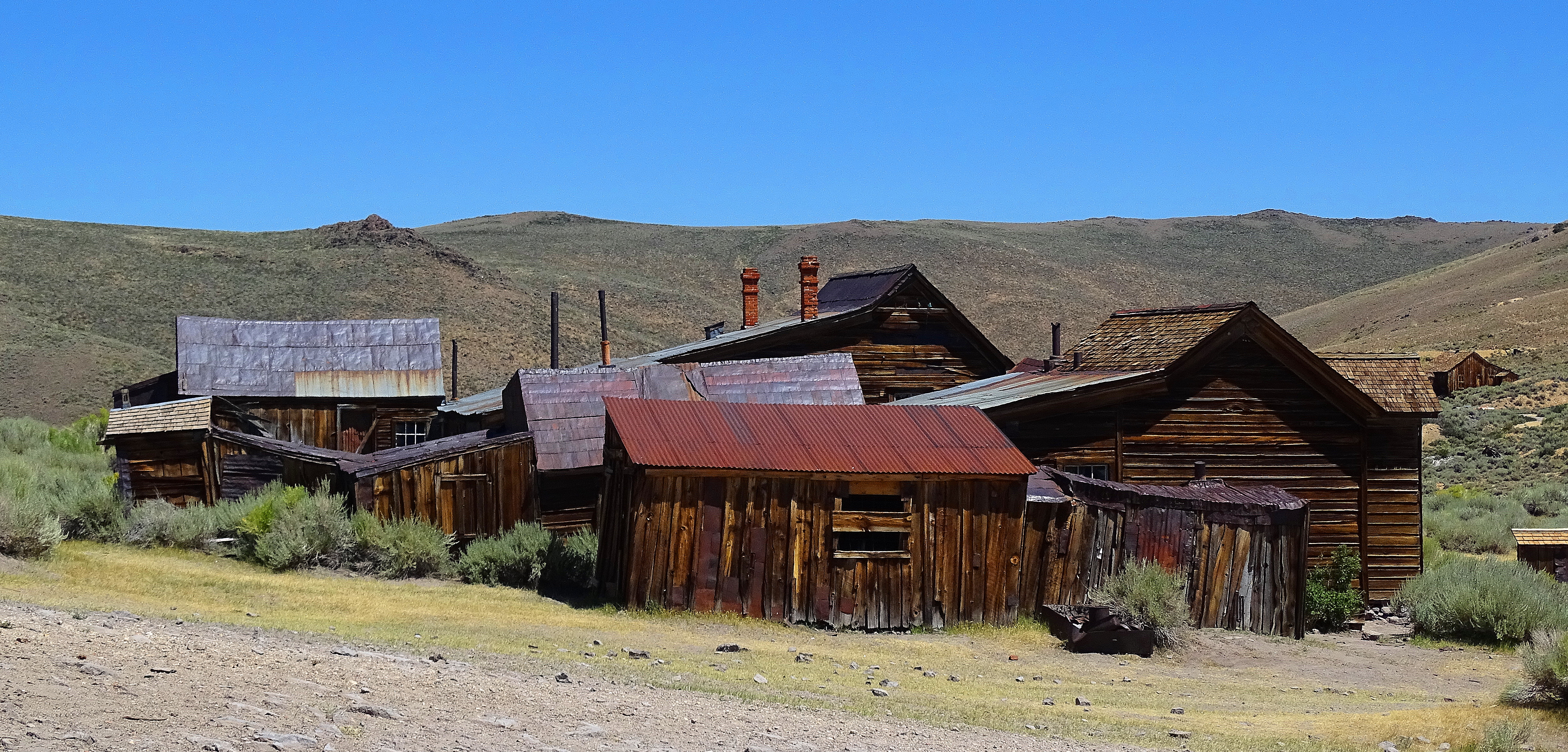
There was a Catholic and Methodist church, to counteract the lawless ways of the frontier, no doubt.
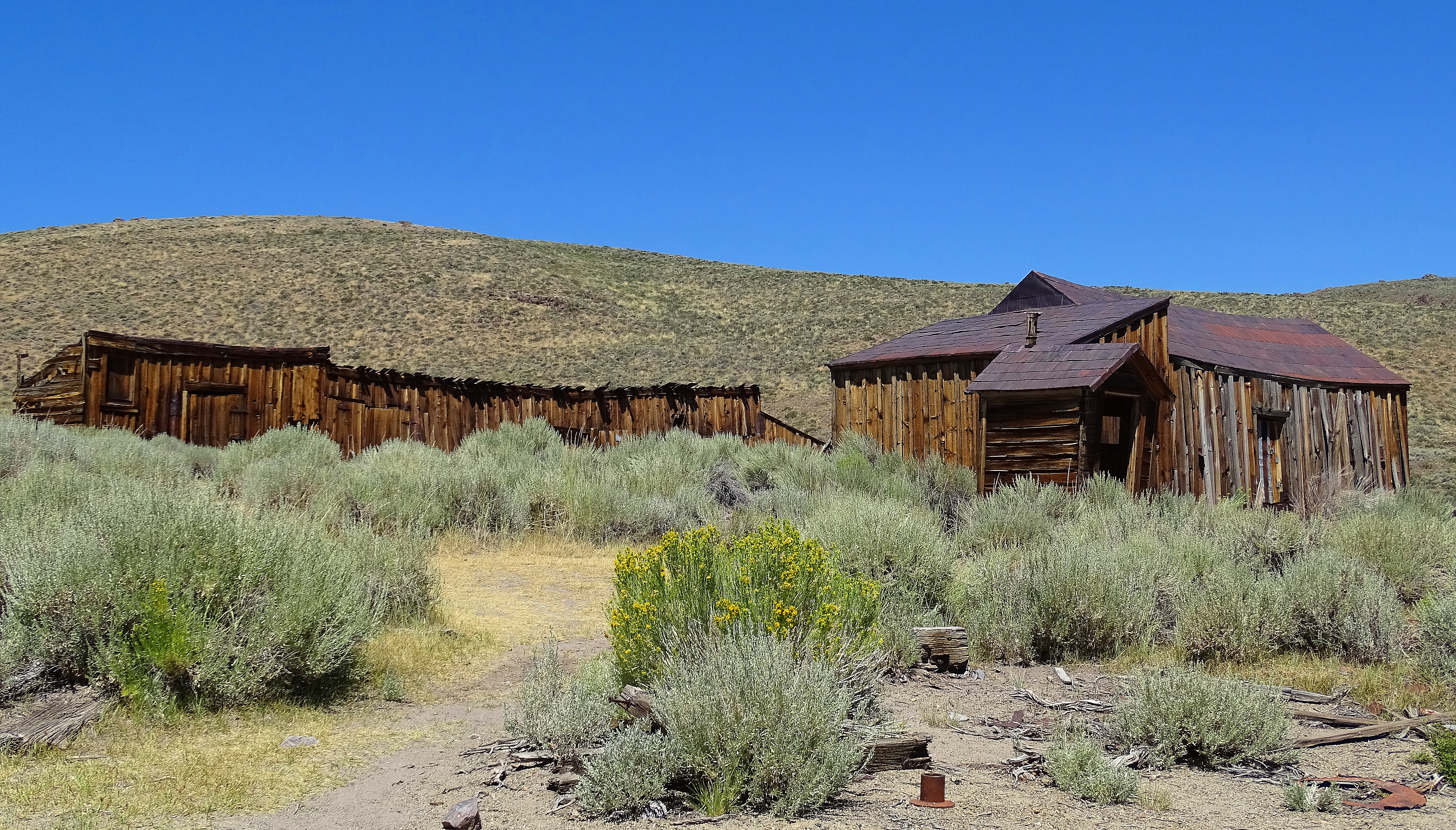
Bodie was founded in 1859 and at its peak it had a population of almost 10,000 people and around 2000 buildings.
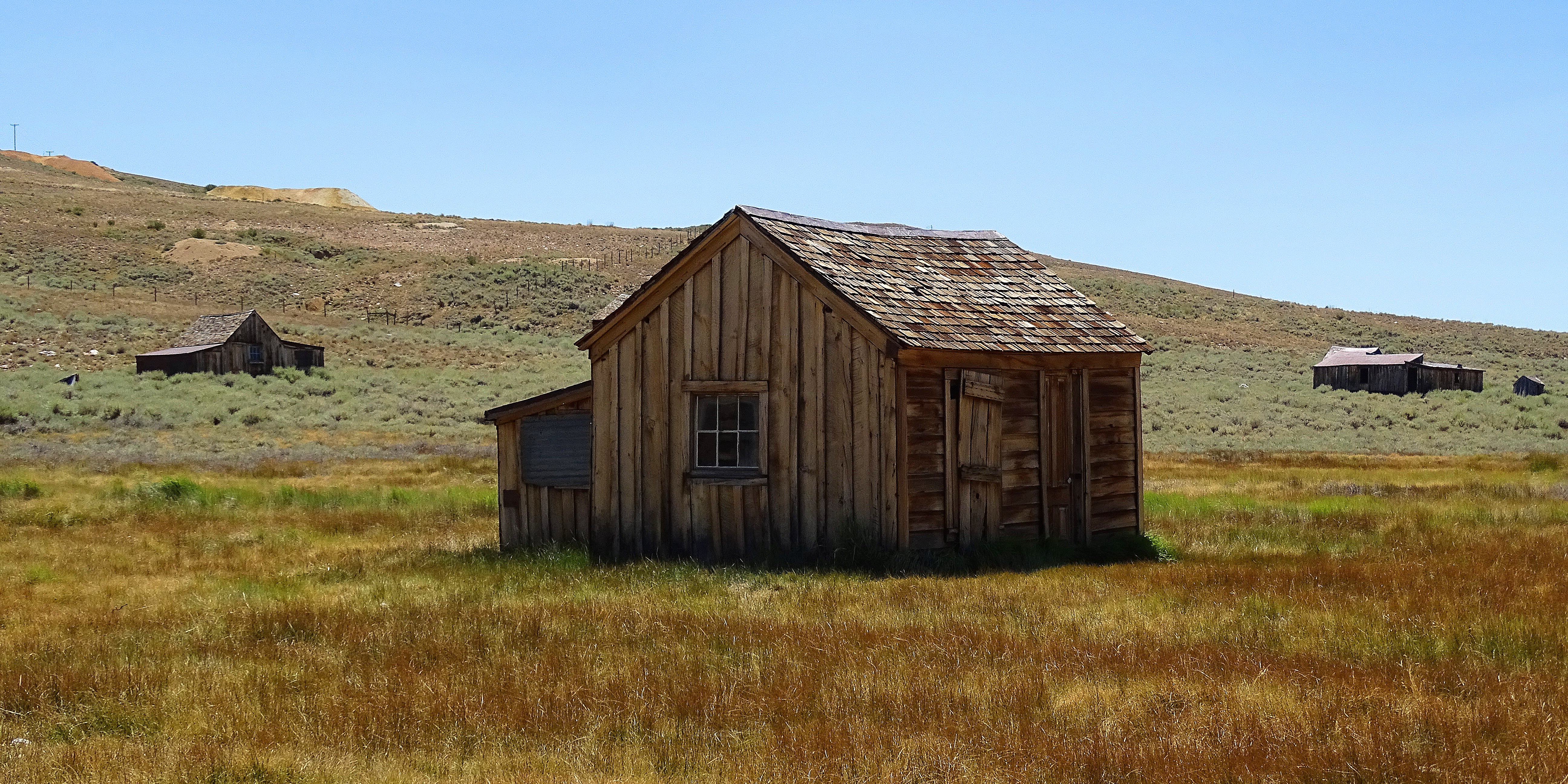
It began to decline as a boomtown in the 1890’s, and became more of a family oriented frontier community.

There was a doctor’s house, a town hall, a couple of hotels, a barber shop and a schoolhouse, and I would imagine much less murder, mayhem, and general excitement.
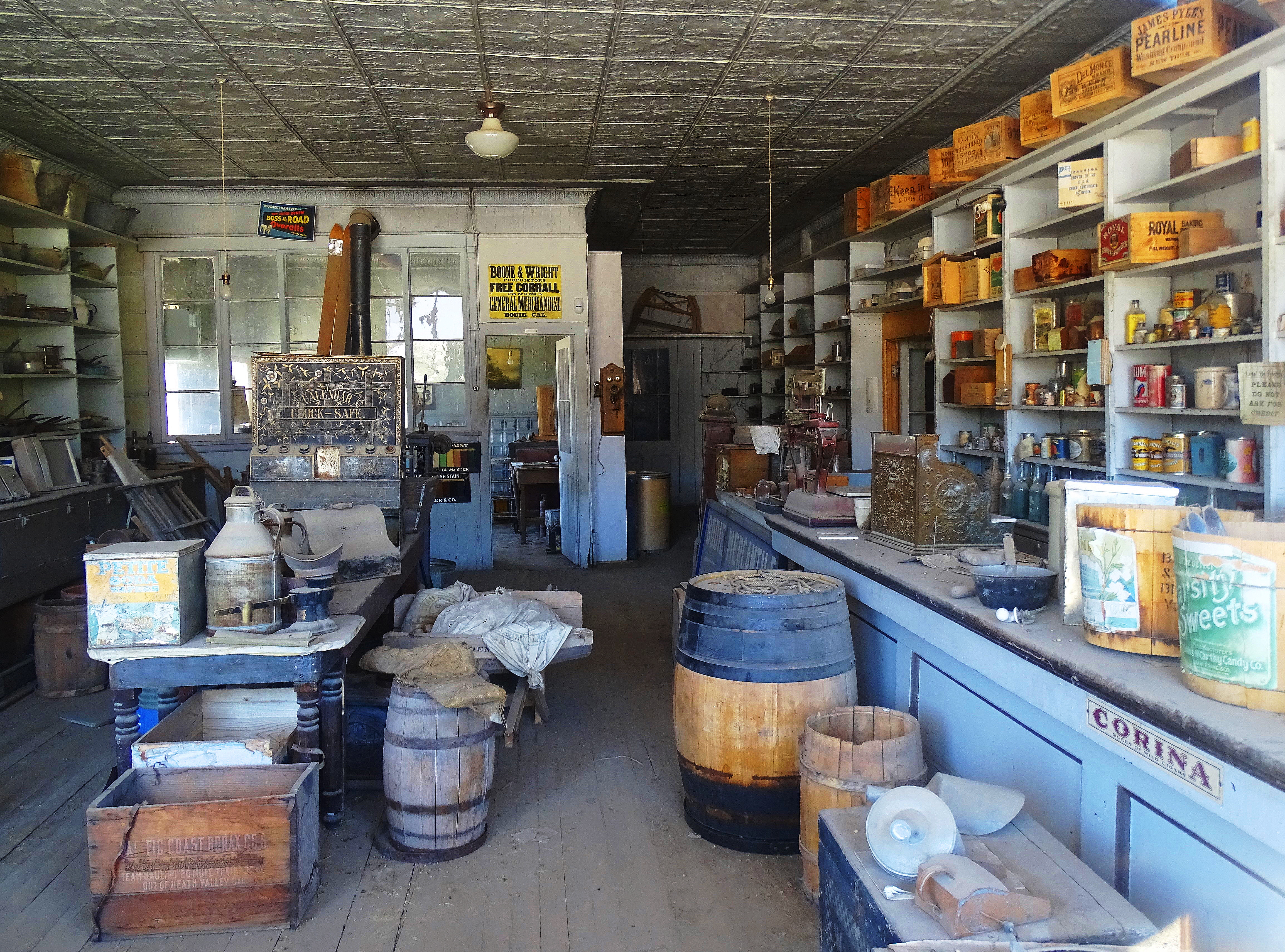
By 1910 there were 688 people living in Bodie, and by 1915 people started referring to it as a ghost town even though it was inhabited by a few hangers-on until around 1942.
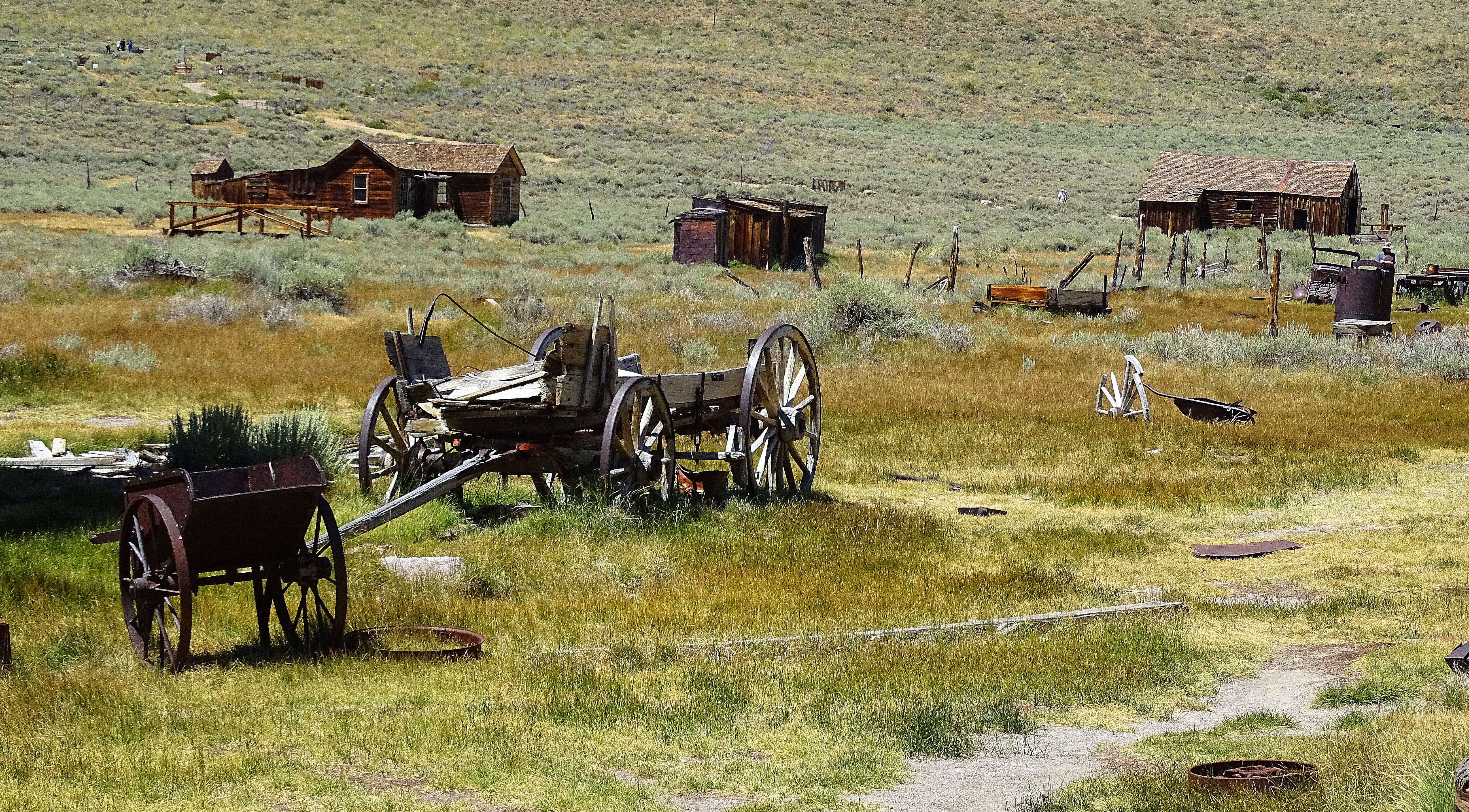
Bodie is now designated as a protected state historical park and is maintained but not improved.
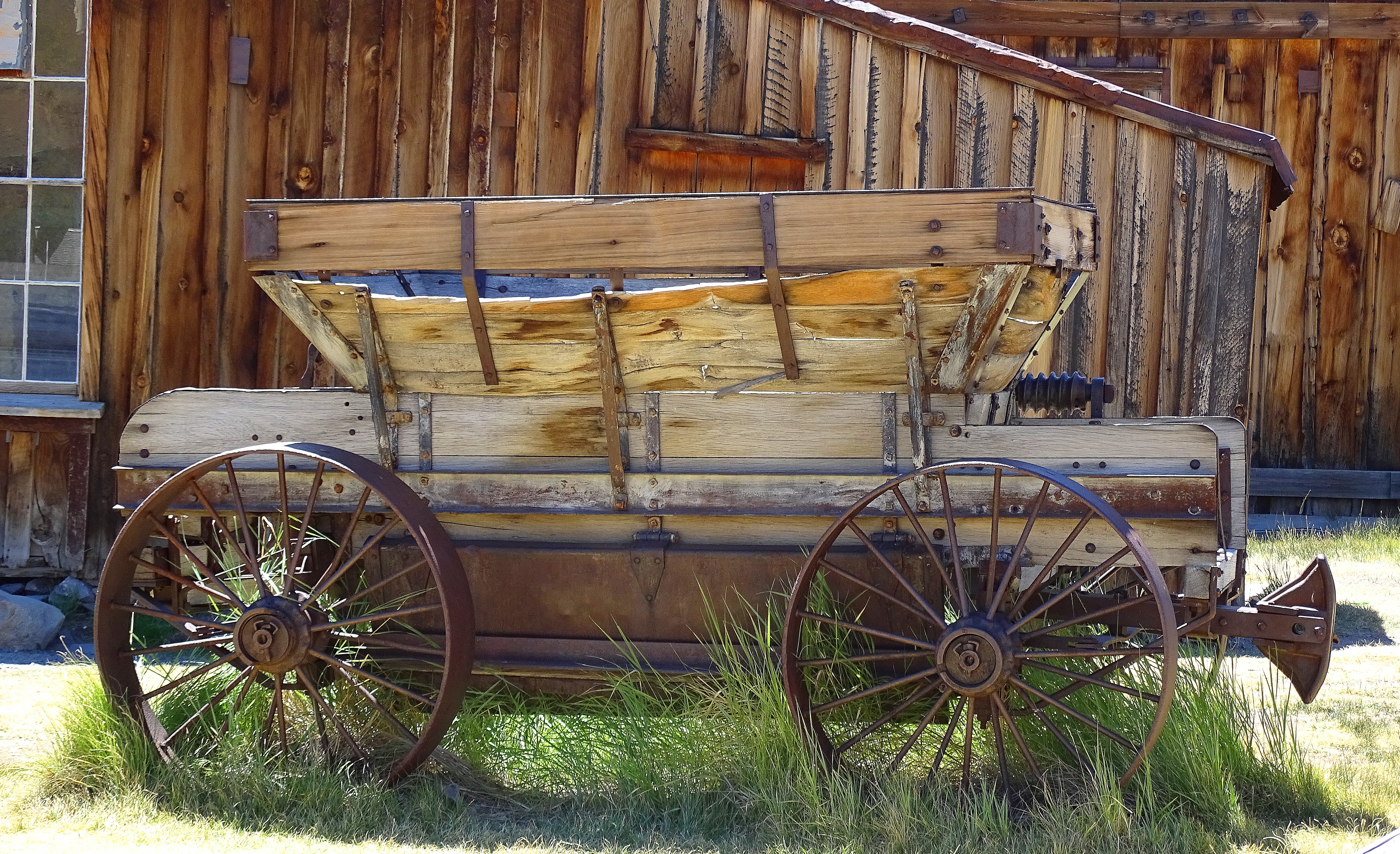
We encountered several wild west ghost towns in the Eastern Sierra, some we found while hiking which were completely unexpected and quite a surprise. Each of them gives you the wonderfully eerie feeling of walking back in dusty time.
Cheers to you from the living ghosts of the old wild west~
Share this:

Discover more from Cindy Knoke
Subscribe to get the latest posts sent to your email.
Ghostly, but fascinating. I would work there too 😉
We could volunteer for a week. I wonder if they would let us? I imagine there are lots of critters as well as the ghosts we could talk to! 👻
Yes, the critters might come over, and the ghosts probably reside there permanently 🙂 Great place!
<3 👻
Really a trip back in time Cindy, thank you for sharing your trip 🙂
Thank you more for coming with me!
Always Cindy 🙂
<3
oh what a beautiful pictures: I adore the landscape
thank you for good share
Kisses
Thank you more for such a lovely comment and cheers to you!
oh very welcome Cindy
Kisses
Hugs back to you~ <3
Reblogged this on Smorgasbord – Variety is the spice of life and commented:
It is time to step through the lens with Cindy Knoke and this time it is into the past. We visited a ghost town once… there is this eerie sense that someone is watching you…. what stories these buildings could tell.. great photographs as always.. Please head over and explore…..
Thank you for your kindness Sally. You are so appreciated my friend. How interesting that you had that sense! Maybe someone was! 👻 👻 👻
Hello
This is just fantastic ! I love it 😀
I am honored that you do and thank you too! 👻 👻
Makes you wonder how these places have withstood the test of time . . .
This place is isolated out in the middle of nowhere which probably helped significantly~
Cindy you certainly get to see so many fascinating places. This is incredible, thanks for sharing. 🙂
Thank you more for appreciating the 👻town!
🙂
Loved this post, Cindy – great pics – very evocative!
How kind! Thanks so much & have a wonderful week~
Fascinating history and excellent photos
I am honored thank you & cheers too! 👻
Pingback: Ghost Towns of the Wild West~ | GrannyMoon's Morning Feast
Yeah to the Wild West! So atmospheric and tickled by the idea of a Taoist temple.
The Toaist temple is wonderful isn’t it! This was a diverse and multi-cultural wild west boomtown. I love this too~
Enjoyed reading and seeing the wild west. Interesting that there was some 10,000 people back in the day.
Yes, and then just a short time later the boom busted and there were only 688!
This is amazing and I first thought how they are still intact. You can just go dust them and start using them, but at last I came to know that they are protected property and are maintained.
Shiva
Yes, thank goodness! If not they probably would be trashed which would be a shame. We need these physical connections with our past~
Very True!
Shiva
👻 👻 👻 <3
Used to visit Calico ghost town when I was young, and went back again a dozen years ago while passing through. Hard to believe people eked a living out of those kinds of environs!
Yes, others have mentioned Calico and I visited it long ago too. They are are memorable places!
So fascinating, excellent captured… 🙂
Honored, thank you!
10,000 people? It’s so difficult to imagine this looking at those clusters of huts.
I didn’t photograph the whole town and there used to be many more buildings. Chinatown and the red light district as just one example are completely gone. Most of the town is gone. What you are seeing in just a portion of what remains.
I was surprised by the inclusion of the Taoist temple.. My, it was a ghostly experience today!
I think it would be interesting to spend the night there!
Wow fascinating!!! Did you feel any presence of ghost while you’re there? haha 🙂
I bet I would have to spend the night to feel that or be in the town alone.
I love history and the old west is one of the best! Great post.
You have to admit it would have been a better post if I had photographed a 👻 from the wild west. Sigh……
My wife took her children there., spending the day. She said they enjoyed it very much. Great pictures.
http://www.misskatecuttables.com/uploads/shopping_cart/9529/med_ghost-set.png
I bet the kids still remember it!
Reblogged this on penpowersong.
👻 hugs to you my friend & cheers too!
Nice post
Thanks!
Very curious they still exist, great images Cindy!
Maybe the 👻 👻 protect the place!
Must be kidding??👻👽💀👹
http://25.media.tumblr.com/fc75e2d8c105a33d4f7b79eac5691258/tumblr_mk726dRAip1qcm5b7o1_400.gif
Your photos and descriptions really stoke the imagination! Opium dens? Maoist temples? Who knew?!?!
Certainly not me! It does make the town, and the wild west, seem far more interesting doesn’t it!
Fabulous town, spreading out.
It has a charming rustic simplicity doesn’t it~
http://montanakids.com/media/gifs/ghosttown.gif
image source: pinterest
Fascinating 👍🏻💖
Merci beaucoup mon ami. Also rescued this comment from the spam-bots!
How exciting these photos are. I’m obsessed with all things Wild West. It almost reminded me of the tiny old mining town I visited up on a cliff in the mountains in Jerome, Arizona, this past winter. 🙂 Oh, and P.S. I found that photo I was telling you about an artist in Arizona who works in bronze sculptures, the Wolf. I’ll try and FB it to you. 🙂
Excellent! Thank you and look forward to seeing it~
I sent it to you on FB. 🙂
Merci beaucoup mon ami! <3
Such fascinating history. I’m glad to hear it’s being maintained. Great photos!
Yes, me too, albeit maintained in a state of disrepair!
http://www.floridaforeclosuredefenselawyersblog.com/abandoned_house.jpg
When we visited Bodie I remember reading a quote from a little girl when her parents said they were moving to that den of iniquity: “Goodbye God. We’re mobile to Bodie!”
Yes, I read this somewhere too. I can imagine how she felt. She was moving from some city or something if I recall correctly….. I bet she ended up in love with the place and the nature around her!
I hope so. If nothing else she was gifted with lots of great story telling material!
Very true!
Cindy, this was very interesting, especially on a personal level. I had a relative in the Canadian Goldrush James “Cariboo” Cameron, who was friends with Billy Barker. Barker was responsible for starting the first town in the area, Barkerville. It is probably our most famous ghost town, while my Great Great Great Uncle felt bad for all the men, women, and children who died in the rough conditions. He built Cameronton Cemetary close to Barkerville. There are some ironic stories about him and burying his wife. I think I promised someone I would write that up one day. Anyway, I just love looking at or visiting old towns and your pictures are awesome!
Wow. I looked up Barkerville. It is extensive and looks fascinating. What an incredible family history and wonderful you know so much about it! I had to look at a map to see where Barkerville is as we are heading to BC in under three weeks and I would visit if I could but it looks to be too far away from where we are going. We are going to Vancouver Island via Seattle to stay up the Knight Inlet and all over the island for about a month. We go back and back to BC and just keep finding more and more things we want to see. I just found out my family, the Barton’s settled all over Canada and Nova Scotia. No wonder I love Canada so much. I wanted to retire on The Sunshine Coast but my husband didn’t want to emigrate. I do hope you write the Barkerville story. I would love to read it!
I love Vancouver Island. We cooked at a kid’s camp one summer for 3 months, right on the coast. Amazing! Enjoy your holiday. I will get to that story!
<3
Thankfully, Cindy, we’ve come a long way since those raw days.
I loved janjoy52’s comment, and hope your reply rings true!
Hope so too and cheers to you!
Stunning! it all looks like a film set!! 🙂
The films has some verisimilitude at least in terms of the sets~
Fun! We took a ghost town vacation one year in Montana it was very interesting. Love your blog!
Wow. I would love to see your photos!
We traveled before digital photos were invented 🙂 We have a farm now and take very few vacations.I really enjoy your blog! Melody
And I enjoy yours. If we ever stop moving, I would love to adopt a couple of donkeys for The Holler!
Wow so cool!
<3
Love the pictures! And the story you tell about the town. Imagine how it must have been when there were still people living there…
You could stay in the hotel and eat in the saloon. It would have been wonderful!
https://d13yacurqjgara.cloudfront.net/users/77283/screenshots/1583058/saloon_1x.jpg
Yes!
A photo is the work of Nicolas Tritz, established in Iowa in 1850 as a blacksmith , he was specialized in famous pioneers sheeted wagons hitched , as manufacturer , repairer of the spoked wheels. In this family , thousands of American families in more than 20 states … Thank you for this. Your daily visits . Bravo for your bottom artitisque work … My compliments .
Very interesting. America has such a rich immigration history. My husband’s family emigrated from Germany to Iowa and many generations of Knokes lived in Iowa. The Bartons from the UK on my paternal side, settled all over Canada, and my maternal relatives from Bulgaria, Germany, and Poland settled in America. My mixed cultural identity mirrors that of most Americans, something to be proud of, something that makes American interesting.
These pictures are impressive.
You are very thoughtful and appreciated Marko. Happy Sunday to you~
When we planned our trip to the Eastern Sierra’s in June, Bodie was on my list. I remember going there as a child, when we camped at Toulomme Meadows. Fortunately, my sister-in-law is a big history buff, especially about ghost towns. We had a great day there. I just finished reading on of the books that I picked up in the museum/gift shop. Future visits will take us to Aurora, etc. I would also like to revisit the gold camps in the western foothills outside of Sacramento… so many future trips.
Oscar
Yes we happened upon Bennetville, another abandoned old mining town on a hike by surprise. This is such incredibly beautiful country. I wish we could have been there when you were, but I’m glad you spent time here & cheers to you Oscar~
Great post! Paints a vivid image of days gone by! Love it! 😃
I am so pleased you do & cheers to you!
Fascinating. Ghost towns and deserted buildings have a certain allure to them.
Yes, the allure of hidden mysteries!
Amazing structures. I’d love to knock, just to see who’s home 😉
That would be exciting, especially at night!
https://s-media-cache-ak0.pinimg.com/564x/2d/4d/f9/2d4df9b74210951f131c93aea66f149c.jpg
What a crazy thing to come upon old ghost towns while hiking! I enjoyed this visit to Bodie, Cindy. I am always intrigued by the history of northern California, centered around the gold rush; and your photos here were a fun adventure for me, thank you.
Of course the towns we stumbled on weren’t as big or as maintained as Bodie, but what was especially surprising was how remote and hidden away they were, way up in the 🗻 🗻!
This is so fascinating. I love Westerns and would be totally hooked to look at all this. I can imagine the stories tucked away in this place. Beautiful.
Ghost towns do get one’s imagination soaring. So pleased you enjoyed Jacqueline and be well my friend~
Thank you Cindy 🙂
<3
I really liked peeking in the windows at the small town and its remains. The little sunny kitchen was pretty and I liked the idea of the doctor’s office and the town’s General Store! Those 10,000 people probably felt the “fever” of gold but then, lost their compass for life. Hope they found a small farm to take care of and raise a family. . . I can imagine a few different “happy endings for those folks.” Thanks, Cindy for your sweet visits and special comments! <3
You have a wonderful ability to put yourself in other places and people Robin. This is a creative and empathetic gift which makes you such a pleasure to have as a friend. Be well and I love your sensitivity~
Hi Cuz,
Back from my NJ trip and found this waiting for me. I love carousing around ghost towns. Used to go visit them when I’d go fishing in Wyoming and Montana. These were little unprotected hidden spots way back in the mountains and there was still a lot of “memorabilia” still laying about in the buildings. They were always fun to explore. Looks like you had a good time. 🙂
They are still there and sometimes walking into the houses is so eerie because it feels like the people left a long time ago but might still be coming back! Hope you had a wonderful trip cuz and glad you stopped by~
Hi Cindy! Fascinating post! Wow! I would love to go there one day. The pictures are magnificent! 😮
I hope you do go and I would love to hear your impressions!
I’m guessing the poor, indentured (and/or enslaved) Chinese workers found what respite they could in their temple, ’cause I can’t imagine there was any elsewhere in the West, at least until some small reforms began to combat the abusive conditions under which they lived, well into the late 19th and early 20th centuries. I’m rather amazed to learn that there *was* such a refuge. Nifty! And I’d love to see some of these ghost towns. Really beautiful, and I never tire of being in places haunted by their past and sensing myself immersed in the streams of history and its people. It was interesting on our Santa Fe trip this summer to go through a number of neo-ghost towns, places that thrived and faded along the old Route 66, in various mining towns, and over the rise and fall of various reservation communities, for example. Lots of towns in both TX and NM that were all but deserted in the middle of a work day, silent and artificial-looking and ineffably melancholy. Which desolation and ruination, as you’d know from my blog, I rather admire and fondly embrace, despite knowing the hardships it may represent. Ah, beautiful rust and rusticity! You took such eloquent shots of it all here!!
xoxo,
Kathryn
What a lovely and thoughtful comment. The discrimination against Chinese laborers in frontier towns, railroad enterprises, mining operations, etc., was hellacious. I was very surprised about the temple and the opium den. It spoke of a level of tolerance I did not know existed. We still need to learn about tolerance don’t we. Sometimes I wonder if we’re capable of learning (yes Donald I am talking to you). I too find abandoned properties, ranches and ghost towns quite moving, both in terms of the sense of the fleeting nature of human life and in terms of the lives these towns and structures left behind.
It has the feeling of an old episode of the Twilight Zone. It looks haunted.
I bet it is and I got the twilight zone vibe too!
http://www.twilightzone.org/images/main/intrface/intro_45.gif
Reblogged this on Art by Rob Goldstein and commented:
This is a great post from Cindy Knoke.
Your thoughtfulness is very much appreciated Robert & cheers to you~
Greeley told America to go west, and some of those who listened may have wound up here. And cursed him for misleading them.
Or thanked him if they find the ore or settled on a successful ranch~
Thank you for your needed uplifting glass half full photographs and writing.
You are most welcome & cheers~